Cracking a skill-specific interview, like one for Athlete Support and Mentorship, requires understanding the nuances of the role. In this blog, we present the questions you’re most likely to encounter, along with insights into how to answer them effectively. Let’s ensure you’re ready to make a strong impression.
Questions Asked in Athlete Support and Mentorship Interview
Q 1. Describe your experience in designing and implementing athlete development programs.
Designing and implementing athlete development programs requires a holistic approach, encompassing physical, mental, and nutritional aspects. My experience involves collaborating with athletes across various disciplines to create bespoke programs aligned with their individual goals and capabilities. This process begins with a comprehensive needs assessment, considering factors like current fitness level, training history, dietary habits, and psychological profile. I then build a structured plan that integrates periodization – carefully planning training intensity and volume over time to optimize performance and prevent burnout – incorporating elements such as strength and conditioning, skill development, recovery strategies, and injury prevention. For example, I worked with a young swimmer who was plateauing in their training. By analyzing their performance data and conducting thorough assessments, we identified weaknesses in their core strength and flexibility. We incorporated targeted strength training and mobility exercises into their program, resulting in a significant improvement in their performance within six months. We continuously monitor progress and make adjustments based on performance data and athlete feedback to ensure the program remains effective and adaptable. This iterative process ensures that the development program evolves alongside the athlete’s growth.
Q 2. How do you identify and address the unique mental health needs of athletes?
Identifying and addressing the unique mental health needs of athletes is crucial for optimal performance and well-being. It starts with creating a safe and trusting environment where athletes feel comfortable sharing their struggles. I utilize active listening and empathy to understand their experiences. I assess for common issues such as anxiety, depression, burnout, and body image concerns using validated screening tools where appropriate. My approach involves a combination of strategies: education about mental health, stress management techniques (mindfulness, breathing exercises), and referral to mental health professionals when necessary. I may also work collaboratively with sports psychologists and other healthcare providers to develop a comprehensive care plan. For example, I supported an athlete struggling with performance anxiety before major competitions. We implemented a gradual desensitization approach using visualization techniques, positive self-talk, and simulated competition environments. This, alongside relaxation exercises, significantly reduced their anxiety levels, ultimately leading to improved performance.
Q 3. Explain your approach to building rapport and trust with athletes.
Building rapport and trust with athletes is foundational to effective mentorship. It involves demonstrating genuine care and empathy for their aspirations, challenges, and personal lives. I strive to establish a collaborative partnership, rather than a hierarchical relationship, where athletes feel respected and valued. Open communication, active listening, and transparency are key. I actively seek their input and feedback throughout the process, making sure they feel heard and understood. Building this relationship takes time and consistent effort, requiring a balance between professional guidance and personal connection. Sharing personal experiences (while maintaining professional boundaries), showing understanding of the pressures they face, and celebrating their successes helps foster trust. I believe in fostering a supportive environment where athletes can be vulnerable and honest without fear of judgment.
Q 4. How would you handle a situation where an athlete is struggling with performance anxiety?
Performance anxiety is a common challenge for athletes. My approach involves a multi-faceted strategy focused on understanding the root cause of the anxiety and implementing tailored coping mechanisms. First, I work with the athlete to identify their specific triggers and anxiety responses. Then, we collaboratively develop strategies to manage the anxiety, including relaxation techniques (deep breathing, progressive muscle relaxation), visualization exercises, positive self-talk, and cognitive restructuring (challenging negative thoughts). Depending on the severity, I may also recommend professional help from a sports psychologist or therapist. Moreover, I may adjust their training plan, reducing the pressure during particularly stressful periods and focusing on building confidence through achievable goals. For instance, I worked with a gymnast who suffered extreme performance anxiety before routines. By incorporating visualization and mental rehearsal into her training, and gradually increasing the pressure in practice, she gained confidence, reducing her anxiety and improving her performance.
Q 5. Describe your experience in providing nutritional guidance to athletes.
Providing nutritional guidance to athletes requires a deep understanding of the relationship between nutrition and athletic performance. My experience involves collaborating with registered dietitians and sports nutritionists to create personalized nutrition plans that support athletes’ training needs, recovery, and overall health. These plans consider factors such as energy demands, macronutrient requirements (carbohydrates, proteins, fats), hydration needs, and individual dietary preferences and restrictions. I emphasize the importance of consuming a balanced diet, appropriate timing of meals around training sessions, and the use of nutritional strategies to optimize performance and recovery. For example, I work with endurance athletes to create carbohydrate-loading plans to maximize glycogen stores before endurance events. I also educate athletes on the importance of proper hydration, the role of protein in muscle repair, and the potential benefits of specific supplements (always under the guidance of a qualified professional).
Q 6. How do you tailor training programs to accommodate individual athlete differences and goals?
Tailoring training programs to individual athlete differences and goals is fundamental to effective coaching. This begins with a thorough assessment of the athlete’s current fitness level, strengths, weaknesses, training history, and specific goals (e.g., improving speed, strength, endurance). This information informs the design of a personalized program that addresses their unique needs and aspirations. The program incorporates periodization, varying training intensity and volume over time to optimize performance and minimize the risk of injury. It considers factors like age, training experience, recovery capacity, and any existing injuries or limitations. For instance, a program for a marathon runner will differ vastly from a program for a weightlifter. For a marathon runner, we might focus on endurance training, while a weightlifter’s program might emphasize strength and power training. Regular monitoring and adjustments are crucial to ensure the program remains effective and aligns with the athlete’s progress.
Q 7. What strategies do you use to help athletes manage stress and pressure?
Helping athletes manage stress and pressure is a key aspect of athlete support. My strategies include teaching stress management techniques such as mindfulness meditation, progressive muscle relaxation, and deep breathing exercises. We work together to identify and challenge negative thought patterns, replacing them with positive affirmations and self-compassion. I also educate them on the importance of sleep hygiene, proper nutrition, and regular physical activity. Time management and prioritization skills are crucial for managing workloads. A crucial element is encouraging athletes to establish a healthy work-life balance, ensuring they dedicate sufficient time for activities unrelated to their sport. I use goal-setting and visualization techniques, breaking down large goals into smaller, more manageable steps to boost confidence and alleviate pressure. Open communication and a supportive environment enable athletes to freely discuss their concerns without fear of judgment, which fosters a sense of well-being and resilience.
Q 8. How do you measure the effectiveness of your athlete support interventions?
Measuring the effectiveness of athlete support interventions requires a multi-faceted approach, moving beyond simple win-loss ratios. We utilize a combination of quantitative and qualitative methods to gain a holistic understanding of impact.
Quantitative Measures: These involve tracking measurable data points like performance improvements (e.g., faster race times, increased strength, improved accuracy), injury rates, training volume adherence, and participation in support programs. For example, we might track the percentage reduction in injury rates after implementing a new strength and conditioning program, or the improvement in athletes’ personal best times after a targeted speed training cycle. We use statistical analysis to identify significant trends.
Qualitative Measures: This involves gathering subjective data through methods like athlete feedback surveys, interviews, and focus groups. We use open-ended questions to understand athletes’ perceptions of their support, their overall well-being, and the impact of the interventions on their mental and emotional health. For instance, we might conduct semi-structured interviews to explore how a mentorship program affected athletes’ confidence and self-efficacy.
Goal Setting and Benchmarking: Before implementing any intervention, we collaboratively set specific, measurable, achievable, relevant, and time-bound (SMART) goals with each athlete. This allows us to track progress against pre-defined benchmarks and objectively assess the effectiveness of our interventions.
By combining these quantitative and qualitative data, we create a comprehensive picture of the intervention’s effectiveness, enabling us to refine our strategies and provide better support to athletes.
Q 9. What are your experience in injury prevention and rehabilitation programs for athletes?
My experience in injury prevention and rehabilitation encompasses a wide range of strategies, focusing on both proactive measures and reactive intervention. Injury prevention is paramount; we integrate this into every aspect of an athlete’s training plan.
Proactive Injury Prevention: This involves individualized strength and conditioning programs tailored to the athlete’s sport-specific demands. We incorporate techniques like plyometrics (jump training), dynamic stretching, and core strengthening to improve stability and power. We also educate athletes on proper movement mechanics and techniques to reduce the risk of injury. For example, a basketball player might focus on drills improving ankle stability to prevent sprains.
Reactive Rehabilitation: When injuries do occur, we utilize a systematic rehabilitation approach guided by medical professionals. This involves initial assessment by medical staff followed by a phased return to training program that focuses on restoring range of motion, strength, and functional movement patterns before progressing to sport-specific activities. Careful monitoring of progress ensures a safe and effective return to competition. For example, following a hamstring injury, we might start with gentle range-of-motion exercises, progress to strengthening exercises, and eventually incorporate sprinting drills, carefully monitored and scaled to the individual’s capabilities.
Furthermore, we emphasize the importance of nutrition, sleep, and stress management in both injury prevention and rehabilitation. A holistic approach is crucial for optimal recovery and long-term success.
Q 10. Explain your understanding of different training methodologies and their applications.
Understanding and applying different training methodologies is critical for optimizing athlete performance. There’s no one-size-fits-all approach; the optimal methodology depends on the individual athlete, their sport, their goals, and their training phase.
Linear Periodization: This classic model involves a gradual increase in training volume and intensity over time, peaking just before competition. It’s effective for athletes with predictable competitive seasons.
Non-linear Periodization: This model incorporates variations in training volume and intensity throughout the training cycle, allowing for greater flexibility and potentially preventing overtraining. It suits athletes who require higher levels of adaptability.
Block Periodization: This method divides the training year into distinct blocks, each focusing on a specific aspect of fitness (strength, endurance, speed, etc.). It’s particularly effective for athletes needing to improve across multiple performance domains.
Concurrent Training: This involves combining different training modalities (e.g., strength training and endurance training) within the same training session or week. It can be very efficient but requires careful planning to avoid overtraining.
We carefully assess each athlete’s needs and select the most appropriate methodology, often adapting and combining elements of different approaches to create a truly personalized training plan. Regular monitoring and adjustments are key to success.
Q 11. How do you motivate athletes to achieve their full potential?
Motivating athletes to achieve their full potential requires a deep understanding of their individual needs, goals, and personalities. It goes beyond simply pushing them harder; it involves building a strong athlete-support relationship based on trust and mutual respect.
Goal Setting: We work collaboratively with athletes to set SMART goals that are both challenging and achievable. This fosters a sense of ownership and commitment.
Positive Reinforcement: We focus on recognizing and celebrating achievements, both big and small. Positive feedback reinforces desired behaviors and builds confidence.
Personalized Support: We understand that each athlete has unique challenges and motivations. We tailor our approach to address their individual needs, providing specific strategies to overcome obstacles and stay focused.
Growth Mindset: We encourage a growth mindset, emphasizing the importance of effort, learning, and perseverance over innate talent. This allows athletes to embrace challenges as opportunities for growth and development.
Mentorship: Providing mentorship and guidance can be instrumental. Connecting athletes with experienced role models who can offer guidance and support can significantly boost motivation and resilience.
Ultimately, motivation is intrinsically linked to the athlete’s belief in their ability to succeed and their connection to a supportive team that believes in them.
Q 12. Describe your experience in working with athletes from diverse backgrounds and skill levels.
My experience working with athletes from diverse backgrounds and skill levels has been incredibly rewarding and has shaped my approach to athlete support. I’ve learned that effective communication and culturally sensitive strategies are crucial for building rapport and trust.
Cultural Sensitivity: I recognize that athletes come from different cultural backgrounds with varying communication styles, values, and beliefs. I strive to adapt my communication and approach to be respectful and sensitive to these differences. This might involve understanding the role of family in an athlete’s life or being aware of potential language barriers.
Skill Level Differentiation: I tailor my training plans and support strategies to suit the athlete’s skill level. A novice athlete might need more basic instruction and guidance, while an elite athlete requires more nuanced support and performance optimization strategies.
Individualized Needs: Recognizing that each athlete has unique physical and mental characteristics, strengths, and weaknesses, I design personalized strategies that empower individuals to reach their potential, regardless of their skill level or background.
Adaptability is key. My aim is to create a safe and inclusive environment where athletes from all backgrounds feel comfortable seeking support and pursuing their goals.
Q 13. How do you utilize technology to enhance athlete support and performance monitoring?
Technology plays a significant role in enhancing athlete support and performance monitoring. We utilize a range of tools to track progress, provide feedback, and improve overall efficiency.
Wearable Technology: Smartwatches, GPS trackers, and other wearable devices provide real-time data on an athlete’s training load, sleep patterns, and recovery. This data allows for objective assessment of training intensity and helps in preventing overtraining.
Performance Analysis Software: Video analysis software and motion capture systems allow us to objectively assess technique and identify areas for improvement. This can be used for everything from improving running form to optimizing a golf swing.
Mobile Apps: Various apps facilitate communication, training program adherence, data logging, and provide direct access to resources and educational materials.
Data Visualization: We use data visualization tools to create clear and concise reports illustrating athlete progress and identifying trends. This can greatly improve the athlete’s understanding of their performance.
Technology allows for a more data-driven and personalized approach to athlete support, leading to more efficient training and improved performance outcomes.
Q 14. What are your methods for setting realistic goals and expectations with athletes?
Setting realistic goals and expectations is crucial for maintaining motivation and preventing burnout. We utilize a collaborative approach that emphasizes both the athlete’s aspirations and the objective realities of their training and competitive landscape.
Collaborative Goal Setting: We engage in open and honest discussions with the athlete to understand their goals, ambitions, and current capabilities. We then work together to establish SMART goals that are both challenging and attainable.
Process Goals vs. Outcome Goals: We focus not only on outcome goals (e.g., winning a competition) but also on process goals (e.g., improving technique, increasing training volume). This helps to manage expectations and maintain motivation even when outcome goals are not immediately achieved.
Regular Monitoring and Adjustment: We regularly review progress against goals and make adjustments to the training plan as needed. This ensures that the goals remain realistic and relevant throughout the training cycle.
Addressing Barriers: We work proactively with athletes to identify and address potential barriers that might hinder their progress. This might include logistical challenges, physical limitations, or psychological factors.
By setting realistic and achievable goals, we foster a sense of accomplishment and build confidence, leading to sustained motivation and improved performance.
Q 15. How do you handle conflicts or disagreements between athletes and coaches?
Resolving conflicts between athletes and coaches requires a multifaceted approach prioritizing open communication and mutual respect. My strategy involves first creating a safe space for both parties to express their perspectives without interruption. I use active listening techniques to understand the root cause of the disagreement, focusing on identifying unmet needs or miscommunication. This often involves separately speaking to each individual to gain a complete understanding of their viewpoints.
Once I understand the situation, I facilitate a structured dialogue, encouraging empathy and finding common ground. I might utilize conflict resolution frameworks like collaborative problem-solving, where we work together to brainstorm solutions that meet the needs of both the athlete and the coach. The goal is not to assign blame, but to find a path forward that improves performance and the overall team dynamic. For instance, I’ve successfully mediated disagreements regarding training intensity by working with the coach to adjust the program based on the athlete’s physiological data and feedback, and simultaneously coaching the athlete to communicate their needs more effectively.
If the conflict is particularly severe or involves serious ethical breaches, I may involve higher authorities within the organization, ensuring a fair and impartial process. The ultimate aim is to foster a healthy relationship between athlete and coach, ultimately contributing to the athlete’s well-being and success.
Career Expert Tips:
- Ace those interviews! Prepare effectively by reviewing the Top 50 Most Common Interview Questions on ResumeGemini.
- Navigate your job search with confidence! Explore a wide range of Career Tips on ResumeGemini. Learn about common challenges and recommendations to overcome them.
- Craft the perfect resume! Master the Art of Resume Writing with ResumeGemini’s guide. Showcase your unique qualifications and achievements effectively.
- Don’t miss out on holiday savings! Build your dream resume with ResumeGemini’s ATS optimized templates.
Q 16. How do you ensure the confidentiality and privacy of athlete information?
Maintaining athlete confidentiality and privacy is paramount. I adhere strictly to all relevant data protection regulations and organizational policies. This includes securing all athlete information using secure storage methods – both physical and digital – and limiting access to only authorized personnel. I use anonymized data whenever possible when presenting information to groups or for research purposes.
I explicitly inform athletes about how their data will be used, ensuring they understand the purpose and limitations of data collection. Consent is always obtained before sharing any personal information with third parties, unless legally obligated. I clearly communicate my confidentiality practices to all athletes and maintain meticulous record-keeping, logging access to sensitive information. I regularly conduct internal reviews of my protocols to ensure that best practices for data security are consistently being met.
If there are exceptional circumstances such as a serious injury or legal requirement demanding information disclosure, I handle such situations with extreme care and transparency, seeking legal counsel when necessary. The core principle is to always prioritize the athlete’s well-being and their right to privacy.
Q 17. What are your experience in designing and implementing career transition programs for athletes?
My experience in designing and implementing career transition programs for athletes centers around providing holistic support that extends beyond the athletic field. I recognize that athletes often face significant challenges as their competitive careers conclude, including financial instability, identity shifts, and the need to develop new skills. Therefore, my approach is multi-pronged.
Firstly, I collaborate with athletes to identify their career aspirations and strengths. This includes aptitude testing, skills assessments, and exploring potential avenues outside of sports. Secondly, I help them develop relevant skills through workshops, mentorship programs, and networking opportunities, connecting them with professionals in their chosen fields. For example, I’ve helped several athletes transition into coaching, broadcasting, or business ventures by offering guidance on resume building, interview techniques, and identifying suitable employment pathways.
Thirdly, financial planning and education are vital components of my programs. I connect athletes with financial advisors to plan for their post-athletic future, ensuring long-term financial stability. I also support athletes in their mental health transition, helping them adapt to life after competitive sports by building resilience and providing resources for stress management and emotional well-being.
Q 18. Describe your understanding of the ethical considerations involved in athlete support.
Ethical considerations are central to my work in athlete support. The principles of fairness, honesty, respect, and integrity guide every interaction. This includes maintaining objectivity, avoiding conflicts of interest, and ensuring equitable access to resources and opportunities for all athletes.
Respecting athlete autonomy is crucial. I empower athletes to make informed decisions about their training, careers, and personal lives, ensuring they understand the implications of their choices. Confidentiality, as previously discussed, is also a cornerstone of ethical practice. Maintaining the privacy of athlete information is paramount. Further, I prioritize fair play and uphold the rules and regulations of governing bodies, ensuring a level playing field for all athletes.
I also advocate for the well-being of the athlete, addressing issues such as burnout, substance abuse, and mental health challenges ethically and responsibly, often by connecting them with appropriate professionals. Transparency and accountability are key; I openly communicate my actions and decisions, ensuring athletes are informed and involved in the process.
Q 19. How do you facilitate communication between athletes, coaches, and support staff?
Facilitating effective communication among athletes, coaches, and support staff is essential for optimal performance and well-being. My strategy involves establishing clear and open communication channels. This includes regular meetings, both formal and informal, to discuss progress, challenges, and concerns.
I utilize various communication tools, such as shared online platforms, email, and regular check-ins, to ensure timely information sharing. I encourage open dialogue and feedback, promoting a culture of mutual respect and understanding. This means actively listening to all parties involved, clarifying any misunderstandings, and providing constructive feedback. I’m proactive in identifying potential communication barriers and addressing them promptly, such as language differences or personality clashes.
Conflict resolution skills are vital in this context, as disagreements can arise. My role involves mediating disagreements fairly and constructively, ensuring that all voices are heard and that solutions are found collaboratively. In essence, I act as a conduit for information, ensuring that all members of the team are aligned and working towards a common goal. Ultimately, this fosters a collaborative environment that supports athlete success and enhances the overall team dynamic.
Q 20. What is your experience with different personality types and how you adapt your coaching style?
Understanding different personality types and adapting my coaching style is crucial for effective athlete support. I’m familiar with various personality frameworks, such as Myers-Briggs Type Indicator (MBTI) and DISC assessment, which help me understand individual preferences and communication styles. This knowledge helps me tailor my approach to meet the unique needs of each athlete.
For instance, I’ve worked with athletes who are highly introverted and prefer independent work. For these athletes, I provide more structured feedback sessions, allowing them ample time to process information and reflect on their progress. Conversely, I have also worked with extroverted athletes who thrive on interaction and group activities. With this group, I create more collaborative training environments and frequently incorporate team-building exercises.
My coaching style is flexible and adaptive. I adjust my communication techniques, motivation strategies, and feedback delivery methods to resonate with each individual’s personality. This personalization ensures that athletes feel understood, supported, and motivated to reach their full potential. Ultimately, successful coaching adapts to the individual, recognizing the power of personalized support.
Q 21. Describe a time you had to adapt your approach to meet the needs of a challenging athlete.
I once worked with an athlete who was exceptionally talented but incredibly resistant to feedback. Their ego was significant, and they struggled to accept constructive criticism, often becoming defensive or aggressive. My initial approach of direct, detailed feedback only exacerbated the problem, leading to increased tension and decreased performance.
I realized I needed to adapt my approach. Instead of direct criticism, I shifted to focusing on the positive aspects of their performance, identifying specific areas where they excelled. I then gently and subtly introduced suggestions for improvement, framing them as opportunities for growth and enhancing their existing strengths. I used data and evidence to support my points, rather than personal opinions.
I also started involving them in the process of creating a training plan, giving them a sense of ownership and control. I actively listened to their concerns and incorporated their preferences wherever possible, creating a collaborative atmosphere. This gradual shift in approach fostered a more open and trusting relationship, leading to increased receptiveness to feedback and ultimately a significant improvement in both their performance and overall attitude. This experience emphasized the importance of flexibility and adaptability in athlete support, even with challenging individuals.
Q 22. How do you integrate feedback from athletes into your support strategy?
Integrating athlete feedback is crucial for a successful support strategy. It’s not just about listening; it’s about actively seeking, analyzing, and acting upon their input. I employ a multi-faceted approach.
Regular Check-ins: I conduct one-on-one meetings with each athlete, using structured questionnaires and open-ended discussions to gather feedback on training, nutrition, recovery, and overall well-being. This helps me identify areas needing adjustment and allows athletes to voice concerns proactively.
Anonymous Surveys: To encourage honest feedback, I utilize anonymous surveys, allowing athletes to share their opinions without fear of retribution. This ensures a broad and representative perspective.
Focus Groups: For larger teams, I facilitate focus groups to discuss specific topics, generating rich qualitative data and fostering collaborative problem-solving. For instance, a group discussion might focus on team cohesion or the effectiveness of a particular training program.
Performance Reviews: Formal performance reviews provide another platform for feedback, including both quantitative data (e.g., race times, strength gains) and qualitative insights from the athlete. This ensures a comprehensive evaluation of progress.
Actionable Implementation: After gathering feedback, I carefully analyze the data, prioritizing key themes and actionable steps. This analysis informs changes to training plans, recovery protocols, or team dynamics, demonstrating that athlete input is valued and acted upon.
For example, if feedback consistently points towards inadequate recovery time, I might adjust training schedules to incorporate more rest days or implement active recovery strategies.
Q 23. Explain your understanding of sports-specific performance analysis.
Sports-specific performance analysis goes beyond simply looking at results; it involves a deep dive into the technical, tactical, and physiological aspects of an athlete’s performance to identify areas for improvement. It requires a holistic approach that incorporates various data sources and analysis techniques.
Technical Analysis: This involves scrutinizing the athlete’s technique during competition or training. Video analysis is a key tool, allowing for frame-by-frame examination of movement patterns. For example, a basketball coach might analyze a player’s shooting form to identify inefficiencies that could impact accuracy.
Tactical Analysis: This focuses on strategic decision-making during competition. Analyzing game footage, reviewing plays, and discussing strategic approaches help athletes refine their game plans and optimize performance. A soccer coach, for example, might use heat maps to assess players’ positioning and effectiveness in different areas of the field.
Physiological Analysis: This delves into the athlete’s physical capabilities, including strength, endurance, and recovery. Data collection might involve heart rate monitoring, lactate threshold testing, or body composition analysis. The results inform tailored training programs designed to optimize performance while minimizing the risk of injury.
Integrating these aspects of analysis enables a comprehensive understanding of athlete performance, leading to more effective training programs and personalized support strategies.
Q 24. How do you foster teamwork and positive team dynamics within a sports group?
Fostering teamwork and positive team dynamics requires a proactive and multifaceted approach, focusing on building strong relationships, clear communication, and shared goals.
Team-Building Activities: Organizing activities outside of training, such as social events, workshops, or volunteer work, helps build camaraderie and trust among team members. These activities promote social interaction and strengthen bonds between athletes.
Open Communication: Encouraging open and honest communication among athletes is vital. Regular team meetings, feedback sessions, and opportunities for constructive conflict resolution create a safe space for athletes to express their thoughts and concerns.
Shared Goals and Values: Establishing clear team goals and shared values provides a sense of unity and purpose. This ensures everyone is working towards a common objective and fosters a shared sense of identity.
Conflict Resolution: Establishing a clear framework for conflict resolution is crucial. This might involve mediation or training in conflict management techniques. The goal is to create a healthy and constructive environment where disagreements can be addressed respectfully.
Leadership Development: Promoting leadership development within the team, empowering athletes to take on roles and responsibilities, can strengthen team cohesion and build a sense of shared ownership.
For example, I’ve used a team-building exercise where athletes had to collaboratively solve a complex puzzle to build trust and communication skills.
Q 25. What is your experience with recovery strategies for athletes?
Recovery strategies are paramount for preventing overtraining, injury, and burnout. My experience encompasses a wide range of techniques, tailored to the individual needs of each athlete.
Active Recovery: This involves light physical activity like swimming, cycling, or yoga, promoting blood flow and reducing muscle soreness. It’s crucial for recovery without placing excessive stress on the body.
Passive Recovery: Techniques like massage, foam rolling, and cold-water immersion help reduce muscle stiffness and inflammation. This aids in the process of muscle repair and reduces pain.
Sleep Optimization: Adequate sleep is essential for recovery. I work with athletes to establish consistent sleep schedules, create a conducive sleep environment, and address any sleep disorders impacting recovery.
Nutrition: Proper nutrition plays a critical role in tissue repair and energy replenishment. I collaborate with nutritionists to develop personalized nutrition plans that support recovery and performance goals. This includes hydration strategies, nutrient timing, and dietary supplementation when appropriate.
Mental Recovery: Rest and relaxation techniques such as mindfulness, meditation, or deep breathing exercises help manage stress and promote mental well-being. This is often overlooked, yet crucial for overall recovery.
I always emphasize the importance of listening to their bodies and adjusting their recovery strategies based on their individual needs and feedback.
Q 26. How do you promote a positive and inclusive environment for athletes?
Creating a positive and inclusive environment is a cornerstone of my approach. It requires a commitment to respect, fairness, and understanding.
Zero Tolerance for Harassment and Discrimination: I establish clear policies and procedures that prohibit any form of harassment, bullying, or discrimination based on race, gender, sexual orientation, religion, or any other protected characteristic. This is non-negotiable.
Open Communication and Feedback: I foster open communication and encourage athletes to report any instances of discrimination or harassment without fear of retaliation.
Diversity and Inclusion Training: I conduct regular training sessions on diversity, inclusion, and cultural sensitivity to educate athletes and staff on respectful interactions and promoting a welcoming environment.
Representation and Role Models: I aim to promote diversity in leadership and coaching roles, providing role models for all athletes, regardless of background.
Individualized Support: Recognizing that athletes have diverse needs and backgrounds, I ensure individualized support that addresses the specific challenges and needs of each athlete.
For example, I’ve organized workshops focused on building awareness and empathy, helping athletes understand and appreciate the perspectives of others. This fosters a culture of respect and inclusion.
Q 27. How do you ensure compliance with relevant regulations and guidelines?
Compliance with relevant regulations and guidelines is paramount in athlete support. This involves a thorough understanding of anti-doping rules, safety regulations, and ethical conduct.
Anti-Doping Education: I provide regular education to athletes on the rules and regulations of anti-doping agencies, emphasizing the importance of clean sport and the consequences of doping.
Safety Protocols: I strictly adhere to safety protocols, including proper equipment use, injury prevention strategies, and emergency response plans. This ensures the safety and well-being of all athletes.
Ethical Conduct: I maintain high ethical standards in all interactions with athletes, ensuring confidentiality, respect, and transparency. I adhere to professional codes of conduct relevant to my role.
Record Keeping: I maintain meticulous records of all interactions, training programs, and assessments, ensuring compliance with data protection regulations and accountability.
Ongoing Professional Development: I engage in ongoing professional development to remain up-to-date on relevant regulations and best practices, ensuring compliance with the latest guidelines.
Regular reviews and updates of policies and procedures ensure we maintain full compliance with the ever-evolving landscape of regulations in this field.
Q 28. Describe your proficiency in using relevant assessment tools and techniques.
My proficiency in assessment tools and techniques is extensive, incorporating both quantitative and qualitative methods to gain a comprehensive understanding of athlete performance and needs.
Performance Testing: I am proficient in conducting various performance tests, such as speed, strength, agility, and endurance tests, using standardized protocols to track progress and identify areas for improvement. For instance, I utilize VO2 max testing to assess aerobic capacity.
Psychological Assessments: I use validated psychological assessments such as questionnaires and inventories to evaluate factors like motivation, stress levels, and mental toughness. The results help tailor support strategies to athletes’ mental and emotional needs.
Movement Analysis: I employ video analysis and other movement analysis techniques to assess athletes’ technique and identify areas for improvement in movement efficiency and injury prevention.
Nutritional Assessments: I collaborate with registered dietitians to conduct nutritional assessments, determining dietary needs and adjustments to support recovery and performance.
Data Analysis and Interpretation: I possess strong analytical skills, enabling me to effectively analyze data from various sources, identifying trends, patterns, and areas for intervention.
I am adept at selecting appropriate tools based on individual athlete needs and context, and I ensure all assessment procedures are conducted ethically and professionally.
Key Topics to Learn for Athlete Support and Mentorship Interview
- Understanding Athlete Needs: Learn to identify and differentiate the diverse physical, emotional, and psychological needs of athletes across various sports and skill levels. Consider factors like age, experience, and training intensity.
- Mentorship Strategies: Explore effective mentoring techniques, including active listening, goal setting, providing constructive feedback, and fostering a supportive and trusting relationship. Consider different mentoring styles and their applicability to varied athlete personalities.
- Performance Enhancement: Gain a strong understanding of training methodologies, recovery strategies, nutrition, and injury prevention. This includes recognizing signs of overtraining or burnout and recommending appropriate interventions.
- Communication & Collaboration: Master effective communication skills to build strong relationships with athletes, coaches, medical professionals, and other support staff. Practice active listening and clear, empathetic communication.
- Conflict Resolution: Develop strategies for addressing conflicts and challenges that may arise within the athlete support team or between athletes and their support systems. Explore techniques for mediation and conflict management.
- Ethical Considerations: Understand and apply ethical principles related to confidentiality, professional boundaries, and the welfare of athletes. Be familiar with relevant codes of conduct and best practices.
- Program Development & Evaluation: Learn about designing and implementing effective athlete support programs. Understand how to measure the success of interventions and make data-driven adjustments.
- Resource Management: Develop an understanding of allocating resources effectively to optimize athlete support services within budgetary constraints.
Next Steps
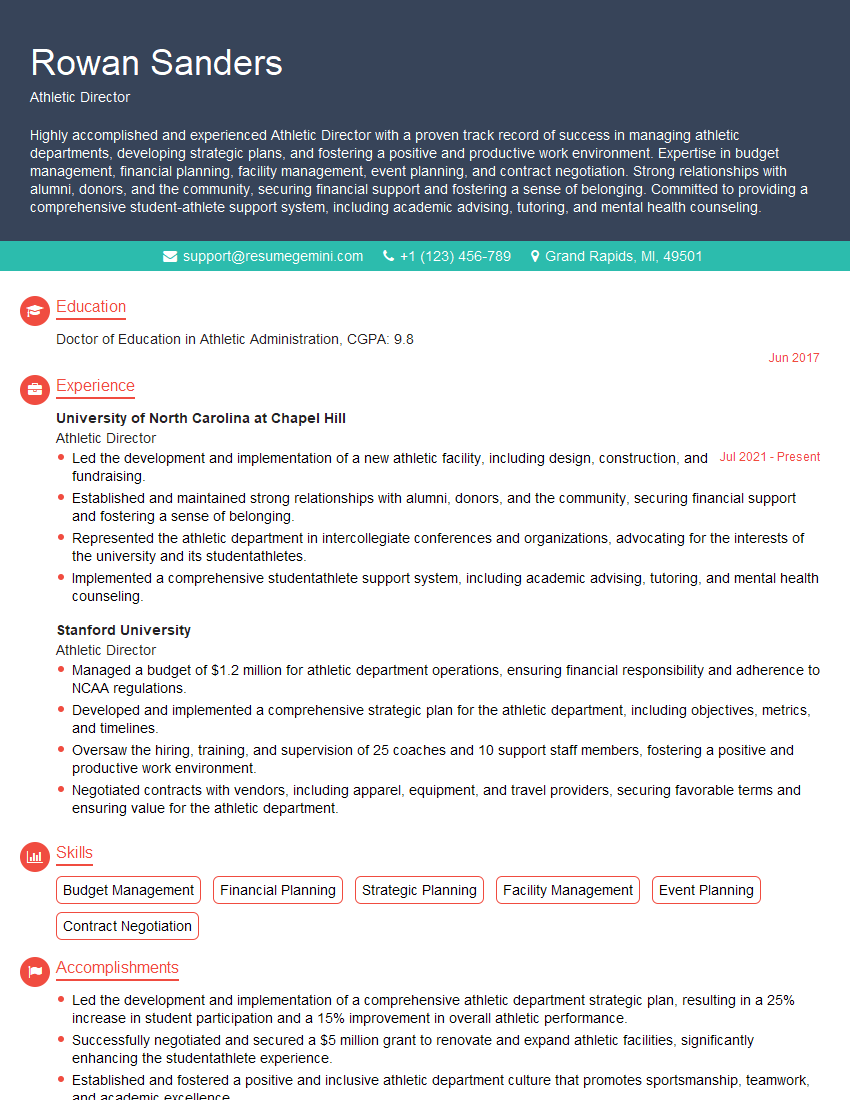
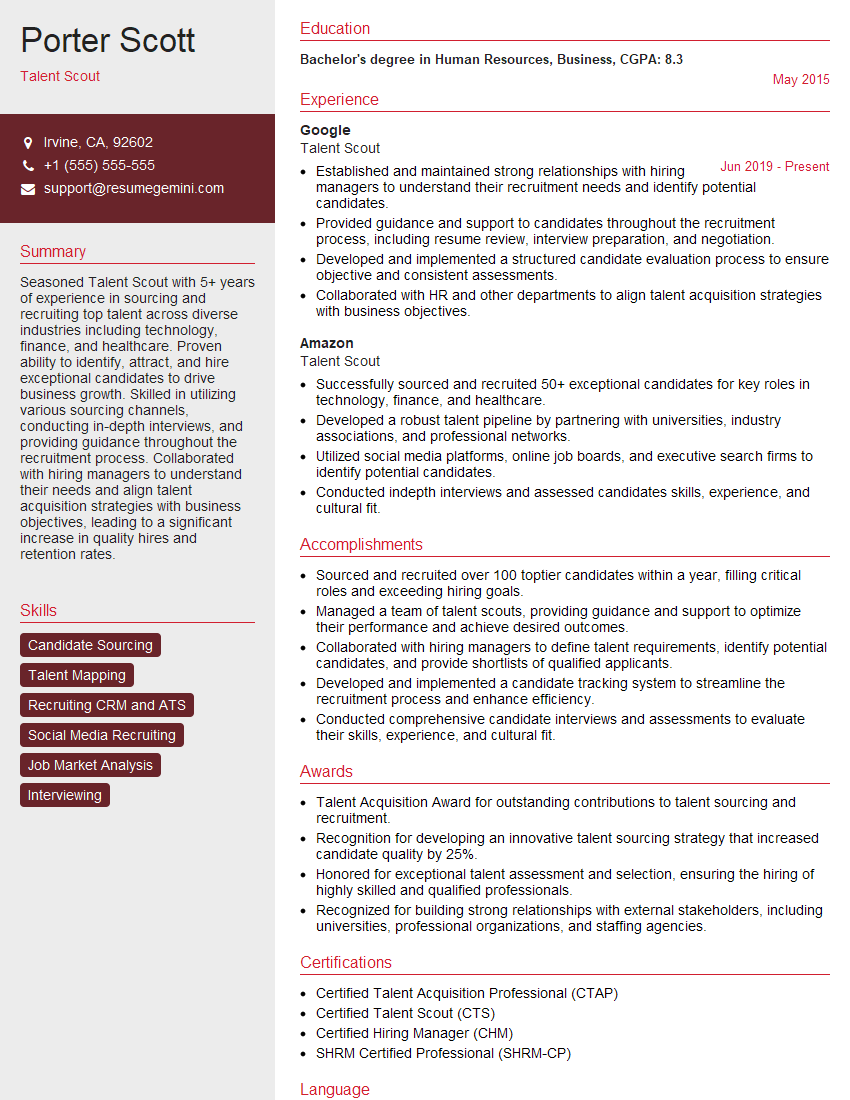
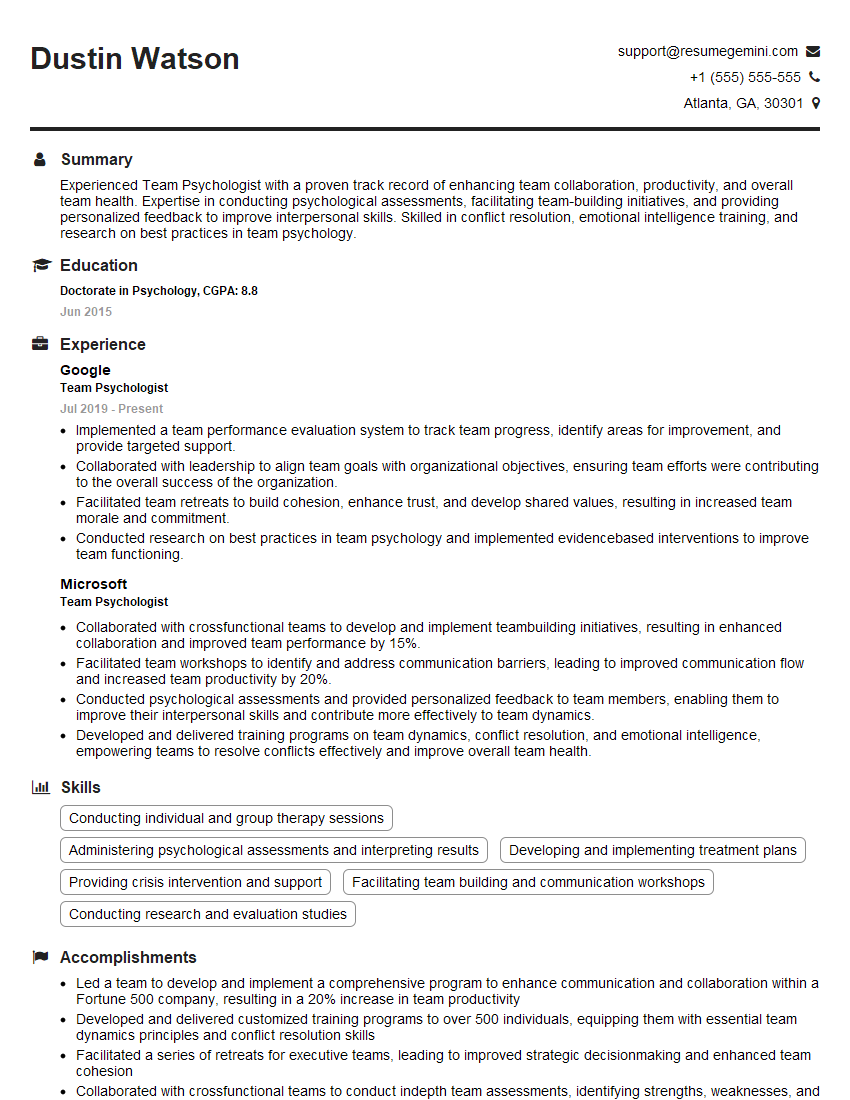
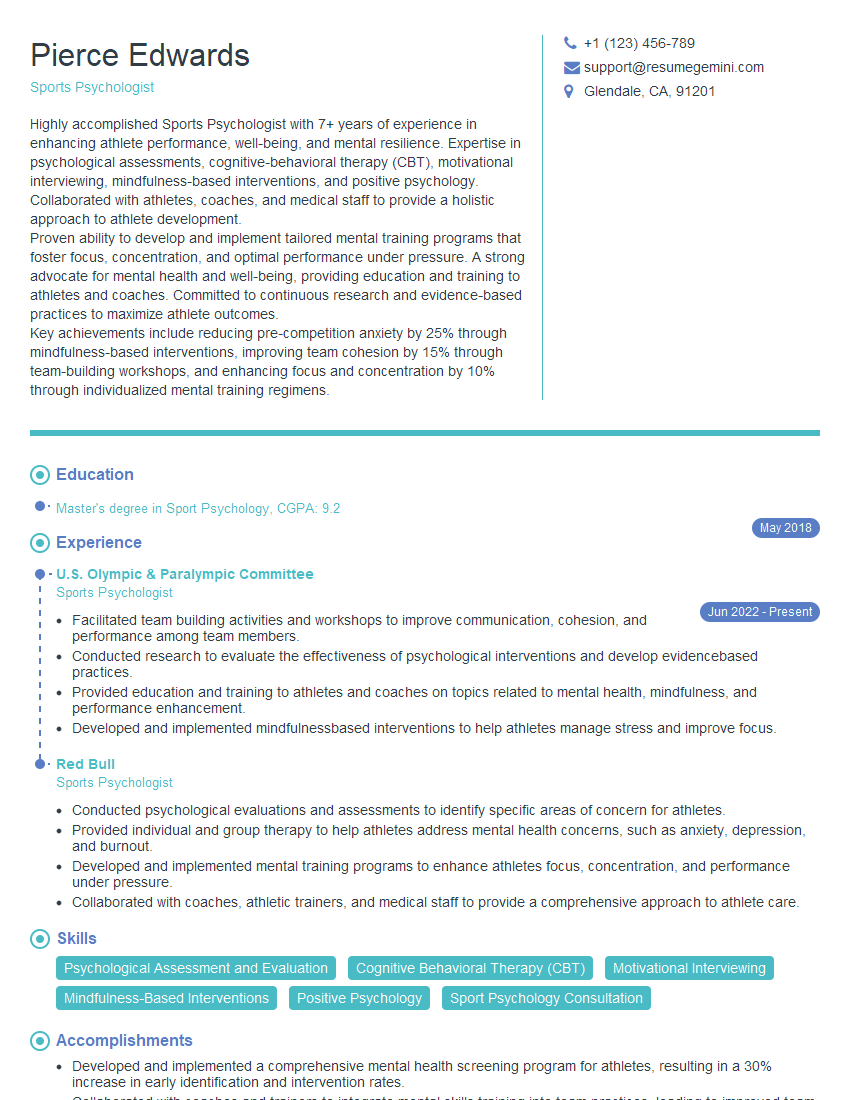
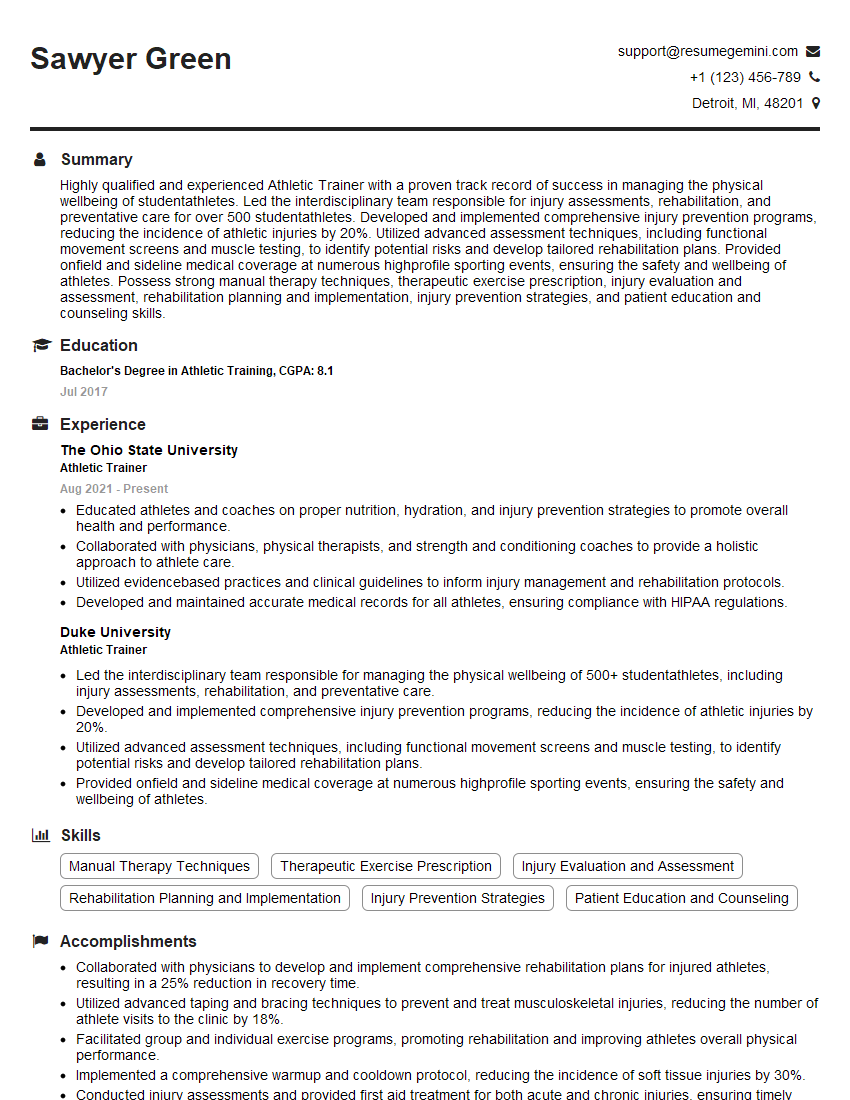
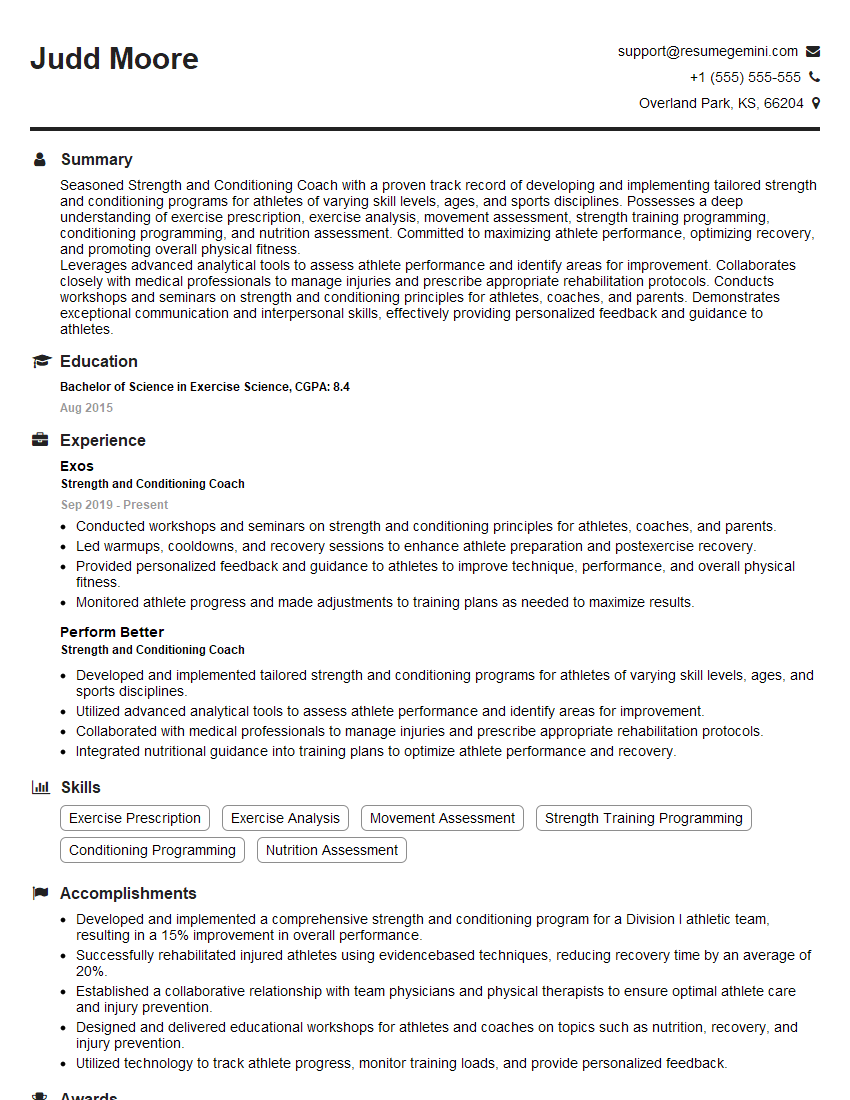
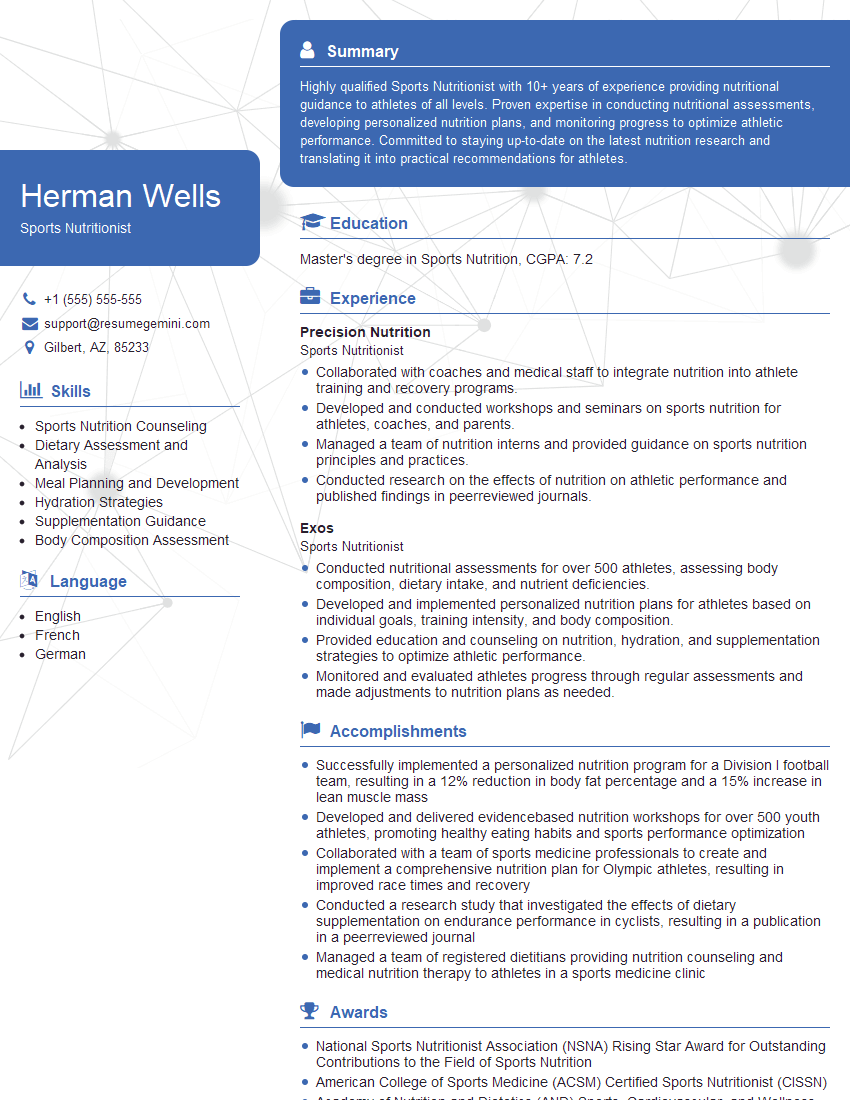
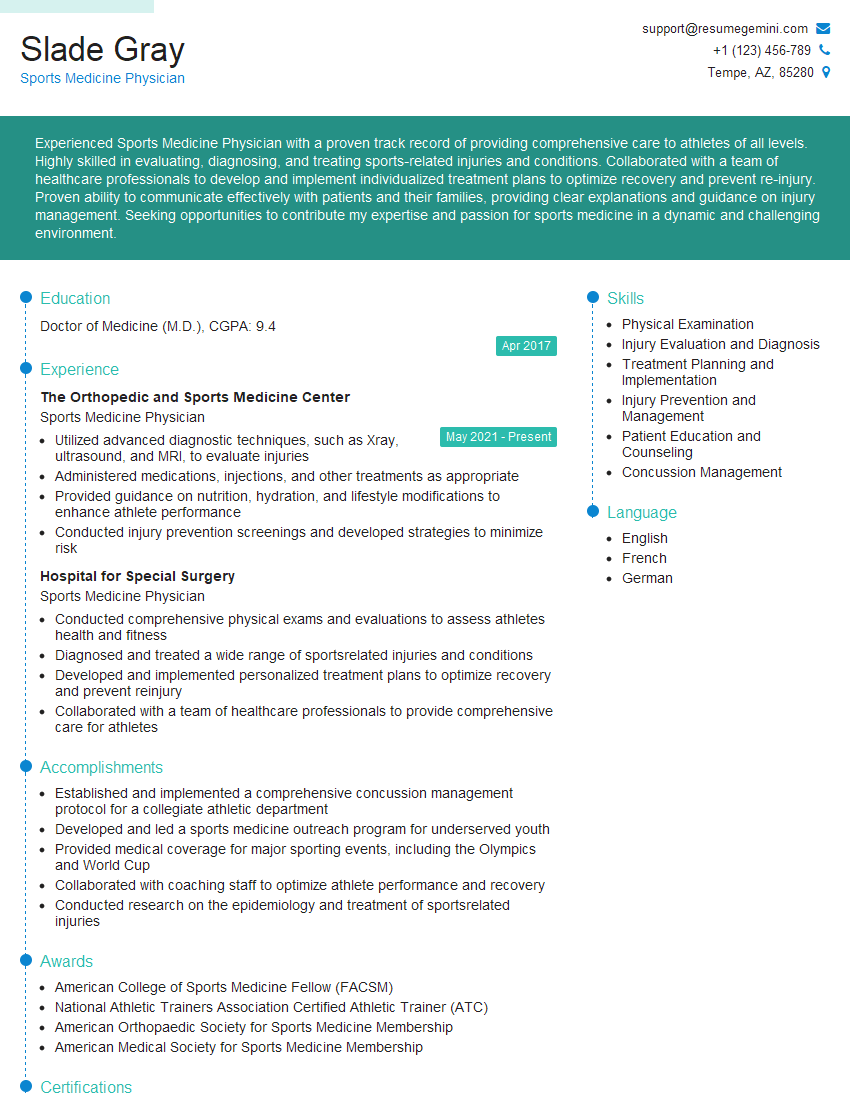
Mastering Athlete Support and Mentorship is crucial for a rewarding and impactful career, allowing you to positively influence the lives and performance of athletes. A strong resume is your first step towards securing your ideal role. Creating an ATS-friendly resume is essential to maximize your chances of getting noticed by recruiters. We highly recommend using ResumeGemini to build a professional and impactful resume that highlights your skills and experience effectively. ResumeGemini provides examples of resumes tailored to Athlete Support and Mentorship to help guide you in crafting your own. This will showcase your qualifications and increase your chances of landing your dream job.
Explore more articles
Users Rating of Our Blogs
Share Your Experience
We value your feedback! Please rate our content and share your thoughts (optional).
What Readers Say About Our Blog
Very informative content, great job.
good