Cracking a skill-specific interview, like one for Audience Interaction, requires understanding the nuances of the role. In this blog, we present the questions you’re most likely to encounter, along with insights into how to answer them effectively. Let’s ensure you’re ready to make a strong impression.
Questions Asked in Audience Interaction Interview
Q 1. Describe your experience in fostering online community engagement.
Fostering online community engagement involves creating a space where individuals feel valued, heard, and connected. It’s about building relationships, not just transactions. My approach centers around several key strategies:
- Active Listening and Responsiveness: I prioritize timely and thoughtful responses to comments, questions, and concerns. This shows users their input matters.
- Interactive Content: I utilize engaging content formats like polls, quizzes, Q&A sessions, and live streams to encourage participation and conversation. For example, I’ve used Twitter polls to gauge audience interest in upcoming blog topics and shaped content based on their responses.
- Community Building Initiatives: I facilitate discussions through themed events, challenges, or contests. One successful project involved a photo contest on Instagram centered around a product launch, which boosted engagement and brand awareness.
- Moderation and Inclusivity: Maintaining a respectful and inclusive environment is critical. I actively moderate conversations, addressing any negativity or inappropriate behavior promptly while ensuring diverse viewpoints are welcome.
- Personalized Communication: When possible, I strive for personalized interactions, acknowledging individuals by name or responding directly to specific comments, showing that I’m genuinely interested in their experiences.
Ultimately, fostering a thriving online community requires consistent effort, genuine engagement, and a commitment to building meaningful relationships with the audience.
Q 2. How do you measure the success of an audience interaction strategy?
Measuring the success of an audience interaction strategy isn’t just about vanity metrics; it’s about understanding the impact on key business objectives. I use a multifaceted approach:
- Engagement Metrics: Tracking metrics such as likes, comments, shares, retweets, and replies provides insight into the level of audience interest and participation. A significant increase in these metrics usually signifies successful engagement.
- Website Traffic and Conversions: If the interaction strategy directs audience members to a website or landing page, analyzing website traffic and conversion rates (e.g., sign-ups, purchases) helps determine its effectiveness in driving desired actions.
- Sentiment Analysis: Analyzing the sentiment expressed in comments and feedback (positive, negative, or neutral) gives a clear picture of the audience’s overall perception. Tools can assist in this process.
- Community Growth: For community-focused platforms, monitoring community growth (number of members, active users) is a key indicator of success.
- Brand Awareness and Reach: Tracking brand mentions, social media reach, and media coverage provides a holistic view of the interaction strategy’s impact on brand visibility.
By combining these measures, I gain a comprehensive understanding of whether the strategy is achieving its goals and make data-driven improvements.
Q 3. Explain your approach to handling negative feedback or criticism from an audience.
Handling negative feedback requires a delicate balance of empathy and professionalism. My approach focuses on:
- Acknowledging and Validating: The first step is acknowledging the user’s feelings and validating their concerns. A simple “I understand your frustration” can go a long way.
- Empathetic Response: Responding with empathy and understanding, even if you disagree with the criticism. Showing that you care about their experience is crucial.
- Addressing the Issue Directly: Addressing the specific points raised in the feedback, providing a clear and concise explanation, and offering solutions where possible.
- Taking Ownership (When Necessary): If a mistake was made, take ownership and apologize sincerely. This shows integrity and builds trust.
- Private Communication (If Appropriate): Sometimes, a private message or email is more appropriate for addressing sensitive or personal issues. This can prevent public shaming and preserve the individual’s dignity.
- Learning and Improvement: Using negative feedback as an opportunity for learning and improvement. This might involve adjusting strategies or processes to prevent similar issues in the future.
Handling criticism effectively transforms negative experiences into opportunities for growth and strengthens the relationship with the audience.
Q 4. What tools and technologies are you familiar with for audience interaction?
I’m proficient in a wide range of tools and technologies for audience interaction, including:
- Social Media Platforms: Twitter, Facebook, Instagram, LinkedIn, TikTok – each platform has its unique features and audience, requiring tailored engagement strategies.
- Community Forums and Discussion Boards: Disqus, Reddit, and other platforms provide dedicated spaces for fostering conversation and community.
- Live Streaming Platforms: YouTube Live, Twitch, Instagram Live, allow for real-time interaction with audiences.
- Email Marketing Platforms: Mailchimp, Constant Contact for targeted communication and newsletters.
- CRM Systems: Salesforce, HubSpot for managing customer relationships and personalized engagement.
- Analytics Tools: Google Analytics, social media analytics dashboards to track performance and measure ROI.
- Chatbots and AI-powered tools: For automated responses and handling routine inquiries.
My familiarity with these tools allows me to design and implement effective audience interaction strategies across various channels, maximizing reach and engagement.
Q 5. How do you adapt your communication style to different audience segments?
Adapting communication style to different audience segments is crucial for effective interaction. I consider several factors:
- Demographics: Age, gender, location, and socioeconomic background influence communication preferences. For instance, younger audiences might respond better to short, informal messages on platforms like TikTok, while older audiences may prefer more detailed and formal communication via email.
- Psychographics: Understanding their interests, values, and attitudes helps tailor messaging to resonate with their beliefs and priorities. For example, an audience interested in sustainability would respond well to eco-conscious messaging.
- Platform: Each platform has its own conventions and expectations. A formal tone on LinkedIn might not be suitable for a casual conversation on Instagram.
- Context: The reason for the communication influences the style. An urgent announcement requires a different tone than a promotional campaign.
- Language: Using inclusive language that is accessible to everyone and avoiding jargon is important for broad engagement.
By adapting my style to each segment, I ensure clarity, relevance, and maximum impact.
Q 6. Describe a time you successfully resolved a conflict or negative situation involving an audience.
During a product launch campaign, a significant number of users expressed dissatisfaction with a new feature. Initially, comments were mostly negative, creating a sense of negativity on social media. I addressed this by:
- Acknowledging the Feedback: I publicly acknowledged the negative feedback and expressed gratitude for users taking the time to share their concerns.
- Understanding the Root Cause: My team and I analyzed the comments to identify the core issues. It turned out the feature was poorly explained in the initial launch materials.
- Addressing the Issues Publicly and Privately: I published a blog post addressing the main concerns and offering solutions, along with a clear explanation of the feature. I also directly contacted several users individually to apologize and answer their specific questions.
- Offering Solutions: We released a revised tutorial video and updated the help section on the website.
- Monitoring and Engaging: We continued to monitor comments and feedback, promptly addressing any remaining concerns.
This multi-pronged approach successfully turned the negative situation around. The improved communication, solutions, and empathetic response restored user confidence and improved the overall perception of the product.
Q 7. What strategies do you use to encourage audience participation and feedback?
Encouraging audience participation and feedback involves creating an environment where people feel comfortable sharing their thoughts and opinions. I employ various strategies:
- Polls and Quizzes: These interactive tools are quick and easy ways to gather opinions and insights.
- Contests and Giveaways: Incentives encourage engagement and participation.
- Q&A Sessions: Live Q&A sessions provide direct interaction and allow for immediate feedback.
- Open-Ended Questions: In posts or articles, including open-ended questions encourages deeper engagement.
- User-Generated Content Campaigns: Encouraging users to create and share content related to your brand (e.g., photos, videos, reviews) builds community and generates feedback.
- Feedback Forms and Surveys: Formal methods gather in-depth insights and structured feedback.
- Responding to Comments and Messages: Promptly responding to comments and messages shows that you value audience input.
By implementing a mix of these techniques, I ensure diverse avenues for participation and actively encourage a two-way conversation, building a loyal and engaged audience.
Q 8. How do you identify and prioritize key audience needs and concerns?
Identifying and prioritizing key audience needs and concerns is crucial for effective audience interaction. It involves a multi-faceted approach combining qualitative and quantitative data.
- Surveys and Feedback Forms: Directly soliciting feedback through well-designed surveys and feedback forms provides valuable insights into specific pain points and preferences. For instance, a post-event survey can reveal aspects of an event that resonated with attendees and areas for improvement.
- Social Media Listening: Monitoring social media platforms for mentions of your brand, products, or services allows you to understand public perception and identify emerging concerns. Tools like Brandwatch or Sprout Social can help track sentiment and key topics. For example, noticing a spike in negative comments about a new feature allows for prompt issue resolution and damage control.
- Focus Groups and Interviews: In-depth discussions with representatives of your target audience provide rich qualitative data that adds context to quantitative findings. For example, a focus group can provide valuable insight into emotional responses to a campaign.
- Data Analytics: Website analytics (e.g., Google Analytics), CRM data, and sales figures provide quantitative insights into audience behavior and preferences. Identifying high bounce rates on a specific page might highlight a usability issue or content gap.
- Prioritization Matrix: Once you’ve gathered data, use a prioritization matrix (e.g., impact vs. effort) to systematically rank needs and concerns based on their importance and feasibility of addressing them. This ensures that resources are allocated to the most impactful actions.
By combining these methods, you gain a comprehensive understanding of your audience’s needs and can prioritize actions that will have the greatest positive impact.
Q 9. How do you maintain audience interest and engagement over time?
Maintaining audience interest and engagement over time requires a strategic approach that balances consistency with novelty.
- Content Diversity: Offer a mix of content formats—blog posts, videos, infographics, podcasts, interactive quizzes—to cater to different learning styles and preferences. Think of it like a curated playlist; it needs variety to stay interesting.
- Consistent Posting Schedule: Regular updates keep your audience engaged and anticipating new content. A consistent schedule helps build anticipation and habit formation, much like a favorite TV show.
- Personalized Content: Segment your audience and tailor content to their specific needs and interests. For example, send email newsletters that address the specific concerns of different customer segments.
- Interactive Content: Encourage audience participation through polls, quizzes, Q&A sessions, and contests. This fosters a sense of community and makes your audience feel valued.
- Community Building: Create opportunities for audience members to interact with each other and with your brand. Online forums, Facebook groups, and in-person events are all excellent tools for fostering community.
- Data-Driven Optimization: Regularly analyze engagement metrics to understand what resonates with your audience and what doesn’t. Adjust your strategy based on the data to continuously improve engagement.
Ultimately, maintaining engagement is an iterative process. It requires continuous monitoring, adaptation, and a willingness to experiment with new approaches.
Q 10. Describe your experience using social media analytics to inform audience interaction strategies.
Social media analytics are indispensable for informing audience interaction strategies. They provide a wealth of data on audience behavior, preferences, and sentiment.
In my experience, I’ve used tools like Facebook Insights, Twitter Analytics, and Instagram Insights to:
- Track Reach and Engagement: Understand how many people are seeing your posts and how they’re interacting (likes, comments, shares).
- Identify Top-Performing Content: Determine which types of posts resonate most with your audience, informing future content creation.
- Analyze Audience Demographics: Gain insights into the age, gender, location, and interests of your followers to better target your messaging.
- Monitor Brand Mentions and Sentiment: Track mentions of your brand and analyze the sentiment expressed (positive, negative, neutral) to identify potential issues and opportunities.
- Measure Campaign Effectiveness: Assess the success of social media campaigns by tracking key metrics such as reach, engagement, and website traffic driven from social media.
For example, if I see a significant drop in engagement on a particular platform, I’ll investigate the reasons and adjust the content strategy accordingly. Perhaps a new platform is showing promise, or a content format needs to be reevaluated.
By leveraging social media analytics, I can refine my audience interaction strategies to maximize impact and ensure resources are allocated effectively.
Q 11. How do you balance the needs of different audience segments with overall brand objectives?
Balancing the needs of different audience segments with overall brand objectives requires a nuanced approach that prioritizes strategic alignment.
My strategy involves:
- Audience Segmentation: Clearly define your different audience segments based on demographics, psychographics, behavior, and needs. For instance, a clothing brand might segment by age, style preferences, and purchase history.
- Personalized Messaging: Tailor your messaging to resonate with the specific needs and interests of each segment. Avoid a one-size-fits-all approach.
- Prioritization Framework: Prioritize segments based on their potential value to your brand and the resources you can allocate.
- Cross-Segment Synergies: Look for opportunities to create content or experiences that appeal to multiple segments while remaining true to your brand’s core values. This can promote brand unity and avoid creating internal conflict.
- Consistent Brand Voice: While adapting messaging, ensure a consistent brand voice and personality across all segments to maintain brand integrity.
- Feedback Loop: Continuously collect feedback from each segment to understand their evolving needs and refine your approach over time.
For example, a financial institution might target young adults with educational content and older adults with retirement planning resources, while maintaining a consistent message of financial stability and trust.
Q 12. Explain your understanding of different audience interaction channels (e.g., social media, email, events).
Different audience interaction channels offer unique opportunities and require tailored approaches.
- Social Media: Platforms like Facebook, Twitter, Instagram, and LinkedIn allow for real-time engagement, community building, and targeted advertising. Each platform has its unique nuances; for example, visual content is crucial on Instagram, while professional networking is central to LinkedIn.
- Email Marketing: Provides a direct line of communication for personalized messaging, promotions, and newsletters. Effective email marketing depends on segmentation and creating compelling content.
- Events (In-Person & Virtual): In-person events foster strong connections and brand loyalty, while virtual events expand reach and accessibility. Events require careful planning, logistics, and engagement strategies to ensure audience participation and satisfaction.
- Website/Blog: Serves as a central hub for information, content, and community building. Effective website design, SEO, and content management are essential for driving engagement.
- Customer Service Channels: Phone, chat, and email support channels offer opportunities for direct interaction and problem-solving, directly impacting audience sentiment.
Choosing the right channels depends on your target audience, brand objectives, and resources. A successful strategy often involves a multi-channel approach to maximize reach and engagement.
Q 13. How do you develop engaging content that resonates with your target audience?
Developing engaging content that resonates with your target audience requires a deep understanding of their needs, interests, and preferences.
My process involves:
- Audience Research: Thoroughly research your target audience to understand their demographics, psychographics, and online behavior.
- Content Strategy: Develop a content strategy aligned with your overall marketing objectives and audience insights. Define clear goals, target keywords, and content formats.
- Content Pillars: Identify 3-5 core topics or themes that consistently resonate with your audience and align with your brand message.
- Content Calendar: Plan and schedule content creation and publication to maintain a consistent flow of engaging material.
- Storytelling: Craft compelling narratives that connect with your audience on an emotional level.
- Visual Appeal: Use high-quality visuals, including images, videos, and infographics, to enhance engagement and information retention.
- Interactive Elements: Incorporate polls, quizzes, and other interactive elements to encourage audience participation.
- SEO Optimization: Optimize your content for search engines to improve visibility and reach a wider audience.
- A/B Testing: Experiment with different headlines, visuals, and calls to action to determine what resonates best with your audience.
For example, if my audience research shows that my target market is highly interested in sustainability, I’ll create content focused on environmentally friendly practices relevant to my industry.
Q 14. Describe your process for monitoring audience sentiment and identifying potential issues.
Monitoring audience sentiment and identifying potential issues is crucial for maintaining a positive brand reputation and proactively addressing concerns.
My process involves:
- Social Media Listening: Use social media monitoring tools to track brand mentions and analyze sentiment. Pay attention to both positive and negative comments and identify trends.
- Sentiment Analysis Tools: Employ sentiment analysis tools to automate the process of assessing audience sentiment from large volumes of data. These tools can categorize comments and reviews as positive, negative, or neutral.
- Customer Reviews and Feedback: Actively monitor online reviews and feedback platforms (e.g., Yelp, Google Reviews) to identify potential issues and address customer concerns.
- Website Analytics: Analyze website traffic and user behavior to identify areas of frustration or confusion that may be leading to negative sentiment. Bounce rates and time-on-page can highlight such issues.
- Customer Service Interactions: Monitor customer service interactions (phone calls, emails, chats) to identify recurring problems or patterns of negative feedback.
- Proactive Response: Develop a clear process for responding to negative feedback and resolving customer issues promptly and effectively.
- Regular Reporting: Generate regular reports summarizing audience sentiment and highlighting potential issues for management review and action.
For instance, if a sudden increase in negative comments on social media is detected regarding a specific product feature, I would immediately investigate, potentially issue a public statement, and work with the product team to resolve the issue.
Q 15. How do you use data to make informed decisions about audience interaction strategies?
Data is the cornerstone of effective audience interaction strategies. I leverage data analytics to understand audience behavior, preferences, and engagement levels. This involves collecting data from various sources, including website analytics (Google Analytics, etc.), social media listening tools, CRM systems, and survey results. For example, I might analyze website traffic to identify popular content, bounce rates, and time spent on pages. This informs content creation and optimization. Social media analytics provide insights into audience sentiment, engagement with posts, and trending topics. This data allows me to tailor my communication to resonate with the audience. Ultimately, the data-driven approach helps me make informed decisions about the type of content to create, the channels to utilize, and the timing of communication. For instance, if data shows a high engagement rate with video content on a specific platform, I’ll prioritize video creation for that platform.
Career Expert Tips:
- Ace those interviews! Prepare effectively by reviewing the Top 50 Most Common Interview Questions on ResumeGemini.
- Navigate your job search with confidence! Explore a wide range of Career Tips on ResumeGemini. Learn about common challenges and recommendations to overcome them.
- Craft the perfect resume! Master the Art of Resume Writing with ResumeGemini’s guide. Showcase your unique qualifications and achievements effectively.
- Don’t miss out on holiday savings! Build your dream resume with ResumeGemini’s ATS optimized templates.
Q 16. What metrics do you consider most important when evaluating audience interaction success?
Key metrics for evaluating audience interaction success are multifaceted and depend on the specific goals. However, some crucial metrics I consistently track include:
- Engagement Rate: This measures how actively the audience interacts with the content (likes, comments, shares, retweets). A high engagement rate suggests content resonance.
- Reach and Impressions: These metrics indicate the number of unique individuals exposed to the content and the total number of times the content was displayed. This helps assess content visibility.
- Conversion Rate: This measures the percentage of audience members who complete a desired action (e.g., making a purchase, signing up for a newsletter). It demonstrates the effectiveness of the interaction in achieving business objectives.
- Sentiment Analysis: This gauges the overall tone and emotion expressed by the audience towards the brand or content (positive, negative, neutral). It helps identify areas for improvement.
- Customer Satisfaction (CSAT) Scores: These scores, often obtained through surveys, directly measure audience happiness and satisfaction with interactions.
By monitoring these metrics, I gain a holistic view of the effectiveness of our interaction strategies and identify areas for optimization.
Q 17. How do you handle unexpected events or crises that affect audience perception?
Handling unexpected events or crises requires a swift, transparent, and empathetic response. My approach involves:
- Rapid Assessment: Immediately assess the situation’s impact on audience perception and potential risks.
- Crisis Communication Plan: Activate a pre-defined crisis communication plan, outlining key messages, communication channels, and responsible parties.
- Transparent Communication: Issue a clear and concise statement acknowledging the event and addressing audience concerns honestly and promptly. Avoid jargon and be empathetic.
- Active Monitoring: Continuously monitor social media and other channels for audience feedback and address concerns in real-time.
- Proactive Engagement: Engage directly with affected audience members to offer support and solutions.
- Post-Crisis Review: Conduct a thorough review of the response to identify areas for improvement in future crisis management.
For example, if a product recall occurs, a prompt and transparent communication acknowledging the issue, outlining safety measures, and providing clear instructions for returns would be crucial.
Q 18. How do you build trust and rapport with an audience?
Building trust and rapport requires consistent effort and genuine engagement. I focus on:
- Authenticity: Being genuine and transparent in communication. Avoiding overly promotional or scripted messaging.
- Active Listening: Paying close attention to audience feedback and addressing concerns promptly and effectively.
- Two-way Communication: Encouraging dialogue and interaction, fostering a sense of community and belonging.
- Consistency: Maintaining a consistent brand voice and communication style across all channels.
- Value-Driven Content: Providing content that offers real value to the audience, addressing their needs and interests.
- Personalization: Tailoring communication to individual audience segments whenever possible.
For instance, responding personally to comments and questions on social media, showcasing customer testimonials, and using inclusive language all foster trust and rapport.
Q 19. Describe your experience with audience segmentation and targeted communication.
I have extensive experience segmenting audiences based on demographics, psychographics, behavior, and engagement patterns. This allows for more targeted and effective communication. For example, I’ve segmented audiences based on:
- Demographics: Age, gender, location, income.
- Psychographics: Interests, values, lifestyle.
- Behavior: Website activity, purchase history, engagement with specific content.
- Engagement patterns: Frequency of interaction, preferred communication channels.
Once segmented, I tailor messaging and content to resonate with each group’s specific needs and preferences. This increases engagement and conversion rates. For instance, a marketing campaign targeting young adults might utilize different channels and messaging than a campaign targeting older professionals.
Q 20. How do you ensure your audience interaction strategies are aligned with business goals?
Aligning audience interaction strategies with business goals is critical for success. I ensure alignment by:
- Defining Clear Objectives: Starting with clearly defined business objectives, such as increasing brand awareness, driving sales, or improving customer loyalty.
- Developing Key Performance Indicators (KPIs): Identifying specific, measurable, achievable, relevant, and time-bound (SMART) KPIs that directly support the business goals.
- Content Strategy Alignment: Developing a content strategy that directly addresses the KPIs and resonates with the target audience segments.
- Channel Selection: Selecting the most appropriate communication channels to reach the target audience and achieve the desired objectives.
- Regular Monitoring and Adjustment: Continuously monitoring performance against KPIs and adjusting strategies as needed to maximize impact.
For example, if a business goal is to increase sales, the audience interaction strategy might focus on driving traffic to the company’s website and optimizing the checkout process. The KPIs would include website traffic, conversion rate, and sales revenue.
Q 21. What is your experience with managing audience expectations?
Managing audience expectations is crucial for maintaining trust and fostering positive relationships. I manage expectations by:
- Clear and Realistic Communication: Setting clear expectations about product features, timelines, and services offered. Avoiding over-promising.
- Proactive Communication: Keeping the audience informed about progress, potential delays, or changes that may impact their expectations.
- Transparent Communication: Openly addressing any issues or concerns that arise and providing honest and timely feedback.
- Feedback Mechanisms: Providing easy and accessible channels for audience feedback, allowing them to voice concerns and suggestions.
- Continuous Improvement: Continuously seeking feedback and using it to improve communication and services, demonstrating a commitment to meeting and exceeding expectations.
For example, if a project is delayed, proactive communication explaining the reasons and providing an updated timeline will help manage audience expectations and avoid frustration.
Q 22. How do you deal with difficult or challenging audience members?
Handling challenging audience members requires a calm, empathetic, and firm approach. It’s about de-escalation and finding common ground, not winning an argument.
- Active Listening: Truly listen to their concerns and validate their feelings, even if you don’t agree with their perspective. A simple ‘I understand your frustration’ can go a long way.
- Empathy and Respect: Treat them with respect, even if their behavior is disrespectful. Try to see the situation from their point of view.
- Clear and Concise Communication: Respond directly and clearly, avoiding jargon. If necessary, restate their concerns to ensure understanding.
- Setting Boundaries: If the behavior is disruptive or abusive, firmly but politely set boundaries. You might say, ‘While I appreciate your passion, let’s keep the discussion respectful and on topic.’ If necessary, involve security or moderators.
- Offline Engagement (If Appropriate): Sometimes, a private conversation is more effective. Offer to connect with them offline to address their concerns more thoroughly.
For example, in a Q&A session, if someone asks a hostile or irrelevant question, I might respond by acknowledging their point but redirecting the conversation back to the main topic. I might say something like, ‘That’s an interesting point, but to stay on topic, let’s focus on [main topic].’
Q 23. How do you measure the ROI of your audience interaction efforts?
Measuring the ROI of audience interaction is crucial for demonstrating its value. It’s not just about likes and shares; it’s about quantifiable business outcomes. A multi-faceted approach is key.
- Website Traffic and Conversions: Track how audience interaction (e.g., social media campaigns) drives traffic to your website and leads to conversions (sales, sign-ups, etc.).
- Lead Generation: Measure the number of qualified leads generated through audience interactions.
- Brand Awareness and Sentiment: Monitor social media mentions, sentiment analysis (positive, negative, neutral), and brand reach to assess the impact on brand perception.
- Customer Satisfaction (CSAT): Survey audience members to gauge their satisfaction with their interaction experience. Higher CSAT scores correlate with increased loyalty and positive word-of-mouth.
- Engagement Metrics: Track key metrics like likes, shares, comments, retweets, and mentions to understand audience engagement levels. However, these should be viewed in conjunction with other metrics for a holistic picture.
For example, a successful campaign might show a 20% increase in website traffic from social media, a 15% increase in leads, and a significant rise in positive brand sentiment. These quantifiable results demonstrate the ROI of the audience interaction strategy.
Q 24. Explain your approach to crisis communication management.
Crisis communication management involves swift, transparent, and empathetic responses to negative events. The goal is to minimize damage to reputation and maintain trust.
- Rapid Response Team: Having a designated team ready to react quickly is essential. This team should include representatives from relevant departments (e.g., PR, legal, customer service).
- Accurate Information: Gather accurate information before making any statements. Avoid speculation and stick to the facts.
- Transparency and Honesty: Be open and honest with the audience. Acknowledge mistakes and take responsibility.
- Empathy and Compassion: Show genuine empathy for those affected by the crisis.
- Consistent Messaging: Ensure consistent messaging across all platforms to avoid confusion.
- Monitoring and Evaluation: Continuously monitor the situation and adjust the communication strategy as needed.
Imagine a product recall scenario. The crisis communication team would issue a prompt and transparent statement acknowledging the defect, outlining the recall process, apologizing for any inconvenience, and providing contact information for support. They would monitor social media for concerns and address them promptly and consistently.
Q 25. Describe your experience with A/B testing for audience interaction improvements.
A/B testing is a crucial method for optimizing audience interaction strategies. It involves testing different versions of content or approaches to see which performs better.
- Hypothesis Formation: Start with a clear hypothesis about what changes might improve audience interaction (e.g., ‘A shorter video will result in higher completion rates’).
- Version Creation: Create two or more versions of the content or approach (A and B versions). Only change one element at a time to isolate the impact of each change.
- Controlled Experiment: Expose different segments of the audience to each version. Ensure the segments are similar to avoid bias.
- Data Collection and Analysis: Collect data on key metrics (e.g., engagement rates, click-through rates, conversions). Analyze the results to determine which version performed better.
- Iteration and Optimization: Based on the results, iterate on the winning version to further improve performance.
For example, when running a social media campaign, we might A/B test different headlines or images to see which generates higher click-through rates. The data will help us refine our approach for future campaigns.
Q 26. How do you identify and leverage audience influencers?
Identifying and leveraging audience influencers is a powerful strategy for extending reach and building trust. It requires careful selection and relationship building.
- Identify Potential Influencers: Use social media analytics and other tools to identify individuals with a significant following and high engagement rates within your target audience.
- Analyze Influencer Alignment: Ensure that the influencer’s values and audience align with your brand and message.
- Engage Authentically: Build genuine relationships with influencers. Avoid transactional relationships; focus on collaboration and mutual benefit.
- Track Performance: Measure the impact of influencer collaborations on key metrics like reach, engagement, and conversions.
- Transparency and Disclosure: Always disclose sponsored content appropriately.
For example, if launching a new health product, we might collaborate with health and wellness influencers who have a proven track record of engaging their audience authentically. We would provide them with samples, and they would share their honest experiences and reviews with their followers.
Q 27. How familiar are you with different audience interaction platforms (e.g., Facebook, Twitter, Instagram)?
I’m highly familiar with various audience interaction platforms, including Facebook, Twitter, Instagram, LinkedIn, YouTube, TikTok, and others. My experience extends to using each platform’s unique features to optimize audience engagement.
- Facebook: Effective for targeted advertising, community building, and running contests.
- Twitter: Ideal for real-time conversations, quick updates, and news dissemination.
- Instagram: Excellent for visual content, influencer collaborations, and building brand aesthetic.
- LinkedIn: Best suited for professional networking, B2B engagement, and thought leadership.
- YouTube: Powerful for video content, tutorials, and building a brand presence through long-form content.
- TikTok: Great for reaching younger audiences through short, engaging video content.
My expertise includes understanding each platform’s algorithm, best practices for content creation, and using analytics to track and optimize performance. I can adapt my approach to different platforms to ensure maximum impact.
Q 28. Describe a time you had to modify an audience interaction strategy due to unforeseen circumstances.
During the launch of a new product, an unforeseen negative review went viral online, causing a significant drop in anticipated engagement. We had to quickly adapt our strategy.
- Rapid Response: We immediately addressed the negative review publicly, acknowledging the customer’s concerns and offering a solution. This demonstrated transparency and responsiveness.
- Shift in Messaging: We shifted our communication to address the concerns raised in the review, proactively highlighting the product’s positive aspects and addressing any misunderstandings.
- Community Engagement: We actively engaged with comments and questions on social media, fostering a sense of community and demonstrating our commitment to customer satisfaction.
- Proactive Outreach: We reached out to key influencers and media outlets to mitigate the negative impact and share our side of the story.
By quickly adapting our strategy, we were able to regain control of the narrative and minimize the long-term damage. The incident also highlighted the importance of having a robust crisis communication plan in place.
Key Topics to Learn for Audience Interaction Interview
- Understanding Audience Needs: Analyze diverse audience demographics, preferences, and expectations to tailor communication strategies effectively. Practical application: Developing different communication approaches for a young vs. older demographic.
- Engagement Strategies: Explore various techniques for capturing and maintaining audience attention, such as interactive elements, storytelling, and Q&A sessions. Practical application: Designing an engaging social media campaign that encourages participation.
- Communication Channels: Mastering the nuances of various communication platforms (e.g., social media, email, in-person events) and adapting communication styles accordingly. Practical application: Crafting effective messaging for both a Twitter post and a formal email announcement.
- Data Analysis & Measurement: Utilize analytics to track audience engagement, measure the effectiveness of communication strategies, and inform future improvements. Practical application: Interpreting website analytics to understand audience behavior and adjust content accordingly.
- Crisis Communication & Management: Develop strategies for handling negative feedback, addressing concerns, and maintaining a positive brand image during challenging situations. Practical application: Creating a crisis communication plan for a potential PR issue.
- Accessibility & Inclusivity: Ensure communication materials and events are accessible and inclusive to all audience members, regardless of ability or background. Practical application: Designing presentations with clear visuals and alternative text for accessibility.
Next Steps
Mastering audience interaction is crucial for career advancement in today’s dynamic communication landscape. Strong audience engagement skills are highly valued across various industries, leading to increased opportunities and career growth. To maximize your job prospects, it’s essential to create a compelling and ATS-friendly resume that highlights your relevant skills and experience. ResumeGemini is a trusted resource that can help you build a professional and effective resume. We offer examples of resumes tailored to Audience Interaction roles to guide you through the process. Take the next step and craft a resume that truly showcases your potential.
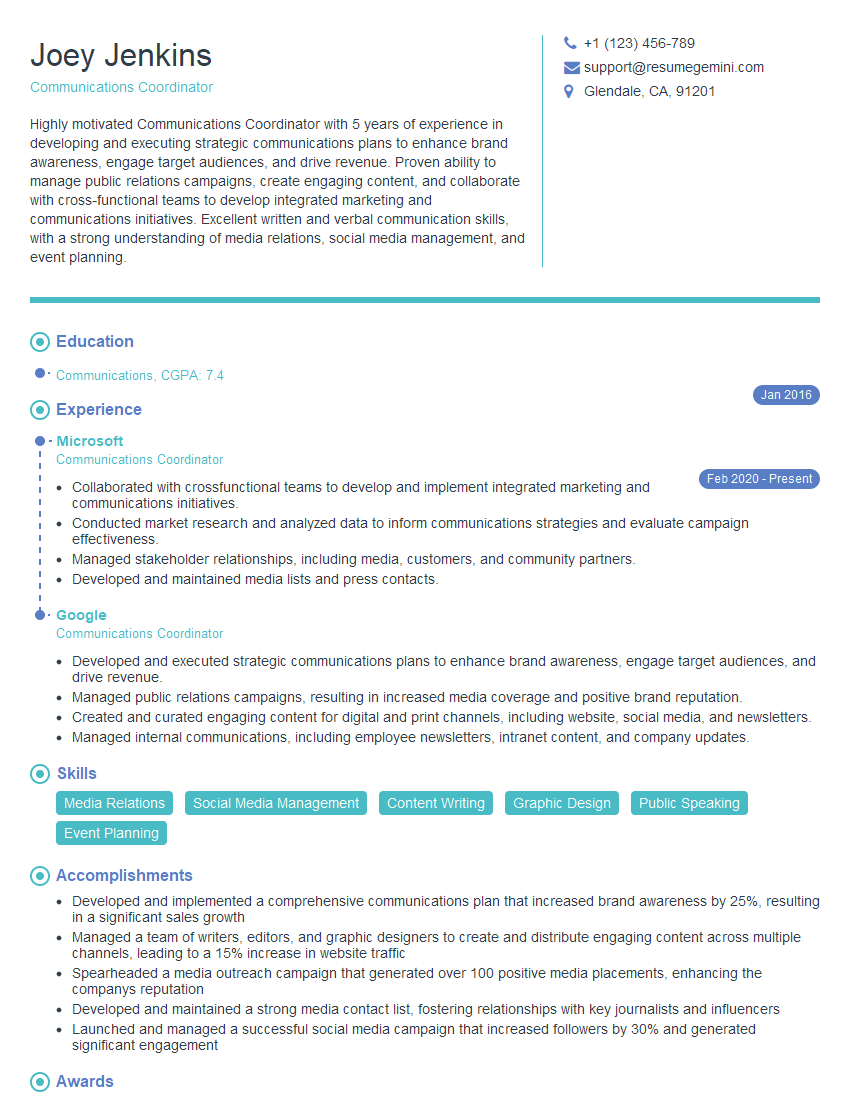
Communications Coordinator Resume Sample

Marketing Communications Manager Resume Sample
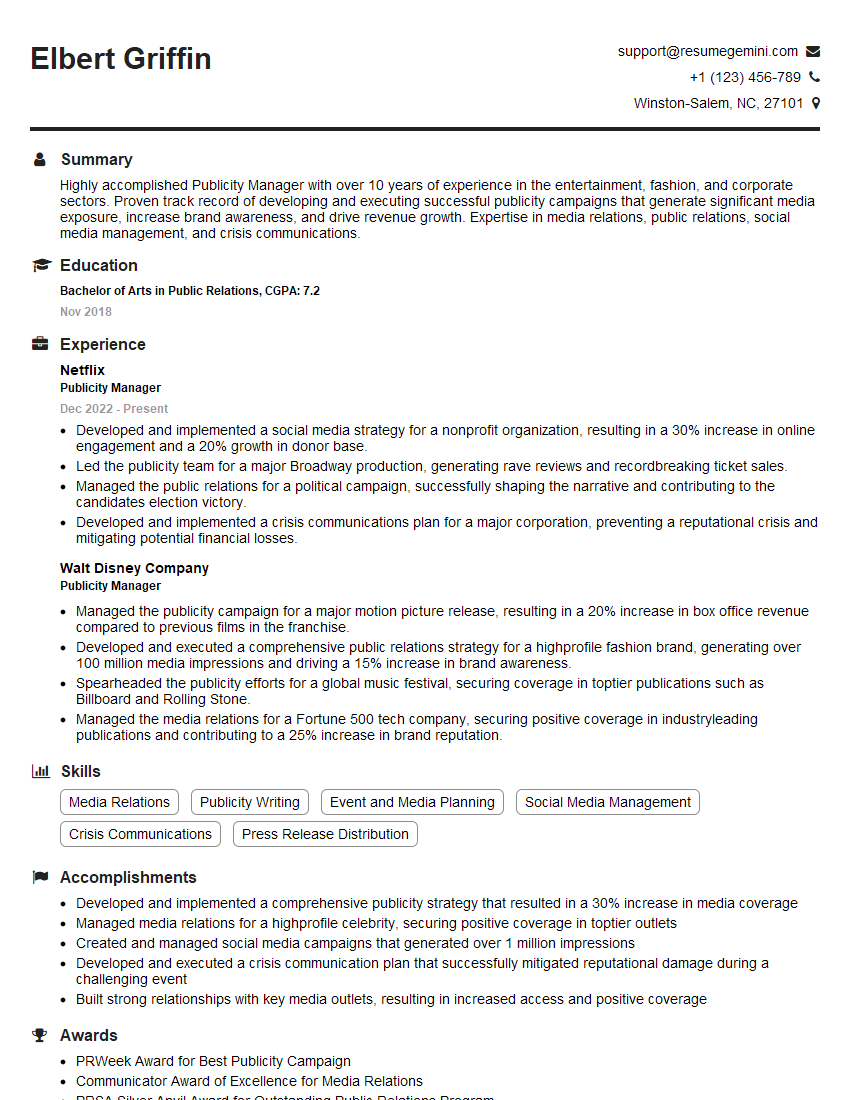
Publicity Manager Resume Sample
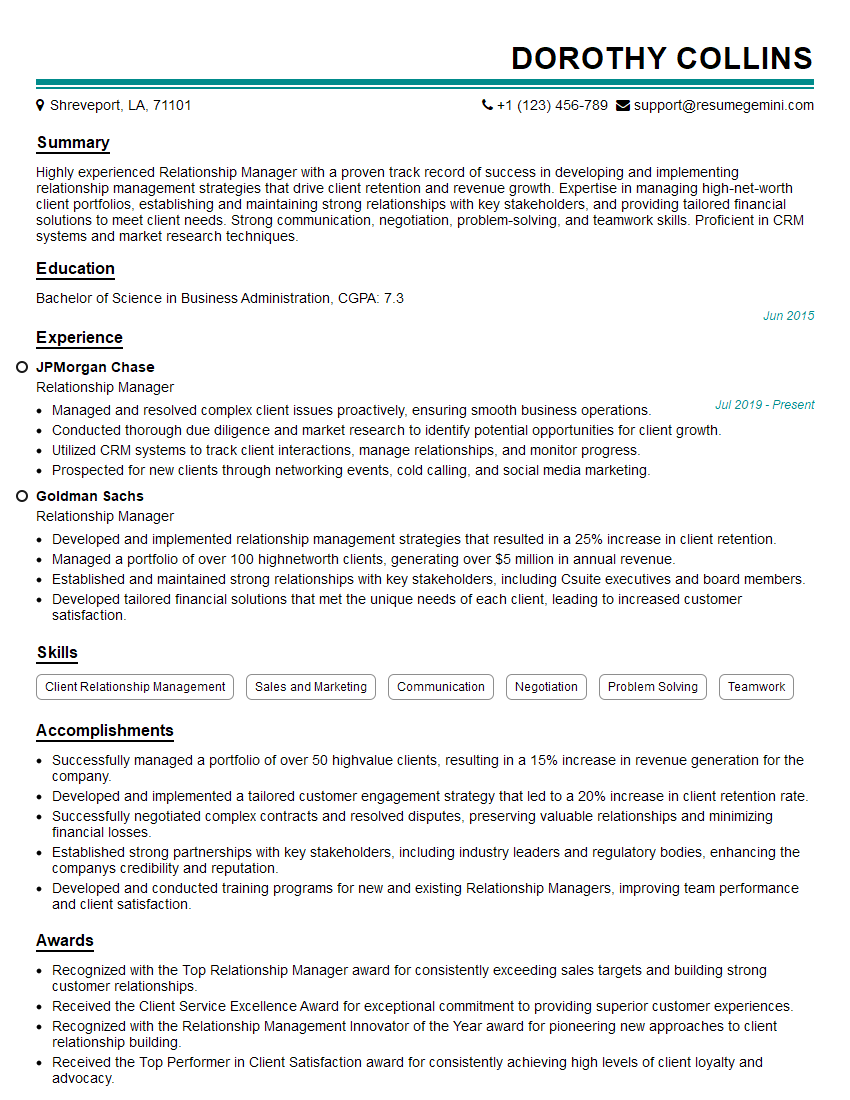
Relationship Manager Resume Sample
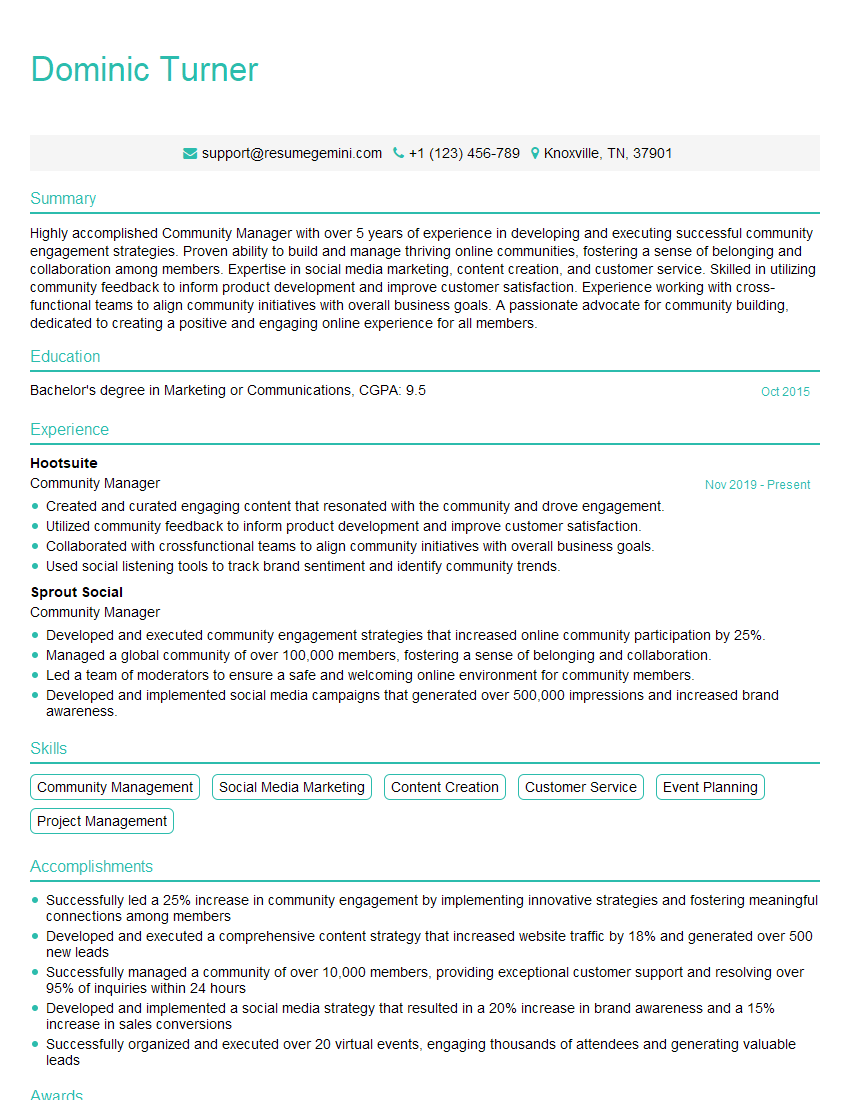
Community Manager Resume Sample
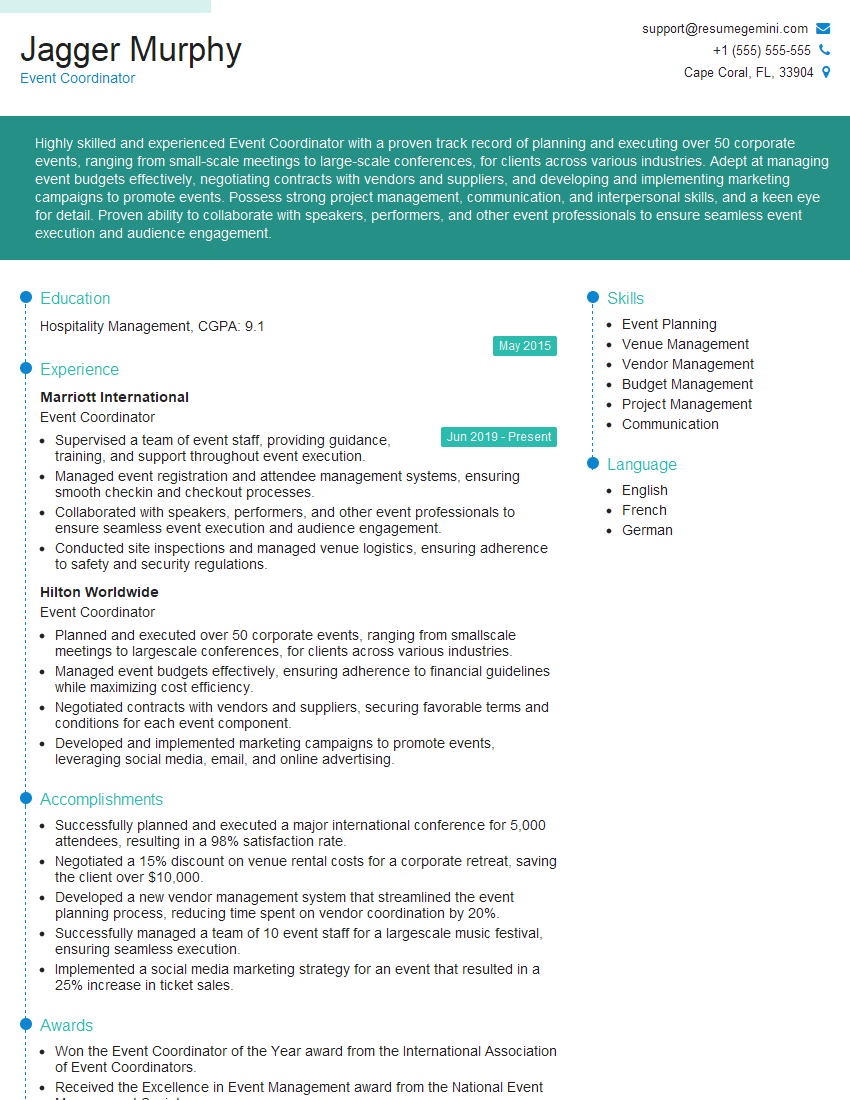
Event Coordinator Resume Sample
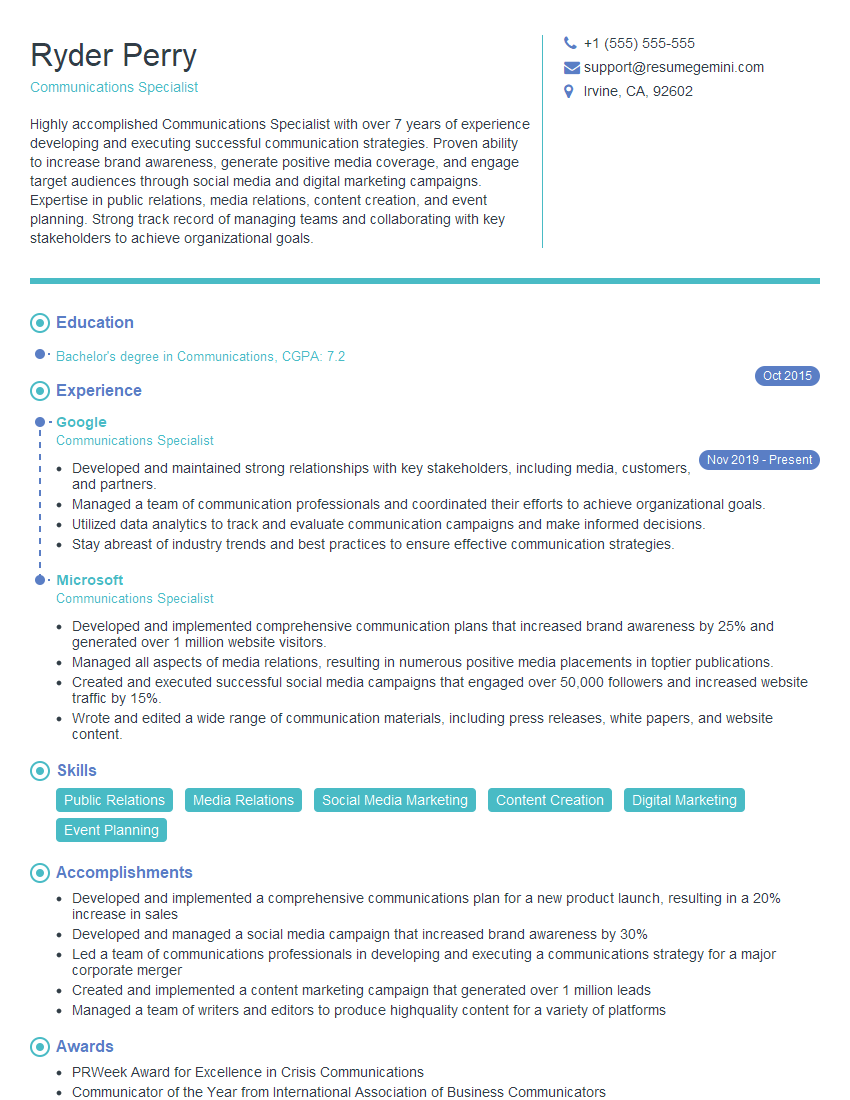
Communications Specialist Resume Sample

Social Media Manager Resume Sample
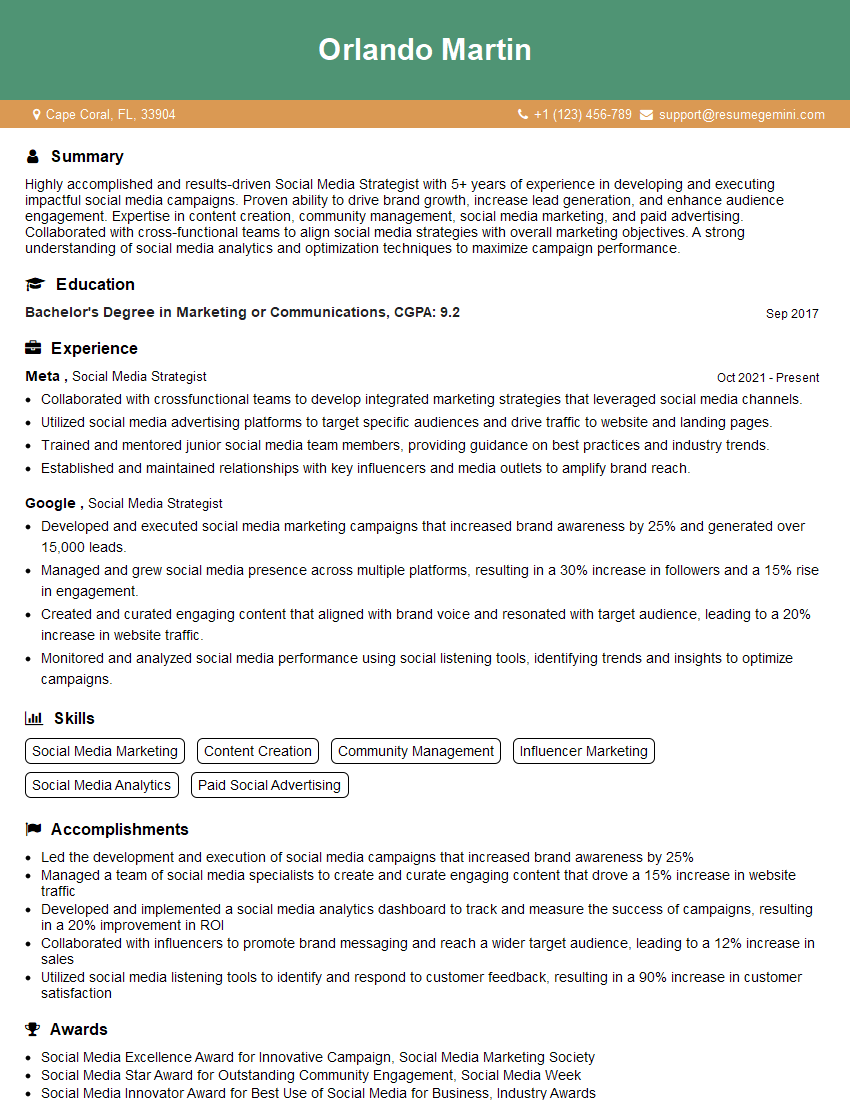
Social Media Strategist Resume Sample

Content Strategist Resume Sample
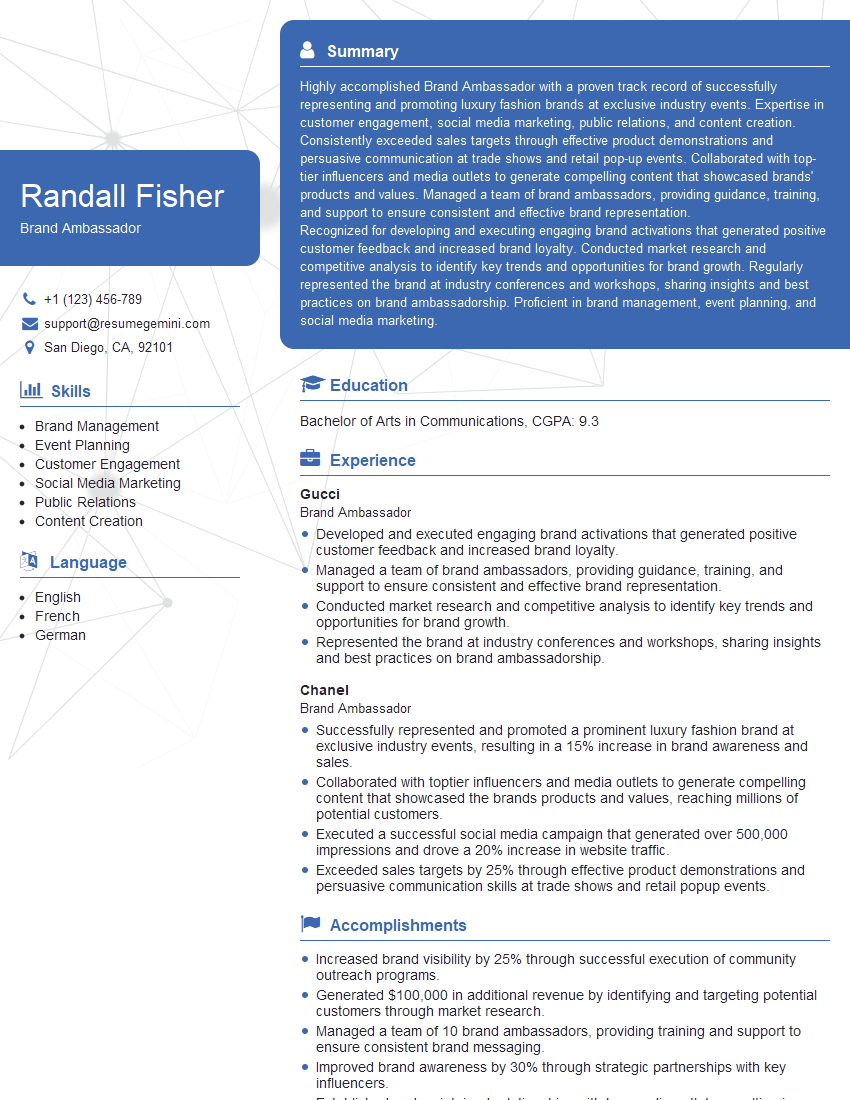
Brand Ambassador Resume Sample
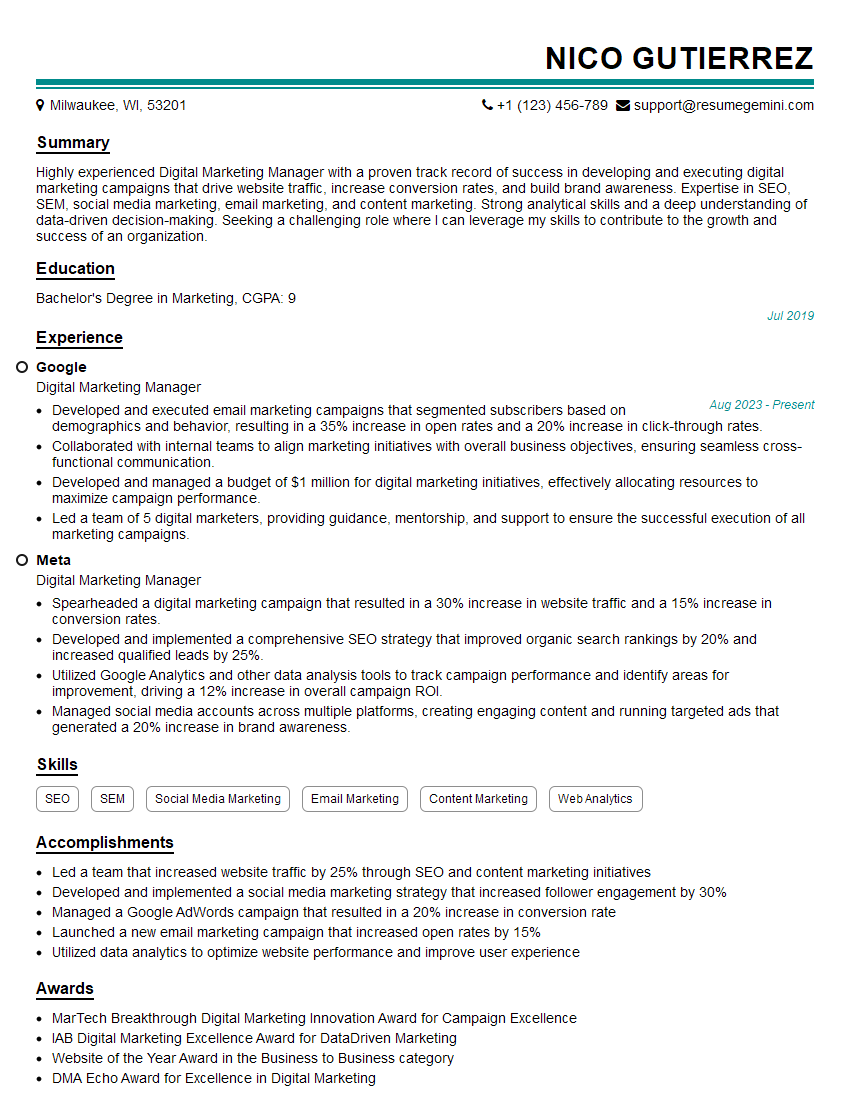
Digital Marketing Manager Resume Sample
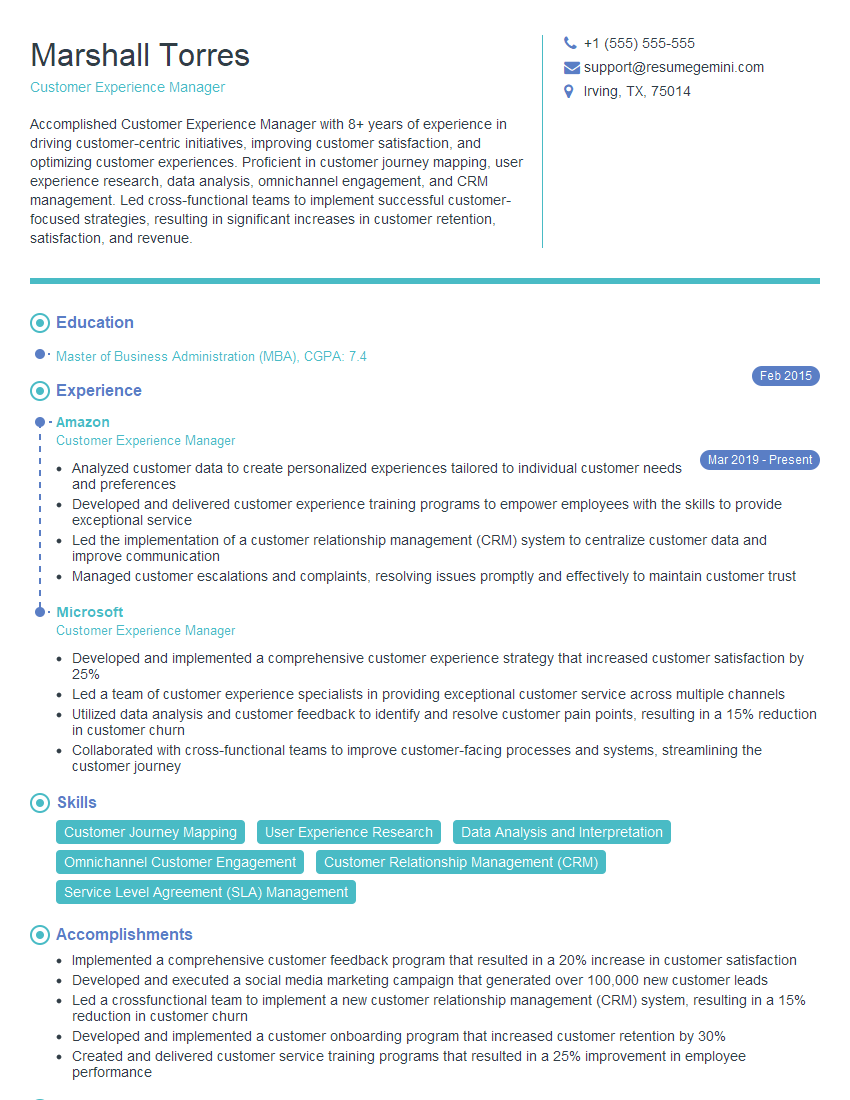
Customer Experience Manager Resume Sample

Influencer Marketing Manager Resume Sample
- Communications Coordinator
- Marketing Communications Manager
- Publicity Manager
- Relationship Manager
- Community Manager
- Event Coordinator
- Communications Specialist
- Social Media Manager
- Social Media Strategist
- Content Strategist
- Brand Ambassador
- Digital Marketing Manager
- Customer Experience Manager
- Influencer Marketing Manager
Explore more articles
Users Rating of Our Blogs
Share Your Experience
We value your feedback! Please rate our content and share your thoughts (optional).
What Readers Say About Our Blog
Very informative content, great job.
good