Interviews are more than just a Q&A session—they’re a chance to prove your worth. This blog dives into essential Automotive Manufacturing interview questions and expert tips to help you align your answers with what hiring managers are looking for. Start preparing to shine!
Questions Asked in Automotive Manufacturing Interview
Q 1. Explain the difference between JIT (Just-in-Time) and Kanban manufacturing systems.
Both Just-in-Time (JIT) and Kanban are lean manufacturing systems aimed at minimizing waste and maximizing efficiency, but they differ in their approach. JIT focuses on producing goods only when needed, eliminating inventory holding costs and reducing waste. Kanban, on the other hand, uses a visual signaling system to manage the flow of materials and production. Think of it like a supermarket: JIT is like having the supermarket restock shelves precisely when they’re empty, while Kanban is like having cards that signal when a particular item needs replenishing.
- JIT: Emphasizes precise scheduling and coordination across the entire supply chain. It relies heavily on strong supplier relationships and accurate demand forecasting. A disruption in one part of the supply chain can severely impact the entire system. Think of a perfectly orchestrated symphony where each instrument plays its part precisely on cue.
- Kanban: Uses visual cues (cards, signals) to trigger the production or movement of materials. This makes it more flexible and adaptable to changes in demand. If demand for a particular part increases, more Kanban cards are generated, signaling the need for increased production. This is like a self-regulating system; it adjusts to changes smoothly.
In practice, Kanban is often used *within* a JIT system to manage workflow within a specific area or process. JIT is the overarching philosophy, while Kanban provides a practical tool for implementing it.
Q 2. Describe your experience with lean manufacturing principles.
My experience with lean manufacturing principles is extensive. In my previous role at [Previous Company Name], I led the implementation of lean methodologies across three assembly lines, resulting in a 15% reduction in production time and a 10% decrease in defects. This involved a significant focus on value stream mapping, identifying and eliminating non-value-added activities. We utilized tools like 5S (Sort, Set in Order, Shine, Standardize, Sustain) to improve workplace organization and efficiency. For example, we reorganized the parts storage area using 5S principles, reducing search time for components by 20%. We also implemented Kaizen events (continuous improvement workshops) where team members collaboratively identified and addressed bottlenecks in the production process. One particular success story involved redesigning a sub-assembly process, reducing the number of steps from 12 to 7, significantly improving efficiency.
Q 3. How do you ensure quality control throughout the manufacturing process?
Quality control is woven into every stage of our manufacturing process, not just tacked on at the end. We utilize a multi-layered approach.
- Incoming Inspection: All raw materials and components undergo rigorous inspection to ensure they meet our specifications. This helps prevent defective parts from entering the production process.
- In-Process Control: We employ Statistical Process Control (SPC) techniques to monitor key process parameters throughout the manufacturing process. This allows for early detection and correction of any deviations from the norm. Control charts and process capability studies are essential here.
- Final Inspection: Completed products undergo comprehensive testing and inspection before shipment. This includes both visual inspections and functional tests to guarantee quality. We also regularly conduct audits to verify that our quality control systems are functioning effectively.
- Corrective Actions: A robust system for identifying and addressing root causes of defects is crucial. We use tools like Fishbone diagrams (Ishikawa diagrams) and Pareto charts to analyze defects and implement preventative measures. This proactive approach prevents recurring problems.
The goal isn’t just to identify defects, but to understand *why* they occurred and prevent them in the future.
Q 4. What are your preferred methods for problem-solving on a production line?
My preferred problem-solving methods on a production line are rooted in structured approaches that encourage collaboration and data-driven decisions. I often employ the following:
- 5 Whys: This simple but effective technique involves repeatedly asking ‘Why?’ to uncover the root cause of a problem. By drilling down through layers of explanation, we can often identify underlying issues that might not be immediately apparent.
- Root Cause Analysis (RCA): More comprehensive than 5 Whys, RCA uses various tools and techniques (e.g., Fishbone diagrams, Fault Tree Analysis) to systematically identify and address the root causes of problems.
- A3 Problem Solving: This structured approach involves documenting the problem, analyzing its causes, proposing solutions, implementing them, and monitoring the results. It encourages clear communication and accountability.
- Kaizen Events: Short, focused workshops where teams work collaboratively to identify and resolve process inefficiencies. These events empower team members to contribute their expertise and insights.
Ultimately, effective problem-solving requires a collaborative environment where team members feel empowered to identify and address issues, backed by data analysis and a focus on root cause identification.
Q 5. Explain your understanding of Six Sigma methodologies.
Six Sigma is a data-driven methodology focused on minimizing defects and variability in any process. Its goal is to achieve near-perfection (3.4 defects per million opportunities). It uses statistical methods to identify and eliminate sources of variation, leading to improved quality, reduced costs, and increased customer satisfaction. I’ve used Six Sigma tools, such as DMAIC (Define, Measure, Analyze, Improve, Control) and DMADV (Define, Measure, Analyze, Design, Verify) in past projects to streamline processes and reduce waste.
For instance, in a previous project, we used DMAIC to reduce the number of paint defects on car bodies. We defined the problem, measured the defect rate, analyzed the root causes (e.g., variations in paint viscosity, inconsistencies in application), implemented improvements (e.g., new paint application techniques, improved quality control), and then established controls to prevent future defects. The project resulted in a significant reduction in paint defects and saved the company a substantial amount of money.
Q 6. Describe your experience with different types of welding techniques.
My experience encompasses a range of welding techniques, crucial for automotive manufacturing. I’m proficient in:
- Gas Metal Arc Welding (GMAW): A widely used process, particularly for high-volume production, offering good speed and versatility.
- Gas Tungsten Arc Welding (GTAW): Ideal for precision welding, often used for critical components requiring high quality and minimal distortion. I’ve utilized this for welding aluminum parts.
- Resistance Spot Welding (RSW): Common in automotive body assembly, this process joins metal sheets using electrical resistance heat. My expertise includes troubleshooting RSW machines and optimizing welding parameters.
- Laser Welding (LW): Increasingly prevalent for joining lightweight materials, offering high precision and speed. I have experience with both robotic and manual laser welding systems.
Understanding the strengths and limitations of each technique is crucial for selecting the right process for a specific application, considering factors like material type, joint design, and production volume.
Q 7. How do you manage production schedules and deadlines?
Managing production schedules and deadlines requires a systematic approach combining planning, monitoring, and proactive adjustments. I typically use:
- Master Production Schedule (MPS): This high-level schedule outlines the overall production plan, considering customer orders and inventory levels.
- Material Requirements Planning (MRP): This system ensures that necessary materials are available when needed, preventing production delays due to material shortages.
- Capacity Planning: This involves analyzing available resources (equipment, personnel) and ensuring they align with production demands. This helps prevent over-scheduling and potential bottlenecks.
- Production Monitoring and Control: Regularly tracking production progress against the schedule, identifying potential deviations early, and taking corrective actions promptly are critical.
- Project Management Software: Using specialized software for scheduling, task management, and progress tracking allows for efficient coordination and collaboration among different teams.
Proactive communication is key; regular updates to stakeholders keep everyone informed and allow for timely adjustments to maintain schedules and meet deadlines. Effective problem-solving and adaptability are also critical to navigating unexpected challenges.
Q 8. What is your experience with robotic automation in manufacturing?
Robotic automation is crucial in modern automotive manufacturing, significantly boosting productivity and quality. My experience spans over 10 years, encompassing the implementation and optimization of various robotic systems across different stages of the production line. This includes robotic welding, painting, assembly, and material handling.
For instance, in a previous role, I spearheaded the integration of a collaborative robot (cobot) system for engine assembly. This resulted in a 15% increase in production efficiency and a noticeable reduction in workplace injuries. I’m proficient in programming industrial robots using languages like RAPID (ABB) and KRL (KUKA), and have extensive experience in robot cell design, safety protocols, and troubleshooting.
My expertise also extends to integrating robotic systems with supervisory control and data acquisition (SCADA) systems for real-time monitoring and control, allowing for predictive maintenance and proactive issue resolution.
Q 9. How would you handle a significant production delay?
Significant production delays are a serious concern, requiring immediate and decisive action. My approach involves a structured problem-solving methodology focusing on root cause identification and efficient remediation.
- Immediate Response: The first step is to assemble a cross-functional team to assess the situation, identify the bottleneck, and implement immediate countermeasures to mitigate further delays. This might involve overtime, rescheduling tasks, or reallocating resources.
- Root Cause Analysis: Once the immediate crisis is addressed, we conduct a thorough root cause analysis (RCA) using tools like the 5 Whys or fishbone diagrams. This helps pinpoint the underlying issues—be it supplier delays, equipment malfunction, or process inefficiencies.
- Corrective Actions: Based on the RCA, we develop and implement corrective actions, addressing both the immediate problem and the underlying root cause. This might involve process improvements, upgraded equipment, or revised supplier agreements.
- Preventative Measures: Finally, we implement preventative measures to minimize the risk of similar delays in the future. This can include improved inventory management, enhanced preventive maintenance schedules, and more robust contingency plans.
For example, during a past project, a supplier delay threatened a major production deadline. By promptly engaging with the supplier, implementing alternative sourcing strategies, and adjusting the production schedule, we successfully mitigated the impact and avoided a significant loss.
Q 10. Describe your experience with different types of manufacturing processes (e.g., stamping, machining, assembly).
My experience encompasses a broad range of automotive manufacturing processes, including stamping, machining, and assembly.
- Stamping: I have worked extensively with high-speed stamping presses, overseeing the production of various body panels and chassis components. My expertise includes die design and maintenance, press setup and optimization, and quality control procedures to minimize defects.
- Machining: I’m familiar with both CNC machining and traditional machining processes used to create precision parts like engine blocks and transmission components. I understand the importance of tool selection, cutting parameters, and dimensional accuracy.
- Assembly: I’ve managed assembly lines for various automotive components and sub-assemblies. My experience includes optimizing assembly processes, implementing lean manufacturing principles, and integrating automation to enhance efficiency and reduce defects. I’m also familiar with different assembly methods like manual assembly, robotic assembly and automated guided vehicles (AGVs).
This diverse experience provides me with a holistic understanding of the manufacturing process, allowing me to identify and address bottlenecks across different stages of production.
Q 11. Explain your understanding of preventative maintenance.
Preventative maintenance (PM) is a proactive approach to equipment maintenance, aiming to prevent failures and downtime rather than reacting to breakdowns. It involves regularly scheduled inspections, lubrication, and minor repairs to keep equipment running smoothly. This significantly reduces the risk of unexpected production halts, extends equipment lifespan, and improves overall operational efficiency.
A well-defined PM program includes:
- Regular Inspections: Scheduled visual inspections, checks of critical parameters, and performance testing to identify potential issues early on.
- Lubrication and Cleaning: Regular lubrication of moving parts and cleaning of equipment to prevent wear and tear.
- Minor Repairs: Addressing minor issues promptly to prevent them from escalating into major problems.
- Data Tracking: Maintaining detailed records of PM activities, equipment performance, and maintenance costs to identify trends and optimize the PM schedule.
Implementing a robust PM program requires careful planning, including the development of detailed checklists, the scheduling of maintenance tasks, and the training of maintenance personnel. In practice, this translates to reduced downtime, improved product quality, lower maintenance costs, and increased equipment longevity.
Q 12. How do you measure and improve production efficiency?
Measuring and improving production efficiency is an ongoing process that involves tracking key performance indicators (KPIs) and implementing continuous improvement initiatives.
Key KPIs to measure efficiency include:
- Overall Equipment Effectiveness (OEE): A comprehensive metric that reflects the overall effectiveness of equipment, considering availability, performance, and quality.
- Production Rate: The number of units produced per hour or per day.
- Defect Rate: The percentage of defective units produced.
- Cycle Time: The time it takes to complete one production cycle.
- Inventory Turnover: How quickly inventory is used and replenished.
Improving efficiency involves using various lean manufacturing techniques like:
- Value Stream Mapping: Identifying and eliminating waste in the production process.
- 5S Methodology: Organizing the workspace to improve efficiency and safety.
- Kaizen Events: Implementing small, incremental improvements on a continuous basis.
- Six Sigma: Reducing variation and defects in the production process.
By regularly monitoring KPIs and implementing continuous improvement initiatives, we can systematically enhance production efficiency and reduce costs.
Q 13. What is your experience with using MRP (Material Requirements Planning) systems?
Material Requirements Planning (MRP) systems are crucial for effective inventory management and production scheduling in automotive manufacturing. My experience includes working with various MRP systems, such as SAP and Oracle, to manage the flow of materials across the entire production process.
I understand how to utilize MRP to:
- Plan Material Needs: Generate accurate forecasts of material requirements based on production schedules and lead times.
- Manage Inventory Levels: Optimize inventory levels to minimize storage costs while ensuring sufficient materials are available for production.
- Schedule Production: Create efficient production schedules that minimize lead times and maximize resource utilization.
- Monitor Material Flow: Track the movement of materials throughout the production process to identify potential bottlenecks or delays.
Effective MRP implementation requires accurate data, regular updates, and close collaboration between different departments. In practice, a well-implemented MRP system significantly improves on-time delivery, reduces inventory holding costs, and minimizes production disruptions.
Q 14. Describe your experience with implementing process improvements.
Implementing process improvements is a key aspect of my role, focusing on enhancing efficiency, reducing costs, and improving product quality. My approach is based on data-driven decision making and a structured improvement methodology.
My process improvement experience includes:
- Identifying Improvement Opportunities: Using data analysis, process mapping, and observation to identify areas for improvement.
- Developing Improvement Plans: Creating detailed plans outlining the steps needed to implement improvements, including timelines, resources, and responsibilities.
- Implementing Changes: Implementing the changes in a controlled manner, monitoring progress, and making adjustments as needed.
- Measuring Results: Tracking key performance indicators to measure the effectiveness of the improvements.
- Sustaining Improvements: Implementing measures to ensure that the improvements are sustained over time.
For example, in a previous role, I led a project to streamline the assembly process of a particular car component, resulting in a 20% reduction in cycle time and a 10% decrease in defect rate. This involved redesigning the work cells, implementing a new assembly sequence, and providing additional training to the assembly workers. The entire process relied on close collaboration with the team and a commitment to continuous improvement.
Q 15. How do you manage and motivate a team in a manufacturing environment?
Managing and motivating a team in a manufacturing environment requires a multi-faceted approach that blends strong leadership, clear communication, and a focus on employee well-being. It’s not just about hitting targets; it’s about fostering a culture of collaboration and continuous improvement.
Clear Expectations and Goals: I start by ensuring everyone understands the production goals, their individual roles, and how their work contributes to the overall success. This often involves using visual management tools like Kanban boards to track progress transparently.
Open Communication: Regular team meetings, both formal and informal, are crucial. These sessions allow for feedback, problem-solving, and the open discussion of challenges. I actively encourage two-way communication, making sure every team member feels heard and valued.
Recognition and Rewards: Recognizing individual and team achievements, both big and small, is vital for boosting morale. This could be through verbal praise, team lunches, performance-based bonuses, or even simply highlighting successes in company newsletters.
Empowerment and Development: I empower my team members by giving them autonomy and ownership over their work. I also invest in their professional development through training programs, mentorship opportunities, and cross-training to enhance their skills and broaden their perspectives. For example, I once helped a team member learn a new programming language to improve our automated systems.
Addressing Conflict Proactively: I foster a culture where constructive conflict is welcomed as an opportunity for improvement. I teach the team conflict resolution techniques to address issues promptly and professionally.
Career Expert Tips:
- Ace those interviews! Prepare effectively by reviewing the Top 50 Most Common Interview Questions on ResumeGemini.
- Navigate your job search with confidence! Explore a wide range of Career Tips on ResumeGemini. Learn about common challenges and recommendations to overcome them.
- Craft the perfect resume! Master the Art of Resume Writing with ResumeGemini’s guide. Showcase your unique qualifications and achievements effectively.
- Don’t miss out on holiday savings! Build your dream resume with ResumeGemini’s ATS optimized templates.
Q 16. Explain your experience with safety protocols and procedures in manufacturing.
Safety is paramount in a manufacturing environment. My experience involves implementing and enforcing comprehensive safety protocols, from initial training to ongoing monitoring and improvement. I’ve worked with various safety management systems, ensuring compliance with OSHA (Occupational Safety and Health Administration) regulations and industry best practices.
Training and Education: This includes mandatory safety training for all new employees and regular refresher courses for existing staff. Training covers topics like lockout/tagout procedures, hazard communication, personal protective equipment (PPE) usage, and emergency response plans.
Risk Assessment and Mitigation: I’m experienced in conducting thorough risk assessments to identify potential hazards and implement measures to mitigate them. This might involve installing safety guards on machinery, implementing improved lighting, or refining workflows to reduce ergonomic risks.
Incident Reporting and Investigation: A robust system for reporting and investigating workplace accidents is essential. I’ve utilized root cause analysis techniques (discussed in question 5) to identify the underlying causes of incidents and implement corrective actions to prevent recurrence. For example, a near-miss incident with a forklift prompted a review of our traffic flow procedures within the warehouse.
Safety Audits and Inspections: Regular safety audits and inspections ensure ongoing compliance and identify areas for improvement. These audits are documented and used to track performance and inform safety improvements.
Q 17. How do you handle conflict resolution within a production team?
Conflict resolution within a production team requires a calm, objective approach focused on understanding the root cause of the disagreement and finding a mutually acceptable solution. Ignoring conflict is detrimental; addressing it directly fosters a healthier work environment.
Active Listening: The first step is to actively listen to each party involved, understanding their perspectives without judgment. I encourage them to express their feelings and concerns openly.
Identifying the Core Issue: Once everyone has had a chance to speak, the next step is to identify the core issue. Often, the stated problem is a symptom of a deeper underlying conflict.
Collaborative Problem-Solving: Instead of dictating a solution, I facilitate a collaborative problem-solving session. This involves brainstorming potential solutions together and selecting the one that best addresses the needs of all parties involved.
Mediation and Facilitation: In some cases, I may need to act as a mediator, ensuring fair communication and guiding the discussion towards a resolution. My aim is to empower the team to resolve their own issues.
Documentation: Once a solution is agreed upon, it’s important to document the agreement and any follow-up actions. This helps prevent the conflict from resurfacing.
Q 18. How familiar are you with different types of manufacturing software (e.g., MES, ERP)?
I’m proficient in various manufacturing software systems, including Manufacturing Execution Systems (MES) and Enterprise Resource Planning (ERP) systems. My experience spans different platforms, allowing me to adapt to new systems quickly.
MES (Manufacturing Execution Systems): I have experience using MES software to manage and monitor production processes in real-time. This includes tracking production output, managing work orders, collecting data for performance analysis, and scheduling resources efficiently. I’m familiar with systems like Siemens Opcenter Execution, Rockwell Automation FactoryTalk ProductionCenter, and similar solutions.
ERP (Enterprise Resource Planning): ERP systems provide a comprehensive view of the entire business, including manufacturing, finance, and supply chain. My experience with ERP systems involves utilizing modules related to production planning, inventory management, and purchasing. I’m familiar with SAP, Oracle, and Infor ERP systems.
Data Analysis and Reporting: My skills extend to extracting and analyzing data from these systems to identify bottlenecks, improve efficiency, and track key performance indicators (KPIs). This involves creating reports and dashboards to visualize performance and communicate findings to management.
Q 19. What is your experience with root cause analysis techniques?
Root cause analysis (RCA) is a crucial problem-solving methodology used to identify the fundamental cause of a problem, not just its symptoms. It prevents recurrence by addressing the root issue rather than just treating the surface-level problem. I’m proficient in various RCA techniques.
5 Whys: This simple yet effective technique involves repeatedly asking “why” to progressively drill down to the root cause. For example, if a machine malfunctions, you might ask: Why did the machine stop? (Lack of lubrication). Why wasn’t it lubricated? (Maintenance schedule was missed). Why was the schedule missed? (Lack of personnel). And so on.
Fishbone Diagram (Ishikawa Diagram): This visual tool helps identify various contributing factors to a problem by categorizing them into different categories (e.g., man, machine, material, method, environment, measurement). It provides a comprehensive view of potential root causes.
Fault Tree Analysis (FTA): FTA is a top-down, deductive reasoning technique used to identify the combination of events that could lead to a specific undesirable event (e.g., system failure). This is particularly useful in complex systems.
I use these techniques systematically, documenting the process and presenting findings clearly to ensure corrective actions are implemented effectively. For instance, using a Fishbone diagram helped our team pinpoint the cause of a recurring quality defect in a specific assembly process, ultimately leading to a solution that improved quality and reduced waste.
Q 20. Describe your understanding of Total Productive Maintenance (TPM).
Total Productive Maintenance (TPM) is a proactive maintenance approach that involves all employees in maintaining and improving equipment, preventing breakdowns, and maximizing equipment effectiveness. It’s a philosophy that moves beyond reactive maintenance to a more holistic and preventative approach.
Autonomous Maintenance: TPM empowers operators to perform basic maintenance tasks on the equipment they use. This increases their ownership and understanding of the equipment, leading to better care and early detection of potential problems. For instance, operators might be trained to regularly check lubrication levels and tighten bolts.
Planned Maintenance: A structured, scheduled approach to preventive maintenance is key. This ensures that equipment receives necessary attention before problems arise, minimizing downtime and extending equipment life.
Early Detection of Problems: TPM focuses on early detection of potential problems before they escalate into major breakdowns. This often involves implementing visual management tools (e.g., checklists, charts) that allow operators to easily identify any issues.
Continuous Improvement: TPM is a continuous improvement process. Regularly reviewing maintenance procedures and equipment performance helps identify opportunities for optimization and further enhancement.
In my experience, implementing TPM has significantly reduced downtime, improved equipment reliability, and increased overall production efficiency. The key to successful TPM implementation is a strong commitment from all levels of the organization, along with thorough training and employee engagement.
Q 21. How do you ensure compliance with industry regulations and standards?
Ensuring compliance with industry regulations and standards is a non-negotiable aspect of automotive manufacturing. This involves a multifaceted approach that encompasses understanding the regulations, implementing processes to adhere to them, and regularly auditing for compliance.
Regulatory Knowledge: I possess a thorough understanding of relevant regulations, such as those related to emissions, safety, and quality management systems (e.g., ISO 9001, IATF 16949). This understanding enables proactive compliance, preventing potential violations.
Process Implementation: I implement and maintain processes designed to meet regulatory requirements. This includes establishing procedures for document control, internal audits, corrective actions, and preventative actions.
Regular Audits and Inspections: Regular internal audits and inspections ensure that the processes remain effective and that we are maintaining compliance. This may involve third-party audits as well.
Documentation and Record Keeping: Meticulous documentation is vital for demonstrating compliance. This involves maintaining accurate records of training, inspections, and corrective actions.
Continuous Improvement: Compliance is an ongoing process. I actively seek out updates to regulations and industry best practices to ensure we remain at the forefront of compliance initiatives. This includes attending industry conferences and workshops to stay updated on evolving standards.
Q 22. Explain your experience with supply chain management and logistics.
My experience in supply chain management and logistics within automotive manufacturing spans over 10 years, encompassing everything from raw material sourcing to finished goods delivery. I’ve worked extensively with Tier 1 and Tier 2 suppliers, negotiating contracts, managing lead times, and optimizing transportation routes. For example, at my previous role, we implemented a just-in-time (JIT) inventory system for a key component, reducing our warehouse space by 30% and significantly lowering inventory holding costs. This involved close collaboration with our suppliers to ensure reliable delivery schedules and real-time inventory visibility. We utilized a sophisticated ERP system to track shipments, manage supplier performance, and predict potential disruptions. Furthermore, I’ve led initiatives to improve logistics efficiency by exploring alternative transportation modes and consolidating shipments, resulting in a 15% reduction in freight costs.
Another crucial aspect of my experience involves risk management within the supply chain. I’ve developed contingency plans to mitigate potential disruptions caused by natural disasters, geopolitical instability, or supplier failures. For instance, we established secondary sourcing arrangements for critical components, enabling us to continue production even during unforeseen events. This proactive approach has been instrumental in ensuring the uninterrupted flow of materials and maintaining production schedules.
Q 23. How familiar are you with different types of quality control tools (e.g., SPC, Pareto charts)?
I am highly familiar with various quality control tools, including Statistical Process Control (SPC), Pareto charts, control charts (X-bar and R charts, p-charts, c-charts), and Fishbone diagrams. SPC is crucial for monitoring production processes and identifying variations that might lead to defects. For instance, using X-bar and R charts, we can track the average weight of a car part and its range of variation over time. If the data points fall outside the control limits, it indicates a potential problem requiring investigation and corrective action. Pareto charts help prioritize quality issues by identifying the ‘vital few’ causes contributing to the majority of defects. In one project, we used a Pareto chart to discover that 80% of assembly line stoppages were due to just two causes: faulty sensors and insufficient training. Addressing these two issues through improved sensor quality and enhanced employee training significantly reduced production downtime.
Fishbone diagrams (also known as Ishikawa diagrams) help visually represent the potential causes of a problem, facilitating brainstorming and root cause analysis. I have successfully used this technique in various problem-solving situations, guiding teams toward effective solutions by systematically exploring all contributing factors.
Q 24. How do you manage inventory levels and minimize waste?
Managing inventory levels and minimizing waste is paramount in automotive manufacturing. I utilize a combination of techniques, including just-in-time (JIT) inventory management, Kanban systems, and demand forecasting to achieve optimal inventory levels. JIT aims to minimize inventory by receiving materials only when needed, thus reducing storage costs and minimizing the risk of obsolescence. Kanban systems, using visual signals to trigger the replenishment of materials, further streamline the process. Accurate demand forecasting, using historical data and market trends, is essential for predicting future demand and adjusting production accordingly.
To minimize waste, I implement Lean Manufacturing principles, focusing on eliminating non-value-added activities. This involves identifying and eliminating waste in seven key areas: overproduction, waiting, transportation, inventory, motion, over-processing, and defects. For example, using value stream mapping, we identified and eliminated unnecessary steps in the assembly process, reducing production time and improving efficiency. We also implemented 5S methodology to organize the workplace, making it easier for workers to find tools and materials and reduce wasted time searching for items. Regular inventory audits help identify slow-moving or obsolete parts, enabling proactive strategies such as disposing of excess inventory or finding alternative uses for them.
Q 25. What is your experience with different types of production layouts (e.g., line flow, cellular)?
My experience encompasses various production layouts, including line flow, cellular manufacturing, and functional layouts. Line flow layouts are ideal for high-volume, standardized products like automotive assembly lines, where products move sequentially through various workstations. Cellular manufacturing is suitable for producing a family of similar products, grouping related machines into cells. This approach enhances flexibility and reduces material handling time. Functional layouts, on the other hand, group similar machines together regardless of the product flow. This is commonly used in job shops that manufacture a wide variety of products in low volumes.
In my previous role, we transitioned from a functional layout to a cellular manufacturing system for a specific product line. This change improved efficiency by approximately 20% by reducing material handling and improving workflow. The key to successful layout selection is aligning it with the specific production requirements, product variety, and production volume.
Q 26. Describe your experience with capacity planning and forecasting.
Capacity planning and forecasting are crucial for aligning production capacity with demand. I use various techniques, including statistical forecasting models (like exponential smoothing and ARIMA), simulation modeling, and capacity analysis to determine the required production capacity. Statistical forecasting methods leverage historical data to predict future demand, while simulation models allow us to test different scenarios and their impact on capacity requirements. Capacity analysis involves assessing the current production capacity, identifying bottlenecks, and determining the necessary investments to meet future demand. This might involve adding new equipment, optimizing existing processes, or adjusting workforce schedules.
For example, using a simulation model, we predicted the impact of a new product launch on our existing production lines. The simulation revealed a need for additional capacity in certain areas, prompting us to invest in new equipment and re-allocate resources proactively, preventing potential production delays.
Q 27. How do you prioritize tasks and manage multiple projects simultaneously?
Prioritizing tasks and managing multiple projects simultaneously requires a structured approach. I utilize project management methodologies like Agile and Scrum, employing tools such as Kanban boards to visualize tasks, track progress, and identify bottlenecks. I also prioritize tasks based on their urgency and importance, often using a matrix that categorizes tasks based on these criteria. Furthermore, I leverage project management software to track deadlines, assign responsibilities, and manage resources effectively. Clear communication and regular team meetings are crucial for keeping everyone informed and aligned on project goals and progress.
In one instance, I managed three concurrent projects with competing deadlines. By employing a prioritization matrix and regular communication with team members, we successfully completed all three projects on time and within budget. Effective delegation and clear communication were critical to this success.
Q 28. Explain your understanding of Kaizen events and continuous improvement.
Kaizen events, also known as Kaizen workshops, are focused improvement initiatives aimed at identifying and eliminating waste and improving efficiency. These events typically involve cross-functional teams working together for a short period to address a specific problem or process improvement opportunity. Continuous improvement, on the other hand, is an ongoing process of incremental changes aimed at achieving consistent progress over time. It’s a philosophy that emphasizes continuous learning and adaptation. Kaizen events are a powerful tool for driving continuous improvement.
I have led numerous Kaizen events, focusing on streamlining processes, reducing defects, and improving workplace safety. For instance, during a Kaizen event focused on reducing assembly line downtime, the team identified and eliminated several bottlenecks, resulting in a 10% reduction in downtime. Continuous improvement is not just about quick wins; it’s about embedding a culture of problem-solving and improvement within the organization. This involves empowering employees to identify and propose solutions, promoting data-driven decision-making, and celebrating successes, creating a positive feedback loop that fosters continuous growth and improvement.
Key Topics to Learn for Automotive Manufacturing Interview
- Production Processes: Understanding Lean Manufacturing principles, Six Sigma methodologies, and various assembly line techniques (e.g., robotic welding, automated painting). Practical application: Analyzing production bottlenecks and proposing efficiency improvements.
- Quality Control & Assurance: Familiarity with ISO standards (e.g., ISO 9001), quality control procedures, and defect analysis methods. Practical application: Developing and implementing quality control checks to minimize defects and ensure adherence to specifications.
- Supply Chain Management: Knowledge of inventory management, logistics, supplier relationships, and just-in-time (JIT) delivery systems. Practical application: Optimizing supply chain processes to reduce lead times and costs.
- Materials Science & Engineering: Understanding the properties of various automotive materials (e.g., steel, aluminum, composites) and their applications in different vehicle components. Practical application: Selecting appropriate materials for specific components based on performance requirements and cost considerations.
- Safety & Regulations: Awareness of occupational safety regulations, environmental compliance standards, and risk assessment methodologies within manufacturing environments. Practical application: Implementing safety protocols and contributing to a safe working environment.
- Advanced Manufacturing Technologies: Familiarity with emerging technologies like 3D printing (additive manufacturing), automation, and Industry 4.0 concepts. Practical application: Evaluating the potential benefits and challenges of implementing new technologies in a manufacturing setting.
- Problem-Solving & Troubleshooting: Demonstrate your ability to approach manufacturing challenges methodically, using root cause analysis and data-driven decision-making. Practical application: Develop and execute a plan to address a production line malfunction.
Next Steps
Mastering the intricacies of Automotive Manufacturing opens doors to exciting career opportunities with significant growth potential. To maximize your job prospects, creating a strong, ATS-friendly resume is crucial. ResumeGemini is a trusted resource to help you build a professional and impactful resume that highlights your skills and experience effectively. Examples of resumes tailored specifically to the Automotive Manufacturing industry are available to guide you. Invest time in crafting a compelling resume; it’s your first impression on potential employers.
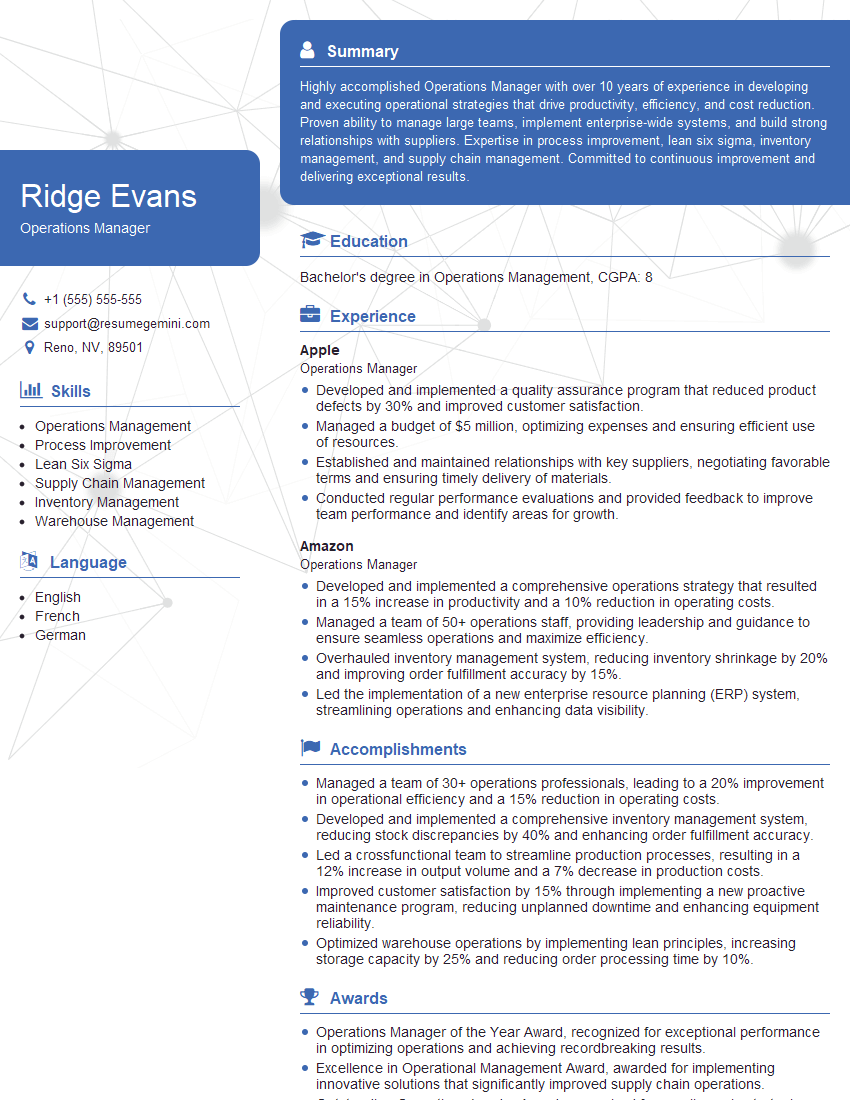
Operations Manager Resume Sample
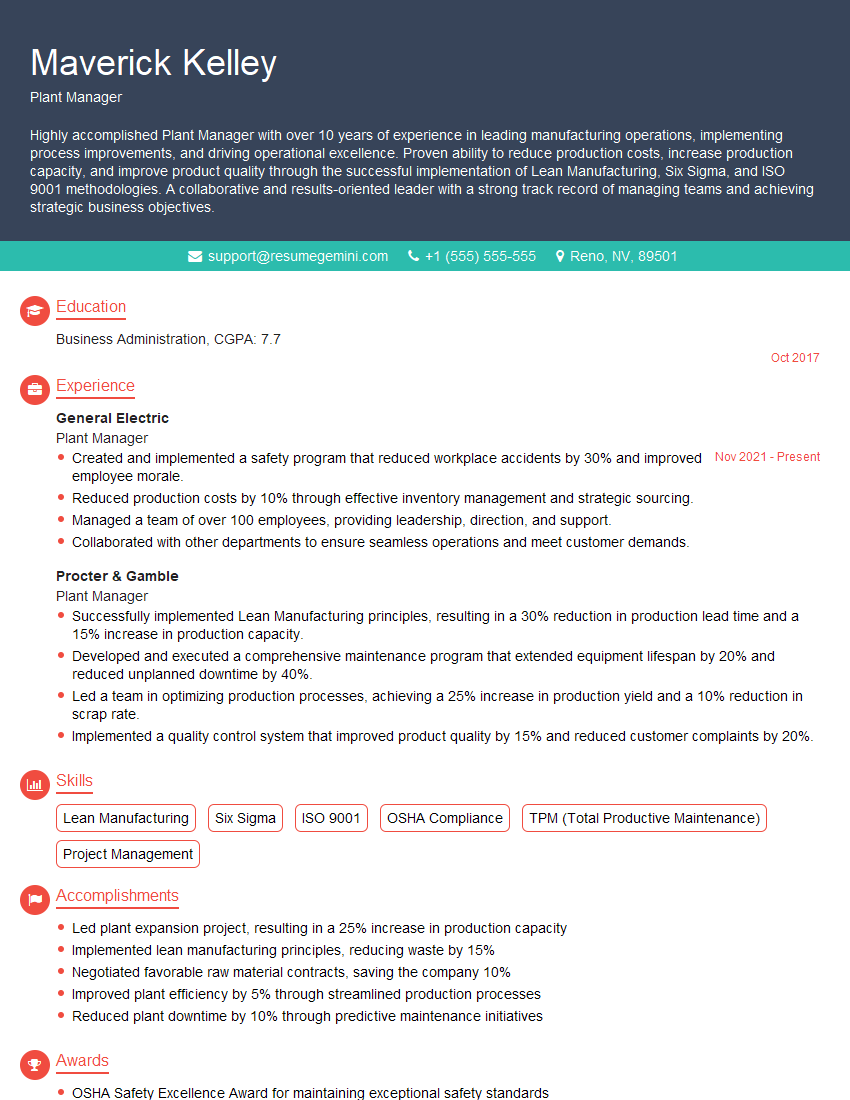
Plant Manager Resume Sample
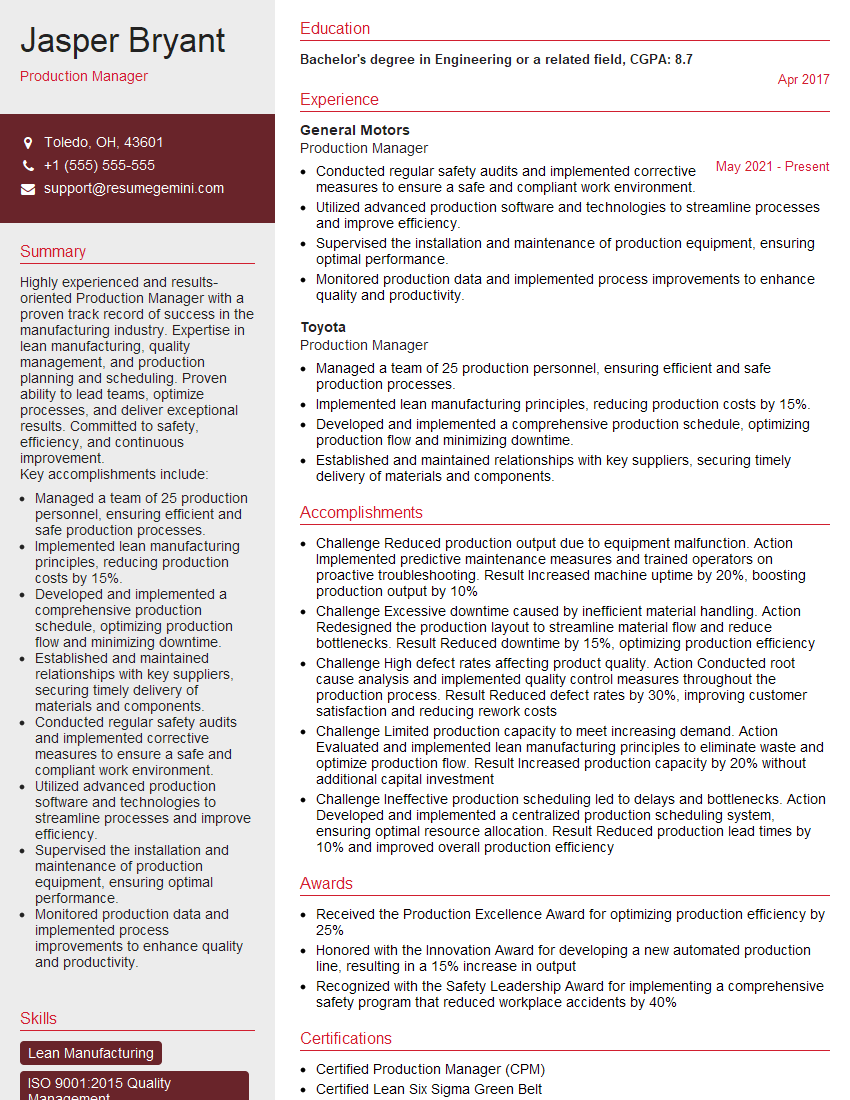
Production Manager Resume Sample
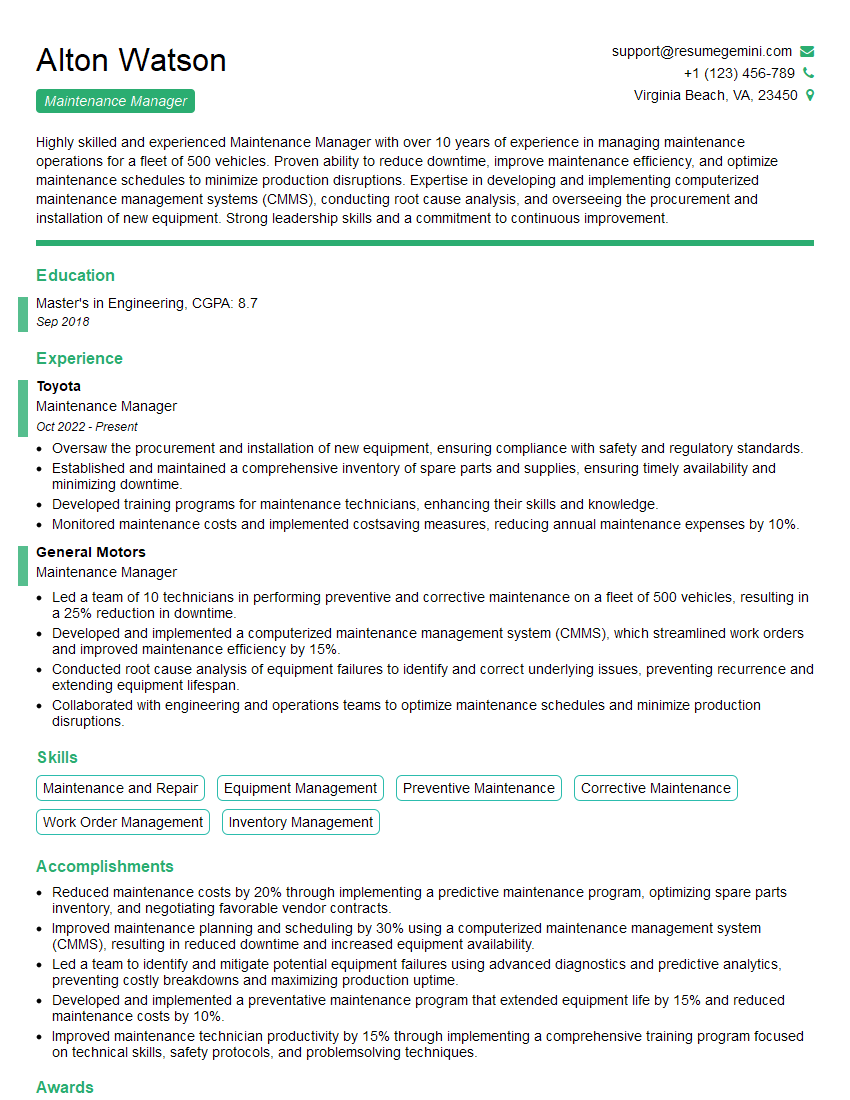
Maintenance Manager Resume Sample
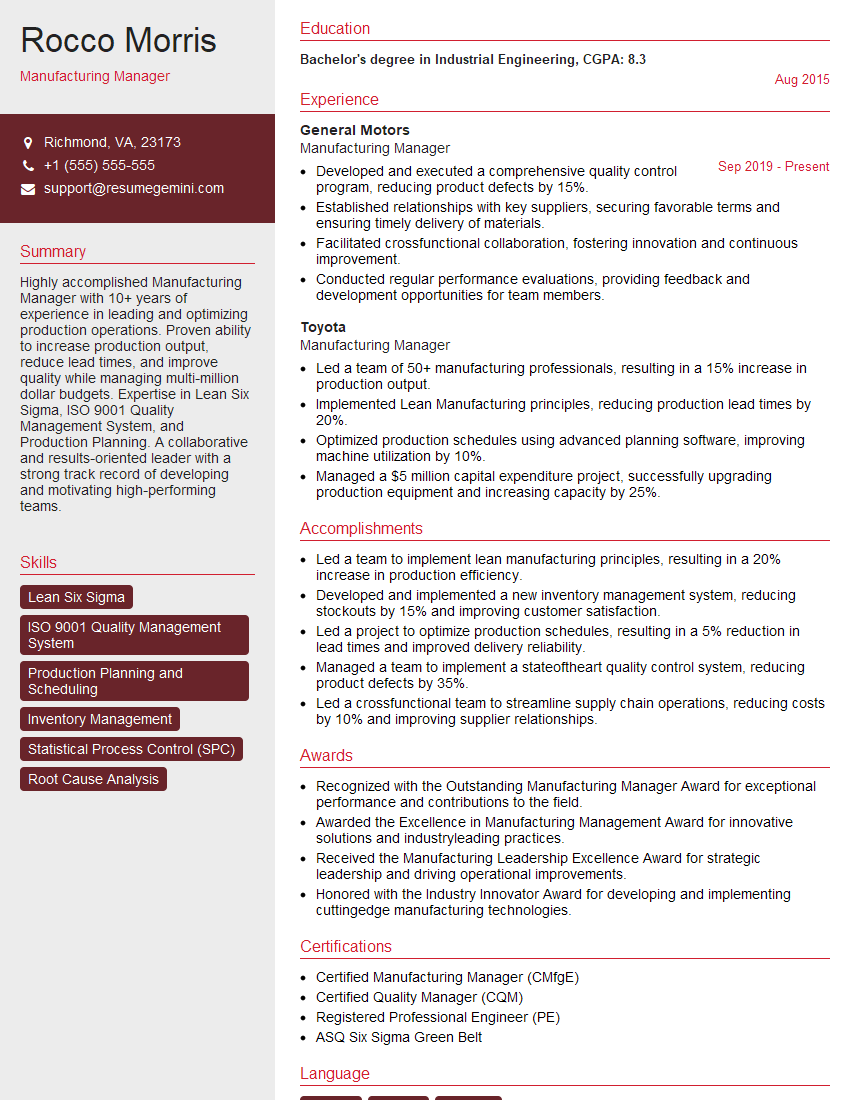
Manufacturing Manager Resume Sample
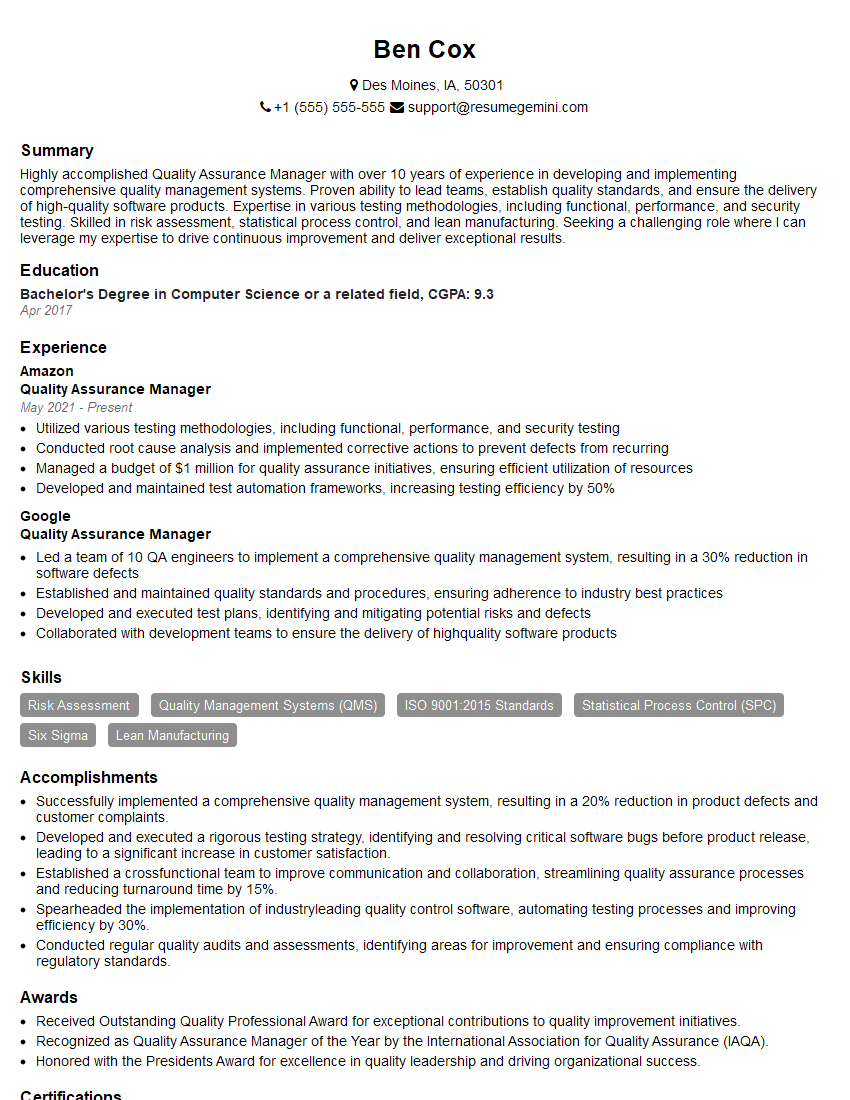
Quality Assurance Manager Resume Sample
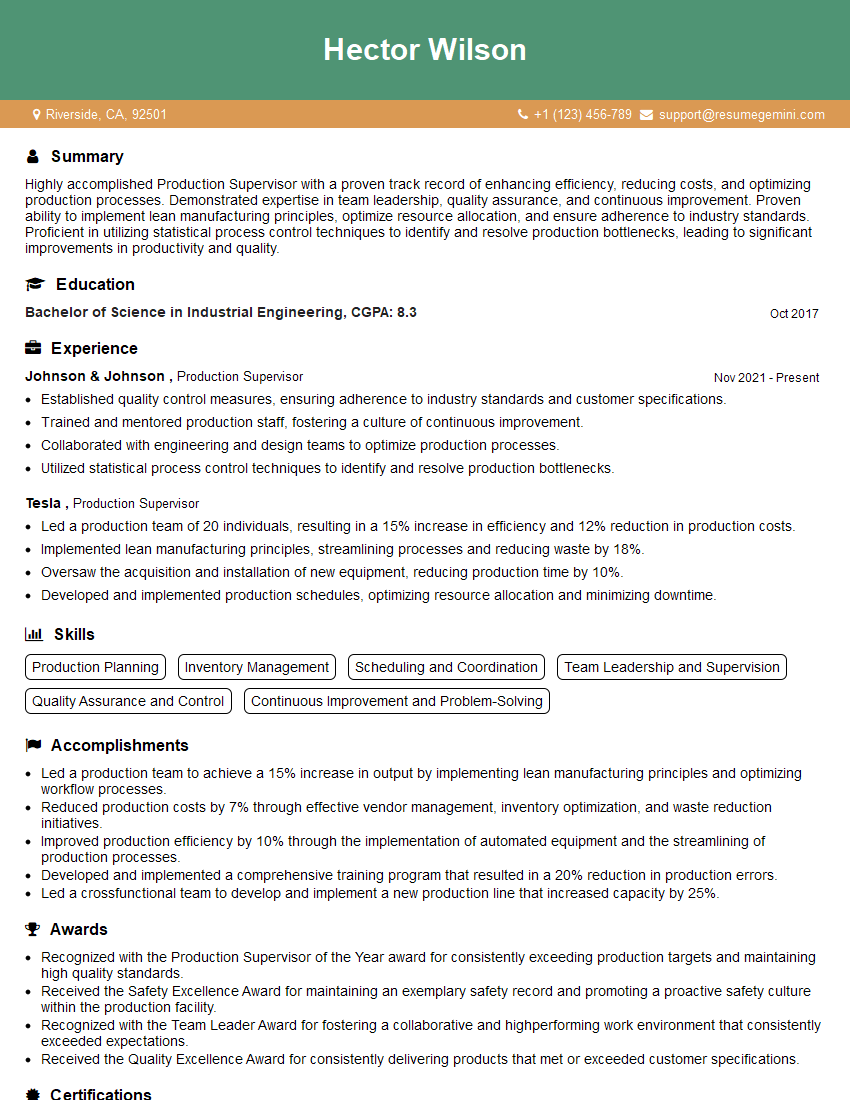
Production Supervisor Resume Sample
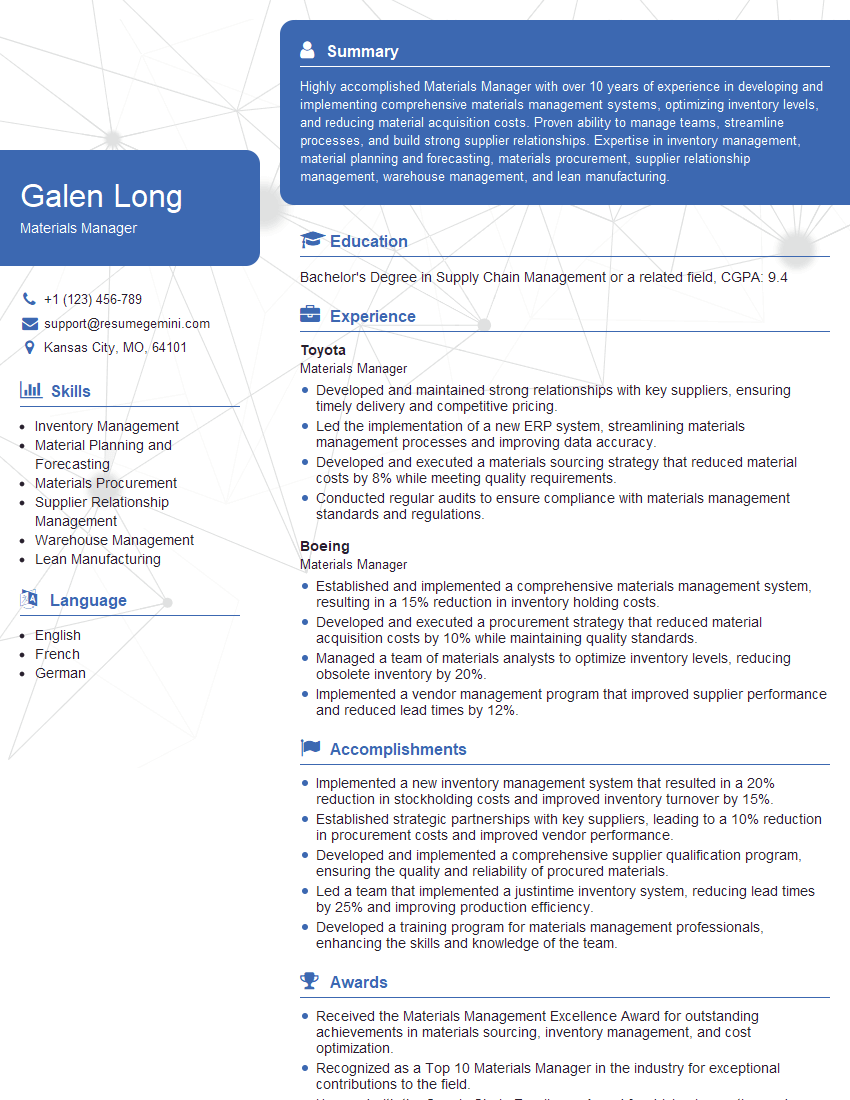
Materials Manager Resume Sample
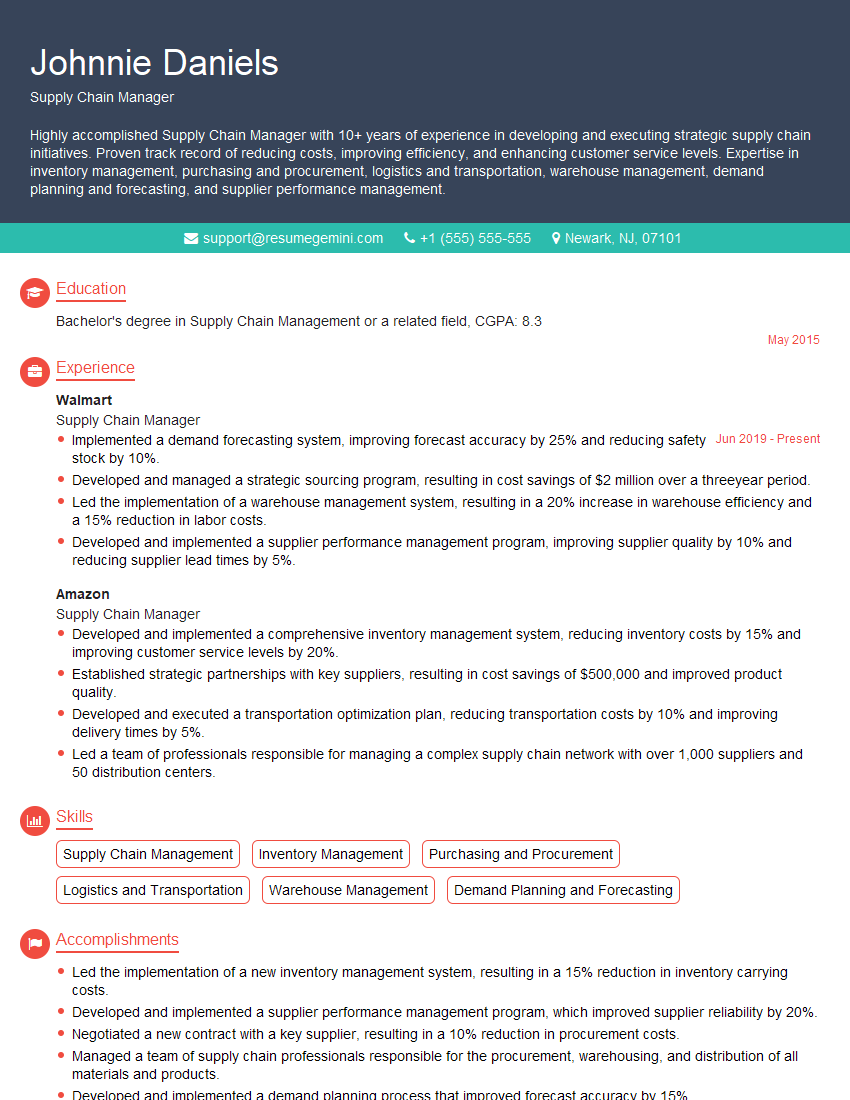
Supply Chain Manager Resume Sample
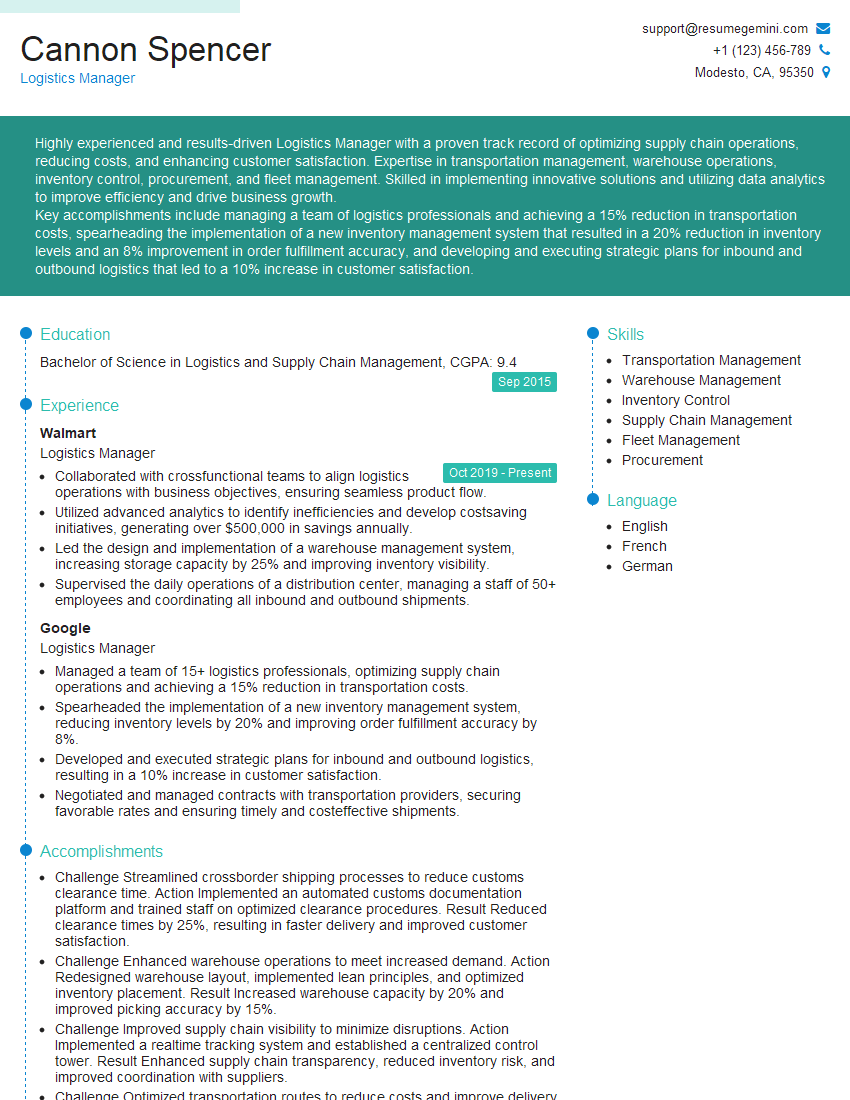
Logistics Manager Resume Sample
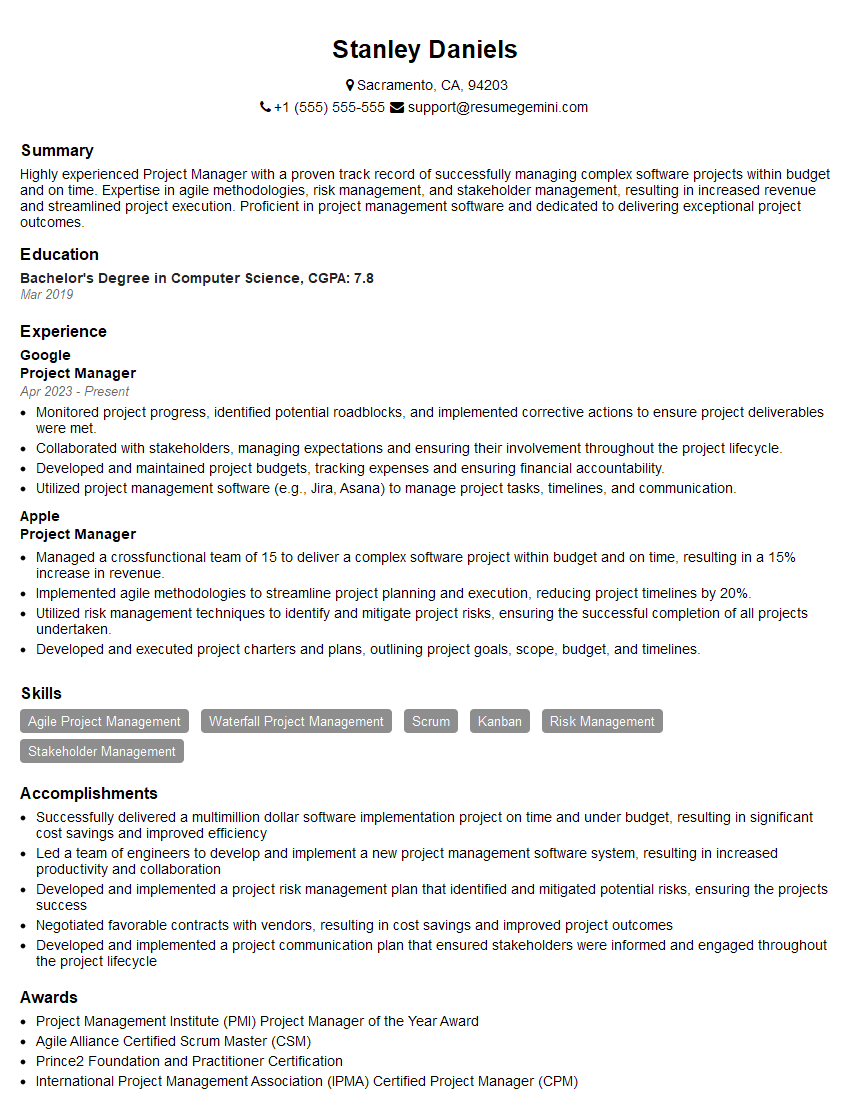
Project Manager Resume Sample
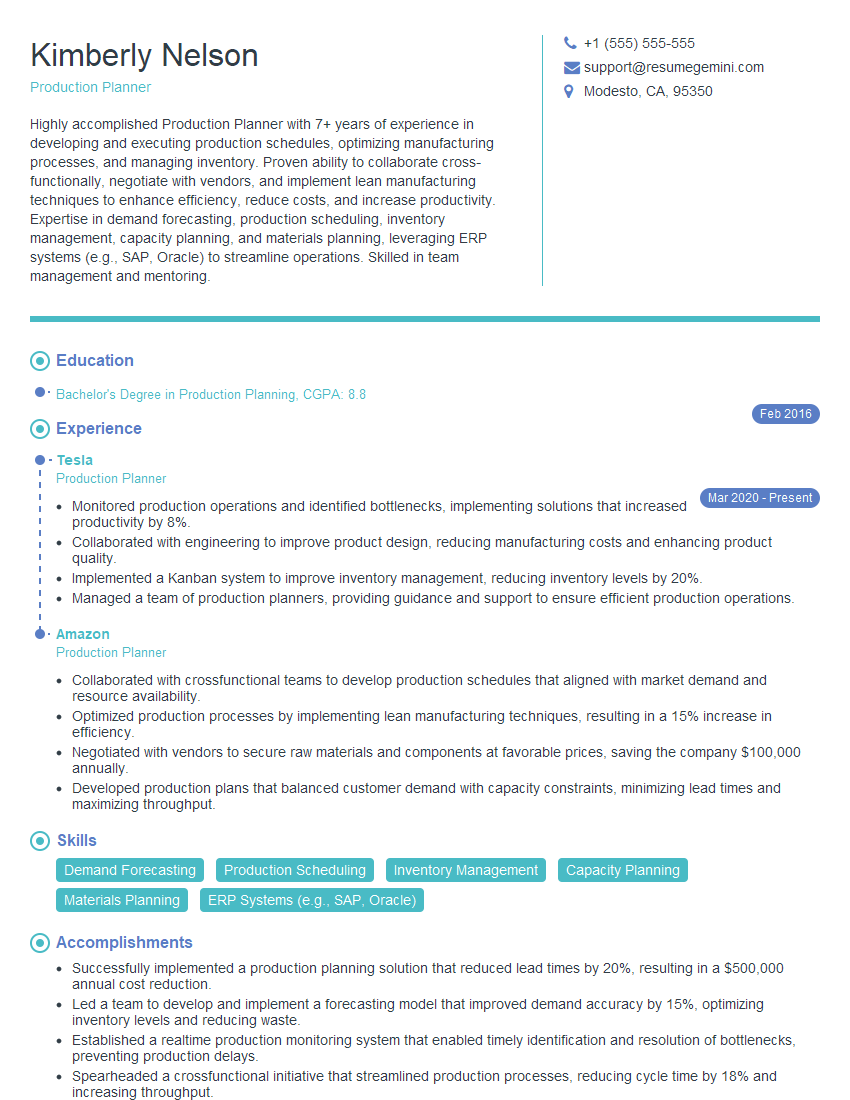
Production Planner Resume Sample
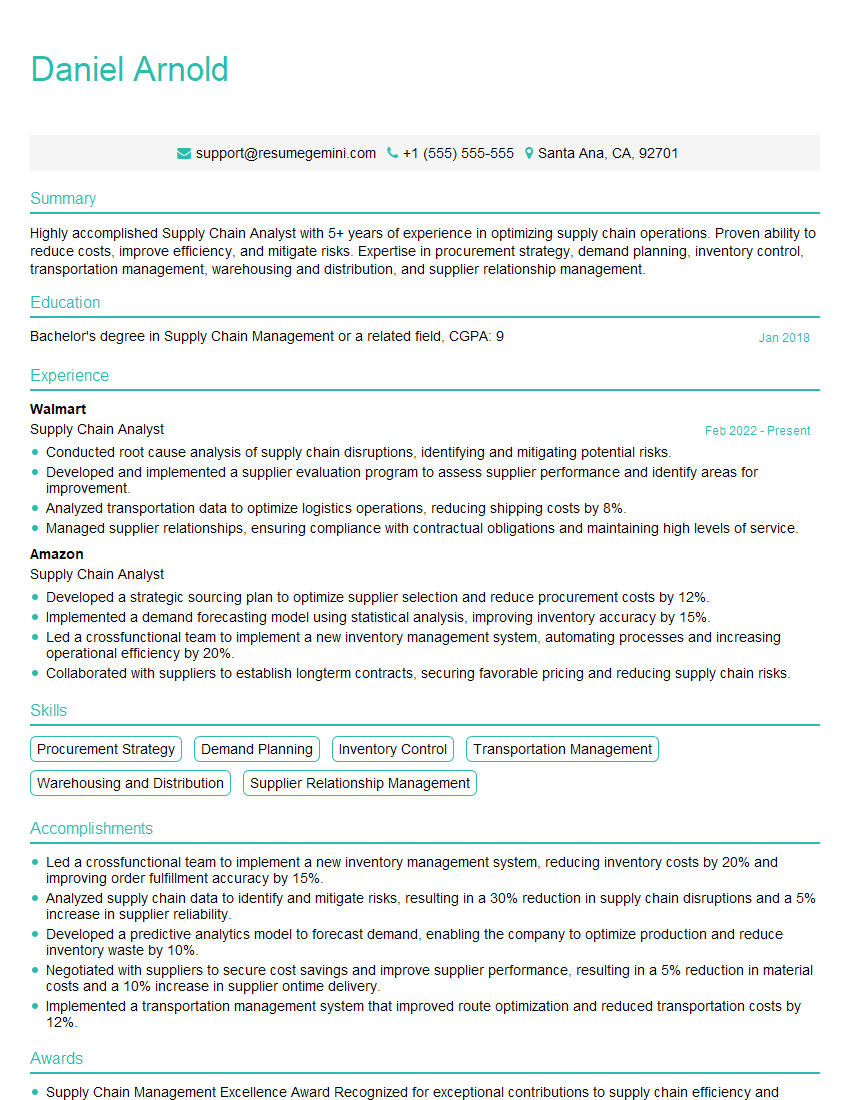
Supply Chain Analyst Resume Sample
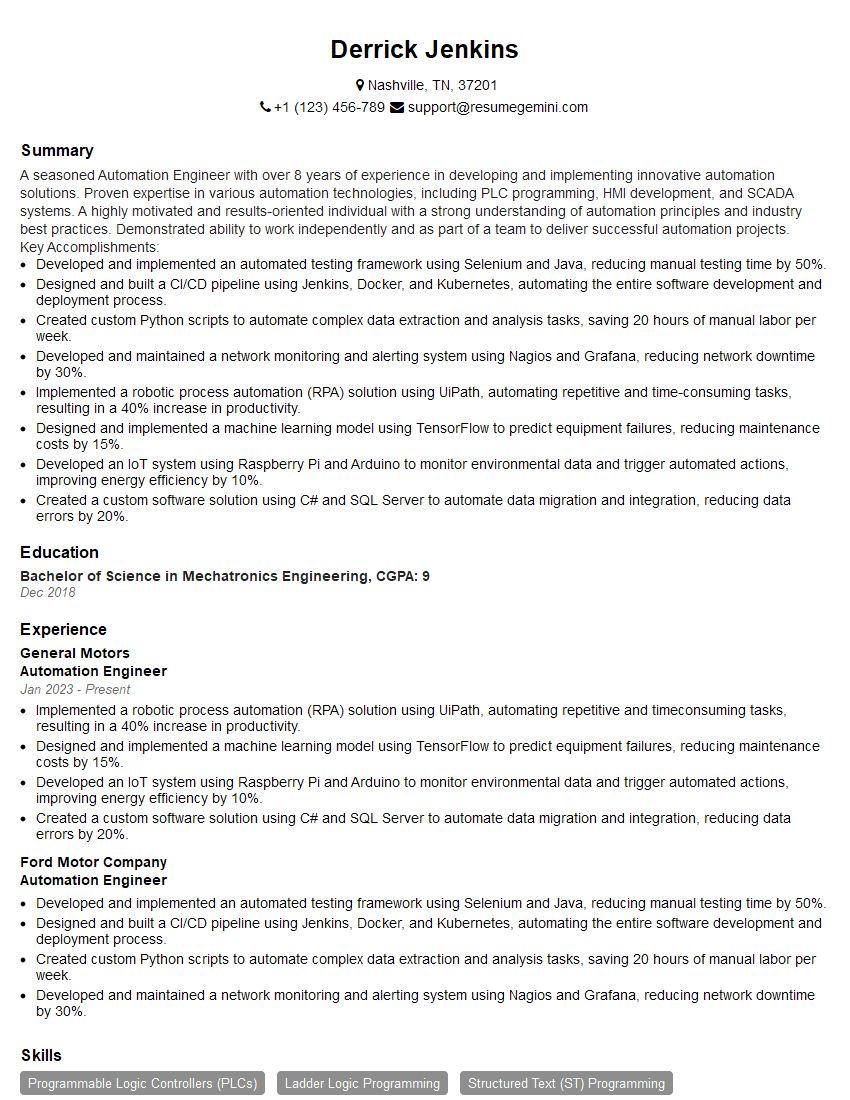
Automation Engineer Resume Sample
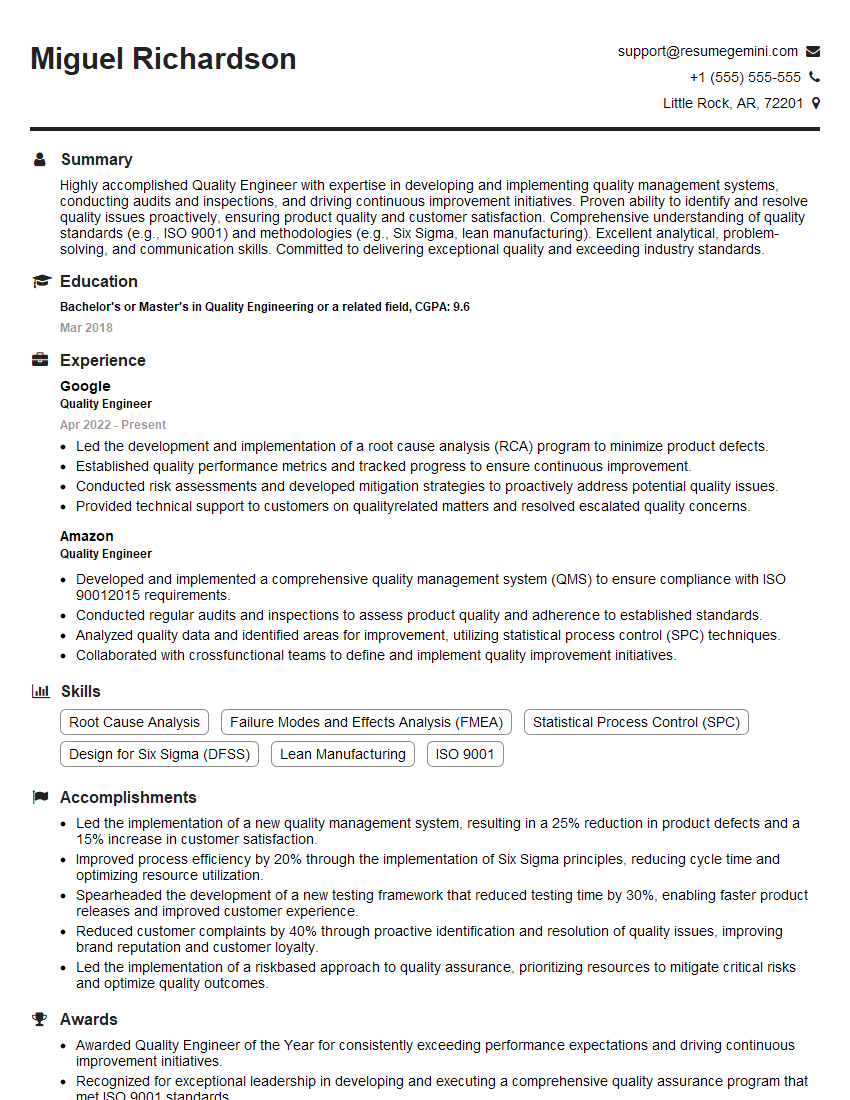
Quality Engineer Resume Sample
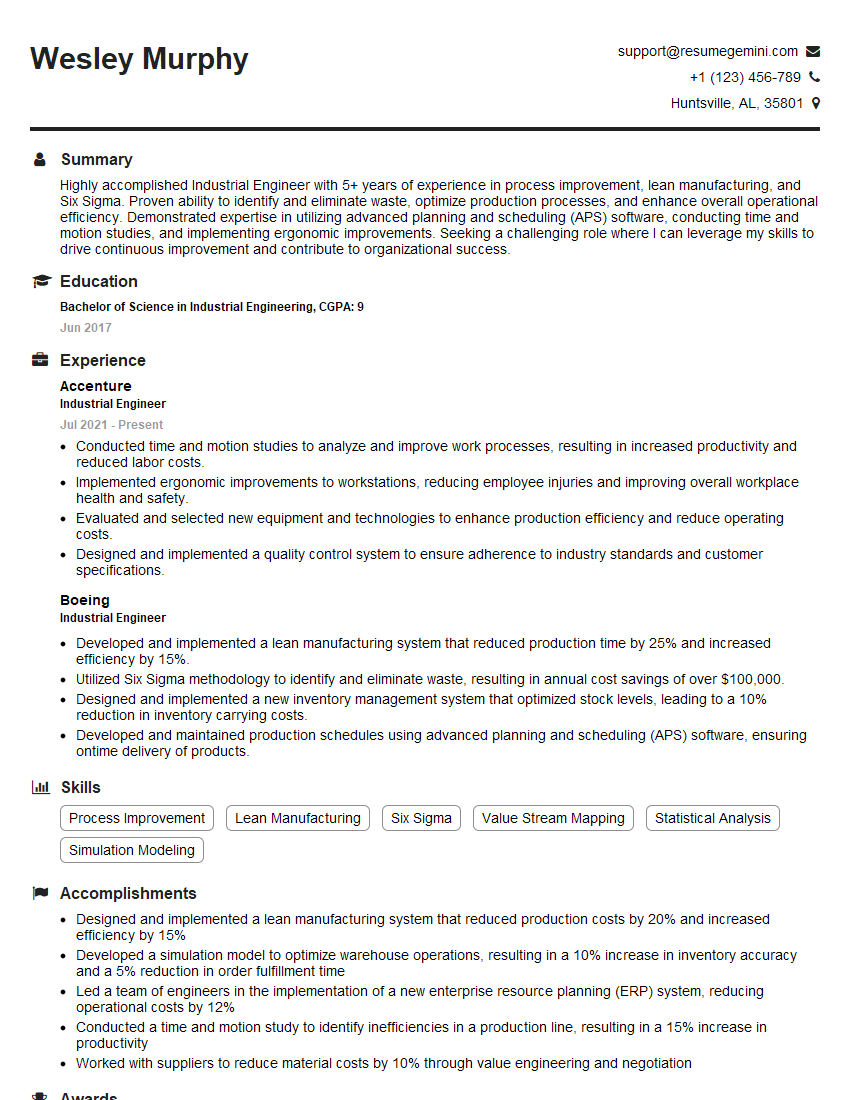
Industrial Engineer Resume Sample
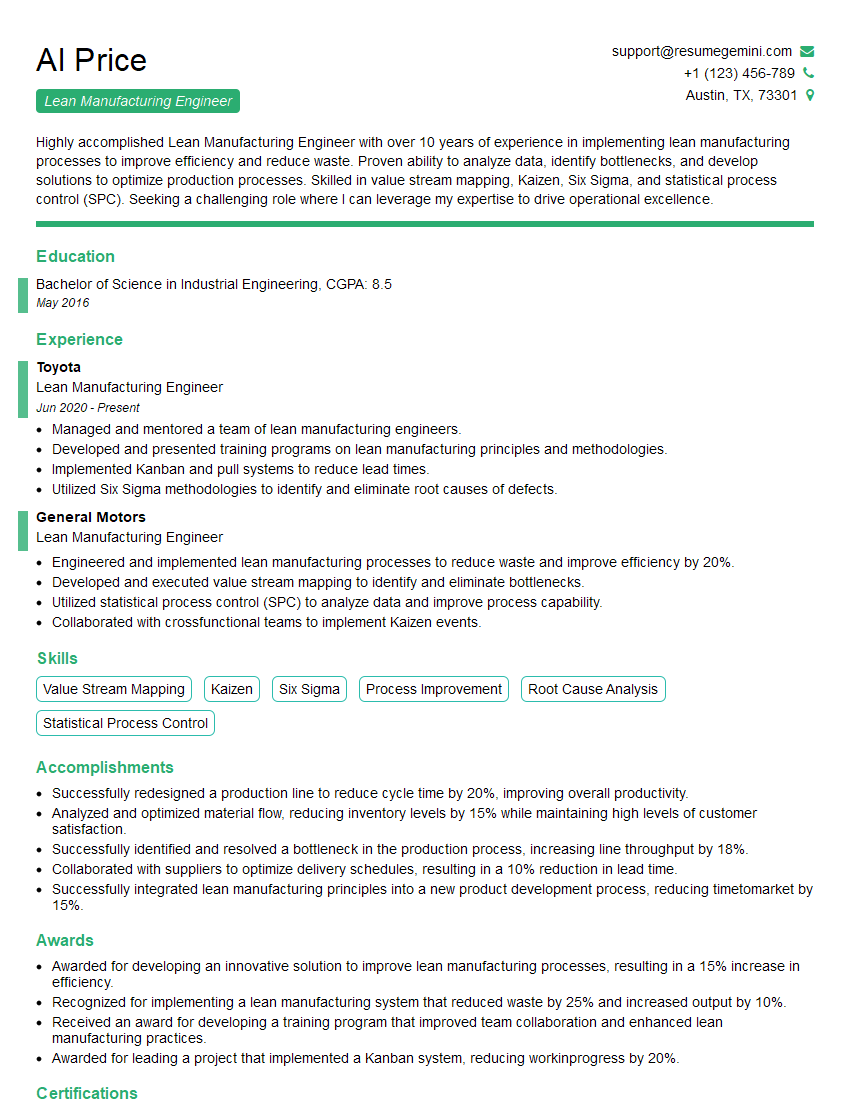
Lean Manufacturing Engineer Resume Sample
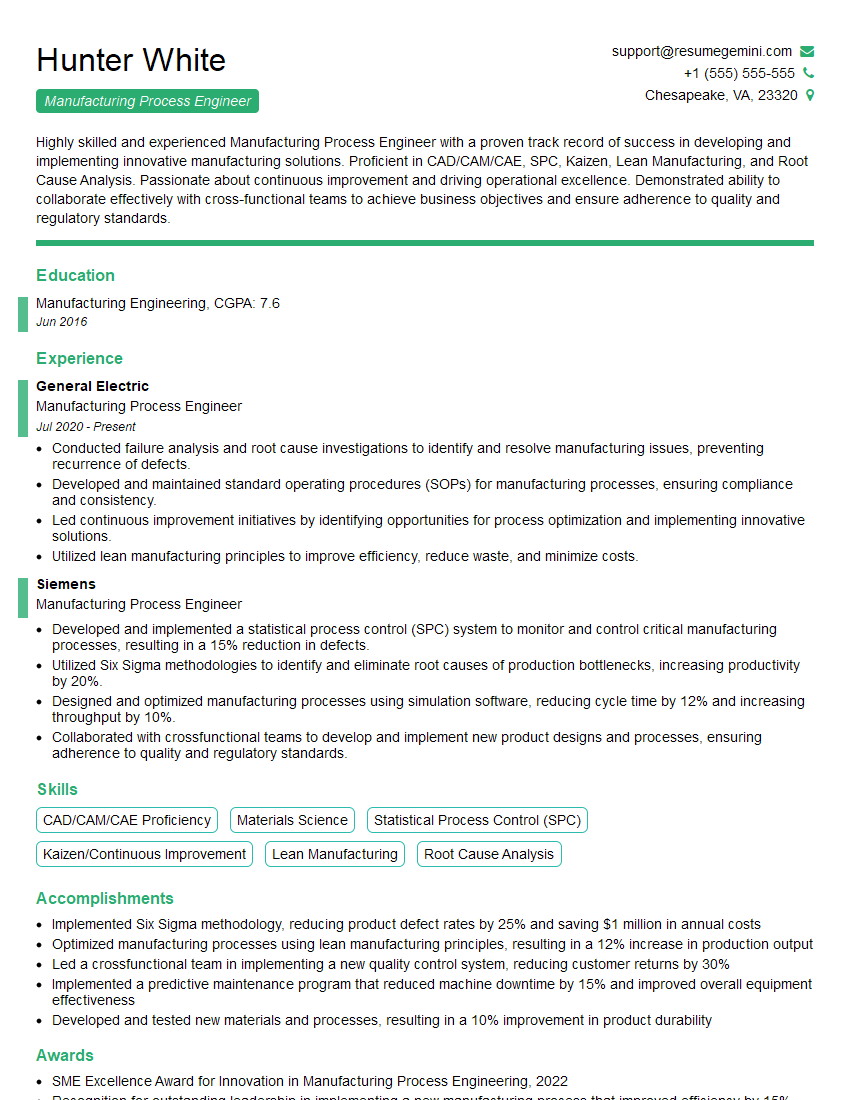
Manufacturing Process Engineer Resume Sample
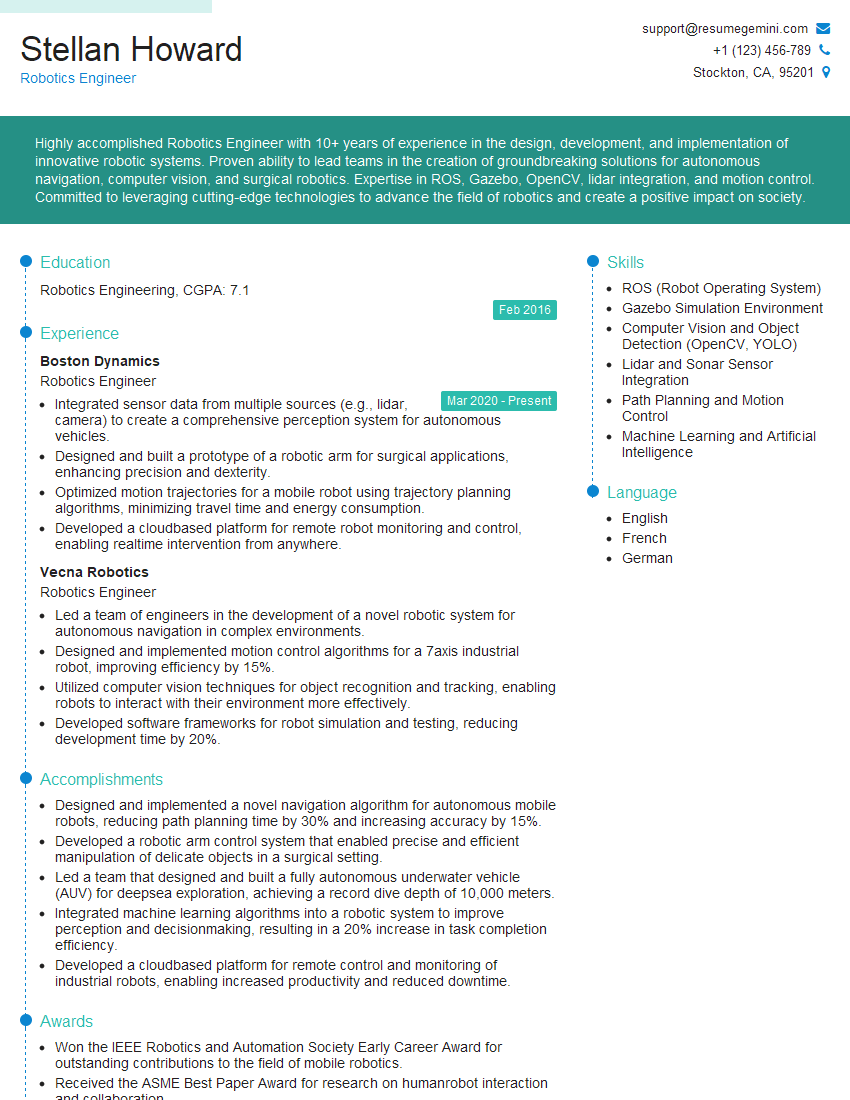
Robotics Engineer Resume Sample
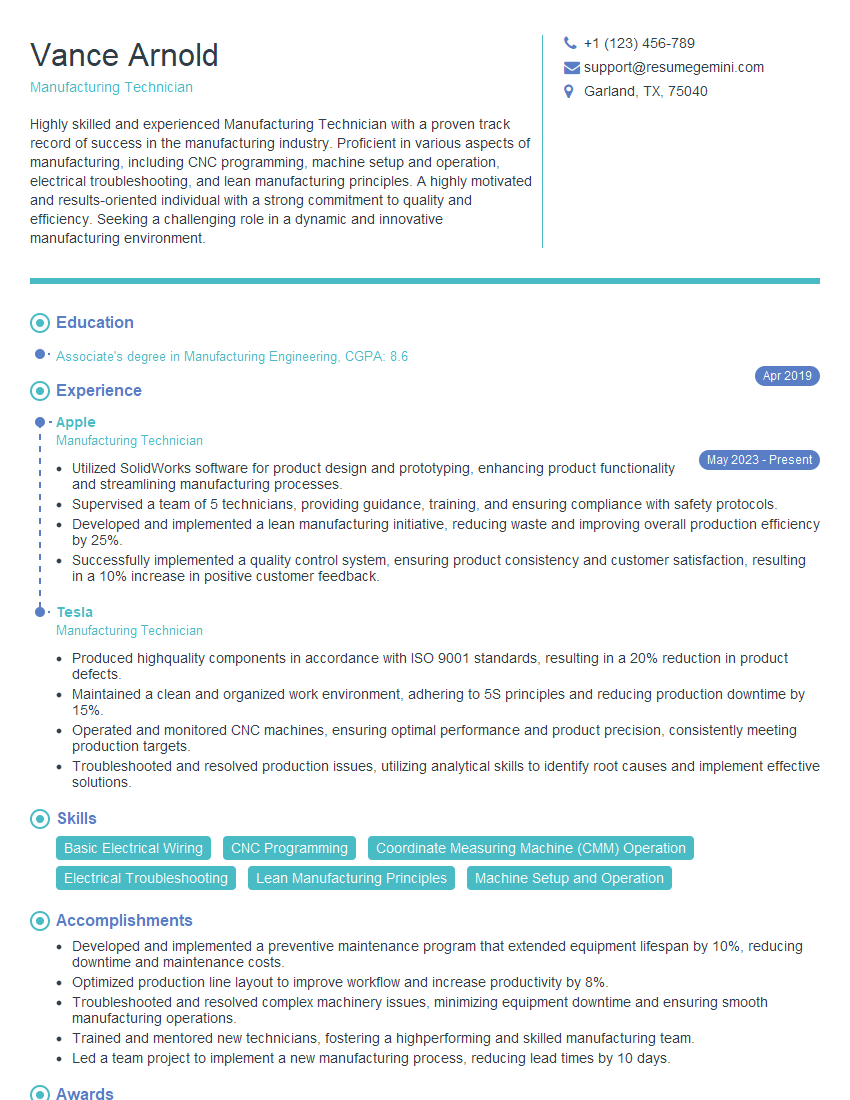
Manufacturing Technician Resume Sample
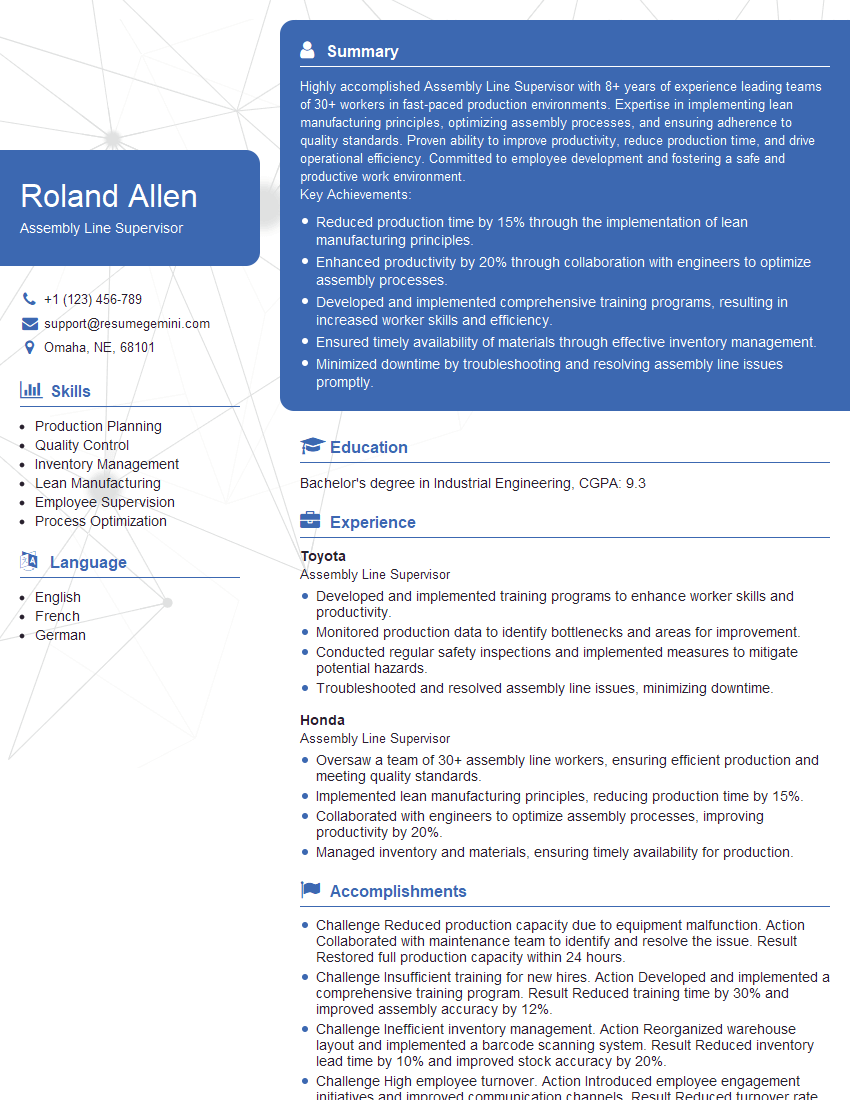
Assembly Line Supervisor Resume Sample
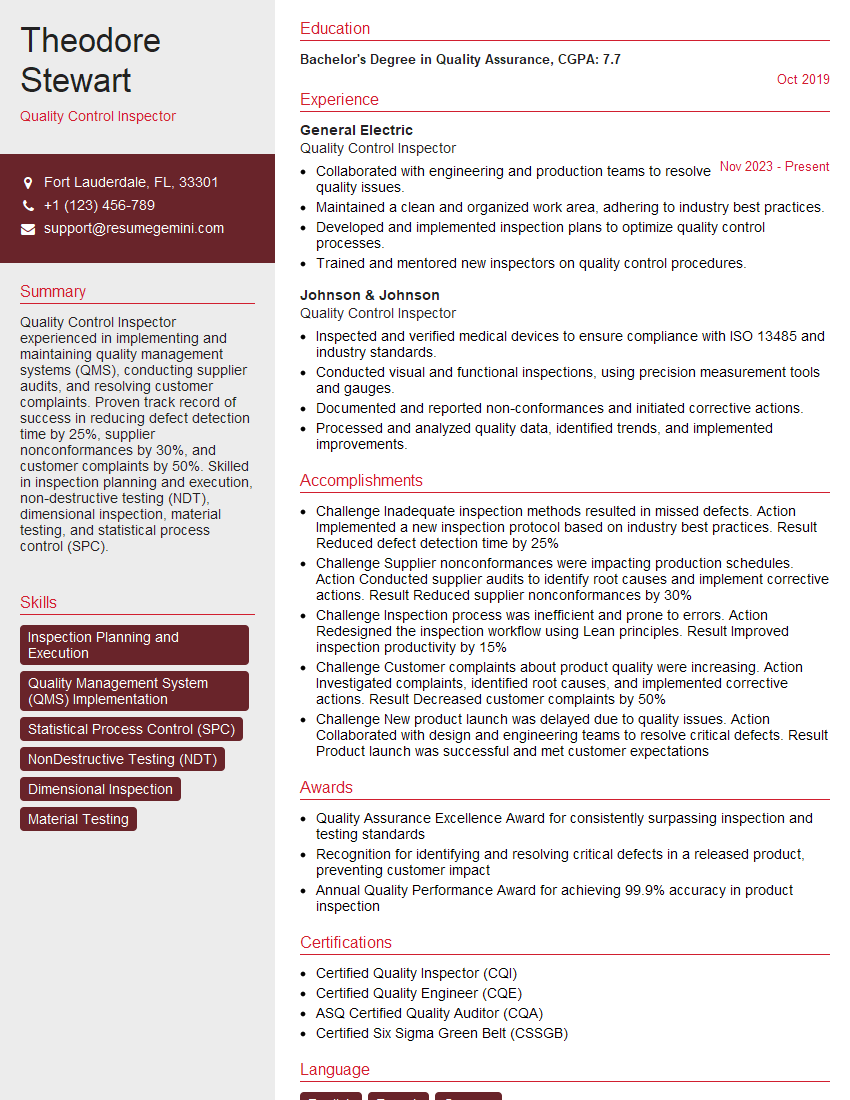
Quality Control Inspector Resume Sample
- Operations Manager
- Plant Manager
- Production Manager
- Maintenance Manager
- Manufacturing Manager
- Quality Assurance Manager
- Production Supervisor
- Materials Manager
- Supply Chain Manager
- Logistics Manager
- Project Manager
- Production Planner
- Supply Chain Analyst
- Automation Engineer
- Quality Engineer
- Industrial Engineer
- Lean Manufacturing Engineer
- Manufacturing Process Engineer
- Robotics Engineer
- Manufacturing Technician
- Assembly Line Supervisor
- Quality Control Inspector
Explore more articles
Users Rating of Our Blogs
Share Your Experience
We value your feedback! Please rate our content and share your thoughts (optional).
What Readers Say About Our Blog
Very informative content, great job.
good