Are you ready to stand out in your next interview? Understanding and preparing for Bale Tying interview questions is a game-changer. In this blog, we’ve compiled key questions and expert advice to help you showcase your skills with confidence and precision. Let’s get started on your journey to acing the interview.
Questions Asked in Bale Tying Interview
Q 1. What types of bale tying systems are you familiar with?
Bale tying systems broadly fall into two categories: twine tying and net wrap tying. Within twine tying, you have various knotting mechanisms – from simple single-knotters to more complex double-knotters offering greater security. These systems can be integrated into balers in different ways, either as inline knotters that tie the twine as the bale is formed, or as separate tying units that attach to the baler. Net wrap systems, on the other hand, use a roll of elastic net to encase the bale. This provides a fast and secure method for larger bale sizes, often seen with round balers.
- Twine tying: This is the traditional method, known for its reliability and lower initial cost, albeit with slightly slower tying speeds compared to net wrap.
- Net wrap tying: Offers a faster tying process and is less prone to twine breaks, however, it has a higher initial cost associated with the net wrap itself. It’s increasingly popular for its efficiency in handling large round bales.
Q 2. Describe the process of tying square bales.
Tying square bales typically involves a baler that compresses the material into a square shape. Once the bale reaches its desired size and density, the tying mechanism is activated. For twine systems, this involves feeding the twine around the bale and then the knotting mechanism creating a secure knot or series of knots. This is repeated at multiple points on the bale to maintain its structure. The tied bale is then ejected from the baler. The process ensures a consistently shaped bale, ideal for storage and handling.
Think of it like wrapping a present – you use twine or net wrap to secure the contents and maintain its shape. The quality of the tie directly impacts the bale’s structural integrity and prevents it from unraveling during transport and storage.
Q 3. How do you troubleshoot common bale tying machine malfunctions?
Troubleshooting bale tying machine malfunctions requires a systematic approach. First, check for obvious issues such as low twine or net wrap supply. Then, inspect the knotter mechanism for any blockages or damage. Twine breakage often results from tension problems, so examine the twine feed and tensioning mechanisms. If the problem persists, check the bale density; inconsistent density can strain the tying mechanism. Regularly lubricating moving parts is crucial for preventing breakdowns. I often find that a thorough visual inspection accompanied by a practical understanding of the machine’s mechanics helps pinpoint the problem quickly. A systematic troubleshooting process, much like solving a puzzle, often leads to the root cause.
- Low twine/net wrap: Replenish supply.
- Knotter malfunctions: Check for debris, damaged parts, and proper alignment.
- Twine breaks: Adjust tension, check for damaged twine, or replace the twine.
Q 4. What are the different types of twine and net wrap used in bale tying?
A variety of twine and net wrap materials are used in bale tying, each with its own characteristics and suitability for different applications. Twine is usually made from natural fibers like sisal or synthetic fibers like polypropylene. The choice depends on factors such as strength, durability, and cost. Similarly, net wrap varies in its material composition and mesh size. Some common types include polypropylene net wrap, which is strong and durable, and biodegradable options made from natural materials. The choice of material depends on the type of bale, the crop being baled, and the storage conditions.
- Twine: Sisal, polypropylene, biodegradable options.
- Net wrap: Polypropylene, biodegradable options, varying mesh sizes.
Q 5. Explain the importance of proper knotting techniques in bale tying.
Proper knotting techniques are paramount to ensure bale integrity. A poorly tied bale is susceptible to unraveling, leading to losses and potential damage. Tight, secure knots are essential for withstanding the forces of transportation and storage. Different knotting techniques exist for different tying systems, and the specifics are crucial for optimizing the effectiveness of the equipment and safeguarding against bale failure. Knowing the proper method for your baler is vital for productivity and preventing costly mistakes down the line.
Consider this: A poorly tied bale is like a poorly constructed building – prone to collapse. Proper knotting is the foundation of a secure and stable bale.
Q 6. How do you ensure consistent bale density?
Consistent bale density is achieved by precisely adjusting the baler’s settings. This includes factors like the pickup and feed rate, the compression level, and the bale size. Monitoring the bale’s density during the baling process is also crucial. A properly adjusted baler consistently produces bales of uniform density and size. Inconsistent density can lead to weak bales that are prone to damage, and can influence the efficiency of downstream operations like storage and handling. It’s all about finding the sweet spot to create firm, well-formed bales without over-compressing, which would strain the tying mechanism.
Think of it like baking a cake – you need the right ingredients and the right consistency to obtain a good result. Bale density is the same: a well-balanced density ensures both a good quality end product and the bale’s integrity.
Q 7. What safety precautions do you take when operating bale tying equipment?
Safety is paramount when operating bale tying equipment. Always ensure proper training before handling any baler. Never reach into the baler while it’s running. Use appropriate personal protective equipment (PPE), including safety glasses, gloves, and hearing protection. Regularly inspect the equipment for wear and tear and ensure all safety guards are in place. Maintaining a clear and tidy work area reduces the risk of accidents. Always be aware of your surroundings and avoid distractions. Finally, be mindful of others in the vicinity of the equipment. Safe practices are not just a recommendation, they are a non-negotiable part of the job.
Prioritizing safety is not just a rule, it’s a commitment to protecting yourself and your colleagues, ensuring a safe working environment for everyone.
Q 8. Describe your experience with different types of balers.
My experience encompasses a wide range of balers, from small square balers ideal for hay and straw in smaller operations to large round balers perfect for high-volume production of silage and haylage. I’ve also worked extensively with large square balers, known for their high-density bales suitable for storage and transport. Each type has its nuances. Small square balers are simpler to maintain but produce smaller, less dense bales, while large round balers are more complex but offer higher efficiency and larger bale sizes, minimizing storage space. Large square balers provide a balance between density and ease of handling. I’m familiar with both twine and net wrapping systems, understanding the advantages and disadvantages of each for different crop types and storage conditions. For example, twine is cost-effective but can sometimes result in bale inconsistencies, whereas net wrap offers superior bale integrity but adds to operational costs.
- Small Square Balers: Excellent for smaller farms and diverse crop types, offering simpler mechanics but lower output.
- Large Square Balers: High-density bales ideal for storage and transport, efficient for large-scale operations.
- Large Round Balers: High-volume baling, efficient for silage and haylage, requiring specialized handling equipment.
Q 9. How do you maintain and clean bale tying equipment?
Maintaining and cleaning bale tying equipment is crucial for optimal performance and longevity. My routine involves daily inspections for wear and tear, paying close attention to the knotters, needles, and tensioning mechanisms. I meticulously clean all components, removing any accumulated crop residue that could interfere with proper functioning. Lubrication is key; I use the manufacturer’s recommended lubricants at appropriate intervals. Regular checks of the twine or net wrap supply are essential to prevent mid-operation failures. Beyond daily cleaning, I conduct more thorough maintenance checks at the end of each baling season. This includes a complete disassembly and inspection of critical parts, replacing worn-out components as needed. Proper storage during periods of inactivity also plays a significant role in protecting the equipment from damage.
For example, after a long day baling hay, I always ensure to remove all the hay chaff from the knotters and needles using compressed air and a brush. Failure to do this can lead to jams and premature wear.
Q 10. What are the signs of a malfunctioning bale tying system?
Several signs indicate a malfunctioning bale tying system. Inconsistent bale size or shape is a primary warning sign, often stemming from issues with the bale chamber or tensioning system. Frequent bale ties breaking or failing to form properly points to problems with the knotter mechanisms, tension, or twine/net quality. Unexplained stops during the baling process, erratic operation of the bale ejector, or unusual noises from the tying mechanism are other critical indicators. If a bale is ejected prematurely or fails to tie, there’s likely an issue with the sensors or the knotting mechanism. I immediately address any of these signs, prioritizing safety to prevent potential equipment damage or injury.
For instance, if I notice the bales are consistently too loose, I check the bale chamber pressure and adjust the tension settings. If the ties consistently break, I inspect the knotter for wear and tear or debris buildup.
Q 11. How do you adjust bale size and shape settings on a baler?
Adjusting bale size and shape settings varies depending on the baler type. However, common adjustments include modifying the bale chamber’s dimensions (length and width for large square balers, diameter for round balers). These adjustments are typically made via hydraulic controls or mechanical levers, with specific settings determined by the operator’s experience and the desired bale size. The bale density is adjusted by controlling the compression force applied during the baling process. Often, there are adjustable tensioning systems affecting the twine or net wrap tightness. These need careful calibration to ensure consistent bale formation without compromising bale integrity. Incorrect settings can lead to loose bales prone to degradation or overly tight bales that stress the tying system. I always consult the baler’s manual for precise instructions and safety procedures during adjustments.
For example, on a large square baler, we would typically use the hydraulic controls to adjust the plunger stroke length, impacting bale density and length, while the bale chamber width is often pre-set and difficult to change. For a round baler, the diameter is typically controlled by adjusting the rollers and the bale density by adjusting the bale chamber pressure.
Q 12. Explain your understanding of bale stacking and storage techniques.
Bale stacking and storage techniques are crucial for preserving bale quality and preventing damage. Proper stacking involves creating a stable structure to withstand weather elements and prevent collapse. Bales should be stacked in a leveled area, preferably on a well-drained surface to prevent water damage and mold growth. Proper ventilation is crucial, so I avoid creating air-tight stacks. The arrangement often depends on bale shape and size; square bales are typically stacked in rows, whereas round bales are often stacked in rows or in a circular pattern. Covers can further protect the bales from weather and pests. I also consider the accessibility and efficiency of retrieval during the storage period. Poor stacking can lead to structural collapse, pest infestation, or water damage, reducing bale quality and value.
A good example is arranging round bales in a circular pattern, allowing for good air circulation, which is extremely important during long-term storage in high-humidity environments.
Q 13. How do you handle damaged or rejected bales?
Damaged or rejected bales are handled based on the extent of the damage. Minor imperfections might simply reduce the bale’s market value, potentially affecting the sale price. Severely damaged bales, perhaps due to improper tying or weather exposure, might be unusable. In such cases, these bales can’t be sold, necessitating disposal. The disposal method depends on local regulations and waste management practices. Some damaged bales can be used for alternative purposes, such as animal bedding or soil amendment, but appropriate assessment is required. In my experience, proper preventive maintenance and careful baling techniques significantly reduce the occurrence of damaged bales.
For example, if a bale has some superficial damage from weather exposure but still retains integrity, it could be marked down and sold for less, but if the bale has broken open exposing the contents to weather and pests, it might need to be disposed of.
Q 14. What is your experience with different types of agricultural crops requiring baling?
My experience covers a broad spectrum of agricultural crops requiring baling. I’ve worked extensively with various types of hay (alfalfa, timothy, fescue), straw (wheat, barley, oats), and silage (corn, sorghum). Each crop necessitates different baling settings due to variations in moisture content, density, and fiber structure. Hay, for example, generally requires tighter bales for long-term storage, while silage necessitates a balance between density and adequate fermentation. Straw, being drier, presents different challenges related to bale integrity. The baling process also differs depending on weather conditions and crop maturity. Understanding these nuances is vital for producing high-quality bales suited to their intended purpose.
For example, alfalfa hay, due to its higher moisture content, often requires lower bale density compared to straw to prevent spoilage and mold growth.
Q 15. Describe your experience with twine and net wrap management.
Twine and net wrap management are crucial for efficient and effective bale tying. My experience encompasses selecting the appropriate twine or net wrap based on crop type and baler specifications, ensuring consistent supply throughout the harvest season, and storing these materials correctly to prevent degradation. I’m proficient in identifying different twine types – for example, the strengths and weaknesses of natural fiber versus synthetic twines – and understand the impact of twine diameter on bale density and tying strength. Net wrap management includes proper roll placement on the baler, monitoring wrap tension for even coverage, and recognizing signs of potential problems, such as insufficient overlap.
For instance, in one season, I noticed increased twine breakage with a particular supplier’s batch. Through careful inspection, we found inconsistencies in the twine’s diameter. Switching suppliers resolved the issue and prevented considerable downtime.
Career Expert Tips:
- Ace those interviews! Prepare effectively by reviewing the Top 50 Most Common Interview Questions on ResumeGemini.
- Navigate your job search with confidence! Explore a wide range of Career Tips on ResumeGemini. Learn about common challenges and recommendations to overcome them.
- Craft the perfect resume! Master the Art of Resume Writing with ResumeGemini’s guide. Showcase your unique qualifications and achievements effectively.
- Don’t miss out on holiday savings! Build your dream resume with ResumeGemini’s ATS optimized templates.
Q 16. How do you ensure the efficiency of the bale tying process?
Efficient bale tying hinges on several factors. Firstly, proper baler setup is paramount. This includes correctly adjusting the knotter mechanism, ensuring consistent bale density, and optimizing the bale size for the intended use. Secondly, effective twine or net wrap management, as previously discussed, contributes significantly. Thirdly, a well-maintained baler is essential. Regular preventative maintenance minimizes breakdowns and ensures consistent performance. Lastly, the operator’s skill plays a vital role. Experienced operators can anticipate potential problems, react quickly to minor issues, and optimize the baling process to maximize throughput.
Think of it like an assembly line: each stage needs to function smoothly and efficiently for the whole process to work optimally. Any bottleneck – be it a faulty knotter, poor twine quality, or an inexperienced operator – will impact overall efficiency.
Q 17. What are the best practices for minimizing twine waste?
Minimizing twine waste requires a multi-faceted approach. Precise bale size adjustment reduces the amount of twine needed per bale. Regular inspection of the knotter mechanism prevents unnecessary twine usage due to misfires or improper knotting. Proper twine storage conditions prevent degradation, extending its lifespan. Furthermore, operator training on efficient tying techniques and the importance of minimizing loose ends can significantly reduce waste. Finally, using a baler with a twine saving feature can make a substantial difference.
For example, I’ve seen farms save significant amounts of twine by simply switching to a baler with an automatic twine saving system, which cuts the twine more precisely after tying.
Q 18. How do you identify and resolve problems with twine breakage or knotting issues?
Twine breakage or knotting problems often stem from several causes. Firstly, dull or damaged knotter needles can cause inconsistent knotting, leading to breakage. Secondly, low twine tension can result in weak knots and slippage. Thirdly, poor-quality twine, as previously mentioned, is a frequent culprit. Lastly, the presence of contaminants in the crop material can also interfere with the knotting process. Troubleshooting involves systematically checking each of these factors. Start by inspecting the knotter needles for wear and tear; replace or sharpen them as needed. Then, verify the twine tension setting and quality. Finally, check for crop contaminants that might be disrupting the knotting mechanism.
If the problem persists despite these checks, it is important to consult the baler’s manual or a qualified technician. A simple example: A consistent knotting issue on one side of the bale pointed towards a misaligned knotter needle on that side. A minor adjustment corrected the problem instantly.
Q 19. What is your experience with maintaining the correct tension on the bale tying system?
Maintaining the correct tension on the bale tying system is critical for bale integrity and efficient operation. Insufficient tension leads to weak knots and potential bale unraveling, while excessive tension can cause increased twine breakage and strain on the knotter mechanism. The optimal tension varies depending on the twine type, bale density, and crop moisture content. Most modern balers have tension adjustment mechanisms, usually requiring a simple dial or lever adjustment. However, monitoring the knot quality and observing the twine for signs of excessive stress is essential. Regular checks and fine-tuning are crucial to maintain the correct tension throughout the operation.
I often use a visual inspection of the knots: tight, well-formed knots indicate correct tension; loose or poorly formed knots indicate a need for adjustment.
Q 20. Describe your experience with preventative maintenance on balers and tying systems.
Preventative maintenance is paramount for maximizing baler lifespan and minimizing downtime. This involves a regular schedule of inspections and cleaning, encompassing lubrication of moving parts, checking and tightening bolts, replacing worn parts, and clearing debris buildup. A thorough pre-season inspection is crucial before commencing the harvest season, identifying potential problems before they lead to major breakdowns. Following the manufacturer’s recommended maintenance schedule is vital. For example, replacing worn knotter needles and belts prevent breakage and downtime. Proper storage during the off-season also helps to protect the baler from the elements, preventing rust and corrosion.
A preventative maintenance checklist, tailored to the specific baler model, assists in ensuring comprehensive coverage during inspections.
Q 21. How do you adapt your bale tying techniques to different field conditions?
Adapting bale tying techniques to different field conditions is essential for maintaining efficiency and bale quality. For instance, in wet conditions, adjustments might be necessary to reduce bale density to prevent excessive moisture buildup and spoilage. In rocky fields, a slower baling speed might be required to prevent damage to the baler and ensure consistent bale formation. Similarly, in heavily vegetated fields, careful monitoring is needed to prevent clogging of the baler mechanisms. The operator must be able to quickly identify and react to challenges posed by variations in field conditions, such as altering bale size or adjusting baler settings to maintain optimal performance.
One time, we encountered unusually wet conditions, necessitating a reduction in bale density to prevent mold growth. This resulted in slightly larger bales but ensured the overall quality and usability of the stored hay.
Q 22. How familiar are you with the different types of baler sensors and their functions?
Baler sensors are crucial for efficient and safe bale production. They monitor various aspects of the baling process, providing feedback to the machine and operator. Different sensors play distinct roles. For example:
Density Sensors: These measure the density of the material inside the bale chamber. They use methods like pressure sensors or capacitance sensors to determine the compaction level and signal the baler to adjust its compression accordingly. An example is a sensor that triggers the tying mechanism once a predetermined density is reached.
Moisture Sensors: These assess the moisture content of the material, ensuring optimal conditions for baling. Excessive moisture can lead to mold growth, while insufficient moisture may impact bale integrity. These are typically probes embedded in the material flow.
Length Sensors: These measure the length of the bale, ensuring it meets specified dimensions. They use optical or mechanical methods to detect the bale’s end, triggering the tying and ejection mechanisms. Inaccurate length measurement can result in inconsistent bale sizes and storage challenges.
Pick-up Sensors: These check for proper material pick-up and feeding, alerting the operator to potential blockages or inefficiencies. For example, a sensor might detect an empty windrow and automatically stop the baler, preventing damage.
Understanding the function of each sensor is vital for troubleshooting, optimizing bale production, and preventing costly breakdowns.
Q 23. How do you manage issues with uneven bale density?
Uneven bale density is a common issue, often resulting from inconsistent feed, inconsistent material characteristics (e.g., varying moisture content or crop type), or mechanical problems in the baler. Managing this requires a multi-pronged approach:
Regular Maintenance: Ensuring the baler’s components, particularly the pick-up and compression mechanisms, are well-maintained and adjusted is key. This includes checking for wear and tear on rollers, belts, and other moving parts.
Consistent Feed: A steady and even flow of material into the baler is crucial. Adjusting the windrow size and ensuring consistent ground speed can greatly impact bale density.
Proper Bale Chamber Adjustment: Adjusting the bale chamber pressure settings, often controlled through the baler’s computer interface, is essential. This involves fine-tuning to achieve the desired density depending on the material being baled.
Material Pre-processing: In some cases, pre-processing the material (e.g., chopping longer crops) can improve bale density and consistency.
Sensor Calibration: Regularly calibrating the density sensors ensures accurate readings, enabling the baler to respond effectively to variations in material density.
Troubleshooting involves systematically checking each of these areas, starting with the simplest solutions (like checking the feed) and progressing to more complex mechanical adjustments or sensor calibrations.
Q 24. What are your experience levels with different brands of bale tying equipment?
My experience encompasses a wide range of bale tying equipment brands, including John Deere, Krone, Claas, and New Holland. I’ve worked extensively with their various models, from smaller square balers to large round balers. This experience allows me to effectively diagnose problems, perform maintenance, and optimize settings based on the specific brand and model. For example, I’m familiar with the nuances of knotter adjustments in John Deere balers, and the unique features of the Krone’s electronic bale density control systems. I can also troubleshoot issues specific to each brand, such as hydraulic leaks or electronic sensor malfunctions.
I find that understanding the individual strengths and weaknesses of each brand and model leads to more efficient problem-solving and greater productivity.
Q 25. Explain your understanding of bale weight variations and how they are managed.
Bale weight variations arise from factors such as inconsistent material density, varying moisture content, and differing crop yields across the field. Managing these variations requires a careful consideration of several aspects:
Monitoring Bale Weights: Regularly weighing bales provides valuable data to identify trends and patterns in weight inconsistencies. Using scales integrated with the baling operation allows for real-time data capture.
Adjusting Baling Parameters: Based on the weight data, adjustments can be made to the baler’s settings, such as bale chamber pressure or pickup speed, to target the desired weight range.
Crop Management Practices: Optimizing crop management techniques, like fertilization and irrigation, can contribute to more consistent crop growth and yield, resulting in more uniform bale weights.
Data Analysis: Analyzing the collected weight data can reveal correlations between weight variations and specific field conditions or baling parameters, leading to improved practices.
Imagine having data that indicates consistently lighter bales in a specific area of a field. This could highlight issues with soil fertility in that zone, prompting targeted intervention like soil testing or fertilization adjustments.
Q 26. How do you ensure the correct bale dimensions are maintained?
Maintaining correct bale dimensions is essential for efficient storage, transport, and handling. This involves several key strategies:
Regular Calibration: Regularly checking and calibrating the baler’s length sensors is critical to ensure accurate bale length measurement. Any drift in the sensor’s readings can lead to oversized or undersized bales.
Adjusting Bale Chamber Settings: Proper adjustment of the bale chamber controls ensures the bale is compressed evenly and to the desired size. This may involve adjusting belts, rollers, or other mechanical components, depending on the baler type.
Maintaining Proper Bale Density: Consistent bale density is vital for dimensional stability. Uneven density can lead to irregularly shaped bales. Managing bale density, as discussed previously, is a critical aspect of controlling dimensions.
Visual Inspection: Regularly inspecting the bales for dimensional accuracy helps to identify and rectify any issues promptly.
Consistent bale dimensions are essential, not only for efficient handling but also for compatibility with storage and transportation systems. A simple example is the need for uniform bale sizes for automated stacking systems.
Q 27. What is your experience with working within a team during the bale tying process?
Effective teamwork is paramount in the bale tying process. My experience emphasizes clear communication, efficient coordination, and mutual support. This includes:
Coordination of tasks: In a team, roles are usually clearly defined—operators, maintenance personnel, and drivers coordinate efforts to ensure a seamless workflow.
Communication: Regular communication is essential to address any issues or concerns promptly. This may involve radio communication or hand signals, depending on the work environment.
Problem-solving: When problems arise, teamwork is crucial for finding quick and effective solutions. This might involve collaborative troubleshooting of equipment malfunctions or adjustments to optimize the process.
Safety: Working together ensures adherence to safety protocols and efficient hazard mitigation.
I’ve always valued collaboration, and find that team-based work greatly improves efficiency and reduces the incidence of errors during the bale tying process.
Q 28. How do you prioritize safety while working with high-speed bale tying machinery?
Prioritizing safety when working with high-speed bale tying machinery is non-negotiable. This requires a comprehensive approach:
Regular safety checks: Daily safety inspections of the machinery are crucial to identify potential hazards before operation. This includes checking for loose parts, damaged components, and ensuring all safety guards are in place.
Personal Protective Equipment (PPE): Always use appropriate PPE, including safety glasses, hearing protection, gloves, and sturdy footwear. This protects operators from potential injuries from moving parts or flying debris.
Proper Training: Thorough training on the safe operation and maintenance of the machinery is vital. This training should cover procedures for emergency stops, lockout/tagout procedures, and hazard identification.
Lockout/Tagout Procedures: These procedures must be rigorously followed when performing maintenance or repairs to prevent accidental starts.
Awareness of surroundings: Maintaining awareness of your surroundings, especially when operating in close proximity to other equipment or personnel, is key to preventing accidents.
Safety is not just a set of rules; it’s a mindset. By consistently prioritizing safety and fostering a culture of safety awareness, we minimize the risk of accidents and injuries.
Key Topics to Learn for Bale Tying Interview
- Bale Types and Characteristics: Understanding different bale types (round, square, rectangular), their sizes, weights, and densities, and the implications for tying methods.
- Tying Techniques and Knots: Mastering various twine tying techniques, including slip knots, square knots, and other specialized knots for different bale types and machinery. Understanding the importance of secure and efficient tying.
- Equipment Operation and Maintenance: Familiarity with different bale tying equipment (e.g., automatic tying systems, manual tying tools), their operation, and basic maintenance procedures to ensure optimal performance and safety.
- Twine Selection and Management: Understanding different twine materials, their strengths, and suitability for various bale types and conditions. Knowing how to efficiently manage twine supply and minimize waste.
- Troubleshooting and Problem Solving: Identifying and resolving common issues related to bale tying, such as knot failures, twine breakage, and equipment malfunctions. This includes understanding preventative maintenance practices.
- Safety Procedures and Regulations: Adherence to safety protocols while operating bale tying equipment, including proper personal protective equipment (PPE) usage and awareness of potential hazards.
- Efficiency and Productivity: Understanding strategies to maximize bale tying efficiency and minimize downtime, contributing to overall productivity.
- Impact of Bale Tying on Bale Integrity and Handling: Recognizing how proper tying techniques impact the structural integrity of bales for transport, storage, and handling.
Next Steps
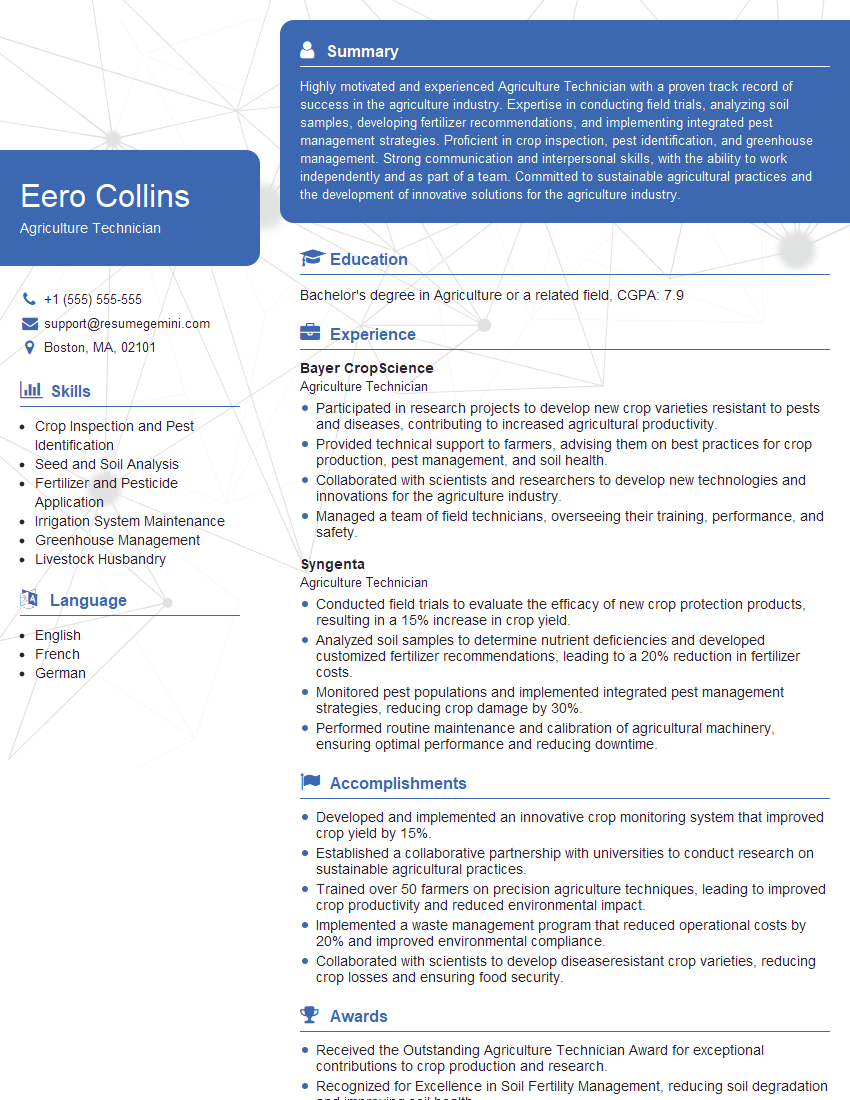
Mastering bale tying is a valuable skill that opens doors to rewarding careers in agriculture and related industries. Strong bale tying skills demonstrate attention to detail, problem-solving abilities, and a commitment to efficiency – all highly sought-after qualities by employers. To significantly increase your chances of landing your dream job, focus on creating a compelling and ATS-friendly resume. ResumeGemini is a trusted resource to help you build a professional resume that showcases your skills and experience effectively. Examples of resumes tailored to the Bale Tying field are available to help you craft the perfect application. Take the next step towards your successful career in bale tying today!
Explore more articles
Users Rating of Our Blogs
Share Your Experience
We value your feedback! Please rate our content and share your thoughts (optional).
What Readers Say About Our Blog
Very informative content, great job.
good