Feeling uncertain about what to expect in your upcoming interview? We’ve got you covered! This blog highlights the most important Baseball field management interview questions and provides actionable advice to help you stand out as the ideal candidate. Let’s pave the way for your success.
Questions Asked in Baseball field management Interview
Q 1. Describe your experience with different turfgrass varieties suitable for baseball fields.
Selecting the right turfgrass for a baseball field is crucial for performance and longevity. My experience encompasses a range of varieties, each with its strengths and weaknesses. For example, Tall Fescue blends offer excellent wear tolerance, crucial for the high-traffic areas around the infield. They’re also relatively low-maintenance and shade-tolerant. However, they might require more frequent mowing than other options. Conversely, Kentucky Bluegrass provides a lush, aesthetically pleasing surface, but it’s less wear-tolerant and requires more meticulous care, including fertilization and pest control. In warmer climates, Zoysia grass is a strong contender due to its heat and drought tolerance, although it can be slower to establish. The best choice often depends on the specific climate, soil conditions, and budget. For instance, a heavily used high school field might benefit from a durable tall fescue blend, while a professional stadium might justify the extra care needed for a Kentucky bluegrass blend, prioritizing aesthetics. I always conduct a thorough soil test to determine the best grass type suited for the site’s specific conditions.
Q 2. Explain your approach to maintaining proper soil drainage on a baseball field.
Proper soil drainage is paramount to prevent waterlogging, which leads to disease and poor playing conditions. My approach starts with a comprehensive assessment of the site’s topography and soil composition. This might involve using a soil probe to determine soil density and water infiltration rates. Addressing drainage often involves a combination of strategies. If the problem is poor soil texture, incorporating organic matter like compost improves water permeability. For fields with poor topography, I might recommend installing a subsurface drainage system—a network of perforated pipes laid beneath the playing surface to channel water away. This system is especially important in areas with high clay content. In addition, laser grading the field creates a consistent slope, ensuring water flows away from the playing area efficiently. Regular maintenance, such as aeration, prevents soil compaction, thereby maintaining optimal drainage capacity. I’ve found that combining these approaches usually delivers exceptional results, transforming a waterlogged field into one with excellent drainage.
Q 3. How do you address common turf diseases and pests affecting baseball fields?
Dealing with turf diseases and pests requires a proactive and integrated approach, focusing on prevention and timely intervention. Regular scouting is crucial for early detection. Common issues include fungal diseases like Dollar Spot and Brown Patch, and pests like Chinch Bugs and White Grubs. Prevention involves practices like proper fertilization to avoid nutrient imbalances, good air circulation (achieved through aeration and mowing at the correct height), and appropriate irrigation to avoid overly wet conditions. Once an issue is identified, I utilize a combination of cultural and chemical controls. Cultural controls focus on improving the overall health of the turf to boost its natural resistance, including proper mowing, fertilization, and aeration. Chemical control involves using appropriate fungicides and insecticides, always following label instructions carefully and employing Integrated Pest Management (IPM) principles to minimize environmental impact. I prioritize preventative measures, resorting to chemical controls only when absolutely necessary and carefully selecting the least-toxic options. For example, instead of immediately spraying insecticide for chinch bugs, I might initially try adjusting watering practices and using beneficial nematodes to control the pest population.
Q 4. What are your preferred methods for irrigation management and scheduling?
Efficient irrigation management is key to maintaining a healthy playing surface. My approach involves using a combination of weather data, soil moisture sensors, and evapotranspiration calculations to determine irrigation needs. I avoid overwatering, a common cause of disease and poor drainage. We use a combination of weather sensors and soil moisture sensors. These sensors provide real-time data that is used to fine-tune the irrigation schedule. We utilize a computer-controlled irrigation system, which allows for precise scheduling and water application based on the data gathered. This system allows for adjustment based on weather conditions, minimizing water waste and ensuring efficient watering. Furthermore, regular maintenance of the irrigation system is crucial, including checking for leaks and ensuring the proper functioning of all sprinklers to ensure even water distribution. This data-driven approach helps us optimize water usage while providing the turf with the exact amount of water it needs. We also employ techniques like cyclical watering, where the irrigation is shut off for periods in between, allowing the upper soil layers to dry slightly, promoting healthy root growth.
Q 5. Describe your experience with field marking techniques and equipment.
Precise field marking is critical for fair play. My experience includes using both traditional and modern techniques and equipment. Traditional methods involve using a string line and marking paint to delineate the field’s boundaries. However, for increased accuracy and efficiency, I prefer using laser-guided field marking machines. These machines provide precise lines for the playing field, including the bases, foul lines, and pitcher’s mound. They are significantly faster and more accurate than manual methods. I’ve found that using a field marking paint that is designed for sports fields provides better visibility and durability. This paint is formulated to adhere well to the turf and withstand heavy use. Regular maintenance and cleaning of the equipment is also important. Ensuring the marking equipment is in good working condition is vital for maintaining high-quality lines on the field. These machines are essential for ensuring a professionally marked field, and I’ve seen a vast improvement in efficiency and accuracy since their introduction. Maintaining consistent and clear field markings is paramount for fair play and enhanced player safety.
Q 6. How do you prioritize field maintenance tasks to ensure optimal playing conditions?
Prioritizing field maintenance tasks requires a strategic approach. I utilize a preventative maintenance schedule, focusing on tasks that prevent larger problems down the line. This involves regular mowing, fertilization, and aeration. However, immediate issues are addressed as soon as they arise. For instance, a significant disease outbreak takes precedence over routine fertilization. I employ a combination of daily, weekly, monthly, and seasonal maintenance schedules. Daily tasks include monitoring the field for damage or issues and spot-treating any problems as they arise. Weekly tasks involve mowing and general cleanup. Monthly tasks encompass tasks such as aerification and topdressing. Seasonal tasks are more extensive and depend on the climate and the condition of the field. These might involve overseeding in the fall or renovations during the off-season. This approach ensures that the field is always in the best possible condition while also being efficient with resource allocation. I also prioritize tasks that affect the largest area first, such as mowing, before moving onto smaller or more specialized tasks.
Q 7. What safety procedures do you implement for your field maintenance crew?
Safety is a top priority for my crew. We conduct regular safety training sessions, covering topics such as proper equipment use and maintenance, hazard recognition and avoidance, and emergency procedures. We provide personal protective equipment (PPE), including safety glasses, gloves, and hearing protection, and ensure that the crew is proficient in using the equipment. Before starting any work, a thorough site inspection is conducted to identify potential hazards, like uneven terrain, underground utilities, or potential obstacles. We also have clear communication protocols, ensuring everyone understands their roles and responsibilities. Regular maintenance checks are conducted on all equipment to prevent malfunctions that could cause accidents. Emergency procedures are well-defined, including procedures for first aid and contacting emergency services. These measures ensure a safe and productive work environment, minimizing the risk of accidents and injuries.
Q 8. Explain your understanding of the impact of weather conditions on field maintenance.
Weather significantly impacts field maintenance. Think of it like this: your baseball field is a living organism, reacting constantly to its environment. Extreme heat can dry out the infield, making it hard and dusty, while excessive rain can lead to waterlogging and mud. Cold temperatures can slow down grass growth and even cause frost damage.
Here’s a breakdown:
- Heat & Drought: Requires more frequent watering, potentially using irrigation systems and careful monitoring of soil moisture. We might also aerate the field more often to improve drainage and oxygen flow to the roots. We also have to be mindful of heat stress on the grass and possibly implement shade coverings in extreme cases.
- Rain & Waterlogging: Requires careful drainage management. This includes checking and cleaning drainage systems, ensuring proper grading of the field to prevent ponding, and using tools like squeegees to remove surface water promptly. In extreme cases, we might need to temporarily suspend play.
- Cold & Frost: This slows down grass growth. We might need to adjust fertilization schedules and protect the field with covers to prevent damage from frost heaving. We might also focus on repairing any winter damage that occurs.
Effective field maintenance involves anticipating and adapting to these weather challenges through proactive measures and adjusting our routines as needed.
Q 9. How do you manage the budget for field maintenance and equipment purchases?
Budget management for field maintenance is crucial. It’s like running a small business – you need to be efficient and prioritize. I typically start by creating a detailed budget that outlines all expected expenses. This includes items like:
- Labor costs: Salaries for groundskeepers, seasonal help.
- Materials: Fertilizer, seeds, soil amendments, pesticides, and repair materials.
- Equipment maintenance and repairs: Regular servicing of mowers, tractors, aerators, etc.
- Equipment purchases: Replacing worn-out tools or acquiring new ones based on need and long-term planning.
- Utility costs: Water, electricity for irrigation and equipment.
I track expenses meticulously, using software to monitor actual costs against the budget. Regular reviews help identify areas where we can save money without compromising field quality. For example, in one instance, I negotiated better rates with suppliers for bulk purchases of fertilizer, saving the organization a significant amount over the season. I also prioritize preventive maintenance on equipment to reduce the need for costly repairs later.
Q 10. Describe your experience with field renovations or construction projects.
I’ve been involved in several field renovations and constructions projects. One notable project involved a complete overhaul of a worn-out infield. We began with a thorough assessment of the existing field, identifying areas needing improvement. This included:
- Drainage evaluation: Determining the effectiveness of existing drainage systems and upgrading them where necessary.
- Soil testing: Analyzing soil composition to determine needed amendments (like sand or clay) for optimal drainage and playability.
- Base removal and replacement: Replacing deteriorated bases with new ones, ensuring they are properly leveled and installed.
- Infield resurfacing: Removing the old infield mix and installing a new, well-draining blend of materials tailored to the specific needs of the climate and playing style.
- Grading and leveling: Ensuring the entire infield surface is level and well-graded for optimal play.
The project required meticulous planning, coordination with contractors, and close monitoring of the construction process. It involved working with specialists in various fields, such as soil scientists and construction engineers. The end result was a significantly improved playing surface that met the highest standards of playability and safety.
Q 11. How do you handle unexpected field damage, such as divots or excessive wear?
Unexpected field damage is inevitable. It’s like dealing with a surprise pop-up in a baseball game – you have to react quickly and effectively. My approach is based on rapid assessment and prioritization:
- Immediate Assessment: Quickly evaluate the extent of the damage and determine its impact on playability.
- Prioritization: Focus on repairing areas that most affect the game (e.g., pitcher’s mound divots are more critical than minor grass wear).
- Rapid Repair: Employ appropriate techniques for repair – this could involve filling divots with a quick-drying infield mix, patching worn areas with sod, or using temporary coverings until a more permanent solution is possible.
- Preventative Measures: Following the repair, I’d analyze the cause of the damage (e.g., inadequate drainage, player behavior) and implement preventative measures to avoid recurrence. This might involve improved drainage or educating players on the importance of protecting the field.
Speed and efficiency are key. We utilize a well-stocked repair kit that is readily available so we can respond effectively to most issues promptly.
Q 12. What are your strategies for maintaining consistent field quality throughout the season?
Maintaining consistent field quality throughout a season requires a proactive and planned approach. It’s a bit like being a gardener – it requires constant attention and care. Key strategies include:
- Regular Mowing & Grooming: A consistent mowing schedule is essential, tailored to the grass type and weather conditions. Regular grooming includes edging, line-stripping, and brushing to maintain a clean, consistent playing surface.
- Fertilization & Pest Management: Regular soil testing helps determine fertilizer needs, preventing deficiencies that weaken the grass. A proactive pest management program prevents infestations that can damage the field.
- Irrigation Management: Careful monitoring of soil moisture and adjusting irrigation schedules based on weather patterns are crucial, especially during dry periods. We might use smart irrigation systems to optimize water usage.
- Aeration & Overseeding: Aeration improves air and water penetration into the soil, promoting healthy grass growth. Overseeding helps to fill in bare or thin areas, maintaining a dense, uniform turf.
- Regular Inspections: Daily inspections help identify potential problems early, allowing for timely intervention before they escalate.
This consistent, planned approach ensures the field is always in top condition and ready for play, regardless of the time of year or game schedule.
Q 13. Describe your experience with using different types of turf equipment.
I’ve had extensive experience with various turf equipment, from basic hand tools to sophisticated machinery. This includes:
- Mowing Equipment: Riding mowers, reel mowers, rotary mowers – each suited to different needs. Reel mowers, for example, provide a precise cut for the outfield, while rotary mowers are better for rougher areas.
- Aeration Equipment: Solid tine aerators, hollow tine aerators, and even aerating rollers – choosing the right tool depends on the soil type and the extent of compaction.
- Grooming Equipment: Drag mats, brushes, and rollers – these are used to level the surface, remove debris, and improve the overall appearance and consistency of the playing field.
- Irrigation Equipment: I’ve worked with various irrigation systems, including sprinkler systems, drip irrigation, and subsurface irrigation, each with its advantages and disadvantages.
- Tractors and Utility Vehicles: These are crucial for transporting materials and equipment around the field, especially during larger maintenance tasks.
My experience encompasses selecting, maintaining, and operating this equipment effectively and safely. I always prioritize operator safety and equipment maintenance to maximize their lifespan and productivity.
Q 14. How do you ensure the proper use and maintenance of field equipment?
Proper use and maintenance of field equipment are vital for safety and efficiency. It’s like taking care of your car – regular maintenance extends its life and prevents costly repairs. My approach includes:
- Operator Training: All operators receive thorough training on the safe and proper use of each piece of equipment. This covers basic operation, safety procedures, and routine maintenance checks.
- Preventive Maintenance Schedule: A detailed schedule ensures that all equipment is regularly serviced, inspected, and repaired as needed. This includes oil changes, blade sharpening, and lubrication.
- Proper Storage: Equipment is stored in a secure, dry location to protect it from the elements and prevent damage. This also extends the life of the equipment.
- Regular Inspections: Before each use, a quick inspection ensures the equipment is in safe working order. This includes checking for worn parts, loose connections, or leaks.
- Record Keeping: Detailed records of maintenance and repairs are kept for each piece of equipment. This allows us to track usage, identify potential issues, and plan for future maintenance and replacements.
This multi-faceted approach guarantees equipment operates at peak performance, minimizes downtime, and enhances safety for all personnel involved.
Q 15. How do you train and supervise your field maintenance crew?
Training and supervising a field maintenance crew requires a blend of technical expertise and strong leadership. I begin by providing comprehensive, hands-on training on all aspects of baseball field maintenance, from mowing techniques and infield grooming to irrigation management and pest control. This includes safety training, emphasizing the proper use of equipment and the importance of adhering to safety protocols. My approach incorporates a combination of classroom instruction and practical fieldwork. I use demonstrations, allowing crew members to learn by doing, under my direct supervision.
Supervision involves regular inspections of their work, providing constructive feedback, and addressing any issues promptly. I foster open communication within the team, encouraging questions and problem-solving discussions. Regular performance evaluations allow me to track progress, identify training needs, and recognize excellent performance. I regularly review and update our standard operating procedures (SOPs) to incorporate best practices and industry advancements. For example, we recently updated our mowing techniques to reduce soil compaction, improving the field’s overall playability. This continuous improvement approach ensures consistently high-quality field maintenance.
Career Expert Tips:
- Ace those interviews! Prepare effectively by reviewing the Top 50 Most Common Interview Questions on ResumeGemini.
- Navigate your job search with confidence! Explore a wide range of Career Tips on ResumeGemini. Learn about common challenges and recommendations to overcome them.
- Craft the perfect resume! Master the Art of Resume Writing with ResumeGemini’s guide. Showcase your unique qualifications and achievements effectively.
- Don’t miss out on holiday savings! Build your dream resume with ResumeGemini’s ATS optimized templates.
Q 16. Explain your experience with managing field maintenance contracts.
Managing field maintenance contracts requires meticulous planning, clear communication, and a keen eye for detail. My experience involves everything from negotiating contract terms and outlining scope of work to overseeing project timelines and budgets. I excel at creating detailed proposals, specifically outlining tasks, materials, and expected outcomes. This ensures transparency and avoids any misunderstandings with clients. I have successfully managed contracts ranging from small-scale renovations to large-scale overhauls of entire baseball facilities. One significant project involved overseeing the complete renovation of a high school baseball field, which included replacing the drainage system, resurfacing the infield, and installing a new irrigation system. This project required effective coordination with subcontractors, adhering to strict deadlines and budget constraints, and maintaining transparent communication with the client throughout the process.
Throughout the duration of the contracts, I regularly monitor progress, ensuring adherence to the agreed-upon schedule and budget. I also maintain detailed records of all work performed, materials used, and expenses incurred. This ensures accountability and facilitates accurate reporting to clients. Through effective contract management, I have consistently delivered projects on time and within budget, resulting in high client satisfaction.
Q 17. How do you communicate effectively with coaches, players, and other stakeholders?
Effective communication is paramount in my role. I utilize a multi-faceted approach to ensure all stakeholders are informed and their concerns are addressed. With coaches, I maintain open lines of communication, proactively informing them about field conditions and any planned maintenance activities that may temporarily impact play. Regular meetings allow us to discuss their needs and preferences regarding field conditions.
I communicate with players by fostering a respectful and collaborative environment. This ensures that player concerns regarding the field’s safety and playability are addressed promptly and respectfully. Similarly, I actively engage with other stakeholders, including facility managers, groundskeepers, and even parents, ensuring everyone is aware of scheduled maintenance or any field closures. I regularly share updates through various communication channels including email, text messaging, and even using a dedicated communication board at the facility for quick updates.
Clear and concise communication, coupled with active listening, ensures that everyone understands their role in maintaining the optimal playing surface. This collaborative approach builds trust and results in a smoother and more efficient workflow.
Q 18. Describe your familiarity with relevant industry regulations and best practices.
I am intimately familiar with industry regulations and best practices related to baseball field management. This includes adhering to local and state regulations on pesticide use, water conservation, and waste disposal. I understand the importance of using environmentally friendly products and practices to minimize the environmental impact of our operations. I am well-versed in the latest safety standards for equipment operation and employee safety. For example, I’m certified in the safe application of pesticides and fertilizers, ensuring all applications comply with local and state regulations.
My familiarity with best practices extends to various aspects of field maintenance, from proper soil management and turfgrass selection to advanced irrigation techniques and drainage systems. I actively participate in industry conferences and professional development programs, staying abreast of new advancements in field management technology and techniques. I often incorporate these best practices into our SOPs, ensuring that our operations remain efficient, environmentally friendly, and compliant with all applicable regulations.
Q 19. How do you assess the condition of a baseball field and prioritize needed repairs?
Assessing a baseball field’s condition is a systematic process that involves a thorough inspection of all its components. I begin with a visual assessment, noting areas with bare spots, excessive wear, drainage issues, or pest infestations. I use a variety of tools to conduct a more detailed evaluation, including soil probes to assess soil compaction and moisture levels, and turfgrass meters to measure the health and density of the grass. I also evaluate the condition of the infield, checking for proper crown height and drainage.
Prioritizing repairs is based on the urgency and impact of each issue. For example, addressing drainage problems during heavy rains is a higher priority than addressing minor turf damage. I create a prioritized list of repairs, considering factors such as the severity of the problem, the potential impact on playability, and available resources. This systematic approach allows me to effectively allocate resources and ensure timely completion of critical repairs.
Documentation is crucial: I maintain detailed records of all assessments and repairs. This allows me to track the evolution of field conditions, identify recurring issues, and proactively address potential problems. For instance, tracking soil compaction over several seasons helped us implement proactive strategies to reduce compaction and improve long-term field health.
Q 20. How would you handle a conflict with a coach or player about field conditions?
Handling conflicts regarding field conditions requires a calm, professional approach focused on communication and collaboration. I always begin by actively listening to the coach or player’s concerns, demonstrating empathy and understanding. I would then clearly and respectfully explain the reasons behind the field conditions, emphasizing the efforts made to maintain the field to the highest standards.
If the concern involves a valid issue, I would work collaboratively to find a solution. This could involve adjusting the field’s maintenance schedule, implementing temporary fixes, or even modifying the game plan to accommodate any limitations. If the concern is based on a misunderstanding, I’d provide clear explanations and additional information. I strive for mutual understanding and a collaborative resolution; the goal is always to maintain a positive and productive working relationship.
Documentation plays a key role here as well. Detailed records of communications and agreed-upon solutions serve as a useful record for future reference. In situations where a solution cannot be immediately reached, I would involve higher management or other relevant stakeholders to facilitate a resolution.
Q 21. What are your strategies for conserving water during irrigation?
Conserving water is crucial for responsible field management. My strategies focus on optimizing irrigation efficiency and reducing water waste. This includes using water-efficient irrigation systems such as drip irrigation or smart irrigation systems that utilize sensors to monitor soil moisture levels. This approach significantly reduces water consumption compared to traditional sprinkler systems. I also focus on proper irrigation scheduling, watering only when needed and avoiding overwatering.
Other strategies include regular maintenance of the irrigation system to ensure proper functioning and prevent leaks. Proper soil management is also essential. Healthy soil retains moisture better, reducing the need for frequent irrigation. We regularly aerate the field and implement other practices to improve soil health. In addition, we employ water-wise turfgrass varieties that require less water to maintain optimal health. We continuously evaluate and adjust our irrigation practices based on weather patterns, soil moisture levels, and the growth rate of the turfgrass. Data analysis, monitoring, and ongoing refinement of our water conservation strategies are at the core of our water management philosophy.
Q 22. How do you ensure compliance with environmental regulations related to pesticides and fertilizers?
Ensuring compliance with environmental regulations regarding pesticides and fertilizers is paramount for responsible field management. This involves meticulous record-keeping, careful selection of approved products, and adherence to application guidelines. We begin by registering with the relevant environmental agencies and obtaining necessary permits. Then, we select only pesticides and fertilizers that are approved for use on sports fields in our region and are listed on the EPA’s allowed substances list. This list is regularly updated so we have to proactively check it for changes. We meticulously document every application, including the product used, the application rate, the date, the location on the field, and the weather conditions. This detailed record-keeping allows for easy auditing and ensures we can quickly demonstrate compliance. Further, we implement integrated pest management (IPM) strategies, prioritizing preventative measures like proper drainage and healthy turf to minimize the need for chemical intervention. For example, we might use beneficial nematodes to control certain pests instead of relying on broad-spectrum insecticides. Regular soil testing helps to assess nutrient levels and tailor fertilizer application, reducing unnecessary inputs. Employee training on safe handling and application techniques is also crucial. Finally, we implement buffer zones around sensitive areas to prevent pesticide drift.
Q 23. How do you track and analyze data related to field maintenance and performance?
Data tracking and analysis are essential for optimizing field maintenance and performance. We use a combination of methods to collect and analyze data. We maintain detailed logs of all maintenance activities – mowing schedules, fertilization applications, aeration, irrigation, and pest control measures. This data is entered into a customized database, allowing for easy retrieval and analysis. We also utilize GPS-enabled equipment for tracking application rates and coverage, ensuring uniformity. In addition to our manual logging, we’ve incorporated smart sensors into the irrigation system that monitors soil moisture, temperature and even the presence of disease. This data is then integrated with our database, providing a real-time picture of the field’s health. This data helps us identify trends and adjust our strategies accordingly. For instance, if we notice a pattern of increased disease incidence in a particular area, we can investigate the underlying causes (poor drainage, excessive moisture) and implement targeted solutions. We also analyze data relating to player performance – like the number of injuries in certain zones – to evaluate the field’s safety and adjust maintenance strategies accordingly.
Q 24. Describe your experience using GPS and other technology in field management.
GPS technology and other advanced tools have revolutionized field management. We utilize GPS-guided equipment for tasks like mowing, fertilizing, and seeding. This ensures consistent coverage and precise application, minimizing waste and maximizing efficiency. For instance, our GPS-guided spreader ensures that fertilizer is evenly distributed across the field, preventing over-fertilization in some areas and under-fertilization in others. We use GPS-based mapping to track soil conditions and identify areas needing specific attention. This allows for targeted interventions, improving resource allocation and effectiveness. Furthermore, we incorporate drone technology for aerial surveys, providing high-resolution images to assess field conditions, like identifying areas with compaction or disease, from a bird’s-eye perspective. This helps in early detection of issues and proactive interventions. We also use software that integrates all this data for analysis and reporting, enabling data-driven decision-making. This is critical for ensuring the field is always in peak condition.
Q 25. How do you manage and maintain the inventory of field maintenance supplies?
Effective inventory management is crucial for maintaining a well-equipped and efficient operation. We employ a computerized inventory management system that tracks all field maintenance supplies, from fertilizers and pesticides to equipment parts and tools. This system provides real-time visibility into stock levels, alerting us when supplies are running low and enabling timely reordering. We also conduct regular physical inventory checks to verify accuracy and identify discrepancies. The system allows us to track usage patterns, helping us optimize purchasing decisions and minimize waste. For example, the system can track the usage of specific herbicides over time, allowing us to accurately predict future needs and avoid unnecessary stockpiling. We categorize our supplies by type and location, enabling efficient retrieval when needed. This reduces downtime and ensures that our team can address issues promptly. We utilize a barcoding system for easy item identification and tracking.
Q 26. Describe your experience with different types of soil amendments and their application.
Understanding and applying different soil amendments is key to maintaining a healthy and productive baseball field. Soil amendments improve the physical and chemical properties of the soil, affecting drainage, aeration, and nutrient availability. We frequently use organic matter, such as compost, to enhance soil structure, increase water retention, and improve nutrient content. This approach supports microbial activity and enhances the overall health of the soil. For sandy soils lacking in organic matter and water retention, we add peat moss, which improves water-holding capacity and provides aeration. In clay soils prone to compaction, we might incorporate sand to improve drainage. The specific amendments chosen depend entirely on the soil testing results. For example, if testing shows a deficiency in a particular nutrient (like nitrogen or potassium), we would add specific fertilizers to address this imbalance. We also use gypsum to improve drainage in high clay content soils. The application method varies depending on the amendment—some are incorporated through topdressing, while others are tilled into the soil. Regular soil testing guides our amendment choices to ensure the field receives the necessary nutrients and maintains optimal playing conditions.
Q 27. How do you adapt field maintenance strategies to changing weather patterns and environmental conditions?
Adapting to changing weather patterns and environmental conditions is a dynamic aspect of field management. We regularly monitor weather forecasts and adjust our maintenance schedules accordingly. For instance, during periods of heavy rain, we might delay mowing to avoid damaging the turf and increase the frequency of aeration to improve drainage. Conversely, during extended dry spells, we adjust our irrigation schedule to prevent drought stress. Our irrigation system is equipped with smart sensors that measure soil moisture content. This data informs our irrigation strategies, helping us to conserve water and optimize turf health. We utilize drought-tolerant grass species that require less frequent watering and are better able to withstand periods of heat and dry conditions. We also pay close attention to disease and pest pressures. Certain pathogens thrive in specific weather conditions (like excessive humidity), so we adjust our preventative measures accordingly. Our integrated pest management (IPM) program allows us to monitor and manage these pests effectively, reducing the reliance on chemical interventions. Flexibility and proactive planning are essential to ensure the field remains in optimal playing condition regardless of the weather.
Q 28. Explain your understanding of the different types of baseball field designs and their characteristics.
Baseball field designs vary based on several factors, including league regulations, player level, and available space. The most common design is the standard professional-level field with a consistent infield design featuring the pitcher’s mound, home plate, bases, and the infield dirt, often clay-based. In contrast, youth or recreational fields may have slightly different dimensions. The outfield is typically a more uniform grass surface, with variations in grass type selected for resilience and appearance. Some fields may incorporate variations like slightly sloped outfield areas to improve drainage. We have experience maintaining fields with different drainage systems. Poorly designed drainage systems can contribute to waterlogging, which damages the turf and creates unplayable conditions. Good drainage systems help to remove excess water and prevent this damage. Another aspect is considering different grass species. For example, Kentucky bluegrass is popular for infields for durability. However, drought-tolerant grasses might be chosen for outfields in areas with limited water resources. Understanding these design nuances enables us to tailor our maintenance strategies to achieve optimal playing conditions for each field.
Key Topics to Learn for Baseball Field Management Interview
- Field Maintenance & Preparation: Understanding the daily, weekly, and seasonal maintenance requirements of a baseball field, including mowing, watering, fertilization, aeration, and weed control. Practical application: Describe your experience with different types of turf and their specific needs.
- Infield & Outfield Management: Knowing the proper techniques for maintaining infield dirt (clay) and outfield grass, including grading, dragging, and repairing damaged areas. Practical application: Explain how you would address divots or uneven playing surfaces.
- Groundskeeping Equipment & Safety: Familiarity with various groundskeeping equipment (mowers, tractors, aerators, etc.) and their safe operation and maintenance. Practical application: Detail your experience with specific equipment and any safety protocols followed.
- Budgeting & Resource Management: Understanding the financial aspects of field management, including budgeting for materials, labor, and equipment. Practical application: Describe how you would prioritize tasks given a limited budget.
- Game Day Preparation & Execution: Knowledge of pre-game and post-game field preparation, including line marking, ensuring field safety, and managing any unexpected issues. Practical application: Outline your steps for ensuring a field is ready for a professional game.
- Pest & Disease Management: Understanding common pests and diseases affecting baseball fields and implementing effective control measures. Practical application: Explain your experience with integrated pest management strategies.
- Environmental Sustainability: Awareness of environmentally friendly groundskeeping practices, such as water conservation and responsible chemical use. Practical application: Discuss your experience with sustainable groundskeeping techniques.
Next Steps
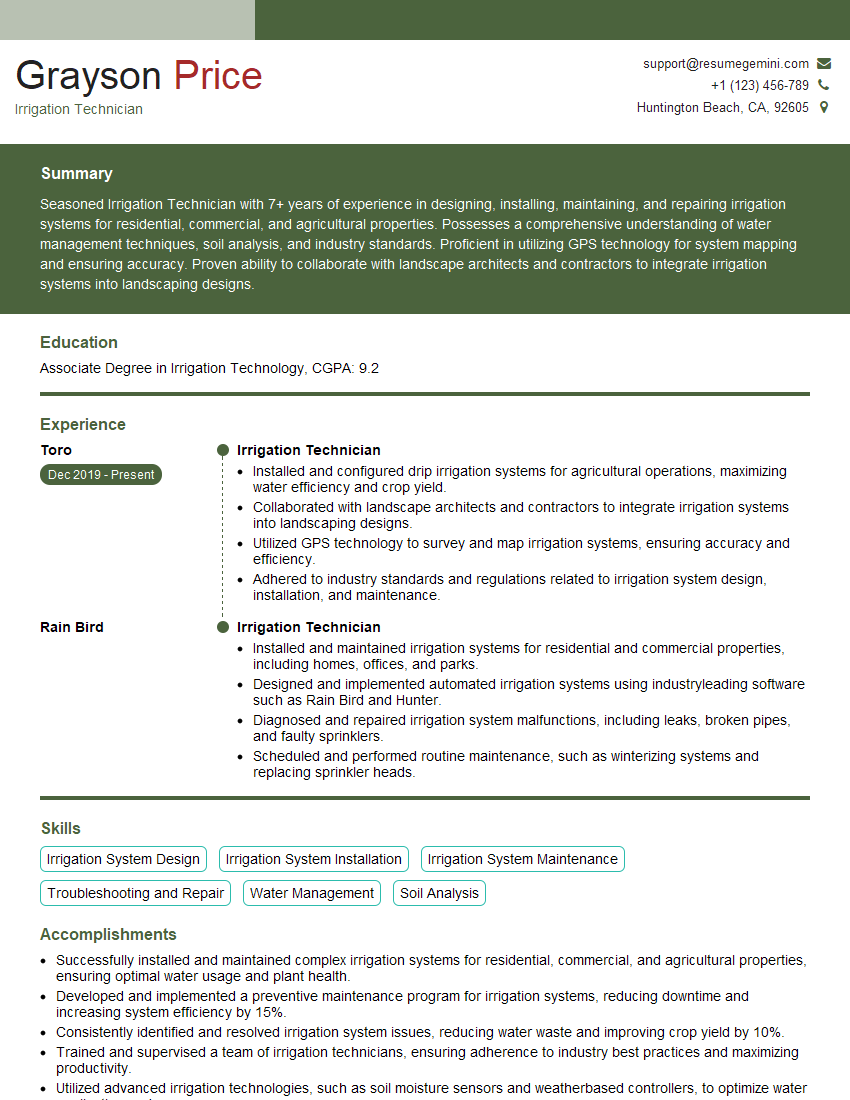
Mastering baseball field management opens doors to rewarding careers in professional sports, collegiate athletics, and park and recreation departments. To stand out, create an ATS-friendly resume that highlights your skills and experience effectively. ResumeGemini is a trusted resource for building professional resumes that get noticed. They offer examples of resumes tailored to baseball field management to help you showcase your qualifications. Invest time in crafting a compelling resume; it’s your first impression and a crucial step in securing your dream job.
Explore more articles
Users Rating of Our Blogs
Share Your Experience
We value your feedback! Please rate our content and share your thoughts (optional).
What Readers Say About Our Blog
Very informative content, great job.
good