The right preparation can turn an interview into an opportunity to showcase your expertise. This guide to Basic Botany Knowledge interview questions is your ultimate resource, providing key insights and tips to help you ace your responses and stand out as a top candidate.
Questions Asked in Basic Botany Knowledge Interview
Q 1. What is the difference between monocots and dicots?
Monocots and dicots are two major groups of flowering plants (angiosperms), distinguished by several key characteristics. Think of it like comparing two distinct families: they share the same basic structure (being flowering plants), but have evolved different strategies for survival and reproduction.
- Number of cotyledons: This is the most defining feature. Monocots have one cotyledon (embryonic leaf) in their seed, while dicots have two. Imagine a single seed leaf versus a pair.
- Leaf venation: Monocots typically exhibit parallel leaf venation (veins run parallel to each other), like the stripes on a zebra, while dicots have reticulate (net-like) venation, resembling a spiderweb.
- Flower parts: Monocot flowers usually have parts in multiples of three (e.g., three petals, six stamens), whereas dicots usually have parts in multiples of four or five.
- Root system: Monocots possess a fibrous root system with numerous thin roots, spreading widely, providing stability. Dicots generally have a taproot system with a prominent central root and smaller lateral roots, ideal for accessing deep water resources. Think of a carrot (dicot taproot) compared to grass (monocot fibrous root).
- Stem vascular bundles: In monocots, vascular bundles (xylem and phloem) are scattered throughout the stem, while in dicots, they are arranged in a ring.
Examples: Maize (corn) and lilies are monocots; roses, sunflowers, and beans are dicots. Understanding these differences is crucial in agriculture, horticulture, and plant taxonomy, allowing for tailored approaches to cultivation and identification.
Q 2. Explain the process of photosynthesis.
Photosynthesis is the remarkable process by which plants and some other organisms use sunlight to synthesize foods from carbon dioxide and water. It’s essentially how plants create their own energy. Imagine it as a plant’s kitchen, transforming sunlight into energy-rich sugars.
The process can be broken down into two main stages:
- Light-dependent reactions: These reactions occur in the thylakoid membranes within chloroplasts. Sunlight’s energy is absorbed by chlorophyll and other pigments, converting light energy into chemical energy in the form of ATP (adenosine triphosphate) and NADPH (nicotinamide adenine dinucleotide phosphate). Think of this stage as collecting and transforming the solar energy.
- Light-independent reactions (Calvin cycle): These reactions take place in the stroma (the fluid-filled space surrounding the thylakoids). ATP and NADPH produced in the light-dependent reactions are used to power the conversion of carbon dioxide into glucose (a simple sugar). This is the actual ‘food production’ stage where the plant makes its own fuel using the energy stored earlier.
The overall equation for photosynthesis is: 6CO2 + 6H2O + Light Energy → C6H12O6 + 6O2
Understanding photosynthesis is fundamental to comprehending global carbon cycling, food production, and the development of sustainable energy solutions.
Q 3. Describe the structure of a typical plant cell.
A typical plant cell, like an animal cell, is eukaryotic, meaning it has a membrane-bound nucleus and other organelles. However, plant cells possess some unique features. Imagine it as a complex factory with specialized departments.
- Cell wall: A rigid outer layer made of cellulose, providing structural support and protection, unlike animal cells which lack this protective barrier.
- Cell membrane: A selectively permeable membrane that regulates the passage of substances into and out of the cell.
- Nucleus: Contains the cell’s genetic material (DNA).
- Chloroplasts: The sites of photosynthesis, containing chlorophyll, the green pigment that captures light energy. These are unique to plant cells.
- Vacuole: A large, central vacuole that stores water, nutrients, and waste products. This takes up a significant portion of the cell’s volume, maintaining turgor pressure (stiffness).
- Mitochondria: The powerhouses of the cell, responsible for cellular respiration.
- Endoplasmic reticulum and Golgi apparatus: Involved in protein synthesis and transport.
- Ribosomes: Sites of protein synthesis.
The presence of a cell wall and chloroplasts are key distinguishing features of plant cells compared to animal cells. Understanding plant cell structure is crucial for fields such as plant breeding, genetic engineering, and plant pathology.
Q 4. What are the main types of plant tissues?
Plant tissues are groups of cells with similar structure and function, organized to perform specific tasks. Think of them as specialized teams within a plant’s organization.
- Meristematic tissue: These are embryonic tissues capable of continuous cell division, responsible for plant growth. They’re like the plant’s ‘growth centers’. Examples include apical meristems (at the tips of shoots and roots) and lateral meristems (responsible for secondary growth in woody plants).
- Ground tissue: The bulk of the plant body, involved in photosynthesis, storage, and support. It’s the plant’s ‘workhorse’, including parenchyma (storage), collenchyma (support), and sclerenchyma (structural support).
- Vascular tissue: Responsible for transporting water, minerals, and sugars throughout the plant. Think of these as the plant’s ‘transport system’. This includes xylem (transports water and minerals from roots to leaves) and phloem (transports sugars from leaves to other parts of the plant).
- Dermal tissue: Forms the outer protective covering of the plant, including the epidermis (in non-woody plants) and periderm (in woody plants). It acts as a protective layer similar to skin in animals.
The coordinated function of these tissues is essential for plant survival and growth. This knowledge is applied in fields like forestry, agriculture, and plant biotechnology.
Q 5. Explain the process of transpiration.
Transpiration is the process by which water is lost from plants through evaporation, primarily from stomata on leaves. It’s like a plant’s ‘sweating’ mechanism, helping to maintain its internal environment. Imagine it as the plant’s cooling system.
The process involves several steps:
- Water uptake by roots: Plants absorb water from the soil through their roots using osmosis.
- Water transport through xylem: The absorbed water is transported upwards through the xylem vessels to the leaves, driven by transpiration pull (evaporation from leaves creating a negative pressure) and root pressure.
- Evaporation from leaves: Water evaporates from the leaf mesophyll cells and diffuses out through the stomata.
Factors affecting transpiration include temperature, humidity, light intensity, and wind speed. Understanding transpiration is crucial for efficient irrigation management in agriculture and for predicting water use by plants in various ecosystems.
Q 6. What are the different types of plant reproduction?
Plants can reproduce both sexually and asexually, each with its own advantages and disadvantages. It’s like choosing between two different approaches to creating new generations.
- Sexual reproduction: Involves the fusion of gametes (sex cells) – pollen (male gamete) and ovule (female gamete) – to produce genetically diverse offspring. This is the primary method of reproduction in flowering plants, involving pollination (transfer of pollen) and fertilization (fusion of gametes). This results in seeds which can be spread to establish new plants in different locations.
- Asexual reproduction: Involves the production of new plants from vegetative parts of the parent plant, without the fusion of gametes. This leads to genetically identical offspring or clones. Methods include vegetative propagation (e.g., cuttings, grafting, runners) and spore formation (e.g., ferns). This allows for rapid colonization of suitable habitats.
Both sexual and asexual reproduction play vital roles in plant propagation and evolution. The choice depends on the species’ adaptability and environmental conditions. This knowledge is critical for plant breeding programs and conservation efforts.
Q 7. Describe the role of stomata in plants.
Stomata are tiny pores or openings found on the epidermis of leaves, and sometimes stems. They act as adjustable gates controlling gas exchange and water loss. Imagine them as the plant’s breathing pores and water regulators.
Their key roles include:
- Gas exchange: Stomata allow for the uptake of carbon dioxide (needed for photosynthesis) and the release of oxygen (a byproduct of photosynthesis) and water vapor.
- Transpiration regulation: Stomata control water loss through transpiration. They open to allow for gas exchange but also for water loss. Their opening and closing is regulated by guard cells, which swell or shrink depending on environmental conditions such as light, humidity, and water availability.
The efficient functioning of stomata is crucial for plant growth, photosynthesis, and overall survival. Understanding stomatal behavior is vital for improving crop yields, conserving water, and modelling plant responses to environmental stress.
Q 8. What are the main plant hormones and their functions?
Plant hormones, also known as phytohormones, are chemical messengers that regulate various aspects of plant growth, development, and response to the environment. They act at very low concentrations and often interact with each other in complex ways. Here are some of the major plant hormones and their key functions:
- Auxins (e.g., Indole-3-acetic acid or IAA): Primarily involved in cell elongation, apical dominance (suppressing growth of lateral buds), root initiation, and fruit development. Think of auxins as the plant’s architects, directing growth patterns.
- Gibberellins (GAs): Stimulate stem elongation, seed germination, and flowering. They’re like the plant’s growth spurt hormones, causing rapid increases in size.
- Cytokinins (CKs): Promote cell division, delay senescence (aging), and influence apical dominance. They act as the plant’s youth serum, keeping tissues young and actively dividing.
- Abscisic acid (ABA): Acts as a stress hormone, inhibiting growth and promoting dormancy during unfavorable conditions like drought or cold. It’s the plant’s emergency brake, slowing things down during tough times.
- Ethylene: A gaseous hormone involved in fruit ripening, leaf abscission (leaf fall), and senescence. It’s the plant’s ripening agent, triggering the breakdown of cell walls and softening of fruits.
Understanding plant hormones is crucial in agriculture for practices like manipulating fruit ripening, improving crop yield, and controlling weed growth.
Q 9. Explain the concept of plant tropisms.
Plant tropisms are directional growth responses to external stimuli. The growth is directed either towards or away from the stimulus. The prefix ‘tropism’ indicates ‘turning towards’. Here are some examples:
- Phototropism: Growth response to light. Plants typically exhibit positive phototropism (growing towards light), crucial for maximizing photosynthesis.
- Gravitropism: Growth response to gravity. Roots show positive gravitropism (growing downwards), anchoring the plant and accessing water, while shoots exhibit negative gravitropism (growing upwards), reaching for sunlight.
- Thigmotropism: Growth response to touch or physical contact. Vines and climbing plants use thigmotropism to wrap around supports, allowing them to climb and access sunlight.
- Hydrotropism: Growth response to water. Roots show positive hydrotropism, growing towards sources of water.
Understanding tropisms is crucial in horticulture and agriculture to optimize plant growth and yield by controlling light exposure, water availability, and support structures.
Q 10. What is the difference between xylem and phloem?
Xylem and phloem are the two types of vascular tissues in plants, responsible for transporting materials throughout the plant. They differ significantly in their function and structure:
- Xylem: Transports water and minerals from the roots to the rest of the plant. It’s a unidirectional flow, moving upwards. Xylem cells are dead at maturity, forming hollow tubes for efficient water transport. Think of it as the plant’s plumbing system for water.
- Phloem: Transports sugars (produced during photosynthesis) from the leaves to other parts of the plant. It’s a bidirectional flow, moving both up and down depending on the plant’s needs. Phloem cells are alive at maturity, facilitating active transport of sugars. Consider it the plant’s food delivery system.
The difference between xylem and phloem is crucial for understanding how plants obtain and distribute essential resources for growth and survival. Issues with either vascular tissue can severely impact plant health.
Q 11. Describe the process of seed germination.
Seed germination is the process by which a seed embryo resumes growth, develops into a seedling, and eventually becomes an independent plant. It’s a complex process influenced by several factors:
- Imbibition: The seed absorbs water, causing it to swell and activate enzymes.
- Enzyme Activation: Enzymes break down stored food reserves (starch, proteins, lipids) into usable forms for the growing embryo.
- Radicle Emergence: The embryonic root (radicle) emerges from the seed, anchoring the seedling and absorbing water and nutrients.
- Plumule Emergence: The embryonic shoot (plumule) emerges from the seed, developing into the stem and leaves.
- Photosynthesis: Once the leaves develop, the seedling begins to produce its own food through photosynthesis.
Factors influencing germination include water availability, temperature, oxygen levels, and light (for some species). Understanding seed germination is critical for successful crop production and ecological restoration.
Q 12. What are the different types of plant adaptations?
Plants have evolved a remarkable array of adaptations to cope with diverse environmental conditions. These adaptations can be categorized into several types:
- Morphological adaptations: Structural features like leaf shape (e.g., needles in conifers for water conservation), root systems (e.g., extensive root systems in desert plants), and stem modifications (e.g., thorns for defense).
- Physiological adaptations: Internal processes like CAM photosynthesis (water conservation in desert plants), salt tolerance (in halophytes), and drought tolerance (through water storage).
- Behavioral adaptations: Responses to environmental stimuli like rapid leaf movements (e.g., sensitive plants) or seed dispersal mechanisms (e.g., wind dispersal, animal dispersal).
These adaptations are essential for plant survival and distribution across a wide range of habitats. Studying plant adaptations is crucial for understanding biodiversity and conservation efforts.
Q 13. Explain the concept of plant succession.
Plant succession is the gradual change in plant communities over time, leading to a more stable and complex ecosystem. It involves a series of predictable stages:
- Pioneer species: The first organisms to colonize a disturbed area (e.g., lichens, mosses). They are usually hardy and tolerant of harsh conditions.
- Intermediate species: Grasses, shrubs, and fast-growing trees gradually replace pioneer species, improving soil quality and creating a more favorable environment.
- Climax community: A stable, mature community dominated by long-lived species. This community is often characteristic of the region’s climate and soil conditions.
Succession is driven by factors like environmental changes, species interactions (competition, facilitation), and disturbances (fires, floods). Understanding plant succession is important for land management, restoration ecology, and predicting the impact of environmental changes.
Q 14. What are some common plant diseases and their causes?
Plants, like all living organisms, are susceptible to various diseases. These diseases can be caused by a range of factors:
- Fungal diseases: Many plant diseases are caused by fungi, such as powdery mildew (a common fungal disease affecting many plants), rusts (affecting cereals and other plants), and root rots (damaging root systems).
- Bacterial diseases: Bacteria can cause wilts, spots, and galls on plants. For example, fire blight affects apple and pear trees.
- Viral diseases: Viruses can infect plants, causing stunted growth, mosaic patterns on leaves, and other symptoms. Tobacco mosaic virus is a well-known example.
- Abiotic factors: Non-living factors like nutrient deficiencies, drought stress, extreme temperatures, and soil salinity can also cause plant diseases. These are often referred to as disorders rather than true diseases, because they are not caused by a living organism.
Identifying and managing plant diseases is critical in agriculture to maintain crop yield and prevent economic losses. Plant pathology utilizes various techniques to identify and control plant diseases.
Q 15. Describe the role of mycorrhizae in plant growth.
Mycorrhizae are symbiotic relationships between fungi and plant roots. Essentially, the fungus extends the root system’s reach, allowing the plant to access water and nutrients more efficiently. In return, the plant provides the fungus with carbohydrates produced through photosynthesis. Think of it as a mutually beneficial bartering system underground!
The fungus’s extensive network of hyphae (thread-like structures) vastly increases the surface area for absorption, particularly for phosphorus and other immobile nutrients that plants struggle to obtain otherwise. This enhanced nutrient uptake translates directly to improved plant growth, increased drought tolerance, and even protection against certain soilborne pathogens. Different types of mycorrhizae exist, with arbuscular mycorrhizae being the most common in many plant species.
For example, in agriculture, understanding mycorrhizae allows farmers to utilize sustainable practices by reducing the need for phosphorus fertilizers, thus minimizing environmental impact. Similarly, in restoration ecology, incorporating mycorrhizae can significantly improve the success of replanting efforts.
Career Expert Tips:
- Ace those interviews! Prepare effectively by reviewing the Top 50 Most Common Interview Questions on ResumeGemini.
- Navigate your job search with confidence! Explore a wide range of Career Tips on ResumeGemini. Learn about common challenges and recommendations to overcome them.
- Craft the perfect resume! Master the Art of Resume Writing with ResumeGemini’s guide. Showcase your unique qualifications and achievements effectively.
- Don’t miss out on holiday savings! Build your dream resume with ResumeGemini’s ATS optimized templates.
Q 16. What are the different types of plant pollination?
Plant pollination is the process of transferring pollen grains from the anther (male part) to the stigma (female part) of a flower, enabling fertilization. There are primarily two main types:
- Self-pollination: Pollen is transferred from the anther to the stigma within the same flower or between different flowers on the same plant. This leads to less genetic diversity but ensures reproduction even in isolated environments. Think of peas or many types of wildflowers.
- Cross-pollination: Pollen is transferred from the anther of one flower to the stigma of a flower on a different plant of the same species. This promotes greater genetic diversity and adaptability. Wind, water, and animals, particularly insects, birds, and bats are key players in cross-pollination. Apples, for example, are typically cross-pollinated, needing pollen from a different apple tree for optimal fruit production.
Beyond these two main categories, we can further classify pollination mechanisms based on the vector involved, such as wind pollination (anemophily), water pollination (hydrophily), and animal pollination (zoophily) – including specific types of zoophily like entomophily (insect pollination) or ornithophily (bird pollination).
Q 17. Explain the concept of plant taxonomy.
Plant taxonomy is the science of classifying, naming, and describing plants. It’s the organizational system that helps botanists and other scientists understand the relationships between different plant species. Think of it as a massive library cataloging the plant kingdom.
This system uses a hierarchical structure, starting with broad categories and becoming progressively more specific. The main ranks are Kingdom, Division (or Phylum), Class, Order, Family, Genus, and Species. Each rank encompasses a group of organisms with shared characteristics. For example, all flowering plants belong to the division Magnoliophyta, while roses belong to the family Rosaceae and the genus Rosa. Scientific names, typically written in Latin (e.g., Rosa canina for dog rose), avoid ambiguity and provide a universally understood way to refer to specific plants.
Taxonomy is crucial for various applications, including conservation efforts (identifying endangered species), agriculture (classifying crops for breeding programs), and medicine (identifying plants with medicinal properties).
Q 18. What are some common plant families and their characteristics?
Many plant families exist, each with distinctive traits. Here are a few examples:
- Rosaceae (Rose family): Characterized by usually five petals, numerous stamens, and often compound leaves. Includes roses, apples, strawberries, and cherries.
- Poaceae (Grass family): Includes grasses, grains, bamboo, and corn. They have hollow stems, fibrous leaves, and flower in small clusters called spikelets. They are vital food sources worldwide.
- Asteraceae (Aster family): Characterized by composite flower heads (inflorescences) containing many small flowers. Examples include sunflowers, daisies, and marigolds. Many aster family members are significant weeds or valuable crops.
- Fabaceae (Legume family): Includes beans, peas, lentils, and alfalfa. Distinguished by their fruit (a legume or pod) and often nitrogen-fixing abilities, enriching the soil.
- Solanaceae (Nightshade family): Includes tomatoes, potatoes, peppers, and eggplants. Many species contain alkaloids which can be toxic or medicinally valuable.
Understanding plant families helps in identifying plants, predicting their ecological roles, and identifying potential uses, be it in agriculture, horticulture, or medicine.
Q 19. Describe the process of plant respiration.
Plant respiration is the process by which plants convert stored energy (sugars) into usable energy (ATP) for cellular processes. It’s essentially the opposite of photosynthesis. While photosynthesis uses sunlight to produce sugars, respiration breaks down those sugars to release energy, similar to how animals break down food.
The process involves a series of chemical reactions that occur in the mitochondria (the powerhouses of the cells). Glucose (a simple sugar) reacts with oxygen to produce carbon dioxide, water, and ATP. The equation is simplified as: C6H12O6 + 6O2 → 6CO2 + 6H2O + ATP
Plant respiration is crucial for growth, maintenance, and response to environmental changes. It fuels all the cellular activities necessary for survival, including nutrient transport and protein synthesis.
Q 20. What is the difference between C3, C4, and CAM photosynthesis?
C3, C4, and CAM photosynthesis are different strategies plants use to fix carbon dioxide (CO2) during photosynthesis. They differ primarily in how they minimize photorespiration, a process that reduces the efficiency of photosynthesis.
- C3 photosynthesis: The most common type, where CO2 is directly incorporated into a 3-carbon compound (3-PGA) during the first step of carbon fixation. This process is less efficient in hot, dry climates as it is more prone to photorespiration.
- C4 photosynthesis: Plants employ a spatial separation of carbon fixation. CO2 is initially fixed into a 4-carbon compound in mesophyll cells, then transported to bundle sheath cells where the Calvin cycle (the main carbon fixing cycle) takes place. This mechanism minimizes photorespiration and allows for higher efficiency in hot, sunny conditions. Examples include maize (corn) and sugarcane.
- CAM photosynthesis: Plants using this strategy temporally separate carbon fixation. They open their stomata (pores) at night to take in CO2, storing it as an organic acid. During the day, the stomata close to conserve water, and the stored CO2 is released for the Calvin cycle. This adaptation is common in desert plants like cacti and succulents.
The type of photosynthesis a plant uses directly affects its distribution and productivity in different environments. Understanding these differences is vital for optimizing crop yields and managing ecosystems in diverse climates.
Q 21. Explain the role of soil in plant growth.
Soil plays a multifaceted role in plant growth, providing essential support, nutrients, and water. It’s the foundation upon which plant life thrives.
- Physical support: Soil anchors the plant, providing stability against wind and other external forces.
- Nutrient source: Soil contains essential macronutrients (nitrogen, phosphorus, potassium) and micronutrients (iron, zinc, manganese) necessary for plant growth. These nutrients are released through the decomposition of organic matter and weathering of minerals.
- Water retention: Soil holds water, making it available to the plant’s roots for absorption. Soil texture and structure greatly influence water-holding capacity.
- Aeration: Proper soil aeration ensures sufficient oxygen supply for root respiration.
- Habitat for beneficial organisms: Soil harbors microorganisms (bacteria, fungi) that contribute to nutrient cycling and decomposition. Mycorrhizae, as discussed earlier, improve nutrient uptake.
Soil health is directly correlated with plant health. Factors like soil composition, pH, organic matter content, and drainage significantly impact plant growth. Soil degradation, through erosion or unsustainable practices, leads to reduced crop yields and ecosystem instability. Sustainable soil management techniques, such as crop rotation and cover cropping, are crucial for ensuring long-term soil health and plant productivity.
Q 22. What are the essential plant nutrients?
Plants require a range of essential nutrients for healthy growth and development. These can be broadly categorized into macronutrients and micronutrients. Macronutrients are needed in larger quantities and include nitrogen (N), phosphorus (P), and potassium (K) – often remembered by the acronym NPK. These are crucial for various plant functions: Nitrogen is vital for chlorophyll production (essential for photosynthesis) and protein synthesis; phosphorus plays a critical role in root development, flowering, and fruit formation; and potassium contributes to overall plant health, disease resistance, and water regulation.
Micronutrients, while needed in smaller amounts, are equally essential. They include iron (Fe), manganese (Mn), zinc (Zn), copper (Cu), boron (B), molybdenum (Mo), and chlorine (Cl). Each micronutrient plays a specific role in enzyme function and metabolic processes. For example, iron is vital for chlorophyll synthesis, while zinc is involved in auxin production (a plant hormone responsible for growth).
Deficiencies in any of these essential nutrients can lead to stunted growth, chlorosis (yellowing of leaves), reduced yields, and increased susceptibility to diseases. Understanding the roles of these nutrients is crucial for effective fertilization and ensuring optimal plant health.
Q 23. Describe the different types of plant growth habits.
Plant growth habits describe the characteristic form and growth pattern of a plant. These habits are diverse and influence how plants are cultivated and utilized. Some key growth habits include:
- Herbaceous: Plants with soft, non-woody stems that typically die back to the ground at the end of the growing season. Examples include annuals (like sunflowers) and perennials (like hostas).
- Woody: Plants with hard, lignified stems that persist year after year. This category includes trees and shrubs, differentiated by their height and branching patterns.
- Climbing: Plants that use tendrils, twining stems, or other structures to climb upwards, often seeking sunlight. Examples include ivy and morning glories.
- Creeping: Plants that spread horizontally along the ground, often rooting at nodes. Strawberry plants and many groundcovers exhibit this habit.
- Rosette: Plants with leaves arranged in a tight circular pattern at ground level, like lettuce or many succulents.
Understanding a plant’s growth habit is crucial for proper spacing during planting, providing adequate support structures (for climbing plants), and managing their overall growth.
Q 24. Explain the concept of plant grafting.
Plant grafting is a horticultural technique where the tissues of two different plants are joined together to grow as a single plant. This is achieved by carefully aligning the vascular cambium (the layer responsible for growth) of the scion (the desired plant part, usually a cutting) and the rootstock (the established plant providing the root system). The union heals over time, and the scion grows using the root system of the rootstock.
Grafting allows for the combination of desirable traits from different plants. For example, a fruit tree with excellent fruit quality but a weak root system can be grafted onto a rootstock known for its disease resistance and strong root development. This ensures both high-quality fruit and healthy plant growth. Successful grafting relies on close compatibility between the scion and rootstock species; choosing appropriate pairings is vital.
Different grafting techniques exist, such as whip and tongue grafting, cleft grafting, and bud grafting, each suited to particular plant species and circumstances.
Q 25. What are some common methods of plant propagation?
Plant propagation involves creating new plants from existing ones. There are several common methods, both sexual and asexual:
- Sexual propagation (using seeds): This involves sowing seeds and allowing them to germinate and grow into new plants. It’s a natural process but can be less predictable in terms of the offspring’s traits.
- Asexual propagation (vegetative propagation): This involves creating new plants from vegetative parts of the parent plant, ensuring offspring are genetically identical (clones). Common methods include:
- Cuttings: Taking stem, leaf, or root cuttings and rooting them to form new plants.
- Layering: Bending a stem to the ground, burying a portion, and waiting for roots to develop before separating it.
- Division: Separating a plant into smaller sections, each containing roots and shoots.
- Grafting (as discussed above): Joining parts of different plants.
- Tissue culture: Growing plants from small pieces of tissue in a sterile, nutrient-rich medium. This technique is used widely in plant cloning and for disease-free propagation.
The choice of propagation method depends on factors like the plant species, desired number of offspring, and available resources.
Q 26. Describe the role of light in plant growth.
Light is fundamental for plant growth, primarily as the energy source for photosynthesis. Photosynthesis is the process where plants convert light energy, water, and carbon dioxide into glucose (sugar) for energy and oxygen as a byproduct. The intensity, duration, and spectral quality of light significantly impact this process.
Light intensity affects the rate of photosynthesis; higher intensity (up to a certain point) generally leads to faster growth. However, excessive light can damage plant tissues. Light duration (photoperiod) influences flowering in many plants. Short-day plants flower when day length is shorter than a critical threshold, while long-day plants flower when day length is longer. The spectral quality of light – different wavelengths – also impacts growth, with plants absorbing certain wavelengths more effectively than others (e.g., red and blue light are particularly important for photosynthesis).
Understanding the light requirements of different plants is crucial for optimizing their growth in various environments. This knowledge guides decisions on planting locations, supplemental lighting, and shade management.
Q 27. Explain the impact of environmental factors on plant growth.
Environmental factors significantly influence plant growth and development. These factors include:
- Temperature: Each plant species has an optimal temperature range for growth. Temperatures outside this range can slow or halt growth, leading to stress or even death.
- Water: Adequate water is essential for photosynthesis, nutrient uptake, and maintaining turgor pressure (internal plant pressure). Water stress (drought) limits growth and can cause wilting.
- Nutrients: As discussed earlier, the availability of essential nutrients greatly impacts growth. Deficiencies lead to stunted growth and various symptoms.
- Light: As discussed, light intensity, duration, and quality significantly affect photosynthesis and growth.
- Soil conditions: Soil structure, pH, aeration, and drainage influence root growth and nutrient availability.
- Wind: Strong winds can damage plants and increase water loss through transpiration.
- Pests and diseases: These can significantly impact plant health and reduce yields.
Understanding the impact of these factors enables growers to create optimal growing conditions and mitigate environmental stress to enhance plant productivity.
Q 28. What are some sustainable practices in plant cultivation?
Sustainable practices in plant cultivation aim to minimize environmental impact while maximizing productivity. Some key approaches include:
- Crop rotation: Planting different crops in succession to improve soil health, reduce pest and disease pressure, and optimize nutrient use.
- Cover cropping: Planting crops that are not harvested but improve soil quality (e.g., legumes fixing nitrogen).
- Integrated Pest Management (IPM): Using a combination of biological, cultural, and chemical controls to manage pests, reducing reliance on harmful pesticides.
- Water conservation: Implementing efficient irrigation techniques like drip irrigation to minimize water waste.
- Organic farming: Avoiding synthetic fertilizers and pesticides, promoting soil biodiversity, and relying on natural methods for pest and disease control.
- Agroforestry: Integrating trees into agricultural systems to enhance biodiversity, soil fertility, and carbon sequestration.
- Reduced tillage: Minimizing soil disturbance through reduced or no-till practices to protect soil structure and reduce erosion.
Adopting these sustainable practices contributes to environmentally friendly agriculture, preserving resources, and ensuring the long-term health of ecosystems.
Key Topics to Learn for Basic Botany Knowledge Interview
- Plant Morphology: Understanding plant structures (roots, stems, leaves, flowers, fruits, seeds) and their functions. Consider the variations across different plant groups and their ecological significance.
- Plant Physiology: Grasping key processes like photosynthesis, respiration, transpiration, and nutrient uptake. Be prepared to discuss how these processes are affected by environmental factors.
- Plant Taxonomy and Classification: Familiarize yourself with the basic principles of plant classification systems and the major groups of plants (e.g., angiosperms, gymnosperms, bryophytes). Practice identifying key characteristics used in classification.
- Plant Genetics and Breeding: Understand basic concepts of inheritance, genetic variation, and plant breeding techniques. Consider the applications in agriculture and conservation.
- Plant Ecology: Learn about plant-environment interactions, including factors like light, water, nutrients, and biotic interactions. Prepare to discuss concepts like plant communities and succession.
- Practical Applications: Think about how your botanical knowledge can be applied in areas such as agriculture, horticulture, forestry, environmental management, or pharmaceutical industries. Be ready to provide examples.
- Problem-Solving: Practice applying your knowledge to solve hypothetical problems related to plant growth, development, and adaptation. Consider scenarios involving disease management, crop improvement, or environmental challenges.
Next Steps
Mastering basic botany knowledge is crucial for career advancement in various fields, opening doors to exciting opportunities in research, conservation, agriculture, and more. A strong resume is your first impression – make it count! Crafting an ATS-friendly resume is vital for maximizing your job prospects. ResumeGemini can help you build a professional and impactful resume that highlights your skills and experience effectively. We provide examples of resumes tailored to Basic Botany Knowledge to guide you through the process. Let ResumeGemini help you showcase your botanical expertise and land your dream job.

Greenhouse Manager Resume Sample

Nursery Manager Resume Sample

Landscape Architect Resume Sample

Environmental Consultant Resume Sample

Arborist Resume Sample
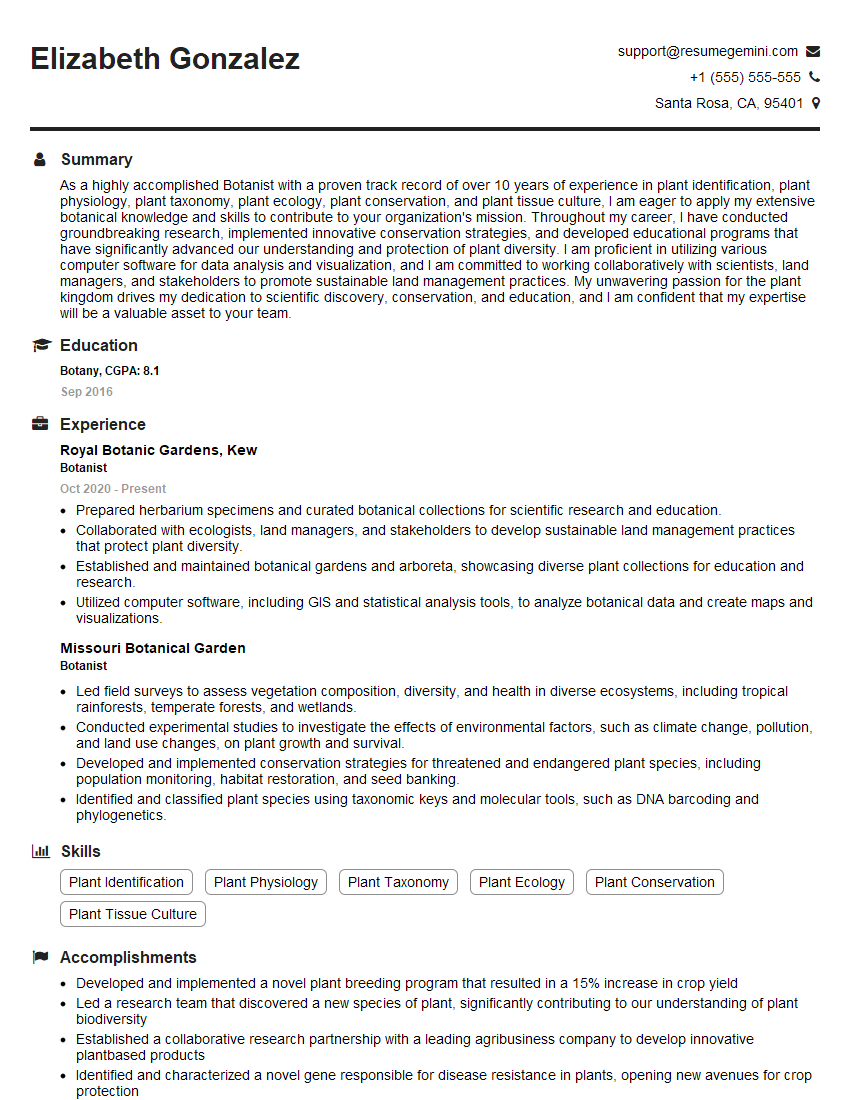
Botanist Resume Sample
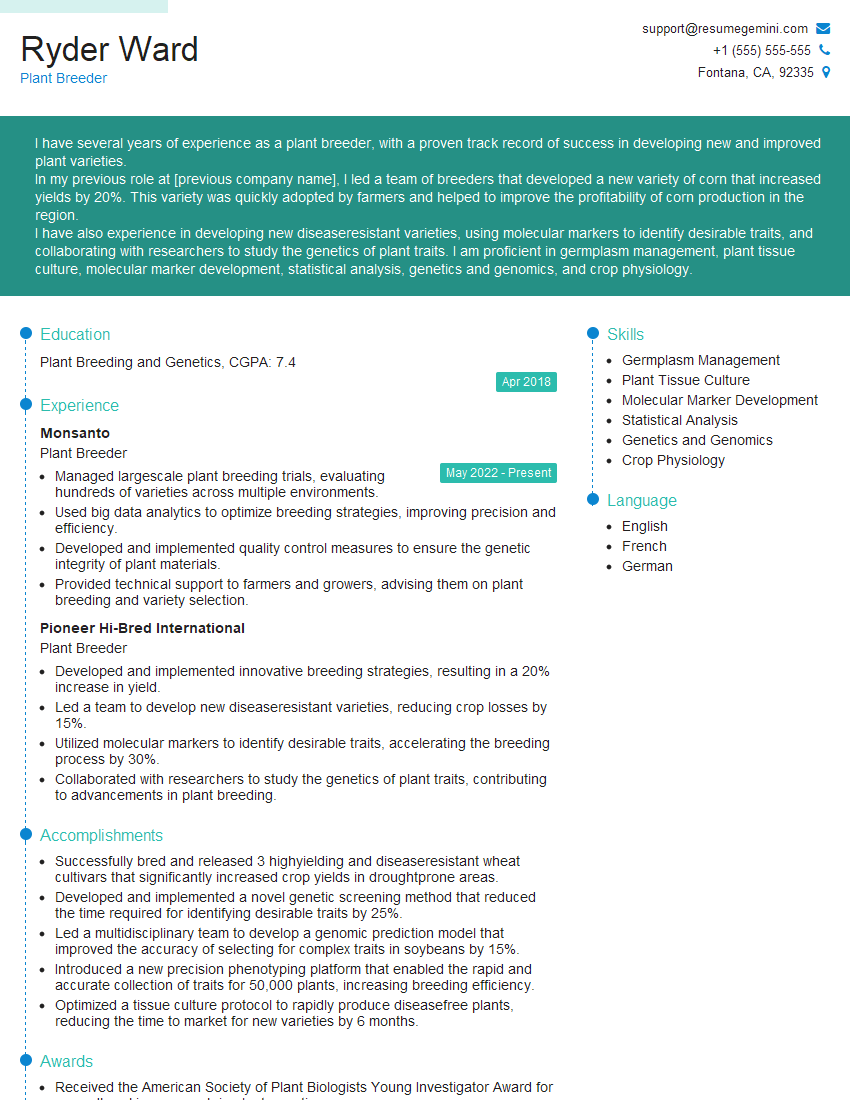
Plant Breeder Resume Sample

Plant Pathologist Resume Sample

Plant Physiologist Resume Sample
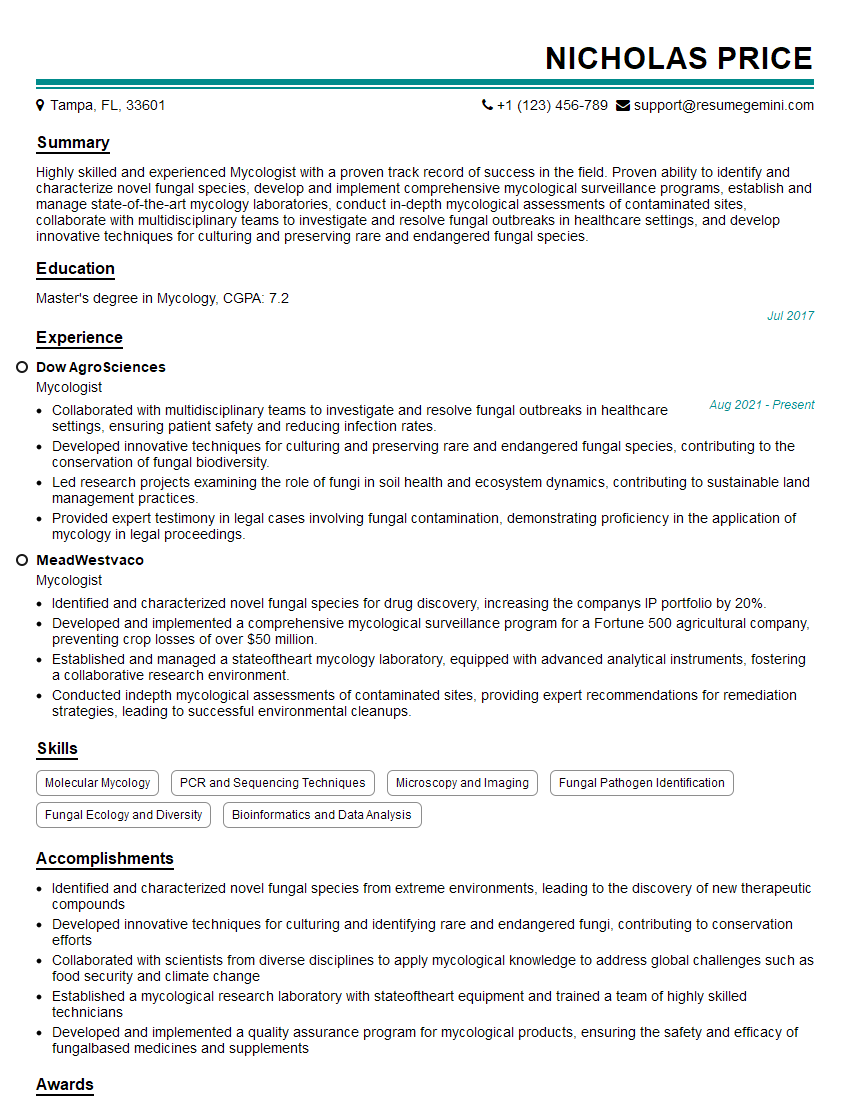
Mycologist Resume Sample
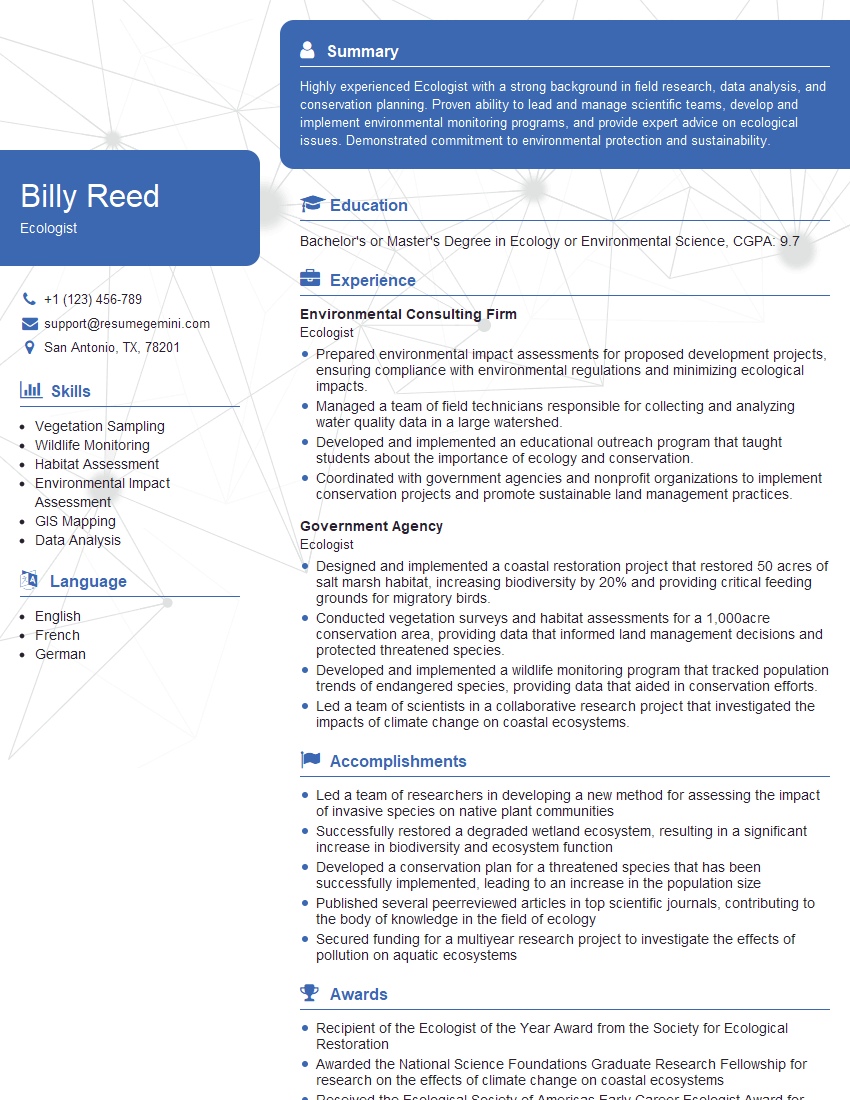
Ecologist Resume Sample

Taxonomist Resume Sample
Park Ranger Resume Sample
Forester Resume Sample
Explore more articles
Users Rating of Our Blogs
Share Your Experience
We value your feedback! Please rate our content and share your thoughts (optional).
What Readers Say About Our Blog
Attention music lovers!
Wow, All the best Sax Summer music !!!
Spotify: https://open.spotify.com/artist/6ShcdIT7rPVVaFEpgZQbUk
Apple Music: https://music.apple.com/fr/artist/jimmy-sax-black/1530501936
YouTube: https://music.youtube.com/browse/VLOLAK5uy_noClmC7abM6YpZsnySxRqt3LoalPf88No
Other Platforms and Free Downloads : https://fanlink.tv/jimmysaxblack
on google : https://www.google.com/search?q=22+AND+22+AND+22
on ChatGPT : https://chat.openai.com?q=who20jlJimmy20Black20Sax20Producer
Get back into the groove with Jimmy sax Black
Best regards,
Jimmy sax Black
www.jimmysaxblack.com
Hi I am a troller at The aquatic interview center and I suddenly went so fast in Roblox and it was gone when I reset.
Hi,
Business owners spend hours every week worrying about their website—or avoiding it because it feels overwhelming.
We’d like to take that off your plate:
$69/month. Everything handled.
Our team will:
Design a custom website—or completely overhaul your current one
Take care of hosting as an option
Handle edits and improvements—up to 60 minutes of work included every month
No setup fees, no annual commitments. Just a site that makes a strong first impression.
Find out if it’s right for you:
https://websolutionsgenius.com/awardwinningwebsites
Hello,
we currently offer a complimentary backlink and URL indexing test for search engine optimization professionals.
You can get complimentary indexing credits to test how link discovery works in practice.
No credit card is required and there is no recurring fee.
You can find details here:
https://wikipedia-backlinks.com/indexing/
Regards
NICE RESPONSE TO Q & A
hi
The aim of this message is regarding an unclaimed deposit of a deceased nationale that bears the same name as you. You are not relate to him as there are millions of people answering the names across around the world. But i will use my position to influence the release of the deposit to you for our mutual benefit.
Respond for full details and how to claim the deposit. This is 100% risk free. Send hello to my email id: lukachachibaialuka@gmail.com
Luka Chachibaialuka
Hey interviewgemini.com, just wanted to follow up on my last email.
We just launched Call the Monster, an parenting app that lets you summon friendly ‘monsters’ kids actually listen to.
We’re also running a giveaway for everyone who downloads the app. Since it’s brand new, there aren’t many users yet, which means you’ve got a much better chance of winning some great prizes.
You can check it out here: https://bit.ly/callamonsterapp
Or follow us on Instagram: https://www.instagram.com/callamonsterapp
Thanks,
Ryan
CEO – Call the Monster App
Hey interviewgemini.com, I saw your website and love your approach.
I just want this to look like spam email, but want to share something important to you. We just launched Call the Monster, a parenting app that lets you summon friendly ‘monsters’ kids actually listen to.
Parents are loving it for calming chaos before bedtime. Thought you might want to try it: https://bit.ly/callamonsterapp or just follow our fun monster lore on Instagram: https://www.instagram.com/callamonsterapp
Thanks,
Ryan
CEO – Call A Monster APP
To the interviewgemini.com Owner.
Dear interviewgemini.com Webmaster!
Hi interviewgemini.com Webmaster!
Dear interviewgemini.com Webmaster!
excellent
Hello,
We found issues with your domain’s email setup that may be sending your messages to spam or blocking them completely. InboxShield Mini shows you how to fix it in minutes — no tech skills required.
Scan your domain now for details: https://inboxshield-mini.com/
— Adam @ InboxShield Mini
support@inboxshield-mini.com
Reply STOP to unsubscribe
Hi, are you owner of interviewgemini.com? What if I told you I could help you find extra time in your schedule, reconnect with leads you didn’t even realize you missed, and bring in more “I want to work with you” conversations, without increasing your ad spend or hiring a full-time employee?
All with a flexible, budget-friendly service that could easily pay for itself. Sounds good?
Would it be nice to jump on a quick 10-minute call so I can show you exactly how we make this work?
Best,
Hapei
Marketing Director
Hey, I know you’re the owner of interviewgemini.com. I’ll be quick.
Fundraising for your business is tough and time-consuming. We make it easier by guaranteeing two private investor meetings each month, for six months. No demos, no pitch events – just direct introductions to active investors matched to your startup.
If youR17;re raising, this could help you build real momentum. Want me to send more info?
Hi, I represent an SEO company that specialises in getting you AI citations and higher rankings on Google. I’d like to offer you a 100% free SEO audit for your website. Would you be interested?
Hi, I represent an SEO company that specialises in getting you AI citations and higher rankings on Google. I’d like to offer you a 100% free SEO audit for your website. Would you be interested?