Every successful interview starts with knowing what to expect. In this blog, we’ll take you through the top Bean Picker Machine Operation interview questions, breaking them down with expert tips to help you deliver impactful answers. Step into your next interview fully prepared and ready to succeed.
Questions Asked in Bean Picker Machine Operation Interview
Q 1. Describe the different types of bean picker machines you are familiar with.
Bean picker machines come in various types, primarily categorized by their method of harvesting. The most common are:
- Vibrating Picker: These machines use vibrating mechanisms to detach beans from the plant. They’re effective for various bean types but can be less gentle, potentially damaging some beans or plants. Think of it like a gentle shake to loosen the beans.
- Stripper Picker: These machines use rotating drums or rollers to strip beans from the plant. They are generally faster than vibrating pickers but may be less selective, collecting more debris along with the beans. Imagine a clothes dryer tumbling beans loose.
- Self-Propelled vs. Pulled Pickers: Regardless of the picking method, machines can be self-propelled (driven by an onboard engine) offering more maneuverability, or pulled (attached to a tractor) which is often more economical for larger fields.
- Row-Crop vs. Wide-Row Pickers: The design adjusts based on the bean planting configuration. Row-crop pickers are designed for beans planted in closely spaced rows, while wide-row pickers accommodate wider spacing.
The choice of bean picker depends heavily on the bean type, field size, budget, and desired level of bean quality.
Q 2. Explain the process of setting up a bean picker machine for optimal performance.
Setting up a bean picker for optimal performance involves several crucial steps:
- Pre-Harvest Field Assessment: Inspect the bean field for any obstacles (rocks, large debris) that could damage the machine. Ensure the rows are straight and uniform for consistent picking.
- Machine Inspection: Check all components, including belts, chains, augers, and pickers, for wear and tear. Ensure all lubrication points are properly lubricated.
- Height Adjustment: Adjust the picking height to match the bean plant height. This is critical to maximize bean collection while minimizing plant damage. Too high, and you miss beans; too low, and you damage plants.
- Speed Adjustment: Start with a slower speed to get a feel for the machine’s performance and gradually increase it based on field conditions and bean density. The goal is to maximize picking efficiency without sacrificing bean quality.
- Header and Hopper Settings: Ensure the header width matches the row width and the hopper is empty and properly secured. The header is the part that actually collects the beans; the hopper stores them.
- Testing and Adjustment: Before fully engaging in the field, run a short test run to confirm that all settings are correct and the machine is operating smoothly. Adjust settings as needed.
Proper setup translates directly into maximizing yield and minimizing machine wear.
Q 3. What are the common maintenance procedures for a bean picker machine?
Regular maintenance is key to extending the life and ensuring optimal performance of a bean picker. Key procedures include:
- Daily Inspection: Check for loose bolts, worn belts, damaged augers, and any leaks. Look for any signs of damage to the picking mechanism.
- Lubrication: Regularly lubricate all moving parts according to the manufacturer’s recommendations. This is particularly important for chains, bearings, and gears. This prevents premature wear and tear.
- Cleaning: Thoroughly clean the machine after each use, removing any accumulated debris, mud, or beans. Failure to clean can lead to clogs and damage.
- Belt and Chain Inspection and Replacement: Check for wear and tear on belts and chains; replace as needed. Worn belts can slip, causing reduced efficiency or damage. Worn chains can break, leading to major repairs.
- Seasonal Maintenance: Before and after the harvesting season, conduct a thorough inspection and perform any needed repairs or replacements.
Think of it like regular car maintenance; small, proactive steps prevent larger, more expensive problems down the line.
Q 4. How do you troubleshoot common malfunctions in a bean picker machine?
Troubleshooting malfunctions involves a systematic approach:
- Identify the Problem: Pinpoint the specific issue, such as the machine not picking beans, poor picking quality, or complete stoppage.
- Check the Obvious: Examine for common problems like clogs in the augers, hopper, or header. Make sure belts and chains are properly tensioned and not broken.
- Inspect Wiring and Electrical Components: Check for any frayed wires or damaged electrical components. This often requires an electrical schematic diagram.
- Hydraulic System Check: For self-propelled machines, check the hydraulic fluid level and pressure. Low levels or pressure leaks can significantly impact machine function.
- Consult Manuals: The owner’s manual is invaluable; it provides troubleshooting guides and diagrams.
- Professional Assistance: If you cannot identify and resolve the problem, call a qualified mechanic.
A methodical approach is key to identifying and resolving the issue quickly and effectively. Don’t hesitate to seek professional help if needed.
Q 5. What safety protocols must be followed when operating a bean picker machine?
Safety is paramount when operating a bean picker. Essential protocols include:
- Proper Training: Operators should receive thorough training before operating the machine.
- Personal Protective Equipment (PPE): Always wear appropriate PPE, including safety glasses, hearing protection, and sturdy work boots.
- Machine Guards: Ensure all safety guards are in place and functioning correctly. These protect from moving parts.
- Awareness of Surroundings: Be aware of your surroundings, especially other personnel and obstacles in the field. Maintain a safe distance from the moving parts of the machine.
- Emergency Shut-Off: Know the location of the emergency shut-off switch and how to use it.
- Regular Maintenance: Regular maintenance minimizes the risk of malfunctions and accidents.
Safety is not just a suggestion, it’s a fundamental requirement for safe operation.
Q 6. Explain the importance of proper lubrication in maintaining a bean picker machine.
Proper lubrication is crucial for maintaining a bean picker machine. It reduces friction between moving parts, preventing wear and tear, extending the machine’s lifespan, and minimizing the risk of breakdowns during operation. Think of it as the blood in the machine; it keeps things moving smoothly.
Lack of lubrication leads to increased friction, overheating, premature wear of components (like bearings, gears, and chains), and ultimately, costly repairs or replacements. Regular lubrication, using the correct type of lubricant as specified by the manufacturer, is a simple but extremely effective preventative maintenance measure.
For example, neglecting to lubricate the chain drive can lead to premature stretching and breakage, resulting in downtime and a potentially dangerous situation.
Q 7. How do you adjust the picking height and speed of a bean picker machine?
Adjusting the picking height and speed is typically done using mechanical controls on the machine. The specific mechanisms vary depending on the machine’s model and manufacturer, but common adjustments include:
- Picking Height Adjustment: This is usually controlled by a lever or a series of adjustable bolts or wheels that raise or lower the picking mechanism relative to the ground. The precise mechanism will vary depending on the machine.
- Speed Adjustment: This is typically controlled by a throttle lever or a gear selection mechanism. Starting with a lower speed is always recommended to assess conditions and increase the speed gradually as needed.
Always refer to the owner’s manual for precise instructions on adjusting your specific model. Improper adjustments can impact the quality of the harvest and increase the risk of damage to the machine or the crop.
Q 8. Describe the process of cleaning and storing a bean picker machine after use.
Cleaning and storing a bean picker machine properly is crucial for extending its lifespan and ensuring optimal performance for the next harvest. Think of it like caring for a valuable tool; the better you look after it, the longer it will serve you.
The process typically involves these steps:
- Thorough Cleaning: Remove all plant material, soil, and debris from the machine using compressed air, brushes, and appropriate cleaning solutions. Pay particular attention to areas like the picking drums, separating screens, and the auger. Ignoring this step can lead to rust, clogs, and premature wear.
- Lubrication: Apply fresh grease to all lubrication points specified in the machine’s manual. This is vital for reducing friction and preventing mechanical damage. Imagine it like oiling the joints of your body – it keeps everything moving smoothly.
- Inspection: Carefully examine the machine for any damage, loose parts, or signs of wear. Address these issues promptly to avoid more significant problems down the line. I once found a small crack in a drum early, saving costly repairs later.
- Storage: Store the machine in a dry, well-ventilated area, ideally under cover. Exposure to the elements can lead to corrosion and deterioration. Using a tarp or cover is beneficial, even in a covered area.
- Winterization (if applicable): In colder climates, additional steps might be necessary, such as draining fuel lines and adding fuel stabilizer to prevent damage from freezing temperatures.
Q 9. What are the signs of wear and tear on a bean picker machine that require attention?
Recognizing wear and tear is critical for preventing major breakdowns. Think of it like noticing a small scratch on your car – addressing it early prevents it from becoming a big dent. Common signs include:
- Excessive Vibration: This could indicate worn bearings, loose bolts, or imbalances in rotating parts. A consistently high vibration level warrants immediate investigation.
- Unusual Noises: Grinding, squealing, or clicking sounds are often indicators of wear in gears, belts, or other moving parts. These sounds shouldn’t be ignored.
- Reduced Picking Efficiency: If the machine is not picking beans as effectively as before, it could be due to worn picking drums, clogged screens, or other issues requiring attention.
- Leaks: Oil or hydraulic fluid leaks are serious issues that need immediate repair to prevent further damage and environmental contamination.
- Damaged Belts or Chains: Cracks, fraying, or excessive wear on belts and chains need to be addressed before they break and cause more significant problems. Regular inspections are key here.
Addressing these issues promptly through repair or replacement prevents costly downtime and ensures continued efficient operation.
Q 10. How do you identify and address issues related to bean quality during harvesting?
Maintaining bean quality during harvesting is paramount. It directly impacts the final product’s value and marketability. Here’s how we address quality issues:
- Careful Machine Adjustment: Incorrect settings on the machine, such as drum speed or sieve adjustments, can lead to damaged beans. Regular calibration is essential and should be performed according to the machine’s manual. This is where experience plays a crucial role.
- Monitoring Moisture Content: High moisture content in the beans can lead to spoilage and reduced quality. We use moisture meters regularly to monitor levels and adjust harvesting accordingly. Aim for the optimal moisture level recommended for your bean variety.
- Inspecting for Defects: Regularly inspecting the harvested beans for defects such as damage, discoloration, or foreign materials is important. Identifying issues early on allows for prompt corrective actions.
- Proper Handling After Harvesting: Gentle handling and prompt drying and storage are important to maintain bean quality after harvesting. Avoid rough handling that could bruise the beans.
Addressing these factors ensures high-quality beans are delivered, maximizing profitability.
Q 11. What are the environmental factors that can affect bean picker machine operation?
Environmental factors significantly impact bean picker machine operation. Think of it like working outdoors – the conditions directly affect your productivity and comfort. Key factors include:
- Temperature: Extremely high or low temperatures can affect machine performance and even cause damage to certain components. Extreme heat can affect lubricants, while freezing temperatures can cause hydraulic lines to burst.
- Rainfall: Wet conditions can lead to reduced harvesting efficiency, soil compaction, and even machine damage. Working in muddy fields is a major challenge.
- Wind: Strong winds can hamper harvesting, particularly when the machine is working in open areas. It can also cause debris to enter the machine, impacting its performance.
- Sunlight: Prolonged exposure to intense sunlight can cause the machine to overheat, impacting both performance and the operator’s comfort.
Understanding and adapting to these factors is vital for safe and efficient harvesting.
Q 12. Explain the impact of different soil conditions on bean picker machine performance.
Soil conditions greatly influence bean picker machine performance. The ground’s consistency directly affects the machine’s ability to operate efficiently and without damage. Here’s the breakdown:
- Soil Type: Loose, sandy soils generally allow for easier operation, while heavy clay soils can lead to reduced efficiency, increased wear on components, and even machine damage from getting stuck. A rocky field can cause significant damage to the machine’s undercarriage.
- Soil Moisture: Wet or excessively dry soils can negatively impact performance. Wet soils can lead to soil compaction and machine bogging, while dry soil can result in increased dust, which leads to clogging and wear and tear.
- Soil Compaction: Compacted soils can make harvesting difficult, increasing wear on tires and other components. This issue often requires specific attention, sometimes involving specialized equipment or practices to address.
Understanding and adapting to various soil conditions are essential to avoid operational issues and maintain the machine’s efficiency and longevity.
Q 13. How do you handle unexpected situations, such as equipment breakdowns, during harvesting?
Unexpected situations during harvesting require a calm, methodical approach. I always approach problems using a systematic process to minimize downtime and prevent further issues.
- Assessment: First, assess the situation and determine the nature of the problem. Is it a minor issue that can be quickly addressed, or does it require more significant intervention? I always prioritize safety first.
- Troubleshooting: Once the problem is identified, try troubleshooting the issue using my knowledge and the machine’s manual. Sometimes, a simple adjustment is all that’s needed.
- Repair or Replacement: If the problem is more serious, I determine if it’s possible to make repairs on-site, or if it requires parts replacement. I will contact support or a mechanic if needed.
- Communication: Keep the appropriate personnel informed about the situation. Timely communication minimizes disruptions and allows for the necessary support to be organized quickly.
- Preventative Measures: After resolving the issue, reflect on the cause and implement preventative measures to reduce the risk of similar incidents in the future. This might involve more regular inspections or changes in operating procedures.
A proactive approach minimizes downtime and ensures a smoother harvesting process.
Q 14. Describe your experience with preventative maintenance for bean picker machines.
Preventative maintenance is the cornerstone of reliable bean picker operation. It’s like regular health checkups; early detection prevents bigger problems.
My approach includes:
- Regular Inspections: I conduct regular inspections before, during, and after each harvesting session. This includes checking all major components, lubrication points, and belts for wear and tear.
- Scheduled Maintenance: I follow a strict schedule for routine maintenance, which includes tasks such as changing oil, lubricating components, cleaning filters, and inspecting wear parts. The schedule is tailored to the machine’s specifications and the intensity of use.
- Record Keeping: I maintain detailed records of all maintenance performed, including the date, tasks completed, and any observed issues. This information is valuable for tracking machine performance and identifying potential problems early.
- Component Replacement: I replace worn-out parts proactively rather than waiting for them to fail. This helps prevent unexpected breakdowns and maximizes machine uptime.
- Operator Training: Proper operator training is critical to reduce the chances of user error causing damage to the machine. I am always keen to support training efforts and upskill operators to handle the machine safely and efficiently.
My commitment to preventative maintenance ensures optimal machine performance, reduces downtime, and extends its lifespan considerably, saving costs in the long run.
Q 15. What are the key performance indicators (KPIs) you monitor during bean harvesting?
Monitoring Key Performance Indicators (KPIs) during bean harvesting is crucial for optimizing efficiency and yield. We track several key metrics, focusing on both the machine’s performance and the quality of the harvested beans.
- Harvesting Speed (hectares/hour): This measures how much land the machine covers per hour, directly impacting overall productivity. A drop in speed might indicate mechanical issues or the need for adjustments to the machine’s settings.
- Bean Loss Percentage: This is a critical indicator of efficiency. We regularly check for beans left unharvested in the field, calculating the percentage lost against the total yield. High loss percentages could point to improper machine calibration or operator skill.
- Bean Damage Rate: This KPI assesses the percentage of damaged beans within the harvested crop. Excessive damage could result from incorrect machine settings (e.g., overly aggressive drum speed), impacting both quality and market value.
- Moisture Content of Harvested Beans: Maintaining optimal moisture content is crucial for post-harvest handling and storage. We routinely monitor this using a moisture meter to ensure beans are ready for processing or storage. Deviations could signal the need to adjust harvesting time or pre-drying techniques.
- Fuel Consumption (liters/hectare): This metric helps track operational costs and identify areas for improvement in fuel efficiency. An increase in fuel consumption could indicate mechanical problems needing attention.
By regularly monitoring these KPIs and analyzing trends, we can proactively identify and resolve issues, maximizing both efficiency and the quality of the harvested beans.
Career Expert Tips:
- Ace those interviews! Prepare effectively by reviewing the Top 50 Most Common Interview Questions on ResumeGemini.
- Navigate your job search with confidence! Explore a wide range of Career Tips on ResumeGemini. Learn about common challenges and recommendations to overcome them.
- Craft the perfect resume! Master the Art of Resume Writing with ResumeGemini’s guide. Showcase your unique qualifications and achievements effectively.
- Don’t miss out on holiday savings! Build your dream resume with ResumeGemini’s ATS optimized templates.
Q 16. How do you ensure the efficient and safe operation of the bean picker machine within a team environment?
Ensuring efficient and safe bean picker machine operation within a team requires a multi-pronged approach emphasizing communication, training, and safety protocols.
- Pre-harvest Meeting: Before each operation, a team meeting is held to discuss the day’s plan, machine settings, safety procedures, and potential hazards (e.g., uneven terrain, obstacles in the field).
- Designated Roles: We assign specific roles to team members: operator, spotter (monitoring for missed beans or potential hazards), and maintenance personnel (for minor adjustments during operation).
- Regular Safety Checks: Before starting, a thorough safety check of the machine is mandatory, including verifying the functionality of safety devices (e.g., emergency stops, shields). Daily maintenance checks ensure optimal machine performance and prevent accidents.
- Clear Communication: Open communication throughout the harvesting process is crucial. The operator and spotter should be in constant communication to prevent missed rows or potential collisions.
- Training and Certification: Operators undergo thorough training on the machine’s operation, maintenance, and safety procedures. Certification ensures that all operators are proficient in handling the equipment safely and effectively.
- Emergency Procedures: Clear emergency procedures must be established and practiced regularly. The team needs to know exactly how to respond in case of machine malfunction, injury, or other unforeseen circumstances.
By emphasizing teamwork, safety, and proactive communication, we create a safe and productive harvesting environment.
Q 17. What are the different types of beans that can be harvested using the machine?
Bean picker machines are designed to harvest a variety of bean types, although optimal performance may vary depending on the specific variety and machine configuration. Generally, these machines are suitable for:
- Dry Beans (e.g., Pinto, Kidney, Black, Navy): These are the most commonly harvested beans using automated pickers, as their mature state makes them suitable for mechanical harvesting.
- Soybeans: These are often harvested using specialized bean picker attachments or dedicated soybean harvesters, although many standard machines can be adapted.
- Fava Beans (Broad Beans): With appropriate adjustments to machine settings (drum speed, header width), fava beans can be successfully harvested.
It’s crucial to note that certain bean types, particularly those with delicate pods or irregular growth patterns, might be more challenging to harvest using automated machines. Careful selection of machine settings and potentially manual intervention may be necessary in those cases.
Q 18. How do you calibrate the bean picker machine for different bean varieties?
Calibrating a bean picker machine for different bean varieties is essential for maximizing yield and minimizing damage. The calibration process typically involves adjusting several parameters:
- Header Height: This needs to be adjusted to match the height of the bean plants. Setting it too low risks damaging the plants, while setting it too high may lead to missed beans.
- Drum Speed: The drum speed determines the aggressiveness of the bean removal process. Faster speeds are generally preferred for mature, dry beans, but slower speeds may be necessary for more delicate varieties to avoid excessive damage.
- Concave Clearance: This setting affects how beans are separated from the plant material. Proper adjustment ensures effective separation without excessive loss or damage.
- Sieve Adjustments: The sieves separate the beans from debris such as stems and leaves. Adjustments are crucial to achieve optimal cleaning based on the size and shape of the harvested beans.
- Wind Screen Settings: This component helps remove light material, such as chaff and small debris. Adjustments are important to balance removal of unwanted material without losing beans.
Calibration often involves a trial-and-error process, starting with manufacturer recommendations and making fine adjustments based on field observations. Regular monitoring of KPIs (bean loss, damage rate) during harvesting helps fine-tune the settings for optimal performance.
Q 19. What are the advantages and disadvantages of using automated bean picker machines compared to manual harvesting?
Automated bean picker machines offer significant advantages over manual harvesting, but also present some disadvantages.
Advantages:
- Increased Efficiency and Productivity: Machines can harvest significantly larger areas in shorter times compared to manual labor, leading to substantial increases in overall productivity.
- Reduced Labor Costs: Automation reduces the need for a large manual workforce, saving on labor costs.
- Improved Consistency: Machines provide consistent harvesting, minimizing variability in harvest quality that can result from manual methods.
- Reduced Crop Damage: With careful calibration, automated machines can reduce crop damage compared to manual harvesting, where inadvertent damage can easily occur.
Disadvantages:
- High Initial Investment: The cost of purchasing and maintaining automated machines is significant, representing a large upfront investment.
- Field Suitability Limitations: These machines are most efficient in large, relatively flat fields. Uneven terrain or smaller fields can limit their effectiveness.
- Maintenance Requirements: Regular maintenance is essential, adding operational costs.
- Dependence on Technology: Malfunction can halt the entire harvesting process, unlike manual harvesting where alternative approaches can be taken.
The optimal choice between manual and automated harvesting depends on the specific circumstances: farm size, bean type, budget, and available labor.
Q 20. Describe your experience with different types of bean picker machine attachments or accessories.
My experience includes working with several types of bean picker machine attachments and accessories.
- Different Header Widths: I’ve used machines with varying header widths (e.g., 6-row, 8-row, 12-row headers) to adapt to different field sizes and row spacing.
- Specialized Concaves: Certain bean varieties require specific concave configurations for optimal separation. I’ve worked with machines using different concave designs to accommodate various bean sizes and shapes.
- Cleaning System Enhancements: Some machines incorporate advanced cleaning systems like improved sieves or more efficient wind screens to reduce debris and improve cleaning effectiveness. My experience encompasses various cleaning system setups.
- GPS Guidance Systems: I have hands-on experience with GPS-guided machines, which enhance precision and reduce overlap, leading to better harvesting efficiency and less crop damage.
- Bean-Specific Reels: Certain attachments like specialized reels are designed to adapt to different bean types and plant heights, optimizing harvesting performance.
The adaptability and versatility of these attachments are crucial for optimizing the machine’s performance across different bean varieties and field conditions. Choosing the right attachments is key to maximizing efficiency and yield.
Q 21. How do you ensure the harvested beans are free from debris and other contaminants?
Ensuring harvested beans are free from debris and contaminants involves a multi-stage process:
- Proper Machine Calibration: As mentioned earlier, correct calibration of the sieve and wind screen systems plays a critical role in separating beans from unwanted material. Regular checks and adjustments are essential during the harvesting process.
- Thorough Cleaning Processes: Modern bean harvesters incorporate sophisticated cleaning systems using sieves, screens, and air blowers to remove debris such as stems, leaves, soil, and other contaminants. Careful monitoring of the cleaning process is essential to ensure effectiveness.
- Post-Harvest Cleaning: After harvesting, a secondary cleaning process may be necessary. This might involve using stationary cleaning equipment, such as a grader or cleaning conveyor, to further remove contaminants.
- Regular Maintenance: Keeping the machine clean and well-maintained minimizes the accumulation of debris and potential contamination sources. Regular inspections and cleaning of the harvesting components are crucial.
- Field Preparation: Proper field preparation, including weed control, can reduce the amount of debris that ends up in the harvested beans.
A combination of proper machine operation, effective cleaning systems, and diligent maintenance ensures that the harvested beans reach a high level of purity, meeting quality standards for processing and market sale.
Q 22. What is your understanding of the regulations and safety standards relevant to operating agricultural machinery?
Operating agricultural machinery, including bean picker machines, requires strict adherence to safety regulations and standards. These regulations are designed to protect both the operator and the environment. They cover various aspects, including machine operation, maintenance, and personal protective equipment (PPE).
- Pre-Operational Checks: Before starting any machine, a thorough inspection is crucial. This includes checking fluid levels (oil, hydraulic fluid), tire pressure, and the overall structural integrity of the machine. Any malfunctions must be addressed before operation.
- Personal Protective Equipment (PPE): Appropriate PPE is non-negotiable. This typically includes safety glasses, hearing protection, sturdy work boots, and sometimes a hard hat, depending on the specific work environment.
- Safe Operating Procedures: Operators must be trained in safe operating procedures, including understanding the machine’s controls, how to handle emergencies (e.g., equipment malfunction), and the importance of maintaining a safe distance from moving parts. This often includes understanding the machine’s safety interlocks, which prevent operation under unsafe conditions.
- Environmental Regulations: Regulations also address the environmental impact of agricultural machinery, such as noise pollution and soil erosion. Following best practices minimizes these effects. For example, maintaining optimal machine settings reduces noise and fuel consumption.
- Regular Maintenance: Regular maintenance, as prescribed by the manufacturer, is critical for safe and efficient operation. This ensures the machine is functioning correctly and preventing potential hazards.
Ignoring these regulations can lead to serious accidents, injuries, and even fatalities. Compliance is paramount for both personal safety and legal reasons.
Q 23. Explain your experience with data logging and analysis related to bean picker machine performance.
Data logging and analysis are essential for optimizing bean picker machine performance. Modern machines often incorporate sensors that collect real-time data on various parameters, such as harvesting speed, yield, moisture content of the beans, and engine performance. This data is then stored and analyzed using specialized software.
My experience includes using data logging systems to identify bottlenecks in the harvesting process. For instance, I once noticed a consistent drop in yield in a specific field section through data analysis. Further investigation revealed that the terrain in that section was uneven, causing the bean picker to miss some beans. Adjusting the machine’s settings and potentially using a different harvesting approach resolved the issue.
I’m proficient in analyzing data to identify trends and patterns. For example, I can correlate engine RPM with harvesting efficiency to optimize fuel consumption without sacrificing yield. This data-driven approach allows for proactive maintenance and prevents downtime by detecting potential issues before they escalate.
Example data point: {Timestamp: 2024-10-27 14:30:00, Harvesting Speed: 5 km/h, Yield: 120 kg/ha, Engine RPM: 2000}
Q 24. How do you contribute to improving the efficiency and productivity of the bean harvesting process?
Improving the efficiency and productivity of bean harvesting involves a multi-faceted approach. It’s not just about operating the machine optimally; it’s about understanding the entire process and identifying areas for improvement.
- Optimal Machine Settings: Properly adjusting the bean picker’s settings (e.g., header height, reel speed, and conveyor speed) based on the bean crop’s characteristics (density, height, and moisture content) is vital. Incorrect settings can lead to losses due to inefficient harvesting.
- Preventive Maintenance: Regular maintenance, including cleaning, lubrication, and component replacement, significantly reduces downtime and maximizes operational efficiency. A well-maintained machine harvests faster and more efficiently.
- Field Preparation: Proper field preparation plays a crucial role. Uniform rows and weed-free fields ensure the bean picker can operate smoothly and efficiently. Uneven fields or excessive weeds can clog the machine and reduce harvesting speed.
- Operator Skill: Skilled operators are key to efficient harvesting. Their experience and ability to anticipate and react to changing field conditions significantly impact the overall outcome. Regular training and feedback sessions contribute to improved operator performance.
- Post-Harvest Handling: Efficient post-harvest handling, including timely unloading and transportation, minimizes losses and ensures the harvested beans maintain quality.
By implementing these strategies, we can significantly reduce harvesting time, minimize losses, and increase overall productivity.
Q 25. Describe your proficiency in using diagnostic tools and manuals for troubleshooting bean picker machine issues.
Troubleshooting bean picker machine issues requires a systematic approach using both diagnostic tools and the machine’s operational manuals. I’m proficient in using various diagnostic tools and interpreting the error codes they provide.
For example, if the machine suddenly stops harvesting, I’d first consult the diagnostic display (if equipped) to identify any error codes. These codes pinpoint the specific problem area, which allows me to quickly consult the relevant section in the operator’s manual for troubleshooting steps. This could involve checking for a clogged auger, a faulty sensor, or a hydraulic problem.
My experience also includes using multimeters to check electrical circuits, pressure gauges to test hydraulic systems, and other specialized diagnostic tools, as needed. I follow a step-by-step approach, starting with simple checks before progressing to more complex diagnostics. Documentation of the troubleshooting process is essential for future reference.
I’m also adept at interpreting the symptoms presented by the machine to help narrow down the cause of malfunction. For example, if the machine is producing excessive noise, it could be a sign of worn bearings or a loose component. Careful examination and use of diagnostic tools can help isolate and solve the issue effectively.
Q 26. What are the common causes of yield loss during bean harvesting, and how can they be mitigated?
Yield losses during bean harvesting can stem from various factors. Understanding these factors is crucial for mitigation.
- Machine Malfunctions: Mechanical issues, such as clogged augers, broken components, or faulty sensors, directly impact harvesting efficiency and can lead to significant yield losses. Regular maintenance and proactive repairs minimize this risk.
- Inadequate Machine Settings: Incorrect header height, reel speed, or conveyor speed can result in losses due to unharvested beans or excessive crop damage. Proper machine calibration is crucial.
- Unfavorable Field Conditions: Uneven terrain, excessive weeds, or lodged crops (beans lying on the ground) can severely impede harvesting efficiency and cause yield losses. Careful field preparation and adaptable harvesting techniques are necessary.
- Weather Conditions: Extreme weather, such as rain or strong winds, can significantly impact harvesting. Rain can increase lodging, and strong winds can lead to crop damage. Harvesting must be adapted to weather conditions.
- Crop Maturity and Moisture Content: Harvesting beans that are either underripe or overly mature can lead to yield losses. Optimal harvesting time depends on moisture content and bean characteristics. This requires close monitoring of the crop.
Mitigation strategies focus on minimizing these factors. This includes regular preventative maintenance, proper machine setup and operation, careful field preparation, and harvesting according to optimal weather and crop conditions.
Q 27. Explain your understanding of the impact of weather conditions on bean harvesting operations.
Weather conditions significantly impact bean harvesting operations. Understanding this impact is crucial for efficient and successful harvesting.
- Rain: Rain can make the soil muddy and difficult for machines to navigate, potentially damaging the crop and increasing lodging. Wet beans are also more susceptible to spoilage and may require additional drying post-harvest.
- Strong Winds: High winds can damage the crop, making harvesting difficult and leading to losses. They can also affect machine stability and increase the risk of accidents.
- Extreme Temperatures: Very high or low temperatures can negatively affect both the crop and the machine’s performance. Extreme heat can stress the crop, while extreme cold can hinder machine operation and make the beans brittle.
- Humidity: High humidity can increase the moisture content of beans, leading to spoilage if not addressed promptly after harvesting.
Effective bean harvesting requires careful weather monitoring. Harvesting schedules should be adjusted based on weather forecasts. Strategies like harvesting early in the morning on cooler days or postponing harvesting during periods of extreme weather can minimize yield losses and maximize efficiency.
Q 28. How do you stay updated on new technologies and advancements in bean picker machine operation?
Staying updated on new technologies and advancements in bean picker machine operation is crucial for maintaining a high level of expertise. I employ several methods to stay current.
- Industry Publications and Journals: I regularly read trade publications and journals focused on agricultural machinery and harvesting techniques. These publications often feature articles on the latest technologies and innovations.
- Trade Shows and Conferences: Attending agricultural trade shows and conferences provides valuable opportunities to see new machinery in action, speak with manufacturers, and network with other professionals in the field.
- Manufacturer Websites and Training Materials: I regularly visit the websites of major agricultural machinery manufacturers to learn about their latest products and technological advancements. They often provide detailed specifications, training materials, and webinars.
- Online Forums and Communities: Participating in online forums and communities allows for sharing knowledge, discussing challenges, and learning from the experiences of other operators and experts.
- Continuing Education Courses: I actively seek out continuing education courses and workshops that focus on advancements in agricultural machinery operation and maintenance.
By utilizing these methods, I ensure my knowledge and skills remain current and relevant, allowing me to adapt to new technologies and improve my effectiveness in bean picker machine operation.
Key Topics to Learn for Bean Picker Machine Operation Interview
- Machine Components & Functionality: Understand the various parts of the bean picker machine, their functions, and how they interact to harvest beans efficiently. This includes the harvesting mechanism, cleaning system, and storage components.
- Operational Procedures: Master the safe and effective operation of the machine, including pre-operational checks, start-up procedures, harvesting techniques, and shutdown processes. Practice explaining your understanding of optimal harvesting speeds and techniques for different bean types and field conditions.
- Maintenance & Troubleshooting: Demonstrate knowledge of routine maintenance tasks, such as lubrication, cleaning, and minor repairs. Be prepared to discuss common malfunctions and your approach to troubleshooting and problem-solving. This could include identifying the source of a problem based on observed symptoms.
- Safety Regulations & Procedures: Showcase your understanding of all relevant safety regulations and protocols for operating the bean picker machine, including personal protective equipment (PPE) usage and emergency procedures. Emphasize your commitment to a safe work environment.
- Yield Optimization & Efficiency: Discuss strategies for maximizing bean yield and minimizing machine downtime. This could include knowledge of factors affecting harvesting efficiency, like terrain, weather conditions, and bean maturity.
- Data Interpretation & Reporting: Explain your ability to interpret machine data (e.g., yield metrics, operational hours) and create clear, concise reports. This demonstrates your attention to detail and analytical skills.
Next Steps
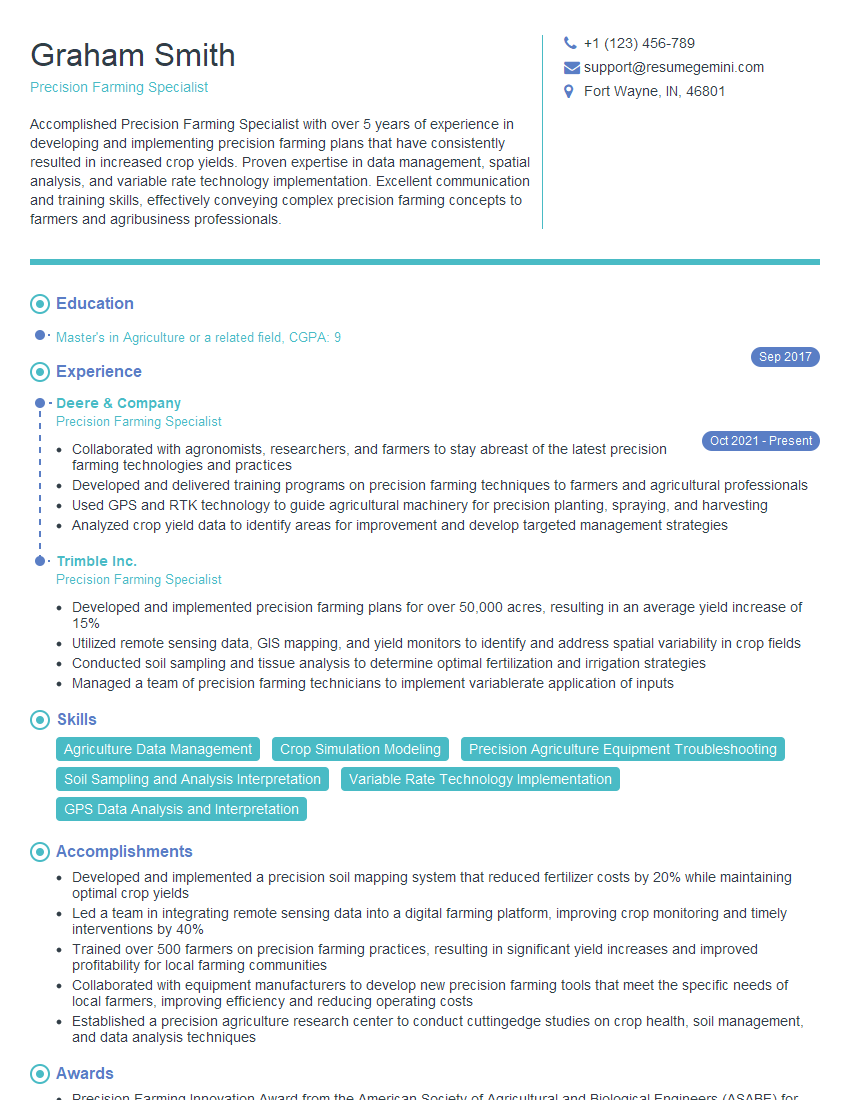
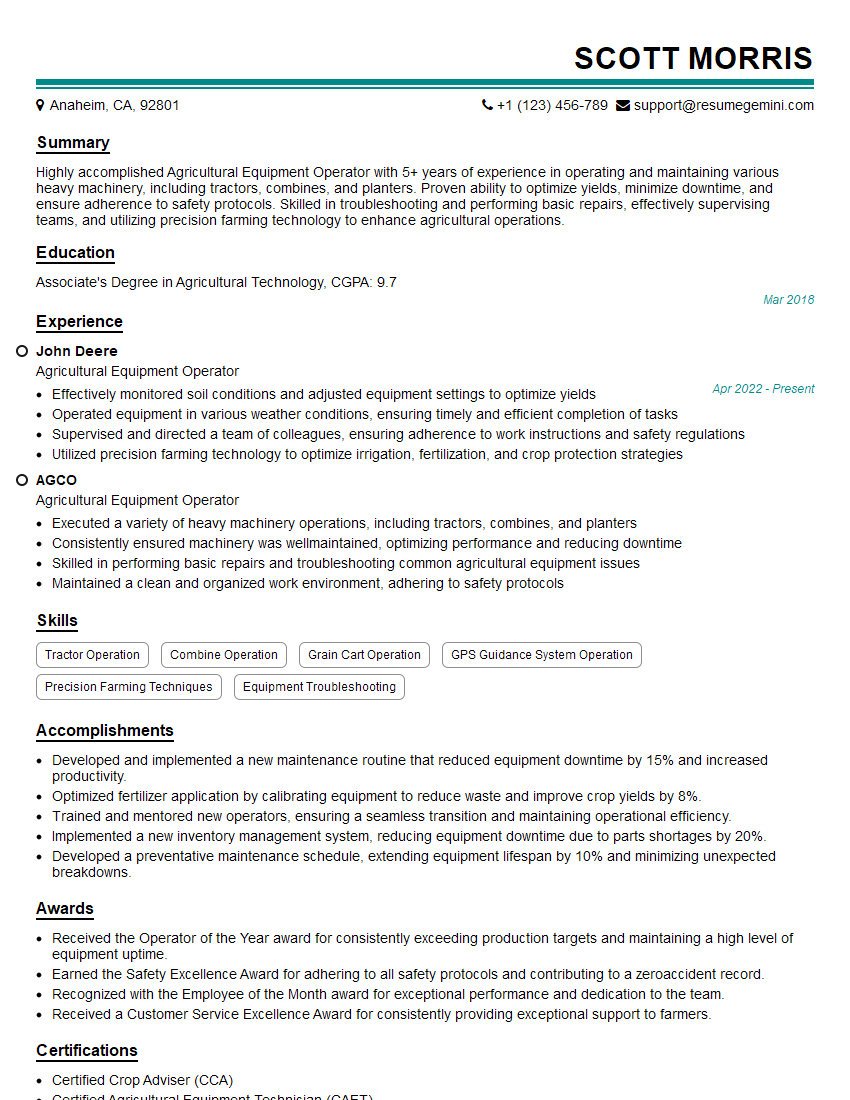
Mastering Bean Picker Machine Operation opens doors to a rewarding career with opportunities for advancement and specialization within the agricultural industry. To maximize your job prospects, creating a strong, ATS-friendly resume is crucial. ResumeGemini is a trusted resource to help you build a professional resume that highlights your skills and experience effectively. Examples of resumes tailored to Bean Picker Machine Operation are available, showcasing how to present your qualifications compellingly. Take advantage of these resources to present yourself as the ideal candidate.


Explore more articles
Users Rating of Our Blogs
Share Your Experience
We value your feedback! Please rate our content and share your thoughts (optional).
What Readers Say About Our Blog
Very informative content, great job.
good