The right preparation can turn an interview into an opportunity to showcase your expertise. This guide to Behavior-Based Safety Management interview questions is your ultimate resource, providing key insights and tips to help you ace your responses and stand out as a top candidate.
Questions Asked in Behavior-Based Safety Management Interview
Q 1. Describe your experience implementing a Behavior-Based Safety (BBS) program.
In my previous role at a large manufacturing plant, we implemented a Behavior-Based Safety (BBS) program to reduce workplace accidents. The process began with a comprehensive risk assessment, identifying high-risk behaviors and areas. We then developed a system of observation and feedback, training supervisors on proper techniques for conducting observations without creating an atmosphere of mistrust or fear. We focused on positive reinforcement, rewarding safe behaviors with recognition and incentives. The program involved a phased rollout, starting with a pilot program in one department before expanding company-wide. This allowed us to refine the program based on initial feedback and results. Key to success was consistent communication and demonstrating management’s commitment to the program’s success. We saw a 30% reduction in recordable incidents within the first year, demonstrating the program’s efficacy.
Q 2. What are the key components of a successful BBS program?
A successful BBS program hinges on several key components. First, it needs strong leadership support; management buy-in is crucial for effective implementation and sustaining the program over the long term. Second, employee involvement is paramount; employees must be actively involved in designing and implementing the program to foster ownership and buy-in. Third, a well-defined process for observing and recording behaviors is essential. This includes clear definitions of at-risk behaviors, observation methods (e.g., checklists, peer observations), and a system for reporting and analyzing data. Fourth, providing constructive feedback is critical; feedback should focus on reinforcing positive behaviors and providing coaching to address unsafe acts. Finally, a system of recognition and reinforcement is vital to motivate employees and sustain participation. This might involve public recognition, small gifts, or other rewards for consistent safe behavior.
Q 3. How do you measure the effectiveness of a BBS program?
Measuring BBS program effectiveness involves tracking both leading and lagging indicators (discussed further in the next question). Lagging indicators, such as the number of accidents, injuries, or near misses, show the result of the program. While important, they are often reactive. Leading indicators, such as the percentage of employees exhibiting safe behaviors or the frequency of observations, offer a proactive measure of program success. We use a combination of these metrics. For instance, we track the reduction in recordable incidents, the number of observations conducted, the percentage of observations showing positive behavior, and employee feedback via surveys. Data is regularly analyzed to identify trends and areas for improvement. We also benchmark our results against industry averages to identify areas where we can excel. The combination of quantitative and qualitative data provides a comprehensive picture of the program’s impact.
Q 4. Explain the difference between leading and lagging indicators in BBS.
Leading and lagging indicators are two different ways to assess the performance of a BBS program. Lagging indicators are historical data points that reflect the *outcomes* of safety performance. Examples include the number of lost-time injuries, total recordable incident rate (TRIR), or the number of near misses. They’re like looking in the rearview mirror – they tell you what has already happened. Leading indicators, on the other hand, are proactive measures that predict *future* performance. They reflect the *behaviors* that contribute to safety or the lack thereof. Examples include the percentage of employees following safe work practices, the number of safety observations conducted, and the number of safety suggestions submitted. They’re like looking through the windshield – they help predict what might happen.
Think of it this way: lagging indicators are like the result of a football game, while leading indicators are like the number of completed passes and yards gained during the game itself. The game’s result (lagging) is ultimately important, but analyzing the game’s plays (leading) provides insight into why the game ended the way it did and how to improve in the future.
Q 5. How do you address resistance to a BBS program from employees?
Resistance to a BBS program is common, often stemming from mistrust, perceived extra work, or a lack of understanding of its purpose. Addressing this requires a multi-pronged approach. First, open communication is key – explain the program’s benefits, emphasizing how it improves workplace safety for everyone. Second, involve employees in the process – let them participate in the design and implementation. This fosters a sense of ownership and reduces resistance. Third, address concerns head-on – actively listen to employee feedback and resolve concerns promptly. Fourth, demonstrate the positive impact – showcase improvements in safety metrics and celebrate successes. Finally, provide ongoing training and support – ensure employees know how to participate and that they feel supported in their efforts. It’s about demonstrating that the program is not about blame but about working together to create a safer workplace.
Q 6. What are some common barriers to implementing a BBS program?
Several barriers can hinder BBS program implementation. Lack of management commitment is a significant obstacle. If leadership isn’t fully committed, the program’s success is jeopardized. Insufficient resources, including time, personnel, and funding, can limit implementation effectiveness. Poorly defined objectives and metrics can lead to confusion and a lack of focus. Inadequate training for employees and supervisors can hinder participation and effective observation. Resistance from employees, as mentioned earlier, can significantly impact the program’s success. Finally, a failure to adapt and improve the program based on feedback and results can render it ineffective in the long run. Addressing these barriers proactively is crucial to successful implementation.
Q 7. Describe your experience with behavior observation and feedback.
My experience with behavior observation and feedback has been heavily focused on creating a positive and supportive environment. I’ve utilized various observation methods, including structured checklists, informal observations, and peer-to-peer feedback. The key is to ensure the observation process isn’t perceived as intrusive or punitive. Feedback is always delivered constructively, focusing on specific behaviors and offering suggestions for improvement rather than criticism. For example, instead of saying “You’re not wearing your safety glasses,” I would say, “I noticed you weren’t wearing your safety glasses earlier. Remember, they’re essential for eye protection. Let’s make sure you have them on at all times.” This approach fosters a culture of safety where employees feel supported and empowered to participate actively in creating a safer workplace. Regular feedback and reinforcement of safe behaviors are essential to sustain positive changes.
Q 8. How do you use data to improve safety performance in a BBS program?
Data is the lifeblood of a successful Behavior-Based Safety (BBS) program. We use data not just to track incidents, but to understand the underlying behaviors contributing to near misses and accidents. This allows for proactive interventions rather than reactive responses.
For example, we might track observation data on the frequency of specific at-risk behaviors, such as failure to use Personal Protective Equipment (PPE). A spike in this behavior might indicate a need to re-train staff on PPE use or address underlying issues, like discomfort or lack of readily available PPE.
Beyond observations, we analyze incident reports, near-miss reports, and safety audits. We use statistical analysis and visualization tools to identify trends, patterns, and correlations. This data helps us pinpoint high-risk areas, behaviors, and environmental factors. This systematic approach allows us to allocate resources strategically, focusing on the areas with the greatest potential for improvement.
Let’s say our analysis shows a strong correlation between fatigue and unsafe equipment operation. We’d then implement interventions such as improved scheduling, promoting rest breaks, and ensuring equipment maintenance schedules are adhered to. This data-driven approach ensures that our efforts are focused and efficient, leading to a more substantial and lasting impact on safety.
Q 9. How do you ensure that a BBS program is fair and equitable?
Fairness and equity are paramount in a BBS program. We ensure this through several key strategies. First, we establish clear, objective criteria for observation and feedback. These criteria are communicated transparently to all employees to ensure everyone understands the expectations and the process for measuring progress.
Second, we utilize a random sampling method for observations to ensure that no individual or group is unfairly targeted. Every employee understands that they have an equal chance of being observed. This eliminates bias and fosters a sense of fairness across the organization.
Third, we establish a robust process for addressing employee concerns or grievances. This includes a clear channel for feedback, a process for investigating complaints, and a system for addressing any identified biases or inconsistencies. We strive to create a culture where safety is prioritized, and where employees feel comfortable expressing concerns without fear of reprisal.
Finally, regular reviews of the BBS program’s effectiveness, including an analysis of the data for potential disparities, help maintain and improve fairness. This includes auditing the program for any unintentional biases in the observation process or the application of corrective actions.
Q 10. Explain the role of management in a successful BBS program.
Management plays a pivotal role in a successful BBS program. Their commitment sets the tone for the entire organization. Without strong leadership support, a BBS program will likely fail. Management’s responsibilities include:
- Setting the safety vision and goals: Management must articulate a clear and compelling vision for safety and set measurable goals that align with the overall business objectives.
- Allocating sufficient resources: This includes providing adequate funding, time, and personnel to implement and sustain the BBS program.
- Championing the program: Management should actively promote and participate in the BBS program, leading by example and demonstrating their commitment to safety.
- Providing training and support: Management needs to ensure that employees are properly trained on BBS principles and provided with the necessary resources and support to implement them.
- Recognizing and rewarding safe behaviors: A strong reinforcement system, championed by management, is vital to driving positive behavioral change.
- Addressing root causes: Management must ensure that the findings from BBS observations and incident investigations are used to identify and address the root causes of unsafe behaviors.
In essence, management’s role is not just oversight, but active engagement and leadership, demonstrating a genuine commitment to creating a safe work environment for everyone.
Q 11. What is your experience with the development and delivery of safety training?
I have extensive experience in developing and delivering safety training programs, including those tailored to BBS methodologies. My approach focuses on creating engaging, interactive, and practical training that goes beyond theoretical knowledge.
I have designed and delivered numerous training sessions covering topics such as hazard identification, risk assessment, safe work practices, observation techniques within the BBS framework, and effective feedback techniques. I utilize a blended learning approach, combining classroom instruction with interactive simulations, case studies, and on-the-job coaching.
For example, I recently developed a training module on safe lockout/tagout procedures. This involved creating interactive simulations that replicated real-world scenarios, requiring trainees to demonstrate their understanding of the process. Post-training, I developed an observation checklist to ensure correct application of learned behaviors.
My training programs are designed to be adaptable to different audiences and organizational contexts. I prioritize creating a safe learning environment where participants feel comfortable asking questions and sharing their experiences. Feedback loops are implemented to ensure ongoing improvements and relevance.
Q 12. How do you identify and prioritize hazards within a BBS framework?
Hazard identification and prioritization within a BBS framework is a systematic process. We utilize a combination of methods, including:
- Leading and lagging indicators: We analyze both leading indicators (e.g., near misses, unsafe acts observed) and lagging indicators (e.g., lost-time incidents, medical cases) to identify trends and high-risk areas.
- Job hazard analyses (JHAs): We conduct JHAs to systematically identify potential hazards associated with specific tasks and work processes.
- Safety observations: BBS observations are instrumental. They provide real-time data on the frequency and nature of unsafe behaviors and near misses, allowing for quick identification of high-risk areas.
- Incident investigations: Thorough incident investigations, utilizing techniques like root cause analysis (discussed further in the next answer), provide invaluable insights into the underlying causes of accidents and near misses.
- Walkthroughs and inspections: Regular walkthroughs and inspections of the workplace help identify physical hazards and unsafe conditions.
Prioritization is then based on a risk assessment, considering the likelihood and severity of the identified hazards. We prioritize hazards based on their potential for causing serious injury or death, followed by those with high frequency or potential for significant disruption.
Q 13. Explain your understanding of root cause analysis and its application in BBS.
Root cause analysis (RCA) is crucial in a BBS program. It goes beyond simply identifying what happened to uncovering *why* it happened. This understanding allows us to implement effective preventive measures that address the underlying issues, rather than just treating the symptoms.
Several methods are used in RCA, including the ‘5 Whys’ technique, fault tree analysis, and fishbone diagrams. For example, if an incident involves a worker falling from a ladder, the ‘5 Whys’ might reveal:
- Why did the worker fall? Because the ladder slipped.
- Why did the ladder slip? Because the feet weren’t secured properly.
- Why weren’t the feet secured? Because the worker didn’t check before using the ladder.
- Why didn’t the worker check? Because they were rushing to finish their task.
- Why were they rushing? Because of an unrealistic deadline.
This reveals that the root cause is not simply a ladder slipping but an underlying pressure to meet unrealistic deadlines. This informs interventions targeting workload management and safety training reinforcement.
In a BBS context, RCA is applied to both incidents and near misses. This proactive approach allows us to prevent similar incidents in the future. The findings are then used to improve safety procedures, training programs, and work processes.
Q 14. Describe your experience using different BBS methodologies (e.g., behavior-based safety process, behavior-based safety observation, etc.)
I have extensive experience using various BBS methodologies. I’ve implemented behavior-based safety processes, including behavior-based safety observations, feedback interventions, and reinforcement strategies. My experience spans diverse industries and organizational settings.
Behavior-Based Safety Observation (BBSO): This involves systematically observing employee behaviors and providing feedback. I have used various observation methods, including structured checklists, random sampling, and targeted observations focused on high-risk areas. The observations are not punitive, but focused on identifying opportunities for improvement and positive reinforcement.
Behavior-Based Safety Process (BBSP): This involves a more holistic approach, integrating BBSO with other safety management processes, such as hazard identification, risk assessment, and incident investigation. I have experience developing and implementing BBSPs, ensuring that the observations are aligned with organizational safety goals and used to inform decision-making. This involves carefully designed feedback systems and reinforcement strategies.
Other Methodologies: I have also utilized other methodologies, including safety audits, near-miss reporting systems, and safety culture surveys to complement the BBS observations and data analysis. Each of these helps provide a complete view of the safety performance and behaviors within an organization.
My approach is tailored to the specific needs and context of each organization. I work closely with management and employees to ensure that the chosen methodology is effective and sustainable.
Q 15. How do you incorporate BBS principles into incident investigations?
Behavior-Based Safety (BBS) fundamentally shifts incident investigations from solely focusing on the event itself to understanding the underlying behaviors that contributed to it. Instead of just assigning blame, we analyze the sequence of actions and decisions leading to the incident. This involves identifying unsafe acts and unsafe conditions, but crucially, we also examine the contributing factors such as peer pressure, inadequate training, or unclear procedures.
For example, if a worker was injured in a fall from a ladder, a traditional investigation might simply note the fall. A BBS approach, however, would delve deeper: Was the ladder properly secured? Did the worker receive sufficient training on ladder safety? Were there distractions present? Were there reporting mechanisms in place for unsafe conditions? We would use observation data, interviews, and a thorough analysis of the work environment to identify the behavioral root causes and implement corrective actions to prevent recurrence.
We typically use tools like behavioral observation checklists and incident investigation forms that explicitly incorporate BBS principles, guiding the investigation towards identifying at-risk behaviors and their precursors. This systematic approach allows us to develop targeted interventions rather than applying generic solutions.
Career Expert Tips:
- Ace those interviews! Prepare effectively by reviewing the Top 50 Most Common Interview Questions on ResumeGemini.
- Navigate your job search with confidence! Explore a wide range of Career Tips on ResumeGemini. Learn about common challenges and recommendations to overcome them.
- Craft the perfect resume! Master the Art of Resume Writing with ResumeGemini’s guide. Showcase your unique qualifications and achievements effectively.
- Don’t miss out on holiday savings! Build your dream resume with ResumeGemini’s ATS optimized templates.
Q 16. How do you use BBS to improve safety culture?
BBS is incredibly effective in improving safety culture because it focuses on changing observable behaviors rather than solely relying on rules and regulations. It fosters a culture of proactive safety, where employees are empowered to identify and address hazards. It’s about building a shared responsibility for safety where everyone feels accountable for their actions and their impact on others.
We achieve this through several key strategies: First, we use systematic observation to identify and record both safe and at-risk behaviors. This provides concrete data to track progress and identify areas needing attention. We then provide specific and constructive feedback to employees, reinforcing safe behaviors and addressing at-risk behaviors with coaching and training. We also involve employees in identifying solutions and implementing improvements – creating ownership and commitment.
For instance, instead of simply posting a sign about wearing hard hats, a BBS approach would involve regular observation to see how often hard hats are worn, providing positive reinforcement to those consistently wearing them, and addressing the root cause of why some employees are not.
Finally, celebrating successes and acknowledging efforts is crucial. This builds morale and reinforces the positive aspects of a safety-conscious culture.
Q 17. What is your experience with safety audits and inspections?
My experience with safety audits and inspections is extensive. I’ve conducted numerous audits across diverse industries, always incorporating BBS principles. A typical audit involves a combination of document reviews, workplace observations, and interviews with employees at all levels. During observations, I look for leading indicators of potential incidents, such as unsafe acts and conditions, along with the underlying behavioral patterns. I also assess the effectiveness of existing safety programs and procedures, ensuring compliance with relevant standards and regulations.
A key aspect of my approach is to go beyond simply identifying violations. I try to understand *why* the issues exist. Is it due to inadequate training, lack of resources, unclear expectations, or other underlying factors? The findings from these audits then inform the development of targeted interventions and improvements to the BBS program and overall safety management system. The reports I produce are detailed, providing concrete recommendations and actionable steps for improvement, along with a prioritized plan for implementation.
Q 18. How do you maintain the momentum of a BBS program over time?
Maintaining momentum in a BBS program requires consistent effort and a strategic approach. It’s not a ‘set it and forget it’ initiative. We need to continuously engage employees, adapt the program to changing circumstances, and demonstrate the value of the program through measurable results.
Key strategies include: regular feedback and recognition, using data to showcase improvements, and involving employees in the program’s design and implementation. This is not just about management driving the program; it requires consistent employee participation and involvement. We need to celebrate successes, use data to show progress, and actively address challenges or concerns that arise. Regular reviews and updates are also essential, ensuring the program continues to meet the organization’s needs and remains relevant and engaging.
For example, we could use internal newsletters or team meetings to highlight safety successes, share improvement data, and reinforce safe behaviors. Regular leadership walkarounds demonstrating visible commitment is equally important.
Q 19. What are some common mistakes made in implementing a BBS program?
Some common mistakes in implementing a BBS program include:
- Lack of management commitment: BBS requires strong leadership support and active participation. Without it, the program is unlikely to succeed.
- Insufficient employee involvement: Employees must feel ownership and buy-in for the program to be effective.
- Poorly designed observation systems: Observations must be reliable, valid, and focused on key behaviors.
- Lack of feedback and reinforcement: Positive feedback for safe behaviors and constructive feedback for at-risk behaviors are crucial.
- Failure to address root causes: Simply addressing symptoms without tackling the underlying causes won’t yield lasting improvements.
- Lack of measurement and evaluation: Tracking progress and demonstrating the program’s effectiveness is vital.
- Treating BBS as a standalone program: BBS should integrate seamlessly with other safety management systems.
Addressing these potential pitfalls through careful planning and execution significantly increases the likelihood of successful BBS implementation.
Q 20. How do you adapt a BBS program to different organizational cultures?
Adapting a BBS program to different organizational cultures requires a nuanced understanding of the prevailing values, communication styles, and power dynamics. A one-size-fits-all approach rarely works. We need to tailor the program to resonate with the specific culture.
This involves: conducting thorough cultural assessments to understand existing norms and expectations; selecting observation methods and feedback mechanisms appropriate to the communication styles; involving employees in the design and implementation of the program to build ownership; and recognizing and respecting cultural sensitivities. For instance, in a culture that values collaboration, we might use team-based observation and feedback processes; while in a culture valuing individual achievement, we might focus on individual recognition and rewards. The language used, the way information is presented, and the overall approach need to be adapted for maximum effectiveness.
Q 21. Explain your familiarity with relevant safety regulations and standards.
I am familiar with a wide range of safety regulations and standards, including OSHA (Occupational Safety and Health Administration) guidelines, ANSI (American National Standards Institute) standards, and ISO (International Organization for Standardization) standards relevant to occupational safety and health. My understanding extends to specific regulations pertaining to various industries, such as construction, manufacturing, and healthcare. This knowledge informs my work in developing and implementing BBS programs, ensuring compliance with all applicable regulations.
I am adept at interpreting regulations, translating complex legal requirements into practical workplace guidelines, and ensuring that the BBS programs I design and implement align perfectly with the applicable standards. Staying updated on changes and revisions to these regulations is a continuous process, ensuring the safety programs remain current and effective.
Q 22. How do you communicate safety information effectively to employees?
Effective communication is the cornerstone of any successful Behavior-Based Safety (BBS) program. It’s not enough to simply post safety rules; we need to engage employees and make them active participants in the process. I use a multi-pronged approach.
- Interactive Training: Instead of lengthy lectures, I prefer hands-on training sessions, simulations, and role-playing to make safety concepts relatable. For example, we might use virtual reality simulations to demonstrate the consequences of unsafe acts.
- Visual Aids and Storytelling: I incorporate compelling visuals, like photos, videos, and infographics, to reinforce key messages. Sharing real-life stories of near misses or accidents, anonymized to protect individuals, can be very impactful.
- Two-Way Communication: I encourage open dialogue and feedback. Regular safety meetings, toolbox talks, and anonymous suggestion boxes provide channels for employees to voice concerns and offer suggestions. I actively listen and respond to their input.
- Targeted Communication: I tailor my communication style and methods to the specific audience. For example, I use simpler language and visual aids for employees who may have language barriers or limited literacy.
- Reinforcement and Recognition: Regularly acknowledging and rewarding safe behaviors is crucial. This might involve public recognition, small incentives, or even simply a verbal thank you. This positive reinforcement is essential for building a safety culture.
For instance, in a previous role, we implemented a peer-to-peer safety observation program, where employees would recognize and reward each other for safe behaviors. This greatly increased engagement and participation compared to a top-down approach.
Q 23. Describe your experience with safety committees or teams.
I’ve had extensive experience participating in and leading safety committees and teams. My role has always involved more than just attending meetings; I actively participate in the design and implementation of safety initiatives.
- Active Participation: I contribute to the development of safety policies, procedures, and training programs. This includes researching best practices, conducting risk assessments, and developing action plans to mitigate identified hazards.
- Data Analysis and Reporting: I’m proficient in analyzing safety data to identify trends and patterns, helping the committee to prioritize areas for improvement. I regularly present findings and recommendations to management and the workforce.
- Collaboration and Facilitation: I’m skilled at fostering collaboration between different departments and levels within the organization. This includes facilitating meetings, mediating conflicts, and ensuring everyone has a voice.
- Problem Solving: The committee serves as a problem-solving forum. We use techniques like root cause analysis to investigate incidents and identify underlying systemic issues. We then develop and implement corrective actions.
- Promoting a Culture of Safety: My primary goal is to promote a culture of safety, where everyone feels empowered to identify and report hazards. This includes actively promoting open communication and a non-punitive approach to reporting errors.
In one instance, our safety committee implemented a new system for reporting near misses, which led to a significant reduction in accidents by proactively identifying and addressing potential hazards before they resulted in injuries.
Q 24. How do you handle situations where safety rules are violated?
Addressing safety rule violations requires a balanced approach that focuses on both corrective action and preventing future occurrences. It’s crucial to avoid a punitive environment that discourages reporting.
- Investigation: The first step is a thorough investigation to understand the circumstances surrounding the violation. This involves interviewing witnesses, reviewing documentation, and identifying the root cause.
- Coaching and Counseling: I prefer a coaching and counseling approach, focusing on helping the employee understand the consequences of their actions and developing strategies to prevent future violations. This might involve retraining or additional supervision.
- Progressive Discipline: In cases of repeated or serious violations, progressive discipline may be necessary. This involves a series of increasingly stringent consequences, providing opportunities for improvement at each step.
- Systemic Improvements: It’s essential to identify and address any systemic issues that contributed to the violation. This might involve improving training, updating procedures, or modifying equipment.
- Documentation: Throughout the process, I maintain thorough documentation of all actions taken. This ensures accountability and provides a record for future reference.
For example, if an employee consistently fails to use personal protective equipment (PPE), I would first discuss the importance of PPE and offer retraining. If the behavior continues, more formal disciplinary action might be necessary, but always coupled with support and resources to help them comply.
Q 25. What are some innovative approaches to BBS program implementation?
Implementing a BBS program requires creativity and adaptation to the specific context of the organization. Here are some innovative approaches:
- Gamification: Integrating game mechanics, such as points, badges, and leaderboards, can increase engagement and motivation. Employees can earn rewards for safe behaviors, fostering a sense of competition and accomplishment.
- Technology Integration: Utilizing mobile apps and software to track observations, report near misses, and provide real-time feedback can streamline the process and increase efficiency. Data analytics can identify trends and inform targeted interventions.
- Peer-to-Peer Observation Programs: Empowering employees to observe and coach each other creates a strong safety culture. This approach fosters a sense of shared responsibility and improves buy-in.
- Behavioral-Based Intervention Strategies: Focusing on specific, observable behaviors rather than vague concepts, using techniques like ABC analysis (Antecedent-Behavior-Consequence), can significantly improve effectiveness. This allows for targeted interventions to change behavior before incidents occur.
- Leadership Engagement: Visible and active leadership involvement is crucial. Leaders should model safe behaviors and actively participate in the BBS program, showcasing its importance.
For instance, in one project, we used a mobile app that allowed employees to easily report near misses and receive instant feedback. This increased reporting rates and allowed us to address potential hazards quickly and effectively.
Q 26. How do you integrate BBS with other safety management systems?
BBS shouldn’t exist in isolation; it needs to be integrated with other safety management systems to create a holistic approach.
- Risk Assessment Integration: BBS can be used to identify high-risk behaviors and integrate findings into risk assessments. This improves the accuracy of risk assessment and informs the development of control measures.
- Incident Investigation Integration: BBS data can inform incident investigations by providing insights into contributing factors and behavioral patterns. This helps identify root causes and prevent recurrence.
- Environmental, Health, and Safety (EHS) Management System Integration: BBS complements other EHS management systems by providing a behavioral component. It adds a layer of proactive risk management focusing on human behavior.
- Training Program Integration: BBS can inform the development of targeted training programs based on identified behavioral deficiencies. This enhances the effectiveness of safety training by addressing specific needs.
- Performance Management Integration: Safe behaviors can be incorporated into employee performance evaluations, reinforcing the importance of safety and aligning individual performance with organizational safety goals.
For example, data from BBS observations can be used to supplement incident reports, providing a more complete picture of what led to an incident. This ensures the investigation isn’t only reactive but also considers underlying behavioral factors.
Q 27. Describe your experience with using technology to support a BBS program (e.g., software, apps).
Technology plays a significant role in modern BBS programs. I have experience using various technologies to enhance efficiency and data analysis.
- Observation Tracking Software: Software solutions streamline the process of recording and analyzing safety observations. This allows for efficient data collection, analysis, and reporting, eliminating manual processes and improving accuracy.
- Mobile Apps for Near Miss Reporting: Mobile apps provide easy access for employees to report near misses or unsafe conditions. This encourages proactive reporting and facilitates immediate responses.
- Data Analytics Dashboards: Data analytics dashboards provide visual representations of safety data, allowing for easy identification of trends, patterns, and areas for improvement. This enhances decision-making and facilitates resource allocation.
- Virtual Reality (VR) Training Simulations: VR simulations provide immersive training experiences, allowing employees to practice safe behaviors in a risk-free environment.
- Wearable Technology: Wearable sensors can passively monitor worker behaviors and environments, providing valuable data for identifying unsafe acts and conditions. This data, however, needs careful handling to maintain employee privacy.
In a past project, we implemented a mobile app for near-miss reporting, resulting in a 50% increase in reporting and a corresponding reduction in incidents. The data analytics capabilities of the app allowed us to identify high-risk areas and implement targeted interventions.
Q 28. How do you evaluate the return on investment (ROI) of a BBS program?
Evaluating the ROI of a BBS program requires a multifaceted approach that goes beyond simply measuring cost savings.
- Reduced Incident Rates: A primary metric is the reduction in the frequency and severity of incidents, leading to decreased workers’ compensation costs and lost productivity.
- Improved Employee Morale and Engagement: A successful BBS program improves employee morale, fostering a positive and safer work environment. This can be measured through employee surveys and feedback.
- Increased Productivity: A safer work environment often leads to improved productivity due to reduced downtime, fewer interruptions, and increased employee confidence.
- Reduced Healthcare Costs: Fewer injuries translate directly to lower healthcare costs for the organization.
- Improved Safety Culture: A strong safety culture is a valuable intangible asset that enhances the overall organizational reputation and attracts and retains talent. This can be assessed through surveys and qualitative data.
To calculate ROI, you need to compare the cost of implementing the BBS program (training, software, etc.) against the cost savings from reduced incidents, improved productivity, and other benefits. It’s important to also consider the qualitative benefits, such as improved morale and a stronger safety culture, which, while harder to quantify, are invaluable.
Key Topics to Learn for Behavior-Based Safety Management Interview
- Behavioral Observation & Feedback: Understand the principles of direct observation, providing constructive feedback, and coaching employees to improve safe work practices. Consider different observation methods and their effectiveness.
- Safety Culture & Leadership: Discuss how leadership influences safety behavior, the role of communication in fostering a positive safety culture, and techniques for engaging employees in safety initiatives. Explore examples of successful safety leadership.
- Incident Investigation & Root Cause Analysis: Explain the process of thoroughly investigating safety incidents, identifying contributing factors beyond immediate causes, and implementing corrective actions to prevent recurrence. Practice applying various root cause analysis techniques.
- Performance Measurement & Metrics: Describe key performance indicators (KPIs) used in BBSM, how to track progress, and interpret data to identify areas for improvement. Discuss the importance of data-driven decision-making in safety management.
- Reinforcement & Motivation: Explain the principles of positive reinforcement and its role in shaping safe behaviors. Discuss strategies for motivating employees to actively participate in safety programs and adopt safe work habits.
- Regulatory Compliance & Standards: Demonstrate familiarity with relevant safety regulations and industry standards. Be prepared to discuss how BBSM aligns with and supports regulatory compliance.
- Developing and Implementing BBSM Programs: Outline the steps involved in designing, implementing, and evaluating a successful BBSM program. Consider factors like program scope, stakeholder engagement, and resource allocation.
Next Steps
Mastering Behavior-Based Safety Management opens doors to exciting career opportunities in safety leadership and consulting. To maximize your job prospects, it’s crucial to present your skills and experience effectively through a well-crafted resume optimized for Applicant Tracking Systems (ATS). ResumeGemini is a trusted resource that can help you build a professional and impactful resume tailored to the specific requirements of BBSM roles. Examples of resumes tailored to Behavior-Based Safety Management are available to guide you, ensuring your application stands out from the competition.
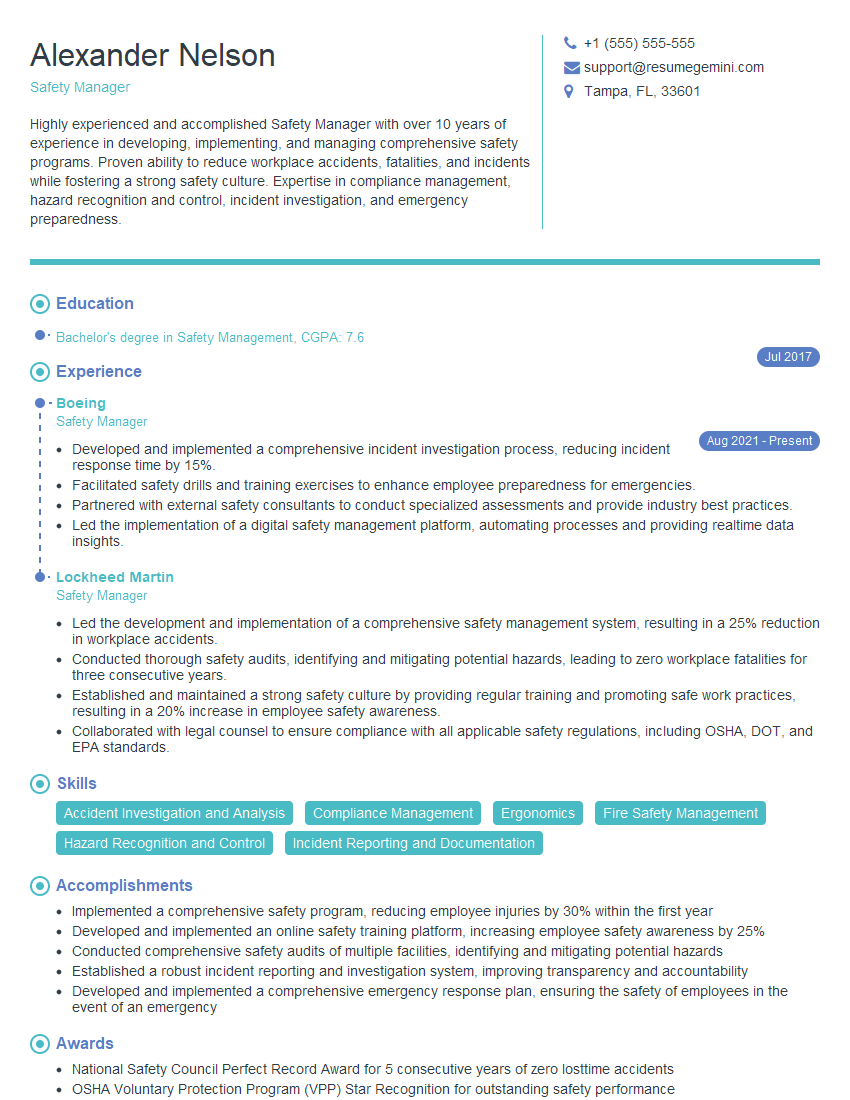
Safety Manager Resume Sample
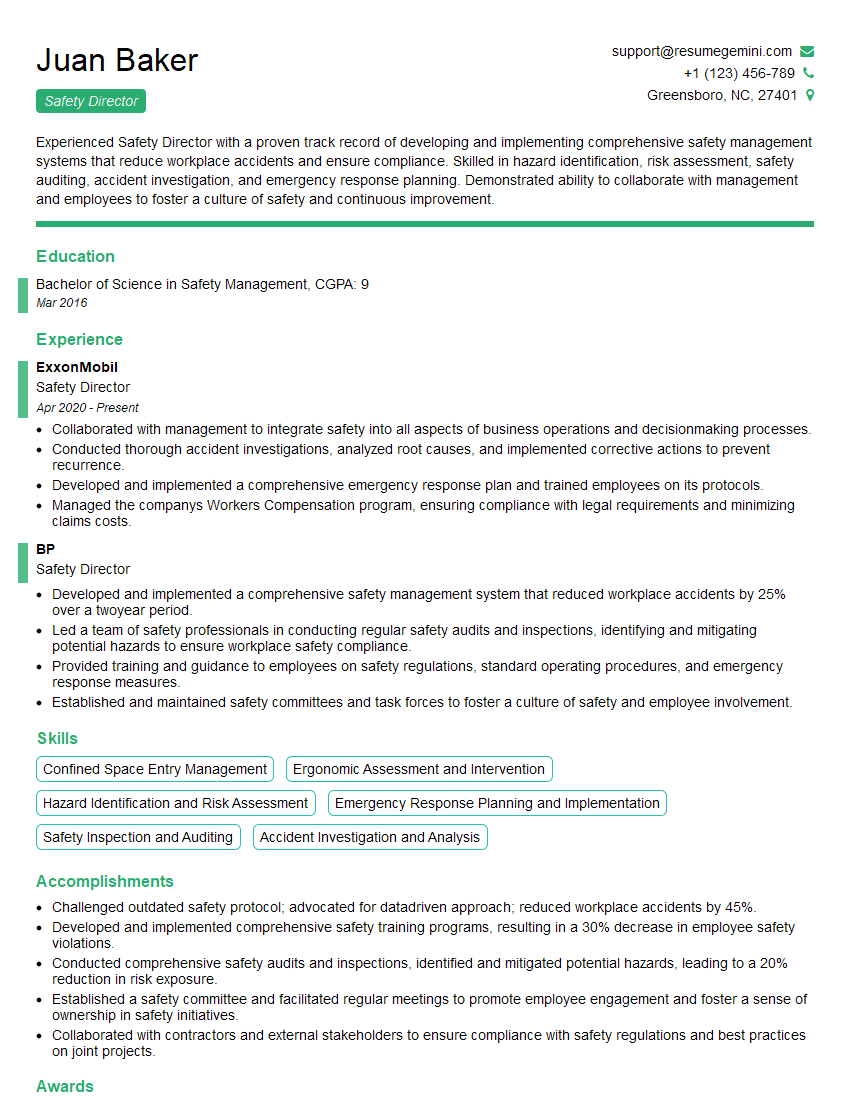
Safety Director Resume Sample
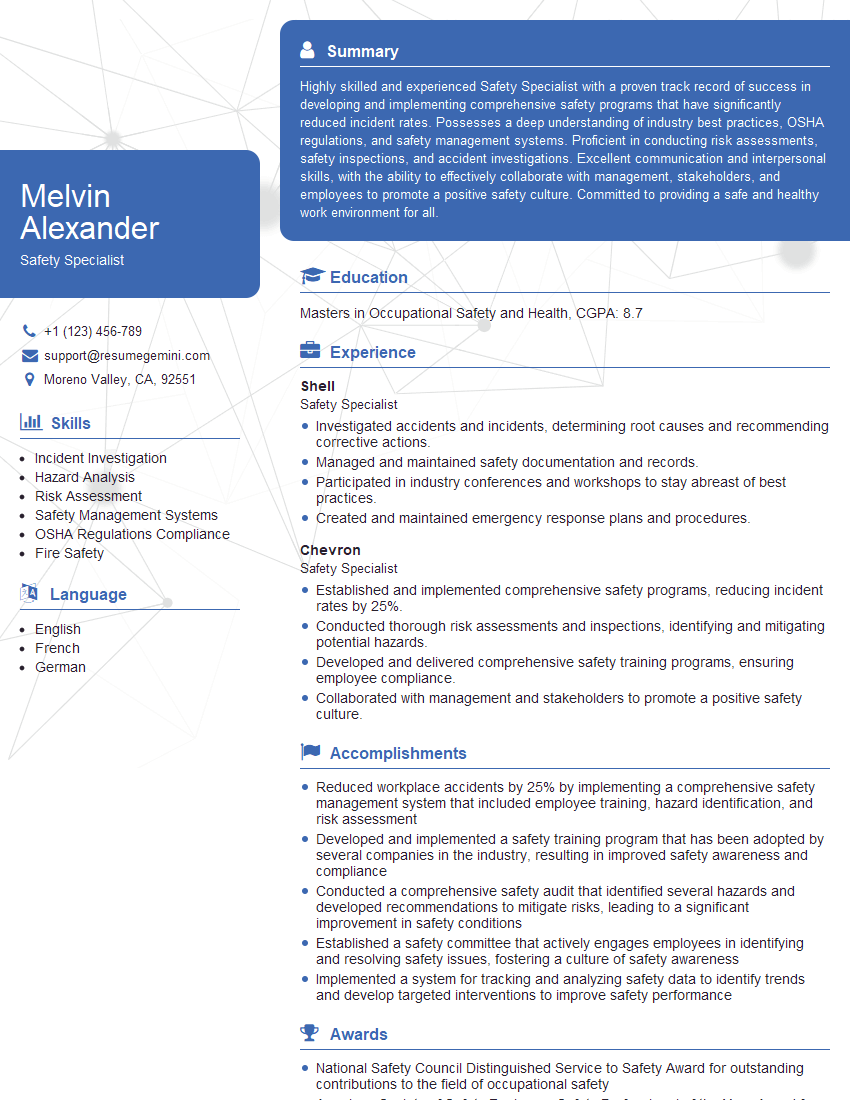
Safety Specialist Resume Sample
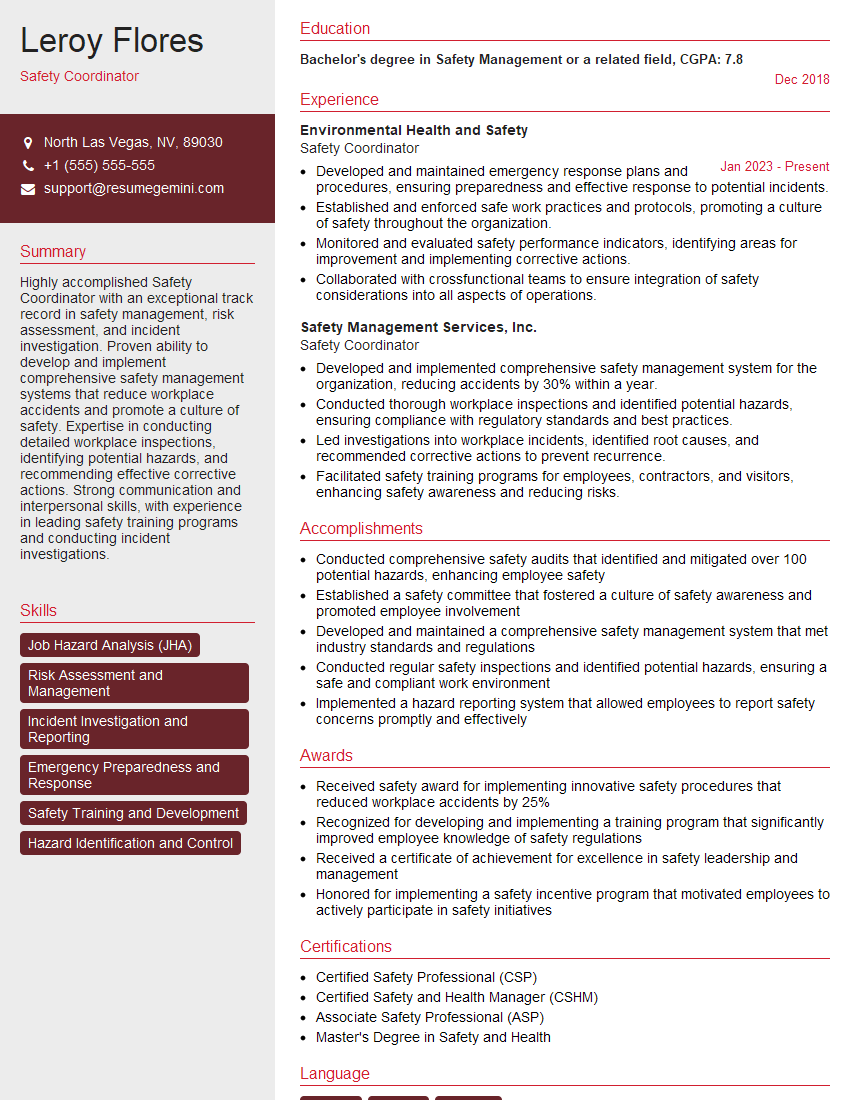
Safety Coordinator Resume Sample
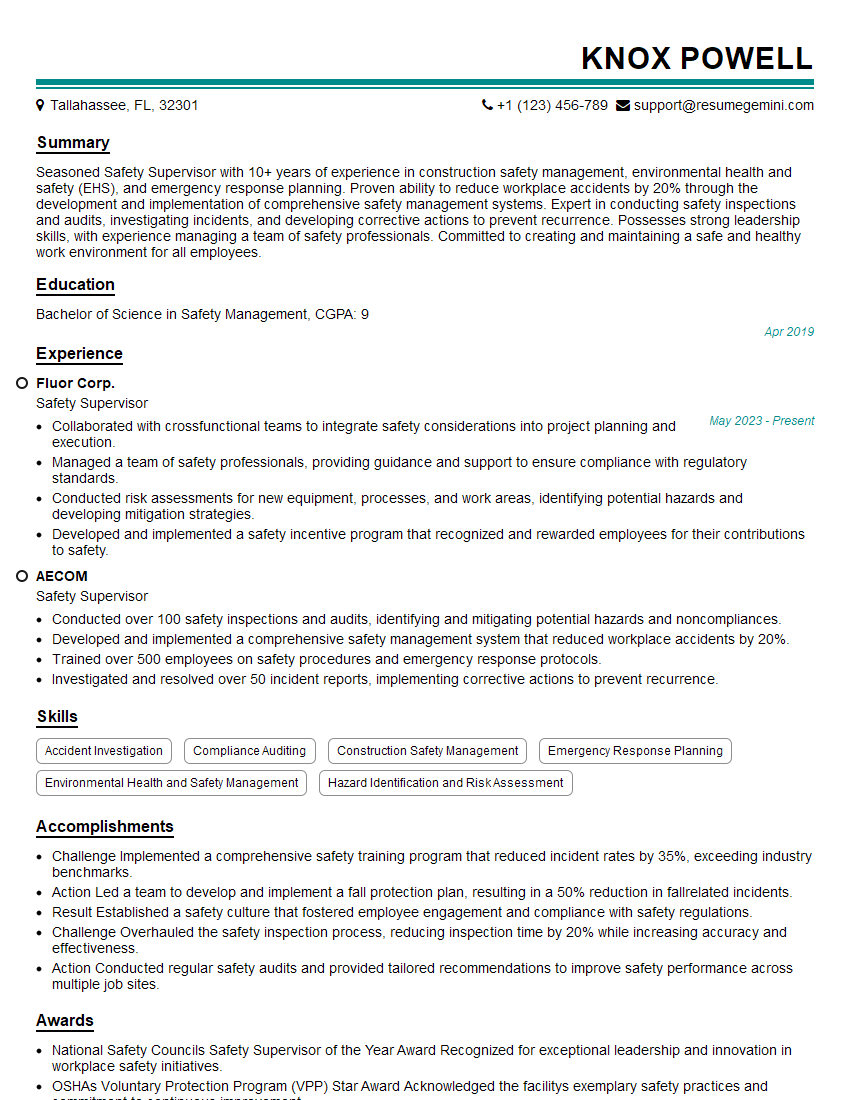
Safety Supervisor Resume Sample
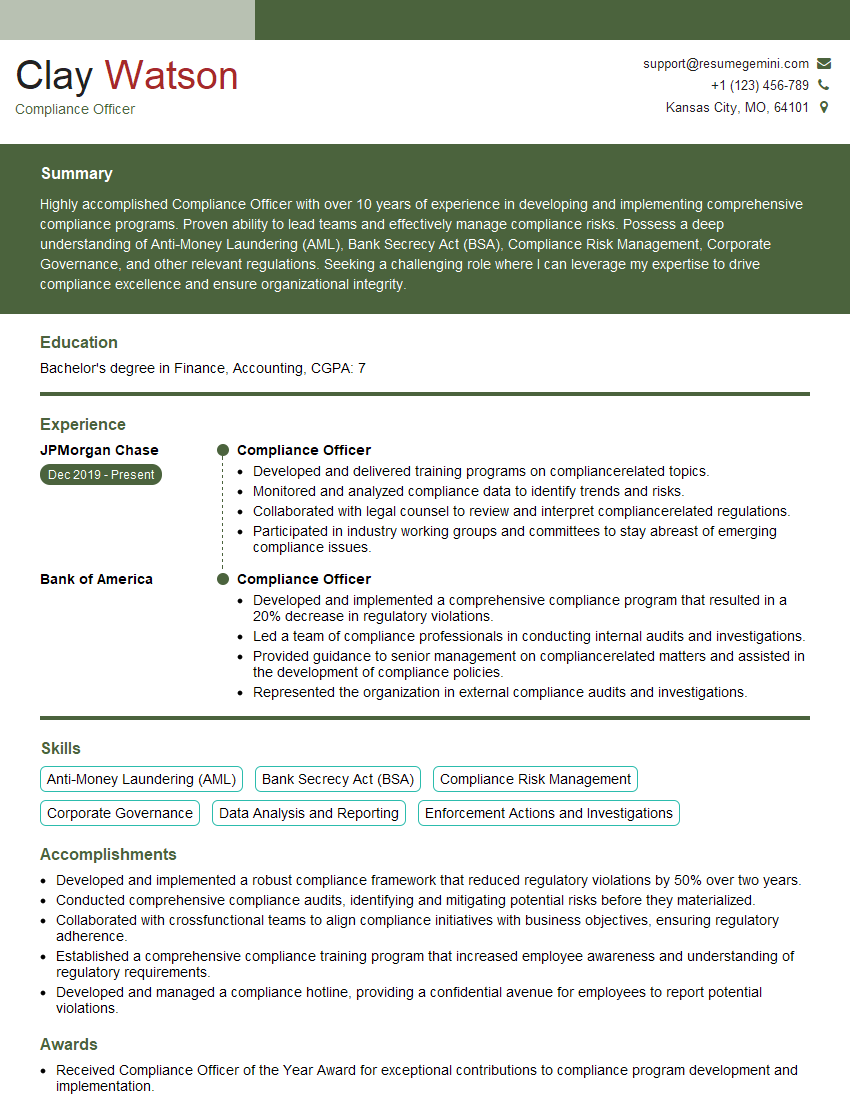
Compliance Officer Resume Sample

Risk Manager Resume Sample
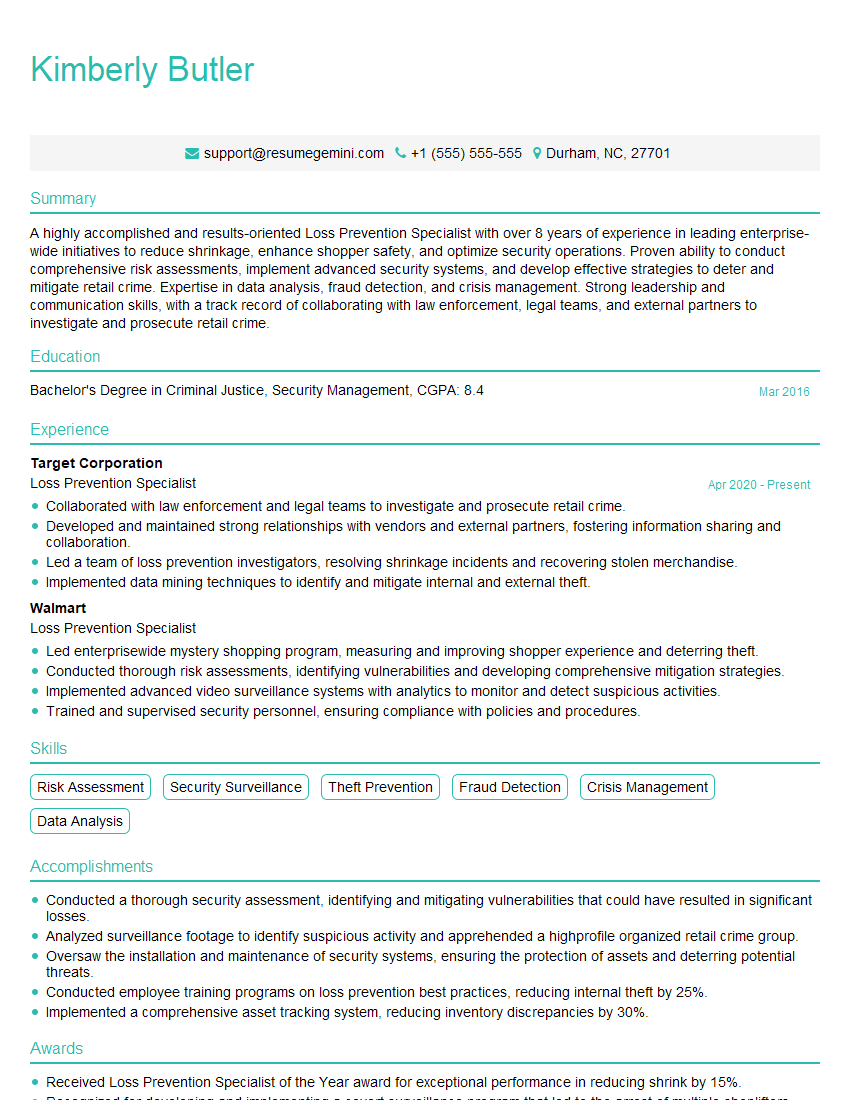
Loss Prevention Specialist Resume Sample
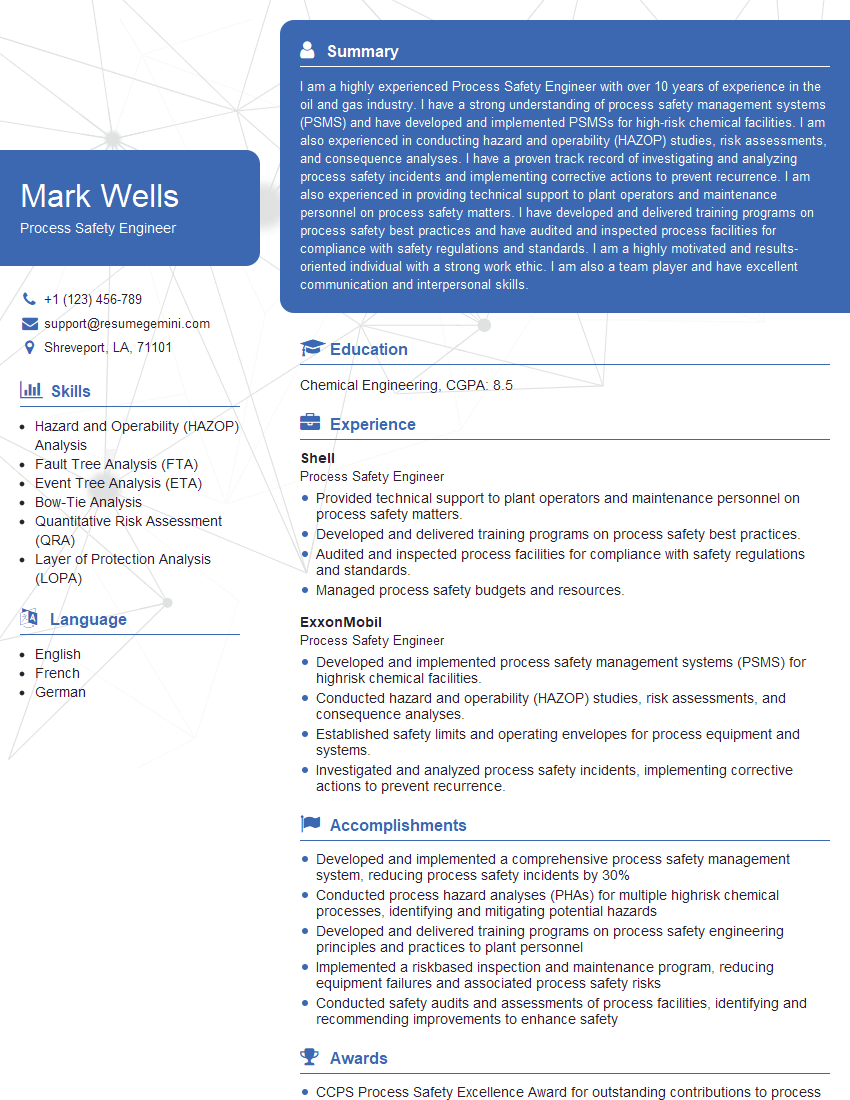
Process Safety Engineer Resume Sample
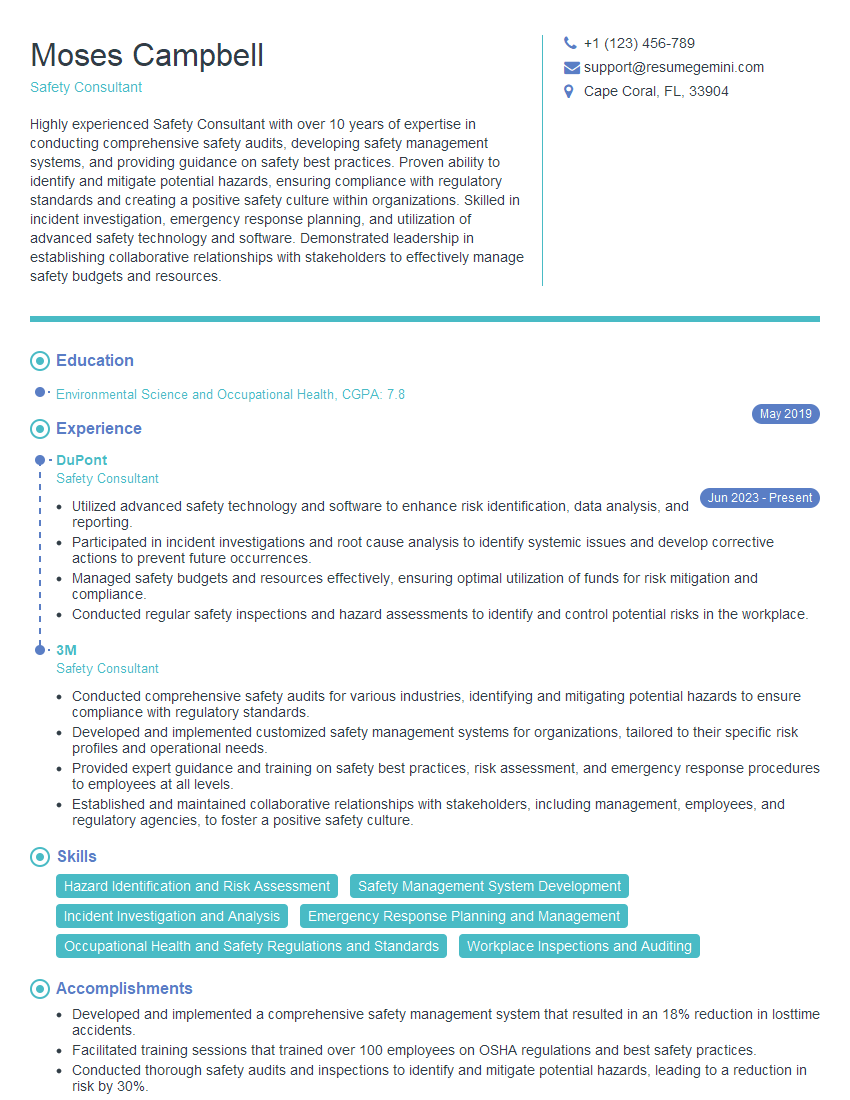
Safety Consultant Resume Sample

Safety Engineer Resume Sample
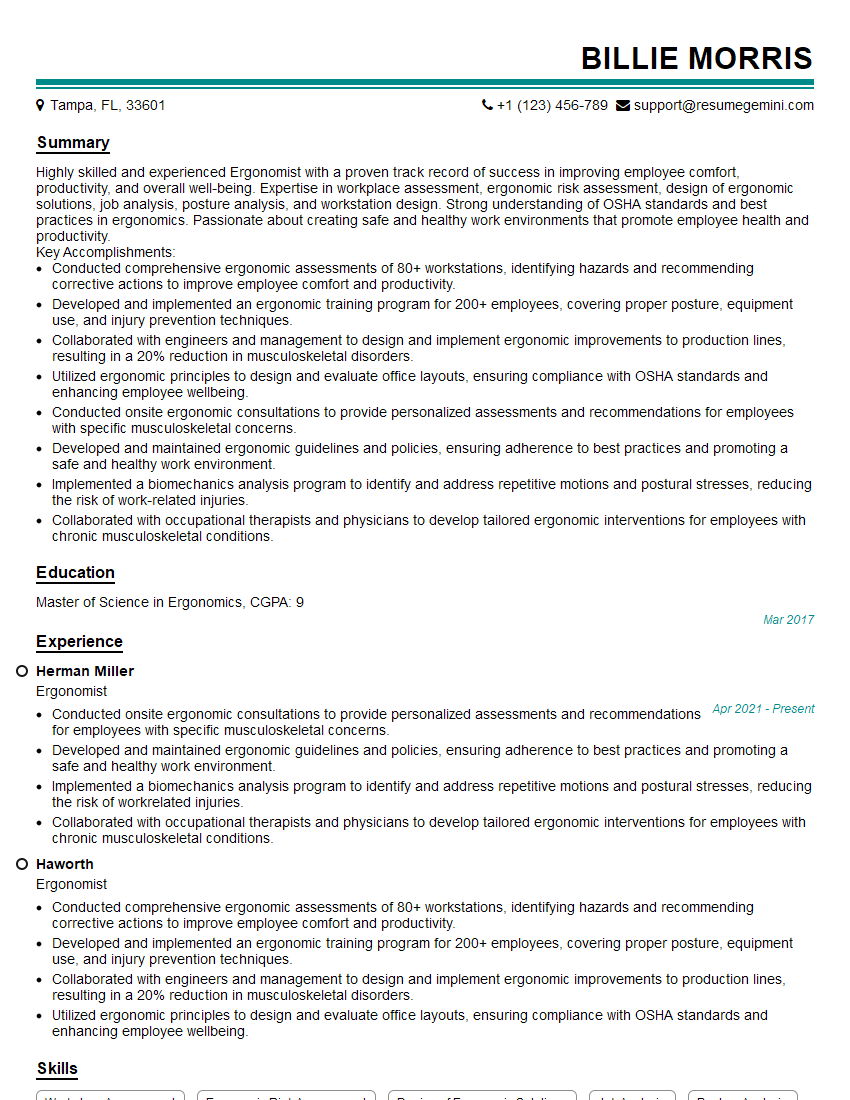
Ergonomist Resume Sample

Human Factors Specialist Resume Sample
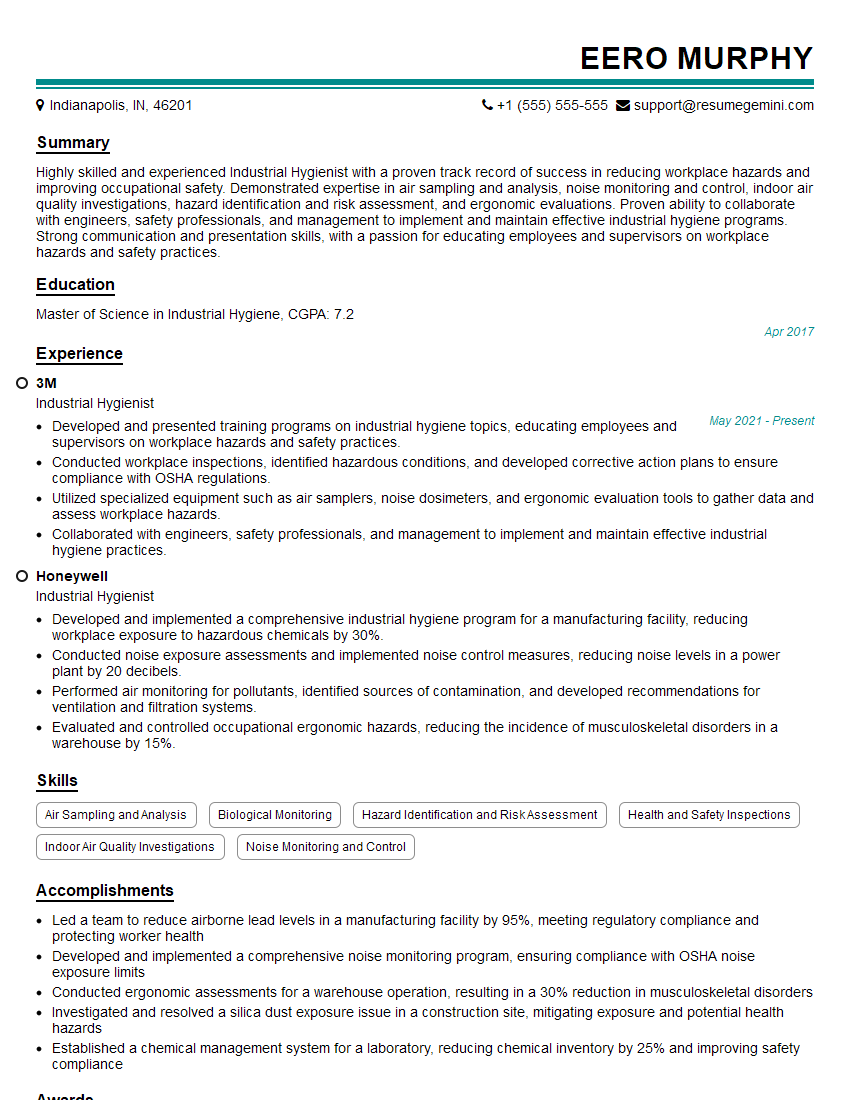
Industrial Hygienist Resume Sample
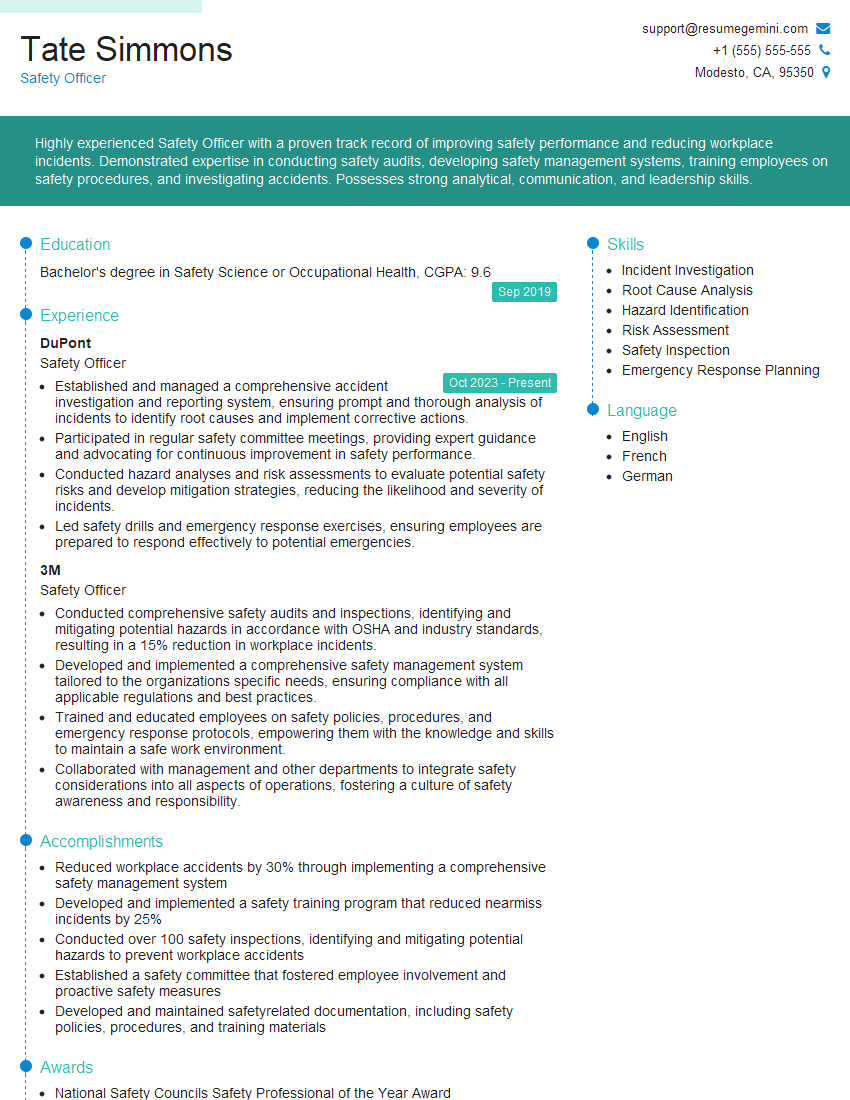
Safety Officer Resume Sample
Explore more articles
Users Rating of Our Blogs
Share Your Experience
We value your feedback! Please rate our content and share your thoughts (optional).
What Readers Say About Our Blog
good