The right preparation can turn an interview into an opportunity to showcase your expertise. This guide to Behavioral Energy Efficiency Programs interview questions is your ultimate resource, providing key insights and tips to help you ace your responses and stand out as a top candidate.
Questions Asked in Behavioral Energy Efficiency Programs Interview
Q 1. Explain the principles of behavioral economics relevant to energy efficiency.
Behavioral economics helps us understand why people sometimes make choices that aren’t in their best long-term interest, even when they know better. In the context of energy efficiency, this means understanding why people might leave lights on, keep the thermostat high, or avoid energy-saving upgrades, despite the potential financial and environmental benefits. Key principles include:
- Present bias: People tend to prioritize immediate gratification over long-term gains. The small inconvenience of turning off a light now outweighs the long-term savings on the electricity bill.
- Loss aversion: People feel the pain of a loss more strongly than the pleasure of an equivalent gain. A program that frames energy savings as avoiding a loss might be more effective than one that focuses on the gains.
- Framing effects: How information is presented significantly impacts decision-making. For example, highlighting the environmental benefits alongside financial savings can be more persuasive than focusing on cost alone.
- Mental accounting: People mentally categorize money differently. Money saved on energy might be treated as “found money” rather than part of their overall budget, reducing the incentive to save.
- Social norms: People often follow the behavior of those around them. Highlighting the energy-saving actions of neighbors or peers can encourage adoption.
Understanding these principles is crucial for designing effective behavioral energy efficiency programs.
Q 2. Describe different behavioral interventions used in energy efficiency programs.
Behavioral interventions aim to nudge people towards more energy-efficient behaviors. Some common approaches include:
- Feedback provision: Providing information on energy consumption, often through smart meters or online portals, helps people become more aware of their usage and identify areas for improvement. For instance, showing daily energy usage compared to the previous day or to neighbors can motivate conservation.
- Commitment devices: Encourage people to publicly commit to energy-saving goals, increasing their likelihood of following through. This could involve signing a pledge or participating in a challenge with friends and family.
- Social comparison: Showcasing the energy usage of similar households can inspire competition and encourage adoption of efficient practices. However, this needs careful consideration to avoid discouraging low-energy consumers.
- Default settings and simplification: Pre-setting appliances to energy-saving modes or simplifying the process of adopting energy-efficient measures can make sustainable choices easier and more attractive. For example, automatically enrolling customers in a time-of-use electricity plan.
- Gamification: Introducing game-like elements, such as points, rewards, and leaderboards, can make energy saving more engaging and fun. This approach particularly appeals to younger generations.
- Incentives and rewards: Offering financial incentives, such as rebates or discounts on energy-efficient appliances, or non-financial incentives, like recognition, can significantly motivate people to adopt energy saving measures.
Q 3. How do you measure the effectiveness of a behavioral energy efficiency program?
Measuring the effectiveness of a behavioral energy efficiency program requires a multi-faceted approach that includes both quantitative and qualitative methods. We want to see actual changes in energy use, but also understand the reasons behind those changes.
- Energy consumption data: This is the most crucial metric, comparing energy consumption before and after the program’s implementation. This may require access to smart meters or utility billing data.
- Surveys and interviews: These methods gather information on participant attitudes, knowledge, and behaviors related to energy use. They help to understand the reasons behind changes (or lack thereof) in energy consumption.
- Focus groups: These provide in-depth qualitative data on participant perceptions and experiences, shedding light on the program’s strengths and weaknesses.
- Statistical analysis: Comparing energy consumption data from participants and a control group helps to isolate the program’s impact. Regression analysis can be used to control for other factors that may affect energy usage.
- Cost-benefit analysis: This assesses the program’s cost-effectiveness by comparing the cost of implementation to the resulting energy savings and emissions reductions.
A strong evaluation plan should be developed before program implementation to ensure the right data is collected and analyzed to inform future program iterations.
Q 4. What are the key performance indicators (KPIs) for a successful behavioral energy efficiency program?
Key Performance Indicators (KPIs) for a successful behavioral energy efficiency program should track both the impact on energy consumption and the effectiveness of the interventions used. Examples include:
- Percentage reduction in energy consumption: This is a core metric, comparing pre-program and post-program energy usage.
- Participant engagement rates: Measuring the number of participants actively engaging with program components (e.g., feedback tools, workshops).
- Cost savings per participant: Calculating the financial benefits realized by participants.
- Carbon emissions reduction: Quantifying the environmental impact of the program’s energy savings.
- Return on investment (ROI): Assessing the program’s overall efficiency by comparing the cost of implementation to the total savings achieved.
- Participant satisfaction: Measured through surveys and feedback mechanisms, reflecting the program’s acceptability and perceived value.
Regular monitoring of these KPIs is essential for adjusting the program and ensuring its ongoing success.
Q 5. What are the common challenges in implementing behavioral energy efficiency programs?
Implementing behavioral energy efficiency programs faces several challenges:
- Data access and privacy: Obtaining accurate and reliable energy consumption data while respecting participant privacy can be challenging.
- Maintaining long-term engagement: Sustaining behavioral change over the long term requires ongoing motivation and reinforcement, which can be difficult to achieve.
- Reaching diverse populations: Tailoring interventions to meet the specific needs and preferences of diverse populations can be complex.
- Measuring program effectiveness accurately: Isolating the program’s impact from other factors affecting energy consumption requires robust evaluation methods.
- Funding constraints: Securing sufficient funding to implement and evaluate effective programs can be a major hurdle.
- Limited resources and capacity: Implementing comprehensive behavioral programs requires dedicated staff and resources which aren’t always available.
Addressing these challenges requires careful planning, collaboration with stakeholders, and the use of innovative strategies.
Q 6. How do you address participant resistance to behavioral changes?
Participant resistance to behavioral changes is common and stems from various factors, including lack of awareness, perceived inconvenience, skepticism about effectiveness, or simply inertia. Addressing this requires a multi-pronged approach:
- Personalization: Tailor interventions to address specific concerns and motivations of individual participants. For example, highlighting cost savings for budget-conscious individuals or environmental benefits for environmentally-aware ones.
- Empathetic communication: Acknowledge participants’ concerns and perspectives, building trust and rapport.
- Social influence: Leverage social norms and the influence of peers and community leaders to encourage adoption.
- Gradual implementation: Introduce behavioral changes incrementally rather than all at once, making the transition less overwhelming.
- Clear and compelling messaging: Present information in a clear, concise, and motivating way, using visual aids and relatable examples.
- Addressing misconceptions: Correct any misunderstandings or misinformation about energy efficiency measures.
Remember that change takes time, and persistence is key.
Q 7. Explain the role of feedback mechanisms in behavioral energy efficiency programs.
Feedback mechanisms play a critical role in behavioral energy efficiency programs by providing participants with information about their energy consumption and its impact. Effective feedback:
- Is timely and relevant: Provides information frequently enough to be useful, but not overwhelming.
- Is easy to understand: Uses clear and simple language, avoiding technical jargon.
- Is personalized: Tailors information to individual consumption patterns and preferences.
- Offers comparisons: Allows participants to compare their energy use to past periods, neighbors, or a benchmark.
- Provides actionable insights: Helps participants identify areas for improvement and suggests specific energy-saving measures.
- Is presented in a motivating way: Uses positive reinforcement and gamification techniques to encourage engagement.
Feedback mechanisms can range from simple billing inserts to sophisticated smart home displays. The choice depends on the program’s goals, budget, and target audience.
Q 8. Describe different methods for collecting data on energy consumption.
Collecting data on energy consumption is crucial for understanding energy use patterns and the effectiveness of behavioral energy efficiency programs. We employ several methods, each with its strengths and weaknesses:
Smart Meters: These digital meters automatically record energy usage at regular intervals, providing detailed, granular data on consumption. This data can be analyzed to identify peak usage times and potential areas for savings. For example, we can see if a household’s energy use significantly increases during specific hours, suggesting a need to adjust their appliance usage habits.
In-Home Displays (IHDs): IHDs provide real-time feedback on energy consumption, often visually, allowing occupants to track their usage and make informed decisions. They can be especially effective when combined with personalized messaging and goals. Imagine an IHD showing a household how much energy their refrigerator is using compared to similar households – motivating them to adjust temperature settings.
Surveys and Questionnaires: These provide valuable insights into occupant behavior, attitudes, and knowledge regarding energy conservation. For instance, we can use surveys to determine if occupants understand the link between their actions and their energy bills, shaping our communication strategy accordingly. Well-designed surveys can also uncover potential barriers to energy saving.
Self-Reported Data: While less accurate, it’s a cost-effective way to gather information about certain behaviors. However, self-reporting is susceptible to bias and underreporting. For example, individuals might underestimate their shower times.
Utility Billing Data: Aggregate data from utility companies can provide valuable trends and benchmarks for comparison but lacks household-level granularity.
Q 9. How do you design a targeted communication strategy for a specific audience in an energy efficiency program?
Designing a targeted communication strategy is key to the success of any behavioral energy efficiency program. It involves understanding the specific audience and tailoring messages to their needs, values, and motivations. Here’s a step-by-step approach:
Audience Segmentation: Divide your target audience into smaller, more homogeneous groups based on demographics (age, income, education), psychographics (values, lifestyles), and energy usage patterns. For instance, you might separate high-energy consumers from low-energy consumers, crafting different messages for each.
Message Crafting: Create persuasive messages that resonate with each segment. Use clear, concise language, avoiding jargon. High-energy consumers might respond well to messages highlighting financial savings, whereas others may be motivated by environmental benefits or social responsibility.
Channel Selection: Choose the most effective communication channels to reach each segment. Older demographics might respond well to direct mail or phone calls, while younger audiences might engage better with social media or mobile apps.
Testing and Iteration: Continuously test and refine your communication strategy based on feedback and results. A/B testing different messages and channels allows you to optimize your approach over time. For example, test different subject lines for emails to determine which generates higher open rates.
Personalization: Whenever possible, personalize messages to individual households. This might involve using their energy usage data to provide specific recommendations or highlighting their progress towards energy saving goals.
Q 10. What are the ethical considerations in designing and implementing behavioral energy efficiency programs?
Ethical considerations are paramount in behavioral energy efficiency programs. We must ensure fairness, transparency, and respect for individual autonomy. Key considerations include:
Data Privacy: Protecting the privacy of energy consumption data is critical. We must obtain informed consent from participants and ensure data is handled securely and responsibly, complying with relevant regulations like GDPR.
Informed Consent: Participants must be fully informed about the program’s goals, data collection methods, and potential risks before participating. They should be given the option to opt out at any time without penalty.
Avoidance of Manipulation: Messaging should be persuasive but not manipulative. We should avoid using fear-mongering or deceptive tactics to influence behavior. Instead, we focus on providing accurate information and empowering individuals to make informed choices.
Equity and Accessibility: Programs should be designed to be accessible and equitable for all, ensuring that vulnerable populations are not disproportionately affected or excluded.
Q 11. How do you ensure the long-term sustainability of a behavioral energy efficiency program?
Long-term sustainability of a behavioral energy efficiency program relies on several factors:
Integration with Utility Programs: Partnering with utility companies helps integrate the program into existing infrastructure, increasing its reach and longevity. Utilities can offer financial incentives and integrate program data into billing systems.
Community Engagement: Building strong relationships with community leaders and organizations ensures broad participation and long-term support. Community workshops and social events can help foster a culture of energy conservation.
Continuous Improvement: Regularly evaluating program performance and adapting strategies based on feedback and emerging trends is essential. This could involve adjusting messaging, refining feedback mechanisms, or incorporating new technologies.
Building Capacity: Training local personnel and creating a skilled workforce to manage and maintain the program ensures its continuity after initial funding ends. This includes training individuals to interpret data, deliver workshops, and manage communication.
Cost-Effectiveness: Demonstrating cost-effectiveness ensures continued funding and support from stakeholders. Tracking cost savings and return on investment helps justify program continuation.
Q 12. How do you evaluate the cost-effectiveness of a behavioral energy efficiency intervention?
Evaluating the cost-effectiveness of a behavioral energy efficiency intervention requires a thorough analysis of costs and savings. This typically involves:
Cost Assessment: Determine the total costs of the intervention, including program development, implementation, marketing, and evaluation. Consider both direct and indirect costs.
Energy Savings Measurement: Measure energy savings achieved by the intervention. This can be done using smart meter data, utility billing data, or self-reported data. Compare energy consumption before and after the intervention.
Monetary Valuation of Savings: Convert energy savings into monetary value using the average energy price. This provides a clear picture of the financial benefits of the intervention.
Cost-Benefit Ratio Calculation: Divide the total monetary value of energy savings by the total cost of the intervention. A ratio greater than 1 indicates cost-effectiveness.
Return on Investment (ROI) Calculation: Calculate the ROI by subtracting the total cost of the intervention from the total monetary value of savings and dividing the result by the total cost. A higher ROI indicates a more effective intervention.
For instance, if an intervention cost $10,000 and resulted in $20,000 in energy savings, the cost-benefit ratio would be 2, and the ROI would be 100%.
Q 13. Explain the difference between feedback and incentives in behavioral energy efficiency.
Feedback and incentives are both important components of behavioral energy efficiency programs, but they work differently:
Feedback: Provides information about an individual’s energy consumption, often in comparison to others or to a personal goal. It aims to raise awareness and motivate behavior change through self-monitoring. Examples include personalized reports showing energy use patterns, real-time displays on energy consumption, and comparative data showing how their energy use compares to neighbors.
Incentives: Offer tangible rewards or penalties to motivate energy-saving behavior. These can be financial (rebates, discounts), non-financial (recognition awards, social praise), or even penalties (surcharges for high consumption). For example, offering rebates for installing energy-efficient appliances or charging higher rates for excessive electricity use.
While both are effective, incentives often provide a stronger immediate motivation, whereas feedback relies more on intrinsic motivation and a sense of self-efficacy.
Q 14. Describe the role of social norms in influencing energy consumption.
Social norms significantly influence energy consumption. People tend to adopt behaviors that they perceive as being common or acceptable within their social group. This is often explained by two main concepts:
Descriptive Norms: These describe what people actually do. If individuals believe that most of their neighbors are conserving energy, they are more likely to adopt energy-saving behaviors themselves. For instance, if a community widely adopts solar panels, others may feel increased pressure to do the same.
Injunctive Norms: These describe what people believe they *should* do. If individuals perceive that their social group approves of energy conservation, they are more likely to engage in these behaviors. For instance, a campaign highlighting the social approval associated with energy efficiency can be powerful.
Behavioral energy efficiency programs can leverage social norms by highlighting the positive actions of others, promoting social comparison, and emphasizing community-level goals. For example, a program might highlight the success of other households in reducing their energy use, making energy conservation more socially acceptable and even desirable.
Q 15. How do you incorporate gamification techniques into energy efficiency programs?
Gamification in energy efficiency programs leverages game mechanics to motivate behavioral change. Think of it like turning saving energy into a fun challenge! We can incorporate elements like points, badges, leaderboards, and challenges to reward energy-saving actions. For example, a program might award points for installing a smart thermostat, reducing water usage, or participating in online energy-saving workshops. These points can then be redeemed for prizes or contribute towards a higher ranking on a leaderboard, fostering a sense of competition and accomplishment. Another effective strategy is creating personalized challenges based on individual consumption patterns; a user who consistently uses a lot of energy during peak hours might receive a challenge focusing on shifting energy usage to off-peak times. This personalized approach maximizes engagement and relevance.
Example: An app could reward users with virtual badges for consistently lowering their energy consumption each month, increasing their in-app level and unlocking new features as they progress.
Career Expert Tips:
- Ace those interviews! Prepare effectively by reviewing the Top 50 Most Common Interview Questions on ResumeGemini.
- Navigate your job search with confidence! Explore a wide range of Career Tips on ResumeGemini. Learn about common challenges and recommendations to overcome them.
- Craft the perfect resume! Master the Art of Resume Writing with ResumeGemini’s guide. Showcase your unique qualifications and achievements effectively.
- Don’t miss out on holiday savings! Build your dream resume with ResumeGemini’s ATS optimized templates.
Q 16. What are the best practices for program evaluation and reporting?
Effective program evaluation and reporting requires a robust methodology that measures both the program’s impact on energy consumption and participant engagement. We begin by defining clear, measurable, achievable, relevant, and time-bound (SMART) goals. Data collection should be comprehensive, including pre- and post-program energy usage data, participant surveys to assess behavioral changes and satisfaction, and program participation rates. Different analytical methods are used to assess the program’s effectiveness, including statistical analysis such as regression analysis and cost-benefit analysis. Transparency is key; reports should clearly articulate the program’s successes, challenges, and cost-effectiveness, presenting both quantitative and qualitative findings. Regular reporting ensures timely adjustments and optimization based on real-time data.
Example: A comprehensive report might include a reduction in average household energy consumption, participant satisfaction scores from a survey, and a return on investment (ROI) calculation showing the cost savings generated by the program compared to its implementation cost.
Q 17. How do you adapt behavioral interventions to different cultural contexts?
Adapting behavioral interventions to different cultural contexts is crucial for success. A one-size-fits-all approach is unlikely to resonate across diverse populations. We must conduct thorough cultural assessments to understand the values, beliefs, and norms that influence energy consumption behaviors in a particular community. This involves understanding local communication styles, preferred channels of information dissemination, and the cultural factors that may affect attitudes towards energy conservation. For instance, a program relying heavily on individual competition might be less effective in a collectivist culture. Instead, we might emphasize community-based goals and collaboration. Translation and cultural adaptation of program materials are crucial, ensuring accurate and culturally sensitive messaging. Using culturally appropriate imagery and storytelling are also important for establishing trust and credibility.
Example: In a community where strong family ties are prevalent, the program messaging could emphasize the collective benefit of energy conservation for the family and future generations.
Q 18. Describe your experience with using different data analytics tools for energy efficiency programs.
My experience encompasses a range of data analytics tools vital for understanding energy efficiency program effectiveness. I’ve extensively used statistical software like R and SPSS for analyzing energy consumption data, correlating it with behavioral data from surveys and smart meters. For visualizing data, tools such as Tableau and Power BI have been invaluable in creating compelling dashboards and reports that communicate insights to stakeholders. Furthermore, I have experience working with data management platforms to effectively manage and analyze the large datasets collected in these programs. This allows me to identify trends, pinpoint areas for improvement, and demonstrate the program’s impact quantitatively.
Example: Using R, we can build regression models to predict energy savings based on factors such as household size, income level, and participation in specific program activities.
Q 19. How do you handle data privacy concerns in behavioral energy efficiency programs?
Data privacy is paramount in behavioral energy efficiency programs. We adhere to strict protocols to protect participant information. This starts with obtaining informed consent, clearly explaining how data will be used and protected. Data anonymization and aggregation techniques are employed to minimize the risk of identifying individual participants. Secure data storage and access controls are implemented, limiting data access to authorized personnel only. Compliance with relevant data privacy regulations, such as GDPR and CCPA, is essential. Transparent communication about data handling practices builds trust and reinforces the program’s commitment to protecting participant privacy.
Example: Instead of using personally identifiable information, we might use household identifiers and aggregate data to analyze overall program effectiveness.
Q 20. What is your experience with different communication channels for reaching program participants?
Reaching program participants requires a multi-channel communication strategy, tailoring the approach to the target audience. This includes utilizing online platforms such as websites, social media (Facebook, Instagram, etc.), and email marketing. Offline channels like direct mail, community events, and partnerships with local organizations are also effective, especially for reaching those less digitally engaged. Personalized messaging, such as SMS reminders about energy-saving tips, can increase engagement and responsiveness. The choice of channels depends on the target audience’s demographics and preferences. A blended approach that leverages multiple channels usually achieves the broadest reach and the greatest impact.
Example: A combination of email newsletters, social media campaigns, and local community workshops could create a holistic outreach strategy.
Q 21. How do you tailor messaging to different demographics?
Tailoring messaging to different demographics requires understanding the unique needs, values, and communication preferences of each group. Consider age, income level, education, cultural background, and technological literacy when crafting messages. For example, younger audiences may respond better to visual content and social media campaigns, while older audiences might prefer direct mail or in-person interactions. Messages should also be adapted to different literacy levels; use clear, concise language and avoid jargon. Understanding different motivational drivers is also essential; emphasizing financial savings might resonate with one group, while environmental concerns might appeal to another. A/B testing different messages can help determine which resonate best with each demographic.
Example: A message focusing on cost savings might work better for lower-income households, whereas one highlighting environmental benefits could be more effective for environmentally conscious individuals.
Q 22. Describe your experience with budget management and resource allocation for energy programs.
Budget management and resource allocation are critical for the success of any energy efficiency program. My approach involves a multi-stage process, starting with a thorough needs assessment to define program goals and desired outcomes. This informs the development of a detailed budget, allocating funds across various program components such as marketing, outreach, technical assistance, evaluation, and administrative costs. I utilize various budgeting methods, including zero-based budgeting and activity-based costing, to ensure transparency and accountability. I also employ robust monitoring and evaluation systems to track expenditures against the budget, identifying potential overruns or under-allocations early on. For example, in a previous role, I successfully managed a $2 million budget for a statewide energy efficiency program, achieving a 15% cost savings through optimized resource allocation and strategic partnerships.
Furthermore, I prioritize data-driven decision-making. By leveraging performance data and key performance indicators (KPIs), I can adjust resource allocation dynamically throughout the program lifecycle, ensuring that funds are directed to the most impactful activities. This proactive approach minimizes waste and maximizes the overall impact of the program.
Q 23. How do you manage stakeholder relationships in behavioral energy efficiency programs?
Managing stakeholder relationships is paramount in behavioral energy efficiency programs. These programs often involve diverse stakeholders with varying interests and priorities, including utility companies, government agencies, community organizations, and individual consumers. My approach focuses on building trust and fostering open communication. I achieve this through regular meetings, transparent communication of program goals and progress, and active listening to stakeholder concerns. I employ a collaborative approach, ensuring all stakeholders feel valued and have a voice in the program’s development and implementation.
For instance, in one project, I facilitated workshops and focus groups to gather input from diverse community members on program design, ensuring the program resonated with the target audience. I also developed a communication strategy that included tailored messaging for different stakeholder groups, utilizing various channels such as social media, email, and community events. This proactive engagement ensured buy-in from all stakeholders, resulting in a more successful and impactful program.
Q 24. Explain your understanding of the energy policy landscape relevant to behavioral programs.
My understanding of the energy policy landscape is comprehensive. I’m familiar with federal, state, and local policies that influence behavioral energy efficiency programs, including incentives, regulations, and funding mechanisms. I’m particularly aware of policies related to energy efficiency standards, renewable energy mandates, and energy-related tax credits. These policies often play a significant role in shaping program design and implementation. For instance, understanding the intricacies of utility incentive programs is crucial for designing effective behavioral interventions that leverage those incentives.
I also track emerging policy trends, including those related to decarbonization, energy justice, and climate change mitigation. These trends significantly impact the focus and direction of behavioral energy efficiency programs. Keeping abreast of these changes allows me to adapt program strategies to align with evolving policy goals and ensure the long-term effectiveness and relevance of our initiatives.
Q 25. How do you incorporate lessons learned from past program evaluations into future initiatives?
Program evaluation is crucial for continuous improvement. I systematically incorporate lessons learned from past evaluations into future initiatives. This involves a rigorous review of program data, including quantitative and qualitative results, to identify areas of success and areas needing improvement. I use various evaluation methods, including cost-benefit analysis, impact assessments, and process evaluations, to gain a comprehensive understanding of program performance.
For example, if an evaluation reveals low participation rates in a particular program component, I would analyze the underlying reasons (e.g., poor marketing, confusing messaging, lack of accessibility) and adjust the strategy for future implementations. This might involve refining marketing materials, simplifying the program application process, or expanding outreach efforts to under-served communities. This iterative approach ensures that programs evolve and become more effective over time.
Q 26. Describe a time you had to overcome a significant challenge in an energy efficiency program.
One significant challenge I faced involved a community outreach program aimed at promoting energy-efficient home improvements. Initial participation was significantly lower than projected. After analyzing the data, we discovered several factors contributing to this. Firstly, our messaging wasn’t resonant with the target demographic. Secondly, the program’s application process was cumbersome and confusing. Lastly, our outreach methods were not sufficiently tailored to the community’s needs and preferences.
To overcome this, we took several steps. We redesigned our marketing materials to utilize simpler language and imagery that resonated with the community. We streamlined the application process and made it available in multiple languages. We also shifted our outreach strategy, partnering with local community leaders and organizations to build trust and facilitate participation. This multi-faceted approach significantly improved participation rates, demonstrating the importance of adapting strategies based on real-world feedback and data analysis.
Q 27. How do you stay up-to-date with the latest research and trends in behavioral energy efficiency?
Staying current with the latest research and trends is essential in this dynamic field. I actively engage in several strategies to maintain my knowledge base. I regularly attend conferences and workshops, subscribe to relevant journals and newsletters, and follow leading researchers and organizations in the field. I also actively participate in online forums and professional networks, exchanging ideas and insights with peers.
Furthermore, I regularly review recent academic publications and government reports on behavioral science and energy efficiency. I use this information to update my understanding of best practices and emerging technologies. This continuous learning enables me to implement the most effective and innovative approaches in my work.
Q 28. What are your salary expectations for this role?
My salary expectations for this role are in the range of $110,000 to $130,000 per year, depending on the comprehensive benefits package and the specific responsibilities of the position. I am confident that my extensive experience and proven track record in behavioral energy efficiency programs justify this salary range.
Key Topics to Learn for Behavioral Energy Efficiency Programs Interview
- Understanding Behavioral Insights: Explore the psychology behind energy consumption. Learn about common biases and heuristics that influence energy-related decisions.
- Feedback Mechanisms and Gamification: Investigate the effectiveness of different feedback methods (e.g., smart meters, online dashboards) and how gamification techniques can encourage energy-saving behaviors.
- Program Design and Implementation: Study the process of designing, implementing, and evaluating behavioral energy efficiency programs. Consider different target audiences and program strategies.
- Data Analysis and Evaluation: Learn how to collect, analyze, and interpret data to measure the effectiveness of behavioral interventions. Understand key performance indicators (KPIs) and statistical methods.
- Social Marketing and Communication Strategies: Explore effective communication strategies for engaging diverse audiences and promoting energy-efficient behaviors. This includes understanding the role of messaging, channels, and community engagement.
- Addressing Barriers to Adoption: Analyze common barriers to energy efficiency adoption (e.g., financial constraints, lack of knowledge, inconvenience) and how programs can overcome these challenges.
- Ethical Considerations: Understand the ethical implications of behavioral interventions and how to ensure fairness and equity in program design and implementation.
- Sustainability and Long-Term Impact: Explore the long-term impacts of behavioral energy efficiency programs on individual behavior, community energy consumption, and environmental sustainability.
Next Steps
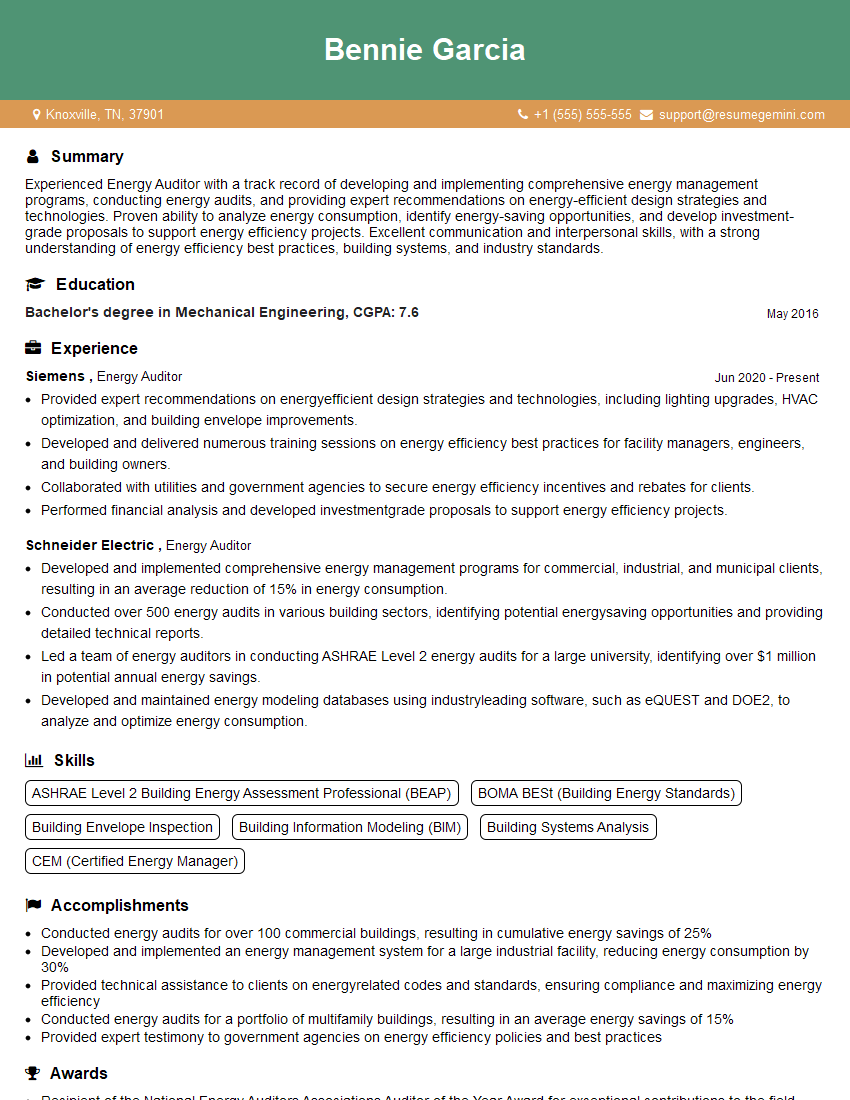
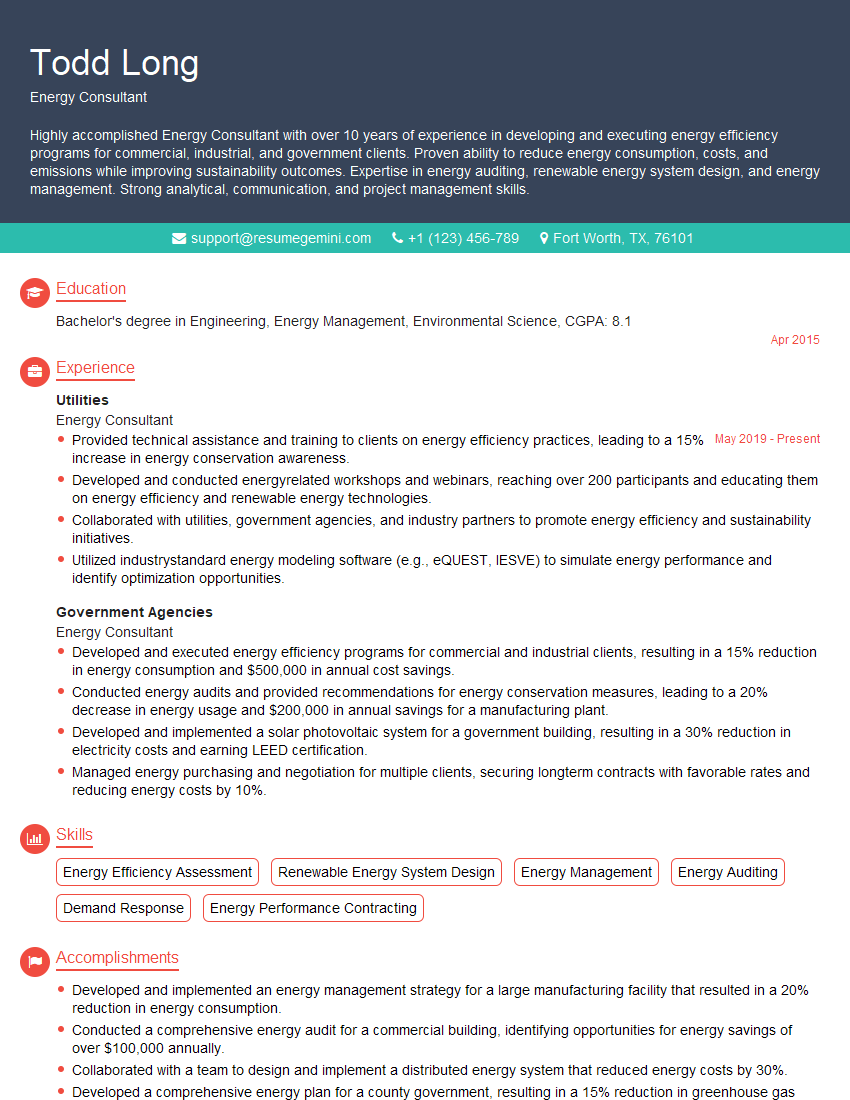
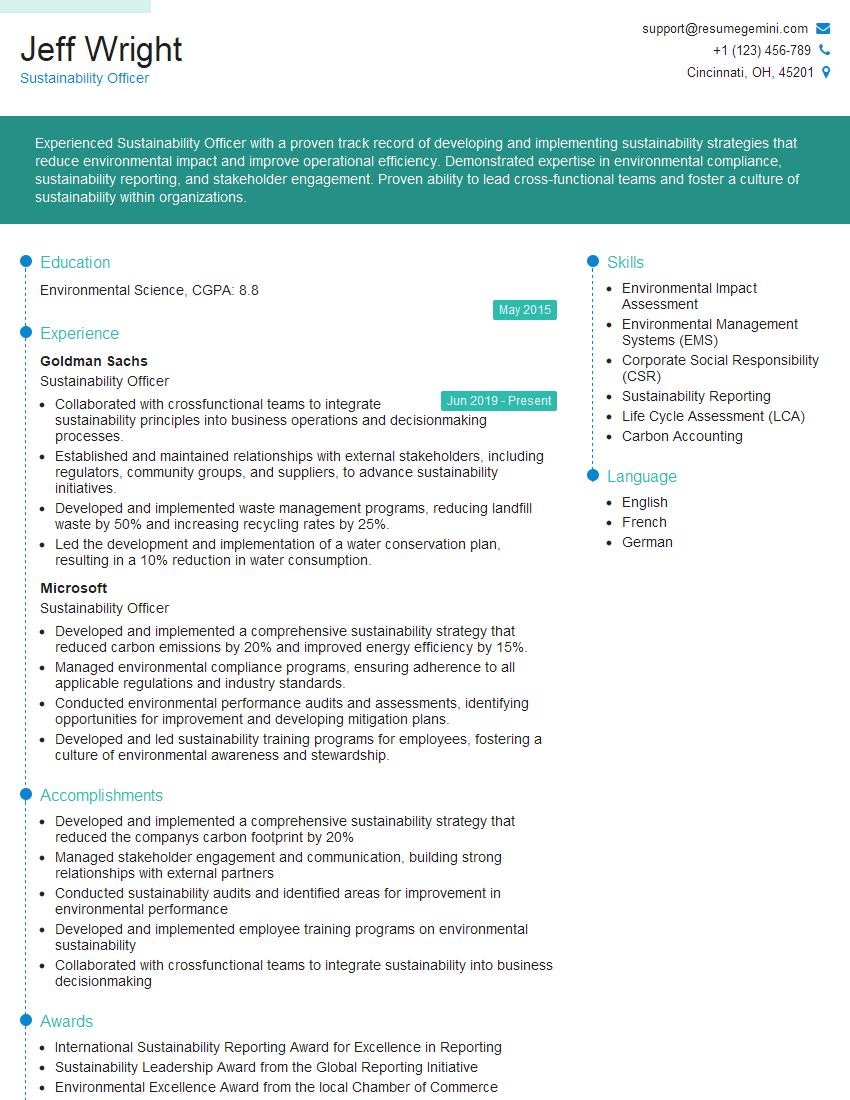
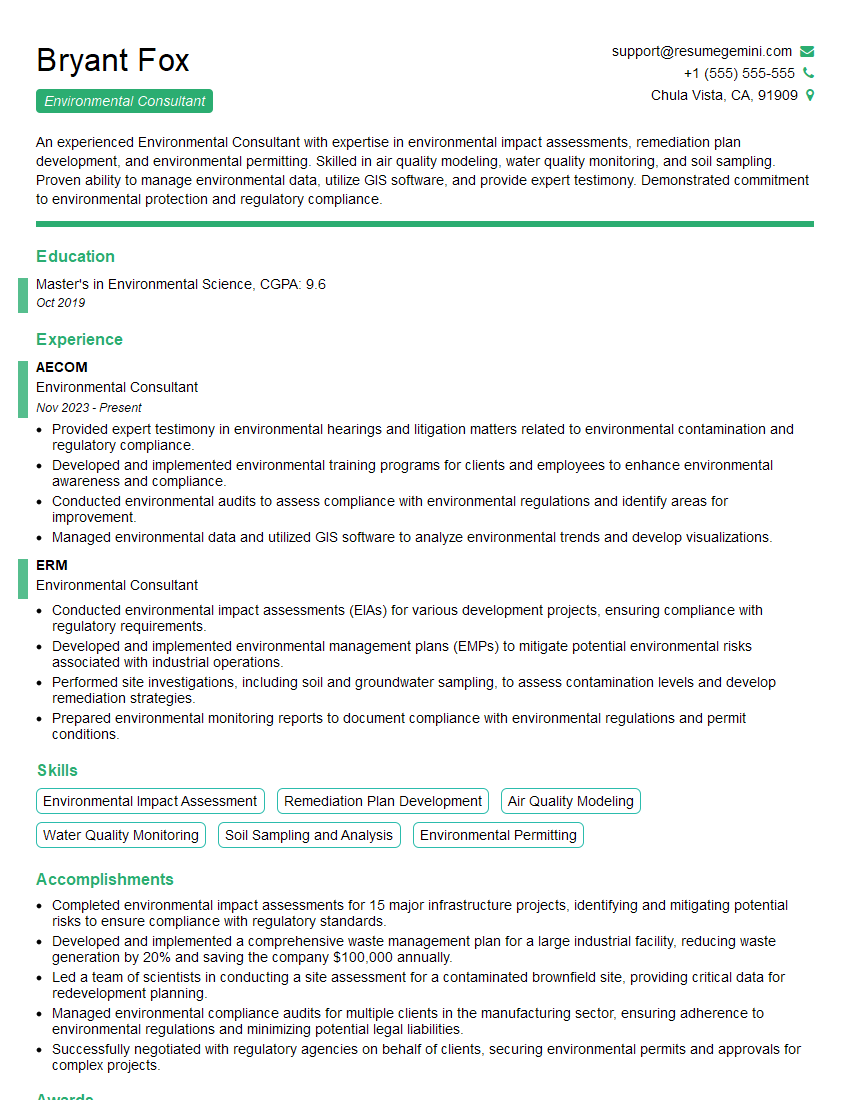
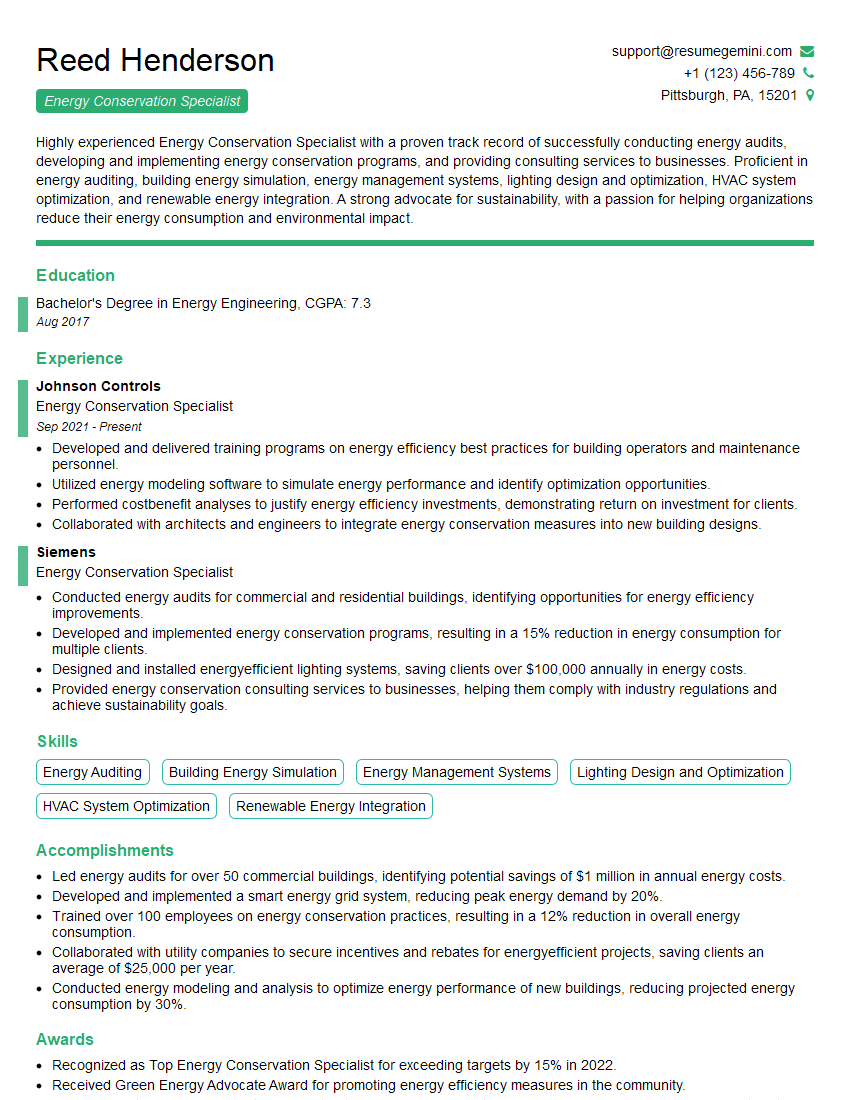
Mastering Behavioral Energy Efficiency Programs opens doors to exciting and impactful careers in a rapidly growing field. Your expertise in understanding human behavior and its relationship to energy consumption is highly valuable. To maximize your job prospects, creating a strong, ATS-friendly resume is crucial. ResumeGemini is a trusted resource that can help you build a professional and compelling resume tailored to this specific field. Examples of resumes tailored to Behavioral Energy Efficiency Programs are available to further guide your preparation.

Explore more articles
Users Rating of Our Blogs
Share Your Experience
We value your feedback! Please rate our content and share your thoughts (optional).
What Readers Say About Our Blog
Very informative content, great job.
good