The thought of an interview can be nerve-wracking, but the right preparation can make all the difference. Explore this comprehensive guide to Behavioural Safety interview questions and gain the confidence you need to showcase your abilities and secure the role.
Questions Asked in Behavioural Safety Interview
Q 1. Explain the principles of Behavioural Based Safety (BBS).
Behavioral Based Safety (BBS) is a proactive safety management system that focuses on identifying and modifying unsafe behaviors to prevent incidents. It’s built on the principle that most accidents are preventable and stem from human actions, not just equipment failures. BBS moves beyond reactive measures like investigating accidents after they happen. Instead, it emphasizes observing and coaching employees to improve their safety performance in real-time.
The core principles include:
- Observation and Feedback: Regularly observing employees’ work behaviors and providing constructive feedback is paramount. This feedback should focus on both safe and unsafe actions.
- Positive Reinforcement: Recognizing and rewarding safe behaviors is crucial for motivating positive change. This often involves public acknowledgment and incentives.
- Focus on Behaviors, Not Attitudes: BBS directly targets observable actions. Instead of trying to change attitudes, it aims to change the behaviors that lead to incidents.
- Data-Driven Improvement: Collecting and analyzing observation data helps identify patterns of unsafe behaviors and track the effectiveness of interventions.
- Employee Involvement: Employees should be actively involved in the process, from observations to creating solutions. This fosters a culture of shared responsibility for safety.
For example, imagine a construction site. Instead of simply having a safety meeting, BBS would involve supervisors regularly observing workers, noting if they’re wearing safety harnesses correctly or following fall protection protocols. Positive reinforcement would follow safe behaviors, while coaching would address unsafe ones. This continuous improvement cycle is the heart of BBS.
Q 2. Describe the difference between leading and lagging indicators in safety performance.
Leading and lagging indicators are two key metrics used in safety performance management, but they provide different types of insights.
Lagging indicators are retrospective measures that reflect past performance. They tell us what already happened. Examples include:
- Number of accidents
- Lost-time injuries (LTIs)
- Number of near misses reported (though these can be partially leading if properly managed)
- Total recordable case (TRC) rate
Leading indicators are predictive measures of future performance. They show us what might happen. They focus on the factors that contribute to accidents, such as:
- Number of safety observations conducted
- Number of near misses reported (this is usually a leading indicator because it highlights potential problems before they escalate)
- Percentage of employees completing safety training
- Employee safety participation rates in meetings and programs
- Use of Personal Protective Equipment (PPE)
Think of it this way: lagging indicators are like the ambulance siren – they tell you something bad has already happened. Leading indicators are like the preventative maintenance on the car – they help avoid accidents before they occur. A balanced safety program uses both types of indicators to gain a holistic view of its performance.
Q 3. How do you identify unsafe behaviours in the workplace?
Identifying unsafe behaviors requires a structured and observant approach. It starts with defining what constitutes an unsafe behavior within the specific work environment. This requires collaboration with employees to ensure practicality and avoid bias.
Methods for identifying unsafe behaviors include:
- Direct Observation: Supervisors and safety professionals directly observe employees at work, noting any deviations from safe practices. This is the cornerstone of BBS.
- Incident Investigations: Analyzing past incidents to understand the root causes and identify contributing unsafe behaviors. This is a reactive method, but crucial for learning and prevention.
- Near Miss Reporting Systems: Encouraging employees to report near misses allows for early identification of potential hazards and unsafe behaviors before they result in accidents.
- Employee Self-Reporting: Creating a safe and non-punitive environment where employees feel comfortable reporting their own unsafe behaviors or those of their colleagues.
- Safety Audits and Inspections: Formal reviews of the workplace to identify potential hazards and unsafe practices. This should focus not just on physical hazards but also on behavioral factors.
For instance, on a factory floor, an unsafe behavior might be failing to use a safety guard on a machine, not wearing appropriate PPE, or engaging in distracted behaviors while operating machinery. Each observation should be documented, and the data analyzed to understand the frequency and nature of unsafe actions.
Q 4. What are some common barriers to implementing a successful BBS program?
Implementing a successful BBS program faces numerous challenges. Some common barriers include:
- Lack of Management Support: BBS requires strong commitment from all levels of management, including time, resources, and genuine belief in the process. Without buy-in from leadership, it’s unlikely to succeed.
- Insufficient Training: Observers need proper training on observation techniques, conducting feedback sessions, and analyzing data. Insufficient training leads to inconsistent application and ineffective results.
- Resistance from Employees: Some employees might view BBS as intrusive or a form of surveillance. Building trust and open communication is vital to overcoming this resistance.
- Lack of Resources: Implementing a BBS program requires dedicated resources, including time, personnel, and technology for data collection and analysis. Insufficient resources can hinder the effectiveness of the program.
- Inadequate Feedback Mechanisms: The feedback process must be constructive, timely, and focused on behavior modification. Poor feedback can damage morale and make employees defensive.
- Poor Data Management: The data collected during observations must be accurately recorded, analyzed, and used to inform safety improvements. Poor data management can lead to inaccurate conclusions and ineffective strategies.
Overcoming these barriers requires careful planning, strong leadership, and a focus on building a positive safety culture where everyone feels empowered to contribute to a safer work environment.
Q 5. Explain the process of conducting a behavioral safety observation.
Conducting a behavioral safety observation is a structured process aiming to identify both safe and unsafe behaviors in a non-judgmental manner. The goal is data collection for improvement, not blame.
The process generally involves:
- Planning: Determine the area, employees, and behaviors to observe. Define what constitutes safe and unsafe behaviors beforehand.
- Observation: Observe employees’ work behaviors for a predetermined period, carefully documenting all actions. Use a standardized observation checklist to ensure consistency.
- Documentation: Accurately record observed behaviors, noting the time, location, and context. Be objective and avoid subjective interpretations.
- Feedback: Provide constructive feedback to employees following the observation, focusing on specific behaviors and offering suggestions for improvement. Maintain a positive and supportive tone.
- Follow-up: Monitor the effectiveness of the feedback and make any necessary adjustments to the program.
A typical checklist might include items like ‘Wearing appropriate PPE,’ ‘Following lock-out/tag-out procedures,’ and ‘Maintaining a clean workspace.’ Observations should be random and unannounced to ensure accuracy and avoid bias.
Q 6. How do you address unsafe behaviours observed during an observation?
Addressing unsafe behaviors requires a coaching approach, not a punitive one. The goal is to help employees understand the risks associated with their actions and to provide them with the tools and support to change their behavior.
Here’s a structured approach:
- Private Conversation: Address the unsafe behavior in a private and respectful manner. Avoid public criticism.
- Focus on Behavior, Not the Person: Describe the specific unsafe behavior observed, avoiding judgmental language. For example, instead of saying ‘You’re careless,’ say ‘I observed you not using the safety guard on the machine.’
- Explain the Consequences: Clearly explain the potential risks and consequences of the unsafe behavior.
- Collaborative Problem-Solving: Work together to develop solutions and strategies to prevent the behavior from recurring. Involve the employee in finding solutions, empowering them to take ownership.
- Positive Reinforcement: Praise and reinforce any safe behaviors observed. Provide positive feedback to encourage continued safe practices.
- Follow-up: Follow up with the employee to monitor their progress and provide additional support as needed. Regular observation and coaching reinforces the change.
For example, if an employee was observed not wearing safety glasses, the conversation might focus on the risks of eye injuries, the importance of wearing the glasses, and perhaps explore the reasons why they weren’t wearing them.
Q 7. What are the key elements of a successful safety observation program?
A successful safety observation program relies on several key elements:
- Leadership Commitment: Visible and unwavering support from upper management is crucial. This demonstrates the importance of safety and encourages participation.
- Clearly Defined Objectives: The program should have specific, measurable, achievable, relevant, and time-bound (SMART) objectives. These ensure focus and allow for progress tracking.
- Comprehensive Training: Observers must be thoroughly trained in observation techniques, feedback delivery, and data analysis. Consistent application is vital for reliable data.
- Standardized Procedures: Using standardized observation checklists and reporting forms ensures consistency and facilitates data analysis. This makes the process more efficient and the findings more reliable.
- Regular Observations: Regular and frequent observations are essential to capture a representative sample of behaviors and identify trends. Infrequent observations decrease the program’s effectiveness.
- Constructive Feedback: Feedback should be delivered in a supportive and constructive manner, focusing on behavior modification rather than blame. The goal is improvement, not punishment.
- Data Analysis and Reporting: Regular analysis of collected data helps identify trends, prioritize interventions, and measure the program’s effectiveness. Reporting progress to all stakeholders shows value.
- Continuous Improvement: The program should be constantly reviewed and improved based on the data collected and feedback received. A successful program is adaptable and responsive to changing needs.
By incorporating these elements, organizations can build a robust safety observation program that promotes a culture of safety and reduces workplace incidents.
Q 8. How do you use data from safety observations to improve safety performance?
Data from safety observations, collected through methods like behavioral-based safety (BBS) audits or near-miss reporting, is crucial for understanding and improving safety performance. It’s not just about counting incidents; it’s about identifying trends and root causes.
How we use this data:
- Identify High-Risk Behaviors: We analyze the data to pinpoint specific unsafe behaviors that are recurring and contributing to incidents or near misses. For example, if our observations consistently show workers failing to use lockout/tagout procedures, we know this requires targeted intervention.
- Trend Analysis: We track the frequency of unsafe behaviors over time. This allows us to see if our interventions are effective and if new hazards are emerging. A graph showing a decline in unsafe acts after an intervention is a clear indicator of success.
- Root Cause Analysis: We go beyond simply observing the behavior to understand the underlying reasons. Why aren’t workers using the proper equipment? Is it due to lack of training, inadequate equipment, time pressure, or something else? Root cause analysis helps us create sustainable solutions.
- Targeted Interventions: Based on the data analysis, we develop specific interventions, such as additional training, improved procedures, or changes to the work environment. We might create a new checklist to ensure all safety steps are followed, for example.
- Measure Effectiveness: We continuously monitor the data after implementing interventions to see if the frequency of unsafe behaviors has decreased. This data-driven approach ensures that our efforts are effective and allows us to adjust our strategy as needed.
Example: In a manufacturing plant, consistent observations revealed workers frequently failing to wear appropriate safety glasses. By analyzing the data, we found that the glasses were uncomfortable and inconvenient. The solution involved providing more comfortable eyewear and reinforcing the importance of eye protection through targeted training and leadership involvement.
Q 9. What are some effective methods for coaching employees on safe behaviours?
Effective coaching on safe behaviors is about more than just giving instructions; it’s about building a culture of safety. It requires a positive and supportive approach, focusing on improvement rather than punishment.
Methods for Coaching Employees:
- Positive Reinforcement: Acknowledge and reward safe behaviors. A simple “good job” can go a long way. Formal recognition programs can also be very effective.
- Observation-Based Feedback: Instead of criticizing mistakes, use observations to provide constructive feedback. Focus on specific behaviors, describe the situation, and explain the potential risks. For example, “I noticed you weren’t wearing your safety harness while working at height. While I know you were in a hurry, this is crucial for your safety. Let’s review the safety procedures together.”
- Active Listening: Understand the employee’s perspective. Are there obstacles preventing them from following safety procedures? Addressing these underlying issues is often key.
- Peer Coaching: Empower employees to coach each other. Peers often understand challenges more readily and can offer practical advice.
- Training and Development: Ensure employees have the necessary knowledge and skills to perform their tasks safely. Regular refresher training keeps safety at the forefront of their minds.
- Goal Setting: Collaboratively set realistic safety goals with employees. This makes them feel invested in the process and more likely to comply.
Example: If an employee is consistently failing to use the correct lifting techniques, rather than reprimanding them, we would coach them through the proper methods, offer hands-on practice, and provide positive reinforcement when they demonstrate improvement. We would also investigate if there are ergonomic issues contributing to the problem.
Q 10. How do you measure the effectiveness of a BBS program?
Measuring the effectiveness of a BBS program requires a multi-faceted approach, focusing on both leading and lagging indicators. Lagging indicators reflect past events (e.g., accidents), while leading indicators predict future performance (e.g., unsafe acts).
Key Metrics:
- Incident Rate (Lagging): The number of accidents or injuries per a certain number of hours worked. A decrease signifies improved safety.
- Near Miss Reporting Rate (Leading): An increase in near miss reporting, assuming a good reporting culture, suggests improved employee awareness and proactive safety identification.
- Observation Data (Leading): The percentage of observations where safe behaviors are exhibited. A rise indicates a stronger safety culture.
- Employee Feedback Surveys (Leading): Gauges employee perception of safety culture and program effectiveness. Positive responses indicate program success.
- Training Completion Rates (Leading): High completion rates reflect engagement with safety training and knowledge acquisition.
- Cost Savings (Lagging): Reductions in lost-time injuries translate to significant financial gains through decreased medical costs, workers’ compensation claims, and production downtime.
Analyzing the Data: We use statistical analysis and data visualization techniques (charts, graphs) to compare data over time and across different work areas. This helps us identify areas that need improvement and assess the overall effectiveness of the BBS program. We use control charts to monitor trends and detect significant shifts in safety performance.
Q 11. Explain the role of management in a successful BBS program.
Management plays a vital, often overlooked, role in a successful BBS program. Their visible commitment and active participation are critical for creating a safety-conscious culture.
Management’s Role:
- Leading by Example: Managers must consistently model safe behaviors and follow all safety procedures. This sets the tone for the entire workforce.
- Resource Allocation: Management needs to provide the necessary resources for the BBS program, including time, personnel, training, and equipment.
- Active Participation: Managers should actively participate in safety observations, providing feedback and coaching employees.
- Accountability: Holding themselves and others accountable for safety performance is crucial. This includes addressing unsafe acts promptly and fairly.
- Communication: Open and transparent communication about safety performance and program updates is vital to keeping employees informed and engaged.
- Celebrating Successes: Publicly acknowledging and rewarding safe behaviors encourages continued commitment to safety.
Example: If a manager consistently ignores safety protocols, it sends a message that safety is not a priority, undermining the entire BBS program. Conversely, a manager actively involved in observations and coaching creates a more positive safety culture.
Q 12. How do you address resistance to change when implementing a BBS program?
Resistance to change is a common hurdle when implementing a BBS program. Addressing it requires careful planning and a proactive approach.
Strategies for Addressing Resistance:
- Communication and Education: Clearly communicate the program’s purpose, benefits, and how it will impact employees. Address concerns and answer questions honestly.
- Employee Involvement: Involve employees in the design and implementation phases. This gives them a sense of ownership and increases buy-in.
- Pilot Programs: Test the program in a smaller area before full-scale implementation. This allows for adjustments based on feedback and reduces the perceived risk of change.
- Addressing Concerns: Actively identify and address employee concerns about workload, time constraints, or perceived unfairness. Find solutions that mitigate these issues.
- Positive Reinforcement and Recognition: Celebrate early successes and recognize employees’ contributions. This fosters a positive attitude toward the program.
- Leadership Support: Demonstrate strong leadership support for the program. This demonstrates commitment and encourages employee engagement.
- Training and Support: Provide comprehensive training on the program, as well as ongoing support to help employees adjust to new procedures.
Example: If employees resist wearing new safety equipment due to discomfort, management should address this by providing alternative options, perhaps offering a variety of sizes and styles of protective gear. They might also address the discomfort issue by providing adjustments and improvements to the equipment.
Q 13. Describe your experience with developing and delivering safety training.
I have extensive experience in developing and delivering safety training, leveraging various techniques for effective knowledge transfer and behavior change.
My Approach:
- Needs Assessment: I begin by conducting a thorough needs assessment to identify the specific safety knowledge and skills gaps within the workforce. This involves analyzing accident reports, conducting interviews, and reviewing existing training materials.
- Curriculum Design: Based on the needs assessment, I design engaging and effective training programs that incorporate diverse learning methods such as interactive exercises, case studies, simulations, and videos. The training is tailored to the specific audience, ensuring relevance and understanding.
- Delivery Methods: I utilize a variety of delivery methods including classroom-based training, online modules, and on-the-job coaching. I adjust the method to the specific needs of the trainees and the topic.
- Evaluation and Feedback: I incorporate evaluation methods such as quizzes, practical demonstrations, and post-training surveys to assess the effectiveness of the training and provide feedback for improvement. I continuously monitor effectiveness and make necessary adjustments.
- Reinforcement: I create strategies to reinforce learning through job aids, reminders, and regular follow-up coaching and observations.
Example: I recently developed a comprehensive training program on lockout/tagout procedures for a manufacturing facility. The program included both classroom training and hands-on practice with actual equipment. Post-training observations showed a significant improvement in compliance with the procedures.
Q 14. What are some common types of workplace accidents and their contributing factors?
Workplace accidents are diverse, but common types often share contributing factors. Understanding these factors is crucial for prevention.
Common Types of Accidents and Contributing Factors:
- Slips, Trips, and Falls: These are incredibly common. Factors include: poor housekeeping (spills, clutter), inadequate lighting, uneven surfaces, and improper footwear.
- Struck-by Accidents: Being hit by falling objects, vehicles, or equipment. Factors include: lack of proper safeguards (e.g., netting, barricades), improper use of machinery, and inadequate training.
- Caught-in/Between Accidents: Being caught in or compressed by machinery or equipment. Factors include: malfunctioning equipment, inadequate guarding, unsafe work practices, and lack of machine lockout procedures.
- Overexertion Injuries: Strains, sprains, and other musculoskeletal disorders resulting from lifting, pushing, or pulling heavy objects. Factors include: improper lifting techniques, poor ergonomics, and inadequate physical fitness.
- Electrocution: Contact with electrical equipment. Factors include: damaged wiring, inadequate grounding, exposure to live electrical circuits, and failure to use proper safety precautions.
- Burns: Contact with hot surfaces, chemicals, or flames. Factors include: lack of proper personal protective equipment (PPE), inadequate safety training, and improper handling of hazardous materials.
Addressing Contributing Factors: Prevention requires addressing these factors through training, engineering controls (e.g., machine guards), administrative controls (e.g., work procedures), and personal protective equipment (PPE). A thorough hazard assessment identifies potential risks and informs the appropriate control measures.
Q 15. How do you investigate workplace accidents and incidents?
Investigating workplace accidents and incidents requires a systematic approach to ensure a thorough understanding of the events and prevent future occurrences. My process begins with securing the scene, if possible, to prevent further harm or evidence tampering. I then gather information from multiple sources, including eyewitnesses, injured parties (if appropriate and able), supervisors, and any available documentation like maintenance logs or incident reports.
The investigation itself follows a structured methodology, often utilizing a technique such as the 5 Whys or a more formal root cause analysis (RCA) method. I meticulously document all findings, taking photographs, sketching diagrams, and noting precise locations. This information forms the basis of a comprehensive report that details the sequence of events, contributing factors, and ultimately, the root cause of the incident.
For example, in a recent incident involving a forklift collision, I interviewed the forklift operator, the pedestrian involved, and reviewed CCTV footage. Analysis revealed a lack of clear signage in the designated pedestrian area, leading to the collision. This is just one example; each investigation is unique and demands careful consideration of all contributing factors.
Career Expert Tips:
- Ace those interviews! Prepare effectively by reviewing the Top 50 Most Common Interview Questions on ResumeGemini.
- Navigate your job search with confidence! Explore a wide range of Career Tips on ResumeGemini. Learn about common challenges and recommendations to overcome them.
- Craft the perfect resume! Master the Art of Resume Writing with ResumeGemini’s guide. Showcase your unique qualifications and achievements effectively.
- Don’t miss out on holiday savings! Build your dream resume with ResumeGemini’s ATS optimized templates.
Q 16. Explain the importance of root cause analysis in accident investigation.
Root cause analysis (RCA) is crucial because simply addressing the immediate symptoms of an accident won’t prevent it from happening again. RCA digs deeper to identify the underlying systemic issues that contributed to the incident. This allows for the development of targeted, effective corrective actions that address the root problem, rather than just treating the surface-level symptoms.
Think of it like treating a headache. Taking pain relievers addresses the symptom (the headache), but if the underlying cause is a brain tumor, the problem isn’t solved. Similarly, in a workplace accident, addressing only the immediate cause (e.g., a worker’s unsafe action) might overlook a systemic issue such as inadequate training or poor equipment maintenance.
Various RCA techniques exist, including the 5 Whys, Fishbone diagrams, Fault Tree Analysis, and more. The choice of method depends on the complexity of the incident. The goal is always to identify the root cause, not just contributing factors.
Q 17. How do you develop and implement corrective actions to prevent future incidents?
Developing and implementing corrective actions requires careful planning and execution. Following a thorough root cause analysis, the corrective actions should directly address the identified root causes. These actions can range from implementing new safety procedures and training programs to improving equipment design and maintenance schedules.
For example, if the root cause analysis of a near-miss incident identified inadequate machine guarding as a significant hazard, the corrective actions could include installing new guards, providing additional training on machine operation and safety procedures, and implementing a regular inspection program for the machine guards.
Crucially, the effectiveness of the corrective actions must be monitored and evaluated. Regular follow-up is essential to ensure the actions have been implemented correctly and are achieving the desired outcome of preventing future incidents. This often involves revisiting the site, conducting further safety audits, and gathering data to track the effectiveness of the changes.
Q 18. Describe your experience with conducting safety audits.
I have extensive experience conducting safety audits across diverse industries. My approach is always systematic and objective. It involves a thorough review of safety policies, procedures, and practices; observation of workplace conditions; and interviews with employees at all levels. I utilize checklists and standardized auditing tools to ensure consistency and thoroughness.
For instance, during an audit at a construction site, I would check for compliance with fall protection regulations, examine the condition of equipment, assess the adequacy of emergency response plans, and observe workers’ adherence to safety protocols. My report would then detail any identified hazards, non-compliance issues, and recommendations for corrective actions. I believe in a collaborative approach, working with the site management to develop and implement corrective actions following the audit. The goal isn’t just to identify problems, but to work with the organization to improve their safety performance.
Q 19. What are some common safety hazards in the workplace and how can they be mitigated?
Common workplace hazards are numerous and vary greatly depending on the industry. However, some frequently encountered hazards include:
- Slips, trips, and falls: These can be mitigated by good housekeeping, proper lighting, anti-slip flooring, and employee training on safe walking practices.
- Lifting injuries: Proper lifting techniques, mechanical aids (e.g., forklifts, hoists), and ergonomic assessments can significantly reduce risk.
- Electrical hazards: Regular inspection and maintenance of electrical equipment, lockout/tagout procedures, and proper grounding are vital.
- Fire hazards: Fire prevention measures (e.g., fire extinguishers, sprinkler systems), fire drills, and employee training are necessary.
- Chemical hazards: Proper handling, storage, and disposal of chemicals, along with provision of appropriate personal protective equipment (PPE) and training on safe handling procedures, are essential.
The mitigation strategies depend on the specific hazard. A comprehensive risk assessment is the first step to identifying hazards and implementing appropriate control measures.
Q 20. What is your experience with safety management systems (SMS)?
My experience with Safety Management Systems (SMS) is extensive. I’m familiar with various SMS frameworks and methodologies, including those based on international standards such as ISO 45001. I understand the importance of integrating SMS into all aspects of an organization’s operations, from policy development and hazard identification to risk assessment and control, incident investigation, and continuous improvement.
In past roles, I’ve been involved in developing and implementing SMS, conducting SMS audits, and providing training to employees on SMS principles. I’m adept at using SMS tools and techniques to manage safety risks effectively and improve safety performance. A successful SMS is not a static document; it’s a dynamic and evolving system requiring continuous review and improvement based on performance data and emerging risks.
Q 21. Explain your understanding of human factors and their role in safety.
Human factors play a critical role in workplace safety. They encompass the physical and cognitive capabilities and limitations of human beings, and how these factors interact with the work environment to influence safety outcomes. Understanding human factors helps us to design safer systems, procedures, and equipment, and to better understand why accidents occur.
For example, fatigue, stress, and inadequate training can impair a worker’s judgment and reaction time, increasing the likelihood of an accident. Poor workplace design, such as inadequate lighting or awkward work postures, can also contribute to injuries. Therefore, a strong safety program must account for human limitations and design work systems and environments to accommodate them. This might involve implementing fatigue management strategies, providing ergonomic assessments, and using human factors principles in the design of safety procedures and equipment.
Q 22. How do you promote a positive safety culture within an organization?
Promoting a positive safety culture isn’t a one-time event; it’s an ongoing commitment. It requires a multi-pronged approach focusing on leadership commitment, employee involvement, and continuous improvement. Think of it like building a strong foundation for a house – each element is crucial.
- Leadership Commitment: Visible, active leadership support is paramount. Leaders must champion safety, participate in safety initiatives, and hold themselves and others accountable. For example, I once worked with a CEO who regularly walked the shop floor, engaging with employees about safety concerns and visibly demonstrating the company’s commitment.
- Employee Involvement: Safety shouldn’t be solely the responsibility of a safety officer. Employees need to be active participants. This can be achieved through safety committees, suggestion boxes, regular safety meetings, and providing training on hazard identification and reporting. Empowering employees to stop unsafe work is vital. For instance, we implemented a ‘Stop Work Authority’ program where any employee could halt operations if they perceived an immediate danger.
- Communication and Feedback: Open and transparent communication is key. Regularly share safety performance data, celebrate successes, and learn from incidents. Feedback mechanisms, such as surveys and focus groups, can help identify areas for improvement. Using visual aids like safety posters or short videos can make information more accessible.
- Continuous Improvement: Safety is a journey, not a destination. Regularly review safety performance, analyze near misses, and proactively address potential hazards. Implementing a robust safety management system, incorporating leading indicators like training completion rates and lagging indicators like incident rates, allows for ongoing improvement.
By focusing on these interconnected elements, organizations can foster a culture where safety is not just a policy but a shared value, improving employee morale, productivity, and ultimately, reducing incidents.
Q 23. Describe your experience with using safety software or technology.
My experience with safety software and technology spans several areas. I’ve worked with systems ranging from basic incident reporting databases to sophisticated risk management platforms. These technologies play a significant role in improving safety outcomes by enhancing data analysis, communication, and proactive hazard mitigation.
- Incident Reporting Systems: I’ve used systems that allow for detailed incident reporting, including photographs and videos, facilitating thorough investigation and analysis. This helps identify root causes and prevent recurrence.
- Risk Management Software: Sophisticated platforms allow for risk assessments, hazard identification, and development of control measures, often integrated with inspection checklists and permit-to-work systems. This ensures consistent application of safety protocols across the organization.
- Training and Communication Platforms: Online training platforms have been incredibly beneficial in delivering consistent and engaging safety training to employees, regardless of their location. These platforms allow for tracking of completion rates and assessments of understanding.
- Near Miss Reporting Systems: I’ve utilized systems specifically designed for reporting and analyzing near misses, allowing for proactive intervention before incidents occur. This offers valuable insights into underlying systemic issues.
Effective implementation requires proper training and engagement with employees. Technology alone is not a solution; it’s a tool to enhance the effectiveness of the overall safety program.
Q 24. What is your experience with different types of safety training methods?
My experience encompasses a wide range of safety training methods, each with its strengths and weaknesses. A diverse approach, tailored to the specific audience and learning objectives, is usually most effective.
- Traditional Classroom Training: This method allows for interactive discussions and immediate feedback but can be costly and time-consuming.
- Online/E-learning: Flexible and cost-effective, online modules offer accessibility to a broader audience. However, they can lack the engagement of face-to-face instruction. I’ve found blended learning, combining online and classroom training, particularly beneficial.
- On-the-Job Training (OJT): Practical, hands-on training within the workplace is crucial for many tasks. However, it requires skilled and dedicated trainers to ensure safety and correct techniques.
- Simulation and Gamification: Using simulations, virtual reality, or gamified scenarios enhances engagement and allows for risk-free practice of emergency procedures or safe work practices. For example, using VR to simulate working at heights is a powerful way to drive home safety procedures.
- Microteaching and Just-in-Time Training: Short, targeted training delivered at the point of need, such as a quick refresher before starting a specific task, can be highly effective.
The key is to assess the training needs, choose appropriate methods, and evaluate their effectiveness through assessments and feedback. Continuously updating training content to reflect changes in legislation, technology, or best practices is critical.
Q 25. How do you communicate safety information effectively to employees?
Effective communication of safety information requires a multi-channel approach that considers the audience, the message, and the context. It’s not enough to simply post a notice; the information needs to be understood and acted upon.
- Tailor the Message: Use simple, clear language, avoiding jargon. Consider the literacy level and language skills of the workforce. Visual aids, like diagrams, videos, or infographics, can significantly improve comprehension.
- Multiple Channels: Utilize a variety of communication methods, such as toolbox talks, safety newsletters, emails, posters, intranet updates, and team briefings. Using a diverse approach ensures that information reaches everyone.
- Two-way Communication: Encourage feedback and questions. This demonstrates that safety is valued and that employees’ concerns are heard. Regular safety meetings and feedback mechanisms are crucial for this.
- Storytelling and Real-Life Examples: Sharing real-life stories of near misses or incidents, emphasizing the consequences of unsafe behavior, can be more impactful than abstract statistics.
- Leadership Engagement: Leaders should actively participate in safety communications, demonstrating their commitment and reinforcing the importance of safety messages.
Regularly evaluate the effectiveness of your communication strategies. Are employees understanding the information? Are they acting on it? Adjust your approach as needed to ensure maximum impact.
Q 26. Explain your experience in developing safety policies and procedures.
Developing robust safety policies and procedures requires a structured approach, ensuring compliance with relevant legislation and industry best practices. It’s a collaborative process involving various stakeholders.
- Needs Assessment: Begin with a thorough assessment of the workplace hazards, identifying potential risks and assessing the severity and likelihood of incidents. This often involves risk assessments and job hazard analyses.
- Policy Development: Draft clear, concise, and unambiguous policies that address identified hazards and establish expectations for safe behavior. These policies should be aligned with legal requirements and industry standards.
- Procedure Development: Develop step-by-step procedures that outline safe work practices for specific tasks. These should be easy to understand and follow. Consider using flowcharts or diagrams to enhance clarity.
- Consultation and Collaboration: Involve employees in the development process, soliciting their input and ensuring buy-in. This is crucial for acceptance and implementation.
- Review and Update: Regularly review and update policies and procedures to reflect changes in legislation, technology, or best practices. Keeping the documentation up-to-date ensures its continued relevance and efficacy.
- Training and Communication: Ensure that all employees receive appropriate training on the policies and procedures. This may involve classroom sessions, online modules, or on-the-job training.
Well-written policies and procedures, combined with effective training and communication, form the backbone of a robust safety management system.
Q 27. How do you handle conflict in a safety-related situation?
Handling conflict in safety-related situations requires a calm, professional, and impartial approach. The goal is to resolve the conflict constructively, ensuring that safety remains the priority. My approach is based on active listening, clear communication, and a focus on finding solutions.
- Active Listening: Start by listening carefully to all parties involved, understanding their perspectives and concerns. Avoid interrupting or judging.
- Facilitation: Guide the discussion towards a solution, focusing on facts and evidence rather than emotions. Ask clarifying questions to ensure everyone understands the issue.
- Mediation: If necessary, act as a mediator, helping parties find common ground and reach an agreement. This may involve compromise or finding alternative solutions.
- Documentation: Maintain detailed records of the conflict, the process followed, and the outcome. This is important for future reference and to prevent recurrence.
- Follow-up: After the conflict is resolved, follow up with the involved parties to ensure that the agreed-upon solutions are implemented and effective.
In situations where safety is immediately at risk, it’s crucial to take decisive action to remove the hazard and prevent further incidents. This may involve temporarily halting work or removing individuals from the situation.
Q 28. Describe your experience with working in a diverse and multicultural workplace.
My experience in diverse and multicultural workplaces has highlighted the importance of inclusive safety practices. Effective safety management considers cultural differences, communication styles, and linguistic barriers.
- Cultural Sensitivity: Safety communications and training must be tailored to different cultural backgrounds, ensuring that information is easily understood and culturally appropriate. This might involve using different communication styles, providing translated materials, or using visual aids.
- Language Accessibility: Providing safety information in multiple languages is crucial in ensuring that all employees understand the risks and procedures. Using interpreters or bilingual trainers can be very helpful.
- Inclusive Communication: Use clear, concise language, avoiding jargon or technical terms that may not be universally understood. Encourage open communication and feedback from all employees.
- Respect for Diversity: Create a workplace environment where all employees feel valued, respected, and heard. This promotes open communication about safety concerns and fosters a culture of trust.
- Cultural Awareness Training: Providing cultural awareness training to supervisors and managers helps them better understand and address the needs of employees from diverse backgrounds.
By proactively addressing cultural differences and communication barriers, organizations can create a safer and more inclusive environment for all employees.
Key Topics to Learn for Behavioural Safety Interview
- Human Factors: Understanding the role of human error in incidents, including perception, attention, decision-making, and fatigue. Practical application: Analyzing near-miss reports to identify human factors contributing to potential hazards.
- Behaviour-Based Safety (BBS) Processes: Implementing and managing BBS programs, including observation, feedback, and reinforcement strategies. Practical application: Designing and implementing a BBS program for a specific workplace environment.
- Safety Culture: Defining and assessing safety culture within an organization, including leadership commitment, communication, and employee engagement. Practical application: Developing strategies to improve safety culture through communication and training initiatives.
- Hazard Identification and Risk Assessment: Utilizing various techniques to identify hazards and assess risks, including Job Hazard Analysis (JHA) and hazard and operability studies (HAZOP). Practical application: Conducting a JHA for a specific task and developing control measures.
- Incident Investigation: Conducting thorough incident investigations to determine root causes and implement corrective actions, including use of root cause analysis techniques (e.g., 5 Whys). Practical application: Developing a comprehensive incident investigation report and recommending preventative measures.
- Safety Training and Communication: Developing and delivering effective safety training programs and communication strategies to improve safety performance. Practical application: Creating engaging training materials on specific safety topics for different employee groups.
- Leading Indicators and lagging indicators: Understanding the difference and using both for proactive safety management. Practical application: Identifying leading indicators to predict potential future incidents.
Next Steps
Mastering Behavioural Safety principles is crucial for advancing your career in a field that prioritizes human well-being and operational efficiency. A strong understanding of these concepts will significantly enhance your job prospects and demonstrate your commitment to a safer workplace. To further strengthen your application, creating an ATS-friendly resume is essential for getting your application noticed by potential employers. We highly recommend using ResumeGemini to craft a professional and impactful resume that highlights your skills and experience in Behavioural Safety. ResumeGemini offers examples of resumes tailored specifically to this field, ensuring your application stands out from the competition.
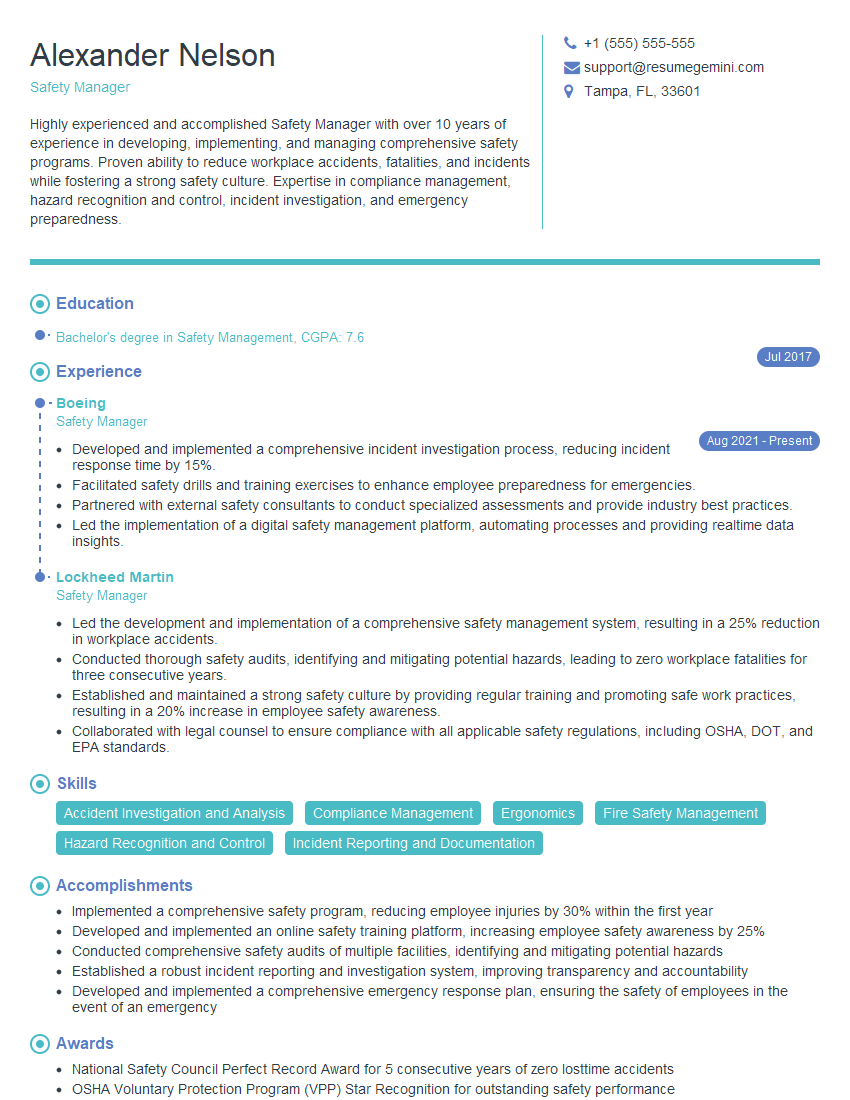
Safety Manager Resume Sample
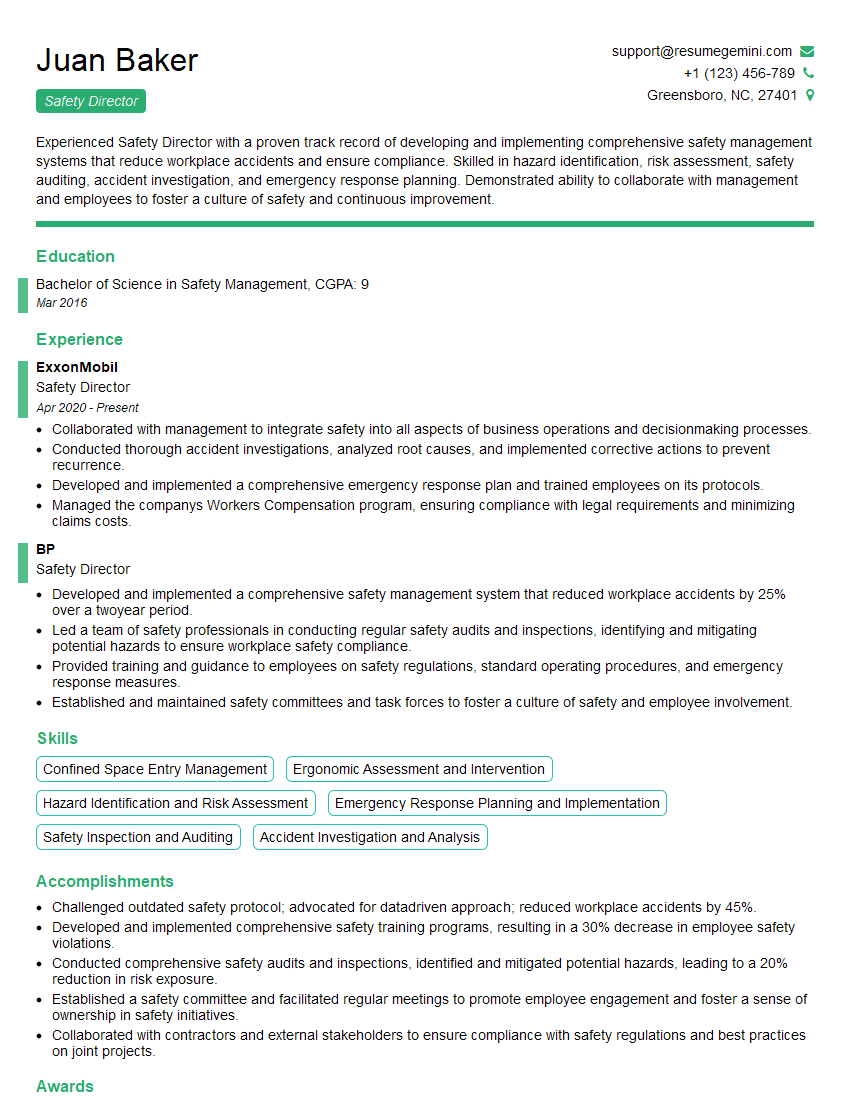
Safety Director Resume Sample

Environmental Health and Safety Manager Resume Sample
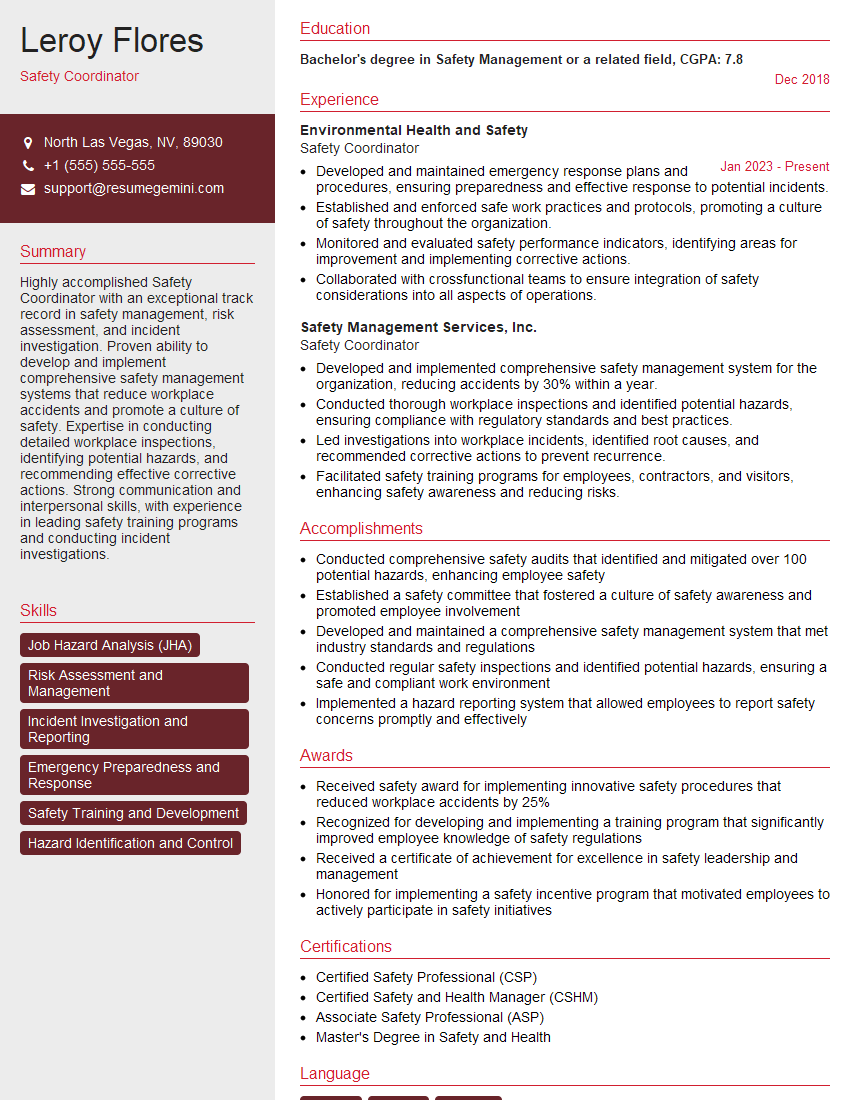
Safety Coordinator Resume Sample

Compliance Officer Resume Sample

Risk Manager Resume Sample
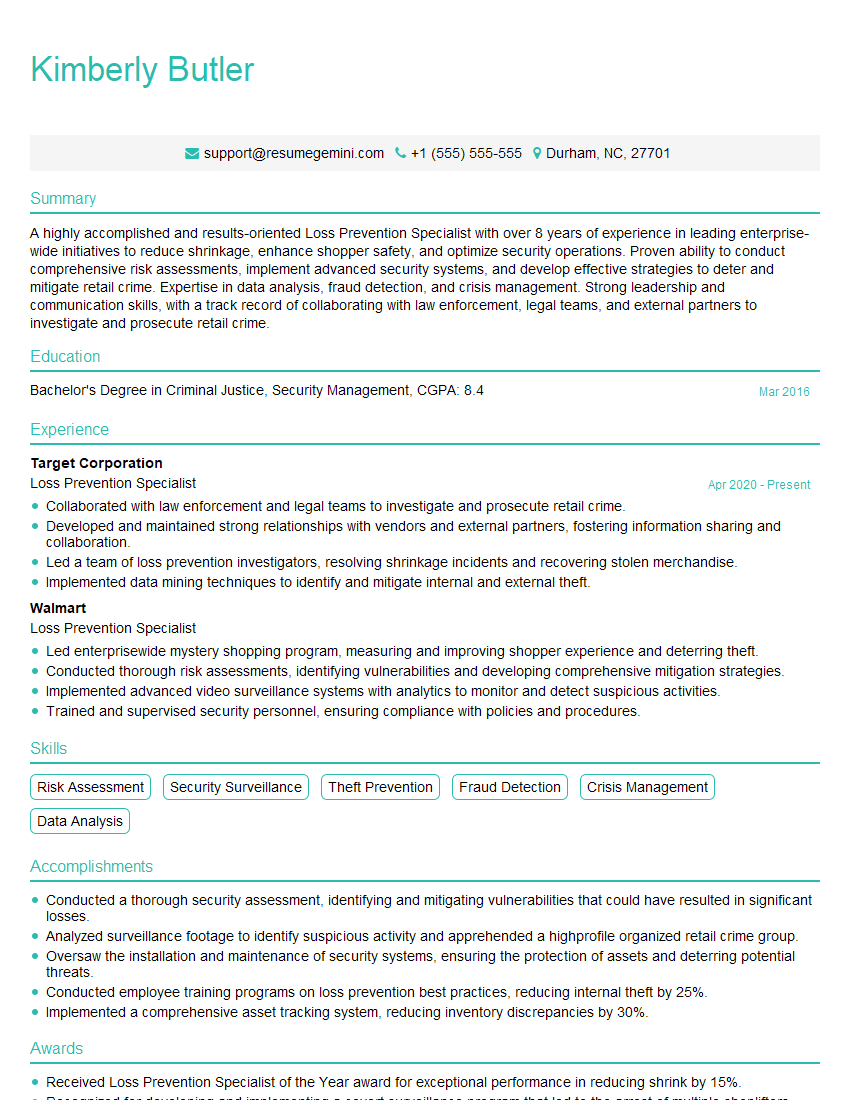
Loss Prevention Specialist Resume Sample
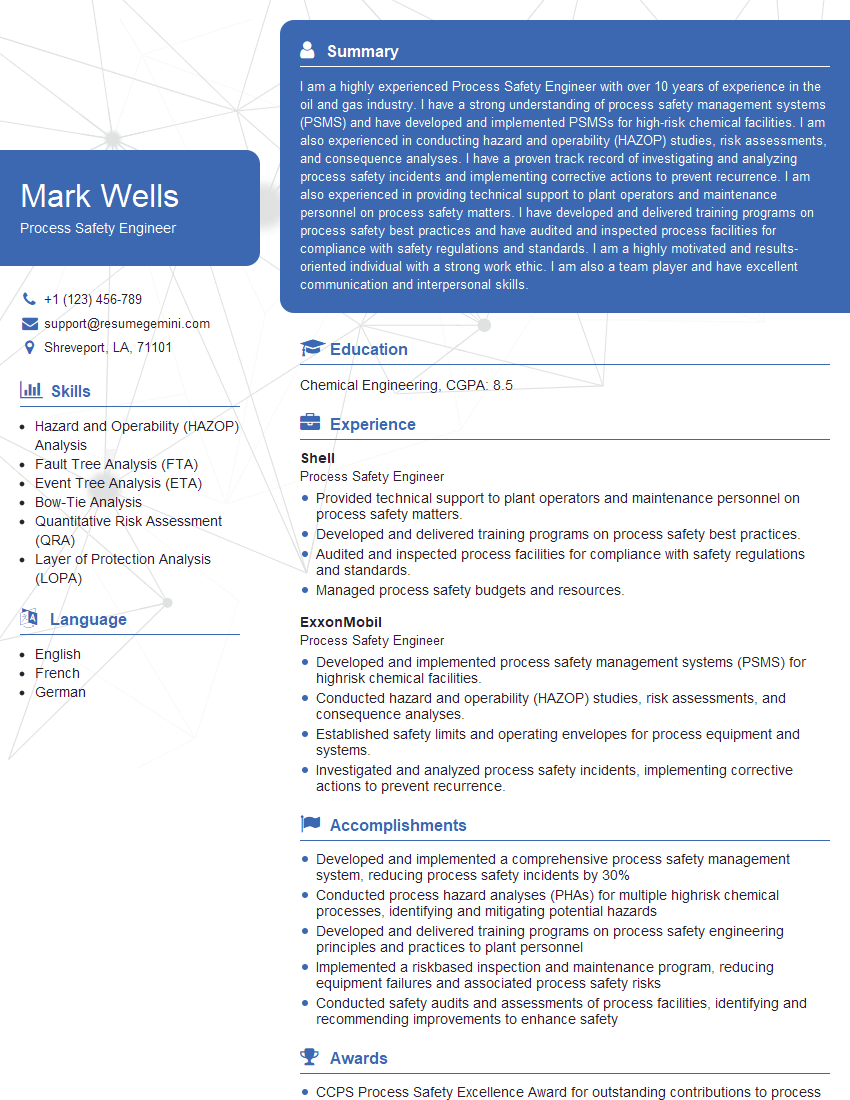
Process Safety Engineer Resume Sample
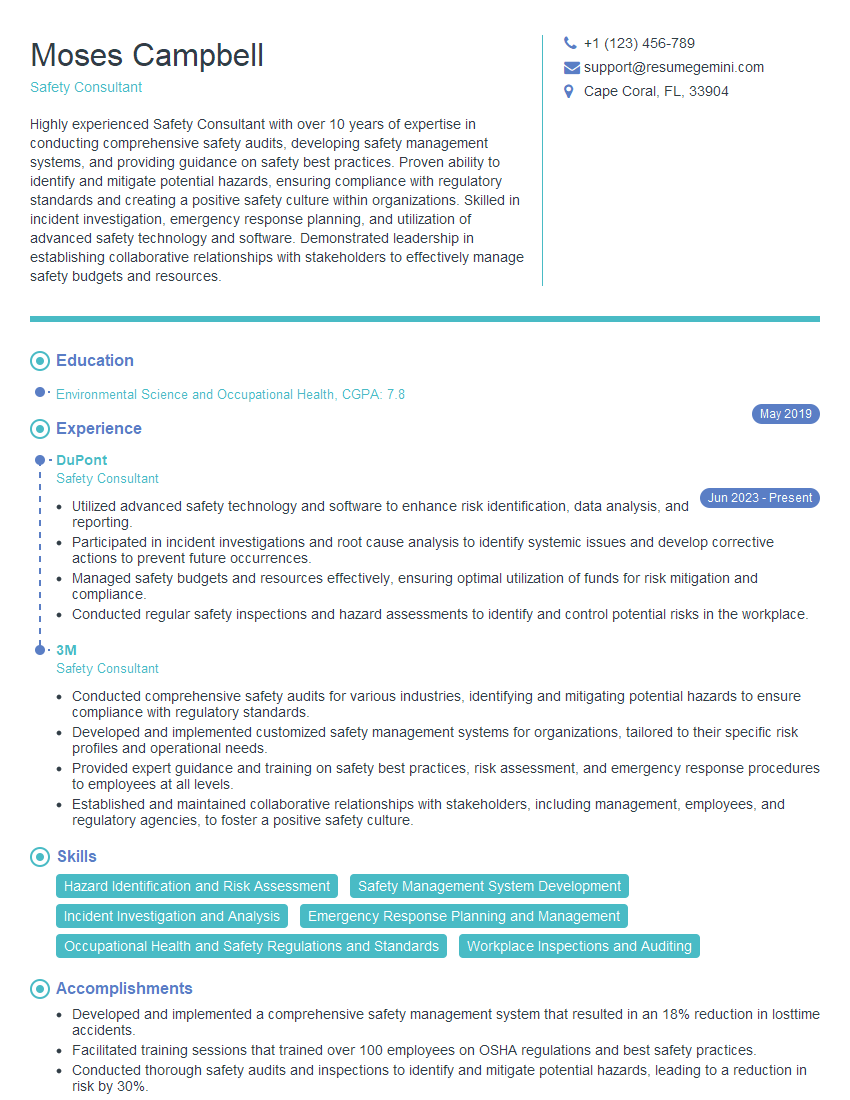
Safety Consultant Resume Sample

Safety Engineer Resume Sample

Ergonomist Resume Sample
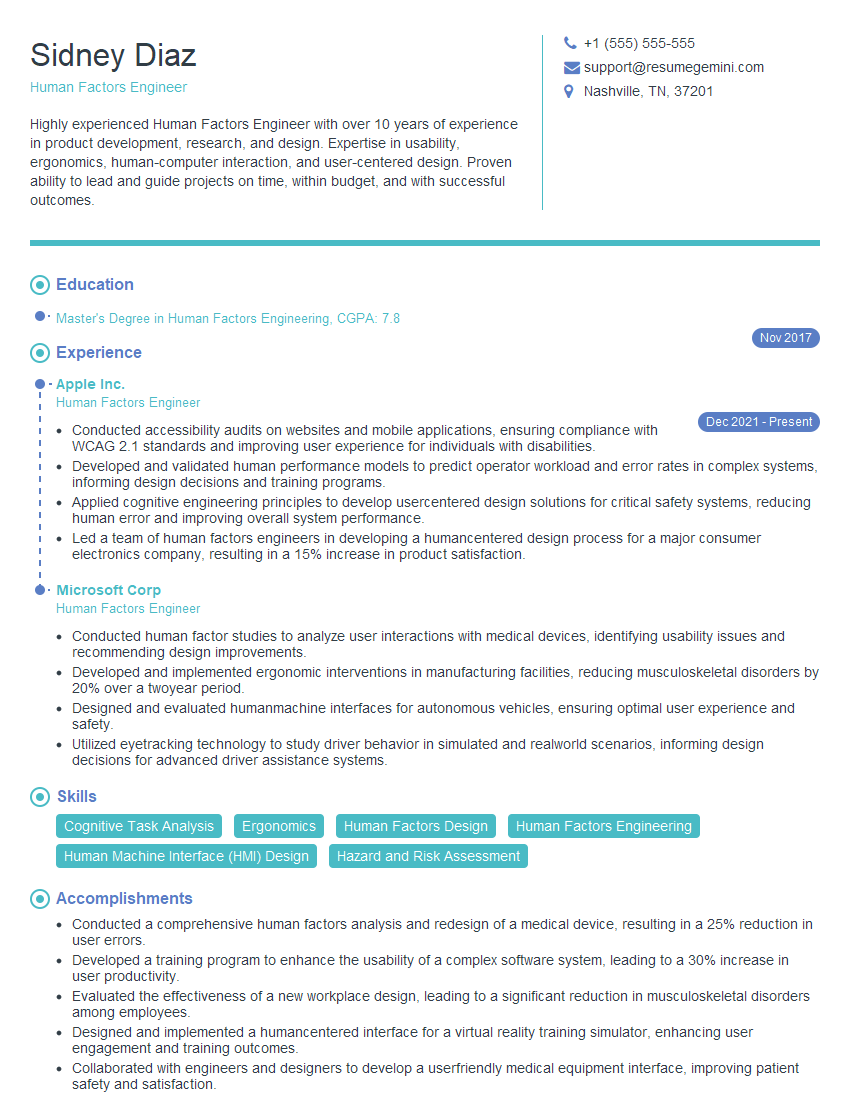
Human Factors Engineer Resume Sample

Industrial Hygienist Resume Sample
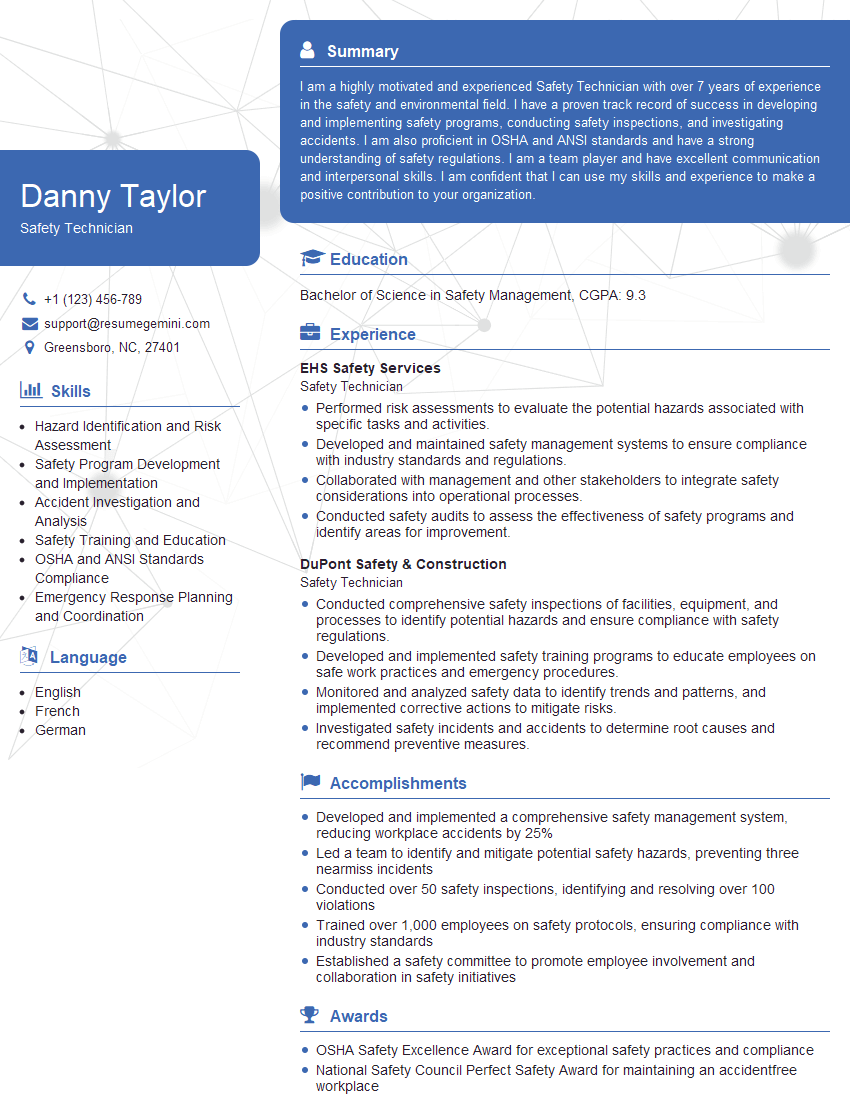
Safety Technician Resume Sample
Explore more articles
Users Rating of Our Blogs
Share Your Experience
We value your feedback! Please rate our content and share your thoughts (optional).
What Readers Say About Our Blog
Very informative content, great job.
good