Are you ready to stand out in your next interview? Understanding and preparing for Benchmarking and Vendor Selection interview questions is a game-changer. In this blog, we’ve compiled key questions and expert advice to help you showcase your skills with confidence and precision. Let’s get started on your journey to acing the interview.
Questions Asked in Benchmarking and Vendor Selection Interview
Q 1. Explain the different types of benchmarking methodologies.
Benchmarking methodologies fall into several categories, each with its own strengths and weaknesses. The choice depends heavily on the specific goals and resources available.
- Internal Benchmarking: Comparing different departments or branches within the same organization. This is relatively easy and inexpensive as data is readily accessible. Example: Comparing the customer service response times of two different call centers within a company.
- Competitive Benchmarking: Comparing your organization’s performance against key competitors. This provides insights into industry best practices and areas for improvement. Example: Analyzing a competitor’s market share, customer satisfaction ratings, and product pricing.
- Best-in-Class Benchmarking: Comparing your organization against the best performers in your industry, regardless of whether they are direct competitors. This sets an ambitious target for improvement. Example: Comparing your company’s supply chain efficiency to that of a globally recognized leader in logistics.
- Functional Benchmarking: Comparing specific functions or processes within your organization to those of other organizations, even in different industries. This allows for identifying best practices regardless of industry specifics. Example: Comparing your customer onboarding process to that of a SaaS company known for its efficient onboarding.
- Activity Benchmarking: This focuses on comparing specific activities or tasks across organizations, rather than entire processes. Example: Comparing the time it takes different organizations to process an invoice.
Q 2. Describe your experience with competitive benchmarking and its limitations.
In a previous role, I led a competitive benchmarking exercise for a SaaS company. We analyzed competitors’ pricing strategies, feature sets, and customer reviews to identify areas of strength and weakness. This helped us refine our product roadmap and marketing messaging.
However, competitive benchmarking has limitations. Data acquisition can be challenging; competitor information is often proprietary or incomplete. Furthermore, it’s crucial to avoid simply copying competitors. True value lies in understanding why a competitor is successful and adapting those learnings to your specific context. Direct comparison without considering differing strategies, market segments, or resource capabilities can lead to inaccurate conclusions.
Q 3. How do you identify and select appropriate benchmarks for a specific organization?
Selecting appropriate benchmarks requires a structured approach. First, I clearly define the organization’s objectives and the specific areas to be benchmarked. This might involve reviewing strategic plans, conducting interviews with key stakeholders, and analyzing existing performance data. Then, I identify potential benchmark partners based on industry relevance, size, and performance. Factors such as geographic location, business model, and company culture must also be considered to ensure comparability.
The next step is to gather data from the selected benchmarks, ensuring data reliability and consistency. I would then analyze the data, looking for best practices, areas for improvement, and potential performance gaps. Finally, the findings are reported, including recommendations for improvement. Remember, not all benchmarks are equally relevant. Careful selection is critical for meaningful and actionable insights.
Q 4. What key performance indicators (KPIs) would you use to measure vendor performance?
The KPIs used to measure vendor performance depend greatly on the nature of the service or product being provided. However, some common and crucial KPIs include:
- Service Level Agreements (SLAs): Metrics defining the expected level of service, like uptime, response time, and resolution time. These should be clearly defined in the contract.
- Cost: Total cost of ownership, including licensing fees, implementation costs, and ongoing maintenance.
- Quality: Error rates, defect rates, and customer satisfaction scores related to the vendor’s service or product.
- Security: Compliance with relevant security standards and the vendor’s track record regarding data breaches.
- Innovation: The vendor’s commitment to continuous improvement and the introduction of new features or capabilities.
- Communication and responsiveness: How effectively the vendor communicates and responds to inquiries and issues.
These KPIs should be weighted according to their importance to the organization. A weighted scoring model can effectively manage this.
Q 5. Explain your process for developing a Request for Proposal (RFP).
Developing a comprehensive RFP is a crucial step in vendor selection. My process typically involves:
- Defining Requirements: Clearly outlining the organization’s needs, including functional requirements, non-functional requirements (e.g., security, scalability), and desired outcomes.
- Scope Definition: Specifying the deliverables, timelines, and acceptance criteria.
- Vendor Criteria: Establishing criteria for evaluating vendors, including financial stability, experience, technical capabilities, and references.
- RFP Structure: Creating a well-structured document with clear instructions, response format, and deadlines. This typically includes sections for company overview, proposed solution, pricing, implementation plan, and references.
- Review and Approval: Internal review and approval of the RFP to ensure accuracy and clarity.
A well-crafted RFP minimizes ambiguity and ensures that all vendors are evaluated fairly.
Q 6. How do you evaluate vendor responses to an RFP?
Evaluating vendor responses requires a structured and objective approach. I typically use a matrix to compare vendor proposals across the key criteria defined in the RFP. This matrix often includes weighted scoring based on the relative importance of each criterion. I’ll also conduct:
- Reference Checks: Contacting previous clients to assess the vendor’s performance and reliability.
- Technical Evaluations: Conducting technical demonstrations and assessing the vendor’s technical capabilities and proposed solution.
- Financial Assessment: Evaluating the vendor’s financial stability to ensure long-term viability.
- Contract Negotiation: Negotiating the terms and conditions of the contract to ensure alignment with organizational requirements.
This thorough evaluation ensures a vendor is selected that best meets the needs and requirements of the organization.
Q 7. Describe your experience using weighted scoring models for vendor selection.
Weighted scoring models are a cornerstone of my vendor selection process. They provide a structured and objective way to compare vendors across multiple criteria. For example, in a recent project, we weighted criteria as follows:
{ "Technical Capability": 0.4, "Pricing": 0.25, "Experience": 0.2, "Customer References": 0.15 }Each criterion receives a score (e.g., 1-5), and the weighted average provides a comprehensive comparison. This helps to avoid biases and ensures that the decision is data-driven. This transparency is also beneficial during the decision-making process among stakeholders.
However, weighting criteria requires careful consideration and should reflect the organization’s priorities. It’s vital to thoroughly document the rationale for the chosen weights.
Q 8. How do you manage risks associated with outsourcing to a vendor?
Managing risks in vendor outsourcing requires a proactive and multi-faceted approach. It’s like building a house – you wouldn’t skip the foundation! We begin by identifying potential risks through thorough due diligence. This involves scrutinizing the vendor’s financial stability, security practices, and track record. For example, we might review their audits, check references, and examine their insurance coverage.
Next, we mitigate these risks through contractually binding clauses. These clauses address aspects like data security, intellectual property protection, service level agreements (SLAs), and dispute resolution mechanisms. We’ll clearly define penalties for non-compliance. Think of it as a legally sound blueprint for the project. Finally, we implement robust monitoring and reporting mechanisms, regularly reviewing the vendor’s performance against the agreed-upon KPIs (Key Performance Indicators). This allows for early detection and resolution of any emerging issues – our ongoing inspection process. Regular communication and escalation pathways are also critical for maintaining transparency and addressing concerns promptly.
Q 9. What are some common pitfalls to avoid during vendor selection?
Avoiding pitfalls in vendor selection is crucial for project success. One major pitfall is focusing solely on price. While cost is a factor, overlooking quality, reliability, and long-term costs can be disastrous. It’s like buying a cheap car that constantly needs repairs – the initial savings are quickly overshadowed by ongoing expenses. Another common mistake is inadequate due diligence. Failing to thoroughly vet potential vendors can lead to unforeseen issues later on. We need to check their past performance, references, and technical capabilities. Rushing the selection process is another pitfall. This often results in poor decision-making and regret down the road. Take your time, involve stakeholders, and follow a structured selection process. Finally, failing to clearly define requirements and expectations sets the stage for conflict and disappointment. A detailed Request for Proposal (RFP) that clearly outlines your needs is key.
Q 10. How do you ensure vendor compliance with contracts and service level agreements (SLAs)?
Ensuring vendor compliance is paramount. It’s like having a reliable partner in a business venture – you need to know they’ll follow through. We achieve this through well-defined SLAs and contracts that detail expectations, responsibilities, and consequences for non-compliance. These contracts should include clear metrics for measuring performance and reporting mechanisms. Regular performance reviews are key; we’ll use dashboards and reports to track key performance indicators (KPIs). We’ll also establish regular communication channels to address any deviations from the agreed-upon standards promptly. Furthermore, we’ll utilize independent audits and inspections to validate the vendor’s compliance with all aspects of the agreement, offering a completely impartial assessment. Finally, a clear escalation path for addressing issues and penalties for non-compliance are essential tools in our toolbox.
Q 11. Explain your experience negotiating contracts with vendors.
My experience in contract negotiation involves a collaborative, yet firm, approach. It’s not about winning or losing; it’s about building a mutually beneficial partnership. We start by thoroughly understanding the vendor’s proposal and identifying any potential areas of negotiation. This understanding allows me to develop a comprehensive negotiation strategy. We carefully review each clause, ensuring clarity and alignment with our needs. I approach negotiations with a win-win mindset, seeking to find solutions that address both our organization’s and the vendor’s interests. For example, I might negotiate flexible payment terms or incentives for exceeding performance targets. Transparency and open communication are crucial throughout the process. Finally, all agreed-upon terms are carefully documented in a legally sound contract, mitigating future disputes.
Q 12. How do you build and maintain positive relationships with vendors?
Building and maintaining positive vendor relationships is vital for long-term success. It’s like nurturing a friendship – it requires consistent effort and mutual respect. We start by establishing clear communication channels, ensuring regular and transparent interaction. This allows us to share updates, address concerns promptly, and foster a sense of collaboration. We provide timely feedback, both positive and constructive. We also acknowledge and appreciate their contributions, showing that we value their partnership. Open dialogue and proactive engagement prevent minor issues from escalating into major problems. For example, we might hold regular meetings, share our strategic direction, and solicit their input on upcoming projects. This collaborative approach builds trust and mutual respect, creating a strong foundation for a long-term relationship.
Q 13. How do you handle vendor performance issues?
Handling vendor performance issues requires a systematic and professional approach. We begin by clearly documenting the issue and identifying its root cause. We then engage the vendor in a constructive dialogue, aiming to understand their perspective and collaboratively develop a resolution plan. We’ll utilize the escalation paths outlined in the contract, working our way up the chain of command if needed. For example, if the problem relates to an SLA breach, we’ll refer to the contract’s provisions for remediation and possible penalties. If the issue persists despite our efforts, we may explore alternative solutions, such as transitioning to a different vendor or taking legal action, as a last resort. Throughout the process, we focus on maintaining a professional and respectful relationship, even when dealing with challenging situations.
Q 14. How do you measure the return on investment (ROI) of vendor selection decisions?
Measuring the ROI of vendor selection decisions requires a well-defined framework. We begin by establishing clear benchmarks for evaluating success before engaging the vendor. These benchmarks should be aligned with our strategic goals and measurable in financial terms. For example, we might track cost savings, increased efficiency, or improved customer satisfaction. After the vendor is onboarded, we’ll use data-driven metrics to track these key indicators. This ongoing monitoring allows us to assess whether the selected vendor is delivering the expected return on investment. We may use methods such as discounted cash flow analysis to account for the time value of money, and compare the actual ROI against our initial projections. Regular reviews and adjustments to our selection process will help us to continuously improve.
Q 15. What software or tools have you used for benchmarking and vendor management?
For benchmarking, I’ve extensively used tools like LoadView for performance testing, JMeter for load testing and analyzing application performance, and Gatling for simulating user behavior at scale. These tools provide detailed metrics that allow for precise comparisons between different software solutions. For vendor management, I’ve relied on platforms like Vendor Relationship Management (VRM) systems, which often include features for contract management, performance tracking, and communication. Specifically, I’ve worked with systems offering scorecards and dashboards for comprehensive vendor oversight. In one project, using LoadView to benchmark three different cloud providers, we identified a 30% performance advantage with one provider, directly impacting our selection decision. This data-driven approach significantly minimizes the risk of choosing underperforming technology.
Career Expert Tips:
- Ace those interviews! Prepare effectively by reviewing the Top 50 Most Common Interview Questions on ResumeGemini.
- Navigate your job search with confidence! Explore a wide range of Career Tips on ResumeGemini. Learn about common challenges and recommendations to overcome them.
- Craft the perfect resume! Master the Art of Resume Writing with ResumeGemini’s guide. Showcase your unique qualifications and achievements effectively.
- Don’t miss out on holiday savings! Build your dream resume with ResumeGemini’s ATS optimized templates.
Q 16. Describe your experience with Total Cost of Ownership (TCO) analysis.
Total Cost of Ownership (TCO) analysis is crucial for informed vendor selection. It goes beyond the initial purchase price, encompassing all direct and indirect costs throughout the product lifecycle. This includes licensing fees, implementation costs, training expenses, ongoing maintenance, support contracts, and even potential downtime costs. For example, a seemingly cheaper software might have high maintenance fees and require extensive customization, driving up the overall TCO. I’ve used spreadsheets and dedicated TCO software to model these costs over several years, allowing for side-by-side comparison of different vendors. A recent project involved comparing two CRM systems. One had a lower upfront cost, but its integration with our existing systems was complex, adding significant consulting fees. The TCO analysis revealed the ‘higher-priced’ option was actually more economical in the long run due to reduced integration costs and improved user efficiency.
Q 17. How do you ensure data accuracy and reliability in benchmarking studies?
Data accuracy and reliability are paramount in benchmarking. I ensure this through several key steps: first, I define clear and measurable criteria, ensuring everyone understands the benchmarks. Second, I utilize standardized methodologies, replicating tests under controlled conditions to minimize bias. Third, I employ rigorous data validation techniques, checking for outliers and inconsistencies. Finally, I use multiple data sources whenever possible, cross-referencing information to increase confidence in the results. For instance, in a recent project, we used both internal performance data and third-party reviews to assess vendor performance, reducing reliance on any single source and thus improving the reliability of the benchmark.
Q 18. Describe your experience with different vendor contract types (e.g., fixed-price, time and materials).
I have extensive experience with various vendor contract types. Fixed-price contracts are suitable for projects with well-defined scopes and deliverables. They offer predictability in terms of cost, but can be inflexible if requirements change. Time and materials contracts are better suited for projects with evolving scopes, offering flexibility but requiring closer monitoring of costs. I’ve also worked with subscription-based contracts which are common for software-as-a-service (SaaS) solutions. My approach involves careful negotiation to ensure contract terms align with business needs and risk tolerance. For example, I negotiated a time and materials contract that included a not-to-exceed clause, mitigating the risk of uncontrolled cost escalation.
Q 19. How do you address vendor lock-in risks?
Vendor lock-in is a serious concern. To mitigate this, I advocate for open standards and modular designs whenever possible. This allows for easier switching between vendors without significant disruption or data loss. Furthermore, I always negotiate contracts with clear exit clauses and data portability rights. In a past project, we specifically avoided vendor lock-in by choosing a cloud platform that supported open APIs, ensuring easy integration with other tools and enabling us to switch providers if needed without losing our data or functionality.
Q 20. Explain your experience with vendor due diligence processes.
Vendor due diligence is critical for identifying potential risks. My process includes a thorough assessment of the vendor’s financial stability, reputation, technical capabilities, and compliance with relevant regulations. This often involves reviewing financial statements, conducting reference checks with other clients, and assessing their security posture. I also look for evidence of their commitment to innovation and customer support. A recent due diligence process involved a background check of the vendor’s team, verifying their expertise and experience before awarding the contract. This multi-faceted approach minimizes risks and ensures we choose a reliable and capable partner.
Q 21. How do you incorporate sustainability considerations into vendor selection?
Sustainability is increasingly important in vendor selection. I incorporate environmental and social considerations by evaluating vendors’ environmental policies, carbon footprint, and ethical sourcing practices. This includes looking for certifications like ISO 14001 (environmental management) or Fairtrade certifications. I also assess their commitment to diversity and inclusion. For example, when selecting a data center provider, we prioritized vendors with demonstrable commitments to renewable energy and carbon neutrality. By incorporating these factors, we ensure our choices align with our broader corporate sustainability goals.
Q 22. How do you handle conflicts of interest in vendor selection?
Conflicts of interest are a serious concern in vendor selection, potentially leading to biased decisions and ultimately harming the organization. My approach involves proactively identifying and mitigating these conflicts from the outset. This starts with a clear declaration of interest policy for all involved in the selection process. Any personal relationships, financial ties, or prior engagements with potential vendors are openly disclosed and documented. If a conflict arises that cannot be easily resolved through recusal, we employ a robust process of independent review and oversight. For example, if a member of the selection committee has a previous business relationship with a vendor, they would be excluded from all decision-making regarding that vendor. We also document all decisions and rationale clearly to ensure transparency and accountability. Independent third-party reviews can also be engaged if necessary to guarantee fairness and objectivity.
Q 23. Describe your experience with different sourcing strategies (e.g., single sourcing, multiple sourcing).
My experience encompasses various sourcing strategies, each with its own strengths and weaknesses. Single sourcing, while offering cost advantages through volume discounts and strong vendor relationships, carries significant risk. If the sole vendor experiences disruptions or quality issues, the entire operation is affected. I’ve seen this firsthand when a key supplier experienced a natural disaster, causing significant delays and financial losses for our client. In contrast, multiple sourcing distributes risk across several vendors. This approach allows for price comparison, enhanced innovation, and greater flexibility. However, it increases administrative overhead and can complicate logistics. In another project, adopting a multi-sourcing strategy for software components enabled us to react effectively to market shifts and maintain product quality by easily switching between providers if necessary. Finally, hybrid sourcing combines elements of both – strategically using single sourcing for critical components and multiple sourcing for others – provides a balance between risk mitigation and cost efficiency.
Q 24. How do you manage the transition to a new vendor?
Transitioning to a new vendor requires meticulous planning and execution. We start by establishing a detailed transition plan with clear timelines, roles, and responsibilities. This plan includes comprehensive knowledge transfer sessions, system integration testing, and parallel operations during the initial phase to mitigate disruption. We also define key performance indicators (KPIs) to track the performance of the new vendor against the previous one. Regular progress meetings are held to identify and address any challenges promptly. For example, in one project, we established a dedicated transition team consisting of members from both the previous and new vendor, ensuring a smooth handover of responsibilities and minimizing disruptions to ongoing operations. We also created detailed documentation and training materials to ensure the seamless transfer of knowledge. We continuously monitor post-transition performance for a predetermined period to identify and address any unforeseen issues.
Q 25. What are your preferred methods for gathering vendor performance data?
Gathering accurate and reliable vendor performance data is crucial for informed decision-making. My preferred methods include a combination of approaches. We utilize Service Level Agreements (SLAs) which define specific performance metrics and targets. These SLAs are then monitored through automated systems and regular reporting. We also leverage direct feedback from internal stakeholders through surveys and interviews. This qualitative data provides valuable insights into the vendor’s responsiveness, communication, and overall customer service. Additionally, we perform regular audits to assess compliance, security, and operational efficiency. A combination of these quantitative and qualitative methods provides a holistic view of vendor performance.
Q 26. Describe your experience with analyzing qualitative and quantitative data in vendor selection.
Analyzing both qualitative and quantitative data is vital for a comprehensive vendor assessment. Quantitative data, such as cost, delivery times, and error rates, provides objective measures of performance. I use tools like spreadsheets and statistical software to analyze these metrics and identify trends. Qualitative data, obtained through surveys, interviews, and case studies, provides context and helps understand the ‘why’ behind the numbers. For example, a high error rate might be explained by inadequate training, outdated equipment, or poor communication. Combining both types of data paints a complete picture. In one recent project, we found that while a vendor had excellent quantitative metrics, qualitative feedback revealed significant communication issues. This highlight the importance of holistic analysis in making informed decisions.
Q 27. How do you ensure ethical considerations are integrated into the vendor selection process?
Ethical considerations are paramount in vendor selection. We integrate these considerations into every stage of the process, from defining selection criteria to finalizing contracts. This includes ensuring fair and transparent processes, avoiding conflicts of interest, prioritizing environmentally responsible vendors, and upholding labor standards. We ensure that all vendors comply with relevant regulations and ethical guidelines, including data privacy regulations such as GDPR and CCPA. We often include clauses in our contracts that address ethical considerations and incorporate regular ethical audits to maintain high standards. We strive to partner with vendors who share our commitment to ethical practices. For example, we might specifically look for certifications like ISO 27001 (information security) as a benchmark for compliance and ethical data handling. Transparency and accountability are key to upholding ethical standards throughout the process.
Key Topics to Learn for Benchmarking and Vendor Selection Interview
- Defining Objectives and KPIs: Understanding the critical success factors for your benchmarking project and defining measurable Key Performance Indicators (KPIs) to track progress and success.
- Identifying Benchmarking Partners: Strategies for selecting appropriate organizations or vendors for comparison, considering factors like industry relevance, size, and data accessibility.
- Data Collection and Analysis: Methods for gathering reliable and relevant data, performing statistical analysis, and interpreting results to identify best practices and areas for improvement.
- Vendor Selection Criteria: Developing a comprehensive list of criteria to evaluate potential vendors, including factors like cost, quality, reliability, and risk mitigation.
- Request for Proposal (RFP) Development and Management: Creating effective RFPs to solicit proposals from vendors, managing the proposal evaluation process, and negotiating favorable contracts.
- Contract Negotiation and Management: Understanding key contract terms, managing vendor performance, and addressing potential conflicts or disputes.
- Risk Assessment and Mitigation: Identifying potential risks associated with vendor selection and implementation, and developing strategies to mitigate those risks.
- Implementation and Monitoring: Successfully onboarding the selected vendor, monitoring performance against KPIs, and making adjustments as needed.
- Return on Investment (ROI) Analysis: Measuring the financial and operational benefits of benchmarking and vendor selection initiatives.
- Technological Considerations: Understanding the role of technology in benchmarking and vendor selection, including data analytics tools and software solutions.
Next Steps
Mastering Benchmarking and Vendor Selection is crucial for career advancement in procurement, operations, and strategic management. Demonstrating proficiency in these areas will significantly enhance your value to prospective employers. To maximize your job prospects, focus on creating an ATS-friendly resume that effectively highlights your skills and experience. ResumeGemini is a trusted resource to help you build a professional and impactful resume. Examples of resumes tailored to Benchmarking and Vendor Selection are available to guide your process. Invest the time to build a compelling resume – it’s your first impression with potential employers.
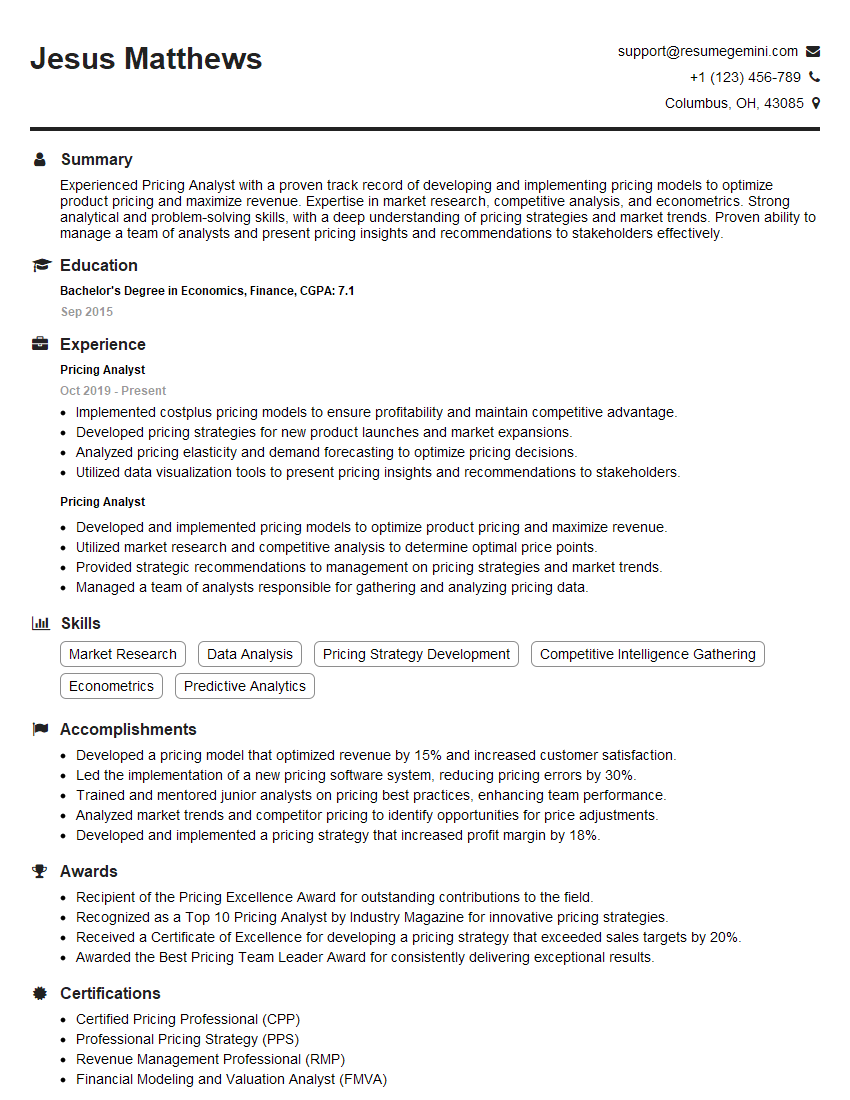
Pricing Analyst Resume Sample
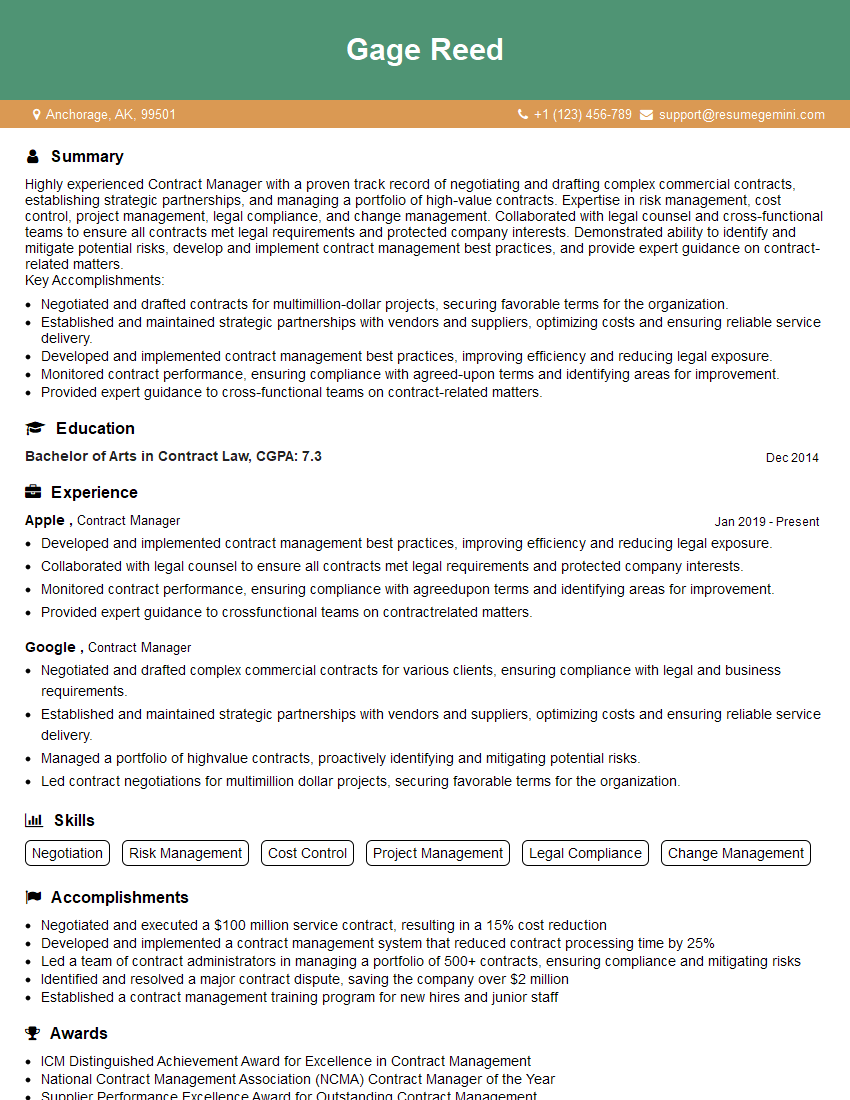
Contract Manager Resume Sample
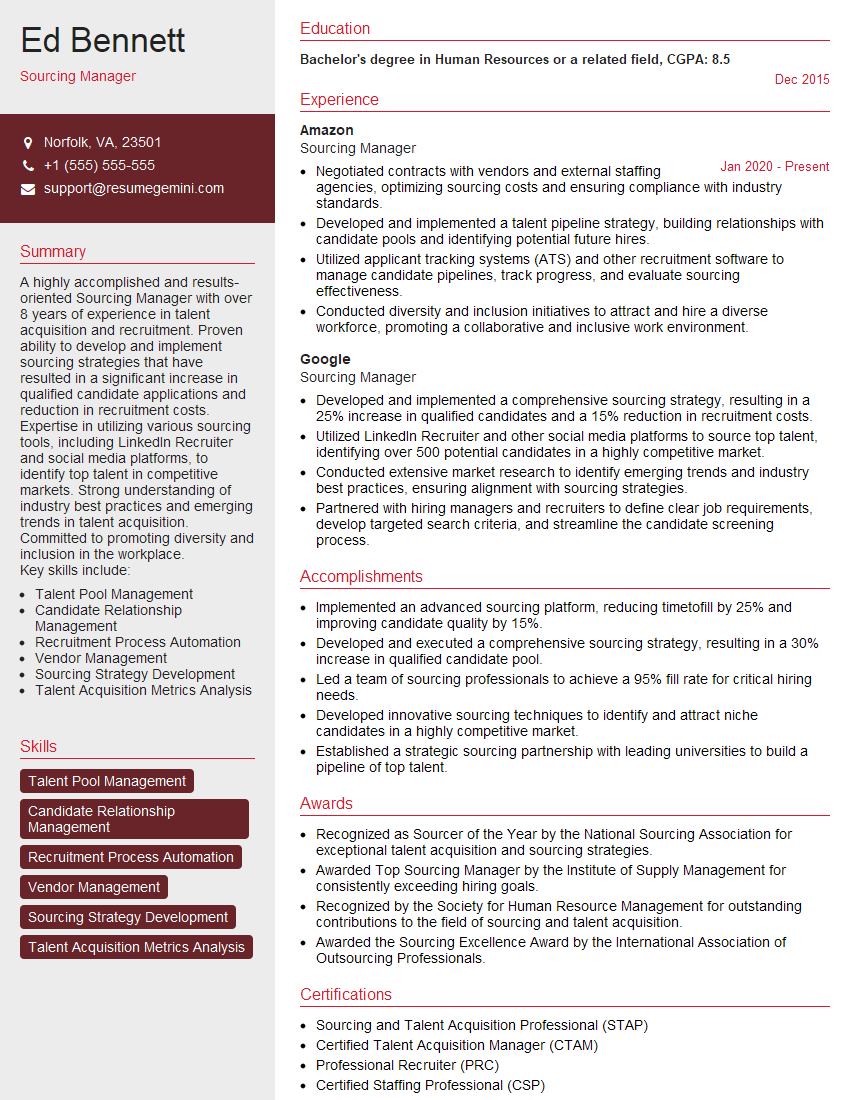
Sourcing Manager Resume Sample
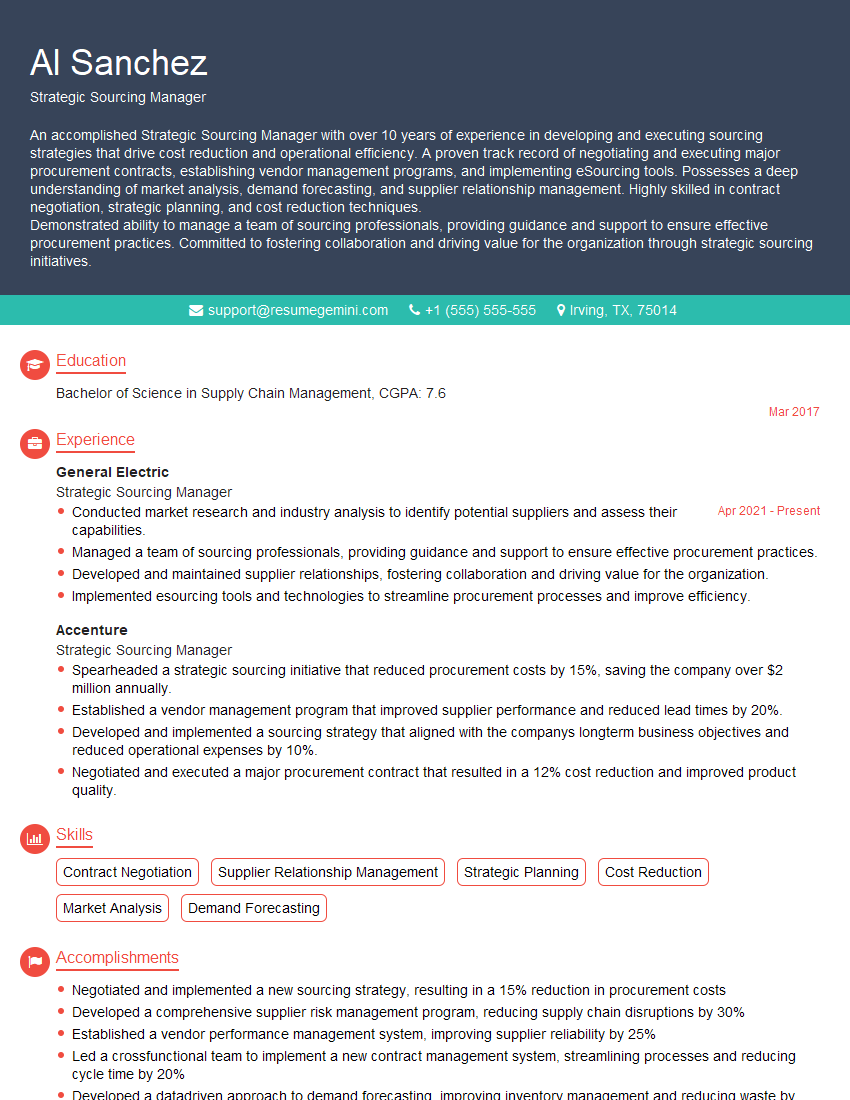
Strategic Sourcing Manager Resume Sample
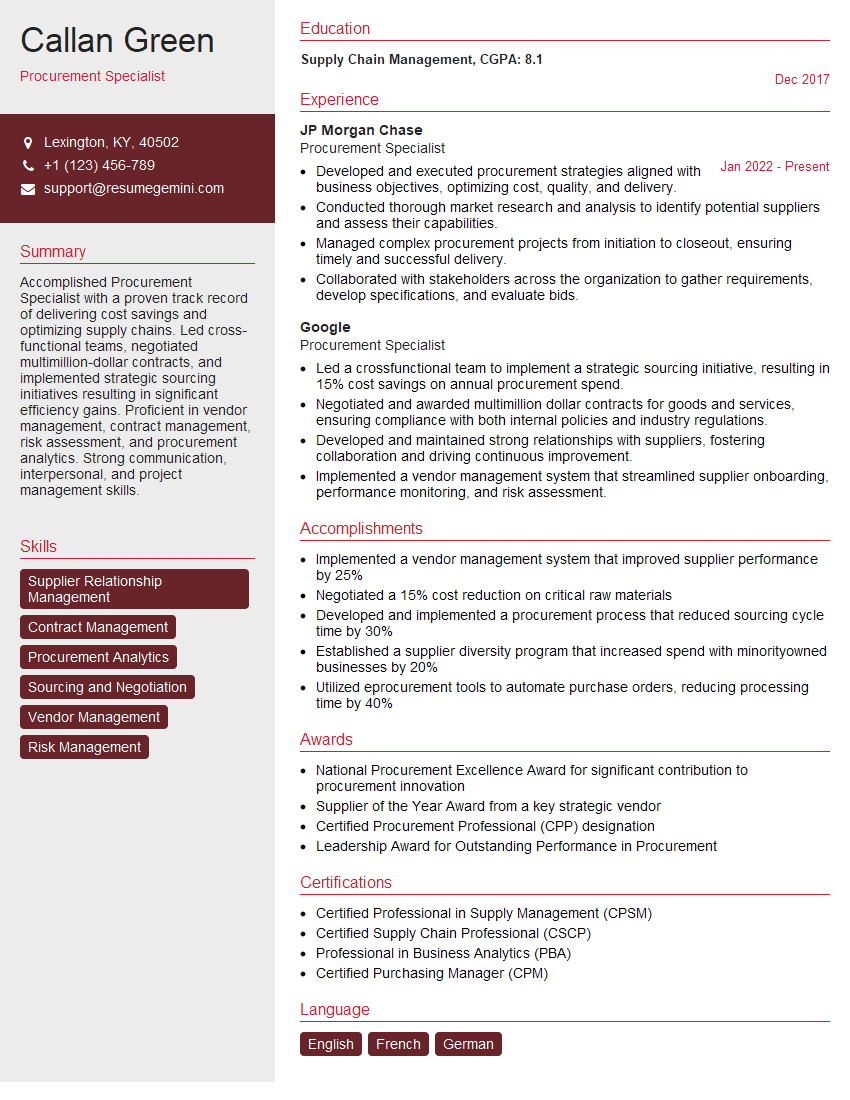
Procurement Specialist Resume Sample
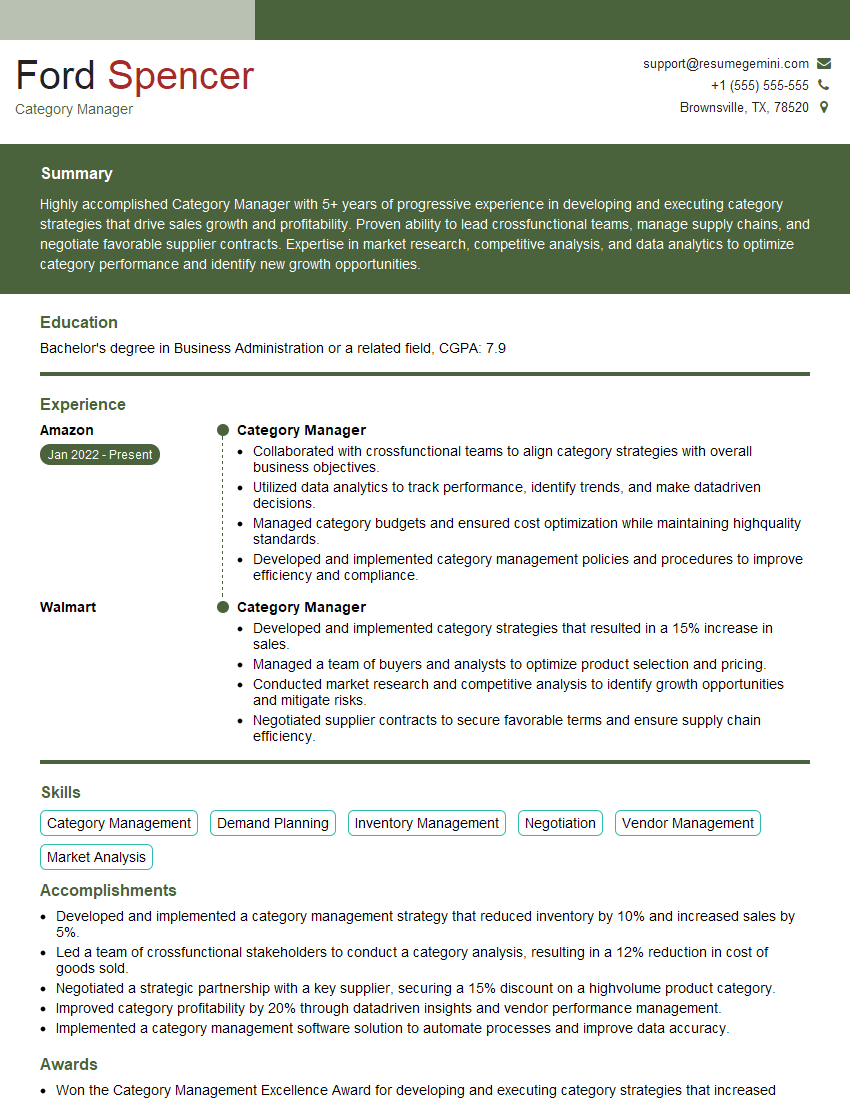
Category Manager Resume Sample
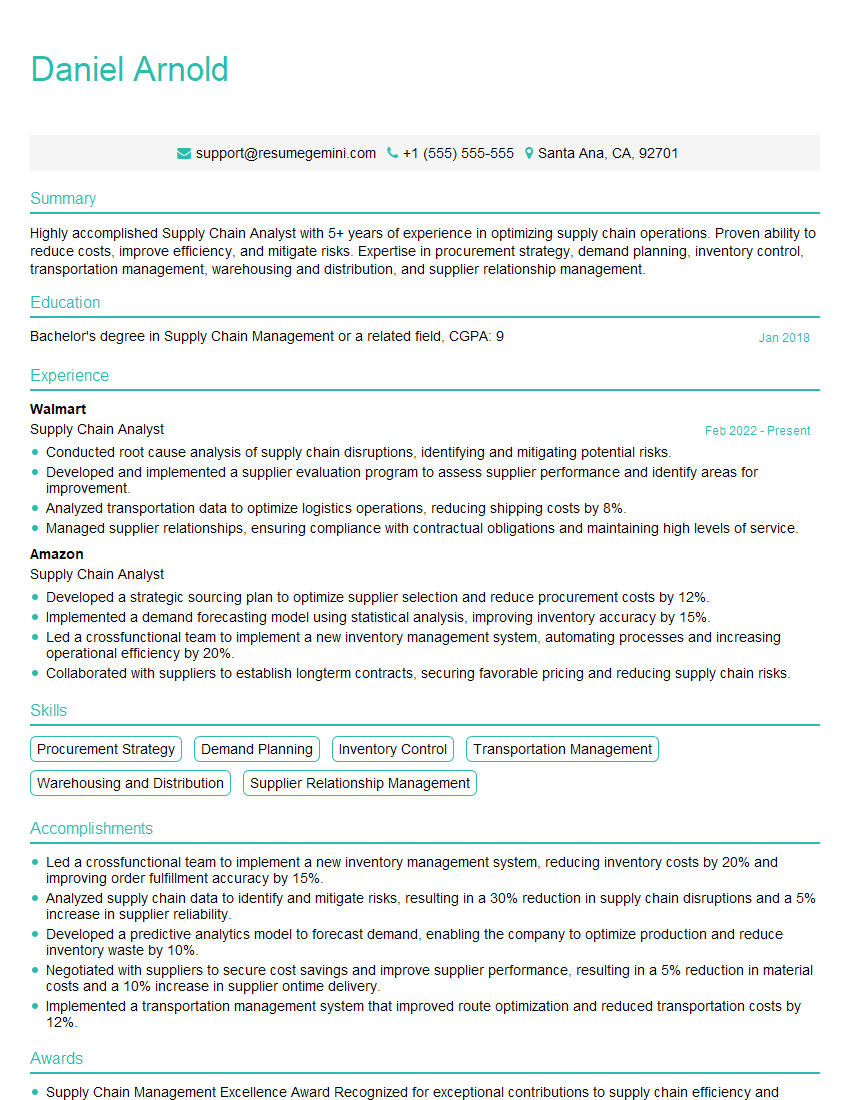
Supply Chain Analyst Resume Sample
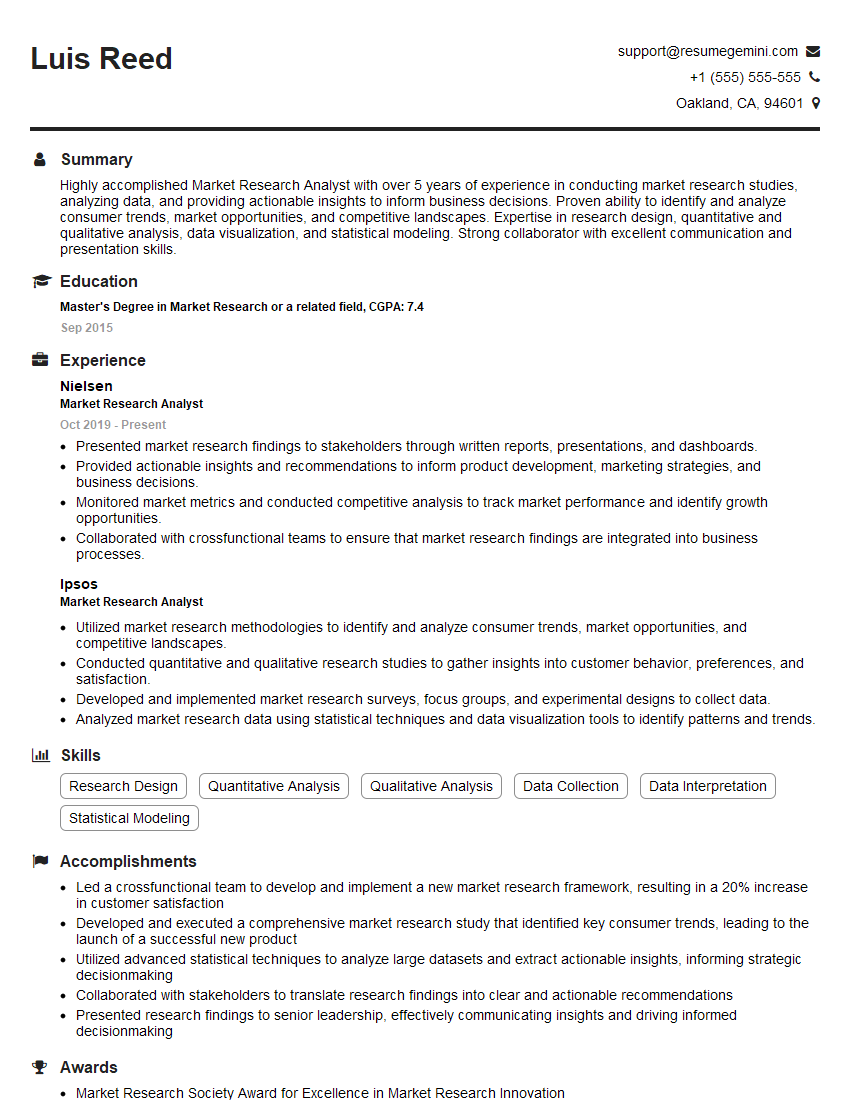
Market Research Analyst Resume Sample
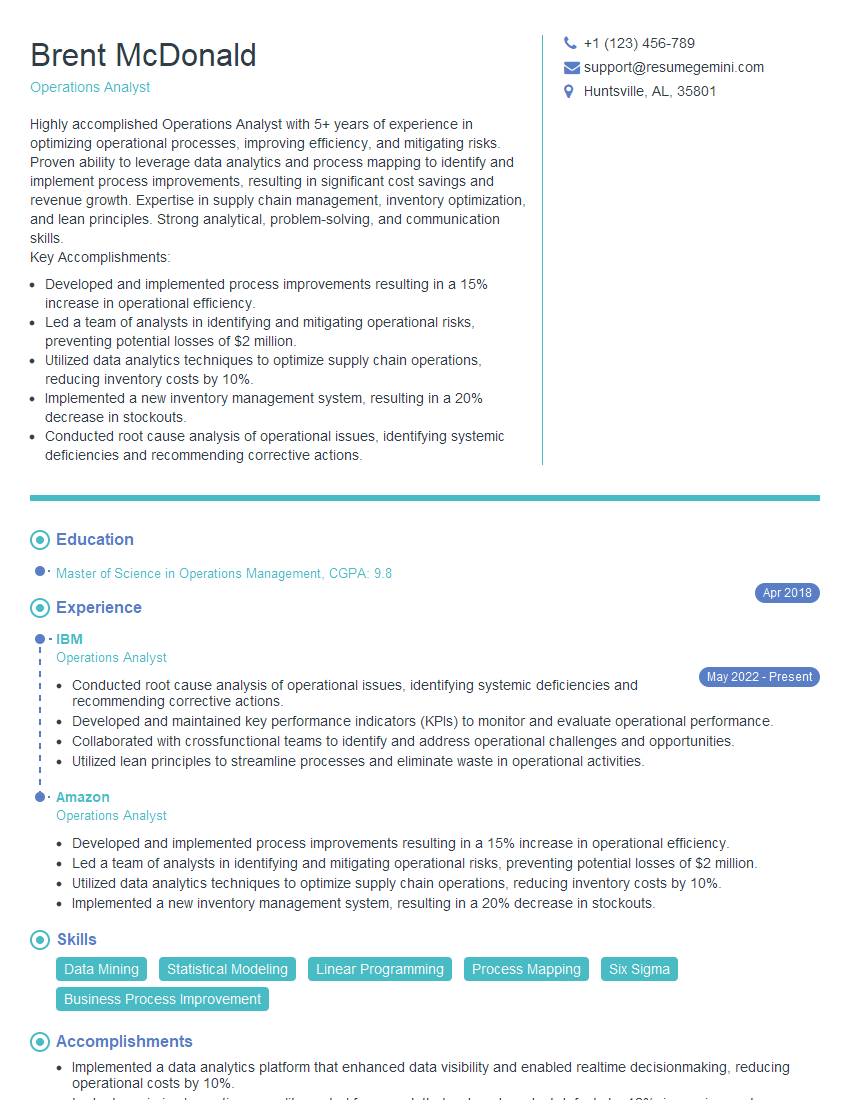
Operations Analyst Resume Sample
Explore more articles
Users Rating of Our Blogs
Share Your Experience
We value your feedback! Please rate our content and share your thoughts (optional).
What Readers Say About Our Blog
Very informative content, great job.
good