Unlock your full potential by mastering the most common Biological Sampling Techniques interview questions. This blog offers a deep dive into the critical topics, ensuring you’re not only prepared to answer but to excel. With these insights, you’ll approach your interview with clarity and confidence.
Questions Asked in Biological Sampling Techniques Interview
Q 1. Describe your experience with different biological sampling techniques (e.g., blood, tissue, swab).
My experience encompasses a wide range of biological sampling techniques, focusing on accuracy and minimizing contamination. For blood sampling, I’m proficient in venipuncture, using various needle gauges and collection tubes depending on the intended analysis (e.g., serum, plasma, whole blood). This includes meticulous attention to patient identification and proper labeling. Tissue sampling involves techniques like biopsies (needle or surgical) and excisional biopsies, adhering strictly to sterile protocols and anatomical knowledge to obtain representative samples. Swab sampling, crucial for microbiology, requires careful technique to avoid cross-contamination and ensure sufficient sample collection. I have experience with various swab types, including rayon, Dacron, and calcium alginate, selected based on the specimen type and intended analysis. For example, when collecting a throat swab for strep testing, a rayon swab is preferred for its ability to absorb and release bacterial cells effectively. Beyond these, I’ve also worked with fluid sampling (e.g., cerebrospinal fluid, synovial fluid) using specialized procedures and aseptic techniques.
Q 2. Explain the importance of sterile techniques in biological sampling.
Sterile techniques are paramount in biological sampling to prevent contamination from extraneous microorganisms or substances. Contamination can lead to inaccurate or misleading results, compromising the integrity of the entire study or clinical diagnosis. Imagine trying to analyze the bacterial composition of a wound – if external bacteria contaminate the sample, it’ll mask the actual pathogens present, leading to incorrect treatment. Therefore, we use sterile equipment (gloves, needles, tubes), work in aseptic environments (laminar flow hoods if necessary), and follow meticulous protocols to minimize the risk of introducing unwanted elements into the sample. This not only ensures reliable data but also prevents misdiagnosis or inappropriate treatment decisions, safeguarding patient safety.
Q 3. What are the critical steps to ensure sample integrity and prevent contamination?
Maintaining sample integrity and preventing contamination requires a multi-step approach. First, proper sample collection using sterile techniques, as discussed earlier, is key. Second, appropriate labeling is crucial – each sample needs a unique identifier linked to the patient or subject, the collection date, time, and location. Third, proper handling and transportation are critical. This could involve maintaining a cold chain for temperature-sensitive samples using specialized containers and ice packs, or using appropriate transport media for certain specimens. Finally, documentation is essential. A detailed log of all procedures, handling, and storage conditions should be meticulously maintained – this documentation acts as a critical record for tracing the sample’s history and ensuring its integrity throughout the process. Failing to adhere to even one of these steps can compromise the sample’s reliability and lead to erroneous conclusions.
Q 4. How do you handle chain of custody procedures for biological samples?
Chain of custody procedures are vital for ensuring the integrity and legal admissibility of biological samples, particularly in forensic or legal contexts. It’s a documented process that tracks the sample from collection to analysis, ensuring its authenticity and preventing any tampering or substitution. This involves a chain of signed documents and securely sealed containers, each transfer recorded with date, time, and the identities of individuals involved. Strict adherence to these procedures helps to maintain the sample’s integrity and its evidentiary value in a court of law or any legal context. For instance, a blood sample collected from a crime scene needs meticulous tracking to ensure its integrity throughout the analysis process.
Q 5. Describe your experience with various sample preservation methods (e.g., freezing, fixation).
Sample preservation methods aim to maintain the sample’s integrity until analysis. Freezing is a common method for preserving biological samples, typically at -80°C or lower, which slows down or stops enzymatic degradation. However, freezing can lead to ice crystal formation, causing cellular damage. Therefore, cryoprotective agents (e.g., glycerol, DMSO) are often added to mitigate this effect. Fixation, using chemicals like formalin, preserves the tissue structure by cross-linking proteins. This prevents decomposition but may also alter certain cellular components, affecting certain analytical techniques. The choice of preservation method depends heavily on the type of sample and the analytical tests to be performed. For example, RNA samples might need special preservation methods to prevent degradation, whereas DNA can be preserved effectively through freezing or using specific DNA preservation buffers.
Q 6. What are the common challenges encountered during field biological sampling?
Field biological sampling presents unique challenges. Environmental conditions like extreme temperatures, humidity, and insect activity can affect sample integrity. Accessibility to sampling locations might be difficult, requiring specialized equipment or training. For instance, collecting samples in a dense rainforest might involve navigating difficult terrain, while sampling in a remote Arctic location necessitates dealing with cold temperatures and limited access to resources. Additionally, logistical challenges such as maintaining the cold chain and ensuring adequate sample preservation during transportation from the field to the laboratory pose significant obstacles. Proper planning, preparation, and the use of robust equipment and preservation methods are critical to overcome these challenges.
Q 7. How do you address potential risks associated with handling biological samples (e.g., infectious agents)?
Handling biological samples carries potential risks, especially with infectious agents. Adhering to strict safety protocols is essential. This involves using appropriate personal protective equipment (PPE), such as gloves, lab coats, eye protection, and potentially respirators, depending on the nature of the sample. Proper disposal of contaminated materials is critical to prevent exposure. Work should be conducted in biosafety cabinets, if necessary, to minimize aerosol generation. Furthermore, a clear understanding of the potential hazards of the specific sample is crucial. Knowing the infectious risk associated with a sample allows for appropriate safety measures to be taken, ensuring the safety of personnel and preventing the spread of infection. For instance, when handling samples suspected of containing blood-borne pathogens, a more rigorous approach, such as the use of sharps containers and proper decontamination procedures, is necessary. Regular training and competency assessments in safe handling practices are crucial aspects for all personnel involved in biological sampling.
Q 8. Explain your knowledge of relevant safety regulations and guidelines (e.g., OSHA, GLP).
Safety is paramount in biological sampling. My work consistently adheres to strict guidelines like those set by OSHA (Occupational Safety and Health Administration) and GLP (Good Laboratory Practice). OSHA regulations cover aspects like handling hazardous materials, proper personal protective equipment (PPE) usage—including gloves, lab coats, eye protection, and sometimes respirators depending on the sample—and emergency procedures. I’m trained in the safe handling of biohazards, including proper disposal protocols for infectious waste. GLP, on the other hand, focuses on the quality and integrity of the entire sampling process, ensuring reproducibility and reliability of results. This involves meticulous record-keeping, standardized procedures, and the use of calibrated equipment. For instance, when working with potentially infectious samples, we follow a strict protocol of double-gloving, using biological safety cabinets (BSCs), and decontaminating work surfaces with appropriate disinfectants. This rigorous adherence to safety regulations minimizes risk to personnel and maintains the integrity of the collected samples.
Q 9. How do you ensure accurate and precise sample labeling and documentation?
Accurate and precise sample labeling and documentation are crucial for data integrity. Think of it like organizing a very important library: if you don’t label things properly, you’ll never find what you’re looking for! We use a standardized labeling system, typically including a unique identifier (a number or code), the sample source, date and time of collection, the collector’s initials, and any relevant sample characteristics (e.g., tissue type, location). Each sample receives a corresponding entry in a detailed electronic database. This database usually includes fields for all the labeling information, but also allows for additional notes, analysis results and links to any images or additional files associated with the sample. We use barcodes to minimize errors and speed up data entry and retrieval, and we perform regular audits to ensure accuracy and consistency. Deviation from this system is carefully documented and only made with approval from senior personnel.
Q 10. Describe your experience with sample transportation and storage.
Sample transportation and storage are critical for maintaining sample integrity and preventing degradation. The method employed depends on the sample type and its sensitivity. For example, blood samples requiring serum separation are usually transported in temperature-controlled containers to prevent clotting and maintain the quality of the serum. Similarly, tissue samples often need to be kept cool (often on ice or in refrigerated containers) to prevent enzymatic degradation. Once in the lab, samples are stored according to their specific requirements—some at room temperature, others at 4°C (refrigerated), -20°C (freezer), or even -80°C (ultra-low freezer) for long-term storage. Chain of custody documentation is maintained throughout the entire process, from collection to storage and analysis, using a system of documentation and tracking numbers that guarantees accountability of all procedures. This is essential for legal and regulatory compliance as well as for ensuring the reliability of the results.
Q 11. How do you determine the appropriate sample size for a given study?
Determining the appropriate sample size is crucial for statistical power and study validity. It’s not simply a matter of collecting as much as possible; rather, it’s about finding the right balance between sufficient data for reliable conclusions and resource efficiency. Several factors influence sample size calculation, including the study design, the expected effect size, the desired level of significance (alpha), and the statistical power (1-beta). We often use statistical software or online calculators that account for these factors to estimate the minimum sample size needed. For example, if you are studying the prevalence of a disease, a larger sample size will be required to achieve accurate estimates. In a smaller study, even a small difference in the data can have a significant effect on your conclusions. Conversely, a large study can help to reduce the impact of any random variations in the data.
Q 12. What are the different types of biological samples used in research?
Biological sampling encompasses a wide range of sample types, each with its own collection and handling procedures. Some common examples include:
- Blood samples: Whole blood, serum, plasma – crucial for hematological and biochemical analyses.
- Tissue samples: Biopsies, surgical specimens – used for histological examination, immunohistochemistry, and genetic analysis.
- Urine samples: Used for various metabolic and toxicological assessments.
- Saliva samples: Increasingly important for non-invasive genetic and biomarker studies.
- Fecal samples: For microbiome analysis and detection of pathogens.
- Environmental samples: Soil, water, air – crucial for ecological and epidemiological studies.
The type of sample chosen depends heavily on the research question, its feasibility, and the type of information that needs to be extracted.
Q 13. Explain your experience with quantitative and qualitative sampling methods.
My experience encompasses both quantitative and qualitative sampling methods. Quantitative methods focus on numerical data and statistical analysis, aiming for objective measurements. For example, measuring the concentration of a specific protein in a blood sample would be a quantitative approach. In contrast, qualitative methods explore characteristics and qualities that may not be easily quantifiable. For instance, conducting a semi-structured interview with patients about their experience with a treatment would be a qualitative approach. I’ve used both in various studies. In one project, we quantitatively assessed the abundance of various bacterial species in soil samples using qPCR (quantitative Polymerase Chain Reaction). In another, we used qualitative methods to analyze open-ended survey responses to understand patient perceptions of a new medical device. The choice between quantitative and qualitative methods depends on the research question, with many studies benefiting from a mixed-methods approach that combines both.
Q 14. Describe your proficiency with various laboratory equipment used in biological sampling.
My proficiency extends to a wide array of laboratory equipment used in biological sampling. This includes:
- Micropipettes: For precise and accurate measurements of small volumes of liquids.
- Centrifuges: For separating components of a sample based on density (e.g., separating blood cells from plasma).
- Spectrophotometers: For measuring the absorbance or transmission of light through a sample, useful in quantitative analyses.
- Biological safety cabinets (BSCs): To provide a sterile environment for working with biological samples and preventing contamination.
- Microscopes: For visualizing cells and tissues.
- Freezers and refrigerators: For appropriate storage of samples.
- Autoclaves: For sterilizing equipment and materials.
Furthermore, I’m experienced in the operation and maintenance of more specialized equipment depending on the specific research goals, such as flow cytometers, real-time PCR machines, and various chromatography systems. Proficiency in operating and maintaining these instruments ensures reliable and reproducible results.
Q 15. How do you troubleshoot issues encountered during the sampling process?
Troubleshooting during biological sampling is crucial for data integrity. It’s a systematic process involving careful observation, methodical investigation, and appropriate corrective actions. I begin by identifying the specific problem. Is it equipment malfunction, contamination, sampling error, or unexpected results?
- Equipment Malfunction: For instance, if my automated sampler malfunctions mid-process, I’d check power supply, calibration, and potentially replace faulty components. A detailed log of equipment maintenance is essential for tracing issues.
- Contamination: If I suspect contamination (e.g., bacterial growth in a water sample), I’d re-examine sterilization procedures, sample handling protocols, and potentially discard affected samples and repeat the sampling. Blank controls are crucial in detecting contamination.
- Sampling Error: If the sample doesn’t represent the target population (e.g., soil sample biased towards a specific location), I’d review the sampling design, ensure proper randomization, and might collect additional samples to improve representation. This often involves adjusting the sampling strategy, possibly employing stratified sampling for more homogeneity.
- Unexpected Results: Discrepancies in results compared to historical data or expectations would lead to a thorough review of the entire process, from sample collection to analysis, to pinpoint the source of variation. This may involve re-analysis, examining potential external factors (e.g., weather conditions impacting plant growth in a field study), or consulting colleagues for expert opinions.
Documentation at each step is vital. Detailed logs, photos, and chain-of-custody records help reconstruct events and aid in effective troubleshooting.
Career Expert Tips:
- Ace those interviews! Prepare effectively by reviewing the Top 50 Most Common Interview Questions on ResumeGemini.
- Navigate your job search with confidence! Explore a wide range of Career Tips on ResumeGemini. Learn about common challenges and recommendations to overcome them.
- Craft the perfect resume! Master the Art of Resume Writing with ResumeGemini’s guide. Showcase your unique qualifications and achievements effectively.
- Don’t miss out on holiday savings! Build your dream resume with ResumeGemini’s ATS optimized templates.
Q 16. What are the key factors to consider when selecting a sampling location?
Selecting the right sampling location is paramount. The location should accurately represent the population of interest and minimize bias. Key considerations include:
- Study Objectives: The location must align with the research question. For example, studying the impact of pollution on a specific species would necessitate sampling in areas known for pollution, while a biodiversity study may require a range of habitats.
- Accessibility: Practical considerations such as terrain, safety, and logistical challenges are crucial. It’s pointless choosing a remote, inaccessible location if sampling is impractical.
- Representativeness: The location should be representative of the larger population being studied. Random sampling, stratified sampling (dividing the area into strata and sampling each proportionally), and systematic sampling are techniques used to ensure representativeness.
- Homogeneity vs. Heterogeneity: The level of homogeneity (uniformity) or heterogeneity (variability) within the study area dictates the sampling strategy. A highly heterogeneous area may require more samples and careful stratification to achieve accurate representation.
- Environmental Factors: Relevant environmental factors like altitude, temperature, soil type, water flow, light intensity etc., should be considered and recorded as they may influence the results. For instance, studying water quality requires knowledge of the hydrological cycle in the sampling location.
- Potential Disturbances: Avoiding areas susceptible to significant disturbances (construction, human activity) is crucial, as this may lead to biased or unreliable data.
A well-defined sampling plan, inclusive of location selection criteria, is essential before commencing any fieldwork. A pilot study can also be helpful to optimize location choices.
Q 17. Explain the importance of quality control in biological sampling.
Quality control (QC) in biological sampling is non-negotiable for the validity and reliability of results. It encompasses all measures taken to ensure the accuracy and precision of the sampling process, from sample collection to analysis. Think of it as a series of checks and balances to prevent errors and biases.
- Sample Collection: QC at this stage includes using sterile equipment, following standardized protocols, maintaining a chain of custody, and proper sample labeling and storage. For instance, ensuring correct preservation techniques (e.g., freezing, fixation) prevents sample degradation.
- Sample Handling: Careful handling throughout transportation and storage is vital to prevent contamination or degradation. Appropriate containers, temperature control (using ice boxes or freezers), and avoiding physical damage are paramount.
- Laboratory Analysis: QC includes using certified reference materials, calibration of instruments, running blanks and replicates, and employing appropriate statistical analysis to assess accuracy and precision. Blind samples – where the analyst is unaware of the sample’s origin or identity – can help eliminate unconscious bias.
- Data Management: QC extends to data management, ensuring data integrity, accurate recording, proper error handling, and traceability of samples throughout the process. This involves using robust databases and well-defined data entry protocols.
QC measures are not merely ‘nice to have’ – they are essential for ensuring that the final findings are robust and trustworthy. Poor QC can lead to inaccurate results, flawed conclusions, and wasted resources.
Q 18. How do you interpret and report biological sampling results?
Interpreting and reporting biological sampling results involves a multifaceted approach encompassing statistical analysis, visual representation, and clear communication. First, I’d analyze the data using appropriate statistical methods (discussed further in the next answer) to identify trends, patterns, and significant differences. Next, I’d summarize the findings, highlighting key results and uncertainties.
- Statistical Summaries: Descriptive statistics such as means, standard deviations, and confidence intervals provide quantitative summaries of the data. Inferential statistics like t-tests, ANOVA, or non-parametric equivalents, help determine if observed differences are statistically significant.
- Visualizations: Graphs and charts (histograms, box plots, scatter plots) are essential for visually representing the data and making it easily interpretable for a wider audience. Effective visualizations enhance understanding and can highlight crucial patterns.
- Report Writing: A comprehensive report should clearly state the research objectives, methodology (including details about sampling procedures), results (both statistical and graphical), discussion of findings (comparing to previous research, identifying limitations), and conclusions. The audience should be clearly considered when determining the level of detail.
- Uncertainty and Limitations: Acknowledging limitations and uncertainties is critical. Factors like sample size, sampling method, and potential biases should be explicitly stated, fostering transparency and enhancing the credibility of the results.
The final report should be a clear, concise, and accurate representation of the research findings, accessible to both scientific and non-scientific audiences.
Q 19. Describe your experience with statistical analysis of biological data.
My experience with statistical analysis of biological data is extensive. I’m proficient in a wide range of techniques, tailored to the specific type of data and research question.
- Descriptive Statistics: Calculating means, medians, modes, standard deviations, variances, and ranges is fundamental for summarizing and understanding the distribution of biological data.
- Inferential Statistics: I frequently use t-tests (for comparing two groups), ANOVA (for comparing more than two groups), and non-parametric alternatives (like Mann-Whitney U test or Kruskal-Wallis test) when data don’t meet the assumptions of parametric tests.
- Regression Analysis: I employ linear and non-linear regression to model relationships between variables, for instance, correlating environmental factors with species abundance.
- Correlation Analysis: Assessing the strength and direction of relationships between variables is often crucial. Pearson’s correlation for parametric data and Spearman’s rank correlation for non-parametric data are frequently used.
- Multivariate Analysis: Techniques like Principal Component Analysis (PCA) and cluster analysis are employed when dealing with multiple variables to identify patterns and reduce dimensionality.
- Time Series Analysis: Analyzing data collected over time, for example, to monitor population changes or environmental trends, requires specific statistical approaches such as ARIMA modelling.
I always choose statistical tests appropriate for the data type and study design, considering sample size and potential biases. A thorough understanding of statistical assumptions and limitations is crucial for accurate interpretation and reporting.
Q 20. What software or tools are you proficient in for data analysis related to biological sampling?
I’m proficient in several software packages for data analysis related to biological sampling. My expertise includes:
- R: A powerful open-source statistical computing language with extensive packages for various statistical analyses (e.g., ggplot2 for visualization, vegan for community ecology). I frequently use R for complex statistical modeling and data manipulation.
# Example R code: t.test(group1, group2) - Python (with libraries like Pandas, SciPy, Statsmodels): Python offers a versatile environment for data analysis, particularly useful for large datasets and automation. Pandas provides efficient data manipulation, while SciPy and Statsmodels offer comprehensive statistical functionalities.
# Example Python code: from scipy import stats; stats.ttest_ind(group1, group2) - SPSS: A user-friendly commercial software package well-suited for various statistical tests and data visualization. It’s particularly useful for researchers who are not as familiar with programming languages.
- GraphPad Prism: This software is excellent for creating graphs and performing simple statistical tests, making it ideal for preparing figures for publications.
My choice of software depends on the complexity of the analysis, the size of the dataset, and the specific statistical techniques needed.
Q 21. How do you ensure the ethical and responsible handling of biological samples?
Ethical and responsible handling of biological samples is paramount. It involves adhering to strict guidelines and regulations to ensure the safety of researchers, the environment, and the ethical treatment of any living organisms involved.
- Biosafety: I strictly adhere to biosafety protocols, using appropriate personal protective equipment (PPE) and following established procedures for handling potentially hazardous materials. This includes safe disposal of biohazardous waste.
- Biosecurity: Measures to prevent unauthorized access or release of biological materials are crucial. Secure storage, proper chain of custody, and adherence to relevant regulations are essential.
- Ethical Considerations: If the samples involve endangered species, human subjects, or other sensitive aspects, I obtain appropriate permits and ethical approvals prior to sampling and adhere strictly to all ethical guidelines. Informed consent is essential when involving human participants.
- Data Privacy: Maintaining the privacy and confidentiality of any data associated with human subjects or sensitive locations is paramount. Data anonymization and secure data storage are crucial.
- Environmental Impact: Minimizing the environmental impact of sampling is key. This involves employing environmentally friendly methods, restoring the sampled area to its original condition where possible, and avoiding unnecessary disturbance to the ecosystem.
Ethical considerations guide my every action from sampling design through to data analysis and reporting, ensuring responsible stewardship of biological resources.
Q 22. Describe a situation where you had to overcome a technical challenge during biological sampling.
During a soil microbiome study in a remote rainforest, we encountered significant challenges with sample preservation. The high humidity and ambient temperatures meant that samples rapidly degraded before we could transport them to the lab for analysis. Our initial plan relied on using standard ice packs for transportation, but this proved insufficient.
To overcome this, we developed a two-pronged approach. First, we implemented a rapid-freezing protocol using liquid nitrogen in the field, significantly extending sample stability. This required procuring and safely handling liquid nitrogen in a challenging environment. Second, we refined our transport chain by using specialized insulated containers with temperature monitors to ensure consistent low temperatures during transit. This involved careful planning and coordination with logistics teams. This combined approach minimized sample degradation and enabled us to acquire high-quality data for the study.
Q 23. How do you maintain accurate and complete records of your sampling procedures?
Maintaining accurate and complete sampling records is crucial for data integrity and reproducibility. My approach is multifaceted and centers around a combination of meticulous field notes, electronic databases, and chain-of-custody documentation.
- Field Notebooks: I maintain detailed, hand-written notes in waterproof notebooks, recording GPS coordinates, date and time of sampling, environmental conditions (temperature, humidity, etc.), sample type, and any pertinent observations. These notes are crucial for capturing real-time contextual data.
- Electronic Databases: All field data is entered into a structured electronic database (often using software like ELN or spreadsheets with custom formulas for error-checking), cross-referenced with unique sample identifiers. This allows for easy data management, analysis, and reporting.
- Chain of Custody: A formal chain-of-custody document meticulously tracks the location and handling of each sample from collection to analysis, including the names and signatures of all individuals involved. This ensures sample integrity and prevents unauthorized access or manipulation.
Regular data backups and version control are also essential to prevent data loss.
Q 24. Explain your understanding of different types of bias in biological sampling.
Bias in biological sampling refers to systematic errors that can skew results and lead to inaccurate conclusions. Several types exist:
- Sampling Bias: This occurs when the selected samples do not accurately represent the target population. For example, only sampling in easily accessible areas of a forest might miss important variations in species composition found in less accessible areas.
- Measurement Bias: This involves inaccuracies in measuring or recording data. Using poorly calibrated equipment, inconsistent measurement techniques, or human error during data entry are examples.
- Observer Bias: This occurs when subjective interpretations influence the data collection or analysis. For instance, an observer might unconsciously favor certain characteristics when identifying species, leading to over- or underestimation.
- Confirmation Bias: The researcher’s preconceived notions might influence data collection and interpretation, leading to the confirmation of existing hypotheses while ignoring contradictory evidence.
Minimizing bias requires careful experimental design, using standardized protocols, employing blinding techniques (where possible), and critically evaluating potential sources of error throughout the process.
Q 25. How do you ensure the traceability of biological samples throughout the entire process?
Traceability of biological samples is paramount to ensure data validity and avoid ambiguity. This is achieved through a unique identification system for each sample, coupled with detailed documentation at every step.
Unique identifiers (e.g., alphanumeric codes, barcodes) are assigned to each sample at the point of collection and recorded in the field notebook and electronic database. This unique identifier follows the sample throughout its journey, including storage, transport, processing, and analysis. Each step in the process is recorded, including the date, time, person responsible, and any procedures performed. This creates an unbroken chain of information, establishing clear links between the sample and all related data. This system allows for rapid retrieval of sample information, and helps to identify and rectify errors in case of discrepancies.
Q 26. Describe your experience with different types of sample containers and their applications.
The choice of sample container is critical; it must preserve the sample’s integrity. Different sample types necessitate different containers.
- Sterile tubes: These are commonly used for storing liquid samples such as blood, urine, or cell cultures and come in various sizes and materials (e.g., glass, plastic). The choice of material depends on the sample’s properties and potential interactions.
- Cryovials: These are specifically designed for cryogenic storage (freezing at very low temperatures), often used for preserving cells, tissues, or DNA. They typically are made from materials resistant to breakage and temperature fluctuations.
- Whirl-pak bags: These flexible, sealable bags are used for environmental sampling of solid materials, especially soil or water samples. Their flexibility makes them ideal for various sample sizes.
- Sterile Petri Dishes: Used for culturing microorganisms and observing their growth on solid agar media.
- Fixative containers: Formalin or other fixatives are often added to containers for preserving tissue or organ samples. The type of container and fixative depends on the specific requirements of the research.
Selecting the appropriate container considering material compatibility, sterility, and the sample’s characteristics ensures sample quality and reliability throughout the experimental process.
Q 27. How do you manage large volumes of biological samples effectively?
Managing large volumes of biological samples necessitates efficient organizational strategies. This involves a combination of physical and digital organization systems.
- Sample Organization: Implementing a well-defined sample storage system using a standardized labelling system, a logical numbering system, and proper documentation is crucial. Refrigerated and/or frozen storage is vital, depending on sample type.
- Inventory Management: Employing a robust database system (such as LIMS—Laboratory Information Management Systems) to track samples, their location, collection dates, and analytical data is vital. Regular audits verify the integrity of the inventory and aid in locating specific samples quickly.
- Automated Systems: For very large sample sets, robotics and automated liquid handling systems can speed up processing, minimizing human error and saving time.
- Sample Sub-sampling: For extremely large quantities, a robust sub-sampling strategy must be developed to create representative smaller subsets for analysis. This avoids the need to process all samples, saving resources and time while maintaining representativeness.
A well-planned and organized system ensures efficient retrieval, processing, and minimizes the risk of sample loss or misidentification.
Q 28. What are your strengths and weaknesses regarding biological sampling techniques?
My strengths lie in my meticulous attention to detail, my proficiency in diverse sampling techniques across various environments, and my adeptness at adapting procedures to meet unexpected challenges. I am comfortable working independently or collaboratively in dynamic field settings and rigorously maintain data integrity. My proficiency with various laboratory techniques enhances my ability to process and analyse samples effectively.
One area I am actively working to improve is my proficiency in advanced statistical modeling for analyzing complex biological data sets. While I have solid foundational knowledge, developing more expertise in this area will strengthen my ability to interpret and extract meaningful conclusions from the generated data.
Key Topics to Learn for Biological Sampling Techniques Interview
- Sampling Design: Understanding different sampling strategies (random, stratified, systematic) and their application in various biological contexts. Consider the impact of sample size and bias on data interpretation.
- Non-destructive Sampling: Explore techniques like remote sensing, imaging, and non-invasive genetic sampling. Understand their advantages, limitations, and appropriate applications in fieldwork and laboratory settings.
- Destructive Sampling: Master techniques like tissue biopsies, blood collection, and necropsy. Focus on ethical considerations, sample preservation, and appropriate handling procedures.
- Quantitative vs. Qualitative Sampling: Differentiate between methods focused on numerical data and those focused on descriptive observations. Understand the strengths and weaknesses of each approach and when to apply them.
- Sample Preservation and Storage: Learn about proper techniques for preserving the integrity of biological samples, including fixation, freezing, and storage conditions. Understand the impact of improper storage on data quality.
- Quality Control and Assurance: Discuss the importance of maintaining consistent sampling protocols, using appropriate controls, and minimizing error throughout the sampling process. Be prepared to discuss quality assurance measures.
- Data Analysis and Interpretation: Familiarize yourself with basic statistical methods used to analyze biological sampling data. Be ready to discuss the limitations of statistical analysis in relation to sampling design and potential biases.
- Specific Sampling Techniques for Different Organisms: Explore specialized techniques for sampling microorganisms, plants, invertebrates, and vertebrates. Consider the unique challenges associated with each organism type.
- Fieldwork Safety and Ethical Considerations: Demonstrate understanding of safety protocols in fieldwork, including proper use of equipment and adherence to ethical guidelines concerning animal and environmental protection.
- Troubleshooting Common Sampling Challenges: Be prepared to discuss common problems encountered during biological sampling and explain how these problems can be addressed or mitigated.
Next Steps
Mastering biological sampling techniques is crucial for career advancement in many scientific fields, opening doors to exciting research opportunities and specialized roles. A strong resume is vital to showcasing your skills effectively to potential employers. Creating an ATS-friendly resume significantly increases your chances of getting your application noticed. ResumeGemini is a trusted resource to help you build a compelling and effective resume that highlights your expertise in biological sampling. Examples of resumes tailored to Biological Sampling Techniques are available to guide you, ensuring your application stands out.
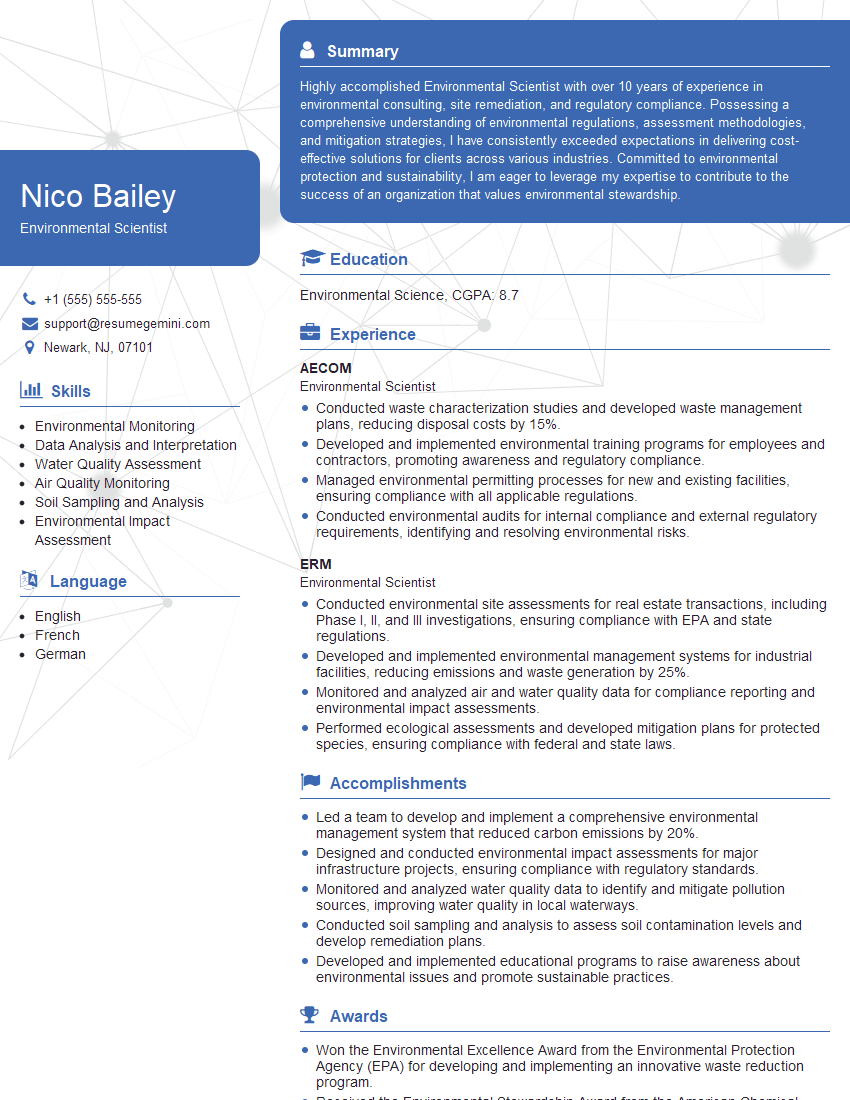
Environmental Scientist Resume Sample

Biostatistician Resume Sample
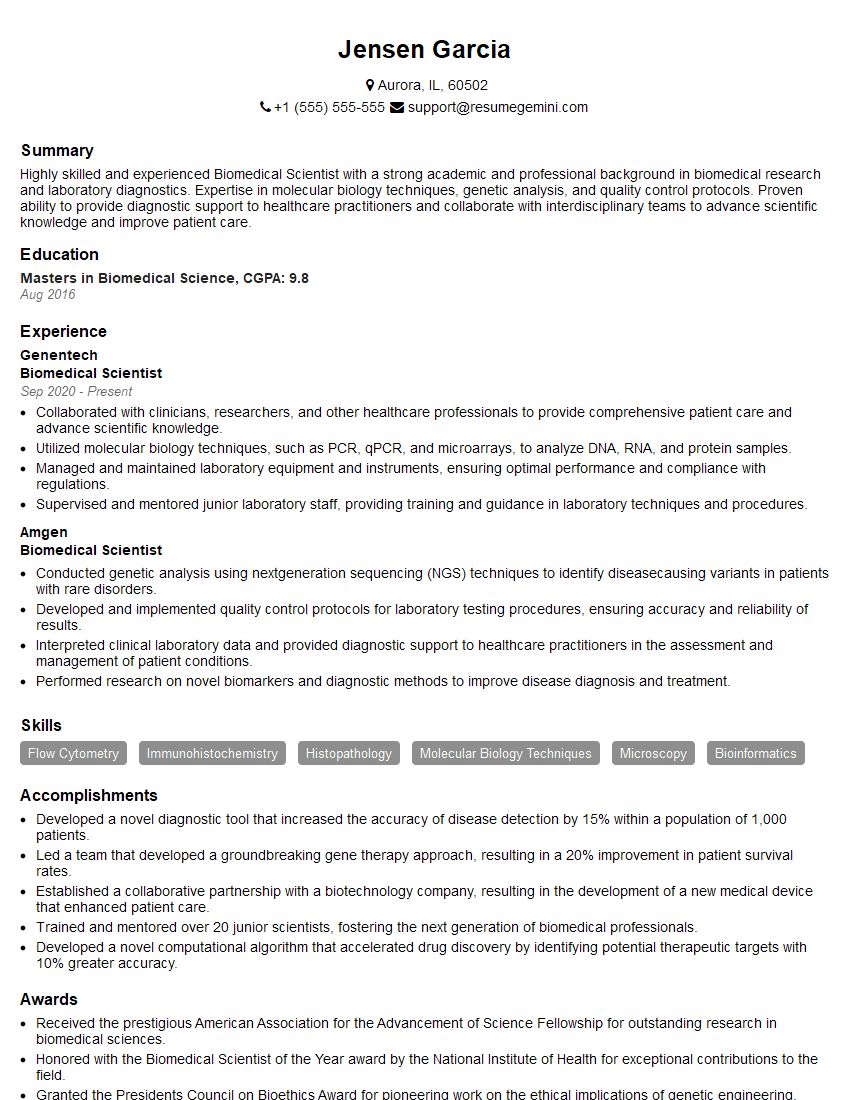
Biomedical Scientist Resume Sample
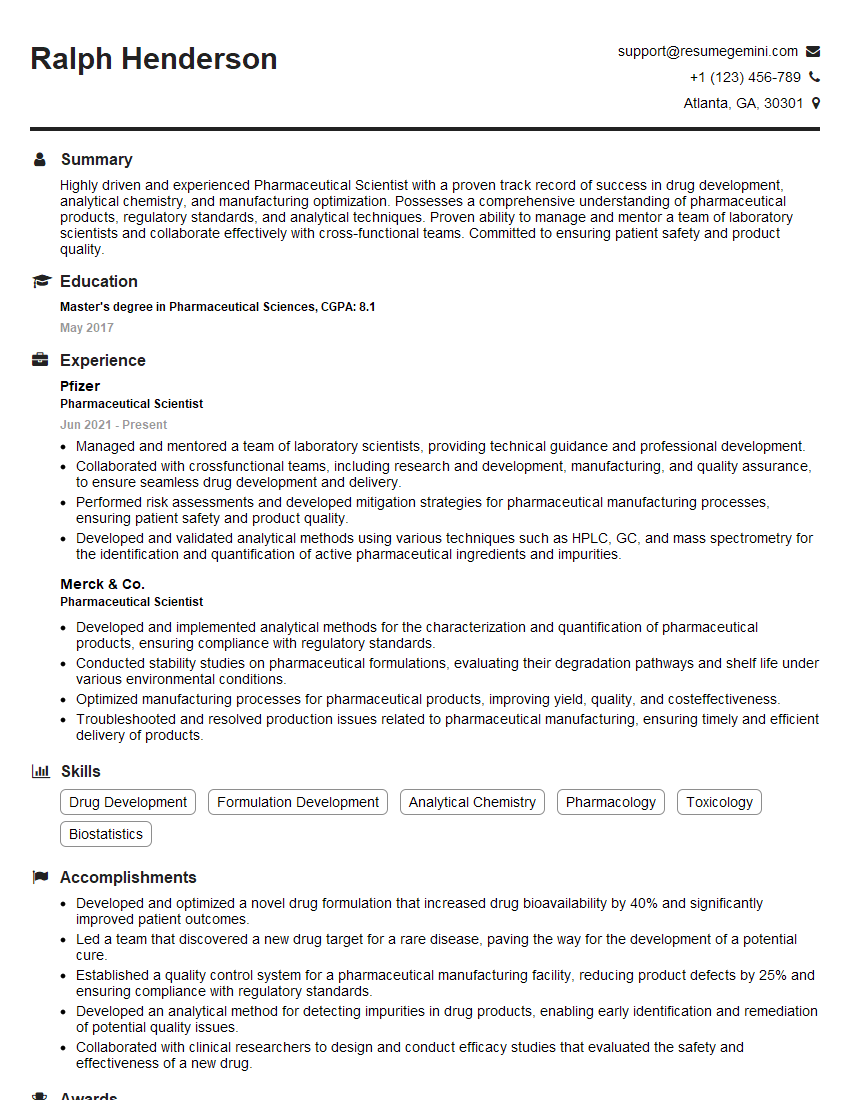
Pharmaceutical Scientist Resume Sample
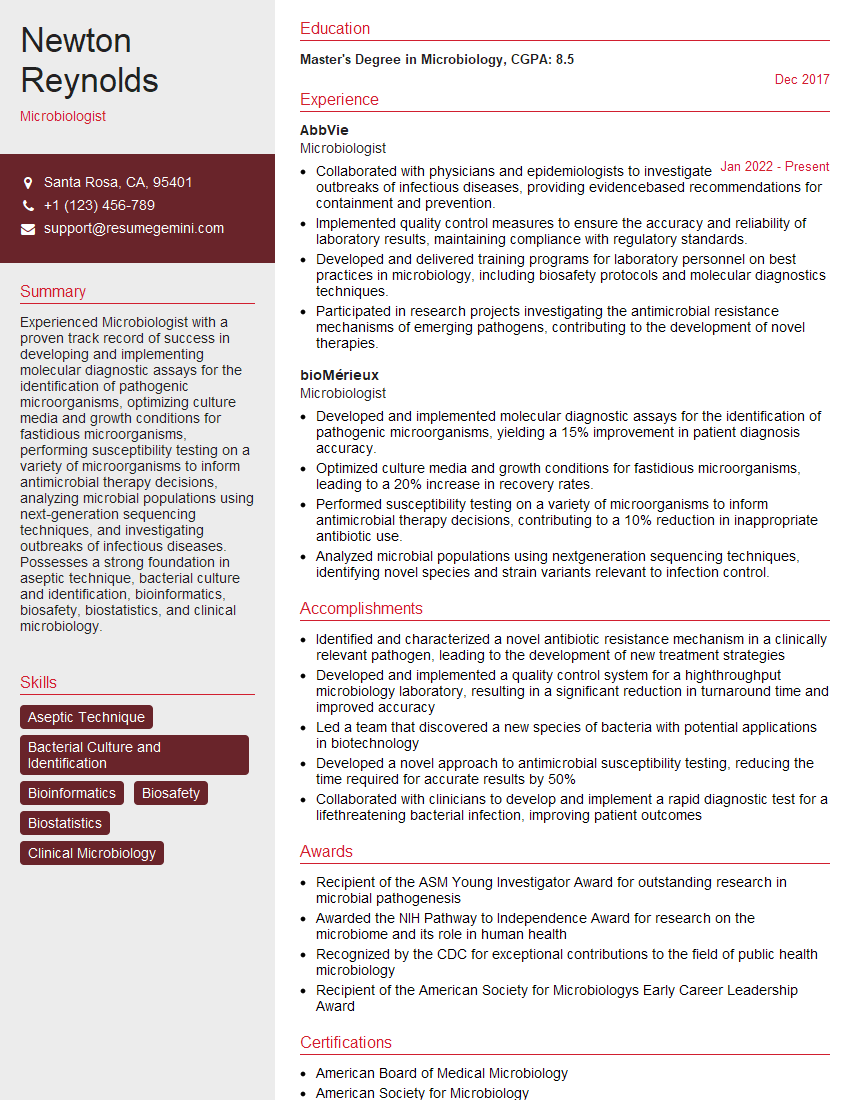
Microbiologist Resume Sample

Molecular Biologist Resume Sample

Wildlife Biologist Resume Sample

Toxicologist Resume Sample

Ecologist Resume Sample
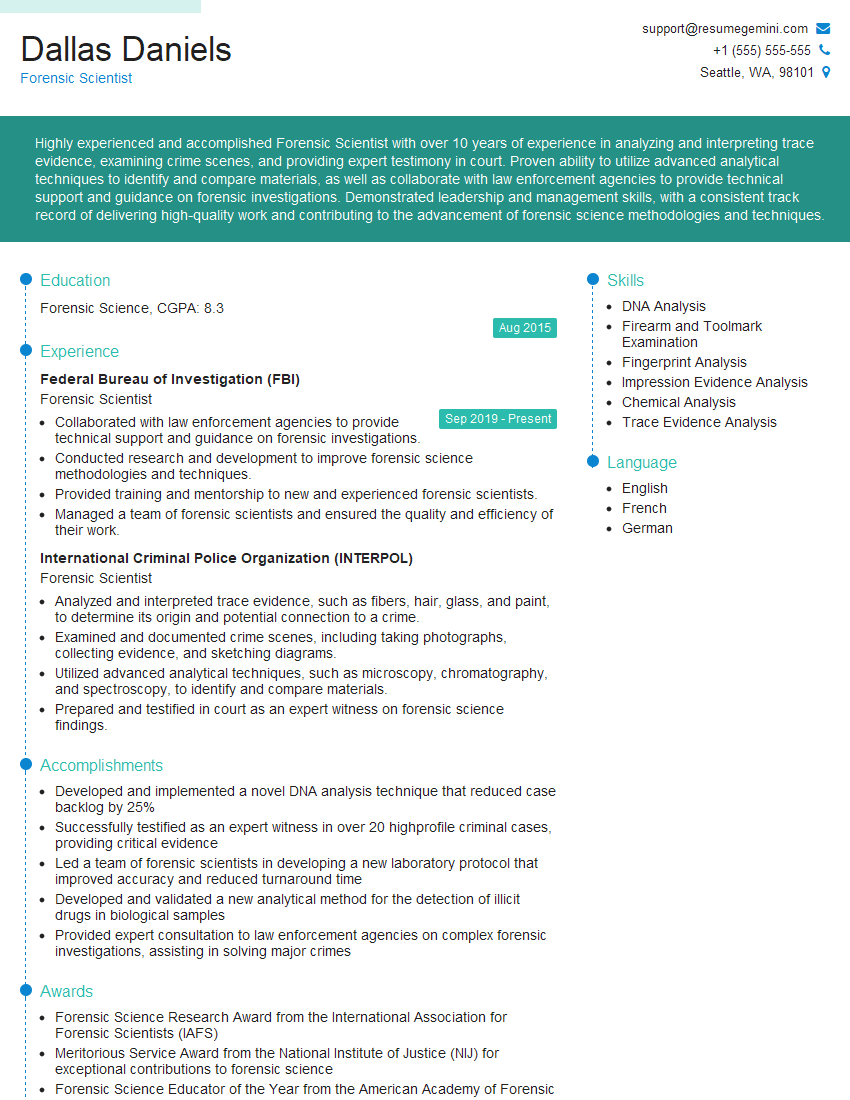
Forensic Scientist Resume Sample
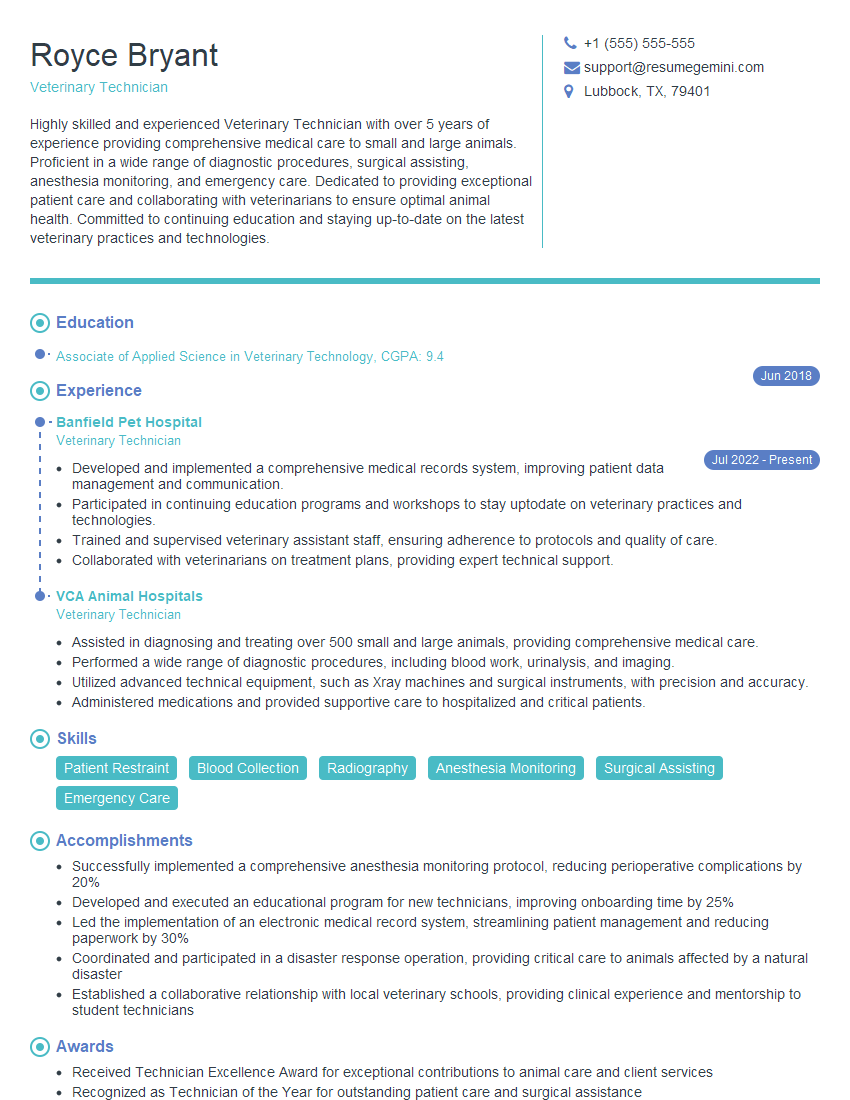
Veterinary Technician Resume Sample
Explore more articles
Users Rating of Our Blogs
Share Your Experience
We value your feedback! Please rate our content and share your thoughts (optional).
What Readers Say About Our Blog
Very informative content, great job.
good