The right preparation can turn an interview into an opportunity to showcase your expertise. This guide to Bovine Disease Management interview questions is your ultimate resource, providing key insights and tips to help you ace your responses and stand out as a top candidate.
Questions Asked in Bovine Disease Management Interview
Q 1. Describe your experience diagnosing and treating bovine respiratory disease.
Bovine Respiratory Disease (BRD), also known as shipping fever, is a significant challenge in cattle production. Diagnosing BRD involves a multifaceted approach. I begin by observing the animal’s clinical signs, which might include coughing, nasal discharge, fever, and labored breathing. Then, I’ll perform a thorough physical examination, paying close attention to lung sounds and checking for signs of pneumonia. Further diagnostics might include blood tests to assess white blood cell count (indicative of infection) and potentially bacterial culture and sensitivity testing of nasal swabs or lung fluid to identify the causative pathogen and guide antibiotic selection. Treatment depends on the severity of the disease. Mild cases might respond to supportive care like rest and fluid therapy, while more severe cases often require antibiotics tailored to the specific pathogen. In my experience, early intervention is key to improving outcomes and reducing mortality. For example, in one herd, rapid identification of Mannheimia haemolytica as the causative agent through culture allowed for targeted antibiotic treatment, significantly reducing morbidity and mortality compared to previous outbreaks where treatment was delayed or non-specific.
Prophylactic measures such as vaccination are crucial in managing BRD. Effective vaccination programs tailored to the specific pathogens prevalent in the region can significantly reduce the incidence of the disease. Furthermore, managing stress factors such as overcrowding during transport or poor ventilation in housing can significantly reduce susceptibility to BRD.
Q 2. Explain your approach to managing mastitis in a dairy herd.
Mastitis, an inflammation of the udder, is a major concern in dairy herds, impacting milk production and animal welfare. My approach to managing mastitis is based on a combination of prevention and treatment. Prevention is key, and this starts with meticulous hygiene practices during milking. This includes proper cleaning and disinfection of teats before and after milking, as well as ensuring the milking equipment is properly sanitized. Regular monitoring of milk for changes in appearance (e.g., clots, flakes) and somatic cell count (SCC) – an indicator of infection – is crucial. A high SCC warrants further investigation. Early detection is critical for successful treatment.
Treatment involves identifying the causative agent – often bacterial – through culture and sensitivity testing. Once the pathogen is identified, targeted antibiotic therapy is administered, following strict withdrawal periods to ensure milk safety. In addition to antibiotics, supportive care such as warm compresses and udder massage might be employed. Chronic cases may require long-term management strategies, potentially including culling persistently infected cows. For instance, in one herd, implementing a strict dry cow therapy program – involving intramammary antibiotic infusions at drying off – dramatically reduced the incidence of new mastitis cases in the subsequent lactation period.
Q 3. How would you handle a sudden outbreak of foot-and-mouth disease?
Foot-and-mouth disease (FMD) is a highly contagious viral disease with devastating economic consequences. An outbreak requires immediate and decisive action. The first step is immediate notification of the relevant veterinary and governmental authorities. This is paramount as FMD is a notifiable disease. The next step is to implement strict biosecurity measures to prevent further spread. This includes establishing a quarantine zone around the affected farm, restricting the movement of animals and people, and disinfecting contaminated areas using approved protocols. A comprehensive surveillance program needs to be initiated to identify and isolate infected animals. This includes clinical examination of all animals on the farm and potentially neighboring farms. There is no effective treatment for FMD, so the focus shifts to disease control and prevention through vaccination (if appropriate strains are available) and slaughter of infected and exposed animals. My experience dealing with simulated FMD outbreaks during training emphasized the importance of swift and coordinated action across all stakeholders to contain the spread and minimize the damage.
Q 4. What are the common causes of lameness in dairy cattle, and how do you address them?
Lameness in dairy cattle is a significant welfare concern and reduces productivity. Common causes include infectious diseases like digital dermatitis (DD) and foot rot, as well as structural issues like sole ulcers and claw horn lesions. Metabolic disorders like acidosis can also contribute to lameness. Addressing lameness starts with a thorough lameness examination. This includes observing the animal’s gait, palpating the affected limb to assess for pain and swelling, and examining the claws for lesions. Further diagnostics, like radiographs, might be necessary to diagnose underlying conditions. Treatment varies depending on the cause. Infectious conditions require appropriate antibiotic or antiseptic treatment. Structural issues might require trimming and corrective hoof care. Metabolic issues necessitate dietary adjustments. For example, addressing a herd with a high incidence of sole ulcers involved improving cow comfort by providing softer bedding and modifying the feeding regimen to reduce acidosis. Regularly trimming hooves and addressing any issues promptly prevents severe cases. Prophylactic measures such as maintaining clean and dry housing, providing appropriate footbaths, and employing regular hoof trimming programs are critical in preventing lameness.
Q 5. Describe your experience with bovine reproductive health management.
Bovine reproductive health is crucial for herd profitability. My experience encompasses various aspects, including estrus detection, artificial insemination (AI), pregnancy diagnosis, and managing reproductive disorders like cystic ovarian disease (COD) and metritis. Accurate estrus detection is vital for successful breeding. I utilize various methods, including visual observation of behavioral changes (e.g., mounting other cows), use of heat detection aids (e.g., tail paint, heat detection patches), and sometimes employing activity monitors. AI techniques are mastered to maximize conception rates. Regular pregnancy diagnosis using ultrasound allows for early identification of pregnancy and helps manage any reproductive issues. Treatment strategies for reproductive disorders depend on the specific issue. For instance, COD might be treated with hormones, while metritis might require antibiotics and supportive care. Implementing regular reproductive health checks and records, together with timely interventions, are crucial for maximizing herd fertility. One successful initiative I implemented on a farm was incorporating strategic use of reproductive hormones and implementing a better breeding protocol, leading to a significant improvement in conception rates.
Q 6. How do you monitor herd health and identify potential disease outbreaks?
Effective herd health monitoring is essential for early disease detection and prevention. My approach is multi-pronged. Regular observation of animals for any signs of illness is the first line of defense. This includes monitoring daily milk yield, observing animal behavior (e.g., appetite, activity levels), and checking for any physical abnormalities. Data collection and record-keeping are paramount. This includes maintaining accurate records of animal health events, milk production, and reproductive performance. Regular testing programs are crucial. This may include routine blood tests to assess overall health, milk somatic cell count monitoring for mastitis, and fecal analysis for parasites. Moreover, utilization of herd management software can provide valuable insights into the overall health status of the herd and allow for the identification of trends or patterns that may indicate emerging disease problems. For instance, a sudden increase in the number of cows with respiratory symptoms would trigger a more thorough investigation into possible causes and initiate prompt interventions.
Q 7. What biosecurity measures do you recommend for preventing disease transmission on a farm?
Robust biosecurity measures are critical in preventing disease transmission. This involves controlling access to the farm, restricting the movement of people and vehicles, and implementing disinfection protocols. Implementing a strict visitor policy and requiring appropriate footwear and clothing changes for personnel entering barns reduces the chance of pathogen introduction. The use of footbaths containing disinfectant at entry and exit points minimizes the spread of pathogens via footwear. Appropriate cleaning and disinfection of equipment, including milking machines and handling equipment, helps to prevent contamination. Careful selection and sourcing of new animals, employing quarantine periods, and conducting health checks before integrating them into the existing herd are also crucial. Regular rodent and pest control is important, as these can act as disease vectors. In summary, a multifaceted biosecurity plan minimizes the risk of disease introductions and the potential for devastating outbreaks. A farm I worked with implemented a detailed biosecurity plan, including restricting access, disinfecting vehicles, and implementing a strict quarantine period for new animals, and experienced a significant reduction in disease incidence.
Q 8. Explain your understanding of vaccination protocols for bovine diseases.
Vaccination protocols for bovine diseases are crucial for herd health and productivity. They are tailored to the specific diseases prevalent in a region and the age and reproductive status of the animals. A well-designed protocol considers factors like maternal antibody interference (where colostrum provides passive immunity, potentially hindering vaccine effectiveness), the duration of immunity provided by each vaccine, and the potential for adverse reactions.
- Core Vaccines: These target diseases with significant economic impact and high prevalence, such as Bovine Viral Diarrhea Virus (BVDV), infectious bovine rhinotracheitis (IBR), parainfluenza-3 (PI3), and bovine respiratory syncytial virus (BRSV). These are typically administered in a combination vaccine, often starting at a young age (e.g., 4-8 weeks). A booster shot is usually given several weeks later.
- Other Vaccines: Depending on the region and herd history, other vaccines may be incorporated, such as those for leptospirosis, clostridial diseases (e.g., blackleg, malignant edema), and rotavirus. The frequency of administration varies depending on the vaccine and disease.
- Record Keeping: Meticulous record-keeping is paramount. Each animal’s vaccination history must be accurately documented, including the date, vaccine type, and the administering veterinarian. This allows for effective disease monitoring, identification of potential outbreaks, and compliance with regulations.
For example, in a dairy herd with a history of BVDV outbreaks, a comprehensive vaccination program incorporating a modified-live BVDV vaccine administered at 4, 8, and 12 weeks of age, followed by annual boosters, would be essential. We would adjust our protocol according to the results of serological tests that identify animals that are immune or vulnerable to the disease.
Q 9. Discuss your experience with the treatment and prevention of Johne’s disease.
Johne’s disease (JD), caused by Mycobacterium avium subspecies paratuberculosis (MAP), is a chronic, debilitating disease affecting the intestines of cattle. Treatment is largely ineffective once clinical signs appear. The focus is therefore on prevention.
- Prevention Strategies: My primary focus is preventing the introduction and spread of MAP within the herd. This includes:
- Testing and culling: Regularly testing cows for MAP antibodies using ELISA or fecal culture. Animals consistently testing positive are culled to prevent shedding of the bacteria.
- Biosecurity: Strict biosecurity measures are vital to prevent the introduction of MAP from external sources. This includes limiting contact with other herds, managing manure appropriately (to minimize fecal-oral transmission), and implementing thorough disinfection protocols.
- Hygiene: Maintaining excellent hygiene during calving is critical, as calves are highly susceptible to infection. Clean birthing areas, prompt removal of fetal membranes and disinfection will significantly reduce the risk of transmission.
- Limited Treatment Options: While there’s no curative treatment for Johne’s disease, some medications may temporarily alleviate symptoms in some animals, but their efficacy is limited. Research is ongoing to improve therapeutic options.
In one case, I worked with a dairy herd experiencing increasing JD prevalence. By implementing a rigorous testing and culling program alongside enhanced biosecurity measures (improved manure management and disinfection protocols), we managed to significantly reduce the incidence of the disease within three years. This involved educating the farmers on proper hygiene practices, which proved to be incredibly impactful.
Q 10. How do you interpret bloodwork and other diagnostic tests in bovine patients?
Interpreting bovine bloodwork and diagnostic tests requires a holistic approach, considering the animal’s clinical signs, history, and the context of the results. Specific tests are chosen based on the suspected condition.
- Complete Blood Count (CBC): Provides information on red and white blood cell counts, hemoglobin, and hematocrit. Changes can indicate infection (increased white blood cells), anemia (decreased red blood cells), or other health issues.
- Serum Chemistry Panel: Assesses organ function (liver, kidney, etc.) and electrolyte balance. Abnormal values can point to liver damage, kidney disease, or metabolic disorders.
- Other Diagnostic Tests: These might include fecal examinations (for parasites or bacterial pathogens), urine analysis, microbiological cultures (to identify bacteria or viruses), and serological tests (to detect antibodies against specific pathogens).
For instance, a cow presenting with lethargy, decreased milk production, and jaundice might have an elevated bilirubin level in the serum chemistry panel, suggestive of liver damage. Further investigation using ultrasound and other tests would help pinpoint the underlying cause. I always correlate lab results with the clinical presentation of the animal. A single abnormal value doesn’t always point to a specific diagnosis; it’s part of the puzzle.
Q 11. What are the key indicators of stress in cattle, and how do you manage them?
Stress in cattle can significantly impact their health and productivity. Recognizing the key indicators is crucial for effective management.
- Behavioral Changes: Increased restlessness, aggression, reduced feed intake, changes in vocalization, and abnormal social interactions can all indicate stress.
- Physiological Changes: Elevated heart rate, increased respiration rate, decreased milk production (in dairy cows), reduced weight gain (in beef cattle), and immunosuppression are common physiological indicators.
- Clinical Signs: Stress can exacerbate or trigger various diseases, leading to clinical symptoms like diarrhea, respiratory problems, or reduced reproductive performance.
Stress management strategies involve addressing the underlying causes, which can include overcrowding, poor ventilation, transportation stress, heat stress, changes in management practices, or lack of access to feed and water. These could involve providing adequate space, improving ventilation in barns, proper handling during transportation, shade structures to mitigate heat stress and providing adequate feed and water. Using effective handling techniques that minimize fear and anxiety can significantly impact animal welfare and improve productivity.
For example, I once helped a dairy farmer address heat stress issues in their herd by installing fans and sprinklers in the barn. Combined with providing better shade in the pastures, this dramatically improved the animals’ well-being and increased milk production.
Q 12. Describe your experience with parasite control in cattle.
Parasite control in cattle is essential for maintaining their health and productivity. Effective parasite management involves a combination of strategies tailored to the specific parasites prevalent in the region and the farming system.
- Regular Fecal Examinations: These help identify the types and severity of parasite infections. Regular fecal egg counts (FECs) are particularly helpful for monitoring the effectiveness of anthelmintic (parasite-killing drug) treatments.
- Strategic Deworming: Instead of blanket deworming (treating the entire herd regardless of infection status), a targeted approach based on FEC results and risk factors is more effective and minimizes the development of anthelmintic resistance. This is often achieved using a strategic deworming program, where animals are treated based on their individual risk factors.
- Pasture Management: Rotational grazing and pasture rest can help interrupt the parasite life cycle and reduce parasite build-up.
- Biological Control: Introducing natural predators, such as certain birds and insects, can help suppress parasite populations. This is a complementary approach that supports sustainable parasite management.
In one instance, I worked with a beef cattle operation struggling with high parasite loads. By implementing a targeted deworming program based on FECs, combined with a rotational grazing system, we significantly reduced parasite burdens and increased weight gain in the animals. This approach also helped prevent the development of anthelmintic resistance.
Q 13. How do nutritional deficiencies impact bovine health? Provide examples.
Nutritional deficiencies have profound impacts on bovine health, leading to reduced growth rates, decreased reproductive performance, increased susceptibility to diseases, and impaired overall productivity. The specific effects depend on the nutrient that’s deficient.
- Energy Deficiency: Leads to weight loss, reduced milk production, poor reproductive performance, and increased susceptibility to infections.
- Protein Deficiency: Results in poor growth, reduced milk production, decreased muscle mass, and impaired immune function.
- Vitamin Deficiencies: Various vitamin deficiencies have specific consequences. For example, Vitamin A deficiency can cause reproductive problems and impaired vision, while Vitamin D deficiency can lead to bone deformities.
- Mineral Deficiencies: Minerals like calcium, phosphorus, and magnesium are crucial for bone health, muscle function, and nerve transmission. Deficiencies can result in bone disorders, muscle weakness, and neurological problems.
For example, a deficiency in selenium can lead to white muscle disease in calves, characterized by muscle weakness and stiffness. Providing selenium supplementation in the feed, especially for pregnant cows, can effectively prevent this condition. Accurate feed analysis and supplementation are key components of nutritional management to avoid deficiencies.
Q 14. Explain your understanding of bovine anatomy and physiology relevant to disease management.
Understanding bovine anatomy and physiology is fundamental for effective disease management. Knowledge of the animal’s body systems helps in diagnosing diseases, predicting their course, and selecting appropriate treatments.
- Digestive System: Cattle are ruminants, with a four-chambered stomach (rumen, reticulum, omasum, and abomasum). Understanding the rumen’s microbial ecosystem is crucial for diagnosing digestive disorders.
- Respiratory System: Knowledge of the anatomy of the lungs and airways helps in diagnosing and managing respiratory diseases, such as bovine respiratory disease complex (BRDC).
- Reproductive System: Understanding the reproductive cycle, ovarian function, and hormonal regulation is critical for managing reproductive problems.
- Immune System: Knowledge of the bovine immune system aids in understanding disease susceptibility and the effectiveness of vaccines and other therapies.
For example, a cow with bloating (a distended rumen) might require treatment for rumen acidosis (a digestive upset caused by an imbalance in the rumen’s microbial population). The knowledge of the rumen’s physiology is critical in assessing the severity and selecting the most appropriate treatment, which could include administering rumen buffers to neutralize acids or employing other techniques such as passing a stomach tube to relieve pressure. It underscores the critical connection between anatomical and physiological understanding and successful disease management.
Q 15. What are the legal and ethical considerations surrounding bovine disease management?
Bovine disease management operates within a complex framework of legal and ethical considerations. Legally, we must adhere to national and regional regulations regarding disease reporting, quarantine procedures, and the use of pharmaceuticals. For example, failing to report a notifiable disease like Foot and Mouth Disease carries significant penalties. Ethically, our responsibilities extend to animal welfare, ensuring humane treatment during diagnosis, treatment, and even euthanasia when necessary. We also have a duty to be transparent and honest with farmers, providing clear explanations of diagnoses, treatment options, and their potential risks and benefits. This includes respecting their autonomy in decision-making, even if we disagree with their choices. Maintaining client confidentiality is also paramount, sharing information only with relevant authorities when legally mandated.
Consider a scenario where a farmer suspects Johne’s disease. Legally, they are obligated to report their suspicion to the relevant authorities. Ethically, we must carefully balance the farmer’s right to privacy with the public health imperative to control disease spread. We would guide them through the reporting process, ensuring their concerns are addressed while fulfilling our legal obligations.
Career Expert Tips:
- Ace those interviews! Prepare effectively by reviewing the Top 50 Most Common Interview Questions on ResumeGemini.
- Navigate your job search with confidence! Explore a wide range of Career Tips on ResumeGemini. Learn about common challenges and recommendations to overcome them.
- Craft the perfect resume! Master the Art of Resume Writing with ResumeGemini’s guide. Showcase your unique qualifications and achievements effectively.
- Don’t miss out on holiday savings! Build your dream resume with ResumeGemini’s ATS optimized templates.
Q 16. How would you manage a case of bovine leukemia virus?
Bovine Leukemia Virus (BLV) management focuses on preventing its spread within a herd, as there is no cure. Our strategy centers around identifying infected animals through blood testing (ELISA), followed by culling persistently infected animals. This is a difficult decision, ethically and economically, so a thorough risk assessment is crucial. We would discuss the implications of culling with the farmer, considering factors like the prevalence of BLV in the herd, the cost-benefit analysis of culling versus retaining infected animals, and potential impacts on herd genetics and productivity. We’d also implement strict biosecurity measures to prevent further spread. This could involve careful management of needles and syringes to prevent transmission, and careful consideration of breeding strategies to reduce the risk of infecting offspring from infected dams.
In some cases, a test-and-cull strategy may be combined with isolating positive animals or managing them carefully to avoid transmission. The goal is to minimize the impact on herd productivity while upholding animal welfare standards.
Q 17. Describe your experience with necropsy procedures and their role in disease diagnosis.
Necropsy, or post-mortem examination, is an invaluable tool in diagnosing a wide range of bovine diseases. My experience encompasses numerous necropsies, ranging from routine investigations to complex cases involving infectious agents or toxicosis. The procedure itself involves a systematic examination of all organs and tissues, including collection of samples for histopathology (microscopic examination of tissues), bacteriology (bacterial culture), virology (virus isolation), and toxicology (detection of toxins). Detailed recording of macroscopic lesions (visible changes) is crucial for accurate diagnosis. For instance, observing characteristic lung lesions might indicate pneumonia, while liver lesions could hint at liver flukes or toxins. I utilize various tools, from scalpels and forceps to specialized instruments for tissue sampling. A thorough understanding of bovine anatomy and pathology is essential for interpreting the findings effectively.
In one instance, a necropsy revealed unexpected liver damage in a cow that had presented with vague clinical signs. Further investigation using histopathology and toxicology pointed to chronic exposure to a mycotoxin (toxic fungal metabolite) contaminating her feed, a diagnosis that wouldn’t have been possible without the necropsy.
Q 18. How do you handle antibiotic stewardship in a bovine herd?
Antibiotic stewardship in bovine herds is critical to combatting antimicrobial resistance. My approach involves a multi-pronged strategy: Firstly, we avoid using antibiotics for viral infections, where they are ineffective. Secondly, we always strive to make a precise diagnosis before prescribing antibiotics, using appropriate diagnostic tests and focusing on treating the underlying cause, rather than simply masking symptoms. Thirdly, we select the most appropriate antibiotic based on bacterial culture and sensitivity testing whenever possible. Fourthly, we strictly adhere to the prescribed dosage and treatment duration, ensuring complete eradication of the infection to minimize the risk of relapse and the development of resistance. Finally, we keep detailed records of antibiotic use, including the type of antibiotic, dose, duration, and the response to treatment, aiding in future management decisions and tracking antibiotic use patterns.
Imagine a case of mastitis (udder infection). Blindly administering antibiotics would be irresponsible. Instead, we would collect a milk sample for culture and sensitivity testing. This allows us to identify the specific bacteria causing the infection and to determine the most effective and narrow-spectrum antibiotic, reducing the likelihood of resistance development. Careful monitoring of the cow’s response ensures timely adjustments in the treatment plan, if necessary.
Q 19. What are the different methods of disease surveillance in a large cattle operation?
Disease surveillance in large cattle operations relies on a combination of methods. Active surveillance involves routine testing and monitoring for specific diseases, such as regular blood testing for BLV or Johne’s disease. Passive surveillance relies on reports from farmers or veterinarians about sick animals, providing valuable data on emerging issues. In addition, we utilize herd-level data collection, analyzing factors like morbidity (illness rate) and mortality (death rate), milk production, and reproductive performance, to identify trends or anomalies. Environmental monitoring, examining factors like water quality and feed contamination, can also reveal potential disease risks. Finally, advanced techniques like genomic surveillance are increasingly utilized to track the spread of infectious agents and identify potential outbreaks early. Data analysis, using software and statistical methods, is crucial to interpret the surveillance data and identify potential problems efficiently.
For instance, an increase in respiratory illness cases combined with unusually high mortality rates might trigger further investigation, potentially identifying a new infectious agent or environmental factor that needs addressing. Regularly collecting and analyzing these types of data allows for early intervention and prevention of large-scale outbreaks.
Q 20. Explain your experience with herd health plans and their implementation.
My experience with herd health plans is extensive. A well-designed herd health plan is a proactive approach to disease management, customized to the specific needs of each herd. It typically involves a thorough assessment of the herd’s history, current health status, management practices, and environmental factors. Key components of the plan include vaccination protocols, parasite control strategies, biosecurity measures, and a defined system for recording and analyzing health data. Implementation involves working closely with the farmer to ensure all aspects of the plan are understood and implemented correctly. Regular follow-up visits are essential for monitoring progress, making adjustments as needed, and providing ongoing support. The plan acts as a roadmap, guiding preventative measures and responses to emerging health challenges.
For example, in one dairy operation, we developed a plan that focused on improving mastitis control through improved milking hygiene, regular teat dipping, and a tailored antibiotic treatment protocol based on culture and sensitivity tests. The result was a significant reduction in mastitis cases and a notable increase in milk production. Continuous monitoring and adjustments ensured the plan remained effective and adapted to changing circumstances.
Q 21. How do you communicate effectively with farmers about disease management strategies?
Effective communication with farmers is fundamental to successful disease management. My approach emphasizes clear, concise language, avoiding excessive technical jargon. I use visual aids like diagrams and charts to illustrate complex concepts. I actively listen to their concerns and perspectives, addressing their questions and anxieties openly and honestly. Building trust is key, and I prioritize empathy and understanding. I present them with various treatment or management options, clearly outlining the pros and cons of each, empowering them to make informed decisions. Regular updates and feedback are essential, keeping farmers involved in the process. Finally, I recognize that financial constraints are often a major factor, so I work collaboratively with farmers to find cost-effective solutions that are both practical and effective.
For example, when discussing the culling of an animal with BLV, I ensure the farmer understands the implications of both culling and retaining the animal, including the financial and emotional aspects, enabling a shared decision-making process based on factual information and a compassionate understanding of the farmer’s perspective.
Q 22. How do you use data and technology to improve bovine disease management?
Data and technology are revolutionizing bovine disease management, allowing for proactive, precise interventions. We leverage various tools, from simple herd management software to sophisticated predictive analytics platforms.
- Herd Management Software: These programs track individual animal health records, including vaccinations, treatments, and production data. This allows us to identify trends and potential outbreaks early. For example, a sudden drop in milk yield across several cows might indicate a mastitis outbreak before clinical signs appear.
- Precision Livestock Farming (PLF) Technologies: Sensors embedded in collars or ear tags monitor individual animal activity, temperature, and even rumination patterns. Changes in these metrics can be early indicators of illness. A cow suddenly decreasing her activity levels might suggest illness, prompting immediate veterinary assessment.
- Predictive Analytics: Using machine learning algorithms, we can analyze historical data to predict disease outbreaks based on factors like weather patterns, herd density, and past disease occurrences. This allows for preemptive vaccination strategies or biosecurity enhancements.
- Remote Diagnostics: Telemedicine platforms, incorporating high-quality imagery from farm-based cameras and data from PLF sensors, enable remote consultations, potentially reducing response times to disease events significantly.
By integrating these data streams, we build a comprehensive picture of herd health, facilitating targeted interventions and minimizing economic losses.
Q 23. Describe your experience working with regulatory agencies on bovine disease issues.
My experience with regulatory agencies involves close collaboration on disease surveillance, outbreak investigations, and the implementation of control measures. I’ve worked extensively with agencies like the USDA (in the US context) and equivalent organizations in other regions. This collaboration typically involves:
- Disease Reporting: Prompt and accurate reporting of suspected or confirmed disease outbreaks, adhering to all legal obligations.
- Traceability: Assisting with investigations to identify the source and spread of disease outbreaks, using animal movement records and other data sources. For example, identifying animals that might have been exposed at a particular market or show.
- Control Measures: Working alongside agencies to implement control measures, such as quarantine, vaccination programs, and culling, based on risk assessments and best practices.
- Data Sharing: Participating in data sharing initiatives to contribute to national and international disease surveillance efforts.
This collaborative approach is essential to protecting animal health and public safety, ensuring the responsible management of bovine diseases.
Q 24. What are some common challenges in bovine disease management, and how have you overcome them?
Common challenges in bovine disease management include:
- Rapid spread in high-density operations: Diseases can spread rapidly in crowded environments, making containment challenging. We overcome this by implementing strict biosecurity measures, such as limiting external traffic and implementing robust hygiene protocols.
- Subclinical infections: Many diseases have a subclinical phase where animals show no outward signs of illness, making early detection difficult. We address this by utilizing serological testing and other diagnostic tools to identify asymptomatic carriers.
- Antimicrobial resistance: Overuse of antibiotics contributes to the development of drug-resistant strains, limiting treatment options. We use antimicrobial stewardship programs, focusing on appropriate usage and exploring alternative therapies like probiotics or phage therapy.
- Economic constraints: Implementing effective disease management programs can be costly. We work with farmers to develop cost-effective strategies, prioritizing risk-based approaches that target the most impactful diseases.
- Lack of access to veterinary care: In some regions, access to veterinary care is limited, particularly for smaller producers. We advocate for improved access to veterinary services and promote training and capacity building initiatives.
Overcoming these challenges requires a multi-faceted approach encompassing careful planning, data-driven decision-making, and collaboration among stakeholders.
Q 25. Explain your experience with different diagnostic imaging techniques (ultrasound, radiography) in cattle.
Diagnostic imaging plays a crucial role in bovine disease diagnosis. I have extensive experience using both ultrasound and radiography:
- Ultrasound: I routinely use ultrasound for examining soft tissues, such as the reproductive tract (pregnancy diagnosis, ovarian cysts), the heart (cardiomyopathies), and the abdomen (liver, kidney, rumen disease). For example, ultrasonography is essential for detecting pregnancy in cows, determining fetal viability and gestational age, and monitoring pregnancy progression.
- Radiography (X-ray): X-rays are valuable for examining the skeletal system (fractures, bone abnormalities) and detecting foreign bodies in the digestive tract. We utilize radiography to diagnose conditions such as displaced abomasum, and for assessing fractures or other bone damage.
The choice between ultrasound and radiography depends on the suspected disease and the specific information needed. Combining these techniques with clinical examinations and laboratory tests provides a comprehensive diagnostic approach.
Q 26. How do you ensure the humane treatment of animals during disease management procedures?
Humane treatment is paramount in all disease management procedures. We adhere strictly to established ethical guidelines and regulations. This includes:
- Minimizing stress and pain: Utilizing appropriate restraint techniques, providing adequate analgesia and anesthesia when necessary, and handling animals gently to reduce stress and discomfort.
- Proper training of personnel: All personnel involved in handling animals during disease management procedures must receive proper training in humane handling techniques.
- Regular evaluation of procedures: We continually review our procedures to ensure they are as humane and efficient as possible, minimizing distress and optimizing welfare.
- Compliance with regulations: We rigorously adhere to all relevant animal welfare regulations and guidelines.
Maintaining animal welfare not only meets ethical obligations but also improves the overall effectiveness of treatments by reducing stress and promoting quicker recovery.
Q 27. Describe your experience in managing a disease outbreak in a high-density cattle feeding operation.
Managing a disease outbreak in a high-density feedlot requires a rapid and coordinated response. In one instance, we faced a significant outbreak of bovine respiratory disease (BRD) in a large feedlot. Our response included:
- Rapid assessment and diagnosis: We quickly assessed the situation, collecting samples for laboratory testing to confirm the diagnosis and identify the specific pathogens involved.
- Isolation and quarantine: Affected animals were immediately isolated to prevent further spread of the disease. Strict biosecurity measures were put in place to prevent the introduction of new pathogens or the spread of existing ones.
- Treatment and supportive care: Appropriate antibiotics and supportive care (fluid therapy, nutritional support) were administered to sick animals.
- Vaccination program: A targeted vaccination program was implemented to protect healthy animals and minimize further losses.
- Environmental management: Improvements to ventilation and hygiene were implemented to reduce the risk of disease transmission.
- Post-mortem examination: Necropsies were conducted on animals that died to identify contributing factors and improve our understanding of the outbreak.
Through decisive action and a collaborative approach, we successfully contained the outbreak, minimizing mortality and economic losses. Post-outbreak analysis allowed for adjustments to biosecurity protocols to prevent recurrence.
Q 28. How do you stay current with the latest advancements in bovine disease management?
Staying current in this field demands continuous learning and engagement. I employ several strategies:
- Professional organizations: Active membership in organizations like the American Association of Bovine Practitioners (AABP) provides access to peer-reviewed journals, conferences, and continuing education opportunities.
- Scientific literature: Regular review of scientific publications keeps me abreast of the latest research findings on bovine diseases, diagnostics, and treatment strategies.
- Conferences and workshops: Attending industry conferences and workshops allows me to network with colleagues, learn about new technologies, and share best practices.
- Online resources: I utilize online databases and resources to access information on disease outbreaks, research findings, and regulatory updates.
- Collaboration and networking: I maintain an active network of veterinary colleagues and experts in the field, exchanging knowledge and experience.
This multi-faceted approach ensures that I maintain a high level of expertise and can effectively address the evolving challenges in bovine disease management.
Key Topics to Learn for Bovine Disease Management Interview
- Bovine Infectious Diseases: Understanding common bacterial, viral, and parasitic diseases affecting cattle (e.g., Bovine Respiratory Disease Complex (BRDC), Mastitis, Leptospirosis). This includes knowledge of disease transmission, pathogenesis, and clinical signs.
- Disease Prevention and Biosecurity: Practical application of vaccination protocols, hygiene practices, and biosecurity measures to minimize disease outbreaks. Consider the economic implications of disease prevention strategies.
- Diagnostic Techniques: Familiarity with various diagnostic methods used in bovine disease management, including clinical examination, laboratory testing (e.g., blood work, microbiology), and imaging techniques.
- Treatment and Therapeutic Interventions: Understanding appropriate treatment strategies for common bovine diseases, including antibiotic use, antiparasitic treatments, and supportive care. Knowledge of drug withdrawal times and residue concerns is crucial.
- Epidemiology and Disease Surveillance: Analyzing disease patterns, identifying risk factors, and implementing surveillance programs to control and prevent disease outbreaks. This includes understanding herd health management principles.
- Reproductive Health Management: Understanding common reproductive diseases in cattle and their impact on herd productivity. This includes knowledge of breeding soundness examinations, pregnancy diagnosis, and reproductive management strategies.
- Data Analysis and Record Keeping: Utilizing data analysis techniques to track disease trends, monitor treatment effectiveness, and improve herd health management. The ability to interpret and present data effectively is essential.
- Regulatory Compliance: Understanding and adhering to relevant regulations and guidelines related to animal health, biosecurity, and disease reporting.
- Ethical Considerations: Applying ethical principles in decision-making related to animal welfare, disease management, and treatment choices.
Next Steps
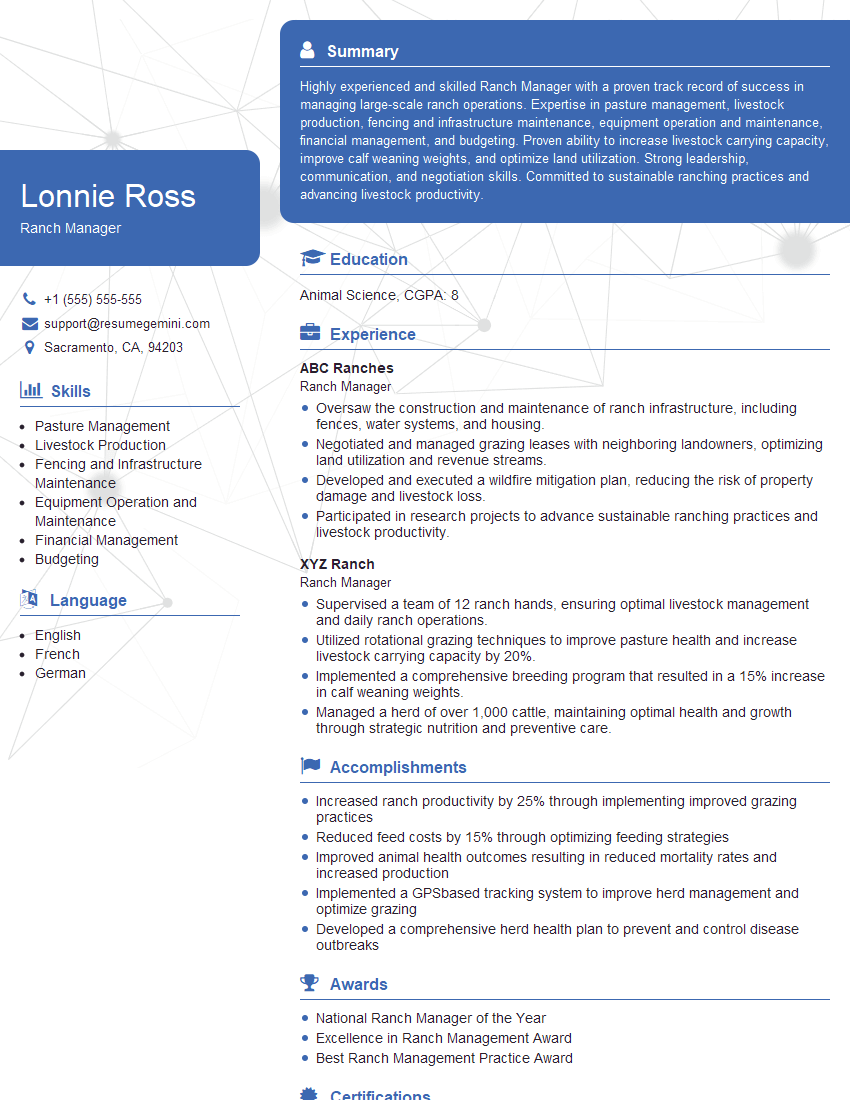
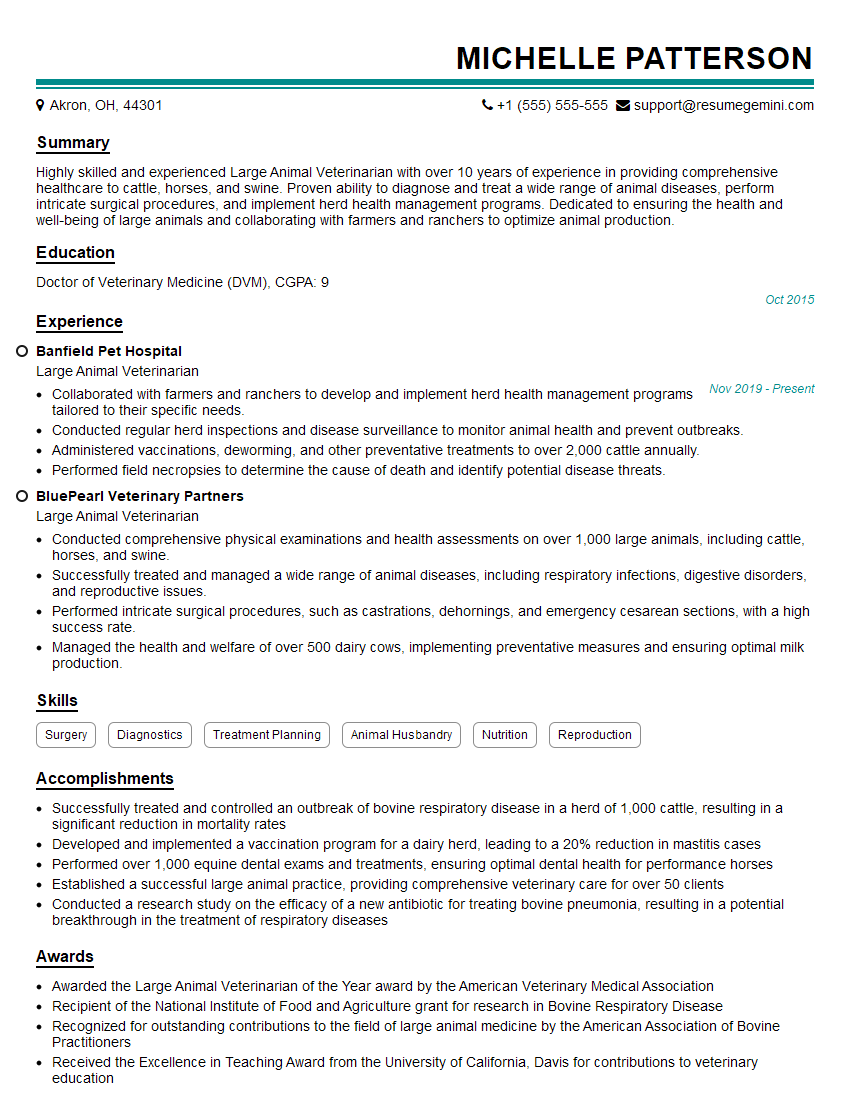
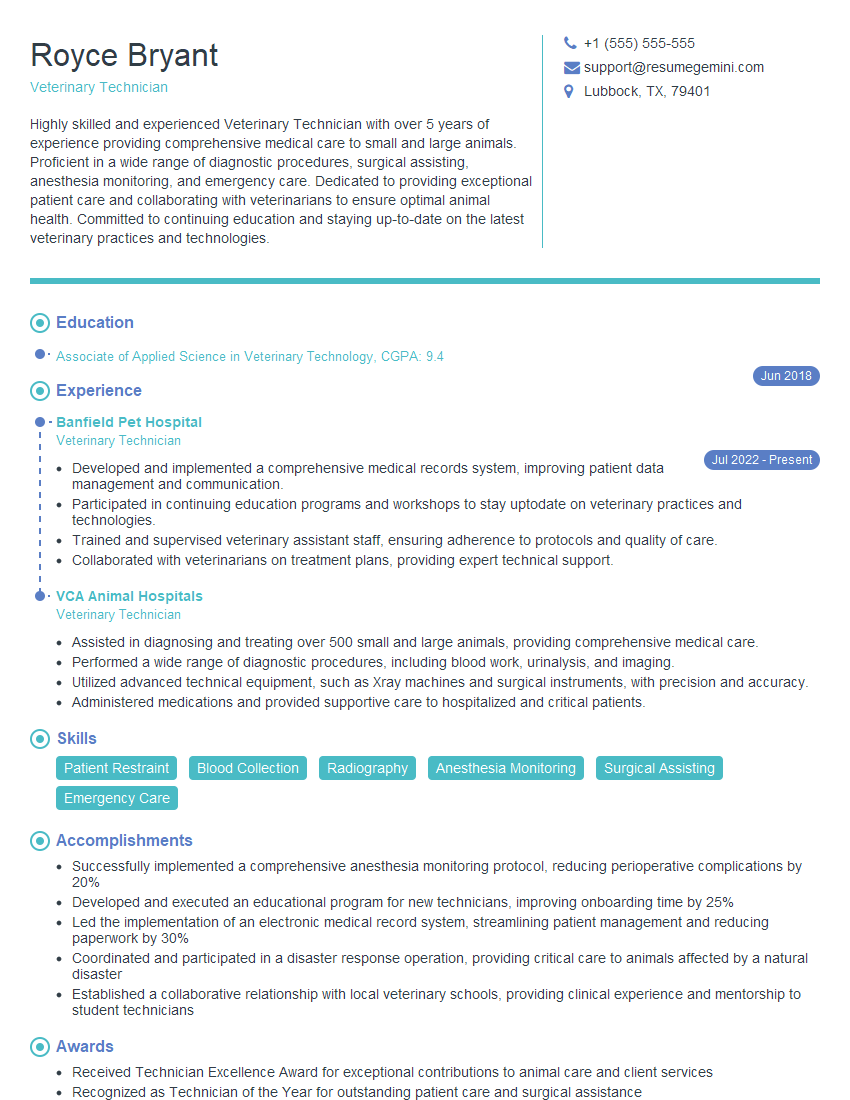
Mastering Bovine Disease Management is vital for career advancement in the veterinary and agricultural sectors. A strong understanding of these concepts opens doors to leadership roles and specialized positions within the industry. To maximize your job prospects, create an ATS-friendly resume that effectively highlights your skills and experience. ResumeGemini is a trusted resource to help you build a professional and impactful resume. They offer examples of resumes tailored to Bovine Disease Management to help guide you. Take advantage of these resources to present yourself effectively to potential employers.
Explore more articles
Users Rating of Our Blogs
Share Your Experience
We value your feedback! Please rate our content and share your thoughts (optional).
What Readers Say About Our Blog
Very informative content, great job.
good