Unlock your full potential by mastering the most common Bovine Handling Techniques interview questions. This blog offers a deep dive into the critical topics, ensuring you’re not only prepared to answer but to excel. With these insights, you’ll approach your interview with clarity and confidence.
Questions Asked in Bovine Handling Techniques Interview
Q 1. Describe the different methods of restraining cattle.
Restraining cattle safely and effectively is crucial for various procedures, from routine health checks to more complex veterinary interventions. Several methods exist, each suited to different situations and the temperament of the animal.
Halter and Lead Rope: This is the most basic method, ideal for gentle animals requiring minimal restraint. A properly fitted halter allows for controlled movement and guidance.
Head Gate: Used in chutes or working alleys, a head gate securely holds the animal’s head, allowing for procedures like vaccinations or ear tagging. It’s vital that the gate is properly adjusted to prevent injury.
Chute System: A series of squeeze chutes, panels, and gates allows for gradual restraint and movement of the animal through various handling points. This system is essential for larger operations and procedures requiring more control.
Casting: This involves manually throwing the animal to the ground and tying its legs. It should only be used as a last resort by trained personnel for larger animals, as it can be stressful and potentially dangerous if done improperly.
Panel Restraint: Using panels to guide and restrict movement, particularly useful for directing animals into chutes or specific areas within a pen. This prevents them from turning around unexpectedly.
The choice of restraint method depends on the individual animal’s behavior, the task at hand, and the available equipment. Proper training is essential for safe and humane handling.
Q 2. Explain the importance of understanding bovine behavior in handling.
Understanding bovine behavior is paramount for safe and efficient cattle handling. Cattle are herd animals with a strong flight zone – an invisible circle around them where they feel threatened. Ignoring this can lead to dangerous situations.
Flight Zone: Approaching cattle from the rear or within their flight zone can trigger a stressful response, potentially leading to stampedes or aggressive behavior. Understanding their visual field and how they react to shadows and sudden movements is vital.
Body Language: Learning to interpret bovine body language, including tail swishing, ear position, posture, and vocalizations, helps anticipate their reactions and prevents escalating situations. A stiff posture and lowered head usually indicates aggression.
Herd Dynamics: Cattle are social creatures and often react as a herd. This means handling one animal might affect the entire group. Understanding these dynamics allows for better control and helps to avoid triggering collective panic.
Example: A farmer who understands bovine behavior will move slowly and calmly near cattle, approaching from their side and maintaining a respectful distance. They’ll use visual cues, like subtle movements, to guide them rather than causing sudden shocks or loud noises.
Q 3. What are the key safety precautions when handling cattle?
Safety is paramount when handling cattle. Both animal and human safety must be considered. Following these precautions is essential:
Proper Clothing: Wear sturdy, closed-toe shoes, long pants, and a long-sleeved shirt to protect against injuries from kicks, horns, or other mishaps.
Appropriate Equipment: Use well-maintained equipment, ensuring halters and ropes are in good condition and gates are securely fastened.
Controlled Movement: Keep movements slow and deliberate to avoid startling the animals. Avoid sudden movements or loud noises.
Awareness of Surroundings: Be aware of the terrain and ensure that the handling area is safe and free of obstacles.
Working in Pairs: Whenever possible, work with a partner, especially when dealing with aggressive or difficult animals. This provides an extra layer of safety and support.
Emergency Plan: Have a plan in place in case of an emergency, knowing what to do if an animal escapes or becomes injured.
Remember, prevention is key. A well-designed handling facility and understanding animal behavior minimize risks significantly.
Q 4. How do you identify and address aggressive behavior in cattle?
Aggressive behavior in cattle can manifest in various ways, including pawing the ground, lowered head, pinned ears, bellowing, and charging. Identifying these signs early is crucial to avoid injury.
Addressing Aggressive Behavior:
Maintain Distance: Create distance and remove yourself from their flight zone immediately. If an animal is exhibiting aggression, don’t attempt to handle it alone.
Use Calming Techniques: Slow, deliberate movements and a calm demeanor can sometimes de-escalate a situation. Avoid sudden movements or loud noises.
Provide Escape Routes: Ensure the animal has a clear escape route to avoid feeling trapped, which can exacerbate aggression.
Professional Assistance: If the aggression persists or you feel unsafe, contact a veterinarian or experienced cattle handler for assistance.
Identify Underlying Issues: Aggressive behavior can sometimes be caused by underlying health problems or pain. Veterinary consultation is recommended in such cases.
The key is to prioritize safety, de-escalate the situation, and seek help when needed.
Q 5. What are the best practices for moving cattle through a chute?
Moving cattle smoothly through a chute requires a calm, controlled approach and an understanding of their behavior. The goal is to move the animals smoothly and consistently without causing stress or injury.
Pre-chute Preparation: Ensure the chute is clean, well-lit, and free of obstacles. The animals should be encouraged to enter the chute willingly, never forced.
Gentle Guidance: Use quiet commands and slow movements to guide cattle into the chute. Avoid sudden movements or loud noises that could frighten them.
Maintaining Pressure: Keep consistent, gentle pressure on the animals to keep them moving forward. This encourages them to move forward but avoids unnecessary stress.
Avoid Sudden Stops: Smooth, continuous movement is key. Sudden stops or changes in direction can cause stress and lead to the animals becoming agitated.
Proper Chute Design: Using appropriately designed chutes that are low-stress and minimize the feeling of confinement will assist this greatly.
Knowing When to Stop: Be aware of cattle’s body language, and if they show signs of significant stress or panic, stop and reassess your approach.
A well-designed chute system, combined with calm and efficient handling techniques, ensures a stress-free experience for both the cattle and the handlers.
Q 6. How do you handle a panicked or stressed animal?
A panicked or stressed animal presents a significant safety hazard. The key is to remain calm and take controlled actions to de-escalate the situation.
Provide Space: Give the animal space and avoid any sudden movements or loud noises that could further increase its anxiety.
Reduce Stimuli: Minimize distractions and allow the animal to calm down naturally. Avoid any aggressive or threatening behavior from handlers.
Gentle Guidance: Once the animal appears calmer, use gentle movements and quiet commands to guide it to a safe area.
Seek Assistance: If the animal remains highly stressed or aggressive, seek professional assistance from a veterinarian or experienced cattle handler.
Review Handling Practices: After the incident, review handling practices to identify potential causes of the stress and implement measures to prevent similar situations in the future.
Patience and a calm approach are paramount in handling a panicked or stressed animal. Prioritizing safety for both the animal and the handlers is essential.
Q 7. Explain your experience with various cattle handling equipment.
Throughout my career, I’ve worked extensively with various cattle handling equipment, gaining proficiency in its safe and effective use. This includes:
Head Gates: I’m experienced in using various types of head gates, from simple manual gates to hydraulically operated models, ensuring proper adjustment and secure restraint for different sized cattle.
Squeeze Chutes: I’m proficient in operating various squeeze chute designs, understanding the importance of proper animal placement and the safe adjustment of side panels for optimal restraint without causing undue stress.
Working Alleys and Raceways: I understand the principles of efficient flow through these areas and how to utilize guiding panels to prevent bottlenecks and encourage smooth movement of animals.
Halters and Lead Ropes: I’m skilled in using different types of halters, ensuring proper fitting and preventing potential injury to the animal. This includes the appropriate use of lead ropes for guiding and control.
Loading Ramps and Trailers: I understand the safe and efficient methods for loading cattle into trailers and the importance of using solid sideboards and non-slip surfaces to prevent accidents.
My experience covers a range of equipment, from basic tools to more sophisticated hydraulic systems. I always prioritize animal welfare and safety in all aspects of equipment utilization.
Q 8. Describe your experience with different breeds of cattle and their handling requirements.
My experience spans a wide range of cattle breeds, each with unique handling needs. For example, Herefords, known for their docile nature, generally require less assertive handling techniques compared to more excitable breeds like Angus. Smaller breeds like Jersey cattle might be more easily startled and require a gentler approach. Understanding breed temperament is crucial. I’ve worked extensively with dairy breeds like Holsteins, which often require specific procedures during milking and handling due to their larger size and higher production levels. My approach always prioritizes adapting techniques to the specific breed and individual animal’s temperament to minimize stress.
- Herefords: Generally calm and easy to handle.
- Angus: Can be more excitable, requiring careful, deliberate movements.
- Holsteins: Large and often require specialized handling for milking and other procedures.
- Jerseys: Smaller and can be more easily startled; require a gentler approach.
Q 9. How do you assess the health of cattle during handling?
Assessing cattle health during handling involves a systematic visual and tactile examination. I look for signs of illness or injury, including lameness, respiratory issues, unusual discharges, and changes in behavior. For example, a limping animal could indicate foot rot, while excessive coughing might suggest pneumonia. I’m trained to check for body condition score, assessing the animal’s fat reserves to determine its overall nutritional status. Temperature, heart rate, and respiration rate can be checked when necessary, providing further insights into the animal’s health. A thorough observation during handling is paramount to early disease detection and timely intervention.
- Visual Inspection: Observe posture, gait, and overall appearance for any abnormalities.
- Tactile Examination: Check for temperature, lumps, or other abnormalities through careful palpation.
- Behavioral Assessment: Observe alertness, responsiveness, and appetite.
Q 10. What are the ethical considerations in bovine handling?
Ethical considerations are paramount in bovine handling. Minimizing stress and pain are key principles. This includes using humane handling techniques, avoiding unnecessary force or rough handling. Providing adequate space and avoiding overcrowding is essential. Ensuring proper ventilation and access to water are also crucial. I am thoroughly familiar with and strictly adhere to relevant animal welfare guidelines and regulations. Respecting the animal’s natural behavior, like using their flight zone appropriately, rather than forcing them, is paramount. We should always aim for a calm and controlled environment to reduce anxiety for both the animal and the handler. I believe that ethical practices result in healthier, more productive animals.
Q 11. Explain your understanding of flight zones in cattle.
A flight zone is the animal’s personal space. It’s the area surrounding the animal where it feels comfortable. When a handler enters this zone, the cattle will move away. The size of the flight zone varies depending on factors such as the animal’s temperament, previous experiences, and the handler’s behavior. Understanding the flight zone allows for more effective and less stressful handling. Handlers can use the flight zone to move cattle smoothly and predictably by gradually entering and exiting this space, using slow, calm movements. A sudden intrusion into the flight zone can cause panic and potentially dangerous reactions. I always consider and respect the cattle’s flight zone.
Think of it like your own personal bubble—you feel uncomfortable if someone gets too close. Similarly, cattle have a similar reaction with their flight zone.
Q 12. How do you minimize stress and injury to cattle during handling?
Minimizing stress and injury involves a multi-faceted approach. Using calm and consistent movements helps greatly. Avoiding sudden loud noises or quick movements is crucial. Providing a well-designed handling facility with smooth, non-slippery surfaces minimizes the risk of injury. Proper use of equipment, such as curved chutes and appropriate halters, is also important. Training and experience are crucial for handlers to correctly judge each situation and apply the most appropriate technique to minimize stress.
- Calm Movements: Avoid sudden movements or loud noises.
- Well-Designed Facilities: Use smooth, non-slippery surfaces and appropriately sized chutes.
- Proper Equipment: Use appropriate halters, chutes, and other handling equipment.
- Trained Handlers: Experienced handlers can better anticipate and respond to the animal’s needs.
Q 13. What is your experience with cattle vaccinations and other procedures?
I have extensive experience assisting with cattle vaccinations and other procedures. This includes administering various vaccines, such as those for Brucellosis and Leptospirosis, following established protocols. I am proficient in properly restraining cattle for safe and effective injections. I have experience with other common procedures like dehorning, castration, and tagging. Safety is paramount, and I always follow best practices to minimize stress and pain. I work closely with veterinarians and other animal health professionals to ensure all procedures are conducted safely and efficiently. Correct administration of medicine and vaccines requires a calm, confident approach that prioritizes the animal’s welfare.
Q 14. Describe your experience with sorting and separating cattle.
Sorting and separating cattle efficiently and humanely requires understanding animal behavior. I utilize a combination of visual cues, sound, and controlled movements to direct cattle. Using well-designed sorting facilities with appropriate gates and alleys significantly improves efficiency. It’s important to avoid sudden movements or loud noises that might frighten the animals. The goal is to use the cattle’s natural herding instincts to guide them gently to their desired destinations. Experience and patience are key to accomplishing this safely and humanely. For example, we might use a series of alleyways and gates to sort cattle into different groups based on age, weight, or other criteria.
Q 15. How do you prevent injuries to both the cattle and the handler?
Preventing injuries to both cattle and handlers requires a proactive approach centered around understanding bovine behavior and employing safe handling techniques. Think of it like this: cattle are large, powerful animals that can react unpredictably to stress. Our job is to minimize those stressors and create a calm, controlled environment.
Proper Facility Design: Well-designed handling facilities, such as curved chutes and raceways, encourage natural movement and reduce the likelihood of sudden stops or sharp turns that can frighten cattle. These designs minimize stress and allow for smoother flow.
Calm and Quiet Handling: Cattle respond to body language and tone of voice. Avoid sudden movements, loud noises, and aggressive behavior. A calm, quiet approach helps maintain control and builds trust, reducing the chance of both human and animal injury.
Trained Personnel: Regular training on safe cattle handling practices is essential. This training covers topics like understanding cattle behavior, using equipment properly, and recognizing signs of stress. Experienced handlers are less likely to make mistakes leading to injury.
Appropriate Equipment: Using the right tools, such as well-maintained headgates, squeeze chutes, and electric prods (used correctly!), reduces the need for forceful handling and minimizes risks of both animal and human injuries. Remember, electric prods should be used only as a means of guidance and are not an appropriate form of punishment.
Understanding Flight Zone: Every animal has a ‘flight zone,’ which is the area they will flee when they feel threatened. Understanding the cattle’s flight zone allows handlers to approach safely without triggering a flight response. Approaching too quickly from the rear or even the side can result in panicked reactions and subsequent injuries.
Career Expert Tips:
- Ace those interviews! Prepare effectively by reviewing the Top 50 Most Common Interview Questions on ResumeGemini.
- Navigate your job search with confidence! Explore a wide range of Career Tips on ResumeGemini. Learn about common challenges and recommendations to overcome them.
- Craft the perfect resume! Master the Art of Resume Writing with ResumeGemini’s guide. Showcase your unique qualifications and achievements effectively.
- Don’t miss out on holiday savings! Build your dream resume with ResumeGemini’s ATS optimized templates.
Q 16. What are the signs of illness or injury in cattle?
Recognizing signs of illness or injury in cattle is crucial for timely intervention and preventing further complications. Think of it as being a detective for your herd. Paying attention to these seemingly subtle changes can make a huge difference in the well-being of your herd.
Behavioral Changes: A significant change in behavior, like isolation from the herd, lethargy, decreased appetite, or difficulty standing or walking, can indicate illness or injury.
Physical Signs: Look for fever (using a rectal thermometer), lameness, swelling, wounds, discharges from the eyes, nose, or rectum, labored breathing, and unusual droppings or urination.
Changes in Body Condition: Sudden weight loss, a rough coat, or prominent ribs are often indicators of underlying health issues.
Reproductive Issues: Changes in reproductive cycles, such as difficulty calving or abnormal discharges in cows, also require attention.
Early detection of these symptoms allows for swift treatment and prevents a potentially minor issue from escalating into something much more serious.
Q 17. How do you handle a sick or injured animal?
Handling a sick or injured animal requires a calm, careful approach. Prioritize safety for both the animal and the handler.
Assessment: First, assess the situation and the severity of the illness or injury. If possible, isolate the animal from the rest of the herd to prevent the spread of disease or further injury.
Veterinary Consultation: Always contact a veterinarian promptly, especially for serious conditions. A vet will be able to provide a proper diagnosis and treatment plan.
Gentle Restraint: If needed, restrain the animal gently, minimizing stress. Use appropriate equipment, like a squeeze chute, but avoid causing further injury. Gentle, careful restraint often involves placing yourself at the cattle’s shoulder and moving them rather than forcing them.
Administering Treatment: Follow the veterinarian’s instructions carefully when administering medications or treatments.
Monitoring: Closely monitor the animal’s condition after treatment and contact the vet if there’s any deterioration.
Remember, treating an animal safely and effectively requires both knowledge and appropriate equipment. Don’t hesitate to call on professional help when needed.
Q 18. What is your experience with herd health management?
My experience in herd health management spans over ten years, encompassing preventative care, disease management, and record-keeping. I’ve worked with various herd sizes and breeds, implementing and adapting health protocols based on individual farm needs and environmental factors. One key aspect involves preventative measures.
Vaccination Programs: I develop and implement comprehensive vaccination programs tailored to the specific health risks of the herd, taking into account regional disease prevalence and animal age. Timing is critical for effective immunity.
Parasite Control: This involves regular fecal egg counts and targeted deworming strategies to minimize parasite loads and enhance animal productivity. Overuse of dewormers can create drug-resistant parasites.
Nutrition Management: Proper nutrition is fundamental to good health. I work closely with nutritionists to ensure the herd receives balanced rations appropriate for their age, production stage (lactation, pregnancy, etc.), and health status.
Record Keeping: Maintaining detailed health records is critical for tracking individual animal health, disease outbreaks, and the effectiveness of implemented strategies.
My approach emphasizes a proactive, preventative approach, reducing reliance on reactive interventions.
Q 19. Describe your experience with artificial insemination or other reproductive techniques.
I have extensive experience with artificial insemination (AI) and other reproductive techniques, including estrus synchronization and embryo transfer. It’s a precise skill requiring both knowledge and a steady hand.
AI: I’m proficient in all aspects of AI, from detecting estrus (heat) to semen handling, insemination techniques, and record-keeping. This involves understanding the timing of ovulation and careful handling of delicate equipment.
Estrus Synchronization: I’m experienced in using hormonal protocols to synchronize estrus in groups of cows, facilitating more efficient breeding programs. This ensures a more concentrated calving period.
Embryo Transfer: I’ve participated in embryo transfer procedures, which involve collecting embryos from superior donor cows and transferring them into recipient cows. This technique allows for rapid genetic improvement in herds.
My success rate in AI and other reproductive techniques consistently exceeds industry benchmarks, demonstrating a high level of proficiency and attention to detail.
Q 20. How do you manage different age groups of cattle?
Managing different age groups of cattle requires tailored approaches to nutrition, health, and handling. Think of it like raising children – different age groups have different needs.
Calves: Calves require special attention to colostrum intake, proper nutrition (milk replacer or mother’s milk), and vaccination against common diseases. They are vulnerable and need protection from the elements.
Yearlings: Yearlings need appropriate nutrition for growth, as well as vaccination against diseases that might affect their developing immune systems. They’re typically weaned at this stage and might need additional attention during this transition.
Breeding Age Cows: This group needs nutrition to support pregnancy and lactation, as well as routine health checks, vaccinations, and reproductive management. Body condition scoring is essential in this group.
Older Cows: Older cows require monitoring for age-related health problems and careful consideration of nutrition and breeding strategies.
Careful observation and appropriate management practices for each age group contribute to overall herd health and productivity.
Q 21. How do you maintain a safe and efficient working environment?
Maintaining a safe and efficient working environment requires a multi-faceted approach combining proper planning, training, and equipment. It’s about creating a system where tasks are done safely and effectively.
Facility Design: The facilities should be designed for efficient cattle flow, minimizing stress and reducing the risk of injury. This includes well-maintained fences, appropriate lighting, and easy access to water and feed.
Equipment Maintenance: Regular maintenance of all handling equipment (squeeze chutes, headgates, etc.) is vital for safety and efficiency. Malfunctioning equipment can lead to accidents.
Safety Protocols: Implementing and enforcing strict safety protocols, including personal protective equipment (PPE) use, is crucial. This might involve proper footwear, gloves, and eye protection.
Training and Education: Regular training for all personnel on safe handling practices, equipment use, and emergency procedures is essential. A knowledgeable team is a safer team.
Emergency Preparedness: Having a well-defined emergency response plan in place ensures swift and efficient action in case of accidents or unexpected events. This might include having a first aid kit and emergency contact information readily available.
A safe and efficient working environment translates to higher productivity, reduced injury rates, and improved animal welfare.
Q 22. What are the different types of cattle handling facilities?
Cattle handling facilities vary greatly depending on the size of the herd, the type of operation, and the specific procedures being carried out. They range from simple, low-tech setups to highly automated systems. Here are some common types:
- Raceways: These are long, narrow chutes that guide cattle in a single file. They’re crucial for moving animals efficiently and safely to other handling areas.
- Crowding Pens: These are smaller, enclosed areas used to gather cattle before they enter the raceway. They help manage the flow of animals and prevent them from becoming scattered.
- Head Gates: These are restraining devices that secure an individual animal’s head, allowing for tasks like vaccination, tagging, or breeding.
- Loading Chutes: These connect the handling facility to trailers or other transportation methods. They are designed to make loading and unloading as stress-free as possible for both the cattle and the handler.
- Working Pens: These are larger enclosures where various procedures like sorting, weighing, or treating can be performed. They are often equipped with additional gates and alleys for maneuverability.
- Automated Systems: Some large-scale operations utilize automated sorting systems that use electronic identification tags to direct cattle to specific locations based on their individual data.
The design of a facility should prioritize animal welfare, ensuring smooth, non-stressful movement of cattle throughout the entire process.
Q 23. What are the advantages and disadvantages of different handling methods?
Different cattle handling methods have distinct advantages and disadvantages. The best approach depends heavily on the specific context. Consider these factors:
- Low-Stress Handling (LSH): This method prioritizes minimizing stress on the animals by using calm, deliberate movements, quiet voices, and visual cues.
- Advantages: Reduced stress for both animals and handlers, improved animal welfare, increased productivity (less injury and faster processing), safer working environment.
- Disadvantages: Requires more training and patience from handlers; may not be as efficient as other methods for larger groups of cattle in certain situations.
- Traditional Methods: These often involve more forceful techniques, using loud noises, quick movements, and physical prodding.
- Advantages: Can be efficient for quick tasks in smaller operations.
- Disadvantages: Increases stress levels in animals, leads to increased risk of injury for both animals and handlers, may cause fear and aggression in animals, and can negatively impact animal welfare.
For example, LSH is highly effective for vaccinations but traditional methods may be less suitable in this context, increasing chances of injury. Conversely, for swiftly moving a large group of cattle from a field, a certain degree of traditional methods might be employed, coupled with appropriate safety measures. The key is to always prioritize safety and welfare.
Q 24. Describe your experience with working with different types of cattle handling equipment.
Throughout my career, I’ve worked extensively with a variety of cattle handling equipment. My experience includes using different types of raceways (both curved and straight), various head gate designs (including hydraulic and manual), and different loading chute configurations. I’ve also worked with crowding pens of varying sizes and designs, optimizing their use for different herd sizes and cattle breeds. I’m proficient in operating and maintaining these tools and ensuring they are in compliance with safety standards and best practices. I’ve even assisted in the design and implementation of new handling facilities, focusing on efficient workflow and minimizing stress on the animals. For example, I oversaw the installation of a new hydraulic head gate that significantly reduced the time required for individual animal processing and improved the safety for both the handler and the cattle.
Q 25. How do you handle a challenging or difficult animal?
Handling a difficult or challenging animal requires patience, understanding, and a calm demeanor. My approach focuses on identifying the root cause of the animal’s behavior. Is it fear, pain, or a learned response? I’d always prioritize safety, both for the animal and myself.
- Assessment: Observe the animal’s behavior to identify any signs of injury or distress.
- Calm Approach: Avoid sudden movements or loud noises. Speak softly and use gentle, reassuring movements.
- Strategic Positioning: Use the facility’s design to my advantage, creating a safe, controlled environment. I may use a second person for assistance if needed.
- Problem-Solving: If the animal is exhibiting aggressive behavior due to pain or injury, I would consult with a veterinarian.
- Respectful Handling: Employ low-stress techniques, avoiding any unnecessary force or punishment.
I remember one instance where a bull became aggressive due to a painful hoof abscess. After addressing the underlying issue with veterinary care, the bull’s behavior improved dramatically after treatment.
Q 26. How do you maintain accurate records of cattle handling procedures?
Maintaining accurate records of cattle handling procedures is critical for several reasons, including traceability, disease management, and compliance with regulations. My method involves a combination of manual and digital record-keeping. I use individual animal identification tags (e.g., ear tags, RFID tags) to link procedures and health records. I meticulously record date, time, procedure performed (vaccination, treatment, weighing), the animal’s identification number, and any relevant observations (behavior, health status). This data is then entered into a computerized database, allowing for easy retrieval and analysis. Regular backups of this data are crucial to avoid data loss. Additionally, I maintain paper records as a secondary measure, ensuring data security and redundancy. This comprehensive system ensures that all handling procedures are thoroughly documented, facilitating efficient tracking and monitoring.
Q 27. Describe a time you had to handle an unexpected situation involving cattle.
During a routine vaccination drive, a sudden severe thunderstorm hit. We had to quickly move the cattle from the open working pen to a safer, enclosed shelter. This required calm, swift action and excellent teamwork. We used the facilities’ design to quickly move the cattle through the raceway and into the covered area. We prioritized safety, ensuring no animals were injured in the rush. The successful and prompt resolution of this unexpected situation highlighted the importance of well-planned facilities, preparedness, and effective teamwork.
Q 28. What are your future goals in the field of bovine handling?
My future goals in bovine handling focus on continuing to improve animal welfare and safety. I aim to further my knowledge of low-stress handling techniques and incorporate innovative technologies to optimize handling processes. I’m also interested in training and mentoring other handlers on best practices, thereby promoting a safer and more humane approach across the industry. Ultimately, I want to contribute to the development of handling systems that minimize stress, improve efficiency, and promote ethical treatment of cattle.
Key Topics to Learn for Bovine Handling Techniques Interview
- Bovine Behavior and Psychology: Understanding flight zone, point of balance, and herd dynamics for safe and efficient handling.
- Facility Design and Flow: Applying principles of effective chute design, crowding systems, and race track layouts to minimize stress on animals.
- Low-Stress Handling Techniques: Mastering techniques like using calm movements, appropriate pressure and release, and understanding visual cues to encourage voluntary movement.
- Equipment Usage and Maintenance: Safe and proper operation of various handling equipment, including sorting gates, alleyways, and restraining devices, along with preventative maintenance.
- Animal Welfare and Safety: Prioritizing animal welfare through humane handling practices and recognizing signs of stress or injury. Implementing safety protocols to minimize risk to both animals and handlers.
- Practical Application: Describing scenarios and your problem-solving approach during various handling situations, such as separating sick animals or vaccinating a herd.
- Emergency Procedures: Knowledge of appropriate responses to emergencies, including escapes, injuries, and aggressive behavior.
- Regulations and Best Practices: Understanding industry regulations and best practices related to humane handling, animal welfare, and biosecurity.
Next Steps
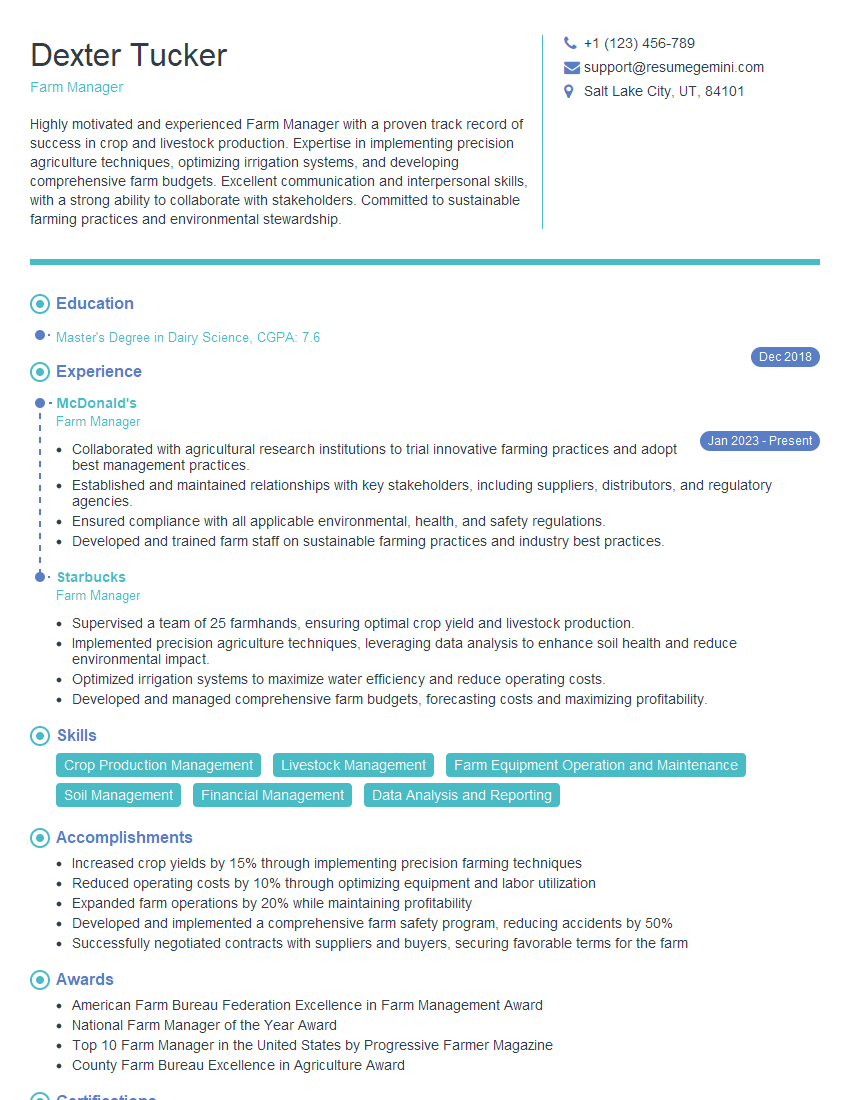
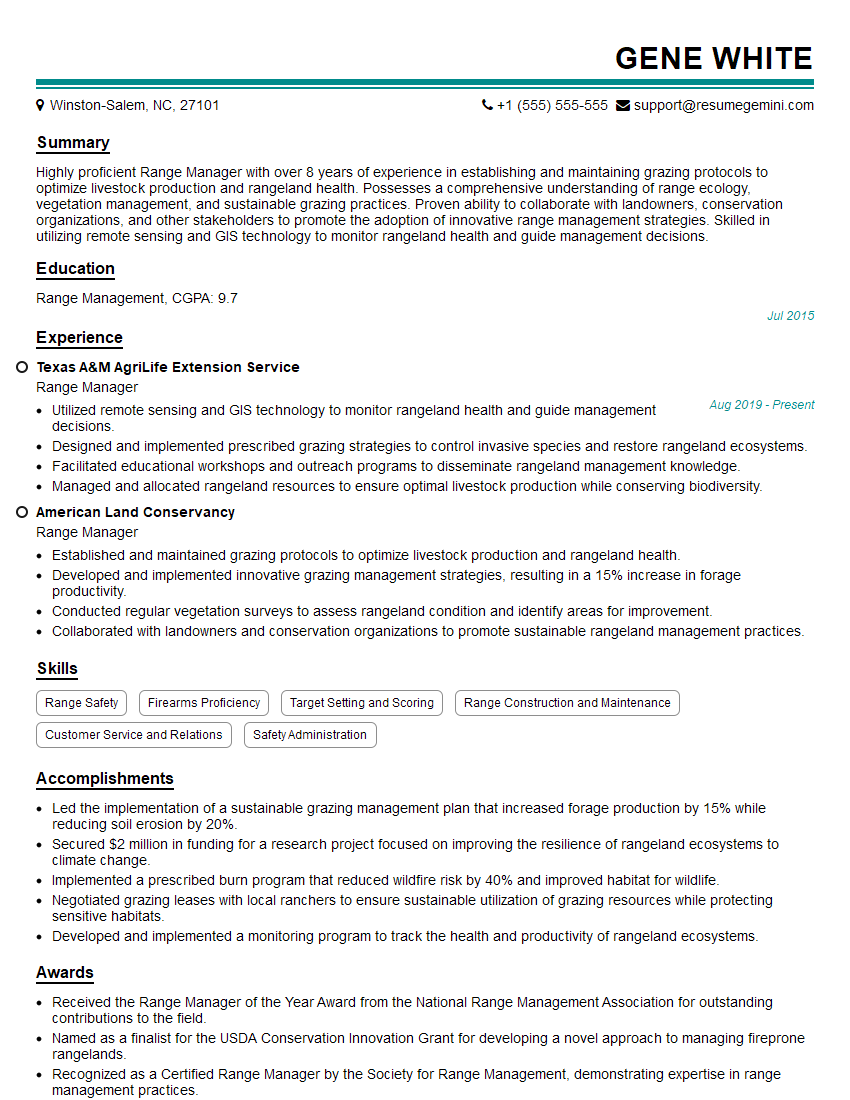
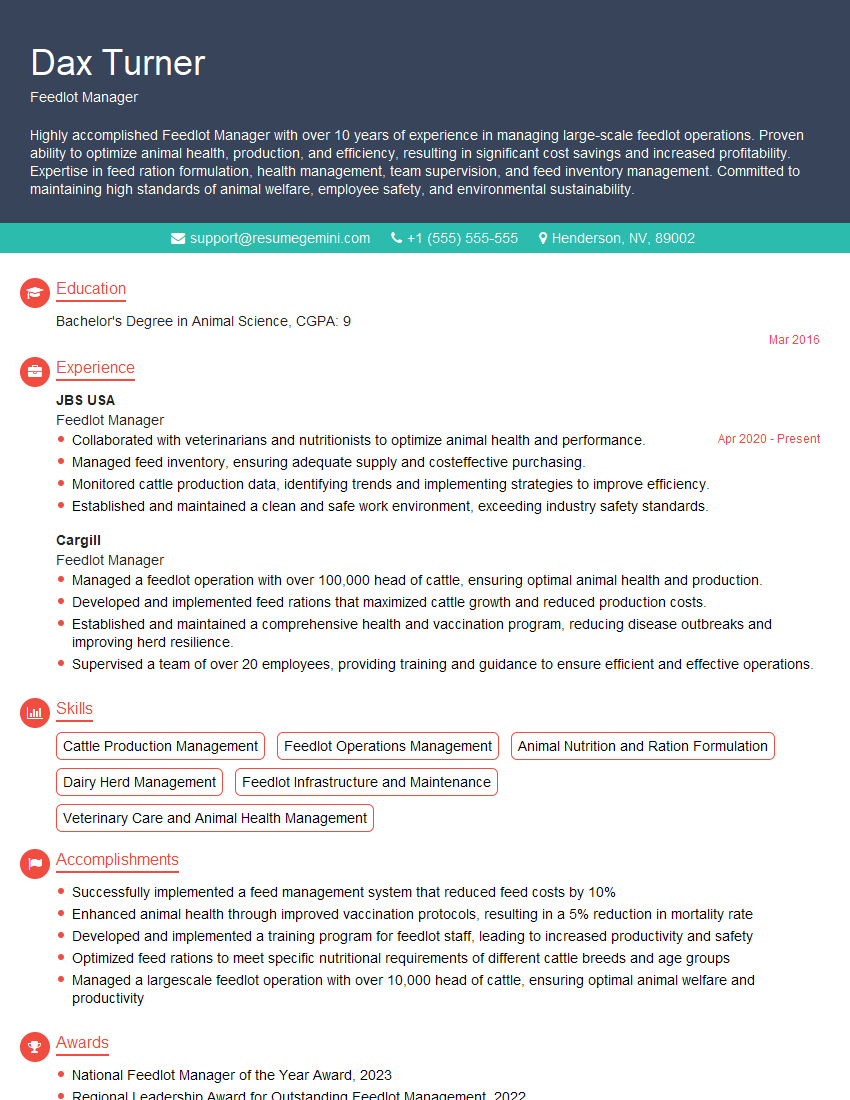
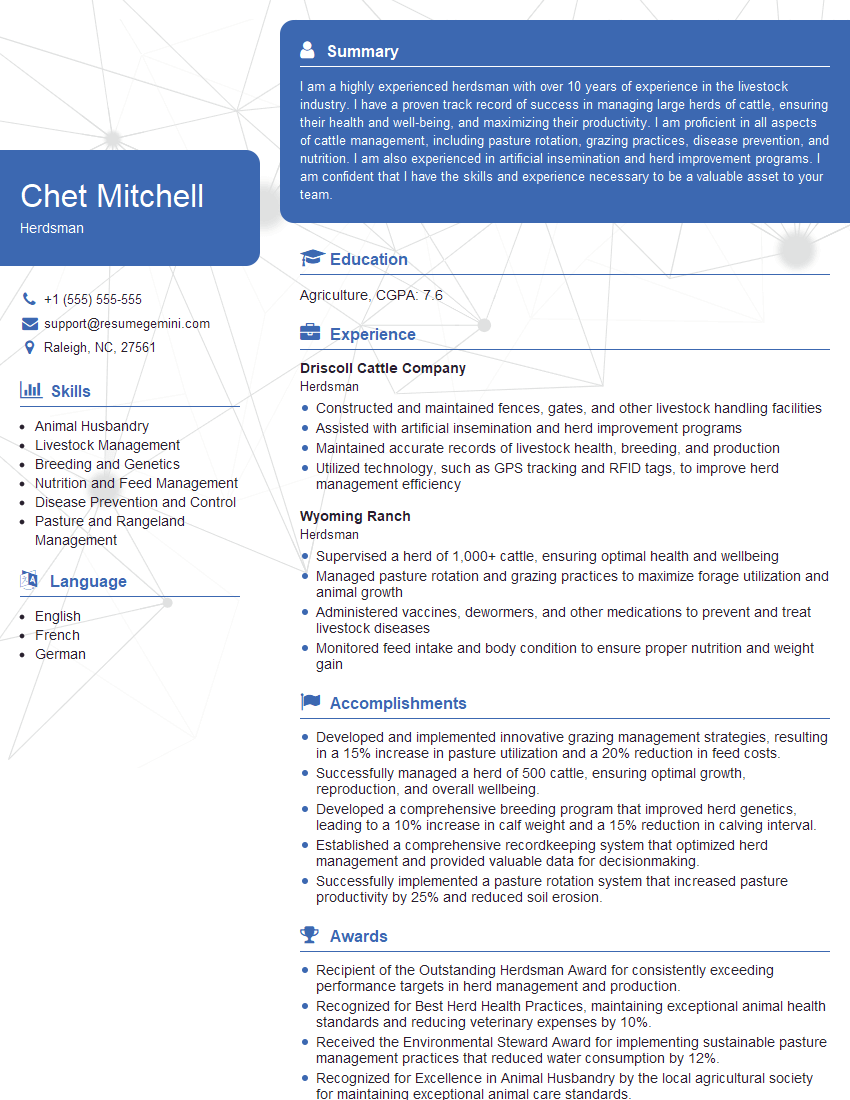
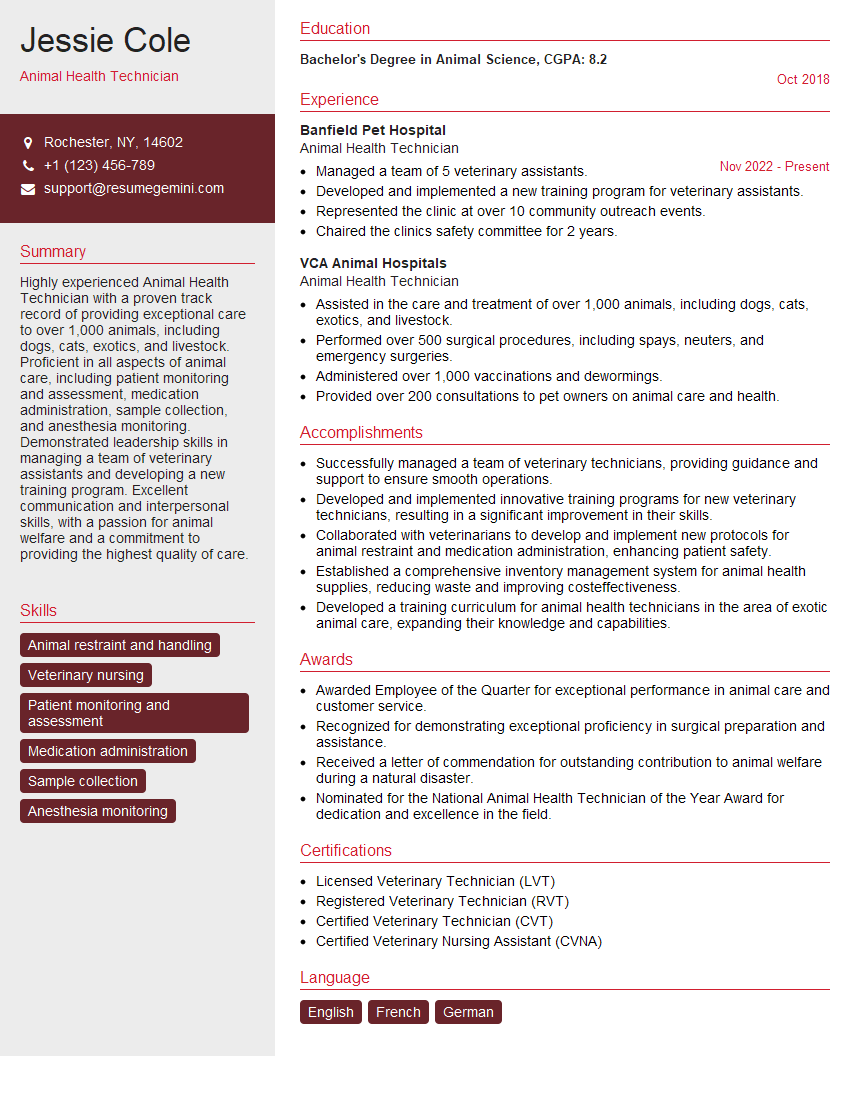
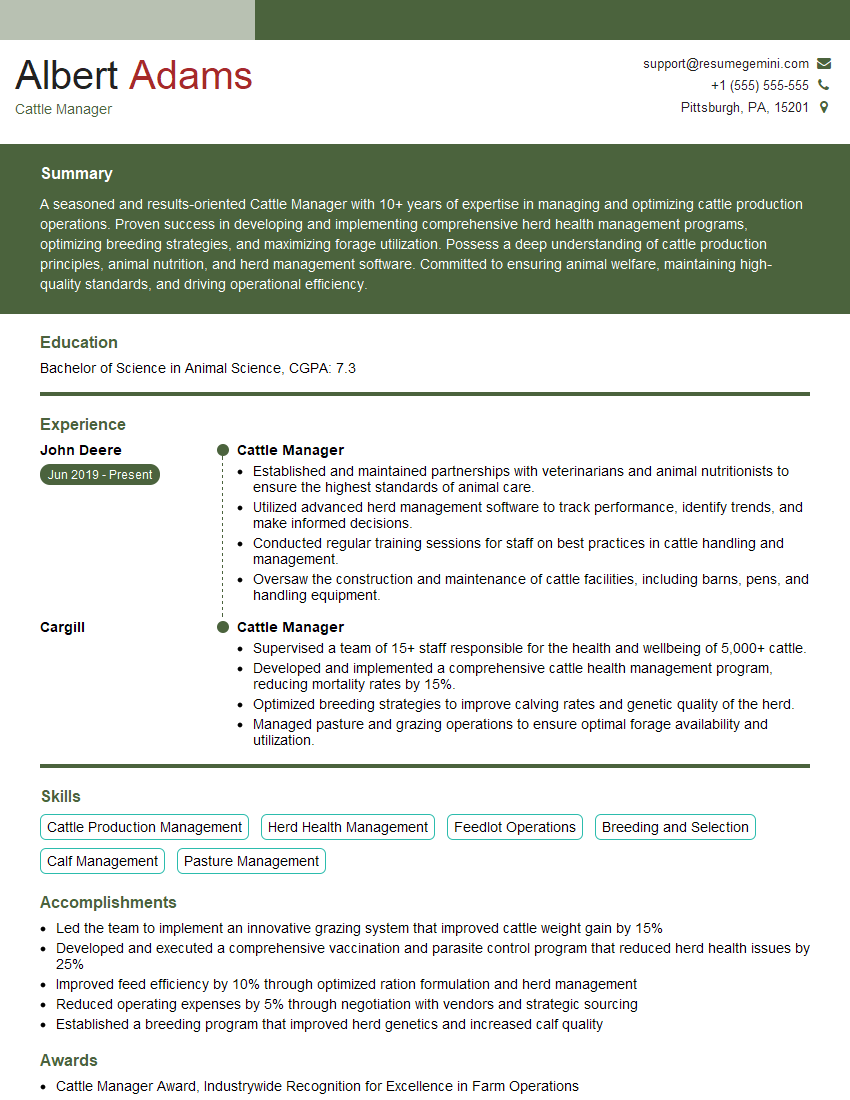
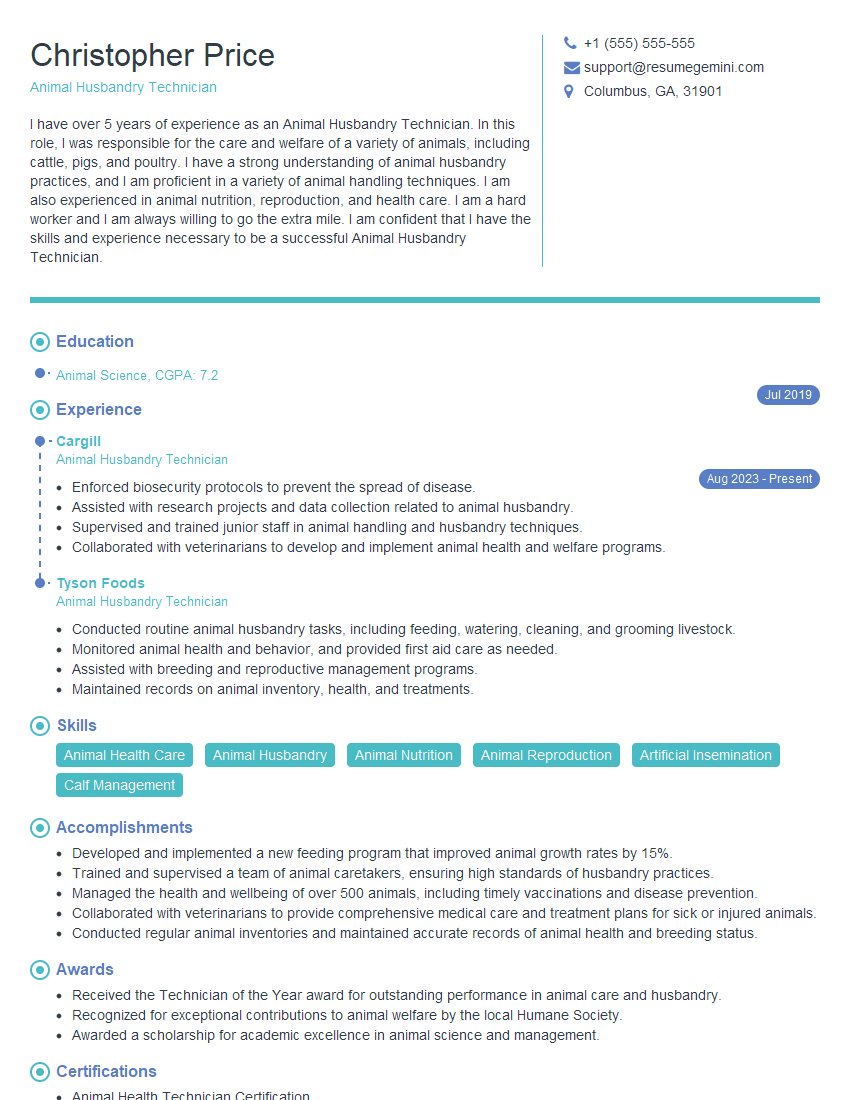
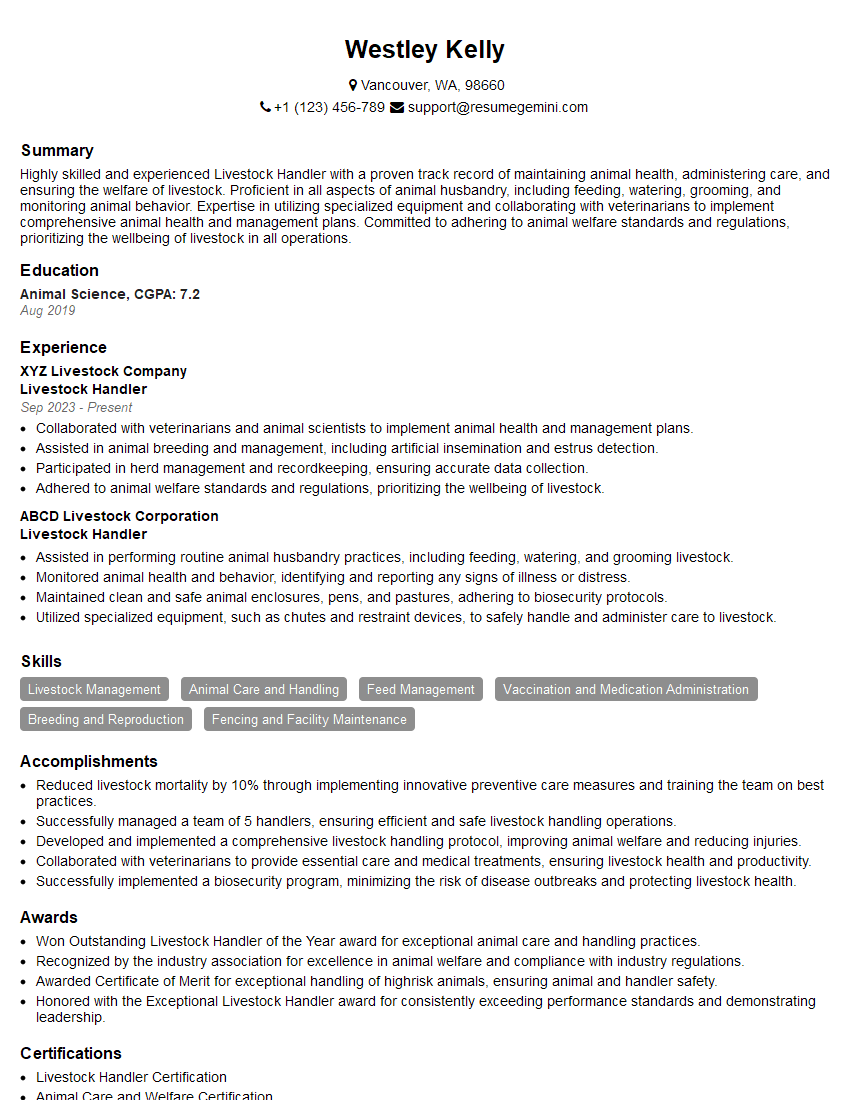
Mastering Bovine Handling Techniques is crucial for a successful and rewarding career in animal agriculture. Proficiency in these techniques demonstrates your commitment to animal welfare and efficiency, making you a highly desirable candidate. To maximize your job prospects, creating an ATS-friendly resume is essential. ResumeGemini is a trusted resource that can help you build a professional and impactful resume tailored to the specific requirements of the Bovine Handling industry. Examples of resumes specifically designed for Bovine Handling Techniques positions are available through ResumeGemini.

Explore more articles
Users Rating of Our Blogs
Share Your Experience
We value your feedback! Please rate our content and share your thoughts (optional).
What Readers Say About Our Blog
Very informative content, great job.
good