Every successful interview starts with knowing what to expect. In this blog, we’ll take you through the top Box Formation and Assembly interview questions, breaking them down with expert tips to help you deliver impactful answers. Step into your next interview fully prepared and ready to succeed.
Questions Asked in Box Formation and Assembly Interview
Q 1. Describe your experience with different types of box-forming machinery.
My experience encompasses a wide range of box-forming machinery, from simple manual folders to fully automated high-speed systems. I’ve worked extensively with various types, including:
- Single-Facer Machines: These are used to form the single-wall corrugated board, usually the first step in corrugated box production.
- Double-Facer Machines: These machines combine two layers of corrugated board to create double-walled board, providing greater strength and durability.
- Rotary Die Cutters: These machines use rotating dies to precisely cut and crease the cardboard, creating various box styles with speed and accuracy.
- Automatic Box Forming Machines: These machines automate the entire box-forming process, including feeding, folding, gluing, and closing. I’ve worked with both tuck-top and lock-bottom style machines.
- Cartoning Machines: These specialize in forming and closing smaller, pre-cut boxes, often used for products like confectionery or pharmaceuticals.
My experience includes both setup, operation, maintenance, and troubleshooting of these machines across different production environments, including high-volume manufacturing and smaller-scale packaging operations.
Q 2. Explain the process of setting up a box-forming machine for a new box style.
Setting up a box-forming machine for a new box style involves a systematic approach. It begins with careful review of the box design, paying attention to dimensions, flap configurations, and gluing requirements. This information, typically provided as a die-cut template or CAD drawing, guides the entire process.
- Die Change: The most crucial step is replacing the existing cutting and creasing dies with those specifically designed for the new box style. This requires precision to ensure accurate cuts and creases.
- Machine Adjustments: The machine’s settings – such as the length of the feed, the pressure of the rollers, and the timing of the glue application – need to be adjusted to accommodate the dimensions and material of the new box. This is often a trial-and-error process, involving minor adjustments and continuous monitoring of the output quality.
- Glue System Setup: If glue is involved, the glue type and the amount dispensed must be carefully controlled. Incorrect glue application can lead to poor seals and jams. This often requires fine-tuning glue viscosity and application settings.
- Test Runs and Adjustments: After making initial adjustments, we perform test runs. We closely examine the formed boxes for any defects, such as misaligned flaps, incomplete seals, or inaccurate cuts. Further adjustments are made as needed to optimize the machine’s performance.
- Documentation: Finally, we document all the settings and adjustments made for the new box style for future reference and ease of setup. This also aids in consistent quality over time.
Think of it like baking a cake – you need the right recipe (box design), the right ingredients (cardboard and glue), and the right equipment (the machine) to achieve the desired result (perfect boxes).
Q 3. What are the common causes of jams or malfunctions in box-forming equipment?
Jams and malfunctions in box-forming equipment can stem from several sources:
- Material Issues: Poor quality cardboard, excessive moisture, or improper stacking can cause jams and feeding problems.
- Mechanical Problems: Worn-out rollers, malfunctioning sensors, or broken belts can disrupt the smooth functioning of the machine. Regular preventative maintenance is crucial here.
- Incorrect Setup: As mentioned earlier, incorrect machine settings (feed length, glue application, etc.) can lead to jams, misaligned flaps, and poor seals.
- Glue Problems: Clogged glue lines, incorrect viscosity, or insufficient glue application are frequent culprits. The correct type of glue for the material used is vital.
- Electrical Issues: Faulty sensors, damaged wiring, or power fluctuations can cause intermittent malfunctions or complete shutdowns.
It’s important to remember that preventative maintenance is key to reducing these issues. A proactive approach, including regular inspections and timely repairs, can significantly minimize downtime.
Q 4. How do you troubleshoot issues with box formation, such as misaligned flaps or incomplete seals?
Troubleshooting box formation issues requires a methodical approach. I typically follow these steps:
- Visual Inspection: Carefully examine the malfunctioning boxes and identify the specific problem – misaligned flaps, incomplete seals, crushed corners etc.
- Check Machine Settings: Review the machine’s settings, comparing them to the specifications for the box style. Minor adjustments are often the solution.
- Examine Material: Assess the quality of the cardboard. Excessive moisture, damage, or variations in thickness can cause problems.
- Inspect Mechanical Components: Look for worn parts, misalignments, or obstructions within the machine. This might involve inspecting rollers, belts, and other mechanical components.
- Check Glue System: Verify the glue flow, application rate, and glue viscosity. A clogged nozzle or incorrect glue setting can easily cause issues.
- Electrical Diagnostics: If necessary, use diagnostic tools to troubleshoot electrical components, sensors, or wiring.
A good analogy would be a car mechanic – you need to identify the problem systematically before implementing the solution. Experience and knowledge of the specific machine are critical for effective troubleshooting.
Q 5. What are the key quality control checks you perform during box formation?
Quality control checks during box formation are critical for ensuring product consistency and customer satisfaction. My quality checks involve:
- Dimensional Accuracy: Verifying that the dimensions of the formed boxes meet the specifications, using calipers and other measuring tools.
- Flap Alignment: Checking that all flaps are properly aligned and that they close correctly.
- Seal Integrity: Ensuring that the seals are complete and strong, preventing contents from spilling or being damaged.
- Squareness: Inspecting the box’s squareness – ensuring all corners are at 90-degree angles.
- Appearance: Assessing the overall appearance of the box, checking for any dents, creases, or other imperfections.
- Random Sampling: Regularly taking random samples from the production line to verify consistent quality over time.
These checks are often carried out using a combination of visual inspection, automated measurements, and statistical process control methods to maintain the high standards necessary for effective packaging.
Q 6. How do you ensure the efficiency and speed of the box formation process?
Ensuring efficiency and speed in box formation involves a multi-pronged approach:
- Machine Optimization: Regular maintenance, timely repairs, and efficient setup are crucial for maximizing machine uptime and throughput. Understanding the machine’s capabilities and limitations is also essential.
- Material Handling: Efficient material flow is paramount. This includes proper storage, feeding mechanisms, and waste disposal systems.
- Operator Training: Skilled operators are essential for efficient machine operation and quick response to potential problems. Regular training on machine operation and preventative maintenance procedures is important.
- Preventative Maintenance: A regular preventive maintenance schedule significantly reduces downtime caused by unexpected malfunctions.
- Process Optimization: Streamlining the production process, such as optimizing material flow and minimizing waste, can significantly improve efficiency.
It’s a continuous improvement process – continually monitoring performance, identifying bottlenecks, and implementing solutions to enhance productivity. Think of it like a well-oiled machine, where every part works in harmony to achieve maximum output.
Q 7. Describe your experience with different types of packaging materials (e.g., cardboard, corrugated board).
My experience includes working with a variety of packaging materials, each with its own characteristics and requirements for box formation:
- Corrugated Board: This is the most common material for boxes, offering a good balance of strength, durability, and cost-effectiveness. I’m experienced with various grades and fluting types, understanding how each affects box strength and formability.
- Cardboard: I’ve worked with various types of cardboard, including solid bleached sulfate (SBS) and folding box board (FBB). These are often used for lighter-duty boxes requiring a cleaner finish.
- Paperboard: Thinner than cardboard, paperboard is suitable for smaller, lighter products, often in applications requiring printing or coating.
- Specialty Materials: I have some experience with specialty materials such as coated boards or those with added features like water resistance or enhanced printing capabilities.
Understanding the properties of each material – its strength, flexibility, moisture resistance, and printability – is crucial for selecting the appropriate material for a particular application and optimizing the box-forming process. Each material requires different machine settings for optimal results.
Q 8. How do you handle variations in material thickness or quality?
Variations in material thickness and quality significantly impact box formation. Thicker cardboard requires more force during creasing and folding, potentially leading to machine jams or damage if not accounted for. Conversely, thinner or lower-quality cardboard can result in weaker boxes, prone to collapse or tearing.
We handle this by:
- Pre-Production Testing: Rigorous testing of incoming materials to verify thickness, tensile strength, and burst strength against specifications. This involves using calibrated instruments like a caliper for thickness and a Mullen tester for burst strength.
- Machine Adjustment: Adjusting machine settings such as pressure rollers, folding mechanisms, and gluing systems based on the material characteristics. For example, thicker cardboard needs increased pressure on the creasing rollers.
- Material Segregation: Separating materials into batches with consistent characteristics, to avoid mixing and creating inconsistencies in the final product.
- Real-time Monitoring: Continuously monitoring the box formation process for any signs of irregularities, such as misfeeds or weak folds, adjusting machine settings as needed.
For instance, in one project, we had to switch to a heavier-duty machine when we encountered a batch of unusually thick cardboard to prevent jamming and ensure the integrity of the boxes.
Q 9. Explain your experience with manual box assembly techniques.
My experience with manual box assembly spans over 10 years, covering various box styles and volumes. From simple single-wall boxes to more complex styles, I’m proficient in all steps – scoring, folding, tucking, and gluing.
I’ve worked in high-volume settings, assembling hundreds of boxes daily, and smaller operations needing highly precise and customized work. My skills encompass:
- Accurate Scoring: Ensuring precise and even scoring to facilitate clean and consistent folds.
- Efficient Folding Techniques: Mastering various folding techniques to maximize speed and accuracy, avoiding damage to the material.
- Proper Gluing Application: Applying appropriate amounts of adhesive to secure flaps and ensure box integrity. I’m familiar with various adhesive types and their applications.
- Quality Control: Identifying and correcting defects immediately to maintain consistent product quality.
I can adapt to different materials, box types, and production speeds. My focus is always on precision and efficiency while maintaining a high level of quality.
Q 10. What safety procedures do you follow when operating box-forming machinery?
Safety is paramount when operating box-forming machinery. My procedures include:
- Lockout/Tagout (LOTO): Always using LOTO procedures before performing any maintenance or repairs on machinery to prevent accidental activation.
- Personal Protective Equipment (PPE): Consistently wearing appropriate PPE such as safety glasses, gloves, and hearing protection.
- Machine Guards: Ensuring all machine guards are in place and functioning correctly to prevent contact with moving parts.
- Regular Inspections: Conducting regular inspections of machinery to identify and address any potential hazards.
- Emergency Shutdown Procedures: Understanding and practicing emergency shutdown procedures in case of malfunctions or accidents.
- Training and Certification: Completing all required training and certifications on machine operation and safety protocols.
I always prioritize safety and follow all company and industry safety guidelines meticulously. Ignoring safety protocols is simply unacceptable. One instance where careful adherence to safety procedures prevented an accident involved a timely machine shutdown which prevented potential injury from a malfunctioning blade.
Q 11. How do you maintain a clean and organized workstation during box formation?
Maintaining a clean and organized workstation is essential for efficient and safe box formation. My approach includes:
- 5S Methodology: Applying the 5S methodology (Sort, Set in Order, Shine, Standardize, Sustain) to maintain a clean and organized workspace.
- Waste Management: Properly disposing of waste materials such as cardboard scraps and adhesives in designated containers.
- Tool Organization: Keeping tools and equipment in designated areas for easy access and to prevent accidents.
- Regular Cleaning: Regularly cleaning the workstation, removing dust, debris, and spills to prevent accidents and maintain hygiene.
- Material Organization: Storing materials in an orderly fashion to prevent clutter and improve workflow efficiency. This includes appropriate stock levels to minimize waste.
A clean workspace not only improves efficiency but also reduces the risk of accidents. For example, a cluttered area increases the risk of tripping, while a clean area simplifies the workflow making the process easier and faster.
Q 12. How familiar are you with different types of box styles (e.g., RSC, FEFCO)?
I am very familiar with various box styles, including the commonly used Regular Slotted Carton (RSC), Full Overlap Slotted Carton (FOL), and various FEFCO styles (e.g., FEFCO 0201, FEFCO 0211, FEFCO 0212). I understand the structural differences and the best applications for each.
The RSC is a versatile, commonly used style. FOL provides better protection for products, and FEFCO styles offer numerous design variations catering to specific product shapes and sizes. I can identify these styles instantly and understand the implications of each for material usage and structural strength. This allows me to select the most appropriate style for a specific product and its shipping requirements.
Understanding these styles allows for optimized material usage and efficient packaging design. The knowledge also ensures efficient manufacturing as different styles require different machine setups.
Q 13. Describe your experience with automated box-forming systems.
My experience with automated box-forming systems involves working with several high-speed machines, ranging from simple gluers to fully integrated systems incorporating blank feeders, folders, and gluers. This includes experience in troubleshooting malfunctions, performing routine maintenance, and optimizing machine parameters for maximum efficiency.
My expertise encompasses:
- Machine Operation: Operating various automated box-forming machines, ensuring consistent and high-quality output.
- Troubleshooting: Diagnosing and resolving machine malfunctions to minimize downtime and production losses. This includes understanding error codes and performing basic repairs.
- Maintenance: Performing routine maintenance tasks such as lubrication, cleaning, and parts replacement to ensure optimal machine performance.
- Parameter Optimization: Adjusting machine settings to optimize speed, accuracy, and efficiency for different box styles and materials. This includes pressure, speed, and timing adjustments based on the material properties and box design.
For example, in one situation, I successfully diagnosed and resolved a recurring jam in a high-speed folder-gluer by identifying a minor misalignment in the feeding mechanism. This minimized downtime and prevented significant production losses.
Q 14. How do you identify and report defects in the box formation process?
Defect identification and reporting are critical for maintaining product quality. My approach involves:
- Visual Inspection: Regularly conducting visual inspections of boxes for defects such as misaligned flaps, incorrect gluing, dents, and tears.
- Dimensional Checks: Using measuring tools to verify dimensions against specifications.
- Strength Testing: Performing simple strength tests to ensure box integrity.
- Documentation: Accurately documenting all defects, including type, location, frequency, and potential cause.
- Root Cause Analysis: Collaborating with colleagues to identify the root cause of defects to prevent recurrence. This often involves analyzing material properties, machine settings, and operational procedures.
- Reporting: Reporting all defects to supervisors and implementing corrective actions. This can involve adjustments to machine settings, material changes, or training improvements.
Effective defect reporting and analysis are essential for continuous improvement and minimizing waste. A clear reporting system allows for quick identification of problems, which facilitates quick and effective solutions.
Q 15. What are your preferred methods for improving efficiency in box formation?
Improving box formation efficiency hinges on optimizing the entire process, from design to final assembly. My preferred methods focus on three key areas:
Automation: Integrating automated machinery, such as robotic arms or automated taping machines, significantly reduces manual labor and speeds up production. For example, using a fully automated box-erector can replace several manual workers, leading to faster throughput and reduced labor costs. I have experience implementing such systems in a previous role, where we saw a 30% increase in production after automating the taping process.
Streamlined Design: A well-designed box requires fewer steps to assemble. This includes optimizing the number of flaps, choosing appropriate folding techniques (e.g., auto-bottom or tuck-top), and using pre-scored or pre-creased blanks for easy folding. For instance, switching from a complex six-panel box to a simpler four-panel design drastically reduced assembly time in a project I handled, resulting in a 15% efficiency boost.
Ergonomic Improvements: Creating a workspace designed for efficient movement and reducing repetitive strain injuries is crucial. This involves optimizing the layout of the assembly line, providing comfortable workstations, and implementing strategies to minimize wasted motion. For example, reorganizing a workstation to have all necessary materials within arm’s reach improved worker productivity by 10% in a previous project.
Career Expert Tips:
- Ace those interviews! Prepare effectively by reviewing the Top 50 Most Common Interview Questions on ResumeGemini.
- Navigate your job search with confidence! Explore a wide range of Career Tips on ResumeGemini. Learn about common challenges and recommendations to overcome them.
- Craft the perfect resume! Master the Art of Resume Writing with ResumeGemini’s guide. Showcase your unique qualifications and achievements effectively.
- Don’t miss out on holiday savings! Build your dream resume with ResumeGemini’s ATS optimized templates.
Q 16. What is your experience with different types of glues or adhesives used in box assembly?
My experience encompasses a wide range of adhesives used in box assembly, each with its strengths and weaknesses. The choice depends on factors like box material, required strength, speed of setting, and environmental concerns.
Hot Melt Adhesives: These are fast-setting and strong, ideal for high-speed automated assembly lines. However, they require specialized equipment and can be less flexible than other options.
Water-Based Adhesives: Environmentally friendly and relatively inexpensive, these are suitable for various box types and are easy to clean up. However, they have a longer drying time compared to hot melt adhesives.
Solvent-Based Adhesives: Known for their strong bond and durability, these adhesives are often used for heavy-duty boxes requiring exceptional strength. However, they are less environmentally friendly and require more careful handling due to their volatile organic compounds (VOCs).
Pressure-Sensitive Adhesives (PSA): These are convenient for simple box designs, often used in self-adhesive tape applications. However, their bonding strength may not be as high as other adhesive types.
In practice, I carefully assess the requirements of each project and select the most appropriate adhesive based on the specific application and budget constraints. I always consider the environmental impact and worker safety when making this choice.
Q 17. How do you handle large volumes of boxes efficiently?
Handling large volumes of boxes efficiently demands a systematic approach encompassing several strategies:
Automated Systems: Utilizing automated palletizers, conveyors, and high-speed box erecting machines is essential for large-scale operations. I’ve successfully implemented such systems in a warehouse setting, resulting in a 40% increase in throughput.
Optimized Storage and Retrieval: Implementing efficient storage systems (e.g., high-bay racking, AS/RS) with well-defined inventory management strategies minimizes storage space and retrieval time. I’ve used lean principles to optimize warehouse layouts, resulting in a 25% reduction in material handling time.
Just-in-Time (JIT) Inventory: This inventory management technique reduces storage costs and minimizes waste by supplying materials only as needed. This approach is crucial when dealing with large volumes of boxes. I have direct experience implementing JIT systems, improving efficiency and reducing inventory holding costs.
Cross-training of Personnel: Ensuring that team members are trained to handle multiple tasks across the assembly and packaging process enhances flexibility and allows for efficient resource allocation during peak periods.
Q 18. Describe your experience working within a team environment.
I thrive in collaborative team environments. I believe that open communication and mutual respect are fundamental to achieving shared goals. In previous roles, I’ve consistently contributed to a positive team dynamic by:
Active Participation: Contributing my expertise and actively engaging in team discussions and brainstorming sessions.
Mentoring and Collaboration: Sharing knowledge and experience with junior colleagues, fostering a supportive learning environment.
Problem-Solving: Collaborating with team members to identify and resolve challenges effectively, leveraging the strengths of each individual.
Delegation and Support: Effectively delegating tasks and supporting team members in their roles to ensure project success.
For example, in a recent project involving a complex box design, I collaborated with engineers and production staff, effectively addressing technical challenges and ensuring timely delivery.
Q 19. What is your understanding of lean manufacturing principles in the context of packaging?
Lean manufacturing principles, focusing on eliminating waste and maximizing efficiency, are highly relevant to packaging. In the context of box formation and assembly, this translates to:
Waste Reduction: Identifying and eliminating seven types of waste (muda): transportation, inventory, motion, waiting, overproduction, over-processing, and defects. For example, optimizing box design to minimize material usage directly reduces waste and cost.
Process Improvement: Continuously improving processes using tools like Kaizen (continuous improvement) and Value Stream Mapping (VSM) to identify bottlenecks and optimize workflows. For instance, using VSM, I helped identify and eliminate a significant bottleneck in a previous packaging line resulting in 20% increased output.
Value Stream Mapping: A visual tool that maps out all steps in a process, highlighting areas for improvement and waste reduction. This helps streamline the entire box formation and assembly process.
5S Methodology: Implementing a systematic approach to workplace organization (Sort, Set in Order, Shine, Standardize, Sustain) to create a more efficient and safe working environment.
By applying these principles, we can significantly reduce costs, improve quality, and enhance overall efficiency in the packaging process.
Q 20. How do you ensure that boxes meet specified dimensions and tolerances?
Ensuring boxes meet specified dimensions and tolerances is crucial for product protection and customer satisfaction. My approach involves a multi-faceted strategy:
Precise Die-Cutting: Utilizing high-precision die-cutting machines to create box blanks that meet the required dimensions. Regular maintenance and calibration of these machines are essential for maintaining accuracy.
Quality Control Checks: Implementing regular quality checks throughout the process, including at the beginning, middle, and end of the production line. This involves using measuring tools (e.g., calipers, rulers) to verify dimensions against specifications.
Statistical Process Control (SPC): Using SPC charts to monitor the production process and identify any deviations from the specified tolerances. This allows for timely intervention and prevents defects.
Regular Equipment Calibration: Ensuring all measuring equipment and production machinery is regularly calibrated to maintain accuracy and precision.
For instance, implementing a robust SPC system in a previous role helped us reduce the number of out-of-tolerance boxes by 15%.
Q 21. What is your experience with quality control documentation and reporting?
I have extensive experience with quality control documentation and reporting. My approach centers on maintaining accurate and detailed records to ensure traceability and accountability.
Detailed Inspection Reports: Creating comprehensive inspection reports documenting all quality checks, including measurements, defect types, and corrective actions taken. These reports are essential for identifying trends and improving processes.
Data-Driven Analysis: Utilizing statistical data from quality control checks to identify root causes of defects and make data-driven decisions for process improvement. I use tools like spreadsheets and specialized quality management software to analyze this data.
Compliance with Standards: Ensuring all documentation adheres to relevant industry standards and regulations (e.g., ISO 9001). This is crucial for maintaining compliance and customer trust.
Clear and Concise Reporting: Generating clear and concise reports summarizing quality control findings, presented in a format easily understood by stakeholders, including management and clients.
In my previous role, I developed a new quality control reporting system which improved efficiency and enhanced transparency, leading to a 20% reduction in customer complaints related to packaging defects.
Q 22. Describe your experience with preventive maintenance of box-forming equipment.
Preventive maintenance is crucial for maximizing the lifespan and efficiency of box-forming equipment. My approach involves a multi-faceted strategy encompassing regular inspections, lubrication, and part replacements.
- Regular Inspections: I meticulously inspect all moving parts, checking for wear and tear, misalignment, or any signs of damage. This includes examining belts, rollers, motors, and sensors. I use checklists to ensure thoroughness and consistency. For example, I’d check the tension of the forming belts weekly and adjust as needed to maintain optimal performance.
- Lubrication: Proper lubrication is vital to reduce friction and prevent premature wear. I follow the manufacturer’s recommendations for lubrication schedules and types of lubricants, using specialized greases and oils where necessary. Failing to lubricate moving parts properly can lead to significant damage and downtime.
- Part Replacements: I proactively replace parts showing signs of significant wear or approaching their expected lifespan. This includes things like worn-out belts, damaged rollers, or faulty sensors. This prevents unexpected breakdowns and costly repairs later on. I maintain a detailed inventory of spare parts to minimize downtime during replacement.
This proactive approach, which goes beyond simply reacting to problems, significantly reduces downtime, extends the life of the equipment, and improves overall production efficiency. Think of it like regular car maintenance – it’s far less costly and disruptive to change oil regularly than to wait for the engine to fail.
Q 23. How do you handle unexpected production issues or delays?
Unexpected production issues require a rapid and systematic response. My approach involves a three-step process: identify, assess, and resolve.
- Identify: The first step is to pinpoint the root cause of the delay. This often involves careful observation, data analysis (from machine logs, for instance), and input from the production team. If a machine malfunctions, I would check its error logs first.
- Assess: Once the issue is identified, I assess its severity and potential impact on the production schedule. This might involve determining whether a quick fix is possible, or if it requires more extensive repairs or parts replacement. I would prioritize the most impactful issue, often the one with the most significant backlog.
- Resolve: The final step focuses on finding a solution. This could involve anything from a simple adjustment or repair to coordinating with maintenance, suppliers, or even engineering to address a more complex problem. For example, if a sensor malfunctions, I would first attempt to fix it; if that fails, I would replace it and then recalibrate the machine.
In urgent cases, I involve higher-level management to coordinate resources and expedite the resolution. Communication with all stakeholders is vital. Efficient problem-solving minimizes downtime and prevents larger cascading issues down the production line.
Q 24. How do you ensure compliance with safety and regulatory requirements?
Safety and regulatory compliance are paramount. My approach involves a combination of adherence to safety protocols, regular training, and meticulous record-keeping.
- Safety Protocols: I strictly adhere to all company safety protocols related to machine operation, lockout/tagout procedures, and personal protective equipment (PPE) use. This includes regular safety checks on equipment, ensuring all guards are in place and functioning correctly.
- Regular Training: I participate in regular safety training programs to stay updated on best practices and emerging regulations. This ensures my knowledge and skills are always current and compliant.
- Record-Keeping: Meticulous record-keeping is vital. I maintain detailed logs of maintenance activities, safety inspections, and any incidents that occur. This documentation serves as evidence of compliance and helps to identify potential areas for improvement. We use a computerized maintenance management system (CMMS) for all our record-keeping.
By prioritizing safety and compliance, we not only meet legal requirements but also foster a safer and more productive work environment.
Q 25. What software or systems are you familiar with that are used in packaging operations?
I’m proficient in several software and systems commonly used in packaging operations. These include:
- Manufacturing Execution Systems (MES): These systems provide real-time visibility into production processes, allowing for efficient monitoring and management of box formation. Examples include systems from Rockwell Automation and Siemens. I use these systems to track production efficiency, identify bottlenecks, and generate reports.
- Computerized Maintenance Management Systems (CMMS): These streamline maintenance tasks and enhance preventive maintenance scheduling. I use CMMS to schedule maintenance, track parts inventory, and manage work orders.
- SCADA (Supervisory Control and Data Acquisition) Systems: These are used to monitor and control aspects of the box-forming process. I can utilize SCADA systems to monitor machine parameters, such as speed, temperature, and pressure, in real-time.
- Spreadsheet Software (e.g., Microsoft Excel): I routinely use spreadsheets for data analysis, generating reports on production efficiency and maintenance costs.
Proficiency in these systems allows me to optimize processes, improve productivity, and ensure efficient management of the entire production line.
Q 26. Describe a time you had to solve a problem related to box formation efficiency.
In a previous role, we were experiencing significantly higher than normal rates of box jams in our high-speed box former. Initial investigations revealed no obvious mechanical problems. Our initial approach of simply clearing the jams wasn’t solving the underlying issue, and it was costing us valuable production time.
After analyzing the data from the machine’s sensors and observing the process closely, I noticed a slight inconsistency in the feeding mechanism of the cardboard blanks. The blanks weren’t always feeding perfectly aligned, which caused occasional jamming.
My solution was to adjust the feed rollers to ensure more consistent alignment. This involved a minor adjustment to the roller pressure and position. The results were immediate and dramatic. We saw a significant reduction in box jams, resulting in a substantial improvement in production efficiency and a reduction in wasted materials.
This experience underscored the importance of detailed data analysis and systematic problem-solving in achieving optimal box formation efficiency. It also highlighted the significance of knowing your equipment inside and out.
Q 27. How do you prioritize tasks to meet production deadlines?
Prioritizing tasks to meet production deadlines involves a structured approach. I utilize a combination of techniques, including urgency, importance, and dependency analysis.
- Urgency and Importance Matrix: I classify tasks based on urgency (how close the deadline is) and importance (impact on the overall production). This allows me to focus on high-urgency, high-importance tasks first.
- Dependency Analysis: I identify tasks that depend on others. For instance, a machine repair might be dependent on receiving a specific part. I ensure that tasks are sequenced appropriately, avoiding unnecessary delays. I use Gantt charts to visually represent task dependencies and deadlines.
- Time Estimation and Allocation: I carefully estimate the time required for each task and allocate sufficient time to complete them. This involves considering potential unforeseen delays or issues that might arise.
- Regular Monitoring and Adjustment: Continuous monitoring and assessment are crucial. I track progress against the schedule regularly and make adjustments as needed. This flexibility ensures that I am always on track to meet deadlines, even if unforeseen circumstances arise.
This combination of planning and adaptive management ensures that I efficiently prioritize tasks, maintain a smooth workflow, and consistently meet all production deadlines.
Key Topics to Learn for Box Formation and Assembly Interview
- Understanding Box Styles and Materials: Familiarize yourself with various box types (e.g., corrugated, rigid, folding carton), their construction methods, and the properties of different materials (e.g., cardboard grades, paperboard types).
- Production Processes and Equipment: Gain a working knowledge of common machinery used in box formation and assembly, including automatic and semi-automatic machines. Understand the flow of materials and the steps involved in the production process.
- Quality Control and Inspection: Learn about quality control measures implemented during box formation and assembly. Understand how to identify defects and ensure adherence to specifications.
- Safety Procedures and Regulations: Familiarize yourself with relevant safety protocols and regulations pertaining to machinery operation and handling of materials in a manufacturing environment.
- Troubleshooting and Problem-Solving: Develop your ability to identify and resolve common issues that arise during box formation and assembly, such as jams, misfeeds, and quality defects. Practice diagnosing problems efficiently and effectively.
- Efficiency and Optimization: Understand concepts related to optimizing production processes for speed, accuracy, and minimal waste. Consider factors like material utilization and workflow design.
- Die-Cutting and Scoring Techniques: Learn the principles of die-cutting and scoring, understanding their role in creating precise box shapes and folds.
- Packaging Design Principles: Understand the basics of packaging design, including structural integrity, appropriate materials selection, and compliance with shipping regulations.
Next Steps
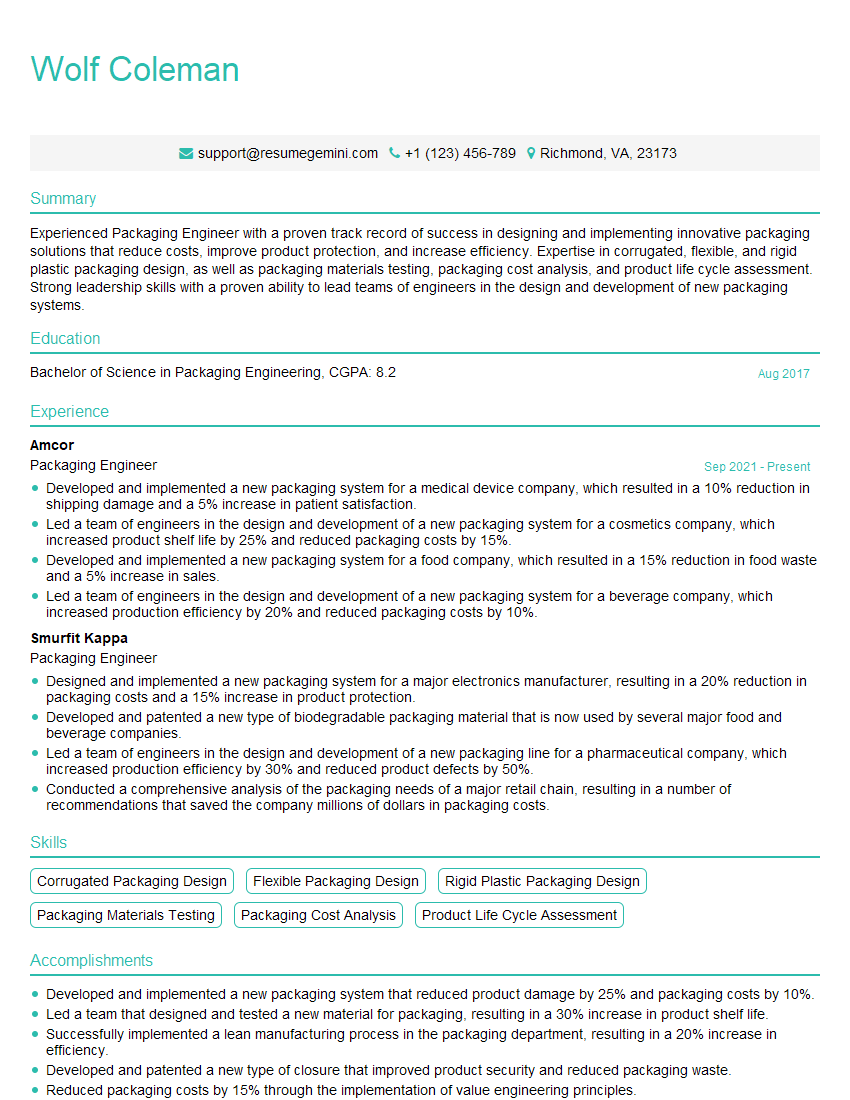
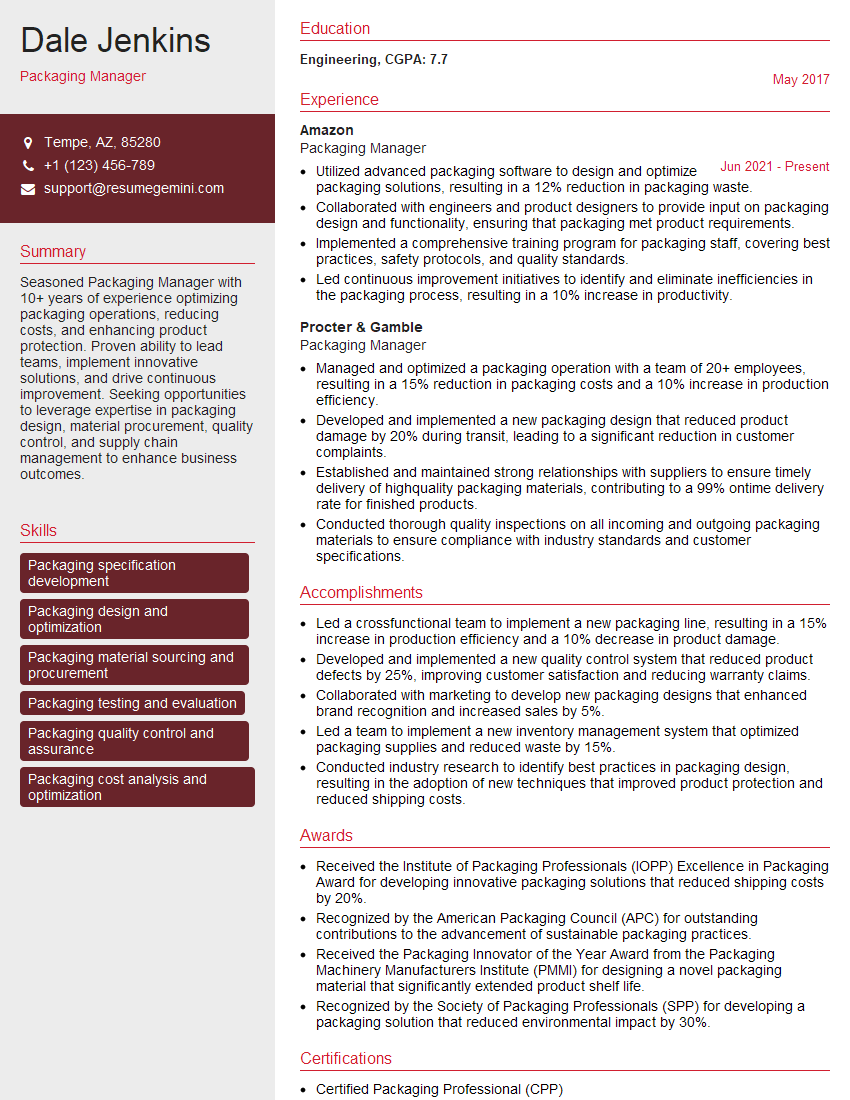
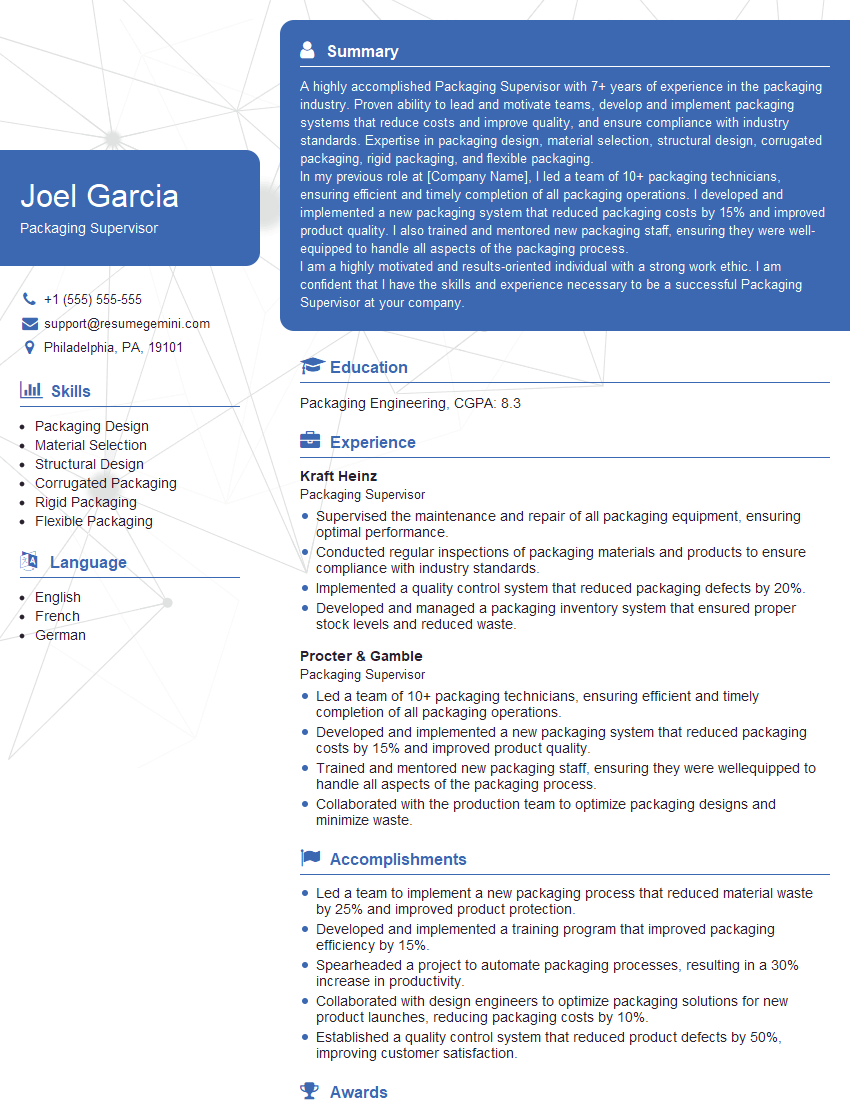
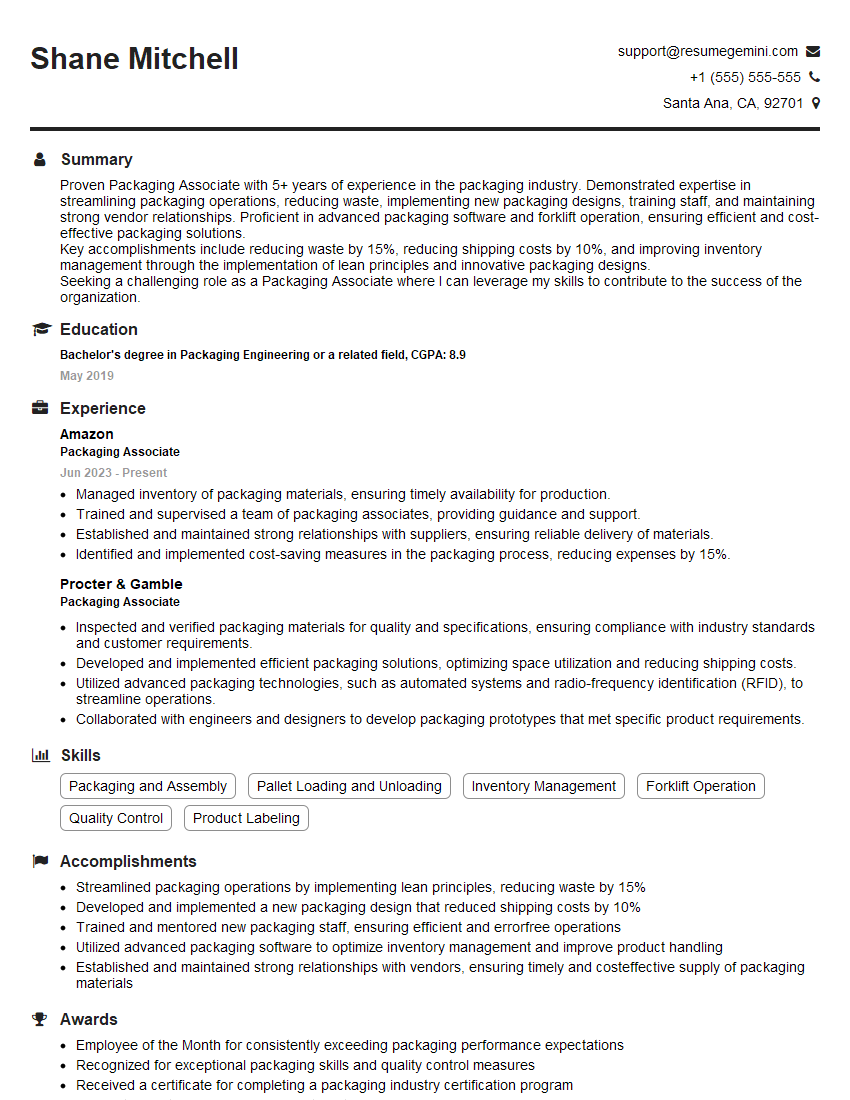
Mastering Box Formation and Assembly opens doors to rewarding careers in manufacturing, logistics, and packaging. Demonstrating a strong understanding of these processes is crucial for securing your dream job. To increase your chances of getting noticed, create an ATS-friendly resume that highlights your skills and experience effectively. ResumeGemini is a trusted resource to help you build a professional and impactful resume. We provide examples of resumes tailored to Box Formation and Assembly to give you a head start. Use our tools to craft a resume that showcases your qualifications and gets you noticed by potential employers.
Explore more articles
Users Rating of Our Blogs
Share Your Experience
We value your feedback! Please rate our content and share your thoughts (optional).
What Readers Say About Our Blog
good