The right preparation can turn an interview into an opportunity to showcase your expertise. This guide to British Standards Institution (BSI) Standards interview questions is your ultimate resource, providing key insights and tips to help you ace your responses and stand out as a top candidate.
Questions Asked in British Standards Institution (BSI) Standards Interview
Q 1. Explain the difference between ISO 9001 and ISO 14001.
ISO 9001 and ISO 14001 are both internationally recognized standards, but they focus on different aspects of organizational management. ISO 9001 is a Quality Management System (QMS) standard that helps organizations consistently meet customer and regulatory requirements. Think of it as a framework for ensuring your products or services are consistently high-quality and meet customer expectations. ISO 14001, on the other hand, is an Environmental Management System (EMS) standard that helps organizations minimize their environmental impact. It’s about reducing waste, conserving resources, and complying with environmental regulations.
Here’s an analogy: Imagine a bakery. ISO 9001 would ensure the bread is consistently baked to the right specifications, tastes delicious, and is safely packaged. ISO 14001 would focus on minimizing waste from ingredients, using energy-efficient ovens, and responsibly disposing of packaging materials.
- ISO 9001: Focuses on customer satisfaction, product quality, and process efficiency.
- ISO 14001: Focuses on environmental protection, pollution prevention, and legal compliance.
While distinct, these standards can be integrated to create a holistic management system, improving both quality and environmental performance.
Q 2. Describe your experience with implementing a BSI standard within an organization.
In my previous role at a manufacturing company, we implemented ISO 9001. My involvement spanned the entire lifecycle, from initial gap analysis to certification audit. We started by conducting a thorough gap analysis, identifying areas where our existing processes fell short of the standard’s requirements. This involved reviewing existing documentation, conducting interviews with staff across various departments, and observing workflows firsthand.
Based on the gap analysis, we developed and implemented a comprehensive QMS. This included creating detailed procedures, work instructions, and forms, all aligned with ISO 9001 clauses. We also provided extensive training to our employees on the new system, ensuring everyone understood their roles and responsibilities. A crucial part was establishing a robust internal audit program to continuously monitor our compliance. This involved training internal auditors and conducting regular audits to identify areas for improvement and prevent non-conformances. Finally, we successfully underwent the BSI certification audit, receiving our ISO 9001 certification, a testament to our team’s hard work and dedication.
Q 3. What is a Management Review and why is it crucial in a quality management system?
A Management Review is a formal process conducted by top management to assess the performance of the quality management system (QMS). It’s not just a tick-box exercise; it’s a strategic opportunity to evaluate the effectiveness of the system and identify areas for improvement. Think of it as a high-level check-up on the health of your QMS.
Its cruciality stems from several factors:
- Strategic Alignment: It ensures the QMS aligns with the overall business strategy and objectives.
- Performance Evaluation: It provides a comprehensive overview of the QMS’s performance, highlighting successes and areas needing attention.
- Resource Allocation: It facilitates informed decision-making regarding resource allocation, allowing for targeted investments in improvement activities.
- Continual Improvement: It drives the continual improvement process by identifying opportunities for improvement and enhancing the effectiveness of the QMS.
A robust Management Review involves reviewing key performance indicators (KPIs), customer feedback, audit results, and any non-conformances or corrective actions. It concludes with documented actions to address identified opportunities for improvement.
Q 4. How do you ensure compliance with relevant British Standards in your work?
Ensuring compliance with relevant British Standards is fundamental to my work. I begin by identifying the applicable standards relevant to the project or task at hand. This might involve researching specific industry standards or referencing client requirements. Once identified, I meticulously review the standard’s requirements, ensuring a clear understanding of all clauses and obligations.
During project execution, I consistently refer to the relevant standards, using them as a benchmark to guide decisions and actions. I maintain a comprehensive library of standards and utilize various tools and resources provided by BSI to stay updated on any revisions or new publications. Regular internal audits and management reviews, discussed previously, also play a crucial role in maintaining compliance and identifying any potential gaps.
Finally, I actively participate in relevant training and professional development programs to remain abreast of the latest changes and best practices in British Standards.
Q 5. Describe your experience conducting internal audits against BSI standards.
I have extensive experience conducting internal audits against various BSI standards, primarily ISO 9001 and ISO 14001. My approach involves meticulous planning and preparation, starting with defining the audit scope and objectives. I then develop a detailed audit plan, outlining the specific areas to be audited and the relevant standards clauses to be evaluated.
During the audit, I use a combination of techniques including document review, interviews with personnel, and observations of processes. I meticulously document any findings, highlighting both conformances and non-conformances. After the audit, I prepare a comprehensive report summarizing my findings, including recommendations for corrective actions. This report is then presented to management for review and action.
Crucially, I ensure my audits are objective, unbiased, and conducted in a professional and constructive manner. I focus not just on identifying non-conformances but also on providing valuable feedback and guidance to the auditee to support their continual improvement efforts.
Q 6. What are the key elements of a robust corrective action process?
A robust corrective action process is critical for addressing non-conformances and preventing their recurrence. It should follow a structured approach, typically including these key elements:
- Identify the Non-Conformance: Clearly define the nature, cause, and severity of the non-conformance.
- Investigate the Root Cause: Conduct a thorough investigation to determine the underlying reasons for the non-conformance. This often involves using root cause analysis tools like the ‘5 Whys’.
- Implement Corrective Action: Develop and implement effective actions to eliminate the non-conformance and prevent its recurrence. This may involve process changes, employee training, or equipment upgrades.
- Verify Effectiveness: Monitor the implemented corrective action to verify its effectiveness in eliminating the root cause and preventing recurrence.
- Document the Entire Process: Maintain detailed records of the entire corrective action process, including the investigation, implemented actions, and verification results. This documentation serves as evidence of compliance and aids in future improvement initiatives.
Effective corrective actions are proactive, focusing on prevention rather than just fixing the immediate problem. For instance, if a product defect is discovered, the corrective action shouldn’t just focus on fixing the defective products, but also on identifying and fixing the underlying process issue that led to the defect in the first place.
Q 7. Explain the concept of continual improvement within the context of BSI standards.
Continual improvement is the philosophy of ongoing enhancement, built into the very fabric of BSI standards like ISO 9001 and ISO 14001. It’s not a one-time project; it’s a continuous journey of refinement and optimization.
Within the context of BSI standards, continual improvement involves systematically identifying areas for improvement within the management system, implementing changes, and monitoring their effectiveness. This is a cyclical process, driven by data analysis, feedback loops, and a commitment to excellence.
Several mechanisms support continual improvement: regular internal audits, management reviews, customer feedback, analysis of non-conformances and corrective actions, and the pursuit of new technologies and best practices. The goal is to achieve incremental improvements over time, leading to enhanced efficiency, effectiveness, and overall performance. Think of it as consistently striving for a better version of your organization, both in terms of quality and environmental responsibility.
Q 8. How do you handle non-conformances identified during audits?
Handling non-conformances during BSI audits is crucial for continuous improvement. It involves a structured approach focusing on identification, investigation, corrective action, and preventative action. When a non-conformity is identified, we first meticulously document it, including details such as the specific standard violated, the location, and the severity. Then, a root cause analysis is performed using tools like the 5 Whys or fishbone diagrams to understand the underlying reasons behind the non-conformance. This is critical to ensure we address the problem effectively, not just the symptoms.
Once the root cause is identified, we develop and implement corrective actions to rectify the immediate issue. We then create preventative actions to stop similar problems from occurring in the future. For example, if a non-conformance is due to inadequate employee training, we’d implement a new training program and ensure it’s thoroughly documented and regularly reviewed. Each corrective and preventative action is then verified for effectiveness, and this process is documented and reported to the audit team. The entire process is tracked using a non-conformity tracking system to ensure closure and transparency.
Q 9. What are the benefits of achieving BSI certification?
Achieving BSI certification offers numerous benefits, enhancing an organisation’s credibility and efficiency. Firstly, it demonstrates a commitment to quality, safety, and environmental responsibility, which boosts customer confidence and trust. This is especially important in highly regulated industries like healthcare or manufacturing, where meeting rigorous standards is essential.
- Enhanced Customer Confidence: BSI certification acts as a third-party validation of your organisation’s commitment to quality.
- Improved Operational Efficiency: Implementing a BSI standard like ISO 9001 often streamlines processes, leading to cost savings and increased productivity.
- Competitive Advantage: Certification can provide a significant competitive edge, making your organisation more attractive to clients and partners.
- Risk Mitigation: By proactively identifying and managing risks, BSI standards help minimize potential disruptions and losses.
- Employee Engagement: A focus on quality management systems often improves employee morale and engagement.
For example, a manufacturing company achieving ISO 9001 certification can demonstrate to its customers that its products consistently meet quality standards, reducing customer complaints and returns.
Q 10. Describe your understanding of risk assessment and its role in compliance.
Risk assessment is a systematic process of identifying, analysing, and evaluating potential hazards and their associated risks. It’s fundamental to compliance with BSI standards because it helps organisations proactively address potential non-conformances before they occur. A thorough risk assessment involves identifying potential risks that could impact compliance, assessing the likelihood and severity of each risk, and developing appropriate controls to mitigate those risks. This approach is iterative, requiring regular review and updates as circumstances change.
For instance, in a food manufacturing facility adhering to ISO 22000 (Food Safety Management Systems), a risk assessment might identify the risk of bacterial contamination. This would involve determining the likelihood of contamination (e.g., high if hygiene standards are poor) and the severity of the consequences (e.g., potential food poisoning outbreaks). The assessment would then lead to the implementation of controls, such as rigorous hygiene protocols, temperature monitoring, and employee training, to mitigate the risk.
Q 11. Explain the importance of documentation in maintaining a compliant quality management system.
Documentation is the backbone of a compliant quality management system. It provides evidence that the organisation is consistently meeting the requirements of the relevant BSI standard. Comprehensive documentation includes policies, procedures, work instructions, records of audits, training records, and evidence of corrective and preventative actions. This documentation allows for traceability and facilitates internal and external audits. Without robust documentation, it’s difficult to demonstrate compliance and identify areas for improvement.
Think of it like a recipe: a well-documented system ensures consistent results. If the recipe (your QMS) is poorly written, or missing steps, the outcome (compliance) will be unpredictable. Thorough documentation allows for easy understanding of the processes and ensures consistency in implementation across the organisation, reducing the risk of non-conformances.
Q 12. How do you ensure effective communication regarding standards compliance within a team?
Effective communication is key to ensuring standards compliance within a team. This involves using various methods to keep everyone informed, trained, and engaged. Regular team meetings, training sessions, and the use of a central communication platform (like a shared intranet) are effective strategies. Clear, concise communication of expectations, procedures, and any changes to the QMS is crucial. Feedback mechanisms should also be in place to encourage open dialogue and address any concerns or questions promptly. Furthermore, utilizing visual aids, such as flowcharts and diagrams, can improve understanding and retention of complex processes.
For example, we would use a combination of team meetings to discuss policy updates, online training modules to ensure staff understand specific procedures, and regular email updates to address specific incidents or changes in guidelines. Open door policy with management is also vital to ensure two-way communication and encourage feedback.
Q 13. What is your experience with gap analysis in relation to BSI standards?
Gap analysis is a crucial step in implementing BSI standards. It involves comparing the organisation’s existing practices and processes against the requirements of the chosen standard to identify areas where improvements are needed. This systematic comparison reveals the gaps between the current state and the desired state of compliance. We utilize checklists, questionnaires, and interviews to gather data and identify these discrepancies. A comprehensive gap analysis helps prioritize efforts, focusing resources on the most critical areas of non-compliance. The output of a gap analysis forms the basis of an improvement plan, detailing the actions required to close the gaps and achieve full compliance.
For example, during a gap analysis for ISO 14001 (Environmental Management Systems), we might find that the organisation lacks a comprehensive waste management plan. This gap would then be addressed by developing and implementing a new plan that meets the standard’s requirements, involving waste reduction, recycling, and disposal procedures.
Q 14. How do you measure the effectiveness of implemented BSI standards?
Measuring the effectiveness of implemented BSI standards is an ongoing process. It involves monitoring key performance indicators (KPIs) relevant to the chosen standard. These KPIs might include the number of non-conformances, customer satisfaction scores, reduction in waste, improved efficiency metrics, or reduction in accidents. Regular internal audits, management reviews, and analysis of data collected through KPIs help assess the effectiveness of the implemented system. These assessments are used to identify areas for further improvement and ensure ongoing compliance with the chosen standard.
For instance, if an organisation implements ISO 9001, they might track customer complaints, the number of rejected products, and lead times. A decrease in these metrics over time would suggest the effectiveness of the implemented QMS. Regular internal audits and management review meetings provide additional opportunities to assess the overall efficacy and identify areas requiring improvement or adjustment.
Q 15. Describe your understanding of the Plan-Do-Check-Act (PDCA) cycle.
The Plan-Do-Check-Act (PDCA) cycle is a fundamental iterative process for continuous improvement, widely used in conjunction with various BSI standards. Think of it as a continuous loop of learning and refinement.
- Plan: This stage involves defining the objective, identifying the problem, and developing a plan to address it. For instance, if a company identifies high defect rates in a particular manufacturing process, the plan might involve implementing a new training program for operators.
- Do: Here, you implement the plan, collect data, and monitor the results. In our example, this would be the rollout of the new training and the subsequent observation of defect rates.
- Check: This involves analyzing the data collected in the ‘Do’ phase to determine the effectiveness of the plan. Did the new training reduce defect rates? Were there unforeseen issues?
- Act: Based on the ‘Check’ phase, you either standardize the successful change or revise the plan and start the cycle again. If the training was successful, it becomes standard operating procedure. If not, the plan needs adjustment and the cycle repeats.
The PDCA cycle is not a one-time event but a continuous process of improvement, allowing organizations to systematically address issues and enhance their performance over time.
Career Expert Tips:
- Ace those interviews! Prepare effectively by reviewing the Top 50 Most Common Interview Questions on ResumeGemini.
- Navigate your job search with confidence! Explore a wide range of Career Tips on ResumeGemini. Learn about common challenges and recommendations to overcome them.
- Craft the perfect resume! Master the Art of Resume Writing with ResumeGemini’s guide. Showcase your unique qualifications and achievements effectively.
- Don’t miss out on holiday savings! Build your dream resume with ResumeGemini’s ATS optimized templates.
Q 16. What are the common challenges encountered when implementing BSI standards?
Implementing BSI standards presents several common challenges. One major hurdle is resistance to change within an organization. People may be resistant to adopting new processes or documentation requirements.
Another challenge is the cost of implementation, including training staff, purchasing new software, and updating infrastructure. This requires a careful cost-benefit analysis and a phased approach.
Lack of top management commitment is also crucial. Successful implementation needs strong leadership buy-in and visible support from top management. Without this, initiatives can easily falter.
Finally, ensuring consistent implementation and maintenance across the entire organization can be difficult, particularly in larger companies with geographically dispersed operations. Regular audits and training are essential to overcome this.
Q 17. How do you stay up-to-date with changes and updates to BSI standards?
Staying current with BSI standards requires a multi-pronged approach. I regularly subscribe to the BSI’s official updates and newsletters, which announce changes and new releases. This is supplemented by attending industry conferences and webinars, where experts discuss best practices and recent changes to standards.
I also actively participate in professional networks and online forums, which provide opportunities to learn from other practitioners’ experiences and insights. Finally, continuous self-education through reading relevant journals and publications is essential to maintain a thorough understanding of the evolving landscape.
Q 18. Describe your experience with using statistical methods in quality control.
My experience with statistical methods in quality control is extensive. I have used statistical process control (SPC) techniques, such as control charts (e.g., Shewhart, CUSUM, EWMA charts), to monitor process capability and identify sources of variation. For example, I used a control chart to monitor the weight of a product during manufacturing, identifying a consistent upward trend and subsequently tracing it to a malfunctioning machine.
I’m also proficient in analyzing data to calculate key metrics such as sigma levels and process capability indices (Cpk, Ppk), which provide a quantitative assessment of process performance. This data-driven approach facilitates the identification of areas for improvement and enables the demonstration of process effectiveness to customers.
Furthermore, I’ve applied statistical sampling techniques to reduce inspection costs while maintaining adequate quality assurance. For instance, instead of inspecting 100% of a batch, we would randomly sample a predetermined number of items, drawing conclusions about the quality of the entire batch based on statistical inference.
Q 19. How do you ensure traceability of products or services according to BSI standards?
Ensuring traceability according to BSI standards relies on maintaining a comprehensive and accurate record of a product or service’s journey, from raw materials to final delivery. This involves implementing a robust traceability system. This might involve unique identifiers, such as barcodes or serial numbers, assigned to each item at different stages of production.
Detailed records of all processes, including dates, times, operators, and equipment used, are crucial. This information should be readily accessible, allowing easy tracking of any product or service at any stage.
Effective traceability is not merely about record-keeping; it’s about implementing a system that makes this information easily retrievable and readily verifiable. This enables swift identification of the root cause of any defect or problem and facilitates efficient recall procedures if necessary.
Q 20. Explain your understanding of the different types of audits (e.g., first, second, third-party).
Audits are crucial for verifying compliance with BSI standards. There are three main types:
- First-party audits: These are internal audits conducted by the organization itself to assess its own compliance with the standard. This involves systematically reviewing processes, records, and procedures against the requirements.
- Second-party audits: These are audits conducted by a customer or another interested party in the supply chain. For example, a manufacturer might audit their supplier’s facilities to ensure they meet the required quality standards.
- Third-party audits: These are performed by independent, accredited certification bodies, such as BSI itself. Successful completion typically leads to certification, demonstrating an organization’s compliance to external stakeholders.
Each type plays a vital role in ensuring the ongoing effectiveness of the management system and maintaining a consistent focus on quality and compliance.
Q 21. What is your experience with different BSI standards beyond ISO 9001 and 14001?
Beyond ISO 9001 and 14001, my experience encompasses various BSI standards, including ISO 27001 (Information Security Management), ISO 22301 (Business Continuity Management), and ISO 45001 (Occupational Health and Safety Management).
In the context of ISO 27001, I’ve assisted organizations in establishing and maintaining robust information security management systems, implementing controls to protect sensitive data and comply with relevant legislation.
With ISO 22301, I’ve helped organizations develop business continuity plans, designing strategies to mitigate the impact of disruptive events and ensure business operations can resume quickly and effectively.
My work with ISO 45001 has focused on improving occupational health and safety management systems, implementing processes to minimize workplace risks and create a safe and healthy working environment. Each standard requires a distinct approach tailored to its specific objectives and requirements.
Q 22. How do you handle conflicting requirements from different standards?
Resolving conflicts between different BSI standards requires a systematic approach prioritizing safety and legal compliance. It’s rarely a matter of simply picking one standard over another. Instead, we need to analyze the requirements and identify areas of overlap and conflict.
My approach involves:
- Identifying the conflicting requirements: Carefully examine the specific clauses in each standard that are in direct opposition. For example, a conflict might arise between a standard focusing on environmental management (like BS ISO 14001) and one on occupational health and safety (like BS OHSAS 18001) where implementing one fully could potentially hinder the other.
- Prioritizing based on legal and safety implications: Legal requirements and safety considerations always take precedence. If a conflict exists, the standard that addresses critical safety or legal obligations must be prioritized. For example, if one standard requires specific safety measures which could be considered conflicting by another standard, the safety standard must be followed.
- Seeking clarification and interpretation: If the conflict remains unresolved after this prioritization, we consult relevant BSI guidance documents or seek expert opinion to clarify the intent and application of the conflicting requirements. Sometimes, standards committees themselves can provide valuable clarification.
- Developing a harmonized approach: The aim is to find a solution that satisfies the essential requirements of both standards. This might involve adapting processes or implementing supplementary controls to reconcile the differences. For instance, you might find a way to incorporate both environmental sustainability and worker safety measures within a single process, minimizing conflict.
- Documenting the resolution: This documentation is crucial for demonstrating due diligence and ensuring consistency in applying the standards across the organization. The record helps in future audits and prevents similar conflicts from arising again.
Q 23. How would you approach improving the efficiency of a quality management system?
Improving the efficiency of a quality management system (QMS) often involves streamlining processes and leveraging technology. The key is to identify bottlenecks and areas for improvement, focusing on both cost-effectiveness and achieving compliance. This can be achieved through different methods:
- Process Mapping and Analysis: Carefully map existing processes to pinpoint inefficiencies. Look for redundant steps, unnecessary approvals, or areas with high error rates. Techniques like Value Stream Mapping (VSM) can be incredibly effective.
- Automation: Automate repetitive tasks wherever possible. This could involve using software for data entry, document management, or even parts of the audit process. Automation not only saves time but minimizes human error, thus improving overall quality.
- Data-Driven Decision Making: Implement a system for collecting and analyzing key performance indicators (KPIs). This data can help identify areas needing attention and track the effectiveness of improvement initiatives. For example, tracking defect rates can show which stages of the process are problematic.
- Employee Training and Empowerment: Well-trained employees are key to a smoothly running QMS. Investing in training programs that enhance their understanding of standards and processes leads to fewer errors and more efficiency.
- Regular Reviews and Updates: The QMS should be regularly reviewed and updated to reflect changing business needs and improvements in best practices. This continuous improvement cycle is vital for maintaining efficiency and relevance.
For example, in a manufacturing setting, implementing a computerized maintenance management system (CMMS) can significantly improve efficiency by automating maintenance schedules and tracking equipment performance.
Q 24. Describe a situation where you had to resolve a conflict regarding standards compliance.
In a previous role, we faced a conflict between the requirements of BS EN ISO 9001 (Quality Management) and a client’s specific contractual requirements. The client demanded a much more rigorous testing procedure than what was explicitly detailed in the ISO 9001 standard for a particular product. This created a potential conflict because adhering to the client’s demands would involve exceeding the standard’s minimum criteria, potentially increasing costs and time.
To resolve this, we:
- Documented the Conflict: We meticulously documented the conflict, outlining the client’s requirements and the relevant clauses in BS EN ISO 9001 that seemed to differ.
- Risk Assessment: We performed a thorough risk assessment to evaluate the potential consequences of not meeting the client’s demands versus the costs and implications of exceeding ISO 9001 guidelines.
- Negotiation and Communication: We engaged in open communication with the client, explaining the implications of their demands. We proposed alternative solutions that met their needs while maintaining compliance with ISO 9001, potentially suggesting some streamlined testing processes to mitigate costs and time.
- Compromise and Documentation: We reached a compromise where we implemented enhanced testing but documented deviations from the standard’s minimum requirements, outlining the justification and rationale. This ensured transparency and provided a comprehensive audit trail.
The result was a solution that satisfied the client and maintained our ISO 9001 certification, highlighting the importance of clear communication, risk assessment, and thorough documentation in resolving conflicts.
Q 25. Explain your experience with the implementation of a quality management system from scratch.
Implementing a QMS from scratch requires a structured approach, beginning with a thorough understanding of the organization’s context and objectives. My experience involved leading such an initiative for a small manufacturing company.
Our implementation followed these phases:
- Gap Analysis: We began with a gap analysis, comparing the company’s existing practices with the requirements of BS EN ISO 9001. This helped identify areas requiring improvement or new procedures.
- Documentation Development: We developed a comprehensive suite of documents, including a quality manual, procedures, work instructions, and forms. These documents needed to be clear, concise, and easy to understand for all employees.
- Training and Awareness: We provided extensive training to all employees to ensure everyone understood the new QMS and their roles within it. This included training on documentation procedures, quality control, and internal auditing.
- Internal Audits: We conducted regular internal audits to monitor the effectiveness of the QMS. These audits helped identify areas needing improvement and ensured compliance with the standard.
- Management Review: Regular management reviews helped to ensure that the QMS remained effective and aligned with the organization’s strategic goals. This involved tracking KPIs and making necessary adjustments.
- Certification Audit: Finally, we prepared for and successfully completed a certification audit by a BSI accredited certification body, achieving ISO 9001 certification.
This project highlighted the importance of top management commitment, detailed planning, robust documentation, and consistent training in successfully implementing a QMS.
Q 26. How do you prioritize tasks when multiple compliance deadlines are approaching?
Prioritizing tasks when facing multiple compliance deadlines involves a structured approach focusing on risk and impact. I utilize a prioritization matrix that considers both the urgency and criticality of each task. This matrix helps visualize and manage competing deadlines effectively.
My approach involves:
- Identifying all deadlines: Create a comprehensive list of all approaching compliance deadlines, including the specific standards and regulations involved.
- Risk assessment: Assess the potential risks associated with missing each deadline. Consider the legal, financial, and reputational implications. High-risk, high-impact deadlines take priority.
- Prioritization Matrix: Create a matrix using urgency (immediate, short-term, long-term) and criticality (high, medium, low). Plot each deadline on the matrix. High urgency and high criticality tasks are addressed first.
- Resource Allocation: Allocate resources (personnel, time, budget) to tasks based on their priority. This might involve re-assigning staff or seeking external help if needed.
- Regular Monitoring and Adjustment: Continuously monitor progress and adjust the priority list as needed. Unexpected delays or new information might require reassessment.
This structured approach helps ensure that the most critical compliance deadlines are met while effectively managing resources and minimizing risks. It’s crucial to communicate the prioritization clearly to the team, ensuring everyone is aware of the focus and rationale behind the approach.
Q 27. What is your understanding of the role of top management in maintaining compliance?
Top management plays a crucial role in maintaining compliance with BSI standards. Their commitment and involvement are not just beneficial but essential for effective implementation and ongoing adherence.
Their responsibilities include:
- Establishing a culture of compliance: Top management sets the tone from the top. Their visible commitment to compliance influences the entire organization’s attitude towards standards.
- Providing resources: Adequate resources—financial, personnel, and time—must be allocated to support compliance initiatives. This includes funding training programs, purchasing necessary software, and assigning dedicated personnel.
- Defining clear objectives: Top management must set clear objectives related to standards compliance, integrating them into the organization’s overall strategic goals.
- Overseeing the QMS: Top management is responsible for overseeing the effectiveness of the QMS and ensuring that it remains aligned with the organization’s strategic direction.
- Accountability and responsibility: They are ultimately accountable for compliance. This includes ensuring proper internal controls, promoting a culture of continuous improvement, and acting on audit findings.
Without active and committed leadership from top management, a QMS is unlikely to be effective, and maintaining compliance with BSI standards becomes a significant challenge. Their involvement fosters a culture of excellence, ensuring the organization’s adherence to best practices and maintaining its reputation.
Q 28. Describe your experience with leading or participating in a BSI standard certification audit.
I have extensive experience in both leading and participating in BSI standard certification audits. My involvement has spanned various roles, from preparing for audits as a member of the management team to participating as an internal auditor.
My experience includes:
- Preparation for Audits: This includes gathering and organizing documentation, conducting internal audits, and ensuring that all processes are compliant with the relevant standard.
- Managing the Audit Process: Leading the audit team involves coordinating communication with the BSI auditors, ensuring smooth access to documentation and personnel, and facilitating effective communication throughout the audit process.
- Responding to Audit Findings: Addressing the auditors’ findings requires a thorough understanding of the standard’s requirements, the ability to justify decisions, and the capability to develop effective corrective actions to address any non-conformances.
- Internal Auditing: Conducting internal audits before the BSI audit helps identify potential non-conformances, allowing the organization to address them proactively. This significantly reduces the risk of major issues during the certification audit.
- Post-Audit Activities: This involves implementing corrective actions, updating documentation, and ensuring that the necessary improvements are sustained.
These experiences have provided valuable insights into the audit process, enabling me to contribute significantly to an organization’s successful certification and ongoing compliance with BSI standards. The key takeaway from this involvement is the paramount importance of a proactive, well-documented, and consistently maintained QMS.
Key Topics to Learn for British Standards Institution (BSI) Standards Interview
- Understanding the BSI’s Role: Explore the BSI’s mission, its impact on various industries, and its contribution to global standardization.
- Key Standard Families: Familiarize yourself with major BSI standard families relevant to your target role (e.g., ISO 9001, ISO 14001, ISO 27001, etc.). Understand their core principles and practical application within different organizational contexts.
- Implementation and Auditing: Grasp the practical aspects of implementing and auditing BSI standards. This includes understanding the audit process, non-conformances, and corrective actions.
- Risk Management and Compliance: Learn how BSI standards contribute to effective risk management and regulatory compliance within organizations. Be prepared to discuss practical examples.
- Continuous Improvement: Understand the principles of continuous improvement methodologies (like PDCA) as they relate to BSI standards and their application in real-world scenarios.
- Data Analysis and Interpretation: Develop your skills in analyzing data related to standard implementation, identifying trends, and making informed decisions based on evidence.
- Stakeholder Engagement: Understand the importance of engaging with various stakeholders (internal and external) during the implementation and maintenance of BSI standards.
Next Steps
Mastering British Standards Institution (BSI) Standards significantly enhances your career prospects, demonstrating a commitment to quality, efficiency, and best practices. This knowledge is highly valued across numerous industries. To maximize your job search success, create an ATS-friendly resume that showcases your skills and experience effectively. ResumeGemini is a trusted resource for building professional, impactful resumes. We offer examples of resumes tailored to British Standards Institution (BSI) Standards to help you craft a compelling application that stands out.
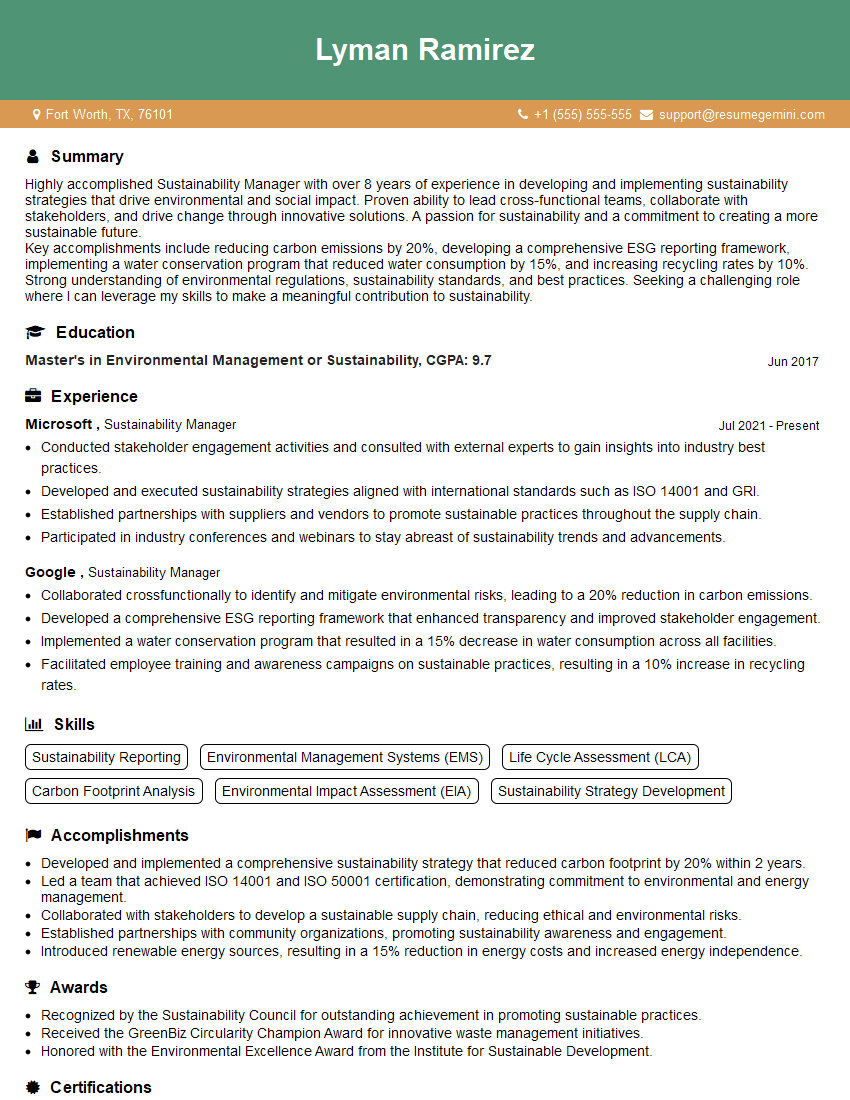
Sustainability Manager Resume Sample
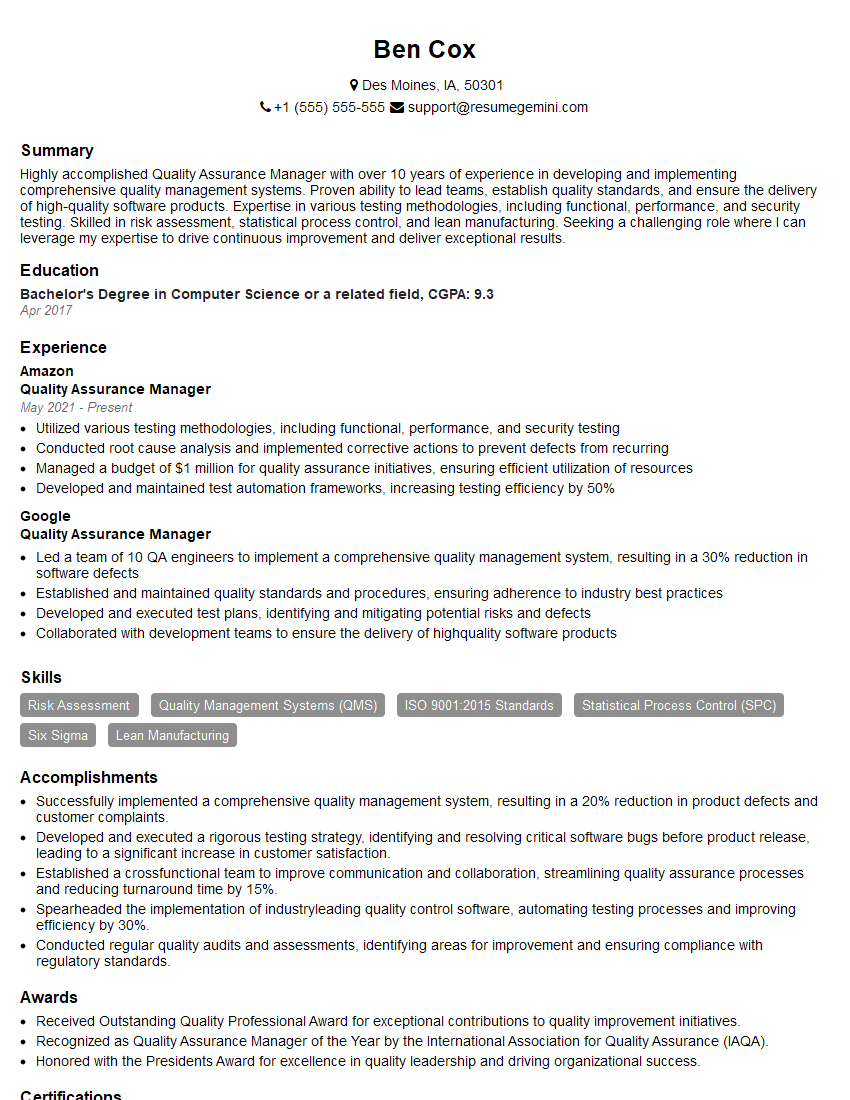
Quality Assurance Manager Resume Sample
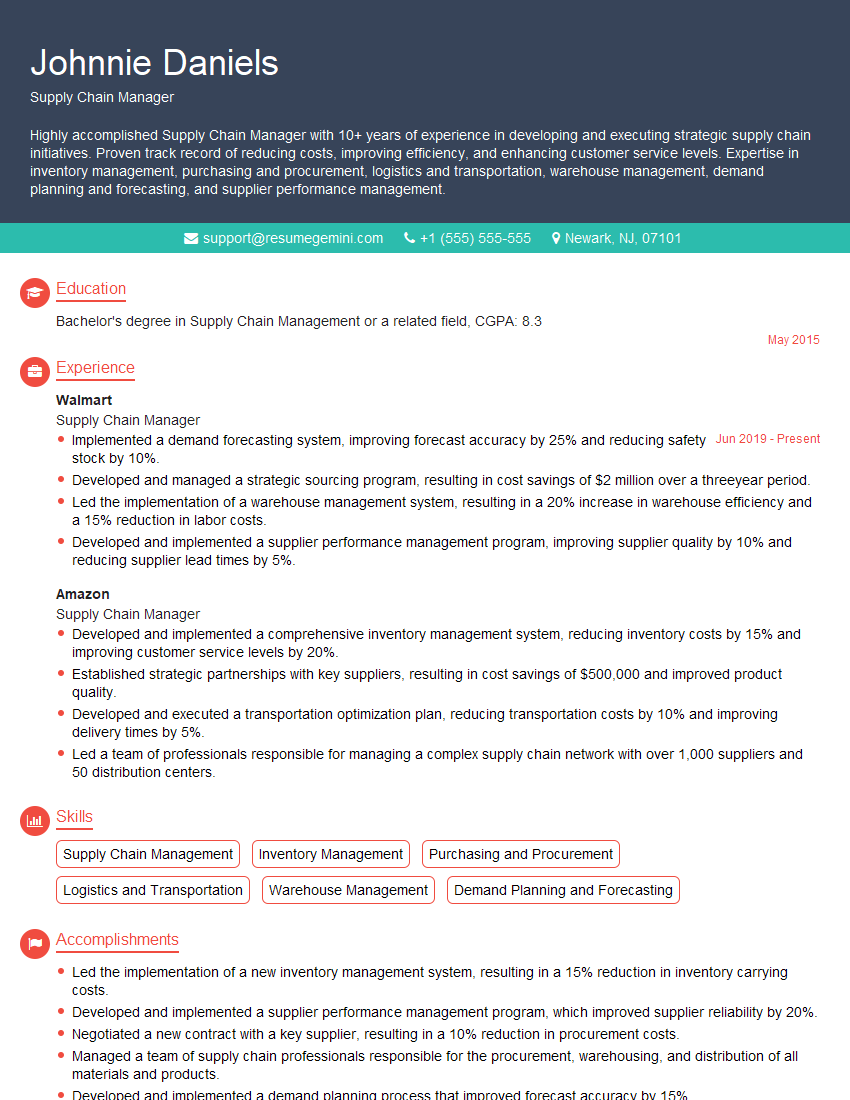
Supply Chain Manager Resume Sample
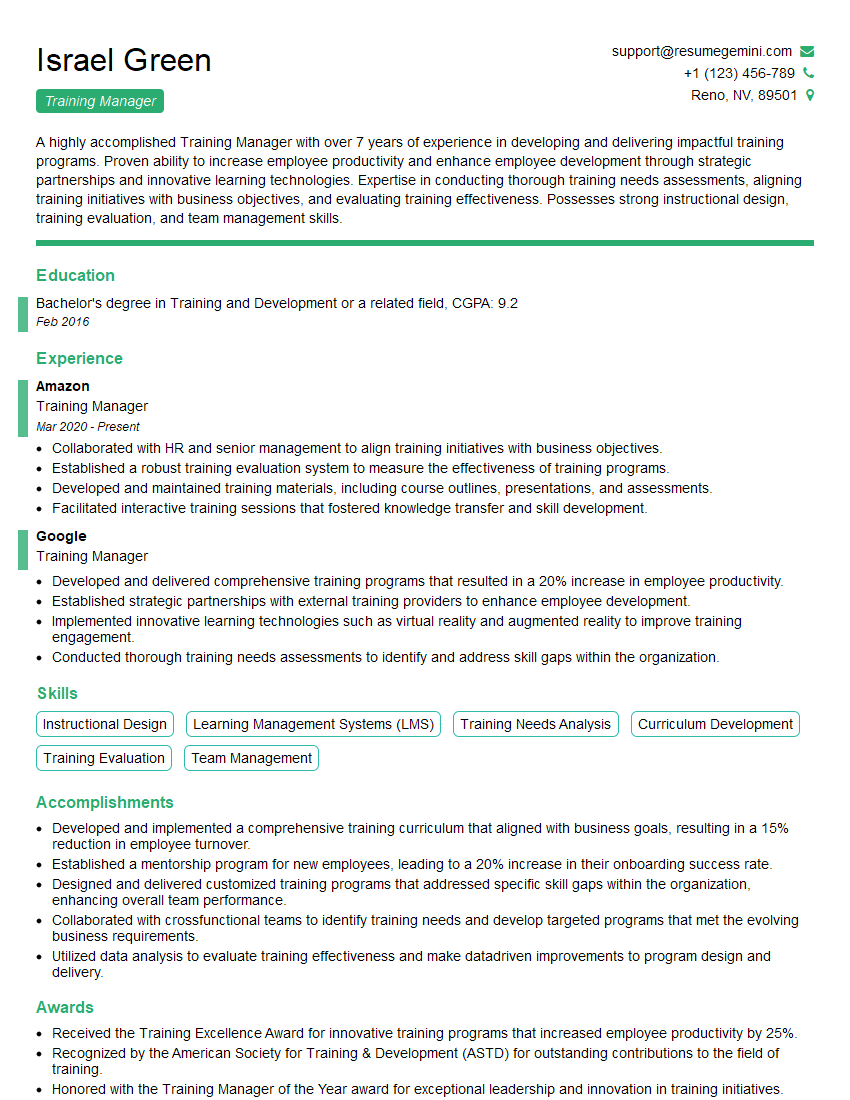
Training Manager Resume Sample
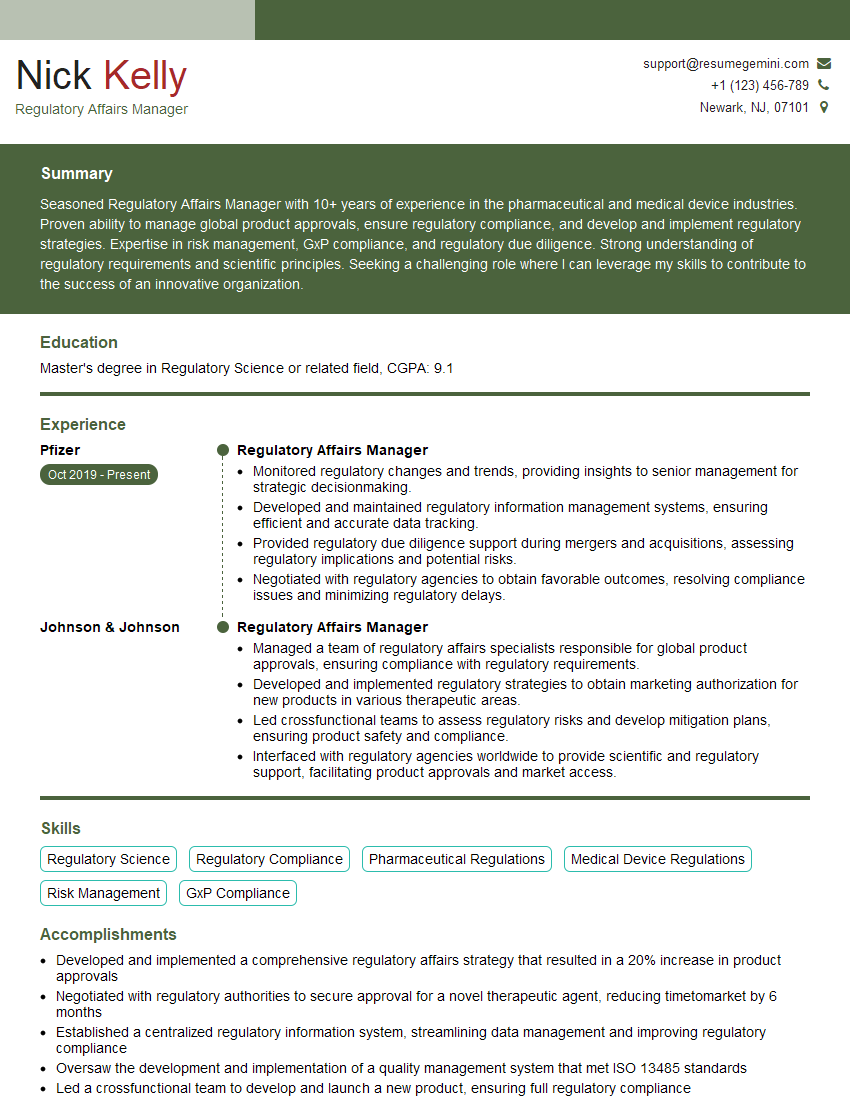
Regulatory Affairs Manager Resume Sample

Compliance Officer Resume Sample
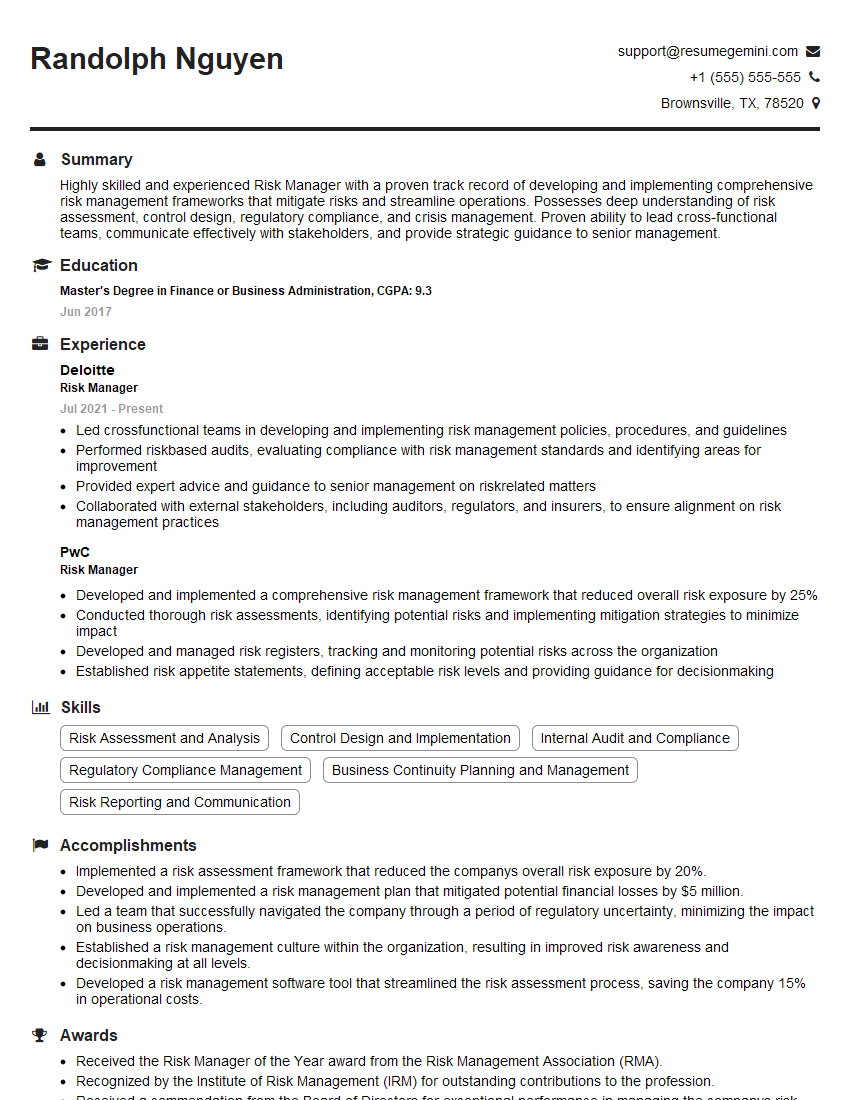
Risk Manager Resume Sample
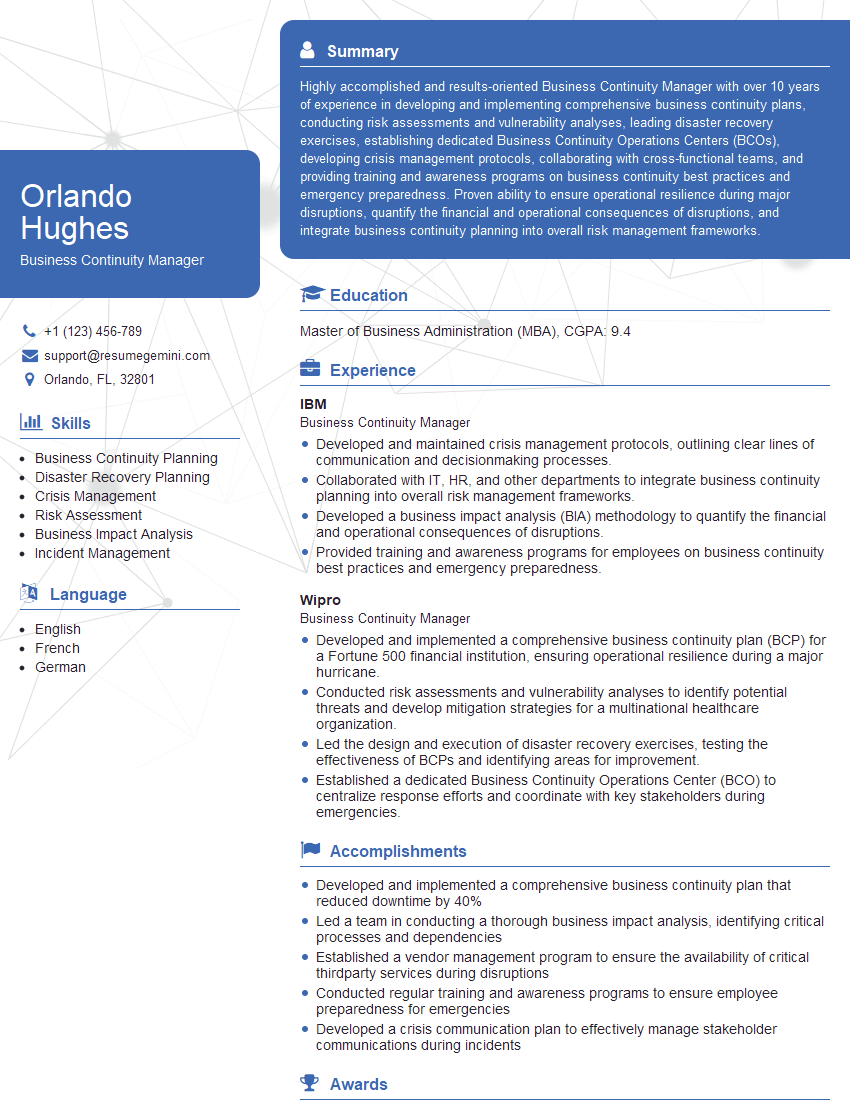
Business Continuity Manager Resume Sample
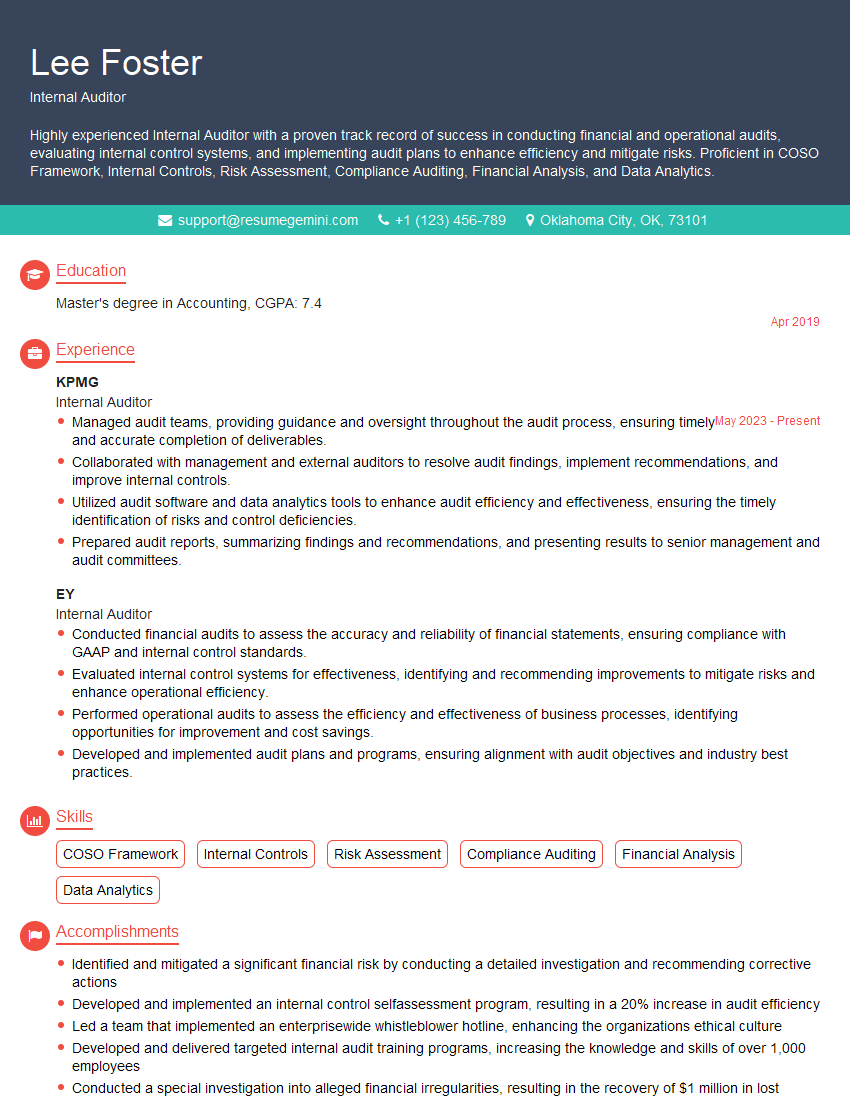
Internal Auditor Resume Sample
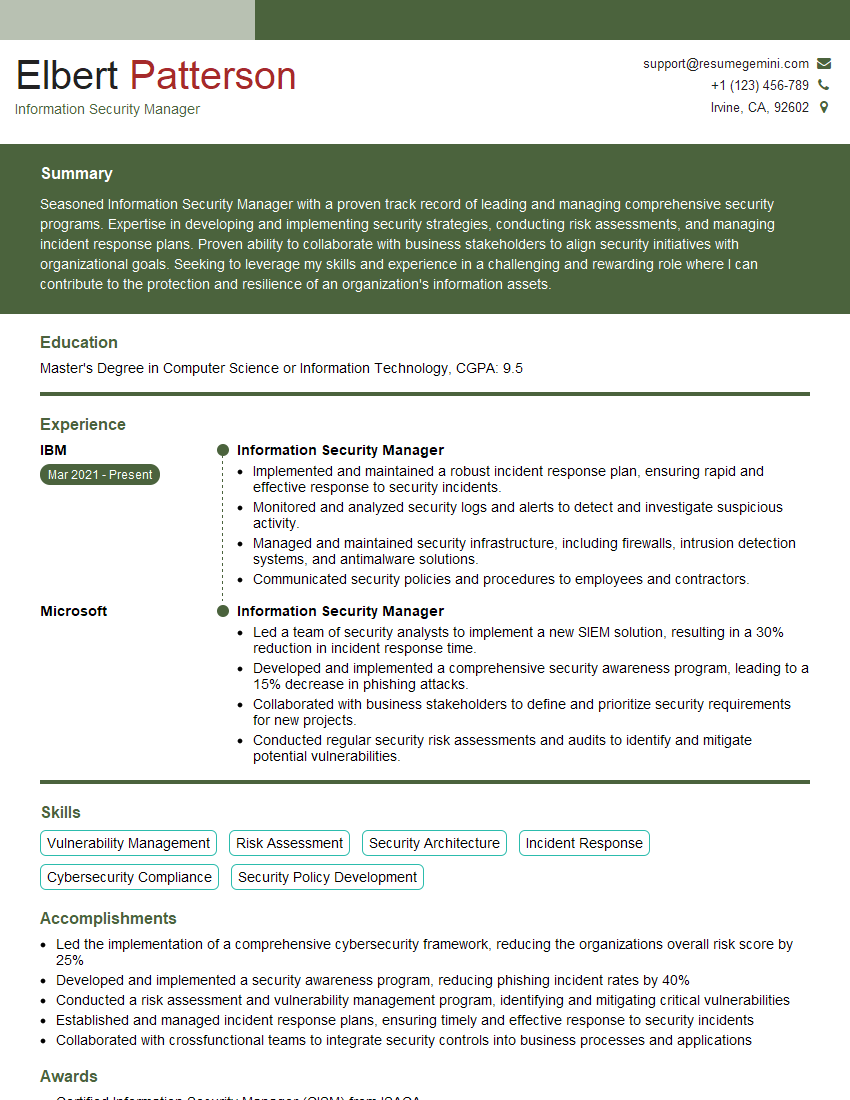
Information Security Manager Resume Sample
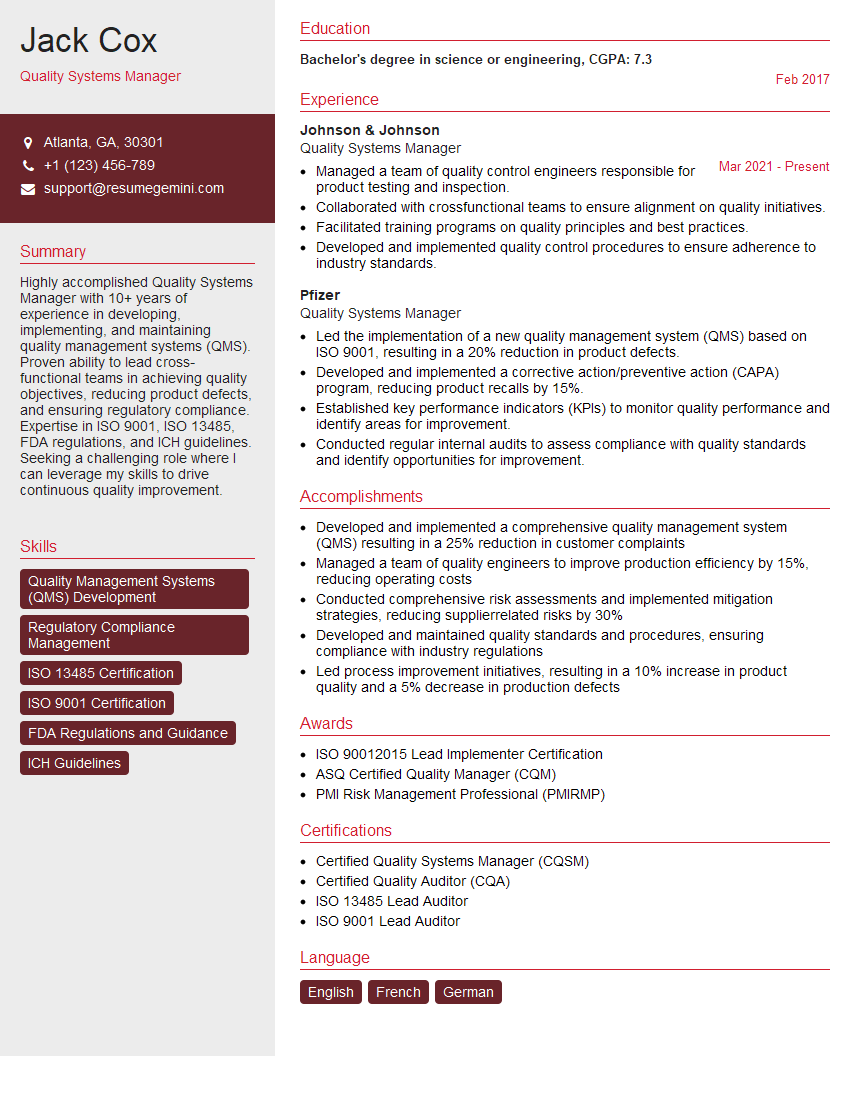
Quality Systems Manager Resume Sample
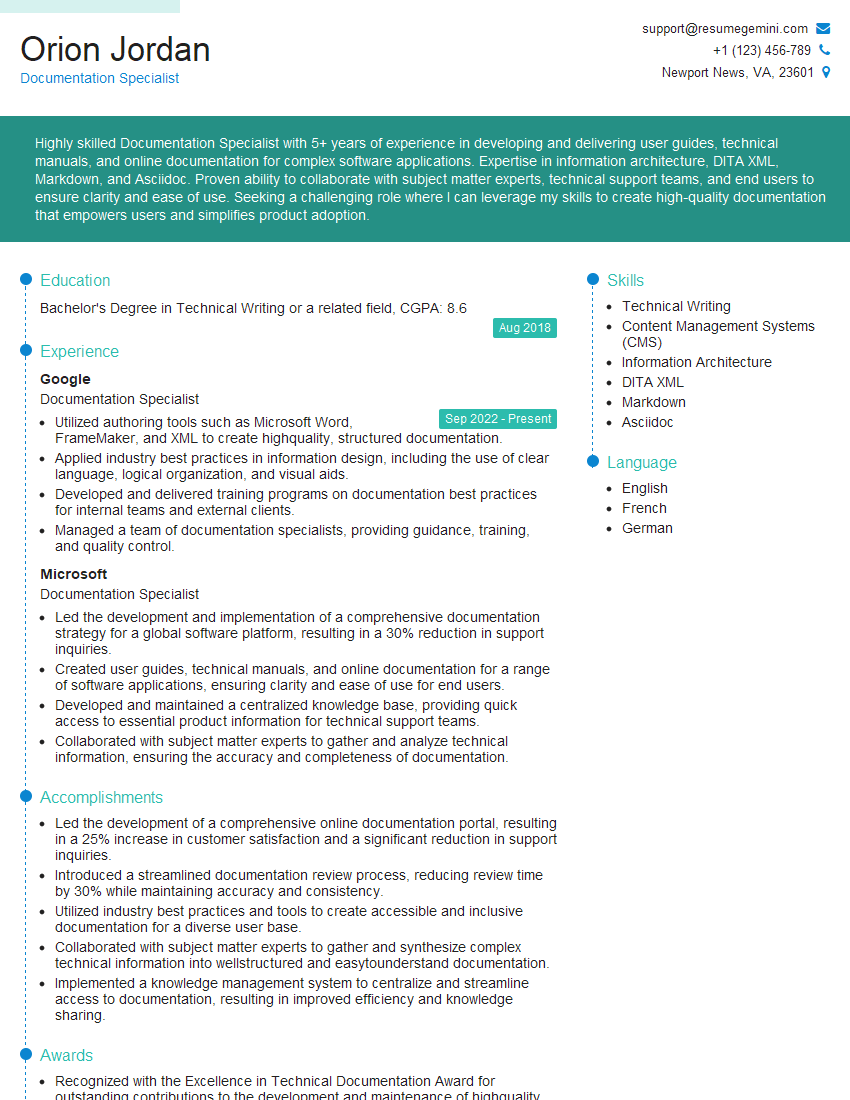
Documentation Specialist Resume Sample

Technical Writer Resume Sample
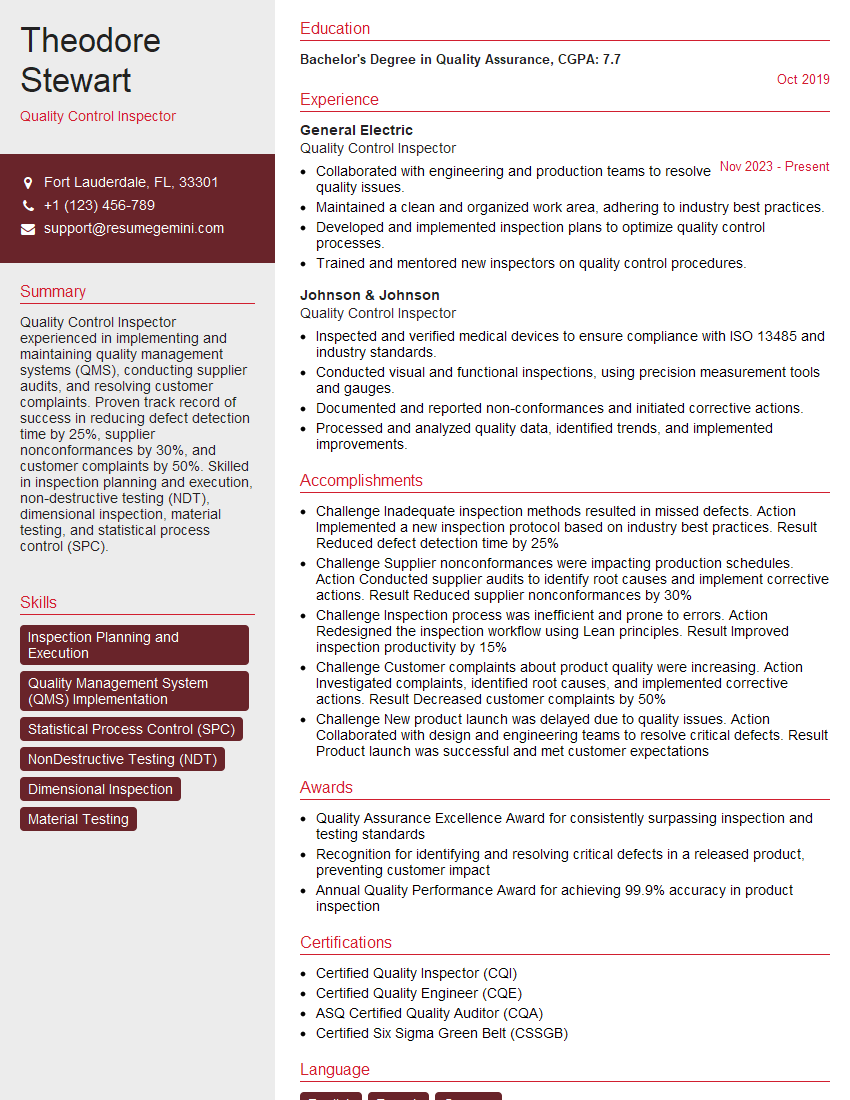
Quality Control Inspector Resume Sample
- Sustainability Manager
- Quality Assurance Manager
- Supply Chain Manager
- Training Manager
- Regulatory Affairs Manager
- Compliance Officer
- Risk Manager
- Business Continuity Manager
- Internal Auditor
- Information Security Manager
- Quality Systems Manager
- Documentation Specialist
- Technical Writer
- Quality Control Inspector
Explore more articles
Users Rating of Our Blogs
Share Your Experience
We value your feedback! Please rate our content and share your thoughts (optional).
What Readers Say About Our Blog
Very informative content, great job.
good