The thought of an interview can be nerve-wracking, but the right preparation can make all the difference. Explore this comprehensive guide to Budgeting and Estimating interview questions and gain the confidence you need to showcase your abilities and secure the role.
Questions Asked in Budgeting and Estimating Interview
Q 1. Explain the difference between budgeting and forecasting.
While both budgeting and forecasting involve predicting future financial figures, they differ significantly in their purpose and timeframe. Budgeting is the process of creating a detailed plan for how resources will be allocated over a specific period, typically a fiscal year. It’s a proactive tool used for planning and control. Think of it as a roadmap for your finances. Forecasting, on the other hand, is the process of predicting future outcomes based on historical data, trends, and market analysis. It’s more reactive, often used to project revenue, expenses, or other financial metrics for various scenarios. A forecast can inform the budget, but it’s not the budget itself. For instance, a sales forecast might predict a 10% increase in sales next year. This prediction will then be used to create a budget that allocates resources to support that sales growth, including hiring, marketing, and inventory.
In short: Budgeting is about planning, while forecasting is about predicting.
Q 2. Describe your experience with different budgeting methods (e.g., zero-based budgeting, incremental budgeting).
I have extensive experience with several budgeting methods, adapting my approach based on the organization’s size, industry, and specific goals. I’ve successfully implemented:
- Incremental Budgeting: This is a common method where the current year’s budget is used as a base, with adjustments made based on anticipated changes. For example, a 5% increase across the board might be added to reflect inflation or projected growth. While simple, it can perpetuate inefficiencies if not carefully reviewed.
- Zero-Based Budgeting (ZBB): This approach requires justifying every expense from scratch each budget cycle, starting with a base of zero. Every line item needs to demonstrate its value and contribution to organizational goals. While more time-consuming, ZBB can identify and eliminate unnecessary spending and foster a more results-oriented culture. I used ZBB successfully at a non-profit to reallocate funds towards programs with a higher impact.
- Activity-Based Budgeting (ABB): This method links budget allocations directly to specific activities or projects. It’s particularly useful in organizations with multiple projects or diverse operations. By assigning costs to activities, you can track efficiency and make data-driven decisions about resource allocation.
The choice of method depends heavily on the context. A smaller business might find incremental budgeting sufficient, while a larger organization with complex operations may benefit from ABB or ZBB.
Q 3. How do you handle budget variances?
Budget variances are inevitable, but understanding and addressing them effectively is crucial. My approach involves a three-step process:
- Investigation: First, I thoroughly investigate the reasons behind the variance. Was it due to unforeseen circumstances (e.g., a sudden increase in material costs), inaccurate estimations, or inefficient spending? Data analysis and stakeholder interviews are vital at this stage. For example, a significant cost overrun on a project might point to a flaw in the initial project plan or a lack of proper project management.
- Analysis: Once the reasons are identified, I analyze their impact on the overall budget and future projections. Is the variance a one-time occurrence, or is it indicative of a larger systemic issue? This involves calculating the variance percentage and assessing its materiality.
- Corrective Action: Based on the analysis, I develop and implement corrective actions. These might involve revising the budget, implementing cost-saving measures, or adjusting project timelines. Transparency and communication with stakeholders are crucial throughout this process. Regular monitoring is key to ensure the corrective actions are effective and the budget remains on track.
Q 4. What software or tools are you proficient in for budgeting and estimating?
I am proficient in several software tools for budgeting and estimating, including:
- Microsoft Excel: Excel remains a cornerstone for many budgeting processes, particularly for smaller businesses and for developing detailed schedules and cost breakdowns. My expertise in Excel extends beyond basic functions; I can create complex spreadsheets for scenario planning, variance analysis, and dashboard reporting.
- Microsoft Project: For project-based budgeting, Microsoft Project allows me to manage resources, track progress, and create accurate cost estimates based on task durations and resource costs. This helps to provide a realistic project budget incorporating both labour and materials.
- Oracle Hyperion Planning: For enterprise-level budgeting, I have experience with Hyperion Planning, a comprehensive software suite offering advanced features for planning, forecasting, and consolidation.
- Anaplan: Anaplan provides a cloud-based platform allowing for collaborative budgeting and forecasting, particularly useful in large, complex organizations with multiple departments and geographical locations.
My proficiency in these tools ensures I can effectively manage budgets of varying complexities and tailor my approach to the specific needs of each organization.
Q 5. Explain your process for developing a detailed project budget.
Developing a detailed project budget is a systematic process requiring meticulous attention to detail. My process generally involves these steps:
- Define Scope: Clearly define the project’s objectives, deliverables, and timelines. This is fundamental to accurate cost estimation.
- Identify Tasks and Resources: Break down the project into smaller, manageable tasks. For each task, identify the necessary resources (labor, materials, equipment) and their respective costs. This might involve creating a work breakdown structure (WBS).
- Estimate Costs: Estimate the cost of each resource. This might involve using historical data, market rates, or vendor quotes. Consider potential cost overruns and contingencies.
- Develop Budget: Consolidate the individual task costs into a comprehensive project budget. This should include direct costs (labor, materials), indirect costs (overhead), and contingency reserves.
- Review and Iterate: Review the budget with stakeholders to ensure accuracy and alignment with project goals. Iterate based on feedback and incorporate any necessary adjustments.
Throughout this process, maintaining detailed documentation is critical for transparency and accountability.
Q 6. How do you incorporate risk management into your budget?
Incorporating risk management into the budget is crucial for realistic planning and avoiding potential financial surprises. I typically address this by:
- Risk Identification: Identifying potential risks that could impact the project’s cost, schedule, or scope. This often involves brainstorming sessions and reviewing historical project data.
- Risk Assessment: Assessing the likelihood and potential impact of each identified risk. This often involves a qualitative or quantitative analysis, such as using a risk matrix.
- Contingency Planning: Developing contingency plans to mitigate the impact of identified risks. This often involves setting aside a contingency reserve within the budget to cover unforeseen expenses.
- Risk Monitoring: Regularly monitoring the risks and the effectiveness of the contingency plans throughout the project lifecycle. This ensures that any necessary adjustments are made promptly.
For example, if a project involves using new technology, a contingency reserve might be allocated to cover potential delays or additional costs associated with debugging or training.
Q 7. How do you communicate budget information to stakeholders?
Effective communication is paramount in budgeting. I tailor my communication approach to the audience and the information’s complexity. My methods include:
- Regular Reporting: Providing regular, concise reports on budget performance, highlighting key variances and trends. This might involve creating dashboards or using visual aids.
- Visualizations: Using charts, graphs, and dashboards to present complex data in an easy-to-understand format. Visual aids are particularly useful for communicating budget information to non-financial stakeholders.
- Stakeholder Meetings: Holding regular meetings with stakeholders to discuss budget performance, address concerns, and make necessary adjustments. These meetings offer opportunities for open dialogue and collaborative problem-solving.
- Customized Reports: Providing customized reports tailored to the specific needs and interests of individual stakeholders. For example, senior management might need a high-level summary, while project managers might require a more detailed breakdown.
Open communication and proactive engagement are critical for ensuring everyone is informed and aligned on the budget.
Q 8. Describe a time you had to revise a budget due to unforeseen circumstances.
Budget revisions are a common occurrence, especially in dynamic environments. One instance involved a large-scale software development project. The initial budget meticulously accounted for development time, testing, and deployment. However, halfway through, we discovered a critical security vulnerability requiring an unexpected overhaul of a significant portion of the code. This wasn’t anticipated in the initial risk assessment.
To revise the budget, we first quantified the additional work. This included estimating the time needed for remediation, the costs associated with additional testing to ensure the fix didn’t introduce new issues, and potential delays to the project timeline. We then explored different solutions and evaluated their costs, including hiring additional developers, re-allocating existing resources, or adjusting project scope to minimize the impact. We presented a revised budget and timeline to stakeholders, explaining the rationale for the changes and outlining our mitigation strategies. This transparent approach secured buy-in and allowed us to complete the project successfully, albeit with a revised budget and timeline.
Q 9. How do you prioritize projects when budget constraints exist?
Prioritizing projects under budget constraints requires a strategic approach. I typically use a combination of methods, starting with a clear understanding of the organization’s strategic goals. Each project is then evaluated based on its alignment with these goals, its potential return on investment (ROI), and its risk profile.
- Alignment with Strategic Goals: Projects directly contributing to key organizational objectives receive higher priority.
- Return on Investment (ROI): Projects with higher projected ROI are favored. This involves calculating the expected financial benefits relative to the project cost.
- Risk Assessment: Projects with high risks, both financial and operational, may require more resources and careful consideration.
- Urgency and Dependencies: Projects with immediate deadlines or those crucial for the success of other projects are prioritized.
Finally, I employ a scoring system combining these factors to create a ranked list of projects, ensuring the most impactful and valuable projects are addressed first, even under financial limitations. This helps make informed decisions and optimize resource allocation.
Q 10. What are some common challenges in budgeting and how do you overcome them?
Budgeting challenges are multifaceted. Inaccurate estimations are a major hurdle, often stemming from incomplete data or unrealistic assumptions. Unexpected inflation, changing market conditions, and scope creep can also significantly impact budgets. Another frequent challenge is the lack of stakeholder alignment and communication, which can lead to conflicts and unrealistic expectations.
To address these, I utilize robust data gathering and analysis techniques. We collaborate closely with various stakeholders from the outset, to ensure a shared understanding of the project goals and realistic expectations. We incorporate contingency buffers to account for unforeseen events and use agile methodologies to adapt to changing circumstances. Regular monitoring, transparent reporting, and proactive communication help address emerging issues before they escalate into significant problems. Finally, leveraging project management software aids in accurate tracking of expenses and resources, enhancing transparency and control.
Q 11. How do you ensure accuracy in your budget estimations?
Accuracy in budget estimations relies on a multi-pronged approach. It begins with thorough planning and detailed scoping of the project. This includes breaking down the project into manageable tasks, defining clear deliverables, and accurately estimating the time and resources required for each. Historical data plays a crucial role. By analyzing past projects, we can identify trends and refine our estimations based on real-world performance. Moreover, we incorporate expert judgment from experienced team members and subject matter experts to refine our assessments and avoid common pitfalls.
Furthermore, utilizing reliable costing models and incorporating contingency planning is critical. We may build in a buffer to account for unforeseen issues or price fluctuations. Regular review and adjustment of the budget throughout the project lifecycle help maintain its accuracy and relevance. This iterative approach ensures that the budget remains aligned with the evolving project needs.
Q 12. What is your experience with variance analysis?
Variance analysis is a critical process for evaluating the difference between planned and actual results. It helps us understand why deviations occurred and identify areas for improvement. My experience encompasses various techniques, including:
- Identifying Variances: This involves comparing actual costs, revenues, and schedules against the planned figures. The difference reveals the variance – whether it’s favorable (positive) or unfavorable (negative).
- Analyzing Variances: Once identified, the variances are analyzed to understand the underlying causes. This involves investigating factors such as pricing changes, unexpected costs, schedule delays, or changes in project scope.
- Reporting and Corrective Action: Findings from the variance analysis are reported to relevant stakeholders. Based on the analysis, corrective actions are implemented to mitigate future deviations and improve budget management.
For example, in a recent project, a significant variance in labor costs was identified. Upon investigation, it turned out the initial estimation underestimated the complexity of a specific task. This led to adjustments in future project estimations, including more thorough task breakdowns and improved collaboration with the development team to refine time estimates.
Q 13. Explain the concept of Net Present Value (NPV) and its application in budgeting.
Net Present Value (NPV) is a crucial financial metric used to evaluate the profitability of a project or investment by discounting future cash flows to their present-day value. The concept stems from the idea that money received today is worth more than the same amount received in the future due to its potential earning capacity. In budgeting, NPV helps determine whether an investment will generate a positive return.
The NPV calculation involves discounting each future cash flow by a predetermined discount rate (which reflects the cost of capital or the opportunity cost of investing elsewhere). A positive NPV indicates the investment is expected to generate more value than its cost, while a negative NPV suggests the opposite. NPV = Σ (Ct / (1 + r)^t) - C0, where:
- Ct = Net cash inflow during the period t
- r = Discount rate
- t = Number of time periods
- C0 = Initial investment
In budgeting, NPV helps compare different investment options or projects. Projects with higher NPV are generally preferred, indicating better value creation. For example, when deciding between two competing marketing campaigns, comparing their respective NPVs would facilitate a data-driven decision, selecting the option that’s more likely to enhance the company’s financial health.
Q 14. How do you handle conflicting priorities when allocating budget resources?
Handling conflicting priorities in budget allocation requires a structured approach. Open communication and collaborative decision-making are paramount. I typically begin by clearly defining each project’s objectives and the associated benefits. Next, a ranking system is used to prioritize projects based on factors such as strategic alignment, ROI, urgency, and risk.
Stakeholder involvement is essential in resolving conflicts. A facilitated meeting allows stakeholders to discuss priorities and negotiate potential compromises. If necessary, I utilize a formal decision-making framework (like a weighted scoring system or decision matrix) to ensure objectivity and transparency. In cases where compromises are unavoidable, I often propose phased implementation, prioritizing the most critical aspects of high-priority projects first and deferring less urgent components of lower-priority projects.
For example, if competing projects require the same specialist resources, a prioritization process determines which project receives priority based on its strategic importance and the potential consequences of a delay. This careful process mitigates conflicts and ensures that budget resources are allocated effectively, minimizing negative impacts.
Q 15. What are key performance indicators (KPIs) you track in relation to budgets?
Key Performance Indicators (KPIs) in budgeting are crucial metrics that track the progress and effectiveness of a budget. They provide insights into areas performing well and areas needing attention. The specific KPIs used depend heavily on the context – a marketing budget will have different KPIs than a production budget. However, some common and universally applicable KPIs include:
- Budget Variance: This measures the difference between the budgeted amount and the actual expenditure. A positive variance indicates underspending, while a negative variance signifies overspending. For example, a negative variance of $10,000 on a $100,000 marketing budget indicates a 10% overspend that requires investigation.
- Cost Per Unit/Acquisition: This KPI is vital for production and marketing. It calculates the cost of producing one unit of a product or acquiring one customer. Tracking this over time helps identify cost inefficiencies and improvement opportunities. For instance, if the cost per customer acquisition increased by 20% this quarter compared to last, we need to analyze the marketing strategy.
- Return on Investment (ROI): Measures the return generated from investments made against the budget. A high ROI indicates that the budget is effectively driving revenue. An example would be a project with a $50,000 budget that generated a $150,000 profit, resulting in a 300% ROI.
- Spending against Budget (%): This simple metric tracks the percentage of the budget that has been spent to date. It’s particularly helpful for monitoring progress and identifying potential overruns early on. For instance, if we’re 60% through the year and 75% of the budget is already spent, that suggests potential overspending issues.
- Budget Accuracy: This measures how close the actual spending is to the initial budget forecast. A high budget accuracy indicates improved forecasting capabilities. Tracking it over time shows progress in predicting future spending.
Regular monitoring of these KPIs, coupled with insightful analysis, allows for proactive budget management and informed decision-making.
Career Expert Tips:
- Ace those interviews! Prepare effectively by reviewing the Top 50 Most Common Interview Questions on ResumeGemini.
- Navigate your job search with confidence! Explore a wide range of Career Tips on ResumeGemini. Learn about common challenges and recommendations to overcome them.
- Craft the perfect resume! Master the Art of Resume Writing with ResumeGemini’s guide. Showcase your unique qualifications and achievements effectively.
- Don’t miss out on holiday savings! Build your dream resume with ResumeGemini’s ATS optimized templates.
Q 16. Describe your understanding of cost-benefit analysis.
Cost-benefit analysis (CBA) is a systematic approach to decision-making that compares the costs and benefits of different options. It’s a crucial tool for ensuring resources are allocated efficiently. The goal is to identify the option with the highest net benefit (benefits minus costs). A simple CBA involves:
- Identifying all relevant costs: This includes direct costs (materials, labor), indirect costs (overhead, administration), and intangible costs (reputation, time).
- Identifying all relevant benefits: These can be quantifiable (increased sales, reduced expenses) or qualitative (improved employee morale, increased customer satisfaction). Qualitative benefits often need to be assigned monetary values to facilitate comparison.
- Quantifying costs and benefits: Assign monetary values to both costs and benefits, preferably using present value calculations to account for the time value of money.
- Comparing the net benefits: Calculate the net benefit for each option (benefits – costs) and select the option with the highest net benefit.
- Considering uncertainty and sensitivity analysis: Recognize that forecasts are uncertain. Conduct sensitivity analysis to see how changes in key assumptions (e.g., sales volume, material costs) affect the outcome. This helps determine how robust the decision is.
For example, a company considering investing in new software might use CBA to compare the costs (software license, training, implementation) against the benefits (increased efficiency, reduced errors, higher sales). If the benefits outweigh the costs, the investment is deemed worthwhile.
Q 17. How do you ensure budget compliance?
Ensuring budget compliance involves a multi-faceted approach that combines proactive monitoring, clear communication, and robust control mechanisms. Here’s how I approach it:
- Regular Monitoring: Frequent tracking of actual spending against the budget is paramount. This involves reviewing financial reports, analyzing variances, and promptly addressing any deviations. I use automated reporting tools whenever possible to streamline this process.
- Clear Communication and Accountability: Open communication with budget holders is essential. This includes regular meetings to review progress, discuss challenges, and make necessary adjustments. Each budget holder needs to understand their responsibilities and be accountable for staying within their allocated budget.
- Robust Approval Processes: A well-defined system for approving expenditures is crucial. This could involve a multi-level approval process for larger expenses and stricter controls for high-risk areas. All expenses should be properly documented and justified.
- Budget Review Meetings: Regular meetings are crucial to discuss the budget’s performance and identify any issues or potential problems early. These meetings should involve all relevant stakeholders.
- Variance Analysis and Corrective Actions: Analyzing budget variances is critical to understanding why deviations occur. Once identified, corrective actions must be taken to prevent future overruns or underspends. This might involve adjusting spending plans, implementing cost-cutting measures, or reallocating funds.
- Technology Utilization: Employing budgeting software and other technology tools for automated alerts, real-time monitoring and reporting enhances compliance efforts significantly.
By combining these strategies, we create an environment of accountability and control that minimizes budget overruns and ensures responsible resource allocation.
Q 18. How do you identify and mitigate potential budget overruns?
Identifying and mitigating potential budget overruns requires a proactive and analytical approach. Here’s a step-by-step process:
- Proactive Monitoring: Regularly track actual spending against the budget. Early identification of trends indicating potential overruns allows for timely intervention.
- Variance Analysis: Analyze significant variances to understand their root causes. This might involve examining invoices, reviewing project timelines, and consulting with relevant stakeholders.
- Risk Assessment: Identify potential risks that could lead to budget overruns. This might include unexpected cost increases, project delays, or scope creep.
- Contingency Planning: Develop contingency plans to address potential risks. This might involve setting aside funds for unexpected expenses, negotiating favorable contracts with suppliers, or establishing clear escalation procedures.
- Cost Optimization Strategies: Implement measures to optimize costs where possible. This could involve negotiating better prices with suppliers, streamlining processes, or reducing waste.
- Scope Management: Strictly adhere to the approved project scope. Any changes or additions must undergo a thorough review and approval process to ensure that budget implications are understood and addressed.
- Regular Communication: Maintain open communication with all stakeholders, promptly addressing any concerns or issues.
- Performance Measurement: Track Key Performance Indicators (KPIs) closely to monitor progress and identify potential problems early.
For example, if a construction project experiences unexpected delays due to weather, contingency funds could be used to cover additional labor and material costs, preventing a significant overrun.
Q 19. What is your experience with capital budgeting?
Capital budgeting involves planning and evaluating significant long-term investments. My experience encompasses all phases, from identifying potential projects to post-implementation review. I’ve worked extensively on projects involving:
- Evaluating Investment Proposals: This involves using techniques like Net Present Value (NPV), Internal Rate of Return (IRR), and Payback Period to assess the financial viability of projects. I’ve used these techniques to analyze proposals for new equipment purchases, facility expansions, and technology upgrades.
- Capital Rationing: In situations where available capital is limited, I’ve applied capital rationing techniques to prioritize projects based on their profitability and strategic importance. This involved developing ranking systems and justification criteria.
- Sensitivity Analysis: I’ve conducted sensitivity analysis to determine how changes in key assumptions (e.g., sales growth, discount rate) affect project profitability, helping to identify and manage potential risks.
- Post-Implementation Review: Following project completion, I’ve conducted post-implementation reviews to assess actual performance against the budget and identify areas for improvement in future capital budgeting processes.
A recent project involved evaluating the purchase of new manufacturing equipment. We used NPV analysis to demonstrate that the higher initial cost would be offset by increased production efficiency and lower operating costs over the equipment’s lifespan, resulting in a positive NPV.
Q 20. Explain your approach to forecasting future revenue and expenses.
Forecasting future revenue and expenses involves combining historical data, market analysis, and expert judgment. My approach is a blend of quantitative and qualitative methods:
- Historical Data Analysis: I start by analyzing historical financial data (revenue, expenses, sales trends) to identify patterns and trends. This provides a baseline for future projections.
- Market Research and Analysis: Understanding market conditions, industry trends, and competitor activity is vital. This information helps to refine revenue projections and anticipate potential changes in expenses.
- Economic Forecasts: Consideration of macroeconomic factors, such as inflation, interest rates, and economic growth, is critical for accurately predicting future revenue and expenses.
- Sales Forecasts: Detailed sales forecasts, broken down by product, customer segment, and region, provide a foundation for revenue projections. This might involve using time series analysis, regression models, or other statistical techniques.
- Expense Budgeting: Develop detailed expense budgets based on anticipated activity levels, cost drivers, and planned initiatives. This can involve bottom-up or top-down budgeting methods depending on the context and available data.
- Scenario Planning: I frequently use scenario planning to develop forecasts under different assumptions. This allows us to assess the potential impact of various factors and develop strategies to address potential risks and opportunities.
- Regular Review and Adjustment: Forecasts are not static. They should be regularly reviewed and adjusted based on new information and changing market conditions.
For instance, when forecasting revenue for a new product launch, I’d combine market research data on potential customer demand with sales projections from the sales team, adjusting for factors like seasonality and potential competitor responses.
Q 21. Describe your experience with different cost estimation techniques.
I have experience with several cost estimation techniques, each suitable for different situations. My choice depends on the project’s complexity, data availability, and the required level of accuracy.
- Top-Down Estimation: This approach starts with the overall project cost and breaks it down into smaller components. It’s useful in the early stages of a project when detailed information is limited. I’ve used this for initial budget proposals where a quick, high-level estimate was needed.
- Bottom-Up Estimation: This involves estimating the cost of each individual task or work package and summing them up to get the total project cost. It’s more accurate than top-down estimation but requires more detailed information. I frequently use this for larger, complex projects where detailed work breakdowns are available.
- Parametric Estimation: This uses statistical relationships between cost and project characteristics (e.g., size, weight, complexity). It’s useful when historical data on similar projects is available. I employed this approach for estimating the cost of software development projects based on lines of code.
- Analogous Estimation: This compares the current project to similar projects completed in the past. It’s a quick and simple method but can be less accurate if the projects are not truly comparable. I used this method to estimate the cost of a new marketing campaign based on the cost of previous campaigns with similar objectives and scope.
- Three-Point Estimation: This involves estimating the optimistic, most likely, and pessimistic costs and using a weighted average to obtain a final estimate. This accounts for uncertainty and risk. I regularly use this method to refine cost estimates and incorporate uncertainty.
The choice of the most appropriate technique depends heavily on the situation, and often I will combine different techniques to leverage their respective strengths and increase the overall accuracy of the estimate.
Q 22. How do you manage budget expectations with different stakeholders?
Managing budget expectations across diverse stakeholders requires a proactive and transparent approach. It’s not just about presenting numbers; it’s about building consensus and ensuring everyone understands the budget’s purpose, constraints, and potential impact.
- Clearly Defined Roles and Responsibilities: Before even starting the budget process, I clearly define each stakeholder’s role and their level of influence in decision-making. For example, senior management might approve the overall budget, while departmental heads manage their individual allocations. This prevents conflicts later on.
- Collaborative Budget Development: I involve stakeholders early in the budget creation process through workshops or one-on-one meetings. This allows them to contribute their input and build ownership, rather than feeling the budget was imposed upon them. We discuss priorities and potential trade-offs.
- Regular Communication and Updates: Consistent and transparent communication is crucial. I provide regular updates on budget performance, highlighting variances and explaining the reasons behind them. I use accessible visuals like charts and dashboards to make the information easily understandable.
- Realistic Expectations Setting: I ensure the budget is realistic and achievable. This involves detailed analysis of past performance, market trends, and potential risks. Unrealistic targets lead to frustration and demotivation.
- Contingency Planning: We build contingency plans to address unforeseen circumstances. This demonstrates preparedness and builds confidence among stakeholders. For instance, we might allocate a percentage of the budget for unforeseen expenses or project delays.
For example, in a previous role, I worked with marketing, sales, and R&D teams to create a cohesive budget. Initially, each department had vastly different expectations. By facilitating discussions and showing the interdependencies between their budgets, we collaboratively arrived at a budget that aligned with overall company goals while satisfying the key concerns of each department.
Q 23. Explain your experience with creating and maintaining budget reports.
Creating and maintaining budget reports is a critical aspect of financial management. It involves not only the technical aspects of data compilation but also the crucial skill of presenting this data in a way that facilitates decision-making.
- Report Design: My reports are designed for clarity and ease of understanding. I utilize visual aids like charts, graphs, and tables, supplementing them with concise narratives explaining key trends and variances. I tailor the report’s complexity to the audience. A high-level summary is perfect for senior management, while departmental reports often need more detail.
- Data Accuracy and Integrity: Maintaining data accuracy is paramount. I use robust data validation processes and cross-checking mechanisms to ensure the accuracy and reliability of the information used in the reports. I typically use accounting software to generate reports automatically.
- Key Performance Indicators (KPIs): I track key performance indicators relevant to the budget, such as spending against budget, revenue against forecast, and return on investment (ROI). These KPIs provide a clear picture of budget performance and help identify areas needing attention.
- Variance Analysis: I conduct thorough variance analysis to identify significant deviations from the budget. This involves investigating the causes of variances, whether they’re due to cost overruns, revenue shortfalls, or changes in project scope. I document my findings and recommendations for corrective actions.
- Regular Reporting Cadence: Reports are generated on a regular basis, typically monthly, to ensure timely identification and resolution of issues. This allows for proactive adjustments to the budget, mitigating potential risks.
For instance, in a prior project, I implemented a real-time dashboard that visually displayed budget performance. This enabled stakeholders to track progress and identify potential problems instantly, which led to improved budget management and quicker decision-making.
Q 24. How familiar are you with Earned Value Management (EVM)?
Earned Value Management (EVM) is a project management technique for measuring project performance and progress. It integrates scope, schedule, and cost data to provide a comprehensive view of a project’s health. I’m highly proficient in applying EVM principles.
- Planned Value (PV): The authorized budget assigned to scheduled work.
- Earned Value (EV): The value of work performed, measured against the planned budget.
- Actual Cost (AC): The actual cost incurred in completing the work.
These three metrics are used to calculate key EVM indicators:
- Schedule Variance (SV): EV – PV. A positive SV indicates the project is ahead of schedule, while a negative SV signifies a delay.
- Cost Variance (CV): EV – AC. A positive CV means the project is under budget, and a negative CV suggests a cost overrun.
- Schedule Performance Index (SPI): EV / PV. An SPI greater than 1 indicates the project is ahead of schedule, while an SPI less than 1 implies a schedule delay.
- Cost Performance Index (CPI): EV / AC. A CPI greater than 1 signifies the project is under budget, while a CPI less than 1 indicates a cost overrun.
Using EVM allows for proactive identification of potential problems, enabling timely interventions to mitigate risks and keep the project on track. For instance, a consistently low CPI might necessitate a review of resource allocation or cost-saving measures.
Q 25. How do you incorporate inflation into your long-term budget projections?
Incorporating inflation into long-term budget projections is essential for accurate financial forecasting. Ignoring inflation can lead to significant underestimation of future costs.
- Inflation Rate Data: I obtain reliable inflation rate data from reputable sources like government agencies or financial institutions. It’s crucial to select an inflation index that accurately reflects the costs relevant to the budget.
- Inflation Rate Application: There are several ways to apply the inflation rate. A simple method is to apply a consistent annual inflation rate to each future year’s budget. More sophisticated methods involve using different inflation rates for different cost categories, reflecting their unique sensitivities to inflation.
- Sensitivity Analysis: To account for uncertainties in inflation forecasts, I conduct sensitivity analysis by testing different inflation scenarios. This provides a range of possible outcomes, helping in decision-making under uncertainty.
- Escalation Clauses: In contracts, I incorporate escalation clauses that adjust prices based on changes in the inflation rate. This protects against unexpected increases in input costs.
For example, when projecting a five-year budget for a construction project, I would apply a predicted annual inflation rate to the cost of materials, labor, and other relevant expenses. This approach results in a more accurate reflection of the project’s total cost over the five-year period, avoiding potential cost overruns due to inflation.
Q 26. What is your approach to identifying and controlling indirect costs?
Identifying and controlling indirect costs, which are those not directly tied to a specific project or product, is critical for effective cost management. These costs often get overlooked, leading to budget overruns.
- Cost Allocation: I employ various cost allocation methods to assign indirect costs to cost centers or projects fairly. Common methods include allocating indirect costs based on direct labor hours, machine hours, or revenue generated.
- Activity-Based Costing (ABC): For complex organizations, ABC provides a more accurate allocation of indirect costs by tracing them to the activities that consume them. This offers a more granular level of control and transparency.
- Regular Monitoring and Review: Continuous monitoring of indirect cost is essential. I use regular cost reports to track spending against budgets and identify any trends or deviations.
- Process Optimization: Identifying and eliminating unnecessary activities that generate indirect costs is crucial. Streamlining processes, improving efficiency, and automating tasks can significantly reduce indirect costs.
- Negotiation and Procurement Strategies: Effective negotiation with vendors and suppliers can help reduce the cost of indirect resources like utilities and office supplies.
In a previous engagement, I implemented ABC to allocate indirect costs in a manufacturing plant. This resulted in a more accurate understanding of the true cost of production and highlighted areas where cost-saving measures could be implemented, leading to substantial reductions in indirect costs.
Q 27. Describe a situation where you had to make difficult decisions regarding budget allocation.
During a product launch, we faced budget constraints due to unforeseen delays in the manufacturing process. The original budget allocated funds for a large-scale marketing campaign. However, the delays meant we had less time and a smaller budget to work with. This presented a significant challenge.
My approach involved a structured decision-making process:
- Assessment of Alternatives: I analyzed various scenarios, evaluating the impact of reducing the marketing campaign’s scope, delaying the launch, or seeking additional funding. Each option had implications for revenue generation and brand positioning.
- Prioritization of Objectives: I worked closely with marketing to determine which aspects of the campaign were essential to achieve the key objectives of the product launch. This allowed us to prioritize essential activities while sacrificing less critical ones.
- Data-Driven Decision Making: We relied on data and market research to inform our decisions. We analyzed customer segmentation and preferences to focus the remaining budget on the most effective marketing channels.
- Stakeholder Communication: I clearly communicated the situation and the rationale behind our decisions to all stakeholders. Transparency prevented misunderstandings and built trust.
Ultimately, we decided to scale down the marketing campaign, focusing on digital marketing and key partnerships to maximize our impact with the reduced budget. This strategy, while challenging, resulted in a successful product launch while minimizing financial losses. It showed the importance of adaptability and making tough, well-reasoned choices in the face of budget constraints.
Key Topics to Learn for Budgeting and Estimating Interview
- Budgeting Fundamentals: Understanding different budgeting methods (zero-based, incremental, etc.), budget cycles, and key performance indicators (KPIs) relevant to budgeting.
- Cost Estimating Techniques: Mastering various estimation methods like parametric estimating, bottom-up estimating, and analogous estimating. Learn to apply these techniques to real-world scenarios and understand their strengths and weaknesses.
- Variance Analysis and Reporting: Develop proficiency in analyzing budget variances, identifying potential issues, and communicating findings effectively through clear and concise reports.
- Risk Management in Budgeting and Estimating: Learn to identify and assess potential risks that could impact budget accuracy. Explore strategies for mitigating these risks and incorporating contingency planning into your budget.
- Software and Tools: Familiarize yourself with common budgeting and estimating software (mention general categories without specific names to remain vendor-neutral). Demonstrate understanding of data analysis and reporting tools.
- Practical Application: Practice developing budgets and estimates for various projects, considering different scenarios and constraints. Focus on demonstrating your problem-solving skills in realistic situations.
- Financial Statement Analysis: Understand how budgets relate to financial statements (income statement, balance sheet, cash flow statement) and the importance of aligning budgeting with overall financial goals.
Next Steps
Mastering budgeting and estimating is crucial for career advancement in finance, project management, and many other fields. A strong understanding of these skills demonstrates financial acumen and problem-solving abilities highly valued by employers. To significantly boost your job prospects, crafting an ATS-friendly resume is essential. ResumeGemini is a trusted resource that can help you create a professional and impactful resume that stands out. We provide examples of resumes tailored to Budgeting and Estimating to guide you in building your perfect application. Take the next step towards your dream career today!
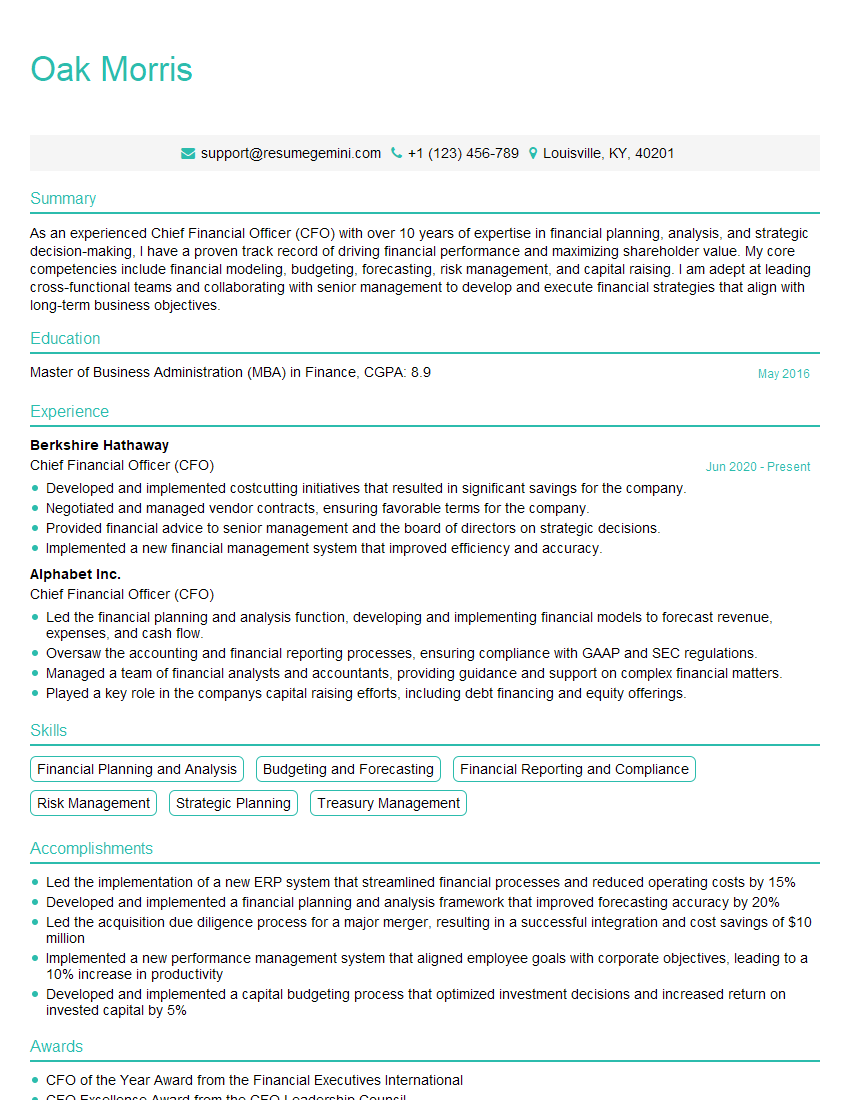
Chief Financial Officer (CFO) Resume Sample
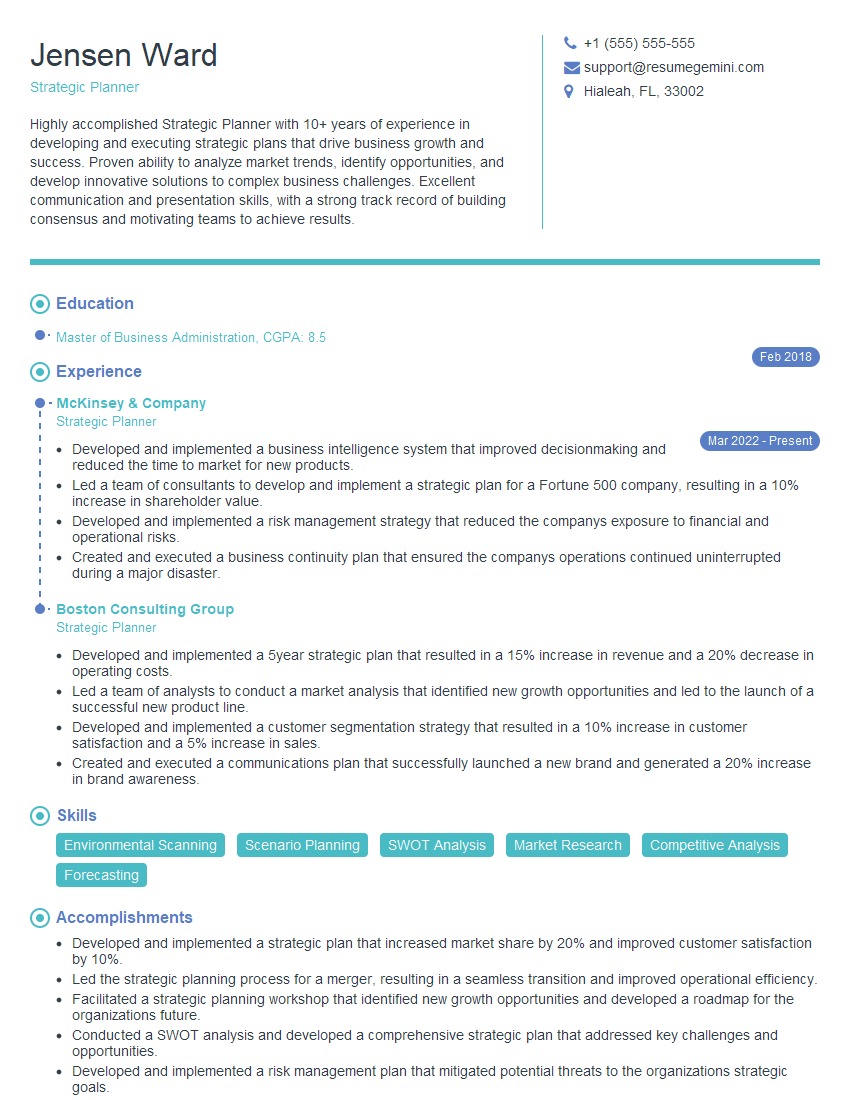
Strategic Planner Resume Sample
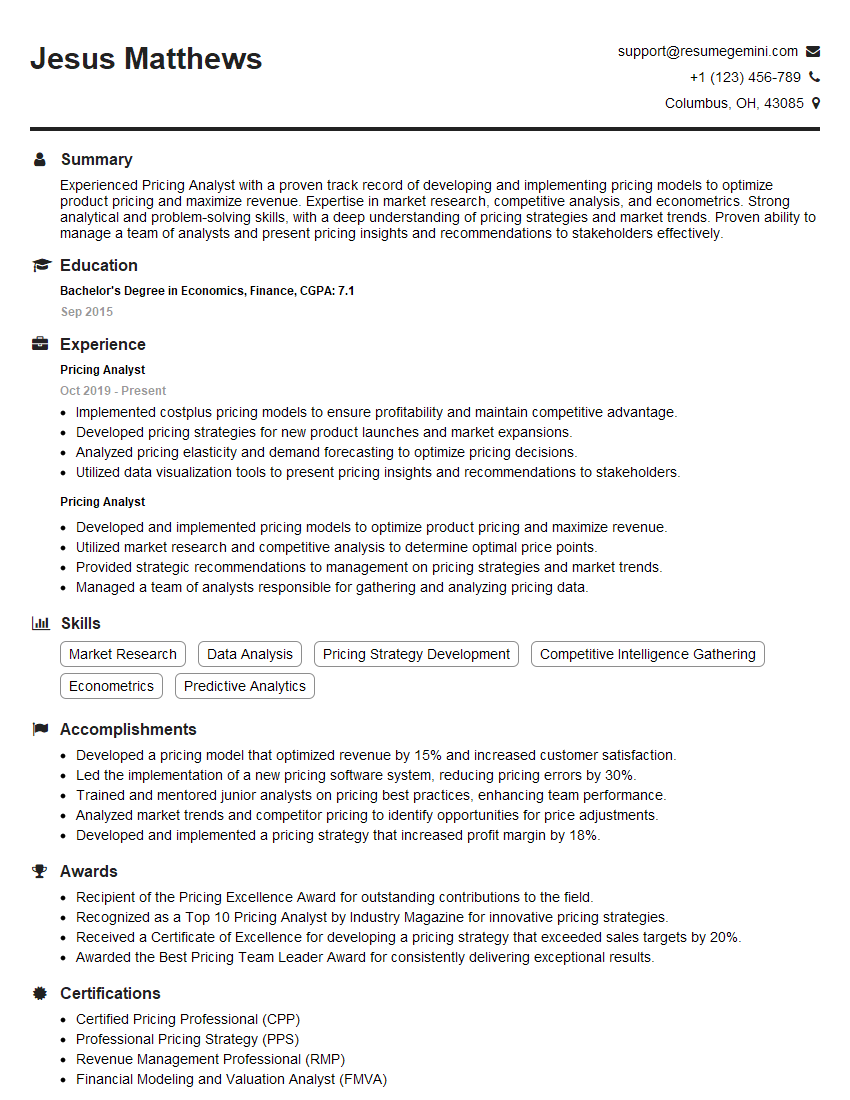
Pricing Analyst Resume Sample
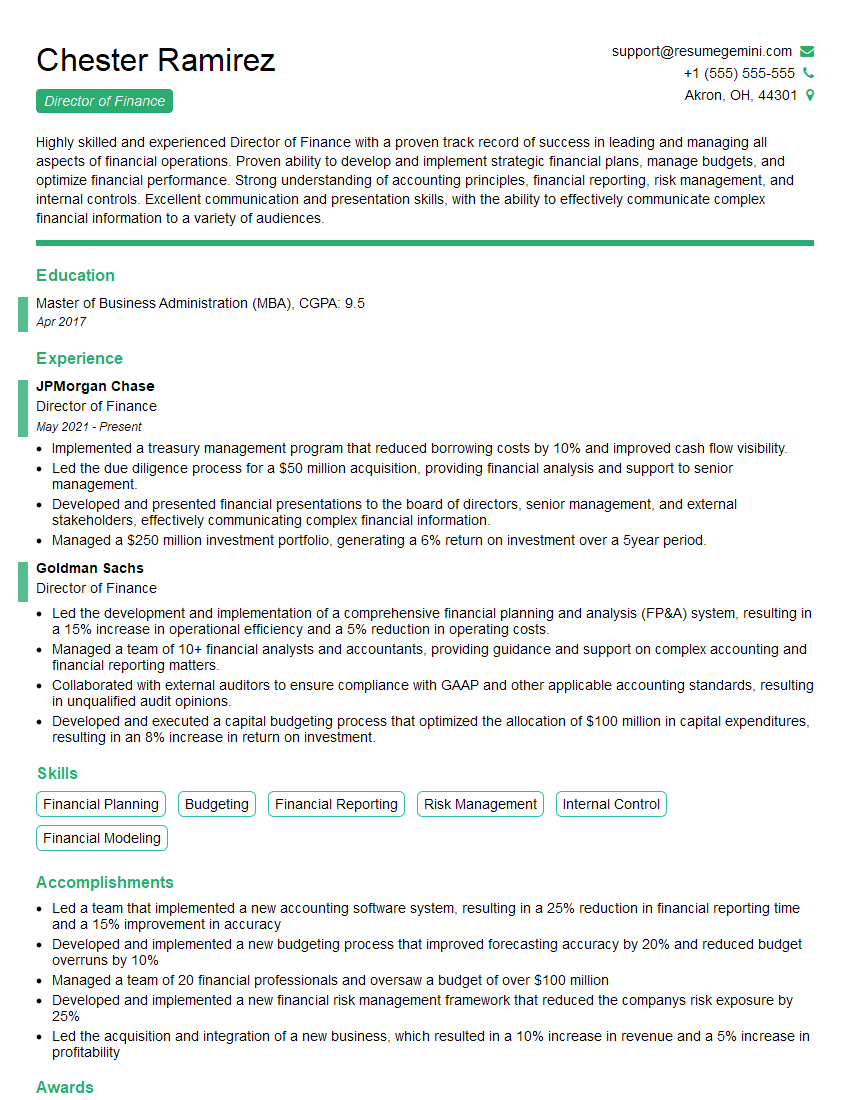
Director of Finance Resume Sample
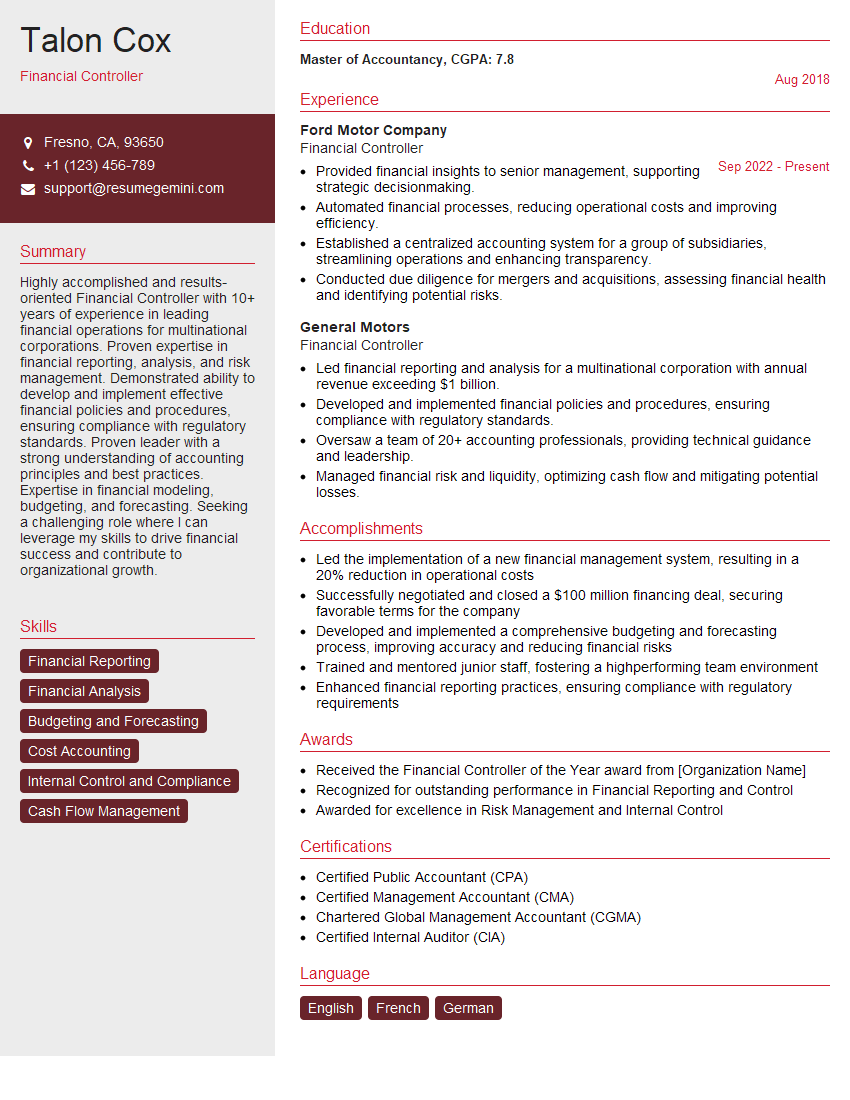
Financial Controller Resume Sample

Budget Manager Resume Sample
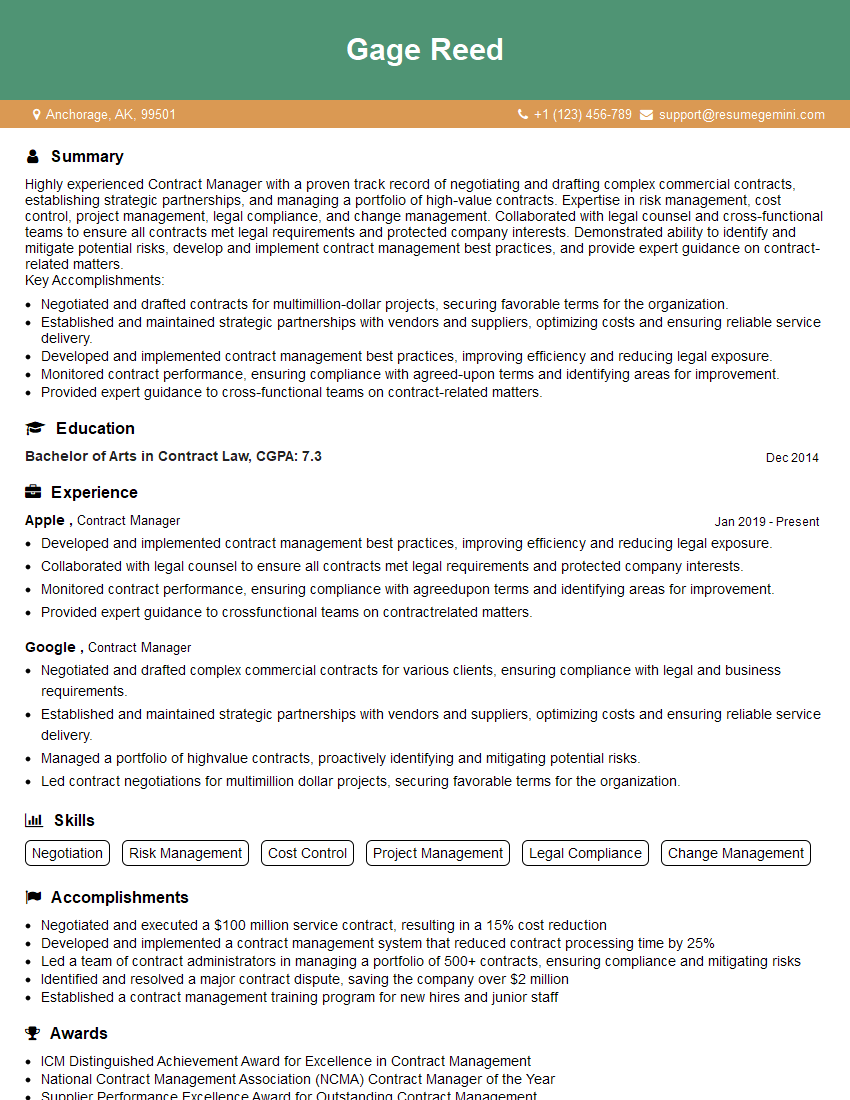
Contract Manager Resume Sample
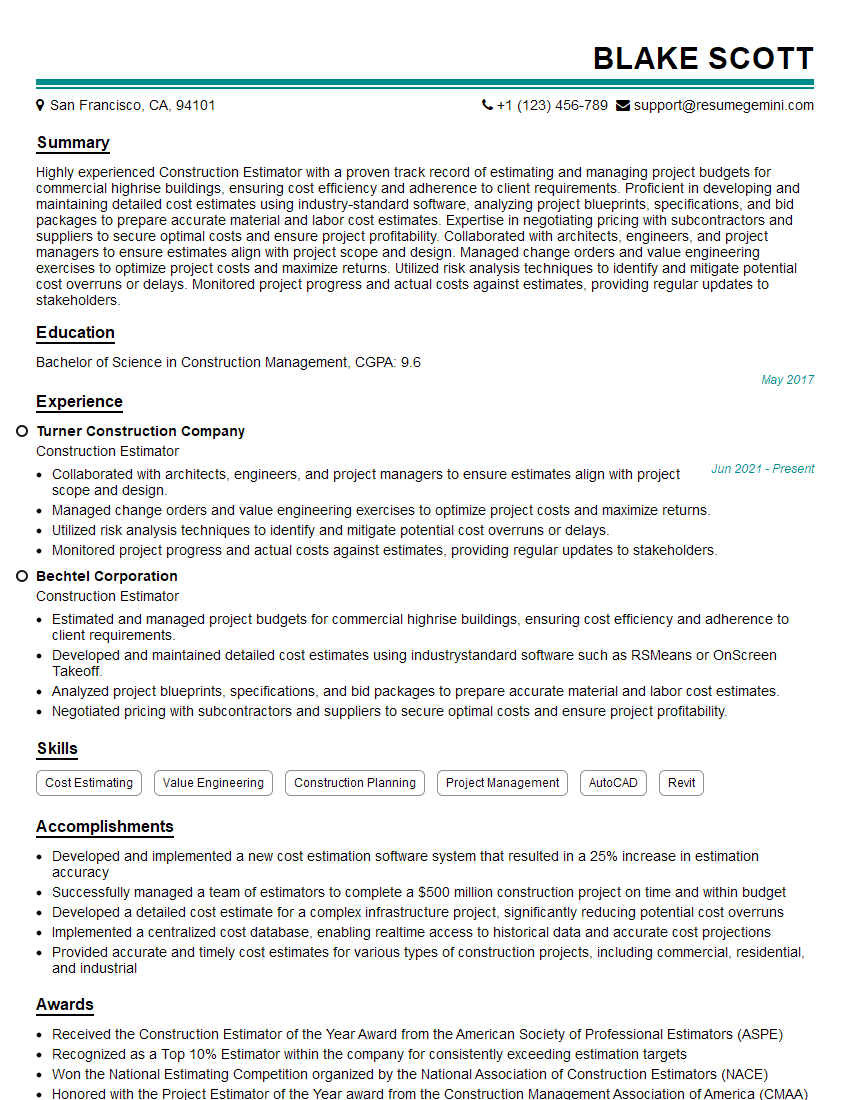
Construction Estimator Resume Sample
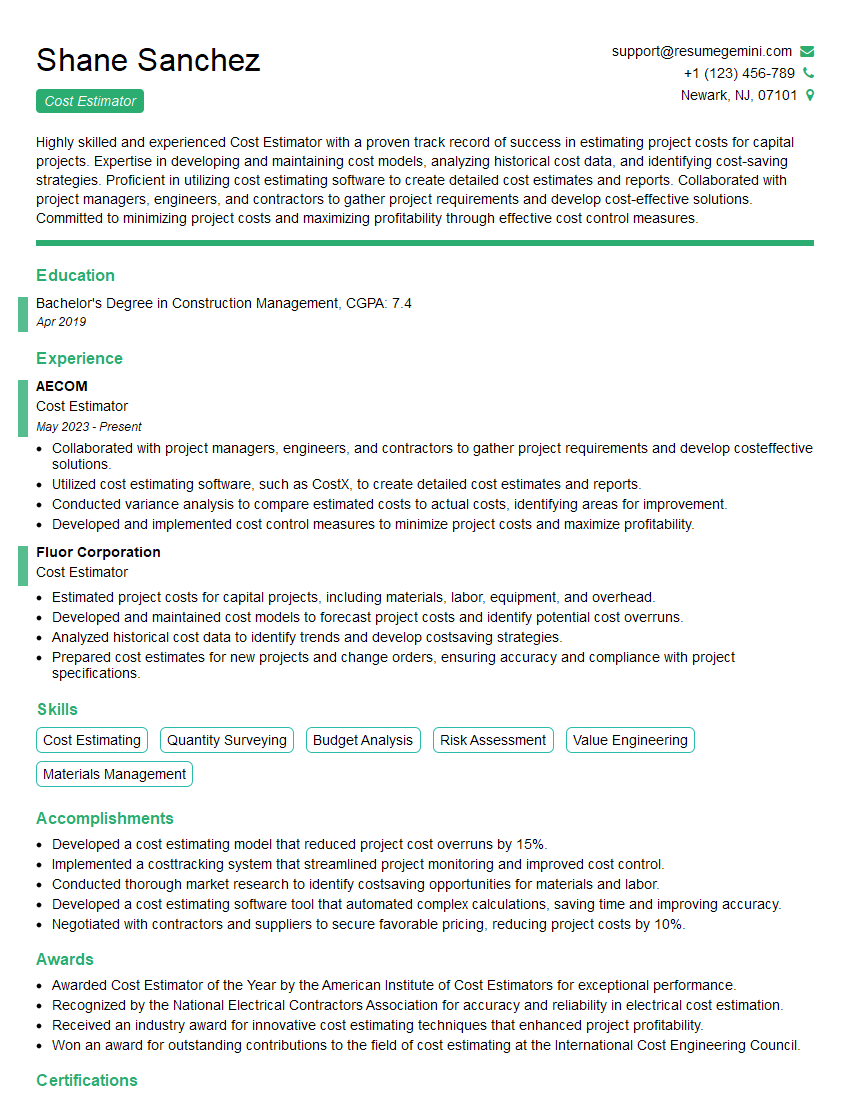
Cost Estimator Resume Sample
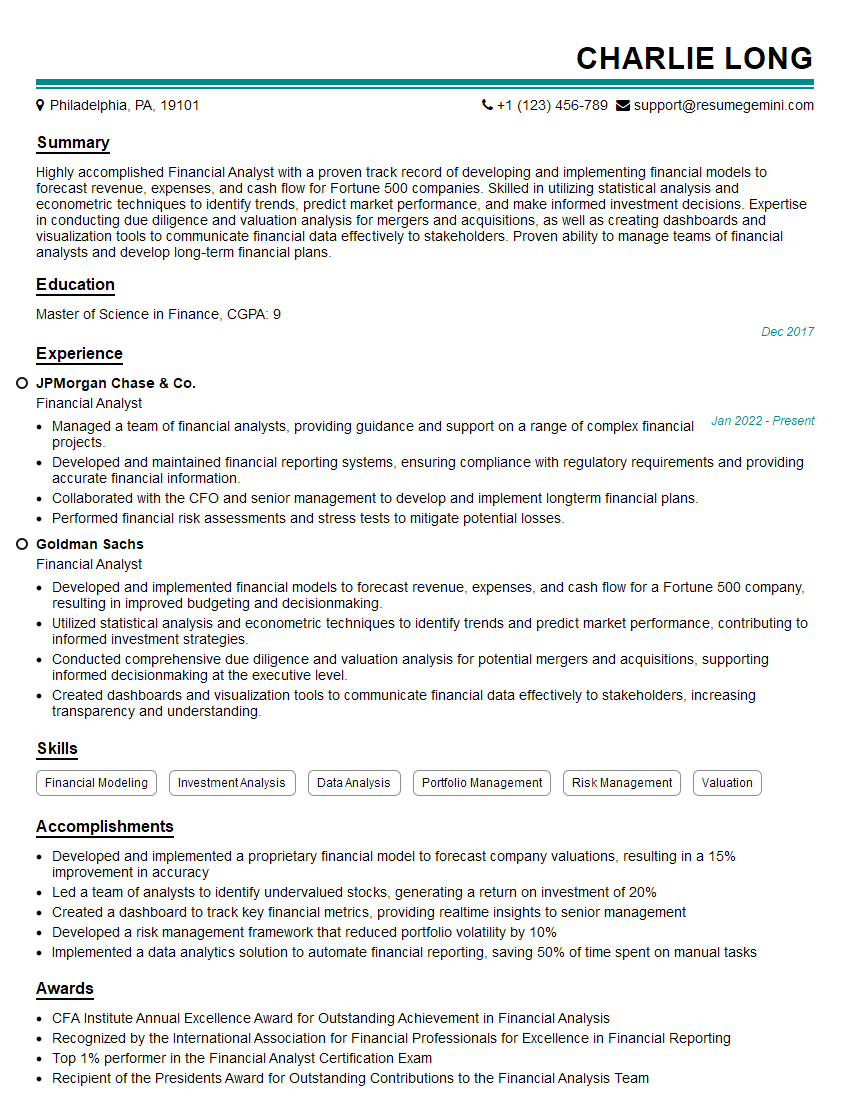
Financial Analyst Resume Sample
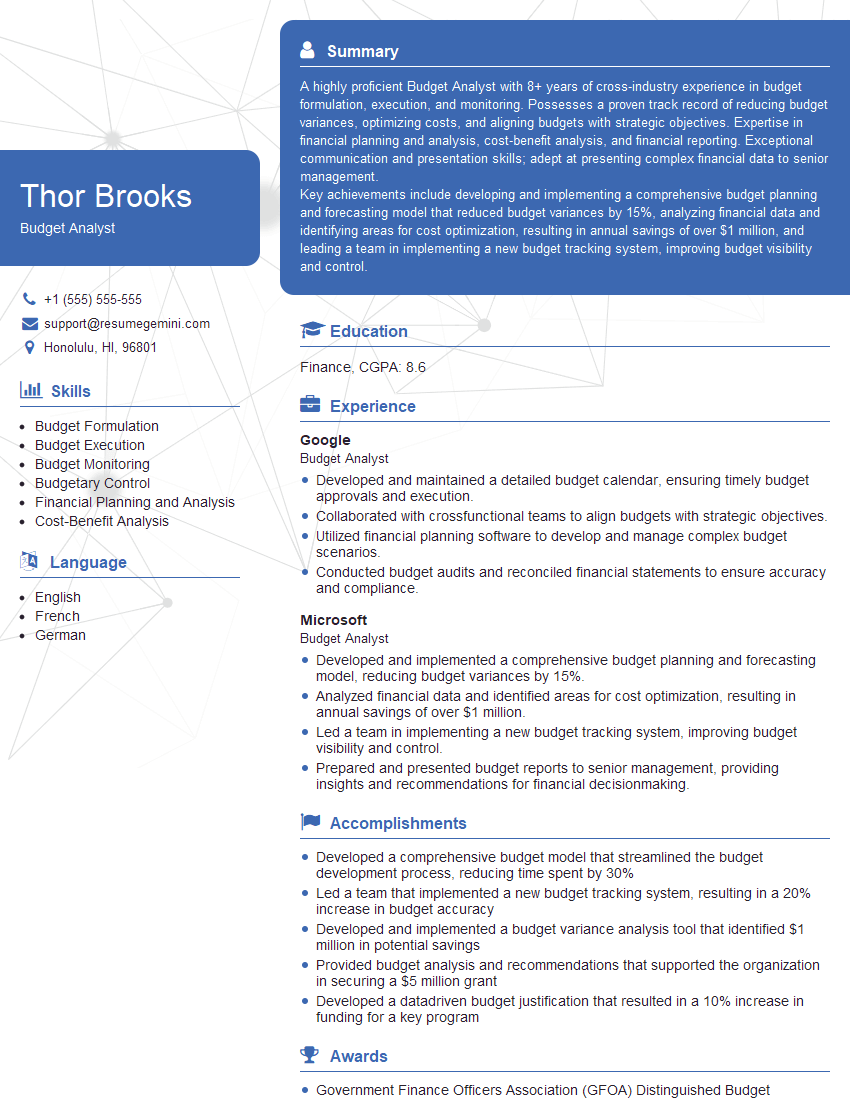
Budget Analyst Resume Sample
Explore more articles
Users Rating of Our Blogs
Share Your Experience
We value your feedback! Please rate our content and share your thoughts (optional).
What Readers Say About Our Blog
Very informative content, great job.
good