Feeling uncertain about what to expect in your upcoming interview? We’ve got you covered! This blog highlights the most important Building Management interview questions and provides actionable advice to help you stand out as the ideal candidate. Let’s pave the way for your success.
Questions Asked in Building Management Interview
Q 1. Describe your experience with preventative maintenance schedules.
Preventative maintenance schedules are the backbone of efficient building management. They’re essentially a proactive approach, focusing on regularly scheduled inspections and servicing of building systems to prevent costly breakdowns and extend the lifespan of equipment. Think of it like regular check-ups for your car – far better to catch a minor issue early than to have a major engine failure later.
In my experience, I develop these schedules by analyzing historical data on equipment failures, manufacturer recommendations, and industry best practices. This involves categorizing equipment based on criticality (e.g., HVAC systems are higher priority than light fixtures) and establishing a frequency for inspections and maintenance tasks. For instance, HVAC filters might need changing monthly, while a chiller might require a comprehensive service annually.
I utilize computerized maintenance management systems (CMMS) to track these schedules, generate work orders, and monitor progress. This ensures accountability and allows for data-driven adjustments to the schedule over time. For example, if a particular piece of equipment shows a pattern of recurring failures despite scheduled maintenance, we might adjust the maintenance frequency or investigate underlying issues.
- Example: A comprehensive HVAC preventative maintenance schedule would include regular filter changes, coil cleaning, belt inspections, and refrigerant checks. This proactive approach prevents costly repairs and ensures optimal climate control within the building.
- Example: Using a CMMS, I can generate reports showing the cost savings from preventative maintenance compared to reactive repairs, showcasing the value of a well-structured schedule to building ownership.
Q 2. How do you handle tenant complaints effectively?
Handling tenant complaints effectively is crucial for maintaining positive tenant relations and a positive building reputation. My approach prioritizes prompt, professional, and empathetic responses. It’s about making the tenant feel heard and valued.
My process starts with active listening. I thoroughly understand the nature of the complaint, ensuring I capture all the relevant details. This includes documenting the issue, the date and time, and the tenant’s contact information. I then categorize the complaint (e.g., maintenance issue, security concern, noise complaint). This helps prioritize the response and assign it to the appropriate team.
Next, I communicate a clear plan of action. I provide an estimated timeframe for resolution and keep the tenant updated throughout the process. I strive to resolve issues quickly, but if a longer timeframe is required, I proactively manage expectations and provide regular updates. For instance, I might communicate something like: “I understand this is disruptive; I’ve contacted our plumber and expect them to arrive within 2 hours. I’ll keep you updated.”
Finally, I follow up to ensure the tenant is satisfied with the resolution. This demonstrates accountability and reinforces positive relationships. In cases where the complaint cannot be fully resolved, I clearly explain the limitations and provide alternatives.
- Example: A leaking faucet might require immediate plumber dispatch, while a noise complaint from a neighbor might involve mediation and enforcement of building rules.
Q 3. Explain your understanding of building codes and regulations.
Understanding building codes and regulations is paramount for ensuring the safety, health, and well-being of occupants and compliance with the law. My knowledge encompasses local, state, and federal codes, including those related to fire safety, accessibility, energy efficiency, and environmental protection.
I stay updated on code changes through professional development, subscriptions to industry publications, and attending relevant seminars and workshops. This ensures our building operations are always compliant. I also collaborate closely with architects, engineers, and building inspectors during construction or renovation projects to guarantee adherence to all applicable regulations.
I use codes as a guide for everything from design and construction to day-to-day operations. For instance, the International Building Code (IBC) outlines requirements for fire suppression systems, emergency exits, and accessibility features. Familiarity with these codes ensures that the building is safe and compliant. Failure to comply can lead to hefty fines and potential legal action.
- Example: Ensuring all fire extinguishers are inspected and serviced annually according to NFPA standards is an example of building code compliance.
- Example: Implementing appropriate ADA compliant features like ramps and accessible restrooms demonstrates a commitment to building codes and inclusivity.
Q 4. What is your experience with budgeting and financial management in building operations?
Budgeting and financial management are essential for the long-term success of any building operation. My experience involves developing and managing annual budgets, tracking expenses, and analyzing financial performance. This includes forecasting future costs, identifying areas for cost savings, and justifying capital expenditures.
I utilize financial management software to track expenses, generate reports, and monitor key performance indicators (KPIs) such as operating costs per square foot and utility consumption. I also use this data to identify trends and potential cost-saving opportunities. For example, if energy consumption is high, I might analyze the data to pinpoint the source and implement energy-saving measures.
In preparing budgets, I consider various factors such as anticipated maintenance costs, utility expenses, insurance premiums, and staff salaries. I then analyze these projections to create a realistic and achievable budget that aligns with the building’s financial goals. This is a collaborative effort, involving input from relevant stakeholders.
- Example: By implementing energy-efficient lighting and HVAC systems, I was able to reduce energy costs by 15% over a three-year period.
- Example: Through effective negotiation with vendors, I secured a lower price for maintenance contracts, saving the building thousands of dollars annually.
Q 5. How do you prioritize maintenance requests and emergencies?
Prioritizing maintenance requests and emergencies requires a systematic approach. I utilize a triage system based on urgency and impact. Emergencies, such as power outages or significant leaks, receive immediate attention. Non-emergency requests are prioritized based on factors such as the impact on building operations and tenant safety.
My system utilizes a work order management system where requests are logged, categorized, assigned to technicians, and tracked for completion. Requests are typically categorized as follows:
- Emergency: Immediate threat to life safety or significant property damage.
- Urgent: Impacts building operations or tenant comfort significantly.
- Routine: Minor repairs or maintenance that don’t significantly impact operations.
This system helps ensure that critical issues are addressed promptly, minimizing disruption and potential damage. Regular communication with tenants is vital, particularly during periods of high workload or when repairs are delayed.
- Example: A burst pipe requires immediate attention to prevent water damage; therefore, it’s classified as an emergency. A broken light fixture is less urgent and can be scheduled for routine maintenance.
Q 6. Describe your experience with vendor management and contract negotiation.
Effective vendor management and contract negotiation are critical for cost control and ensuring high-quality services. My experience involves sourcing reliable vendors, negotiating favorable contracts, and managing vendor performance.
The process starts with identifying vendors who meet the required qualifications and have a proven track record. This might involve requesting proposals, reviewing references, and checking insurance coverage. I then evaluate proposals based on factors such as price, experience, and technical capabilities. Negotiation is crucial to secure the best possible terms and conditions, including pricing, payment terms, and service level agreements.
Once a contract is in place, I monitor vendor performance closely. This involves regular communication, performance reviews, and addressing any issues promptly. I document all interactions and maintain detailed records of contracts and vendor performance. This ensures accountability and allows for informed decisions regarding future contracts.
- Example: I negotiated a 10% reduction in maintenance contract costs by leveraging competitive bidding and demonstrating the building’s long-term commitment.
- Example: By regularly reviewing vendor performance, I identified a contractor whose work consistently fell short of expectations, and replaced them with a more reliable vendor.
Q 7. How do you ensure the safety and security of a building?
Ensuring building safety and security is a multifaceted process requiring a comprehensive approach. It involves implementing measures to protect occupants and assets from various threats, including fire, theft, vandalism, and natural disasters.
This involves several key areas:
- Fire Safety: Regular inspections of fire suppression systems, fire alarms, and emergency exits, along with employee and tenant fire safety training.
- Security Systems: Implementing and monitoring security systems such as CCTV cameras, access control systems, and alarm systems. Regularly reviewing security footage and responding to any security alerts.
- Emergency Preparedness: Developing and regularly testing emergency response plans, including evacuation procedures, communication protocols, and procedures for natural disasters.
- Access Control: Implementing procedures to control access to the building and restricted areas. This might include key card systems, security guards, or visitor logs.
- Maintenance: Regularly maintaining building systems and addressing any potential hazards promptly. This prevents accidents and improves overall safety.
Regular inspections, staff training, and close collaboration with security personnel are crucial for maintaining a safe and secure environment. A culture of safety and security should be fostered among all building occupants.
- Example: Implementing a robust access control system with security cameras reduces unauthorized entry and enhances the security of the building.
- Example: Conducting regular fire drills ensures building occupants are familiar with evacuation procedures and minimizes risks during a real fire.
Q 8. What is your experience with energy efficiency and sustainability initiatives?
Energy efficiency and sustainability are paramount in modern building management. My experience encompasses implementing and overseeing various initiatives, from simple retrofits to large-scale overhauls. For instance, in a previous role, I spearheaded a project to replace inefficient lighting fixtures with LED technology across a 150,000 sq ft office building. This resulted in a 30% reduction in energy consumption and significant cost savings. Beyond lighting, I’ve worked on implementing smart thermostats, optimizing HVAC systems through predictive maintenance, and exploring renewable energy sources such as solar panels. I also actively engage in water conservation strategies, including the implementation of low-flow fixtures and leak detection systems. My approach always involves a thorough energy audit to identify areas for improvement, followed by a cost-benefit analysis to determine the most effective and economical solutions. Sustainability isn’t just about cost-cutting; it’s about environmental responsibility. I firmly believe in integrating environmentally friendly practices throughout the building’s lifecycle, from construction materials to waste management.
Q 9. How do you handle unexpected repairs or breakdowns?
Unexpected repairs and breakdowns are inevitable in building management. My approach is proactive and multi-faceted. Firstly, a robust preventative maintenance program is crucial. Regularly scheduled inspections and timely servicing of equipment significantly minimize the likelihood of unexpected failures. Secondly, I maintain a strong network of reliable contractors specializing in various building systems. When a breakdown occurs, my response is swift and efficient. I follow a structured protocol: assess the situation, prioritize the repair based on urgency and impact, contact the appropriate contractor, oversee the repair process, and ensure proper documentation. For instance, during a recent boiler failure, I immediately activated our emergency response plan, contacted a trusted HVAC contractor within minutes, and coordinated with building occupants to minimize disruption. Effective communication is key throughout this process – keeping tenants informed and managing expectations is crucial. Post-repair, I conduct a thorough review to understand the root cause and implement measures to prevent recurrence.
Q 10. What software or systems are you familiar with for managing building operations?
I am proficient in several building management software and systems. My experience includes using Computerized Maintenance Management Systems (CMMS) like Archibus and Fiix, which streamline work order management, preventive maintenance scheduling, and asset tracking. These systems allow for efficient resource allocation, improved communication, and detailed record-keeping. I’m also familiar with Building Information Modeling (BIM) software, which provides a comprehensive digital representation of the building, enabling better planning, design, and management of building systems. Furthermore, I’ve worked with property management software such as Yardi and Buildium for tenant management, lease administration, and financial reporting. The ability to integrate these different systems and leverage their capabilities is crucial for effective building operations.
Q 11. Describe your experience with lease administration and tenant relations.
Lease administration and tenant relations are critical aspects of building management. My experience encompasses the full lifecycle of lease agreements, from drafting and negotiation to renewal and termination. I ensure compliance with all legal requirements and maintain accurate lease records. I’m adept at handling tenant requests, resolving conflicts efficiently, and fostering positive relationships. Building strong tenant relationships contributes significantly to building occupancy and overall satisfaction. I often utilize tenant surveys and feedback mechanisms to gauge satisfaction levels and identify areas for improvement. For example, I once successfully mediated a dispute between two tenants concerning noise levels by facilitating a constructive dialogue and implementing soundproofing measures. My goal is to create a welcoming and productive environment for all building occupants.
Q 12. How do you manage and motivate a maintenance team?
Motivating a maintenance team requires a blend of leadership, training, and recognition. I foster a collaborative environment where team members feel valued and empowered. Regular team meetings provide opportunities for feedback, problem-solving, and skill development. I delegate tasks based on individual strengths and provide ongoing training to enhance their skills. Performance reviews provide a platform for constructive criticism and celebrate achievements. Recognition of good work, whether it’s a simple thank you or a bonus, goes a long way in boosting morale and productivity. Furthermore, I champion a culture of safety and promote adherence to safety regulations and best practices. A motivated and skilled team is crucial for maintaining a well-functioning building and providing excellent service to tenants.
Q 13. How do you conduct regular building inspections?
Regular building inspections are essential for proactive maintenance and safety. My approach involves a structured inspection process, using checklists tailored to different building systems (HVAC, electrical, plumbing, fire protection, etc.). Inspections are conducted on a predetermined schedule, with higher-frequency checks for critical systems. I utilize both visual inspections and functional testing to identify potential issues early on. During inspections, I document all findings, including photographs and detailed descriptions, creating a comprehensive record. These records are then used to schedule repairs, plan preventative maintenance, and track the overall condition of the building. Inspections also play a crucial role in ensuring compliance with safety regulations and building codes. I always prioritize safety and address any potential hazards immediately.
Q 14. Explain your experience with capital improvement projects.
Capital improvement projects require meticulous planning and execution. My experience spans from project initiation and feasibility studies to completion and post-project evaluation. I’m adept at developing detailed project proposals, including budget estimations and timelines. This includes securing necessary approvals, managing bids from contractors, and overseeing the construction process. Effective communication with stakeholders, including tenants and building owners, is paramount throughout the project lifecycle. For instance, I managed a complete renovation of the building’s lobby, which involved coordinating with architects, contractors, and tenants to minimize disruption. The project was completed on time and within budget, resulting in a significantly improved aesthetic and functional space. A successful capital improvement project hinges on clear communication, diligent planning, and a keen eye for detail.
Q 15. What are your strategies for improving building efficiency and reducing costs?
Improving building efficiency and reducing costs requires a multi-pronged approach focusing on energy conservation, optimized maintenance, and smart technology integration. Think of it like fine-tuning a complex machine for peak performance.
Energy Efficiency Upgrades: This includes implementing energy-efficient lighting (LEDs), upgrading HVAC systems to high-efficiency models, and improving insulation. For instance, replacing outdated boilers with high-efficiency condensing boilers can significantly reduce gas consumption and operational costs. I’ve personally overseen projects where this resulted in a 20% reduction in energy bills.
Preventive Maintenance: A robust preventive maintenance program is crucial. Instead of reacting to failures, we proactively identify and address potential issues, preventing costly repairs and extending the lifespan of building systems. Regular inspections of HVAC units, plumbing systems, and electrical components are key. I’ve used computerized maintenance management systems (CMMS) to schedule and track these activities, minimizing downtime and maximizing system longevity.
Smart Building Technology: Integrating smart building technologies, such as building automation systems (BAS), allows for real-time monitoring and control of energy consumption, security systems, and other building operations. A BAS can optimize HVAC performance based on occupancy and weather conditions, automatically adjusting settings to minimize energy waste. I successfully implemented a BAS in a previous role, resulting in a 15% reduction in energy consumption.
Water Conservation: Implementing low-flow fixtures, repairing leaks promptly, and educating tenants about water conservation practices can significantly reduce water bills. I’ve found that a combination of technological upgrades and tenant engagement is the most effective strategy here.
Career Expert Tips:
- Ace those interviews! Prepare effectively by reviewing the Top 50 Most Common Interview Questions on ResumeGemini.
- Navigate your job search with confidence! Explore a wide range of Career Tips on ResumeGemini. Learn about common challenges and recommendations to overcome them.
- Craft the perfect resume! Master the Art of Resume Writing with ResumeGemini’s guide. Showcase your unique qualifications and achievements effectively.
- Don’t miss out on holiday savings! Build your dream resume with ResumeGemini’s ATS optimized templates.
Q 16. Describe your experience with risk assessment and mitigation in building management.
Risk assessment and mitigation are paramount in building management. It’s about proactively identifying and addressing potential hazards before they become significant problems. I approach this using a systematic process.
Hazard Identification: This involves a thorough assessment of the building, including physical inspections, reviewing historical data, and consulting with relevant stakeholders. We identify potential risks such as fire hazards, electrical malfunctions, structural weaknesses, and security vulnerabilities.
Risk Analysis: Once hazards are identified, we assess the likelihood and potential severity of each risk. This helps prioritize mitigation efforts, focusing on the most critical issues first.
Mitigation Strategies: This phase involves developing and implementing strategies to reduce or eliminate identified risks. This might include installing fire suppression systems, upgrading electrical systems, conducting regular inspections, and implementing security measures like CCTV cameras and access control systems. For example, in a previous role, we identified a potential roof collapse risk due to age and weather damage. We prioritized this, securing immediate repairs and preventing a potentially catastrophic event.
Monitoring and Review: Risk assessment isn’t a one-time event. We continuously monitor the effectiveness of our mitigation strategies and update our risk assessments as needed, adapting to changing circumstances and emerging threats.
Q 17. How do you track and manage building maintenance costs?
Tracking and managing building maintenance costs requires a structured approach leveraging technology and efficient record-keeping. Think of it as running a small business within the larger building operation.
Budgeting and Forecasting: We develop annual budgets based on historical data, anticipated maintenance needs, and projected inflation. This includes allocating funds for routine maintenance, repairs, and capital improvements.
CMMS (Computerized Maintenance Management System): A CMMS is invaluable for tracking maintenance requests, scheduling tasks, managing work orders, and recording expenses. The system provides detailed reports on maintenance costs, allowing us to identify trends and areas for improvement. For example, our CMMS provides detailed breakdowns of costs by system (HVAC, plumbing, electrical), allowing for better budget allocation.
Cost Analysis and Reporting: We regularly analyze maintenance costs to identify areas of potential savings. This might involve negotiating better rates with contractors, optimizing maintenance schedules, or implementing preventative maintenance programs to reduce the frequency of costly repairs. Detailed reports are presented to stakeholders, ensuring transparency and accountability.
Q 18. How do you handle difficult or demanding tenants?
Handling difficult or demanding tenants requires a combination of empathy, professionalism, and firm but fair communication. It’s about building rapport while upholding building rules and regulations.
Active Listening: First, I always listen carefully to their concerns, seeking to understand their perspective. Often, a tenant’s complaint stems from a misunderstanding or a genuine problem that needs addressing.
Clear Communication: I communicate clearly and concisely, explaining building policies and procedures, and offering solutions where possible. I avoid jargon and ensure the tenant understands the information provided. If necessary, I provide information in writing.
Fair and Consistent Enforcement: While striving to be accommodating, I ensure consistent enforcement of building rules and regulations. This prevents favoritism and ensures a fair environment for all tenants.
Escalation Process: For persistent or serious issues, I have a well-defined escalation process, involving senior management or legal counsel if necessary.
For example, I once dealt with a tenant consistently violating noise regulations. By engaging in open dialogue and understanding their reasons (a new baby disrupting their sleep schedule), we found a mutually agreeable solution: adjusting their hours and providing information on soundproofing options.
Q 19. What are your strategies for resolving conflicts among tenants?
Resolving tenant conflicts requires a neutral and impartial approach, focusing on mediation and communication. The goal is to facilitate a resolution that is fair and acceptable to all parties involved.
Mediation: I act as a mediator, bringing conflicting parties together to discuss their concerns and find common ground. I focus on active listening, encouraging open communication, and helping parties identify mutually agreeable solutions.
Documentation: I maintain thorough documentation of all interactions and agreements, creating a record of the process and the agreed-upon resolution.
Fairness and Impartiality: I maintain fairness and impartiality, ensuring that all parties are treated equitably and given equal opportunity to express their views.
Escalation: If mediation fails, I have a clear escalation process, involving senior management or legal counsel if necessary.
For example, I once mediated a dispute between two tenants over parking spaces. By facilitating a discussion and understanding their needs, we worked out a mutually agreeable parking schedule, avoiding further conflict.
Q 20. Describe your experience with environmental health and safety regulations.
Experience with environmental health and safety (EHS) regulations is crucial for responsible building management. It’s about ensuring a safe and healthy environment for tenants and staff while complying with all applicable laws and regulations. This involves a deep understanding of local, state, and federal regulations.
OSHA Compliance: I have extensive experience ensuring compliance with Occupational Safety and Health Administration (OSHA) standards, encompassing hazard communication, emergency preparedness, lockout/tagout procedures, and other workplace safety protocols. This includes regular safety inspections, employee training, and maintaining detailed safety records.
Environmental Regulations: I understand and comply with environmental regulations related to waste disposal, hazardous materials management, energy efficiency, and water conservation. This involves implementing waste reduction programs, properly handling hazardous materials, and maintaining accurate records of environmental compliance.
Building Codes: I am familiar with local building codes and regulations ensuring the building meets all safety and accessibility requirements. This includes regular inspections and maintenance to ensure the building’s structural integrity and compliance with applicable codes.
Q 21. How do you ensure compliance with all relevant regulations?
Ensuring regulatory compliance is an ongoing process, not a one-time event. It requires proactive planning, meticulous record-keeping, and continuous monitoring. Think of it as a continuous quality control system for safety and legality.
Regular Inspections: We conduct regular inspections to identify potential non-compliance issues, addressing them proactively before they become serious problems.
Training Programs: We provide regular training to staff on relevant regulations and safety procedures, ensuring everyone understands their responsibilities.
Record Keeping: We maintain meticulous records of all compliance activities, including inspections, training, and corrective actions. This is crucial for demonstrating compliance to regulatory bodies.
Staying Updated: Regulations change, so staying informed about updates and changes is essential. We subscribe to relevant industry publications, attend training sessions, and engage with regulatory agencies to ensure we remain current.
Third-Party Audits: We periodically engage third-party auditors to conduct independent assessments of our compliance programs. This provides an objective evaluation and helps identify areas for improvement.
Q 22. How do you handle emergency situations effectively?
Effective emergency response hinges on preparedness, swift action, and clear communication. My approach involves a three-pronged strategy: Prevention, Response, and Recovery.
Prevention involves proactive measures like regular safety inspections, ensuring all emergency equipment (fire extinguishers, first-aid kits) is functioning correctly and readily accessible, and conducting regular drills to familiarize staff and occupants with emergency procedures. For instance, I’d schedule annual fire drills and quarterly testing of the fire alarm system.
Response is about immediate action during an emergency. This includes activating the building’s emergency response plan, contacting the appropriate emergency services (fire department, ambulance, police), and ensuring the safety of building occupants through organized evacuation or shelter-in-place procedures, depending on the nature of the emergency. Clear communication is crucial – using the building’s public address system and designated communication channels to provide updates and instructions.
Recovery focuses on the post-emergency phase. This involves assessing damages, coordinating repairs, and restoring normal building operations. It also includes debriefing with staff to identify areas for improvement in the emergency response plan. For example, after a power outage, I would review our backup power systems’ performance and explore potential improvements for future incidents.
Q 23. What are your strategies for maintaining a positive working relationship with building staff?
Maintaining positive working relationships with building staff is paramount for efficient building management. My strategy focuses on open communication, mutual respect, and appreciation.
I believe in fostering a collaborative environment where everyone feels valued and heard. This includes regular team meetings to discuss challenges, share ideas, and acknowledge individual contributions. I actively listen to concerns, address issues promptly, and provide constructive feedback. I also prioritize professional development opportunities for the team, empowering them to enhance their skills and take ownership of their roles. For instance, I would organize training sessions on new building management software or advanced maintenance techniques.
Recognizing and appreciating individual efforts is also crucial. This can be done through verbal praise, small gestures of appreciation, or performance-based rewards. Creating a positive and supportive team dynamic ultimately translates to higher morale, better teamwork, and a more smoothly run building.
Q 24. What is your approach to resolving complex building-related problems?
My approach to resolving complex building-related problems is systematic and data-driven. I use a structured problem-solving framework:
- Problem Definition: Clearly identify the problem, gathering all relevant information, including documentation, observations, and input from relevant staff.
- Root Cause Analysis: Investigate the underlying cause of the problem. This often involves examining historical data, reviewing maintenance logs, and perhaps consulting with specialists.
- Solution Development: Brainstorm potential solutions, weighing the pros and cons of each, considering cost-effectiveness, feasibility, and long-term impact.
- Implementation: Choose the optimal solution and implement it, ensuring proper documentation and communication throughout the process.
- Evaluation and Follow-up: Monitor the implemented solution to assess its effectiveness. Make adjustments as needed and document all changes to prevent future occurrences.
For example, if we experience consistent flooding in a particular area, I would investigate the source of the leak through thorough inspection, potentially involving a plumber, and then implement a solution like pipe replacement or improved drainage, documenting all steps and follow up to ensure the effectiveness of the repair.
Q 25. How familiar are you with different HVAC systems and their maintenance?
I’m very familiar with various HVAC systems, including air-cooled chillers, water-cooled chillers, air-source heat pumps, geothermal heat pumps, and various ventilation systems. My understanding extends beyond basic operation to encompass preventative maintenance, troubleshooting, and repair.
I’m proficient in interpreting HVAC system schematics and operational data, enabling me to identify potential issues proactively. I understand the importance of regular filter changes, routine inspections of components (like compressors and condensers), and timely repairs to maintain optimal efficiency and prevent costly breakdowns. For instance, I know the importance of regular refrigerant checks in chiller systems and how to interpret pressure readings to diagnose leaks or other malfunctions. I also understand the importance of balancing air flow in ventilation systems for optimum comfort and energy efficiency.
Q 26. What is your experience with fire safety systems and procedures?
My experience with fire safety systems and procedures is extensive. I’m knowledgeable about various fire detection and suppression systems, including sprinkler systems, fire alarms, smoke detectors, and fire extinguishers. I understand the importance of regular inspections, testing, and maintenance of these systems to ensure their effectiveness.
I’m also familiar with fire safety regulations and codes, ensuring our building complies with all relevant standards. I’m experienced in developing and implementing fire safety plans, including evacuation procedures, emergency response protocols, and staff training. This includes conducting regular fire drills to ensure building occupants are familiar with evacuation routes and procedures. I understand the importance of regular maintenance checks for all fire safety equipment to ensure they are functional.
Q 27. Describe your understanding of accessibility regulations for buildings.
My understanding of accessibility regulations for buildings is thorough. I’m familiar with the Americans with Disabilities Act (ADA) standards and other relevant accessibility guidelines. This includes understanding requirements for ramps, elevators, accessible restrooms, signage, and appropriate door widths.
I understand the importance of ensuring that the building is accessible to people with disabilities, including those with mobility impairments, visual impairments, and hearing impairments. This includes ensuring that all areas of the building are easily navigable, with appropriate signage and clear pathways. I’m also familiar with the requirements for providing accessible parking spaces and other accommodations for people with disabilities. Before any renovations or alterations, I ensure complete compliance with ADA standards.
Q 28. How would you address a major plumbing issue in the building?
Addressing a major plumbing issue requires a prompt and systematic response. My approach would be:
- Assess the Situation: Immediately isolate the problem area to minimize further damage or disruption. This might involve shutting off water supply to affected areas.
- Contact a Plumber: Engage a licensed and experienced plumber to diagnose and repair the problem. This is crucial for ensuring the repairs are done correctly and safely.
- Communicate with Occupants: Keep building occupants informed about the situation, explaining the issue and the steps being taken to resolve it. Provide alternative arrangements if necessary.
- Oversee Repairs: Supervise the plumber’s work, ensuring it’s done according to building codes and standards, and that all safety precautions are followed.
- Document Everything: Maintain thorough records of the incident, including the nature of the problem, the repair work undertaken, and the costs involved. This information is critical for insurance claims and future preventative measures.
- Post-Repair Inspection: Conduct a thorough inspection to ensure the repair has been successful and there are no lingering issues.
For example, if a major pipe burst leads to significant water damage, I would immediately shut off the main water supply to the affected area, contact a plumber, notify the building occupants, and oversee the repairs ensuring that the affected area is properly cleaned and dried out before restoring service.
Key Topics to Learn for Building Management Interview
- Building Systems & Operations: Understanding HVAC, electrical, plumbing, fire safety systems; their maintenance, troubleshooting, and preventative measures. Practical application: Explain your experience diagnosing and resolving a building system malfunction.
- Budgeting & Financial Management: Developing and managing operational budgets, cost control strategies, and vendor negotiations. Practical application: Describe your experience creating a budget and managing expenses within a set limit.
- Tenant Relations & Communication: Effective communication with tenants, addressing concerns, and maintaining positive relationships. Practical application: Share an example of how you successfully resolved a tenant complaint.
- Health & Safety Regulations: Compliance with building codes, safety regulations (OSHA, fire codes), and emergency procedures. Practical application: Explain your knowledge of relevant health and safety regulations and how you ensure compliance.
- Sustainability & Energy Efficiency: Implementing energy-saving measures, LEED certifications, and environmentally responsible practices. Practical application: Discuss your experience with implementing green initiatives in a building.
- Facility Maintenance & Repairs: Overseeing maintenance schedules, coordinating repairs, and managing contractors. Practical application: Describe your experience managing a large-scale repair project.
- Project Management: Planning and executing building projects, from small repairs to large renovations. Practical application: Detail your experience in managing a building project from inception to completion.
- Legal & Regulatory Compliance: Understanding relevant laws, regulations, and insurance requirements. Practical application: Explain your understanding of relevant building codes and regulations.
Next Steps
Mastering Building Management opens doors to exciting career advancements, offering opportunities for increased responsibility, higher earning potential, and greater influence within the industry. A strong resume is critical to showcasing your skills and experience to prospective employers. Creating an ATS-friendly resume is essential for maximizing your chances of getting noticed by recruiters. ResumeGemini is a trusted resource to help you build a professional and impactful resume, designed to stand out from the competition. Examples of resumes tailored specifically to Building Management are available to guide your efforts. Invest the time to craft a compelling narrative – your future career awaits!
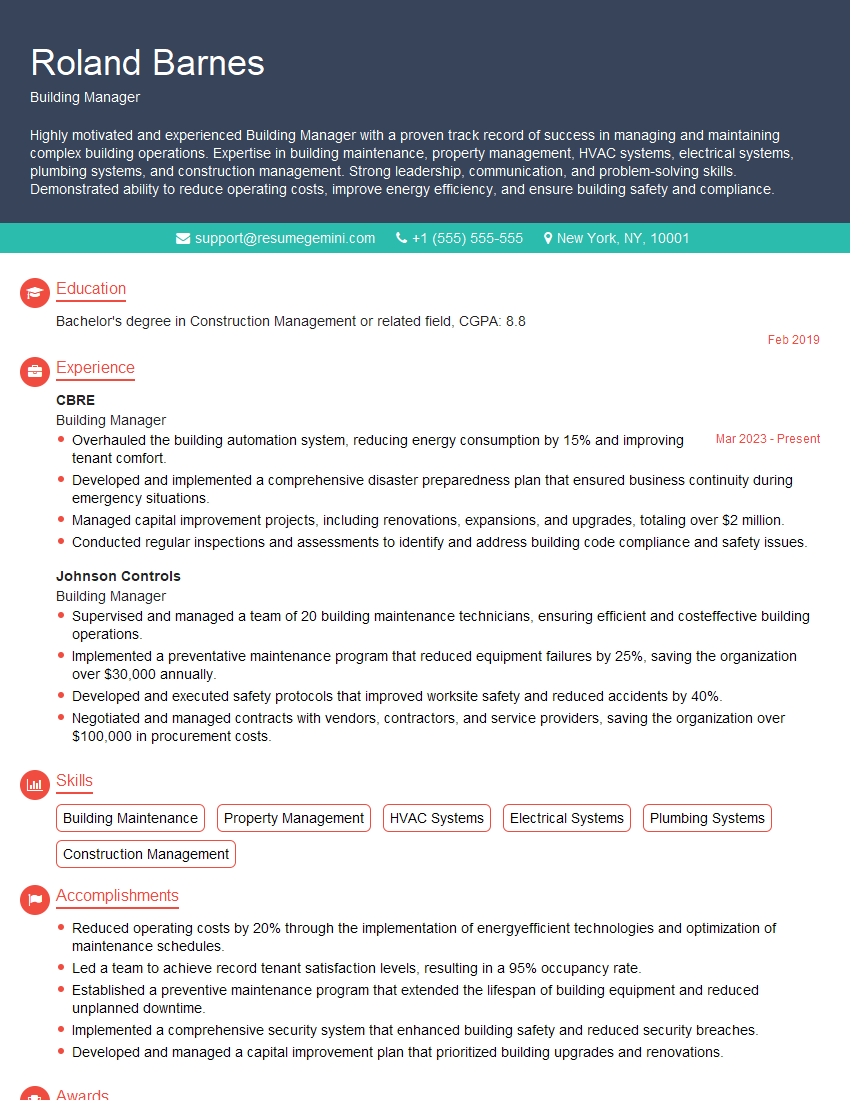
Building Manager Resume Sample
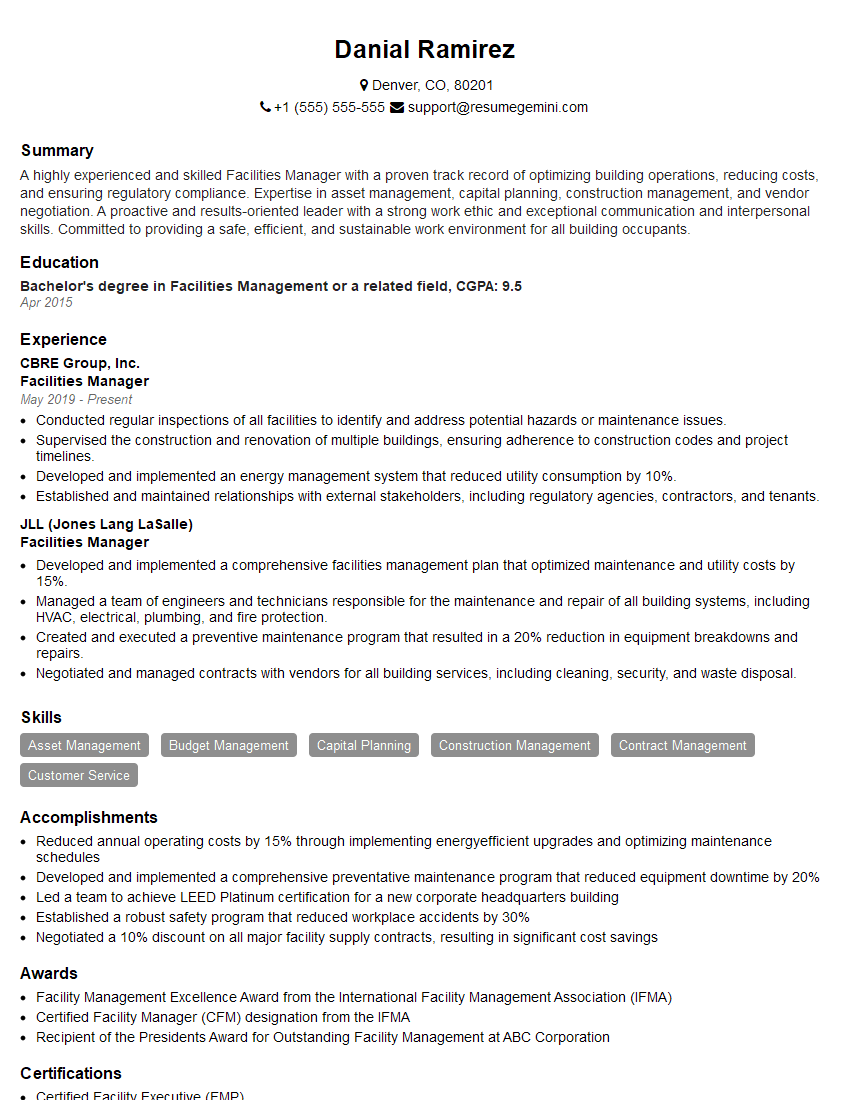
Facilities Manager Resume Sample
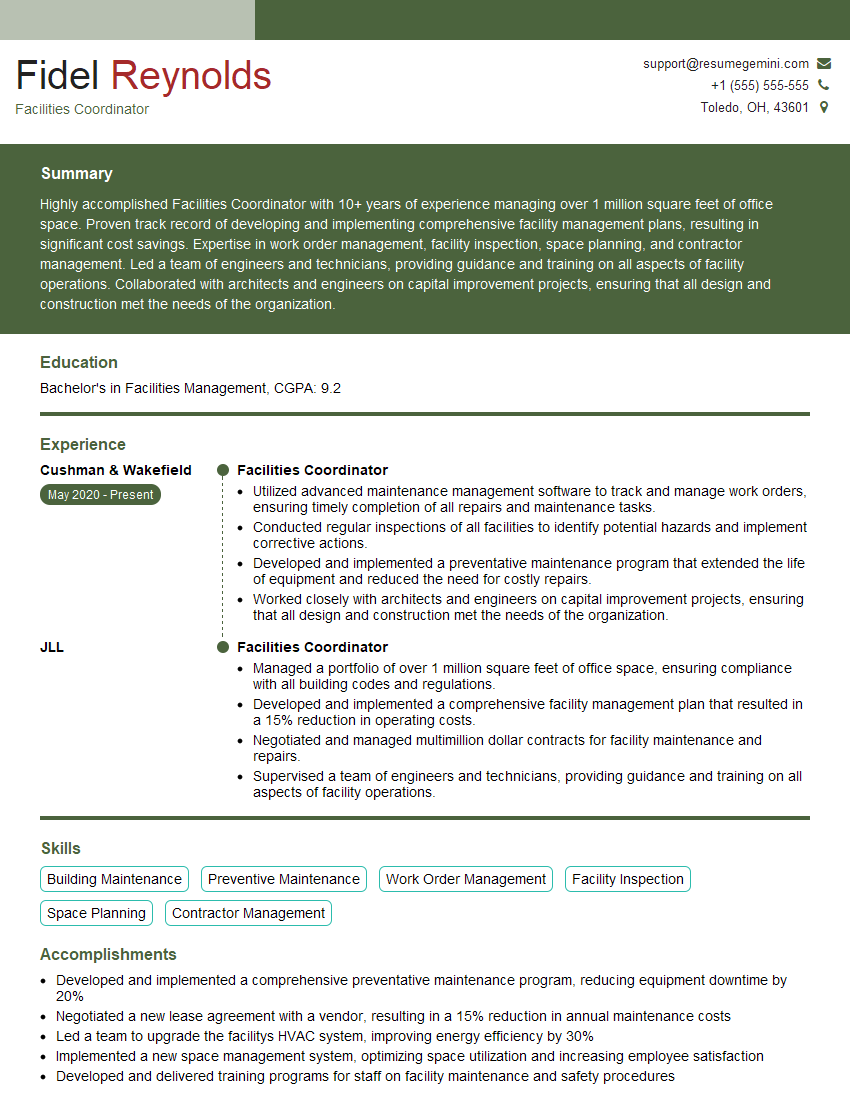
Facilities Coordinator Resume Sample
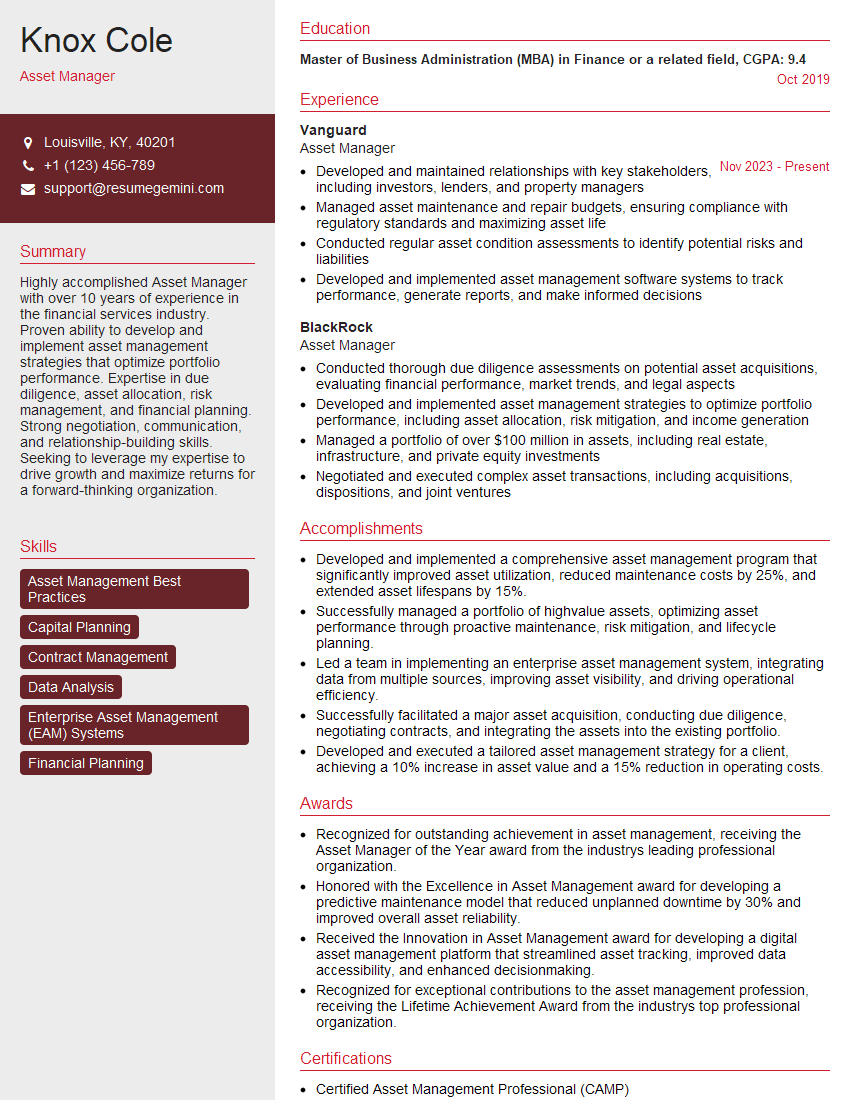
Asset Manager Resume Sample
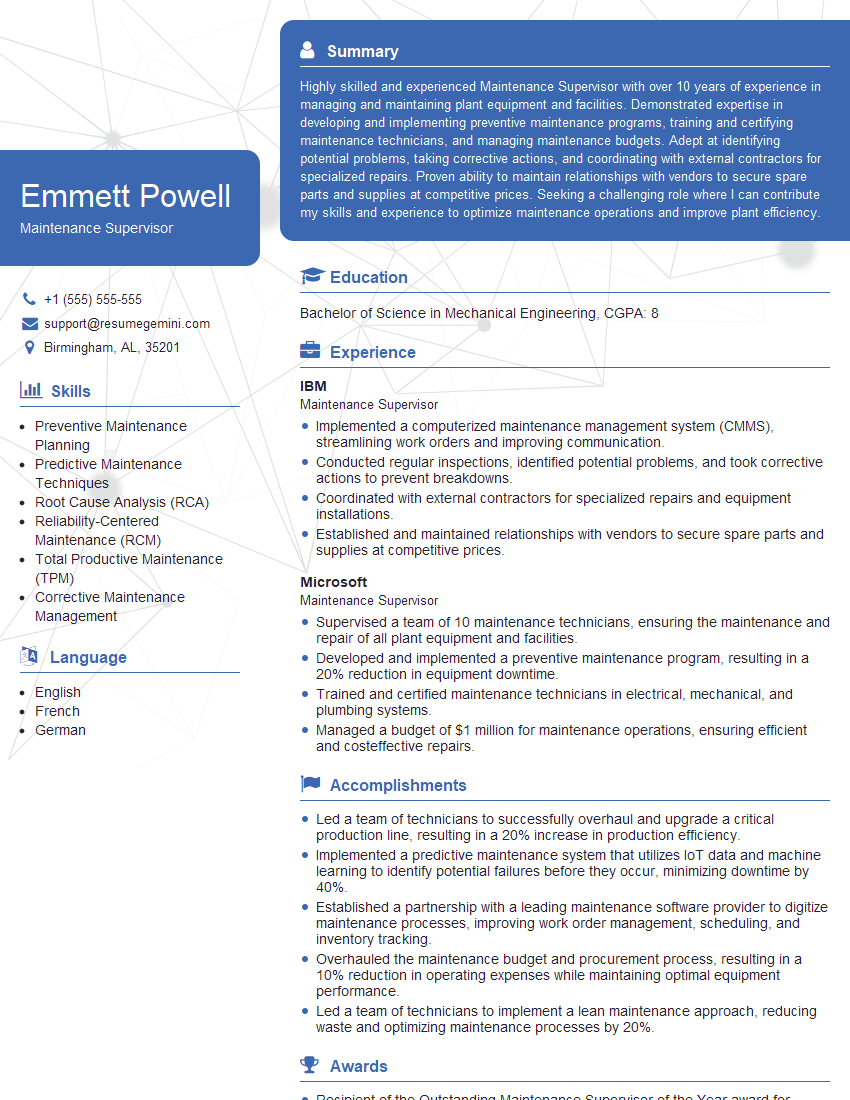
Maintenance Supervisor Resume Sample
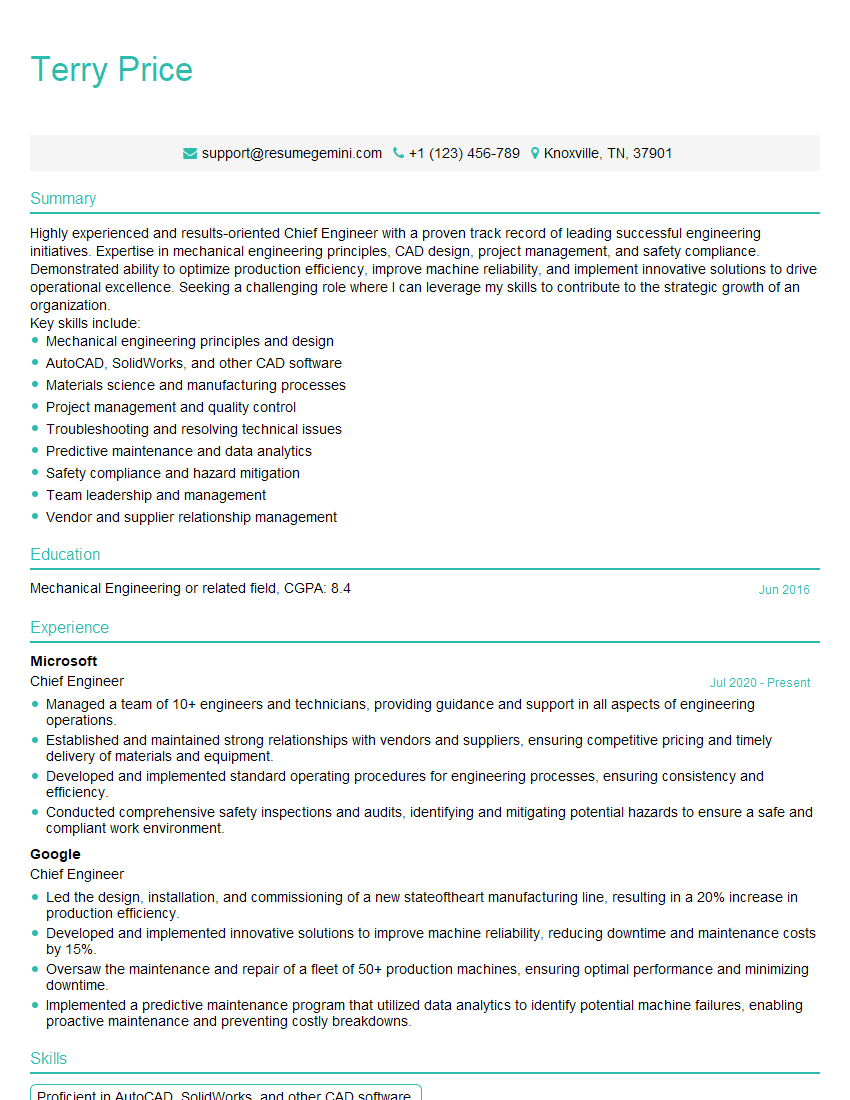
Chief Engineer Resume Sample
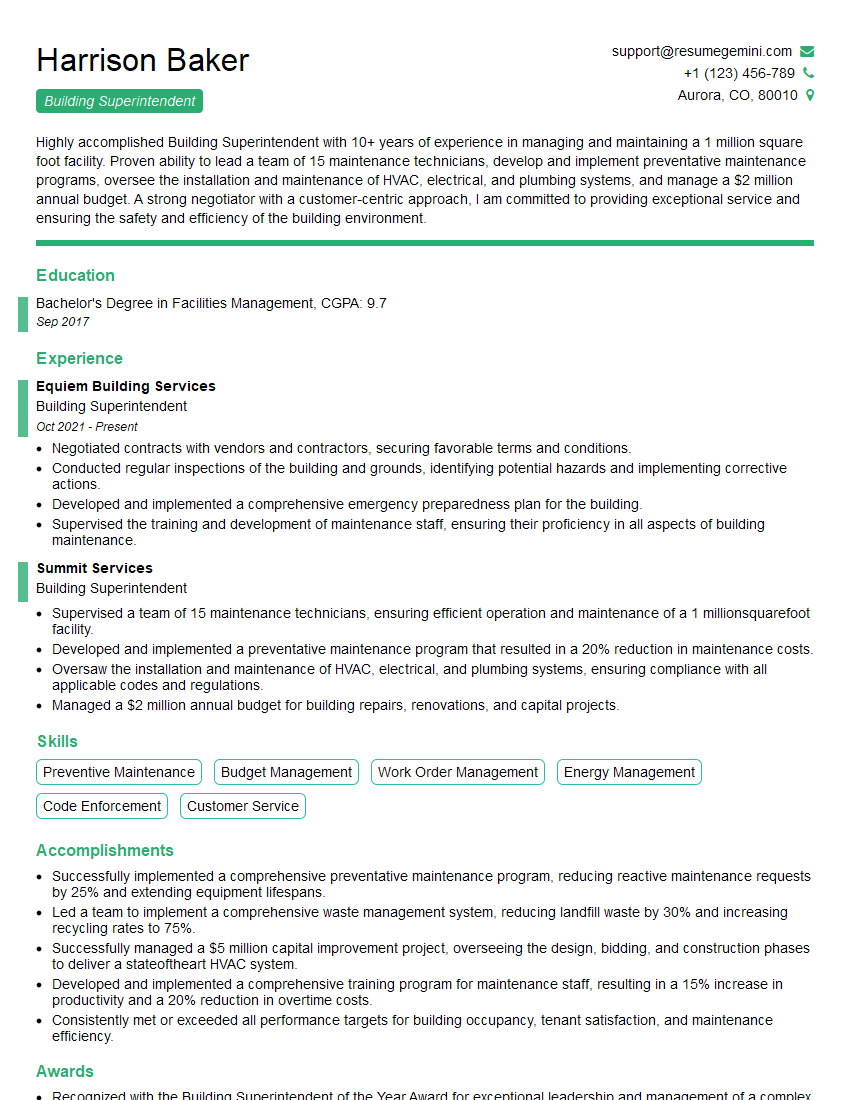
Building Superintendent Resume Sample
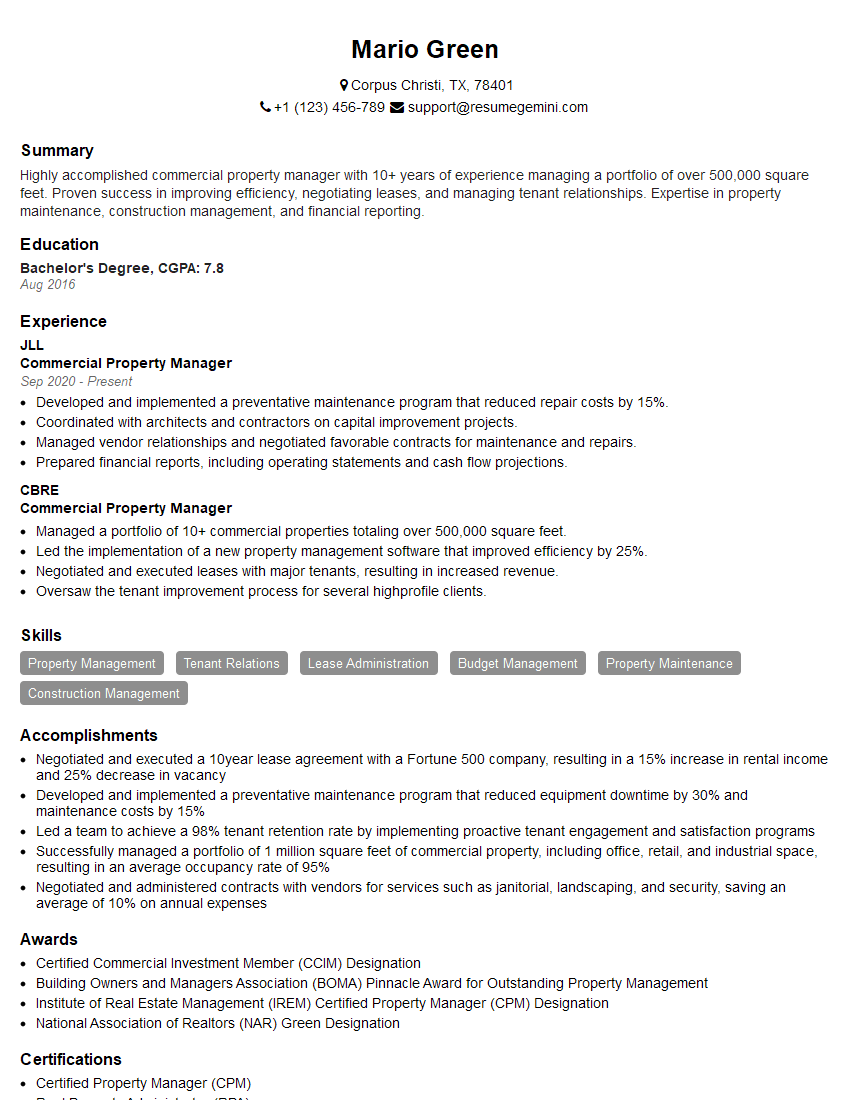
Commercial Property Manager Resume Sample
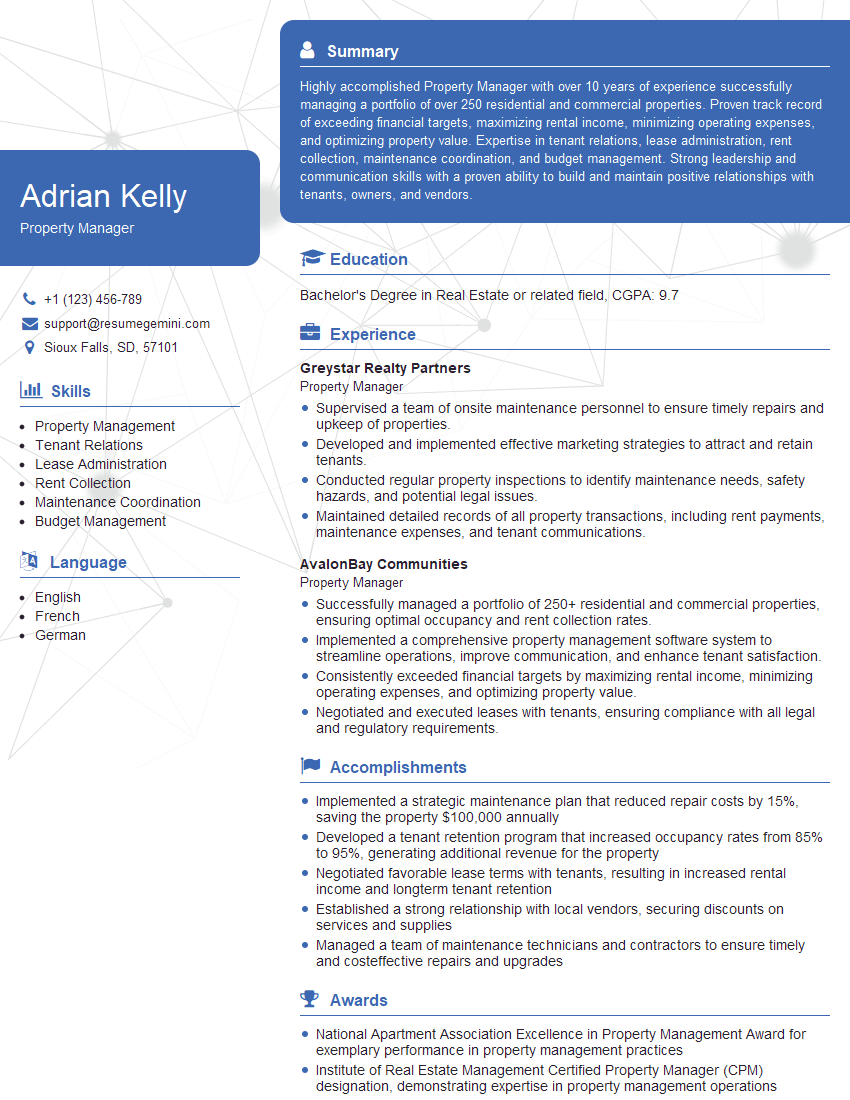
Property Manager Resume Sample
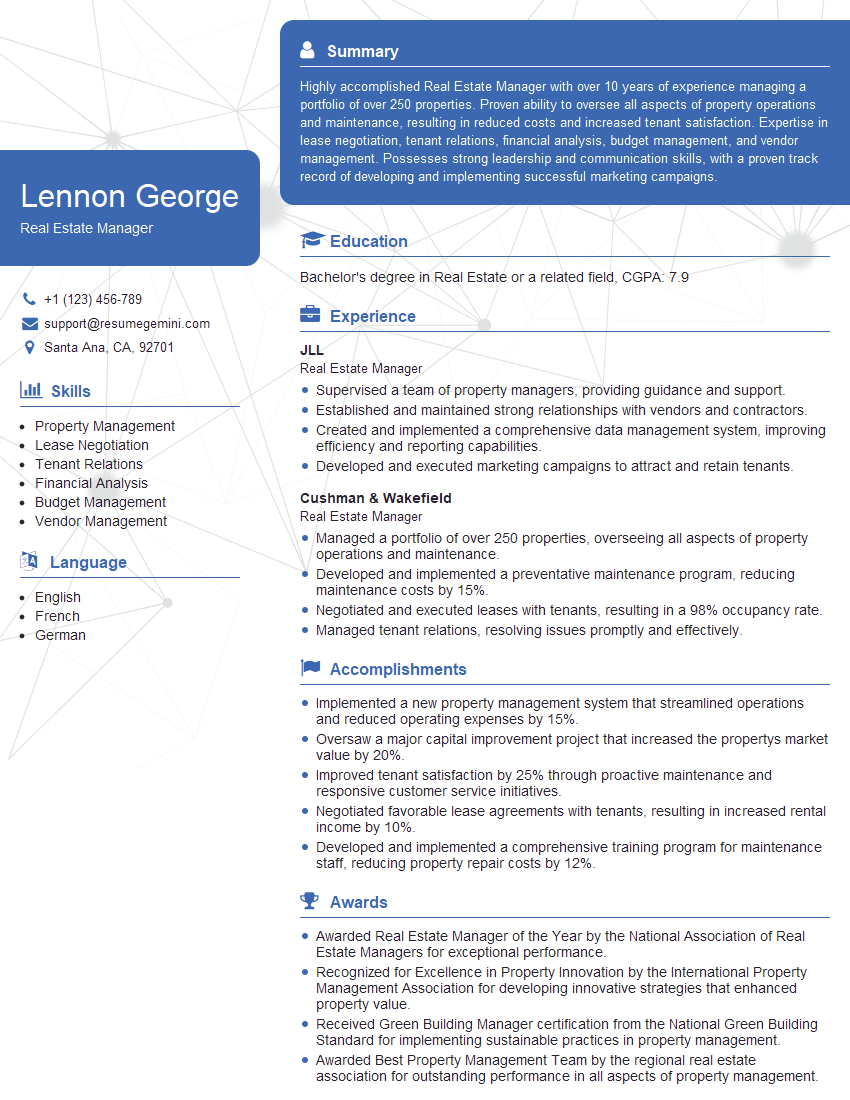
Real Estate Manager Resume Sample
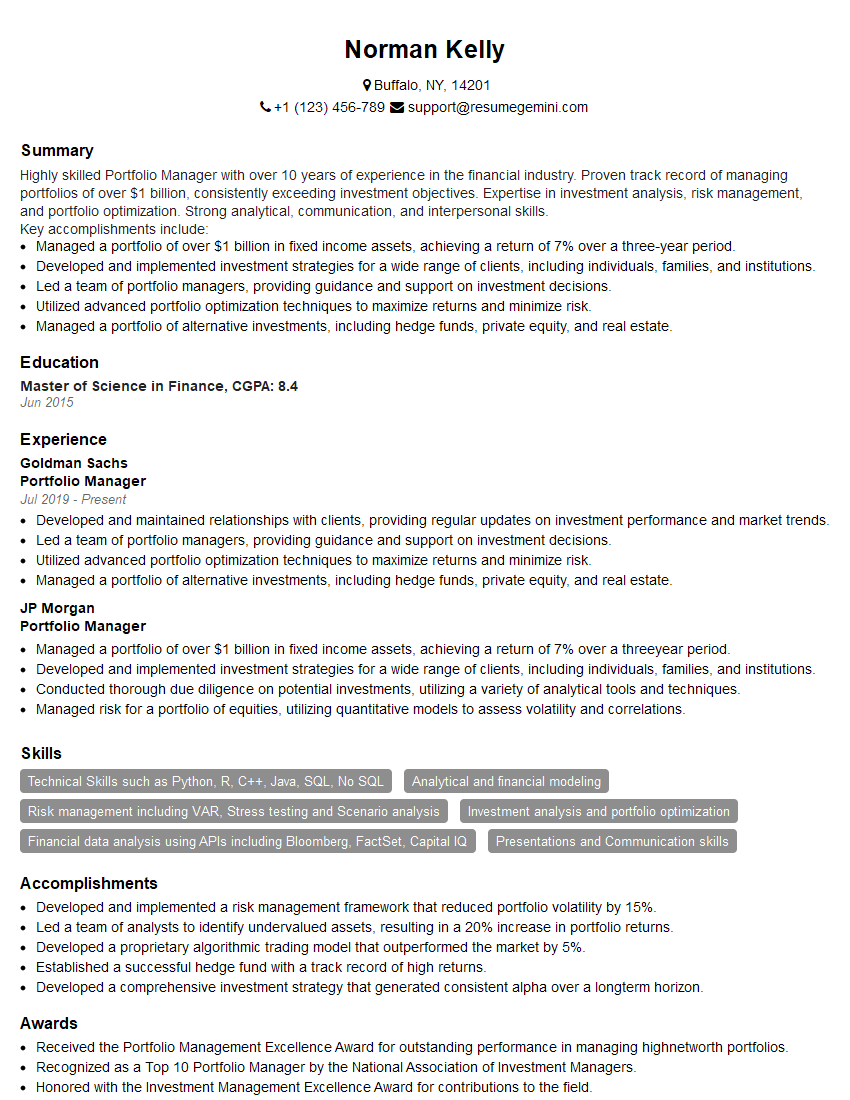
Portfolio Manager Resume Sample
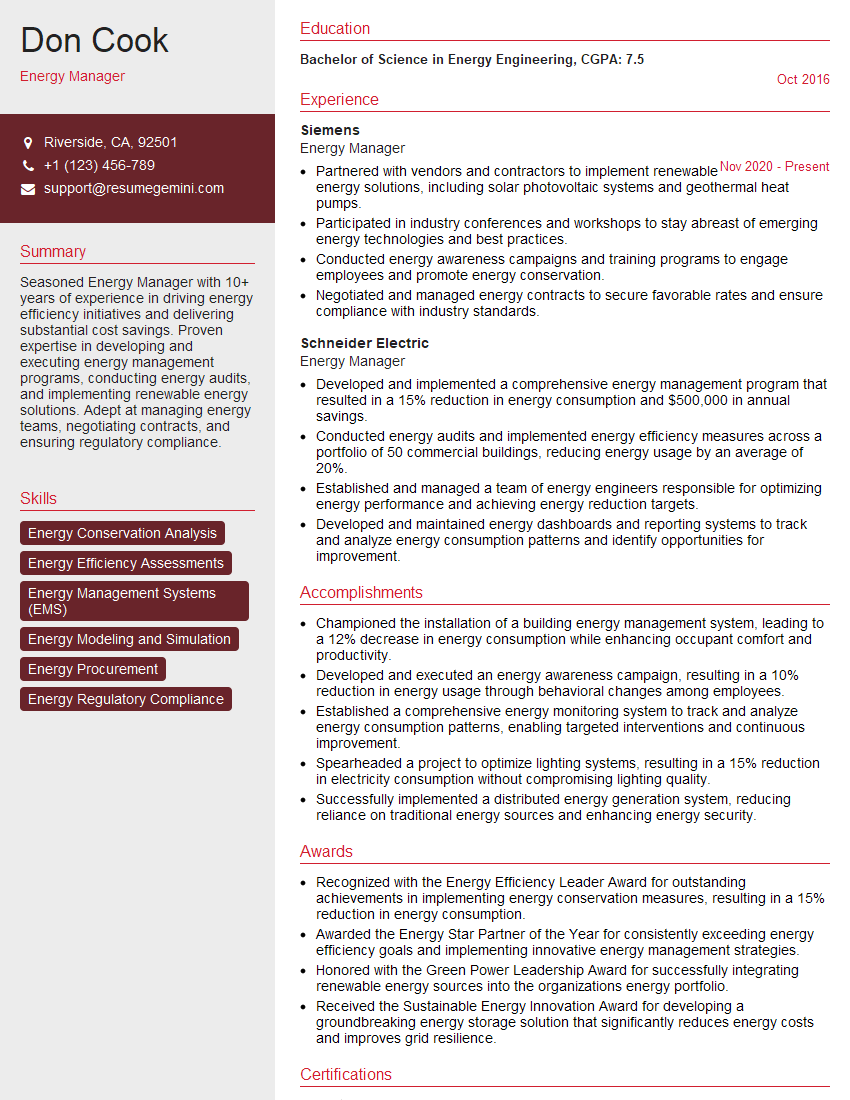
Energy Manager Resume Sample
Explore more articles
Users Rating of Our Blogs
Share Your Experience
We value your feedback! Please rate our content and share your thoughts (optional).
What Readers Say About Our Blog
Very informative content, great job.
good