Are you ready to stand out in your next interview? Understanding and preparing for Building Permitting interview questions is a game-changer. In this blog, we’ve compiled key questions and expert advice to help you showcase your skills with confidence and precision. Let’s get started on your journey to acing the interview.
Questions Asked in Building Permitting Interview
Q 1. Explain the process of obtaining a building permit.
Obtaining a building permit is a crucial step before starting any construction project. It ensures your project complies with local building codes and regulations, protecting both the public and the property owner. The process generally involves these steps:
- Project Planning and Design: Begin with detailed plans and specifications for your project. These should include architectural drawings, engineering calculations (if necessary), and a detailed description of the work to be undertaken.
- Application Submission: Submit a complete application to your local building department. This typically includes the plans, specifications, application forms, and the necessary fees.
- Plan Review: The building department reviews your submission to ensure it meets all applicable codes and regulations. This may involve several checks and potentially requests for revisions or clarifications.
- Permit Issuance: Once the plans are approved, the building department issues a building permit. This permit legally authorizes you to proceed with the construction.
- Construction: Proceed with construction, adhering strictly to the approved plans and permit conditions.
- Inspection: The building department conducts inspections at various stages of construction to verify compliance with the approved plans and codes. These inspections are crucial to ensure the project’s safety and adherence to regulations.
- Final Inspection and Occupancy Permit: Upon successful completion of all inspections, a final inspection is conducted, and an occupancy permit is issued, allowing you to legally occupy or use the building.
Think of it like getting a driver’s license – you need to demonstrate you understand the rules of the road (building codes) before you can legally drive (construct). Each jurisdiction might have slightly different processes, so it’s vital to check with your local building department for specific requirements.
Q 2. Describe the different types of building permits.
Building permits vary depending on the type and scope of the work. Here are some common examples:
- Residential Permits: These cover new home construction, additions, renovations, and alterations to existing homes.
- Commercial Permits: These are for the construction or renovation of commercial buildings, such as offices, stores, and restaurants.
- Demolition Permits: Required before demolishing any structure, ensuring safety and compliance with environmental regulations.
- Electrical Permits: Cover all electrical work, including wiring, installations, and upgrades.
- Plumbing Permits: Cover all plumbing work, including installations, repairs, and modifications to water and sewage systems.
- Mechanical Permits: Cover HVAC (Heating, Ventilation, and Air Conditioning) systems, including installation, modifications, and repairs.
Some projects might require multiple permits. For instance, a large-scale renovation could require separate permits for electrical, plumbing, and structural work in addition to the main building permit. It’s always best to consult with your local building department to determine exactly which permits are needed for your specific project.
Q 3. What are the key components of a complete building permit application?
A complete building permit application typically includes:
- Completed Application Form: This includes project details, owner information, and contractor information (if applicable).
- Site Plan: Showing the location of the project on the property, including setbacks and boundaries.
- Architectural Drawings: Detailed drawings showing the building design, including floor plans, elevations, sections, and details.
- Structural Drawings (if applicable): Engineering drawings showing the structural elements of the building, ensuring its stability and safety.
- Mechanical, Electrical, and Plumbing (MEP) Drawings (if applicable): Drawings showing the layout of the building’s MEP systems.
- Specifications: A written description of the materials and methods to be used in construction.
- Energy Calculations (if applicable): Demonstrating compliance with energy efficiency codes.
- Fees: Payment of the required permit fees.
Submitting an incomplete application can lead to delays, additional costs, and potential project setbacks. It’s crucial to gather all necessary documentation before submitting your application.
Q 4. How do you handle incomplete or inaccurate permit applications?
Handling incomplete or inaccurate permit applications requires a methodical approach. The primary goal is to obtain complete and accurate information to ensure the project’s safety and compliance.
- Identify Deficiencies: Carefully review the application to identify all missing or inaccurate information.
- Contact the Applicant: Contact the applicant (homeowner or contractor) to explain the deficiencies and request the necessary corrections or clarifications.
- Provide Guidance: Offer assistance in obtaining the missing information or correcting errors. This might involve referring them to relevant resources or providing examples of compliant documentation.
- Set Deadlines: Establish a reasonable deadline for submitting the corrected information. This ensures the process progresses efficiently.
- Follow-up: Follow up with the applicant to ensure they meet the deadline. Persistent communication is key to a timely resolution.
- Reject Incomplete Applications (If Necessary): If the applicant fails to provide the necessary information within a reasonable timeframe, the application may be rejected. This is a last resort, but necessary to maintain efficiency and standards.
The key is to be proactive, communicative, and helpful throughout the process. This approach minimizes delays and encourages compliance.
Q 5. What are the common reasons for permit denials?
Permit denials are usually due to non-compliance with building codes and regulations. Some common reasons include:
- Non-compliance with Zoning Ordinances: The project may violate local zoning regulations regarding setbacks, height restrictions, or permitted uses.
- Failure to Meet Building Codes: The plans may not meet minimum requirements for structural integrity, fire safety, accessibility, or other relevant codes.
- Incomplete or Inaccurate Application: As mentioned earlier, submitting an incomplete application is a common cause for delays or denial.
- Environmental Concerns: The project might have negative environmental impacts requiring further review or mitigation.
- Safety Hazards: The design might present safety risks to occupants or the public.
- Lack of Necessary Approvals: The project might require additional approvals from other agencies, such as stormwater management or environmental protection departments.
Applicants should address these concerns thoroughly, often involving revisions to plans or additional documentation, before resubmitting the application. A clear understanding of local codes and regulations is crucial in preventing permit denials.
Q 6. Explain the building code requirements for fire safety.
Building codes include stringent fire safety requirements to protect life and property. These requirements vary based on the building’s occupancy type (residential, commercial, industrial) and size, but generally include:
- Fire-resistant Materials: Use of fire-resistant materials in construction, such as fire-rated drywall, insulation, and structural members.
- Smoke Detectors and Alarms: Installation of smoke detectors and fire alarms in accordance with code, often with specific placement requirements.
- Sprinkler Systems: Depending on the building type and size, sprinkler systems may be mandatory to suppress fires quickly.
- Fire Escapes and Exits: Adequate and properly designed fire escapes and exits to ensure safe evacuation in case of fire.
- Compartmentalization: Designing the building to contain fire within specific areas, limiting its spread.
- Fire-rated Doors and Walls: Use of fire-rated doors and walls to prevent the spread of fire between rooms or areas.
Compliance with these regulations is non-negotiable, as fire safety is paramount. Failure to meet fire safety codes can lead to permit denial and significant legal consequences.
Q 7. Describe the process of plan review for residential construction.
Plan review for residential construction focuses on ensuring the plans comply with local building codes and regulations. The process involves a thorough examination of the submitted documents by a building official or a qualified plan reviewer. Here’s a breakdown:
- Initial Review: A preliminary review of the completeness of the application and the clarity of the drawings.
- Code Compliance Check: A detailed check to ensure the plans comply with all relevant building codes, including structural, mechanical, electrical, and plumbing codes, as well as accessibility and fire safety requirements.
- Structural Review (if necessary): An engineer may review the structural design to verify its adequacy and safety.
- Energy Efficiency Review (if necessary): A review to ensure the design meets energy efficiency requirements and standards.
- Corrective Actions (if necessary): If deficiencies are found, the applicant will receive a list of required corrections or clarifications. This may necessitate revisions to the plans.
- Re-review (if necessary): Once corrections are made, the plans are re-reviewed to ensure all issues have been addressed.
- Permit Issuance: If all requirements are met, the building permit is issued.
The duration of the plan review varies depending on the complexity of the project and the workload of the building department. Applicants should allow sufficient time for the review process and be prepared to address any issues promptly and efficiently.
Q 8. What are the key aspects of accessibility compliance?
Accessibility compliance ensures buildings are usable by people of all abilities, including those with disabilities. This goes beyond just ramps; it encompasses a comprehensive approach to design and construction.
- Accessible entrances: Wide enough doorways, ramps with appropriate slopes and landings, automatic doors.
- Accessible routes: Clear and unobstructed pathways throughout the building, with appropriate surface textures and tactile warnings.
- Accessible restrooms: Grab bars, adequate space for maneuvering wheelchairs, accessible toilet heights and controls.
- Accessible parking: Designated parking spaces close to entrances, with appropriate signage and dimensions.
- Accessible signage: Clear, legible signage in appropriate sizes and locations, including braille and raised lettering.
- Accessible communication systems: Visual and audible alarms, visual fire alarms, and assistive listening devices.
For example, I once worked on a project where a seemingly minor detail—the placement of a water fountain—created an accessibility issue. By slightly repositioning it, we ensured wheelchair users could easily reach it without obstruction. This highlights the importance of considering accessibility throughout the entire design and construction process, not just as an afterthought.
Q 9. How do you ensure compliance with zoning regulations?
Ensuring zoning compliance requires a thorough understanding of local zoning ordinances. This involves reviewing the site plan, building design, and proposed use to confirm they align with allowed uses, setbacks, height restrictions, parking requirements, and other zoning regulations specific to the area.
My strategy starts with a preliminary site analysis. This involves examining the zoning map to identify the specific zoning district and reviewing the applicable regulations. I then compare the proposed project to those regulations, noting any potential conflicts early on. I often work with a team of professionals, including surveyors and architects, to confirm that all dimensions and features meet zoning requirements.
For example, if a project proposes a building height exceeding the maximum allowed, we’ll explore options like modifying the design or seeking a variance from the zoning board. Addressing potential zoning issues early prevents delays and costly revisions later in the project.
Q 10. What are your strategies for efficient permit processing?
Efficient permit processing hinges on meticulous preparation and clear communication. My approach involves:
- Complete and accurate applications: Ensuring all required documents, plans, and information are submitted correctly and completely the first time.
- Proactive communication: Maintaining open communication with the permitting authority throughout the process to address any questions or concerns promptly.
- Digital tools and technology: Utilizing online permit systems to track progress and submit documents electronically for faster processing.
- Streamlined workflow: Organizing documents and information logically to ease review by permitting officials.
- Building strong relationships with the building department: Developing positive working relationships with the staff to facilitate smooth communication and avoid delays.
I once helped a client significantly reduce their permit processing time by proactively identifying and addressing potential issues before submitting their application. This demonstrated the value of thorough preparation and proactive communication in ensuring efficient permit processing.
Q 11. How do you handle conflicting requirements between different codes?
Conflicting requirements between different codes are a common challenge. The resolution depends on understanding the hierarchy and intent of each code. Generally, the most stringent requirement takes precedence.
My approach involves a careful review of all applicable codes, including the International Building Code (IBC), local amendments, and any specialized codes (e.g., fire codes, accessibility codes). I identify any conflicts and then:
- Determine the most stringent requirement: Identify the code with the strictest requirement and apply that.
- Seek clarification from the permitting authority: If the conflict isn’t easily resolved, consult with the permitting authority for guidance.
- Document the decision-making process: Maintain clear documentation explaining how conflicts were resolved to support the permit approval process and address potential future questions.
For example, if a fire code requires a higher level of fireproofing than the general building code, the fire code requirements prevail. Proper documentation of this decision is crucial in case of any future inspections or audits.
Q 12. Describe your experience with permit tracking systems.
I have extensive experience using various permit tracking systems, both online and in-house. These systems are crucial for efficient management of the permitting process.
I’m proficient in utilizing these systems to:
- Track application status: Monitor the progress of permit applications and receive notifications of updates.
- Manage documents: Organize and store all relevant documents electronically, ensuring easy access and retrieval.
- Communicate with permitting authorities: Use the system to submit documents, ask questions, and receive responses from the permitting department.
- Generate reports: Create reports on project progress, permit status, and other relevant metrics.
My experience with different platforms allows me to adapt quickly to new systems and leverage their functionalities for optimal efficiency. I’ve successfully managed complex projects with multiple permits using these systems, contributing to timely project completion.
Q 13. How do you stay up-to-date with changes in building codes and regulations?
Staying current with building codes and regulations requires ongoing effort and engagement. My strategy includes:
- Subscription to code updates: Subscribing to newsletters and updates from organizations like the International Code Council (ICC).
- Professional development courses: Attending continuing education courses and workshops on building codes and regulations.
- Networking with colleagues: Sharing knowledge and staying informed through interactions with other professionals in the field.
- Reviewing relevant publications: Keeping abreast of changes in code through industry publications and journals.
- Monitoring local government websites: Regularly checking the websites of local building departments for updates and announcements.
I view staying updated as a continuous learning process, vital for ensuring compliance and providing the best possible service to my clients. This commitment protects my clients from costly mistakes and ensures their projects meet the highest safety and quality standards.
Q 14. Explain your understanding of the International Building Code (IBC).
The International Building Code (IBC) is a widely adopted model building code that provides minimum standards for building design, construction, and safety. It’s not a law itself, but forms the basis for many local building codes.
My understanding of the IBC encompasses its various sections, including:
- General building requirements: Covering things like site preparation, foundation design, and structural requirements.
- Fire safety: Addressing fire protection systems, means of egress, and fire-resistant construction.
- Means of egress: Specifying requirements for safe exit from buildings in case of fire or emergency.
- Accessibility: Setting standards for accessibility for people with disabilities.
- Specific construction materials and methods: Detailing acceptable materials and construction techniques for various building components.
Understanding the IBC is crucial for ensuring building projects meet minimum safety and performance standards. I regularly consult the IBC and its referenced standards in my work, adapting it to the specific requirements of local jurisdictions. It provides a framework for creating safe, functional, and compliant buildings.
Q 15. How do you handle challenging applicants or difficult situations?
Handling challenging applicants requires a calm and professional approach. I believe in active listening and empathy. First, I try to understand their perspective and concerns. Often, a seemingly difficult applicant is simply frustrated or misunderstanding the process. I clearly explain the requirements, using plain language and visual aids where necessary. If there are disagreements, I document everything meticulously and explore all possible solutions collaboratively. If the issue persists, I involve my supervisor or other relevant parties to ensure a fair and consistent resolution. Think of it like mediating a dispute – you need to find common ground while upholding regulations. For instance, if an applicant is upset about a delay, I explain the reasons clearly, perhaps offering alternative solutions, like expedited review for a specific aspect of their application if possible and appropriate.
In situations where applicants are consistently non-compliant, I apply the regulations consistently and fairly, but document everything thoroughly to support any decisions made.
Career Expert Tips:
- Ace those interviews! Prepare effectively by reviewing the Top 50 Most Common Interview Questions on ResumeGemini.
- Navigate your job search with confidence! Explore a wide range of Career Tips on ResumeGemini. Learn about common challenges and recommendations to overcome them.
- Craft the perfect resume! Master the Art of Resume Writing with ResumeGemini’s guide. Showcase your unique qualifications and achievements effectively.
- Don’t miss out on holiday savings! Build your dream resume with ResumeGemini’s ATS optimized templates.
Q 16. Describe a time you had to resolve a complex permitting issue.
I once encountered a complex permitting issue involving a historical building renovation. The applicant wanted to install a new elevator, which required significant structural modifications. The challenge was balancing the need for accessibility upgrades with preserving the building’s historical integrity. Local preservation laws were incredibly specific and detailed. I worked closely with the applicant, structural engineers, and historical preservation specialists. We had to navigate multiple layers of review and approval processes. We held multiple meetings, going over detailed drawings and plans.
My solution involved creating a detailed proposal that incorporated the historical preservation requirements with the engineering designs. This involved extensive documentation, including detailed engineering calculations, photographic evidence, and an analysis of how the new elevator would affect the building’s historic fabric. Through diligent communication and collaboration, we achieved a mutually acceptable solution that satisfied all stakeholders, ensuring both preservation and modernization. The project was a success and highlighted the importance of meticulous preparation and collaborative communication in handling complex permitting issues. It demonstrated that seemingly insurmountable challenges can be overcome with clear communication, a willingness to compromise and a deep understanding of all relevant regulations.
Q 17. What software or tools are you familiar with for building permitting?
I’m proficient in several software applications commonly used in building permitting. These include:
- Plan Review Software: I am experienced with software that allows for efficient digital plan review and annotation, streamlining the process and reducing paperwork. I’ve used systems that allow for online submissions, tracking, and communication with applicants.
- Building Information Modeling (BIM) Software: My familiarity with BIM software (such as Revit or ArchiCAD) allows me to better understand complex building designs and quickly identify potential code violations or conflicts.
- Database Management Systems (DBMS): I’m adept at using database systems to efficiently manage permit applications, track progress, and generate reports. This ensures data integrity and supports decision-making.
- Geographic Information Systems (GIS): My knowledge of GIS software assists in reviewing applications concerning location, zoning, and environmental considerations.
In addition to these, I am comfortable using various document management systems and communication platforms to streamline the permitting process.
Q 18. How do you prioritize multiple permit applications?
Prioritizing multiple permit applications requires a systematic approach. I typically prioritize based on several factors:
- Urgency: Applications involving emergencies, critical repairs, or time-sensitive projects receive immediate attention.
- Completeness: Applications with all necessary documentation submitted receive precedence. Incomplete applications are placed lower on the priority list until complete.
- Complexity: Complex projects often require more time for review and may be prioritized based on their potential impact or potential for issues.
- Compliance History: Applications from applicants with a history of compliance might be given slightly higher priority, as there is likely to be less back-and-forth
- Legal Deadlines: Any application that has associated deadlines (such as those that may affect other projects) must always be prioritized.
I use a combination of task management software and a well-organized workflow to keep track of deadlines and application statuses. This ensures that all applications are handled efficiently and fairly.
Q 19. Describe your experience with public interaction and communication.
I have extensive experience interacting with the public, including applicants, contractors, and community members. I strive to be approachable, patient, and responsive. I believe in clear, concise communication, using plain language that’s easy to understand, regardless of the individual’s construction background. I actively listen to concerns and answer questions thoroughly.
I’ve found that providing regular updates and actively engaging with applicants throughout the permitting process greatly improves satisfaction. I also utilize multiple channels of communication, such as email, phone, and in-person meetings, to accommodate diverse preferences. I focus on building trust and fostering positive relationships, understanding that this contributes to a smoother permitting experience for everyone.
For example, I’ve organized public forums to explain updates to local regulations or new permitting procedures. This has fostered a more cooperative environment and minimized misunderstandings.
Q 20. How familiar are you with different types of construction materials and methods?
My understanding of construction materials and methods is extensive, covering various aspects including:
- Structural Materials: I’m familiar with different types of concrete, steel, wood, masonry, and their respective properties and applications.
- Building Envelopes: I understand various roofing materials (asphalt shingles, tile, metal), wall systems (wood framing, concrete block, insulated panels), and window and door systems.
- Mechanical, Electrical, and Plumbing (MEP): I have a working knowledge of common MEP systems, including HVAC, plumbing fixtures, electrical wiring, and their relevant codes.
- Sustainable Materials: I’m aware of and keep up-to-date on sustainable building materials and practices, including energy-efficient designs and renewable resources.
This knowledge helps me assess the feasibility and safety of proposed designs, ensuring they comply with building codes and best practices. I can identify potential risks and guide applicants on choosing appropriate materials for their projects, ensuring long-term durability and safety.
Q 21. Explain the process of conducting a building inspection.
A building inspection involves a systematic examination of a structure to verify its compliance with building codes, plans, and specifications. The process typically involves:
- Review of Plans: Before the inspection, I review the approved plans to understand the intended design and specifications.
- On-Site Observation: I conduct a thorough on-site inspection, observing the work performed. This involves visually inspecting the structure, taking measurements, and reviewing documentation such as inspection reports and certifications.
- Verification of Compliance: I compare the constructed work to the approved plans and building codes, verifying that materials and methods meet required standards. I check for structural integrity, fire safety, accessibility, and other critical elements.
- Documentation: I meticulously document my findings, using photographs, notes, and checklists. This documentation forms the basis for the inspection report.
- Issuing a Report: Based on the findings, I issue a report indicating whether the work meets code requirements. This report may include recommendations for corrections or approvals. I may require additional inspections for subsequent phases of construction.
Throughout the process, I maintain professional conduct and clear communication with contractors and applicants, addressing any concerns or questions they may have. My goal is to ensure public safety and compliance with all regulations.
Q 22. What are the common violations you look for during inspections?
During building inspections, I prioritize identifying violations that pose safety risks or non-compliance with building codes. Common violations I look for include:
- Structural issues: Inadequate foundation support, improperly installed framing, or insufficient bracing. For example, I’ve seen instances where improperly anchored decks posed significant collapse risks.
- Electrical hazards: Unprotected wiring, faulty grounding, overloaded circuits. These can lead to fires or electrocution and are always a serious concern.
- Plumbing problems: Incorrect pipe sizing, improper venting, and leaks, which can cause water damage and health hazards. A recent case involved a improperly installed drain system that caused significant sewage backup.
- Fire safety violations: Missing or malfunctioning smoke detectors, insufficient fire exits, or improper storage of flammable materials. These are crucial for occupant safety.
- Code violations: Non-compliance with accessibility requirements (ADA), insufficient insulation, or deviations from approved plans. This could involve anything from improper window installation to incorrect placement of electrical outlets.
My approach is to document each violation thoroughly, including photographic evidence, and clearly explain the required corrective actions to the contractor or homeowner.
Q 23. Describe your experience with issuing stop-work orders.
Issuing a stop-work order is a serious action, taken only when there are significant safety hazards or blatant code violations that cannot be immediately rectified. I’ve issued stop-work orders in situations involving:
- Imminent structural collapse: A building’s foundation was failing, posing a direct threat to workers and the public.
- Unprotected excavation: An excavation site lacked proper shoring, risking a cave-in.
- Serious electrical hazards: Exposed live wiring presented a significant electrocution risk.
Before issuing an order, I always attempt to work collaboratively with the contractor to address the issues. A stop-work order is a last resort, and I clearly explain the reasons for the order and the steps necessary to lift it. The order itself is formally documented, outlining the specific violations and the required corrective actions. It’s crucial to maintain a clear and well-documented paper trail.
Q 24. How do you handle complaints or appeals regarding permit decisions?
Handling complaints or appeals requires a fair and impartial approach. The process typically begins with a thorough review of the original permit application, inspection reports, and the appeal itself. I focus on:
- Verifying the facts: I ensure all information is accurate and unbiased.
- Applying relevant codes and regulations: Decisions must be consistently based on established rules.
- Providing clear explanations: The complainant or appellant needs to understand the reasoning behind the decision, regardless of the outcome.
- Documenting all communications: A comprehensive record keeps the process transparent and accountable.
In some cases, a mediation process might be necessary to resolve the issue. For more complex appeals, the case might be escalated to a higher authority within the building department.
The entire process is focused on ensuring that fairness and due process are upheld.
Q 25. Explain your understanding of environmental regulations related to construction.
Environmental regulations play a crucial role in construction, aiming to minimize environmental impact. My understanding encompasses:
- Stormwater management: Preventing erosion and pollution from construction sites. This often involves implementing erosion control measures and managing runoff.
- Hazardous waste disposal: Proper handling and disposal of materials like asbestos, lead paint, and other hazardous substances. This demands adherence to strict protocols and documentation.
- Air quality: Controlling dust and other airborne pollutants through measures such as dust suppression and using appropriate equipment.
- Protection of natural resources: Minimizing impact on wetlands, forests, and other sensitive areas.
I regularly consult with environmental agencies and ensure that all projects comply with applicable regulations. Failure to comply can result in hefty fines and project delays.
Q 26. How do you ensure data accuracy and maintain thorough records?
Data accuracy and thorough record-keeping are paramount. I utilize a combination of digital and paper-based systems to ensure this. The digital system provides immediate access and ease of updating. This includes:
- Building permit software: This software tracks applications, inspections, and all relevant documents electronically, minimizing errors and facilitating efficient retrieval of information.
- Digital document management: Scanning all paper documents, creating a searchable database. This ensures quick access to previous records and reduces reliance on physical files.
For paper-based systems, meticulous organization and clear labeling are essential. A good filing system is crucial, especially when referring back to older permits. Regular audits ensure the accuracy of both digital and paper records. The goal is to ensure complete and easily accessible records for auditing purposes or any future reference.
Q 27. What are your strengths in working within a team?
My strengths in teamwork stem from a collaborative approach and open communication. I value:
- Shared decision-making: I believe in discussing challenges and solutions as a team, making sure everyone has a voice.
- Respectful interaction: Building a team environment requires mutual respect and understanding.
- Effective communication: Open and timely communication helps keep the team informed and aligned.
- Problem-solving as a team: Working collaboratively to address unexpected issues increases efficiency and effectiveness.
I’ve had many successful team experiences, such as streamlining our inspection processes by implementing new software and improving the accuracy of permit processing through collaborative training initiatives.
Q 28. Describe your experience with project management related to permitting.
My project management experience within permitting involves overseeing the entire lifecycle of a permit, from application to final inspection. This includes:
- Scheduling inspections: Efficiently scheduling inspections to avoid delays while ensuring timely oversight.
- Tracking deadlines: Managing deadlines for permit approvals, ensuring projects progress smoothly.
- Communication with applicants: Providing clear and timely updates to contractors, and facilitating communication between stakeholders.
- Risk management: Identifying potential issues early and developing strategies to prevent them from causing project delays.
I’ve successfully managed numerous projects with varying complexities, from small residential renovations to large-scale commercial developments. I frequently use project management tools to organize tasks and monitor progress. The key is proactive management and proactive communication to ensure projects move forward smoothly.
Key Topics to Learn for Building Permitting Interview
- Building Codes and Regulations: Understanding local, state, and national building codes, zoning ordinances, and their practical application in reviewing permit applications.
- Plan Review Process: Familiarize yourself with the steps involved in reviewing architectural, structural, mechanical, and electrical plans for code compliance and safety. This includes identifying potential conflicts and inconsistencies.
- Permit Application Processing: Mastering the workflow of receiving, processing, and approving/rejecting permit applications, including handling incomplete submissions and addressing applicant inquiries.
- Inspection Procedures: Learn the different types of building inspections, their purpose, and how to conduct thorough and efficient inspections to ensure compliance with approved plans and codes.
- Enforcement and Compliance: Understand the legal aspects of enforcing building codes, handling violations, and issuing notices. Develop problem-solving skills for resolving permit-related issues.
- Software and Technology: Become familiar with common software used in building permitting departments (e.g., plan review software, permit tracking systems). Understanding data management and digital record-keeping is crucial.
- Communication and Customer Service: Effective communication with applicants, contractors, inspectors, and other stakeholders is vital. Practice clear, concise, and professional communication skills.
- Safety Regulations and Risk Management: Understand the importance of safety regulations and how to identify and mitigate potential risks during the permitting process.
Next Steps
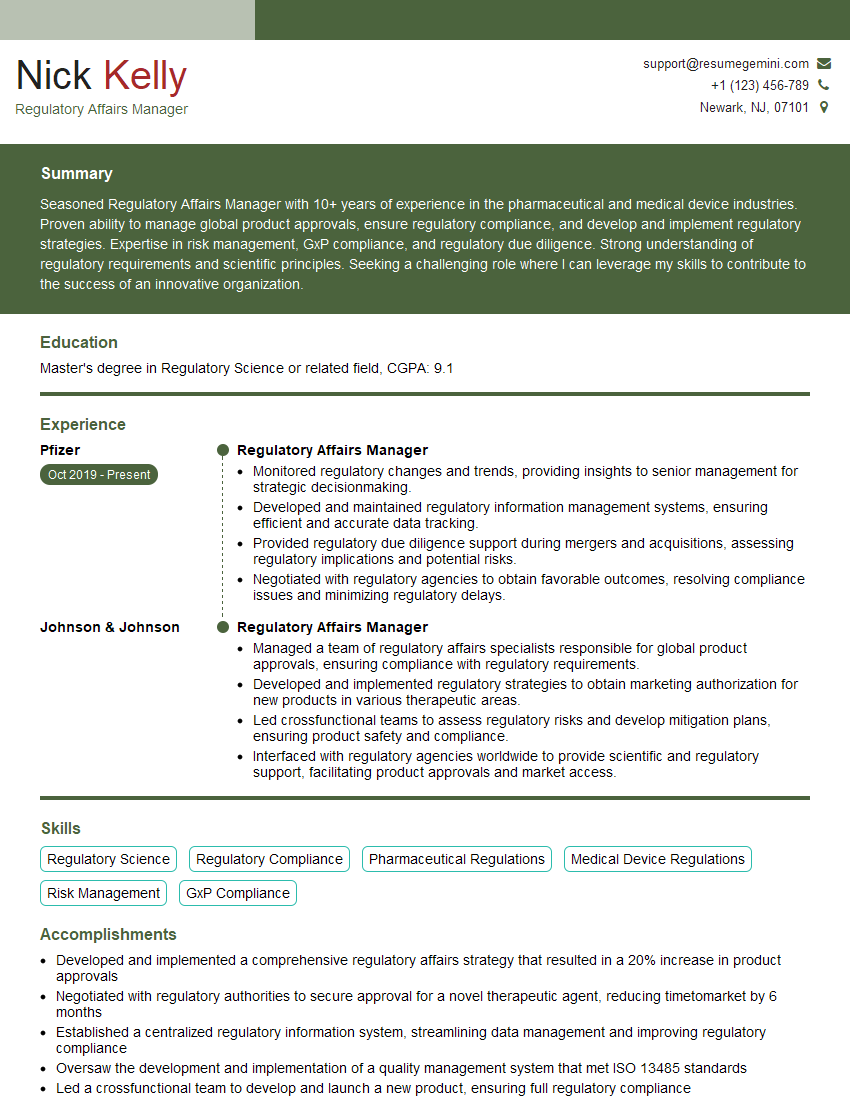
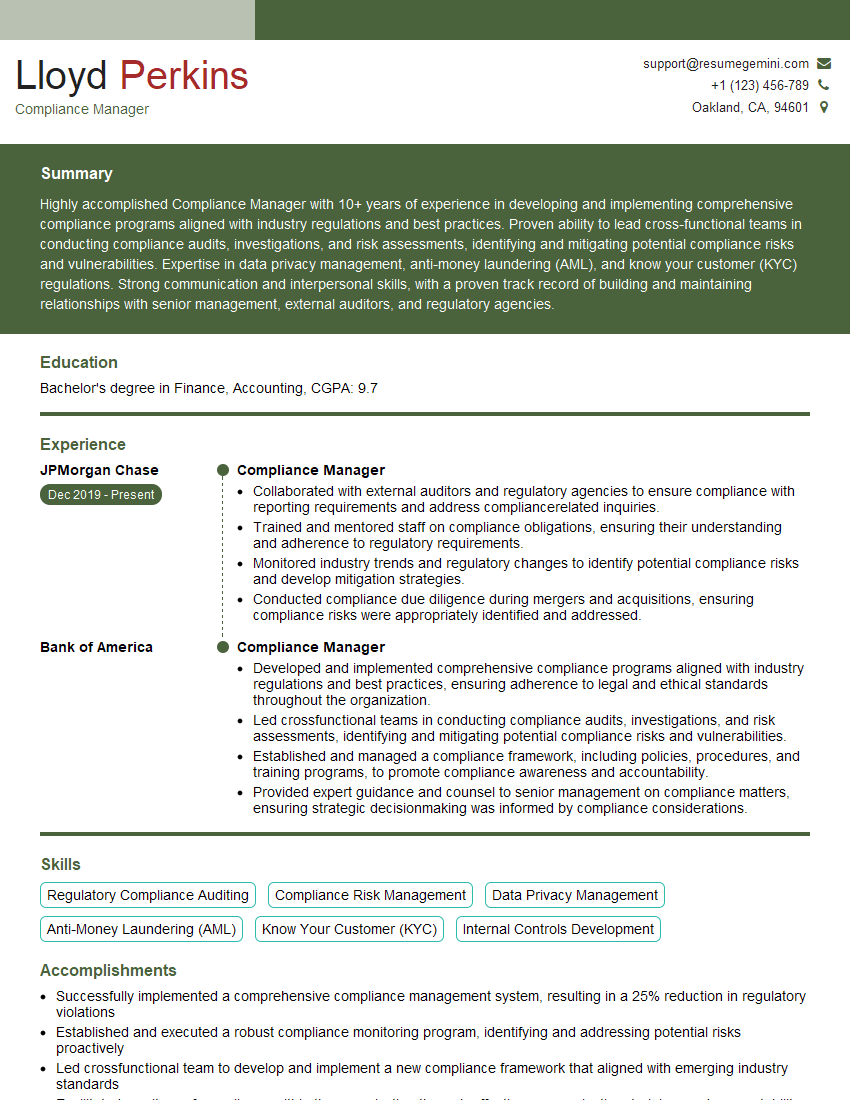
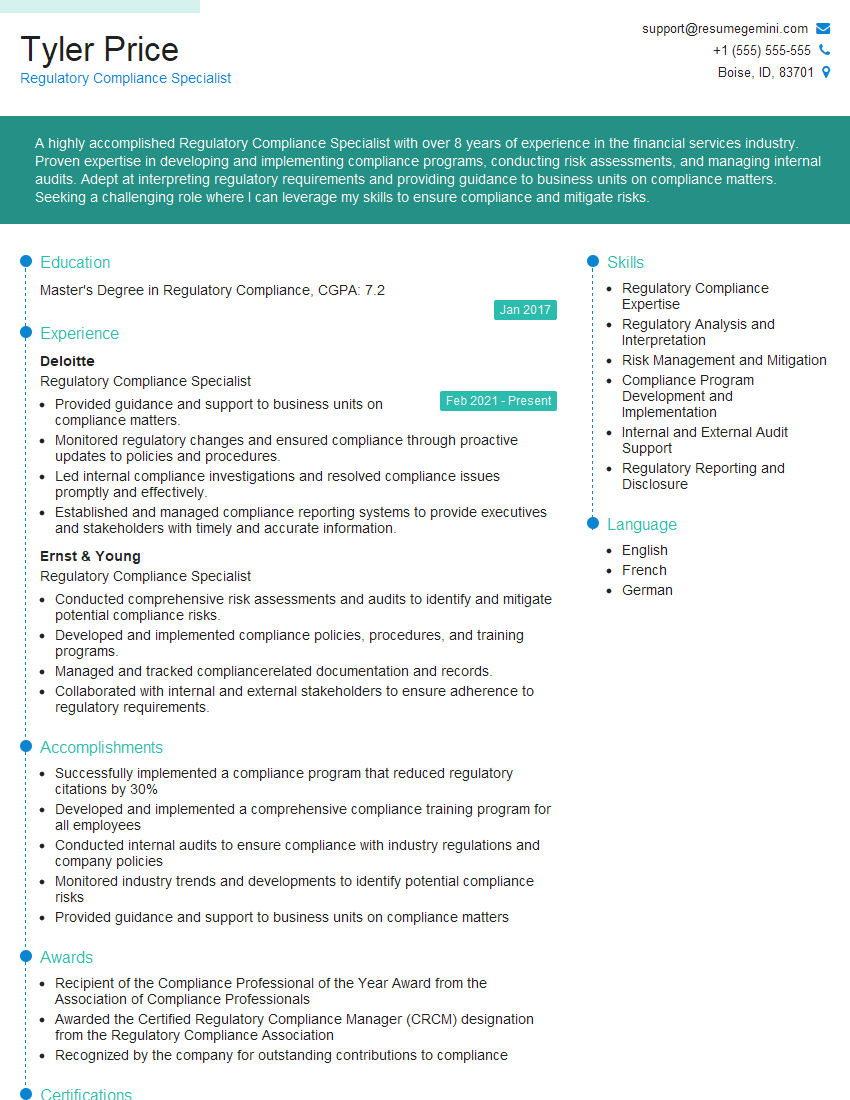
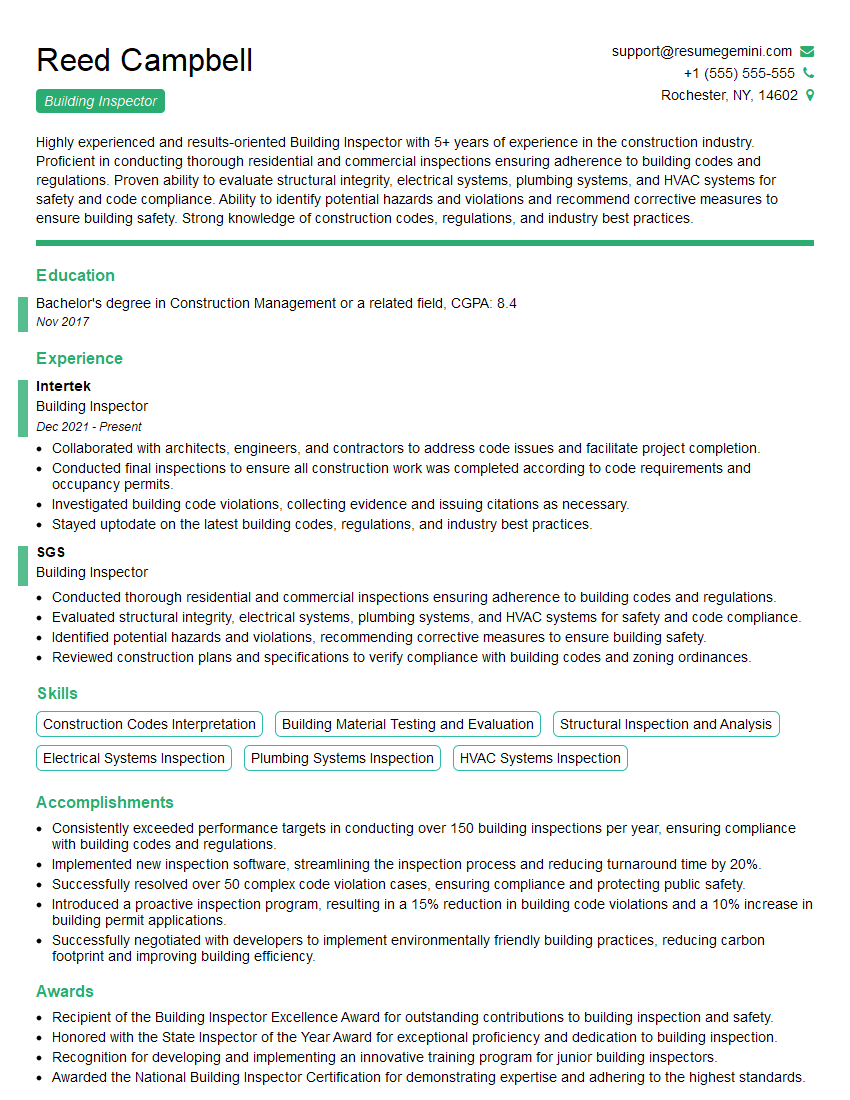
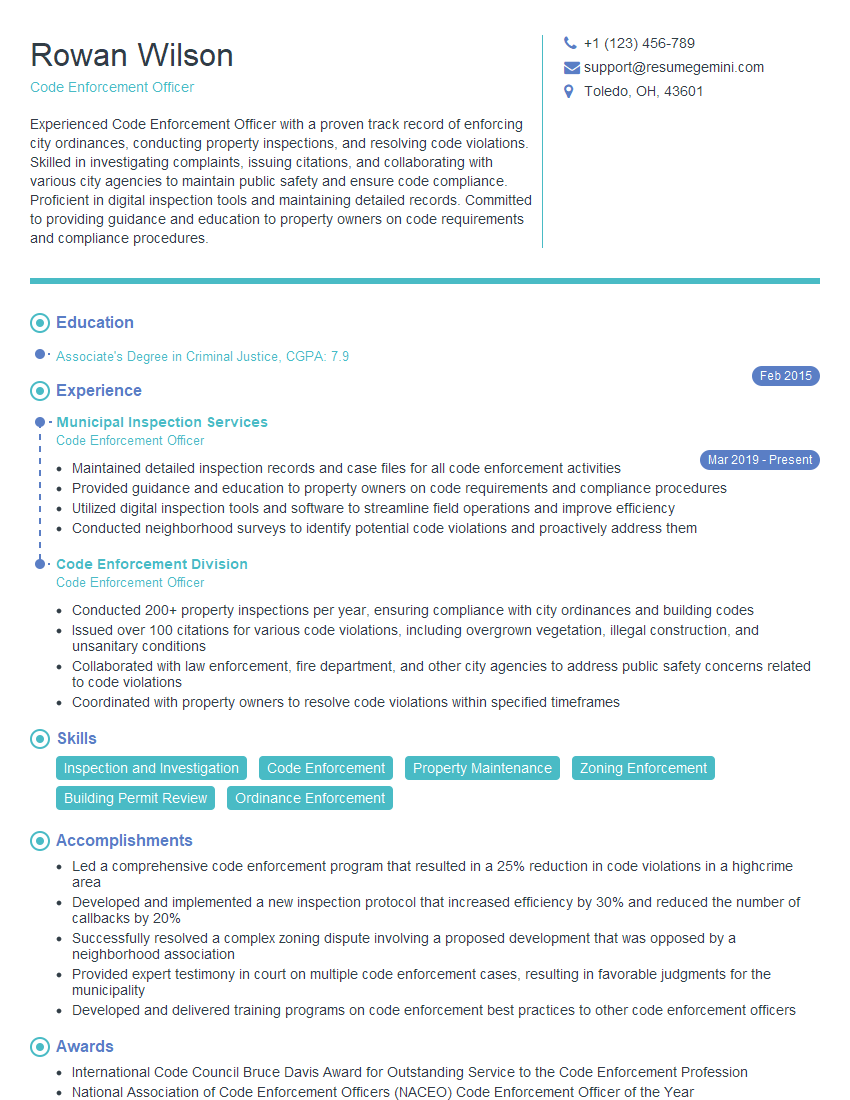
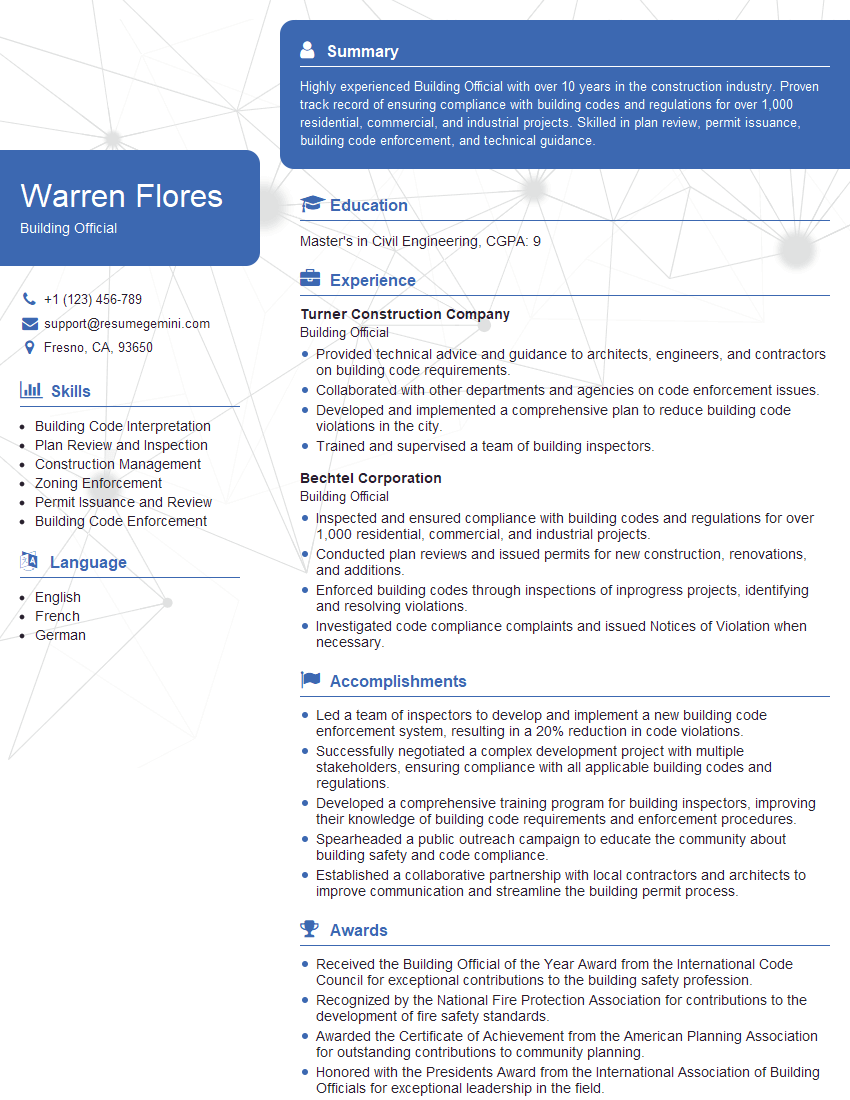
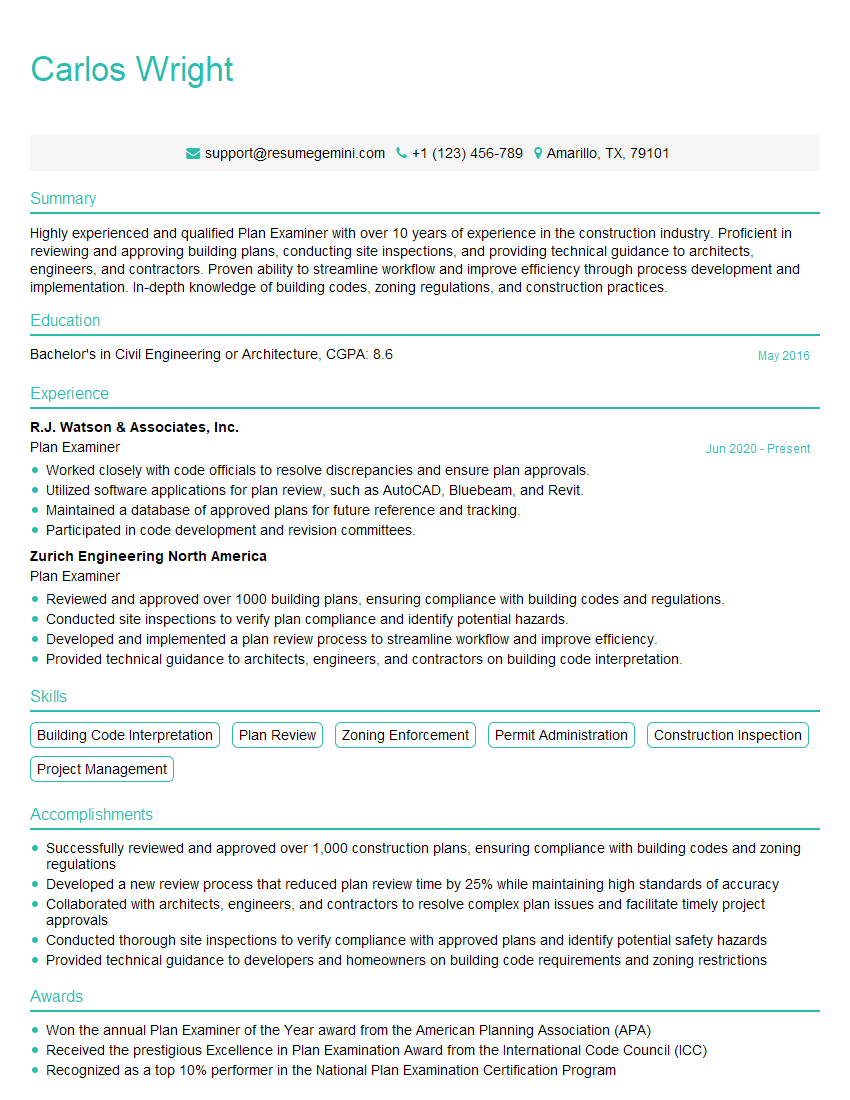
Mastering Building Permitting opens doors to a rewarding career with excellent growth potential. As the construction industry thrives, skilled permit professionals are in high demand. To secure your ideal role, a strong, ATS-friendly resume is essential. ResumeGemini can help you craft a compelling resume that highlights your skills and experience, maximizing your chances of landing an interview. We offer examples of resumes tailored specifically to Building Permitting to guide you through the process. Invest in your future – build your best resume with ResumeGemini.
Explore more articles
Users Rating of Our Blogs
Share Your Experience
We value your feedback! Please rate our content and share your thoughts (optional).
What Readers Say About Our Blog
good