Interviews are more than just a Q&A session—they’re a chance to prove your worth. This blog dives into essential Cadmium Plating interview questions and expert tips to help you align your answers with what hiring managers are looking for. Start preparing to shine!
Questions Asked in Cadmium Plating Interview
Q 1. Explain the process of cadmium plating.
Cadmium plating is an electroplating process where a thin layer of cadmium metal is deposited onto a substrate, typically steel or other metals. This is achieved through an electrochemical reaction in a plating bath containing cadmium ions. The process enhances the substrate’s corrosion resistance, wear resistance, and solderability. Think of it like painting a metal object with an exceptionally thin, protective layer of cadmium.
The process generally involves several stages: cleaning the substrate to remove any contaminants; pre-treatment to ensure proper adhesion; plating in a cadmium bath; rinsing to remove excess chemicals; and finally, post-treatment such as passivation to enhance corrosion protection. Each stage is crucial for achieving a high-quality, durable cadmium coating.
Q 2. Describe the different types of cadmium plating solutions.
Several types of cadmium plating solutions exist, differing primarily in the type of cadmium salt used and the addition of various additives to control the plating process and properties of the deposit.
- Cyanide cadmium baths: These are historically the most common, offering excellent throwing power (ability to coat recessed areas evenly). However, cyanide is highly toxic, leading to stricter environmental regulations and phasing out of this type in many places.
- Acid cadmium baths: These baths, based on cadmium sulfate or fluoborate salts, are less toxic than cyanide baths and are gaining popularity. They generally offer better brightness and smoother deposits but may have lower throwing power compared to cyanide baths.
- Alkaline cadmium baths: These baths, while less common, offer some advantages in specific applications, potentially offering different properties of the cadmium layer.
The choice of plating solution depends on factors such as the substrate material, desired properties of the coating, and environmental considerations. Each bath requires careful control of parameters like temperature, current density, and pH to achieve consistent results.
Q 3. What are the advantages and disadvantages of cadmium plating?
Cadmium plating offers significant advantages, but also comes with drawbacks.
- Advantages: Excellent corrosion resistance, especially in saltwater environments; good solderability; relatively low cost compared to other plating options; good wear resistance; and excellent throwing power (especially in cyanide baths).
- Disadvantages: Cadmium is toxic, posing health and environmental risks; it’s brittle and can crack under stress; and its use is increasingly restricted due to environmental regulations.
For example, cadmium plating was extensively used in aerospace applications for its corrosion resistance. However, due to toxicity concerns, its use is declining and being replaced by alternative coatings like zinc nickel or nickel.
Q 4. What are the health and environmental concerns associated with cadmium plating?
Cadmium is a highly toxic heavy metal. Inhalation of cadmium dust or fumes can cause respiratory problems, and ingestion can lead to kidney damage and other health issues. Cadmium is also a persistent environmental pollutant, accumulating in soil and water, potentially entering the food chain. Therefore, proper handling and disposal of cadmium plating waste are crucial. Stringent regulations are in place to minimize exposure and environmental impact. For example, many countries have strict limits on the discharge of cadmium-containing wastewater.
Plating facilities employing cadmium must adhere to strict safety protocols, including personal protective equipment (PPE) for workers, proper ventilation systems, and waste treatment procedures. Failure to comply can result in significant fines and legal action.
Q 5. How is the thickness of a cadmium plating layer measured?
The thickness of a cadmium plating layer is typically measured using several methods:
- Microscopy: Cross-sectional microscopy provides a direct measurement of the coating thickness. A sample is prepared and viewed under a microscope to measure the layer.
- Electrochemical methods: Techniques like coulometry, based on Faraday’s law, can determine the total amount of cadmium deposited, enabling thickness calculation given the surface area.
- Magnetic methods: For ferrous substrates, magnetic thickness gauges measure the changes in magnetic flux caused by the non-magnetic cadmium layer.
- Beta backscatter methods: This non-destructive method uses a radioactive source to measure the thickness of the cadmium layer based on the backscattering of beta particles.
The choice of method depends on factors like the required accuracy, available equipment, and the nature of the substrate.
Q 6. Explain the role of pre-treatment in cadmium plating.
Pre-treatment is a crucial step in cadmium plating, preparing the substrate surface for optimal adhesion of the cadmium layer. Without proper pre-treatment, the plating may peel, blister, or exhibit poor corrosion resistance. Think of it like preparing a wall before painting – you need a clean, smooth surface for the paint to adhere properly.
The pre-treatment process aims to remove surface contaminants like oils, grease, oxides, and other impurities, which could interfere with the plating process. It also often involves creating a slightly roughened surface to increase the surface area and mechanical interlocking of the cadmium coating, improving adhesion. A poorly pre-treated surface almost guarantees poor quality plating.
Q 7. Describe different types of pre-treatment processes.
Various pre-treatment processes are used, often in combination:
- Cleaning: This involves degreasing (using solvents or alkaline cleaners) and alkaline cleaning to remove oils and other organic contaminants.
- Pickling: This typically involves immersion in an acid solution (e.g., hydrochloric or sulfuric acid) to remove oxides and other metallic contaminants from the surface. This step is crucial for metal substrates.
- Etching: This involves using stronger acid solutions to create a slightly roughened surface, improving adhesion by providing mechanical interlocking. The etching time and acid concentration must be controlled precisely.
- Rinsing: Thorough rinsing with water is essential between each step to remove residual chemicals and prevent contamination.
The specific pre-treatment sequence depends on the substrate material and its condition. For instance, a heavily oxidized steel part will require more aggressive pickling than a clean, freshly machined part.
Q 8. What are the common defects encountered in cadmium plating, and how are they addressed?
Cadmium plating, while offering excellent corrosion resistance, is prone to several defects. These defects can significantly impact the quality and lifespan of the plated component. Let’s explore some common ones and their solutions:
- Blistering: This is characterized by small bubbles or raised areas on the plating surface. It’s often caused by trapped hydrogen during the plating process or impurities in the substrate. Addressing this involves optimizing the plating bath composition, ensuring proper pre-treatment of the substrate (e.g., thorough cleaning and degreasing), and controlling plating parameters like current density and temperature.
- Pitting: Tiny holes or depressions in the plating layer. This can arise from contaminants in the bath, insufficient cleaning of the substrate, or localized variations in current density. Solutions include meticulous cleaning, regular bath filtration, and careful control of the plating process.
- Burning: A localized area of excessive plating, appearing dark and often rough. This is usually caused by excessively high current density, poor agitation, or localized masking issues. Careful monitoring of current density and agitation, along with ensuring uniform masking, are crucial.
- Roughness/Nodularity: An uneven, bumpy surface. It can stem from high current density, impurities, improper agitation, or excessive plating time. The solution involves careful optimization of plating parameters and regular bath analysis and maintenance.
- Treeing/Whiskers: Needle-like protrusions from the plating surface. These are most common with higher current densities and specific plating bath compositions. Solutions often involve adjusting the bath composition, reducing current density and improving agitation.
Think of it like baking a cake – if you don’t follow the recipe precisely (in this case, the plating parameters), you’ll end up with a less-than-perfect result. Regular monitoring and adjustments are key to obtaining a high-quality cadmium plating.
Q 9. How is the quality of a cadmium plating layer assessed?
Assessing the quality of a cadmium plating layer involves several techniques to ensure it meets the required specifications for corrosion resistance, thickness, and adhesion. These methods often include:
- Thickness Measurement: Techniques like magnetic thickness gauges or X-ray fluorescence (XRF) are used to determine the plating thickness. This ensures the coating provides adequate protection.
- Adhesion Testing: Methods such as the scratch test or tape test assess the bond strength between the plating and the substrate. Poor adhesion can lead to premature failure.
- Corrosion Testing: Salt spray testing is a common method to evaluate the corrosion resistance of the cadmium plating. It simulates real-world conditions to determine its durability.
- Visual Inspection: A thorough visual examination can identify surface defects like blistering, pitting, or roughness, providing an initial assessment of quality.
- Microscopic Examination: Microscopy (SEM or optical) can provide detailed images of the plating’s microstructure, revealing potential defects not visible to the naked eye.
Imagine it like inspecting a car’s paint job – you’d check for scratches, chips, and overall smoothness. Similarly, multiple tests are needed for comprehensive cadmium plating assessment.
Q 10. What are the different types of plating equipment used in cadmium plating?
Cadmium plating employs various types of equipment depending on the scale of operation and desired plating quality. The most common equipment includes:
- Plating Tanks: These tanks are typically made of materials resistant to the plating bath chemistry (e.g., polypropylene, stainless steel). The size varies based on production needs.
- Rectifiers: These provide the direct current necessary for the electroplating process. They are crucial for controlling current density and ensuring a smooth, uniform plating layer.
- Heating and Cooling Systems: Maintaining the optimal temperature is essential for consistent plating quality. Heating and cooling systems maintain the desired bath temperature.
- Filtration Systems: These remove impurities from the plating bath, preventing defects such as pitting and roughness. Regular filtration is crucial for maintaining bath cleanliness.
- Agitation Systems: Agitation ensures uniform distribution of ions in the plating bath, resulting in a consistent and even coating. Methods include air agitation or mechanical stirring.
- Automatic Plating Lines: For high-volume production, automated systems incorporate robotic arms and automated controls for efficient and consistent plating.
Consider these pieces of equipment as the tools of a skilled craftsman – each plays a vital role in the final outcome, and a well-maintained set is essential for producing high-quality results.
Q 11. Explain the role of current density in cadmium plating.
Current density plays a crucial role in cadmium plating. It’s defined as the amount of current applied per unit area of the substrate (typically measured in Amperes per square decimeter (A/dm²)). Controlling current density directly impacts several aspects of the plating process:
- Plating Rate: Higher current densities generally lead to faster plating rates, but excessive current density can cause defects like burning or treeing.
- Plating Quality: Optimal current density ensures a smooth, uniform, and adherent plating layer. Too low a current density results in slow plating and possible non-uniformity, while too high a current density causes defects.
- Hydrogen Embrittlement: High current densities can lead to increased hydrogen absorption by the substrate, causing hydrogen embrittlement, which reduces the component’s mechanical strength. This is a critical consideration for high-strength materials.
Think of it as watering a plant – too little water (low current density), and it won’t grow properly. Too much water (high current density), and it can drown. Finding the right balance is key to optimal results.
Q 12. What are the effects of temperature on the cadmium plating process?
Temperature significantly affects the cadmium plating process, influencing several key aspects of the plating quality and efficiency:
- Plating Rate: Increasing the bath temperature generally accelerates the plating rate, similar to increasing the current density. However, excessively high temperatures can lead to undesirable side reactions and defects.
- Plating Efficiency: Optimal temperature ranges ensure maximum plating efficiency, meaning more cadmium is deposited per unit of electrical charge consumed. This translates to cost savings and better resource utilization.
- Grain Size: Temperature influences the grain size of the cadmium deposit. Higher temperatures can lead to larger grain sizes, potentially impacting the plating’s physical properties such as corrosion resistance and ductility.
- Bath Stability: Maintaining the correct temperature helps maintain the stability of the plating bath, preventing precipitation of components and ensuring consistent plating quality.
Imagine it like cooking – you need the right temperature to ensure the dish turns out perfectly. Too hot, and it burns; too cold, and it doesn’t cook properly. Cadmium plating is similar – the temperature needs careful control for optimal results.
Q 13. Describe the process of post-treatment in cadmium plating.
Post-treatment steps are crucial after cadmium plating to enhance the plating’s properties and prepare the parts for service. Common post-treatment processes include:
- Passivation: This is a crucial step to improve the corrosion resistance of the cadmium plating. It involves immersing the plated parts in a chromic acid-based solution, creating a thin, protective chromate conversion coating.
- Rinsing: Thorough rinsing with deionized water is necessary after plating and passivation to remove any residual chemicals. Improper rinsing can lead to corrosion or other defects.
- Drying: Proper drying, often with heated air or infrared radiation, prevents water spots and ensures the plated part is ready for use. The drying process must be controlled to avoid damage.
- Optional Treatments: Depending on the application, additional treatments like lubrication or sealing may be applied to further enhance performance or protection.
Think of it as finishing a painting – you wouldn’t leave it unsealed, would you? Post-treatment enhances the plating’s durability and protects it from the elements.
Q 14. How is waste generated from cadmium plating disposed of?
Cadmium plating generates hazardous waste, primarily containing cadmium-rich solutions and sludge. Proper disposal is crucial to protect human health and the environment. Regulations vary depending on location, but generally involve:
- Waste Segregation: Careful separation of different waste streams (e.g., rinse water, sludge, spent plating solutions) is essential for efficient treatment and disposal.
- Treatment: Various treatment methods are employed to reduce cadmium concentration to acceptable levels. These include chemical precipitation, ion exchange, or electrodialysis.
- Disposal: Treated waste must be disposed of according to local and national regulations. This often involves licensed hazardous waste landfills or specialized recycling facilities.
- Compliance Monitoring: Regular monitoring and documentation of waste generation and disposal processes are essential to ensure compliance with environmental regulations.
Safe and responsible disposal of cadmium waste is paramount – treating it like any other waste can have severe consequences for the environment and human health. Strict adherence to regulations is essential.
Q 15. What are the safety precautions to be followed while working with cadmium plating solutions?
Cadmium plating solutions contain highly toxic cadmium, posing significant health risks. Safety precautions are paramount and must be followed meticulously. These include:
- Respiratory Protection: Cadmium is highly toxic when inhaled. Always wear a properly fitted respirator with a HEPA filter designed for cadmium fumes. Adequate ventilation is crucial in the plating area.
- Skin Protection: Cadmium can be absorbed through the skin. Wear protective gloves, long sleeves, and eye protection. Regular handwashing is mandatory.
- Personal Protective Equipment (PPE): Use aprons, boots, and other appropriate PPE to minimize skin exposure. This includes appropriate clothing that can be easily changed and laundered.
- Waste Management: Cadmium plating solutions and waste materials are hazardous and require special handling. Follow all local, regional, and national regulations regarding waste disposal. Never pour solutions down the drain.
- Emergency Preparedness: Develop and practice emergency procedures, including spill response and first aid protocols, in case of accidental exposure. Have readily available safety showers and eyewash stations.
- Training and Monitoring: Workers must receive comprehensive training on safe handling procedures and the health hazards of cadmium. Regular health monitoring is essential to detect early signs of exposure.
Think of it like this: handling cadmium plating solutions is similar to handling highly corrosive acids; careless handling can lead to serious injury. Strict adherence to safety protocols is non-negotiable.
Career Expert Tips:
- Ace those interviews! Prepare effectively by reviewing the Top 50 Most Common Interview Questions on ResumeGemini.
- Navigate your job search with confidence! Explore a wide range of Career Tips on ResumeGemini. Learn about common challenges and recommendations to overcome them.
- Craft the perfect resume! Master the Art of Resume Writing with ResumeGemini’s guide. Showcase your unique qualifications and achievements effectively.
- Don’t miss out on holiday savings! Build your dream resume with ResumeGemini’s ATS optimized templates.
Q 16. What are the regulatory requirements for cadmium plating?
Regulatory requirements for cadmium plating are stringent due to its toxicity and environmental impact. These requirements vary by country and region but generally cover several areas:
- Wastewater Discharge: Strict limits are placed on the amount of cadmium allowed in wastewater discharged into the environment. Treatment processes are often needed to reduce cadmium concentration before discharge.
- Air Emissions: Regulations govern the amount of cadmium fumes emitted into the air during the plating process. This often involves the use of scrubbers and other air pollution control devices.
- Workplace Exposure Limits: Occupational safety and health agencies set limits on the amount of cadmium workers can be exposed to during their workday. Regular monitoring is required to ensure compliance.
- Material Safety Data Sheets (MSDS): Proper handling and storage must be compliant with MSDS. This information guides safe practices and emergency responses.
- Record Keeping: Meticulous record-keeping is required to demonstrate compliance with all applicable regulations. This includes waste disposal documentation and employee exposure monitoring results.
- Product Restrictions: In some regions, the use of cadmium plating on certain products might be restricted or prohibited altogether, particularly in consumer goods.
Non-compliance can lead to significant fines and legal repercussions. Staying informed about the ever-evolving regulations is crucial for any business involved in cadmium plating.
Q 17. Explain the concept of throwing power in cadmium plating.
Throwing power in cadmium plating refers to the ability of the plating bath to deposit a uniform coating thickness onto a complex-shaped workpiece, even in areas that are recessed or difficult to reach. A high throwing power is desirable because it ensures consistent protection across the entire part.
Imagine trying to paint a detailed model car. A paint with good throwing power would evenly coat all the nooks and crannies, while a paint with poor throwing power would leave some areas thicker and others thinner. The same principle applies to cadmium plating. Factors affecting throwing power include:
- Bath Composition: The type and concentration of chemicals in the plating bath significantly influence throwing power.
- Current Density: A carefully controlled current density is crucial for uniform deposition.
- Anode Configuration: The arrangement of anodes in the plating tank impacts the distribution of current and hence throwing power.
- Agitation: Good agitation helps to distribute the cadmium ions more evenly, improving throwing power.
Additive agents, often proprietary mixtures, are commonly added to plating baths specifically to enhance throwing power. Without good throwing power, some areas of a part might be inadequately protected, leading to premature corrosion.
Q 18. How is the adhesion of the cadmium plating layer ensured?
Good adhesion of the cadmium plating layer is critical for its protective function. Poor adhesion can lead to peeling or flaking, compromising corrosion resistance. Several steps ensure proper adhesion:
- Surface Preparation: This is the most critical step. The workpiece must be thoroughly cleaned to remove any dirt, grease, oxide layers, or other contaminants that could hinder adhesion. Methods include degreasing, alkaline cleaning, and acid etching.
- Pre-plating Treatments: Sometimes, pre-plating treatments, like a thin layer of copper or nickel, are employed to improve adhesion, particularly on substrates that are difficult to plate directly.
- Plating Bath Parameters: Maintaining the correct parameters of the plating bath, such as temperature, pH, and current density, is crucial for good crystal structure and adhesion.
- Post-plating Treatments: Processes such as passivation (e.g., chromate conversion coating) improve corrosion resistance and enhance adhesion by forming a protective layer on the cadmium surface.
Think of it like applying paint to a wall. If the wall isn’t properly cleaned and prepared, the paint will peel. Similarly, without proper surface preparation, the cadmium plating will not adhere well. Adhesion testing, often using tape tests, is regularly conducted to ensure quality control.
Q 19. Describe the different types of cadmium plating baths.
Several types of cadmium plating baths are used, each with its own characteristics and advantages:
- Cyanide Baths: These were historically the most common type, offering good throwing power and relatively fine-grained deposits. However, due to the toxicity of cyanide, they are increasingly being replaced by less hazardous alternatives.
- Fluoroborate Baths: These are becoming more popular as a safer alternative to cyanide baths. They generally offer good throwing power and plating rate.
- Sulfamate Baths: These baths are known for producing brighter and smoother deposits. They are often preferred for applications requiring a high-quality surface finish.
- Acid Chloride Baths: These baths are simpler to operate and maintain, but they typically have lower throwing power compared to other types.
The choice of bath depends on factors such as the desired properties of the plating, the complexity of the workpiece, and environmental concerns. Each bath requires specific parameters and operating conditions to ensure a high-quality plating.
Q 20. What are the factors that affect the corrosion resistance of a cadmium plating layer?
The corrosion resistance of a cadmium plating layer is influenced by several factors:
- Plating Thickness: A thicker plating layer generally offers better protection against corrosion.
- Purity of the Cadmium: Impurities in the cadmium can negatively impact its corrosion resistance.
- Porosity: A porous plating layer provides less protection. Proper plating techniques minimize porosity.
- Passivation Treatment: Chromate conversion coatings, often referred to as passivation, greatly enhance the corrosion resistance of cadmium plating. These coatings form a thin, protective layer that prevents corrosion initiation.
- Environmental Conditions: Exposure to corrosive environments (e.g., salt spray, industrial fumes) significantly affects corrosion resistance.
- Substrate Material: The nature of the material being plated can also influence the overall corrosion resistance. Good adhesion between the substrate and the coating is key.
It’s like a raincoat. A thick, well-made raincoat provides better protection against rain than a thin, poorly constructed one. Similarly, a properly plated and passivated cadmium layer offers superior corrosion resistance.
Q 21. How is the plating process monitored and controlled?
Monitoring and control of the cadmium plating process are essential to ensure consistent quality and compliance with regulations. This involves several steps:
- Regular Analysis of Plating Bath: Regular chemical analysis is performed to check the concentration of key components, pH, and impurities in the plating bath. This ensures the bath remains within the desired operating parameters.
- Current Density Monitoring: Monitoring the current density ensures uniform plating and avoids defects like burning or pitting.
- Temperature Control: Maintaining the correct plating bath temperature is crucial for consistent plating quality.
- Visual Inspection: Visual inspection of the plated parts helps identify defects such as pitting, burning, or poor adhesion.
- Adhesion Testing: Adhesion tests, like tape tests, are frequently conducted to ensure the plating is properly bonded to the substrate.
- Thickness Measurement: Plating thickness is measured using techniques like magnetic or X-ray methods to ensure it meets specifications.
- Automated Systems: Modern cadmium plating facilities often employ automated systems to monitor and control various process parameters. This improves consistency and efficiency.
Imagine a chef carefully monitoring the temperature and ingredients in a recipe to ensure the dish turns out perfectly. Similarly, careful monitoring of the plating process guarantees consistent and high-quality results.
Q 22. What are the common problems encountered in cadmium plating, and their solutions?
Cadmium plating, while offering excellent corrosion resistance and lubricity, faces several challenges. Common problems include poor adhesion, uneven thickness, hydrogen embrittlement, and whisker formation. Let’s look at each and their solutions:
- Poor Adhesion: This often stems from inadequate surface preparation. Solutions include thorough cleaning (degreasing, etching), proper activation (e.g., using a chemical or electrochemical process), and ensuring the base metal is free from oxides or other contaminants. Think of it like trying to glue two surfaces together – if they’re dirty or oily, the glue won’t stick!
- Uneven Thickness: This can be caused by improper rack design (in rack plating), insufficient agitation in the plating bath, or variations in current distribution. Solutions include optimizing rack design for even current flow, improving bath agitation (using air agitation or stirring), and using proper current density.
- Hydrogen Embrittlement: The plating process introduces hydrogen into the base metal, making it brittle and prone to cracking. Solutions include baking the plated parts after plating to remove the hydrogen, using low-stress cadmium plating processes, or selecting a different plating material if hydrogen embrittlement is a critical concern.
- Whisker Formation: These tiny cadmium filaments can cause short circuits in electronic components. Solutions include using additives in the plating bath to inhibit whisker growth, selecting a different plating method, or employing post-plating treatments to remove whiskers.
- Burn marks/Pitting: Caused by excessive current density. The solution is lowering the current density or ensuring good contact with the part to prevent high localised current density.
Q 23. How would you troubleshoot a plating process with poor adhesion?
Troubleshooting poor adhesion in cadmium plating requires a systematic approach. I would start by examining each stage of the process:
- Surface Preparation: Carefully inspect the pre-treatment steps. Were the parts properly degreased, etched, and activated? Microscopic examination can reveal residual contaminants. Any issues here need immediate correction using appropriate cleaning agents and techniques.
- Plating Bath Chemistry: Check the concentrations of all chemicals in the plating bath. Are they within the specified ranges? An imbalance can lead to poor adhesion. Regular analysis and adjustment are crucial. Think of it like a recipe – incorrect proportions result in a failed dish.
- Plating Parameters: Examine the plating current density, temperature, and time. These parameters significantly affect adhesion. Deviation from the optimal ranges can lead to weak bonding. Accurate measurement and control are essential here.
- Post-Plating Treatment: Evaluate the post-plating processes. If baking is required (to alleviate hydrogen embrittlement), ensure the temperature and time are correctly controlled. Improper baking can also affect adhesion.
By systematically checking each step and comparing with established best practices, the root cause of poor adhesion can be identified and corrected.
Q 24. How would you troubleshoot a plating process with uneven thickness?
Uneven cadmium plating thickness points towards inconsistencies in the plating process. My troubleshooting strategy would involve:
- Rack Design (for rack plating): Ensure the parts are arranged on the rack to allow for even current distribution. Crowding or shielding can cause uneven thickness. Re-designing the rack or optimizing part placement might be necessary.
- Agitation: Inadequate agitation can lead to uneven deposition. Check the effectiveness of the agitation system (air agitation or mechanical stirring). Improving agitation ensures uniform distribution of cadmium ions.
- Current Distribution: Uneven current distribution is a common culprit. This can be due to variations in the conductivity of the plating solution or the geometry of the parts. Adjusting the current density, using auxiliary anodes, or employing shielding techniques can help.
- Bath Chemistry: The concentration of the chemicals in the plating bath must be carefully controlled. Imbalances can cause uneven deposition. Regular analysis and adjustments are vital. This maintains consistent plating conditions and helps achieve uniformity.
- Plating Time & Current Density: Incorrect plating time or excessively high current density in certain areas can result in uneven coating. Using a controlled and appropriate current density while monitoring plating time can help prevent this.
A combination of these factors often contributes to uneven thickness. Systematic investigation, combined with careful measurements (using a micrometer or profilometer), will pinpoint the exact causes.
Q 25. Explain the difference between barrel plating and rack plating for cadmium.
Both barrel and rack plating are common methods for cadmium plating, but they differ significantly:
- Barrel Plating: This method involves placing the parts in a rotating barrel immersed in the plating solution. It’s suitable for small, similar-shaped parts like screws, fasteners, or small gears. The tumbling action ensures relatively uniform plating, but it can cause some surface marring. Barrel plating is cost-effective for mass production of small parts.
- Rack Plating: This method involves individually hanging parts on racks that act as electrical conductors. It provides better control over the plating process, allowing for more complex shapes and higher plating thicknesses, but it is less efficient and more labour-intensive for mass production of small parts. It’s preferred for larger parts or those requiring precise plating on specific areas. This offers greater control and less surface damage than barrel plating.
The choice depends on the type and quantity of parts, the required plating thickness and quality, and cost considerations.
Q 26. What is the role of brighteners in cadmium plating?
Brighteners in cadmium plating are organic additives that enhance the brightness and smoothness of the deposited cadmium layer. They influence the crystal growth process, resulting in a finer grain structure and a more aesthetically pleasing finish. Common brighteners include certain organic compounds containing sulfur, selenium, or other elements that promote a more reflective surface. Without brighteners, the cadmium deposit would appear dull and granular.
Beyond aesthetics, brighteners can also influence other plating properties. For instance, they can affect the leveling power (ability to fill in surface imperfections) and the stress of the deposit. The precise choice of brightener depends on the desired properties and the specific plating conditions.
Q 27. What are the environmental regulations concerning cadmium plating waste?
Cadmium is a toxic heavy metal, and environmental regulations concerning cadmium plating waste are stringent. These regulations focus on minimizing discharge of cadmium into the environment through wastewater and air emissions. Key aspects include:
- Wastewater Treatment: Plating wastewater requires rigorous treatment to remove cadmium before discharge. This usually involves processes like chemical precipitation, ion exchange, or reverse osmosis. Regulations specify maximum allowable cadmium concentrations in discharged wastewater.
- Spent Plating Solutions: Spent cadmium plating solutions must be managed as hazardous waste, requiring proper disposal or recycling according to local and national regulations. This often involves specialized waste handling companies.
- Air Emissions: Cadmium plating operations can generate airborne cadmium particles. Regulations mandate the use of appropriate ventilation and air pollution control systems to limit emissions.
- Record Keeping: Detailed records of wastewater discharges, waste generation, and air emissions are required for compliance monitoring. Regular audits and inspections are common.
Non-compliance can lead to significant fines and legal action. Staying updated on the latest regulations is crucial for responsible operation of a cadmium plating facility. Employing a qualified environmental consultant is often advisable to ensure regulatory compliance.
Q 28. How do you ensure the plating meets specified thickness requirements?
Ensuring cadmium plating meets specified thickness requirements involves a multi-pronged approach:
- Precise Control of Plating Parameters: This includes careful monitoring and control of current density, plating time, temperature, and solution chemistry. These factors directly influence the plating rate and thickness.
- Regular Bath Analysis: Frequent chemical analysis of the plating bath is essential to maintain consistent plating performance. Adjustments to chemical concentrations are made as needed to ensure uniform deposition.
- Thickness Measurement: Regular thickness measurements of plated parts are crucial using techniques such as cross-sectional microscopy, X-ray fluorescence (XRF), or beta backscatter methods. This allows for real-time monitoring and adjustments to the plating process to maintain the desired thickness.
- Calibration and Maintenance of Equipment: Regular calibration and maintenance of plating equipment, including the power supply and measuring instruments, are critical to ensure accurate and consistent results. Calibration ensures the accuracy of measurements and the reliability of the process.
- Statistical Process Control (SPC): Implementing SPC methods allows for continuous monitoring and control of the plating process, identifying and addressing potential variations before they lead to significant deviations from the specified thickness.
By combining these techniques, a cadmium plating operation can consistently achieve and maintain the required plating thickness, ensuring the quality and reliability of the plated components.
Key Topics to Learn for Your Cadmium Plating Interview
- Chemistry of Cadmium Plating: Understand the chemical reactions involved in the process, including the role of electrolytes, additives, and current density.
- Process Parameters and Control: Learn about factors influencing plating thickness, uniformity, and adhesion, such as temperature, pH, and agitation.
- Types of Cadmium Plating Baths: Familiarize yourself with different plating bath compositions (cyanide, alkaline non-cyanide) and their advantages and disadvantages.
- Pretreatment and Surface Preparation: Master the importance of proper surface cleaning and preparation techniques for optimal plating results. This includes understanding cleaning agents and processes.
- Quality Control and Testing: Learn about different methods used to ensure the quality of the cadmium plating, such as thickness measurement, adhesion testing, and corrosion resistance testing.
- Safety and Environmental Regulations: Understand the health and environmental hazards associated with cadmium plating and the regulations governing its use and disposal.
- Troubleshooting Common Plating Issues: Develop problem-solving skills to address common issues like pitting, burning, or poor adhesion.
- Applications of Cadmium Plating: Understand the industries and specific applications where cadmium plating is still relevant (e.g., aerospace, fasteners).
- Alternative Plating Processes: Be prepared to discuss environmentally friendly alternatives to cadmium plating and their comparative advantages and limitations.
Next Steps
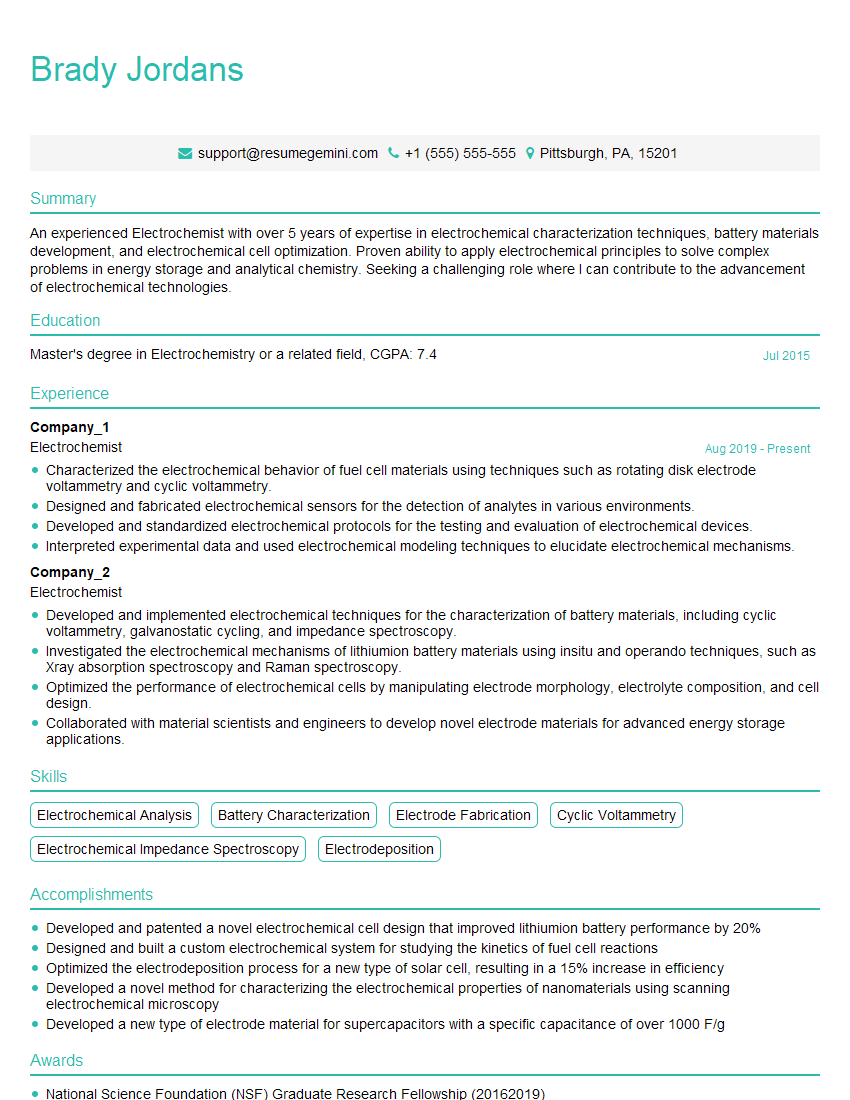
Mastering cadmium plating opens doors to specialized roles in manufacturing and engineering, offering strong career growth potential. A well-crafted resume is crucial for showcasing your skills and experience to potential employers. An ATS-friendly resume is essential for getting past Applicant Tracking Systems and landing interviews. To significantly improve your chances, we recommend using ResumeGemini, a trusted resource for building professional resumes. Examples of resumes tailored to the Cadmium Plating industry are available to help you create a compelling application.
Explore more articles
Users Rating of Our Blogs
Share Your Experience
We value your feedback! Please rate our content and share your thoughts (optional).
What Readers Say About Our Blog
Very informative content, great job.
good