The thought of an interview can be nerve-wracking, but the right preparation can make all the difference. Explore this comprehensive guide to Cake Packaging interview questions and gain the confidence you need to showcase your abilities and secure the role.
Questions Asked in Cake Packaging Interview
Q 1. What are the key considerations for choosing cake box materials?
Choosing the right cake box material is crucial for preserving the cake’s quality and enhancing its presentation. Several key factors must be considered:
- Cake Type and Icing: Delicate cakes require sturdy, non-deforming boxes to prevent damage during transport. For instance, a tiered wedding cake needs a robust box with internal dividers. If the icing is prone to melting, you’ll need a box that provides insulation.
- Shelf Life: Materials like cardboard offer adequate protection for short-term storage, while more robust options like plastic or sustainable alternatives might be needed for longer shelf life. Consider breathability to prevent condensation.
- Aesthetics: The box should complement the cake’s design. Options range from simple, elegant designs to vibrant, colorful prints. Consider the target customer and brand image.
- Cost-Effectiveness: Balancing material cost with the desired level of protection is critical. While premium materials offer superior protection, they may increase the overall cost.
- Sustainability: Eco-friendly options, like recycled cardboard or biodegradable materials, are gaining popularity. Consumers are increasingly conscious of environmental impact.
For example, a bakery specializing in delicate French pastries might opt for elegant, sturdy, and recyclable cardboard boxes with a custom window for display. In contrast, a large-scale bakery producing simple sponge cakes might opt for more cost-effective, recyclable cardboard options.
Q 2. Explain different types of cake box closures and their advantages/disadvantages.
Cake box closures significantly impact the cake’s safety and presentation. Several common types exist:
- Tuck-Top Boxes: Simple, cost-effective, and easy to assemble. They offer good protection for smaller cakes but may not be as secure for larger, heavier ones. They are commonly seen in smaller bakeries.
- Lid and Base Boxes: These provide superior protection because the lid securely fits over the base. They’re suitable for various cake sizes and shapes. However, they are slightly more expensive than tuck-top boxes.
- Magnetic Closure Boxes: Elegant and secure, these boxes use magnets to keep the lid closed, preventing accidental opening. They’re ideal for premium cakes but add to the cost.
- Self-Locking Boxes: These boxes use interlocking mechanisms for a secure closure. They’re robust and require no additional fastening, making them ideal for transport. The design can be customized for various cake heights.
The choice depends on factors like cake size, desired level of protection, and budget. For instance, a delicate wedding cake would benefit from a lid and base box with a secure magnetic closure, while a simple cupcake might only need a tuck-top box.
Q 3. Describe your experience with designing cake boxes for different cake sizes and shapes.
Designing cake boxes for varying cake sizes and shapes demands careful planning. My experience involves creating custom designs based on client specifications.
For instance, round cakes require circular boxes with appropriate depth, while square or rectangular cakes need boxes of corresponding shapes. Tiered cakes are the most complex, requiring boxes with internal dividers and sturdy construction to prevent the tiers from shifting during transit. I use CAD software to create detailed designs that account for cake dimensions, icing overhang, and internal supports. I often create prototypes to ensure a perfect fit and test for structural integrity before mass production.
Irregular cake shapes present unique challenges. I need to design custom inserts or shaped boxes to ensure a snug fit and prevent damage. This involves careful measurements and creating design plans to optimize material usage while minimizing waste.
Q 4. How do you ensure the structural integrity of cake packaging during transportation?
Ensuring structural integrity during transport involves several strategies:
- Robust Materials: Choosing durable materials like corrugated cardboard or sturdy plastics is crucial. The thickness of the material directly impacts its ability to withstand shocks and vibrations.
- Reinforcement: Adding internal supports, dividers, or corrugated inserts prevents the cake from moving within the box. This is especially important for tiered cakes or delicate pastries.
- Proper Packaging: Wrapping the cake in cushioning materials like bubble wrap or tissue paper minimizes impacts and reduces the risk of damage.
- Secure Closure: Choosing a secure closure mechanism (magnetic, self-locking) ensures the box remains closed during transit, preventing accidental opening and damage.
- Transportation Method: Packaging should be designed with the chosen transportation method in mind. For long-distance shipments, more robust packaging and shock-absorbing materials are needed.
For example, when shipping a tiered cake, I would use a double-walled corrugated box with custom-fit internal dividers and plenty of cushioning material. This approach provides optimal protection from shock and vibration during transport.
Q 5. What are the common regulations and certifications for food-safe cake packaging?
Food-safe cake packaging must comply with various regulations and certifications to ensure consumer safety. These vary by region but generally include:
- FDA Compliance (USA): Packaging materials must meet the Food and Drug Administration’s regulations regarding food contact substances. This includes restrictions on harmful chemicals that could leach into the food.
- EU Food Contact Regulations (Europe): Similar to FDA regulations, the European Union has strict guidelines on materials allowed for food contact. Manufacturers need to meet specific criteria for material composition and migration limits.
- BRCGS (British Retail Consortium Global Standards): This certification focuses on food safety and quality management systems. Meeting BRCGS standards assures retailers and consumers that the packaging is safe and produced under controlled conditions.
- ISO 22000: This international standard focuses on food safety management systems. Obtaining ISO 22000 certification demonstrates a commitment to safe and consistent production practices.
It’s essential to work with suppliers who can provide documentation demonstrating compliance with relevant regulations and certifications. This ensures that the cake packaging is both safe and legal for sale.
Q 6. Explain your experience with sustainable and eco-friendly cake packaging options.
Sustainable and eco-friendly cake packaging is increasingly important. My experience includes working with various materials, such as:
- Recycled Cardboard: Using recycled cardboard reduces the demand for virgin materials and minimizes environmental impact. The cardboard can often be printed with eco-friendly inks.
- Biodegradable Materials: Options like sugarcane bagasse or mushroom packaging offer a fully biodegradable alternative to traditional materials. However, their cost and availability might be higher.
- Compostable Plastics: Some plant-based plastics are compostable under specific conditions. These present a compromise between sustainability and the protective qualities of traditional plastics.
- Reduced Packaging: Minimizing the amount of packaging material used is crucial. This can involve using smaller boxes or optimizing designs to reduce waste.
For example, we recently developed a range of cake boxes using recycled cardboard with a compostable window for viewing the cake. This approach balances environmental responsibility with the need for visually appealing packaging.
Q 7. How do you manage inventory and procurement for cake packaging materials?
Efficient inventory and procurement management are critical for seamless cake packaging operations. My approach involves:
- Demand Forecasting: Accurately predicting future demand for different box sizes and types prevents stockouts and minimizes waste. This involves analyzing past sales data and considering seasonal trends.
- Supplier Relationship Management: Developing strong relationships with reliable suppliers ensures consistent supply of high-quality materials at competitive prices.
- Inventory Tracking System: Implementing a robust inventory management system, whether manual or digital, allows for real-time tracking of stock levels and helps identify potential shortages.
- Just-in-Time Inventory: Minimizing storage costs and waste by ordering materials only when needed. This requires accurate demand forecasting and reliable supply chains.
- Quality Control: Regularly inspecting incoming materials to ensure they meet required specifications for quality and food safety.
For instance, our bakery uses a digital inventory system that integrates with our sales data to predict demand. This system automatically generates purchase orders for our suppliers, ensuring timely delivery of materials and preventing stockouts.
Q 8. Describe your experience with various printing techniques for cake boxes (e.g., offset, digital).
My experience encompasses a wide range of printing techniques for cake boxes, each offering unique advantages. Offset printing, for example, is ideal for large-scale orders due to its cost-effectiveness for high volumes. The process uses plates to transfer ink onto the box, resulting in vibrant, high-quality prints, especially beneficial for intricate designs or photographic images. I’ve successfully managed projects using offset printing for a major bakery chain, producing thousands of custom-designed boxes for seasonal promotions.
Digital printing, on the other hand, excels in short-run orders and customization. It’s perfect for personalized cakes or smaller bakery businesses needing flexibility. The digital process prints directly onto the box, minimizing setup costs and allowing for on-demand changes. I leveraged digital printing to create unique, individually-branded cake boxes for a wedding cake business, allowing them to personalize each box with the couple’s names and wedding date.
Beyond these two, I’m also familiar with flexographic printing, a cost-effective option for simpler designs on a larger scale, and screen printing, which is excellent for bold, eye-catching designs, but less suitable for intricate details. The choice of printing method always depends on the client’s needs, budget, and desired aesthetic.
Q 9. How do you balance cost-effectiveness with quality in cake packaging selection?
Balancing cost-effectiveness and quality in cake packaging is a crucial aspect of my work. It’s not about sacrificing one for the other, but finding the optimal intersection. This involves careful consideration of several factors:
- Material Selection: Choosing sustainable and readily available materials like recycled cardboard can significantly reduce costs without compromising quality. I’ve successfully sourced eco-friendly alternatives that met both budget and aesthetic requirements for several clients.
- Printing Technique: As mentioned earlier, the printing technique plays a major role. Offset is great for volume, while digital offers flexibility. The choice directly impacts the final cost.
- Box Design: A simpler design translates to lower printing and manufacturing costs. However, the design still needs to be visually appealing and reflect the brand identity. This involves creative problem-solving to deliver a visually effective design within budget.
- Supplier Relationships: Building strong relationships with reliable suppliers allows for negotiation of better prices and ensures consistent quality.
For example, for a budget-conscious client, I proposed a cost-effective solution using recycled cardboard and flexographic printing, achieving a high-quality product without exceeding the budget constraints. The key is thorough planning and exploring different options before making a decision.
Q 10. What are the key metrics you track to assess the performance of cake packaging?
Tracking key metrics is essential to assess the performance of cake packaging. These metrics help to identify areas for improvement and ensure customer satisfaction.
- Damage Rate: This measures the percentage of boxes arriving damaged. High damage rates indicate issues with the packaging design, materials, or handling. I use this data to improve box construction or recommend better handling practices.
- Customer Feedback: Direct customer feedback on the aesthetics and functionality of the packaging is invaluable. Surveys, reviews, and social media monitoring provide insights.
- Shelf Life Impact: Cake packaging directly impacts the freshness and shelf life of the product. Regular checks on cake condition post-packaging helps assess the efficacy of the chosen materials.
- Brand Alignment: This metric assesses how well the packaging reflects the brand’s identity and marketing goals. Tracking customer perception and market response helps measure success.
- Sustainability Metrics: If using eco-friendly materials, tracking the amount of recycled content and reduction in waste is crucial to demonstrate commitment to sustainable practices.
For instance, a high damage rate prompted me to redesign a box with reinforced corners, significantly reducing damage during transportation and improving customer satisfaction.
Q 11. How do you troubleshoot issues related to cake box damage or contamination?
Troubleshooting issues related to cake box damage or contamination requires a systematic approach.
- Identify the Problem: Pinpoint the type of damage (e.g., crushed corners, tears, contamination) and where it’s occurring (during production, transportation, or storage).
- Investigate the Cause: Examine the packaging materials, production processes, handling procedures, and transportation methods to pinpoint the root cause. This often involves interviewing personnel involved in the handling of the packages.
- Implement Corrective Actions: Based on the root cause, implement solutions. This could involve redesigning the box, improving materials, adjusting handling procedures, or changing transportation methods.
- Monitor and Prevent Recurrence: Track the effectiveness of the implemented solutions to prevent similar issues from arising in the future. Regular checks and audits are essential.
For example, when we experienced increased contamination in a particular location, a thorough investigation revealed a problem with the storage facility’s cleanliness. Implementing stricter hygiene protocols solved the issue.
Q 12. Describe your experience with different types of cake packaging (e.g., boxes, trays, sleeves).
My experience includes working with a variety of cake packaging options, each suitable for different needs and cake types.
- Boxes: These offer excellent protection and are highly customizable, from simple designs to elaborate ones. I’ve worked with various box styles, including single-piece, two-piece, and window boxes, each offering different levels of protection and visual appeal. Window boxes, for example, allow customers to see the cake without opening the box.
- Trays: Trays, often made from sturdy cardboard or plastic, are ideal for transporting and displaying individual slices or smaller cakes. They offer a less expensive solution compared to boxes and are suitable for events or cafes.
- Sleeves: Sleeves are primarily used for aesthetic enhancement, adding a layer of branding or design to existing boxes or containers. They’re perfect for creating a premium feel or highlighting special occasions. I have successfully designed several sleeve solutions to complement existing cake box designs and enhance the brand aesthetic.
The choice of packaging type depends on the client’s budget, the type of cake, and the level of protection and aesthetic appeal required.
Q 13. How do you ensure the branding and marketing aspects are effectively integrated into cake packaging design?
Integrating branding and marketing effectively into cake packaging design is crucial for creating a positive customer experience and driving sales. I approach this by:
- Brand Identity Consistency: Ensuring the packaging aligns seamlessly with the brand’s logo, color palette, typography, and overall messaging is paramount. This helps build brand recognition and trust.
- Strategic Design Elements: Using elements like unique patterns, textures, or illustrations enhances the visual appeal and creates a memorable brand experience.
- Clear and Concise Messaging: The packaging should clearly communicate the product information (cake flavor, ingredients, etc.) and brand values.
- Marketing Integration: Incorporating marketing elements, such as special offers, QR codes linking to online content, or social media handles, directly engages customers and drives brand awareness.
- Target Audience Consideration: Tailoring the design to resonate with the target demographic is crucial. A packaging design appealing to children will differ significantly from one targeting adult consumers.
For example, I designed a cake box with a playful illustration for a children’s bakery, while for a premium bakery, the focus was on sophisticated typography and high-quality materials to reflect a luxurious brand image. Each project requires a different approach tailored to its specific market.
Q 14. Explain your experience with implementing new cake packaging solutions.
Implementing new cake packaging solutions involves a phased approach, starting with identifying the need and culminating in successful implementation and monitoring.
- Needs Assessment: Identify the reasons for change – improved brand image, cost reduction, increased sustainability, or enhanced protection.
- Concept Development: Explore different packaging solutions, considering materials, design, printing, and manufacturing processes. Prototypes are created and tested to assess feasibility and performance.
- Supplier Selection: Selecting reliable suppliers who can meet quality, cost, and delivery requirements is critical.
- Pilot Implementation: Begin with a small-scale test to evaluate the new packaging’s performance in real-world conditions. This helps identify any unforeseen issues.
- Full-Scale Implementation: Once the pilot is successful, the new packaging is rolled out across the business. Continuous monitoring helps to detect any issues.
- Post-Implementation Review: A post-implementation review analyzes the impact of the new packaging on cost, efficiency, customer satisfaction, and brand image. Necessary adjustments are then made based on the findings.
For instance, when transitioning to a more sustainable packaging material, I conducted a thorough pilot program to ensure the new material met the required protection levels and maintained the cake’s freshness. The data from this pilot informed the full-scale transition, allowing for a smooth and successful implementation.
Q 15. What are the challenges of designing cake packaging for online delivery?
Designing cake packaging for online delivery presents unique challenges compared to traditional retail. The primary concern is ensuring the cake arrives intact, considering the rigors of shipping and handling. This necessitates robust packaging that can withstand shocks, vibrations, and temperature fluctuations.
- Structural Integrity: The packaging must be strong enough to prevent the cake from being crushed or deformed during transit. This might involve using corrugated cardboard boxes with internal dividers or custom-fit inserts.
- Temperature Control: Maintaining the cake’s temperature is crucial, especially for delicate frostings or fillings. Insulated packaging, ice packs, or even specialized temperature-controlled shipping containers might be necessary.
- Moisture Protection: Cakes are susceptible to moisture damage, leading to sogginess or mold growth. A well-designed package utilizes moisture-resistant materials like plastic liners or specialized coatings to create a barrier.
- Visual Appeal: Even though the cake is shipped, attractive packaging is essential for maintaining brand identity and creating a positive unboxing experience. This requires careful consideration of design, printing, and branding elements.
- Cost-Effectiveness: Balancing the need for robust protection with cost-efficiency is key. Finding the right balance between material quality, packaging design, and shipping costs is a constant optimization process.
For example, a tiered cake might require a custom-designed box with individual compartments and secure locking mechanisms, whereas a smaller cupcake might only need a sturdy corrugated box with appropriate cushioning.
Career Expert Tips:
- Ace those interviews! Prepare effectively by reviewing the Top 50 Most Common Interview Questions on ResumeGemini.
- Navigate your job search with confidence! Explore a wide range of Career Tips on ResumeGemini. Learn about common challenges and recommendations to overcome them.
- Craft the perfect resume! Master the Art of Resume Writing with ResumeGemini’s guide. Showcase your unique qualifications and achievements effectively.
- Don’t miss out on holiday savings! Build your dream resume with ResumeGemini’s ATS optimized templates.
Q 16. How do you manage waste reduction and recycling in cake packaging processes?
Waste reduction and recycling are paramount in environmentally responsible cake packaging. We prioritize this by employing a multi-pronged approach.
- Sustainable Materials: We favor packaging made from recycled and renewable resources, such as post-consumer recycled cardboard and paperboard. We actively seek suppliers committed to sustainable forestry practices.
- Minimalist Design: We optimize packaging size to minimize material usage while still providing adequate protection. Oversized boxes contribute significantly to waste.
- Biodegradable and Compostable Options: We explore using biodegradable and compostable alternatives to traditional plastics where feasible, such as plant-based films or molded pulp inserts.
- Recycling Programs: We actively promote recycling by providing clear instructions on packaging components and collaborating with local recycling facilities.
- Supplier Partnerships: We collaborate with suppliers who share our commitment to sustainability and have robust recycling and waste management programs.
A practical example is switching from plastic cupcake liners to paper-based alternatives, which are readily recyclable or compostable, significantly reducing plastic waste.
Q 17. Describe your knowledge of different materials used in cake packaging (e.g., cardboard, paperboard, plastic).
Various materials are used in cake packaging, each with its own advantages and limitations.
- Cardboard: A cost-effective and readily recyclable option, especially corrugated cardboard for its strength and cushioning properties. It’s suitable for larger cakes and multi-tiered designs.
- Paperboard: Similar to cardboard, but often thinner and used for smaller cakes, boxes, and inserts. It can be printed with high-quality graphics.
- Plastic: Offers excellent moisture and barrier protection, often used as liners or films inside cardboard boxes to prevent sogginess. However, it raises environmental concerns, so its use is carefully considered.
- Molded Pulp: An eco-friendly alternative to plastic foam, molded pulp is made from recycled paper fibers and offers good cushioning. It’s biodegradable and compostable.
- Clear PET Films: Often used for window boxes to showcase the cake, but careful consideration of recyclability is crucial. We focus on using PET which is widely recycled.
The choice of material depends on factors like cake size, fragility, moisture sensitivity, and budget, always keeping sustainability at the forefront.
Q 18. How do you ensure the cake packaging protects the product from damage and moisture?
Protecting cakes from damage and moisture is critical. Our strategies incorporate several key elements:
- Cushioning: Using internal dividers, inserts (e.g., molded pulp, corrugated cardboard), or air pillows to prevent movement and impact damage during transit.
- Moisture Barriers: Employing moisture-resistant liners (e.g., plastic films) or coatings within the packaging to protect the cake from humidity and condensation.
- Temperature Control: For cakes requiring temperature regulation, we use insulated packaging and cooling elements (ice packs) to maintain optimal temperature during shipping.
- Structural Design: Designing boxes with sufficient strength and rigidity to withstand stacking and potential drops during handling. This includes reinforced corners and sturdy closures.
- Proper Sealing: Ensuring airtight seals (where appropriate) to prevent moisture penetration and maintain freshness.
For instance, a delicate mousse cake might require a double-walled box with a gel ice pack and a waterproof liner to maintain its integrity and prevent melting.
Q 19. What are your strategies for optimizing the efficiency of the cake packaging process?
Optimizing cake packaging efficiency involves streamlining processes and minimizing waste. Key strategies include:
- Automated Packaging Systems: Utilizing automated machinery for tasks like box forming, filling, and sealing, significantly increasing speed and consistency.
- Lean Manufacturing Principles: Applying lean principles to eliminate unnecessary steps and reduce waste in the packaging process.
- Inventory Management: Implementing robust inventory control systems to minimize storage space and prevent excess material buildup.
- Supplier Collaboration: Working closely with suppliers to ensure timely delivery of materials and optimize packaging design for efficient production.
- Process Mapping and Optimization: Regularly reviewing the packaging process and identifying areas for improvement, using tools like process mapping to visualize and streamline workflows.
For example, implementing a robotic arm for automated box sealing can drastically reduce labor costs and increase production speed compared to manual sealing.
Q 20. Explain your experience with quality control procedures for cake packaging.
Quality control is paramount. We implement rigorous procedures throughout the packaging process:
- Incoming Material Inspection: Inspecting all incoming materials for defects, ensuring they meet quality standards (e.g., strength, thickness, print quality).
- In-Process Monitoring: Regularly monitoring the packaging process to detect any deviations from standards (e.g., incorrect box dimensions, improper sealing).
- Random Sampling and Testing: Conducting random tests on finished packages to verify their structural integrity, moisture resistance, and overall quality.
- Dimensional Accuracy Checks: Ensuring all dimensions of the packaging are accurate to prevent issues with fitting and shipping.
- Visual Inspection: Thorough visual inspection of finished packages for any flaws like dents, tears, or misaligned printing.
We maintain detailed records of our quality control checks, allowing for continuous improvement and identifying trends to further enhance our process.
Q 21. How do you collaborate with suppliers and other stakeholders in cake packaging projects?
Collaboration is central to successful cake packaging projects. We work closely with various stakeholders:
- Suppliers: Building strong relationships with packaging material suppliers to ensure timely delivery of high-quality materials at competitive prices. We engage in open communication about our needs and expectations, fostering mutual understanding.
- Printing Companies: Collaborating with printing companies to create attractive and high-quality packaging graphics, ensuring consistency with our brand identity.
- Design Firms: Working with design firms to create innovative and effective packaging designs, considering both aesthetics and functionality.
- Shipping and Logistics Providers: Coordinating with shipping and logistics providers to optimize shipping methods and ensure the safe and efficient delivery of packaged cakes.
- Internal Teams: Close collaboration with internal teams (e.g., production, quality control, marketing) to ensure all aspects of the packaging process are aligned with our overall goals.
For example, we might work with a supplier to develop a custom-designed biodegradable tray that meets our specific needs for strength and environmental friendliness. This requires open communication, mutual understanding of specifications, and ongoing feedback loops throughout the development process.
Q 22. What is your experience with automated cake packaging systems?
My experience with automated cake packaging systems spans over eight years, encompassing various roles from initial system selection and implementation to ongoing maintenance and optimization. I’ve worked extensively with both tray-forming and flow-wrapping machines, handling a range of cake sizes and shapes. For instance, at my previous role, we implemented a high-speed, automated line for individually packaged cupcakes, increasing production efficiency by 40% and reducing labor costs significantly. This involved meticulous planning, considering factors like cake fragility, production throughput requirements, and integration with upstream and downstream processes. A crucial aspect was ensuring the system’s sanitation and compliance with food safety regulations. Another project involved troubleshooting a malfunctioning flow-wrapping machine, where I diagnosed the issue as a faulty sensor and implemented a preventative maintenance schedule to avoid future disruptions.
Q 23. How do you stay updated on the latest trends and technologies in cake packaging?
Staying updated on cake packaging trends requires a multi-pronged approach. I regularly subscribe to industry publications like Packaging World and Food Processing, attending trade shows such as Pack Expo, and actively participating in online communities and forums dedicated to packaging. I also follow key players in the packaging materials and equipment manufacturing sectors, monitoring their innovations and product launches. Additionally, I actively seek out case studies and research papers exploring new packaging materials and technologies, particularly those focusing on sustainability and extended shelf life. This continuous learning ensures I remain at the forefront of advancements in this dynamic field.
Q 24. How do you address customer complaints related to cake packaging issues?
Addressing customer complaints regarding cake packaging involves a systematic approach. First, I carefully listen to the customer’s concerns, documenting the specifics of the issue, including photos or videos if available. This allows for a thorough understanding of the problem – whether it’s damaged packaging, leakage, or incorrect labeling. Next, I investigate the root cause, analyzing the entire packaging process, from material selection to the handling and transportation stages. This might involve reviewing quality control reports, examining the packaging machinery, or testing the packaging materials. Depending on the cause, the solution might range from adjusting machine settings or replacing faulty materials to revising the packaging design or implementing stricter quality control measures. Throughout the process, I prioritize open communication with the customer, providing regular updates and offering a suitable resolution, whether it’s a replacement, refund, or improved packaging.
Q 25. Describe your experience with designing cake packaging that meets specific shelf life requirements.
Designing cake packaging to meet specific shelf life requirements involves a deep understanding of food science and packaging materials. The key is to minimize moisture and oxygen transfer, thereby inhibiting microbial growth and oxidation that can spoil the cake. My experience includes selecting modified atmosphere packaging (MAP) for cakes requiring extended shelf life. This involves carefully choosing the gas mixture (e.g., nitrogen and carbon dioxide) to create an environment that slows down spoilage. Furthermore, I consider the barrier properties of different packaging materials, such as plastic films or coated cardboard, and use testing methods to determine their effectiveness in preserving the cake’s quality and preventing staleness. For example, I once worked on a project where we used a high-barrier film with an oxygen scavenger to extend the shelf life of a delicate buttercream cake from three to seven days.
Q 26. What are your experience with different printing techniques used in cake packaging?
I have extensive experience with a variety of printing techniques for cake packaging, including flexographic printing, rotogravure, offset lithography, and digital printing. Each method offers unique advantages and disadvantages in terms of cost, print quality, and suitability for different substrates. Flexography, for instance, is cost-effective for high-volume production and is suitable for printing on flexible films. Offset lithography provides high-quality results with vibrant colors, ideal for creating visually appealing packaging designs, while digital printing offers flexibility for short runs and customization options. The choice of printing technique is always made based on a detailed analysis of the project’s specific requirements, including budget, print quality expectations, and the volume of cakes to be packaged.
Q 27. How do you balance aesthetics and functionality in cake packaging design?
Balancing aesthetics and functionality is crucial in cake packaging design. A visually appealing design attracts customers, while functional design ensures the cake remains fresh and protected. I achieve this balance through iterative design processes, using market research to understand customer preferences and incorporating feedback from production teams to ensure practicality. For example, I might incorporate windows in the packaging to showcase the cake’s appearance, while ensuring the material is strong enough to prevent damage during transportation and handling. Designing user-friendly features, such as easy-open mechanisms or resealable closures, is essential for enhancing the overall consumer experience. I use prototyping to test design concepts, assessing their effectiveness and making modifications as needed, resulting in packaging that is both attractive and practical.
Q 28. Describe your experience with conducting cost-benefit analysis for different cake packaging options.
Conducting cost-benefit analyses for different cake packaging options is a regular part of my work. I consider various factors including material costs, printing costs, labor costs (associated with packaging), machinery costs, and waste disposal costs. I also factor in potential losses due to damaged goods or reduced shelf life with less effective packaging options. The analysis often involves comparing different material types (e.g., paperboard versus plastic), printing methods, and automation levels. For instance, I once compared the cost of using a fully automated packaging line versus a semi-automated one, considering the initial investment, operational costs, and projected increase in production. This analysis clearly demonstrated that although the initial investment was higher for the automated system, the long-term cost savings in labor and reduced waste outweighed the higher upfront costs, leading to a significant return on investment. I present my findings in clear and concise reports with detailed justification, allowing informed decision-making for optimal packaging choices.
Key Topics to Learn for Cake Packaging Interview
- Materials Science: Understanding different packaging materials (cardboard, plastic, biodegradable options) and their properties (strength, flexibility, moisture resistance) relevant to cake preservation and shelf life.
- Design & Aesthetics: Exploring the principles of visually appealing and functional cake packaging design, considering factors like branding, size, shape, and ease of use for consumers.
- Manufacturing Processes: Familiarizing yourself with common cake packaging manufacturing techniques, including printing, cutting, folding, and assembly. This includes understanding automation and efficiency in production.
- Sustainability & Regulations: Knowledge of eco-friendly packaging options and adherence to food safety regulations and industry standards related to cake packaging.
- Supply Chain Management: Understanding the flow of materials and processes involved in procuring, producing, and distributing cake packaging, including inventory management and cost optimization.
- Quality Control: Proficiency in identifying and addressing defects in cake packaging, ensuring product quality and brand consistency.
- Cost Analysis & Budgeting: Evaluating the cost-effectiveness of different packaging materials and methods, aligning with budget constraints and profit margins.
- Problem-Solving & Troubleshooting: Ability to identify and resolve issues related to packaging design, manufacturing, and distribution. This includes critical thinking and practical solutions.
Next Steps
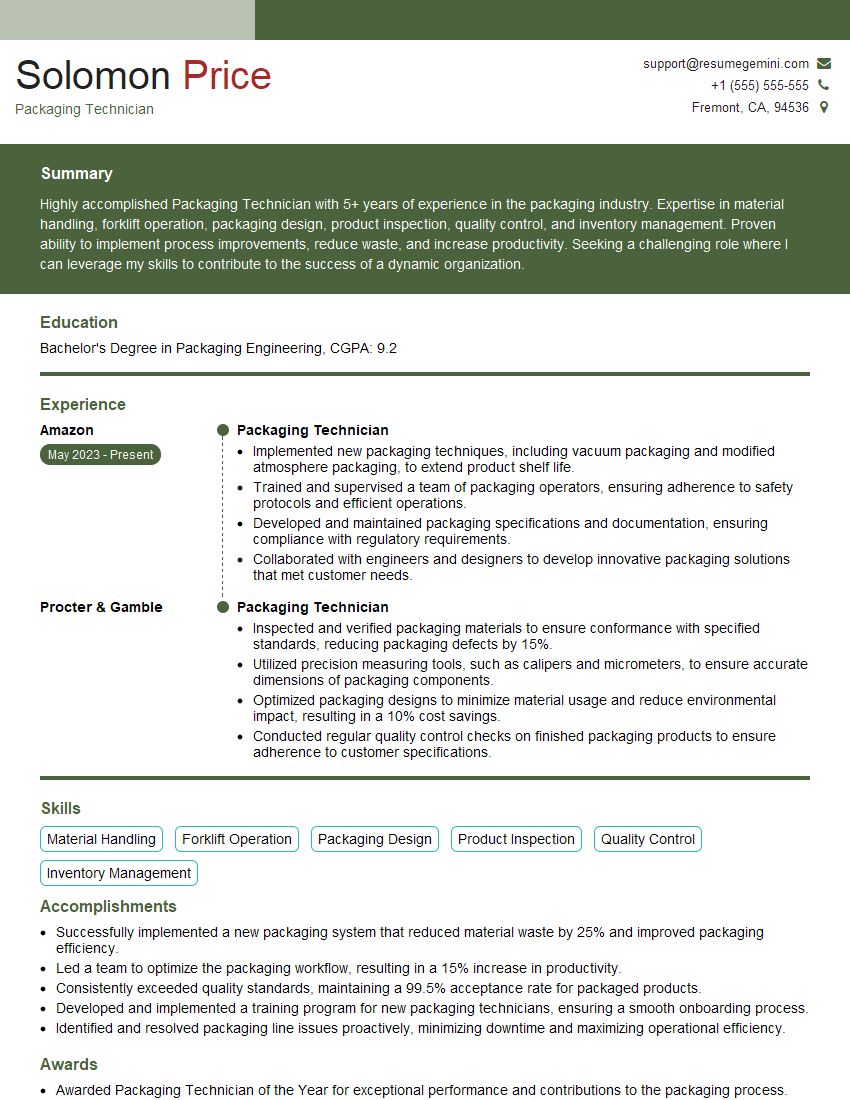
Mastering cake packaging principles opens doors to exciting opportunities in the food industry, offering a blend of creative design, technical expertise, and business acumen. To significantly enhance your job prospects, creating an ATS-friendly resume is crucial. ResumeGemini is a trusted resource that can help you build a professional and impactful resume, tailored to highlight your skills and experience effectively. Examples of resumes tailored to the cake packaging industry are available to help guide your resume creation process. Invest time in crafting a strong resume; it’s your first impression on potential employers.
Explore more articles
Users Rating of Our Blogs
Share Your Experience
We value your feedback! Please rate our content and share your thoughts (optional).
What Readers Say About Our Blog
Very informative content, great job.
good