The thought of an interview can be nerve-wracking, but the right preparation can make all the difference. Explore this comprehensive guide to Cake Training interview questions and gain the confidence you need to showcase your abilities and secure the role.
Questions Asked in Cake Training Interview
Q 1. Explain the different types of frosting used in cake decorating.
Frosting is the creamy topping that elevates a cake from simple baked good to a delicious masterpiece. There’s a vast world of frosting types, each with its unique texture and flavor profile. Choosing the right frosting depends on the desired look, taste, and overall cake design.
- Buttercream: This classic is a staple, made from butter, powdered sugar, and often flavored with extracts or other ingredients. It’s incredibly versatile, easy to pipe, and holds its shape well. You have variations like American buttercream (lighter and fluffier), Swiss meringue buttercream (smooth and stable, less sweet), and French buttercream (richer and denser).
- Cream Cheese Frosting: This tangy and delightful frosting is perfect for carrot cakes or other spice cakes. It’s less stable than buttercream but provides a lovely contrast in flavor.
- Chocolate Frosting: A chocolate lover’s dream! This can range from simple ganache (chocolate and cream) to a chocolate buttercream, offering intense chocolate flavor and rich texture.
- Ermine Frosting: This is a smooth, stable frosting cooked to a specific consistency with flour. It is less sweet than buttercream and has a unique texture.
- Whipped Cream Frosting: Light and airy, whipped cream frosting is perfect for delicate cakes, but needs to be refrigerated and may not hold its shape as well as other frostings.
For example, a wedding cake might utilize Swiss meringue buttercream for its stability and elegance, while a fun birthday cake might feature a vibrant American buttercream in multiple colors.
Q 2. Describe your experience with fondant and gum paste.
Fondant and gum paste are essential tools in my cake decorating arsenal. They are both sugar-based pastes, but differ significantly in their properties and applications.
Fondant: I use fondant primarily for creating smooth, flawless cake coverings. It’s excellent for achieving a professional, sleek finish and allows for intricate details. I’ve used it extensively to create everything from simple solid colors to complex sculpted designs. The key is to knead it well to get a smooth, pliable texture. Proper preparation is crucial for preventing cracks and ensuring a seamless application.
Gum Paste: Gum paste, on the other hand, is firmer and dries much faster than fondant. I use it predominantly for making delicate decorations such as flowers, leaves, and small figurines. Its ability to hold intricate details and remain firm after drying is invaluable. I’ve used it to create stunning sugar flowers that add a touch of artistry to my cakes.
I’ve worked with many different brands and colors of both fondant and gum paste, adapting my techniques to each product’s unique properties. A recent project involved creating lifelike sugar roses using gum paste, which required precise attention to detail and a steady hand.
Q 3. How do you ensure the structural integrity of a multi-tiered cake?
The structural integrity of a multi-tiered cake is paramount; a collapse would be disastrous! My approach involves a combination of techniques:
- Cake Boards: Each tier sits on a sturdy cake board, providing a solid base. The size of the board should be appropriate for the tier’s diameter.
- Dowels: For cakes with multiple tiers, I use dowels inserted into the bottom tiers to support the weight of the upper tiers. These dowels should be long enough to reach the bottom of the cake, distributing the weight evenly.
- Cake Supports: For extremely tall cakes, I use additional supports like pillars or cake support systems. These specialized systems provide extra strength and stability, preventing collapse.
- Properly Leveled Cakes: Ensure each layer of the cake is level before stacking. Using a cake leveler helps maintain evenness and ensures stable stacking.
- Strong Frosting: A stable frosting, like Swiss meringue buttercream, is essential for holding the weight of the tiers and providing structural support.
For instance, a four-tier wedding cake requires careful planning and execution. I’d use sturdy dowels in the bottom layers and potentially a support system to ensure stability and to prevent the upper tiers from sinking or cracking.
Q 4. What are the common challenges in cake decorating and how do you overcome them?
Cake decorating presents several challenges, but experience helps me overcome them. Common issues include:
- Frosting Consistency: If the frosting is too thin, it will run, while if it’s too thick, it will be difficult to pipe or spread smoothly. Addressing this involves adjusting the recipe or adding more liquid (such as milk or cream) if it’s too stiff, or more powdered sugar if it’s too runny.
- Crumb Coat Application: An uneven crumb coat (a thin initial layer of frosting) will show through the final layer. Careful application and refrigeration to set the crumb coat help avoid this issue.
- Fondant Cracking: Fondant can crack due to improper kneading, temperature changes, or stretching it too thin. Proper kneading and applying it to a properly chilled cake helps prevent cracking. Additionally, ensuring a consistent temperature in the environment prevents issues.
- Piping Issues: Uneven pressure or incorrect piping techniques can result in uneven or messy designs. Practice and using the right piping tips are key here.
I often encounter challenges with intricate sugar flower designs. Overcoming this requires meticulous attention to detail, patience, and practice. The use of proper tools and gum paste is crucial for success. I’ve perfected my techniques over time by studying various methods and constantly practicing.
Q 5. Describe your experience with different piping techniques.
Piping is an art form within cake decorating, enabling the creation of intricate designs and elegant borders. I’m proficient in a variety of piping techniques, each requiring precision and control.
- Basic Piping Techniques: I’m adept at using different piping tips (like round, star, petal, leaf) to create basic borders, rosettes, and swirls. This is fundamental to many designs.
- Writing and Lettering: I can pipe elegant lettering and personalized messages onto cakes, using a variety of fonts and techniques. This often involves using smaller tips and a steady hand.
- Advanced Techniques: I’m experienced in more advanced techniques like creating buttercream flowers, textured effects, and intricate borders. This takes significant practice and skill with different piping bags and tips.
For example, I recently used a combination of star and round tips to create a beautiful basketweave pattern on a wedding cake, showcasing both accuracy and creativity. My piping skills are constantly being refined through practice and experimentation with different techniques and designs.
Q 6. How do you maintain food safety standards while decorating cakes?
Maintaining food safety is an absolute priority. My cake decorating process adheres strictly to hygiene and safety standards to prevent contamination and ensure the cakes are safe for consumption.
- Hand Hygiene: Thorough handwashing is essential throughout the process. I use hand sanitizer regularly and wear disposable gloves, especially when handling multiple cakes or using food coloring.
- Sanitized Equipment: All equipment, including piping bags, tips, spatulas, and cake boards, is cleaned and sanitized before and after each use.
- Food Storage: Proper storage of ingredients and finished cakes is crucial. I follow guidelines for appropriate refrigerator and freezer temperatures to maintain food quality and safety.
- Ingredient Handling: I meticulously handle ingredients, avoiding cross-contamination, and using separate tools for different ingredients. This is especially important when dealing with allergens.
- Allergen Awareness: I’m very aware of common allergens (dairy, nuts, eggs, soy, gluten, etc.) and take extreme care to avoid cross-contamination. I clearly label cakes containing allergens to inform customers.
I always keep up to date on food safety guidelines to ensure my processes are compliant with regulations. My client’s safety and satisfaction are my utmost priority.
Q 7. Explain your knowledge of different cake baking techniques.
My cake baking experience encompasses various techniques, each contributing to a unique cake texture and flavor profile.
- Conventional Baking: This is the most common method, using a standard oven to bake the cake. I understand the importance of oven temperature consistency, baking time, and testing for doneness.
- Reverse Creaming Method: This method involves creaming together the fats and sugars before incorporating the eggs. This results in a tender crumb and is great for cakes with less sugar.
- Water Bath Method: Using a water bath (bain-marie) during baking is excellent for creating moist and evenly baked cakes, especially cheesecakes and delicate layer cakes. This method helps prevent cracking and over-baking.
- Chiffon Cake Method: This technique incorporates oil and whipped egg whites, resulting in a light and airy cake texture, almost like a sponge cake.
I’ve worked with various cake recipes, adjusting them to achieve a precise balance of flavor and texture based on customer preferences and cake design. A recent order required a moist, dense chocolate cake for a groom’s cake. I employed the water bath method to ensure an incredibly moist and evenly baked result.
Q 8. What are the key considerations for designing a custom cake?
Designing a custom cake involves a careful consideration of several key factors. It’s like painting a masterpiece – you need the right canvas, colors, and vision. Firstly, understanding the client’s vision is paramount. This involves detailed discussions about the occasion, theme, preferred flavors, and any specific design elements they envision. Secondly, cake structure and size need careful planning; a multi-tiered cake requires a different structural approach than a single-layer cake. Thirdly, design feasibility must be assessed. While I strive to bring any vision to life, certain designs might be too complex or require specialized techniques that may impact cost or delivery time. Finally, budget and timeline play crucial roles in defining the scope of the project. For example, intricate sugar work will take significantly longer and increase costs compared to simpler buttercream designs.
For instance, a client requesting a life-like replica of their pet requires advanced sculpting techniques and edible image printing, vastly different from a simple two-tiered wedding cake with floral decorations.
Q 9. How do you handle customer requests and potential design modifications?
Handling customer requests involves active listening and clear communication. I begin by thoroughly understanding their requirements, asking clarifying questions, and offering suggestions based on my expertise. Design modifications are approached collaboratively. I present options, explaining their feasibility and potential impact on the timeline and cost. We visually explore different design elements using sketches and cake design software. This collaborative approach ensures the final design reflects the client’s vision while remaining practical and achievable. For example, if a client requests a design that’s too complex for their chosen timeframe, I may offer a simplified version while still capturing the essence of their original idea.
For example, I once had a client who initially wanted an intricate sugar flower arrangement. Due to time constraints and budget, we collaboratively opted for a simpler, yet equally elegant, buttercream flower design which was both stunning and achievable. Transparency about potential limitations ensures a happy client and a successfully executed project.
Q 10. Describe your experience with various cake pans and molds.
My experience with cake pans and molds is extensive, ranging from classic round and square pans to unique shapes like hearts, stars, and even custom-made molds for specific designs. I’m proficient in using various materials like aluminum, silicone, and even specialized pans for creating intricate layers and designs. Understanding the properties of each material is vital. For instance, silicone molds allow for more flexible designs and easier release, while aluminum pans provide even baking. I regularly experiment with new pans and molds, staying updated on industry trends to offer clients the most innovative cake shapes and structures.
For example, I recently used a unique hexagon-shaped pan for a modern geometric cake design, highlighting the versatility available through different pan choices. The ability to adapt to different materials and shapes expands my creative possibilities significantly.
Q 11. What tools and equipment are essential for cake decorating?
Essential cake decorating tools vary depending on the complexity of the design, but some staples include various piping bags and tips for creating different textures and patterns; spatulas for smoothing frosting; cake levels for ensuring even layers; turntable for easy frosting and decorating; various decorating tools like combs and stencils; and finally, a selection of quality edible decorations like fondant, gum paste, chocolate, and sprinkles. Beyond this, specialized tools like airbrushing equipment or embossing tools allow for more advanced designs. Maintaining cleanliness and proper sanitation is crucial with all tools.
For example, a simple buttercream rose requires specific piping tips, while creating intricate fondant decorations necessitates additional tools like rolling pins, cutters, and veining tools. Having a well-organized and well-maintained tool kit is essential for efficiency and quality.
Q 12. How do you manage your time effectively when working on multiple cake orders?
Managing multiple cake orders effectively relies on meticulous planning and organization. I use project management software to track orders, deadlines, and design details. Each order receives a designated timeframe, and tasks are broken down into smaller, manageable steps. I prioritize orders based on deadlines and complexity, focusing on tasks that require longer completion times first. I also allocate specific time blocks for each stage of the process, from baking to decorating, minimizing disruptions and optimizing workflow. This structured approach prevents overlapping tasks and ensures timely completion of all orders.
For example, I might dedicate Monday to baking, Tuesday to assembling and frosting, and Wednesday and Thursday to decorating, allowing for efficient work-flow and minimizing stress from looming deadlines.
Q 13. Explain your experience with different types of cake flavors and fillings.
My experience with cake flavors and fillings is broad and diverse. I’m proficient in classic flavors like vanilla, chocolate, and red velvet, but also specialize in more unique and sophisticated combinations, such as lavender honey cake with lemon curd filling or salted caramel cake with espresso buttercream. I adapt flavors to complement the design and the occasion. For example, a light and airy sponge cake would be appropriate for a summer wedding, whereas a rich chocolate cake might be more fitting for a winter celebration. I am also well-versed in creating custom flavor profiles based on client preferences, always keeping in mind flavor balance and complementary textures.
I have a comprehensive recipe library and regularly experiment with new flavor combinations, ensuring I consistently offer innovative and exciting choices to my clients. For instance, a recent client requested a matcha cake with white chocolate ganache and strawberry filling – a unique combination which proved to be a highly successful and delicious cake.
Q 14. Describe your process for creating a cake design from a concept to a finished product.
Creating a cake design is a multi-stage process. It starts with an initial consultation with the client to grasp their vision and requirements. Next, I develop a design concept, often incorporating sketches or digital renderings. This concept is refined through collaborative discussions with the client, ensuring their complete satisfaction. Following design finalization, I prepare the cake layers, ensuring proper baking and cooling techniques. Then, I assemble the cake, level it, and apply the frosting. Finally, I execute the decorating elements as per the approved design, ensuring meticulous attention to detail and high-quality finishing. Throughout the entire process, quality control is paramount, ensuring every stage aligns with the highest standards.
For example, a recent project involved a client’s vision for a whimsical woodland-themed cake. This involved several stages – initial consultation, sketching a woodland scene, selecting appropriate colors and textures, baking the cake layers, crafting fondant mushrooms and trees, and meticulously assembling the finished design. The result was a cake that perfectly embodied the client’s vision, demonstrating a successful execution from concept to finished product.
Q 15. How do you price your cakes or services?
Pricing my cakes and services involves a multifaceted approach, considering several key factors. Firstly, I analyze the complexity of the design. An intricate, multi-tiered cake with elaborate fondant work will naturally cost more than a simple single-tiered cake. Secondly, the size and quantity of servings play a significant role. A larger cake requires more ingredients and labor, thus impacting the price. Thirdly, the ingredients themselves – premium chocolates, imported extracts, or specific types of frosting – can elevate the cost. Finally, I factor in my time and expertise. I often provide detailed quotes based on a consultation with the client, where we discuss their vision, preferences, and budget. For instance, a simple vanilla cake might be priced at $50, while a custom-designed wedding cake with multiple tiers and detailed sugar flowers could range from $500 to $1000 or more, depending on the specifics.
To ensure transparency, my quotes always break down the cost into different components – ingredients, labor, and any additional services such as delivery or setup. This allows clients to understand the value they’re receiving for their investment.
Career Expert Tips:
- Ace those interviews! Prepare effectively by reviewing the Top 50 Most Common Interview Questions on ResumeGemini.
- Navigate your job search with confidence! Explore a wide range of Career Tips on ResumeGemini. Learn about common challenges and recommendations to overcome them.
- Craft the perfect resume! Master the Art of Resume Writing with ResumeGemini’s guide. Showcase your unique qualifications and achievements effectively.
- Don’t miss out on holiday savings! Build your dream resume with ResumeGemini’s ATS optimized templates.
Q 16. How do you handle complaints or issues with a finished cake?
Handling complaints or issues with a finished cake is crucial for maintaining client satisfaction and my professional reputation. My first step is always to listen carefully and empathize with the client’s concerns. I strive to understand the issue from their perspective before offering any solutions. If there’s a genuine problem, such as a structural defect or a significant deviation from the agreed-upon design, I offer a sincere apology and work towards a resolution. This might involve remaking parts of the cake, offering a partial refund, or providing a discount on a future order. I believe in proactive communication, keeping the client informed every step of the way. For example, if a delivery mishap caused damage, I would immediately contact them to arrange a replacement or a suitable compensation.
I maintain detailed records of all orders, including pictures and specifications, to assist in resolving any discrepancies. This documentation serves as a reference point during any complaint process. However, I also understand that sometimes the issue is purely subjective. In such cases, I attempt to find a compromise that satisfies both parties, emphasizing customer satisfaction as my priority.
Q 17. What are your strengths and weaknesses as a cake decorator?
As a cake decorator, my greatest strengths lie in my attention to detail and my creative problem-solving abilities. I am meticulous in my work, ensuring consistent quality and precision in every cake I create. I enjoy the challenge of translating clients’ visions into edible masterpieces, often finding innovative ways to overcome technical obstacles. For instance, recently a client asked for a cake that looked like a detailed miniature castle. I used various sculpting techniques and edible printing to create intricate details that exceeded their expectations.
However, my weakness is sometimes getting overly invested in a project, leading to occasional long working hours. I am working on improving my time management skills to maintain a healthy work-life balance without compromising on the quality of my work. I am also actively seeking opportunities to expand my skills in areas like sugar flower making and chocolate work, so I can continue to provide my clients with diverse and innovative cake designs.
Q 18. How do you stay updated with current trends in cake decorating?
Staying updated on current trends in cake decorating is essential for remaining competitive and offering my clients the latest and most exciting designs. I actively engage with the cake decorating community through various avenues. I follow prominent cake artists and designers on social media platforms like Instagram and Pinterest, where I can see the latest techniques, color palettes, and design styles. I also attend cake decorating workshops, conferences, and classes to learn new skills and stay abreast of the newest advancements in ingredients and techniques. Subscription boxes dedicated to cake decorating supplies and tools are also a great resource for discovering innovative products and methods.
Furthermore, I regularly browse cake decorating magazines and online blogs, and I find inspiration in other artistic fields such as fashion, architecture, and nature. This cross-pollination of ideas helps me create unique and contemporary cake designs that are both visually appealing and technically sound.
Q 19. Describe your experience with using food coloring and airbrushing.
I have extensive experience using food coloring and airbrushing techniques to achieve vibrant and detailed cake decorations. I am proficient in both liquid and gel food colorings, understanding their different properties and how they interact with various frosting types. For example, I know that gel colorings are more concentrated and provide richer, more intense hues than liquid colorings. I’m adept at creating custom colors by blending different shades and achieving a consistent color throughout the cake. I also practice proper hygiene and food safety measures while handling food colorings.
Airbrushing allows me to create delicate and intricate designs, from subtle gradients and washes to sharp lines and precise details. I am experienced in using various airbrush stencils and techniques, and I understand the importance of controlling air pressure and distance to create the desired effect. For example, airbrushing is crucial for creating realistic-looking textures on cakes, such as marble or wood effects. Safety is paramount when using airbrushes, ensuring proper ventilation and cleaning to prevent cross-contamination.
Q 20. How do you store and preserve cakes effectively?
Proper storage and preservation of cakes are critical to maintain their quality, taste, and appearance. Immediately after cooling, I wrap cakes in plastic wrap to prevent moisture loss and minimize exposure to air. Then, I place the wrapped cakes in airtight containers to further protect them from spoilage. For cakes with delicate decorations, I might use individual boxes to prevent damage during storage or transportation.
The storage temperature is equally important. Cakes should be refrigerated to maintain their freshness, but it’s crucial to remember that certain decorations, such as fresh flowers or buttercream, may not respond well to cold temperatures. For example, buttercream frosting can harden significantly in the fridge, affecting its texture. I always advise clients on the optimal storage conditions for their specific cake based on its components and design, which includes a suggested timeframe for consumption to ensure the best quality.
Q 21. What is your experience with cake delivery and transportation?
I have considerable experience in cake delivery and transportation, prioritizing safe and reliable handling to ensure the cakes arrive at their destination in perfect condition. For local deliveries, I use my own vehicle, equipped with appropriate transportation equipment to prevent damage during transit. This includes using non-slip surfaces, securing the cakes to prevent movement, and maintaining a consistent temperature. I always inform the client of the estimated delivery time and confirm the delivery address well in advance. For long-distance deliveries or large orders, I often collaborate with reliable courier services that specialize in transporting fragile goods. I ensure that the cakes are appropriately packaged and the courier is aware of the delicate nature of the items.
In all cases, I take photographs of the cake before transport and after delivery to document its condition throughout the process. This helps to resolve any potential issues or address complaints promptly and efficiently. My focus is on ensuring a smooth and reliable delivery experience for every client, preserving the integrity and appearance of the cakes.
Q 22. Explain your knowledge of different types of sugar work.
Sugar work in cake decorating encompasses a wide range of techniques, each resulting in unique textures and appearances. It’s essentially the art of manipulating sugar into various forms for decorative purposes.
- Fondant: A pliable, sugar-based paste used to create smooth, flawless cake coverings and intricate decorations. Think of perfectly sculpted flowers or cartoon characters. It requires practice to roll out evenly and avoid tears.
- Gum Paste: Similar to fondant but firmer and dries harder, ideal for detailed modeling like delicate flowers or figurines. It’s more challenging to work with due to its faster drying time.
- Isomalt: A type of sugar that can be melted and sculpted into stunning, glassy, and hard decorations. It’s often used for modern, geometric designs or creating delicate spun sugar accents. Requires careful handling due to its high temperature during melting.
- Royal Icing: A stiff meringue-based icing, perfect for intricate piping designs, lacework, and delicate embellishments. It’s relatively easy to learn but achieving consistent piping requires steady hands.
- Pulled Sugar: This involves heating sugar until it’s malleable and then pulling and stretching it to create delicate threads or shapes. It’s a visually impressive technique but requires precision and a little practice to master.
My experience encompasses all these techniques; I’ve created everything from simple fondant-covered cakes to elaborate sculpted showpieces using a combination of these methods.
Q 23. How do you maintain hygiene and sanitation in a baking environment?
Maintaining hygiene and sanitation is paramount in a baking environment to prevent foodborne illnesses and ensure food safety. My approach is multifaceted and follows strict protocols.
- Personal Hygiene: This includes handwashing frequently with hot, soapy water, wearing clean aprons and hairnets, and avoiding touching my face or hair while preparing food.
- Equipment Sanitation: All surfaces, tools, and equipment are thoroughly cleaned and sanitized before and after each use, using appropriate food-safe detergents and sanitizers. I follow a strict rotation schedule to ensure thorough cleaning of less frequently used items.
- Ingredient Handling: Ingredients are stored properly according to their labels, with FIFO (First In, First Out) principles to prevent spoilage. Any signs of contamination are immediately addressed.
- Waste Management: Waste is disposed of appropriately and regularly to minimize pest attraction.
- Temperature Control: I meticulously monitor temperatures during baking and storage to prevent bacterial growth. This includes proper refrigeration and freezing procedures.
For example, during a recent large order, we experienced a slight power outage. My immediate response was to ensure all perishable items were swiftly transferred to backup refrigerators, preventing spoilage and ensuring safety.
Q 24. Describe your experience with working in a team environment.
I thrive in team environments. My experience includes collaborating with bakers, decorators, and kitchen staff to create exceptional cakes for various events. I value clear communication, mutual respect, and a collaborative spirit.
In one instance, we had a large wedding cake order with a tight deadline. By dividing tasks effectively – one team member focusing on the structural elements, another on the fondant work, and myself on the intricate sugar flower decorations – we completed the project on time and to the client’s utmost satisfaction. Each team member contributed their unique skill set, resulting in a phenomenal final product.
I also actively participate in brainstorming sessions, offering creative solutions and helping resolve conflicts constructively. I believe in fostering a positive and supportive atmosphere where everyone can excel.
Q 25. Explain your understanding of food allergies and dietary restrictions.
Understanding food allergies and dietary restrictions is crucial in the baking industry. I am well-versed in common allergens, such as nuts, dairy, eggs, soy, wheat, and gluten.
I always inquire about any dietary restrictions or allergies when taking an order, carefully cross-referencing ingredients with known allergens. I maintain separate preparation areas and utensils to prevent cross-contamination, and clearly label all baked goods with their ingredients. If a customer has a severe allergy, I meticulously double-check all ingredients and processes. If I am unsure, I’ll consult with resources such as allergen charts and reputable sources to ensure absolute safety.
For example, for a client with a gluten allergy, I would use certified gluten-free flour and ensure that all preparation surfaces and tools were thoroughly cleaned to avoid cross-contamination with gluten-containing products.
Q 26. How do you handle stressful situations in a busy kitchen?
Busy kitchens can be stressful, but I’ve developed strategies to handle pressure effectively. My approach involves prioritizing tasks, maintaining focus, and staying calm under pressure.
- Prioritization: I use a system of organizing tasks by urgency and importance, focusing on the most time-sensitive items first.
- Time Management: I break down large tasks into smaller, manageable steps, which makes the overall process less daunting.
- Teamwork: I rely on effective communication with my team to ensure smooth workflow and prevent bottlenecks. I delegate tasks appropriately.
- Deep Breaths: Taking short breaks to clear my head and refocus is essential for maintaining composure in high-pressure situations.
During a particularly hectic holiday rush, we experienced a sudden surge in orders. By calmly delegating tasks and prioritizing orders based on deadlines, and communicating clearly with the team, we managed to fulfill all orders efficiently and without compromising quality. Maintaining composure allows for better problem-solving.
Q 27. Describe your experience with using different types of edible decorations.
I have extensive experience using a wide range of edible decorations, ranging from classic to modern techniques.
- Fondant and Gum Paste Flowers: I’m skilled in creating realistic and stylized flowers using both fondant and gum paste. This involves techniques like wire work, petal shaping, and coloring.
- Royal Icing Piping: I’m proficient in various piping techniques using royal icing, such as creating intricate borders, lacework, and lettering. I can also create different icing consistencies for achieving varied effects.
- Edible Images and Transfers: I can use edible image printing and transfer sheets to create personalized designs on cakes, making them unique and memorable.
- Fresh Fruits and Chocolate Decorations: I use fresh fruits and various types of chocolate (dark, milk, white) to create aesthetically pleasing and delicious decorations.
- Isomalt and Sprinkles: I also utilize isomalt for its unique qualities, as well as assorted sprinkles and other decorative elements to add texture and visual interest.
For a recent quinceañera cake, I combined fondant sculpting, royal icing piping, and fresh flowers to achieve an elegant and sophisticated design that perfectly captured the client’s vision. The versatility of these decorative techniques allows for limitless creative expression.
Q 28. What are your career goals in the field of cake training/decorating?
My career goals involve continuous growth and development in the field of cake training and decorating. I aspire to become a highly skilled and sought-after instructor, sharing my knowledge and passion with aspiring cake decorators.
I envision developing my own signature cake decorating style and potentially creating online courses or workshops to reach a wider audience. I’m also interested in exploring innovative techniques and materials, pushing the boundaries of cake artistry. My long-term goal is to contribute meaningfully to the cake decorating community, fostering creativity and excellence within the field.
Key Topics to Learn for Cake Training Interview
- Core CakePHP Concepts: Understand MVC architecture, routing, controllers, models, views, and their interactions within a CakePHP application. Practice building simple applications to solidify your understanding.
- Database Interactions: Master database connections, querying data using CakePHP’s ORM (Object-Relational Mapper), and handling data manipulation efficiently. Focus on practical exercises involving CRUD (Create, Read, Update, Delete) operations.
- Security Best Practices: Learn about common security vulnerabilities and how to mitigate them in CakePHP applications. This includes input validation, output escaping, and secure authentication/authorization mechanisms. Consider building a small application with security in mind.
- Templating and Views: Gain proficiency in using CakePHP’s templating engine to create dynamic and user-friendly interfaces. Practice building different types of views and integrating them seamlessly with your application’s logic.
- Testing and Debugging: Develop strong debugging skills and learn to utilize CakePHP’s testing framework to ensure the quality and reliability of your code. Practice writing unit and integration tests for your projects.
- Plugins and Extensions: Explore the CakePHP plugin ecosystem and understand how to integrate and utilize existing plugins to extend the functionality of your applications. Research and experiment with several popular plugins.
- Performance Optimization: Learn techniques to optimize the performance of your CakePHP applications, including database optimization, caching strategies, and code optimization. Consider analyzing the performance of a sample application and implementing improvements.
Next Steps
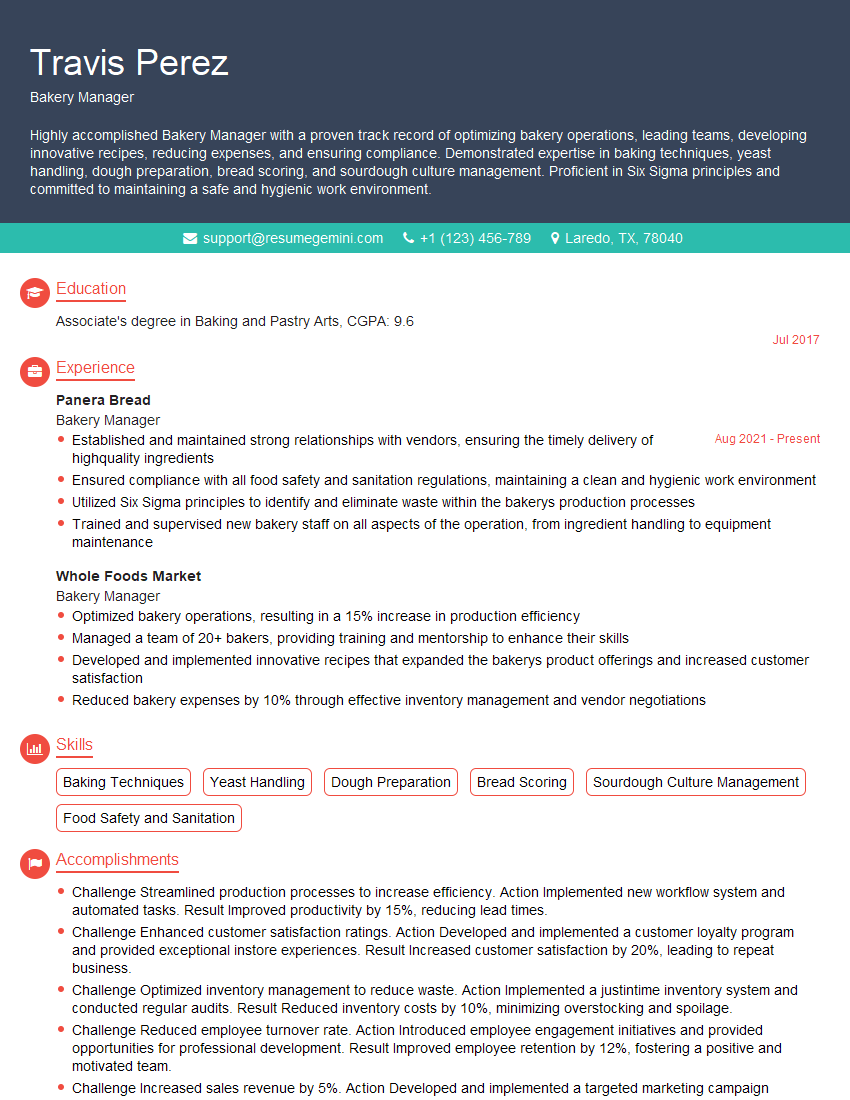
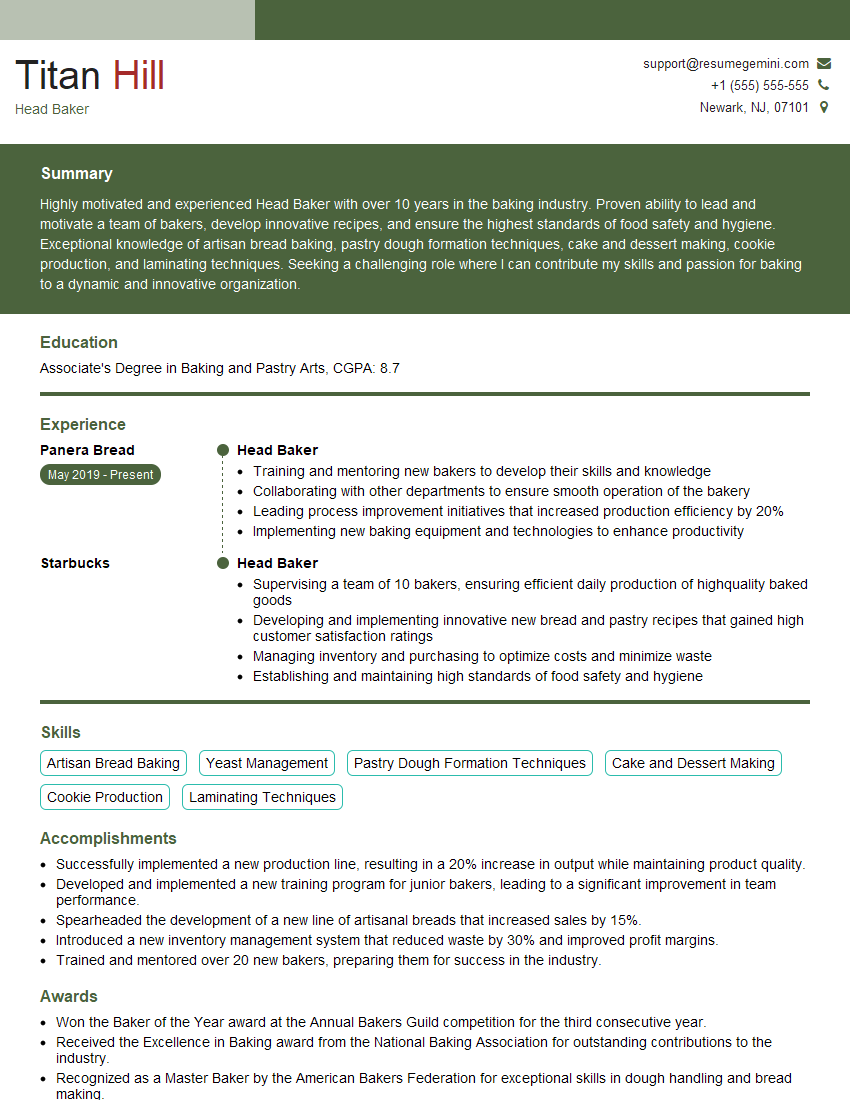
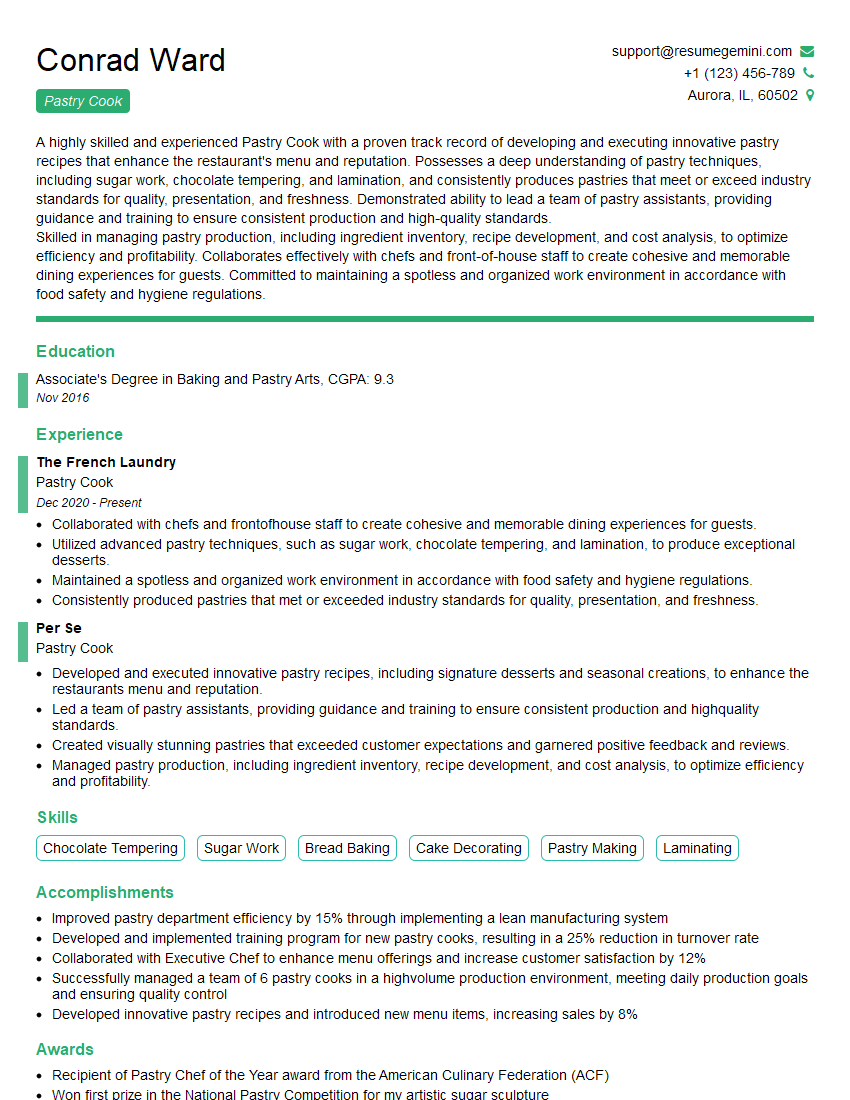
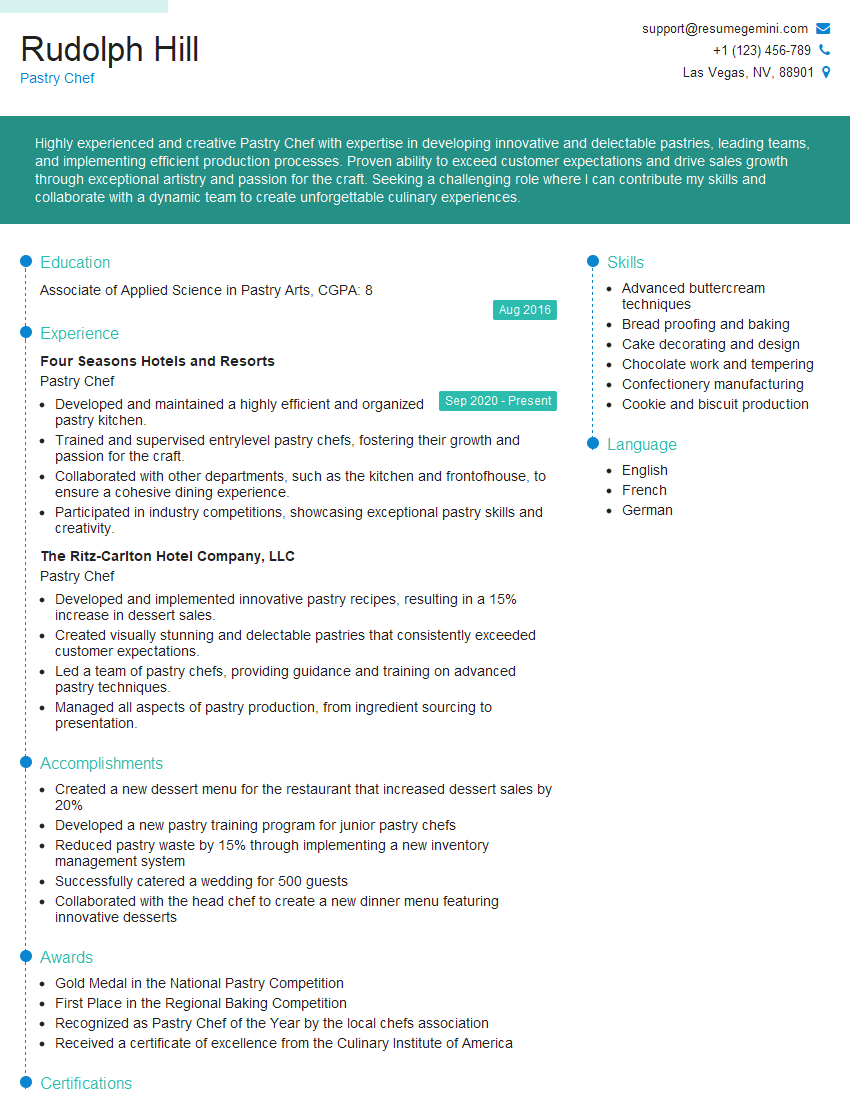
Mastering CakePHP opens doors to exciting opportunities in web development. A strong understanding of its framework will significantly boost your career prospects. To maximize your chances, create an ATS-friendly resume that highlights your skills and experience effectively. We highly recommend using ResumeGemini, a trusted resource for building professional resumes, to create a compelling document that showcases your CakePHP expertise. Examples of resumes tailored to Cake Training are available below to help guide you.
Explore more articles
Users Rating of Our Blogs
Share Your Experience
We value your feedback! Please rate our content and share your thoughts (optional).
What Readers Say About Our Blog
Very informative content, great job.
good