Unlock your full potential by mastering the most common Calibration and Performance Testing interview questions. This blog offers a deep dive into the critical topics, ensuring you’re not only prepared to answer but to excel. With these insights, you’ll approach your interview with clarity and confidence.
Questions Asked in Calibration and Performance Testing Interview
Q 1. Explain the difference between accuracy and precision in calibration.
Accuracy and precision are crucial concepts in calibration, often confused but distinct. Accuracy refers to how close a measurement is to the true value. Think of it like hitting the bullseye on a dartboard – a highly accurate measurement is very close to the center. Precision, on the other hand, describes the repeatability of a measurement. It’s about how close multiple measurements are to each other, regardless of how close they are to the true value. Imagine repeatedly hitting the same spot on the dartboard, but that spot is far from the bullseye; this represents high precision but low accuracy. In calibration, we strive for both high accuracy and high precision. A perfectly calibrated instrument will yield precise and accurate results.
Example: A thermometer consistently reads 2 degrees higher than the actual temperature. This is precise (consistent readings) but inaccurate (not the true temperature). Another thermometer gives readings that vary wildly, sometimes too high, sometimes too low; this is neither precise nor accurate.
Q 2. Describe the process of instrument calibration.
Instrument calibration is a systematic process to ensure a measuring instrument provides reliable and accurate readings. It involves comparing the instrument’s measurements against a known standard, usually one with higher accuracy. The steps generally include:
- Preparation: Gather necessary equipment (instrument to be calibrated, standard, calibration tools, records).
- Comparison: Compare the instrument’s readings with the standard under controlled conditions. Multiple measurements are typically made at various points across the instrument’s range.
- Analysis: Analyze the differences between the instrument’s readings and the standard. This often involves calculating deviations and uncertainties.
- Adjustment (if needed): If discrepancies exceed acceptable limits, the instrument may need adjustment or repair to bring it back within the specified tolerance.
- Documentation: Record all readings, comparisons, adjustments, and uncertainties in a formal calibration report or certificate.
Example: Calibrating a digital multimeter involves comparing its voltage measurements against a precision voltage standard. We’d take several readings at different voltage levels and calculate the deviations. If the deviations are beyond the accepted tolerance (e.g., ±0.5%), the multimeter might need adjustment or repair before being deemed calibrated.
Q 3. What are the common types of calibration standards used?
Calibration standards are reference instruments or materials with known and traceable values. Common types include:
- National Standards: Maintained by national metrology institutes (like NIST in the US), these are the highest level of accuracy and form the basis for all other standards.
- Working Standards: More readily available and used in daily calibration activities. They are calibrated against national or primary standards.
- Reference Standards: High-accuracy standards used to calibrate working standards.
- Traceable Standards: Standards whose accuracy can be linked back to national standards through a chain of calibrations, ensuring traceability.
- Physical Standards: Physical objects like weights, gauges, and length standards.
- Software Standards: Used to calibrate software-based measuring systems.
Example: A laboratory might use a calibrated thermometer (working standard) traced back to national temperature standards to calibrate other thermometers used in experiments.
Q 4. How do you identify and handle calibration discrepancies?
Calibration discrepancies are differences between the instrument’s readings and the standard’s values exceeding the acceptable tolerance. Handling them involves:
- Investigation: Determine the cause. Is it due to instrument malfunction, operator error, or environmental factors?
- Documentation: Carefully record all observations and measurements.
- Corrective Action: If the instrument is out of calibration, it may require repair, adjustment, or replacement. Operator training might be necessary if user error is identified.
- Re-calibration: After corrective action, recalibrate the instrument to verify its accuracy.
- Root Cause Analysis: Conduct a thorough investigation to prevent future discrepancies, especially if the problem is recurring.
Example: If a pressure gauge consistently reads lower than the standard, we’d investigate potential causes – leaks, damage, incorrect zeroing. We’d then repair or replace the gauge and recalibrate it. If operator error is the cause, retraining is required.
Q 5. What is the purpose of a calibration certificate?
A calibration certificate is a formal document that provides evidence of a successful calibration. It acts as proof that the instrument is operating within specified tolerances and is suitable for its intended purpose. It typically includes:
- Instrument details: Manufacturer, model, serial number.
- Calibration date and method: Details of the calibration procedure.
- Standard used: Identification of the calibration standard.
- Results: Measurements, deviations, and uncertainties.
- Calibration intervals: Recommended time between future calibrations.
- Accreditation information (if applicable): Shows the calibration was performed by a certified lab.
Example: A calibration certificate for a balance will show the calibrated weight values, uncertainties associated with each measurement, and the date of calibration. This certificate is critical for ensuring compliance and maintaining data integrity.
Q 6. Explain the concept of traceability in calibration.
Traceability in calibration ensures the accuracy of a measurement can be linked back to national or international standards through an unbroken chain of comparisons. This is essential for ensuring reliability and consistency across different calibration labs and measurements. Each standard used is itself calibrated against a higher standard, creating a traceable path all the way back to the fundamental units of measurement. This ensures confidence that results obtained with one instrument are comparable to results obtained using similar instruments elsewhere in the world.
Example: A lab uses a calibrated weight to calibrate a balance. That calibrated weight is traced to a reference weight calibrated by a national metrology institute. The traceability chain establishes the reliability of the balance’s measurements, providing confidence in the results.
Q 7. Describe different performance testing methodologies (e.g., load, stress, endurance).
Performance testing methodologies assess how well a system functions under various conditions. Common types include:
- Load Testing: Simulates real-world user load on a system to determine its behavior under normal operating conditions. This helps in identifying bottlenecks and performance issues.
- Stress Testing: Pushes the system beyond its normal operating capacity to determine its breaking point. It helps in identifying the system’s limits and potential failure points.
- Endurance Testing (or Soak Testing): Tests the system’s stability over an extended period under normal or near-normal load conditions. This helps identify memory leaks or other issues that only appear over time.
- Volume Testing: Focuses on the system’s ability to handle large amounts of data.
- Spike Testing: Simulates sudden, large increases in load to assess the system’s responsiveness.
Example: Load testing a website might simulate 10,000 concurrent users to see how the servers respond. Stress testing might simulate 20,000 users to identify the point of failure. Endurance testing would run the system with 10,000 users for 24 hours to detect any performance degradation over time. These tests provide valuable insight into the software and hardware’s capacity and stability.
Q 8. What performance testing tools are you familiar with (e.g., JMeter, LoadRunner)?
I’m proficient in several performance testing tools, each with its strengths. JMeter is an open-source tool I frequently use for its flexibility and extensive plugin ecosystem. It’s great for simulating a large number of concurrent users and analyzing response times. LoadRunner, a commercial tool, offers more advanced features like sophisticated scripting capabilities and more comprehensive reporting, making it suitable for complex applications requiring precise performance measurements. I’ve also had experience with k6, a modern JavaScript-based tool known for its ease of use and integration with CI/CD pipelines. The choice of tool depends heavily on the project’s budget, complexity, and the team’s skillset. For example, for a smaller project with a limited budget, JMeter’s open-source nature and readily available community support are advantageous. But for a large enterprise application demanding in-depth analysis, LoadRunner’s advanced features might be more valuable.
Q 9. How do you design a performance test plan?
Designing a performance test plan is crucial for ensuring effective testing. It’s like creating a blueprint for a building – without a solid plan, you risk building something unstable or unfit for purpose. My approach involves several key steps:
- Defining Objectives: Clearly state what you’re aiming to achieve. Are you testing for scalability, identifying bottlenecks, or verifying response times under peak load? For example, a goal might be to ensure the application can handle 10,000 concurrent users with an average response time under 2 seconds.
- Identifying Test Environment: This includes the hardware, software, and network configuration that will be used for testing. It should mirror the production environment as closely as possible to ensure realistic results.
- Defining Test Scenarios: Create realistic scenarios that reflect real-world user behavior. This involves identifying typical user actions and assigning weights to each action based on its frequency. For instance, you might simulate 70% of users browsing product pages, 20% adding items to a cart, and 10% completing purchases.
- Selecting KPIs: Choosing the right Key Performance Indicators (KPIs) is essential for measuring success. These could include response time, throughput, resource utilization (CPU, memory, network), and error rates.
- Test Data: Decide how you will populate the database with realistic test data. Too little data may not stress the system adequately, while too much data can negatively impact performance.
- Test Execution and Monitoring: Detail the tools and methods used to run the tests and monitor system performance during testing. This includes specifying the ramp-up time, load duration, and cool-down period.
- Reporting and Analysis: Plan how the results will be analyzed, documented, and reported to stakeholders.
Q 10. How do you analyze performance test results?
Analyzing performance test results is an iterative process requiring careful examination of various metrics. I begin by looking at the overall trends in key performance indicators (KPIs) like response time, throughput, and error rates. For instance, a sudden spike in response time might indicate a bottleneck. Then I delve into the details, examining specific transactions to pinpoint problematic areas. Tools like JMeter and LoadRunner generate detailed reports with graphs and charts that visually represent performance metrics. I use these reports to identify patterns and anomalies. For example, a high CPU utilization on the database server during peak load might indicate a need for database optimization. Analyzing transaction-level data helps determine which specific parts of the application are causing performance issues. After identifying the issues, I collaborate with developers to diagnose the root cause and implement solutions. This often involves reviewing server logs, application code, and database queries. Finally, I document all findings, recommendations, and the actions taken to address the identified issues.
Q 11. What are key performance indicators (KPIs) in performance testing?
Key Performance Indicators (KPIs) are crucial for measuring the success of performance testing. They act as objective benchmarks to evaluate the system’s performance. Common KPIs include:
- Response Time: The time it takes for a system to respond to a request. A slow response time directly impacts user experience.
- Throughput: The number of requests processed per unit of time (e.g., requests per second). High throughput signifies good system scalability.
- Error Rate: The percentage of failed requests. High error rates indicate system instability or errors in the application logic.
- Resource Utilization: The percentage of CPU, memory, disk I/O, and network bandwidth used by the system. High resource utilization may indicate bottlenecks.
- Transaction Success Rate: The percentage of successful transactions completed. A low rate suggests issues with the overall system’s stability and functionality.
- Concurrency Users: The maximum number of simultaneous users the system can handle without performance degradation.
The specific KPIs chosen will depend on the application’s nature and the testing objectives. For instance, a real-time application might prioritize low response time and high throughput, whereas a batch processing system might focus more on throughput and resource utilization.
Q 12. Explain the concept of bottlenecks in performance testing.
A bottleneck is a constraint in the system that prevents it from achieving optimal performance. Imagine a highway with one lane suddenly narrowing – that’s a bottleneck. In performance testing, bottlenecks can occur at various layers: the application server, database server, network infrastructure, or even the application code itself. Identifying bottlenecks is a critical part of performance testing. It’s like finding the weak link in a chain. A common bottleneck is a slow database query, which can significantly impact the overall system response time. Another common scenario is insufficient server resources (CPU, memory, network bandwidth) under heavy load, leading to performance degradation. Analyzing resource utilization metrics (CPU, memory, disk I/O, network) along with response times helps to pinpoint bottlenecks. For example, if the database server is consistently at 100% CPU utilization while the application server is idle, the database becomes the clear bottleneck.
Q 13. How do you handle performance issues discovered during testing?
Handling performance issues involves a systematic approach. Once a bottleneck is identified, I follow these steps:
- Reproduce the issue: Ensure the problem can be consistently reproduced.
- Analyze the root cause: Use tools and logs to pinpoint the exact cause. For example, a slow database query might be identified by analyzing database logs.
- Propose solutions: Work with developers and infrastructure teams to identify suitable solutions. This might involve database optimization, code changes, or infrastructure upgrades. For example, adding more memory to the database server or indexing database tables.
- Implement solutions: Implement the suggested solutions and retest the system.
- Verify the fix: Run performance tests to ensure that the issue has been resolved and that the system meets performance requirements.
- Document the issue and resolution: Maintain detailed documentation of the identified problems, their causes, and the solutions implemented. This helps in preventing similar issues from occurring in the future.
It’s important to iterate through this process until all performance bottlenecks are addressed. I often employ a collaborative approach, working closely with developers and system administrators to ensure solutions are implemented efficiently and effectively.
Q 14. What is the difference between functional and non-functional testing?
Functional testing and non-functional testing are two distinct but equally important types of software testing. Think of functional testing as verifying *what* the software does, while non-functional testing verifies *how well* it does it.
- Functional testing focuses on verifying that the application meets its specified requirements. It checks whether all features work as expected and if the application behaves as designed. Examples include unit testing, integration testing, system testing, and acceptance testing. This type of testing aims to ensure the application fulfills its intended purpose.
- Non-functional testing, on the other hand, assesses aspects like performance, security, usability, and reliability. It is concerned with how well the application performs its functions rather than just whether it functions at all. Performance testing is a subset of non-functional testing. It ensures the application meets performance requirements in terms of speed, stability, and scalability. Other non-functional tests would include security testing to protect against vulnerabilities, usability testing to make sure it is easy and intuitive to use, and reliability testing to ensure that it consistently performs over time.
In essence, functional testing validates the application’s functionality, while non-functional testing evaluates its quality attributes. Both are essential for delivering a high-quality and reliable software product. You can’t have a great product that doesn’t work as intended (functional failure), and you can’t have a product that works but is too slow or unstable to be usable (non-functional failure).
Q 15. Describe your experience with automated performance testing.
Automated performance testing is crucial for efficiently evaluating the responsiveness, stability, and scalability of software applications or systems. My experience encompasses designing, implementing, and analyzing automated performance tests using various tools and frameworks. This includes creating test scripts to simulate realistic user load, monitoring system performance metrics (like response times, throughput, and resource utilization), and generating comprehensive reports to identify bottlenecks and areas for improvement.
For example, in a recent project involving a high-traffic e-commerce platform, I leveraged JMeter to simulate thousands of concurrent users accessing the site. This helped us identify a database query that was causing significant performance degradation, leading to its optimization and a substantial improvement in overall site performance. Another instance involved using Selenium for UI performance testing, ensuring responsiveness even under heavy load conditions.
I’m proficient in scripting languages like Python and JavaScript for creating custom automation scripts and integrating with CI/CD pipelines, ensuring automated performance testing becomes an integral part of the software development lifecycle.
Career Expert Tips:
- Ace those interviews! Prepare effectively by reviewing the Top 50 Most Common Interview Questions on ResumeGemini.
- Navigate your job search with confidence! Explore a wide range of Career Tips on ResumeGemini. Learn about common challenges and recommendations to overcome them.
- Craft the perfect resume! Master the Art of Resume Writing with ResumeGemini’s guide. Showcase your unique qualifications and achievements effectively.
- Don’t miss out on holiday savings! Build your dream resume with ResumeGemini’s ATS optimized templates.
Q 16. Explain your experience with performance monitoring tools.
My experience with performance monitoring tools is extensive. I’m familiar with a wide range of tools, each suited for different aspects of performance monitoring and analysis. These include application performance monitoring (APM) tools like Dynatrace and AppDynamics, which provide deep insights into application code performance; infrastructure monitoring tools such as Nagios and Prometheus, focused on system resource utilization; and specialized load testing tools like JMeter and Gatling, which allow us to simulate various load conditions and measure system response.
Selecting the right tool often depends on the specific needs of the project. For instance, when investigating a sudden spike in error rates, APM tools are invaluable in pinpointing the specific code causing issues. If we need to simulate a large-scale user load, load testing tools like JMeter would be the appropriate choice. I have the expertise to leverage these tools effectively, ensuring accurate data collection and interpretation.
Furthermore, I understand the importance of correlating data from different monitoring tools to gain a holistic view of system performance. This integrated approach allows for more accurate diagnosis and efficient problem resolution.
Q 17. How do you ensure the accuracy and reliability of your calibration results?
Ensuring the accuracy and reliability of calibration results is paramount. My approach involves a multi-faceted strategy that begins with meticulous planning and extends through to rigorous post-calibration analysis. This involves adhering to established standards and best practices, using calibrated reference standards traceable to national or international standards, and maintaining a well-documented calibration process.
We employ a rigorous traceability chain, ensuring that every calibration standard is traceable to a higher-order standard, ultimately linking back to a national metrology institute. This helps minimize uncertainty and ensure the accuracy of the measurements. Furthermore, we use statistical methods like calculating uncertainty budgets to quantify the measurement uncertainty associated with each calibration result, providing a clear indication of its reliability.
Regular preventative maintenance of calibration equipment and participation in proficiency testing programs further enhance accuracy and reliability. By meticulously reviewing calibration data for outliers and systematic errors, we can identify and rectify any issues promptly, ensuring the integrity of our results.
Q 18. What are some common challenges faced during calibration and performance testing?
Calibration and performance testing often present unique challenges. One common issue is the difficulty in replicating real-world conditions in a testing environment. For instance, simulating peak loads in a performance test can be challenging, and achieving a perfectly representative environment for calibration is rarely straightforward. Another challenge lies in managing the complexity of modern systems, which often consist of multiple interconnected components. Identifying the root cause of performance issues in such complex systems requires careful analysis and often calls for integrating data from diverse sources.
Resource constraints, such as limited time and budget, often hinder the scope and thoroughness of testing. Furthermore, keeping up with evolving technologies and methodologies adds another layer of complexity. For example, the rapid emergence of cloud-based technologies necessitates continuous learning and adaptation of testing strategies. Finally, ensuring effective collaboration among various teams—development, operations, and testing—is critical for successful calibration and performance testing projects.
Q 19. How do you handle conflicting priorities or deadlines in a testing project?
Handling conflicting priorities and deadlines is a common occurrence in project management. My approach emphasizes clear communication, prioritization, and risk assessment. The first step involves establishing clear expectations with all stakeholders, documenting priorities, and defining realistic timelines. This often involves using tools like Gantt charts or project management software to visualize dependencies and potential bottlenecks.
When faced with competing priorities, I employ a risk-based approach, prioritizing tasks that pose the highest risk to project success. This requires carefully evaluating the impact of potential delays on different aspects of the project. Transparent communication with stakeholders about trade-offs and potential compromises is crucial to maintain alignment and manage expectations. In some cases, scope adjustments may be necessary to ensure project delivery within the constraints of available resources and time.
Q 20. Explain your understanding of statistical process control (SPC) in calibration.
Statistical Process Control (SPC) is a crucial element in calibration, allowing for continuous monitoring and improvement of the calibration process. SPC involves using statistical methods to monitor and control variations in the measurement process. This helps identify and address sources of variability that could affect the accuracy and reliability of calibration results. In calibration, SPC charts, such as control charts (e.g., X-bar and R charts), are commonly used to track calibration data over time.
By plotting calibration data on these charts, we can readily identify patterns or trends indicating potential problems. For example, a series of points outside the control limits might signal a problem with the equipment or the calibration process. This allows us to intervene promptly to prevent inaccurate calibration results. SPC is essential for maintaining calibration equipment and processes within specified tolerances, ultimately ensuring reliable and consistent measurements.
Q 21. Describe your experience with different types of calibration equipment.
My experience encompasses a broad range of calibration equipment, from basic instruments like multimeters and thermometers to sophisticated equipment such as oscilloscopes, spectrum analyzers, and pressure calibrators. I’m familiar with the principles of operation, calibration procedures, and potential sources of error for each type of equipment. This understanding is crucial for selecting the appropriate equipment for a given calibration task, developing accurate calibration procedures, and interpreting calibration results correctly.
For example, calibrating a high-precision pressure transducer requires different equipment and procedures compared to calibrating a simple thermometer. I understand the nuances of each type of equipment and the necessary precautions to ensure accurate and reliable calibration results. My expertise also extends to understanding the documentation requirements associated with each calibration, ensuring compliance with relevant standards and regulations.
Q 22. How do you maintain calibration records and documentation?
Maintaining accurate and readily accessible calibration records is crucial for demonstrating compliance and ensuring the reliability of our measurements. We utilize a comprehensive Calibration Management System (CMS), typically a software solution, to track all aspects of the calibration process. This system allows for electronic record-keeping, eliminating the risks associated with paper-based systems, such as loss or damage.
- Unique Identification: Each instrument is assigned a unique identification number, linking it to all related calibration data.
- Calibration History: The CMS stores the complete history of calibrations, including dates, results, performed by, and any corrective actions taken.
- Certificates of Calibration: The system automatically generates certificates of calibration, which include all relevant information, and are easily retrievable. These are often stored electronically and accessible via the CMS.
- Due Dates and Reminders: The CMS manages calibration due dates, sending automated reminders to relevant personnel to ensure timely calibrations and preventing equipment from expiring out of calibration.
- Auditing and Reporting: The system provides detailed audit trails and reporting capabilities, simplifying internal and external audits.
For example, imagine a laboratory using a precision balance. Our CMS would track every calibration of that balance, noting any deviations from the standard, actions taken to address deviations, and the final calibrated values. This ensures traceability and demonstrates the balance’s accuracy over time.
Q 23. What are the best practices for managing calibration schedules?
Effective calibration scheduling is essential for maintaining the accuracy of measurement equipment and avoiding costly downtime. We employ a risk-based approach, prioritizing instruments critical to product quality and safety. This involves:
- Frequency Analysis: Determining the appropriate calibration frequency for each instrument based on its usage, environmental conditions, and manufacturer recommendations. Some instruments might require daily calibration, while others might only need annual calibration.
- Risk Assessment: Identifying instruments whose inaccuracy would pose the greatest risk. Instruments used in safety-critical applications, for example, receive higher priority.
- Centralized Scheduling: Using the CMS to create and manage a centralized calibration schedule, providing a clear overview of all upcoming calibrations. This prevents scheduling conflicts and ensures that no calibrations are missed.
- Workflow Integration: Integrating the calibration schedule with the overall workflow to ensure that equipment is calibrated before use. For instance, we might integrate the CMS with a manufacturing execution system (MES) to initiate calibration automatically once a certain production threshold is reached.
- Regular Review and Update: The calibration schedule is regularly reviewed and updated to reflect changes in equipment usage, regulations, and risk assessments.
Imagine a scenario where a specific piece of testing equipment malfunctions due to being out of calibration. This not only halts production but potentially leads to defective products. Our risk-based approach helps prevent such scenarios by prioritizing critical equipment in our scheduling.
Q 24. How do you prioritize testing activities in a resource-constrained environment?
In resource-constrained environments, prioritizing testing activities is crucial. We use a structured approach combining risk assessment and value analysis:
- Risk-Based Prioritization: We identify tests that carry the highest risk of failure or non-compliance, allocating resources to those first. For example, safety-critical tests are prioritized over routine checks.
- Value-Based Prioritization: We assess the value of each test in terms of its contribution to product quality, regulatory compliance, or customer satisfaction. Tests providing the most value are given preference.
- Cost-Benefit Analysis: We evaluate the cost of each test against the potential benefits of its successful completion. Tests offering a high return on investment (ROI) are prioritized.
- Resource Optimization: We optimize resource utilization by streamlining processes, automating tasks, and employing efficient testing methodologies. For instance, we might combine multiple tests into a single procedure.
- Collaboration and Communication: We ensure transparent communication among all stakeholders to manage expectations and make informed decisions regarding prioritization. This involves regular progress updates and clear allocation of responsibilities.
For instance, if we have limited budget for testing, we would prioritize tests with the highest impact on product safety and regulatory compliance, even if other tests provide valuable but less crucial information.
Q 25. Describe your experience with risk assessment in calibration and testing.
Risk assessment is fundamental to successful calibration and testing. We use a systematic approach incorporating:
- Failure Mode and Effects Analysis (FMEA): This methodology identifies potential failures in the calibration and testing processes and assesses their potential impact. This helps us proactively mitigate risks.
- Hazard Analysis and Critical Control Points (HACCP): Applicable in industries with safety-critical processes, this approach identifies critical control points in the calibration and testing processes that need careful monitoring and control.
- Root Cause Analysis (RCA): When a calibration or testing failure occurs, we use RCA techniques to identify the underlying causes to prevent recurrence. This could involve using techniques like the 5 Whys or Fishbone diagrams.
- Qualitative and Quantitative Risk Assessment: We assess risks both qualitatively (likelihood and severity) and quantitatively (using statistical methods when data is available) to establish a risk matrix and prioritize mitigation efforts.
- Documentation and Review: All risk assessments are documented and regularly reviewed to ensure their continued relevance and effectiveness.
For example, in a pharmaceutical setting, a calibration error in a temperature monitoring system could compromise the integrity of a drug product. Our risk assessment would identify this, leading to stringent calibration procedures and frequent audits.
Q 26. How do you ensure compliance with relevant regulations and standards?
Compliance with relevant regulations and standards is paramount. Our approach ensures that all calibration and testing activities adhere to the applicable standards, such as ISO 17025, ISO 9001, FDA guidelines, etc. This involves:
- Standard Operating Procedures (SOPs): We develop and maintain detailed SOPs for all calibration and testing procedures to ensure consistency and traceability.
- Traceability: We establish a complete chain of traceability from our measurements to national or international standards, using calibrated reference standards.
- Regular Audits: We conduct internal and external audits to verify compliance with regulations and identify areas for improvement.
- Training and Competence: Our personnel receive regular training on relevant regulations, standards, and best practices to ensure competence and adherence to guidelines.
- Record Keeping and Documentation: We maintain comprehensive records to demonstrate compliance, including calibration certificates, test results, audit reports, and training records.
For example, in a medical device manufacturing company, compliance with ISO 13485 is mandatory. Our calibration and testing processes are designed to meet all aspects of the standard, including traceability of measurements, personnel training and competence, and comprehensive documentation.
Q 27. Explain your approach to troubleshooting complex calibration or performance issues.
Troubleshooting complex calibration or performance issues requires a systematic and methodical approach. Our strategy typically involves:
- Define the Problem: Clearly define the issue, gathering all relevant information, including error messages, data logs, and environmental conditions.
- Isolate the Source: Use a structured approach to isolate the source of the problem, considering all possible causes – instrument malfunction, incorrect calibration, procedural errors, environmental factors, etc. We use techniques like fault trees or cause-and-effect diagrams.
- Verify Hypotheses: Test hypotheses regarding the source of the problem, systematically eliminating possibilities until the root cause is identified.
- Implement Corrective Action: Once the root cause is identified, implement the appropriate corrective action. This could involve repairing or replacing faulty equipment, recalibrating instruments, revising procedures, or addressing environmental issues.
- Verify Effectiveness: After implementing the corrective action, verify its effectiveness through further testing and calibration.
- Document Findings: Thoroughly document all findings, including the problem, the troubleshooting steps taken, the root cause, and the corrective action implemented. This helps prevent similar issues in the future.
For example, if a temperature sensor consistently provides inaccurate readings, we might check the sensor’s calibration, wiring, sensor location, and even the environment’s impact. We’d methodically test each of these potential causes until identifying the root problem and implementing the solution.
Key Topics to Learn for Calibration and Performance Testing Interview
- Calibration Techniques: Understanding various calibration methods (e.g., single-point, multi-point, linearity checks), their applications, and limitations. Consider the theoretical underpinnings of accuracy, precision, and traceability.
- Performance Testing Methodologies: Familiarize yourself with different performance testing approaches (e.g., load testing, stress testing, endurance testing) and their practical applications in identifying bottlenecks and optimizing system performance. Understanding the selection process for appropriate methodologies based on project requirements is crucial.
- Data Analysis and Interpretation: Mastering the analysis of calibration data and performance test results. This includes understanding statistical concepts relevant to uncertainty analysis, identifying trends and anomalies, and drawing meaningful conclusions from the data. Practice presenting your findings clearly and concisely.
- Instrumentation and Measurement Systems: Gain a solid understanding of the various instruments and measurement systems used in calibration and performance testing. This includes knowledge of their operational principles, limitations, and proper usage. Prepare to discuss examples from your experience, or relevant case studies.
- Quality Assurance and Standards: Understand relevant quality standards and best practices in calibration and performance testing. Familiarize yourself with concepts like ISO 9001 and other industry-specific standards. Be ready to discuss your experience in maintaining quality control and adherence to regulatory requirements.
- Troubleshooting and Problem Solving: Develop your ability to identify and resolve issues related to calibration discrepancies and performance bottlenecks. Practice approaching problems systematically and documenting your troubleshooting process. This includes understanding root cause analysis techniques.
- Reporting and Documentation: Learn how to effectively communicate your findings through clear and concise reports. This includes understanding the importance of proper documentation and traceability in calibration and performance testing activities.
Next Steps
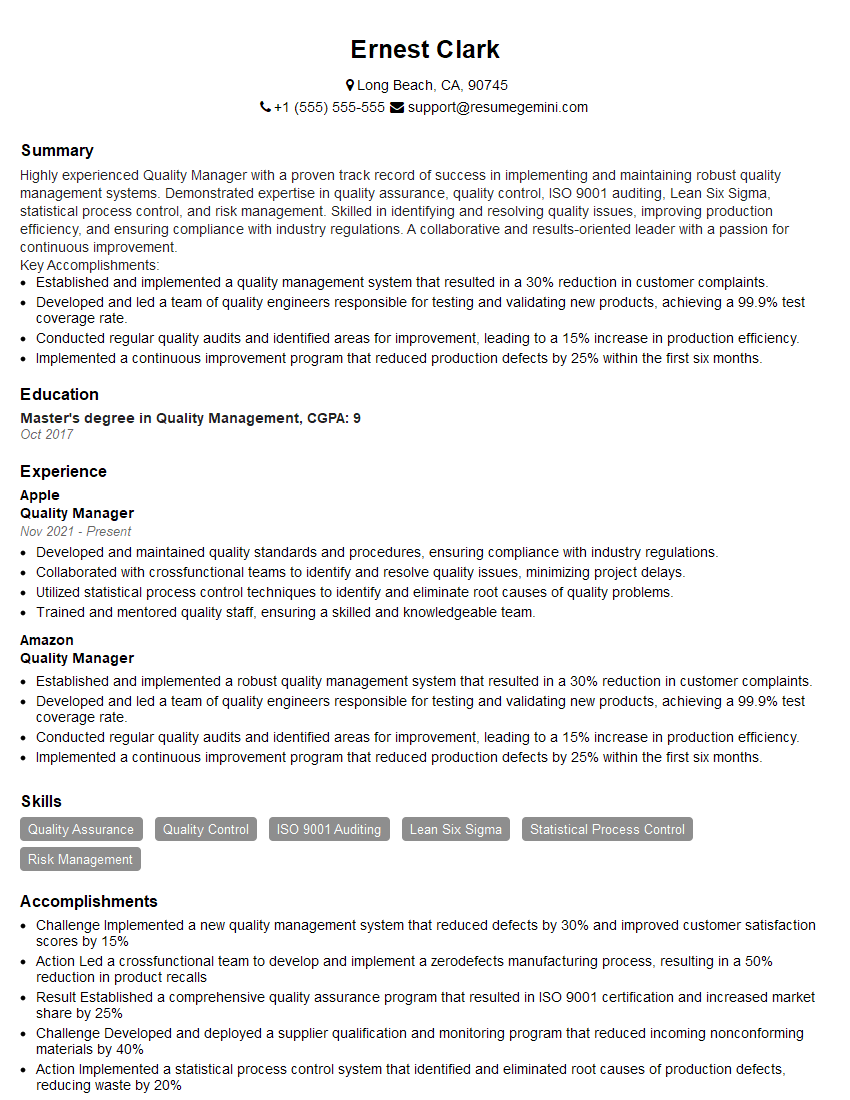
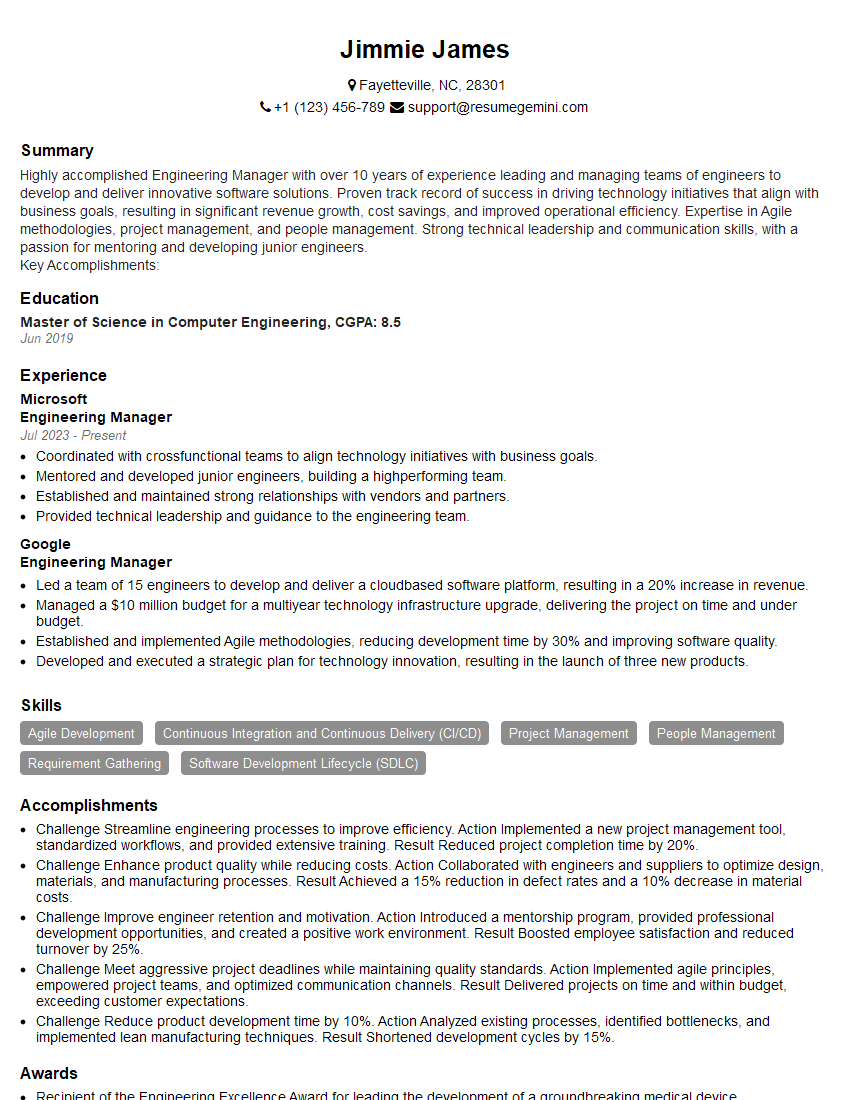
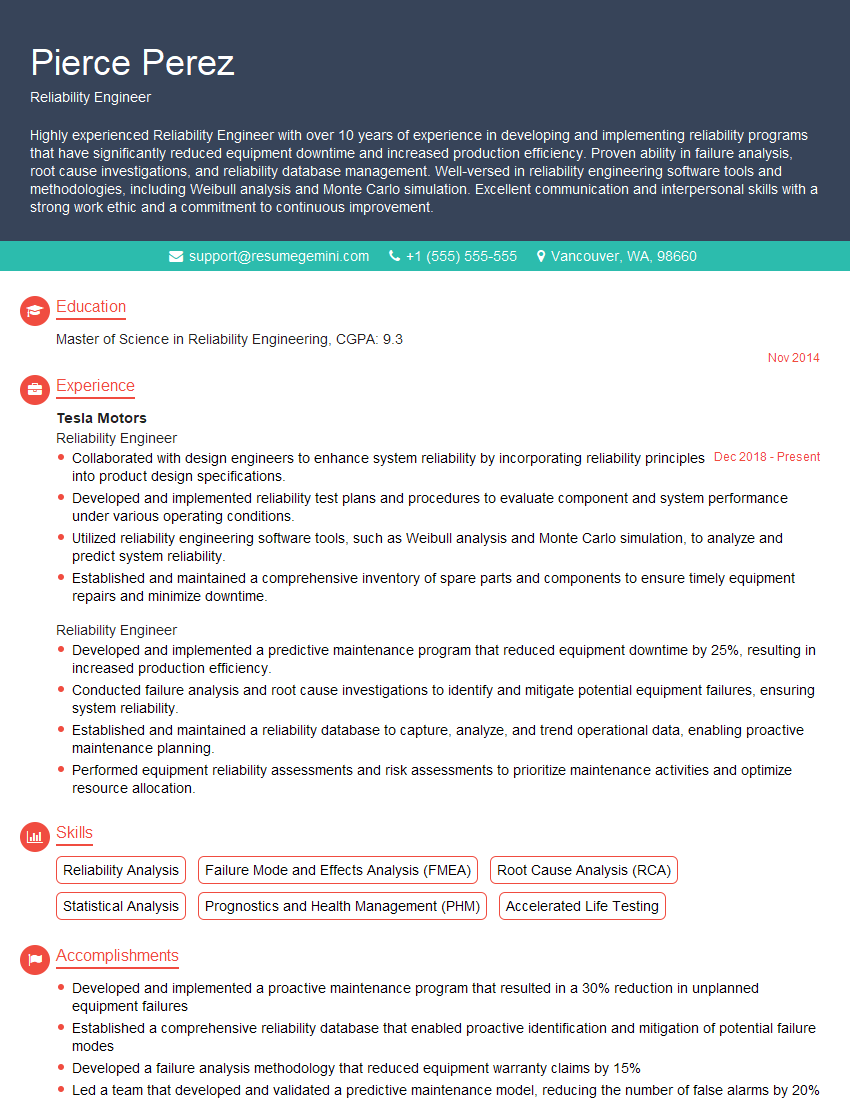
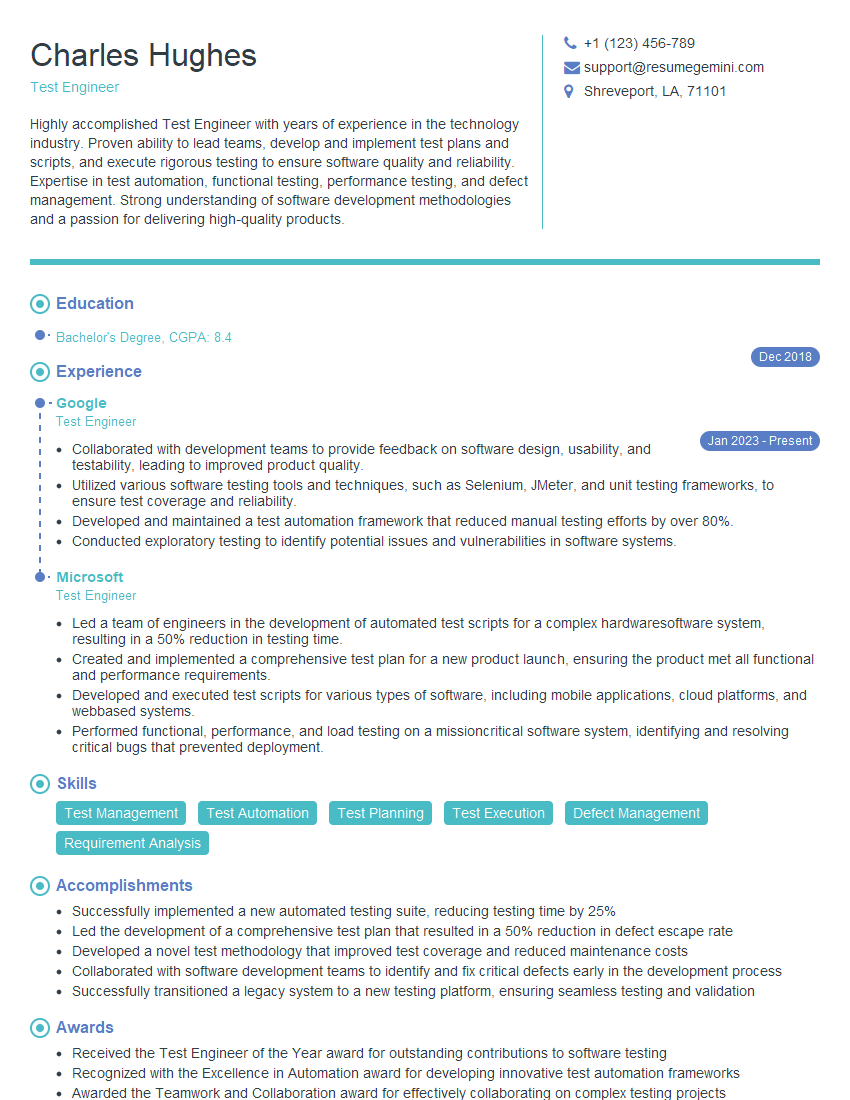
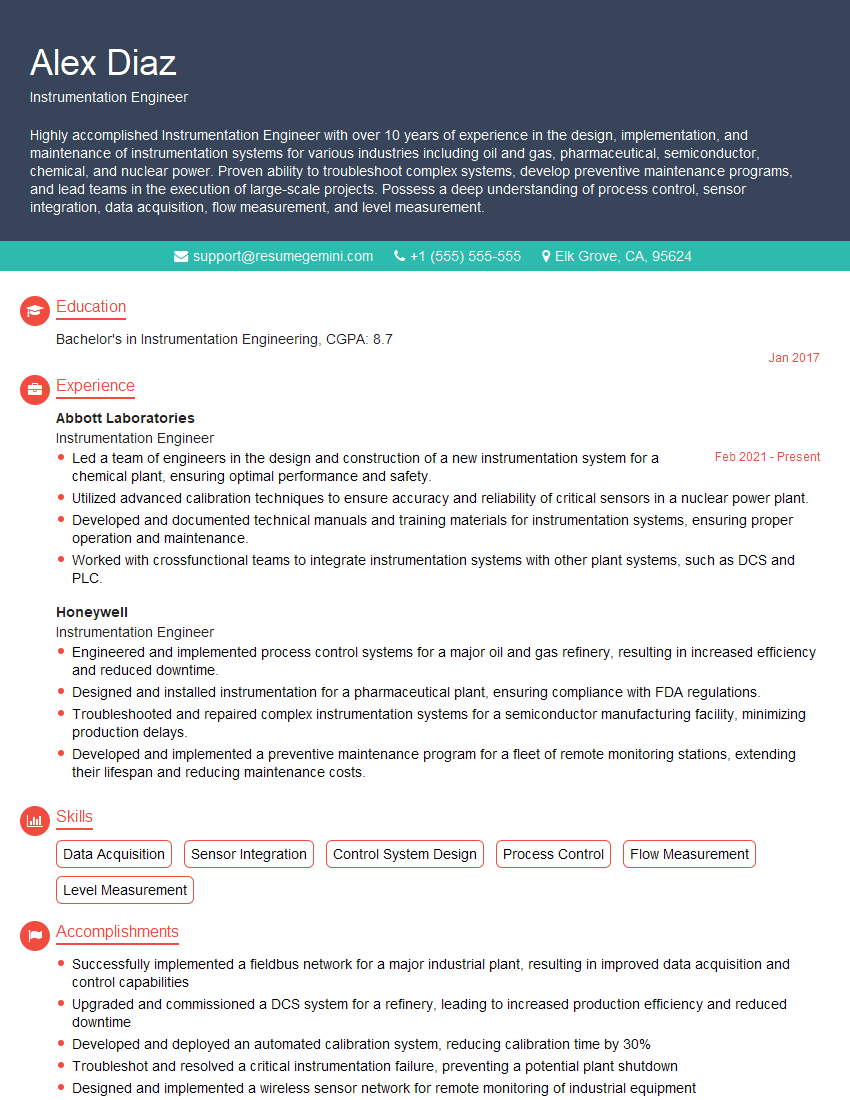
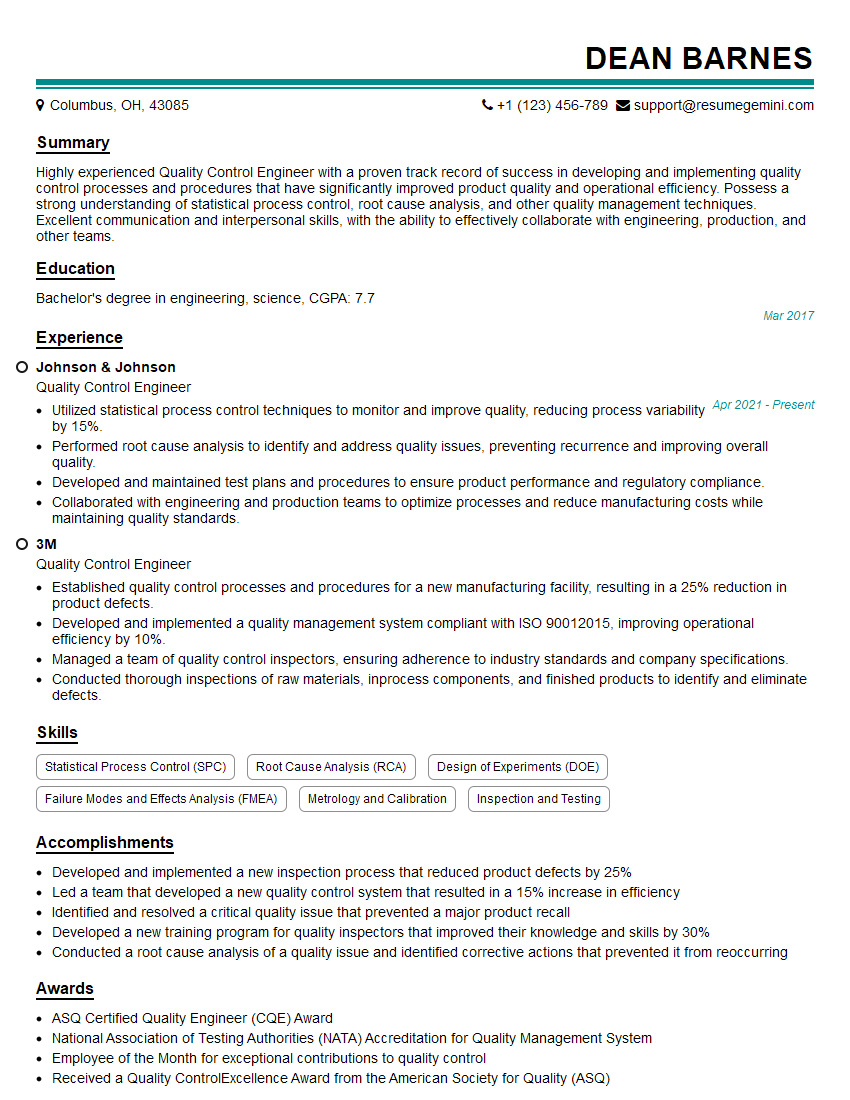
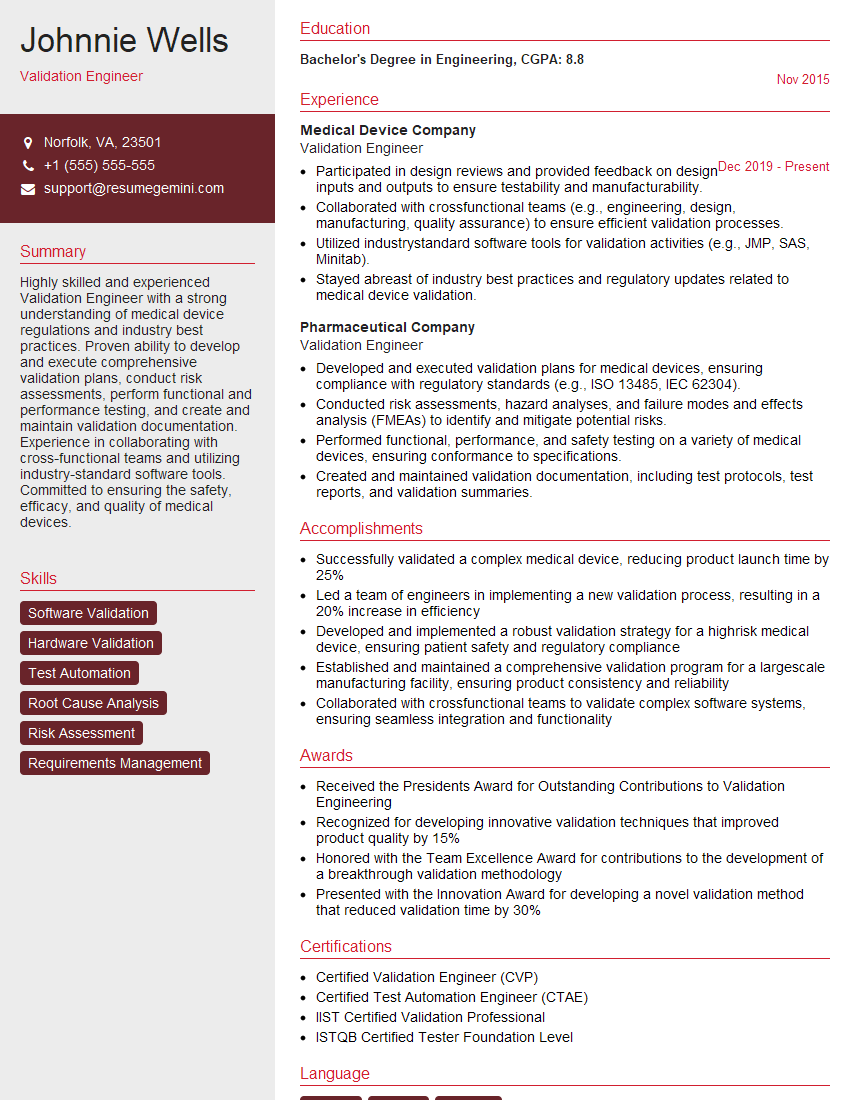
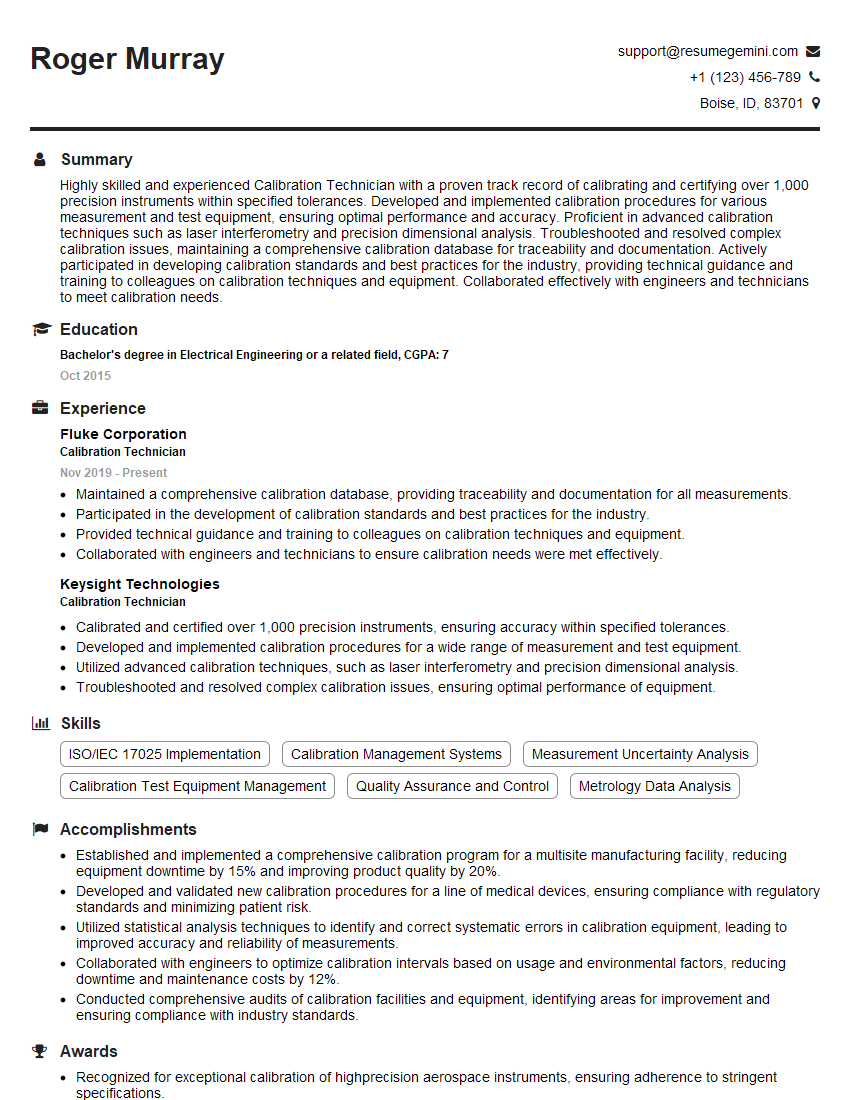
Mastering Calibration and Performance Testing opens doors to exciting career opportunities in various industries. Demonstrating proficiency in these areas significantly enhances your value to potential employers. To maximize your chances of landing your dream job, creating a compelling and ATS-friendly resume is essential. ResumeGemini is a trusted resource to help you build a professional resume that showcases your skills and experience effectively. We provide examples of resumes tailored to Calibration and Performance Testing to guide you in crafting a document that highlights your expertise and makes you stand out from the competition.
Explore more articles
Users Rating of Our Blogs
Share Your Experience
We value your feedback! Please rate our content and share your thoughts (optional).
What Readers Say About Our Blog
Very informative content, great job.
good