Interviews are more than just a Q&A session—they’re a chance to prove your worth. This blog dives into essential Can Lift Heavy Objects interview questions and expert tips to help you align your answers with what hiring managers are looking for. Start preparing to shine!
Questions Asked in Can Lift Heavy Objects Interview
Q 1. What is your maximum weight lifting capacity?
My maximum weight lifting capacity depends heavily on the object’s characteristics – its size, shape, and how easily it can be gripped – and the lifting conditions, including the distance I need to move it and the environment’s stability. While I can’t provide a single number, I have consistently and safely lifted objects exceeding 75 kg in controlled environments. In less ideal scenarios, or with awkwardly shaped items, I would adjust my capacity downward to prioritize safety. This is a crucial point: it’s not just about raw strength, but also about risk assessment and smart technique.
Q 2. Describe your experience using proper lifting techniques.
Proper lifting techniques are fundamental to my work. I’ve spent years refining my approach, focusing on the following principles:
- Assess the weight and stability of the object before lifting: Never assume; always check for loose parts or hidden weight.
- Maintain a balanced stance with feet shoulder-width apart: This provides a stable base and reduces the risk of injury.
- Bend at the knees and hips, keeping my back straight: This engages the leg muscles – significantly stronger than the back – to do the bulk of the lifting.
- Keep the object close to my body: This minimizes strain on my back and improves control.
- Lift smoothly and avoid sudden movements: A controlled lift prevents injury and damage to the object.
- Use lifting aids when necessary: This includes dollies, hand trucks, or even getting help from colleagues for extremely heavy items.
For instance, lifting a heavy box from the floor, I would first assess its weight and stability, then squat down, keeping my back straight, grip the box firmly close to my body, and slowly lift using my leg muscles. I’d maintain a steady gaze ahead, avoiding twisting motions. My experience working in various environments has reinforced the critical importance of these techniques.
Q 3. Have you ever suffered a work-related injury involving heavy lifting?
Fortunately, no. My commitment to proper lifting techniques and safety protocols has prevented work-related injuries. I’ve witnessed colleagues suffer back injuries due to improper lifting, which underlines the critical importance of training and following safety guidelines. These incidents have further reinforced the necessity of cautious approach and constant vigilance regarding safe lifting practices.
Q 4. What safety precautions do you take when lifting heavy objects?
Safety is paramount. My precautions always include:
- Thorough assessment of the load: Checking for weight, balance, sharp edges, and potential hazards.
- Appropriate footwear: Steel-toed boots provide protection from falling objects and enhance grip.
- Using Personal Protective Equipment (PPE): Gloves for better grip and protection from rough surfaces, and sometimes back supports for extra protection.
- Seeking assistance when needed: Never hesitate to get help with items beyond my safe lifting capacity. Two people can often handle weights impossible for one person alone, without the risk of injury.
- Clear communication: When working with others, clear signals and instructions are essential to prevent accidents.
- Maintaining a clean and clutter-free workspace: This helps prevent slips and falls.
This systematic approach reduces risks significantly and helps maintain a safe working environment.
Q 5. Explain the importance of maintaining a proper posture while lifting.
Maintaining proper posture is crucial to prevent back injuries. By keeping the back straight and lifting with the legs, the weight is distributed to the stronger leg muscles, significantly reducing strain on the spine. A bent back forces the smaller muscles in the back to support the entire weight, leading to fatigue and potential injury. Think of it like this: your legs are like strong pillars supporting a building; if you don’t use them correctly, the building (your back) will suffer.
Q 6. How do you assess the weight of an object before lifting it?
Assessing weight before lifting involves a combination of visual inspection and, if possible, a physical estimation. I would first visually assess the size and density of the object. Is it a solid block of metal, a lightweight cardboard box, or something in between? Next, if feasible and safe, I would attempt to gently move the object to get a sense of its weight. A slight nudge or lift can give a good indication. In cases where the object’s weight is unclear, it’s always better to err on the side of caution and seek assistance or utilize lifting equipment.
Q 7. What steps do you take if you encounter an object too heavy to lift alone?
If an object is too heavy to lift alone, I immediately seek assistance from colleagues or utilize appropriate lifting equipment. This could involve a hand truck, a forklift, or even a crane depending on the size and weight of the object. Safety is paramount, and attempting to lift something beyond my capacity is both dangerous and inefficient. I would also re-evaluate the lifting strategy, looking for alternative methods or better tools to ensure the task is completed safely and effectively. Reporting the situation to my supervisor would also be standard practice.
Q 8. How do you handle awkward or irregularly shaped objects?
Handling awkward or irregularly shaped objects requires a different approach than lifting standard boxes. The key is to understand the object’s center of gravity and to distribute the weight evenly.
Before you lift: Assess the object. Is there a stable lifting point? Can you use straps or slings to secure it and improve your grip? Consider using additional equipment, like a pallet jack or a come-along, if the object is too difficult to manage manually.
During the lift: Maintain a stable base, keeping your feet shoulder-width apart. Get as close to the object as possible, bending your knees and keeping your back straight. Lift smoothly and avoid any sudden twisting motions. If possible, use a lifting technique where you push rather than pull the object.
Example: Imagine lifting a large, oddly shaped piece of furniture. Instead of trying to grip it awkwardly, I might first use furniture sliders to move it to a more accessible location. Then, I’d use straps or ropes to secure the furniture securely before lifting. I’d recruit assistance if the object is too heavy for a single person.
Q 9. Describe your experience with using lifting aids like dollies or hand trucks.
I’ve extensively used lifting aids such as dollies, hand trucks, and even specialized equipment like stair climbers to move heavy and bulky items. These tools drastically reduce the strain on my back and increase safety.
Dollies: Excellent for shorter distances and heavier objects that have a relatively flat base. I always ensure the object is securely strapped to the dolly to prevent it from sliding off during transport.
Hand trucks: Best suited for longer distances and objects that can be easily balanced on the truck’s platform or secured with straps. Proper balancing is crucial to avoid tipping.
Experience Example: During a warehouse move, I had to transport several heavy machinery components. Using a combination of a hand truck and a small forklift (for loading and unloading), I moved these components efficiently and safely, preventing potential back injuries and saving considerable time compared to manual lifting.
Q 10. Are you familiar with different types of lifting equipment (e.g., hoists, cranes)?
Yes, I’m familiar with various lifting equipment including hoists, cranes, forklifts, and pallet jacks. Each piece of equipment has specific applications and safety protocols.
Hoists: Ideal for lifting heavy objects vertically, particularly in situations where manual lifting is impossible. I’m proficient in using different types of hoists, including chain hoists, electric chain hoists, and lever hoists, ensuring proper rigging and load securing.
Cranes: Used for very heavy objects or lifting materials to significant heights. This requires specialized training and certification, which I possess. I understand the importance of load charts, crane inspections, and working within safe load limits.
Forklifts and Pallet Jacks: Frequently used for moving pallets and other materials efficiently across a warehouse or loading dock. Safe operation requires understanding load capacity, proper positioning, and cautious maneuvering to prevent accidents.
Q 11. How do you ensure the stability of an object during and after lifting?
Ensuring stability during and after lifting is paramount. It’s a multi-step process that begins before the lift even starts.
Before lifting: Inspect the object for any instability or damage. Ensure a clear path is available for movement. Use appropriate lifting aids or equipment as needed (e.g., straps, dollies, hoists).
During lifting: Use proper lifting techniques to maintain control of the object. Move slowly and deliberately to prevent sudden shifts or drops. If using equipment, follow all safety procedures.
After lifting: Secure the object in its final location to prevent it from tipping or falling. Use blocks, restraints, or other stabilizing measures if necessary. Double-check the stability before leaving the area.
Example: When lifting a large cabinet, I’d first assess its weight distribution. I’d then use straps to help secure and control the cabinet as I lift and place it into position. Then, I would use furniture pads to prevent scratches and ensure the cabinet remains stable.
Q 12. What are the signs of potential back injury during heavy lifting?
Recognizing potential back injury signs is crucial to preventing serious problems. These signs can vary in intensity but should always be taken seriously.
Immediate signs: Sharp, sudden pain in the lower back, radiating pain down the leg, muscle spasms, weakness or numbness in the leg or foot, inability to straighten up completely.
Gradual signs: Persistent dull ache in the lower back, stiffness, limited range of motion, increased pain with bending or twisting, radiating pain that worsens over time.
Important note: Any back pain experienced after heavy lifting should be evaluated by a medical professional, even if the pain seems minor. Ignoring warning signs could lead to long-term injury.
Q 13. What are the common causes of workplace accidents related to heavy lifting?
Workplace accidents related to heavy lifting commonly stem from a combination of factors. These can include:
- Improper lifting techniques: Bending at the waist, twisting while lifting, lifting objects that are too heavy, lifting overhead without support.
- Lack of training and awareness: Employees who aren’t properly trained on safe lifting techniques are at a greater risk.
- Poor workplace ergonomics: Workspaces lacking proper lighting, insufficient space for movement, and poorly designed equipment increase the risk of accidents.
- Inadequate equipment or lack of proper lifting aids: Attempting to lift heavy objects manually when appropriate equipment is available is a frequent cause of injuries.
- Ignoring safety regulations: Disregarding established safety protocols increases the likelihood of accidents.
Addressing these factors through training, providing adequate equipment, and promoting a safety-conscious culture is crucial in preventing accidents.
Q 14. How do you prevent strain or injury when repeatedly lifting heavy objects?
Preventing strain or injury during repetitive heavy lifting requires a multi-pronged approach focused on technique, pacing, and recovery.
Proper lifting techniques: Always lift with your legs, not your back. Keep the object close to your body. Avoid twisting. Use a lifting aid if the object is heavy or awkward. Take breaks frequently.
Pacing and breaks: Avoid lifting continuously for extended periods. Take regular breaks to allow your muscles to rest and recover. Stay hydrated throughout the day.
Stretching and warm-up: Begin your workday with stretching exercises to prepare your muscles. Repeat stretching exercises during breaks.
Strength training: Engaging in a regular strength training program, focusing on core and back muscles, will build resilience and reduce injury risk.
Seeking professional advice: A physical therapist can provide customized exercises to help you improve your posture, strengthen your core, and prevent back injuries. Don’t hesitate to report any discomfort or pain to your supervisor.
Q 15. Describe a time you had to lift a particularly heavy or awkward object. What techniques did you use?
During a renovation project, I had to move a very heavy antique grandfather clock. It was not only heavy but also awkwardly shaped and unbalanced. I couldn’t simply lift it straight up.
My approach involved a multi-step process prioritizing safety. First, I assessed the weight and shape, gauging its center of gravity. Then, I gathered assistance. Two strong colleagues helped. We used a sturdy, wide dolly to distribute the weight, carefully securing the clock with straps to prevent shifting or slippage. We lifted together, maintaining a straight back and lifting with our legs, not our backs. We communicated constantly, ensuring coordinated movement to avoid strain and potential injury. Finally, we moved slowly and deliberately, checking our path for obstructions.
Career Expert Tips:
- Ace those interviews! Prepare effectively by reviewing the Top 50 Most Common Interview Questions on ResumeGemini.
- Navigate your job search with confidence! Explore a wide range of Career Tips on ResumeGemini. Learn about common challenges and recommendations to overcome them.
- Craft the perfect resume! Master the Art of Resume Writing with ResumeGemini’s guide. Showcase your unique qualifications and achievements effectively.
- Don’t miss out on holiday savings! Build your dream resume with ResumeGemini’s ATS optimized templates.
Q 16. Explain your understanding of OSHA regulations regarding material handling and lifting.
OSHA regulations regarding material handling and lifting center around preventing injuries. Key aspects include proper lifting techniques, the use of appropriate equipment, and training. OSHA emphasizes maintaining a straight back, lifting with legs, keeping the load close to the body, and avoiding twisting movements. They also stipulate using mechanical aids such as forklifts, cranes, and hoists for heavy loads whenever feasible. Employers are mandated to provide training on safe lifting procedures and provide the necessary equipment. Failure to comply can lead to hefty fines and even legal action.
Furthermore, OSHA addresses specific hazards like unstable surfaces and improper stacking of materials. Regular inspections and risk assessments are crucial to identify and mitigate potential hazards. The regulations highlight the importance of reporting any injuries or near misses to ensure continuous improvement in safety practices.
Q 17. Are you comfortable working in physically demanding environments?
Absolutely. I’m not only comfortable but thrive in physically demanding environments. My background includes years of experience in demanding roles, building resilience and honing my skills in safe and efficient material handling. I understand the importance of pacing myself, staying hydrated, and recognizing my physical limits to avoid injury. I also prioritize proper rest and recovery. A physically fit and aware worker is a safe worker.
Q 18. How do you handle unexpected challenges or obstacles when lifting heavy objects?
Unexpected obstacles require quick thinking and adaptation. For example, if a heavy object unexpectedly shifts during lifting, immediate communication with colleagues is key. We’d adjust our grip, secure the object further, or if necessary, reposition it before attempting to lift again. This might involve finding additional tools or seeking help from more people. I always prioritize safety; if I can’t safely manage a challenge, I won’t hesitate to seek assistance or reassess the lifting plan.
Q 19. How do you communicate with colleagues regarding heavy lifting tasks?
Clear and concise communication is vital. Before any heavy lifting task, I’ll confirm the weight, dimensions, and any special handling instructions with my colleagues. I’ll clearly communicate the lifting plan, outlining the roles, the countdowns (like ‘One, two, three, lift!’), and any potential hazards. During the lift, continuous verbal cues help maintain synchronization and safety. If any issues arise, immediate communication is crucial to prevent accidents.
Q 20. What is your approach to teamwork in heavy lifting situations?
Teamwork in heavy lifting is essential for safety and efficiency. It’s about clear communication, mutual respect, and trust. Before beginning, we establish a lifting plan, assign roles, and ensure everyone understands the process. We check each other’s form, and everyone keeps a watchful eye for potential hazards. I believe in a collaborative approach where everyone feels comfortable voicing concerns and suggesting adjustments. A successful lift relies on the team working as one unified unit, focusing on shared goals and safety.
Q 21. Have you received any formal training on safe lifting practices?
Yes, I have completed comprehensive training in safe lifting practices certified by OSHA. This training covered various aspects including proper lifting techniques, the use of assistive equipment, hazard identification, risk assessment, and emergency procedures. The training included both theoretical instruction and practical hands-on exercises, ensuring that I not only understand the theory but can apply it effectively in real-world situations. I also regularly refresh my knowledge and stay updated on best practices in the field. My certification demonstrates my commitment to safe and efficient material handling.
Q 22. How do you prioritize safety when working under time pressure?
Prioritizing safety under time pressure requires a structured approach. It’s not about speed versus safety; it’s about integrating safety into every step of the process. My strategy involves a quick risk assessment before lifting: checking the load’s weight, stability, and the path to its destination. I then choose the safest lifting technique, even if it takes a few extra seconds. For instance, if I’m moving a heavy box quickly, I won’t rush; instead, I’ll ensure I have a good grip, use proper posture and leverage, and will potentially ask for assistance if the weight feels unsafe, even if it means a minor delay in meeting the deadline. Speed comes second to ensuring I don’t injure myself or damage the load.
Think of it like this: rushing increases the chance of mistakes, and those mistakes are far costlier in the long run – lost time due to injury, damaged goods, and potential legal issues.
Q 23. How do you adapt your lifting techniques for different work environments?
Adapting lifting techniques to different environments is crucial for safety and efficiency. For example, lifting on uneven terrain requires a wider stance for better balance, and potentially using a lifting aid. In confined spaces, a modified technique that minimizes twisting or reaching might be necessary. If I’m working at height, I ensure proper fall protection is in place and use appropriate lifting equipment like hoists to avoid overexertion and potential drops. A slippery surface will mandate different footwear and a cautious approach; perhaps even delaying the lift until conditions improve. I always adapt to the conditions, not the other way around.
I’ve worked in warehouses, construction sites, and even assisted with moving houses; each demanded a unique approach. The common thread is always a careful risk assessment and adaptation of my technique to the environment.
Q 24. What are the potential consequences of improper lifting techniques?
Improper lifting techniques can lead to a range of severe consequences, impacting both the individual and the workplace. The most immediate risk is musculoskeletal injuries such as sprains, strains, back pain, and hernias. These can lead to lost workdays, long-term disability, and chronic pain. Beyond personal injury, improper techniques can cause damage to the load itself, resulting in costly repairs or replacements. Furthermore, it creates a safety hazard for those around you. A dropped object could cause injury to coworkers or damage to equipment. Finally, improper lifting practices can contribute to a negative safety culture, potentially increasing the risk of accidents across the workplace.
- Musculoskeletal Injuries: Strains, sprains, back pain, hernias
- Damage to Load: Broken goods, spoiled materials
- Workplace Accidents: Injuries to others, equipment damage
- Legal and Financial Consequences: Workers’ compensation claims, fines, lawsuits
Q 25. How do you stay physically fit for demanding lifting tasks?
Maintaining physical fitness is essential for anyone involved in heavy lifting. My routine focuses on strength training exercises that target the core, back, legs, and shoulders – the muscle groups most involved in lifting. This includes exercises such as squats, deadlifts, planks, and rows. I also incorporate cardiovascular exercises to improve endurance and overall fitness. Adequate rest and recovery are critical; pushing myself too hard can lead to injury. I also pay attention to my diet, ensuring I get sufficient protein and other essential nutrients for muscle recovery and growth. Regular stretching helps maintain flexibility and reduce the risk of injury. It’s a holistic approach focusing on strength, endurance, flexibility, and rest.
Think of it like maintaining a finely-tuned machine – regular maintenance ensures peak performance and prevents breakdowns.
Q 26. What is your preferred method for communicating potential lifting hazards?
My preferred method for communicating potential lifting hazards is a clear, concise, and proactive approach. I use both verbal and visual communication. Verbally, I’ll directly address coworkers, supervisors, or clients about any safety concerns I identify. For instance, if a load seems unstable, I’ll state it directly, suggesting alternative methods. Visually, I might use caution tape, warning signs, or even a simple hand gesture to indicate a hazard. I also keep detailed records of any issues identified and actions taken, using incident reports or similar documentation. Clear communication prevents mishaps and ensures everyone is aware of potential risks.
I believe in open communication – it’s about teamwork and shared responsibility for safety.
Q 27. How do you ensure proper load balance and stability during lifting tasks?
Ensuring proper load balance and stability is paramount to safe lifting. Before initiating a lift, I assess the load’s center of gravity. I try to keep the load close to my body, maintaining a straight back and bending at the knees. I use a firm, balanced grip, ensuring I have a secure hold before starting the lift. I avoid twisting my body during the lift and move smoothly and steadily, maintaining control. If the load is awkward or unbalanced, I might use lifting aids such as straps, dollies, or even request assistance from a coworker. This ensures I’m distributing the load’s weight effectively, minimizing strain and preventing accidents.
Imagine carrying a full glass of water – a slight imbalance can cause a spill. The same principle applies to heavy objects; balance is crucial for safety.
Q 28. Describe your experience handling different types of materials.
My experience encompasses handling a diverse range of materials, each presenting unique challenges. I’ve worked with heavy machinery components, palletized goods, awkward-shaped objects, fragile items, and hazardous materials. Handling machinery parts requires attention to sharp edges and potential weight distribution issues; I often use lifting equipment for these. Palletized goods are usually straightforward but still require careful attention to pallet stability and proper forklift operation. Awkward shapes demand creative lifting techniques, often involving multiple people. Fragile materials require extra care and protective padding, and hazardous materials necessitate specialized training and equipment to minimize risk of exposure. I adapt my technique and use appropriate equipment based on the material’s properties.
The key is understanding the unique characteristics of each material and adjusting my approach accordingly.
Key Topics to Learn for Can Lift Heavy Objects Interview
Preparing for an interview focusing on your ability to lift heavy objects requires a multifaceted approach. Success hinges not just on physical capability, but also on understanding safety procedures and demonstrating responsible work practices.
- Understanding Weight Limits and Ergonomic Principles: Knowing your personal lifting limits and applying ergonomic techniques to minimize strain and injury. This includes proper lifting techniques, posture, and the use of assistive devices.
- Safe Lifting Techniques and Procedures: Mastering various lifting techniques (e.g., power lift, squat lift) depending on the object’s weight, size, and shape. Understanding and adhering to workplace safety regulations and protocols.
- Equipment and Tools for Heavy Lifting: Familiarity with different types of lifting equipment (e.g., forklifts, cranes, hoists) and understanding their safe and proper operation. Knowing when to utilize assistive devices to prevent injury.
- Identifying and Mitigating Lifting Hazards: Being able to assess potential hazards associated with heavy lifting tasks, such as uneven surfaces, obstacles, and improper storage. Proactive identification and reporting of unsafe conditions.
- Communication and Teamwork in Heavy Lifting: Highlighting the importance of effective communication with colleagues during lifting operations. Demonstrating teamwork and collaboration in ensuring safe and efficient lifting practices.
Next Steps
Mastering the art of safe and efficient heavy lifting is crucial for career advancement in many physically demanding fields. It demonstrates responsibility, commitment to safety, and a practical understanding of workplace procedures. To increase your job prospects, creating an ATS-friendly resume is essential. ResumeGemini can help you craft a professional and impactful resume that highlights your abilities and experience. We offer examples of resumes tailored to emphasize “Can Lift Heavy Objects” skills and experience; review those to gain inspiration and best practices.
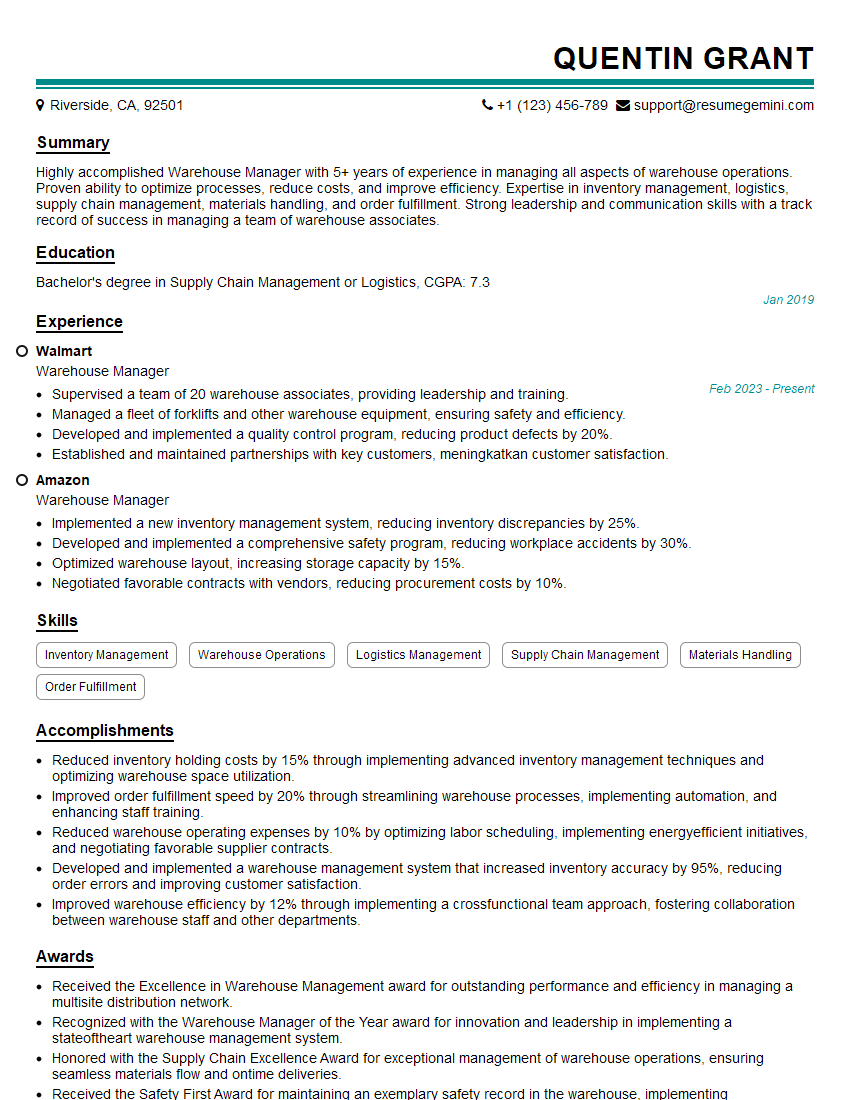
Warehouse Manager Resume Sample
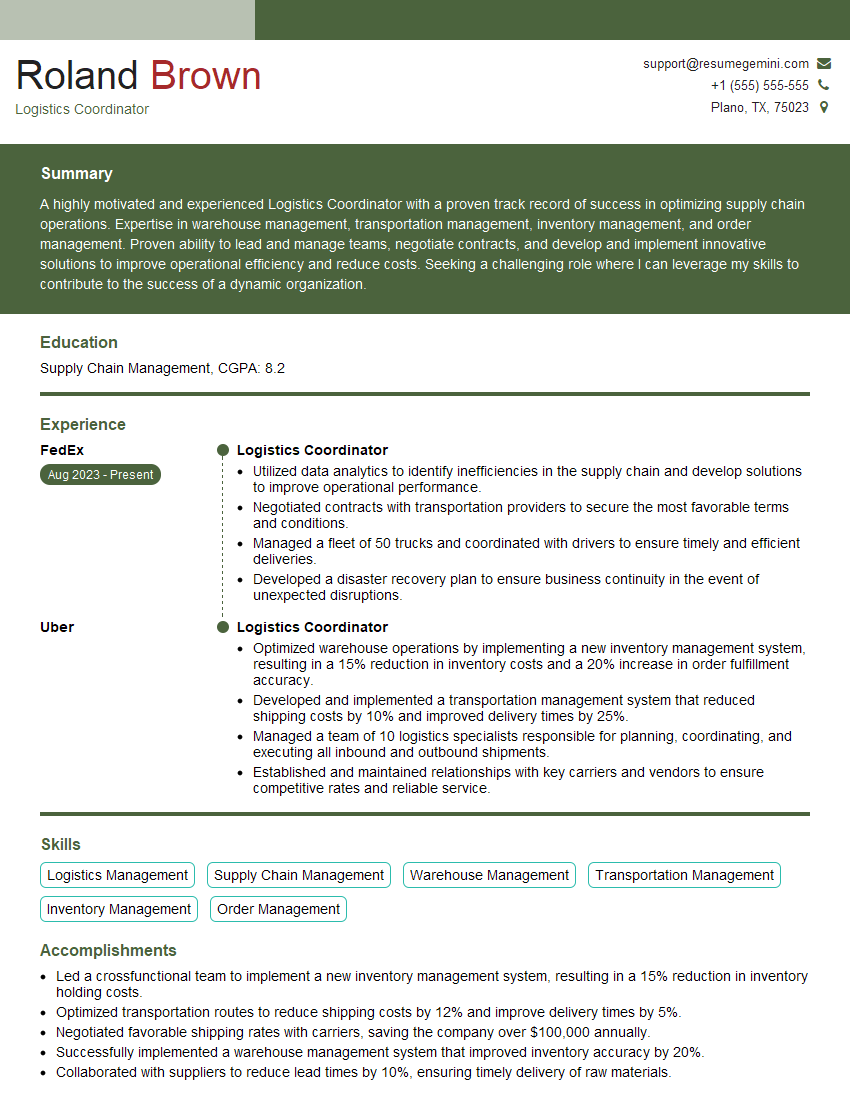
Logistics Coordinator Resume Sample
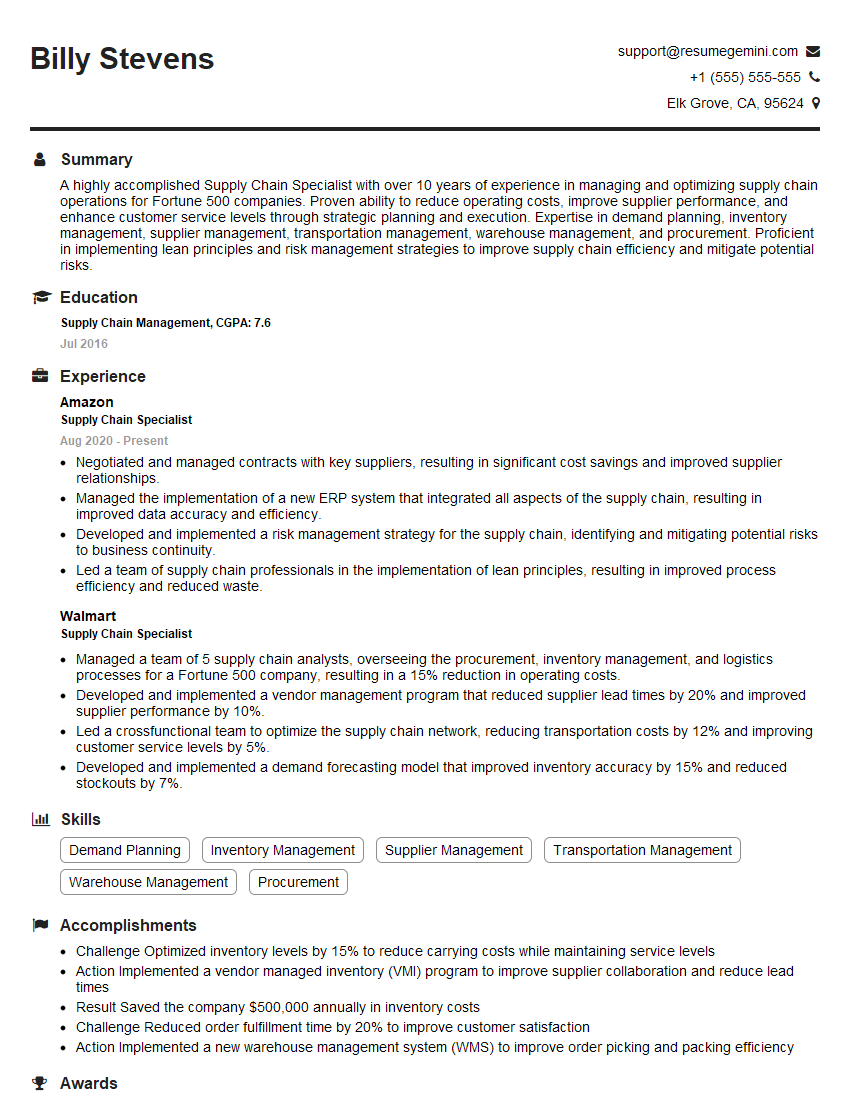
Supply Chain Specialist Resume Sample
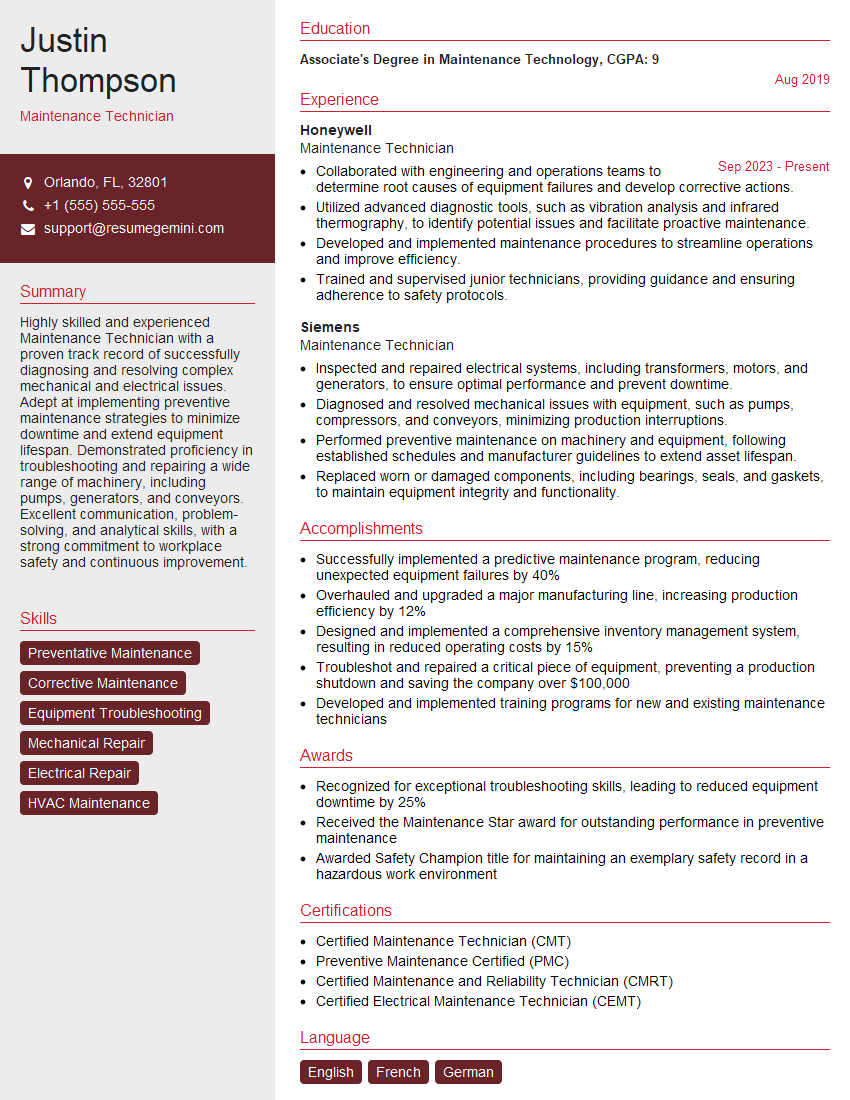
Maintenance Technician Resume Sample
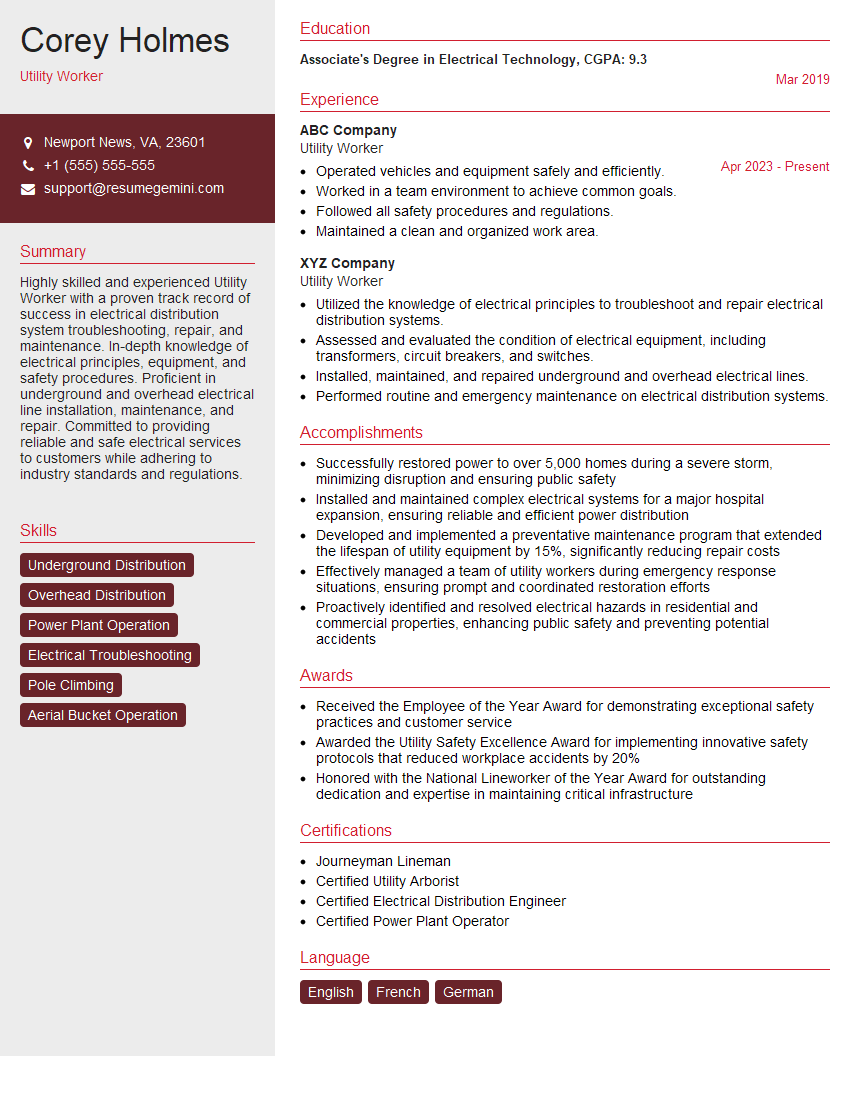
Utility Worker Resume Sample

Crane Operator Resume Sample
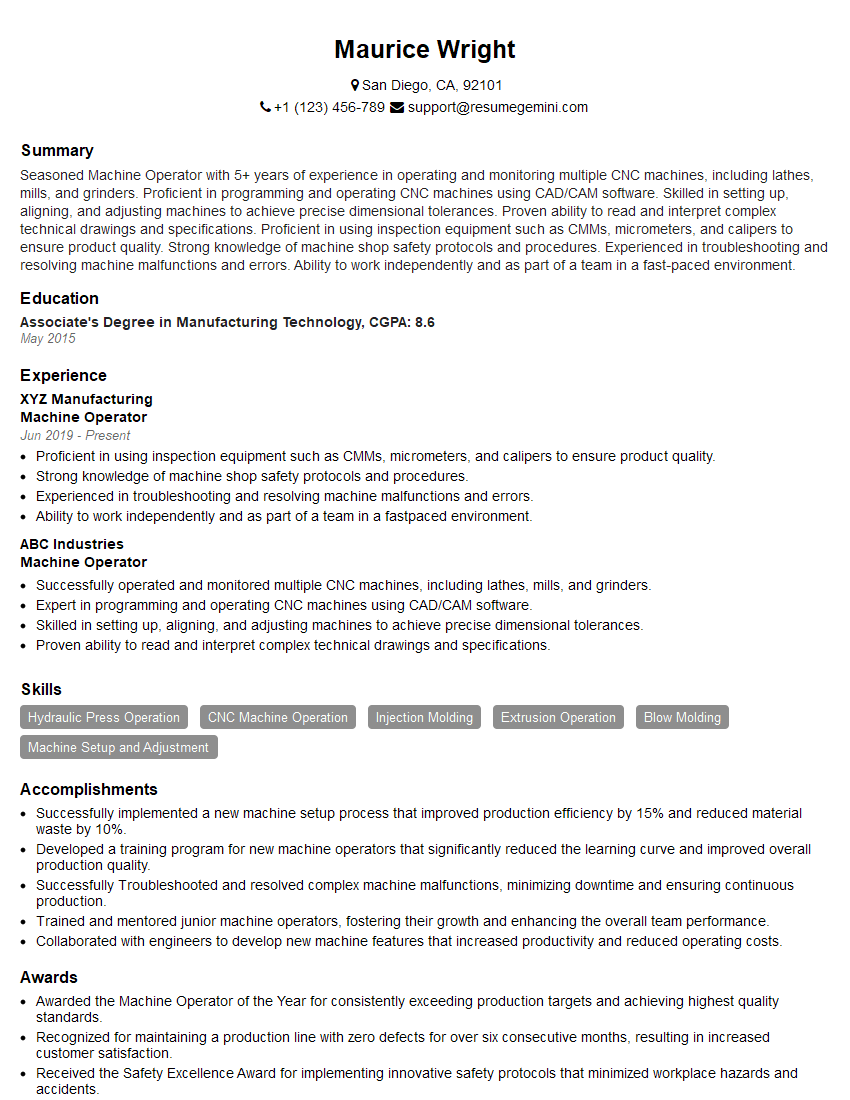
Machine Operator Resume Sample
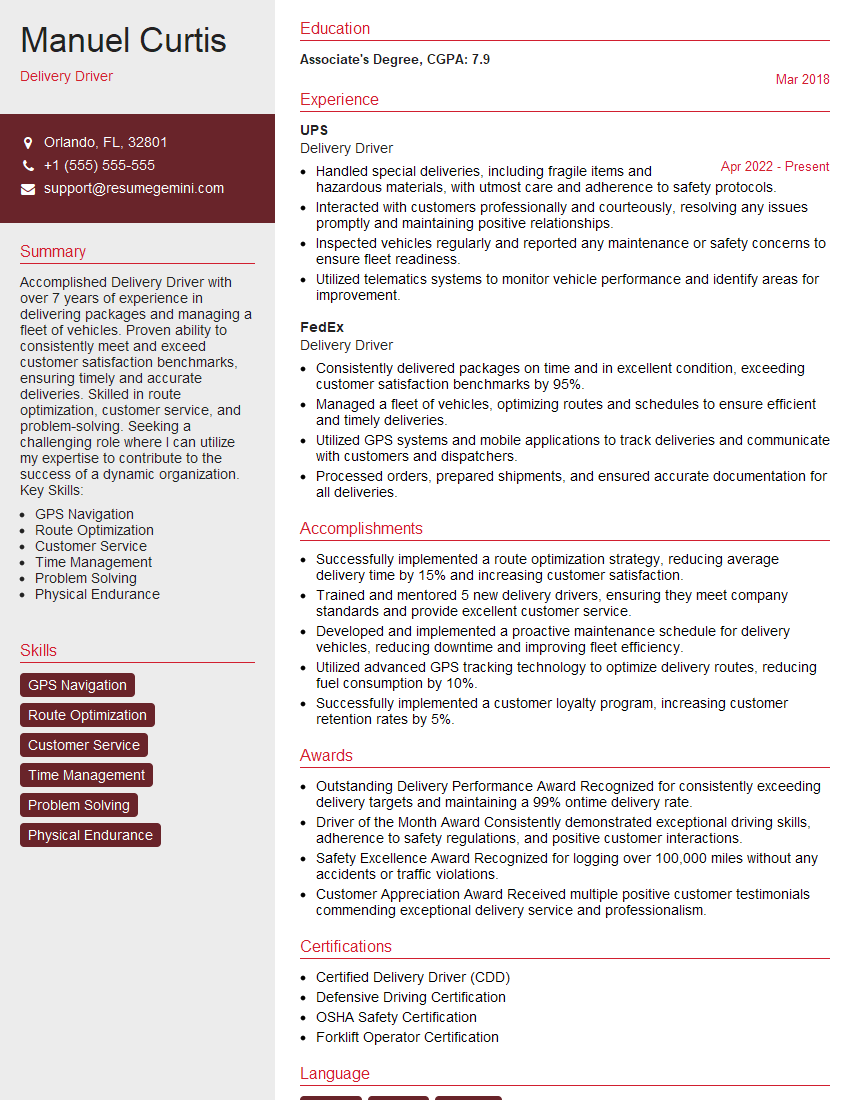
Delivery Driver Resume Sample

Shipping and Receiving Clerk Resume Sample
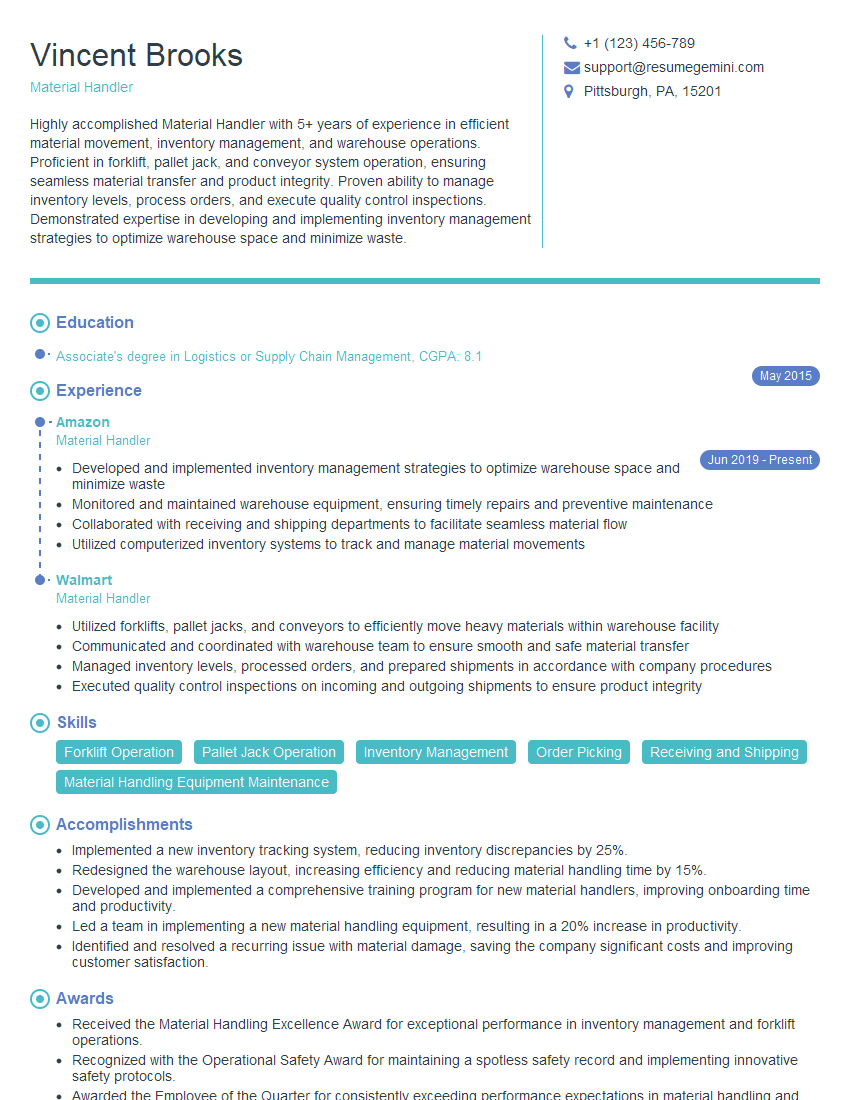
Material Handler Resume Sample
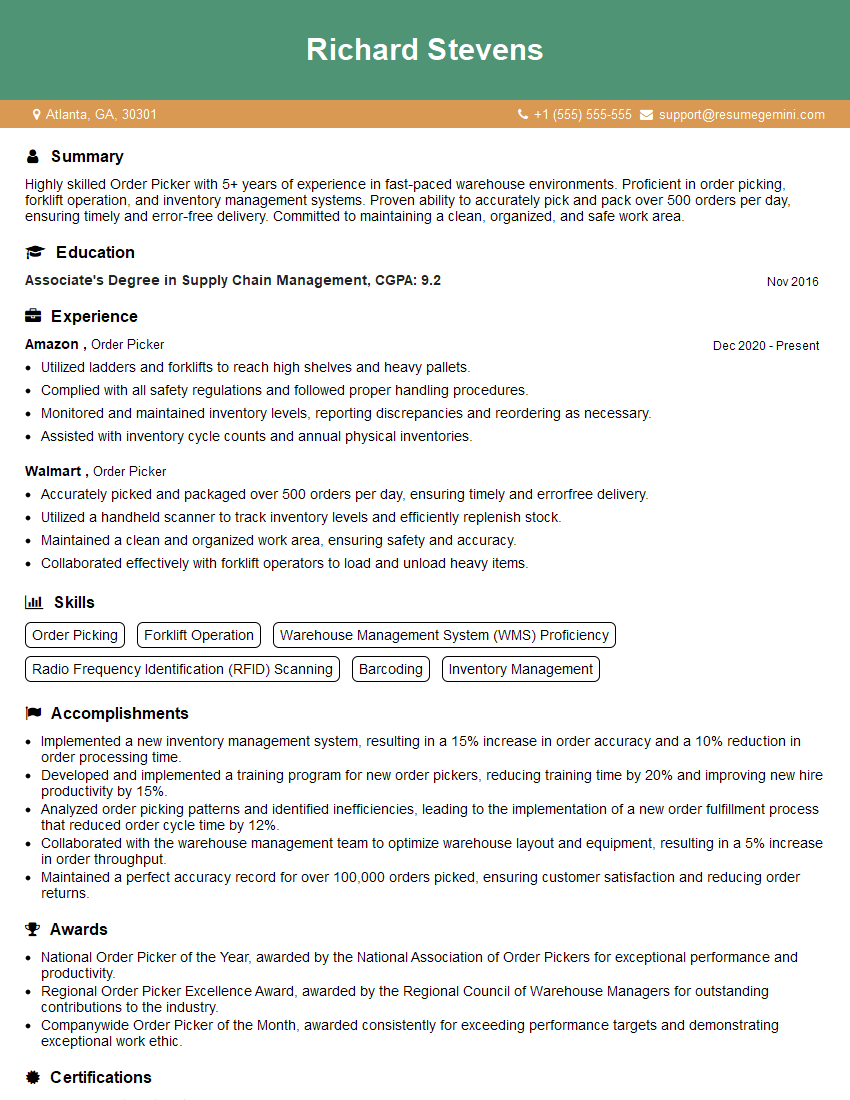
Order Picker Resume Sample
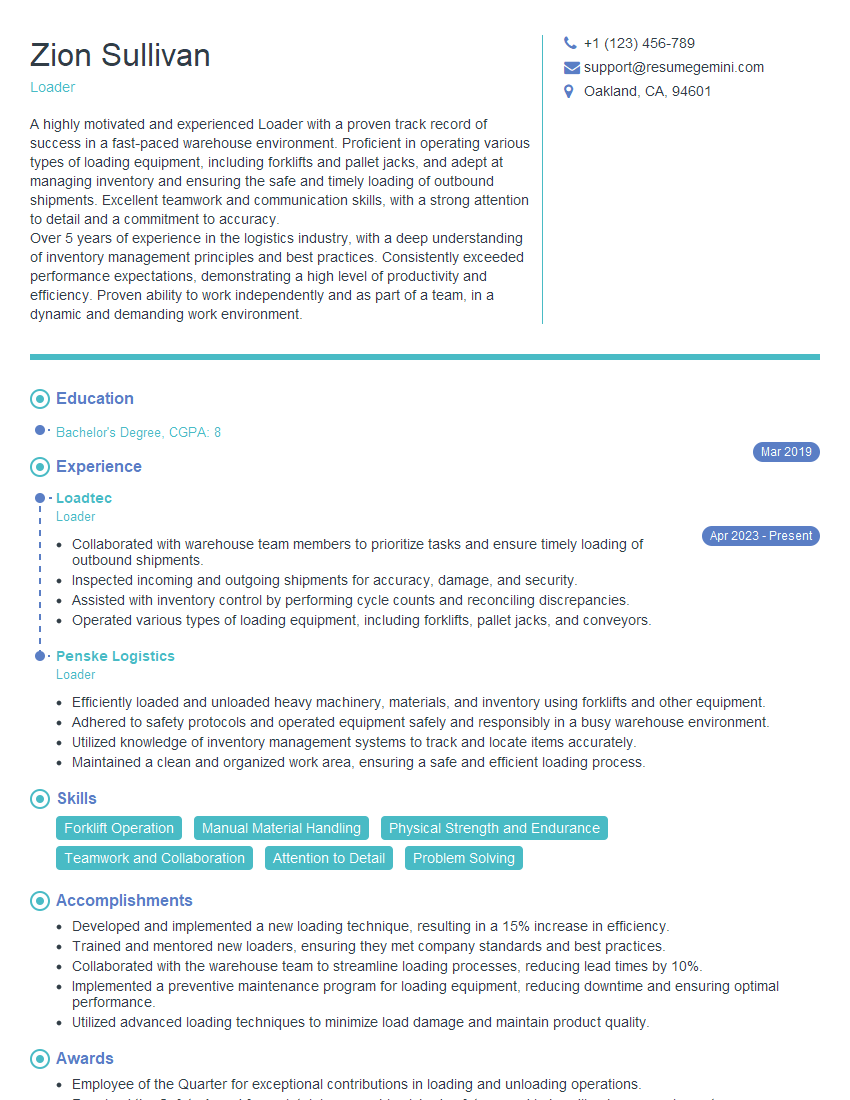
Loader Resume Sample
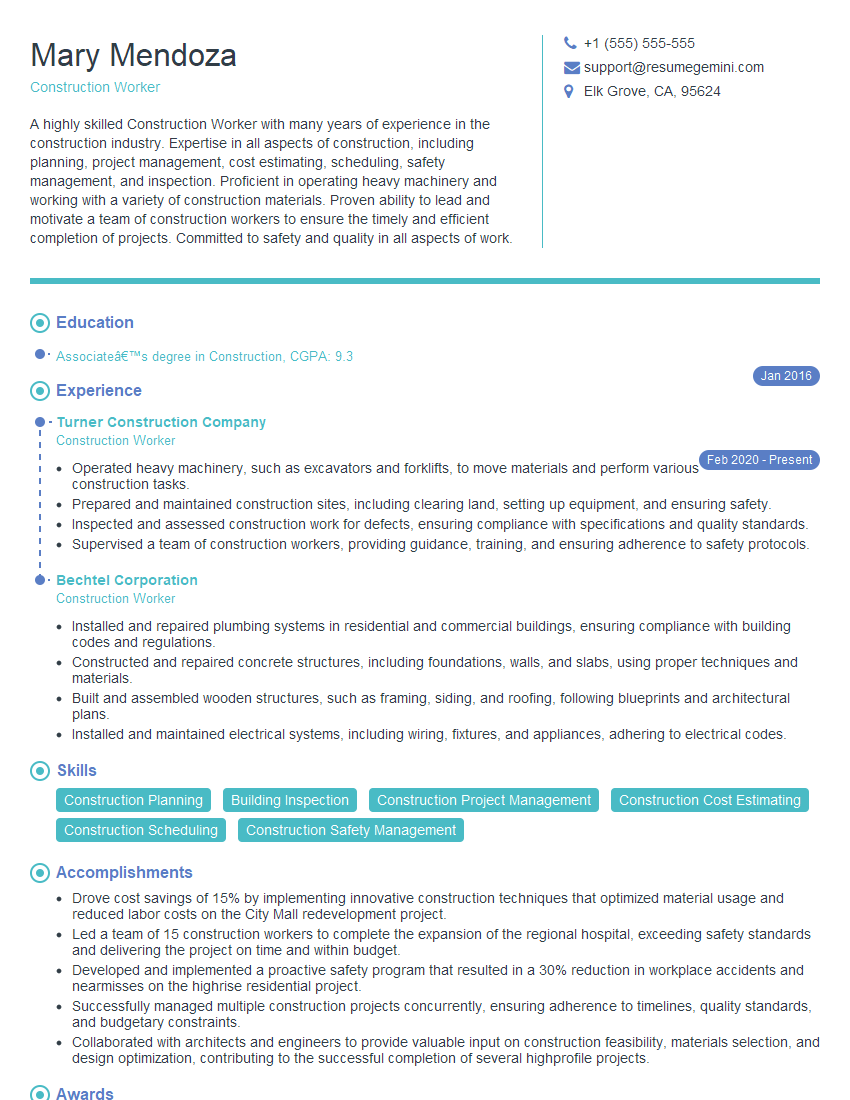
Construction Worker Resume Sample
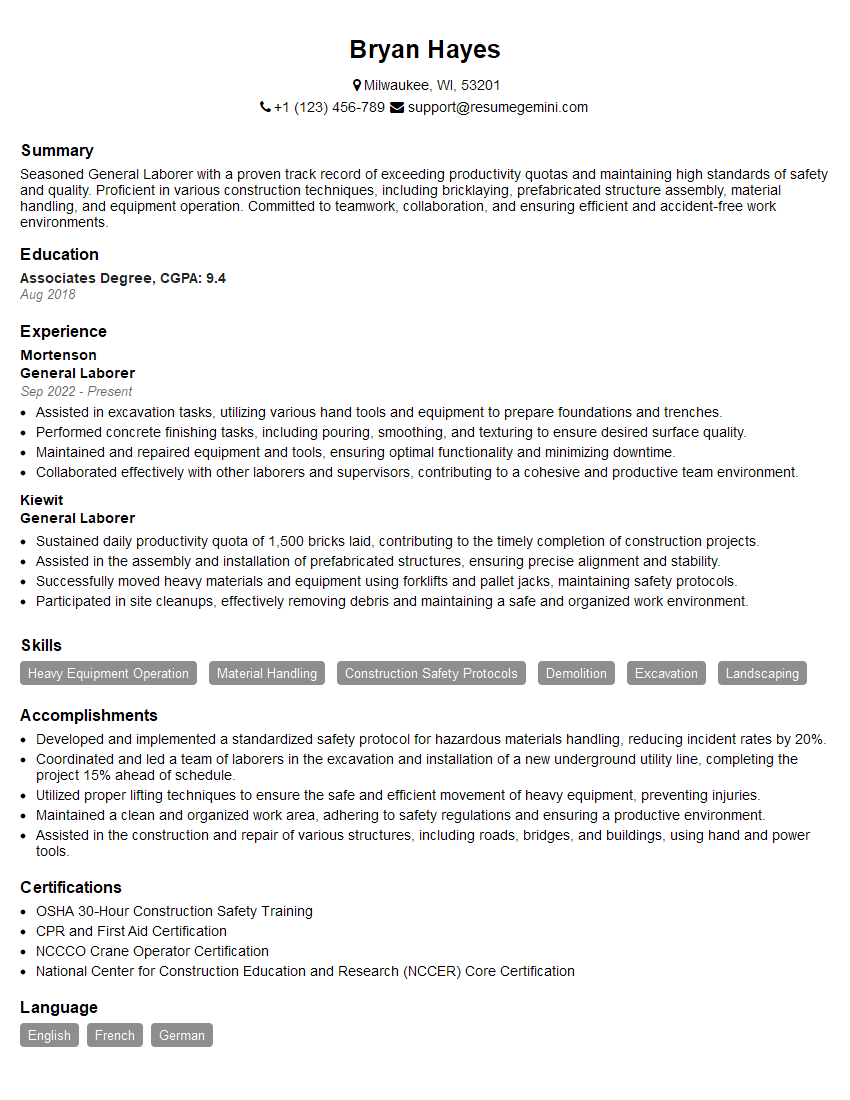
General Laborer Resume Sample
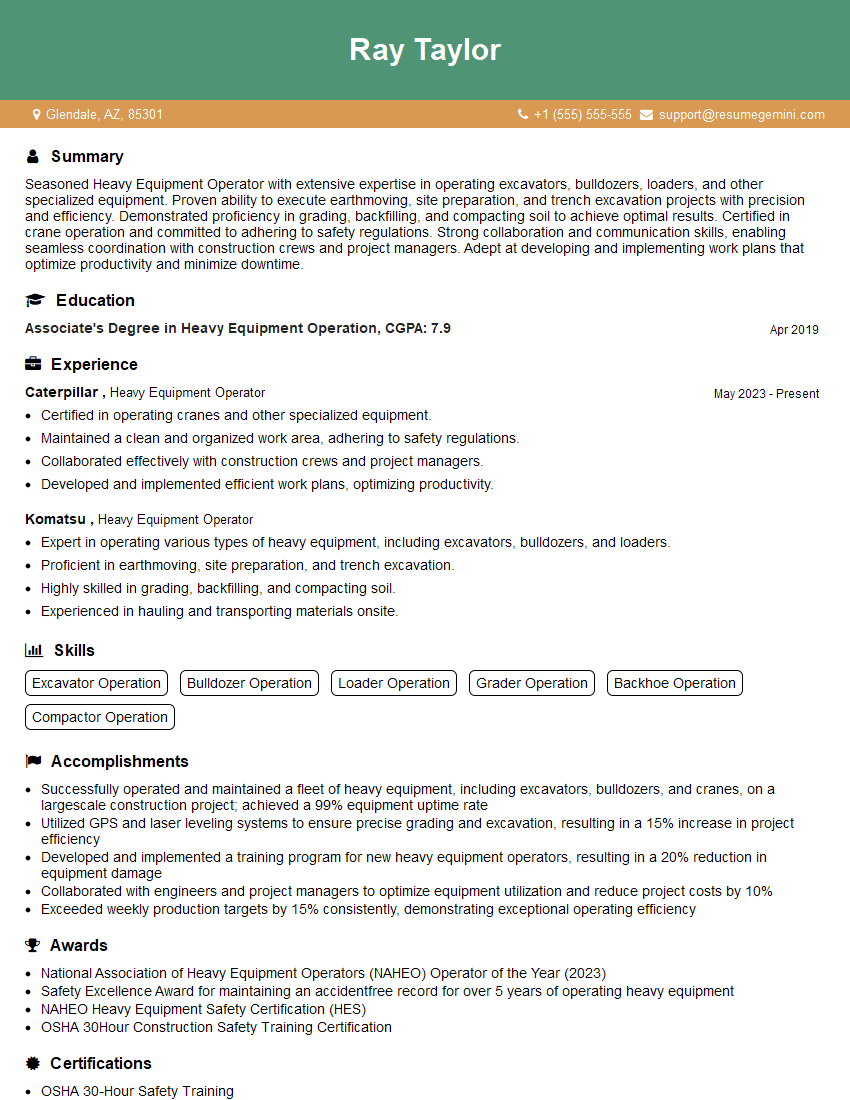
Heavy Equipment Operator Resume Sample
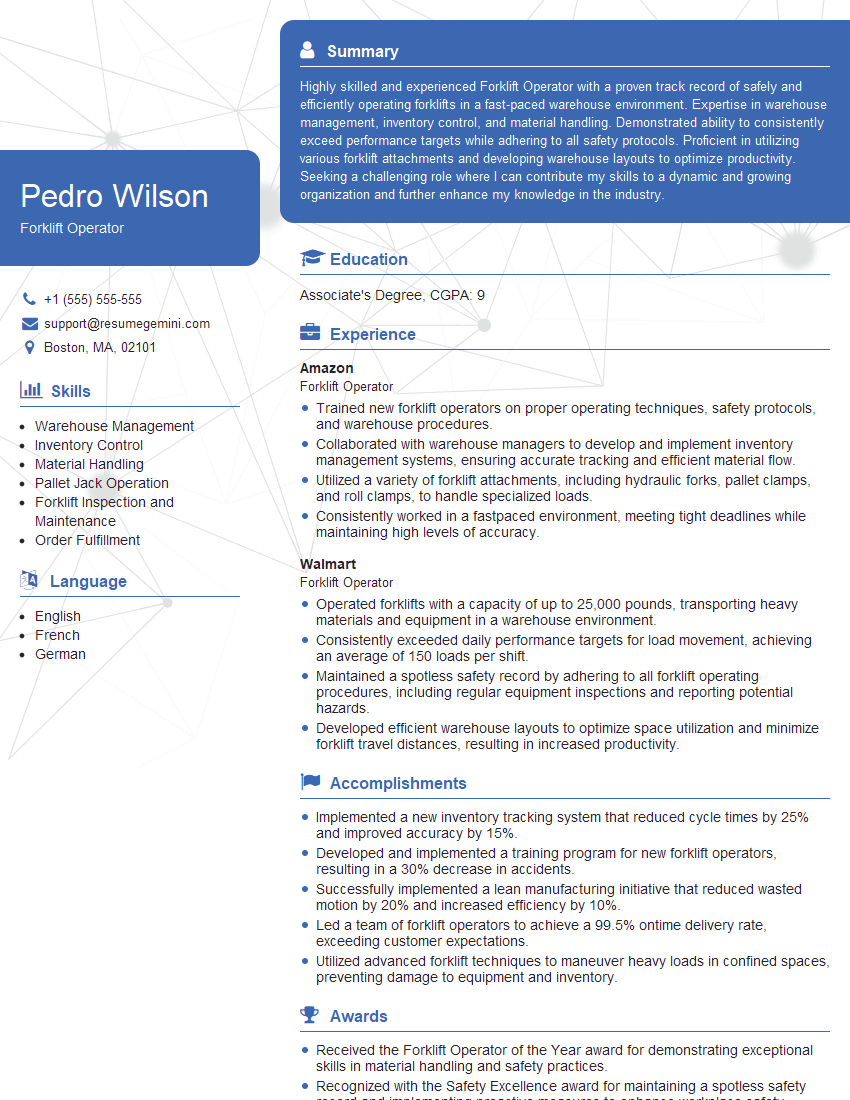
Forklift Operator Resume Sample
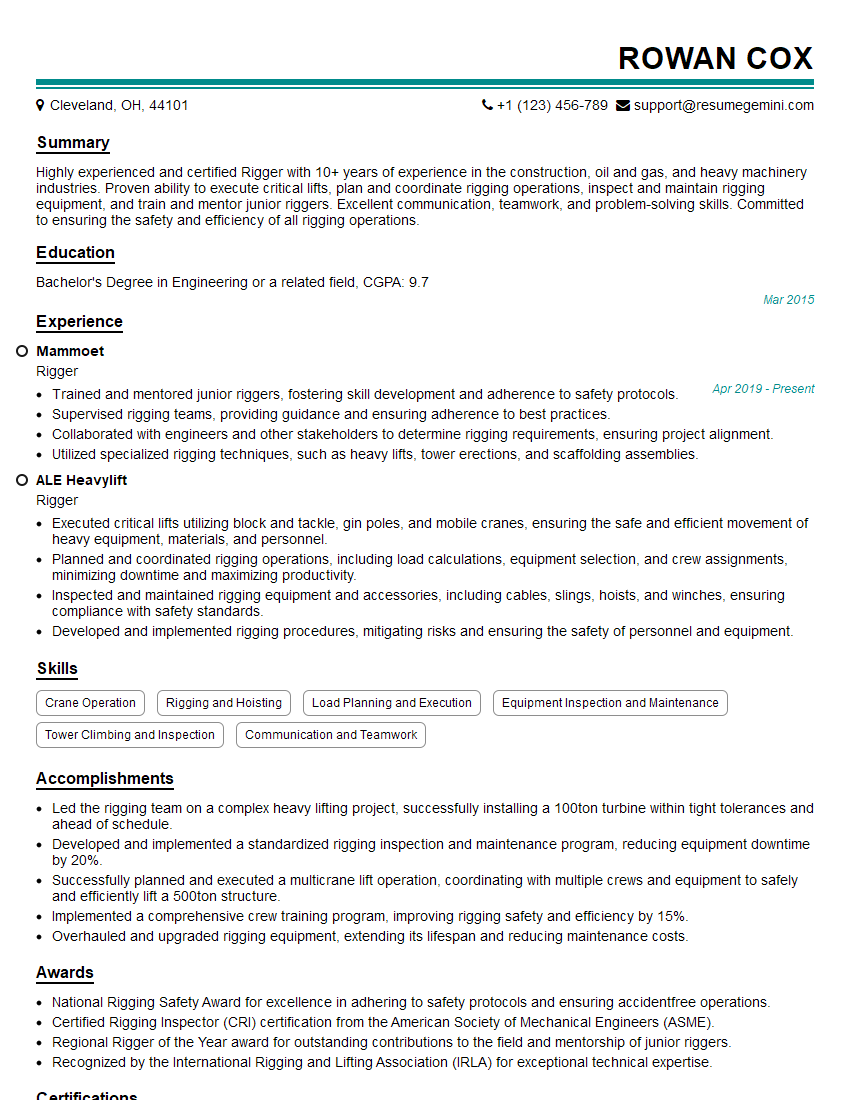
Rigger Resume Sample
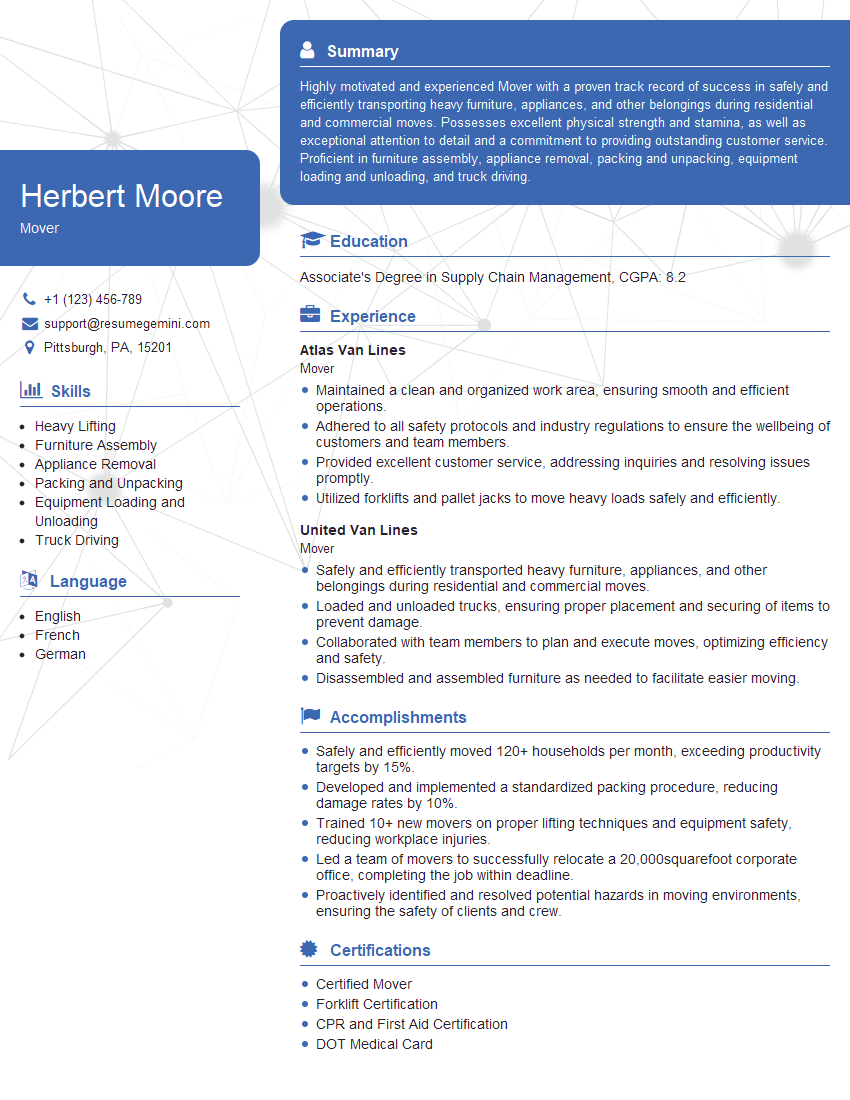
Mover Resume Sample
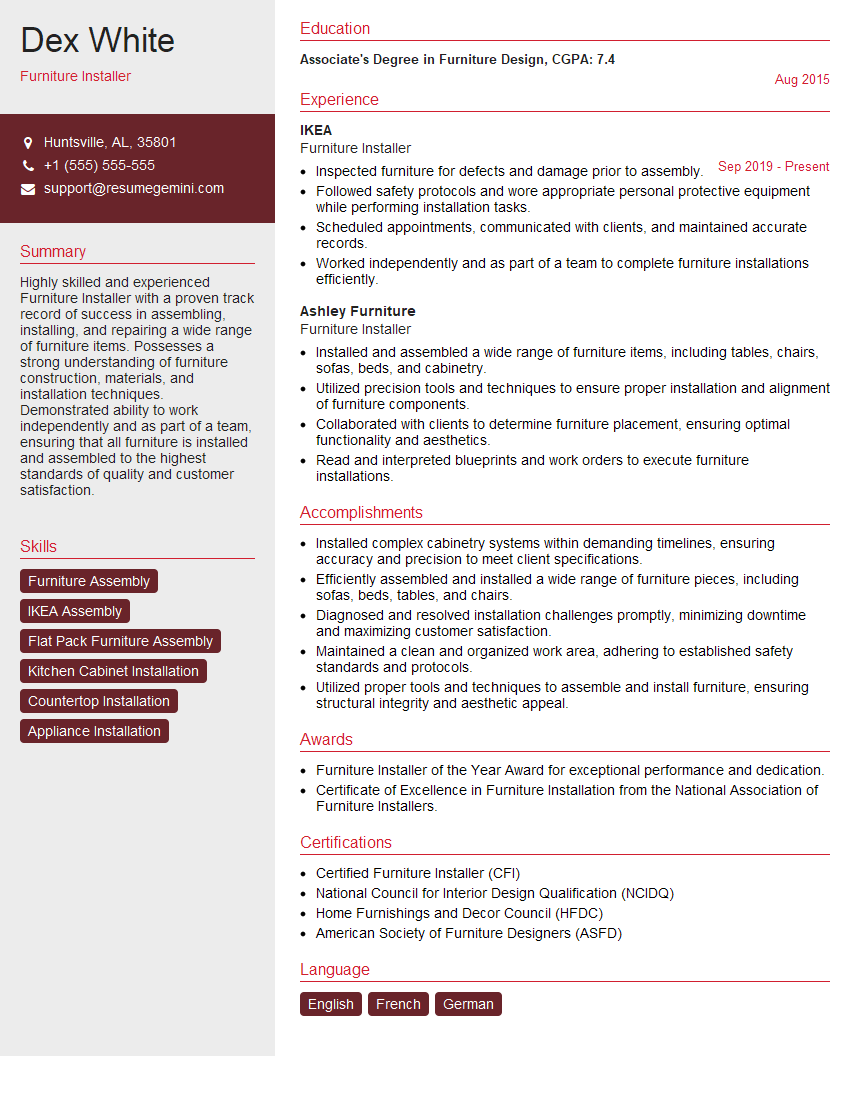
Furniture Installer Resume Sample
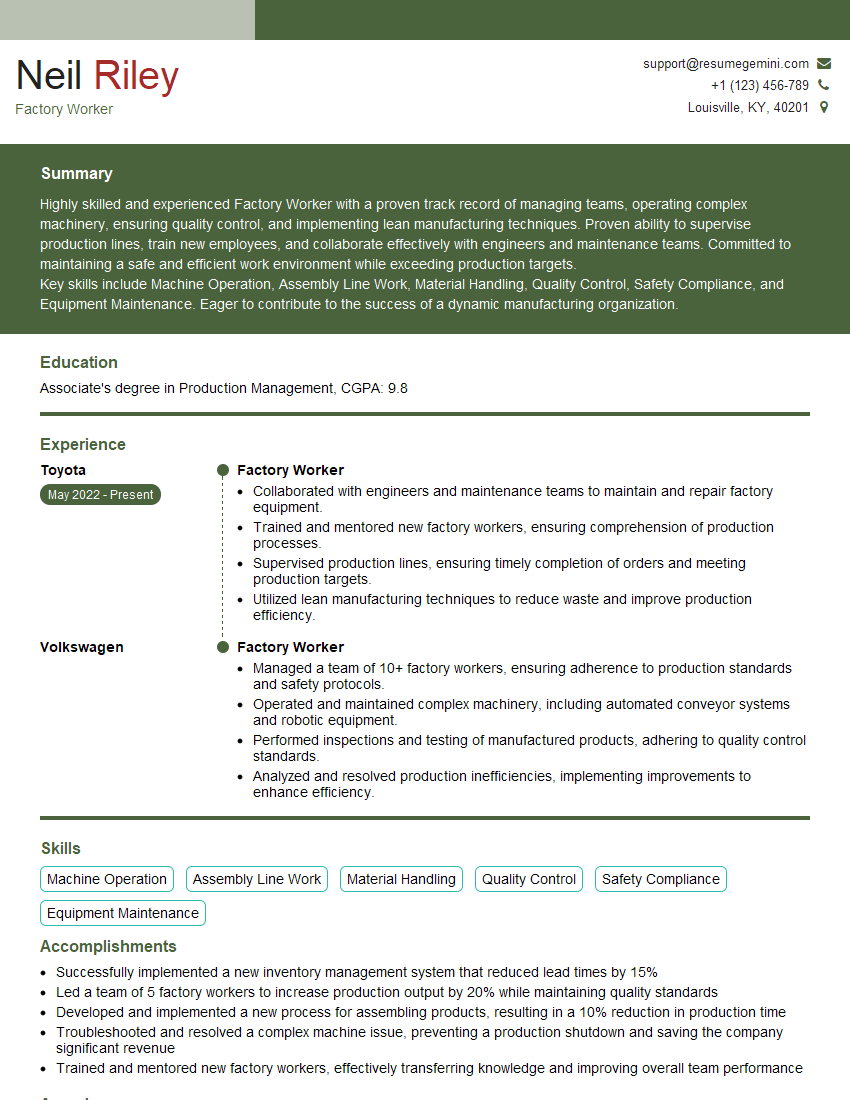
Factory Worker Resume Sample
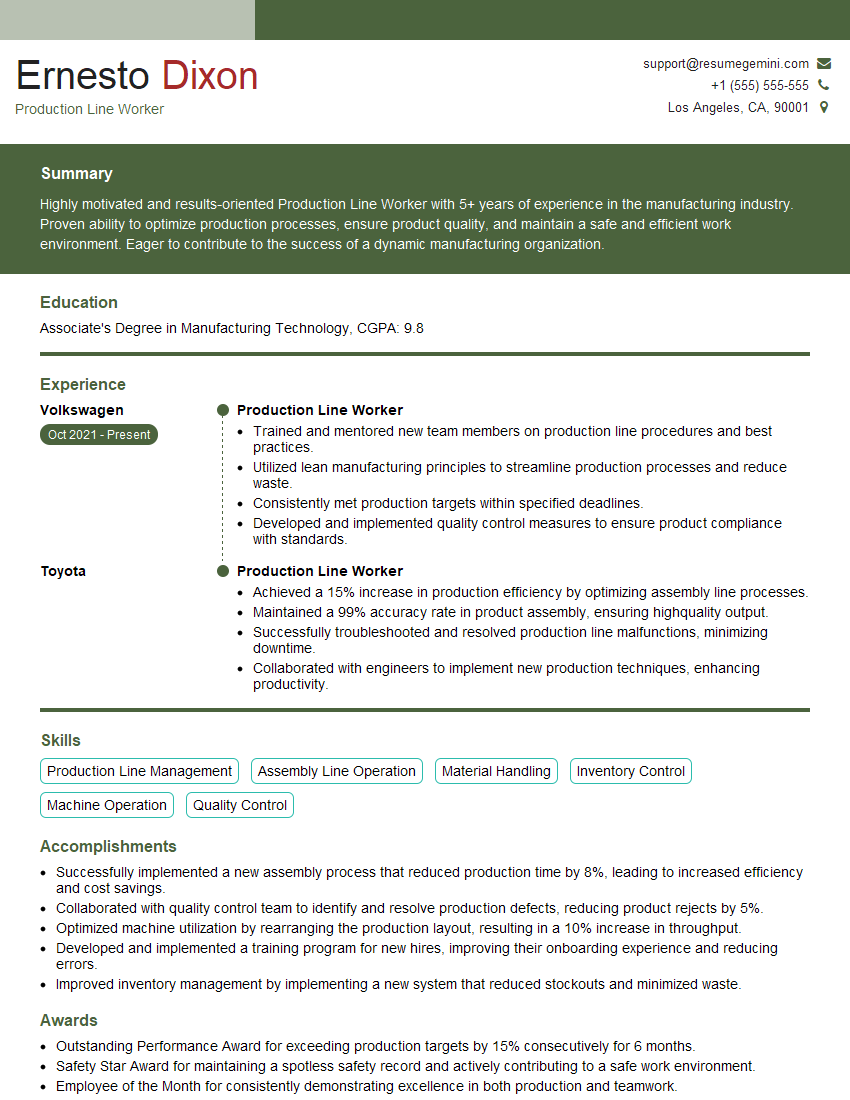
Production Line Worker Resume Sample
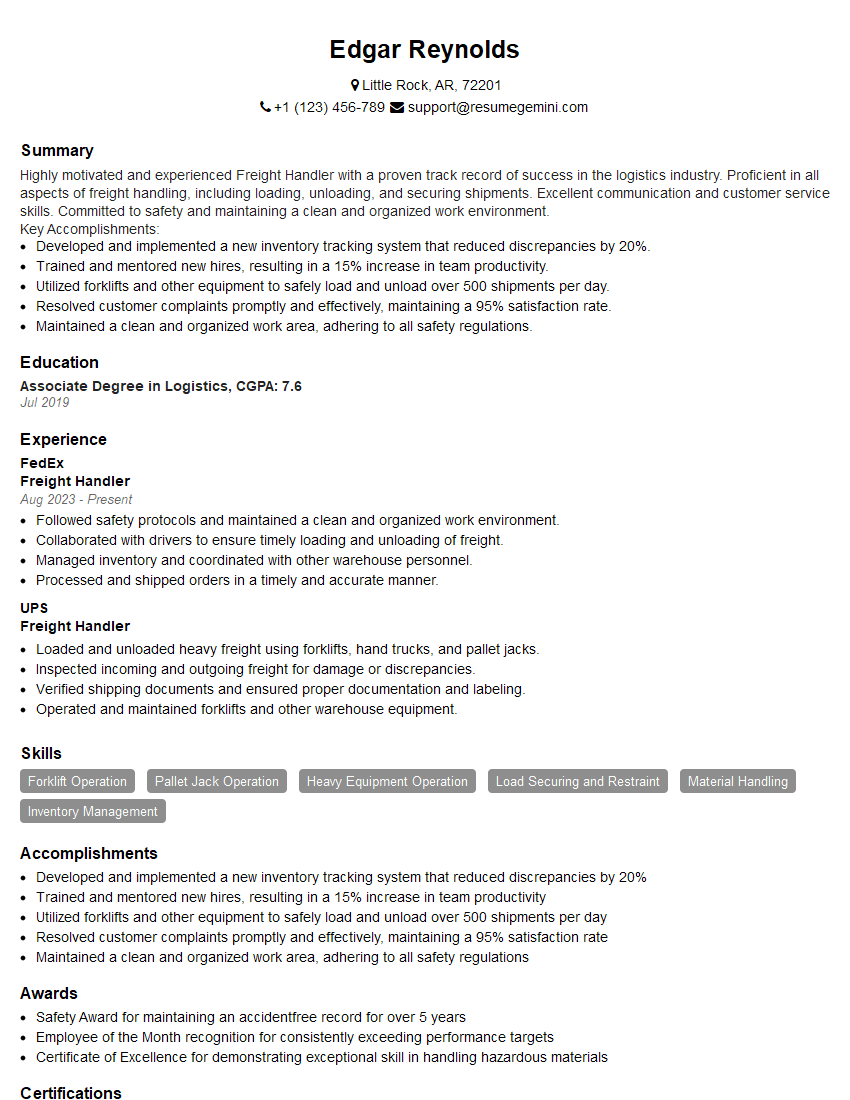
Freight Handler Resume Sample
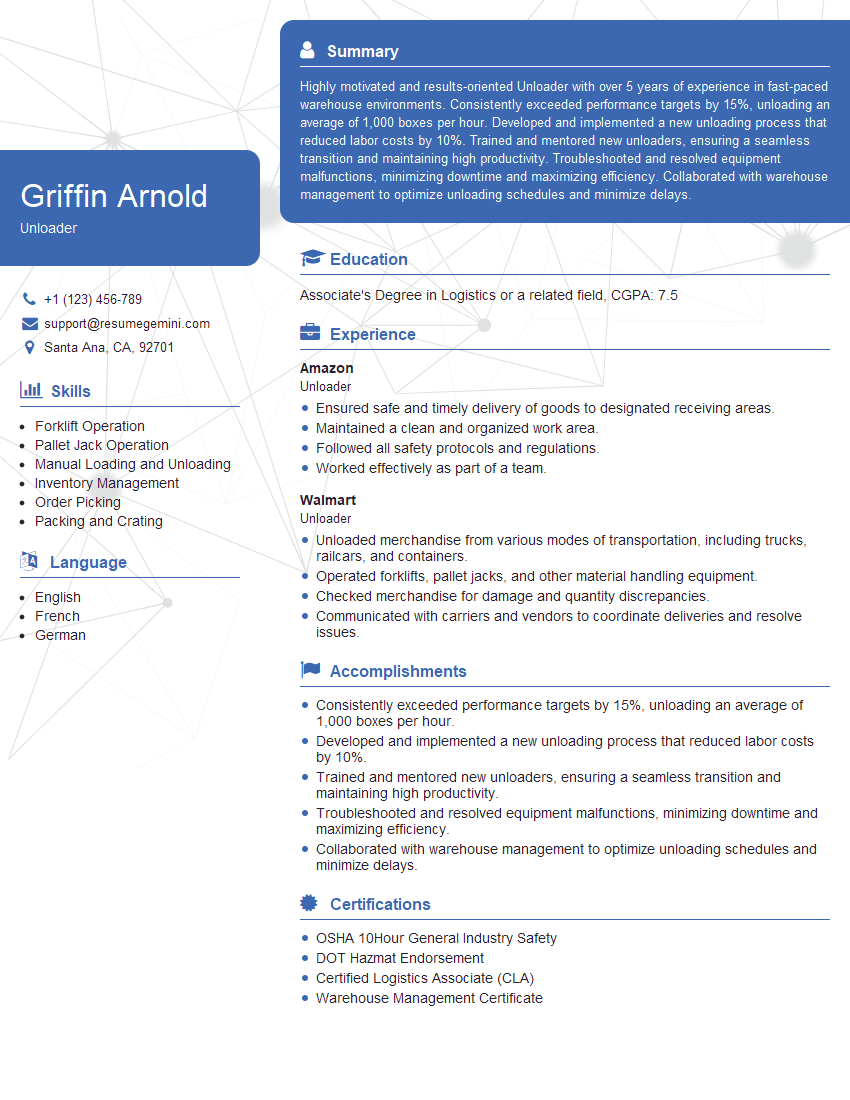
Unloader Resume Sample
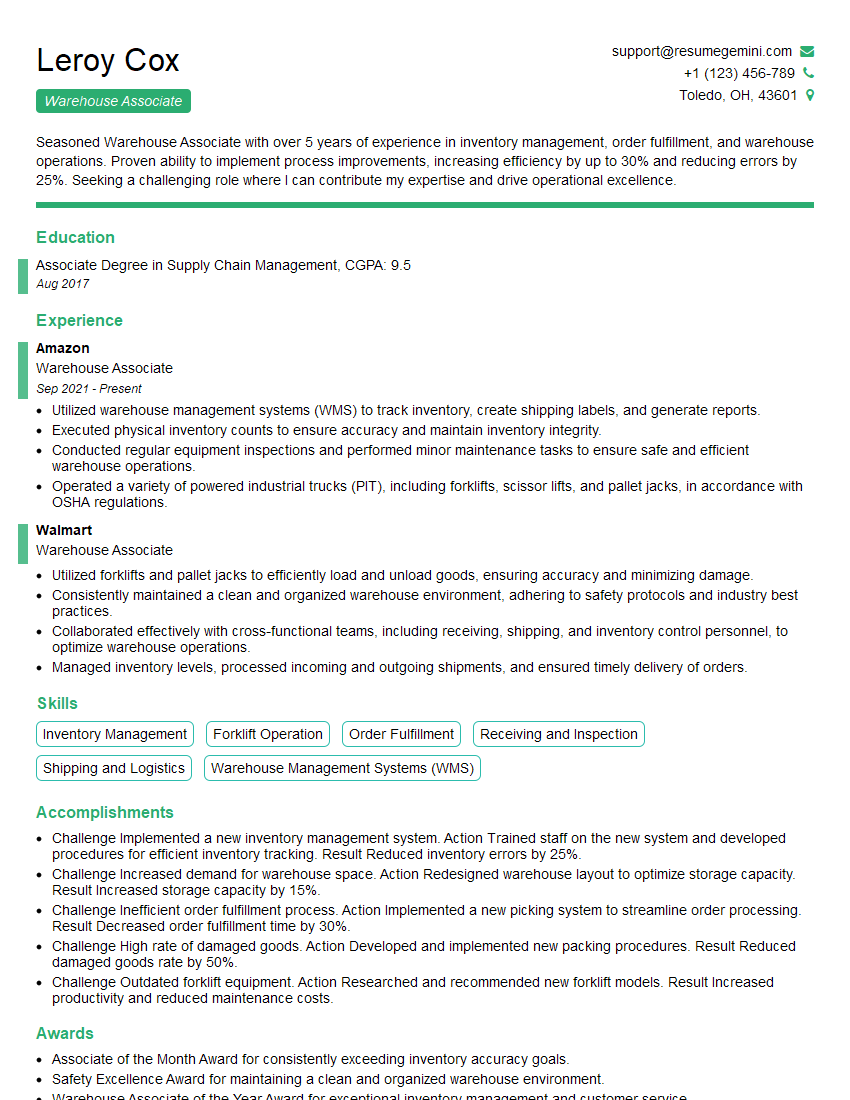
Warehouse Associate Resume Sample
- Warehouse Manager
- Logistics Coordinator
- Supply Chain Specialist
- Maintenance Technician
- Utility Worker
- Crane Operator
- Machine Operator
- Delivery Driver
- Shipping and Receiving Clerk
- Material Handler
- Order Picker
- Loader
- Construction Worker
- General Laborer
- Heavy Equipment Operator
- Forklift Operator
- Rigger
- Mover
- Furniture Installer
- Factory Worker
- Production Line Worker
- Freight Handler
- Unloader
- Warehouse Associate
Explore more articles
Users Rating of Our Blogs
Share Your Experience
We value your feedback! Please rate our content and share your thoughts (optional).
What Readers Say About Our Blog
Very informative content, great job.
good