Preparation is the key to success in any interview. In this post, we’ll explore crucial Cargo Loading and Discharging interview questions and equip you with strategies to craft impactful answers. Whether you’re a beginner or a pro, these tips will elevate your preparation.
Questions Asked in Cargo Loading and Discharging Interview
Q 1. Explain the process of securing cargo for transport.
Securing cargo is paramount to preventing damage and ensuring safety during transport. It involves a multifaceted approach tailored to the specific cargo type and mode of transport. Think of it like packing a delicate vase – you wouldn’t just throw it in a box!
- Proper Packaging: This is the first line of defense. Fragile items require sturdy packaging with adequate cushioning (think bubble wrap or air pillows). Heavy items need containers capable of withstanding the stresses of transportation.
- lashing and securing: This involves using straps, chains, or other restraints to firmly hold cargo in place, preventing movement during transit. Imagine tying down luggage on a car roof – you wouldn’t want it flying off at high speed! For containers, this might involve securing the container itself to the vessel or truck.
- Blocking and bracing: This is crucial for preventing cargo shifting within a container or vehicle. Think of it as creating a framework to keep everything stable. This often involves using wooden blocks or other materials to fill gaps and create a solid structure.
- Weight distribution: Evenly distributing weight is critical to prevent instability and stress on the vehicle or vessel. Heavier items should be placed lower and towards the center of gravity.
- Documentation: Thorough documentation of the securing process is essential for insurance and liability purposes. This includes photos and details of the securing materials used.
For example, securing a shipment of fragile ceramics would involve custom-fitted crates, plentiful cushioning, and secure strapping within a container, followed by appropriate stowage within the container itself.
Q 2. Describe different cargo handling equipment and their applications.
A wide variety of equipment is used for cargo handling, each with specific applications. The choice of equipment depends on factors like cargo type, weight, size, and the environment.
- Forklifts: Essential for moving palletized cargo in warehouses and container yards. They are versatile and efficient for loading and unloading containers.
- Container cranes: Used in ports to lift and move entire containers onto and off vessels. They’re massive and powerful, designed for handling heavy loads.
- Reach stackers: Similar to forklifts but with a longer reach, allowing them to stack containers multiple high. This is common in container terminals.
- Straddle carriers: Used to transport containers across yards; they lift and carry containers directly.
- Conveyor belts: Used for efficient movement of smaller packages and loose cargo, particularly in automated systems.
- Automated guided vehicles (AGVs): These self-driving vehicles can transport cargo throughout warehouses and terminals without human intervention.
Imagine unloading a ship – container cranes are used to lift containers off the ship, while reach stackers stack them in the yard. Forklifts then move individual pallets within a warehouse.
Q 3. How do you ensure cargo integrity during loading and unloading?
Maintaining cargo integrity is vital to prevent damage and loss. This requires a careful, systematic approach throughout the handling process.
- Pre-shipment inspection: A thorough inspection of the cargo before loading ensures it’s properly packaged and suitable for transport.
- Proper loading techniques: Careful loading prevents damage from crushing or shifting. This includes using appropriate equipment and techniques, such as blocking and bracing.
- Monitoring during transit: Temperature, humidity, and other environmental factors can impact cargo integrity. Monitoring these factors, particularly for temperature-sensitive goods, is essential.
- Post-shipment inspection: Upon arrival, a final inspection verifies that the cargo has arrived undamaged. Any damage should be documented immediately.
- Use of appropriate containers: Using containers designed for specific cargo types helps prevent damage. For example, refrigerated containers for perishable goods.
For example, transporting perishable goods requires refrigerated containers and constant temperature monitoring to ensure quality upon arrival. Any temperature deviations should be immediately reported.
Q 4. What are the safety regulations related to cargo handling?
Safety is paramount in cargo handling. Regulations vary by location and governing body but generally focus on preventing accidents and injuries.
- Personal Protective Equipment (PPE): Workers must wear appropriate PPE, including hard hats, safety shoes, high-visibility clothing, and gloves.
- Safe lifting techniques: Proper training and procedures must be followed for manual handling to avoid back injuries.
- Equipment maintenance: Regular maintenance of cargo handling equipment ensures its safe and efficient operation.
- Emergency procedures: Clear emergency procedures must be in place and regularly practiced to handle accidents effectively.
- Load securing regulations: Strict regulations govern how cargo is secured to prevent it from shifting or falling during transport.
- Hazardous materials regulations: Special regulations apply to the handling of hazardous materials, including storage, transportation, and disposal.
For example, failure to properly secure a load could lead to an accident, while inadequate PPE could result in worker injury.
Q 5. How do you manage weight distribution within a container?
Weight distribution is crucial for stability and safety. An unevenly distributed load can lead to imbalance, damage, and potential accidents.
- Center of gravity: The goal is to keep the center of gravity as low and central as possible. Heavier items should be placed at the bottom and in the center of the container.
- Weight distribution charts: These charts provide guidelines for optimal weight distribution based on the container size and type of cargo.
- Load balancing: Distribute heavy and light items to balance the weight across the container. This minimizes stress on the container structure and the transport vehicle.
- Stacking techniques: Avoid stacking tall, unstable loads. Instead, use blocks and bracing to support the load.
- Software and technology: Specialized software can assist in optimizing weight distribution and creating loading plans.
Imagine loading a container with heavy machinery and lighter boxes. You would place the heavy machinery at the bottom and center, surrounded by lighter materials to distribute the weight evenly.
Q 6. What are the different types of cargo and their specific handling requirements?
Cargo comes in many forms, each requiring specific handling considerations.
- General cargo: This includes a wide variety of items, from packaged goods to machinery. Handling requirements vary greatly depending on the specific item’s fragility, weight, and dimensions.
- Bulk cargo: This is loose, unpackaged cargo, such as grains, ores, or coal. Handling often involves specialized equipment like conveyor belts and ship loaders.
- Liquid cargo: This includes liquids like oil, chemicals, and gases. Requires specialized tankers and careful handling to prevent spills and leaks.
- Refrigerated cargo: This includes perishable goods that require temperature control during transit. Special refrigerated containers and monitoring are essential.
- Hazardous materials (dangerous goods): This includes materials that pose a risk to health, safety, or the environment. Requires special handling, packaging, and labeling according to international regulations.
For instance, handling liquid cargo necessitates using specialized tankers and following strict safety protocols to prevent spills and environmental damage.
Q 7. Describe your experience with dangerous goods handling.
I have extensive experience handling dangerous goods, adhering strictly to international regulations like the International Maritime Dangerous Goods (IMDG) Code and the International Air Transport Association (IATA) Dangerous Goods Regulations. My experience includes:
- Proper identification and classification: Accurately identifying and classifying dangerous goods based on their hazard class is critical for safe handling and transport. This ensures they are segregated and packed appropriately.
- Packaging and labeling: Using approved packaging materials and labels, in compliance with the relevant regulations, is essential to prevent leaks, spills, and other accidents.
- Documentation and paperwork: Accurate and complete documentation is required for every shipment, including shipping manifests and emergency response plans.
- Segregation and stowage: Dangerous goods must be segregated from incompatible substances and stored in designated areas to minimize risks.
- Emergency response planning: In case of accidents or incidents, having a well-defined emergency response plan is crucial for minimizing damage and protecting people and the environment.
I’ve personally managed the shipment of various dangerous goods, including flammable liquids, corrosive materials, and toxic substances. This involved careful planning, precise execution, and close monitoring throughout the entire process, always prioritizing safety.
Q 8. Explain the importance of proper documentation in cargo handling.
Proper documentation in cargo handling is paramount for efficiency, safety, and legal compliance. Think of it as the backbone of the entire operation. Without accurate records, chaos ensues. It ensures everyone involved – from the shipper to the receiver, customs officials to insurance companies – is on the same page.
- Bill of Lading (B/L): This crucial document acts as a contract, detailing the terms of carriage, including the description of goods, quantity, destination, and the parties involved. Without a properly completed B/L, the cargo’s journey can be significantly delayed or even halted.
- Packing Lists: These lists provide a detailed inventory of each package within a shipment, specifying contents, weight, and dimensions. They are critical for customs inspections and accurate cargo handling.
- Cargo Manifest: A comprehensive list of all cargo on a vessel or aircraft. This is essential for efficient loading, unloading, and tracking during transit.
- Customs Documents: Various import/export declarations and permits are needed to comply with international regulations and avoid delays or penalties. Incorrect or missing documentation can lead to significant fines and delays.
For example, imagine a shipment of perishable goods without proper temperature monitoring documentation. If spoilage occurs due to improper handling, the lack of documentation would make it difficult to determine responsibility and claim compensation.
Q 9. How do you manage delays or unexpected issues during loading/unloading?
Managing delays and unexpected issues requires a proactive and adaptable approach. My strategy involves immediate assessment, communication, and solution-finding. It’s like solving a puzzle – every piece needs to fit in its place.
- Immediate Assessment: The first step is identifying the root cause of the delay. Is it a equipment malfunction, a logistical snag, or a documentation issue? A swift and accurate diagnosis is key.
- Effective Communication: Open and transparent communication with all stakeholders is crucial. This includes notifying the shipper, receiver, port authorities, and any other relevant parties. Transparency avoids misunderstandings and builds trust.
- Problem-Solving: Depending on the nature of the issue, different solutions may be required. This might involve finding alternative transportation, rerouting cargo, securing replacement equipment, or working with customs officials to expedite clearances.
- Documentation: Thoroughly documenting every step of the problem-solving process is crucial for future reference and to mitigate potential risks. Detailed records protect all parties involved.
In one instance, a container ship experienced a mechanical failure at sea. By promptly informing stakeholders, coordinating with a salvage team, and securing a replacement vessel, we minimized the impact on the cargo delivery schedule, preventing significant losses for our clients.
Q 10. Describe your experience with inventory management in a cargo environment.
Inventory management in a cargo environment is all about meticulous tracking and control of goods throughout their journey. It’s like being a conductor of an orchestra, ensuring every instrument (piece of cargo) plays its part at the right time.
- Real-time Tracking: Utilizing technology such as RFID tags and GPS tracking allows for real-time monitoring of cargo location and condition.
- Barcode/QR Code Scanning: Efficiently identifies and tracks individual packages, improving accuracy and reducing errors during loading and unloading.
- Warehouse Management Systems (WMS): These software systems help optimize storage, manage inventory levels, and improve the overall efficiency of the warehouse.
- Regular Stock Takes: Conducting regular physical inventory checks ensures accuracy of records and helps identify discrepancies or losses.
During my time at [Previous Company Name], we implemented a WMS that significantly improved our inventory accuracy from 90% to 98%, leading to reduced losses and improved customer satisfaction. This system allowed us to better forecast demand and optimize storage space, resulting in substantial cost savings.
Q 11. How do you prioritize tasks during peak periods?
Prioritizing tasks during peak periods requires a structured approach. Think of it as triage in a hospital – addressing the most critical cases first. My strategy focuses on urgency, impact, and dependencies.
- Urgency: Tasks with strict deadlines or time-sensitive requirements take precedence. For example, perishable goods need to be unloaded and processed quickly.
- Impact: High-impact tasks, such as loading crucial components for a manufacturing line, are given priority to minimize disruption.
- Dependencies: Tasks that are prerequisites for other tasks need to be completed first. This ensures a smooth workflow and avoids bottlenecks.
- Teamwork: Effective communication and collaboration with the team are essential to ensure everyone understands the priorities and works efficiently together.
During peak season, I utilize a Kanban board to visualize workflow, track progress, and identify potential bottlenecks. This tool ensures transparency and enables effective task management across the team.
Q 12. How familiar are you with various stowage plans?
Stowage plans are crucial for efficient and safe cargo loading. They are essentially blueprints for the arrangement of goods within a vessel or container. A well-executed stowage plan prevents damage, maximizes space, and ensures stability.
- Weight Distribution: Proper weight distribution is essential for stability, preventing imbalances that could lead to accidents.
- Center of Gravity: Understanding and controlling the center of gravity is vital to prevent shifting during transit.
- Cargo Type: Different types of cargo require specific handling and stowage considerations. For instance, hazardous materials need to be segregated and properly secured.
- Software Tools: Specialized software programs are used to create and optimize stowage plans, considering various factors such as weight, volume, and stability.
I’m proficient in using various software solutions, including [mention specific software used], to create and manage stowage plans for diverse cargo types and vessel sizes. My experience includes creating plans for both breakbulk and containerized cargo, considering factors such as stability, weight distribution, and cargo compatibility.
Q 13. What is your experience with different types of containers (e.g., dry van, reefer)?
I have extensive experience handling various container types, each with its own specific requirements and challenges. Understanding these differences is critical for safe and efficient handling.
- Dry Van Containers: These are standard containers used for general cargo. My experience includes loading and unloading a wide range of dry goods, ensuring proper securing and protection from the elements.
- Reefer Containers: These temperature-controlled containers are essential for perishable goods. My experience includes managing temperature settings, monitoring conditions, and ensuring the integrity of the cold chain.
- Open Top Containers: These containers have an open top, suitable for oversized or heavy cargo that can’t be loaded through the side door. Securement procedures are different and more critical here.
- Tank Containers: Used for liquid cargo, these require specialized handling and safety precautions. My experience includes understanding the specific hazards and regulations associated with handling different types of liquids.
For example, I once handled a shipment of pharmaceuticals using reefer containers, where meticulous temperature monitoring and documentation were critical to ensure the integrity and efficacy of the medication.
Q 14. Explain your experience with lashing and securing cargo.
Lashing and securing cargo is paramount for preventing damage and ensuring safety during transit. It’s all about creating a robust system that withstands the forces experienced during transportation. Think of it as creating a protective cage for your goods.
- Understanding Lashing Materials: Different lashing materials, including ropes, chains, straps, and specialized equipment, are used depending on the cargo type and weight. Proper selection is essential.
- Securement Techniques: Various techniques are employed to secure different types of cargo. This includes proper tensioning, use of appropriate securing points, and ensuring even weight distribution.
- Safety Regulations: Adhering to international and local safety regulations is vital to prevent accidents and damage.
- Inspection and Documentation: Thorough inspection before and after lashing is crucial, documenting the process for liability and traceability.
I have extensive experience in lashing and securing diverse cargo types, from heavy machinery to sensitive electronic equipment. For instance, I recently secured a shipment of oversized wind turbine blades using specialized straps and securing points, ensuring their stability and preventing damage during transportation. All steps were meticulously documented to comply with safety regulations.
Q 15. How do you ensure the safe handling of oversized or heavy cargo?
Safe handling of oversized or heavy cargo requires meticulous planning and execution. It starts with a thorough risk assessment, identifying potential hazards like instability during lifting, shifting during transit, and damage to surrounding cargo or infrastructure. We use specialized equipment like heavy-lift cranes, specialized trailers, and spreader beams designed for the specific dimensions and weight of the cargo. Securing oversized cargo is paramount; this involves using robust lashing systems, including chains, straps, and wedges, ensuring the cargo is firmly attached and distributed evenly to prevent shifting.
For example, during the transport of a large transformer, we would meticulously plan the route, considering bridge clearances and weight limits. We’d use a crane with sufficient lifting capacity, carefully positioned to minimize stress on the transformer during lifting and placement onto the specialized lowboy trailer. The transformer would be secured using multiple high-strength chains and straps, with regular checks throughout the transport to ensure everything remains secure. Proper documentation, including weight certificates and load plans, is essential to ensure compliance with regulations and safety standards.
Career Expert Tips:
- Ace those interviews! Prepare effectively by reviewing the Top 50 Most Common Interview Questions on ResumeGemini.
- Navigate your job search with confidence! Explore a wide range of Career Tips on ResumeGemini. Learn about common challenges and recommendations to overcome them.
- Craft the perfect resume! Master the Art of Resume Writing with ResumeGemini’s guide. Showcase your unique qualifications and achievements effectively.
- Don’t miss out on holiday savings! Build your dream resume with ResumeGemini’s ATS optimized templates.
Q 16. What are the common challenges faced in cargo handling, and how do you address them?
Common challenges in cargo handling include weather conditions (rain, storms impacting operations), port congestion (delays in loading/unloading), equipment malfunctions (crane failure delaying processes), and inadequate infrastructure (limited space leading to inefficiencies). Addressing these involves proactive planning, using real-time tracking and weather forecasting tools to anticipate delays. We maintain a strong relationship with port authorities to navigate congestion and prioritize our cargo. Regular equipment maintenance is essential, as are contingency plans for equipment failures, which include backup equipment and alternative transportation options. Upgrades in technology or infrastructure may be proposed to improve efficiency and reduce delays in the longer term.
For instance, during a storm, we’d immediately secure all cargo on deck, postpone loading operations, and communicate with all stakeholders to adjust timelines. If a crane malfunctions, we would have a backup plan in place, involving either a secondary crane or contacting a specialized external contractor to minimize downtime.
Q 17. How do you maintain a safe working environment?
Maintaining a safe working environment is my top priority. This involves strict adherence to safety protocols, including mandatory safety training for all personnel, regular safety inspections, and the use of appropriate personal protective equipment (PPE). We implement clear communication channels to immediately address safety concerns and hazards. Regular safety meetings are conducted to identify and mitigate potential risks. A key aspect is the enforcement of best practices, such as proper lifting techniques and the use of warning systems. The workspace is kept clean and organized to prevent accidents. We constantly monitor and update our safety procedures based on industry best practices and lessons learned from past incidents.
For example, we conduct daily equipment checks and pre-shift safety briefings to ensure everyone is aware of potential hazards. Anyone observed disregarding safety procedures would be immediately addressed, receiving retraining or disciplinary action if necessary. This consistent approach establishes a culture of safety.
Q 18. Describe your experience with using cargo handling software or systems.
I have extensive experience with cargo handling software and systems, including Terminal Operating Systems (TOS) and various cargo management platforms. I’m proficient in using these systems to track cargo, generate shipping documents, manage schedules, optimize loading plans, and monitor real-time vessel information. These systems provide significant advantages in terms of efficiency, accuracy, and transparency throughout the entire cargo handling process. I’m familiar with various data inputs, like cargo manifests, container specifications, and vessel plans. I can use these systems to analyze data to identify potential bottlenecks or inefficiencies. I understand the importance of data integrity and the impact it has on all downstream processes.
For instance, using a TOS, I can generate optimized load plans, ensuring the efficient placement of containers on the vessel, considering weight distribution and stability. This minimizes the risk of damage and maximizes cargo capacity. The system also enables me to track the real-time location of the cargo throughout its journey, providing enhanced visibility and accountability.
Q 19. How do you communicate effectively with team members during cargo operations?
Effective communication is critical during cargo operations. I utilize a multi-faceted approach. This includes clear and concise verbal communication with team members, using standardized terminology to avoid misunderstandings. I also utilize written communication through checklists, work orders, and shift reports to ensure accuracy and traceability. Technological tools like two-way radios and instant messaging systems enhance real-time communication, especially in fast-paced environments. I regularly conduct team briefings to discuss upcoming tasks and potential challenges, fostering collaboration and problem-solving. Active listening is crucial; I ensure everyone has a chance to express concerns or observations.
For example, during the loading of a delicate piece of machinery, I would personally coordinate with the crane operator, ground crew, and the surveyor using clear, precise instructions and hand signals to ensure the smooth and safe operation. Post-operation, a detailed report is compiled and shared to facilitate future improvement.
Q 20. How do you comply with international shipping regulations?
Compliance with international shipping regulations is non-negotiable. We adhere strictly to rules set by organizations like the International Maritime Organization (IMO) and relevant national authorities. This includes proper documentation, ensuring all cargo manifests, certificates of origin, and bills of lading are accurate and up-to-date. We understand and implement regulations regarding dangerous goods, ensuring proper classification, packaging, labeling, and segregation of hazardous materials. We remain updated on all relevant regulations through continuous training and consultation with regulatory bodies. We maintain comprehensive records of all cargo handling activities to demonstrate compliance in audits.
For example, handling hazardous materials requires specific training and adherence to the IMDG code (International Maritime Dangerous Goods Code). This includes understanding proper handling procedures, the use of specialized containers, and the preparation of detailed documentation.
Q 21. Explain your problem-solving skills in a high-pressure cargo handling scenario.
In high-pressure scenarios, my problem-solving approach is systematic. First, I assess the situation calmly, identifying the core problem and its impact. Then, I gather information from all relevant sources. I prioritize actions based on urgency and impact, focusing on immediate safety concerns first. I communicate clearly with the team, assigning roles and responsibilities. I leverage my experience and knowledge to develop and implement solutions, while documenting every step for later review and analysis. Following the resolution, a thorough post-incident analysis is performed to identify areas for improvement in our processes and procedures.
For example, if a container collapses during unloading due to improper securing, I’d immediately secure the area, assess injuries, and summon emergency services if needed. Then, I’d determine the cause of the collapse, investigate the securing methods used, and communicate with the relevant parties. Based on the findings, I’d implement corrective actions, including retraining personnel and revising securing procedures, creating a detailed report outlining the incident, corrective actions, and preventative measures.
Q 22. What are the key performance indicators (KPIs) for cargo handling?
Key Performance Indicators (KPIs) in cargo handling are crucial for measuring efficiency, safety, and overall operational success. They allow us to track progress, identify bottlenecks, and make data-driven improvements. These KPIs can be broadly categorized into:
- Time-based KPIs: These focus on speed and turnaround time. Examples include loading/discharging rate (tons per hour), vessel turnaround time (the total time a vessel spends at port), and dwell time (the time cargo spends in the terminal).
- Cost-based KPIs: These measure the economic efficiency of operations. Examples include cost per ton handled, labor cost per unit, and equipment utilization rate.
- Safety-based KPIs: These are paramount and focus on preventing accidents and injuries. Examples include the number of accidents per million man-hours, the number of near misses reported, and the damage rate of cargo.
- Quality-based KPIs: These focus on the condition of cargo upon delivery. Examples include cargo damage rate, on-time delivery rate, and customer satisfaction ratings related to cargo handling.
By monitoring these KPIs, we can pinpoint areas needing improvement and implement strategies to optimize the entire cargo handling process. For example, if the vessel turnaround time is consistently high, we might investigate port congestion, equipment malfunction, or labor inefficiencies.
Q 23. How do you ensure cargo is loaded and unloaded efficiently?
Efficient cargo loading and unloading requires meticulous planning and execution. It’s not just about speed; it’s about coordinated teamwork, optimized resource allocation, and adherence to safety protocols. My approach involves:
- Pre-planning and coordination: Thorough review of cargo manifests, stowage plans, and vessel specifications is crucial. This includes considering weight distribution, center of gravity, and the stability of the vessel. Communication with the vessel’s crew, stevedores, and other stakeholders is vital.
- Optimized equipment usage: Selecting the right equipment for the job – cranes, forklifts, conveyors – is key. Proper maintenance and timely repairs prevent costly downtime. Efficient equipment scheduling ensures maximum utilization.
- Well-trained personnel: A skilled workforce is indispensable. Regular training, including safety procedures and proper handling techniques for various cargo types, ensures safe and efficient operations. Clear communication and effective teamwork are essential.
- Technology integration: Utilizing technology like cargo tracking systems, automated guided vehicles (AGVs), and sophisticated planning software can dramatically improve efficiency and reduce human error. Real-time monitoring and data analysis further refine processes.
For example, in one operation, implementing a new stowage plan reduced loading time by 15% by optimizing weight distribution and minimizing crane movements.
Q 24. Describe your experience with damage control and reporting procedures.
Damage control and reporting are critical for minimizing losses and maintaining client trust. My experience involves:
- Immediate assessment: Upon discovering cargo damage, a thorough assessment is conducted to determine the extent of the damage, its cause (e.g., improper handling, inadequate packaging, inherent vice), and affected parties.
- Documentation and photographic evidence: Detailed documentation is essential, including photographs, damage reports, and witness statements. This evidence is crucial for insurance claims and dispute resolution.
- Damage mitigation: Appropriate actions are taken to prevent further damage or deterioration. This might involve re-stowing the cargo, applying protective measures, or implementing immediate repairs.
- Formal reporting: A formal report is prepared and submitted through the established chain of command, detailing the incident, its causes, the extent of damage, and the corrective actions taken. This often involves insurance companies and clients.
- Root cause analysis: Once the immediate issues are addressed, a thorough root cause analysis is conducted to identify underlying problems in the process and prevent recurrence. This could involve reviewing training procedures, equipment maintenance schedules, or even operational workflows.
For instance, in one case involving damaged containers, our thorough documentation and root cause analysis revealed inadequate lashing techniques. This led to revised training and stricter adherence to safety protocols, resulting in a significant reduction in subsequent damage incidents.
Q 25. How familiar are you with the International Maritime Dangerous Goods (IMDG) Code?
I am very familiar with the International Maritime Dangerous Goods (IMDG) Code. It’s a crucial document for ensuring the safe transportation of hazardous materials by sea. My understanding encompasses:
- Classification of dangerous goods: I am proficient in identifying and classifying hazardous materials according to the IMDG Code’s hazard classes and subdivisions.
- Packaging and labeling requirements: I am knowledgeable about the specific packaging and labeling regulations for various dangerous goods, ensuring compliance with international standards.
- Segregation and stowage requirements: I understand the critical importance of segregating incompatible dangerous goods to prevent hazardous reactions and ensure safe stowage aboard vessels. This includes understanding the requirements for specific locations and distances between different classes of goods.
- Emergency response procedures: I am trained in handling emergency situations involving dangerous goods, including understanding the appropriate response measures and utilizing relevant safety equipment.
- Documentation and declarations: I am experienced in preparing and reviewing the necessary shipping documents, including dangerous goods declarations (DGDs), to ensure compliance with regulations.
Failure to comply with the IMDG Code can have severe consequences, including fines, legal repercussions, environmental damage, and even loss of life. Adherence to this code is paramount in my work.
Q 26. How do you contribute to a team’s efficiency in a fast-paced environment?
In a fast-paced environment, teamwork and efficient communication are essential. My contribution to team efficiency involves:
- Proactive communication: I maintain open and clear communication with team members, keeping everyone informed of progress, potential issues, and any changes to the plan. This minimizes misunderstandings and delays.
- Problem-solving and quick decision-making: I am able to quickly identify and address potential bottlenecks or problems, suggesting efficient solutions and making informed decisions under pressure.
- Adaptability and flexibility: I am adaptable and can adjust my tasks and priorities as needed to respond to changing circumstances and support team goals.
- Mentorship and support: I offer support and guidance to team members, sharing my knowledge and experience to enhance the overall performance of the team.
- Positive attitude and teamwork: I maintain a positive and collaborative attitude, fostering a supportive and efficient team environment.
For example, during a particularly busy period, I volunteered to assist a colleague who was facing a backlog of tasks, enabling us to meet our deadlines without compromising quality or safety.
Q 27. How do you handle conflicts or disagreements within a team?
Conflicts are inevitable in any team environment. My approach to handling disagreements focuses on constructive resolution and maintaining positive working relationships:
- Open communication and active listening: I encourage open and honest communication, actively listening to all perspectives before attempting to resolve the conflict.
- Focus on the issue, not the person: I ensure the focus remains on the problem at hand, avoiding personal attacks or blame-shifting.
- Finding common ground: I strive to find common ground and seek solutions that satisfy the interests of all parties involved.
- Mediation if necessary: If necessary, I may suggest involving a neutral third party to mediate the conflict and facilitate a mutually agreeable resolution.
- Documentation: If necessary, I will document the conflict and the resolution process for future reference.
A recent example involved a disagreement between two team members regarding the best loading sequence for a specific cargo. By encouraging open discussion and collaborative problem-solving, we found a compromise that optimized both efficiency and safety.
Q 28. Describe a situation where you had to adapt to changing circumstances during a cargo operation.
During a cargo operation, we experienced an unexpected delay due to a sudden change in the weather – a severe storm warning was issued. Our initial plan was disrupted because the port authority imposed a temporary halt to all loading/unloading operations.
To adapt, I immediately initiated the following actions:
- Risk assessment and communication: We conducted a risk assessment to identify potential issues relating to the cargo already on board and that waiting to be loaded. This included informing all stakeholders of the situation and the potential impact on the schedule.
- Contingency planning: We activated our contingency plan, which included securing loose cargo, relocating cargo to safer areas, and notifying the relevant parties about the delay. We also explored alternative loading/unloading solutions if the weather situation did not improve within a reasonable timeframe.
- Collaboration and coordination: We worked closely with port authorities, shipping lines, and other stakeholders to monitor the situation, adjust our strategy, and ensure the safety of both personnel and cargo.
- Re-evaluation and optimization: Once the storm subsided, we re-evaluated our plan, taking into account the time lost and potential delays in the subsequent stages of the operation. We optimized the loading and unloading procedures based on this assessment.
This situation highlighted the importance of flexibility and proactive risk management in cargo operations. Our quick adaptation to the changing weather conditions minimized the impact on the overall timeline and ensured the safety of our personnel and cargo.
Key Topics to Learn for Your Cargo Loading and Discharging Interview
- Cargo Handling Safety Procedures: Understanding and applying safety regulations, risk assessment, and hazard prevention techniques in various cargo handling scenarios. This includes practical knowledge of safety equipment and personal protective equipment (PPE).
- Types of Cargo and Handling Requirements: Familiarize yourself with different cargo types (liquid, bulk, containerized, etc.), their specific handling needs, and the equipment used for efficient and safe loading and discharging operations. Consider the challenges posed by different cargo characteristics (weight, volume, fragility).
- Cargo Stowage Planning and Stability: Learn the principles of safe and efficient cargo stowage, including weight distribution, securing methods, and maintaining vessel stability. Understand how to interpret and apply stowage plans.
- Cargo Securing Techniques: Master various cargo securing methods, including lashing, bracing, and dunnage, ensuring cargo integrity and preventing damage during transit. Consider the impact of different weather conditions on securing methods.
- Loading and Discharging Equipment: Gain a thorough understanding of the different equipment used in cargo operations, such as cranes, forklifts, conveyors, and specialized handling equipment. Be prepared to discuss their operational capabilities and limitations.
- Documentation and Procedures: Familiarize yourself with the necessary documentation involved in cargo handling, including cargo manifests, bills of lading, and other relevant paperwork. Understand the importance of accurate record-keeping and compliance procedures.
- Problem-Solving and Decision-Making: Prepare to discuss how you approach problem-solving in challenging situations, such as unexpected delays, equipment malfunctions, or cargo damage. Highlight your ability to make informed decisions under pressure.
Next Steps
Mastering Cargo Loading and Discharging opens doors to exciting career opportunities with significant growth potential within the logistics and maritime industries. A strong resume is crucial for showcasing your skills and experience to potential employers. Creating an ATS-friendly resume is key to getting your application noticed. To help you build a compelling and effective resume, we highly recommend using ResumeGemini. ResumeGemini provides a user-friendly platform and valuable resources, including examples of resumes tailored specifically to the Cargo Loading and Discharging field, to help you present your qualifications in the best possible light. Take the next step in your career journey – build a standout resume today!

Operations Manager Resume Sample
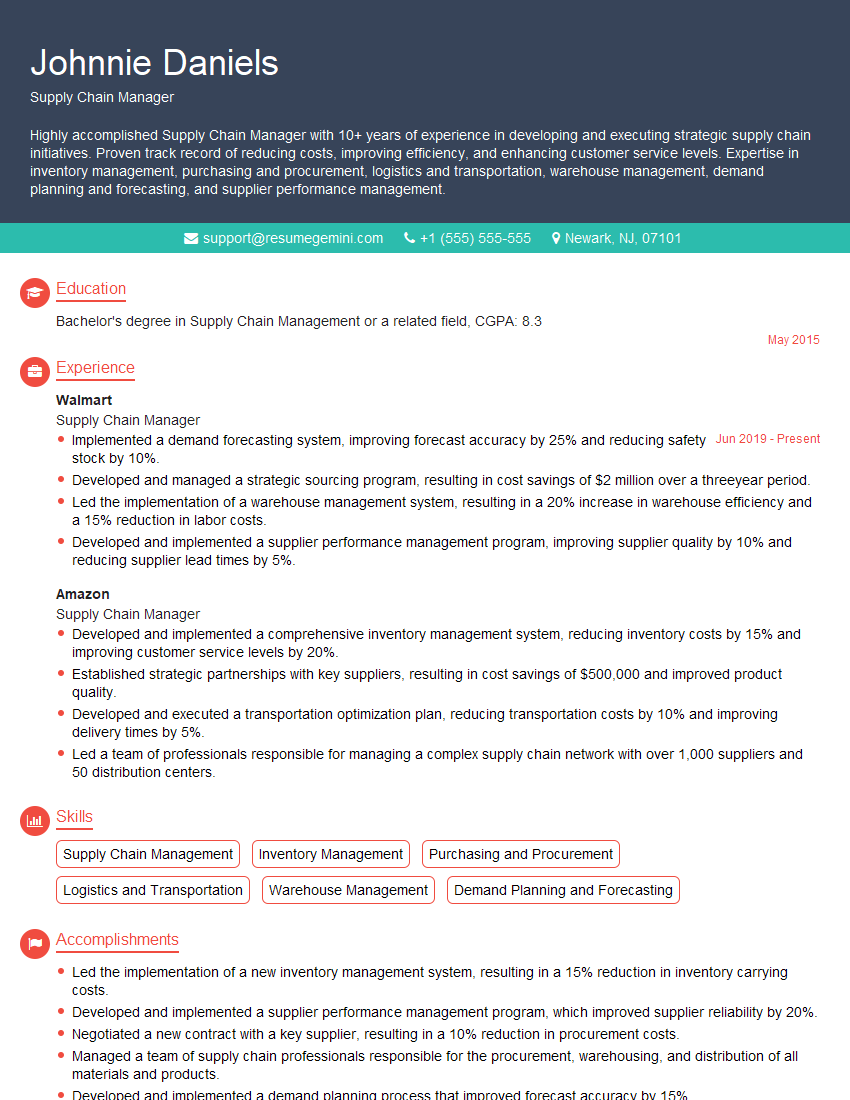
Supply Chain Manager Resume Sample
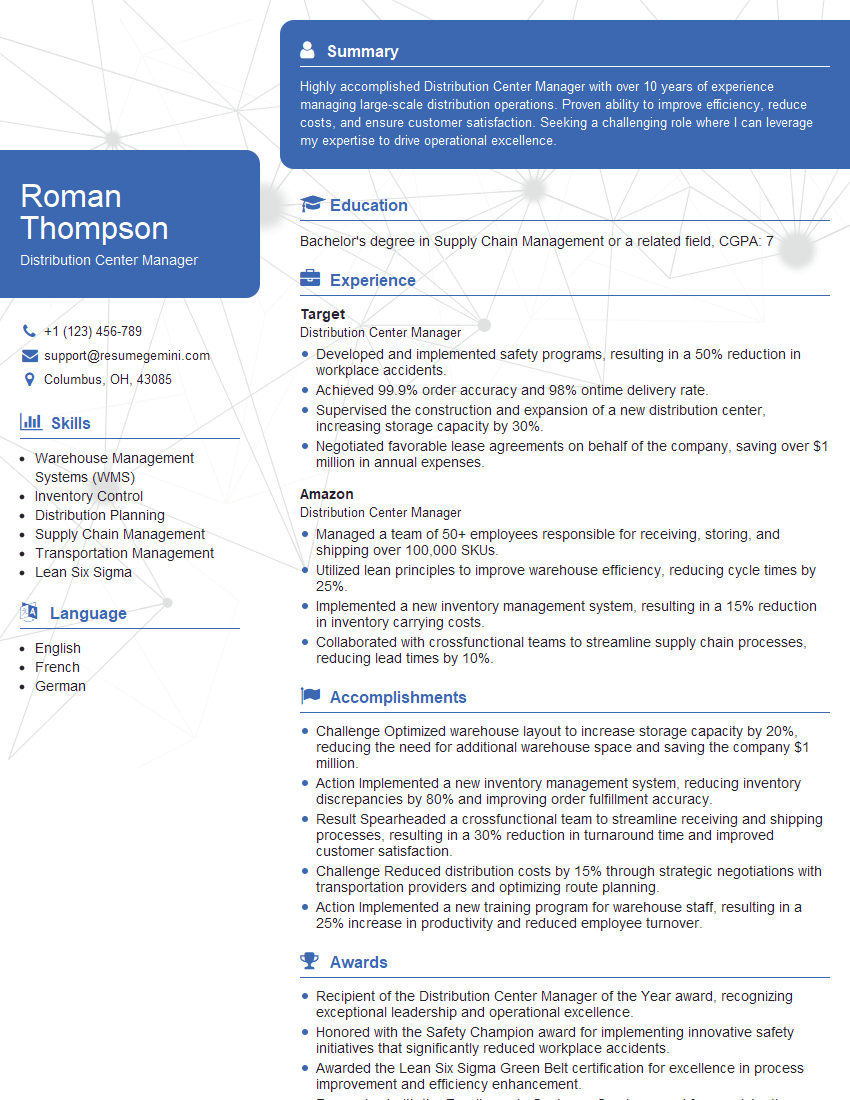
Distribution Center Manager Resume Sample
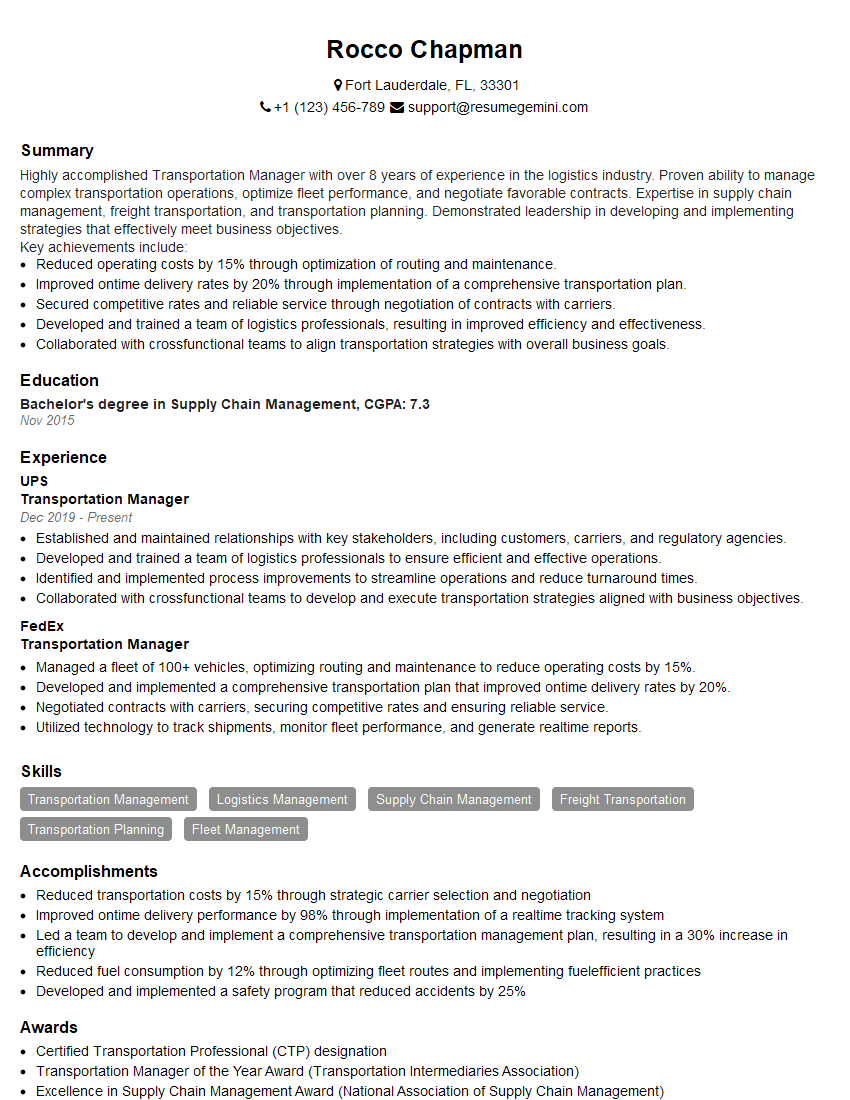
Transportation Manager Resume Sample
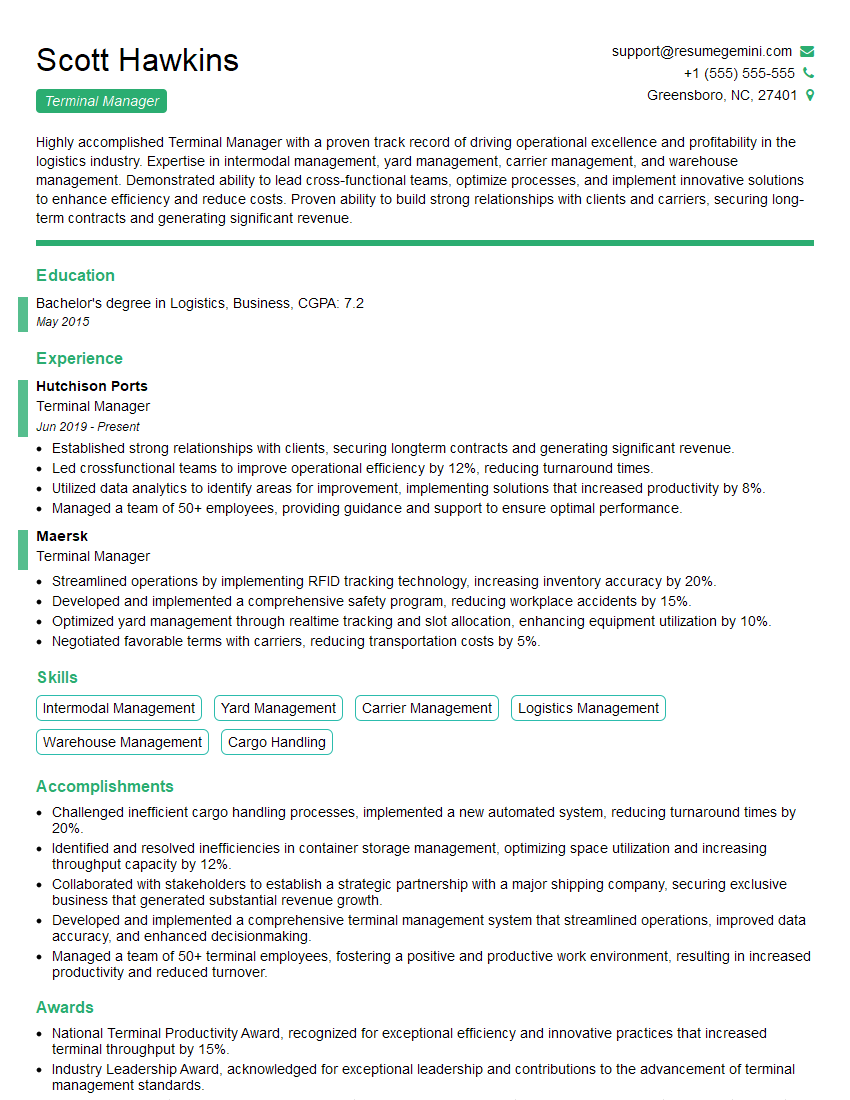
Terminal Manager Resume Sample
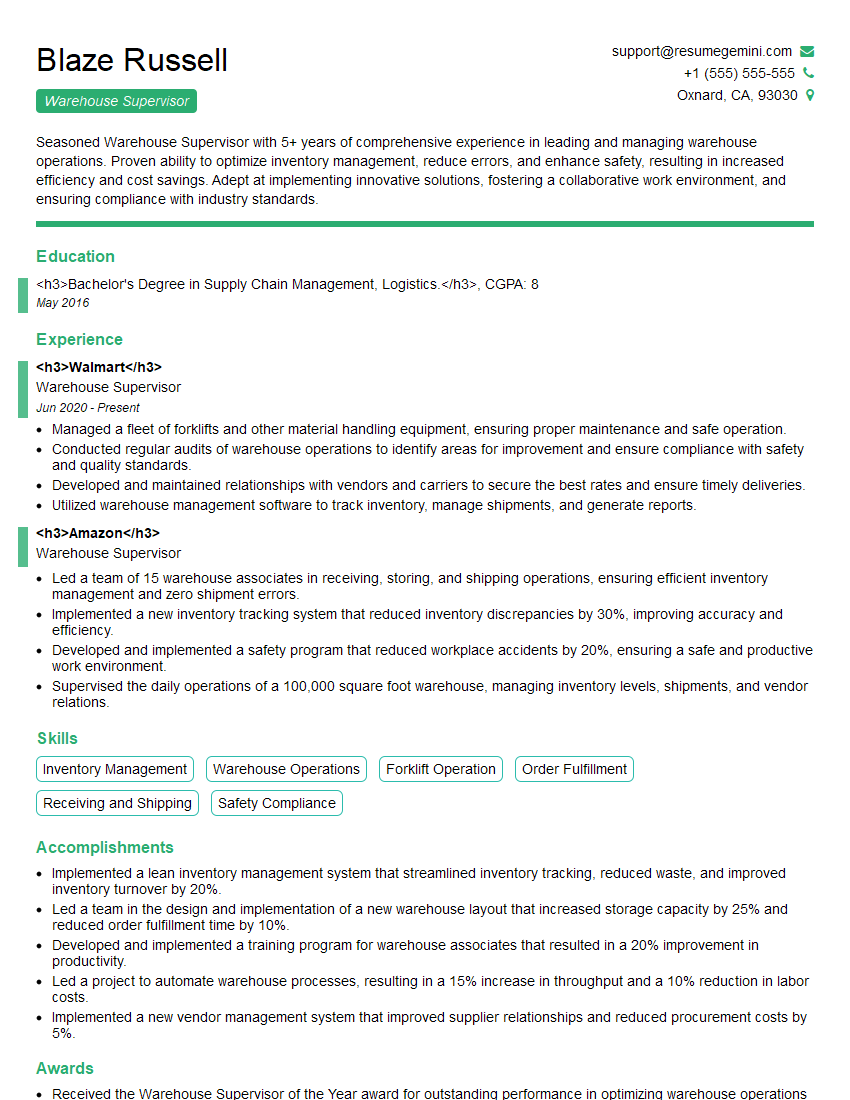
Warehouse Supervisor Resume Sample
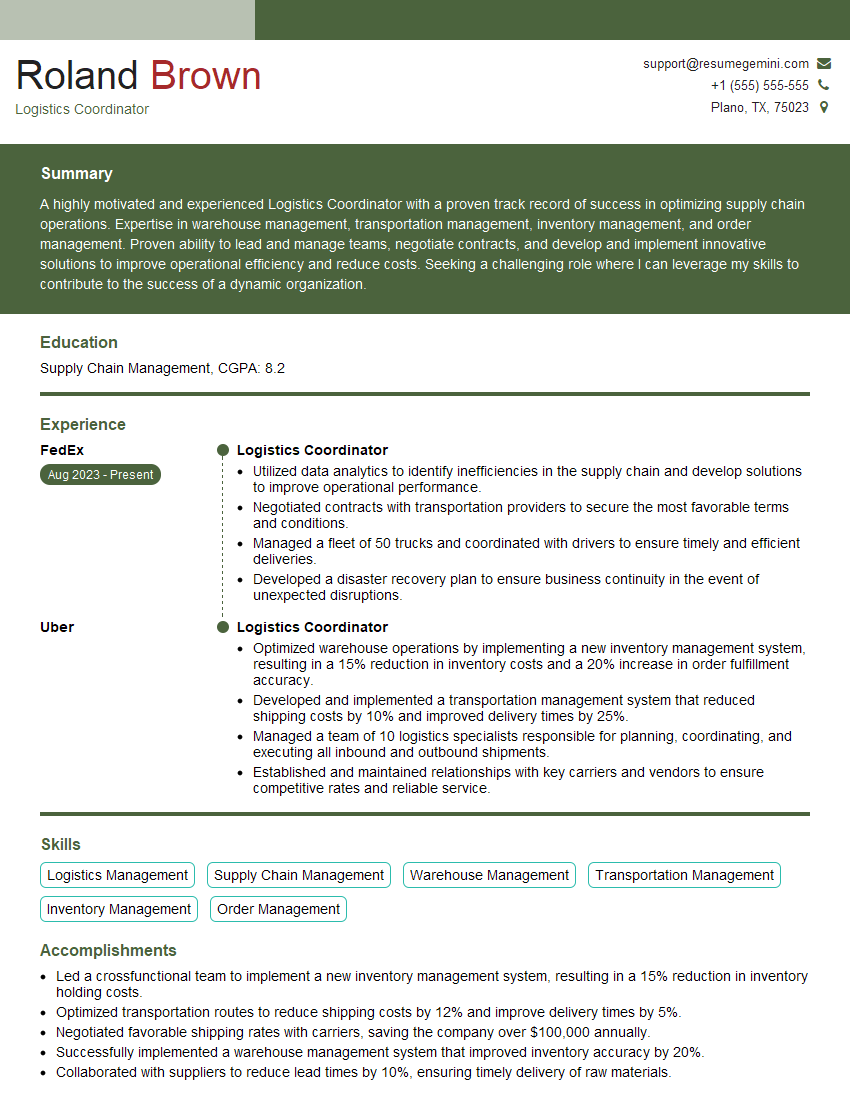
Logistics Coordinator Resume Sample
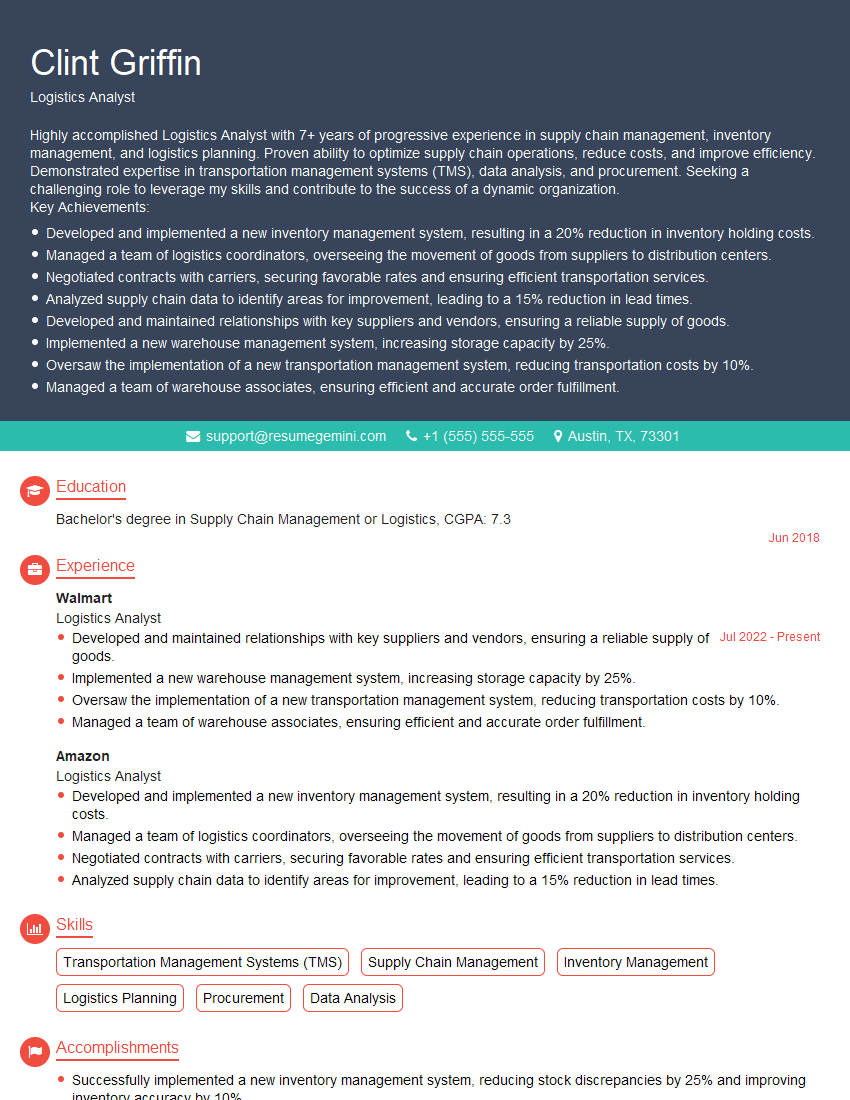
Logistics Analyst Resume Sample
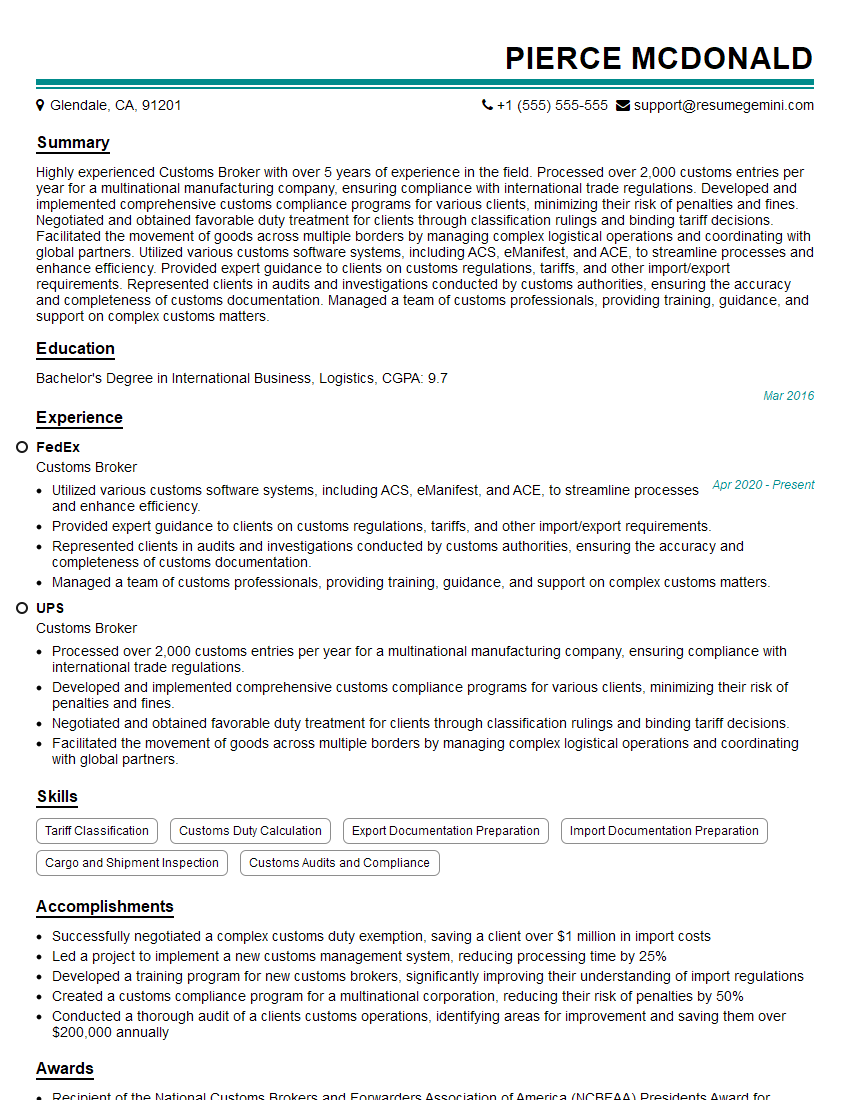
Customs Broker Resume Sample
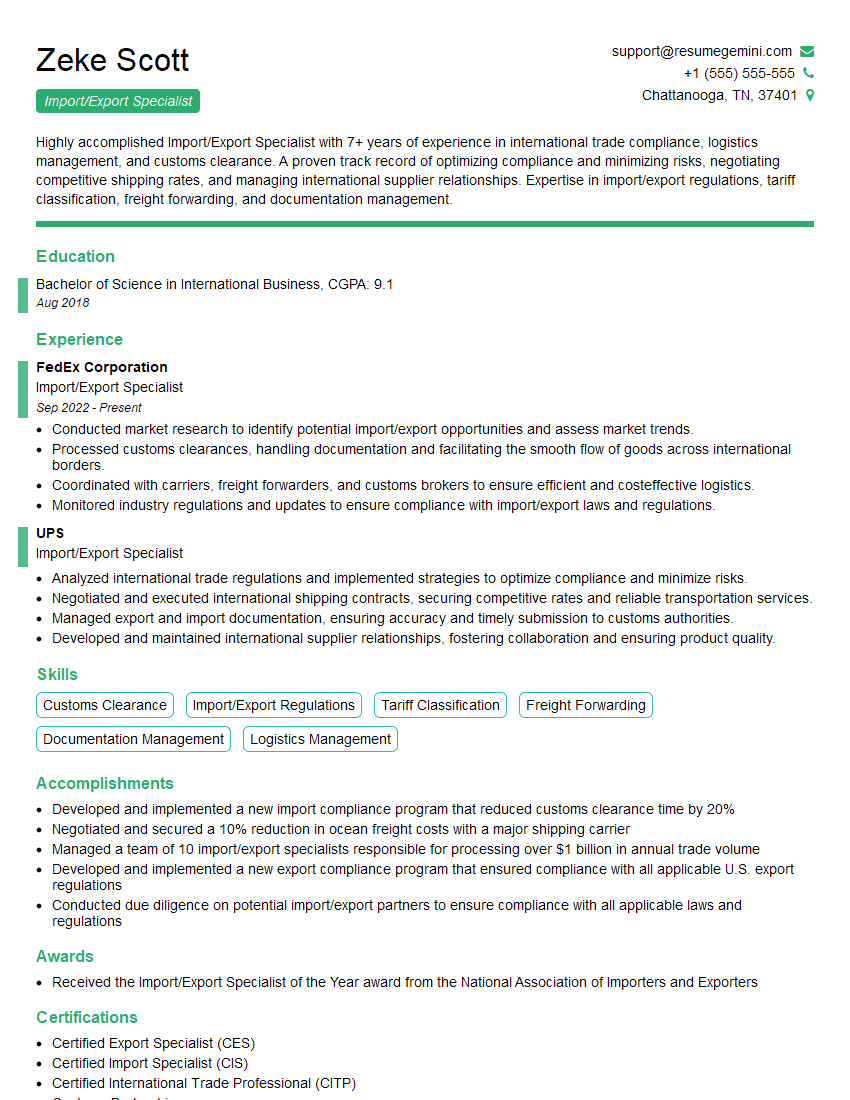
Import/Export Specialist Resume Sample

Crane Operator Resume Sample
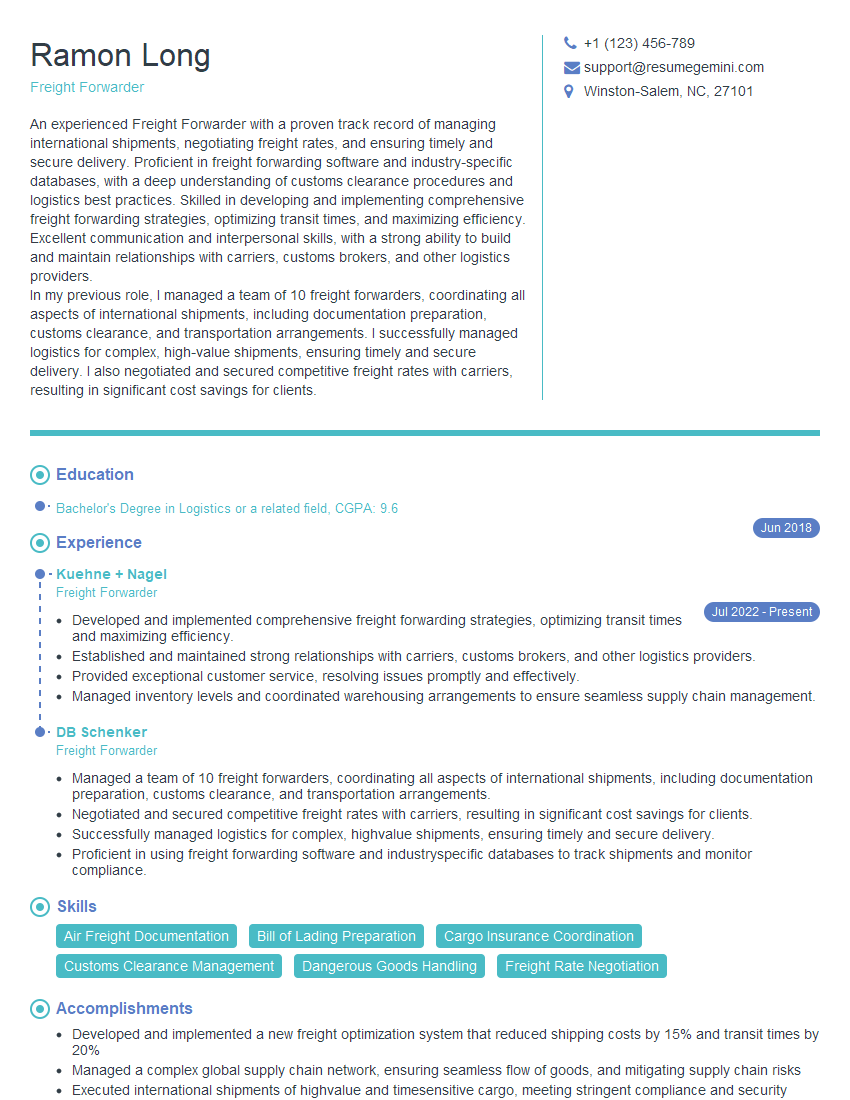
Freight Forwarder Resume Sample

Inventory Control Specialist Resume Sample

Shipping and Receiving Clerk Resume Sample
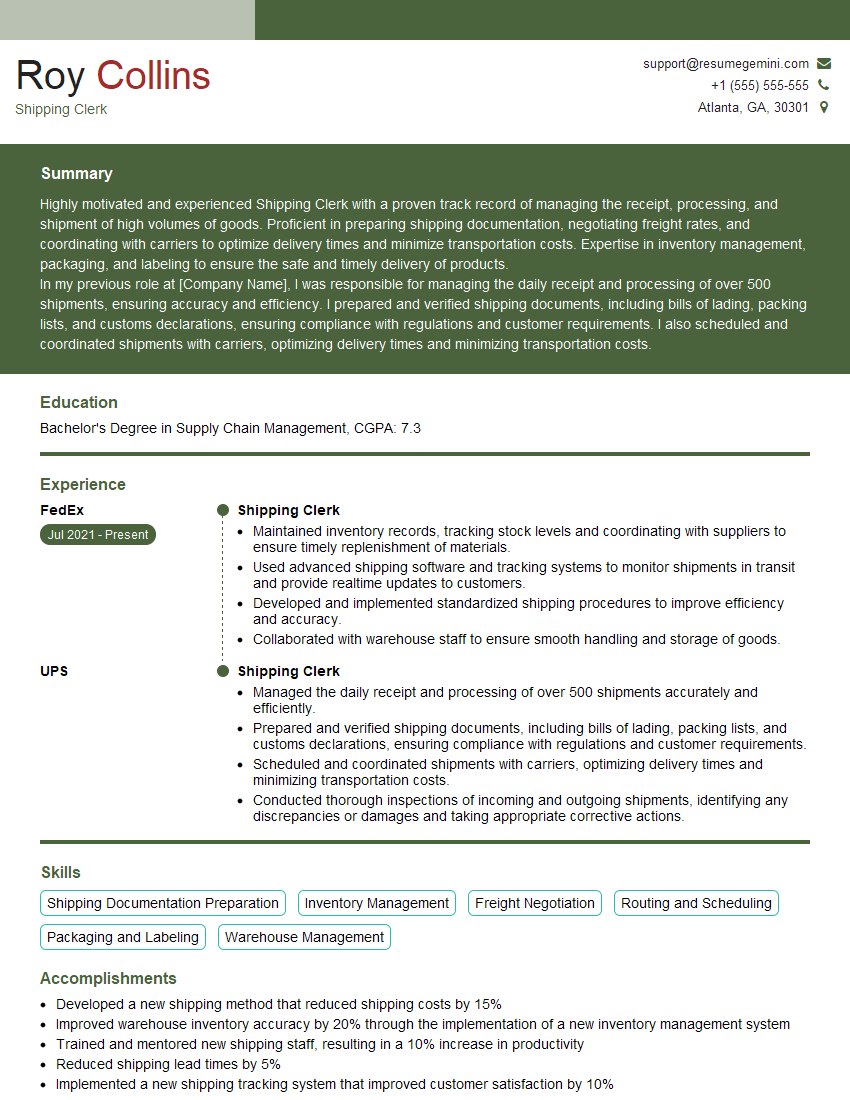
Shipping Clerk Resume Sample
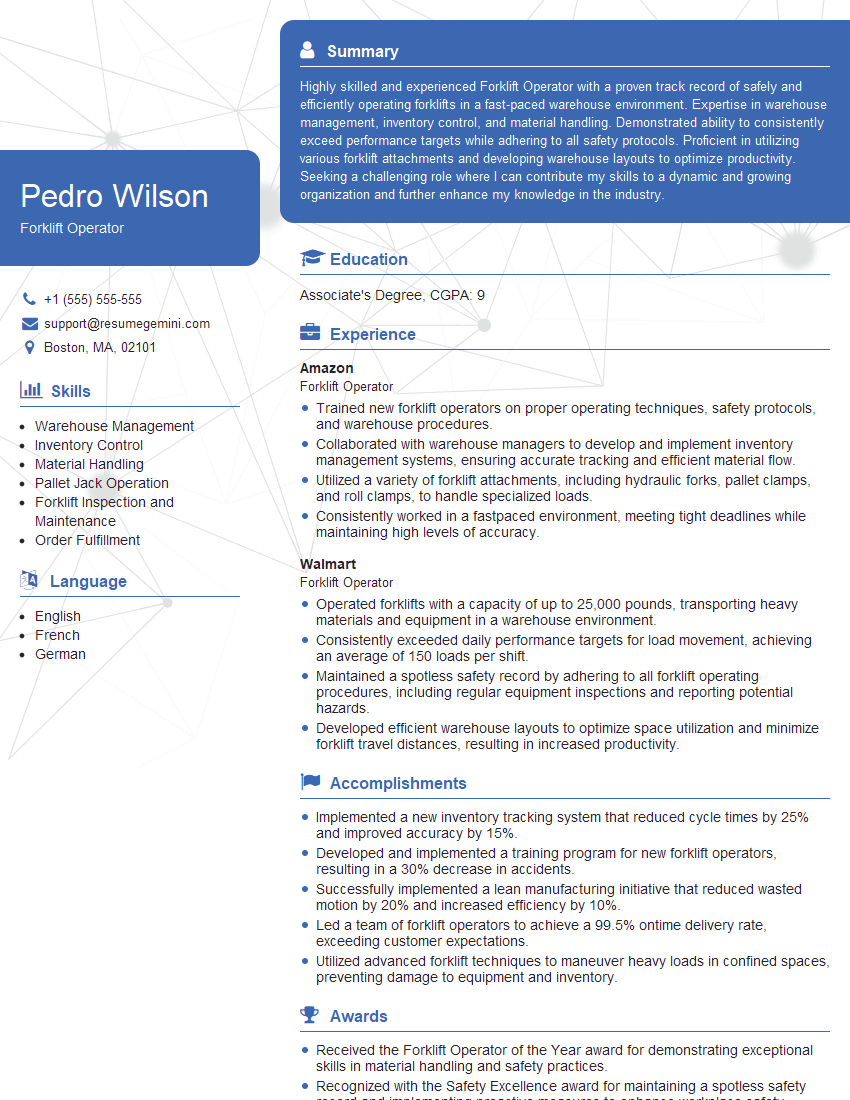
Forklift Operator Resume Sample

Cargo Surveyor Resume Sample
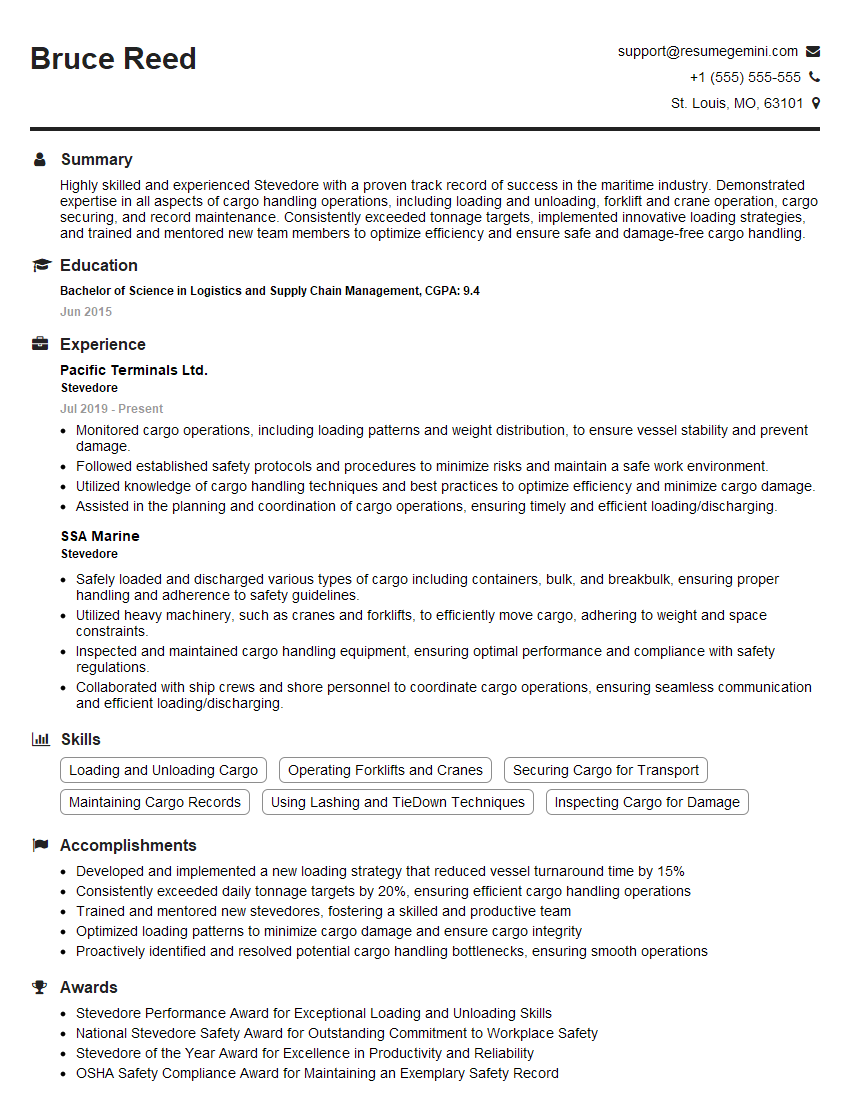
Stevedore Resume Sample
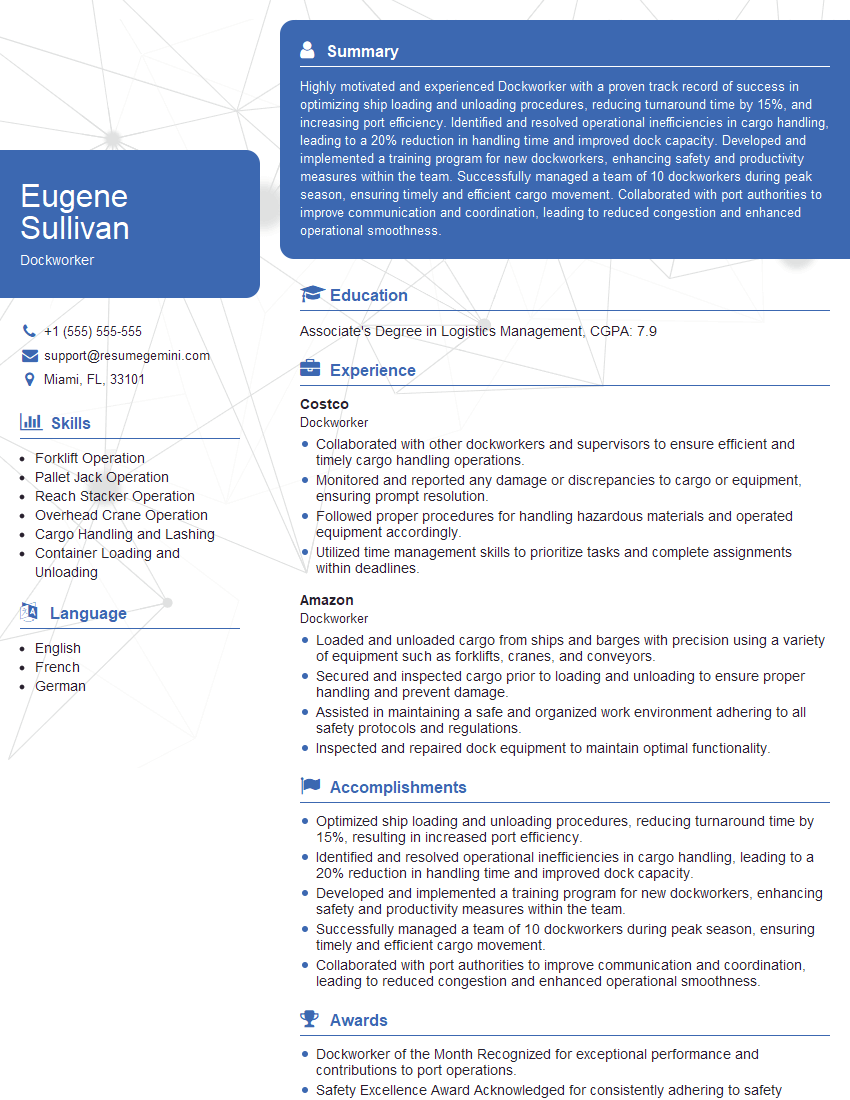
Dockworker Resume Sample
- Operations Manager
- Supply Chain Manager
- Distribution Center Manager
- Transportation Manager
- Terminal Manager
- Warehouse Supervisor
- Logistics Coordinator
- Logistics Analyst
- Customs Broker
- Import/Export Specialist
- Crane Operator
- Freight Forwarder
- Inventory Control Specialist
- Shipping and Receiving Clerk
- Shipping Clerk
- Forklift Operator
- Cargo Surveyor
- Stevedore
- Dockworker
Explore more articles
Users Rating of Our Blogs
Share Your Experience
We value your feedback! Please rate our content and share your thoughts (optional).
What Readers Say About Our Blog
Very informative content, great job.
good