Unlock your full potential by mastering the most common Centrifuging interview questions. This blog offers a deep dive into the critical topics, ensuring you’re not only prepared to answer but to excel. With these insights, you’ll approach your interview with clarity and confidence.
Questions Asked in Centrifuging Interview
Q 1. Explain the principle of centrifugation.
Centrifugation is a process that uses centrifugal force to separate components of a mixture with different densities. Imagine swirling a salad dressing – the oil (less dense) rises to the top, while the vinegar (denser) stays below. Centrifugation does this on a much larger scale and with greater precision. A centrifuge spins a sample at high speed, causing denser components to migrate towards the bottom of the tube, forming a pellet, while less dense components remain in the supernatant liquid above.
This principle is based on sedimentation; the rate at which particles settle in a liquid is proportional to their size and density, as well as the viscosity of the liquid and the applied centrifugal force. The higher the centrifugal force, the faster the separation.
Q 2. What are the different types of centrifuges and their applications?
Centrifuges come in various types, each suited for specific applications:
- Microcentrifuges: Small, benchtop centrifuges ideal for small sample volumes (e.g., PCR tubes, microplates). Used in molecular biology labs for DNA/RNA purification and other small-scale preparations.
- Clinical Centrifuges: Designed for separating blood components (plasma, serum, cells) in clinical diagnostics. They are typically larger than microcentrifuges and designed for higher throughput.
- High-Speed Centrifuges: Achieve higher speeds and centrifugal forces, allowing for the separation of subcellular organelles (mitochondria, ribosomes) and other small particles in research settings. They’re essential for cell fractionation studies.
- Ultracentrifuges: The most powerful centrifuges, capable of generating extremely high centrifugal forces. Used to isolate macromolecules (proteins, nucleic acids), viruses, and liposomes. They require specialized temperature control and vacuum systems.
- Preparative Ultracentrifuges: Designed for large-scale separations and purification, often used in the pharmaceutical and biotechnology industries. They can handle larger sample volumes for producing purified components.
Q 3. Describe the different rotors used in centrifugation and their suitability for various applications.
Different rotors are designed to accommodate various tubes and applications:
- Fixed-angle rotors: Tubes are held at a fixed angle, which can lead to a more compact pellet. Suitable for most applications, particularly those where pellet compaction is less critical.
- Swinging-bucket rotors: Tubes are in individual buckets that swing out during centrifugation, resulting in a more easily-resuspended pellet. Ideal for applications where gentle sedimentation and easy pellet resuspension are desired.
- Vertical rotors: Tubes are oriented vertically. Primarily used for density gradient separations and rate-zonal centrifugation. Provides excellent resolution but can lead to more diffuse pellets.
Rotor selection depends on the sample type, desired resolution, and the ease of pellet resuspension needed. For instance, a swinging-bucket rotor is suitable for separating blood components, while a fixed-angle rotor is better for pelleting bacteria.
Q 4. How do you determine the appropriate centrifugation speed and time for a given sample?
Determining the appropriate speed and time involves considering several factors:
- Sample type and density: Denser particles require lower speeds for separation.
- Particle size: Smaller particles need higher speeds and longer times.
- Desired separation: Complete separation of a pellet might require higher speeds and longer times compared to a partial separation.
- Literature and existing protocols: Consult published research for guidelines on optimal parameters for similar samples.
A common approach is to start with a lower speed and gradually increase it, monitoring the separation by visual inspection. You should always consult protocols and manufacturers’ recommendations to avoid damage to the centrifuge or samples.
Q 5. What safety precautions should be taken when operating a centrifuge?
Safety is paramount when operating a centrifuge. Here are key precautions:
- Balance the centrifuge: Always ensure that tubes with equal volumes and weights are placed opposite each other to prevent vibrations and damage.
- Use appropriate tubes: Only use tubes designed for the rotor and the maximum speed. Tubes not rated for high speeds may burst under centrifugal force.
- Check for damage: Inspect the centrifuge and rotors for any signs of damage before each use.
- Never open the lid during operation: The rotor spins at high speed and can cause serious injury.
- Secure loose items: Ensure there are no loose objects within the centrifuge chamber to avoid damage or malfunction.
- Follow manufacturer’s instructions: Always adhere to the specific instructions provided by the centrifuge manufacturer.
Q 6. Explain the concept of Relative Centrifugal Force (RCF) and how it is calculated.
Relative Centrifugal Force (RCF) is the force exerted on the particles in a centrifuge, expressed as a multiple of the force of gravity (g). It’s a more standardized way of comparing centrifugal forces across different centrifuges with varying speeds and rotor radii.
The formula for calculating RCF is:
RCF = 1.118 x r x (RPM/1000)^2Where:
RCFis the relative centrifugal force (in g)ris the radius of rotation (in cm), from the center of rotation to the bottom of the tube.RPMis the rotor speed in revolutions per minute.
Understanding RCF is crucial because it allows researchers to directly compare and reproduce results across different centrifuges and rotors. You’ll see RCF specified in research protocols, rather than just RPM, for reproducibility.
Q 7. How do you balance a centrifuge?
Balancing a centrifuge is critical for preventing vibrations, damage to the centrifuge, and ensuring proper separation. This involves placing tubes of equal weight opposite each other. Here’s how to do it:
- Weigh the tubes: Use an analytical balance to accurately measure the weight of each tube containing the sample.
- Pair tubes: Select pairs of tubes with similar weights within a small tolerance (usually +/- 0.1 g for most centrifuges). If you have an odd number, use a tube with an equal amount of liquid to act as a counterweight for the unbalanced tube.
- Position the tubes: Place the paired tubes directly opposite each other in the rotor. Make sure they are positioned correctly, following the manufacturer’s instructions for your specific rotor.
- Check for balance: After loading the tubes, visually inspect the rotor to ensure that it is balanced. If there’s any wobble you need to re-balance the centrifuge before operating it.
Ignoring proper balancing can lead to premature wear on centrifuge parts, and in severe cases, cause serious damage to the equipment.
Q 8. What are the potential problems that can occur during centrifugation and how can they be avoided?
Centrifugation, while a powerful separation technique, is susceptible to several problems. These can range from minor inconveniences to catastrophic equipment failure and compromised results. Let’s explore some common issues and their preventative measures.
- Imbalance: Uneven distribution of samples in the rotor leads to vibrations, potentially damaging the centrifuge and producing inaccurate results. Prevention: Always ensure samples are balanced precisely, using counterweights or pairing tubes of equal weight opposite each other. Think of it like balancing a seesaw – if one side is heavier, it’ll wobble!
- Tube Failure: Centrifuge tubes can crack or break due to high centrifugal force, especially if they are old, damaged, or improperly filled. Prevention: Use tubes appropriate for the speed and type of centrifuge, ensuring they are free from cracks or defects. Never overfill tubes, leaving sufficient headspace.
- Rotor Corrosion: Prolonged exposure to corrosive samples can damage the rotor, leading to premature wear and tear. Prevention: Use appropriate rotors for the sample type. For corrosive materials, consider using specialized, chemically resistant rotors. Regular cleaning and maintenance are crucial.
- Heat Generation: High-speed centrifugation generates heat, which can denature temperature-sensitive samples. Prevention: Use refrigerated centrifuges for temperature-sensitive materials. Keep centrifuge run times as short as necessary, and consider pre-cooling samples and the rotor.
- Aerosol Formation: High-speed centrifugation can create aerosols, potentially leading to sample contamination or exposure to hazardous materials. Prevention: Use sealed centrifuge tubes and rotors with appropriate safety features. Work in a biosafety cabinet when dealing with infectious or volatile samples.
Q 9. How do you troubleshoot a malfunctioning centrifuge?
Troubleshooting a malfunctioning centrifuge requires a systematic approach. First, ensure basic checks are complete: power supply, rotor correctly installed, and the centrifuge is level. If the problem persists:
- Check for error codes: Most modern centrifuges display error codes. Consult the user manual to diagnose the problem based on the code.
- Inspect the rotor: Examine the rotor for any damage, imbalance, or debris. Ensure it’s securely fastened.
- Inspect the drive system: Some malfunctions stem from issues in the drive mechanism. This usually requires professional service.
- Check the braking system: Problems with braking can indicate worn components. Again, professional service might be needed.
- Review recent operations: Consider if the centrifuge has been overloaded, run at excessive speeds, or if unusual samples were processed. This helps identify potential causes.
If the issue remains unresolved after these steps, contacting a qualified service technician is recommended to avoid further damage or injury. Improper repair attempts can be dangerous.
Q 10. Describe the process of preparing a sample for centrifugation.
Sample preparation is crucial for successful centrifugation. A well-prepared sample ensures efficient separation and prevents issues like tube breakage or inaccurate results. The steps generally include:
- Homogenization: If necessary, homogenize the sample to create a uniform suspension. This might involve using a homogenizer or other appropriate equipment.
- Filtration (optional): Remove large debris or particulate matter to avoid clogging or damaging the centrifuge.
- Sample volume: Ensure the appropriate sample volume for the chosen tube and centrifuge. Avoid overfilling to prevent spillage or tube rupture.
- Balancing: Balance the sample tubes with equal volumes or weights opposite each other to prevent vibration and damage.
- Pre-cooling (if needed): For temperature-sensitive samples, pre-cool the samples and the centrifuge rotor to the desired temperature.
- Tube selection: Choose appropriate tubes for the speed and type of centrifuge (e.g., polypropylene for general use, polycarbonate for high-speed applications).
Remember, precise sample preparation directly correlates with the accuracy and reliability of your centrifugation results. Taking shortcuts can lead to significant errors.
Q 11. Explain different separation techniques using centrifugation (e.g., differential, density gradient).
Centrifugation offers diverse separation techniques based on particle size and density. Here are two common methods:
- Differential Centrifugation: This is a stepwise process utilizing increasing centrifugal forces to separate particles based on their sedimentation rate. Larger, denser particles sediment first at lower speeds, followed by smaller, less dense particles at higher speeds. Think of it like sorting rocks by size – the biggest ones settle first.
- Density Gradient Centrifugation: This technique uses a density gradient medium (e.g., sucrose, cesium chloride) to separate particles based on their buoyant density. Samples are layered onto the gradient, and centrifugation separates components based on their position within the density gradient. This method is precise and suitable for separating closely related particles.
Other techniques exist, such as isopycnic centrifugation (separating by density only) and rate-zonal centrifugation (separating by sedimentation rate within a gradient). The choice depends on the properties of the sample and the desired separation.
Q 12. What are the limitations of centrifugation?
Despite its versatility, centrifugation has limitations:
- Resolution limits: It cannot resolve particles with very similar sedimentation coefficients or densities. Some molecules will remain inseparable.
- Heat generation: High-speed centrifugation can generate heat, denaturing sensitive samples. This necessitates careful temperature control.
- Sample volume: Large sample volumes may require multiple runs, impacting efficiency.
- Pellet disruption: Compact pellets can be difficult to resuspend, requiring additional steps.
- Cost: High-speed ultracentrifuges are expensive, requiring specialized training and maintenance.
It’s crucial to consider these limitations when designing experiments and selecting appropriate methodologies.
Q 13. How do you choose the appropriate centrifuge tube for a specific application?
Selecting the correct centrifuge tube is critical for safety and accurate results. Several factors dictate the choice:
- Centrifuge type and speed: Tubes must withstand the centrifugal forces generated, indicated by the RCF (Relative Centrifugal Force) rating.
- Sample properties: Consider the sample’s volume, viscosity, and chemical properties. Some tubes are chemically resistant, while others are suitable for biological samples.
- Material: Common materials include polypropylene (PP), polycarbonate (PC), and polystyrene (PS). Each material has different properties regarding strength, chemical resistance, and transparency.
- Sterility: Sterile tubes are essential for applications requiring contamination control.
- Shape and size: Tubes come in various shapes and sizes to fit different rotors. Choose tubes compatible with your centrifuge.
Always check the manufacturer’s specifications for compatibility before use. Using an inappropriate tube can lead to breakage, sample loss, and equipment damage.
Q 14. Explain the importance of proper documentation in centrifugation procedures.
Proper documentation in centrifugation is crucial for reproducibility, traceability, and compliance with safety regulations. It ensures that experiments can be accurately repeated, and that results are reliable and verifiable. Detailed records should include:
- Sample information: Sample identification, source, preparation method, and volume.
- Centrifuge parameters: Centrifuge model, rotor type, speed (RPM or RCF), time, temperature, and braking settings.
- Date and time: Precise record of the experiment’s date and time.
- Operator’s initials: Identification of the individual who performed the centrifugation.
- Any observations: Note any unusual occurrences, such as excessive vibration, unusual sounds, or temperature fluctuations.
- Results: Describe the pellet and supernatant obtained, including volume and appearance.
A well-maintained centrifuge logbook is essential for effective laboratory management and ensures compliance with regulatory standards such as GLP (Good Laboratory Practice).
Q 15. What are the different types of centrifuge tubes and their materials?
Centrifuge tubes come in a variety of types, each chosen based on the application and the properties of the sample being processed. The choice of material is crucial as it impacts sample integrity and the tube’s ability to withstand the centrifugal forces.
- Polypropylene (PP) tubes: These are the most common type, known for their chemical resistance, autoclavability (able to withstand high-pressure steam sterilization), and wide temperature tolerance. They are suitable for most biological samples and many chemical applications. I’ve used these extensively in my work with cell cultures and protein purifications.
- Polycarbonate (PC) tubes: Stronger than polypropylene, these tubes are often preferred for high-speed centrifugation applications. They can withstand higher centrifugal forces but might have limitations with certain solvents.
- Glass tubes: While less commonly used now due to the risk of breakage, glass tubes offer superior chemical inertness. They are suitable for samples requiring minimal interaction with the container material, but require careful handling and are not autoclavable.
- Polyethylene terephthalate (PETG) tubes: These offer good clarity and chemical resistance, making them useful for visual observation of samples during centrifugation. I’ve used these when observing precipitation reactions.
- Specialty tubes: Specialized tubes exist with features like self-standing bases, graduated markings, or conical bottoms, optimized for specific applications. For example, conical tubes are particularly useful for pelleting cells during a cell culture harvest.
The choice of tube material and type is always a critical consideration before starting any centrifugation experiment. The wrong choice can lead to sample loss, tube breakage, or even contamination.
Career Expert Tips:
- Ace those interviews! Prepare effectively by reviewing the Top 50 Most Common Interview Questions on ResumeGemini.
- Navigate your job search with confidence! Explore a wide range of Career Tips on ResumeGemini. Learn about common challenges and recommendations to overcome them.
- Craft the perfect resume! Master the Art of Resume Writing with ResumeGemini’s guide. Showcase your unique qualifications and achievements effectively.
- Don’t miss out on holiday savings! Build your dream resume with ResumeGemini’s ATS optimized templates.
Q 16. How do you clean and maintain a centrifuge?
Maintaining a centrifuge is vital to ensure accurate results and prolonged lifespan. Cleaning and maintenance protocols vary depending on the centrifuge model and the nature of the samples processed, but some general principles apply.
- Regular Cleaning: After each use, carefully remove any spills or debris from the rotor chamber and the centrifuge’s exterior. Use a suitable disinfectant depending on the nature of the samples; for example, 70% ethanol is effective against many biological contaminants. Always refer to the manufacturer’s instructions for recommended cleaning agents and procedures.
- Rotor Maintenance: Rotors should be inspected regularly for damage, cracks, or corrosion. They require periodic lubrication according to the manufacturer’s instructions. Failure to maintain rotors properly can lead to imbalance and potentially hazardous situations.
- Calibration: Centrifuges should be calibrated regularly to ensure speed accuracy. I often use a calibrated tachometer to verify the set speed against the actual speed achieved by the centrifuge. A deviation outside the manufacturer’s tolerance requires professional servicing.
- Documentation: Maintaining thorough cleaning and maintenance logs is crucial. These logs help track service history, identify potential issues early, and ensure compliance with regulatory guidelines.
Remember, always power down and disconnect the centrifuge before performing any cleaning or maintenance task. Proper maintenance not only prolongs the life of the centrifuge but also contributes to safety and reliability.
Q 17. Describe the calibration and validation procedures for a centrifuge.
Calibration and validation of a centrifuge are critical steps to ensure its accuracy and reliability. Calibration verifies that the centrifuge’s displayed speed matches the actual speed, while validation confirms the centrifuge’s performance meets predefined specifications.
- Calibration: Calibration usually involves using a calibrated tachometer or similar device to measure the actual speed of the rotor at different settings. Any discrepancies between the displayed speed and the measured speed should be documented and corrected, often by a qualified service technician. This process is usually performed annually or according to the manufacturer’s recommendations.
- Validation: This broader process assesses the overall performance of the centrifuge, including speed accuracy, temperature control (if applicable), and overall safety. It often involves testing the centrifuge’s performance using specific test samples and comparing the results to predetermined acceptance criteria. Validation is more comprehensive and typically conducted during initial installation and periodically after major maintenance or repair.
Calibration and validation procedures are essential for ensuring the accuracy and reliability of centrifugation results, especially in regulated environments such as pharmaceutical and clinical laboratories.
Q 18. What are the regulatory requirements for using centrifuges in various industries (e.g., pharmaceuticals, clinical labs)?
Regulatory requirements for centrifuge use vary significantly depending on the industry and the specific application. General principles of safety and good laboratory practices (GLP) always apply.
- Pharmaceuticals: Pharmaceutical companies operate under stringent regulations like GMP (Good Manufacturing Practices) and must adhere to guidelines from agencies like the FDA (Food and Drug Administration). These regulations dictate meticulous documentation, calibration procedures, and stringent quality control measures for all equipment, including centrifuges.
- Clinical Laboratories: Clinical laboratories are subject to regulations and accreditation standards (e.g., CAP, ISO 15189) that mandate regular calibration, maintenance records, and quality control procedures to ensure the accuracy and reliability of test results. Strict protocols for handling biological samples are also paramount.
- Research Laboratories: Research labs generally follow GLP guidelines, prioritizing safety and accuracy. While not always subject to the same rigorous regulatory oversight as pharmaceutical or clinical settings, meticulous record-keeping and adherence to safety protocols are crucial.
Regardless of the industry, proper training, adherence to safety guidelines, and comprehensive documentation are fundamental to responsible centrifuge usage.
Q 19. How do you handle spills or accidents involving centrifuge samples?
Handling spills or accidents involving centrifuge samples requires immediate and decisive action to mitigate risks to personnel and the environment. The response protocol depends on the nature of the spilled material.
- Immediate Actions: Turn off the centrifuge and evacuate the immediate area. Avoid direct contact with the spilled material. Notify appropriate personnel, such as a supervisor or safety officer.
- Containment: Contain the spill using absorbent materials appropriate for the spilled substance. For biological materials, use absorbent pads designed for biohazard cleanup. For chemical spills, consult the Safety Data Sheet (SDS) for the appropriate cleanup procedure.
- Decontamination: Decontaminate the affected area using a suitable disinfectant or cleaning agent according to the SDS for the specific substance. For biological samples, appropriate disinfectants, often bleach solutions, are used. Proper disposal of contaminated materials is essential.
- Documentation: Document the incident, including the date, time, location, nature of the spill, cleanup procedures, and any injuries.
Training on spill response protocols is critical for all personnel who work with centrifuges. A well-rehearsed emergency plan can minimize risks and ensure a safe and efficient response.
Q 20. Describe your experience with different types of centrifuge rotors (e.g., fixed-angle, swing-bucket).
Different centrifuge rotors are designed for specific applications. The choice of rotor depends on the sample volume, the required separation force, and the desired pellet formation.
- Fixed-angle rotors: These rotors hold the tubes at a fixed angle (typically 45° or less). The pellet forms on the side wall of the tube at this angle. This design is efficient for separating smaller particles and is suitable for high-speed centrifugation where high centrifugal force is needed. I’ve extensively used these for separating subcellular organelles like mitochondria and nuclei.
- Swinging-bucket rotors: In these rotors, the tubes are held in buckets that swing out horizontally during centrifugation. The pellet forms at the bottom of the tube. They are preferred for larger particles or when the pellet needs to be easily resuspended. This is a common choice when working with cells, blood samples, or larger precipitates.
- Other rotor types: Other rotor types exist, including vertical rotors and zonal rotors, each designed for specific applications such as density gradient centrifugation.
Proper rotor selection is crucial for successful centrifugation. Incorrect rotor choice can lead to inefficient separation, sample damage, or even rotor failure.
Q 21. Explain the concept of sedimentation coefficient.
The sedimentation coefficient (s) is a measure of a particle’s sedimentation rate in a centrifugal field. It’s an intrinsic property of the particle, reflecting its size, shape, and density relative to the surrounding medium. A higher sedimentation coefficient indicates a faster sedimentation rate.
The sedimentation coefficient is expressed in Svedberg units (S), where 1 S = 10-13 seconds. It’s important to note that the sedimentation coefficient isn’t solely dependent on the mass of the particle; the shape and density of the particle in the surrounding medium also significantly influence its value. For example, a larger, denser particle will generally have a higher sedimentation coefficient than a smaller, less dense particle, given similar shapes. We use this value extensively in various analytical techniques, such as determining the molecular weights of macromolecules through ultracentrifugation.
Imagine two balls of equal mass, one made of lead (dense) and the other of styrofoam (less dense), being spun in a centrifuge. The lead ball will sediment faster, having a higher sedimentation coefficient than the styrofoam ball, even though their masses are the same. The sedimentation coefficient reflects this difference in sedimentation behavior.
Q 22. How do you interpret the results obtained from centrifugation?
Interpreting centrifugation results involves analyzing the distribution of components within the centrifuge tube after the run. This distribution reflects the relative densities of the different components. Heavier components will pellet at the bottom, while lighter components will remain in the supernatant (the liquid above the pellet). The size and density of the pellet are key observations.
For example, in cell separation, a tight, dense pellet indicates a successful separation of cells from the media. A fluffy or diffuse pellet might indicate cell damage or incomplete separation. In protein purification, the pellet might contain the target protein, which is further analyzed using techniques such as SDS-PAGE or Western blotting to verify its purity and concentration. The supernatant might contain other proteins or unwanted components. The relative volumes of pellet and supernatant are crucial for assessing separation efficiency.
Careful visual inspection of the tube, followed by quantitative analysis (measuring the pellet’s weight or determining the protein concentration in the pellet and supernatant using spectrophotometry or other appropriate assays) is essential for a thorough interpretation.
Q 23. What are the advantages and disadvantages of using ultracentrifugation?
Ultracentrifugation, using ultra-high speeds, offers advantages in separating particles of very similar densities, crucial for isolating subcellular organelles like ribosomes or separating macromolecules like proteins or nucleic acids. The high centrifugal force allows for achieving higher resolution separations than with lower-speed centrifugation.
- Advantages: High resolution separation of macromolecules and subcellular components; crucial for isolating viruses, membrane components, and other difficult-to-separate entities.
- Disadvantages: High cost of equipment; specialized expertise needed for operation and maintenance; sample volumes tend to be smaller than with lower-speed centrifugation; samples can experience excessive shear stress or heat generation, potentially damaging the components.
For example, in virology research, ultracentrifugation is essential for purifying viruses from cell culture supernatant, allowing for further study of their properties.
Q 24. Describe your experience with different types of centrifugation applications (e.g., cell separation, protein purification).
My experience spans various centrifugation applications. In cell separation, I’ve extensively used differential centrifugation to isolate various blood components—separating red blood cells, white blood cells, and platelets—a critical step in blood banking and clinical diagnostics. Density gradient centrifugation has been utilized for isolating specific cell types from complex mixtures, such as isolating lymphocytes for immunological studies.
In protein purification, I’ve employed several approaches: differential centrifugation for initial cell lysis and removal of debris; density gradient centrifugation for separating proteins based on their sedimentation coefficients; and ultracentrifugation to isolate membrane proteins.
I’ve also worked with preparative ultracentrifugation to isolate large quantities of purified proteins and analytical ultracentrifugation to study protein interactions and determine their molecular weight and shape.
Q 25. Explain the role of temperature control in centrifugation.
Temperature control is critical in centrifugation because many biological samples are temperature-sensitive. Changes in temperature can affect the stability and activity of proteins and other macromolecules, leading to denaturation or aggregation, and compromising the integrity and accuracy of the results.
Maintaining a consistent low temperature (e.g., 4°C) reduces the risk of heat-induced damage during high-speed centrifugation. Many centrifuges offer refrigerated rotors to control temperature precisely. For instance, if you’re centrifuging a sample containing enzymes, maintaining a low temperature ensures enzymatic activity is not lost during centrifugation.
In some cases, controlled warming or cooling during centrifugation might be essential for specific applications, though this is less common than maintaining low temperatures for sample protection.
Q 26. How do you ensure the sterility of samples during centrifugation?
Ensuring sample sterility during centrifugation requires careful attention to several aspects. First, sterile centrifuge tubes and other equipment are crucial. Secondly, using a biosafety cabinet to perform the sample preparation minimizes the introduction of contaminants. Sterile techniques should be practiced throughout the process to avoid cross-contamination.
Using appropriate rotors designed for sterile applications with sealed buckets or tubes can prevent aerosol formation. After centrifugation, the samples should be handled aseptically to avoid recontamination.
For particularly sensitive applications, the use of sterile filtration units can be incorporated into the workflow before centrifugation. It is important to note that depending on the sensitivity of the experiment, the application of aseptic techniques might be modified.
Q 27. What are some advanced centrifugation techniques (e.g., preparative ultracentrifugation, analytical ultracentrifugation) and their applications?
Preparative ultracentrifugation focuses on isolating large quantities of purified components. It’s frequently used in industry for purifying biopharmaceuticals or isolating specific organelles for further studies. For instance, isolating mitochondria for studying their energy production mechanisms or purifying specific viral particles for vaccine development.
Analytical ultracentrifugation (AUC) is a powerful technique used for determining the molecular weight, size, and shape of macromolecules. It measures the sedimentation rate of particles subjected to ultra-high centrifugal forces. It also can be used to study macromolecular interactions, like protein-protein or protein-DNA interactions. AUC is valuable for characterizing proteins and determining their aggregation state, critical for understanding protein function and stability, including during drug development.
Q 28. Describe your experience with data analysis and interpretation from centrifugation experiments.
Data analysis from centrifugation experiments often involves quantitative analysis of the pellet and supernatant. This might include measuring the concentration of proteins or other molecules using spectrophotometry, determining the amount of DNA using fluorometry, and assessing cell viability through counting methods. Software specifically designed for processing centrifugation data often helps analyze the sedimentation patterns from analytical ultracentrifugation, allowing the determination of sedimentation coefficients and molecular weight.
I use statistical analysis to determine the significance of differences between experimental groups, and error bars are included in graphs to depict the variability of results. My experience also incorporates using specialized software for data analysis of AUC experiments. The results are always interpreted in the context of the experimental design and objectives, keeping in mind potential limitations and sources of error.
Key Topics to Learn for Your Centrifuging Interview
- Principles of Centrifugation: Understand the fundamental physics behind centrifugal force, sedimentation, and the separation of different components based on density and size.
- Types of Centrifuges: Familiarize yourself with various centrifuge types (e.g., preparative, analytical, ultracentrifuges) and their applications in different fields.
- Operational Procedures: Master safe operating procedures, including sample preparation, balancing techniques, and the selection of appropriate rotors and speeds.
- Data Analysis and Interpretation: Learn to analyze sedimentation profiles, calculate sedimentation coefficients, and interpret results in the context of the experiment’s objectives.
- Applications in Different Fields: Explore the diverse applications of centrifugation in various industries such as biopharmaceuticals, research, and clinical diagnostics. Consider examples of specific applications you’ve worked with.
- Troubleshooting and Maintenance: Understand common problems encountered during centrifugation and their solutions. Be prepared to discuss preventative maintenance practices.
- Safety Protocols: Demonstrate a thorough understanding of safety regulations and procedures related to the operation and maintenance of centrifuges.
- Advanced Techniques: Depending on the seniority of the role, be prepared to discuss more advanced techniques such as density gradient centrifugation or rate-zonal centrifugation.
Next Steps
Mastering centrifugation opens doors to exciting career opportunities in diverse and rapidly growing fields. To maximize your chances of landing your dream role, creating a strong, ATS-friendly resume is crucial. ResumeGemini can help you build a professional and impactful resume that highlights your skills and experience effectively. We provide examples of resumes tailored specifically to Centrifuging roles to give you a head start. Take the next step towards your successful career in Centrifuging today!
Plant Manager Resume Sample
Laboratory Manager Resume Sample

Quality Assurance Manager Resume Sample
Regulatory Affairs Specialist Resume Sample
Bioprocess Engineer Resume Sample
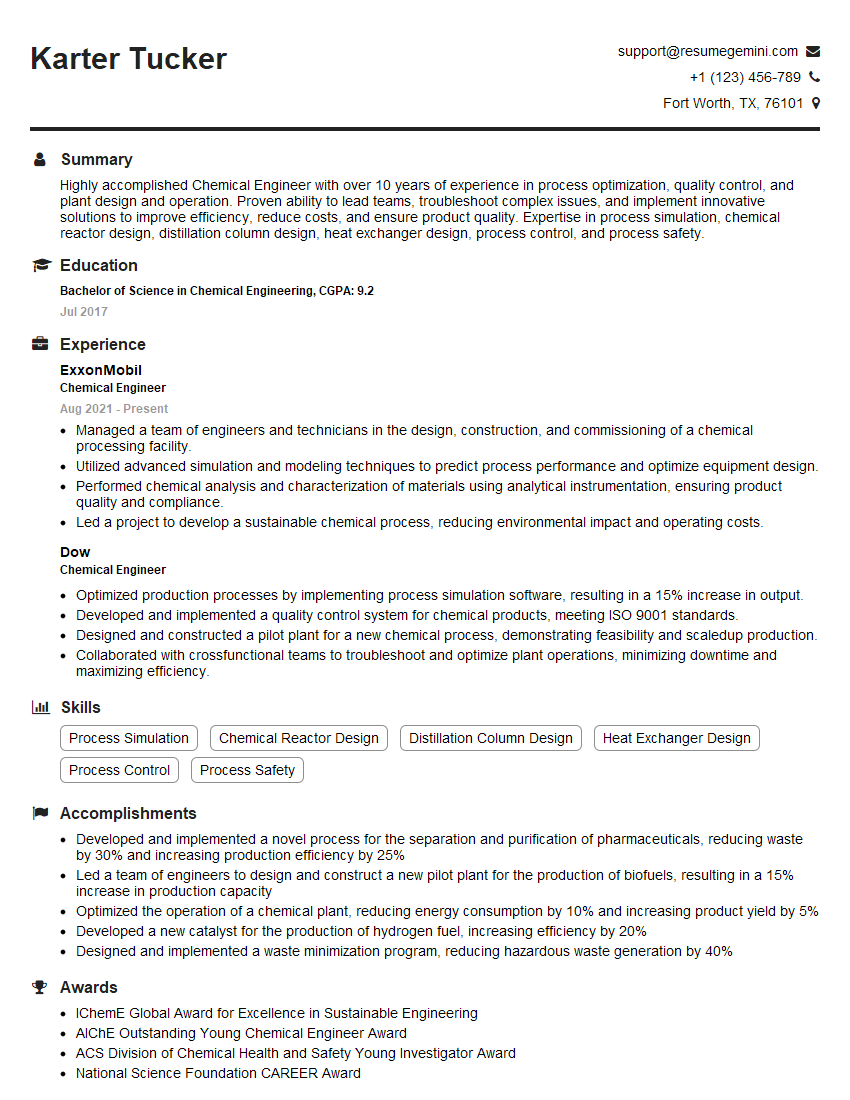
Chemical Engineer Resume Sample
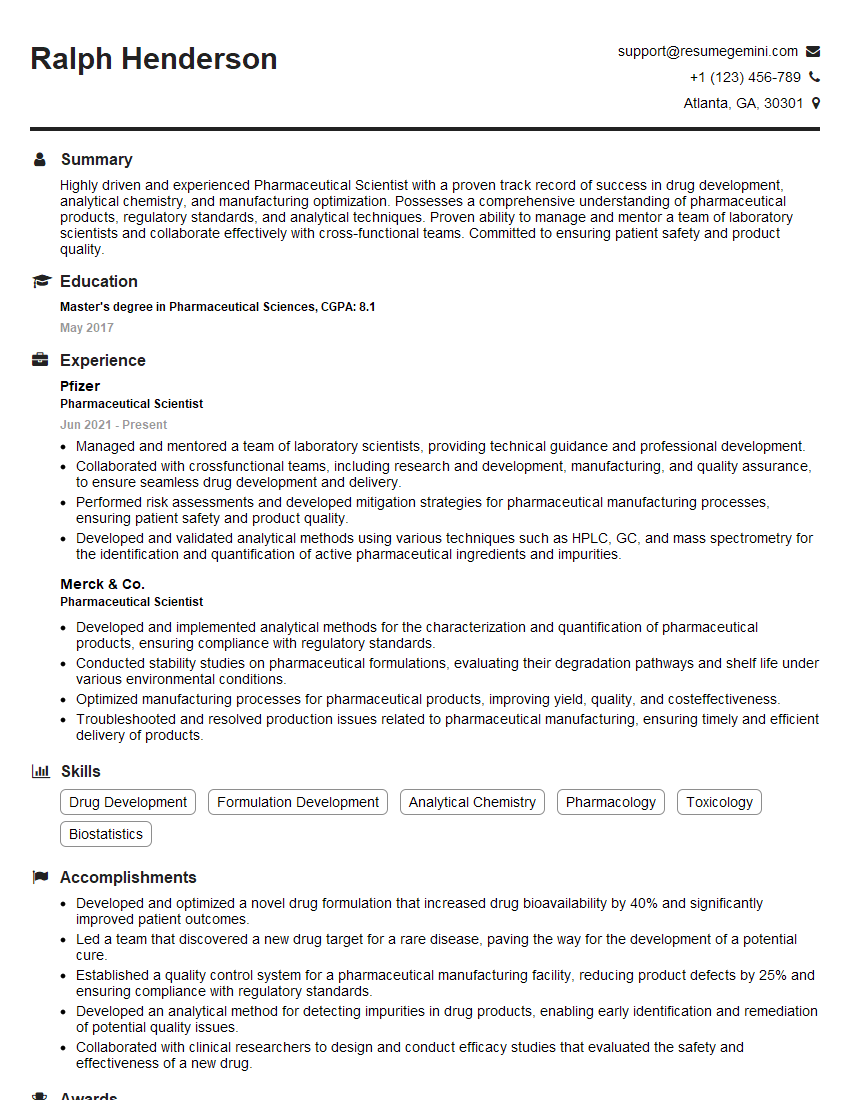
Pharmaceutical Scientist Resume Sample
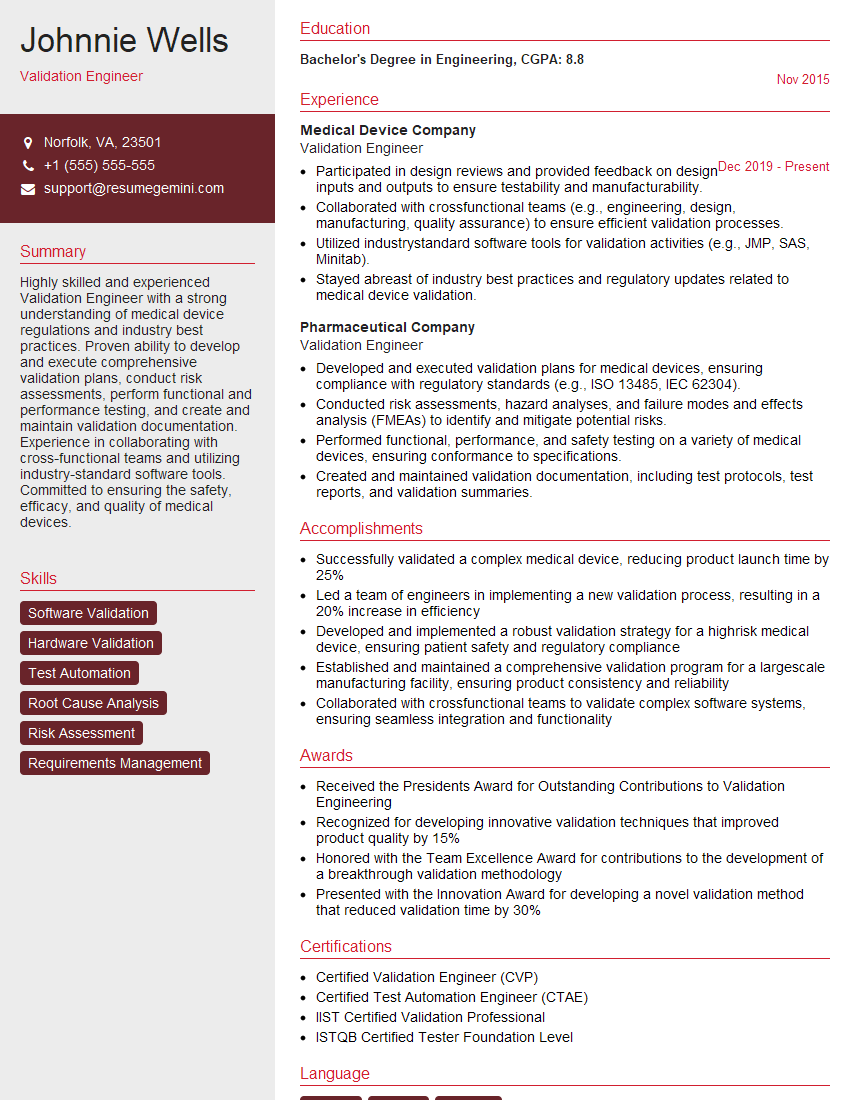
Validation Engineer Resume Sample
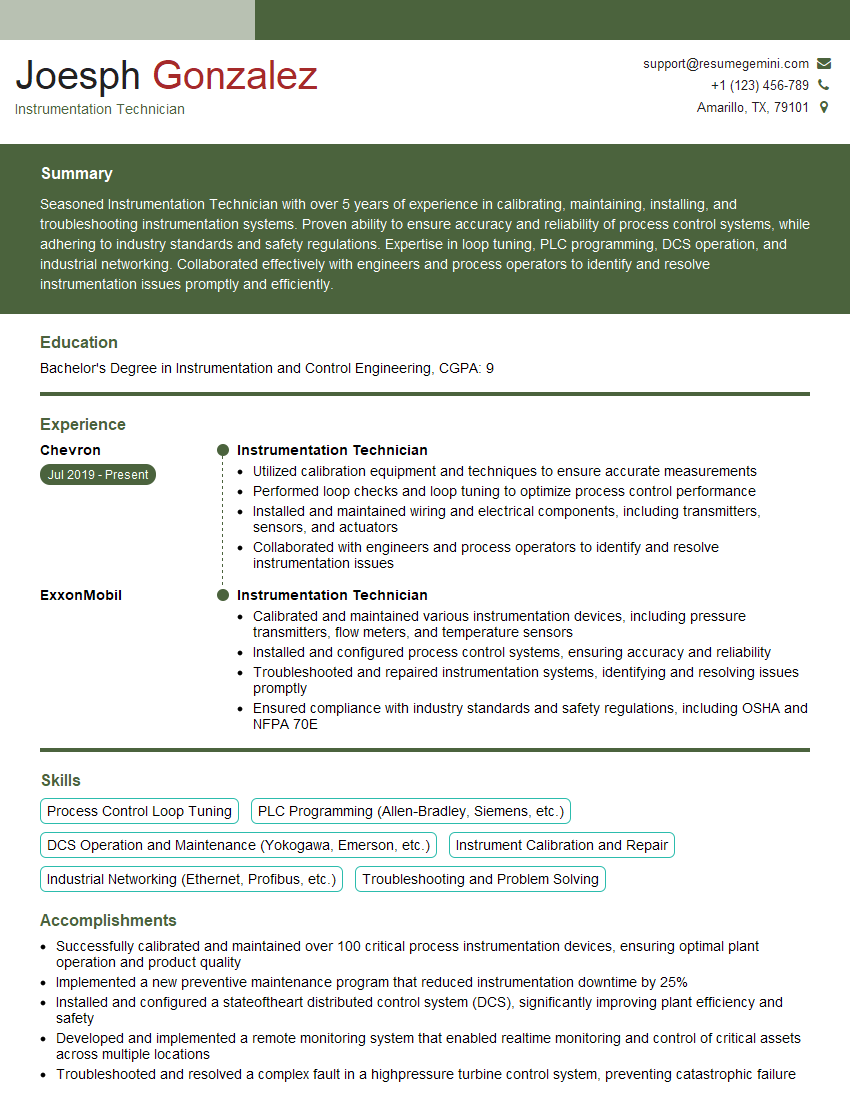
Instrumentation Technician Resume Sample

Clinical Laboratory Scientist Resume Sample
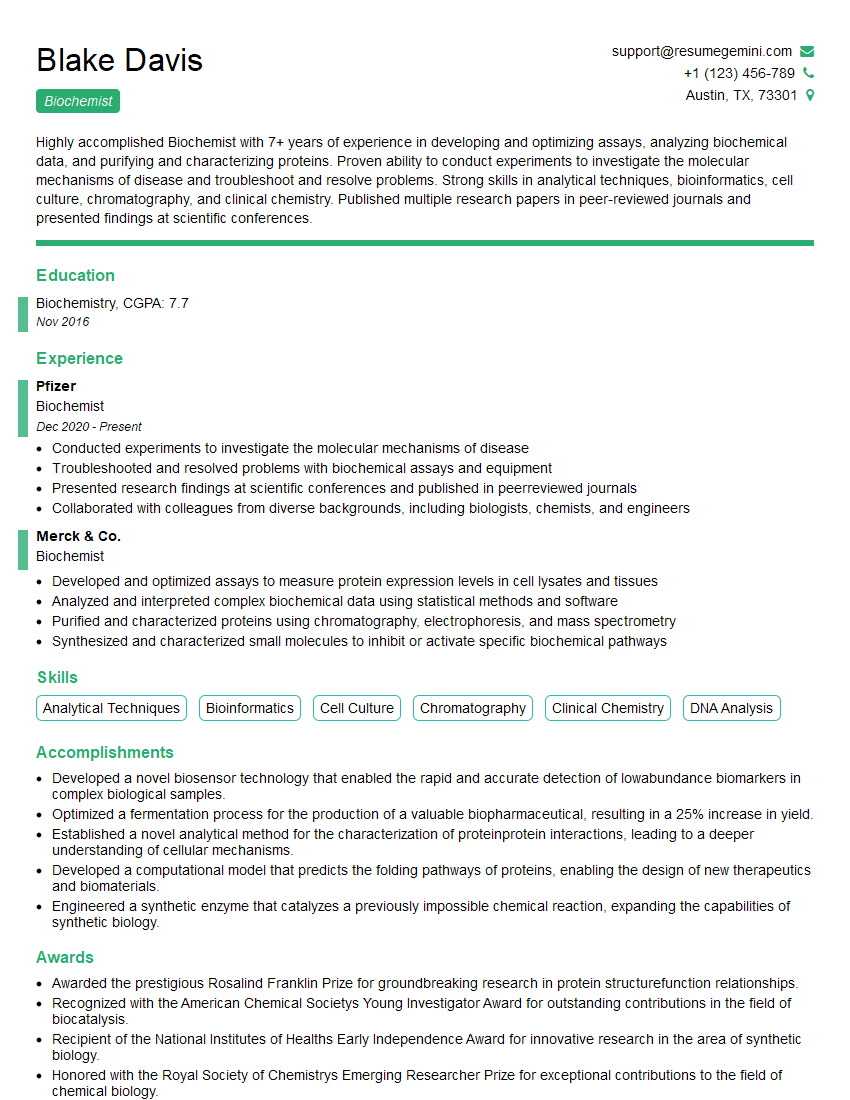
Biochemist Resume Sample
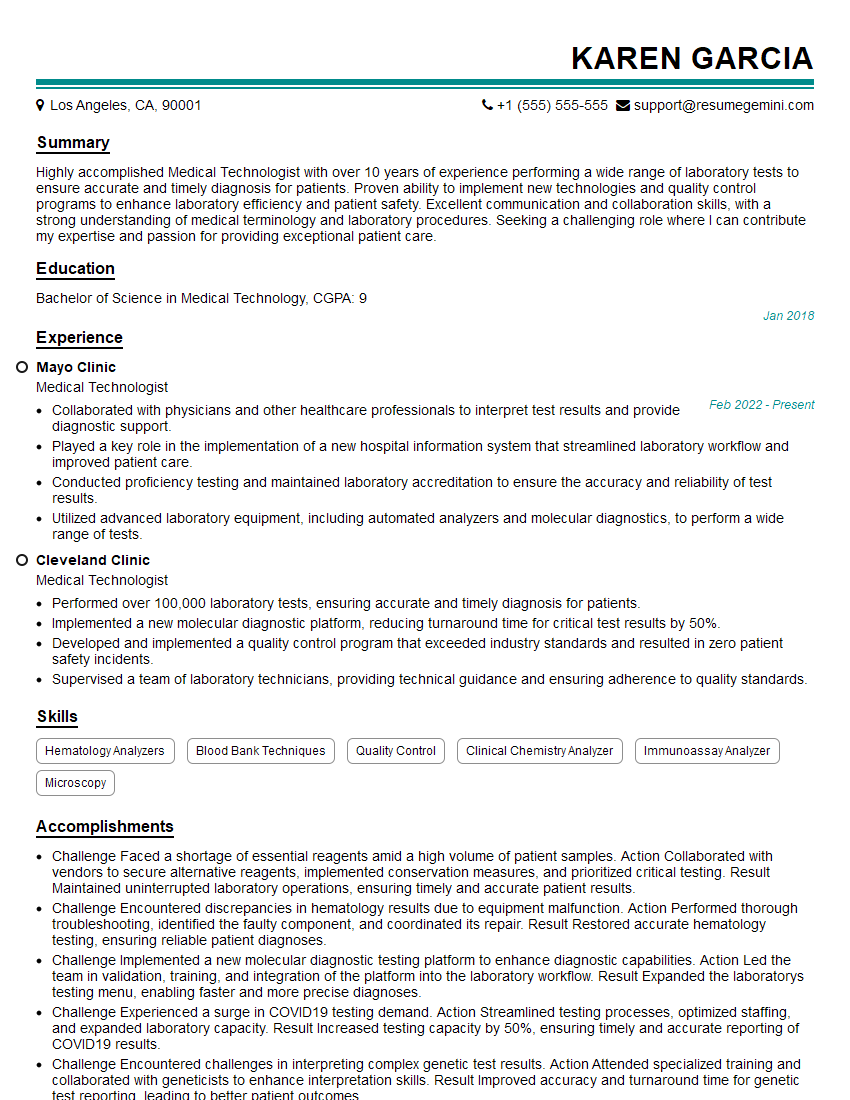
Medical Technologist Resume Sample

Analytical Chemist Resume Sample
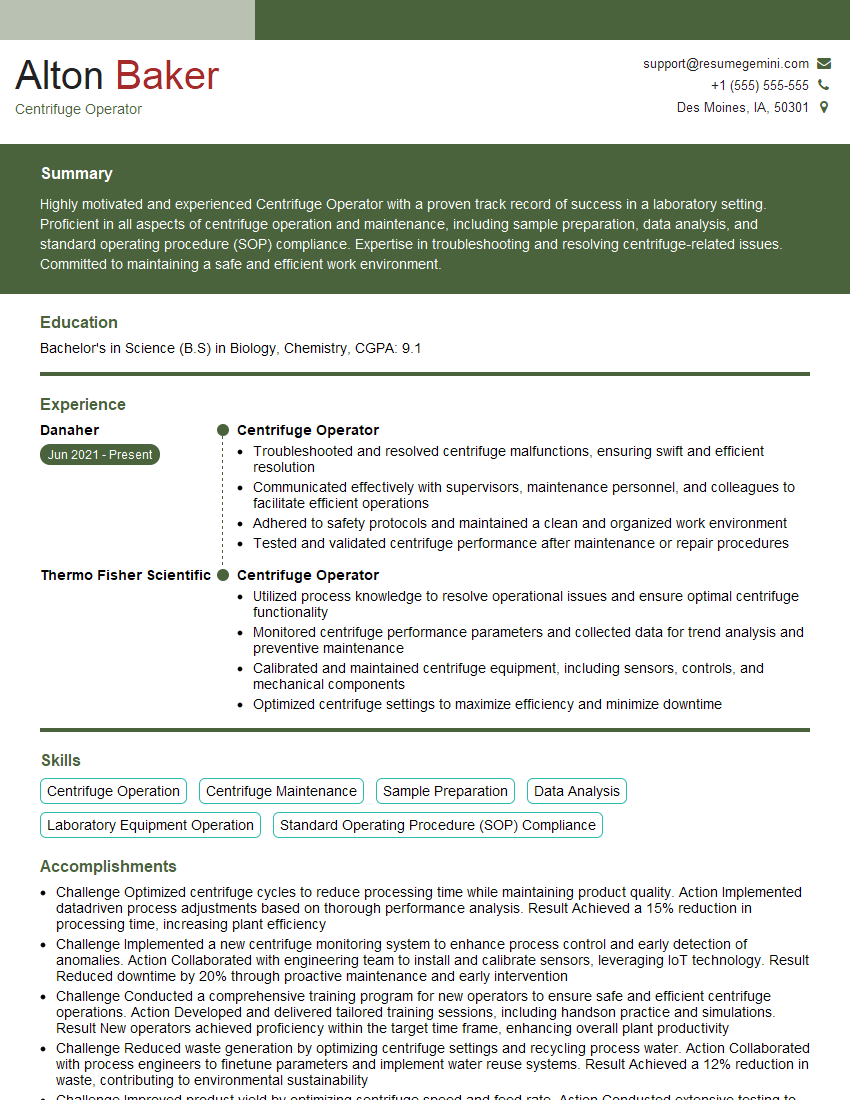
Centrifuge Operator Resume Sample
Explore more articles
Users Rating of Our Blogs
Share Your Experience
We value your feedback! Please rate our content and share your thoughts (optional).
What Readers Say About Our Blog
Very informative content, great job.
good