Unlock your full potential by mastering the most common Certified Planting Material Handler interview questions. This blog offers a deep dive into the critical topics, ensuring you’re not only prepared to answer but to excel. With these insights, you’ll approach your interview with clarity and confidence.
Questions Asked in Certified Planting Material Handler Interview
Q 1. Explain the importance of proper plant handling techniques.
Proper plant handling techniques are crucial for ensuring the survival and successful establishment of plants. Improper handling can cause physical damage, stress the plant, increase susceptibility to diseases, and ultimately lead to reduced growth and yield. Think of it like handling a newborn baby – gentle care is essential for healthy development.
- Minimizing Physical Damage: Rough handling can bruise stems, break roots, or damage leaves, creating entry points for pathogens. Gentle handling, using appropriate tools, and avoiding unnecessary jostling are paramount.
- Preventing Physiological Stress: Exposure to extreme temperatures, desiccation (drying out), or physical shock can severely stress plants, hindering their ability to establish themselves. Keeping plants in optimal conditions during transport and planting is vital.
- Reducing Disease Transmission: Proper handling minimizes the risk of spreading diseases from infected to healthy plants. This involves sanitation practices, careful selection of planting materials, and the avoidance of cross-contamination.
For example, imagine transporting seedlings in a poorly ventilated container on a hot day. The heat stress could severely damage or even kill the plants before they are even planted.
Q 2. Describe the different types of planting material and their specific handling requirements.
Planting materials encompass a wide range of plant propagation methods, each requiring specific handling considerations:
- Seeds: Seeds are extremely delicate and need protection from moisture extremes, pests and diseases, and physical damage. Proper storage in cool, dry conditions is vital, ensuring seed viability. Different seeds have varying germination requirements.
- Seedlings: These require careful handling to avoid damaging their fragile roots and stems. Proper potting media, spacing, and protection from harsh weather are crucial factors.
- Cuttings: Cuttings need to be handled gently to prevent damage to the cut surface, which is susceptible to disease. They require humid conditions to encourage root formation.
- Bare-root Plants: These plants have their root systems exposed and require careful handling to prevent desiccation and root damage during transportation and planting. Their roots need to be kept moist.
- Containerized Plants: These are relatively easier to handle, but care must still be taken to avoid damage to roots and stems during transplanting. Gently removing the plant from its container without damaging the root ball is crucial.
- Bulbs, Tubers, and Rhizomes: These require careful handling to avoid damage to their storage organs. Proper storage conditions are crucial to maintaining their viability.
For instance, bare-root trees require immediate planting to prevent root desiccation. Conversely, containerized plants offer more flexibility, allowing for planting at different times.
Q 3. How do you identify and prevent plant diseases during handling?
Identifying and preventing plant diseases during handling involves a multi-pronged approach:
- Visual Inspection: Carefully examine planting material for any signs of disease, including discoloration, lesions, wilting, unusual growths, or pest infestations. Early detection is crucial.
- Quarantine: Newly acquired planting material should be quarantined to observe for signs of disease before introducing it to other healthy plants. This prevents widespread infection.
- Sanitation: Regularly disinfect tools and equipment used for handling planting materials with a suitable disinfectant to prevent the spread of pathogens. Proper hand hygiene is also crucial.
- Source Selection: Choose planting material from reputable sources that employ disease management practices to minimize the risk of introducing diseased plants.
- Cultural Practices: Following appropriate cultural practices, such as proper spacing and watering, helps to minimize stress on plants, making them more resistant to diseases.
For example, a dark lesion on a seedling’s stem might indicate a fungal disease. Prompt action, such as removing the affected seedling, prevents the spread of the infection.
Q 4. What are the best practices for storing and preserving planting material?
Proper storage and preservation of planting material are vital for maintaining their viability and quality:
- Seeds: Store seeds in cool, dry, dark, and well-ventilated areas in airtight containers to prevent moisture absorption and pest infestations.
- Bulbs, Tubers, and Rhizomes: These should be stored in cool, dark, and well-ventilated areas to prevent sprouting and rotting. Specific temperature and humidity requirements vary by species.
- Cuttings: Cuttings need high humidity and proper aeration to prevent wilting and fungal growth. Misting may be necessary.
- Seedlings and Container Plants: Provide adequate light, water, and nutrients to prevent stress and maintain healthy growth until planting.
Imagine improperly stored seeds absorbing moisture and sprouting prematurely before planting – a significant waste of resources. Proper storage ensures the material remains viable for later use.
Q 5. Explain the process of inspecting planting material for quality and health.
Inspecting planting material involves a thorough assessment of its quality and health. This includes:
- Visual Examination: Check for any signs of physical damage, disease, or pest infestation. Look for healthy foliage, strong stems, and well-developed root systems (where applicable).
- Size and Uniformity: Assess the size and uniformity of planting material to ensure consistency and quality. Deviations from the expected size or shape might indicate problems.
- Root System Examination (for seedlings and bare-root plants): The root system should be healthy, well-developed, and free from damage or disease. Assess root branching and color.
- Documentation: Keep detailed records of the inspection, including any observed defects or diseases. This is essential for traceability.
For instance, if you notice wilting or yellowing leaves, it suggests a potential nutrient deficiency or disease, prompting further investigation or rejection of the material.
Q 6. How do you ensure the proper labeling and traceability of planting material?
Proper labeling and traceability of planting material are crucial for maintaining quality control and managing potential issues. This involves:
- Clear Labeling: Each batch of planting material should be clearly labeled with information such as species, cultivar, quantity, date of collection or propagation, and source. A unique identification number can further enhance traceability.
- Record Keeping: Maintain detailed records of the entire process, from acquisition to planting, including handling procedures, storage conditions, and any observed issues. This provides a complete audit trail.
- Tracking Systems: Utilizing database systems or specialized software can greatly improve the efficiency and accuracy of tracking planting material throughout its journey.
Imagine a situation where a disease outbreak occurs. Traceability allows you to quickly identify the source of the infected material and prevent further spread by isolating the affected batch and potentially recalling any other affected materials.
Q 7. Describe your experience with different planting methods and material suitability.
My experience encompasses a variety of planting methods and material suitability. I’ve worked with:
- Direct seeding: This method is cost-effective for many species but requires suitable soil conditions and careful seed placement for optimal germination.
- Transplanting seedlings: This method allows for better control over plant spacing and initial growth, but requires more labor and care in handling.
- Bare-root planting: Suitable for certain species, this method requires careful handling to prevent root damage and ensure successful establishment. Timing is critical.
- Containerized planting: This is a more flexible method allowing for planting at different times and better plant establishment. It requires proper pot size and media selection.
Material suitability depends on several factors, including species, climate, soil conditions, and planting goals. For example, direct seeding may be unsuitable for delicate seedlings that need protection during their early stages. I always select planting materials best suited to the specific planting method and environmental conditions.
Q 8. How do you manage inventory of planting material efficiently?
Efficient planting material inventory management is crucial for successful cultivation. It involves a multi-pronged approach combining accurate record-keeping, regular stock checks, and effective storage practices. Think of it like running a well-organized library – you need a system to know what you have, where it is, and when it’s needed.
- Detailed Records: I utilize a computerized database system (or spreadsheet if the scale is smaller) to track every item – species, quantity, age, source, health status, and storage location. This allows for real-time inventory checks and forecasting of future needs.
- Regular Stock Audits: Physical inventory checks are conducted at regular intervals (e.g., weekly or monthly), comparing the physical count against the database records. This helps identify discrepancies early, enabling prompt investigation and correction.
- FIFO (First-In, First-Out) System: This method ensures that older planting materials are used first, minimizing storage time and reducing the risk of spoilage or deterioration. Imagine a bakery – you want to sell the oldest bread first.
- Optimal Storage: Proper storage conditions are essential, depending on the type of material. This includes appropriate temperature, humidity, and light levels to maintain the viability and health of the plants. For example, seedlings might require a controlled environment, while dormant bulbs can be stored in a cool, dark place.
For example, I once noticed a discrepancy in the inventory of young oak saplings during a routine audit. A quick investigation revealed a minor labeling error that was swiftly corrected. This prevented a potential planting shortfall later in the season.
Q 9. Explain your experience with using plant growth regulators.
Plant growth regulators (PGRs) are essential tools for managing plant growth and development. My experience involves using PGRs to control plant height, promote branching, and improve overall plant quality. I understand that PGR application requires precise measurements and timing, and incorrect usage can lead to negative effects. Think of them as finely tuned hormones for plants.
- Height Control: I’ve used PGRs like paclobutrazol to control the height of ornamental plants, ensuring uniformity and aesthetic appeal in landscapes or nurseries. This prevents leggy growth and maintains a compact form.
- Branching and Tillering: For increased yields in certain crops, I’ve applied ethephon to promote branching and tillering, resulting in more productive plants. For example, increased branching can lead to more flowers in a chrysanthemum.
- Rooting Hormone Application: Indole-3-butyric acid (IBA) is a common rooting hormone used in cuttings propagation. I have extensive experience in the proper application of this hormone to ensure successful rooting and transplant success.
It’s crucial to always follow the manufacturer’s instructions precisely and conduct thorough risk assessments before using any PGR. One instance where I had to carefully adjust PGR application was when we had an unexpectedly hot spell – the plants were growing faster than anticipated, and I had to modify my application schedule to prevent overly vigorous growth.
Q 10. Describe your understanding of plant quarantine regulations.
Plant quarantine regulations are designed to prevent the introduction and spread of plant pests and diseases. These regulations govern the movement of planting material both domestically and internationally, ensuring the health of the local ecosystem. Imagine these regulations as border control for plants.
- Import/Export Permits: I’m familiar with the processes involved in obtaining necessary permits and phytosanitary certificates for importing or exporting planting material. These documents verify that the material has been inspected and found free of harmful organisms.
- Inspection Procedures: I understand the various inspection protocols, including visual inspections, testing, and treatment procedures as mandated by relevant authorities. This may involve checking for symptoms of diseases, insect infestations, or the presence of soil that might harbor pathogens.
- Quarantine Periods: I am knowledgeable about the requirements for quarantine periods, where incoming plants are held for observation to ensure they are disease-free before release.
- Compliance Procedures: Strict adherence to these regulations is crucial to prevent the spread of pests and diseases. This includes maintaining accurate records and following proper handling and disposal procedures for potentially infected materials.
For instance, I had to delay the import of a specific batch of rose bushes because their phytosanitary certificates were missing. This temporary delay helped us avoid potential risks of introducing harmful pathogens into the region.
Q 11. How do you handle damaged or diseased planting material?
Handling damaged or diseased planting material requires careful procedures to prevent the spread of pests and diseases. The key is to isolate and dispose of affected materials safely and promptly.
- Immediate Isolation: Damaged or diseased plants should be immediately isolated from healthy ones to prevent cross-contamination. This might involve moving them to a separate area or using containment methods.
- Disease Identification: If possible, identify the specific pest or disease causing the damage. This information is essential for implementing appropriate control measures and preventing future occurrences.
- Proper Disposal: Dispose of the infected material properly. This might involve burning, burying, or using other approved disposal methods that prevent the spread of pathogens. It’s important to consult local regulations on proper disposal methods.
- Sanitization: Thoroughly sanitize tools and equipment that have come into contact with infected material to avoid further spread. This may involve washing with soap and water, followed by disinfection.
I once discovered a fungal infection among a batch of seedlings. We promptly isolated the affected plants, identified the fungus, and implemented a treatment plan, preventing further spread and minimizing the losses.
Q 12. What are the common pests and diseases affecting planting material in your region?
The common pests and diseases affecting planting material vary depending on geographical location and climate. In my region, some of the common challenges include:
- Pests: Aphids, spider mites, whiteflies, and various caterpillar species are prevalent. These insects can damage plants by sucking sap or feeding on leaves, hindering growth and reducing yield.
- Diseases: Fungal diseases such as powdery mildew and root rot are common, particularly in damp conditions. Bacterial diseases such as blight and wilt can also significantly affect plant health. Viral diseases spread through vectors like aphids can also be a major problem.
We utilize a combination of preventative measures, such as crop rotation, using pest-resistant varieties, and monitoring for early signs of infestations, combined with appropriate control measures such as biological control, targeted insecticides or fungicides when needed. Responsible pesticide use is paramount to protect the environment and maintain biodiversity.
Q 13. Explain your experience with using specialized handling equipment.
Specialized handling equipment is crucial for efficient and safe management of planting material. My experience encompasses the use of a wide range of equipment, depending on the type and quantity of material being handled.
- Transplanters: These machines are used for efficient and accurate transplanting of seedlings and young plants, ensuring minimal damage to the root systems.
- Forklifts and Pallet Jacks: These are used for moving large quantities of planting materials such as potted plants or trays of seedlings efficiently and safely around the nursery or storage area.
- Automated Potting Machines: These machines automate the potting process, improving efficiency and consistency.
- Lifting and Handling Equipment: Using appropriate lifting equipment reduces risk of injury during the movement of heavier materials like large trees or shrubs.
For example, we recently acquired a new automated potting machine which significantly increased our output and reduced the risk of worker injury. Choosing the right equipment for the job is a key aspect of operational efficiency and safety.
Q 14. How do you ensure the safety of planting material during transportation?
Ensuring the safety of planting material during transportation is paramount to prevent damage and maintain quality. This involves careful planning and the use of appropriate transportation methods and protective measures.
- Appropriate Packaging: Using appropriate packaging materials, such as sturdy containers, protective padding, and climate-controlled vehicles, safeguards planting material during transit. This prevents physical damage and protects them from extreme temperatures or humidity.
- Climate Control: For sensitive plants, climate-controlled vehicles are crucial to maintain optimal temperature and humidity levels during transportation.
- Secure Transportation: Secure transportation methods, including proper loading and securing of materials to prevent movement or damage, are essential. This is especially important when handling large trees or other bulky items.
- Route Planning: Efficient route planning helps minimize transit time, reducing the stress on the plants and ensuring timely delivery.
In one instance, we had to transport a large number of delicate orchids. We used specialized climate-controlled containers and a direct route to minimize handling and stress. This ensured the plants arrived at their destination in excellent condition.
Q 15. Describe your experience with record-keeping and documentation related to plant material.
Accurate record-keeping is the backbone of successful plant material handling. My experience involves meticulous documentation of every stage, from acquisition to planting. This includes detailed records of the plant’s species, origin, health status (including any pest or disease signs), size, and any treatments received. I utilize both physical logs and digital databases to ensure data integrity and easy access. For example, I might use a spreadsheet to track the location of each plant within a nursery, its growth rate, and any irrigation or fertilization schedules. This detailed information is crucial for traceability, allowing us to identify potential problems quickly and improve our handling practices over time. Furthermore, maintaining accurate inventory records allows for efficient management of resources and optimal stock levels.
I also maintain records of all handling procedures, including transport methods, storage conditions (temperature, humidity, light exposure), and any handling damage noted. This detailed record-keeping allows for analysis of the success rate of different handling techniques and aids in continuous improvement. Imagine a situation where a batch of seedlings experiences unexpected wilting. Comprehensive records allow you to pinpoint the cause—was it a sudden temperature drop during transport, insufficient watering, or a specific handling technique?
Career Expert Tips:
- Ace those interviews! Prepare effectively by reviewing the Top 50 Most Common Interview Questions on ResumeGemini.
- Navigate your job search with confidence! Explore a wide range of Career Tips on ResumeGemini. Learn about common challenges and recommendations to overcome them.
- Craft the perfect resume! Master the Art of Resume Writing with ResumeGemini’s guide. Showcase your unique qualifications and achievements effectively.
- Don’t miss out on holiday savings! Build your dream resume with ResumeGemini’s ATS optimized templates.
Q 16. What are the key factors to consider when selecting planting material?
Selecting the right planting material is paramount for successful establishment and growth. Several key factors influence this decision. Firstly, species suitability is critical. The chosen species must thrive in the specific environmental conditions of the planting site, considering factors like soil type, climate, and water availability. For instance, a drought-tolerant species would be unsuitable for a consistently wet area.
Secondly, plant health is non-negotiable. Plants should be free from pests and diseases, exhibiting vigorous growth with healthy root systems and foliage. Visual inspection, often coupled with diagnostic testing, is essential. The source of the planting material is also vital; reputable nurseries are likely to provide healthier, better-established stock.
Genetic quality is another significant factor, particularly in commercially important species. Certified planting material ensures consistency in characteristics such as yield, disease resistance, and growth habit. Finally, the size and age of the planting material are crucial considerations. Larger, more mature plants may offer quicker establishment but can be more expensive and prone to transplant shock. Smaller plants offer advantages in terms of cost and density of planting.
Q 17. How do you adapt your handling techniques for different plant species?
Handling techniques must be tailored to the specific needs of each plant species. Delicate seedlings, such as orchids, require gentle handling to avoid damage to their roots and shoots, and need to be sheltered from extreme weather conditions. In contrast, hardier species, such as some tree saplings, can withstand more robust handling. My approach focuses on understanding the unique characteristics of each species. This includes their root systems, stem strength, and overall sensitivity to physical stress. For example, plants with delicate root systems, like many herbaceous perennials, require careful handling during transplanting to minimize root disturbance. I also adapt my techniques based on the growth stage of the plant: seedlings are more vulnerable than mature plants.
Furthermore, the packaging and transport methods vary widely depending on the species. Some plants might require individual containers to prevent root entanglement, while others might be transported in bulk. Understanding these unique requirements is crucial to minimizing stress during handling and ensuring the plants’ overall health.
Q 18. Explain your understanding of plant physiology and its relevance to handling.
A thorough understanding of plant physiology is fundamental to effective plant handling. Plant physiology encompasses all the internal processes within a plant, such as photosynthesis, respiration, water uptake, and nutrient transport. Knowing these processes helps me anticipate how a plant will respond to various handling stresses. For example, understanding transpiration (water loss from leaves) helps me determine appropriate watering and shading techniques during transport and storage. Similarly, knowing how plants respond to temperature extremes allows me to take precautions against frost damage or heat stress.
Plant physiology informs my decisions on factors such as timing of transplanting (taking advantage of optimal growth stages), appropriate storage conditions (maintaining suitable humidity and temperature), and techniques for minimizing transplant shock (reducing root damage and ensuring adequate hydration). By understanding how plants function at a cellular level, I can optimize handling practices to promote their health and survival.
Q 19. How do you assess the environmental conditions that impact plant handling?
Environmental conditions significantly impact plant handling. I assess these conditions through a combination of direct observation and using weather forecasting tools. Key factors include temperature, humidity, wind speed, sunlight exposure, and rainfall. Extreme temperatures, both high and low, can cause stress or even death to plants. High humidity can promote fungal diseases, while low humidity can lead to desiccation. Strong winds can physically damage plants during transport and planting. Direct sunlight can cause overheating, whereas lack of sunlight can hinder growth.
I utilize tools like thermometers, hygrometers, and anemometers to quantitatively assess these environmental parameters. This information allows for proactive adjustments to handling procedures. For example, on a hot day, I would ensure plants are kept in the shade and well-hydrated. During transport in windy conditions, plants may require additional protection to prevent damage. The ability to predict potential problems and adapt accordingly is crucial for success.
Q 20. What are the best practices for handling plants in extreme weather conditions?
Handling plants in extreme weather conditions requires specific precautions. During freezing temperatures, plants are highly vulnerable to frost damage. I use protective measures like frost cloths, windbreaks, or temporary shelters. Transport during freezing conditions needs to be carefully planned to minimize exposure time. In extremely hot conditions, shade, adequate hydration, and possibly the use of misting systems to reduce heat stress are crucial. Plants should also be planted and watered during cooler times of the day to avoid heat shock.
Strong winds pose a risk of physical damage. Plants should be secured during transport using appropriate methods, possibly employing bracing and protective coverings. During storms, the safest approach is often to delay handling until the weather improves. The key is to understand the specific risks presented by each type of extreme weather and take proactive measures to mitigate potential damage. For example, I might prioritize handling less frost-sensitive plants on colder days, or schedule planting for days with moderate winds.
Q 21. Describe your experience with pest and disease control in planting material.
Pest and disease control is vital in maintaining the health of planting material. My experience involves implementing preventative measures to minimize the risk of infestation or infection. This includes regularly inspecting plants for any signs of pests or diseases; early detection is key. I utilize various methods to identify specific pests and pathogens, sometimes employing laboratory testing when necessary. My strategies for control depend on the specific pest or disease and its severity.
Preventative measures include ensuring good sanitation practices (cleaning tools and equipment between uses), proper spacing between plants to promote air circulation and reduce humidity, and selecting disease-resistant varieties when possible. If a pest or disease is detected, I may employ various control methods, such as biological control (introducing natural predators), cultural control (modifying the environment to reduce pest susceptibility), or chemical control (using approved pesticides as a last resort). All actions are carefully documented, ensuring traceability and accountability. For example, I’d record which pesticide was used, the application rate, and the date of application. This meticulous record keeping enables me to identify effective control measures and improve upon future prevention strategies.
Q 22. How do you identify and address potential risks associated with plant handling?
Identifying and addressing risks in plant handling is crucial for maintaining plant health and ensuring efficient operations. This involves a multi-faceted approach encompassing pre-handling assessments, careful handling procedures, and post-handling monitoring.
Pre-handling assessment: This includes evaluating the plant’s physiological status (e.g., hydration, disease, pest infestation), the environmental conditions (temperature, humidity, sunlight), and the planned handling methods (e.g., type of equipment, transportation distance). For example, a wilted plant is more susceptible to damage during transportation, requiring special care such as shading and appropriate humidity control.
Careful handling procedures: This focuses on minimizing physical damage to the plant. We must avoid dropping, crushing, or excessive bending. Using appropriate equipment, such as plant trolleys and lifting devices for heavier plants, is crucial. Implementing proper lifting techniques for workers and training them on best practices is also key.
Post-handling monitoring: Once the plants are replanted or placed in their new location, we must observe them closely for any signs of stress, injury or disease. Prompt actions should be taken to mitigate any potential negative effects.
By proactively identifying and addressing these risks, we significantly increase plant survival rates and reduce overall losses.
Q 23. Explain your understanding of sustainable practices in plant handling.
Sustainable practices in plant handling center around minimizing environmental impact, conserving resources, and promoting plant health over the long term. This is a holistic approach involving:
Reduced Pesticide and Herbicide Use: Implementing Integrated Pest Management (IPM) strategies to minimize reliance on chemical treatments and promote natural pest control methods. This reduces environmental contamination and promotes biodiversity.
Water Conservation: Employing efficient irrigation techniques, such as drip irrigation, to reduce water waste. This is crucial, especially when handling and transporting plants across distances.
Minimizing Waste: Properly handling plant material reduces the amount of plant waste that goes to landfills. This could be through re-purposing, composting, or efficient recycling methods.
Choosing Appropriate Packaging: Using biodegradable and reusable containers whenever possible reduces plastic waste and minimizes environmental damage. Sourcing materials from sustainable forestry practices also helps.
Optimized Transportation: Selecting fuel-efficient transportation methods and utilizing routes that minimize carbon emissions contribute to environmental stewardship.
These practices ensure the long-term viability of the plant handling process and contribute to a healthier environment.
Q 24. How do you ensure compliance with relevant safety regulations during plant handling?
Compliance with safety regulations is paramount in plant handling. This involves adhering to both local and national standards concerning workplace safety and plant handling procedures. Key aspects include:
Personal Protective Equipment (PPE): Ensuring all handlers use appropriate PPE such as gloves, safety glasses, and sturdy footwear to prevent injuries. Specific PPE may be required depending on the type of plant and handling task.
Safe Lifting Techniques: Training all personnel on correct lifting techniques to prevent back injuries and other musculoskeletal issues.
Equipment Safety: Regularly inspecting and maintaining all handling equipment (e.g., forklifts, cranes, trolleys) to ensure they are in good working order and meet safety standards.
Hazard Communication: Clearly labeling all hazardous materials (e.g., pesticides, herbicides) and providing safety data sheets to personnel. This ensures proper handling and reduces the risk of exposure.
Emergency Response Plans: Having well-defined emergency response plans in place to address potential accidents or incidents, including procedures for dealing with plant-related injuries or spills.
Regular safety audits and training sessions are essential to ensure continuous compliance.
Q 25. Describe a time you had to troubleshoot a problem related to plant material handling.
During a large-scale transplanting operation, we experienced significant wilting in a batch of young saplings after transportation. Initially, we suspected damage during handling, but upon closer inspection, we realised the issue was related to inadequate humidity control during transit. The plants were transported in open-air trucks under direct sunlight.
Troubleshooting steps:
Investigate the problem: We examined the saplings for physical damage, compared notes on handling and transportation procedures, and measured humidity and temperature levels within the transport vehicles.
Identify the cause: This process pinpointed the lack of humidity control as the root cause of wilting.
Implement a solution: We implemented immediate changes by introducing humidity control measures in the transportation vehicles, such as misting systems and shaded covers. We also began pre-hydrating the plants before transport.
Monitor and Evaluate: We monitored the saplings’ recovery rate and adjusted the humidity control as needed. We also held training sessions with our team to reinforce the importance of humidity control.
The wilting was significantly reduced in subsequent transports thanks to this troubleshooting process. This incident highlighted the importance of thorough environmental monitoring during plant handling and transport.
Q 26. What are your strategies for minimizing plant stress during handling and transportation?
Minimizing plant stress during handling and transportation requires a delicate balance of careful technique and environmental control. My strategies focus on:
Gentle Handling: Avoid rough handling, sudden movements, and unnecessary jostling. Using appropriate tools and equipment to minimize physical stress is essential. For instance, for fragile plants, we might use soft padding during packing and transportation.
Maintaining Hydration: Ensuring plants are adequately hydrated before, during, and after handling. This might involve watering plants before transport, using moisture-retaining materials during packaging, and regularly misting plants during prolonged transportation.
Protecting from Environmental Stress: Shielding plants from extreme temperatures, direct sunlight, and strong winds through appropriate packaging, shading, and windbreaks. For example, using insulated containers during cold weather and providing shade during hot weather.
Optimizing Transportation Time: Minimizing transportation time reduces the overall stress on plants. This might involve choosing efficient transportation routes and schedules.
Post-handling Care: Providing adequate post-handling care, such as appropriate watering and acclimatization, helps plants recover from the stress of handling and transportation.
The key is to create a controlled environment that mimics the plant’s ideal growing conditions as much as possible during the handling and transportation process.
Q 27. Explain your proficiency in using specific tools and technologies related to plant handling.
My proficiency extends to a wide range of tools and technologies related to plant handling. This includes:
Hand Tools: I’m experienced in the use of various hand tools such as shovels, trowels, pruning shears, and hand-held lifting devices appropriate for different plant sizes and types.
Mechanical Equipment: I am proficient in operating and maintaining equipment such as forklifts, pallet jacks, and specialized plant handling machinery (e.g., tree spades) adhering to all safety regulations.
Environmental Monitoring Equipment: I am skilled in utilizing tools that measure soil moisture, air temperature and humidity, and light levels to assess plant health and tailor handling techniques accordingly.
Geographic Information Systems (GIS): I can leverage GIS technology to optimize planting strategies, plan transportation routes, and monitor large-scale plant handling operations.
Plant Management Software: I’m experienced with plant management software for tracking plant inventory, recording handling procedures, and analysing data to improve efficiency and reduce waste.
This blend of practical skills and technological expertise enables me to efficiently and effectively handle plants while optimizing for plant health and overall efficiency.
Q 28. Describe your experience in training others in proper plant handling techniques.
I’ve had extensive experience training others in proper plant handling techniques. My approach involves a combination of classroom instruction, hands-on demonstrations, and practical exercises.
Classroom Training: This involves covering theoretical aspects, such as plant physiology, risk assessment, safety regulations, and sustainable handling practices.
Hands-on Demonstrations: I demonstrate the proper use of various tools and equipment, emphasizing safe lifting techniques, avoiding plant damage, and minimizing stress.
Practical Exercises: I engage trainees in hands-on exercises simulating real-world scenarios, allowing them to practice different handling techniques under supervision. This fosters muscle memory and develops proficiency.
Regular Feedback: I provide regular feedback throughout the training, addressing questions, correcting mistakes, and reinforcing proper techniques. This ensures that trainees understand and internalize the concepts taught.
Ongoing Assessment: I continue assessing the competence and skills of trainees after training, offering additional support or refresher sessions as needed. This reinforces learning and ensures proficiency in plant handling.
My training programs emphasize safety, efficiency, and sustainability, contributing to the overall success of plant handling operations and creating a team committed to best practices.
Key Topics to Learn for Certified Planting Material Handler Interview
- Plant Material Identification and Quality Assessment: Understanding different plant species, recognizing healthy vs. diseased/damaged material, and applying relevant grading standards.
- Proper Handling and Storage Techniques: Safe and efficient handling procedures to minimize damage, appropriate storage conditions (temperature, humidity, etc.) to maintain viability, and understanding the impact of different storage methods.
- Inventory Management and Tracking: Implementing effective inventory systems, accurately tracking planting material, and maintaining detailed records throughout the process.
- Pest and Disease Management: Recognizing common pests and diseases affecting planting materials, implementing preventative measures, and understanding appropriate treatment protocols.
- Compliance and Regulations: Familiarity with relevant industry regulations, certification standards, and best practices related to planting material handling.
- Equipment Operation and Maintenance: Safe and proficient use of relevant equipment (e.g., forklifts, loaders), understanding basic maintenance procedures, and adhering to safety protocols.
- Documentation and Record Keeping: Maintaining accurate and organized records, including inventory logs, handling procedures, and any quality control measures.
- Problem-Solving and Troubleshooting: Identifying and resolving issues related to planting material quality, handling, and storage; demonstrating practical problem-solving skills.
- Communication and Teamwork: Effective communication with colleagues, supervisors, and clients; collaborating effectively within a team environment.
Next Steps
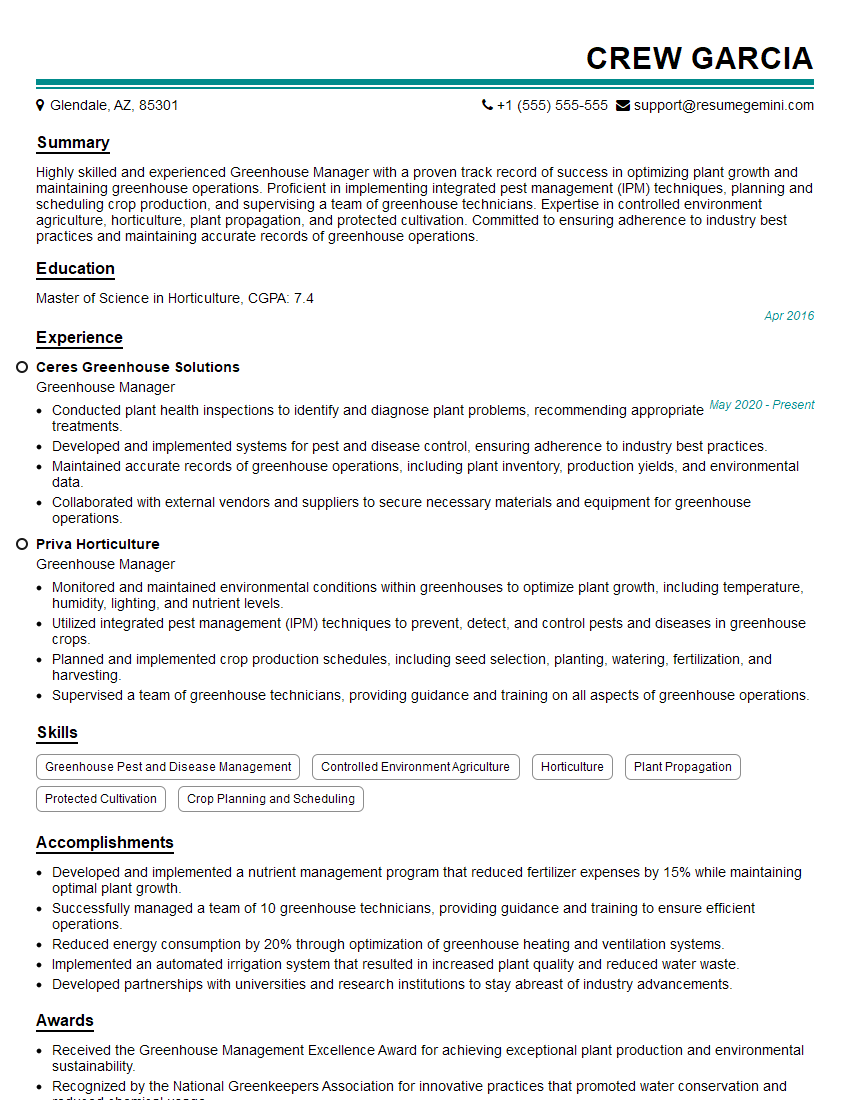
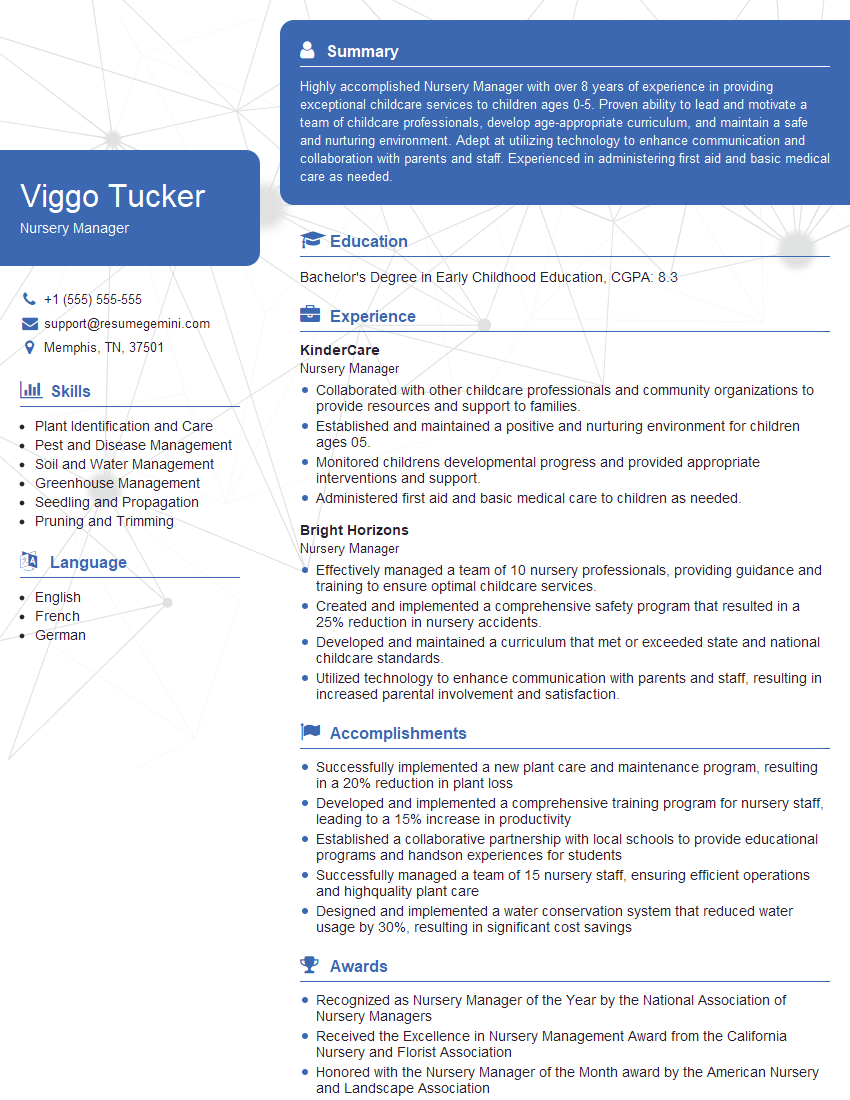
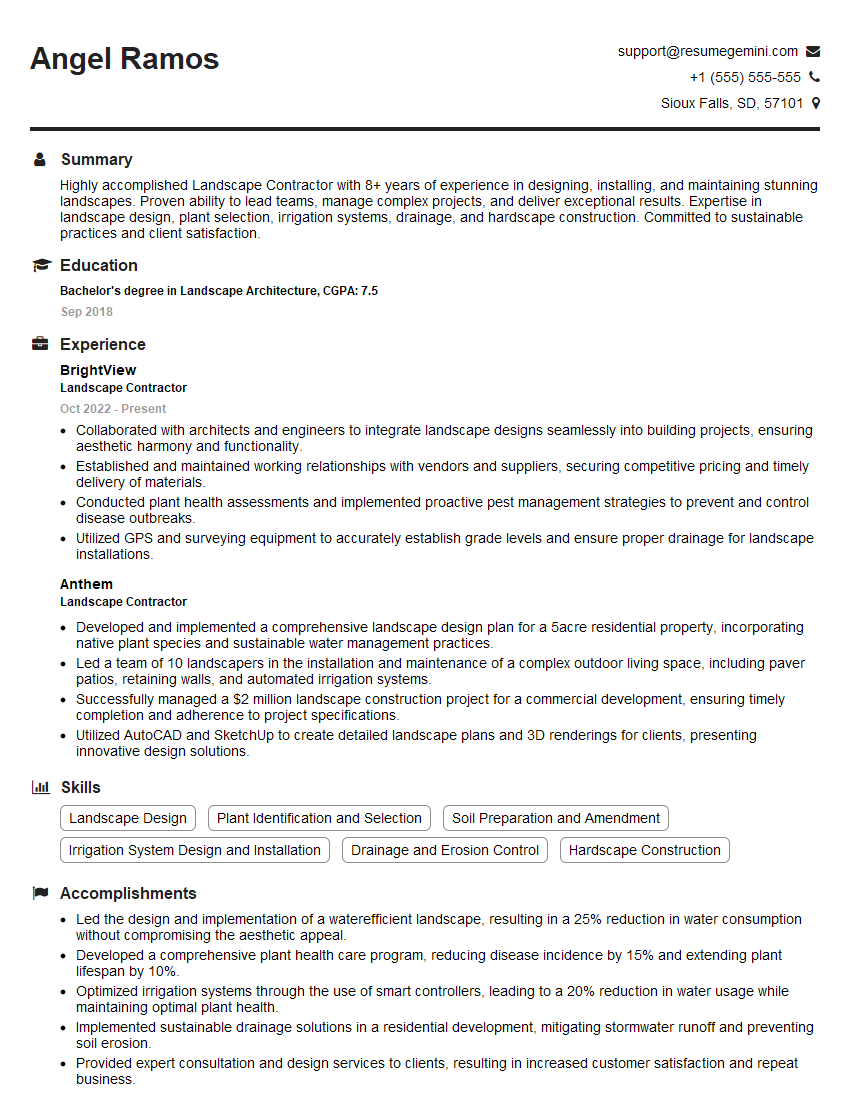
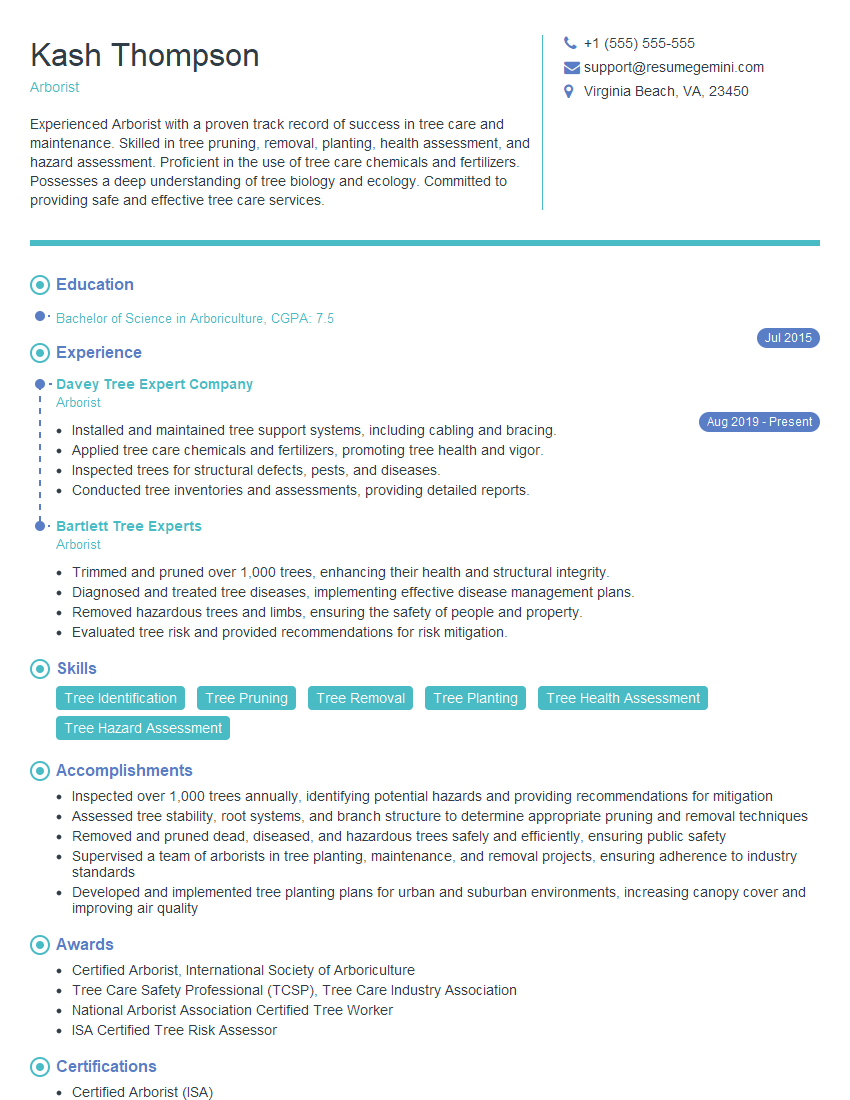
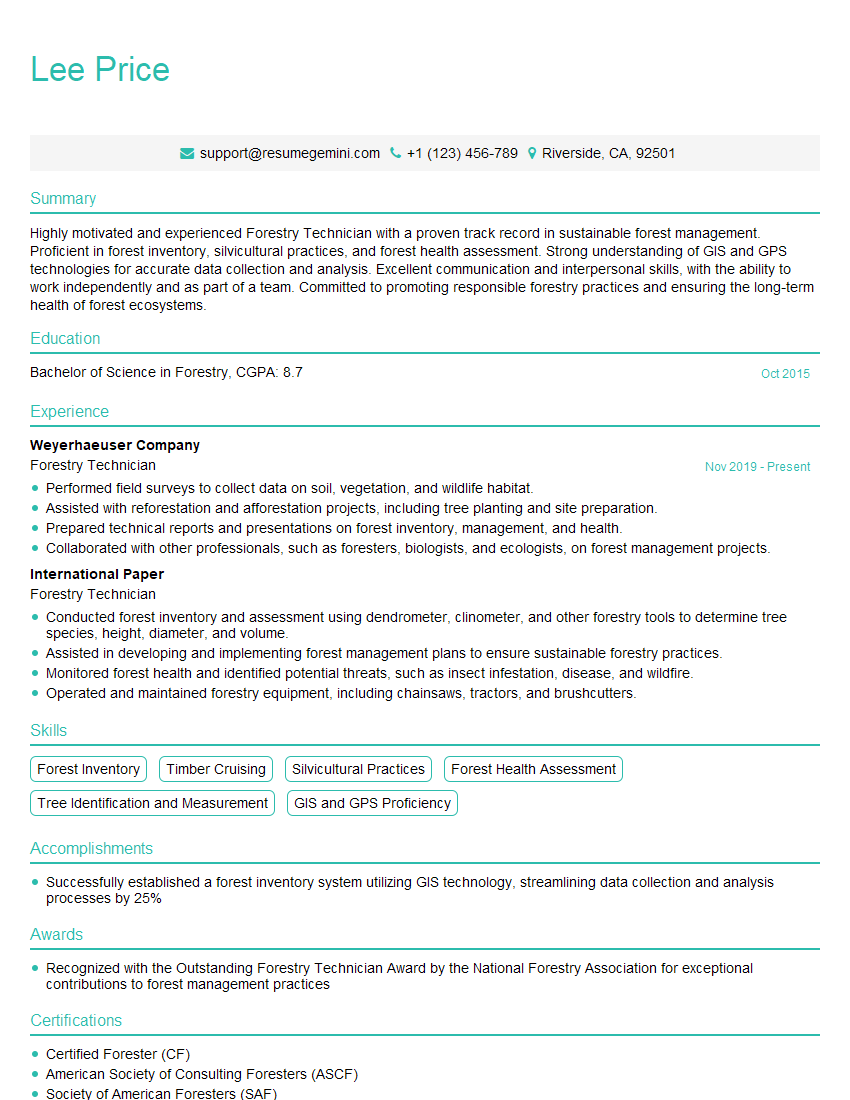
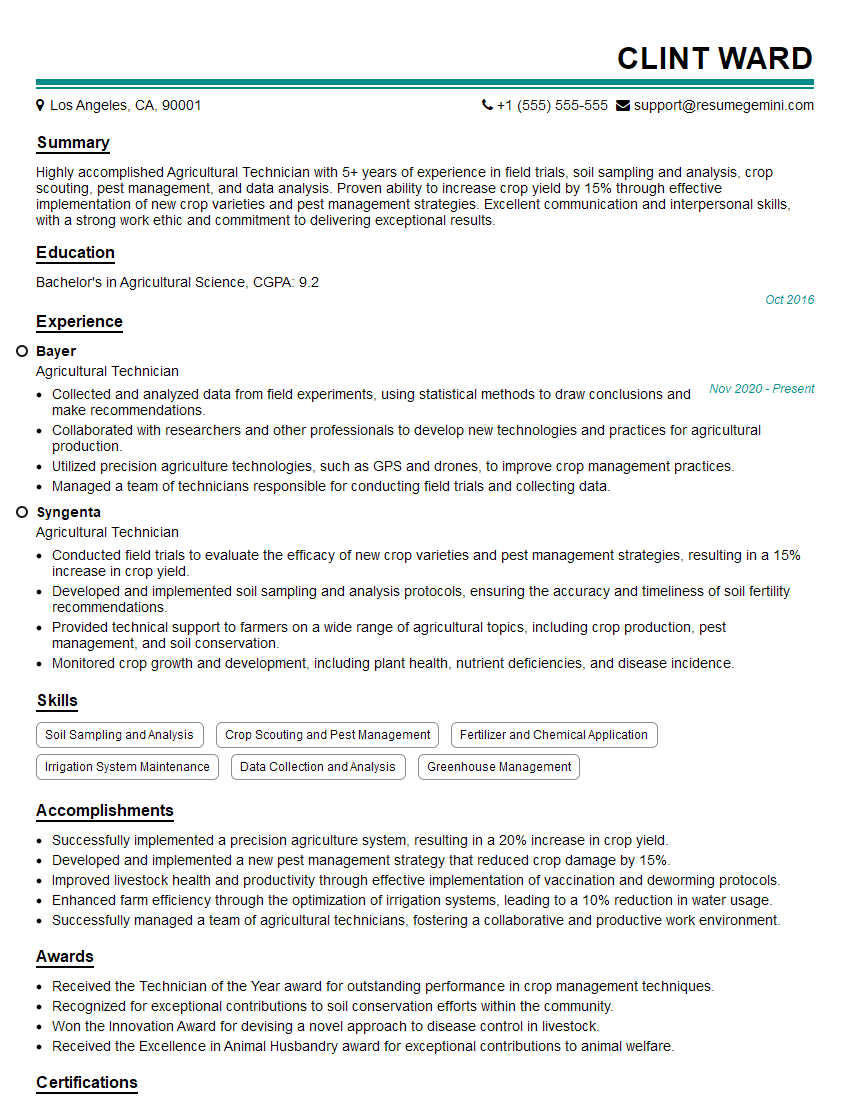
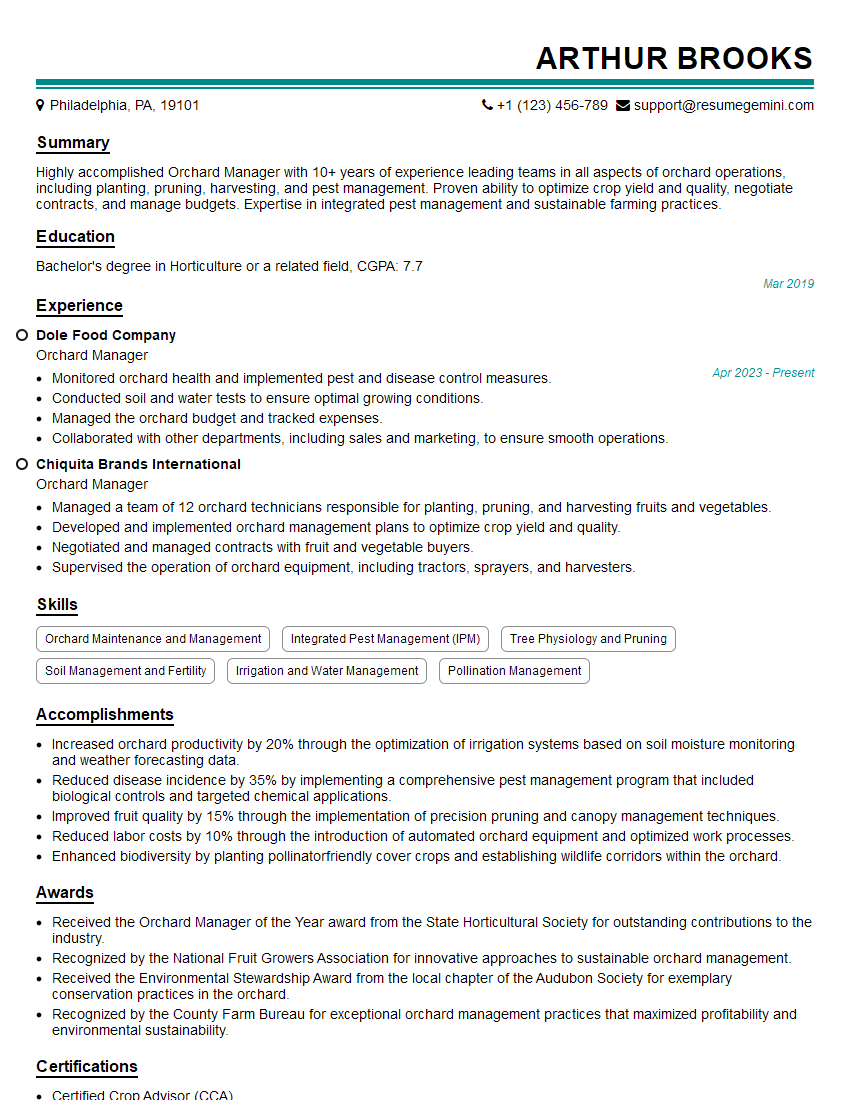
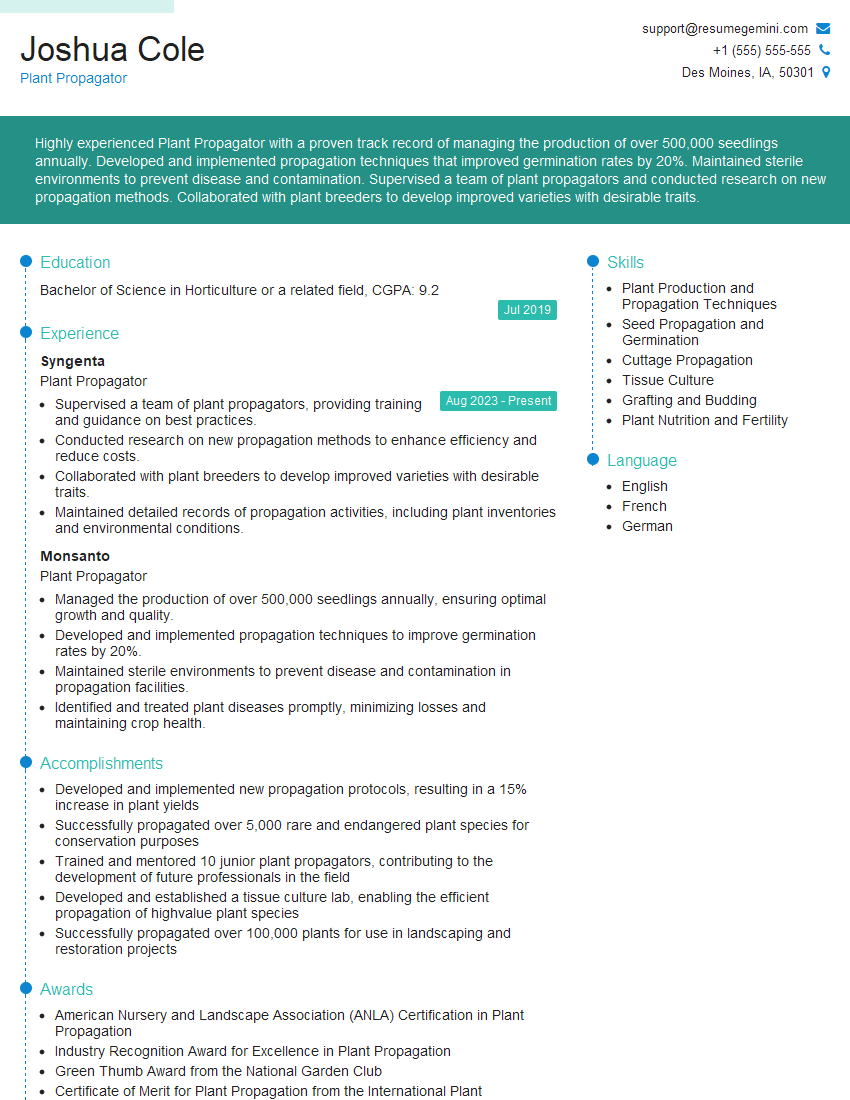
Mastering the skills and knowledge of a Certified Planting Material Handler opens doors to rewarding career opportunities within the agricultural and horticultural sectors, offering growth potential and specialized expertise. To maximize your chances of securing your dream role, crafting an ATS-friendly resume is crucial. A well-structured resume highlights your qualifications effectively, increasing your visibility to potential employers. We strongly recommend utilizing ResumeGemini, a trusted resource for building professional resumes, to present yourself in the best possible light. Examples of resumes tailored to Certified Planting Material Handler are available to help guide you.
Explore more articles
Users Rating of Our Blogs
Share Your Experience
We value your feedback! Please rate our content and share your thoughts (optional).
What Readers Say About Our Blog
good