Feeling uncertain about what to expect in your upcoming interview? We’ve got you covered! This blog highlights the most important Certified Veterinary Assistant (CVA) interview questions and provides actionable advice to help you stand out as the ideal candidate. Let’s pave the way for your success.
Questions Asked in Certified Veterinary Assistant (CVA) Interview
Q 1. What are the key differences between a Certified Veterinary Assistant (CVA) and a Veterinary Technician?
The key difference between a Certified Veterinary Assistant (CVA) and a Veterinary Technician (VT) lies in their scope of practice and educational requirements. CVAs typically complete a shorter, less intensive program focusing on assisting veterinary technicians and veterinarians with routine tasks. VTs, on the other hand, undergo extensive training, including a two-year associate’s degree program, granting them a wider range of responsibilities. Think of it like this: a CVA is a skilled assistant, while a VT is a trained medical professional. CVAs perform tasks like animal restraint, cleaning, and assisting with procedures under direct supervision, while VTs can perform more advanced procedures such as administering anesthesia, taking radiographs, and performing dental cleanings, often independently.
- Scope of Practice: CVAs have a more limited scope than VTs.
- Education: VTs require a formal degree program.
- Responsibilities: VTs handle more complex tasks and have more autonomy.
Q 2. Describe your experience with administering medications to animals.
My experience with administering medications encompasses a wide range of routes and techniques, always under the direct supervision of a veterinarian. I’m proficient in administering oral medications, subcutaneous injections (under the skin), intramuscular injections (into the muscle), and topical applications. For example, I’ve routinely assisted in administering oral antibiotics to cats using flavored medication to improve compliance, given subcutaneous fluids to dehydrated dogs, and administered intramuscular vaccines to various animal species. I carefully follow the veterinarian’s instructions, ensuring the correct dosage, route, and frequency. Patient safety and proper record-keeping are my top priorities. I always double-check dosages and label medications correctly to avoid errors.
- Oral Medications: Administering pills or liquids orally.
- Subcutaneous Injections: Injecting medication under the skin.
- Intramuscular Injections: Injecting medication into the muscle.
- Topical Applications: Applying medication to the skin.
Q 3. Explain the proper procedures for restraining different animal species.
Restraining animals requires a calm and confident approach, varying greatly depending on the species and temperament of the animal. Safety for both the animal and the handler is paramount. For example, I use different techniques to restrain a small, fearful cat versus a large, energetic dog. With cats, I might use a towel wrap to gently secure them while minimizing stress. For dogs, depending on their size and behavior, I may use a leash, muzzle, or a combination of physical restraints such as proper scruffing (for cats and smaller animals) or utilizing a catch pole for larger or aggressive animals. Large animals like horses require specific training and equipment. I’m always conscious of avoiding any techniques that could cause pain or injury to the animal.
- Cats: Towel restraint, scruffing (gentle).
- Dogs: Leash restraint, muzzles, physical support.
- Horses: Specialized equipment, halters, training.
It’s crucial to use appropriate equipment and techniques depending on the situation and animal’s cooperation, ensuring their safety and minimizing stress.
Q 4. How do you handle a patient exhibiting aggressive behavior?
Handling aggressive animals requires a calm, assertive approach, prioritizing safety for both the animal and myself. I avoid direct eye contact, which can be perceived as a challenge. Instead, I speak in a soothing, low voice, maintaining a respectful distance. I use appropriate tools, such as muzzles, to mitigate risks. In cases of severe aggression, I’ll seek assistance from other team members or the veterinarian. I always follow established protocols for handling aggressive animals, maintaining a professional demeanor and emphasizing safety. Once the aggressive behavior is under control, the underlying cause needs to be addressed, possibly through a consultation with the veterinarian and client.
For example, if a dog displays signs of aggression during an exam, a muzzle is used immediately for safety. It’s vital to remain calm and reassuring to the animal.
Q 5. What is your experience with animal venipuncture?
I have considerable experience performing animal venipuncture, under the direct supervision of a veterinarian or veterinary technician. I’m proficient in various venipuncture techniques, selecting the appropriate vein based on the animal species and size. For example, I’m skilled in drawing blood from the jugular vein in dogs and cats, the cephalic vein in cats and dogs, as well as using the medial saphenous vein in smaller animals. Accuracy and minimizing discomfort are my main focuses, and I always ensure proper antiseptic preparation to maintain sterility and prevent infection. I pay close attention to animal reaction and have become comfortable with all the major puncture sites to minimize stress for the animals.
- Jugular Vein: Dogs and cats.
- Cephalic Vein: Cats and dogs.
- Medial Saphenous Vein: Smaller animals.
Q 6. Describe your knowledge of common veterinary instruments and equipment.
My familiarity with veterinary instruments and equipment is comprehensive. I’m adept at using and maintaining various instruments, including surgical instruments (scalpels, forceps, scissors), diagnostic tools (thermometers, stethoscopes, otoscopes), and restraint equipment (muzzles, catch poles). I also understand the function and operation of specialized equipment like centrifuges (for blood analysis), autoclaves (for sterilization), and anesthetic machines. I understand the importance of proper cleaning, sterilization, and maintenance to ensure optimal functionality and prevent cross-contamination. For example, I know how to properly clean and autoclave surgical instruments after every procedure.
- Surgical Instruments: Scalpels, forceps, scissors.
- Diagnostic Tools: Thermometers, stethoscopes, otoscopes.
- Specialized Equipment: Centrifuges, autoclaves, anesthetic machines.
Q 7. How do you maintain a clean and sanitary work environment in a veterinary clinic?
Maintaining a clean and sanitary work environment is crucial in a veterinary clinic to prevent the spread of disease. I rigorously follow established protocols for disinfection and sterilization. This includes regular cleaning and disinfecting of exam rooms, surgical suites, and treatment areas. All surfaces are cleaned with appropriate disinfectants, and instruments are sterilized using an autoclave. I’m also diligent in adhering to hand hygiene practices and wearing appropriate personal protective equipment (PPE), such as gloves and gowns. Proper waste disposal is another critical component, ensuring biohazardous waste is handled and disposed of according to regulations. Furthermore, I help maintain an organized and clutter-free environment to ensure smooth workflows and efficient procedures. Regular checks on supplies and equipment are also carried out to ensure everything is working properly.
- Disinfection: Cleaning with approved disinfectants.
- Sterilization: Using autoclaves for instruments.
- Hand Hygiene: Frequent hand washing.
- Waste Disposal: Following biohazardous waste protocols.
Q 8. How familiar are you with different types of animal diets and feeding schedules?
Understanding animal diets and feeding schedules is crucial for a CVA. It goes beyond simply knowing what food to give; it involves considering the animal’s species, age, breed, health condition, and activity level. For example, a growing puppy needs a diet high in protein and calories compared to a senior dog with kidney disease, which might require a low-protein, low-phosphorus diet.
I’m familiar with various commercial diets, including prescription diets managed by veterinarians for specific conditions like diabetes or allergies. I’m also proficient in calculating appropriate caloric intake based on body weight and activity level. We use various feeding schedules, from free-feeding (allowing access to food throughout the day) to scheduled meals, depending on individual patient needs. For instance, a diabetic cat might require multiple small, timed meals to manage blood glucose levels effectively. I understand how to adapt feeding schedules to accommodate medication administration or other treatment plans. I’m also trained to recognize signs of malnutrition or digestive issues related to diet.
Q 9. What is your experience with monitoring vital signs in animals?
Monitoring vital signs is a fundamental skill for a CVA, essential for identifying potential problems early on. This includes taking and recording temperature, pulse, respiration rate, and blood pressure (in some cases). My experience includes accurately and efficiently collecting this data in various animal species, using both digital and traditional methods. For example, I’m skilled at palpation for pulse and auscultation for heart and lung sounds, adapting my technique based on the size and temperament of the animal.
I know the normal ranges for these parameters in different species and age groups, enabling me to quickly identify any significant deviations that warrant immediate attention from the veterinarian. I meticulously record the findings, ensuring clarity and accuracy for effective medical record-keeping. I can also monitor weight changes, hydration levels, and other indicators of the patient’s overall health.
Q 10. How do you handle emergency situations in a veterinary setting?
Handling emergencies requires a calm, efficient, and proactive approach. My training emphasizes prioritizing patient stabilization and communicating clearly with the veterinary team. In a cardiac arrest, for example, I know to immediately begin CPR (cardiopulmonary resuscitation) while simultaneously alerting the veterinarian.
I’m familiar with emergency medications and procedures, including oxygen administration and the application of bandages for bleeding. I understand the importance of maintaining a clean and organized emergency station, ready for rapid access to supplies. My experience also includes preparing emergency samples for laboratory analysis and assisting with emergency diagnostics. The most important element is staying calm and focused under pressure to support the veterinary team’s efforts to provide immediate care.
Q 11. Explain your understanding of animal anatomy and physiology.
My understanding of animal anatomy and physiology is comprehensive and practical. I’m familiar with the skeletal, muscular, nervous, circulatory, respiratory, digestive, and urinary systems across various animal species. I understand the functional relationships between these systems and how disruptions in one system can affect others.
This knowledge is crucial for tasks like assisting with physical examinations, interpreting diagnostic imaging, understanding drug mechanisms, and recognizing clinical signs of illness. For instance, I understand how heart murmurs relate to cardiac function, and how respiratory distress might manifest due to underlying pulmonary problems. I can identify anatomical landmarks for injections and venipuncture. My understanding is not purely theoretical; it’s directly applied to daily practice.
Q 12. What is your experience with assisting in surgical procedures?
I’ve assisted in numerous surgical procedures, including routine surgeries like spays and neuters, as well as more complex procedures. My role includes preparing the surgical site, sterilizing instruments, assisting with surgical draping, and handling tissues during surgery. I’m proficient in maintaining surgical asepsis (sterility) to prevent infection. I’m also skilled in monitoring vital signs during surgery, such as heart rate and blood pressure.
Before, during, and after surgery, maintaining a sterile environment is key. My responsibilities also include preparing the surgical suite, assisting with post-surgical care, monitoring recovery, and cleaning up after surgery. I’m trained to anticipate the surgeon’s needs and act as an effective member of the surgical team.
Q 13. How do you maintain accurate patient records?
Accurate patient record-keeping is non-negotiable. I’m meticulous in documenting all aspects of patient care, including medical history, physical examination findings, diagnostic results, treatments, medications administered, and the animal’s response to treatment. I adhere to the clinic’s established protocols and use the designated electronic health record (EHR) system efficiently.
My record-keeping is clear, concise, and easily understandable for others to review. I understand the importance of adhering to confidentiality protocols and protecting sensitive patient information. Accuracy in recording details of dosages and times of medication administration is paramount for safe and effective treatment.
Q 14. Describe your experience with dental prophylaxis in animals.
Dental prophylaxis is a significant aspect of preventative care. I have extensive experience assisting with this procedure. This involves scaling and polishing the animal’s teeth to remove plaque and tartar buildup, preventing periodontal disease. I’m familiar with the proper use of dental instruments and understand the importance of minimizing patient discomfort.
My role includes preparing the patient for the procedure (such as pre-medication), assisting the veterinarian during the procedure, and monitoring the patient’s vital signs throughout. Post-procedure, I assist in providing appropriate analgesics and aftercare instructions to owners. I also educate clients on proper dental hygiene at home to maintain their pets’ oral health.
Q 15. How do you identify and report potential health concerns in animals?
Identifying potential health concerns in animals involves a keen eye for detail and a thorough understanding of animal behavior. It starts with a comprehensive observation of the animal – from their posture and gait to their appetite, hydration status, and overall demeanor. Changes in these aspects, even subtle ones, could indicate an underlying problem.
- Physical Examination: I would carefully palpate the animal, checking for lumps, bumps, abnormal temperatures, or unusual sounds. For example, a dog limping could suggest an injury to a leg or paw. A cat with a distended abdomen might have a urinary tract infection or other digestive issue.
- Vital Signs Monitoring: Accurate measurement and interpretation of vital signs – heart rate, respiratory rate, temperature, and blood pressure – are critical. Significant deviations from normal ranges for the species and age of the animal are red flags.
- Behavioral Assessment: Changes in an animal’s behavior, such as lethargy, aggression, vocalization, or decreased appetite, are crucial indicators. A usually playful dog becoming withdrawn, for example, should prompt investigation.
- Reporting: Once a potential health concern is identified, I would immediately report it to the veterinarian using established protocols within the clinic. This typically involves a clear and concise description of the observation, including the animal’s ID, the specific abnormality noted, and any relevant history. Proper documentation is key.
Think of it like a detective work. We are constantly gathering clues, from the obvious to the subtle, to put together a picture of the animal’s health status.
Career Expert Tips:
- Ace those interviews! Prepare effectively by reviewing the Top 50 Most Common Interview Questions on ResumeGemini.
- Navigate your job search with confidence! Explore a wide range of Career Tips on ResumeGemini. Learn about common challenges and recommendations to overcome them.
- Craft the perfect resume! Master the Art of Resume Writing with ResumeGemini’s guide. Showcase your unique qualifications and achievements effectively.
- Don’t miss out on holiday savings! Build your dream resume with ResumeGemini’s ATS optimized templates.
Q 16. What is your experience with radiography or other diagnostic imaging techniques?
I have extensive experience in assisting with radiography and other diagnostic imaging techniques. My skills include preparing animals for imaging procedures (restraint, positioning), operating and maintaining radiographic equipment, and processing and labeling radiographs. I also have experience with ultrasound-guided procedures and assisting with other imaging modalities like endoscopy when required.
- Radiography: I’m proficient in restraining animals of various sizes and temperaments for radiographic imaging, ensuring clear and diagnostic-quality images. This includes proper positioning to minimize motion artifacts and maximize image clarity. I’m also trained in radiation safety protocols.
- Ultrasound: While I don’t independently perform ultrasounds, I assist the veterinarian by preparing the animal, applying gel, and maintaining the animal’s position during the procedure. This includes understanding basic ultrasound anatomy and terminology.
- Other Imaging: I’ve assisted with other diagnostic procedures, such as endoscopy, by prepping the patient, setting up equipment, and assisting during the procedure, following all aseptic techniques.
My experience ensures efficient workflows and high-quality results in diagnostic imaging, contributing directly to accurate diagnoses and effective treatment plans.
Q 17. How familiar are you with various animal anesthesia protocols?
My familiarity with various animal anesthesia protocols is comprehensive. I understand the principles of anesthesia, including the stages and planes of anesthesia, and am capable of monitoring patients throughout the procedure. I am well-versed in the use of various anesthetic agents and equipment and understand the importance of patient safety and minimizing risk.
- Monitoring: I meticulously monitor vital signs (heart rate, respiratory rate, blood pressure, oxygen saturation, temperature) during anesthesia, recognizing deviations from normal ranges and reporting them promptly to the veterinarian.
- Equipment Operation: I am experienced in operating and maintaining anesthesia machines, including monitoring the delivery of anesthetic gases, adjusting settings as necessary, and troubleshooting minor equipment issues.
- Pre- and Post-Anesthesia Care: I’m proficient in providing pre-anesthetic medication, preparing the patient for induction, and assisting with post-anesthetic recovery. This includes ensuring a comfortable and safe environment for the recovering patient.
- Emergency Response: I am trained to recognize and respond to potential complications during anesthesia, such as respiratory depression, hypotension, or cardiac arrhythmias. I understand the steps to take to stabilize the patient until the veterinarian intervenes.
Safety is paramount. Every anesthetic case requires vigilance and precise attention to detail. My experience enables me to support the veterinarian effectively and ensure the animal’s wellbeing throughout the procedure.
Q 18. How do you handle animal waste disposal safely and effectively?
Safe and effective animal waste disposal is critical for maintaining a clean, hygienic, and safe working environment and preventing the spread of zoonotic diseases. I am rigorously trained in the appropriate methods and adhere strictly to all biohazard safety protocols.
- Biohazard Waste: Sharps (needles, blades) are immediately disposed of in designated puncture-resistant containers. Other biohazardous materials, such as soiled dressings, tissues, and body fluids, are placed in appropriately labeled biohazard bags for autoclaving before disposal according to regulations.
- Regular Cleaning and Disinfection: I meticulously clean and disinfect exam rooms, cages, and surgical areas between patients using approved disinfectants, following established protocols.
- Fecal Waste: Fecal material is disposed of in designated receptacles, typically plastic bags or containers, ensuring proper containment and preventing the spread of infectious organisms.
- Compliance: I am fully compliant with all local, state, and federal regulations regarding animal waste disposal, following proper labeling and documentation practices.
Proper waste handling is not just a matter of cleanliness; it is a crucial aspect of infection control and public health.
Q 19. Describe your experience with providing post-operative care to animals.
Post-operative care is critical for the successful recovery of animals. My experience encompasses a wide range of tasks, from monitoring vital signs to administering medications and providing comfort care.
- Pain Management: I am adept at administering pain medications as prescribed by the veterinarian, monitoring for pain relief and reporting any complications.
- Wound Care: I assist in wound care, which includes cleaning and dressing wounds, observing for signs of infection, and reporting any concerns to the veterinarian.
- Fluid Therapy: I administer intravenous fluids as directed, monitoring fluid intake and output and checking for signs of dehydration or fluid overload.
- Monitoring: Continuous monitoring of vital signs, including heart rate, respiratory rate, temperature, and pain level, is crucial for identifying any complications promptly.
- Patient Comfort: Providing a comfortable and supportive environment, including appropriate bedding, warmth, and quiet, significantly contributes to the healing process.
Post-operative care is about ensuring the animal is comfortable and has the best chance of a swift and complication-free recovery.
Q 20. How would you handle a situation where a patient’s condition deteriorates rapidly?
Rapid deterioration of a patient’s condition necessitates immediate and decisive action. My training emphasizes swift response and clear communication.
- Immediate Assessment: I would immediately assess the patient’s condition, focusing on vital signs (heart rate, respiration, blood pressure, mucous membrane color) and any observable changes in behavior or physical status.
- Alert the Veterinarian: I would immediately alert the veterinarian to the situation, providing a clear and concise description of the patient’s condition and any observed changes.
- Basic Life Support: Depending on the situation and my level of training, I would initiate appropriate basic life support measures (e.g., oxygen administration, CPR) while waiting for the veterinarian.
- Maintain Patient Stability: My focus would be on maintaining the patient’s stability until the veterinarian can provide definitive care. This may involve administering oxygen, providing warmth, or positioning the animal for optimal breathing.
- Documentation: Meticulous documentation of all observations, interventions, and the veterinarian’s actions is critical for ensuring clear communication and evaluating the effectiveness of treatment.
In such situations, calm, quick thinking, and effective communication are crucial for ensuring the best possible outcome for the animal.
Q 21. What is your experience with client communication and education?
Client communication and education are integral parts of providing quality veterinary care. I believe in clear, concise, and compassionate communication, ensuring clients feel heard and understood.
- Active Listening: I actively listen to clients’ concerns, questions, and observations about their pets. This includes using open-ended questions to encourage them to share all relevant information.
- Clear Explanations: I explain medical procedures, diagnoses, and treatment plans in a way that is easily understood, avoiding technical jargon and tailoring my explanations to the client’s level of understanding. I always ensure they have the opportunity to ask questions.
- Empathy and Compassion: I approach each interaction with empathy and compassion, recognizing that clients are often worried about their pets’ well-being. This creates a trusting relationship, facilitating open communication.
- Post-Care Instructions: I provide detailed and clear post-care instructions, including medication administration, wound care, and dietary guidelines, ensuring clients have the knowledge and confidence to care for their pet at home.
- Follow-up: When appropriate, I follow up with clients to address any concerns or questions they may have after their visit, ensuring a positive and supportive experience.
Building strong client relationships enhances compliance and contributes to better patient outcomes. Clear communication fosters trust and empowers pet owners to be active participants in their pet’s healthcare.
Q 22. Explain your understanding of common animal diseases and parasites.
My understanding of common animal diseases and parasites is comprehensive, encompassing both the clinical presentation and underlying mechanisms. I’m familiar with a wide range of conditions, categorized for clarity.
- Canine and Feline Diseases: This includes common viral infections like Canine Parvovirus and Feline Leukemia Virus, bacterial infections such as Kennel Cough and feline upper respiratory infections, and parasitic infestations like fleas, ticks, and heartworm. For example, recognizing the lethargy, vomiting, and bloody diarrhea indicative of Parvovirus is crucial for immediate intervention.
- Equine Diseases: I have knowledge of conditions such as Equine Influenza, Strangles (Streptococcus equi), and various colic presentations. Understanding the subtle differences in clinical signs helps in prompt diagnosis and treatment.
- Exotic Animal Diseases: While my expertise is broader in companion animals, I also possess knowledge of common diseases in rabbits, birds, and reptiles, including bacterial and fungal infections, nutritional deficiencies, and specific parasitic issues.
- Parasites: My understanding extends to the life cycles and treatments of internal and external parasites. This includes intestinal worms (roundworms, hookworms, whipworms), fleas, ticks, mites, and external parasites like lice.
Regular continuing education ensures my knowledge remains current and allows me to stay abreast of emerging diseases and treatment protocols.
Q 23. How do you ensure the safety of yourself and other staff while handling animals?
Safety is paramount in veterinary practice. My approach to handling animals prioritizes both my well-being and the safety of my colleagues. This involves a multi-faceted strategy:
- Proper Restraint Techniques: I’m proficient in various restraint methods, selecting the most appropriate technique for each animal’s species, temperament, and the procedure being performed. This minimizes stress for the animal and prevents injury to staff.
- Personal Protective Equipment (PPE): Consistent use of PPE, including gloves, gowns, and eye protection, is non-negotiable. I always assess the situation and choose the appropriate PPE to prevent exposure to bodily fluids, sharp objects, or potential zoonotic diseases.
- Body Language Awareness: I carefully observe animal behavior, recognizing signs of stress or aggression to prevent bites or scratches. Knowing when to seek assistance from a colleague is crucial.
- Following Protocols: Strict adherence to established clinic protocols for animal handling and safety procedures is vital. This includes proper disinfection and cleaning of equipment and workspaces.
- Emergency Preparedness: I am familiar with emergency protocols, including actions to take in case of a bite, scratch, or other injury. This includes reporting incidents, seeking appropriate medical attention and following established protocols for infection control.
Regular safety training sessions further enhance my understanding and proficiency in safe handling practices.
Q 24. How familiar are you with OSHA regulations in a veterinary setting?
I’m very familiar with OSHA regulations in a veterinary setting. My understanding encompasses several key areas:
- Hazard Communication Standard (HazCom): I understand the importance of proper labeling, safety data sheets (SDS), and training on hazardous chemicals used in the clinic, such as disinfectants, anesthetics, and medications.
- Bloodborne Pathogens Standard: I know the procedures for handling and disposing of blood and other potentially infectious materials to minimize the risk of exposure to diseases like Hepatitis B and HIV.
- Personal Protective Equipment (PPE): I’m well-versed in the proper selection and use of PPE to protect myself and my colleagues from various hazards in the workplace.
- Exposure Control Plan: I understand the importance of the clinic’s Exposure Control Plan and how to follow it in the event of an exposure incident. This includes reporting, post-exposure prophylaxis, and follow-up.
- Emergency Action Plan: I am aware of the clinic’s Emergency Action Plan and my role in it, including responding to emergencies and evacuations.
Staying informed about OSHA updates through continuing education is a priority to ensure compliance and a safe working environment.
Q 25. How do you prioritize tasks in a busy veterinary clinic?
Prioritizing tasks in a busy veterinary clinic requires a structured approach. My strategy focuses on:
- Urgency and Criticality: I identify tasks based on their urgency and criticality. Emergency cases always take precedence. For instance, a patient experiencing respiratory distress will be prioritized over a routine vaccination.
- Veterinarian’s Instructions: I closely follow the veterinarian’s instructions and prioritize tasks according to their assignments. This ensures efficient workflow and accurate execution of treatments and procedures.
- Time Management: I break down large tasks into smaller, manageable steps. Effective time management ensures that multiple tasks are completed efficiently.
- Teamwork and Communication: Open communication with the veterinary team helps in efficient task delegation and coordination. For instance, if I’m assisting with surgery, I anticipate the surgeon’s needs to ensure a smooth procedure.
- Workflow Optimization: I actively look for ways to improve clinic workflow and efficiency. For example, optimizing sample processing or streamlining paperwork can significantly reduce bottlenecks.
Adaptability is key – the ability to adjust priorities based on unforeseen circumstances is essential in a fast-paced veterinary environment.
Q 26. What software or systems are you familiar with for managing patient records?
I’m proficient with several veterinary practice management software systems. My experience includes:
- VetPractice (Example): I have experience using VetPractice for managing patient records, scheduling appointments, generating invoices, and tracking inventory. I understand how to effectively utilize its features for data entry, record retrieval, and report generation.
- Cornerstone (Example): Similarly, I’m familiar with Cornerstone, understanding its functionalities for patient management, appointment scheduling, and financial record-keeping.
- Other Systems: I’m adaptable and quick to learn new software systems. I possess the skills to quickly grasp the functionalities of any new software introduced into the veterinary setting. This includes understanding data entry, report generation, and data security best practices.
My expertise extends beyond simple data entry; I understand the importance of maintaining accurate and up-to-date patient records for efficient clinical care.
Q 27. Describe your experience with taking and processing laboratory samples.
I have extensive experience in collecting and processing laboratory samples, adhering to strict protocols to ensure sample integrity and accuracy. My experience includes:
- Sample Collection: I’m skilled in collecting various types of samples, including blood (venipuncture, capillary), urine, fecal, and cytology samples, employing appropriate techniques to prevent contamination and ensure accurate results. For example, understanding the proper anticoagulant for different blood tests is critical.
- Sample Labeling and Handling: I meticulously label all samples with the patient’s information, sample type, date, and time of collection. Proper handling, including maintaining appropriate temperatures, is crucial to prevent sample degradation.
- Sample Processing: I’m familiar with basic laboratory procedures, such as preparing blood smears, centrifuging samples, and aliquoting specimens for various tests. Following established protocols minimizes errors and ensures reliable results.
- Quality Control: I understand the importance of quality control measures to ensure accurate and reliable results. This includes maintaining clean workspaces, using calibrated equipment, and following established protocols.
My experience encompasses both in-house laboratory procedures and preparing samples for external laboratory submissions.
Q 28. What are your salary expectations for this role?
My salary expectations for this role are commensurate with my experience and qualifications as a Certified Veterinary Assistant, and are in line with the industry standard for similar positions in this region. I am open to discussing a specific salary range after learning more about the complete compensation package and the specifics of the position.
Key Topics to Learn for Certified Veterinary Assistant (CVA) Interview
- Animal Handling and Restraint: Understanding various restraint techniques for different species and situations, ensuring both animal and human safety. Practical application includes describing your experience safely handling anxious or aggressive animals.
- Medical Terminology and Procedures: A solid grasp of veterinary terminology and common procedures. Practical application involves explaining your understanding of medical records, lab results, and common diagnostic tests.
- Pharmacology and Medication Administration: Knowledge of common veterinary medications, their dosages, routes of administration, and potential side effects. Practical application includes describing your experience accurately preparing and administering medications under supervision.
- Laboratory Procedures: Proficiency in basic laboratory techniques, including sample collection, preparation, and analysis. Practical application involves describing your experience with blood collection, urinalysis, and other lab procedures.
- Client Communication and Medical Records: Effective communication with clients, maintaining accurate and detailed medical records. Practical application includes explaining your ability to relay information clearly and compassionately to pet owners.
- Surgical Assistance: Understanding the role of a veterinary assistant in surgical procedures, including instrument preparation and sterilization. Practical application includes describing your experience assisting in surgical procedures and maintaining a sterile field.
- Emergency and Critical Care: Knowledge of emergency procedures and protocols, such as CPR and basic life support. Practical application involves explaining your experience handling emergency situations and prioritizing patient care.
- Infection Control and Safety: Strict adherence to infection control protocols and workplace safety guidelines. Practical application includes describing your understanding and implementation of sterilization techniques and safety measures.
Next Steps
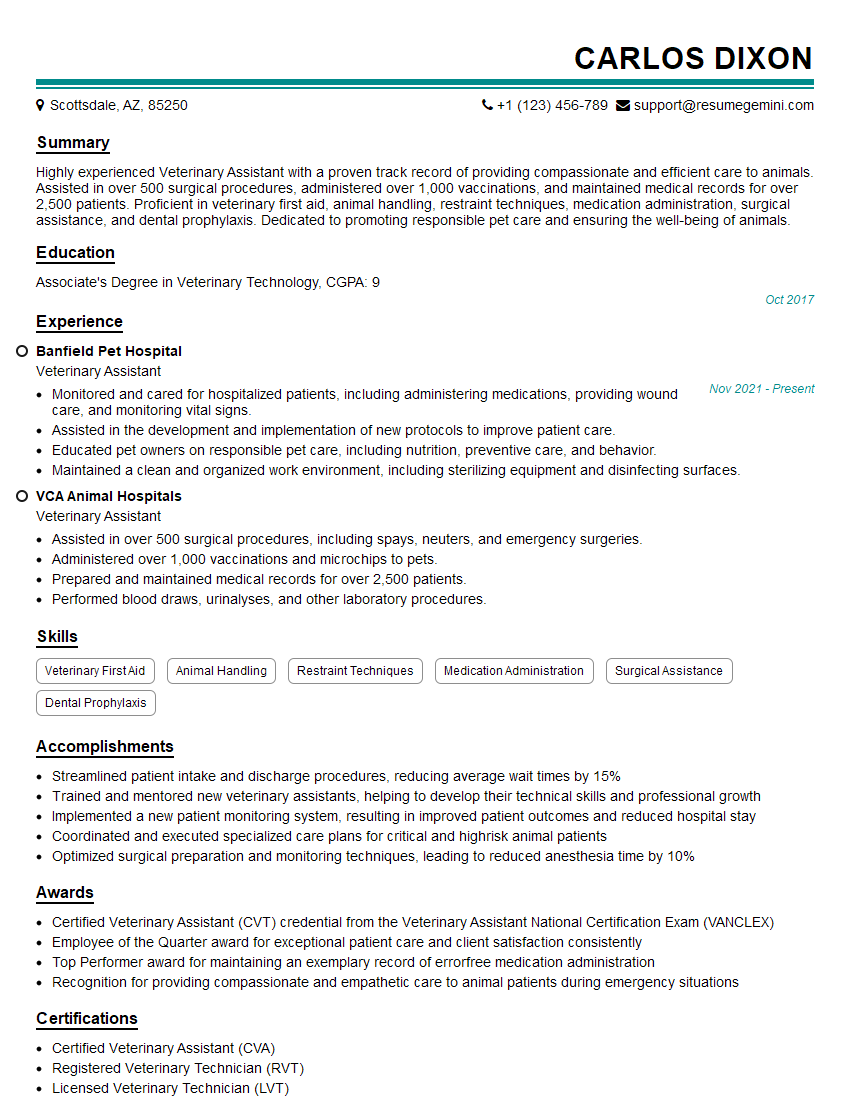
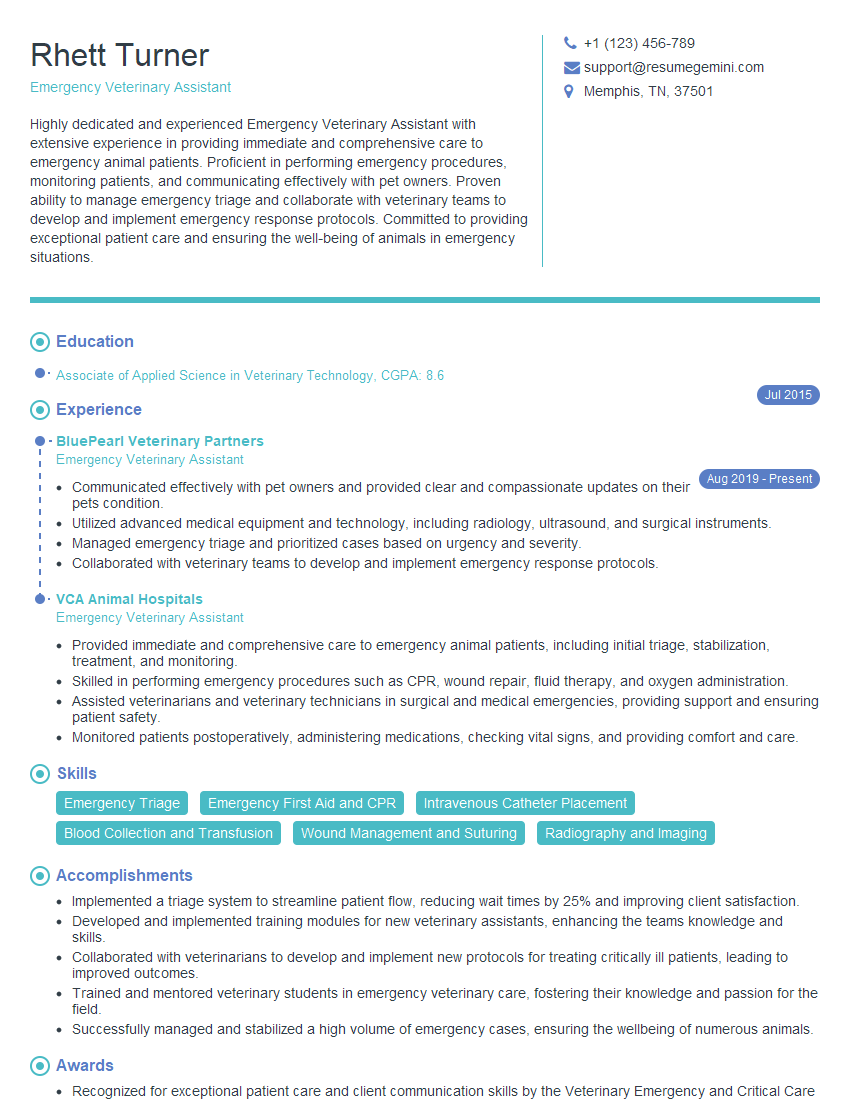
Mastering the Certified Veterinary Assistant (CVA) skillset significantly enhances your career prospects, opening doors to diverse roles and increased earning potential within the veterinary field. To maximize your job search success, crafting an ATS-friendly resume is crucial. This ensures your qualifications are effectively recognized by hiring managers and applicant tracking systems. ResumeGemini is a trusted resource to help you build a professional and impactful resume. They provide examples of resumes tailored to Certified Veterinary Assistant (CVA) roles, giving you a head start in creating a compelling application that showcases your skills and experience.
Explore more articles
Users Rating of Our Blogs
Share Your Experience
We value your feedback! Please rate our content and share your thoughts (optional).
What Readers Say About Our Blog
Very informative content, great job.
good