Cracking a skill-specific interview, like one for Change Management Procedures, requires understanding the nuances of the role. In this blog, we present the questions you’re most likely to encounter, along with insights into how to answer them effectively. Let’s ensure you’re ready to make a strong impression.
Questions Asked in Change Management Procedures Interview
Q 1. Describe your experience with various change management methodologies (e.g., ADKAR, Kotter’s 8-Step Process).
Throughout my career, I’ve extensively utilized various change management methodologies, adapting my approach based on the specific organizational context and the nature of the change. Two prominent frameworks I frequently employ are ADKAR and Kotter’s 8-Step Process.
ADKAR focuses on individual change, emphasizing five key elements: Awareness of the need for change, Desire to participate and support the change, Knowledge of how to change, Ability to implement the change, and Reinforcement to sustain the change. I find ADKAR particularly useful for managing large-scale transformations, ensuring that individuals at all levels understand their roles and responsibilities.
Kotter’s 8-Step Process, on the other hand, offers a more organizational-level approach. It guides leaders through creating a sense of urgency, building a guiding coalition, forming a strategic vision, and communicating that vision to achieve buy-in. Subsequent steps involve empowering broad-based action, generating short-term wins, consolidating gains and producing more change, and anchoring new approaches in the culture. This framework is excellent for orchestrating significant shifts in organizational strategy or structure.
For instance, in a recent project involving a software migration, I used a blended approach. We utilized ADKAR to address individual employee concerns about the new system, providing training and support to build their ability and confidence. Simultaneously, we leveraged Kotter’s framework to build organizational momentum, celebrating early successes to reinforce the positive impact of the change.
Q 2. Explain the importance of stakeholder analysis in change management.
Stakeholder analysis is paramount in change management; it’s the cornerstone of a successful transition. Without a clear understanding of who is impacted by the change and how, initiatives are far more likely to fail. Stakeholder analysis involves identifying all individuals or groups affected by the change, assessing their level of influence and interest, and determining their likely response to the change.
This involves several steps:
- Identification: Creating a comprehensive list of all stakeholders, from executives to end-users.
- Analysis: Assessing each stakeholder’s power and interest using tools like a power/interest grid. This helps prioritize engagement strategies.
- Engagement Planning: Developing tailored communication and engagement plans for different stakeholder groups based on their influence and interest. High-influence, high-interest stakeholders require close collaboration; low-influence, low-interest stakeholders may only need basic updates.
For example, during a company-wide restructuring, neglecting to engage key union representatives resulted in significant resistance and project delays. A thorough stakeholder analysis would have identified their concerns early on and allowed us to proactively address them, resulting in a smoother transition.
Q 3. How do you identify and mitigate risks associated with organizational change?
Risk management is an iterative process that starts early and continues throughout the change initiative. It involves proactively identifying potential obstacles, analyzing their likelihood and impact, and developing mitigation strategies.
My approach typically follows these steps:
- Risk Identification: Brainstorming potential risks with stakeholders, using techniques like SWOT analysis and risk registers.
- Risk Assessment: Evaluating the likelihood and potential impact of each identified risk using a matrix or scoring system.
- Risk Response Planning: Developing mitigation strategies for high-priority risks. These strategies might include contingency plans, alternative solutions, or additional resources.
- Risk Monitoring and Control: Regularly tracking identified risks and implementing the mitigation strategies as needed.
For instance, in a recent project involving a new customer relationship management (CRM) system, we identified the risk of data loss during migration. Our mitigation strategy included a thorough data backup process and rigorous testing to ensure data integrity. We also developed a communication plan to inform stakeholders about the process and address their concerns.
Q 4. What are your preferred methods for communicating change initiatives to different stakeholder groups?
Effective communication is crucial for successful change management. My approach is to tailor communication strategies to different stakeholder groups based on their needs and preferences.
Methods I frequently use include:
- Town hall meetings: For large-scale announcements and Q&A sessions.
- Targeted emails: For specific updates and announcements to particular groups.
- One-on-one conversations: For addressing individual concerns and building relationships.
- Intranets and newsletters: For disseminating information to a wider audience.
- Training sessions: To equip employees with the knowledge and skills needed to adapt to the change.
The key is to ensure consistent, clear, and timely communication across all channels. For example, during the launch of a new product, we used a mix of town hall meetings for high-level updates and targeted emails to provide specific details to sales teams, marketing teams and support teams.
Q 5. How do you measure the success of a change management initiative?
Measuring the success of a change initiative requires a multi-faceted approach, using both quantitative and qualitative data. Metrics should be defined upfront, aligning with the project’s objectives.
Key metrics I use include:
- Adoption rates: The percentage of stakeholders using the new system or process.
- Employee satisfaction: Measured through surveys or feedback sessions.
- Productivity improvements: Changes in efficiency or output.
- Cost savings: Reduction in expenses or improved resource utilization.
- Return on investment (ROI): The financial return on the change initiative.
Beyond numbers, qualitative feedback is crucial. Gathering anecdotal evidence through interviews or focus groups provides valuable insights into the human side of change and uncovers areas needing further improvement. For example, the successful implementation of a new project management system was measured by the increase in project completion rates, improved employee satisfaction scores, and a reduction in project overruns.
Q 6. Describe a situation where a change initiative failed. What were the contributing factors?
In a previous role, a change initiative to implement a new performance management system failed due to several interconnected factors. Primarily, the lack of a well-defined communication plan led to uncertainty and apprehension among employees. We underestimated the emotional impact of the change on employees, leading to resistance and resentment. The new system also lacked user-friendliness, and inadequate training further exacerbated the issues. Finally, a lack of senior management support resulted in inconsistent messaging and weakened the overall initiative’s credibility.
The key learnings from this experience highlighted the importance of comprehensive stakeholder analysis, detailed communication planning, thorough user training, and strong executive sponsorship.
Q 7. How do you handle resistance to change during implementation?
Resistance to change is often a natural response, and handling it effectively requires empathy, understanding, and a proactive approach. It’s crucial to avoid simply forcing the change; instead, it’s critical to understand the root causes of the resistance.
My strategy typically involves:
- Active Listening: Engaging in open dialogue with individuals and groups to understand their concerns and objections.
- Addressing Concerns: Providing clear explanations and addressing any misinformation or misunderstandings.
- Collaboration and Involvement: Including resistant individuals in the change process, giving them a voice and a sense of ownership.
- Negotiation and Compromise: Finding solutions that address concerns while still achieving the overall change goals.
- Providing Support and Training: Equipping individuals with the skills and resources they need to adapt to the change.
For example, when facing resistance to a new work-from-home policy, we held several open forums to address employees’ anxieties about communication, collaboration, and work-life balance. By actively listening and addressing these concerns, we were able to build trust and overcome the initial resistance.
Q 8. How do you build consensus and buy-in for change initiatives?
Building consensus and buy-in for change initiatives is crucial for successful implementation. It’s not just about informing people; it’s about actively engaging them and making them feel heard and valued throughout the process. I achieve this through a multi-pronged approach:
- Open Communication: Transparency is key. I ensure everyone understands the ‘why’ behind the change, the potential benefits, and the potential challenges. I utilize various communication channels – town hall meetings, emails, intranet updates, one-on-one conversations – to reach all stakeholders effectively.
- Active Listening and Feedback Gathering: I actively solicit feedback throughout the process, using surveys, focus groups, and informal discussions to understand concerns and address them proactively. This demonstrates respect for their opinions and shows that their input matters.
- Involving Stakeholders Early: Early participation fosters a sense of ownership. By involving key stakeholders in the planning and design phases, I ensure their ideas and concerns are integrated into the change initiative. This significantly increases buy-in.
- Addressing Resistance: Resistance to change is natural. I address it head-on by identifying the root causes, acknowledging valid concerns, and collaboratively finding solutions. This might involve offering training, providing support, or addressing fears about job security.
- Demonstrating Value: Highlighting the tangible benefits of the change is critical. Using data, case studies, and real-world examples helps demonstrate the positive impact on individuals, teams, and the organization as a whole.
For example, in a recent project involving the implementation of new software, I held multiple workshops to gather feedback on the user interface and workflow, resulting in a more user-friendly system that employees readily adopted.
Q 9. Explain your understanding of change leadership and its importance.
Change leadership is the ability to inspire and guide individuals and teams through organizational transformations. Effective change leaders aren’t just managers; they’re visionaries who can articulate a compelling case for change, build momentum, and navigate the complexities of the process. Their importance lies in their ability to:
- Develop a Clear Vision: Articulate a compelling vision that motivates and inspires people to embrace change.
- Build a Coalition: Gather support from key influencers and stakeholders to champion the change initiative.
- Manage Resistance: Address concerns, overcome obstacles, and foster collaboration among diverse groups.
- Communicate Effectively: Keep everyone informed, transparently address concerns, and celebrate successes along the way.
- Empower Others: Delegate responsibilities, foster ownership, and build the capacity of others to lead the change effort.
- Celebrate Successes: Recognize and reward accomplishments to reinforce positive behavior and sustain momentum.
Think of it like leading an expedition: a skilled leader sets a clear direction (vision), assembles the right team (coalition), anticipates and overcomes challenges (resistance), keeps the team informed (communication), empowers individuals to contribute (empowerment) and celebrates milestones (successes).
Q 10. What tools and techniques do you use to track progress and manage change projects?
Tracking progress and managing change projects requires a blend of qualitative and quantitative methods. I utilize several tools and techniques:
- Project Management Software: Tools like Jira, Asana, or Microsoft Project are essential for task management, tracking deadlines, and monitoring progress against the project plan. These tools allow for real-time visibility into the project’s status and facilitate collaboration among team members.
- Dashboards and Reports: Regularly generated dashboards and reports provide a clear overview of key metrics, such as task completion rates, budget adherence, and stakeholder satisfaction. These reports help identify potential roadblocks early and facilitate informed decision-making.
- Change Management Surveys: Regular pulse surveys help gauge employee sentiment, identify challenges, and track the effectiveness of change initiatives. This provides valuable feedback for course correction and improvement.
- Stakeholder Analysis: Using techniques like power/interest grids helps me understand the influence of different stakeholders and tailor communication and engagement strategies accordingly.
- Risk Management Plans: Proactive identification and mitigation of potential risks are crucial. I utilize risk registers and contingency plans to address unforeseen challenges and keep the project on track.
For instance, using a project management software allows for automated notifications on deadlines and task progress, preventing delays and improving accountability.
Q 11. How do you create a change management plan?
Creating a robust change management plan requires a structured approach. I typically follow these steps:
- Define the Need for Change: Clearly articulate the business case for change, outlining the problem, the desired outcomes, and the benefits of successful implementation.
- Assess the Impact: Identify all stakeholders affected by the change and assess the potential impact on different groups (e.g., employees, customers, partners).
- Develop a Communication Strategy: Plan how and when to communicate the change to various stakeholders, ensuring clear, consistent, and timely messaging.
- Develop a Training Plan: Identify training needs and create a plan to equip stakeholders with the skills and knowledge needed to succeed in the changed environment.
- Establish Metrics and Tracking: Define key performance indicators (KPIs) to measure the success of the change initiative and track progress against targets.
- Identify and Manage Resistance: Develop strategies to address potential resistance to change, focusing on addressing concerns, providing support, and fostering collaboration.
- Develop a Support System: Establish a support structure to provide assistance to stakeholders during and after the transition.
- Plan for Sustainability: Develop strategies to ensure the change is sustained over the long term, including embedding new processes and behaviors into the organizational culture.
The final plan should be a living document, regularly reviewed and updated as needed.
Q 12. How do you ensure sustainability of change after implementation?
Ensuring sustainability of change after implementation is crucial. It’s not enough to simply implement the change; we need to embed it into the organizational culture and make it a lasting part of how things are done. This involves:
- Reinforcement and Recognition: Continuously reinforcing the new behaviors and recognizing individuals and teams for their contributions helps embed the change into the everyday routine.
- Leadership Commitment: Sustained leadership support and visible commitment to the change are essential to signal its importance and encourage continued adoption.
- Embedding in Processes and Systems: Integrate the changes into formal processes, systems, and workflows to make them integral parts of the organization’s operations.
- Measuring and Monitoring: Continue to monitor progress against KPIs and make adjustments as needed to ensure the change is achieving its desired outcomes.
- Ongoing Training and Support: Provide ongoing training and support to ensure employees continue to adapt and use the new processes and systems effectively.
- Building a Culture of Continuous Improvement: Foster a culture of continuous improvement where feedback is valued, and processes are regularly reviewed and updated to ensure effectiveness.
For example, post-implementation, regular team meetings are used to discuss challenges and successes related to the new processes, fostering a sense of shared responsibility and ownership.
Q 13. Describe your experience with change management software or tools.
I have extensive experience with various change management software and tools, including Jira, Asana, and Microsoft Project for project management; SurveyMonkey and Qualtrics for feedback gathering and sentiment analysis; and SharePoint for document management and communication. My proficiency extends beyond simply using these tools; I understand how to leverage their capabilities to enhance collaboration, track progress, and measure the effectiveness of change initiatives. For instance, I’ve used Jira to create customized workflows for change projects, enabling efficient task assignment, progress tracking, and risk management. This ensures real-time visibility and promotes accountability throughout the project lifecycle.
Q 14. How do you adapt your change management approach to different organizational cultures?
Adapting my change management approach to different organizational cultures is paramount. A one-size-fits-all approach rarely works. I tailor my strategy by understanding the specific culture and its nuances. This involves:
- Cultural Assessment: I begin by assessing the existing organizational culture, considering factors such as communication styles, decision-making processes, power dynamics, and risk tolerance.
- Tailored Communication: I adapt my communication style to resonate with the specific culture. For example, in a hierarchical culture, I’ll emphasize top-down communication, whereas in a more collaborative culture, I’ll prioritize open dialogue and feedback loops.
- Engagement Strategies: I select engagement strategies that align with the culture’s values and preferences. This might involve formal presentations, informal workshops, or social media campaigns.
- Leadership Style: My leadership style adapts to the cultural context. In some cultures, a more directive leadership style is appropriate, while in others, a participative approach is more effective.
- Change Pace: The pace of change should be considered; a fast-paced change might be more appropriate in a dynamic culture, while a slower, more deliberate approach might be better suited to a more conservative culture.
For example, in one organization with a highly collaborative culture, I facilitated numerous workshops and brainstorming sessions to involve employees in the design of the new processes. In another, more hierarchical organization, I focused on clear communication from senior leadership to ensure buy-in and manage expectations.
Q 15. Explain your experience with different types of organizational change (e.g., structural, technological, process).
My experience spans various organizational change types. Structural changes, like reorganizations or mergers, require a focus on communication and addressing employee anxieties about roles and reporting structures. I’ve successfully managed such transitions by employing transparent communication strategies, including town hall meetings and individual consultations, to alleviate uncertainty and foster buy-in. Technological changes, such as implementing new software, demand robust training programs and ongoing support. In one project, I implemented a phased rollout of a new CRM system, starting with a pilot group to identify and address issues before a full-scale launch, drastically reducing disruptions. Finally, process changes, like streamlining workflows, often necessitate clear articulation of the ‘why’ behind the change and a commitment to effective training and documentation. For example, when implementing lean methodologies in a manufacturing plant, I worked closely with frontline employees to understand their daily tasks, leading to a more efficient and employee-friendly process that improved both efficiency and morale.
Career Expert Tips:
- Ace those interviews! Prepare effectively by reviewing the Top 50 Most Common Interview Questions on ResumeGemini.
- Navigate your job search with confidence! Explore a wide range of Career Tips on ResumeGemini. Learn about common challenges and recommendations to overcome them.
- Craft the perfect resume! Master the Art of Resume Writing with ResumeGemini’s guide. Showcase your unique qualifications and achievements effectively.
- Don’t miss out on holiday savings! Build your dream resume with ResumeGemini’s ATS optimized templates.
Q 16. How do you prioritize competing change initiatives?
Prioritizing competing change initiatives requires a strategic approach. I utilize a framework that considers urgency, impact, and feasibility. Urgency considers the time sensitivity of the change – addressing immediate needs first. Impact assesses the potential benefits and drawbacks of each initiative, focusing on changes that deliver significant value to the organization. Feasibility evaluates the resources required and the potential challenges in implementation. I often employ a prioritization matrix, plotting initiatives based on urgency and impact, visually clarifying which changes should be tackled first. For example, if a system failure is imminent (high urgency, high impact), this would clearly supersede a planned long-term strategic initiative (low urgency, high impact) even if the latter promises greater long-term gains.
Q 17. Describe your experience with change impact assessments.
Change impact assessments are crucial for anticipating and mitigating potential disruptions. My process begins by identifying stakeholders affected by the change. Then, I conduct thorough analyses to evaluate the impact on various aspects of the organization – operational processes, technology systems, communication flows, and employee roles and responsibilities. I use a variety of methods, including surveys, interviews, and workshops, to gather data. This data is then analyzed to identify potential risks and opportunities. For instance, when introducing a new performance management system, the impact assessment highlighted the need for enhanced training for managers, leading to the development of specialized training modules. This proactive approach helped to minimize resistance and ensure a smooth transition.
Q 18. How do you involve employees in the change management process?
Employee involvement is paramount for successful change management. I believe in a collaborative approach that values employee input at every stage. This includes establishing communication channels for feedback, creating opportunities for participation in decision-making, and recognizing and rewarding contributions. Methods I’ve used include: forming change committees with representatives from different departments, conducting regular feedback sessions, and actively soliciting suggestions for improvement. For instance, during a recent process optimization project, I held workshops to brainstorm solutions with front-line employees, ensuring their valuable insights were incorporated into the final design. Their input not only improved the solution but also significantly increased their buy-in.
Q 19. What metrics do you use to monitor employee engagement during change?
Monitoring employee engagement during change involves tracking several key metrics. These include: employee satisfaction surveys to gauge morale and identify areas of concern; participation rates in change-related training and workshops to measure commitment; feedback from focus groups and surveys to assess the effectiveness of communication strategies; and productivity and performance metrics to evaluate the overall impact of the change. I also look at absenteeism and turnover rates as potential indicators of disengagement. Regularly reviewing these metrics allows for proactive adjustments to the change management plan, ensuring a smoother transition and improved outcomes.
Q 20. Describe your experience with managing change in a matrix organization.
Managing change in a matrix organization requires navigating multiple reporting lines and diverse perspectives. The key is building consensus and strong working relationships across different teams. I achieve this by clearly defining roles and responsibilities, ensuring all stakeholders understand their contributions to the change initiative. This often involves establishing a cross-functional change team with representatives from each reporting structure. Clear communication and regular updates are also vital, keeping all involved parties informed and aligned. For example, when managing a cross-functional project involving engineering, marketing and sales, I facilitated regular meetings and created a shared project management platform to ensure transparency and facilitate collaboration across different teams.
Q 21. How do you create a communication plan for a change initiative?
A well-structured communication plan is crucial for successful change management. It should identify key messages, target audiences, communication channels, and timelines. I start by defining the overall change objectives and key messages that need to be communicated. Then, I segment my audiences based on their roles, needs, and communication preferences. Next, I select appropriate channels, such as email, intranet, town hall meetings, and one-on-one conversations, considering the reach and impact of each. Finally, I develop a timeline, specifying when and how messages will be delivered. The plan should also incorporate feedback mechanisms to ensure messages are understood and address any concerns. A robust communication plan ensures transparency, minimizing rumors and fostering support for the change.
Q 22. How do you manage the expectations of stakeholders during a change process?
Managing stakeholder expectations during a change process is crucial for success. It’s about proactively communicating, actively listening, and consistently managing perceptions throughout the entire lifecycle. I begin by identifying all key stakeholders and understanding their individual concerns, priorities, and influence levels. This involves employing techniques like stakeholder mapping and analysis to categorize them based on their interest and power. Then, I develop a comprehensive communication plan, tailoring messages to resonate with each stakeholder group. This includes regular updates, town hall meetings, and individual briefings – using diverse channels like email, intranet postings, and even informal one-on-one conversations. Transparency is paramount; I ensure everyone is aware of the ‘why’ behind the change, its potential impact, and the timeline. Furthermore, I actively solicit feedback throughout the process and incorporate it where feasible, demonstrating that their input matters. For example, during a recent software implementation, we held weekly Q&A sessions with end-users, addressing their anxieties about the new system’s functionality and ease of use. This proactive communication minimized resistance and ultimately led to a smoother transition.
Q 23. What is your approach to conflict resolution during a change project?
Conflict resolution during a change project is an inevitable part of the process. My approach is collaborative and focuses on finding mutually beneficial solutions. I start by actively listening to all sides, ensuring everyone feels heard and understood. I avoid judgment and focus on identifying the underlying causes of the conflict, rather than simply addressing the symptoms. Once the issues are clear, I facilitate a structured discussion, guiding the parties involved to identify common ground and explore potential solutions. This often includes brainstorming sessions and the use of conflict resolution techniques like mediation or negotiation. If the conflict persists, I may involve a neutral third party to mediate. For instance, during a departmental restructuring, a conflict arose between two teams over resource allocation. I facilitated a series of meetings where both teams could present their needs and concerns. Through collaborative problem-solving, we were able to reach a compromise that satisfied both teams, avoiding any significant disruption to the project.
Q 24. How do you ensure compliance with regulatory requirements during a change initiative?
Ensuring regulatory compliance during change initiatives is critical and non-negotiable. My approach involves a thorough understanding of all applicable regulations from the outset. This includes conducting a comprehensive regulatory impact assessment to pinpoint all relevant laws and standards. Then, I incorporate compliance requirements into every phase of the change management plan, ensuring that all activities align with these regulations. This might involve developing specific procedures, obtaining necessary approvals, and implementing robust monitoring and auditing mechanisms. Documentation is paramount, meticulously recording all actions and decisions related to compliance. In the event of a potential breach, we have pre-defined protocols and escalation procedures in place to quickly mitigate any risks. For example, in a recent project involving the handling of sensitive customer data, we ensured compliance with GDPR (General Data Protection Regulation) by implementing data encryption, access control measures, and data breach notification procedures. This proactive approach not only protected the organization from legal repercussions but also reinforced trust with our customers.
Q 25. Describe your experience with change management in agile environments.
My experience with change management in agile environments emphasizes iterative progress and adaptability. Instead of rigid, long-term plans, we employ short cycles with frequent feedback loops. Stakeholder involvement is continuous, with regular sprints and daily stand-ups ensuring everyone is aligned. Change requests are handled through the existing agile framework, prioritized based on value and impact. The focus shifts from comprehensive pre-planning to incremental implementation and continuous improvement. Communication is vital, and we leverage agile tools like Kanban boards and project management software to maintain transparency and track progress. For example, during a recent website redesign project, we used Scrum methodology, breaking down the project into smaller, manageable sprints. Each sprint included regular demos and feedback sessions with stakeholders, ensuring the final product met their expectations and addressed their concerns promptly. This flexible approach allowed for quicker adjustments and better responsiveness to changes throughout the project.
Q 26. How do you balance the need for speed and thoroughness in change initiatives?
Balancing speed and thoroughness in change initiatives is a constant challenge. My approach involves a risk-based prioritization process. We identify critical paths and potential risks and allocate resources accordingly. While speed is important, I emphasize that shortcuts shouldn’t compromise quality or compliance. We employ techniques like phased rollouts, piloting new processes on a smaller scale before full implementation, and utilizing rapid prototyping to test ideas quickly. This allows us to identify and address potential issues early on without incurring significant costs or delays. A detailed change management plan is essential, outlining clear objectives, timelines, and responsibilities. Regular monitoring and reporting provide insights into the progress and allow for timely adjustments if needed. For instance, when implementing a new customer relationship management (CRM) system, we opted for a phased rollout, starting with a pilot group to identify any issues before implementing it across the entire organization. This approach ensured a quicker overall implementation while minimizing disruptions and risks.
Q 27. Describe your experience with post-implementation reviews of change initiatives.
Post-implementation reviews (PIRs) are essential for learning and improvement. My approach involves a structured process encompassing data analysis, stakeholder feedback, and lessons learned. We systematically evaluate the success of the change initiative against predefined objectives and key performance indicators (KPIs). This includes analyzing quantitative data such as cost savings, efficiency gains, and user adoption rates. We also gather qualitative feedback through surveys, interviews, and focus groups. This feedback helps us identify areas where the implementation exceeded expectations and areas requiring improvement. The PIR culminates in a comprehensive report that documents findings, recommendations, and action items. This report is then used to inform future change initiatives, optimizing processes and minimizing potential risks. For example, after implementing a new supply chain management system, we conducted a PIR that revealed unexpected benefits in inventory management. This feedback was crucial for future projects and contributed to the organization’s overall efficiency.
Q 28. How do you utilize data and analytics to inform your change management decisions?
Data and analytics are vital for informed change management decisions. I utilize data throughout the entire lifecycle, from the initial assessment phase to the post-implementation review. During the planning phase, data helps in identifying areas needing improvement, assessing the impact of the change, and predicting potential risks. During implementation, data provides insights into progress, allowing for proactive adjustments. Post-implementation, data analysis quantifies the success of the change initiative and allows us to refine our processes for future projects. For example, we might use data analytics to track user adoption rates of a new software system, identify areas of low engagement, and tailor training or communication strategies accordingly. This data-driven approach allows for evidence-based decision-making, ensuring that changes are effective and deliver the desired outcomes.
Key Topics to Learn for Change Management Procedures Interview
- Understanding Change Management Frameworks: Explore popular methodologies like ADKAR, Kotter’s 8-Step Process, and Prosci’s methodology. Consider their strengths, weaknesses, and applicability in different organizational contexts.
- Stakeholder Analysis and Management: Learn how to identify, analyze, and manage the expectations and concerns of various stakeholders throughout the change process. Practice techniques for effective communication and conflict resolution.
- Risk Assessment and Mitigation: Develop skills in identifying potential risks associated with change initiatives and devising strategies to mitigate those risks proactively. This includes understanding the impact of change on different parts of an organization.
- Communication Planning and Execution: Master the art of crafting clear, concise, and engaging communication plans tailored to different audiences. Explore various communication channels and techniques to ensure effective message delivery.
- Measuring and Evaluating Change Success: Understand key performance indicators (KPIs) and metrics used to track the success of change initiatives. Learn how to collect data, analyze results, and make adjustments as needed.
- Resistance to Change Management: Explore the common reasons for resistance to change and develop strategies for addressing and overcoming resistance effectively. This includes understanding different personality types and their reactions to change.
- Change Management Tools and Technologies: Familiarize yourself with project management software and other tools used to support change initiatives. This could include tools for communication, collaboration, and tracking progress.
Next Steps
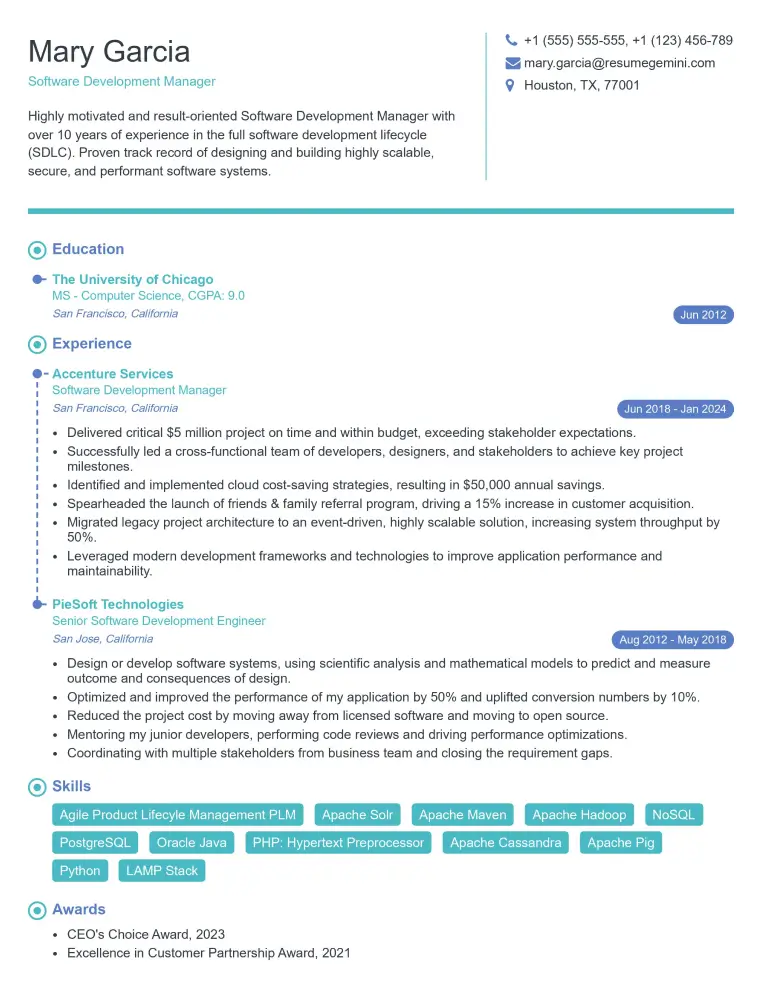
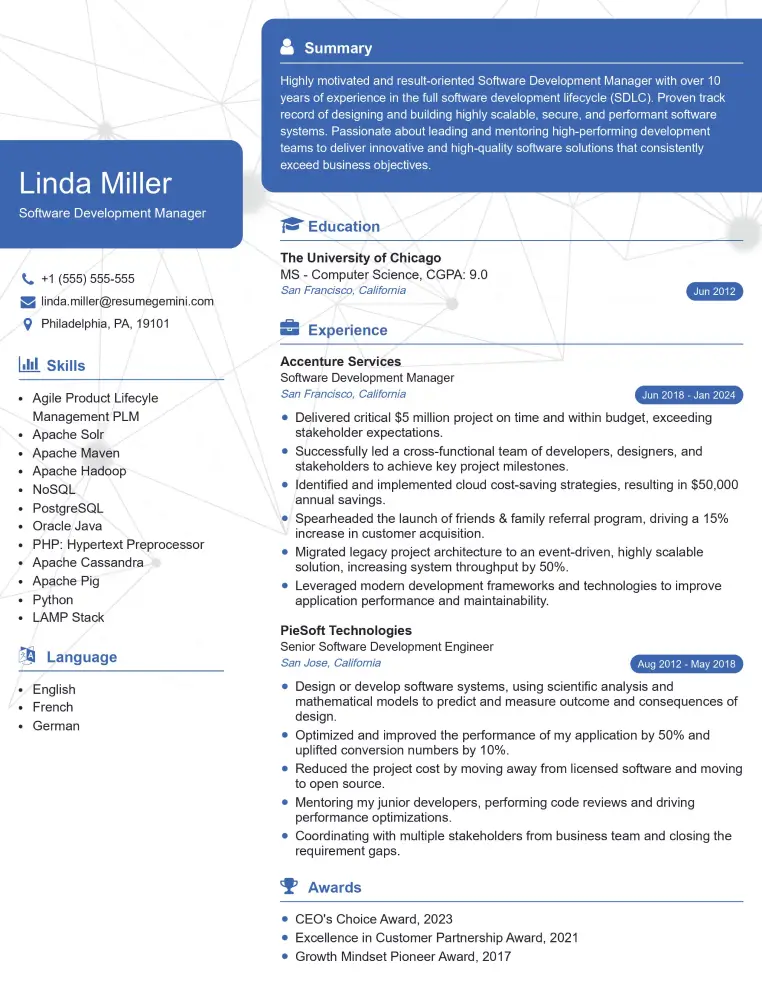
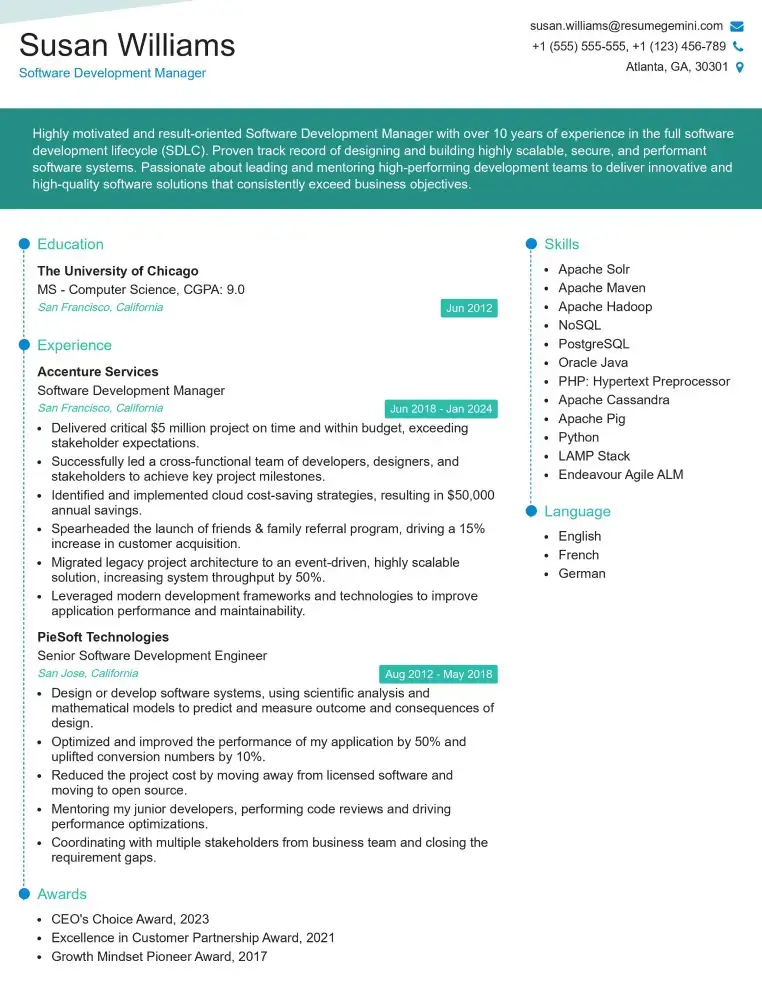
Mastering Change Management Procedures is crucial for career advancement in today’s dynamic business environment. Demonstrating expertise in this area significantly enhances your value to any organization. To maximize your job prospects, crafting an ATS-friendly resume is paramount. A well-structured resume highlights your skills and experience effectively, ensuring your application gets noticed. We recommend using ResumeGemini, a trusted resource for building professional resumes that stand out. ResumeGemini provides examples of resumes tailored to Change Management Procedures, ensuring you present yourself in the best possible light. Invest time in building a compelling resume – it’s your first impression and a crucial step in landing your dream job.
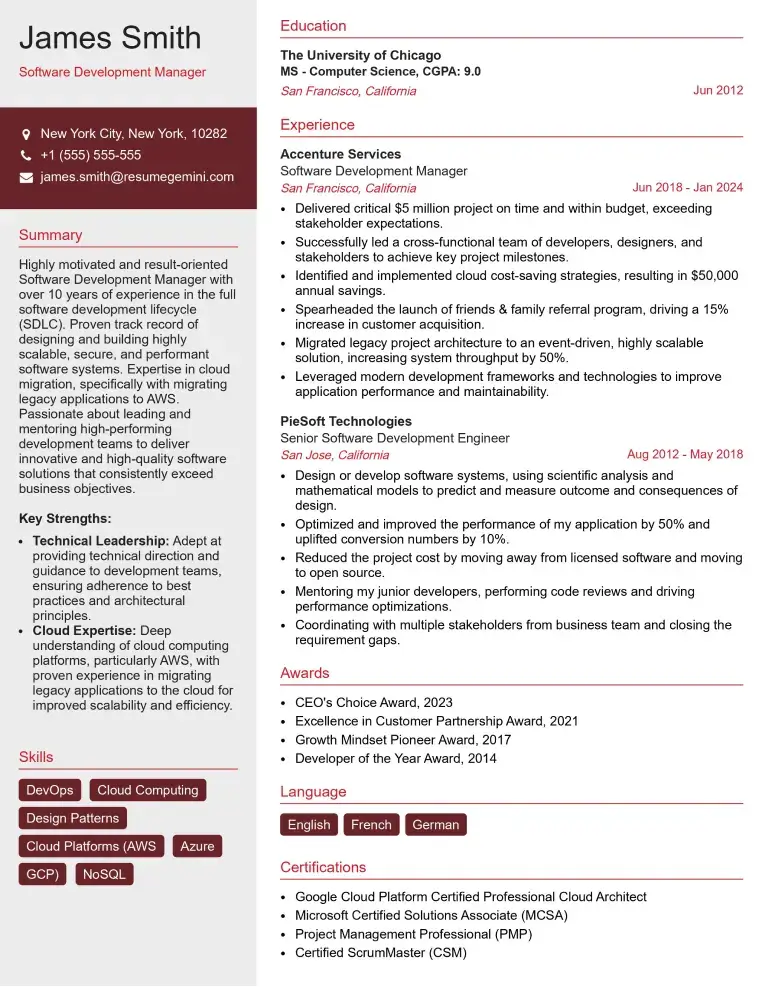
Check Out Resume Samples at ResumeGemini
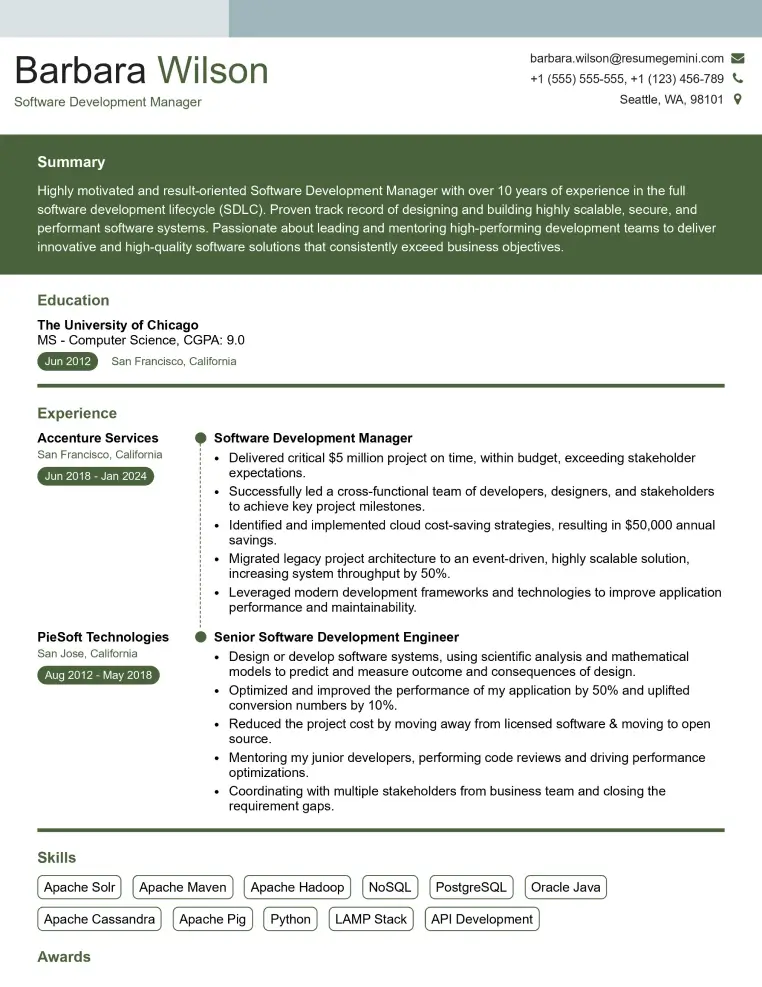
Check Out Resume Samples at ResumeGemini
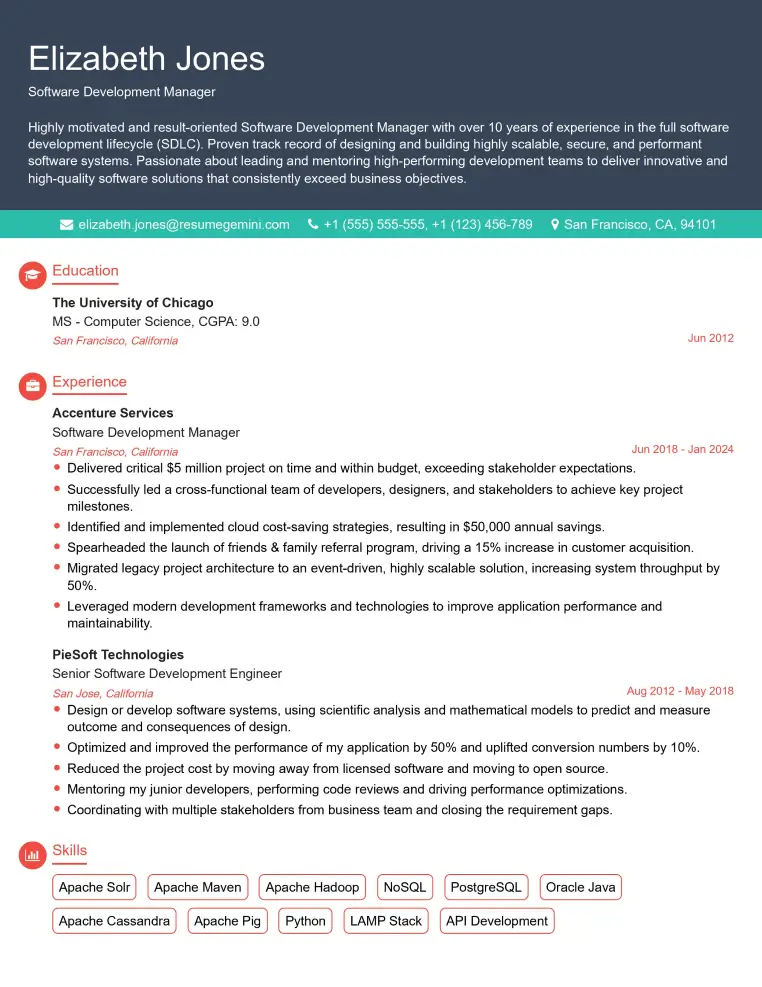
Check Out Resume Samples at ResumeGemini
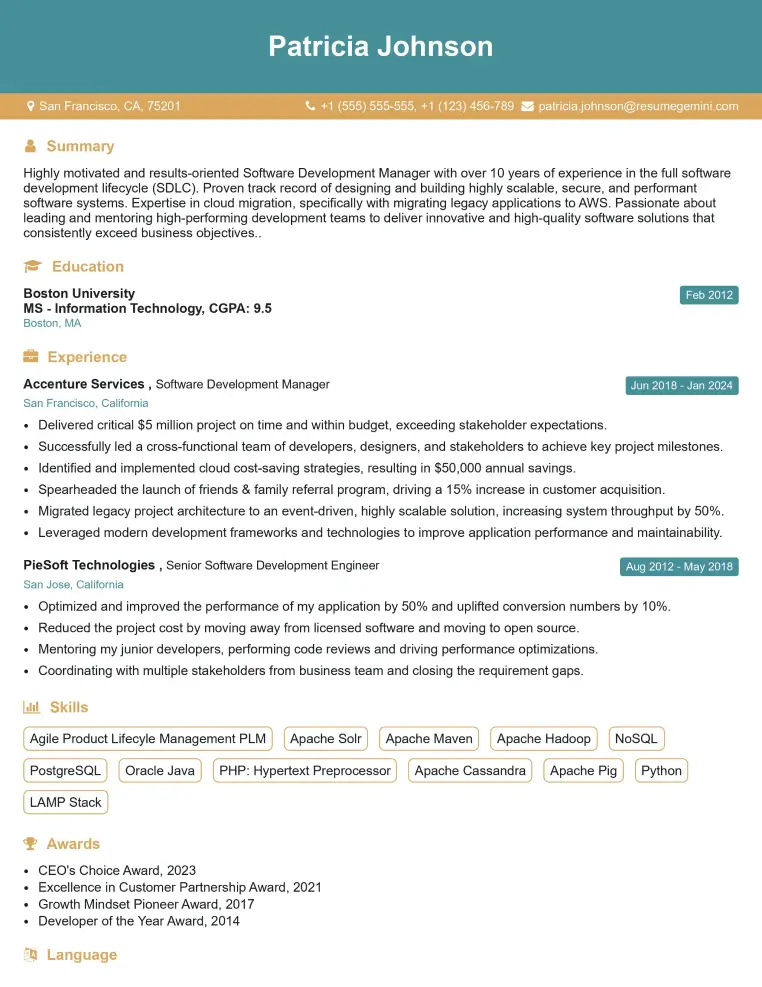
Check Out Resume Samples at ResumeGemini
Check Out Resume Samples at ResumeGemini
Check Out Resume Samples at ResumeGemini
Check Out Resume Samples at ResumeGemini
Explore more articles
Users Rating of Our Blogs
Share Your Experience
We value your feedback! Please rate our content and share your thoughts (optional).
What Readers Say About Our Blog
Very informative content, great job.
good