Preparation is the key to success in any interview. In this post, we’ll explore crucial Chemical Command and Control interview questions and equip you with strategies to craft impactful answers. Whether you’re a beginner or a pro, these tips will elevate your preparation.
Questions Asked in Chemical Command and Control Interview
Q 1. Describe your experience with HAZOP studies.
HAZOP, or Hazard and Operability studies, are systematic analyses used to identify potential hazards and operability problems in chemical processes. I’ve led numerous HAZOP studies across various chemical plants, involving teams of engineers, operators, and safety experts. My approach involves meticulously reviewing process flow diagrams (P&IDs), identifying deviations from the intended design, and brainstorming potential causes and consequences. For instance, in a recent study involving a reactor system, we identified a potential hazard related to an unexpected exothermic reaction. By systematically considering deviations like ‘higher than normal temperature,’ we determined that a failure in the cooling system could lead to a runaway reaction, resulting in pressure buildup and potential vessel rupture. The HAZOP process allowed us to identify this risk, propose mitigation strategies (e.g., installing a backup cooling system, implementing a temperature alarm system), and ultimately enhance the plant’s safety.
We use a structured approach, employing a guide word matrix to systematically explore various process parameters. Common guide words include ‘No,’ ‘More,’ ‘Less,’ ‘Part of,’ ‘Reverse,’ and ‘Other.’ Each guide word is applied to each process parameter (e.g., flow rate, temperature, pressure) to uncover potential deviations. The subsequent analysis focuses on identifying the causes and consequences of these deviations and developing appropriate safeguards. The result is a comprehensive report documenting all identified hazards, proposed mitigations, and recommendations for improved safety and operational efficiency.
Q 2. Explain the principles of process safety management.
Process Safety Management (PSM) is a holistic approach to managing chemical processes to prevent incidents and minimize risks. It’s not just about reacting to accidents; it’s about proactively preventing them. I’ve implemented and overseen PSM programs in compliance with OSHA’s PSM standard (29 CFR 1910.119) and other relevant regulations. The core principles revolve around a robust hazard identification and risk assessment process, coupled with effective controls and a strong safety culture.
- Hazard Identification and Risk Assessment: This involves identifying all potential hazards associated with the process, analyzing the likelihood and severity of each hazard, and prioritizing them based on risk.
- Process Safety Information (PSI): This encompasses all relevant data necessary to understand and manage the process, including P&IDs, operating procedures, safety data sheets (SDS), and equipment specifications.
- Process Hazard Analysis (PHA): Techniques like HAZOP, what-if analysis, and fault tree analysis are used to systematically evaluate process hazards.
- Operating Procedures: Detailed procedures are developed and regularly reviewed to ensure consistent and safe operation.
- Training: Comprehensive training programs are essential to ensure operators and other personnel are adequately prepared to handle process upsets and emergencies.
- Mechanical Integrity: Regular inspections, maintenance, and testing of equipment are crucial to prevent failures.
- Emergency Planning and Response: A detailed emergency response plan must be in place and regularly practiced.
- Management of Change (MOC): A formal system for managing changes to the process to ensure safety and prevent unforeseen consequences.
- Compliance Audits: Regular audits ensure that the PSM program is effective and that all regulations are met.
Think of it like building a house: PSM ensures a solid foundation (hazard identification), strong structure (process safety information), and reliable safety systems (emergency response plan) to withstand potential storms (process upsets).
Q 3. What are the key elements of a chemical emergency response plan?
A chemical emergency response plan (CERP) is a crucial component of any chemical facility’s safety program. A well-developed CERP outlines the procedures to follow in case of a chemical release or other emergency. It must be comprehensive, realistic, and regularly practiced. Key elements include:
- Emergency Response Organization: Clearly defined roles and responsibilities for personnel involved in emergency response.
- Emergency Notification Procedures: A system for notifying relevant authorities, employees, and the public in case of an emergency.
- Emergency Control Procedures: Detailed steps for controlling the release of hazardous materials and mitigating the consequences.
- Evacuation Procedures: Plans for evacuating personnel from the affected area.
- Decontamination Procedures: Procedures for decontaminating personnel and equipment exposed to hazardous materials.
- Medical Surveillance: Provisions for medical evaluation and treatment of injured personnel.
- Training and Drills: Regular training and drills are vital to ensure that personnel are prepared to respond effectively.
- Communication Plan: A plan for communicating information during the emergency, both internally and externally.
- Emergency Equipment: Availability and maintenance of essential emergency equipment, such as respirators, protective clothing, and spill control equipment.
I’ve developed and implemented CERPs for several facilities, ensuring they meet regulatory requirements and are tailored to the specific hazards present. We conduct regular drills and tabletop exercises to test the plan’s effectiveness and identify areas for improvement. These drills are crucial in ensuring a coordinated and effective response in the event of a real emergency.
Q 4. How do you ensure compliance with relevant safety regulations (OSHA, EPA, etc.)?
Ensuring compliance with safety regulations like OSHA and EPA is paramount in chemical command and control. My approach involves a multi-faceted strategy:
- Stay Updated on Regulations: I regularly monitor changes and updates to relevant regulations, attending industry conferences and workshops, and subscribing to relevant publications.
- Develop and Implement Compliance Programs: We develop comprehensive compliance programs that address all applicable regulations, including process safety management, hazardous waste management, air emissions, and water discharges.
- Conduct Regular Audits and Inspections: Regular internal audits and self-inspections help identify potential compliance issues before they become serious problems. We also participate in regulatory inspections.
- Record Keeping and Documentation: Meticulous record-keeping is crucial. We maintain comprehensive records of inspections, training, maintenance, and emergency response activities.
- Employee Training: Regular training programs ensure employees understand their responsibilities in maintaining compliance.
- Incident Reporting and Investigation: Any incidents, near misses, or deviations are thoroughly investigated to identify root causes and implement corrective actions to prevent recurrence.
For example, we ensure proper labeling and handling of hazardous chemicals according to OSHA’s Hazard Communication Standard. We also meticulously manage waste disposal to comply with EPA regulations. Proactive compliance is not just about avoiding penalties; it’s about creating a safe and responsible work environment.
Q 5. Describe your experience with process control instrumentation and systems.
My experience with process control instrumentation and systems is extensive. I’m proficient in designing, implementing, and troubleshooting various systems, including distributed control systems (DCS), programmable logic controllers (PLCs), and advanced process control (APC) strategies. I’ve worked with various types of instrumentation, such as flow meters, pressure transmitters, temperature sensors, and analyzers.
For example, I’ve been involved in projects that involved migrating from legacy control systems to modern DCS platforms, improving process efficiency and safety. This involves careful planning, system integration, testing, and operator training. I am familiar with various communication protocols (e.g., Profibus, Modbus) and understand the importance of data integrity and cybersecurity in modern control systems. Understanding the intricacies of these systems allows for effective troubleshooting and optimization of process parameters to ensure efficient and safe operation. I can interpret process data from historical trends and real-time data to identify potential issues before they escalate into major problems.
Q 6. How do you troubleshoot process deviations and upsets?
Troubleshooting process deviations and upsets requires a systematic and methodical approach. My strategy typically involves the following steps:
- Identify the Deviation: First, accurately identify the nature and extent of the deviation. This involves analyzing process data from various sources (DCS, sensors, operator logs). For example, if the reactor temperature is unexpectedly high, I need to understand the magnitude and rate of change of the temperature.
- Gather Data: Collect relevant data from multiple sources to determine the cause. This might include analyzing historical process data, checking equipment logs, reviewing maintenance records, and interviewing operators.
- Identify Potential Causes: Based on the available data, brainstorm potential causes of the deviation. Consider equipment malfunctions, human error, changes in feedstock properties, or external factors.
- Test Hypotheses: Develop and test hypotheses to determine the root cause. This may involve adjusting process parameters, conducting tests, or simulating the process.
- Implement Corrective Actions: Once the root cause is identified, implement appropriate corrective actions to restore the process to normal operating conditions. This could include repairing equipment, modifying operating procedures, or adjusting control parameters.
- Prevent Recurrence: Implement preventive measures to prevent the deviation from recurring. This could involve improving equipment design, enhancing operator training, implementing new safety systems, or modifying the process itself.
A recent example involved a deviation in the product quality. By systematically analyzing process data and conducting thorough testing, we identified a faulty valve causing an incorrect mixing ratio of reactants. Replacing the faulty valve, updating the maintenance schedule for similar valves, and retraining the operators on the importance of valve inspections prevented a recurrence.
Q 7. Explain your understanding of different types of chemical hazards (e.g., flammability, toxicity).
Understanding different types of chemical hazards is fundamental to chemical command and control. These hazards can be broadly categorized into:
- Flammability: The ability of a substance to ignite and burn. This is characterized by flash point, autoignition temperature, and flammability limits. Examples include flammable solvents and gases.
- Toxicity: The capacity of a substance to cause harm to living organisms. Toxicity can be acute (immediate effects) or chronic (long-term effects). It’s evaluated through various parameters like LD50 (lethal dose for 50% of a population) and LC50 (lethal concentration for 50% of a population). Examples include various acids, bases, and organic compounds.
- Reactivity: The tendency of a substance to undergo chemical reactions, potentially leading to explosions, fires, or the release of toxic substances. Examples include strong oxidizing agents and highly reactive metals.
- Corrosivity: The ability of a substance to damage or destroy living tissue or other materials. Examples include strong acids and bases.
- Explosivity: The ability of a substance to explode under certain conditions. This is often related to the presence of highly energetic materials or the formation of unstable compounds.
- Radioactivity: Certain chemicals emit ionizing radiation, posing a significant hazard to health.
Understanding these hazards is crucial for developing appropriate safety measures, including proper handling procedures, protective equipment, and emergency response plans. For instance, a flammable liquid requires careful handling to prevent ignition sources; a toxic substance necessitates specialized protective gear and controlled ventilation.
Q 8. How do you develop and implement safety procedures for chemical handling and storage?
Developing and implementing robust safety procedures for chemical handling and storage is paramount. It’s not just about following regulations; it’s about fostering a safety culture. My approach involves a multi-layered strategy.
- Hazard Identification and Risk Assessment (HIRA): This is the cornerstone. We meticulously identify all potential hazards associated with each chemical – flammability, toxicity, reactivity, etc. – and assess the risks using a standardized methodology like HAZOP (Hazard and Operability Study) or What-If analysis. For example, we’d analyze the risk of a spill of a highly reactive chemical near an ignition source.
- Standard Operating Procedures (SOPs): Detailed, step-by-step instructions are created for every task, from receiving chemicals to disposal. These SOPs address personal protective equipment (PPE) requirements, emergency response procedures, and safe handling techniques. We make sure they are readily accessible and easy to understand, often including visual aids.
- Engineering Controls: We implement physical safeguards like ventilation systems, explosion-proof equipment, and secondary containment for storage tanks. These controls minimize the risk of exposure and incidents. For example, using a fume hood when handling volatile chemicals prevents exposure to harmful vapors.
- Administrative Controls: This includes training programs, permitting systems for handling hazardous materials, regular inspections, and emergency response plans. We ensure that our emergency response plan is well-rehearsed and involves regular drills.
- Personal Protective Equipment (PPE): Appropriate PPE is provided and its proper use is enforced. This includes respirators, gloves, safety glasses, and protective clothing, tailored to the specific chemical hazards.
Regular review and updates of these procedures are critical to ensure their effectiveness and relevance in light of new regulations, technologies, and lessons learned from incidents.
Q 9. What are your experience with incident investigation and root cause analysis?
Incident investigation and root cause analysis are crucial for preventing future occurrences. My experience involves a systematic approach using methods such as the 5 Whys, Fishbone diagrams (Ishikawa diagrams), and Fault Tree Analysis (FTA).
For example, in investigating a chemical spill, I would first gather evidence: witness statements, security footage, inspection reports, etc. Then, using the 5 Whys technique, I’d repeatedly ask ‘why’ to get to the root cause. ‘Why did the spill occur?’ (because of equipment failure). ‘Why did the equipment fail?’ (because of lack of maintenance). ‘Why was there a lack of maintenance?’ (because of inadequate scheduling). And so on, until we uncover the underlying systemic issues.
FTA is another valuable tool. It visually maps out all potential contributing factors that could lead to an incident, helping to identify weaknesses in the safety system. By systematically analyzing these contributing factors, we can develop corrective actions to eliminate or mitigate future risks. This process always includes documenting findings, implementing corrective actions, and verifying their effectiveness to prevent recurrence.
Q 10. How familiar are you with various process control strategies (e.g., PID control, advanced process control)?
I have extensive experience with various process control strategies. PID (Proportional-Integral-Derivative) control is a fundamental technique widely used in chemical processes to maintain desired parameters like temperature, pressure, or flow rate. I’m proficient in tuning PID controllers to optimize performance and stability.
Beyond PID, I’m familiar with advanced process control (APC) techniques such as model predictive control (MPC). MPC utilizes process models to predict future behavior and optimize control strategies over a longer time horizon. This allows for better handling of constraints and improved overall process performance. For example, MPC can be implemented to optimize the yield of a chemical reaction while keeping the reactor temperature within safe operating limits.
My experience also includes implementing and troubleshooting various control algorithms using software packages like AspenTech or similar platforms. I can design, simulate, and implement advanced control strategies, adapting them to the specific needs of different chemical processes.
Q 11. Describe your experience with safety audits and inspections.
Safety audits and inspections are vital for maintaining a safe working environment. My experience involves conducting both internal and external audits, adhering to relevant standards and regulations.
During an audit, I typically follow a checklist covering aspects like equipment integrity, safety procedures adherence, emergency preparedness, personal protective equipment usage, and documentation. I review SOPs, training records, maintenance logs, and incident reports to ensure compliance. For example, I’d check if emergency eyewash stations are appropriately located and properly maintained. I also assess whether employees are adhering to safety protocols outlined in the SOPs.
I use observation, interview techniques, and document review to identify gaps and potential hazards. My audit reports include findings, recommendations for corrective actions, and a timeline for their implementation. Follow-up inspections are conducted to ensure that corrective actions have been effectively implemented.
Q 12. Explain your experience in managing chemical inventory and supply chain.
Managing chemical inventory and supply chain requires a precise and organized approach. My experience includes using inventory management software to track chemical quantities, expiration dates, and location. This ensures that we always have sufficient stock of necessary chemicals while minimizing waste and preventing the storage of outdated materials.
I’m experienced in establishing relationships with reliable suppliers, negotiating contracts, and ensuring timely delivery of chemicals. This includes implementing strategies to mitigate risks such as supply disruptions and price fluctuations. For example, we might establish relationships with multiple suppliers for critical chemicals to reduce the risk of shortage.
Furthermore, I’m proficient in managing the disposal of waste chemicals in accordance with environmental regulations. This involves proper labeling, packaging, and transportation of hazardous waste to licensed disposal facilities. We maintain detailed records of all waste disposal activities to ensure compliance with regulations.
Q 13. How do you ensure operator training and competency in chemical handling?
Operator training and competency are non-negotiable. We employ a multi-faceted approach encompassing classroom training, hands-on practical sessions, and regular competency assessments.
Our training programs are tailored to the specific chemicals and processes involved. They include theoretical knowledge about chemical properties, hazards, and safe handling techniques. Practical training involves supervised demonstrations and hands-on experience using the actual equipment under controlled conditions. For instance, operators practice using spill kits and emergency response procedures.
Competency assessments involve written exams, practical demonstrations, and performance evaluations to ensure that operators have mastered the necessary skills and knowledge. Regular refresher training and competency reassessments are conducted to maintain proficiency and adapt to any changes in procedures or equipment.
Q 14. What is your experience with process simulation and modeling?
Process simulation and modeling are invaluable tools for optimizing chemical processes and improving safety. My experience includes using various simulation software packages to model chemical reactors, distillation columns, and other unit operations.
I use these models to predict process behavior under different operating conditions, evaluate the impact of design changes, and identify potential hazards. For instance, I can use simulation to assess the impact of a sudden temperature increase in a reactor on product quality and safety. This allows us to proactively identify and mitigate risks before they occur in the real-world process.
Process simulations are also beneficial for operator training. Simulated scenarios can be used to train operators on emergency response procedures in a safe and controlled environment. This provides valuable experience and improves response times during real emergencies.
Q 15. Describe your experience with safety instrumented systems (SIS).
Safety Instrumented Systems (SIS) are crucial for preventing catastrophic events in chemical processes. They’re independent, redundant systems designed to automatically shut down or mitigate hazardous situations when primary process controls fail. My experience encompasses the entire lifecycle, from SIS design and specification using standards like IEC 61508 and 61511, to commissioning, testing (including SIL verification and validation), and ongoing maintenance. I’ve worked on projects involving diverse technologies like emergency shutdown systems (ESD), fire & gas detection, and high integrity pressure protection systems (HIPPS). For example, in one project involving a large-scale ammonia production facility, I was responsible for ensuring the SIS met the required Safety Integrity Level (SIL) 3, demanding rigorous testing and validation procedures to guarantee its reliability in a high-risk environment. This involved detailed hazard and operability (HAZOP) studies to identify potential hazards and determine the necessary safety functions.
I’m proficient in using SIS design software and have extensive experience in reviewing safety requirements specifications (SRS) documents, performing failure modes and effects analysis (FMEA), and creating safety lifecycle documentation. I also have hands-on experience with troubleshooting SIS malfunctions and ensuring effective system integration with the process control system (PCS).
Career Expert Tips:
- Ace those interviews! Prepare effectively by reviewing the Top 50 Most Common Interview Questions on ResumeGemini.
- Navigate your job search with confidence! Explore a wide range of Career Tips on ResumeGemini. Learn about common challenges and recommendations to overcome them.
- Craft the perfect resume! Master the Art of Resume Writing with ResumeGemini’s guide. Showcase your unique qualifications and achievements effectively.
- Don’t miss out on holiday savings! Build your dream resume with ResumeGemini’s ATS optimized templates.
Q 16. How do you manage risk in a chemical process environment?
Managing risk in a chemical process environment is a multifaceted process involving a systematic approach to identifying, assessing, and mitigating hazards. It starts with a thorough hazard identification process, often utilizing HAZOP studies and fault tree analysis (FTA). These help pinpoint potential scenarios that could lead to incidents like leaks, explosions, or fires. Next, we quantify the risks using techniques like Layer of Protection Analysis (LOPA) which establishes the risk reduction required and ensures sufficient protection layers (e.g., inherent safety measures, engineering controls, administrative controls, and SIS) are in place. This process isn’t a one-off event; it’s an iterative cycle requiring continuous monitoring and refinement.
Consider a scenario involving the handling of flammable solvents. Initial risk assessment might reveal a high probability of a leak leading to ignition. Our response involves implementing several layers of protection: inherent safety (using less flammable solvents if possible), engineering controls (leak detection systems, automated shut-off valves), administrative controls (strict operating procedures and training), and finally, the SIS as a last line of defense, automatically shutting down the process in case of a leak.
Q 17. How familiar are you with different types of process safety instruments?
I’m familiar with a wide range of process safety instruments, categorized by their function and application. These include:
- Pressure sensors and transmitters: Used for monitoring and controlling pressures within vessels and pipelines. High-integrity pressure protection systems (HIPPS) rely on these for safety shutdown.
- Temperature sensors and transmitters: Crucial for preventing overheating and runaway reactions. These often trigger alarms or shutdowns if temperatures exceed safe limits.
- Flow sensors and transmitters: Monitor fluid flow rates, essential for detecting leaks or blockages that might lead to dangerous pressure buildup.
- Level sensors and transmitters: Prevent overfilling or emptying of tanks, potentially avoiding overflows or dry runs.
- Gas detectors: Detect flammable or toxic gases, triggering alarms and initiating safety actions.
- Emergency shutdown valves (ESDVs): Actuated by the SIS to quickly isolate sections of the process in case of an emergency.
My expertise extends to understanding the specific certifications and standards required for these instruments (e.g., intrinsically safe, explosion-proof) to ensure safe operation in hazardous environments. I’m experienced in selecting and specifying instruments appropriate for the specific application and required safety integrity level.
Q 18. Describe your experience with alarm management systems.
Effective alarm management is critical for ensuring operator awareness and preventing alarm fatigue. My experience includes designing, implementing, and managing alarm management systems, following industry best practices like those outlined in the ISA-18.2 standard. This involves a thorough alarm rationalization process, evaluating the necessity and effectiveness of each alarm. We aim to minimize nuisance alarms and improve the clarity and reliability of critical alarms. I’ve worked on projects involving migrating from legacy systems to modern, more sophisticated alarm management systems that provide advanced features such as alarm shelving, alarm prioritization, and automated alarm response mechanisms.
For instance, in a refinery, we implemented a system that automatically reduced the number of low-level alarms, focusing on critical process parameters. This minimized operator distraction and improved their ability to respond effectively to high-priority events. Furthermore, we implemented an alarm acknowledgment and escalation protocol to ensure prompt attention to all alarms, avoiding delays in crucial responses.
Q 19. What are your strategies for improving process safety culture?
Improving process safety culture requires a multi-pronged approach focusing on leadership commitment, employee engagement, and continuous learning. It begins with leadership visibly demonstrating commitment to safety as a core value, not just a compliance issue. This sets the tone for the entire organization. We foster a culture of open communication where employees feel comfortable raising safety concerns without fear of retribution. Regular safety training, including incident investigations and lessons learned sessions, enhances awareness and builds proficiency. Furthermore, we establish a robust reporting system for near misses and incidents, treating them as learning opportunities.
A crucial aspect is promoting proactive safety through programs like behavior-based safety (BBS) which focus on identifying and correcting unsafe behaviors. This creates a culture of self-monitoring and mutual accountability. By embedding safety into daily operations and celebrating safe practices, we create a positive and reinforcing environment.
Q 20. How do you handle emergency situations and prioritize responses?
Handling emergency situations demands a structured, prioritized approach. My experience includes developing and implementing emergency response plans (ERPs) that incorporate established procedures and communication protocols. These plans detail steps for handling specific scenarios, including emergency shutdowns, evacuations, and communication with external agencies. During an emergency, the focus is on rapid assessment, immediate action to mitigate the immediate threat (e.g., activating the SIS), and coordinating rescue and recovery efforts. This often involves deploying trained emergency response teams, following established procedures, and activating emergency communication systems to keep all stakeholders informed. Prioritization is crucial: saving lives is paramount, followed by preventing further damage, and then containing the incident.
A hypothetical scenario could be a major chemical spill. The immediate priority would be to contain the spill to prevent further spread and protect personnel. Simultaneously, we would activate the ERP, initiating emergency shutdown procedures, alerting emergency services, and mobilizing the emergency response team. Following the immediate response, we would transition to damage control, investigation, and recovery phases.
Q 21. Explain your experience with process data analysis and interpretation.
Process data analysis and interpretation are critical for optimizing plant operations, identifying potential problems, and ensuring safety. My experience encompasses using various tools and techniques to analyze data from various sources such as process control systems (PCS), distributed control systems (DCS), and safety instrumented systems (SIS). This involves using statistical process control (SPC) charts to monitor process variables, identify trends, and detect deviations from normal operating parameters. Data analytics tools and techniques, including machine learning algorithms, can be employed to predict potential problems and optimize process efficiency. I’m proficient in using software packages to visualize and interpret process data, helping identify root causes of incidents and informing decisions for process improvements.
For example, by analyzing historical process data, we identified a recurring pattern of minor pressure fluctuations preceding a major equipment failure. This allowed for proactive maintenance, preventing a potential costly shutdown. This demonstrates the value of data-driven decision-making in improving plant reliability and safety.
Q 22. What are your experience with developing and implementing safety management systems (SMS)?
Developing and implementing Safety Management Systems (SMS) is crucial for any organization handling hazardous chemicals. My experience encompasses the entire lifecycle, from initial hazard identification and risk assessment to the ongoing monitoring and improvement of safety performance. This includes:
- Hazard Identification and Risk Assessment: Utilizing techniques like HAZOP (Hazard and Operability Study), What-If analysis, and Fault Tree Analysis to systematically identify potential hazards and evaluate their associated risks. For example, in a chemical plant, a HAZOP study might reveal the risk of a runaway reaction in a reactor, leading to the implementation of safety relief systems.
- Development of Safe Operating Procedures (SOPs): Creating detailed, step-by-step procedures for all critical tasks to ensure consistency and minimize human error. I have experience writing SOPs for various chemical processes, including chemical blending, storage, and transportation.
- Emergency Response Planning: Developing and regularly practicing emergency response plans, including procedures for spills, leaks, fires, and other emergencies. This involves collaborating with emergency services and ensuring adequate training for personnel.
- Performance Monitoring and Improvement: Regularly reviewing safety performance indicators (KPIs), conducting safety audits, and implementing corrective actions to continuously improve safety performance. This often involves using data analysis to identify trends and pinpoint areas needing improvement.
- Training and Competency Assurance: Developing and delivering training programs to ensure that all personnel are competent in their roles and understand the associated safety procedures. This includes practical training exercises and simulations.
In one specific project, I led the implementation of a new SMS in a chemical manufacturing facility, resulting in a 30% reduction in safety incidents within the first year.
Q 23. How do you communicate effectively with different stakeholders regarding safety concerns?
Effective communication is paramount in chemical safety. I approach communication with different stakeholders using tailored strategies:
- Management: I use concise reports, data visualizations, and key performance indicators (KPIs) to present safety performance and risk assessments. This helps to secure necessary resources and support for safety initiatives.
- Employees: I employ clear, concise language, visual aids, and interactive training sessions to ensure that safety messages are understood and readily absorbed by workers at all levels. Real-world examples and scenarios are key to improving engagement.
- Regulators and External Auditors: I ensure communication is precise, compliant with regulations, and uses formal documentation. This includes maintaining comprehensive records and demonstrating full compliance with relevant legislation.
- Community: Clear, accessible information is key. For example, using local newspapers and community meetings to engage with the community about safety initiatives and emergencies.
Imagine a scenario where a potential hazard is identified. I would first communicate the risk clearly to the relevant team, providing a detailed explanation and proposed mitigation strategies. Then, I’d escalate the information to management, outlining the potential impact and required resources. Finally, I might inform the local community if there was an external risk.
Q 24. What are your experience with different types of personal protective equipment (PPE)?
My experience with Personal Protective Equipment (PPE) is extensive, covering various types, selection criteria, and usage protocols. This includes:
- Respiratory Protection: Selecting appropriate respirators (e.g., N95 masks, full-face respirators) based on the specific hazards present. This includes ensuring proper fit testing and training on correct use and maintenance.
- Eye and Face Protection: Selecting safety glasses, goggles, or face shields depending on the potential for eye injuries from splashes, impacts, or chemical exposure. Regular inspection of this equipment is also key.
- Hand Protection: Choosing gloves appropriate for the chemical being handled, considering factors like chemical resistance, dexterity, and durability. Different gloves are needed for different substances; for example, nitrile gloves are commonly used for chemical resistance.
- Body Protection: Selecting appropriate protective clothing, such as coveralls, aprons, or suits, depending on the potential for skin contact with hazardous chemicals.
- Hearing Protection: Providing and enforcing the use of hearing protection in noisy environments, such as those with operating machinery. This includes regular hearing tests for workers in high-noise areas.
Proper PPE selection is crucial and is always based on a thorough hazard assessment. For example, if working with a highly corrosive chemical, selecting the wrong glove could result in serious injury.
Q 25. How do you ensure the integrity of process equipment and piping?
Ensuring the integrity of process equipment and piping is paramount in preventing catastrophic events. My approach involves:
- Regular Inspections and Maintenance: Implementing a rigorous inspection and maintenance program, following established industry best practices and relevant regulations. This often involves visual inspections, non-destructive testing (NDT) techniques such as ultrasonic testing, and pressure testing.
- Material Selection: Careful selection of materials compatible with the chemicals being processed. For instance, using stainless steel for corrosive chemicals and choosing appropriate piping materials to handle high pressures and temperatures.
- Corrosion Control: Implementing measures to control corrosion, such as protective coatings, corrosion inhibitors, and cathodic protection. Regular monitoring of corrosion rates is also vital.
- Preventative Maintenance: Establishing a proactive maintenance schedule, including regular cleaning, lubrication, and replacement of worn or damaged components. This reduces the likelihood of equipment failure.
- Process Monitoring and Control: Implementing instrumentation and control systems to monitor key process parameters (temperature, pressure, flow rate) and automatically shut down the process in case of deviations from normal operating conditions. This includes using safety interlocks and emergency shutdown systems.
Imagine a situation where a crack is detected in a high-pressure pipe. Immediate action is crucial: isolate the section, implement emergency procedures, and conduct a thorough investigation to prevent future occurrences.
Q 26. Describe your experience with the lifecycle management of process safety information.
Lifecycle management of Process Safety Information (PSI) is crucial for maintaining safe operations. This involves:
- Creation and Collection: Gathering all relevant information, including process flow diagrams (P&IDs), safety data sheets (SDSs), operating procedures, and risk assessments. This requires meticulous record-keeping and version control.
- Verification and Validation: Ensuring the accuracy and completeness of PSI through rigorous review and validation processes. This often involves cross-checking information from multiple sources.
- Storage and Retrieval: Implementing a secure and easily accessible system for storing and retrieving PSI. This could include a dedicated document management system.
- Update and Revision: Establishing a system for regularly reviewing and updating PSI to reflect any changes in the process, equipment, or regulatory requirements. This includes managing different versions and ensuring everyone uses the most current information.
- Disposal and Archiving: Establishing a procedure for managing obsolete or outdated PSI, including secure archiving and disposal.
A robust PSI management system ensures everyone has access to the most up-to-date information, enhancing safety and preventing accidents. Consider the impact of outdated safety data sheets – it could lead to incorrect safety measures and increased risk.
Q 27. Explain your understanding of the concept of layered safety.
Layered safety is a philosophy that emphasizes multiple layers of protection to mitigate risks, building redundancy to prevent accidents. It’s like a defense in depth, where each layer complements the others. These layers may include:
- Inherent Safety: Designing the process to minimize hazards from the outset. For example, using less hazardous materials or simplifying the process.
- Engineering Controls: Implementing physical barriers and safety devices, such as pressure relief valves, interlocks, and emergency shutdown systems.
- Administrative Controls: Establishing procedures, training programs, and work permits to manage risks. This includes SOPs and regular safety meetings.
- Personal Protective Equipment (PPE): Providing and ensuring the proper use of PPE as the last line of defense. This is only effective if the previous layers fail.
Think of it like a castle with multiple defenses: a moat, walls, gates, and guards. Each layer reduces the likelihood of a breach, and even if one layer fails, others remain to offer protection. Layered safety aims for multiple barriers to minimize the chances of a hazardous event occurring.
Key Topics to Learn for Chemical Command and Control Interview
- Chemical Hazard Identification and Risk Assessment: Understanding methods for identifying potential chemical hazards, evaluating their risks, and prioritizing mitigation strategies. This includes familiarity with relevant safety data sheets (SDS) and hazard communication standards.
- Emergency Response Procedures: Knowledge of established protocols for responding to chemical incidents, including containment, evacuation, and decontamination procedures. Practical application involves understanding the roles and responsibilities within a command structure during an emergency.
- Chemical Inventory Management and Control: Familiarity with systems for tracking and managing chemical inventory, ensuring proper storage, handling, and disposal practices to meet regulatory requirements. This includes understanding the implications of inventory discrepancies and potential vulnerabilities.
- Protective Equipment and Procedures: Thorough understanding of various types of personal protective equipment (PPE) and their appropriate selection and use in different chemical handling scenarios. This also involves knowledge of emergency decontamination procedures.
- Regulatory Compliance and Legislation: Knowledge of relevant laws, regulations, and industry best practices related to chemical safety and handling. This includes understanding reporting requirements and potential penalties for non-compliance.
- Incident Investigation and Reporting: Understanding the process of investigating chemical incidents, analyzing root causes, and preparing comprehensive reports for regulatory bodies and internal stakeholders. This includes applying problem-solving skills to identify preventative measures.
- Communication and Coordination: Effective communication skills are crucial. This includes clear and concise communication of critical information during emergencies and the ability to coordinate with various teams and stakeholders.
Next Steps
Mastering Chemical Command and Control significantly enhances your career prospects in safety-critical industries, offering opportunities for leadership roles and specialized expertise. To maximize your job search success, creating an ATS-friendly resume is crucial. ResumeGemini is a trusted resource to help you build a professional and impactful resume that highlights your skills and experience effectively. Examples of resumes tailored to Chemical Command and Control are available to help you create a compelling application.
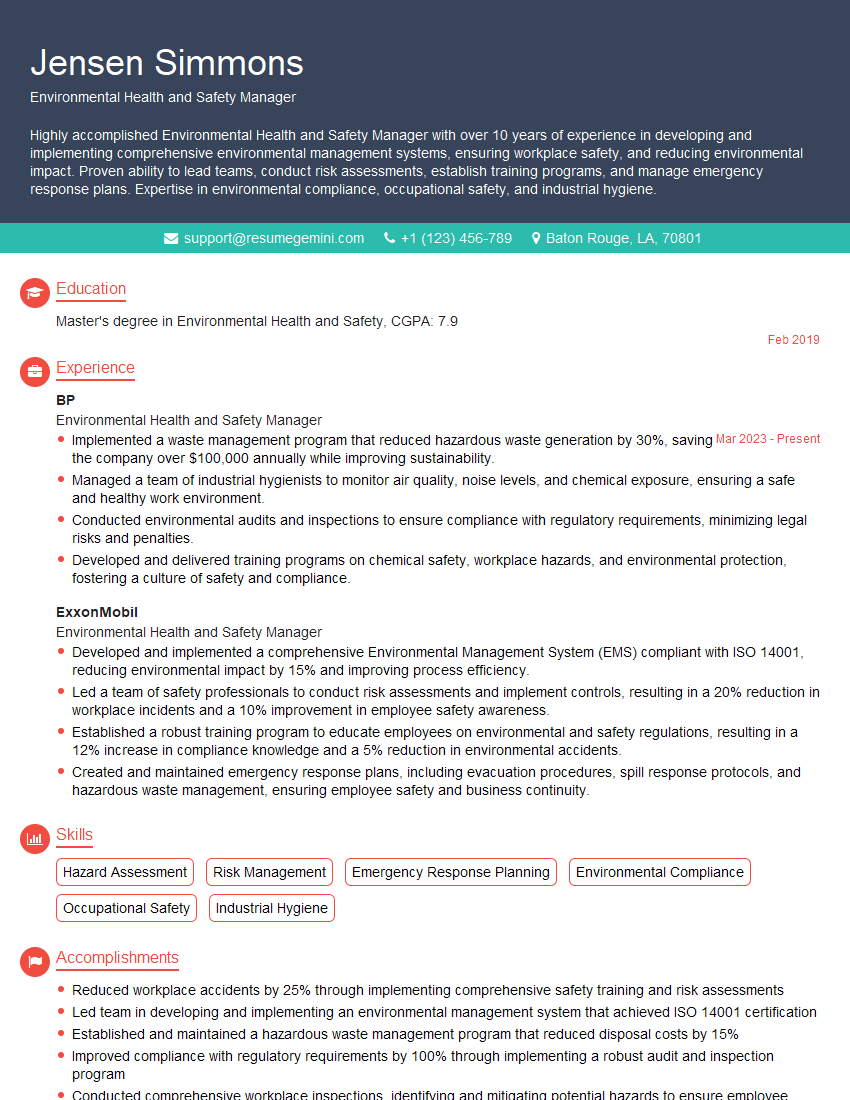
Environmental Health and Safety Manager Resume Sample
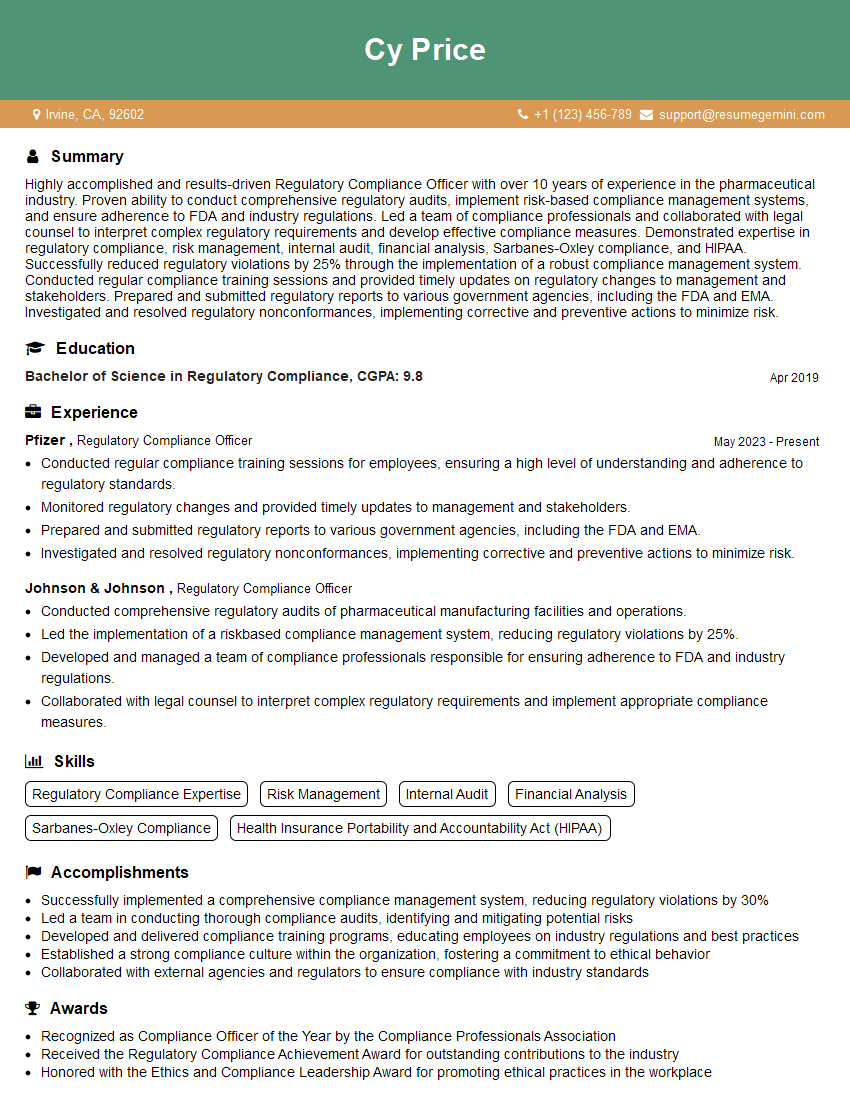
Regulatory Compliance Officer Resume Sample

Risk Management Specialist Resume Sample
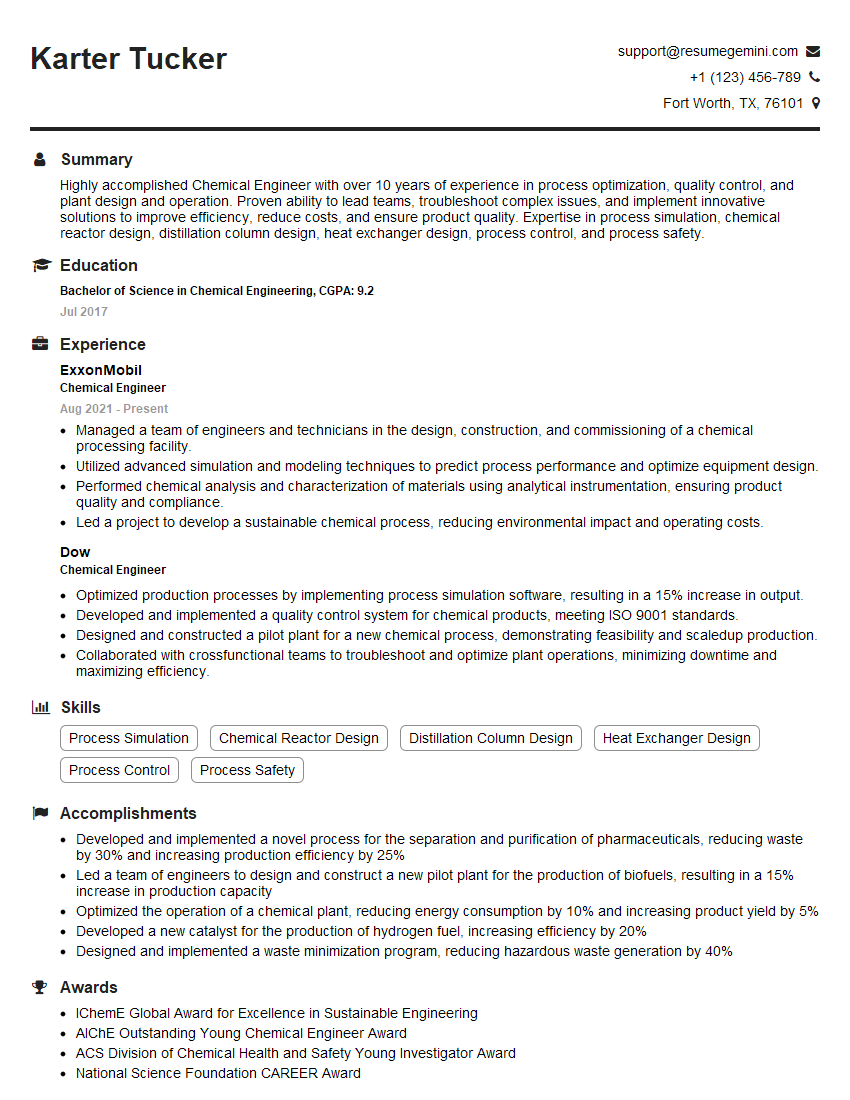
Chemical Engineer Resume Sample
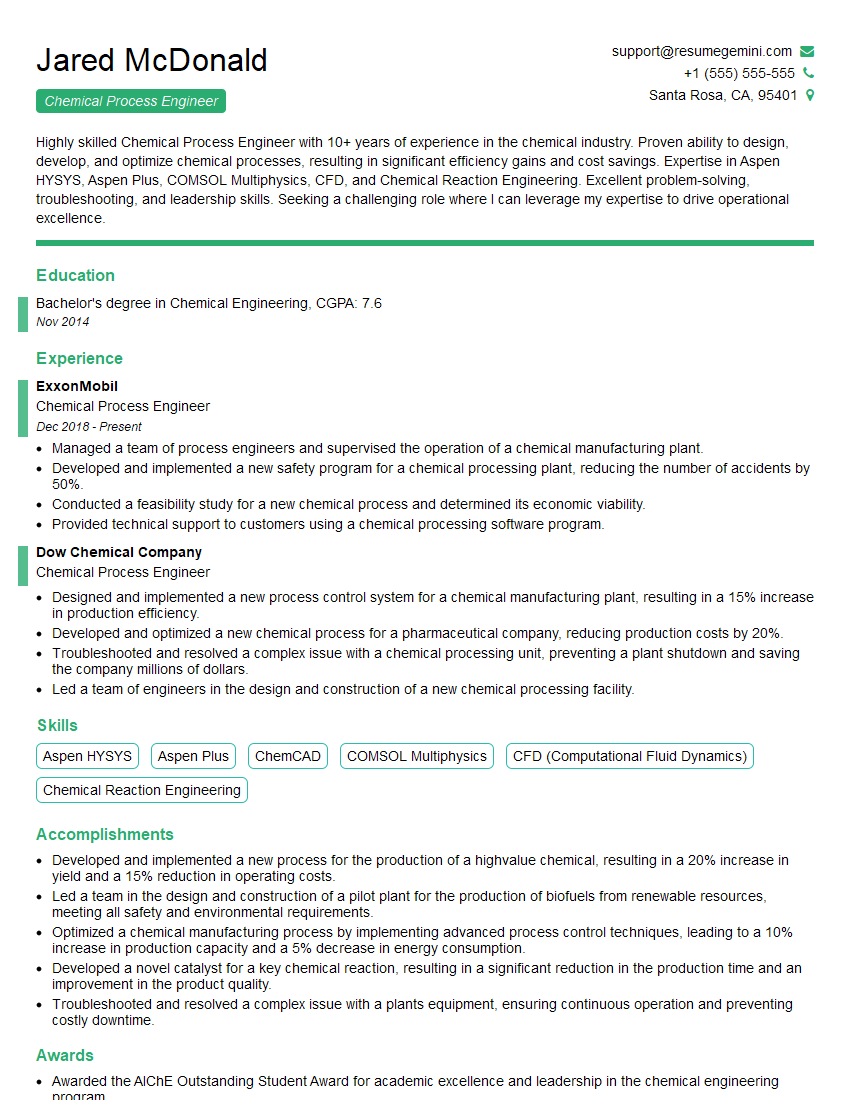
Chemical Process Engineer Resume Sample
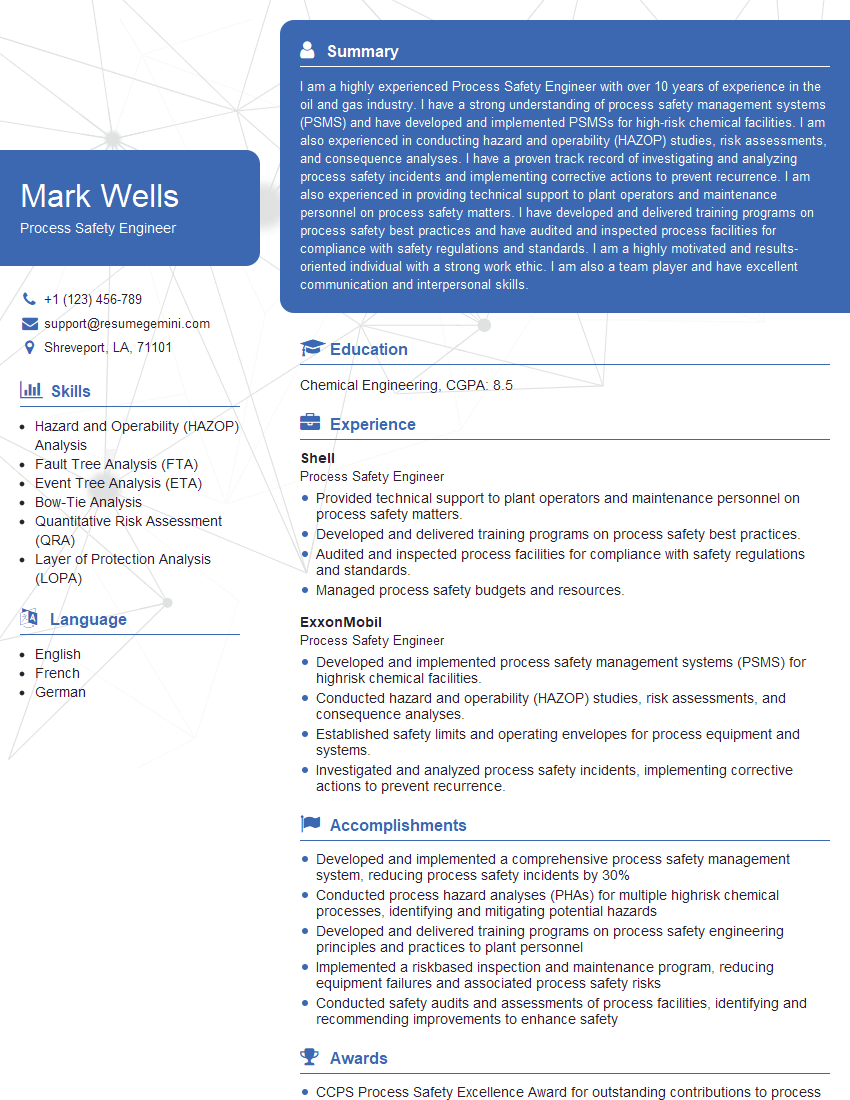
Process Safety Engineer Resume Sample
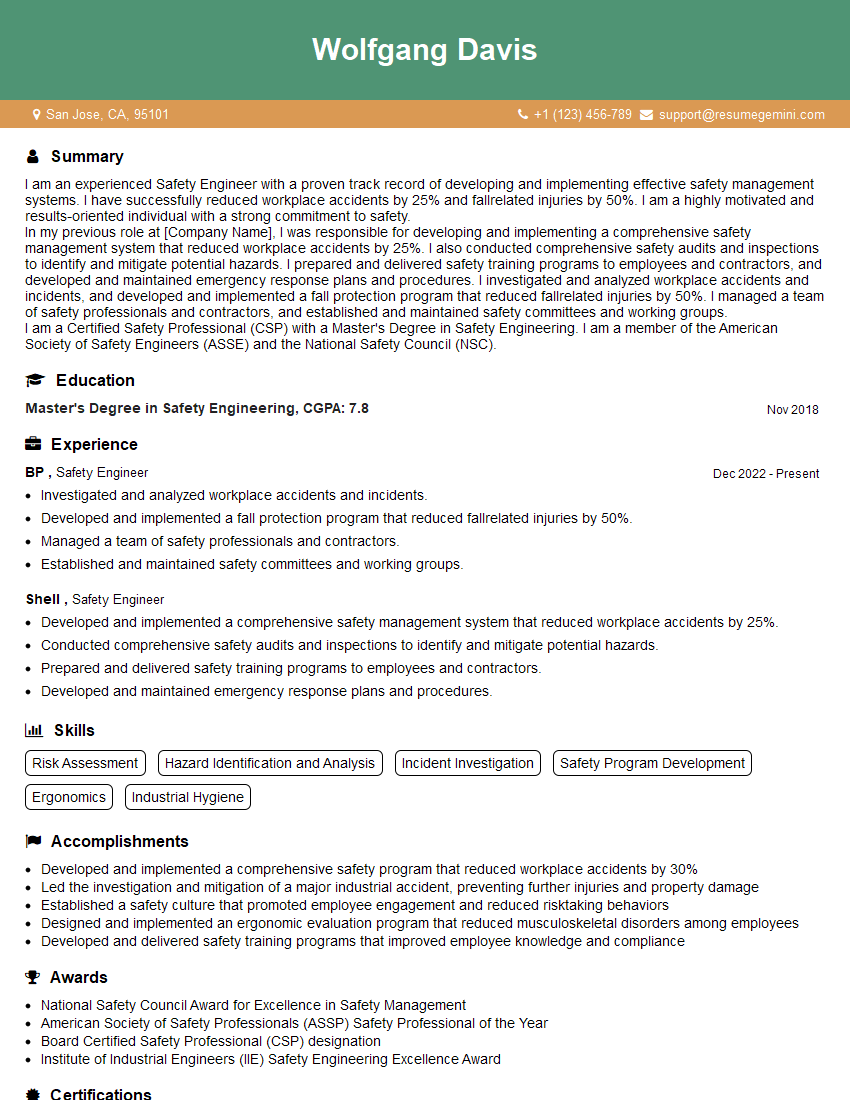
Safety Engineer Resume Sample
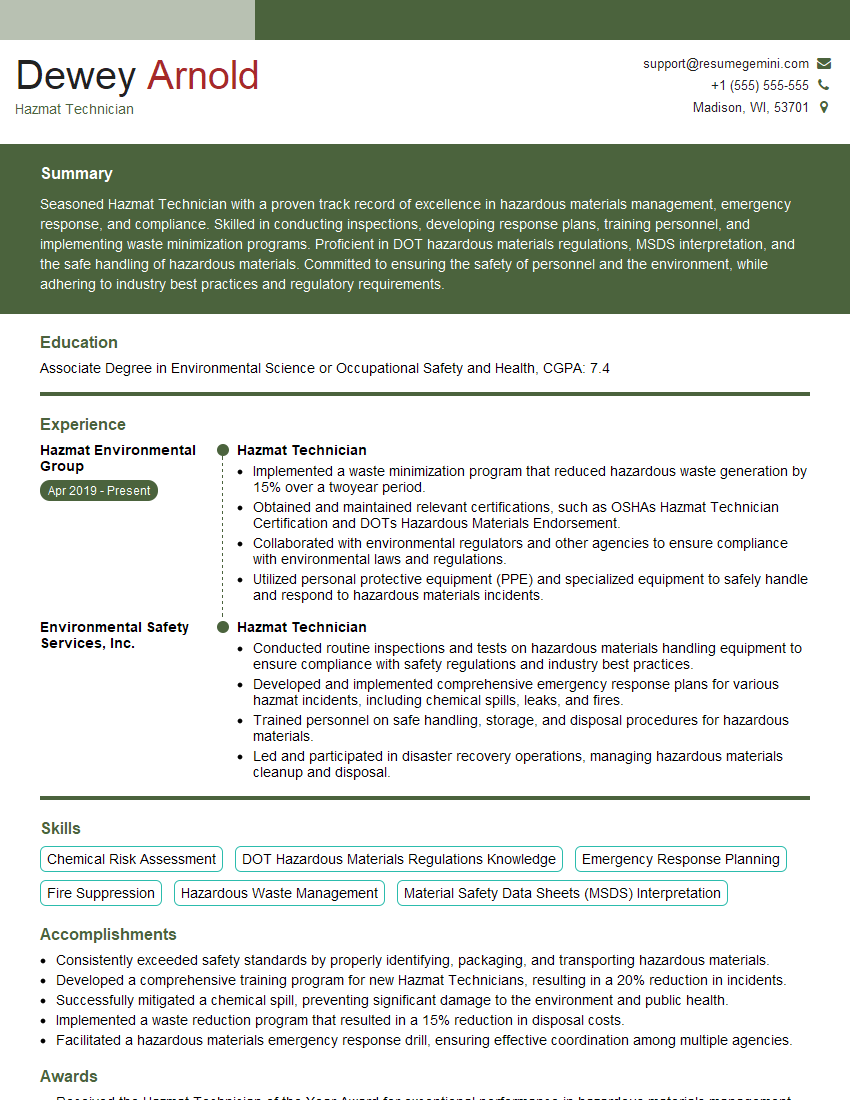
Hazmat Technician Resume Sample
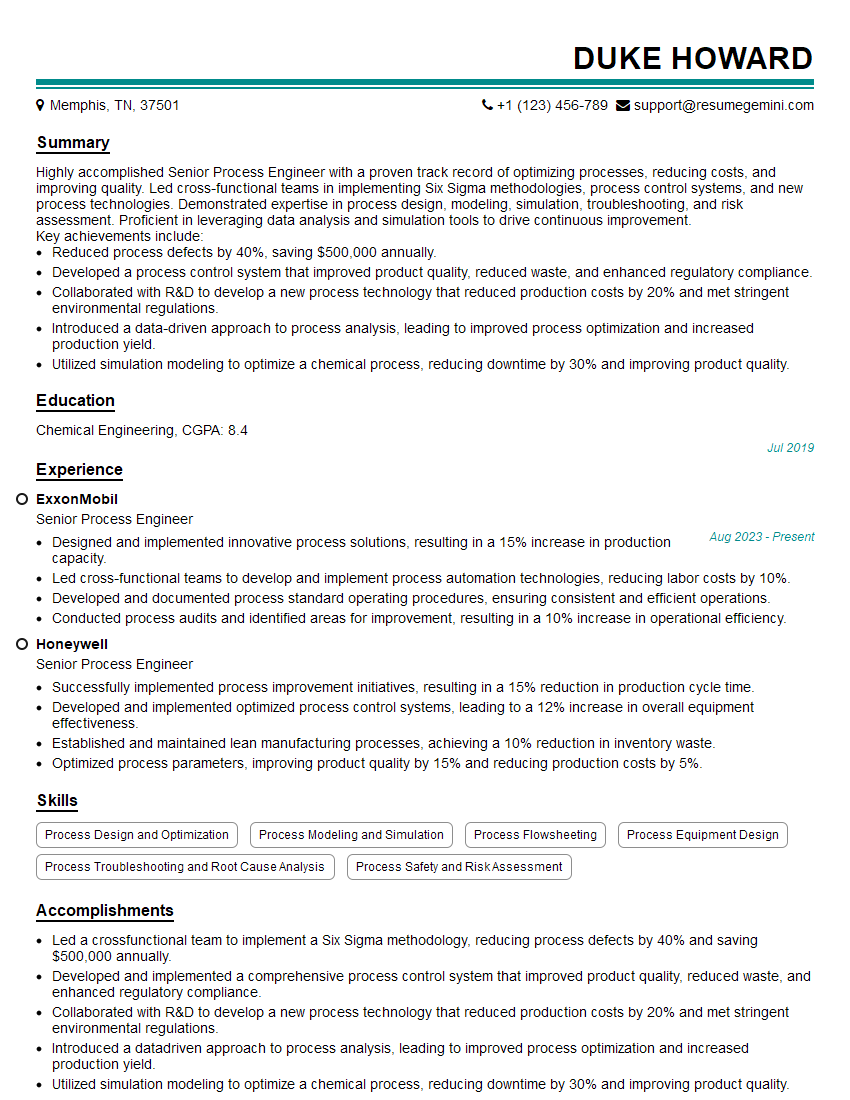
Senior Process Engineer Resume Sample
Explore more articles
Users Rating of Our Blogs
Share Your Experience
We value your feedback! Please rate our content and share your thoughts (optional).
What Readers Say About Our Blog
Very informative content, great job.
good