Every successful interview starts with knowing what to expect. In this blog, we’ll take you through the top Chemical Hygiene Plan (CHP) interview questions, breaking them down with expert tips to help you deliver impactful answers. Step into your next interview fully prepared and ready to succeed.
Questions Asked in Chemical Hygiene Plan (CHP) Interview
Q 1. What are the key components of a comprehensive Chemical Hygiene Plan?
A comprehensive Chemical Hygiene Plan (CHP) is a cornerstone of any laboratory or workplace handling chemicals. It’s a written program designed to protect employees from chemical hazards. Think of it as a detailed safety manual, ensuring everyone knows how to work safely with chemicals. Key components include:
- Chemical Inventory: A detailed list of all chemicals used, including their location and associated hazards (SDS).
- Standard Operating Procedures (SOPs): Step-by-step instructions for handling, storing, and disposing of each chemical.
- Hazard Communication Program: Ensuring proper labeling, Safety Data Sheets (SDS) access, and employee training on chemical hazards.
- Exposure Monitoring: Regular assessment to ensure employees aren’t exceeding exposure limits.
- Personal Protective Equipment (PPE): Specifying appropriate PPE and ensuring its availability and proper use.
- Medical Surveillance: Provisions for medical examinations and monitoring for potential health effects.
- Spill and Waste Management Plan: Procedures for handling spills and safely disposing of chemical waste.
- Employee Training Program: Comprehensive training covering all aspects of the CHP.
For example, a university chemistry lab would have a CHP detailing the handling of various acids, solvents, and reagents, including specific protocols for each substance.
Q 2. Describe the Standard Operating Procedures (SOPs) for handling hazardous chemicals.
Standard Operating Procedures (SOPs) are the detailed instructions for safely handling hazardous chemicals. They are crucial for consistency and minimizing risks. A good SOP will cover:
- Chemical Identification: Clearly stating the chemical’s name, CAS number, and hazards.
- Personal Protective Equipment (PPE): Specifying the required PPE (gloves, goggles, lab coat, etc.).
- Handling Procedures: Detailed steps for safe handling, including transferring, mixing, and using the chemical.
- Storage Requirements: Instructions on proper storage conditions (temperature, ventilation, compatibility with other chemicals).
- Spill Procedures: Step-by-step instructions for cleaning up spills, including personal safety measures and waste disposal.
- Emergency Procedures: Actions to take in case of an accident or exposure.
Imagine an SOP for handling concentrated sulfuric acid: It would specify the need for acid-resistant gloves, goggles, and a lab coat; it would detail proper dilution techniques (always adding acid to water, never the reverse!), and it would outline procedures for handling spills, neutralizing the acid safely, and cleaning the area.
Q 3. Explain the role of hazard communication in a CHP.
Hazard communication is the cornerstone of a safe work environment. It’s about making sure employees are aware of the hazards associated with the chemicals they handle. This involves several key elements:
- Labeling: All containers must be properly labeled with the chemical name, hazards, and any necessary precautions.
- Safety Data Sheets (SDS): Easily accessible SDSs provide comprehensive information about chemical hazards, safe handling procedures, and emergency response.
- Employee Training: Employees must receive training on how to interpret labels and SDSs and understand the hazards of the chemicals they work with.
- Training Records: Maintaining records demonstrating that employees have received appropriate safety training.
For example, if a lab uses acetone, the containers should be clearly labeled with hazard warnings, and employees must be trained on its flammability and potential health effects. Access to the SDS for acetone must be readily available.
Q 4. How do you conduct a risk assessment for chemical hazards?
A chemical hazard risk assessment is a systematic process to identify and evaluate the potential risks associated with handling chemicals. It involves:
- Identify Hazards: List all chemicals used and their potential hazards (flammability, toxicity, reactivity, etc.).
- Identify Exposed Workers: Determine who might be exposed to these chemicals.
- Evaluate Risks: Assess the likelihood and severity of potential harm. Consider factors like the quantity of chemical used, exposure routes (inhalation, skin contact, ingestion), and the duration of exposure.
- Implement Controls: Develop and implement control measures to reduce or eliminate the risks (engineering controls, administrative controls, PPE).
- Monitor and Review: Regularly monitor the effectiveness of controls and review the risk assessment periodically.
Imagine assessing the risk of using benzene. The hazard is its toxicity and carcinogenicity. Exposure could occur through inhalation of vapors. Controls might include using a fume hood, engineering controls, and enforcing strict hygiene practices. Regular monitoring of air quality would be necessary.
Q 5. What are the different types of personal protective equipment (PPE) and when should they be used?
Personal Protective Equipment (PPE) is the last line of defense against chemical hazards. The correct PPE depends on the specific hazards presented by the chemicals. Common types include:
- Gloves: Different types of gloves offer protection against various chemicals (e.g., nitrile gloves for many organic solvents, neoprene gloves for acids). Choosing the right glove is crucial.
- Eye Protection: Safety glasses, goggles, or face shields are essential to protect the eyes from splashes or fumes.
- Respiratory Protection: Respirators are necessary when working with airborne chemicals that may cause lung damage. The type of respirator needed will depend on the specific chemical and concentration.
- Lab Coats: Provide protection for the body from splashes and spills.
- Aprons: Offer additional protection against chemical spills.
For example, when working with concentrated acids, acid-resistant gloves, goggles, and a lab coat are necessary. When working with volatile organic compounds, a fume hood should be used along with appropriate respiratory protection.
Q 6. How do you manage chemical waste according to regulations?
Chemical waste management is critical for environmental protection and employee safety. It involves:
- Segregation: Separate incompatible chemicals to prevent reactions or spills. Common categories include flammables, corrosives, and organics.
- Containerization: Store waste in appropriate containers with proper labeling.
- Storage: Store waste in designated areas according to regulations.
- Disposal: Dispose of waste according to local, state, and federal regulations. This often requires using licensed waste disposal companies. Never pour chemicals down the drain unless specifically permitted.
- Record Keeping: Maintain detailed records of all waste generated and disposed.
For example, spent solvents should be collected in dedicated containers, clearly labeled as hazardous waste, and disposed of through a licensed hazardous waste disposal company, following all necessary paperwork and regulations.
Q 7. Explain the importance of employee training in chemical safety.
Employee training is essential for a successful CHP. Well-trained employees are more likely to work safely, minimizing the risk of accidents and exposures. Training should cover:
- Chemical Hazards: Understanding the potential health effects of the chemicals used.
- SDS Interpretation: Knowing how to read and understand Safety Data Sheets.
- Safe Handling Procedures: Proper techniques for handling, storing, and disposing of chemicals.
- PPE Use: Selecting and correctly using the appropriate PPE.
- Emergency Procedures: Knowing what to do in case of a spill, fire, or other emergency.
- Waste Disposal: Understanding the proper procedures for disposing of chemical waste.
Regular refresher training is crucial to maintain competency and to address any changes in procedures or chemicals. Imagine a scenario where an employee isn’t trained on the proper use of a respirator when handling a volatile compound; the consequences could be severe.
Q 8. Describe your experience with developing and implementing a CHP.
Developing and implementing a Chemical Hygiene Plan (CHP) involves a systematic approach to protecting laboratory personnel from chemical hazards. My experience encompasses all stages, from initial hazard assessment and risk evaluation to plan creation, staff training, and ongoing monitoring. For instance, at my previous role in a research lab, I spearheaded the development of a CHP for a newly established facility. This involved conducting a thorough inventory of all chemicals, identifying potential hazards using Safety Data Sheets (SDS), and classifying each chemical based on its health, flammability, and reactivity characteristics.
Following this initial assessment, I collaborated with the lab manager and safety officer to define standard operating procedures (SOPs) for handling each chemical class. We created training modules outlining safe practices, emergency response protocols, and proper waste disposal techniques. Implementation included posting clear signage, ensuring adequate ventilation, and providing the necessary personal protective equipment (PPE). Ongoing monitoring involved regular inspections, record-keeping, and addressing any identified deficiencies promptly.
A crucial aspect was ensuring the plan’s adaptability. As new chemicals were introduced, or research projects evolved, the CHP was updated accordingly. This iterative process is vital for maintaining a safe and compliant work environment.
Q 9. How do you ensure compliance with OSHA’s Hazard Communication Standard (HCS)?
OSHA’s Hazard Communication Standard (HCS) mandates the clear and consistent communication of chemical hazards to employees. My approach to ensure compliance involves a multi-pronged strategy. First, maintaining an up-to-date inventory of all hazardous chemicals and their corresponding SDS is critical. We regularly check for updates to SDSs provided by manufacturers.
Second, ensuring proper labeling is paramount. Every container of hazardous chemicals must bear a label clearly indicating the identity of the chemical, hazard warnings, and precautionary measures. We use a standardized labeling system, and regular audits are conducted to ensure compliance. Third, effective training is essential. Employees are trained on how to identify and interpret hazard labels, understand SDS content, and utilize appropriate safety procedures. Training records are carefully maintained and updated as needed. Finally, our facility utilizes a robust chemical management software to streamline tracking of chemical inventory, SDS access, and employee training.
Q 10. How do you investigate and report chemical spills or accidents?
Investigating and reporting chemical spills or accidents requires immediate action and thorough documentation. My process begins with immediate evacuation of the affected area, ensuring the safety of all personnel. The spill is then contained using appropriate absorbent materials, minimizing spread. Appropriate PPE, like gloves, eye protection, and respirators, are donned as needed. The specific containment method depends on the chemical’s properties (e.g., using a spill kit for flammable liquids, neutralizing agents for acids/bases). After containment, the area is thoroughly cleaned and decontaminated according to the chemical’s SDS instructions.
Detailed documentation is crucial, including the date, time, location, type and quantity of chemical spilled, personnel involved, and any injuries sustained. Photographic evidence is also documented. A formal incident report is filed, outlining the incident, actions taken, and lessons learned. The report is reviewed by safety personnel to determine the cause of the incident and identify any areas for improvement in safety protocols. If injuries occur, medical attention is sought and worker’s compensation procedures are followed.
Q 11. What is your experience with chemical inventory management?
Chemical inventory management is a cornerstone of effective chemical hygiene. My experience includes implementing and managing both manual and electronic systems. Manual systems, while simpler to set up, require meticulous record-keeping to ensure accuracy and avoid discrepancies. Electronic systems, such as dedicated chemical management software, offer greater efficiency, enabling real-time tracking, automated alerts for expiring chemicals, and simplified reporting.
Regardless of the system used, a robust inventory management program includes: regular physical inventories to verify accuracy; a system for tracking chemical acquisition, usage, and disposal; a method for handling outdated or excess chemicals (proper disposal or return to supplier); and a system for clearly identifying storage locations and chemical quantities.
For instance, in a previous role, I implemented a software system that integrated with our laboratory information management system (LIMS), streamlining the tracking of chemicals used in research projects. This improved inventory accuracy and significantly reduced the time spent on manual record-keeping.
Q 12. Describe your experience with selecting and using appropriate engineering controls for chemical hazards.
Selecting and using appropriate engineering controls is crucial for minimizing chemical hazards. My experience involves a hierarchical approach, prioritizing engineering controls over personal protective equipment (PPE). This approach starts with a thorough hazard assessment to identify potential routes of exposure (inhalation, skin contact, ingestion).
Engineering controls aim to eliminate or reduce the hazard at its source. Examples include: using closed systems to minimize airborne emissions; implementing ventilation systems (local exhaust ventilation or general dilution ventilation) to control air contaminants; employing enclosed process equipment to prevent spills and releases; and using automated systems to reduce manual handling of hazardous materials. Selection depends on the specific hazard and available resources. For example, a fume hood is an excellent engineering control for handling volatile chemicals.
The effectiveness of engineering controls is regularly evaluated through monitoring and inspection to ensure continued efficacy and to identify any deficiencies.
Q 13. How do you ensure the proper labeling and storage of chemicals?
Proper labeling and storage of chemicals are essential for preventing accidents and ensuring compliance. All containers of hazardous chemicals must be labeled clearly according to OSHA’s HCS, including the chemical name, hazard warnings, and precautionary statements. Labels should be legible, durable, and affixed securely to the container. Damaged or illegible labels must be replaced immediately.
Storage areas must be organized, well-ventilated, and appropriately designed for the specific hazards involved. Incompatible chemicals must be segregated to prevent dangerous reactions. Flammable materials are stored away from ignition sources. Chemicals should be stored in their original containers whenever possible, or in secondary containment to prevent spills from contaminating other materials or the environment. Designated areas for different chemical classes (e.g., flammables, corrosives, oxidizers) enhance safety.
Regular inspections are conducted to ensure that storage areas are clean, organized, and that labels are legible and accurate. Expired or unused chemicals are properly disposed of according to regulations.
Q 14. What are the key elements of a chemical hygiene plan’s medical surveillance program?
A comprehensive CHP includes a medical surveillance program tailored to the specific chemical hazards present in the workplace. Key elements include:
- Pre-employment medical evaluations: Assessing employee health status to identify pre-existing conditions that might be exacerbated by chemical exposure.
- Baseline health monitoring: Establishing baseline health data to track changes over time and detect potential health effects related to chemical exposure.
- Periodic medical examinations: Conducting regular checkups to monitor employee health and identify early signs of chemical-related illnesses. Frequency depends on the hazard level and duration of exposure.
- Biomonitoring: Measuring chemical levels in biological samples (e.g., blood, urine) to assess the extent of exposure.
- Record-keeping: Maintaining comprehensive records of all medical evaluations, examinations, and biomonitoring results, which is critical for tracking employee health and identifying trends.
- Access to medical records: Ensuring confidentiality while allowing employees access to their medical records and providing them with the relevant information.
The medical surveillance program is designed to proactively detect and manage health effects related to chemical exposure, ensuring the well-being of the employees and fulfilling the responsibilities outlined in the CHP.
Q 15. Explain the process of updating and revising a CHP.
Updating and revising a Chemical Hygiene Plan (CHP) is a continuous process, not a one-time event. It’s crucial to ensure the plan remains relevant and effective in protecting employees from chemical hazards. The process involves regular reviews, triggered by several factors.
- Regular Reviews: The CHP should be reviewed at least annually, or more frequently if there are significant changes in the workplace, such as new chemicals introduced, new procedures implemented, or significant incidents involving chemical exposure.
- Incident Investigations: Any chemical-related incidents, near misses, or spills should prompt an immediate review of the CHP to identify gaps and implement corrective actions. This is a critical step to prevent future incidents.
- Changes in Regulations: New or updated regulations concerning chemical safety (OSHA, for example) mandate immediate revisions to ensure compliance. Staying up-to-date on legal requirements is paramount.
- New Technologies and Procedures: The introduction of new chemicals, equipment, or procedures necessitates a thorough review to ensure adequate safety measures are in place. This could include adding new sections to the CHP or modifying existing ones.
- Employee Feedback: Employee suggestions and concerns regarding chemical safety are invaluable. A robust CHP includes a mechanism for employees to voice their concerns, and these should trigger reviews and updates to address those concerns.
The revision process typically involves identifying areas for improvement, drafting changes, circulating the revised plan for review and approval (often involving safety committees and management), implementing the changes, and training employees on the updates.
For example, if a new solvent is introduced in a laboratory, the CHP needs to be updated to include the specific hazards of that solvent, proper handling procedures, personal protective equipment (PPE) requirements, and emergency response protocols. This ensures everyone is aware of the risks and how to mitigate them.
Career Expert Tips:
- Ace those interviews! Prepare effectively by reviewing the Top 50 Most Common Interview Questions on ResumeGemini.
- Navigate your job search with confidence! Explore a wide range of Career Tips on ResumeGemini. Learn about common challenges and recommendations to overcome them.
- Craft the perfect resume! Master the Art of Resume Writing with ResumeGemini’s guide. Showcase your unique qualifications and achievements effectively.
- Don’t miss out on holiday savings! Build your dream resume with ResumeGemini’s ATS optimized templates.
Q 16. How do you address employee concerns regarding chemical safety?
Addressing employee concerns regarding chemical safety is paramount for a safe and productive work environment. It requires open communication, proactive measures, and a culture of safety.
- Open Communication Channels: Establish clear and accessible channels for employees to voice their concerns—this could be through suggestion boxes, regular safety meetings, or direct communication with supervisors. Anonymity should be ensured where appropriate.
- Prompt Response: Concerns should be addressed promptly and seriously. A timely and thorough investigation is necessary to determine the validity of the concerns and appropriate action.
- Investigate and Act: Investigate all reported concerns thoroughly. This may involve inspecting the work area, reviewing procedures, and interviewing employees. Implement corrective actions based on the investigation findings.
- Training and Education: Provide comprehensive training to employees on chemical safety protocols. This should include hazard communication, safe handling procedures, emergency response, and the use of PPE. Regular refresher training is essential.
- Employee Involvement: Involve employees in the development and review of the CHP. Their firsthand experience provides valuable insights into potential hazards and practical solutions.
Imagine an employee expressing concern about inadequate ventilation in a chemical storage area. A thorough investigation might reveal a faulty ventilation system. The response would involve repairing the system, possibly relocating the storage area, and retraining employees on ventilation procedures. This demonstrates a commitment to employee safety and fosters trust.
Q 17. What are the legal responsibilities of employers regarding chemical safety?
Employers have significant legal responsibilities regarding chemical safety, primarily stemming from OSHA (Occupational Safety and Health Administration) regulations in the US and equivalent agencies in other countries. These responsibilities include:
- Hazard Communication: Employers must develop and implement a comprehensive hazard communication program, including providing Safety Data Sheets (SDS) and training employees on chemical hazards.
- Provision of PPE: Employers must provide appropriate personal protective equipment (PPE) such as gloves, respirators, and eye protection, and ensure employees know how to use it correctly.
- Safe Work Practices: Employers are responsible for establishing and enforcing safe work practices to minimize chemical exposures. This includes proper handling, storage, and disposal procedures.
- Training: Employees must receive adequate training on chemical hazards, safe handling practices, and emergency procedures. Training records need to be maintained.
- Medical Surveillance: In some cases, employers may be required to provide medical surveillance for employees exposed to hazardous chemicals.
- Record Keeping: Detailed records of chemical inventory, employee training, incidents, and inspections must be kept.
- Compliance with Regulations: Employers are legally obligated to comply with all applicable federal, state, and local regulations concerning chemical safety.
Failure to comply with these responsibilities can result in significant penalties, including fines, citations, and even criminal charges in cases of serious negligence leading to injury or death. A robust CHP is the cornerstone of meeting these legal responsibilities.
Q 18. What is your familiarity with Globally Harmonized System of Classification and Labelling of Chemicals (GHS)?
The Globally Harmonized System of Classification and Labelling of Chemicals (GHS) is a globally accepted system for classifying and communicating the hazards of chemicals. My familiarity is extensive. I understand that GHS provides a standardized approach to hazard classification, labelling, and Safety Data Sheets (SDS).
My understanding includes the various hazard classes (e.g., flammability, toxicity, corrosivity), the use of pictograms, signal words (danger, warning), hazard statements, and precautionary statements on labels. I know how GHS impacts the development and implementation of a CHP, requiring alignment of the plan with GHS requirements for hazard communication.
I have practical experience in interpreting GHS labels and SDS, translating the information into workplace safety protocols, and training employees on the proper interpretation and use of this standardized system. This includes understanding the differences between different classifications and their implications for safety procedures.
Q 19. Describe your experience with conducting safety inspections.
I have extensive experience in conducting safety inspections, focusing on chemical safety. My approach is systematic and thorough, encompassing a range of aspects.
- Planning and Preparation: Before an inspection, I review relevant documentation, including the CHP, SDS, and training records. I also plan the inspection route to ensure all areas are covered.
- Visual Inspection: I conduct a thorough visual inspection of the workplace, paying attention to chemical storage areas, laboratory workspaces, and equipment. I look for things such as proper labelling, appropriate PPE use, adequate ventilation, spill containment procedures, and the overall cleanliness and organization of the workspace.
- Documentation Review: I review documentation, including SDS, training records, incident reports, and maintenance logs related to safety equipment. This helps to identify areas where the documented procedures and actual practices may differ.
- Interviewing Employees: I interview employees to gather their perspectives on chemical safety practices. This often reveals potential hazards that might be overlooked during a visual inspection. This also provides feedback on the effectiveness of training programs.
- Reporting and Follow-up: After the inspection, I prepare a detailed report summarizing findings, including identified hazards, recommendations for improvement, and timelines for corrective actions. I follow up to ensure that corrective actions are implemented.
For example, in a recent inspection of a pharmaceutical lab, I noticed some inconsistencies between the documented procedures and the actual practices regarding the handling of a specific reagent. This led to recommendations for retraining and improvements in the work instructions.
Q 20. How do you evaluate the effectiveness of a CHP?
Evaluating the effectiveness of a CHP requires a multifaceted approach, going beyond simply reviewing the document itself.
- Incident Tracking: A significant indicator of effectiveness is the number and severity of chemical-related incidents. A decrease in incidents suggests a well-functioning CHP. Conversely, an increase suggests the need for review and revision.
- Compliance Audits: Regular internal or external audits ensure compliance with regulations and the plan’s procedures. These audits help identify areas that need improvement.
- Employee Feedback: Gathering employee feedback through surveys, interviews, and safety meetings provides valuable insights into the plan’s practicality and effectiveness from the perspective of those most directly involved. If employees feel safe and confident in the procedures, it’s a strong sign.
- Inspection Results: Safety inspections should be conducted regularly and their findings reviewed to evaluate the effectiveness of the CHP’s implementation. Recurring violations in the same area indicate systemic problems within the plan or its implementation.
- Training Effectiveness: Assess the effectiveness of employee training through observation, testing, and performance evaluations. Are employees applying the procedures correctly and consistently?
For instance, if a company has had a significant reduction in chemical spills since implementing a new CHP element focused on proper chemical storage, it indicates that the revision was successful.
Q 21. What are the common chemical hazards found in [specific industry/lab setting]?
To answer this question accurately, I need to know the specific industry or lab setting. However, I can provide some examples of common chemical hazards found in several common settings:
- Research Laboratories (General): Acids (sulfuric acid, hydrochloric acid), bases (sodium hydroxide, potassium hydroxide), organic solvents (acetone, methanol, ethanol), flammable materials, and carcinogens (depending on the research conducted).
- Pharmaceutical Manufacturing: Various organic solvents, reactive chemicals, potent APIs (active pharmaceutical ingredients), and potential exposure to biological agents.
- Chemical Manufacturing Plants: The specific hazards will depend on the chemicals produced, but common hazards include exposure to corrosive chemicals, flammable materials, and toxic gases.
- Healthcare Settings (Hospitals, Clinics): Disinfectants, cleaning agents, anesthetic gases, and chemotherapy drugs.
- Automotive Repair Shops: Solvents, paints, and lead-based materials (though increasingly less common).
Once you specify the industry or lab setting, I can provide a more precise and detailed list of common chemical hazards, along with the associated risks and appropriate safety measures.
Q 22. How do you handle situations where employees fail to comply with safety protocols?
Addressing non-compliance with safety protocols starts with a proactive approach. First, I ensure that all employees receive comprehensive training on the CHP and understand the reasons behind each protocol. This includes clear communication about potential hazards and consequences of non-compliance.
If non-compliance occurs, I follow a progressive disciplinary approach. A first offense might involve a verbal warning and retraining. Subsequent offenses could lead to written warnings, suspension, or, in severe cases, termination, depending on the severity of the violation and the company’s policies. Documentation is crucial at every step.
Crucially, I aim to understand the root cause of non-compliance. Is there a lack of clarity in the procedures? Are the protocols impractical or burdensome? Is there a lack of personal protective equipment (PPE)? Addressing these underlying issues is key to preventing future incidents. For example, if employees consistently fail to wear safety glasses, I’d investigate whether the provided glasses are comfortable and functional, or if the training on their importance was inadequate.
Q 23. Explain your understanding of the hierarchy of hazard controls.
The hierarchy of hazard controls is a fundamental principle in chemical safety. It prioritizes control measures based on their effectiveness in reducing risk. The hierarchy, from most to least effective, is:
- Elimination: Removing the hazard completely. For example, substituting a hazardous chemical with a safer alternative.
- Substitution: Replacing a hazardous chemical with a less hazardous one. This might involve switching to a less toxic solvent or using a different process altogether.
- Engineering Controls: Implementing physical changes to the workplace to minimize exposure. Examples include installing ventilation systems, using enclosed systems, or implementing automated processes.
- Administrative Controls: Implementing work practices to reduce exposure. This might involve rotating employees to limit exposure time, using standard operating procedures (SOPs), or providing additional training.
- Personal Protective Equipment (PPE): Providing employees with equipment like gloves, respirators, and safety glasses to protect them from exposure. This is the least effective control because it protects the individual, not the source of the hazard.
It’s important to remember that these controls are not mutually exclusive; a combination of methods is often necessary to achieve adequate control.
Q 24. Describe your experience with emergency preparedness and response related to chemical hazards.
My experience includes developing and implementing emergency response plans for chemical spills and leaks. This involves creating detailed procedures that include:
- Emergency Contact Information: A readily accessible list of emergency personnel (e.g., fire department, HAZMAT team, medical services).
- Evacuation Procedures: Clear and concise instructions for evacuating personnel from the affected area, including designated assembly points.
- Spill Response Procedures: Detailed steps for containing and cleaning up chemical spills, including appropriate PPE and cleanup materials.
- Training Programs: Regular training exercises for employees on emergency procedures to ensure preparedness and familiarity with the plans.
In one instance, we had a simulated chemical spill to test our response plan. It highlighted the need for clearer communication during the evacuation and led to improvements in our procedures, including the addition of visual cues and designated communication channels.
Q 25. What software or tools do you use to manage chemical safety information?
I’ve used several software tools to manage chemical safety information, including:
- Chemical Inventory Management Software: This software helps track chemical inventory, SDS (Safety Data Sheets), and usage. It allows for easy generation of reports for regulatory compliance and helps ensure we’re properly managing waste disposal.
- Laboratory Information Management Systems (LIMS): LIMS often integrate chemical inventory, sample tracking, and results reporting for better data management and accountability.
- Spreadsheet Software (e.g., Excel): While not as sophisticated, spreadsheets can be useful for simpler inventory tracking and data logging, especially when starting with fewer chemicals.
The choice of software depends on the size and complexity of the chemical inventory and the level of detail required for regulatory compliance.
Q 26. How do you stay current with changes in chemical safety regulations?
Staying current with chemical safety regulations is an ongoing process. I use several strategies:
- Subscription to Regulatory Updates: I subscribe to newsletters and alerts from organizations like OSHA (Occupational Safety and Health Administration) and relevant professional associations.
- Professional Development: I regularly attend conferences, workshops, and training sessions related to chemical safety and hazard communication.
- Networking with Colleagues: Discussions with colleagues in the field allow for the exchange of best practices and updates on current regulations.
- Review of Relevant Literature: Staying updated on scientific publications and research provides insight into evolving safety practices and newly identified hazards.
This multi-faceted approach ensures I am aware of any changes or updates to regulations and best practices in the field.
Q 27. Describe a time you had to troubleshoot a chemical safety issue. What was the outcome?
I once encountered an issue where a new chemical was introduced without a complete SDS. The initial assessment was incomplete, leading to potential safety oversights.
My troubleshooting steps were:
- Immediate Stop Work: I immediately halted any work involving the chemical until a thorough risk assessment could be conducted.
- SDS Acquisition: I contacted the supplier to obtain the complete SDS for the chemical.
- Gap Analysis: Once the SDS was received, I compared its information with our existing safety procedures and identified any gaps in our safety protocols.
- Revised Procedures: We developed revised standard operating procedures (SOPs) to address the identified gaps and ensure safe handling of the chemical.
- Retraining: We provided refresher training to employees involved in handling the chemical to ensure they were familiar with the updated procedures.
The outcome was a complete and accurate risk assessment, updated SOPs, and improved employee training, minimizing the potential hazards associated with the new chemical.
Q 28. How would you handle a situation where a worker is exposed to a hazardous chemical?
Responding to a hazardous chemical exposure requires immediate action following a well-defined protocol:
- Immediate Actions: Remove the individual from the exposure source. If it’s a spill, contain and control it according to the emergency response plan.
- First Aid: Administer first aid as needed, following the instructions on the SDS. If unsure, call emergency medical services.
- Medical Evaluation: Transport the individual to a medical facility for evaluation and treatment.
- Documentation: Thoroughly document the incident, including the chemical involved, the exposure route, the first aid provided, and the medical treatment received.
- Investigation: Conduct a thorough investigation to identify the root cause of the incident, aiming to prevent future occurrences. This would involve reviewing the work procedures, employee training, and equipment used.
- Reporting: Report the incident to appropriate regulatory agencies as required.
The key is rapid response, effective first aid, thorough documentation, and a commitment to learning from the incident to prevent future exposures.
Key Topics to Learn for Chemical Hygiene Plan (CHP) Interview
Ace your Chemical Hygiene Plan (CHP) interview by mastering these key areas. Understanding both the theory and practical application will significantly boost your confidence and showcase your expertise.
- CHP Development and Implementation: Understand the process of creating a comprehensive CHP, including hazard identification, risk assessment, and control measures. Consider the regulatory framework and best practices involved.
- Hazard Communication: Familiarize yourself with the methods of communicating chemical hazards to employees, including Safety Data Sheets (SDS) interpretation and training programs. Be prepared to discuss effective communication strategies in diverse workplace settings.
- Personal Protective Equipment (PPE): Demonstrate knowledge of selecting, using, and maintaining appropriate PPE for various chemical hazards. Be ready to discuss specific examples and the limitations of different PPE types.
- Standard Operating Procedures (SOPs): Understand the importance of well-defined SOPs for handling chemicals safely. Discuss how to develop, implement, and update SOPs to maintain a safe working environment.
- Emergency Response: Prepare to discuss emergency procedures related to chemical spills, exposures, and accidents. This includes understanding the role of emergency response teams and the importance of proper cleanup and reporting.
- Waste Management: Understand the regulations and best practices for the proper disposal and management of chemical waste. This includes segregation, labeling, and transportation of hazardous waste.
- Training and Compliance: Discuss the importance of comprehensive employee training programs and methods for ensuring ongoing compliance with the CHP and relevant regulations. Be prepared to explain how to monitor and document compliance.
- Record Keeping and Documentation: Understand the importance of meticulous record-keeping to demonstrate compliance and track any incidents or near misses. Be prepared to discuss different documentation methods and their importance.
Next Steps
Mastering the Chemical Hygiene Plan is crucial for advancing your career in a science-based field, demonstrating your commitment to safety and compliance. A strong resume is your key to unlocking those opportunities. Create an ATS-friendly resume that highlights your skills and experience related to CHP. ResumeGemini is a trusted resource to help you build a professional and impactful resume. We provide examples of resumes tailored to Chemical Hygiene Plan (CHP) roles to give you a head start. Take the next step towards your dream job today!
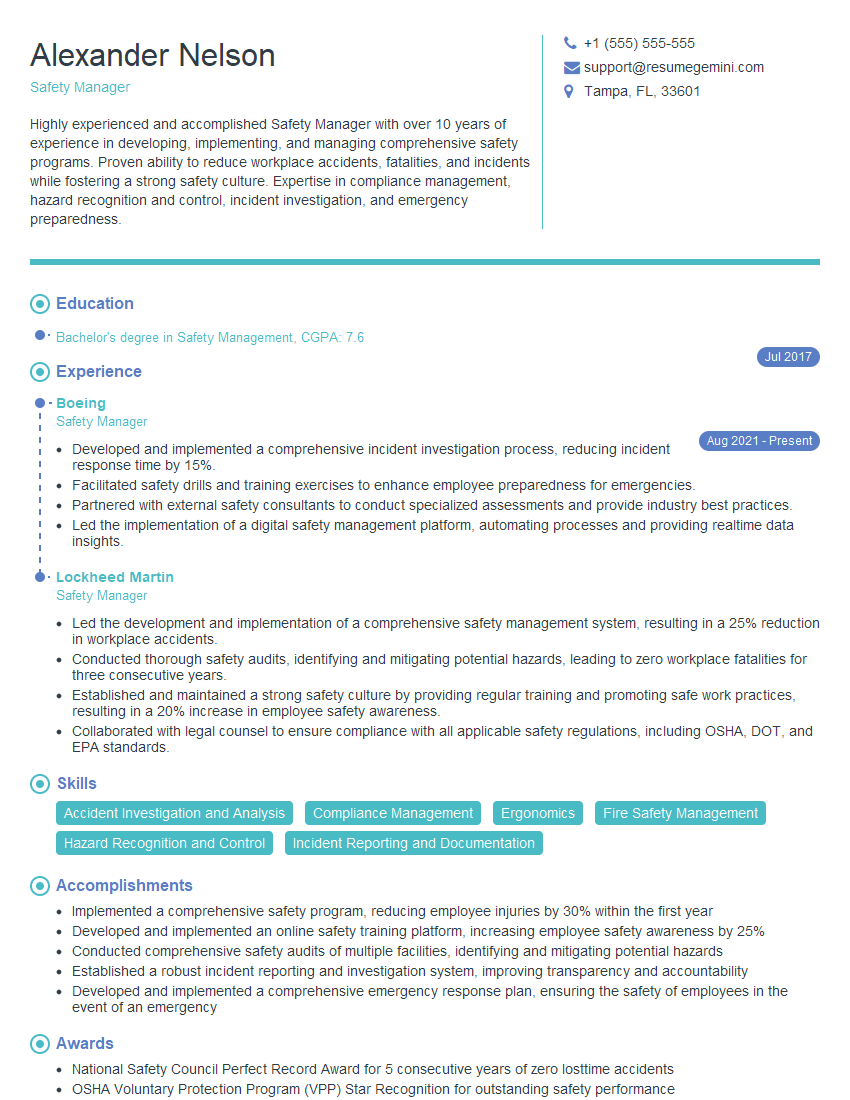
Safety Manager Resume Sample
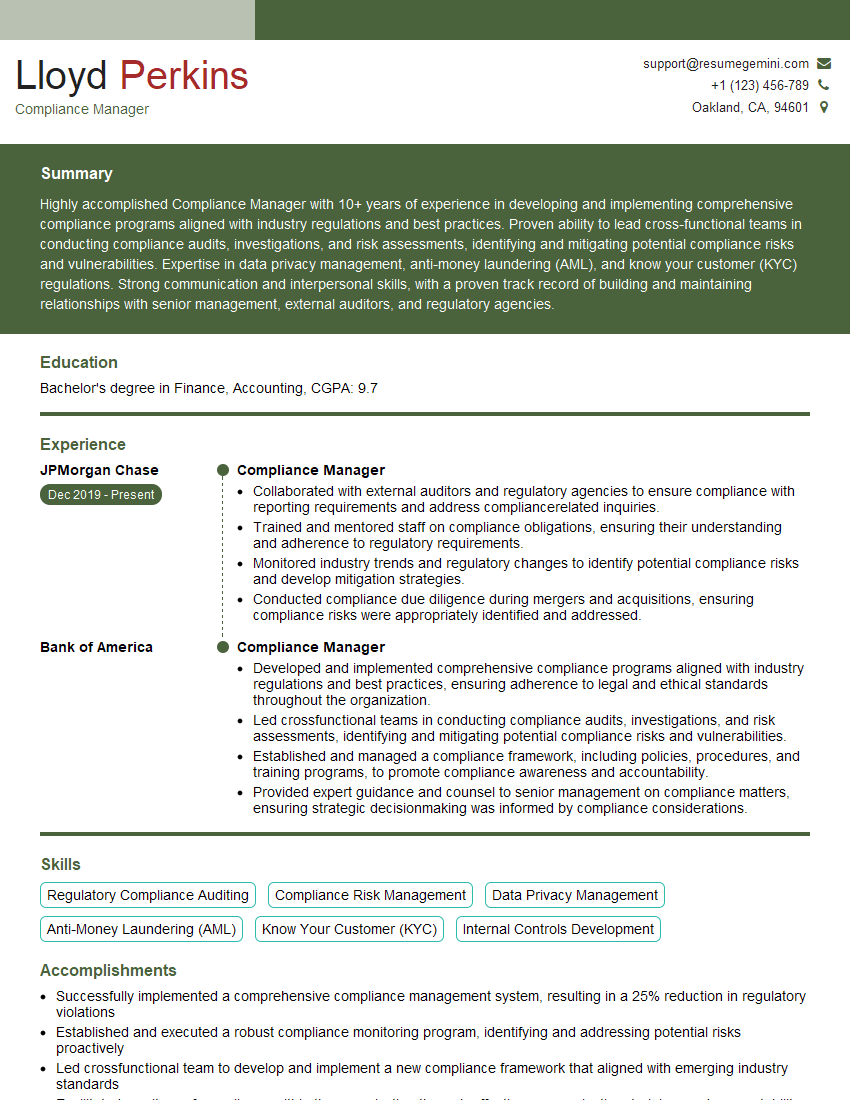
Compliance Manager Resume Sample
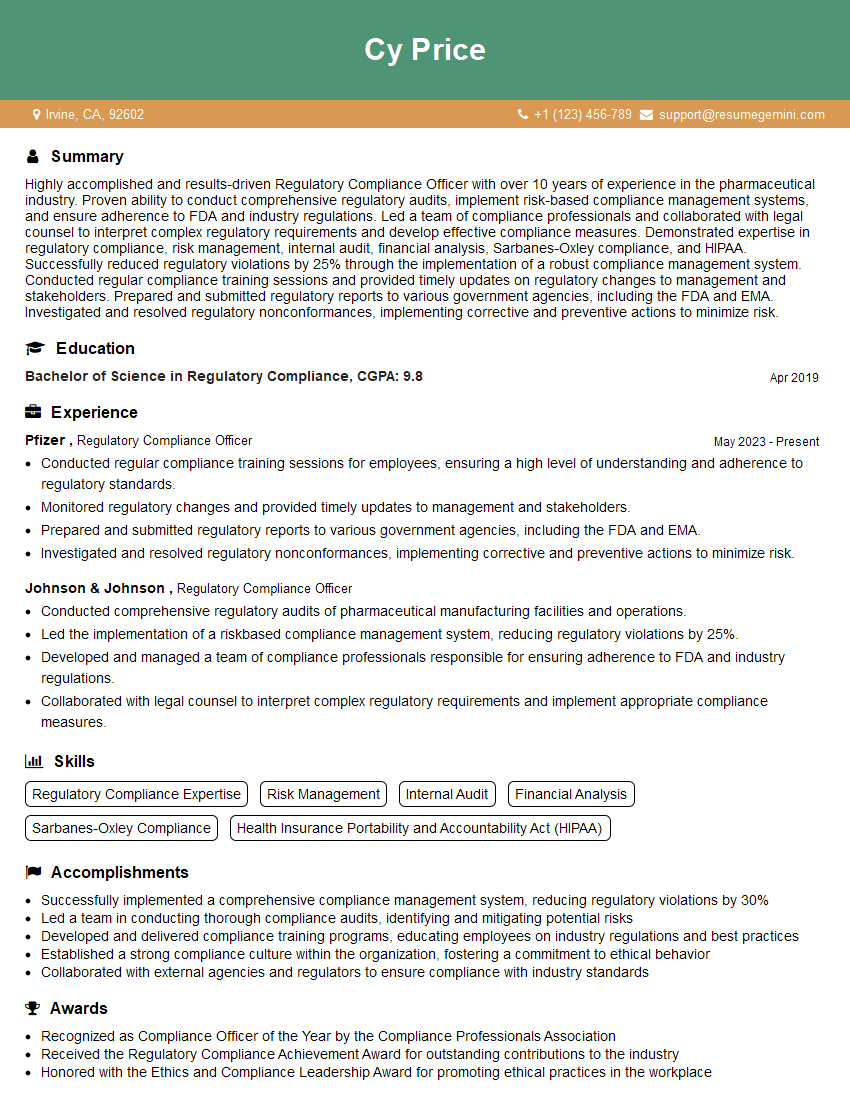
Regulatory Compliance Officer Resume Sample
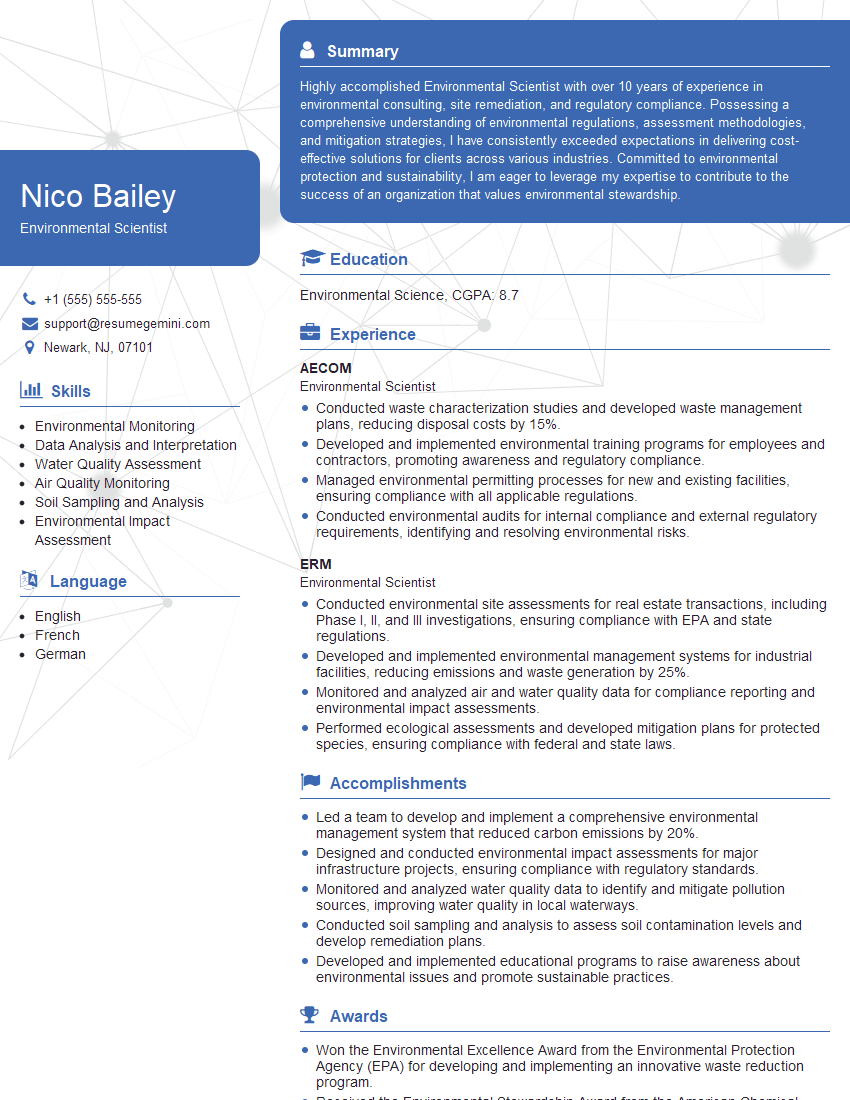
Environmental Scientist Resume Sample
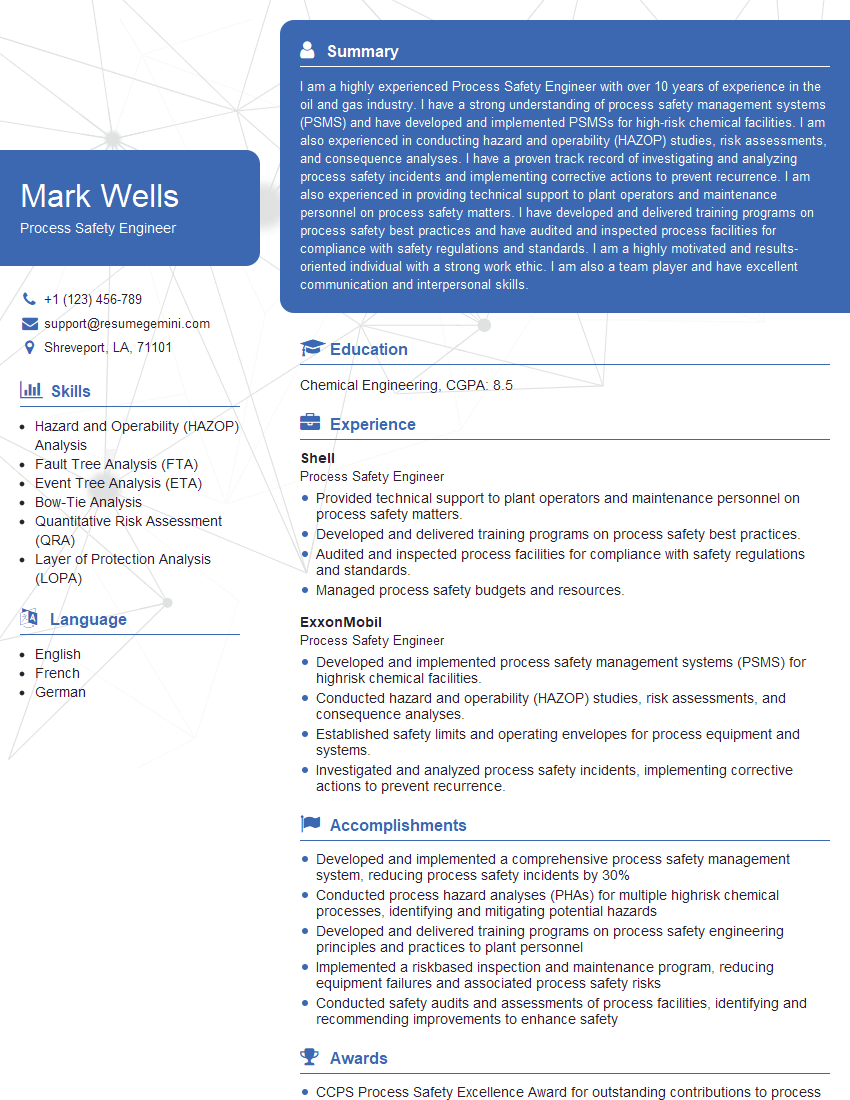
Process Safety Engineer Resume Sample
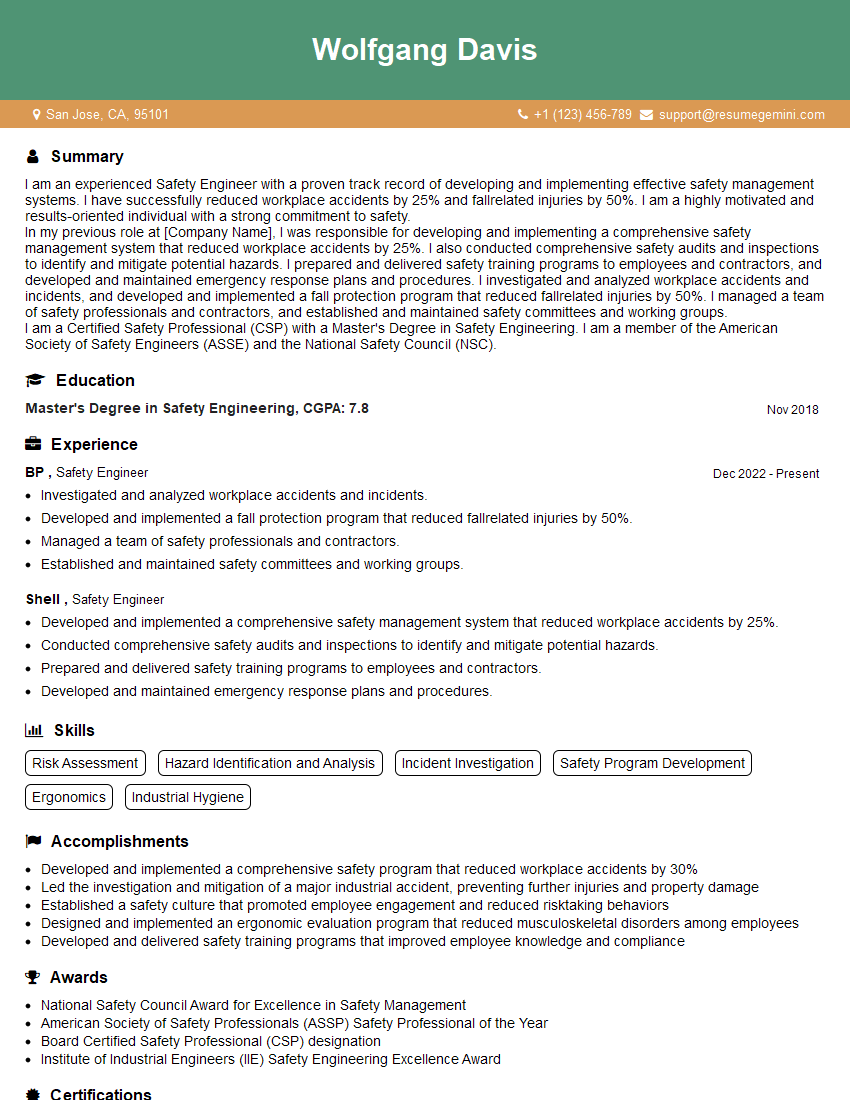
Safety Engineer Resume Sample
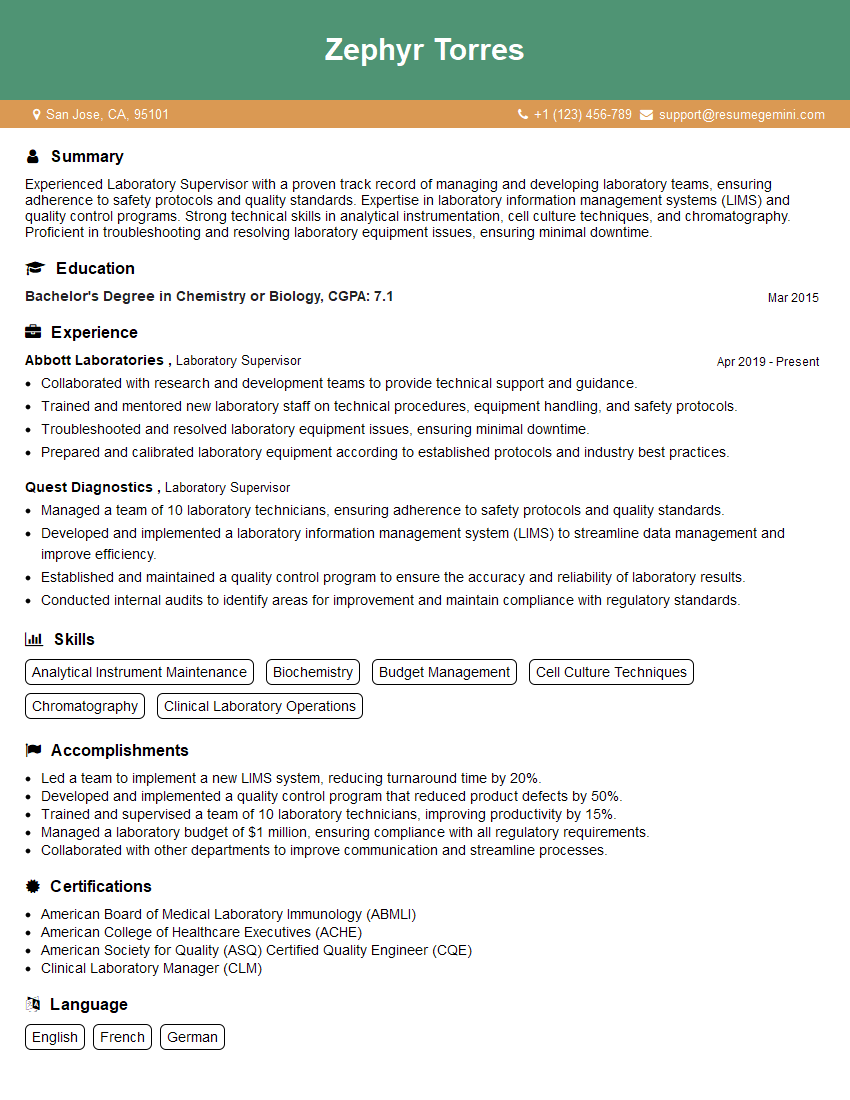
Laboratory Supervisor Resume Sample
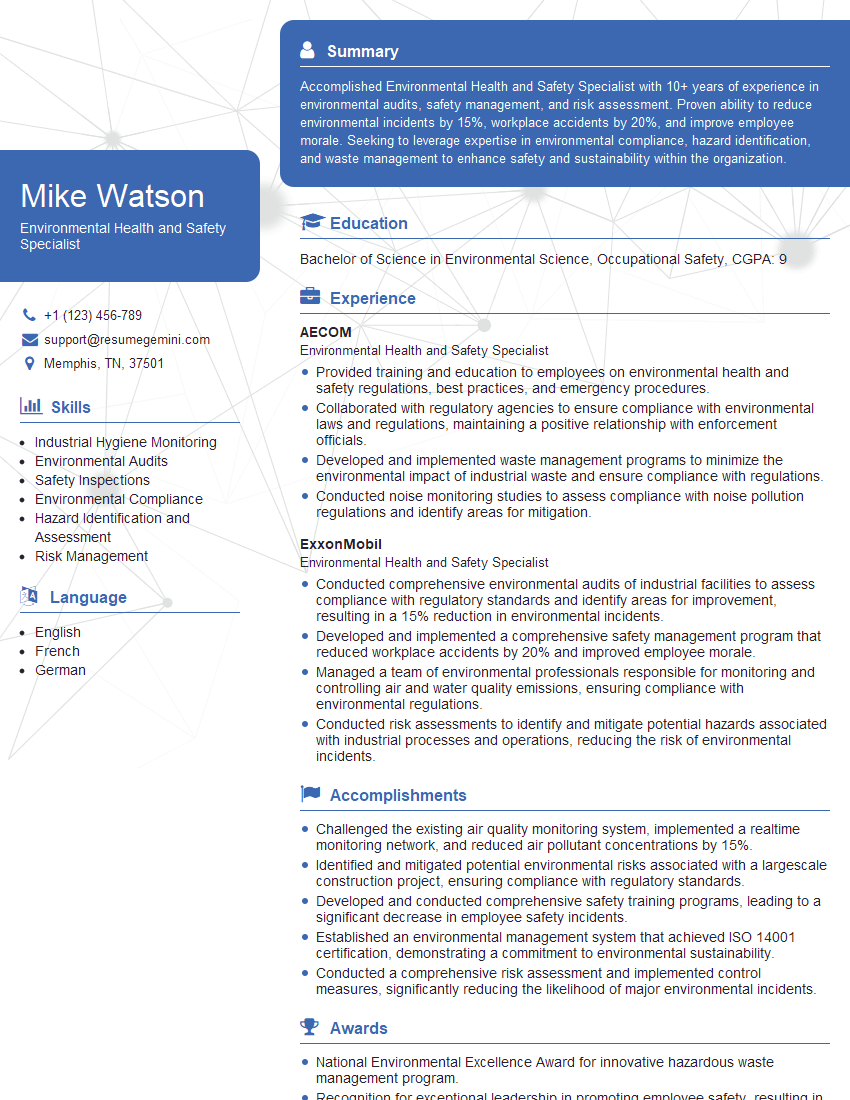
Environmental Health and Safety Specialist Resume Sample
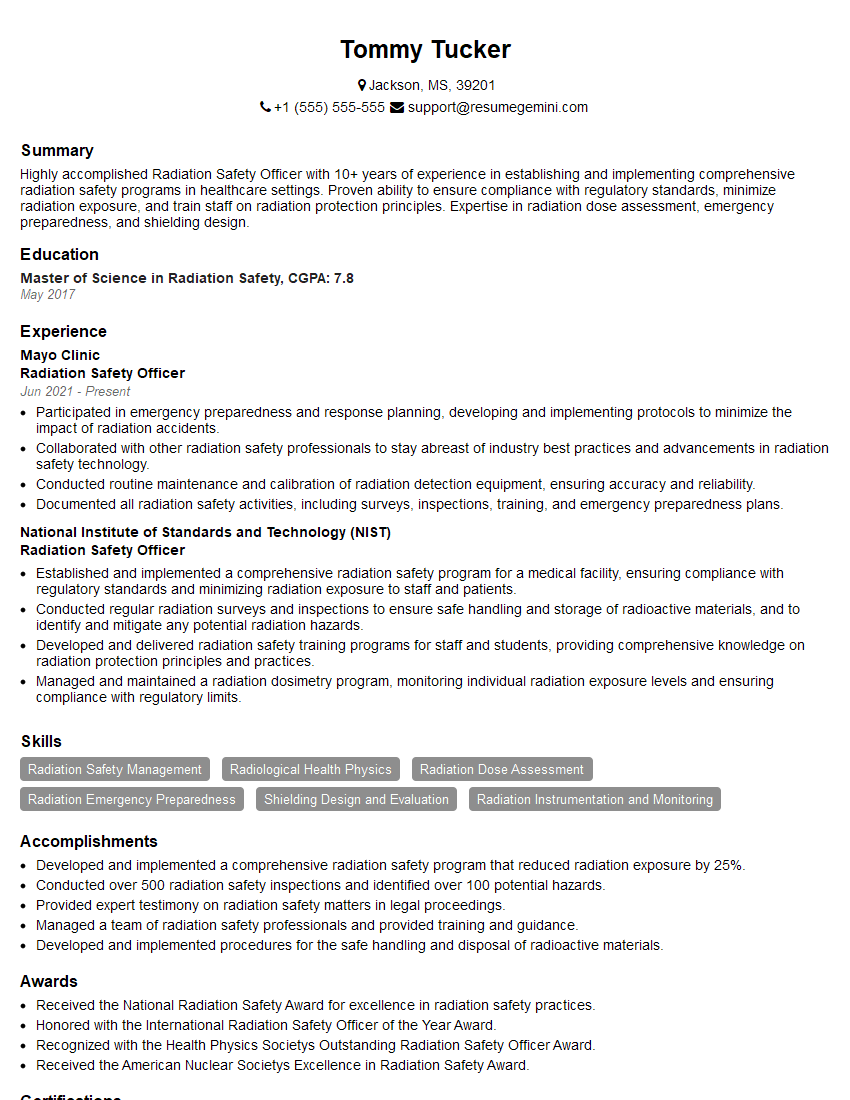
Radiation Safety Officer Resume Sample
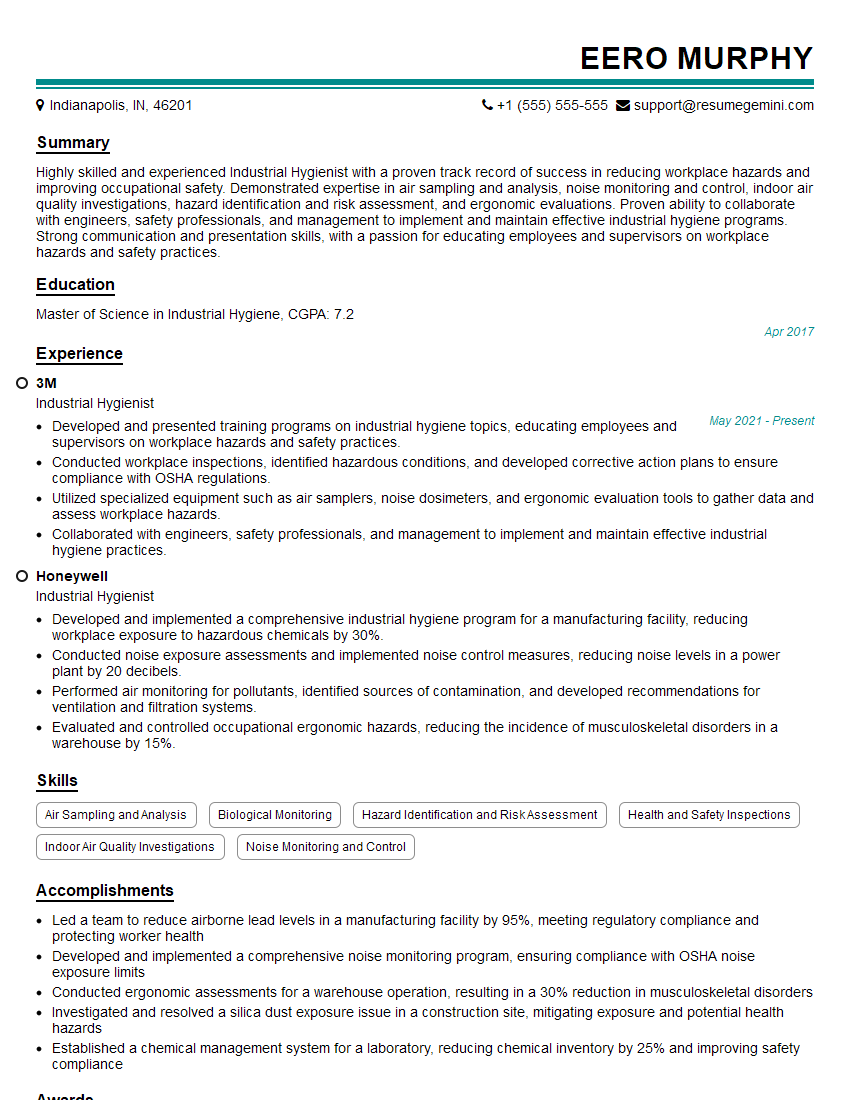
Industrial Hygienist Resume Sample
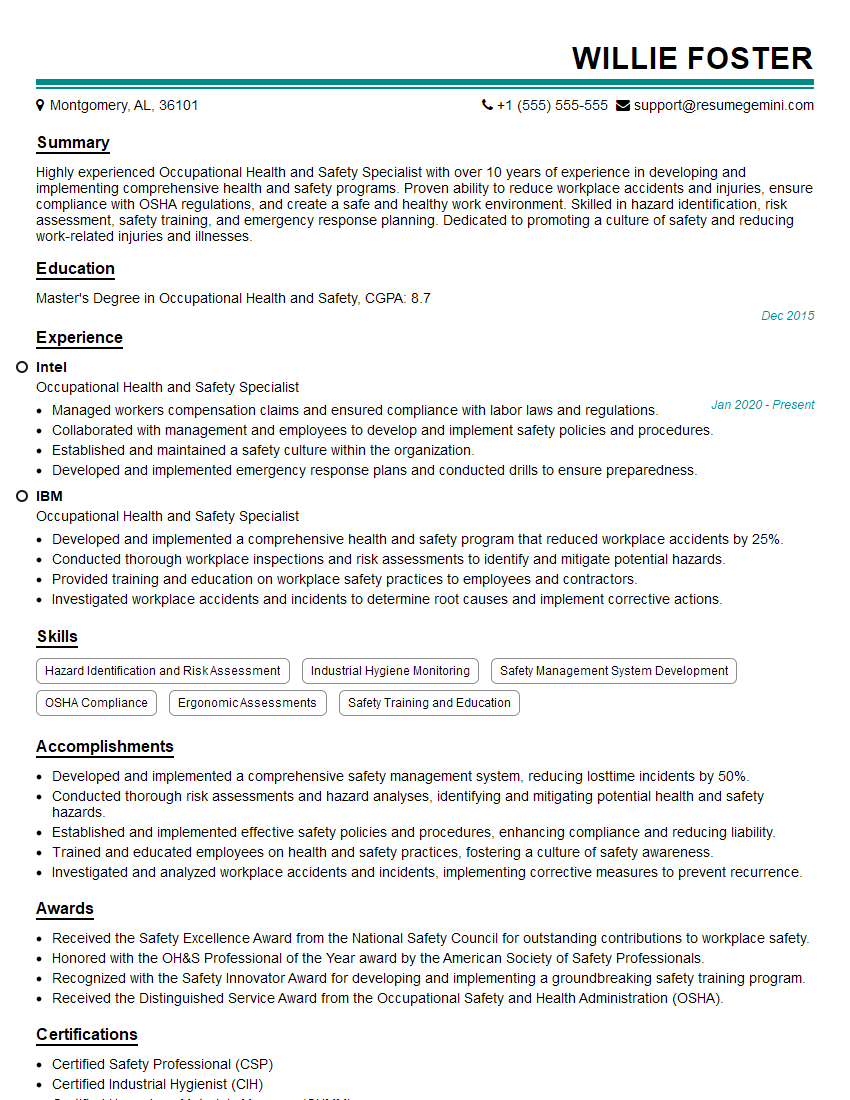
Occupational Health and Safety Specialist Resume Sample
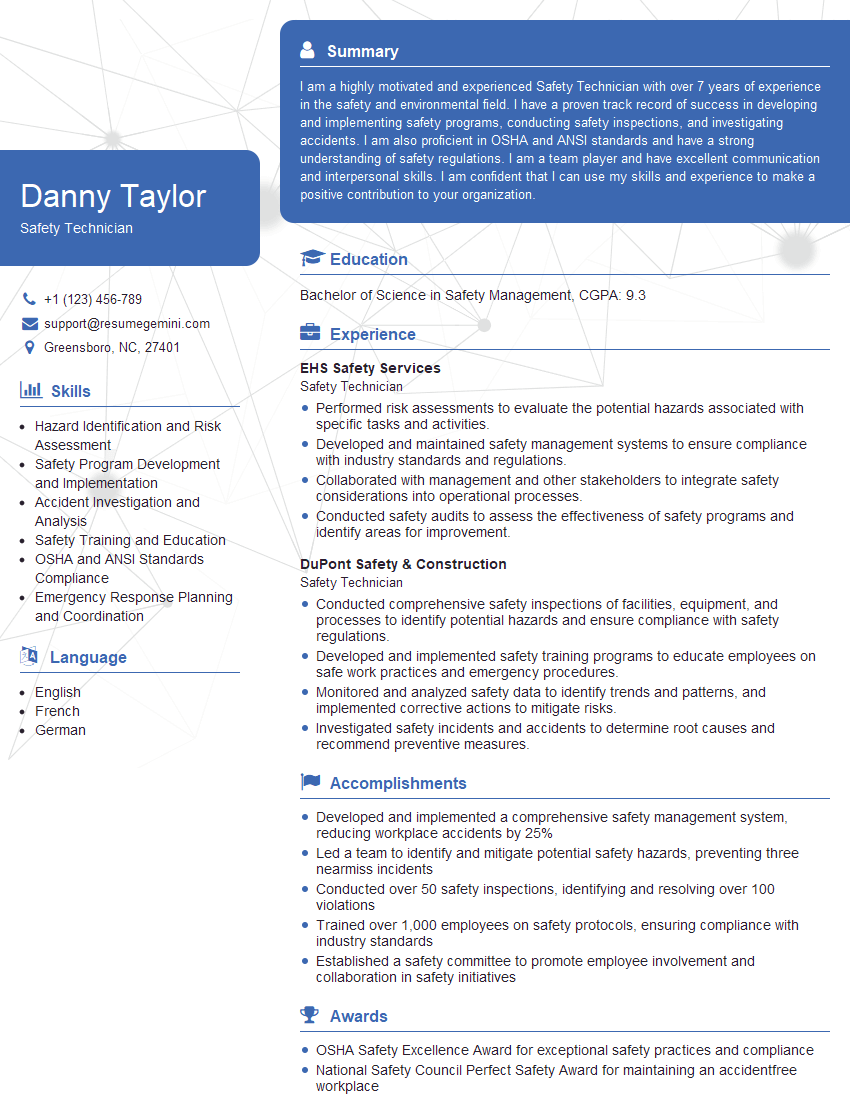
Safety Technician Resume Sample
Explore more articles
Users Rating of Our Blogs
Share Your Experience
We value your feedback! Please rate our content and share your thoughts (optional).
What Readers Say About Our Blog
Very informative content, great job.
good