The thought of an interview can be nerve-wracking, but the right preparation can make all the difference. Explore this comprehensive guide to Chemical Safety and Security interview questions and gain the confidence you need to showcase your abilities and secure the role.
Questions Asked in Chemical Safety and Security Interview
Q 1. Explain the difference between chemical safety and chemical security.
Chemical safety and chemical security, while related, focus on different aspects of managing hazardous materials. Chemical safety concerns the prevention of accidents and injuries caused by the handling, storage, and use of chemicals within a controlled environment. It’s about protecting workers and the environment from the inherent hazards of chemicals. Chemical security, on the other hand, focuses on preventing the theft, diversion, or misuse of chemicals for malicious purposes, such as terrorism or criminal activity. It’s about protecting the chemicals themselves and preventing them from falling into the wrong hands.
Think of it this way: safety is about preventing accidents like a chemical spill harming workers, while security is about preventing a terrorist organization from stealing a chemical to make a bomb. Both are crucial for overall chemical risk management.
Q 2. Describe your experience with HAZOP studies.
I have extensive experience conducting HAZOP (Hazard and Operability) studies across various chemical process industries. A HAZOP is a systematic and proactive hazard identification technique that uses a structured approach to review process design and operating procedures. In my experience, this involves assembling a multidisciplinary team to systematically examine every stage of a process, considering deviations from normal operating conditions – like higher or lower temperatures, unexpected flow rates, or equipment failures.
For example, I recently led a HAZOP study for a new pharmaceutical production facility. We used a HAZOP guide word approach (e.g., ‘more,’ ‘less,’ ‘as well as,’ ‘part of’) to brainstorm potential hazards at each node of the process, from raw material delivery to product packaging. This identified several critical hazards, such as potential runaway reactions and the risk of uncontrolled pressure releases. The team then developed appropriate mitigation strategies, including implementing safety interlocks, adding emergency shutdown systems, and enhancing operator training procedures. The results led to significant improvements in the facility’s inherent safety.
Q 3. How would you conduct a risk assessment for a new chemical process?
Conducting a risk assessment for a new chemical process involves a structured methodology. First, I would identify the hazards associated with the process. This involves a thorough chemical inventory, considering the physical and chemical properties of each substance involved, as well as the potential for reactions and by-products. Second, I’d determine the consequences of each hazard. What could happen if a specific hazard occurred – an explosion, fire, toxicity, environmental release? The severity of the potential consequences needs careful evaluation.
Third, I would assess the likelihood or probability of each hazard occurring. This step often involves considering the frequency of operation, the reliability of equipment, and the effectiveness of existing safety measures. Finally, I would combine the severity and likelihood to determine the overall risk level for each hazard, using a risk matrix. This provides a clear picture of which hazards need immediate attention and which can be mitigated later. Based on this assessment, a hierarchy of controls would be implemented, starting with elimination or substitution of hazards, followed by engineering controls, administrative controls, and finally, personal protective equipment (PPE).
Q 4. What are the key elements of a comprehensive chemical safety management system?
A comprehensive chemical safety management system (CSMS) is a holistic approach that integrates various elements to ensure safe handling of hazardous chemicals. Key elements include:
- Hazard Identification and Risk Assessment: Regularly identifying and assessing the risks associated with chemicals used.
- Control Measures: Implementing appropriate safety measures, such as engineering controls (e.g., ventilation, containment), administrative controls (e.g., safe work procedures, permits to work), and personal protective equipment (PPE).
- Emergency Response Planning: Developing and practicing emergency response plans for spills, leaks, fires, and other incidents.
- Training and Competency: Providing adequate training to personnel involved in handling hazardous chemicals.
- Permitting and Documentation: Maintaining detailed records of chemical inventory, risk assessments, safety procedures, and training records.
- Regulatory Compliance: Adhering to all applicable local, national, and international regulations concerning the safe handling of hazardous chemicals.
- Continuous Improvement: Regularly reviewing and updating the CSMS based on incident investigations, audits, and best practices.
A well-implemented CSMS is not just a set of rules, but a dynamic system that adapts to the changing needs of the organization and the evolving understanding of chemical hazards.
Q 5. Explain your understanding of OSHA regulations related to hazardous chemicals.
My understanding of OSHA (Occupational Safety and Health Administration) regulations related to hazardous chemicals is extensive. OSHA’s Hazard Communication Standard (HCS) is a cornerstone of chemical safety, requiring employers to inform employees about the hazards of chemicals in their workplace. This includes developing and implementing Safety Data Sheets (SDSs) for all hazardous chemicals, providing employee training, and ensuring proper labeling of containers. Other key OSHA regulations relate to the handling of specific hazardous chemicals (e.g., carcinogens, toxic substances), process safety management (PSM) for certain high-hazard processes, and personal protective equipment (PPE) requirements. Compliance involves careful review of the applicable standards, implementation of appropriate controls, and maintaining accurate documentation.
For example, I’ve assisted numerous companies in complying with OSHA’s PSM standard, which mandates a rigorous process safety management program for certain high-risk chemical processes. This includes conducting hazard reviews, developing operating procedures, implementing safety instrumented systems (SIS), and ensuring proper maintenance and inspections.
Q 6. How do you handle chemical spills and emergencies?
Handling chemical spills and emergencies requires a swift and organized response. The first step is to ensure the safety of personnel by evacuating the area and preventing further exposure. Then, the appropriate emergency response team should be activated according to the pre-established emergency response plan. The plan should detail roles and responsibilities, including who is responsible for contacting emergency services, containing the spill, and cleaning it up.
The type of spill dictates the cleanup procedure. Smaller spills might be handled with absorbent materials and proper disposal procedures. Larger spills necessitate more advanced techniques, potentially involving specialized equipment and trained contractors. Post-incident investigations are crucial to determine the root cause of the spill, identify lessons learned, and implement corrective actions to prevent recurrence. Proper documentation throughout the entire process is essential for compliance and continuous improvement.
Q 7. Describe your experience with developing and implementing safety training programs.
I possess considerable experience in developing and implementing safety training programs. My approach always starts with a thorough needs assessment to identify training gaps and tailor the program to the specific needs of the audience and the workplace hazards. This involves identifying the required competencies for handling specific chemicals and processes, analyzing the existing knowledge level of employees, and determining the most effective training methods.
I favor a blended learning approach, combining classroom training with hands-on practical exercises, simulations, and e-learning modules to ensure comprehensive understanding and retention. The training programs are designed to be engaging and interactive, using real-world case studies, videos, and interactive exercises to reinforce learning. Finally, a post-training assessment ensures that employees have grasped the critical concepts and are capable of applying them in the workplace. Regular refresher training is crucial to maintain competence and update employees on any changes in procedures or regulations.
Q 8. What are your strategies for ensuring compliance with environmental regulations?
Ensuring compliance with environmental regulations is paramount in chemical safety and security. My strategy is multifaceted, focusing on proactive measures and reactive adjustments.
- Proactive Compliance: This involves a thorough understanding of all applicable regulations, including those from agencies like the EPA (Environmental Protection Agency). We conduct regular reviews of these regulations to ensure we’re always up-to-date. This includes understanding permit requirements, waste disposal regulations, and emission limits. We implement robust environmental management systems (EMS) – often based on ISO 14001 principles – which incorporate regular monitoring, record-keeping, and internal audits.
- Reactive Compliance: This involves promptly addressing any non-compliance issues identified through internal audits, inspections by regulatory bodies, or even employee reporting. We develop corrective action plans to address deficiencies, implement improvements to prevent recurrence, and meticulously document the entire process. For instance, if an audit reveals a discrepancy in waste handling, we’ll immediately revise our procedures, retrain staff, and implement stricter controls to ensure future compliance.
- Technology and Data: We leverage technology for efficient monitoring and record-keeping. This can involve specialized software for tracking emissions, waste generation, and chemical inventory. Data analysis helps identify trends and potential problems before they escalate into significant compliance issues.
For example, in a previous role, we implemented a new system for tracking hazardous waste, which resulted in a 15% reduction in waste generation and improved our overall compliance rating.
Q 9. How do you prioritize safety risks and allocate resources effectively?
Prioritizing safety risks and allocating resources effectively requires a systematic approach. I utilize a risk assessment methodology, typically employing a matrix that considers both the likelihood and severity of potential incidents.
- Risk Assessment: This involves identifying hazards, evaluating their potential for harm (severity), determining the probability of occurrence (likelihood), and then calculating a risk score. This score helps us prioritize. For example, a high-likelihood, high-severity risk, such as a potential explosion in a chemical storage area, would warrant immediate attention and significant resource allocation.
- Resource Allocation: Once risks are prioritized, we allocate resources – including personnel, budget, and equipment – to mitigate the highest-risk hazards first. This might involve investing in new safety equipment, developing enhanced procedures, providing additional training to employees, or implementing engineering controls.
- Regular Review: The risk assessment isn’t a one-time exercise. We regularly review and update the assessment, as new hazards emerge, processes change, or technologies improve. This ensures that our resource allocation remains effective and aligned with the current risk profile.
In a past project, a risk assessment identified a significant risk related to improper handling of a specific chemical. We immediately allocated funds for specialized training, purchased new safety equipment, and revised handling procedures, drastically reducing the risk.
Q 10. Explain your understanding of different types of personal protective equipment (PPE).
Personal Protective Equipment (PPE) is crucial for safeguarding workers from chemical hazards. Different types of PPE are designed for specific hazards:
- Respiratory Protection: This includes respirators (e.g., N95 masks, half-face respirators, full-face respirators) to protect against airborne hazards like dusts, fumes, gases, and vapors. The selection of the appropriate respirator depends on the specific hazard.
- Eye and Face Protection: Safety glasses, goggles, and face shields protect the eyes and face from splashes, impacts, and chemical exposures.
- Hand Protection: Gloves are chosen based on the chemical being handled. Different materials offer varying levels of protection against different chemicals. Selecting the right glove is critical to prevent skin absorption.
- Skin and Body Protection: This includes protective clothing such as coveralls, aprons, and boots, which protect the skin from chemical splashes, spills, and contact. Some protective clothing is specifically designed for chemical resistance.
- Hearing Protection: Earplugs or earmuffs protect against noise hazards, particularly in areas with loud machinery or equipment.
It’s critical to remember that PPE is a last line of defense. Engineering controls (ventilation, containment) and administrative controls (safe work practices) should be prioritized first. Proper training on selecting, using, and maintaining PPE is essential for its effectiveness.
Q 11. Describe your experience with incident investigations and root cause analysis.
I have extensive experience in incident investigations and root cause analysis. My approach is systematic and data-driven, following established methodologies such as the “5 Whys” technique and Fault Tree Analysis (FTA).
- Incident Investigation: This begins with promptly securing the scene, collecting evidence (witnesses statements, photos, videos, data logs), and interviewing relevant personnel. The goal is to gather all pertinent information objectively, avoiding preconceived notions.
- Root Cause Analysis: This goes beyond identifying what happened to understand *why* it happened. Techniques like the “5 Whys” (repeatedly asking “why” to uncover underlying causes) and FTA (diagramming potential causes and their relationships) help uncover the root causes. For instance, if a chemical spill occurred, we’d ask: Why did the spill happen? (Equipment failure). Why did the equipment fail? (Lack of maintenance). Why was there a lack of maintenance? (Inadequate training). And so on.
- Corrective Actions: Once the root causes are identified, we develop and implement corrective actions to prevent recurrence. This might include modifications to equipment, improved training programs, changes to procedures, or strengthening safety management systems.
In one incident, a near-miss involving a chemical reaction led to a thorough investigation using FTA. This analysis revealed weaknesses in our process control system and ultimately led to substantial improvements, reducing the risk of similar incidents.
Q 12. How do you communicate safety concerns and recommendations to different stakeholders?
Communicating safety concerns effectively is crucial. My approach involves tailoring communication to the audience.
- Stakeholder Identification: First, I identify all relevant stakeholders – workers, supervisors, management, regulatory bodies, and potentially the public. Each group has different needs and communication preferences.
- Clear and Concise Messaging: I use clear, concise language, avoiding jargon whenever possible. Visual aids (charts, graphs, diagrams) can be very effective in conveying complex information.
- Multiple Communication Channels: I use a variety of channels – safety meetings, training sessions, email updates, posters, reports – to ensure broad reach and reinforce key messages.
- Feedback Mechanisms: I provide opportunities for feedback, creating an open and transparent communication environment. This fosters trust and encourages the reporting of concerns.
For example, in communicating about a new safety procedure, I would explain the reasoning behind it, demonstrate proper technique, and ensure workers understand the consequences of non-compliance. I would then seek feedback to assess understanding and make any needed adjustments.
Q 13. What is your experience with safety audits and inspections?
Safety audits and inspections are vital for maintaining a safe working environment. My experience includes conducting both internal audits and assisting external regulatory inspections.
- Internal Audits: I’ve led numerous internal audits, evaluating compliance with safety procedures, equipment maintenance, and emergency response plans. These audits are based on checklists and industry best practices. Findings are documented, and corrective actions are developed and tracked.
- External Inspections: I have assisted in several regulatory inspections, ensuring all necessary documentation is readily available, and actively participating in the inspection process. This demonstrates proactive compliance and builds a positive relationship with regulatory agencies.
- Continuous Improvement: Audit and inspection findings provide valuable feedback, enabling continuous improvement in our safety management system. They highlight areas for enhancement and allow us to proactively address potential problems.
One example involved an internal audit that revealed a deficiency in our emergency shower system. This led to immediate upgrades and strengthened our overall emergency response procedures.
Q 14. Describe your experience with the development and implementation of safety procedures.
Developing and implementing safety procedures is a core competency of mine. This process is iterative and collaborative.
- Hazard Identification and Risk Assessment: The first step is a thorough hazard identification and risk assessment to determine the potential hazards associated with a specific process or task.
- Procedure Development: Based on the risk assessment, detailed safety procedures are developed, outlining specific steps, precautions, and emergency response protocols. These procedures should be clear, concise, and easy to understand, using simple language and visual aids where necessary.
- Training and Communication: Workers receive comprehensive training on the new procedures, ensuring they understand their responsibilities and can perform their tasks safely. Communication is crucial throughout the entire process.
- Implementation and Monitoring: The procedures are implemented, and their effectiveness is monitored through regular observation, audits, and incident reporting. Any necessary revisions are made based on feedback and experience.
In one project, we developed and implemented new safety procedures for handling a highly reactive chemical. This involved specialized training, the introduction of new equipment, and significant changes to the workflow. The result was a significant reduction in near-miss incidents and a safer work environment.
Q 15. How familiar are you with different chemical hazard communication standards (e.g., GHS)?
I’m intimately familiar with various chemical hazard communication standards, most notably the Globally Harmonized System of Classification and Labelling of Chemicals (GHS). GHS provides a universally consistent approach to classifying chemicals based on their health, environmental, and physical hazards. This includes standardized hazard pictograms, signal words (danger, warning), hazard statements, and precautionary statements. My experience encompasses interpreting and applying GHS to Safety Data Sheets (SDS), labels, and workplace hazard communication programs. I’ve worked extensively with the implementation of GHS in various settings, ensuring compliance with both international and regional regulations. For example, I’ve assisted companies in transitioning from older labeling systems to the GHS framework, training employees on the new standards and updating their chemical inventories accordingly. I understand the nuances of different regional adaptations of GHS, recognizing that specific requirements can vary between countries, necessitating a thorough understanding of the legal framework in each jurisdiction.
Career Expert Tips:
- Ace those interviews! Prepare effectively by reviewing the Top 50 Most Common Interview Questions on ResumeGemini.
- Navigate your job search with confidence! Explore a wide range of Career Tips on ResumeGemini. Learn about common challenges and recommendations to overcome them.
- Craft the perfect resume! Master the Art of Resume Writing with ResumeGemini’s guide. Showcase your unique qualifications and achievements effectively.
- Don’t miss out on holiday savings! Build your dream resume with ResumeGemini’s ATS optimized templates.
Q 16. Explain your understanding of process safety information (PSI).
Process Safety Information (PSI) is a crucial component of any chemical process safety management system. It encompasses all the information necessary to understand and manage the hazards associated with a chemical process. This includes information on the chemicals involved, their properties, the process flow diagrams, equipment specifications, operating procedures, safety instrumented systems (SIS), and potential hazards. Think of PSI as a comprehensive instruction manual for a chemical process, detailing everything from the chemical reactions taking place to emergency shutdown procedures. A robust PSI system allows for effective hazard identification, risk assessment, and mitigation. For instance, PSI would include details on the maximum allowable operating pressure of a reactor, the temperature limits to prevent runaway reactions, and the procedures to be followed in case of an equipment failure. Without complete and up-to-date PSI, effective process safety management is impossible, making it a cornerstone of responsible chemical handling.
Q 17. How do you ensure the safe handling, storage, and transportation of hazardous chemicals?
Safe handling, storage, and transportation of hazardous chemicals are paramount. This requires a multi-faceted approach:
- Proper labeling and segregation: Chemicals must be clearly labeled according to GHS standards and stored separately to prevent incompatible materials from reacting. For instance, oxidizers should be kept far from flammables.
- Appropriate containment: Using the right containers (e.g., secondary containment for spills) is vital. Containers should be compatible with the stored chemical and in good condition.
- Environmental controls: Ventilation, temperature control, and other measures might be needed to prevent exposure to airborne hazards or to maintain product stability.
- Emergency preparedness: Spill response plans, emergency equipment, and training for personnel are critical.
- Transportation regulations: Adherence to regulations like those outlined by the Department of Transportation (DOT) for hazardous materials is essential, encompassing proper packaging, documentation, and vehicle specifications.
Q 18. Describe your experience with safety data sheets (SDS) and their practical application.
Safety Data Sheets (SDS) are the cornerstone of chemical hazard communication. They provide comprehensive information about the hazards of a chemical and how to handle it safely. My experience includes creating, reviewing, and interpreting SDSs for a wide range of chemicals. I utilize SDS information for various purposes, including:
- Risk assessment: Identifying the hazards of a chemical and determining the necessary control measures.
- Emergency response: Providing critical information during spills, leaks, or other incidents.
- Training: Educating employees about the safe handling and use of chemicals.
- Regulatory compliance: Ensuring adherence to all relevant safety and environmental regulations.
Q 19. How would you assess and mitigate the risks associated with a specific chemical reaction?
Assessing and mitigating the risks of a chemical reaction involves a systematic approach:
- Hazard identification: Identify the potential hazards associated with the reaction, such as flammability, toxicity, reactivity, and exothermicity.
- Risk assessment: Evaluate the likelihood and severity of each hazard. This often involves considering factors such as the quantities of chemicals involved, the reaction conditions (temperature, pressure), and the potential for uncontrolled escalation.
- Mitigation strategies: Implement control measures to reduce or eliminate the identified risks. This might include using safer alternative chemicals, controlling reaction conditions (e.g., using a cooling jacket), employing engineering controls (e.g., installing a pressure relief system), implementing administrative controls (e.g., proper training and procedures), or using personal protective equipment.
- Monitoring and review: Regularly monitor the reaction and the effectiveness of the control measures. The risk assessment and mitigation plan should be reviewed and updated as needed.
Q 20. Explain your experience with developing and implementing emergency response plans.
I possess significant experience in developing and implementing emergency response plans. This includes conducting hazard analysis, defining emergency scenarios, identifying response procedures, selecting appropriate equipment and personnel, and conducting regular drills and training exercises. My approach ensures plans are tailored to the specific risks of the facility or operation. This involves:
- Identifying potential emergencies: This might include chemical spills, fires, explosions, or releases of toxic substances.
- Developing procedures: Clearly outlining steps to take in each emergency scenario, including evacuation procedures, containment and cleanup, and communication protocols.
- Training and drills: Regularly conducting training sessions and drills to ensure personnel are prepared to respond effectively.
- Emergency equipment: Procuring and maintaining necessary equipment like spill kits, fire extinguishers, and personal protective equipment.
- Communication plan: Establishing a clear communication system for notifying emergency responders, employees, and other stakeholders.
Q 21. How would you manage a situation where a safety violation is detected?
Upon detecting a safety violation, I follow a structured approach:
- Immediate action: If the violation poses an immediate threat, I take immediate action to correct the situation and prevent further harm. This might include shutting down equipment, evacuating personnel, or containing a spill.
- Investigation: Thoroughly investigate the root cause of the violation to prevent recurrence. This may involve interviewing witnesses, reviewing records, and examining equipment.
- Corrective action: Implement corrective actions to address the root cause. This could involve modifying procedures, retraining employees, replacing faulty equipment, or improving safety systems.
- Documentation: Meticulously document the incident, investigation, and corrective actions taken. This documentation is critical for tracking safety performance and identifying trends.
- Follow-up: Follow up to ensure the corrective actions are effective and that similar violations do not occur again.
Q 22. Describe your experience with using various safety software and databases.
Throughout my career, I’ve extensively used various safety software and databases, crucial for managing chemical safety and security. This includes:
- Chemical inventory management systems: I’ve worked with systems like CHEMCAD and Aspen Plus to track chemical quantities, locations, and associated hazards. These systems provide alerts for exceeding storage limits or incompatible chemical combinations, preventing accidents.
- Safety data sheet (SDS) databases: I’m proficient in using databases like GESTIS-Substance Database and the EPA’s ChemView to access and manage SDS information. Efficiently searching and retrieving SDS data is critical for informed decision-making during risk assessments and emergency response.
- Risk assessment software: I have experience with software platforms enabling quantitative risk assessments (QRAs), such as PHAST and ALOHA, which allow for simulating the release and dispersion of hazardous materials to predict potential consequences.
- Incident reporting and investigation software: Software designed to track near misses, accidents, and incidents are essential. These systems assist in analyzing trends, identifying root causes, and developing corrective actions. I’ve utilized custom-built and commercial platforms to manage this crucial aspect of safety.
My experience spans both standalone software and integrated systems, highlighting my ability to adapt to various technological environments and leverage data for improved chemical safety and security.
Q 23. What is your understanding of quantitative risk assessment techniques?
Quantitative Risk Assessment (QRA) techniques involve using numerical data to systematically estimate the likelihood and consequences of hazardous events. It’s not just about identifying hazards, but quantifying the risk associated with them, allowing for prioritized mitigation efforts. This typically involves:
- Hazard identification: Identifying potential hazards, such as chemical leaks, fires, or explosions.
- Frequency analysis: Estimating the probability of each hazard occurring using historical data, fault tree analysis (FTA), event tree analysis (ETA), or other probabilistic methods.
- Consequence analysis: Assessing the potential impact of each hazard, considering factors like the extent of damage, environmental impact, and human health effects. This might involve dispersion modeling to estimate the extent of a chemical release.
- Risk characterization: Combining the frequency and consequence analyses to determine the overall risk level, often expressed as a risk matrix or risk curve.
For example, in a chemical plant, QRA might assess the risk of a chlorine leak. We’d determine the probability of a pipe failure (frequency), then model the chlorine dispersion to predict affected areas and potential health impacts (consequences). The combined analysis would guide the implementation of safety measures like improved pipe inspection and emergency response plans.
Q 24. How would you improve the safety culture within an organization?
Improving a safety culture is a continuous process, requiring a multi-pronged approach. It’s about fostering a mindset where safety is everyone’s responsibility, not just a management mandate. Key strategies include:
- Leadership commitment: Visible, unwavering support from senior management is paramount. They need to demonstrate a genuine commitment to safety by prioritizing it in decision-making and resource allocation.
- Employee empowerment: Encourage employees to identify and report hazards without fear of retribution. Establish open communication channels and provide training on hazard identification and reporting procedures.
- Effective communication: Regular safety meetings, training programs, and newsletters keep employees informed and engaged. Sharing near-miss reports and accident investigations helps everyone learn from past experiences.
- Accountability: Establish clear roles and responsibilities for safety, and hold individuals accountable for their safety performance. Regular safety audits and inspections ensure compliance.
- Recognition and rewards: Acknowledge and reward employees who actively contribute to safety. This positively reinforces safe behaviors and promotes a proactive safety culture.
In practice, I’ve implemented these strategies by initiating regular safety toolbox talks, implementing an anonymous hazard reporting system, and introducing peer-to-peer safety observations. This combination resulted in a significant reduction in incidents and a measurable improvement in safety awareness.
Q 25. Describe your experience working with contractors and ensuring their compliance with safety standards.
Working with contractors requires meticulous attention to ensuring compliance with safety standards. My approach involves:
- Pre-qualification: Thoroughly vetting contractors before awarding contracts, verifying their safety records, insurance coverage, and relevant certifications.
- Clear safety requirements: Providing detailed safety plans and specifications that clearly outline expectations for the contractor’s work. This includes specific procedures for handling hazardous materials, use of personal protective equipment (PPE), and emergency response protocols.
- On-site supervision: Regular monitoring of the contractor’s work to ensure adherence to safety standards. This may involve daily safety briefings, inspections, and spot checks.
- Training and communication: Providing necessary training to the contractor’s personnel on site-specific safety procedures and regulations.
- Incident reporting: Establishing a system for promptly reporting and investigating any incidents or near misses involving contractors.
For example, before engaging a contractor for tank cleaning, we’d ensure they possess relevant certifications (confined space entry, hazardous material handling), review their safety program, and conduct a pre-job safety meeting to review specific procedures and hazards associated with the task. This proactive approach minimized the risks associated with third-party work.
Q 26. How would you handle a situation involving a disgruntled employee who is potentially a security threat?
Handling a disgruntled employee who poses a security threat requires a measured and cautious approach, prioritizing the safety and security of everyone involved. The steps include:
- Immediate assessment: Gather information about the employee’s behavior, including any specific threats or concerning actions. This may involve interviewing colleagues and supervisors.
- Notification of security personnel: Alert security personnel and management immediately to initiate a security protocol. This might involve increased surveillance of the facility or restricting the employee’s access to sensitive areas.
- Confidential investigation: Conduct a thorough, confidential investigation to determine the extent of the threat. This might involve HR, security personnel, and potentially law enforcement depending on the severity of the threat.
- Disciplinary action: Depending on the investigation’s findings, take appropriate disciplinary action, up to and including termination of employment. Consult with legal counsel to ensure compliance with employment laws.
- Security upgrades: Review and enhance security measures to prevent similar situations in the future. This could include access control upgrades, increased surveillance, or improved employee screening procedures.
In such situations, it’s critical to maintain a balance between protecting the organization’s assets and ensuring the safety and well-being of employees. A clear escalation protocol is essential, involving HR, security, and legal professionals.
Q 27. Explain your experience with security protocols for protecting sensitive chemical information.
Protecting sensitive chemical information requires a robust security protocol based on the principle of layered security. This includes:
- Access control: Limiting access to sensitive data to authorized personnel only, through the use of passwords, access cards, and role-based access controls (RBAC).
- Data encryption: Encrypting sensitive data both in transit and at rest, making it unreadable to unauthorized individuals even if intercepted.
- Physical security: Protecting physical storage media (e.g., hard drives, servers) from unauthorized access through measures such as locked cabinets, secured server rooms, and surveillance systems.
- Network security: Implementing firewalls, intrusion detection systems, and other network security measures to prevent unauthorized access to computer systems containing chemical information.
- Regular security audits: Conducting regular security audits and penetration testing to identify and address vulnerabilities in the security infrastructure.
- Employee training: Educating employees on the importance of data security and proper handling of sensitive information.
For instance, we use encrypted databases to store chemical formulations and process parameters, restrict access to authorized personnel only through RBAC, and regularly conduct security audits to identify and address potential vulnerabilities. Moreover, all employees receive comprehensive training on cybersecurity best practices and handling sensitive information.
Q 28. How do you stay up-to-date with changes in chemical safety and security regulations and best practices?
Staying current with chemical safety and security regulations and best practices requires a proactive and multi-faceted approach. I utilize several strategies:
- Subscription to professional journals and newsletters: I subscribe to publications like the Journal of Hazardous Materials and relevant newsletters from organizations like the American Chemical Society (ACS) and the Occupational Safety and Health Administration (OSHA).
- Participation in professional organizations and conferences: Actively participating in professional organizations like the AIHA (American Industrial Hygiene Association) and attending conferences allows for networking and exposure to the latest developments.
- Monitoring regulatory websites: Regularly check the websites of relevant regulatory bodies (e.g., OSHA, EPA) for updates on regulations and guidance documents.
- Networking with colleagues and experts: Maintaining a professional network of contacts in the chemical safety and security field enables the sharing of information and best practices.
- Continuing education courses: I actively pursue continuing education opportunities to stay abreast of new technologies, methods, and regulations.
By combining these methods, I ensure my knowledge and skills remain current and relevant, enabling me to effectively address emerging challenges in chemical safety and security.
Key Topics to Learn for Chemical Safety and Security Interview
- Hazard Identification and Risk Assessment: Understanding methods like HAZOP, What-If analysis, and FMEA for proactive risk mitigation. Practical application: Developing a risk assessment for a new chemical process.
- Emergency Response Planning: Developing and implementing emergency procedures, including spill response, evacuation plans, and personal protective equipment (PPE) selection. Practical application: Designing a response plan for a chemical leak scenario.
- Chemical Handling and Storage: Safe practices for handling, transporting, and storing hazardous chemicals, including proper labeling, segregation, and inventory management. Practical application: Optimizing a chemical storage facility for safety and efficiency.
- Regulatory Compliance: Familiarity with relevant regulations (OSHA, EPA, etc.) and their practical implications for chemical safety and security. Practical application: Ensuring compliance with GHS labeling requirements.
- Personal Protective Equipment (PPE): Selection, use, and maintenance of appropriate PPE for various chemical hazards. Practical application: Determining the necessary PPE for working with specific chemicals.
- Process Safety Management (PSM): Understanding PSM principles and their application in preventing and mitigating major chemical accidents. Practical application: Implementing a PSM program in a chemical manufacturing facility.
- Security Measures for Chemical Facilities: Implementing security protocols to prevent theft, sabotage, or unauthorized access to hazardous materials. Practical application: Designing a security system for a chemical storage warehouse.
- Incident Investigation and Reporting: Conducting thorough investigations of chemical incidents, identifying root causes, and implementing corrective actions. Practical application: Analyzing a past chemical spill to prevent recurrence.
- Communication and Training: Effectively communicating safety procedures and training personnel on safe chemical handling practices. Practical application: Developing a training program for new employees on chemical safety.
Next Steps
Mastering Chemical Safety and Security is crucial for a rewarding and impactful career. It demonstrates your commitment to responsible practices and positions you as a valuable asset in any organization handling hazardous materials. To significantly boost your job prospects, it’s essential to create an ATS-friendly resume that showcases your skills and experience effectively. ResumeGemini is a trusted resource for building professional resumes tailored to specific industries, ensuring your application stands out. Examples of resumes tailored to Chemical Safety and Security are available to help you get started.
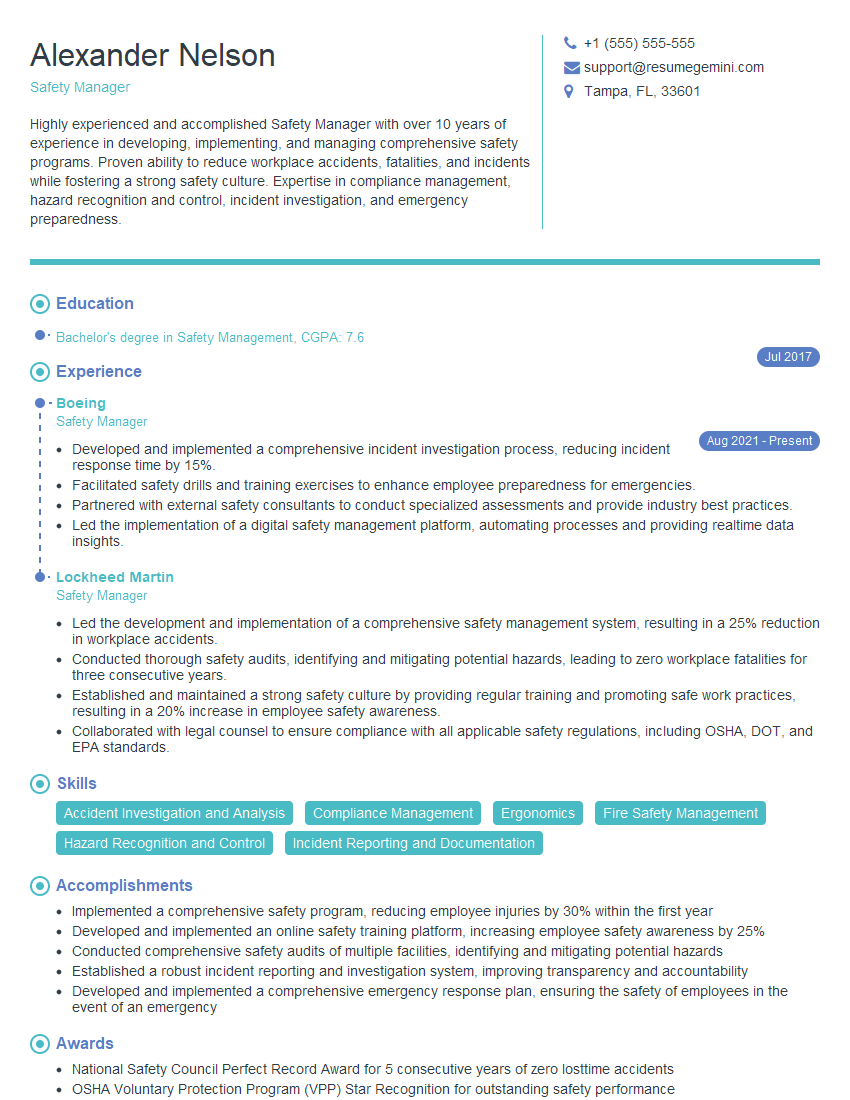
Safety Manager Resume Sample
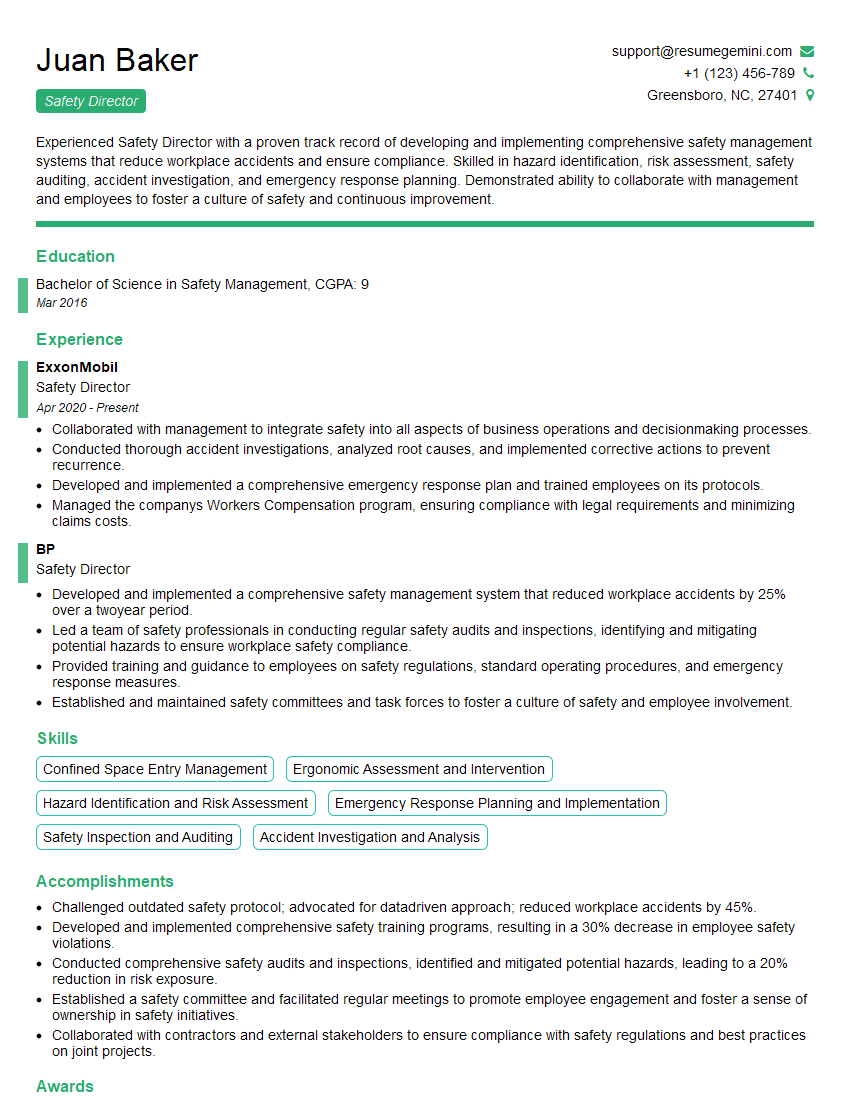
Safety Director Resume Sample
Compliance Manager Resume Sample
Regulatory Compliance Officer Resume Sample
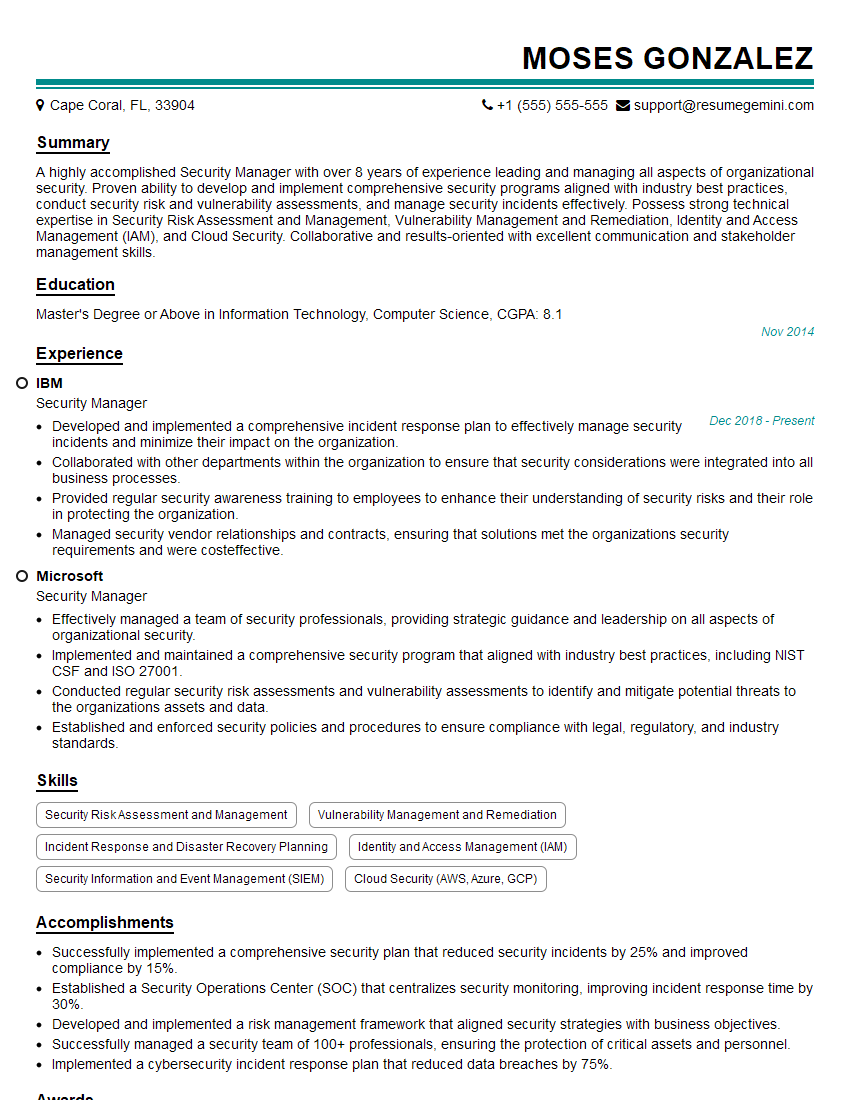
Security Manager Resume Sample
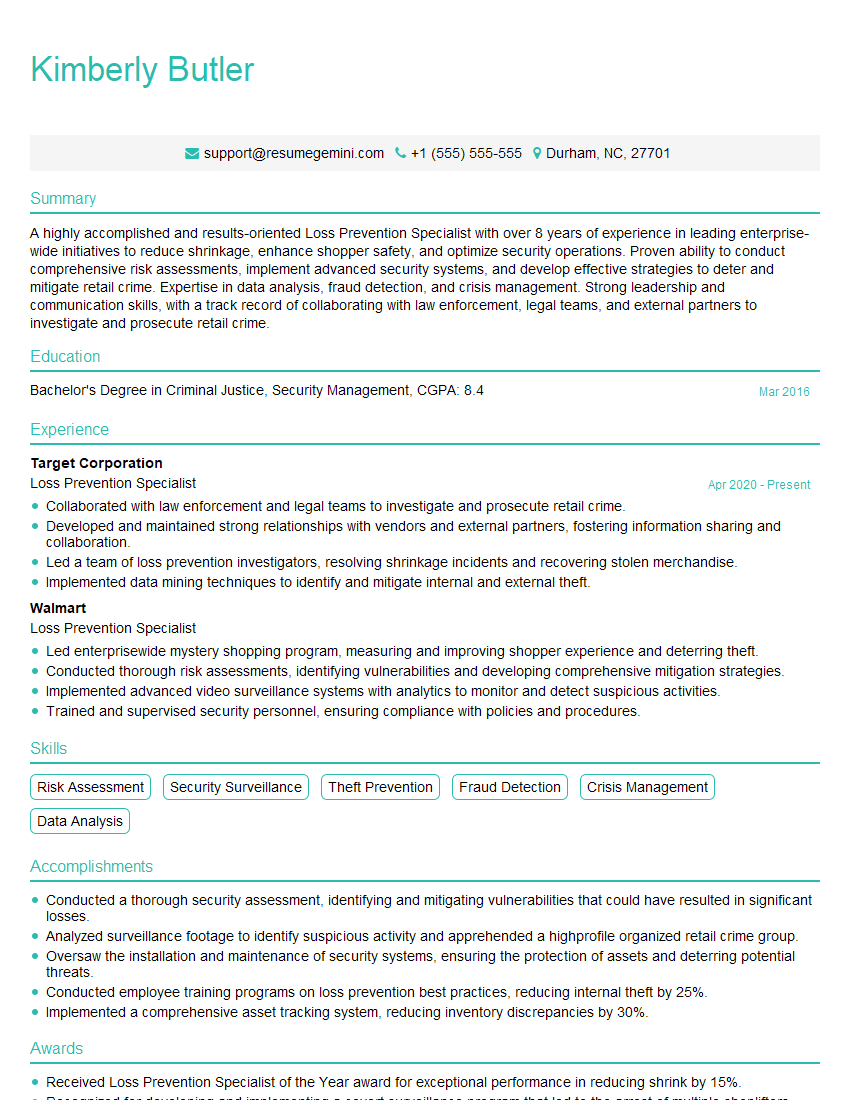
Loss Prevention Specialist Resume Sample
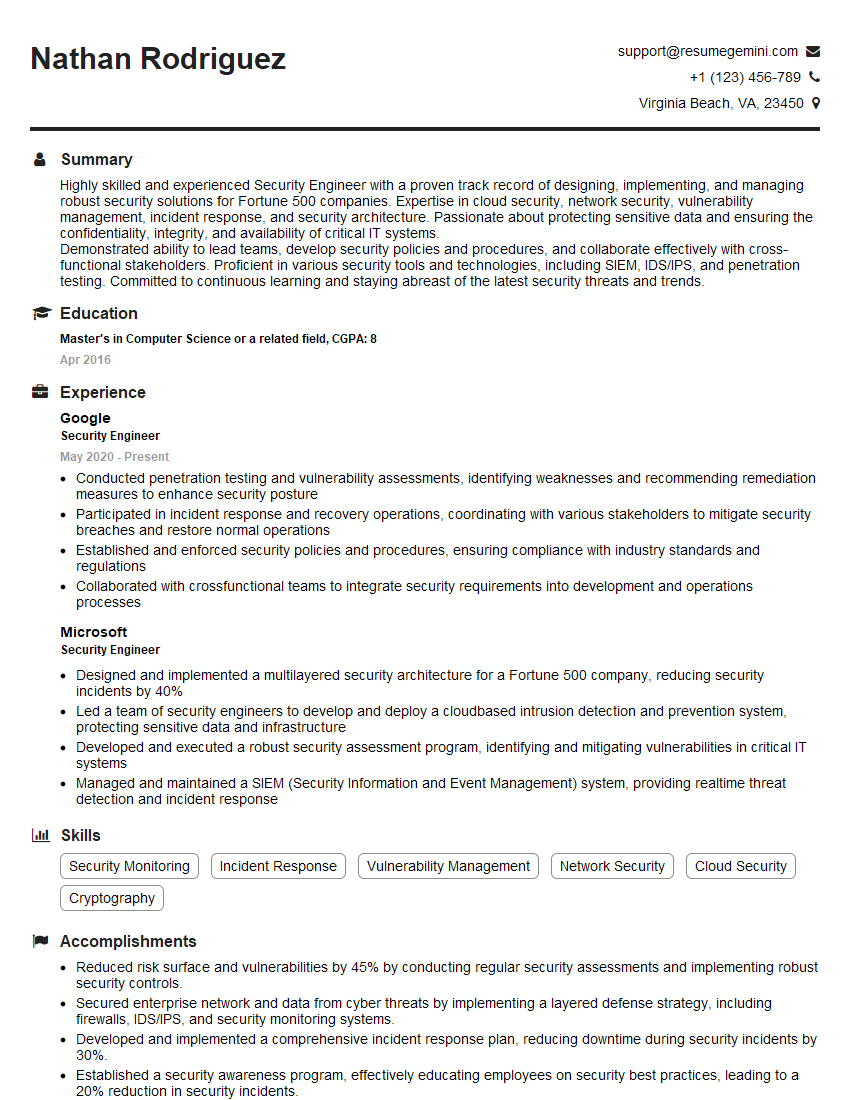
Security Engineer Resume Sample
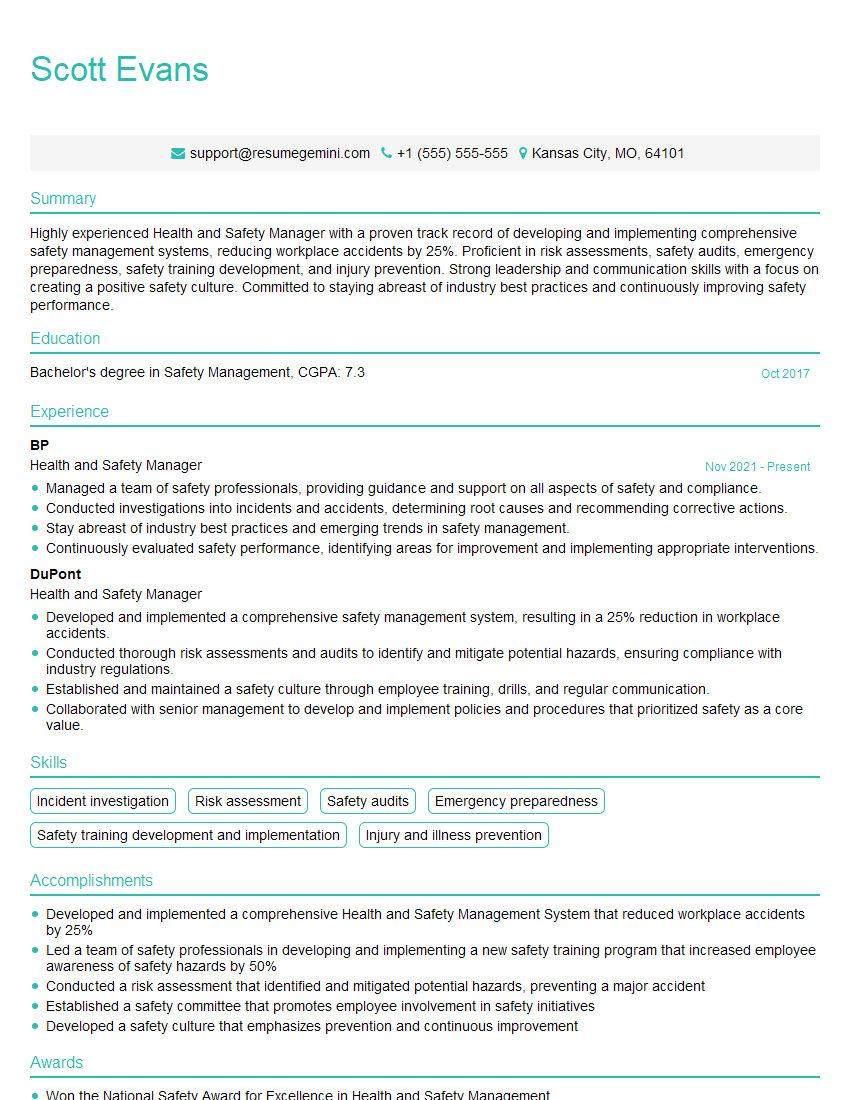
Health and Safety Manager Resume Sample
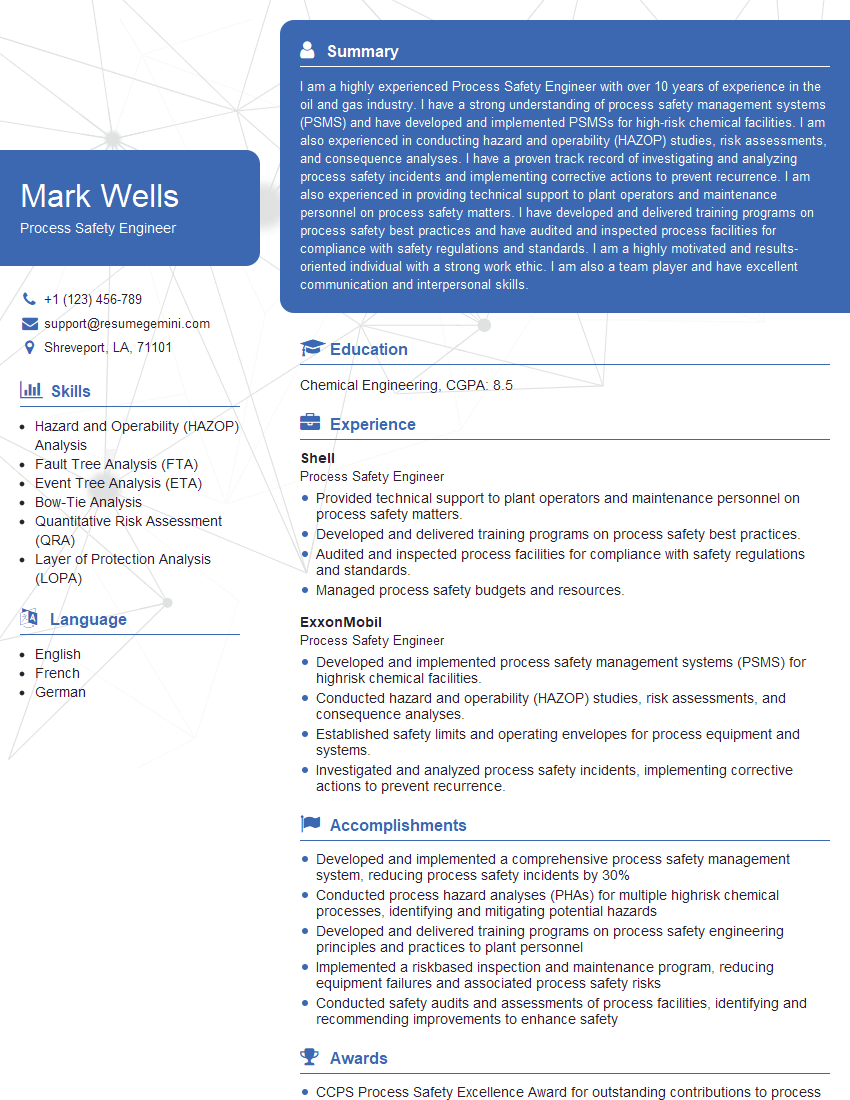
Process Safety Engineer Resume Sample
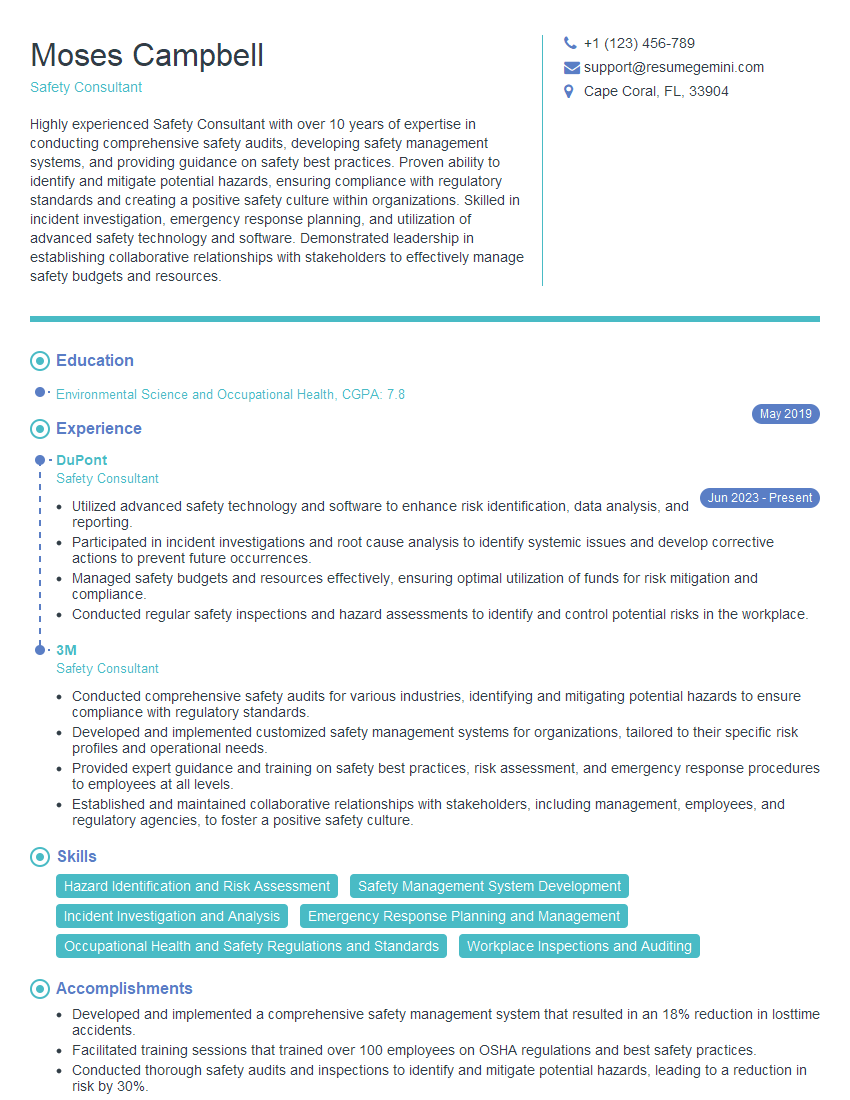
Safety Consultant Resume Sample
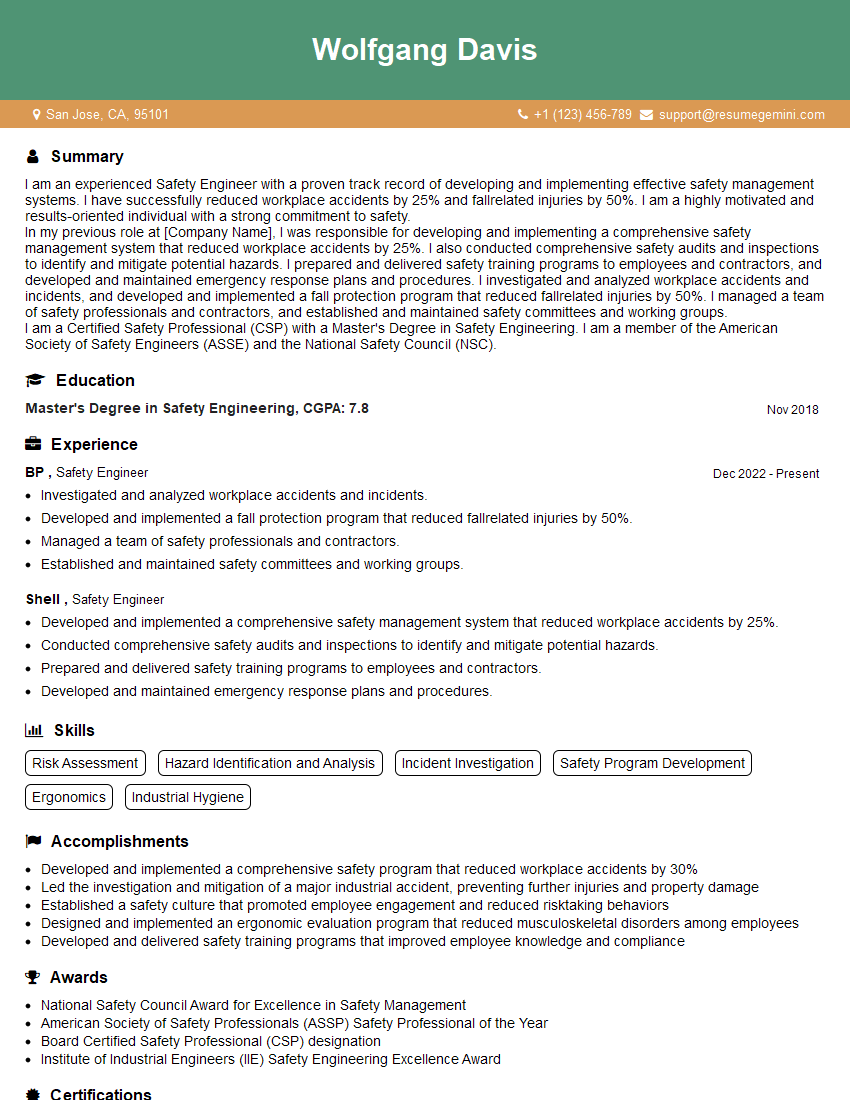
Safety Engineer Resume Sample
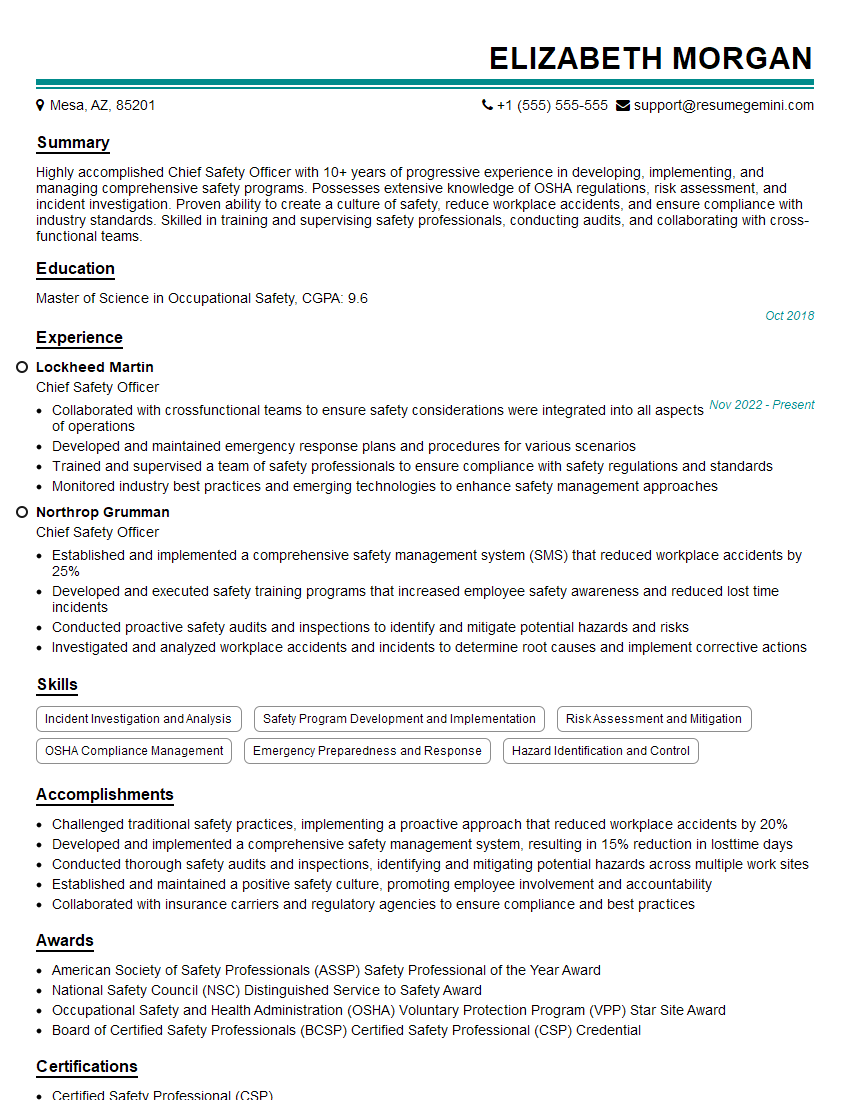
Chief Safety Officer Resume Sample
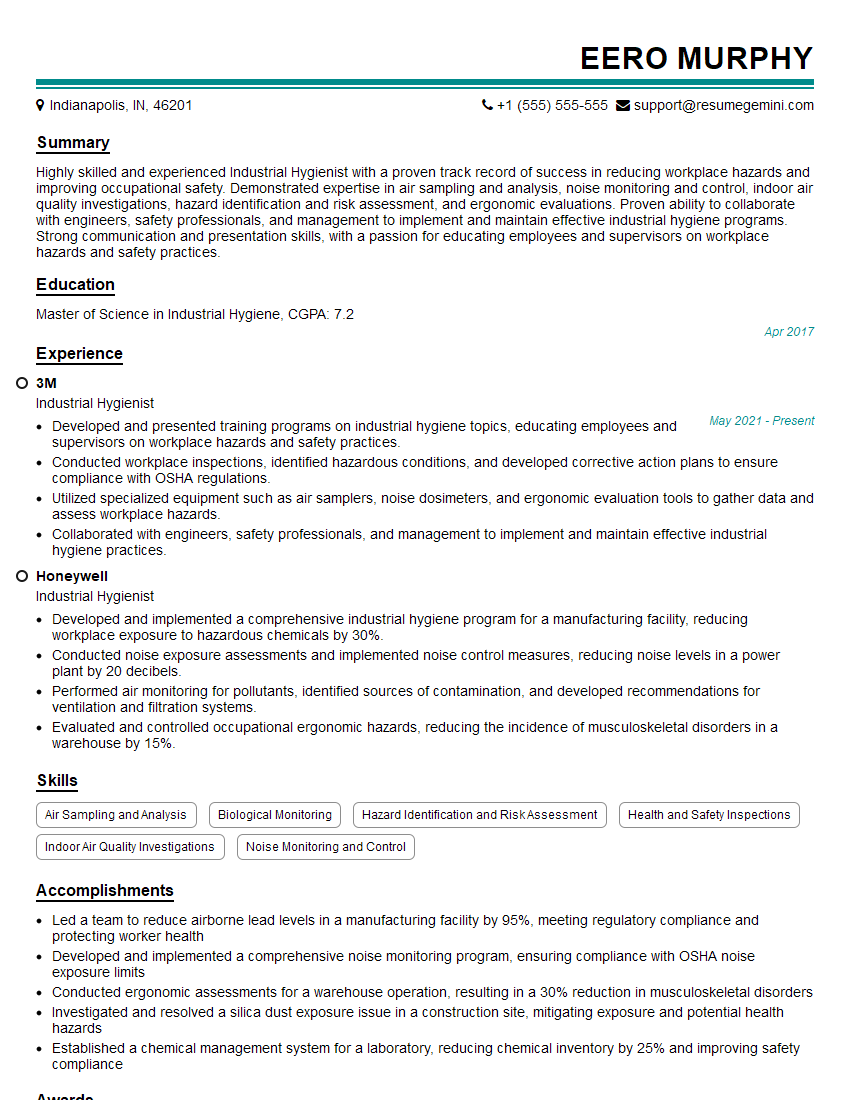
Industrial Hygienist Resume Sample
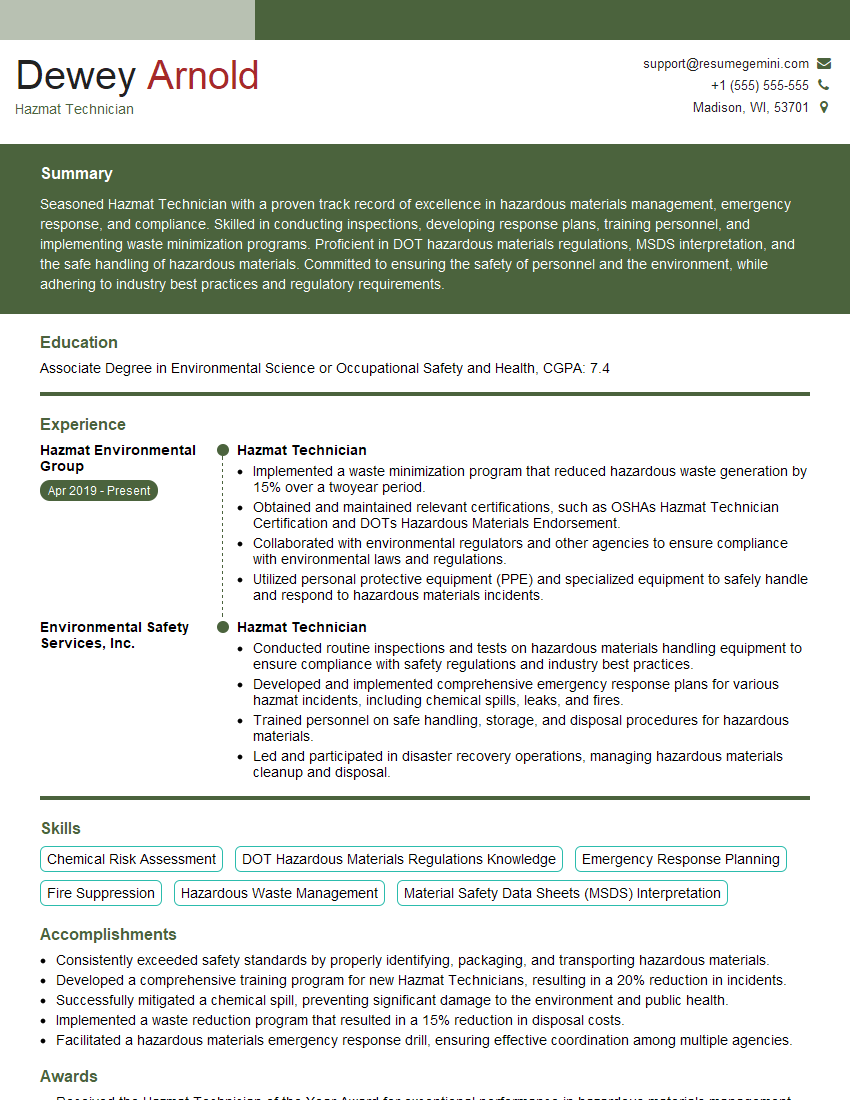
Hazmat Technician Resume Sample
Explore more articles
Users Rating of Our Blogs
Share Your Experience
We value your feedback! Please rate our content and share your thoughts (optional).
What Readers Say About Our Blog
Very informative content, great job.
good