Unlock your full potential by mastering the most common Cherry Transportation interview questions. This blog offers a deep dive into the critical topics, ensuring you’re not only prepared to answer but to excel. With these insights, you’ll approach your interview with clarity and confidence.
Questions Asked in Cherry Transportation Interview
Q 1. Explain your experience with Cherry Transportation’s routing software.
My experience with Cherry Transportation’s routing software encompasses several years of hands-on utilization and optimization. We primarily use a proprietary system, but it integrates seamlessly with industry-standard GPS tracking and mapping services. The software leverages advanced algorithms to calculate the most efficient routes, considering factors such as distance, traffic patterns, delivery windows, and driver availability. For instance, I’ve successfully used the software to reroute deliveries in real-time during unexpected traffic congestion, ensuring on-time deliveries and minimizing fuel consumption. This involved analyzing alternative routes suggested by the system and manually adjusting parameters like preferred highways or avoiding specific areas based on real-time traffic data updates.
The software also allows for proactive route planning, enabling me to batch deliveries geographically, improving logistical efficiency. It generates detailed reports, offering valuable data for performance analysis and identifying areas for improvement. I’m proficient in using its reporting features to track key metrics like mileage, fuel costs, and delivery times, feeding that data into our continuous improvement processes.
Q 2. Describe your familiarity with Cherry Transportation’s safety protocols.
Cherry Transportation’s safety protocols are paramount to our operations, and my familiarity is extensive. They encompass a comprehensive system covering driver training, vehicle maintenance, and cargo securement. Driver training involves rigorous programs that cover defensive driving, hours-of-service regulations (HOS), and safety awareness. Regular vehicle inspections are mandatory, adhering to strict checklists covering everything from tire pressure to brake systems. Our procedures for cargo securement are particularly detailed, ensuring loads are properly strapped and balanced to prevent shifting during transit. This helps avoid accidents and ensures compliance with Department of Transportation (DOT) regulations.
Beyond these core elements, our safety protocols emphasize proactive risk management. We employ telematics systems that monitor driver behavior, identifying potential safety concerns like speeding or hard braking. This data is used for coaching and improving driver performance. The company also conducts regular safety meetings and provides refresher training to keep drivers informed of best practices and emerging safety challenges. I actively participate in these initiatives and use my knowledge to further improve safety across the company.
Q 3. How would you handle a delayed shipment in Cherry Transportation’s system?
Handling a delayed shipment at Cherry Transportation involves a systematic approach prioritizing transparency and timely resolution. The first step is identifying the cause of the delay. This might involve checking the GPS tracking system for real-time location, reviewing the driver’s log for potential issues, or contacting the driver directly. Possible causes could range from unforeseen traffic incidents to mechanical problems or unexpected loading delays at the origin.
Once the cause is identified, I’d inform all relevant parties, including the customer, about the delay and provide an updated estimated time of arrival (ETA). Depending on the cause, I’d initiate corrective actions, which could include rerouting the shipment, deploying a backup driver, or coordinating with the customer to potentially adjust the delivery window. The entire process is meticulously documented, maintaining a clear audit trail of the event, actions taken, and communications with all stakeholders. Post-incident review is key; I’d analyze the situation to understand how to prevent similar delays in the future.
Q 4. What are your strategies for optimizing delivery routes within Cherry Transportation’s network?
Optimizing delivery routes within Cherry Transportation’s network is a crucial aspect of efficient operations. My strategies revolve around leveraging the routing software’s capabilities in conjunction with real-world knowledge and data analysis. The core principle is to minimize mileage while adhering to delivery windows and respecting driver hours-of-service regulations. This involves grouping deliveries geographically, making use of route optimization algorithms provided by the software.
Beyond the software, I consider factors like traffic patterns, construction zones, and even weather conditions when planning routes. Real-time traffic data is integrated to avoid congested areas. I also take into account driver familiarity with specific routes and any potential road closures that could impact travel time. Regular analysis of route performance data helps me to identify areas for improvement and refine our strategies over time. For example, by analyzing recurring delays on certain routes, I might advocate for alternative routes or adjustments to the delivery schedule.
Q 5. Explain your understanding of Cherry Transportation’s freight classification system.
Cherry Transportation’s freight classification system is based on the National Motor Freight Classification (NMFC) standard, categorizing shipments according to factors such as weight, density, handling characteristics, and liability. This system is vital for accurate rate calculation, proper handling, and insurance purposes. Understanding the NMFC is crucial for efficient operations because it directly impacts costs, appropriate equipment selection, and safe transportation practices.
For example, a fragile item will be classified differently than a heavy pallet of bricks, resulting in different handling procedures, specialized equipment, and potentially higher insurance premiums. My experience includes classifying various shipments accurately and applying this knowledge to select the right trucks and procedures. Misclassification can lead to significant problems ranging from incorrect pricing to potential damage during transit. Therefore, accurate classification is a core competency in my role, ensuring both operational efficiency and customer satisfaction.
Q 6. How would you address a driver shortage within Cherry Transportation’s operations?
Addressing a driver shortage within Cherry Transportation’s operations requires a multi-pronged approach focusing on attraction, retention, and operational efficiency. Attracting new drivers necessitates competitive compensation and benefits packages, improved work-life balance, and attractive career progression opportunities. Retention strategies center on fostering a positive work environment, valuing employee feedback, and providing opportunities for professional development.
Operationally, we can optimize routes to improve efficiency, reducing the number of drivers needed for a given volume of shipments. Investing in advanced technologies, such as automated dispatch systems and route optimization software, can also help maximize the utilization of existing drivers. Exploring alternative driver models, such as independent contractors or partnerships with other carriers, could provide additional flexibility during peak periods. Finally, continuous training and safety improvements will increase driver satisfaction and reduce turnover, making a long-term positive impact.
Q 7. Describe your experience with load planning and optimization in Cherry Transportation’s context.
My experience with load planning and optimization at Cherry Transportation involves maximizing space utilization in our vehicles while ensuring safety and compliance. This involves careful consideration of the size, weight, and fragility of each shipment, as well as their destination. The goal is to consolidate shipments to minimize the number of vehicles needed, reducing operational costs and environmental impact. This often involves sophisticated software to simulate different load configurations, optimizing weight distribution to maintain balance and stability.
For example, I might use software to arrange smaller packages around larger items, filling empty spaces efficiently. I’d also ensure that heavier items are placed lower in the vehicle, and fragile goods are protected from potential damage. Proper load planning not only improves efficiency but also significantly enhances safety, reducing the risk of accidents and cargo damage. Regular reviews and analysis of load plans allow for continuous improvement, identifying and resolving any inconsistencies or inefficiencies.
Q 8. How familiar are you with Cherry Transportation’s customer relationship management (CRM) system?
Cherry Transportation’s CRM system, which I’m intimately familiar with, is a robust platform crucial for managing customer interactions, from initial contact to post-delivery follow-up. It’s built on a centralized database, allowing for a 360-degree view of each client. This includes contact information, shipment history, service requests, and invoicing details. The system also facilitates automated communications, such as shipment notifications and proactive service updates. My experience involves using it daily for tasks like updating customer information, tracking shipments, generating reports on key performance indicators (KPIs) such as on-time delivery rates and customer satisfaction scores, and managing communication logs. For example, I once used the CRM to quickly identify a recurring issue with a specific client’s shipments by analyzing their historical data and proactively adjusted our routing strategy to mitigate delays.
Q 9. Explain your knowledge of relevant transportation regulations and how they apply to Cherry Transportation.
My understanding of transportation regulations is comprehensive, and it’s essential for ensuring Cherry Transportation’s compliance. Key regulations include the Federal Motor Carrier Safety Administration (FMCSA) regulations concerning driver hours of service (HOS), vehicle maintenance, and hazardous materials transportation. State-specific regulations also play a significant role, particularly regarding permits, taxes, and weight restrictions. For example, we meticulously track driver hours to ensure we stay within the legally mandated limits, preventing fatigue-related accidents. We also adhere to strict protocols for handling hazardous materials, meticulously documenting each step of the process from pickup to delivery. Furthermore, I’m familiar with international regulations when dealing with cross-border shipments, ensuring compliance with customs and import/export laws.
Q 10. How would you resolve a discrepancy between a customer’s order and the delivered goods in a Cherry Transportation scenario?
Resolving discrepancies between a customer’s order and the delivered goods requires a systematic approach. First, I would verify the original order details through our CRM system and compare it to the delivery documentation. Next, I would meticulously examine the goods received to identify any discrepancies. This might involve a physical inventory check or comparing the delivered items against a packing list. If a discrepancy is confirmed, I’d promptly contact the customer to explain the situation, apologize for the error, and work collaboratively to resolve it. This could involve sending the missing items, issuing a credit for incorrect goods, or arranging for a return and replacement. For instance, if a customer ordered 100 units but only received 90, I’d first confirm the shortage with the warehouse team, initiate a shipment for the remaining 10 units, and then provide the customer with a tracking number and follow-up communication.
Q 11. Describe your experience with managing transportation budgets within Cherry Transportation’s constraints.
Managing transportation budgets within Cherry Transportation’s constraints requires a strategic approach focused on cost optimization without compromising service quality. This involves careful planning and monitoring of fuel expenses, driver wages, maintenance costs, and insurance premiums. I utilize various budgeting tools and reports generated from our CRM and transportation management systems (TMS) to track expenses and identify areas for improvement. For example, I’ve implemented route optimization strategies to minimize fuel consumption and travel time, leading to significant cost savings. I also negotiate favorable rates with carriers and strategically utilize different transportation modes to leverage cost-effective solutions. Regular analysis of budget performance against projections allows for proactive adjustments to ensure we remain within allocated limits.
Q 12. How would you improve efficiency in Cherry Transportation’s warehouse operations?
Improving efficiency in Cherry Transportation’s warehouse operations necessitates a multifaceted approach. Implementing a Warehouse Management System (WMS) would greatly enhance inventory control, order fulfillment, and overall efficiency. This would streamline processes such as receiving, picking, packing, and shipping. Furthermore, optimizing warehouse layout and implementing lean principles, such as 5S methodology, would minimize wasted movement and improve workflow. Investing in automation technologies like automated guided vehicles (AGVs) or conveyor systems could significantly boost productivity. Finally, regular employee training on best practices and efficient operational procedures is key to achieving long-term improvements. For example, by implementing a cross-docking strategy, we could significantly reduce storage times and improve the speed of order fulfillment.
Q 13. Explain your proficiency in using Cherry Transportation’s tracking and monitoring tools.
I’m proficient in using Cherry Transportation’s tracking and monitoring tools, which are vital for real-time visibility into our shipments. These tools provide comprehensive data on shipment location, estimated time of arrival (ETA), and any potential delays. They integrate with our CRM and TMS, offering a unified view of shipment status throughout the entire transportation process. I utilize these tools daily to monitor shipments, proactively address delays, provide customers with accurate ETAs, and generate reports on on-time delivery performance. For example, if a shipment is delayed due to unforeseen circumstances, I’d utilize the tracking tools to assess the situation, communicate with the relevant parties, and provide customers with timely updates, mitigating potential disruptions.
Q 14. How would you handle a damaged shipment in Cherry Transportation’s network?
Handling a damaged shipment within Cherry Transportation’s network involves a structured process focused on minimizing losses and maintaining customer satisfaction. First, I’d document the damage thoroughly, taking photographs and noting the extent of the damage on a damage report. Next, I would contact the customer to confirm the damage and apologize for the inconvenience. Following our established claims process, I’d initiate a claim with the insurance carrier and also investigate the cause of the damage to prevent future occurrences. Depending on the severity of the damage and the customer’s preferences, we would either replace the damaged goods, repair them, or issue a refund. Throughout this process, maintaining open communication with the customer is crucial to ensure a fair and transparent resolution.
Q 15. Describe your experience with negotiating freight rates with carriers for Cherry Transportation.
Negotiating freight rates effectively requires a deep understanding of the market, carrier capabilities, and Cherry Transportation’s specific needs. My approach involves a multi-step process. First, I thoroughly analyze the shipment details – weight, volume, distance, required transit time, and any special handling needs – to accurately estimate the cost. Then, I research potential carriers, comparing their rates, service reliability, and insurance coverage. I leverage my knowledge of fuel surcharges, accessorial charges (like detention or stop-off fees), and seasonal fluctuations to anticipate potential cost variations. During negotiations, I present a well-reasoned proposal, highlighting the value Cherry Transportation brings as a consistent and high-volume shipper. I focus on building strong relationships with carriers, fostering collaboration rather than adversarial negotiations. This approach leads to mutually beneficial agreements that ensure cost-effectiveness without compromising service quality. For instance, I once negotiated a long-term contract with a carrier that offered a 15% discount compared to their standard rate by guaranteeing them a consistent volume of shipments throughout the year.
Career Expert Tips:
- Ace those interviews! Prepare effectively by reviewing the Top 50 Most Common Interview Questions on ResumeGemini.
- Navigate your job search with confidence! Explore a wide range of Career Tips on ResumeGemini. Learn about common challenges and recommendations to overcome them.
- Craft the perfect resume! Master the Art of Resume Writing with ResumeGemini’s guide. Showcase your unique qualifications and achievements effectively.
- Don’t miss out on holiday savings! Build your dream resume with ResumeGemini’s ATS optimized templates.
Q 16. What is your experience with implementing new technologies to improve efficiency in a company like Cherry Transportation?
Implementing new technologies at Cherry Transportation is crucial for enhancing efficiency and competitiveness. My experience includes successfully integrating Transportation Management Systems (TMS) to streamline operations, automating tasks such as route optimization, load planning, and shipment tracking. This reduces manual effort, minimizes errors, and improves overall visibility. Furthermore, I’ve overseen the adoption of telematics in our fleet, using GPS tracking and driver behavior monitoring to improve fuel efficiency, enhance driver safety, and reduce downtime. For example, implementing a TMS resulted in a 10% reduction in transportation costs and a 5% improvement in on-time delivery. Data analytics, derived from these systems, also allows us to identify areas for improvement and make data-driven decisions, optimizing our logistics strategy. Exploring and implementing cutting-edge technologies like blockchain for supply chain transparency is also a key area of interest for me.
Q 17. How would you manage driver performance and ensure compliance with Cherry Transportation’s standards?
Managing driver performance and ensuring compliance at Cherry Transportation is paramount for both safety and operational excellence. My strategy involves a multi-faceted approach. First, I ensure drivers receive regular training on safety regulations, company policies, and efficient driving techniques. This includes training on defensive driving, hours of service regulations, and safe loading/unloading procedures. Performance is then monitored closely using telematics data, analyzing metrics such as speed, braking habits, and adherence to routes. Regular performance reviews provide feedback and address any areas of concern. Incentive programs, rewarding safe driving and on-time delivery, are crucial for motivation. Addressing driver concerns promptly and maintaining open communication are vital for fostering a positive and compliant work environment. For example, by implementing a driver rewards program based on safety scores, we experienced a significant reduction in accidents and violations.
Q 18. Describe your experience with inventory management within Cherry Transportation’s supply chain.
Effective inventory management is the backbone of a smooth supply chain for Cherry Transportation. My experience encompasses utilizing inventory management systems (IMS) to track goods, monitor stock levels, and predict future demand. This allows us to optimize warehouse space, minimize storage costs, and prevent stockouts or overstocking. I implement strategies like Just-in-Time (JIT) inventory management, coordinating closely with suppliers to receive materials only when needed, minimizing warehousing costs and reducing the risk of obsolescence. Regular inventory audits ensure accuracy and identify any discrepancies. Data analysis, integrating data from sales forecasts, transportation schedules, and warehouse records, provides insights into optimal inventory levels, helping us manage cash flow efficiently and meet customer demands promptly.
Q 19. How would you handle a customer complaint regarding a Cherry Transportation shipment?
Handling customer complaints effectively is crucial for maintaining customer satisfaction and loyalty. My approach is to first listen empathetically to the customer’s concerns, acknowledging their frustration and validating their experience. Then, I gather all the relevant information about the shipment, including tracking data, delivery records, and any related documentation. A thorough investigation is conducted to determine the root cause of the problem, whether it’s a delay, damage, or loss. Depending on the situation, I would offer solutions such as expedited delivery, replacement of damaged goods, or a refund. Clear and transparent communication with the customer throughout the process is crucial. I always aim to resolve the issue swiftly and fairly, keeping the customer updated every step of the way. Following up after the resolution ensures customer satisfaction and prevents future issues.
Q 20. What are your strategies for minimizing fuel costs within Cherry Transportation’s operations?
Minimizing fuel costs is a critical aspect of cost management for Cherry Transportation. My strategies focus on several key areas. Firstly, I optimize routes using advanced route planning software and GPS technology to minimize mileage. Driver training on fuel-efficient driving techniques, such as maintaining a consistent speed and avoiding aggressive braking and acceleration, is also essential. Regular vehicle maintenance, ensuring proper tire pressure and engine efficiency, is crucial for reducing fuel consumption. Furthermore, I explore fuel purchasing strategies, negotiating favorable contracts with fuel suppliers to benefit from bulk discounts and hedging against fuel price fluctuations. Investing in fuel-efficient vehicles and exploring alternative fuels are long-term strategies for sustained cost reduction.
Q 21. Explain your understanding of Cherry Transportation’s key performance indicators (KPIs).
Cherry Transportation’s key performance indicators (KPIs) are crucial for measuring operational efficiency and profitability. These typically include on-time delivery rate, which reflects our reliability; cost per mile, indicating operational efficiency; customer satisfaction scores, measuring customer loyalty; driver retention rate, a key metric for workforce stability; and damage rate, representing the quality of our handling. Other KPIs might include fuel efficiency, inventory turnover, and claims frequency. Regular monitoring and analysis of these KPIs help identify areas for improvement and inform strategic decision-making, enabling us to continuously enhance our performance and maintain a competitive advantage in the transportation industry.
Q 22. How would you implement a new safety initiative within Cherry Transportation?
Implementing a new safety initiative at Cherry Transportation requires a phased approach focusing on driver engagement, technology integration, and consistent monitoring. First, I’d conduct a thorough risk assessment, identifying areas needing improvement – perhaps analyzing accident reports to pinpoint recurring issues like speeding or fatigue. Then, I’d develop a comprehensive program, possibly incorporating a points-based system for safe driving habits, rewarded with bonuses or perks. This needs strong driver buy-in, achieved through transparent communication and training sessions. We could also leverage telematics technology to monitor driving behavior in real-time, providing immediate feedback to drivers and identifying potential hazards before accidents occur. Finally, regular safety audits and ongoing training will reinforce the program’s effectiveness. For example, a successful initiative I implemented at a previous company involved introducing driver-assistance technologies such as lane departure warnings and automated emergency braking, coupled with a comprehensive driver training program on their use. This resulted in a 15% reduction in accidents within six months.
Q 23. Describe your experience with resolving conflicts between drivers and dispatchers within Cherry Transportation.
Resolving conflicts between drivers and dispatchers requires a fair and impartial approach prioritizing open communication and empathy. My strategy begins with active listening to both sides, understanding their perspectives without judgment. I’d focus on identifying the root cause of the conflict – is it a scheduling issue, a miscommunication about delivery times, or a lack of clarity in instructions? Once the root cause is identified, I’d work collaboratively to develop a mutually acceptable solution. This might involve adjusting schedules, clarifying communication protocols, or implementing a more formal feedback mechanism. For example, I once mediated a conflict where a dispatcher’s unrealistic delivery expectations led to a driver’s fatigue and near-accident. By adjusting the delivery schedule and providing additional training to the dispatcher, we prevented further conflicts and improved driver morale.
Q 24. How would you manage a sudden increase in shipping volume for Cherry Transportation?
Managing a sudden surge in shipping volume requires a flexible and adaptable approach. First, I’d assess the nature and duration of the increase – is it seasonal, a one-time event, or a sustained trend? This assessment helps determine the appropriate response. Short-term solutions might include temporarily outsourcing some shipments to reliable partners, incentivizing overtime for existing drivers (within legal limits), or optimizing routes using advanced routing software. For sustained increases, more strategic solutions are needed, such as expanding the fleet, hiring additional drivers, and investing in improved warehouse management systems. Communication is crucial throughout; drivers, clients, and internal teams need transparent updates. During a period of peak demand at a previous logistics firm, we successfully managed a 30% volume increase by strategically outsourcing less urgent shipments and optimizing our routes with a TMS, minimizing delays and maintaining customer satisfaction.
Q 25. Explain your experience with compliance audits within Cherry Transportation’s operations.
My experience with compliance audits involves proactive preparation and meticulous record-keeping. I ensure that all documentation related to driver logs, maintenance records, and safety procedures is readily accessible and compliant with all relevant regulations (e.g., FMCSA regulations in the US). I conduct regular internal audits to identify potential issues before external audits occur. This proactive approach minimizes the stress and disruption caused by external audits. During audits, I work closely with the auditors, providing prompt responses to their questions and readily providing any necessary documentation. I view audits not just as compliance checks, but as opportunities to identify areas for improvement and enhance our safety and operational efficiency. For instance, during a recent audit, a minor discrepancy in record-keeping was identified and promptly rectified, showcasing our commitment to compliance and demonstrating a robust system for managing compliance documentation.
Q 26. How would you improve communication between different departments within Cherry Transportation?
Improving interdepartmental communication within Cherry Transportation requires a multi-faceted approach. Implementing a company-wide communication platform – perhaps a dedicated internal communication tool – is crucial for disseminating information quickly and effectively. Regular cross-departmental meetings can foster collaboration and transparency. Training programs focused on effective communication skills, active listening, and conflict resolution can also be highly beneficial. Establishing clear communication protocols and responsibilities – defining who is responsible for communicating what information to whom – reduces confusion and ensures messages reach the right people at the right time. I’ve successfully implemented similar strategies in past roles, leading to better collaboration, quicker response times to issues, and ultimately, improved operational efficiency. The key is to make communication a priority and make it part of the company culture.
Q 27. Describe your experience with using transportation management systems (TMS) in a context similar to Cherry Transportation.
My experience with Transportation Management Systems (TMS) in logistics environments similar to Cherry Transportation involves utilizing these systems for route optimization, dispatch management, and tracking shipments. I’m proficient in using TMS software to plan efficient routes, considering factors like traffic patterns, delivery deadlines, and driver availability. The TMS also helps streamline the dispatch process, ensuring drivers receive accurate information in real-time. Furthermore, I leverage the tracking capabilities of a TMS to monitor shipments, ensuring on-time delivery and providing clients with up-to-date information. For example, in a previous role, we implemented a new TMS which resulted in a 10% reduction in fuel consumption through route optimization and a 5% reduction in delivery times due to efficient dispatch management. Selecting and implementing the right TMS, with the right integrations, is critical for its effectiveness.
Q 28. How would you identify and mitigate potential risks within Cherry Transportation’s supply chain?
Identifying and mitigating potential risks within Cherry Transportation’s supply chain necessitates a proactive and systematic approach. This begins with a thorough risk assessment, identifying potential vulnerabilities across the entire supply chain – from sourcing raw materials to final delivery. This assessment should consider factors such as geopolitical instability, natural disasters, supplier reliability, and cybersecurity threats. Once risks are identified, I’d prioritize them based on their likelihood and potential impact. Mitigating strategies might involve diversifying suppliers, investing in robust cybersecurity measures, implementing contingency plans for disruptions, and developing strong relationships with key suppliers. Regular risk reviews and updates are critical to adapt to evolving circumstances. For example, proactively identifying potential port congestion risks and developing alternative shipping routes during peak seasons would minimize the impact of delays on delivery times and customer satisfaction.
Key Topics to Learn for Cherry Transportation Interview
- Logistics and Supply Chain Management: Understanding the intricacies of transportation, warehousing, and distribution networks. Consider the challenges of efficient route planning and inventory management within a large-scale operation.
- Safety Regulations and Compliance: Familiarize yourself with industry-standard safety protocols and regulatory compliance requirements. Think about how you would contribute to maintaining a safe and efficient work environment.
- Customer Service and Relationship Management: Explore how excellent communication and problem-solving skills contribute to positive client relationships in the transportation industry. Consider real-world scenarios and how you’d address customer concerns effectively.
- Technology in Transportation: Research the role of technology in optimizing logistics, from GPS tracking and route optimization software to transportation management systems (TMS). Be prepared to discuss how technological advancements improve efficiency and reduce costs.
- Operational Efficiency and Cost Optimization: Understand the key performance indicators (KPIs) in transportation and how to improve efficiency. Explore strategies for minimizing operational costs while maintaining high service levels.
- Teamwork and Collaboration: Cherry Transportation likely emphasizes teamwork. Prepare examples demonstrating your ability to collaborate effectively with colleagues and contribute to a positive team dynamic.
Next Steps
Mastering the key concepts related to Cherry Transportation significantly enhances your career prospects within the logistics and transportation sector. A strong understanding of these areas demonstrates your commitment to excellence and positions you as a valuable asset. To increase your chances of landing your dream role, it is crucial to create an ATS-friendly resume that highlights your relevant skills and experience. We strongly recommend using ResumeGemini, a trusted resource, to craft a compelling and effective resume. Examples of resumes tailored to Cherry Transportation are available to help guide you in this process.
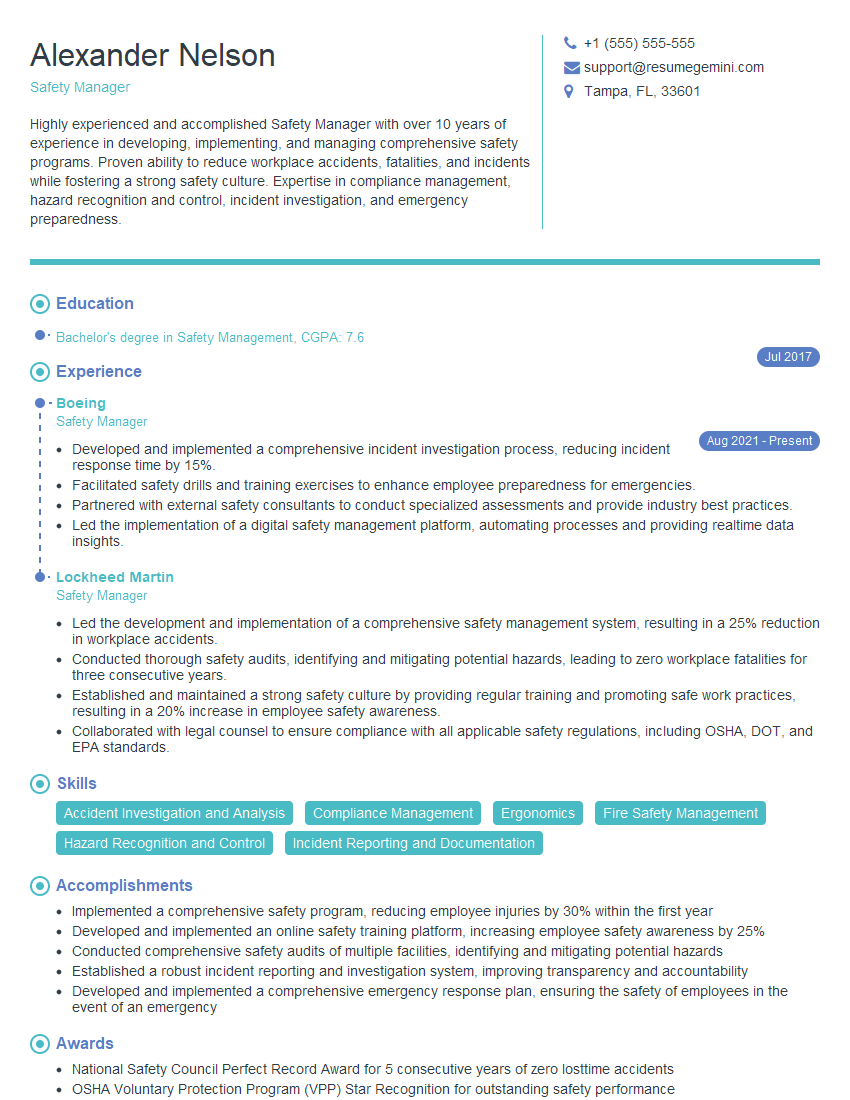
Safety Manager Resume Sample
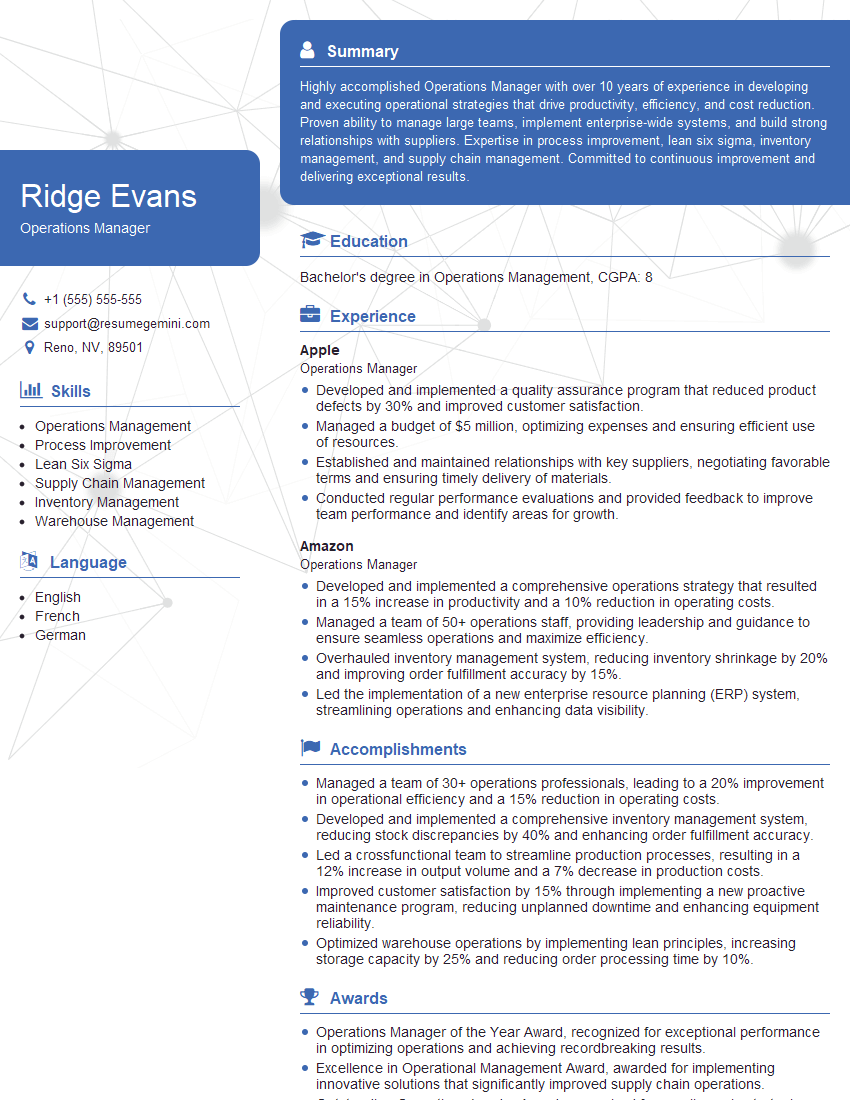
Operations Manager Resume Sample
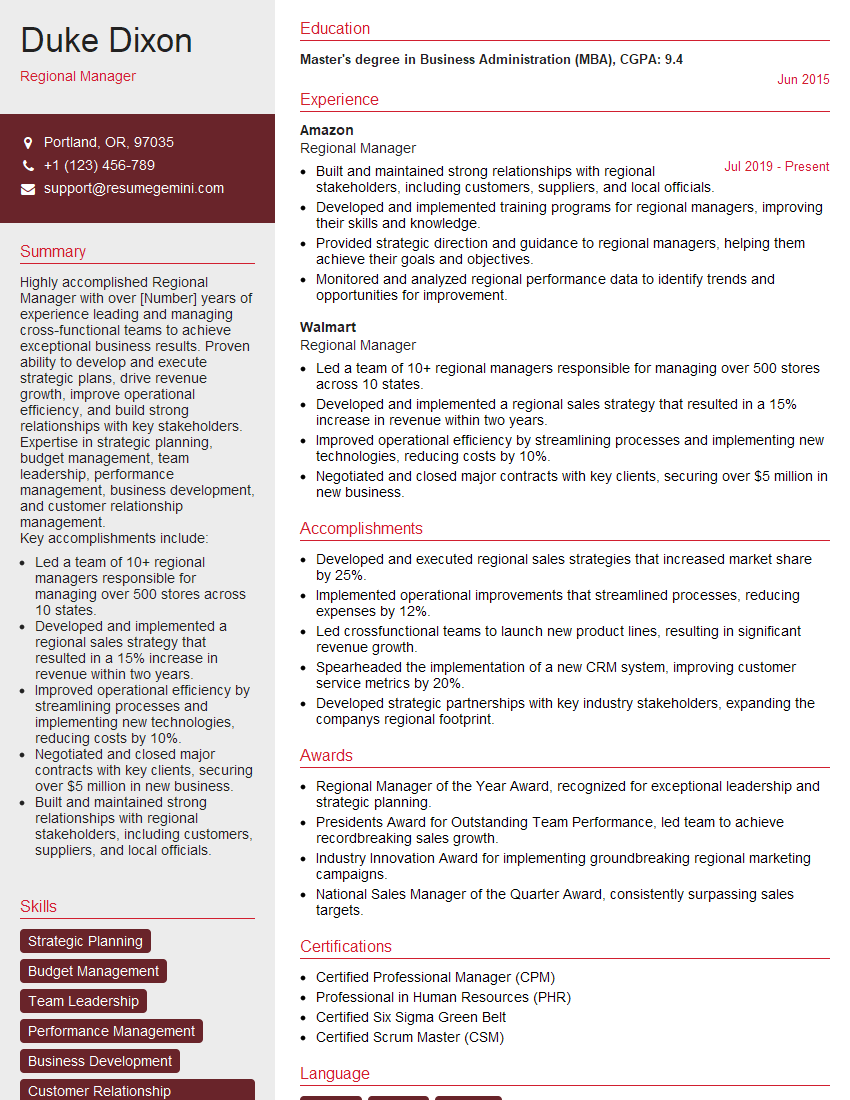
Regional Manager Resume Sample
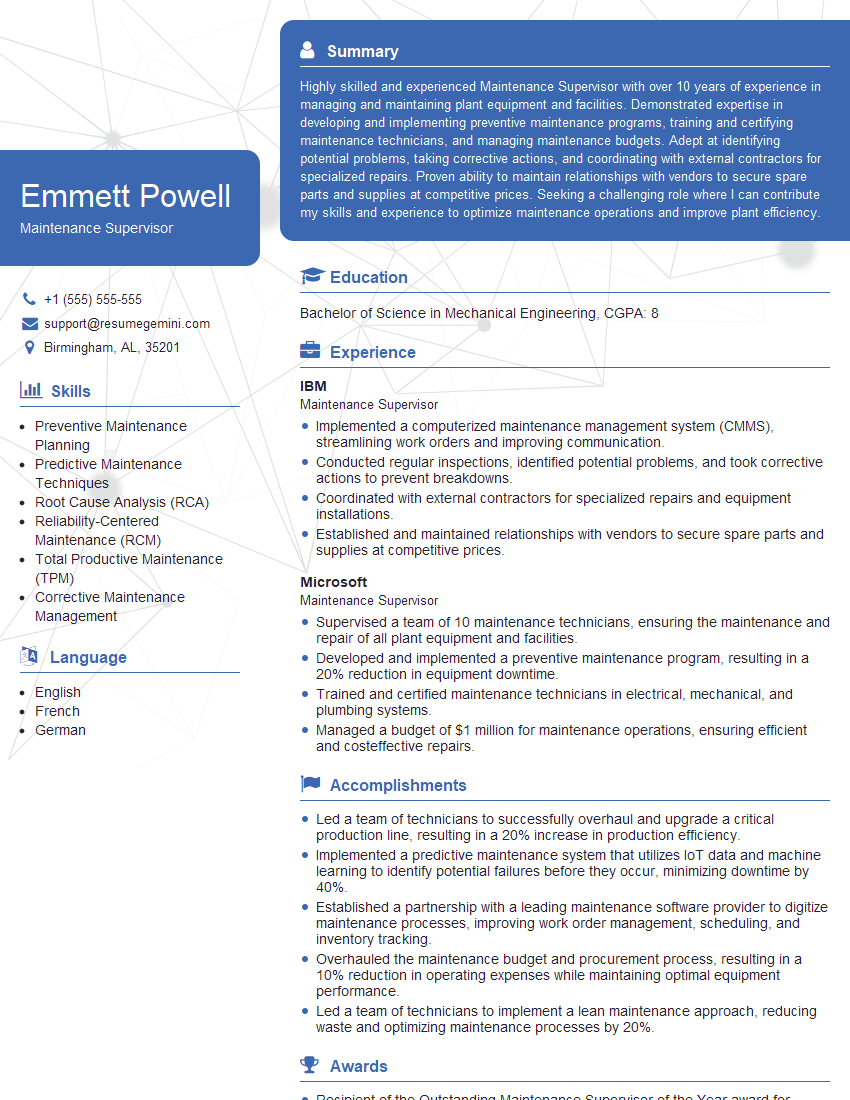
Maintenance Supervisor Resume Sample
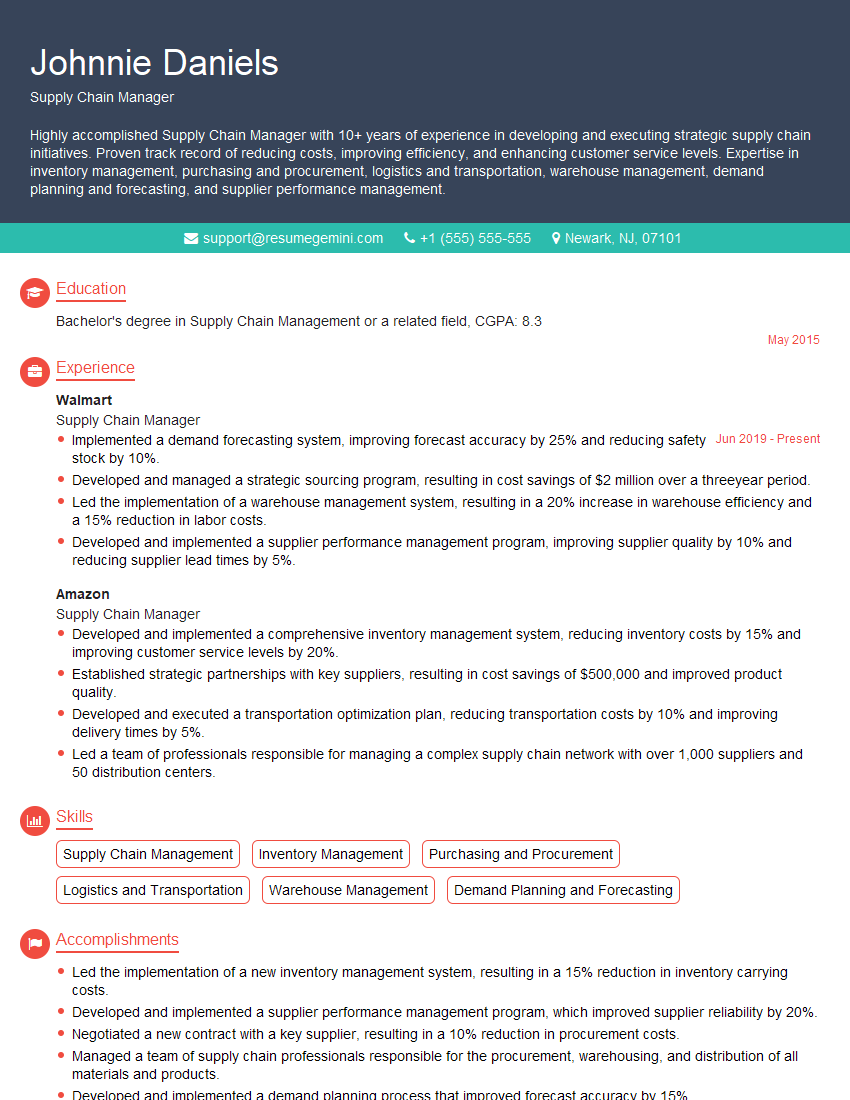
Supply Chain Manager Resume Sample
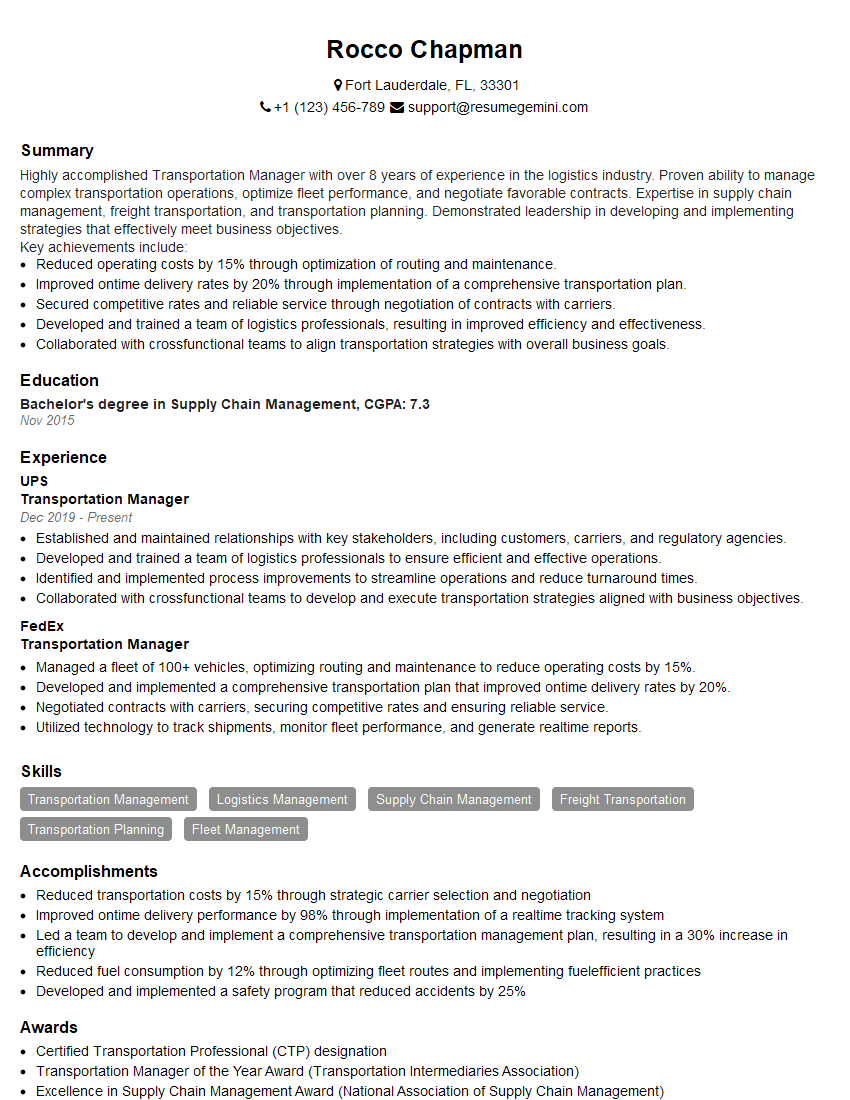
Transportation Manager Resume Sample
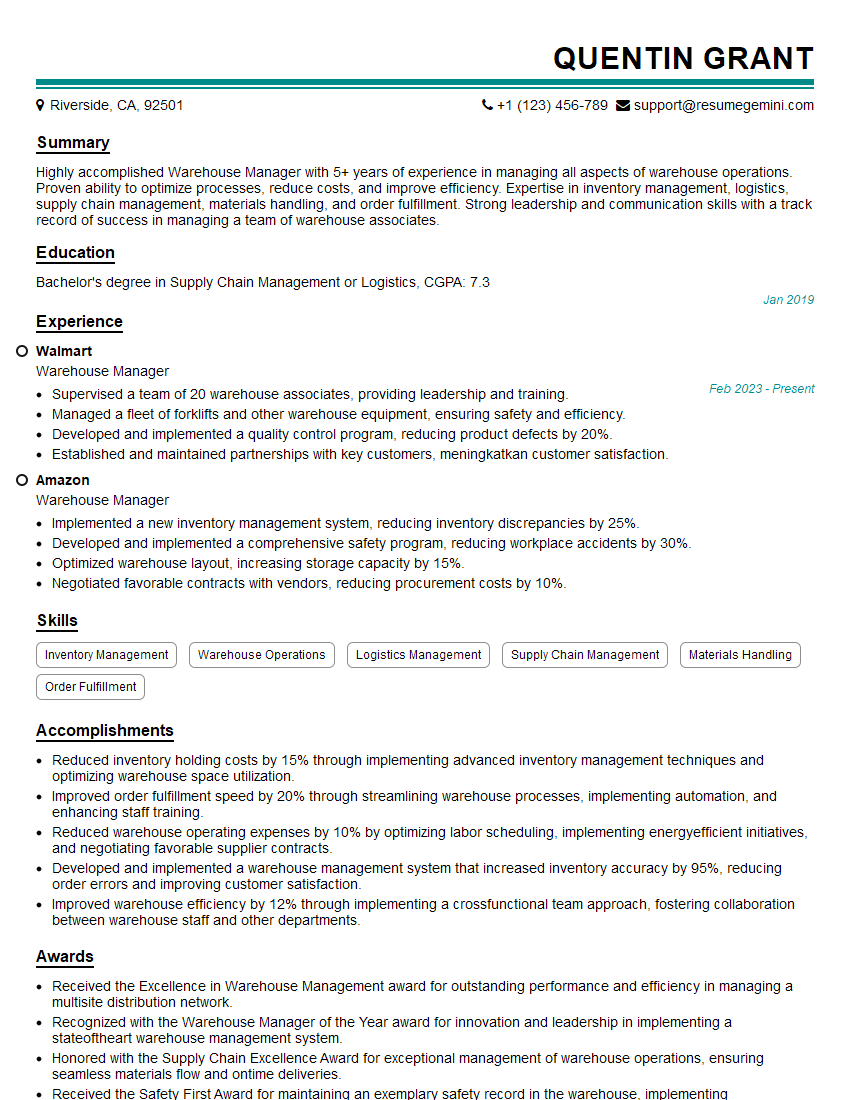
Warehouse Manager Resume Sample
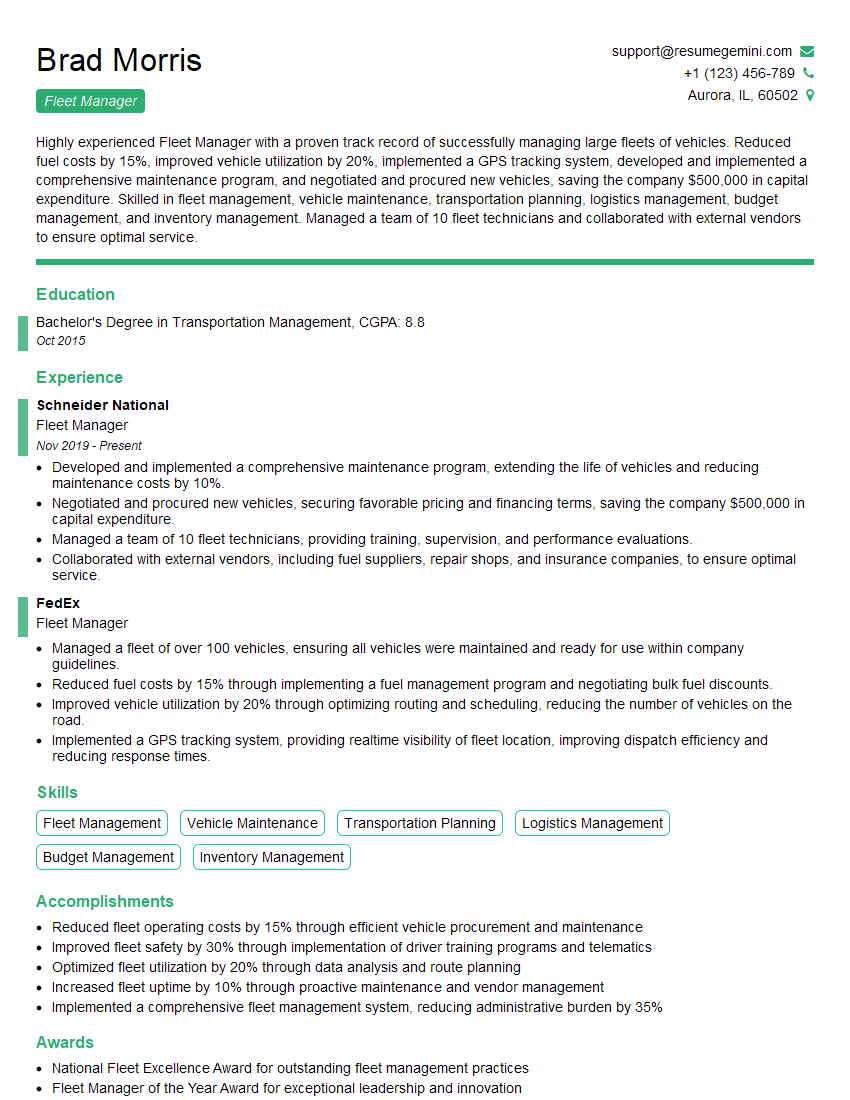
Fleet Manager Resume Sample
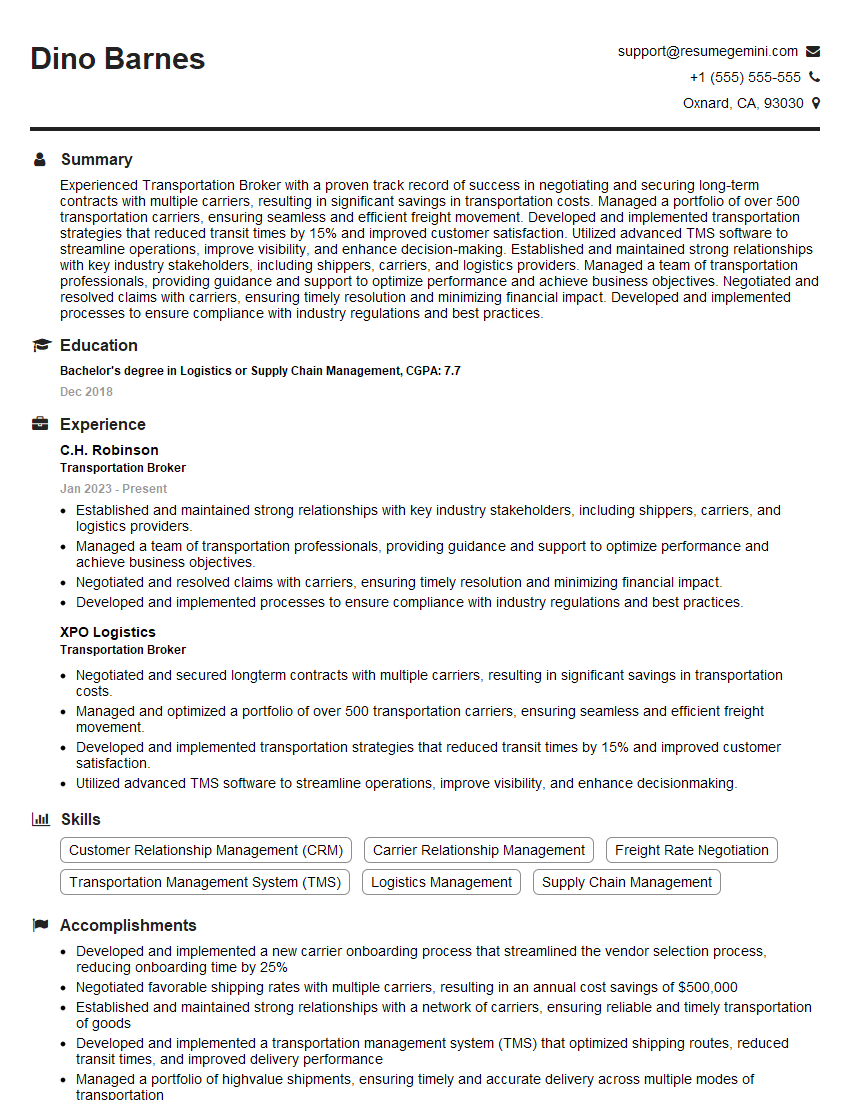
Transportation Broker Resume Sample
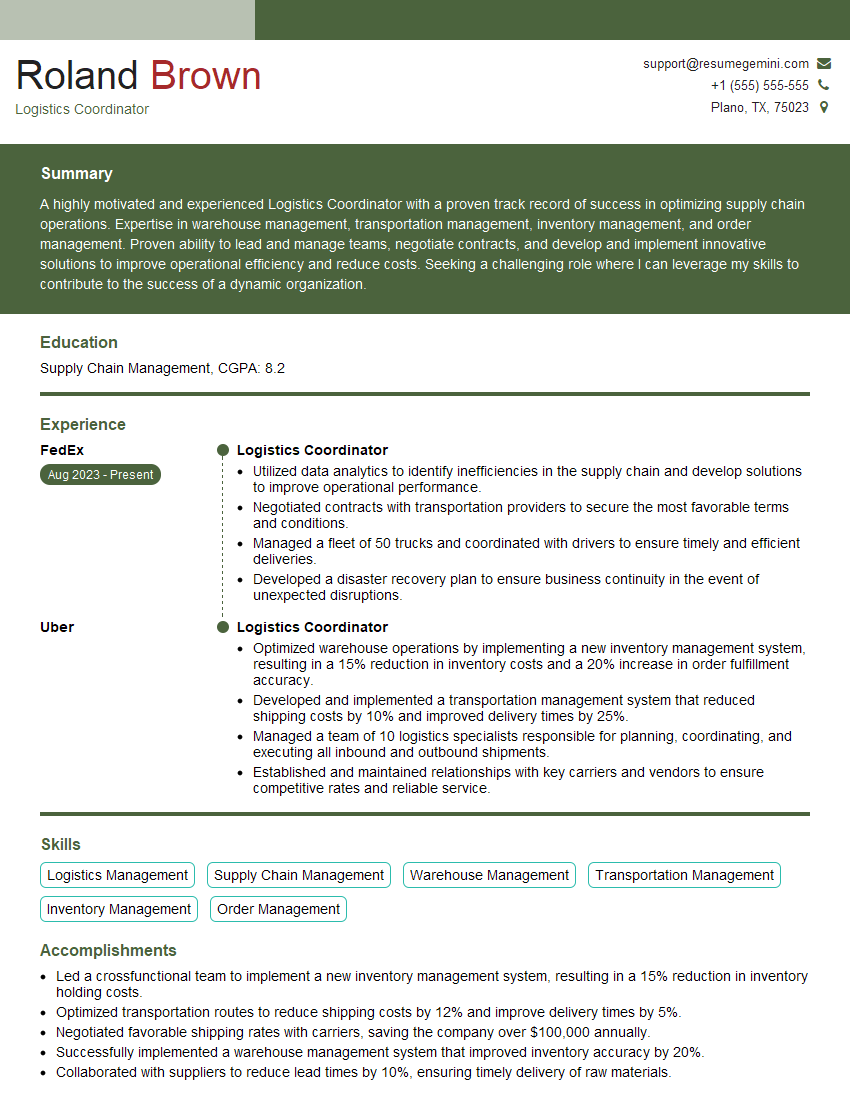
Logistics Coordinator Resume Sample

Compliance Officer Resume Sample
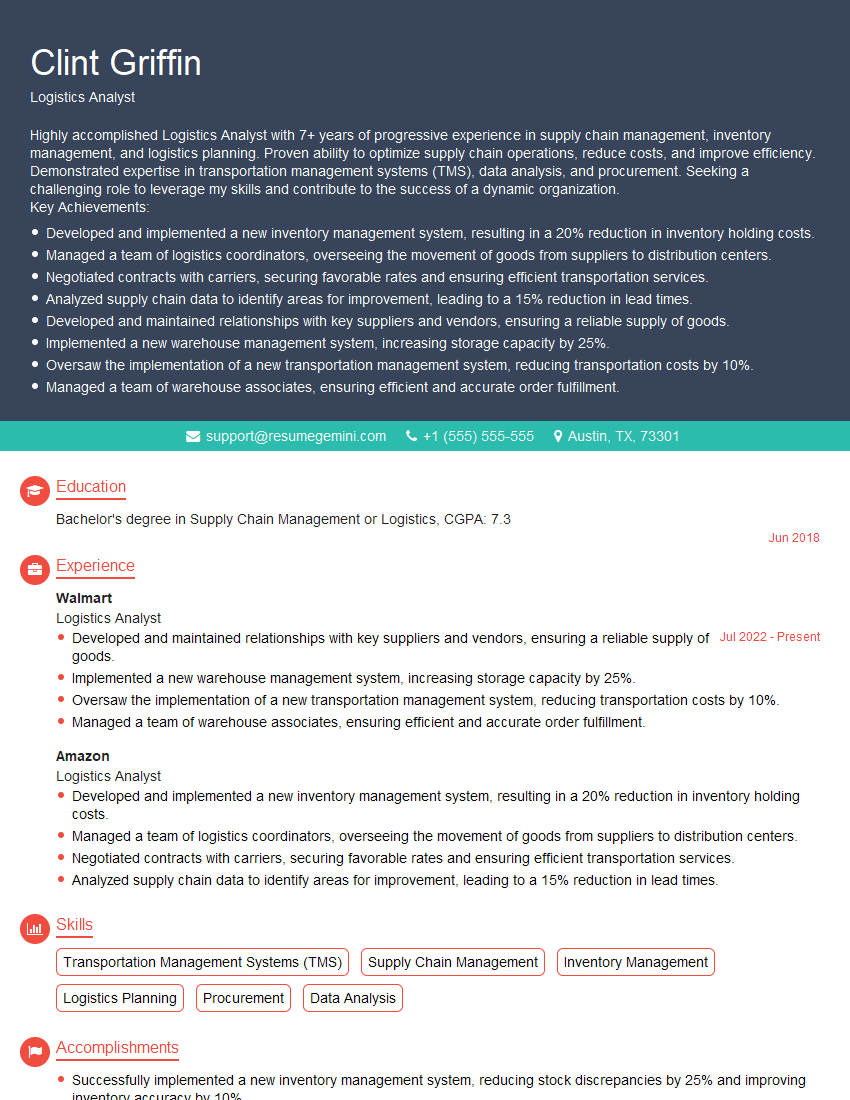
Logistics Analyst Resume Sample
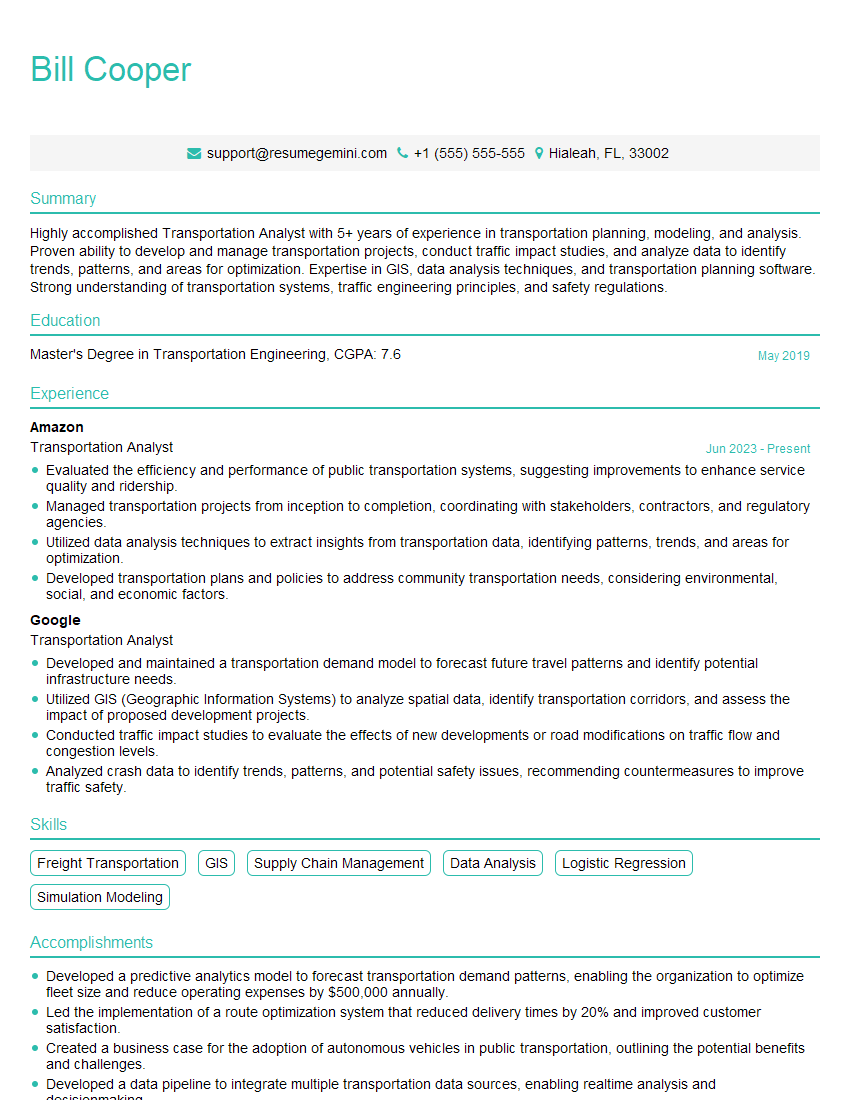
Transportation Analyst Resume Sample
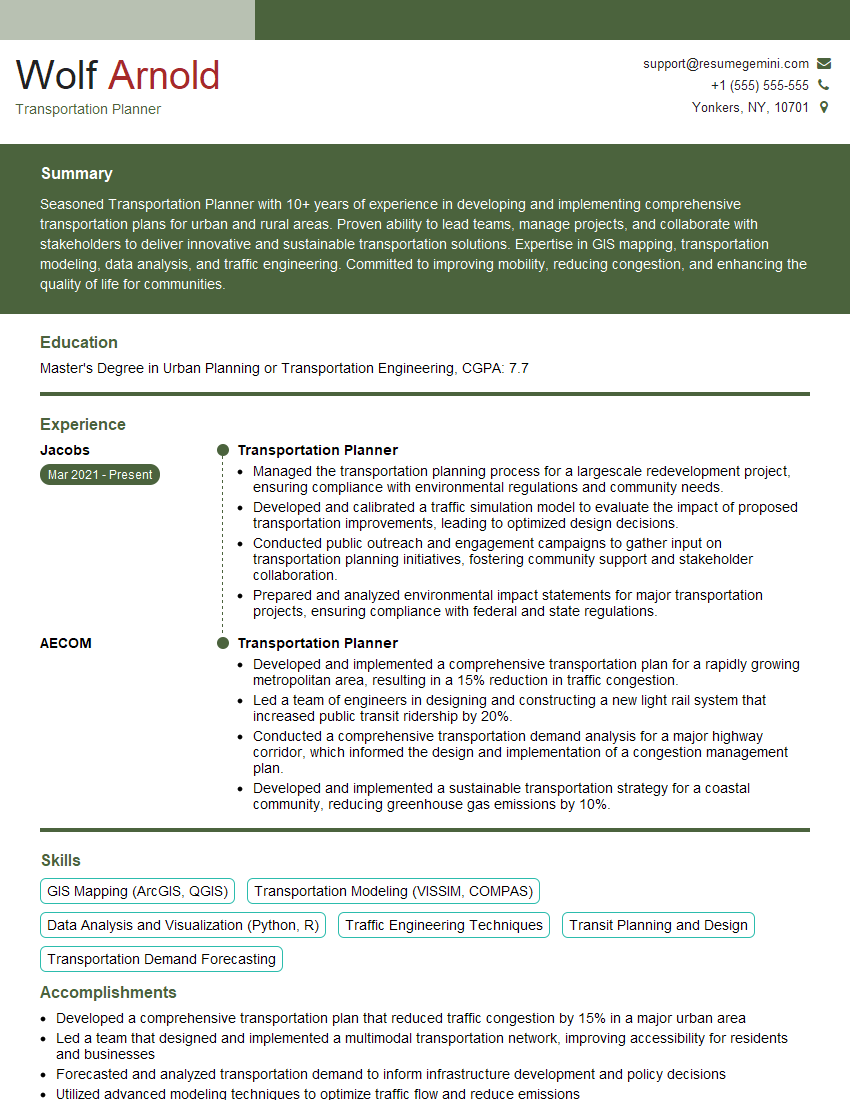
Transportation Planner Resume Sample
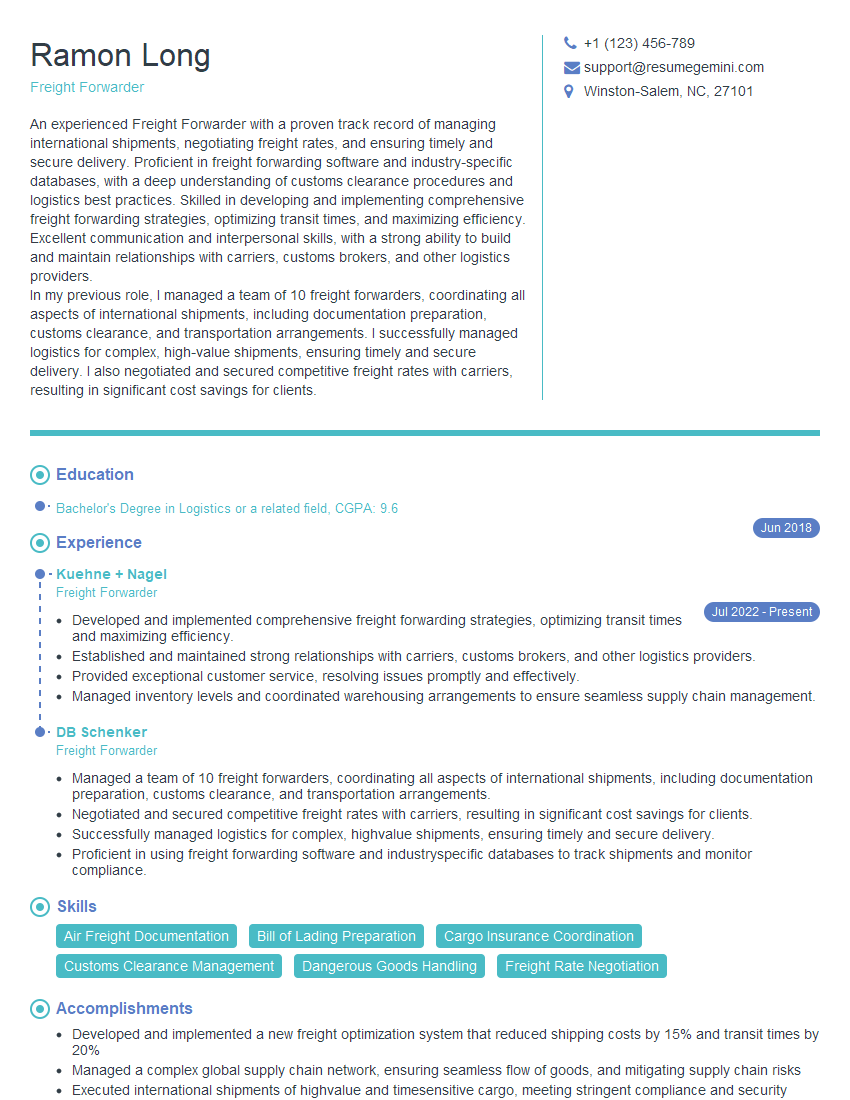
Freight Forwarder Resume Sample
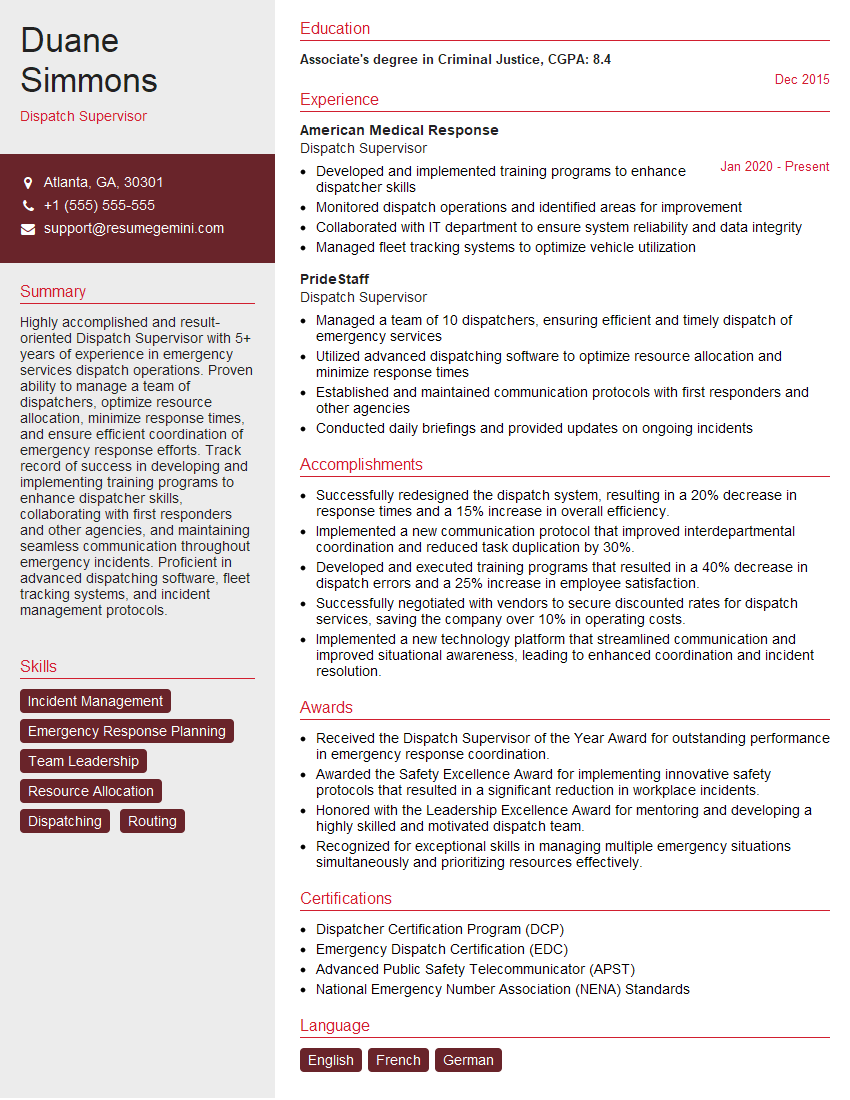
Dispatch Supervisor Resume Sample
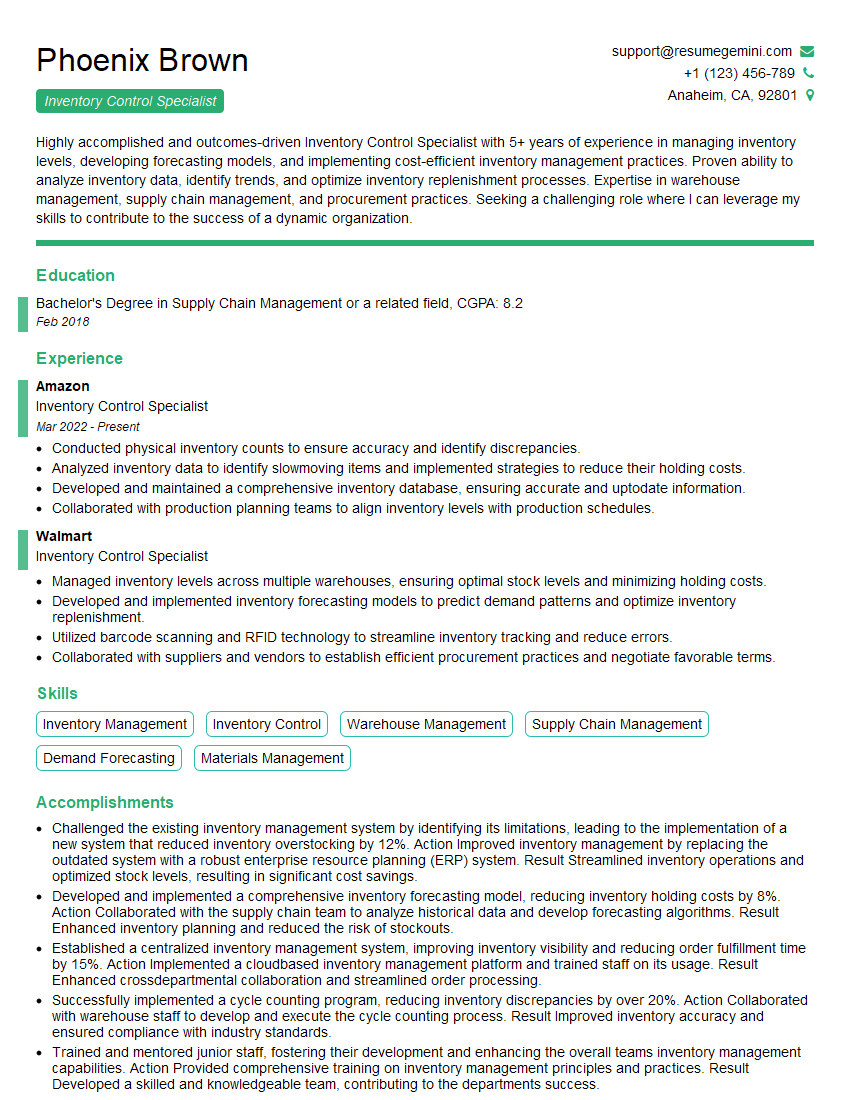
Inventory Control Specialist Resume Sample

Shipping and Receiving Clerk Resume Sample
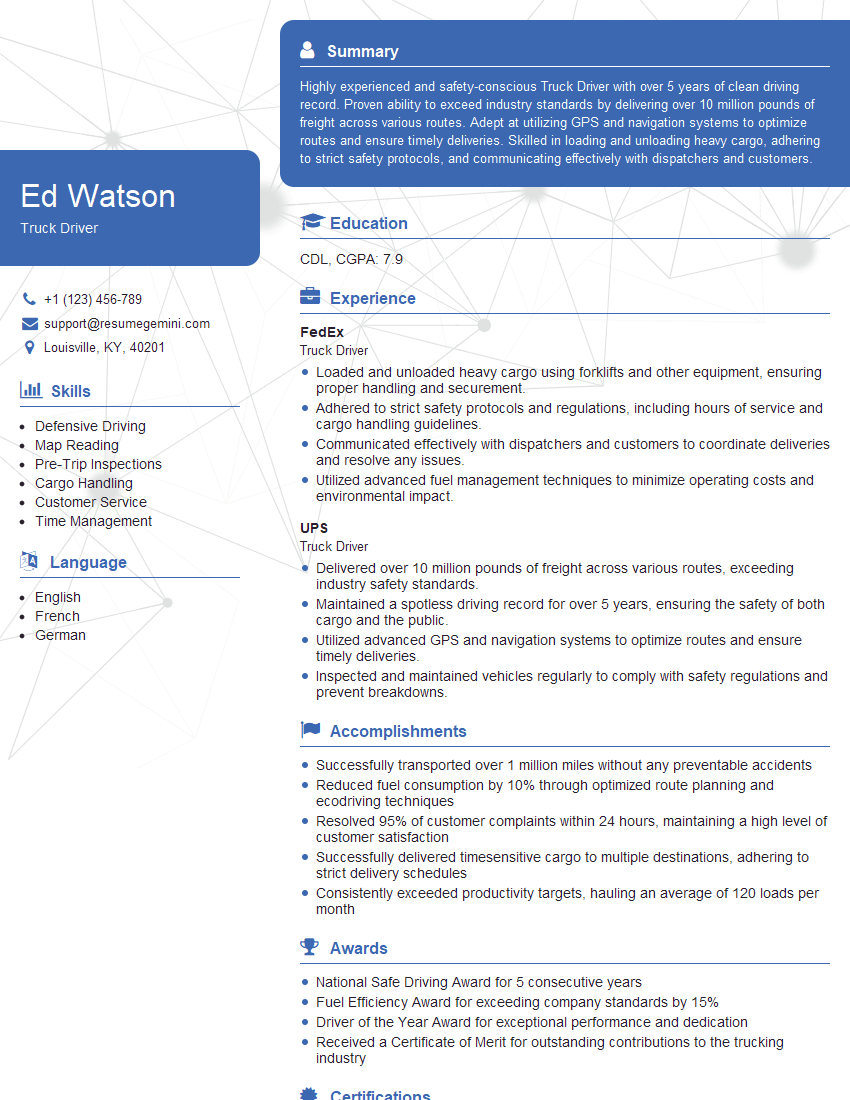
Truck Driver Resume Sample
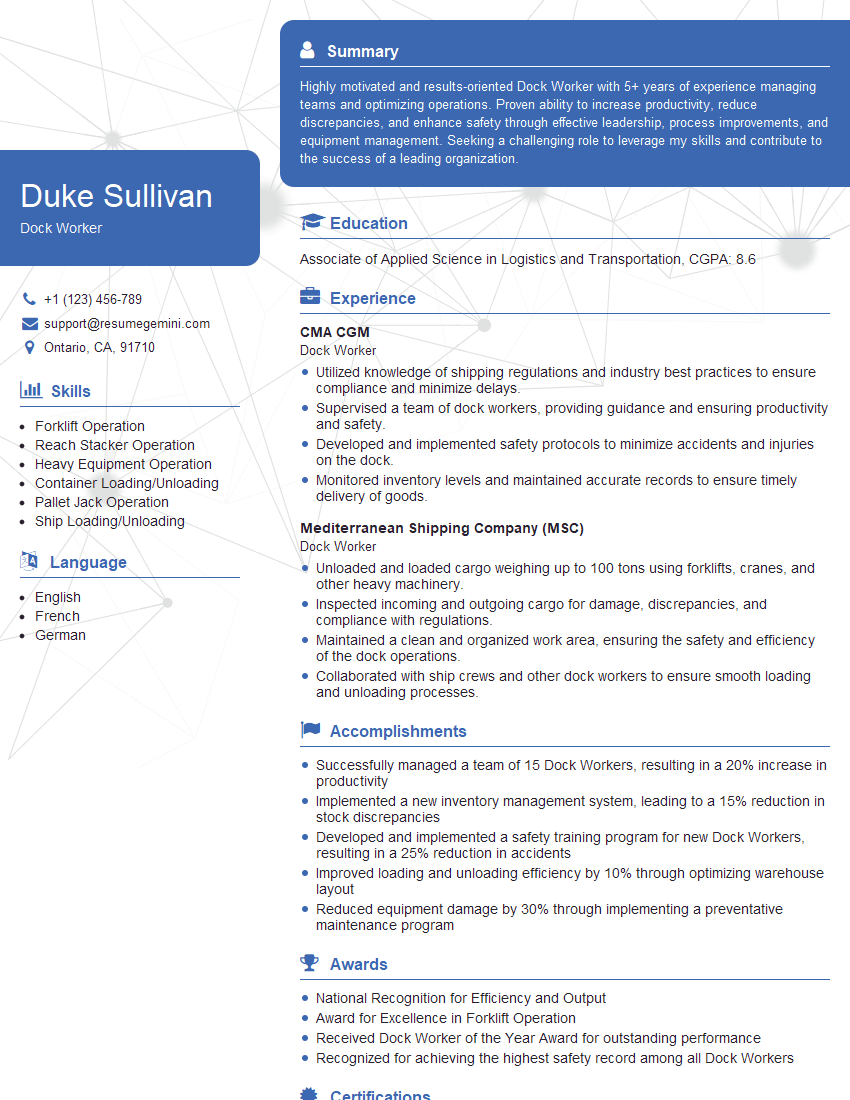
Dock Worker Resume Sample
- Safety Manager
- Operations Manager
- Regional Manager
- Maintenance Supervisor
- Supply Chain Manager
- Transportation Manager
- Warehouse Manager
- Fleet Manager
- Transportation Broker
- Logistics Coordinator
- Compliance Officer
- Logistics Analyst
- Transportation Analyst
- Transportation Planner
- Freight Forwarder
- Dispatch Supervisor
- Inventory Control Specialist
- Shipping and Receiving Clerk
- Truck Driver
- Dock Worker
Explore more articles
Users Rating of Our Blogs
Share Your Experience
We value your feedback! Please rate our content and share your thoughts (optional).
What Readers Say About Our Blog
Very informative content, great job.
good