Interviews are opportunities to demonstrate your expertise, and this guide is here to help you shine. Explore the essential Chick Rearing interview questions that employers frequently ask, paired with strategies for crafting responses that set you apart from the competition.
Questions Asked in Chick Rearing Interview
Q 1. Describe the optimal brooding temperature and humidity for chicks of different ages.
Maintaining the optimal brooding temperature and humidity is crucial for chick survival and growth. Think of it like creating a cozy, perfectly climate-controlled nest. The ideal temperature and humidity levels vary with the chick’s age.
- Days 0-7 (Newly Hatched): Temperature should be 95-98°F (35-37°C) under the heat source, gradually decreasing as the chicks grow. Humidity should be around 60-65%. This mimics the warmth and moisture of the hen’s body.
- Days 8-21: Reduce the temperature by about 5°F (3°C) per week. Monitor chick behavior; if they’re huddled together, it’s too cold; if they’re spread far apart and panting, it’s too hot. Maintain humidity around 50-55%.
- Days 22-onwards: Continue to gradually lower the temperature until it reaches ambient temperature (room temperature). Humidity becomes less critical at this stage, but aim for 45-50%. Chicks at this age are becoming more independent in thermoregulation.
Practical Application: Use a thermometer with a probe placed at chick level to accurately monitor temperature. A humidity gauge is also essential for precise control. Always observe chick behavior; they are your best indicators of comfort.
Q 2. Explain the importance of chick vaccination schedules and common diseases.
Vaccination is paramount for preventing common and potentially fatal chick diseases. Think of vaccines as a shield against disease, protecting your flock from common threats. A well-defined vaccination schedule, tailored to local disease prevalence and the breed of chicks, is essential.
Common Diseases: Marek’s Disease (a nerve and organ-affecting cancer), Infectious Bursal Disease (Gumboro Disease, impacting the immune system), Newcastle Disease (a highly contagious respiratory disease), and Coccidiosis (a parasitic intestinal disease) are just a few examples.
- Importance of Vaccination Schedule: A timely vaccination program protects chicks from developing these illnesses during their most vulnerable stages. A veterinarian specializing in poultry can advise on an appropriate schedule based on specific local risks and the age of your chicks. This might involve multiple vaccines administered at various ages, often via drinking water or injection.
- Example Schedule (Note: This is a general example and should be tailored by a veterinarian): Marek’s disease vaccine is usually given at one day of age, followed by other vaccines at various stages of growth, such as Newcastle and Infectious Bursal disease.
Practical Application: Consult with your veterinarian for a tailored vaccination program and follow their instructions carefully. Maintain accurate records of vaccines administered, date, and the batch number for traceability and future reference.
Q 3. What are the signs of chick stress and how do you mitigate them?
Recognizing signs of chick stress is key to maintaining a healthy flock. Stressed chicks are more susceptible to disease and poor growth. Imagine a chick feeling overwhelmed or uncomfortable.
- Signs of Stress: Increased vocalization (peeping excessively), piling up (huddling together excessively, often indicating cold or fear), decreased feed intake, ruffled feathers, diarrhea, and lethargy are common indicators.
- Mitigation Strategies:
- Environmental factors: Ensure appropriate temperature, humidity, ventilation, and sufficient space. Overcrowding is a major stressor. Provide appropriate lighting.
- Nutritional factors: Provide a high-quality chick starter feed and fresh, clean water at all times.
- Management factors: Minimize handling and noise. Introduce new chicks slowly into the brooder. Avoid sudden temperature changes.
- Disease prevention: A vaccination plan is essential.
Practical Application: Regularly observe your chicks for any unusual behavior. Quickly identifying and addressing stressors can prevent more significant problems. Maintaining good sanitation and hygiene also helps reduce stress.
Q 4. Detail your experience with different chick brooding systems (e.g., floor brooding, hover brooder).
I have extensive experience with various chick brooding systems. Each system has advantages and disadvantages depending on scale and resources.
- Floor Brooding: This involves placing chicks on the floor of a heated structure (like a barn or room). It is cost-effective for larger flocks, but requires careful management of temperature and litter cleanliness to prevent diseases. It’s crucial to ensure uniform heating and provide ample space. I’ve found that proper bedding is critical in preventing leg problems like sprawl.
- Hover Brooder: This utilizes a suspended circular or rectangular heat source. They provide good control of temperature and are better suited for smaller flocks. Hover brooders are excellent for maintaining even temperature throughout the brooder space and are often preferred for their ease of management. However, they can be less cost-effective for large-scale operations.
Personal Experience: In my experience, hover brooders are advantageous for starting small flocks. For larger-scale operations, floor brooding, with its cost-effectiveness, might be a more viable option, although it requires more vigilance regarding disease prevention.
Q 5. How do you monitor chick growth and identify growth abnormalities?
Monitoring chick growth is vital for identifying problems early. Think of it like regularly checking a child’s growth chart. Consistent monitoring allows for timely intervention.
- Methods: Regular weighing, measuring, and visual assessment are used. Weekly weigh-ins provide good data on overall growth rate. Check for consistency in growth within the flock.
- Growth Abnormalities: These include stunted growth, uneven growth amongst chicks, leg weakness (sprawl), and deformities. Sudden weight loss or decreased feed intake can also signal problems.
- Causes: Poor nutrition, disease, genetic factors, and environmental stresses are the major causes of growth abnormalities.
Practical Application: Implement a standardized weighing and observation schedule. Record data for future reference. Promptly address any abnormalities by consulting a veterinarian or poultry specialist.
Q 6. Describe your experience with chick nutrition and feed management.
Chick nutrition is foundational to their growth and overall health. Imagine providing a child with a nutritious diet – it’s the same concept for chicks.
- Feed Management: High-quality chick starter feed is crucial. This feed is formulated to meet the specific nutritional needs of young chicks, providing the right balance of protein, energy, vitamins, and minerals. It’s usually higher in protein than feeds for older birds.
- Feed Type: Starter feeds are typically in crumbled or pellet form for easier consumption by young chicks. Clean, fresh water is equally crucial. Avoid using metal feeders and waterers as they can lead to heat stress.
- Feed Changes: Gradually transition to grower feed around 4-6 weeks of age. Abrupt changes can cause digestive upset.
Practical Application: Provide feed and water in sufficient quantities, ensuring consistent access. Monitor feed and water intake regularly. Keep the feed containers clean and dry.
Q 7. Explain the importance of biosecurity measures in chick rearing.
Biosecurity measures are essential for protecting your chicks from diseases. Think of it as creating a protective barrier around your flock, preventing the introduction of pathogens. It’s a crucial practice for preventing significant economic losses and ensures healthy growth.
- Hygiene: Maintain strict cleanliness in the brooding area. Regularly disinfect equipment, feeders, and waterers. Remove droppings and soiled litter promptly.
- Isolation: Isolate new chicks from existing flocks for a period of time before introducing them. This quarantine period helps prevent the spread of potential diseases.
- Pest Control: Eliminate rodents and insects, as they can carry pathogens and diseases.
- Foot Baths: Implement foot baths containing disinfectant at entry and exit points to the brooding area to minimize the spread of disease.
- Visitor Control: Restrict access to the brooding area to essential personnel only.
Practical Application: Develop and strictly follow a comprehensive biosecurity plan. This should cover all aspects of chick management, from sanitation to the control of access. Regularly review and update the biosecurity plan as needed.
Q 8. What are the common causes of chick mortality and how do you address them?
Chick mortality is a significant concern in poultry farming. Several factors contribute, broadly categorized as environmental, nutritional, and disease-related.
- Environmental Factors: These include temperature fluctuations (too hot or too cold), poor ventilation leading to ammonia buildup, overcrowding, and inadequate brooding (lack of warmth and comfort for young chicks).
- Nutritional Factors: Improper feed formulation, lack of access to feed, or contaminated feed can lead to malnutrition and increased mortality. For example, a deficiency in Vitamin E can weaken the immune system, making chicks vulnerable to disease.
- Disease-Related Factors: Various bacterial, viral, and parasitic infections can decimate a flock. Early detection and quick intervention are critical. Common culprits include E. coli, coccidiosis, and Marek’s disease.
Addressing Chick Mortality: Effective management involves preventative measures and prompt responses. This includes:
- Maintaining optimal environmental conditions: Precise temperature control using brooders, good ventilation, and appropriate stocking density are crucial.
- Ensuring high-quality feed and water: Providing a well-balanced, nutritious diet and clean, fresh water is paramount.
- Implementing a robust biosecurity program: This involves strict hygiene protocols to prevent the introduction and spread of diseases. This includes quarantine of new birds, disinfection of equipment, and rodent control.
- Regular monitoring and early detection: Daily checks for sick or dead chicks, coupled with prompt veterinary consultation, significantly improves survival rates.
For instance, in one of my farms, we experienced a sudden spike in chick mortality due to inadequate ventilation. By installing improved ventilation systems and increasing the brooding space, we significantly reduced losses within a week.
Q 9. How do you identify and manage common chick diseases?
Identifying and managing chick diseases requires a keen eye for detail and prompt action. Symptoms vary widely depending on the causative agent. Some common signs include:
- Respiratory distress: Gasping, coughing, sneezing
- Diarrhea: Changes in droppings – color, consistency, and frequency
- Lethargy and weakness: Birds appear subdued, less active, and have reduced appetite
- Neurological signs: Paralysis, tremors, head tilting
Management Strategies:
- Early Detection: Regular monitoring of the flock for any signs of illness is crucial. Mortality rate, feed intake, and water consumption can all provide early warning signals.
- Isolation and Quarantine: Separate sick chicks from healthy ones to prevent the spread of infection.
- Veterinary Consultation: Consult a veterinarian to obtain a proper diagnosis and prescribe appropriate treatment. This might involve administering medication, adjusting the diet, or implementing environmental changes.
- Vaccination Programs: Vaccination against common diseases such as Marek’s disease, Newcastle disease, and infectious bronchitis forms a cornerstone of preventive medicine.
- Biosecurity: Maintaining strict hygiene practices, including regular disinfection and pest control, is critical.
Remember, accurate diagnosis is vital. Relying solely on visual inspection can be misleading; laboratory testing is often necessary to identify the precise cause of the disease. For example, a case of unexplained mortality might reveal a hidden coccidiosis outbreak only detectable through fecal analysis.
Q 10. Describe your experience with chick sexing techniques.
Chick sexing is the process of determining the sex of a chick. Several techniques exist, each with varying degrees of accuracy and speed. My experience spans several methods:
- Vent Sexing: This is a widely used method, particularly in smaller operations. It involves carefully examining the vent (cloaca) of the chick for subtle differences in the anatomy of the reproductive organs. Experienced sexers can achieve high accuracy using this method but it requires significant skill and practice. It’s a delicate process and carries a small risk of injuring the chick.
- Feather Sexing: This method relies on identifying sex-linked feather patterns present in certain breeds. Some breeds have distinct differences in feather color and shape between males and females at a very young age. This method isn’t suitable for all breeds.
- Genetic Sexing: Modern methods utilize DNA testing from blood or feather samples. This method is very accurate but more costly and time-consuming. Results are often available within days, allowing for improved management decisions based on accurate sex identification.
I’ve found that a combination of vent sexing (for large batches), and genetic sexing (for high-value chicks or when absolute accuracy is critical) works best for efficient and accurate sex determination. Accurate sexing is essential for optimal management of broiler and layer flocks, ensuring the correct rearing strategies and resource allocation.
Q 11. Explain the differences in managing broiler and layer chicks.
Managing broiler and layer chicks differs significantly due to their distinct biological purposes and growth patterns.
- Broiler Chicks (Meat Birds): These birds are bred for rapid growth and meat production. Management focuses on maximizing weight gain in a short period. This requires:
- High-energy diets: Formulated to support rapid muscle development.
- High stocking densities: Within limits to avoid stress and disease spread.
- Optimized environmental conditions: Maintaining a consistent temperature and ventilation for optimal growth.
- Short rearing periods: Typically 5-7 weeks before slaughter.
- Layer Chicks (Egg-laying Birds): These are reared for egg production. Management aims to ensure the birds reach sexual maturity and maintain consistent egg-laying for an extended period. This involves:
- Balanced diets: Emphasis on calcium and other nutrients essential for shell formation.
- Lower stocking densities: To minimize stress and competition for resources.
- Specific lighting programs: To stimulate egg production and maintain a consistent laying cycle.
- Longer rearing periods: They reach sexual maturity around 18-20 weeks, and egg production continues for a considerable duration.
For example, the lighting program for layers involves a gradual increase in daylight hours to stimulate sexual maturity, whereas broilers generally don’t require such manipulation. I’ve personally found that meticulous record-keeping of feed intake, weight gain (broilers), and egg production (layers) is crucial for fine-tuning management strategies and optimizing performance.
Q 12. How do you manage the waste generated from chick rearing?
Waste management is a crucial aspect of responsible chick rearing. The primary waste products are manure and used litter. Effective management is crucial for both environmental protection and disease control.
- Manure Management: Manure is rich in nutrients but also poses environmental concerns if not managed properly. Options include:
- Composting: A natural method of decomposing manure, reducing volume and producing a valuable soil amendment.
- Anaerobic Digestion: A more technologically advanced process producing biogas (a renewable energy source) and digestate (a fertilizer).
- Direct application as fertilizer: This should be done cautiously, considering local regulations and environmental impact.
- Used Litter Management: Spent litter can be a breeding ground for pathogens. Options include:
- Disposal in designated landfills: This is a common but less environmentally friendly option.
- Composting: Similar to manure, composting can reduce the risk of disease spread.
- Incineration: A method to completely eliminate pathogens, but requires specialized equipment.
In my experience, the choice of method depends on factors such as scale of operation, local regulations, and environmental considerations. We often use a combination of composting and anaerobic digestion for manure, and composting for spent litter, creating a closed-loop system for nutrient recycling.
Q 13. What are your methods for monitoring chick water intake and quality?
Monitoring chick water intake and quality is crucial for their health and growth. Dehydration can quickly lead to mortality, while poor water quality can cause various diseases.
- Monitoring Water Intake: I use several methods:
- Regular Observation: Visually checking water troughs and nipples for depletion frequency and ensuring sufficient numbers are available.
- Weighing Water Troughs: Measuring the amount of water consumed over a specific time period can accurately assess daily water intake.
- Using Automated Monitoring Systems: Modern farms may incorporate sensors to automatically record water consumption, providing real-time data and alerts.
- Water Quality Monitoring:
- Visual Inspection: Checking water for clarity, color, and the presence of debris or algae.
- Regular Cleaning and Disinfection: Cleaning and sanitizing water systems regularly prevents bacterial growth and contamination.
- Water Testing: Periodic laboratory testing can detect the presence of harmful chemicals, bacteria, or parasites.
In a recent case, we noticed reduced water consumption despite the availability of clean water. Further investigation revealed a malfunctioning water nipple system, resulting in limited accessibility for a portion of the chicks. We promptly addressed this and saw a rebound in water intake and overall health.
Q 14. Describe your experience with chick lighting programs.
Lighting programs play a significant role in chick rearing, particularly for layer chicks. The light cycle affects growth, development, and reproductive function.
- Broiler Chicks: Generally, a constant light cycle (23-24 hours) is used to stimulate growth and feed intake, ensuring they reach market weight quickly. However, excessive light can cause stress.
- Layer Chicks: A well-designed lighting program is critical for optimal egg production. This involves:
- Stimulating Sexual Maturity: Gradual increases in light intensity and duration during the rearing period help trigger sexual maturity.
- Maintaining Consistent Laying: A consistent light cycle (usually around 16-17 hours of light per day) is maintained once hens start laying to ensure steady egg production.
- Preventing Laying Problems: Sudden changes in light can negatively impact egg laying.
I’ve personally experimented with different lighting programs, meticulously tracking egg production in relation to various light intensities and durations. These observations have allowed me to fine-tune our lighting programs for optimal egg production while minimizing stress on the birds. Data-driven decisions and constant monitoring are key to success in managing chick lighting programs.
Q 15. How do you ensure proper ventilation in a chick brooding environment?
Proper ventilation in a chick brooding environment is crucial for maintaining optimal temperature, humidity, and air quality, preventing the buildup of ammonia and other harmful gases. Think of it like this: chicks need fresh air just like we do! Insufficient ventilation can lead to respiratory diseases, increased mortality, and poor growth.
To ensure proper ventilation, I employ a multi-pronged approach. This includes:
- Adequate Air Intake: Using appropriately sized vents or openings strategically placed to allow fresh air to circulate throughout the brooding area. I avoid placing vents directly above the chicks to prevent drafts.
- Exhaust System: Implementing an exhaust system, especially in larger brooding facilities, to remove stale, moist air and ammonia. This might involve fans or natural ventilation systems, depending on the scale of the operation and the climate.
- Airflow Management: Ensuring that the air circulates evenly throughout the brooding area to avoid stagnant pockets of air. This can be achieved by strategically placing fans and adjusting the positioning of the brooders.
- Monitoring: Regularly monitoring the air quality using equipment such as hygrometers (to measure humidity) and air quality sensors. This allows for timely adjustments to the ventilation system.
For instance, in a small-scale operation, I might use strategically placed windows and doors, along with fans to ensure good airflow. In a large-scale facility, I’d utilize a more sophisticated system incorporating automated ventilation controls.
Career Expert Tips:
- Ace those interviews! Prepare effectively by reviewing the Top 50 Most Common Interview Questions on ResumeGemini.
- Navigate your job search with confidence! Explore a wide range of Career Tips on ResumeGemini. Learn about common challenges and recommendations to overcome them.
- Craft the perfect resume! Master the Art of Resume Writing with ResumeGemini’s guide. Showcase your unique qualifications and achievements effectively.
- Don’t miss out on holiday savings! Build your dream resume with ResumeGemini’s ATS optimized templates.
Q 16. What are your strategies for preventing cannibalism in chicks?
Cannibalism in chicks is a serious concern that can decimate a flock quickly. It’s often triggered by stress, overcrowding, inadequate lighting, and nutritional deficiencies. Imagine a playground where children are all crammed together – fighting and picking on each other is likely. Similarly, stressed chicks may resort to pecking at each other.
My strategy to prevent cannibalism focuses on proactive measures:
- Sufficient Space: Providing ample space for each chick to reduce competition for feed and water. Overcrowding is a major contributor to stress and cannibalism.
- Proper Lighting: Maintaining appropriate light intensity and duration. Dim lighting, especially during the critical early stages, can increase aggression.
- Balanced Nutrition: Providing a complete and balanced diet rich in essential nutrients. Nutritional deficiencies can lead to increased aggression and pecking.
- Debeaking: In some cases, carefully controlled debeaking might be necessary, but it should be a last resort and performed by a skilled professional. It’s crucial to minimize stress during this procedure.
- Distraction: Providing enrichment such as toys or pecking objects can divert their attention away from each other.
- Early detection and separation: Removing any injured or stressed chicks promptly to prevent further pecking.
For example, I’ve found that providing access to multiple feeders and waterers significantly reduces competition and stress. I also implement a strict cleaning schedule to minimize the presence of any contaminants that might trigger pecking.
Q 17. Describe your experience with record keeping and data analysis in chick rearing.
Record-keeping and data analysis are integral to successful chick rearing. It’s like having a detailed roadmap to guide you to achieving the best possible outcomes. I meticulously track various parameters, including:
- Mortality Rates: Daily records of chick mortality, noting the cause of death whenever possible.
- Weight Gain: Regular weighing of chicks to monitor growth rates and identify any growth problems.
- Feed Consumption: Tracking feed intake to optimize feeding strategies and calculate feed conversion ratios (FCR).
- Environmental Conditions: Recording temperature, humidity, and ventilation levels throughout the brooding period.
- Medication and Treatment: Detailed records of any medication administered or treatments performed.
I use spreadsheets and specialized poultry management software to analyze this data. This allows me to identify trends, pinpoint potential issues early on, and make informed decisions to improve chick health and productivity. For example, if I notice a sudden increase in mortality, I can analyze the data to identify potential contributing factors, such as a sudden temperature drop or a problem with the feed.
Q 18. Explain your understanding of different chick breeds and their specific needs.
Different chick breeds have unique characteristics and needs. Understanding these differences is critical for optimal rearing. For example, some breeds are known for their fast growth rates, while others are more hardy and adaptable to varying climates.
My experience covers a wide range of breeds, including:
- Broiler Breeds: These are fast-growing breeds primarily raised for meat production. They require high-energy diets and careful temperature control to prevent heat stress.
- Layer Breeds: These breeds are raised for egg production and require specific nutrition and lighting programs to maximize egg production.
- Dual-Purpose Breeds: These breeds provide both meat and eggs. They typically have intermediate growth rates and egg-laying capabilities.
I tailor my management practices to the specific needs of each breed. For instance, broiler chicks need a higher protein diet than layer chicks, and their brooding temperature requirements differ as well. Understanding these breed-specific requirements is vital for achieving optimal results.
Q 19. How do you manage pest and predator control in a chick rearing environment?
Pest and predator control are crucial aspects of chick rearing, impacting the health and safety of the flock. Think of it as protecting your investment and the welfare of the birds.
My approach involves a combination of strategies:
- Biosecurity: Implementing strict biosecurity measures to prevent the introduction of pests and diseases. This includes disinfecting equipment, controlling access to the brooding area, and using rodent-proof structures.
- Rodent Control: Using traps or other appropriate methods to control rodent populations. Rodents can transmit diseases and damage equipment.
- Predator Control: Implementing measures to protect chicks from predators, such as securing the brooding area with strong netting and using appropriate deterrents.
- Parasite Control: Implementing a regular parasite control program, consulting with a veterinarian to choose appropriate methods.
For example, I might use electric fencing to deter larger predators while employing traps and bait stations to control rodents. Regular inspections for any signs of pest or predator activity are also critical to early detection and prevention.
Q 20. What is your experience with using automated systems in chick rearing?
Automated systems are increasingly important in modern chick rearing, enhancing efficiency and improving bird welfare. These systems can monitor and control various aspects of the brooding environment, reducing the reliance on manual labor and increasing consistency.
My experience includes the use of:
- Automated Feeders and Waterers: Systems that provide a consistent supply of feed and water, reducing labor and ensuring adequate nutrition.
- Automated Environmental Control Systems: Systems that automatically monitor and adjust temperature, humidity, and ventilation, maintaining optimal conditions.
- Automated Monitoring Systems: Systems that use sensors to monitor chick health parameters, such as weight and activity levels, providing early warnings of potential problems.
For instance, automated environmental control systems can prevent sudden temperature fluctuations that can negatively impact chick health. Automated monitoring systems can alert me to potential problems, such as reduced feed consumption or decreased activity levels, allowing for prompt intervention.
Q 21. Explain the importance of monitoring chick litter quality.
Monitoring chick litter quality is vital for maintaining a healthy and hygienic brooding environment. Think of the litter as the foundation for the chicks’ well-being. Poor litter quality can lead to various problems, impacting chick health and productivity.
Key aspects of monitoring litter quality include:
- Moisture Content: The litter should be slightly moist but not excessively wet or dry. Excessive moisture can promote the growth of harmful bacteria and fungi, while excessively dry litter can be dusty and irritate the chicks’ respiratory systems.
- Ammonia Levels: High ammonia levels in the litter are toxic to chicks and can cause respiratory problems. Regular monitoring of ammonia levels is crucial.
- Presence of Pests and Parasites: Regularly inspect the litter for the presence of pests, parasites, or any signs of disease.
- Depth and Composition: Maintaining appropriate litter depth and using a suitable litter material are crucial for absorbing moisture and minimizing ammonia buildup.
I regularly check the litter’s moisture content, looking for signs of dampness or dryness. I also monitor for any unpleasant odors, which could indicate high ammonia levels. I use appropriate litter materials like wood shavings or straw and replace it regularly to maintain a clean and healthy environment for the chicks.
Q 22. Describe your experience with chick health monitoring and reporting.
Chick health monitoring is paramount for successful rearing. My approach involves a multi-pronged strategy focusing on proactive observation and data recording. Daily checks include visual inspections for signs of illness – lethargy, ruffled feathers, respiratory distress, or diarrhea. I also monitor feed and water intake, noting any significant deviations from the norm. Weight monitoring is crucial, particularly in the early stages, indicating growth patterns and potential health issues. Mortality rates are meticulously recorded and analyzed to identify trends. I maintain detailed records using spreadsheets and farm management software, documenting daily observations, treatment administered, and any mortality events. This data provides valuable insights into flock health trends and allows for early detection of potential problems. For example, a sudden spike in mortality might indicate a disease outbreak requiring immediate intervention, while consistently low weight gain could point to nutritional deficiencies.
Reporting involves concise and regular updates to management. I provide weekly reports summarizing key health indicators, including mortality rates, any disease outbreaks, and treatment administered. These reports use clear, easily understandable metrics and visuals to facilitate prompt decision-making. In case of an emergency, I immediately inform management and initiate appropriate actions.
Q 23. How do you handle chick emergencies (e.g., heat stress, disease outbreaks)?
Handling chick emergencies requires swift and decisive action. Heat stress, for instance, is a common threat, especially in warmer climates. My response involves immediate implementation of cooling strategies: increasing ventilation, providing shade, misting the chicks with cool water, and ensuring access to ample cool drinking water. In severe cases, moving the chicks to a cooler environment might be necessary. For disease outbreaks, my first step is to isolate affected birds to prevent the spread of the infection. I then carefully collect samples for diagnostic testing (e.g., sending samples to a veterinary diagnostic laboratory) to identify the causative agent. Based on the diagnostic results, I administer appropriate medication as prescribed by a veterinarian, ensuring strict adherence to dosage and withdrawal periods. Biosecurity measures are immediately enhanced to prevent further spread – this includes thorough disinfection of the brooding area, implementing strict hygiene protocols, and potentially restricting access to the affected area. Record-keeping during these emergencies is even more crucial, detailing the symptoms, treatment administered, mortality rates, and any implemented biosecurity measures. This data is invaluable for learning and for future prevention strategies.
Q 24. What are your strategies for ensuring chick welfare?
Ensuring chick welfare is a fundamental principle of my approach. This involves providing a comfortable and stimulating environment. This means maintaining optimal temperature and humidity levels using appropriate brooding equipment and monitoring systems. Providing enough space is key – overcrowding can lead to stress, injuries, and disease transmission. Adequate ventilation is crucial to prevent the build-up of ammonia and other harmful gases. The provision of clean and fresh water and high-quality feed is essential, delivered using appropriate feeders and waterers to minimize spillage and wastage. Regular cleaning and disinfection of the brooding area are also critical to maintaining hygiene and preventing the spread of pathogens. I also ensure that chicks have access to proper lighting, mimicking natural daylight cycles for optimal growth and development. Observing the flock’s behaviour regularly is important – signs of stress, such as feather pecking or cannibalism, prompt immediate adjustments in environmental conditions or management practices. Early identification and resolution of these welfare issues are critical for the overall health and productivity of the flock.
Q 25. Explain your experience with using different types of chick feeders and waterers.
My experience encompasses various feeder and waterer types, each with its own advantages and disadvantages. For young chicks, I prefer using shallow, bell-shaped feeders to prevent them from getting stuck or drowning. As they grow, I transition to trough feeders that offer larger capacity and reduce feed wastage. Automatic feeders, with their precise feed delivery and reduced labor requirements, are extremely useful in larger-scale operations. Waterers range from simple nipple drinkers to bell drinkers to trough waterers. The choice depends on the age of the chicks and the rearing system. Nipple drinkers are excellent for hygiene as they minimize water contamination but require the chicks to learn their operation. Trough waterers are simple and easy to clean, but require more frequent refilling and have a higher risk of contamination. I always ensure that feeders and waterers are appropriately sized, easily accessible, and regularly cleaned to minimize the risk of disease transmission and ensure constant access to feed and water.
Q 26. How do you assess the overall health and productivity of a chick flock?
Assessing flock health and productivity involves several key metrics. Daily mortality rates provide an immediate indicator of overall flock health. Consistent monitoring of weight gain, feed conversion ratio (FCR), and uniformity are crucial. A healthy flock displays consistent growth with a low FCR (the amount of feed required to produce one unit of weight gain). Uniformity refers to how consistently the chicks grow; a high degree of uniformity indicates good health and management. I also closely examine the flock’s behavior, looking for signs of disease or stress. The condition of the feathers, droppings, and overall activity levels provide valuable insights. Regularly collecting data on these parameters allows me to track the flock’s performance over time, identify potential problems early, and make informed adjustments to management practices. For example, a sudden decrease in weight gain combined with increased mortality might point to a disease outbreak requiring immediate action. A high FCR suggests potential issues with feed quality or management practices.
Q 27. Describe your experience in implementing and following standard operating procedures (SOPs) in chick rearing.
Implementing and following standard operating procedures (SOPs) is critical for consistency and efficiency in chick rearing. SOPs cover all aspects of management, from chick placement and brooding to vaccination schedules, cleaning protocols, and biosecurity measures. My experience involves developing and implementing detailed SOPs for each stage of the rearing process, ensuring that all staff are trained and understand their responsibilities. These SOPs include clear instructions, checklists, and record-keeping templates to ensure uniformity across all operations. Regular audits and reviews ensure the SOPs remain relevant and effective. For example, our SOP for biosecurity involves strict hand washing protocols, disinfection of equipment, and controlled access to the brooding area, thereby minimizing the risk of introducing disease. Consistently following these SOPs helps maintain high standards of chick welfare and productivity, contributing to reduced disease incidence and enhanced flock performance. Any deviations from the SOPs are immediately reported and investigated to prevent the recurrence of errors and improve the overall system.
Q 28. What is your approach to continuous improvement in chick rearing practices?
Continuous improvement is an ongoing process. I leverage data from my health monitoring and productivity assessments to identify areas for improvement. This involves regularly analyzing mortality rates, weight gain patterns, and FCR to pinpoint bottlenecks and optimize management practices. Participation in industry workshops, conferences, and reading relevant research literature keeps me updated with the latest advancements in chick rearing technology and best practices. I also actively seek feedback from colleagues and veterinarians to learn from their experiences and identify further improvements. For example, experimenting with different feed formulations and environmental control strategies allows us to fine-tune our practices, leading to improved chick welfare and economic performance. A commitment to continuous learning and adaptation is crucial for maintaining high standards in chick rearing and adapting to changing market demands.
Key Topics to Learn for Chick Rearing Interview
- Breed Selection and Genetics: Understanding different chick breeds, their growth characteristics, and selecting appropriate breeds for specific market demands. Practical application includes analyzing breed suitability based on climate, feed availability, and market price.
- Housing and Environment: Designing and maintaining optimal housing conditions for chicks, including temperature, ventilation, and hygiene. Practical application involves troubleshooting environmental issues affecting chick health and growth, such as identifying and mitigating disease risks.
- Nutrition and Feed Management: Developing appropriate feeding programs for different growth stages, understanding nutrient requirements, and recognizing feed efficiency indicators. Practical application includes calculating feed costs, optimizing feed conversion ratios, and addressing nutritional deficiencies.
- Health Management and Biosecurity: Implementing effective biosecurity protocols to prevent disease outbreaks, recognizing common chick diseases, and administering appropriate treatments. Practical application involves developing and implementing vaccination strategies, monitoring chick health, and responding to disease outbreaks effectively.
- Growth Monitoring and Record Keeping: Implementing efficient systems for monitoring chick growth, mortality rates, and overall performance. Practical application includes analyzing data to identify areas for improvement and making data-driven decisions to optimize chick rearing practices.
- Handling and Management Practices: Implementing best practices for handling chicks to minimize stress and injuries. This includes understanding the appropriate methods for vaccination, deworming, and other routine procedures.
Next Steps
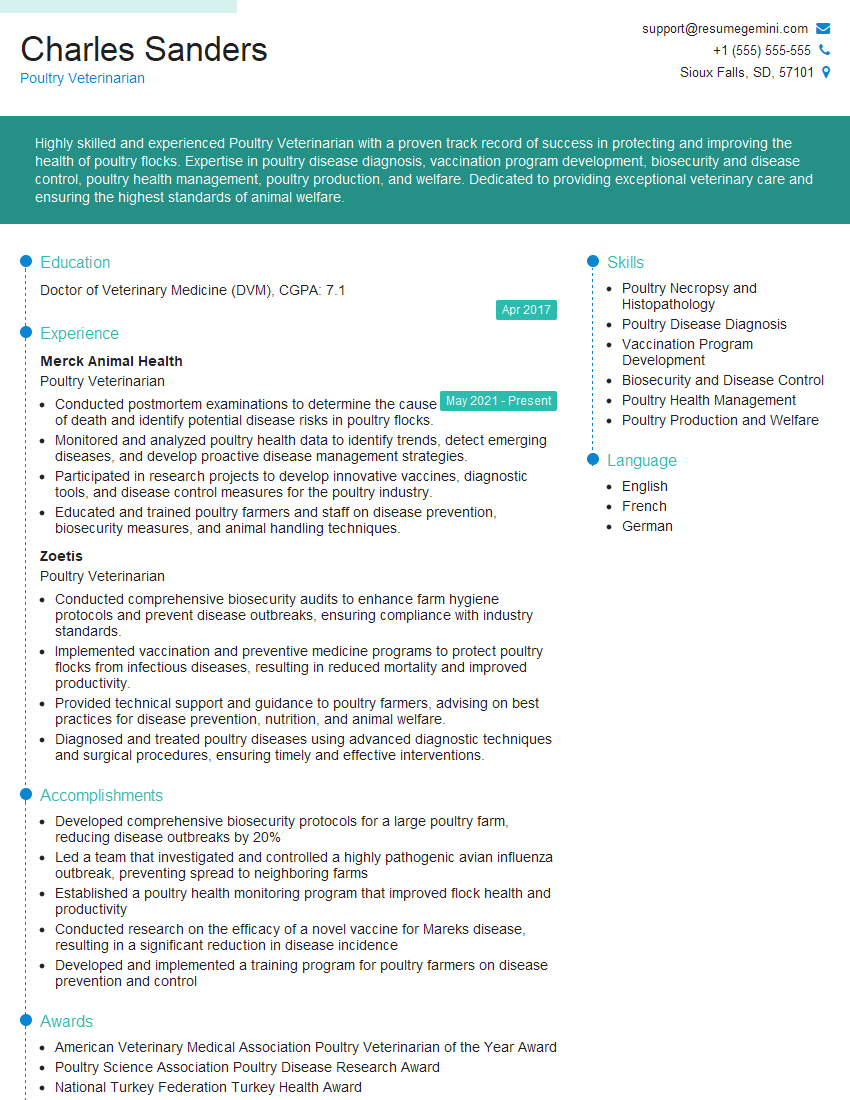
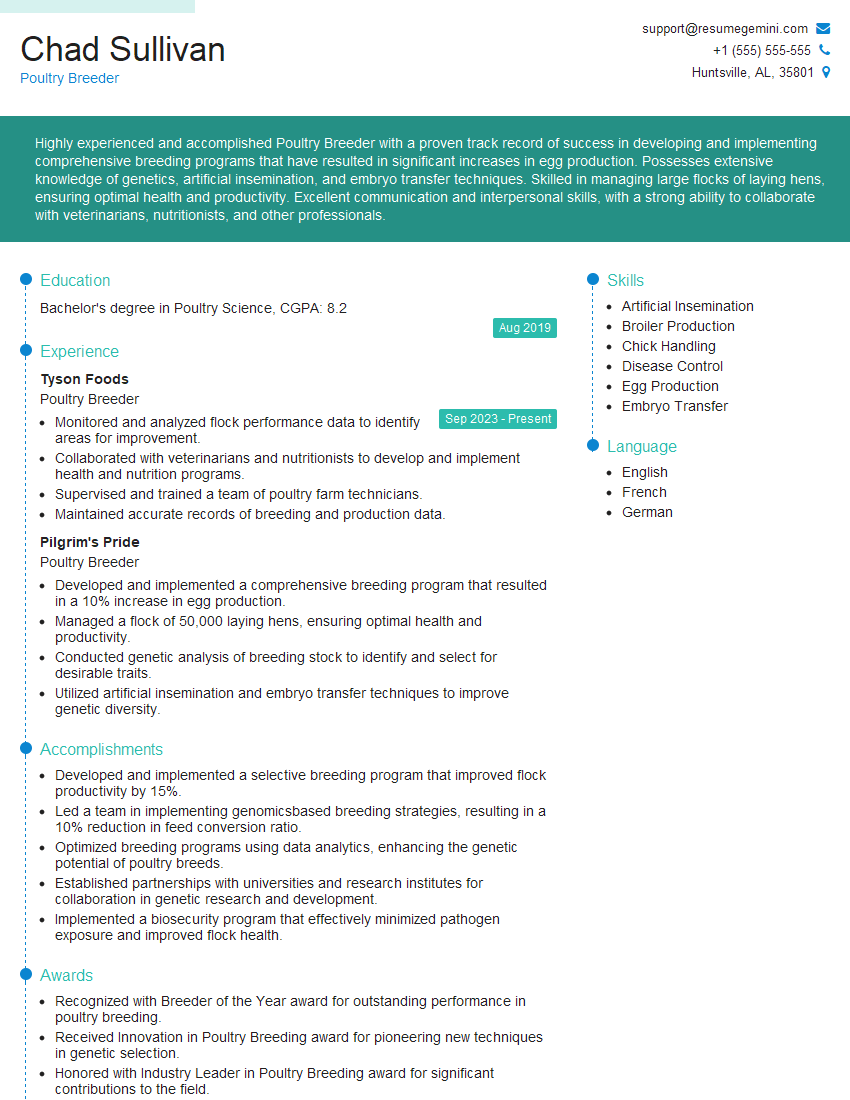
Mastering chick rearing opens doors to rewarding careers in agriculture and poultry production, offering opportunities for growth and specialization. To maximize your job prospects, creating a strong, ATS-friendly resume is crucial. ResumeGemini is a trusted resource to help you build a professional resume that highlights your skills and experience effectively. We provide examples of resumes tailored to the chick rearing industry to help you showcase your qualifications. Invest time in crafting a compelling resume—it’s your first impression on potential employers.
Explore more articles
Users Rating of Our Blogs
Share Your Experience
We value your feedback! Please rate our content and share your thoughts (optional).
What Readers Say About Our Blog
Very informative content, great job.
good