The thought of an interview can be nerve-wracking, but the right preparation can make all the difference. Explore this comprehensive guide to Chicken Watering interview questions and gain the confidence you need to showcase your abilities and secure the role.
Questions Asked in Chicken Watering Interview
Q 1. Describe the different types of chicken watering systems.
Choosing the right chicken watering system is crucial for their health and well-being. Several options exist, each with its own pros and cons. The most common types include:
- Open containers: These are simple, inexpensive, like bowls or troughs, but prone to contamination and spillage. Chickens can easily dirty the water, leading to disease.
- Bell drinkers: These inverted bell-shaped drinkers offer some protection from contamination, keeping the water cleaner than open containers but are still susceptible to spillage.
- Nipple drinkers: These are individual drinkers where chickens peck at a nipple to release water, minimizing spillage and contamination. They are generally more expensive initially but offer long-term benefits.
- Automatic drinkers: These systems connect to a water source and automatically refill the drinker, requiring minimal human intervention. They’re ideal for larger flocks but can be complex to install and maintain.
The best system depends on factors like flock size, budget, and the level of management you can provide. For small flocks, bell drinkers might suffice; for larger flocks, automatic systems are often more efficient.
Q 2. What are the advantages and disadvantages of nipple drinkers?
Nipple drinkers are a popular choice for many poultry keepers, but like any system, they have advantages and disadvantages:
- Advantages:
- Reduced Contamination: Chickens don’t directly touch the water, minimizing the spread of bacteria and disease.
- Less Spillage: The water is released only when the chicken pecks the nipple, reducing water waste and keeping the surrounding area cleaner.
- Improved Hygiene: Easier to clean and disinfect than open systems.
- Disadvantages:
- Higher Initial Cost: Nipple drinkers are generally more expensive than simple containers.
- Can Freeze in Cold Weather: Water can freeze in the nipples during cold snaps, making them inaccessible to the chickens.
- Potential for Blockages: Debris or algae can clog the nipples, requiring regular cleaning.
- Learning Curve: Young chicks might need some time to learn how to use them.
Despite the disadvantages, the overall benefits of reduced disease and cleaner environments often outweigh the initial costs and minor maintenance requirements for most chicken keepers.
Q 3. How do you ensure proper water pressure for optimal chicken hydration?
Maintaining proper water pressure is vital for ensuring your chickens have consistent access to water. Insufficient pressure leads to inadequate water flow, while excessive pressure can cause leaks and damage. Here’s how to ensure optimal pressure:
- Check your water source: Ensure your water source (whether it’s a well, city water, or a gravity-fed system) provides adequate pressure. A low-pressure situation might necessitate a booster pump.
- Inspect the tubing and fittings: Look for any kinks, clogs, or leaks in your water lines. These can restrict water flow.
- Adjust the pressure regulator (if applicable): If you have an automatic watering system, a pressure regulator allows you to fine-tune the water pressure to the optimal level.
- Observe your drinkers: Pay attention to how water flows from your drinkers. A weak flow indicates low pressure, while a forceful, splashing flow suggests excessive pressure.
For example, a weak flow from nipple drinkers can be solved by checking for a clogged line and possibly increasing the overall water pressure (but not excessively).
Q 4. Explain the importance of regular cleaning and sanitation of watering systems.
Regular cleaning and sanitation are non-negotiable for preventing disease outbreaks in your chicken flock. Dirty water is a breeding ground for harmful bacteria and parasites. Here’s a plan:
- Frequency: Clean your watering system at least once a week, more frequently during hot weather. Completely dismantle and clean the system every few months, or as needed based on visible contamination.
- Cleaning Process:
- Disassemble the system as much as possible.
- Scrub all parts thoroughly with a brush and a solution of warm water and a poultry-safe disinfectant (follow the product’s instructions). Avoid harsh chemicals that could harm your birds.
- Rinse thoroughly with clean water to remove any residue.
- Reassemble and refill with fresh water.
- Preventative Measures:
- Keep the area around the waterers clean and dry.
- Regularly check for algae buildup inside the system.
- Consider using a filter to prevent debris from entering the water.
Think of it like this: just as you wouldn’t want to drink from a dirty glass, your chickens deserve clean and safe water.
Q 5. How do you identify and address water leaks in a chicken watering system?
Water leaks can lead to wasted water, increased costs, and even damage to your coop. Here’s how to identify and address them:
- Visual Inspection: Carefully examine all parts of the system, including pipes, fittings, and drinkers, looking for damp spots, drips, or puddles.
- Listen for Leaks: Pay attention to unusual sounds, like hissing or dripping, which can indicate leaks.
- Check Water Levels: Monitor the water level in your storage tank or reservoir. A consistently dropping level, even without obvious leaks, could point to a hidden leak.
- Troubleshooting:
- Tighten Fittings: Start by tightening any loose fittings or connections.
- Replace Damaged Parts: If you find cracked or damaged pipes or fittings, replace them immediately.
- Apply Sealant (if appropriate): For minor leaks, a poultry-safe sealant might be sufficient.
- Call a Professional: For complex systems or persistent leaks, consider seeking help from a plumber or poultry equipment specialist.
A simple leak in a pipe might seem insignificant, but over time it can waste a substantial amount of water and potentially lead to more significant problems.
Q 6. What are the signs of dehydration in chickens?
Recognizing dehydration in chickens is crucial for their survival. Signs can range from subtle to severe:
- Loss of Appetite: Dehydrated chickens often show reduced interest in food.
- Lethargy and Weakness: They may appear listless, weak, and unable to stand or walk normally.
- Sunken Eyes: Their eyes might appear sunken into their sockets.
- Dry Comb and Wattles: The comb and wattles (fleshy parts on the chicken’s head) will lose their normal redness and feel dry to the touch.
- Loss of Skin Elasticity: If you gently pinch the skin on the chicken’s neck, it will slowly return to its original position in a hydrated bird; in a dehydrated bird, the skin will remain tented (slow to return to normal).
- Increased Thirst: They’ll frequently try to drink water.
- Diarrhea: Dehydration often accompanies diarrhea, causing further fluid loss.
- Death: In severe cases, dehydration can lead to death.
If you observe these signs, provide immediate access to fresh, clean water and seek veterinary attention if the dehydration is severe or doesn’t improve quickly.
Q 7. How do you adjust the water supply based on different chicken ages and breeds?
Adjusting the water supply based on chicken age and breed ensures their hydration needs are met. Water requirements vary significantly:
- Chicks: Newly hatched chicks require frequent access to small amounts of clean water. Use shallow, easy-to-access drinkers to avoid drowning.
- Young Chickens: As chickens grow, their water needs increase. Larger drinkers and a steady water supply are important.
- Adult Chickens: Adult chickens generally need a constant supply of fresh, clean water, especially during hot weather or periods of increased activity.
- Breeds: Larger breeds, like Brahmas, tend to drink more than smaller breeds, like bantams. This is due to their greater size and metabolism.
- Weather: Adjust water availability according to weather conditions. Provide more water during hot, humid weather or when chickens are active.
Think of it like this: just as a marathon runner needs more water than someone sitting on a couch, your chickens’ water intake depends on their size, age, breed, and activity level.
Q 8. What are the common causes of water contamination in chicken watering systems?
Water contamination in chicken watering systems is a serious issue, potentially leading to illness and death in your flock. Common culprits include:
- Fecal contamination: Chicken droppings can easily contaminate water sources if troughs are not properly cleaned and positioned away from droppings.
- Algae growth: Stagnant water encourages algae blooms, which can produce toxins harmful to chickens.
- Bacterial contamination: Bacteria like E. coli and Salmonella can thrive in unclean water, causing severe gastrointestinal problems.
- Chemical contamination: Runoff from pesticides, fertilizers, or other chemicals can leach into water sources, poisoning your chickens.
- Parasites: Protozoa and other parasites can contaminate water sources, especially those that are not regularly cleaned and disinfected.
Think of it like this: just as we wouldn’t drink from a dirty glass, chickens need clean water to stay healthy. Regular cleaning and maintenance are crucial.
Q 9. How do you prevent algae growth in chicken water troughs?
Preventing algae growth in chicken water troughs is essential for maintaining clean and safe drinking water. Here’s how:
- Regular cleaning: Scrub troughs daily with a stiff brush and detergent. Rinse thoroughly.
- Proper location: Position troughs in shaded areas to reduce sunlight exposure, which fuels algae growth.
- Water flow: Use systems that allow for regular water turnover, preventing stagnation. Nipple drinkers or bell drinkers often do a better job than open troughs.
- Clean water source: Ensure the water source itself is clean and free from contaminants.
- Algicide (use cautiously): Only use approved algicides specifically designed for poultry use, following label directions meticulously. Overuse can be harmful.
Imagine a pond – if it’s stagnant, algae will bloom. The same applies to chicken water troughs. Regular cleaning and good water flow are your best defenses.
Q 10. Explain the role of water quality in maintaining chicken health.
Water quality is paramount for maintaining chicken health. Chickens need clean, fresh water for several vital functions:
- Hydration: Dehydration weakens the immune system, making chickens susceptible to diseases.
- Digestion: Water is crucial for proper digestion and nutrient absorption.
- Temperature regulation: Chickens use water to regulate their body temperature, especially in hot weather.
- Egg production: Adequate water intake is crucial for egg production; hens need plenty of water to produce quality eggs.
- Disease prevention: Contaminated water is a major source of many diseases.
Think of it as the foundation of their health – just like we need clean water, chickens require it for optimal health and productivity.
Q 11. What are the safety precautions to be taken around chicken watering equipment?
Safety around chicken watering equipment is vital, both for you and your birds. Precautions include:
- Secure placement: Ensure troughs and drinkers are securely mounted to prevent tipping and spills, protecting both the chickens and the surrounding area.
- Electrical safety: If using electric-powered water systems, ensure proper grounding and insulation to prevent electrocution hazards.
- Chemical handling: Always wear appropriate protective gear (gloves, eye protection) when handling cleaning solutions or algicides.
- Regular inspection: Regularly check equipment for damage or leaks to prevent accidents.
- Child safety: If you have children, ensure the watering equipment is out of their reach and is not a potential hazard.
Safety is key – proactive measures prevent accidents and ensure everyone’s wellbeing.
Q 12. How do you troubleshoot a malfunctioning automatic watering system?
Troubleshooting a malfunctioning automatic watering system involves a systematic approach:
- Check the water source: Ensure the water supply is turned on and there is sufficient water pressure.
- Inspect the power source: Verify that the system is properly plugged in and receiving power (if applicable).
- Examine tubing and connections: Look for leaks, blockages, or kinks in the tubing and ensure all connections are secure.
- Check the water pressure regulator (if applicable): A faulty regulator can impede water flow.
- Inspect valves and sensors: Examine valves for proper operation and sensors for obstructions or damage.
- Clean the system: Mineral build-up or algae can clog the system. Clean thoroughly.
It’s like detective work – systematically eliminate possibilities until you find the problem. Keeping a maintenance log can help identify recurring issues.
Q 13. How do you calculate the daily water consumption of a flock of chickens?
Daily water consumption varies depending on factors like breed, age, weather, and production (egg-laying hens require more water). A general rule of thumb is:
Approximately 1/2 gallon (2 liters) per day per 10 chickens.
However, this is just a guideline. In hot weather, water intake will significantly increase. Observing your flock’s behaviour (are they frequently drinking?) and adjusting water provision accordingly is important. For a more accurate calculation, consider consulting a poultry specialist or referring to specific breed guidelines.
For example, a flock of 50 chickens would generally need 2.5 gallons (approximately 10 liters) of water per day, but this could be considerably more in hot weather.
Q 14. What are the environmental factors that influence chicken water intake?
Environmental factors significantly impact chicken water intake:
- Temperature: Higher temperatures lead to increased water consumption as chickens pant to cool down.
- Humidity: High humidity makes it harder for chickens to cool down, thus increasing their water needs.
- Activity level: Chickens that are more active (e.g., free-ranging) require more water than those confined to smaller areas.
- Feed type: Certain feed types can increase water consumption.
- Laying hens: Laying hens have higher water requirements due to egg production.
Think of it like this: on a hot, humid day, you drink more water than on a cool, dry day. Chickens are no different. Always ensure plenty of water is available, especially during periods of heat or high humidity.
Q 15. Describe your experience with different types of water treatment for poultry.
Water treatment for poultry is crucial for preventing disease and ensuring optimal bird health. My experience encompasses various methods, each tailored to the specific water source and flock needs. This includes:
- Chlorination: This is a common and effective method for disinfecting water. We use calculated amounts of chlorine to eliminate harmful bacteria and viruses. It’s important to monitor chlorine levels carefully to avoid harming the birds. For instance, I’ve successfully implemented chlorination in a large-scale operation, significantly reducing instances of E. coli in the drinking water.
- UV Sterilization: Ultraviolet light effectively kills microorganisms without the use of chemicals. This is a great environmentally friendly option and particularly useful where chemical treatments might be undesirable. In one instance, switching to UV sterilization dramatically reduced waterborne disease outbreaks in a free-range flock.
- Filtration: This removes sediment, debris, and other particulate matter. Different filter types, such as sand filters or carbon filters, address various impurities. I frequently use multi-stage filtration systems, combining sediment filters with carbon filters to ensure crystal-clear, contaminant-free water.
- Acidification: Adjusting the water’s pH can inhibit the growth of certain bacteria. This is often used in conjunction with other treatments for comprehensive water sanitation. For example, I’ve successfully integrated acidification into a system to control bacterial growth in hard water situations.
The choice of treatment method depends on factors like the initial water quality, the flock size, and the available resources. Regular water testing is essential to monitor the effectiveness of the chosen treatment and make adjustments as needed.
Career Expert Tips:
- Ace those interviews! Prepare effectively by reviewing the Top 50 Most Common Interview Questions on ResumeGemini.
- Navigate your job search with confidence! Explore a wide range of Career Tips on ResumeGemini. Learn about common challenges and recommendations to overcome them.
- Craft the perfect resume! Master the Art of Resume Writing with ResumeGemini’s guide. Showcase your unique qualifications and achievements effectively.
- Don’t miss out on holiday savings! Build your dream resume with ResumeGemini’s ATS optimized templates.
Q 16. How do you monitor water consumption to ensure sufficient hydration?
Monitoring water consumption is vital for ensuring flock hydration and detecting potential problems early. We utilize a multi-pronged approach:
- Visual Observation: Regular visual checks of the waterers ensure they are consistently filled and functioning properly. This simple observation often reveals leaks or blockages.
- Water Metering: Installing water meters allows for precise measurement of water usage. A sudden drop or increase in consumption can signal a problem—such as a leak or a change in bird behavior related to illness or heat stress. I’ve used this to identify a broken pipe in one facility by noticing unexpectedly high water consumption.
- Weighing Birds: Regular weighing of birds can help detect dehydration. Significant weight loss could indicate insufficient water access. This method is especially useful in smaller flocks or during periods of heat stress.
- Dropping Analysis: The consistency and color of bird droppings provide insights into hydration status. Dry, hard droppings can suggest dehydration, necessitating immediate attention.
Combining these methods provides a comprehensive understanding of water consumption and helps to ensure the birds receive adequate hydration.
Q 17. What are the regulations and best practices for maintaining chicken watering systems?
Regulations and best practices for maintaining chicken watering systems are essential for animal welfare and food safety. Key aspects include:
- Regular Cleaning and Sanitization: Waterers should be thoroughly cleaned and disinfected regularly to prevent the buildup of algae, bacteria, and other contaminants. This typically involves removing debris, scrubbing with a suitable disinfectant, and rinsing thoroughly. The frequency depends on the system type and environmental conditions.
- System Maintenance: Regular checks are crucial to identify and repair leaks, blockages, and malfunctions promptly. This could involve inspecting pipes, replacing worn parts, and ensuring proper water pressure.
- Water Quality Monitoring: Regular water testing is imperative to ensure water quality meets the standards for poultry consumption. This includes testing for bacteria, pH, and other relevant parameters.
- Compliance with Regulations: Adherence to local, regional, and national regulations concerning water quality and poultry husbandry is paramount. This ensures the safety and well-being of the birds and consumers.
Failure to adhere to these practices can lead to disease outbreaks, reduced productivity, and potential legal issues.
Q 18. How do you handle emergencies related to water supply disruption?
Emergencies related to water supply disruptions require immediate action to prevent dehydration and mortality. My approach is as follows:
- Identify the Problem: Quickly determine the source and extent of the disruption.
- Implement Contingency Plans: Have backup water sources ready, such as water tanks or alternative water supply lines. This is crucial to ensure uninterrupted water access.
- Prioritize Water Distribution: Focus on supplying water to the most vulnerable birds, ensuring efficient water distribution throughout the affected areas.
- Seek External Assistance: If the disruption is significant and cannot be addressed internally, contact water supply companies, local authorities, or emergency services for assistance.
- Monitor Bird Condition: Closely monitor the birds’ health and hydration status following the disruption to identify any signs of dehydration or illness.
Having a well-defined emergency plan, including backup water sources and communication protocols, is vital for mitigating the impact of water supply disruptions.
Q 19. Describe your experience working with different types of poultry watering equipment.
My experience encompasses a variety of poultry watering equipment, each with its own advantages and disadvantages:
- Bell Waterers: These are simple and inexpensive but can be prone to contamination and spillage. I’ve used them successfully in smaller backyard flocks.
- Nipple Drinkers: These are more hygienic and efficient, minimizing spillage and contamination. They are ideal for larger flocks but require more initial investment. I’ve extensively used these in large commercial poultry operations, resulting in improved water hygiene and reduced waste.
- Cup Waterers: These are suitable for various poultry sizes and ages but can easily get dirty if not cleaned frequently.
- Automatic Watering Systems: These systems automate water delivery, ensuring a consistent supply and reducing labor requirements. These advanced systems are cost-effective in the long run, optimizing resource use and minimizing labor. I’ve overseen installations and maintenance of these systems in multiple settings.
The choice of equipment depends on several factors, including flock size, bird type, budget, and labor availability. Selecting the most appropriate system is essential for optimizing bird welfare and operational efficiency.
Q 20. How do you prevent water waste in chicken watering systems?
Preventing water waste in chicken watering systems requires a proactive approach. Key strategies include:
- Regular Inspection and Maintenance: Promptly address leaks, drips, and other malfunctions. Even small leaks can accumulate significant water waste over time. A systematic inspection schedule is crucial for early detection.
- Appropriate Waterer Selection: Choose waterers suitable for the bird type and flock size to avoid spillage. Nipple drinkers, for instance, are more efficient than bell drinkers.
- Proper Water Pressure Regulation: Maintaining appropriate water pressure prevents excessive water flow and reduces spillage. Overly high pressure leads to wasted water and potential equipment damage.
- Effective System Design: The layout and design of the watering system should minimize water waste. This could involve using gravity-fed systems, strategically placing waterers, and using water-efficient components.
Reducing water waste is not only economically beneficial but also contributes to environmental sustainability and efficient resource management.
Q 21. What is the role of proper water management in disease prevention?
Proper water management plays a pivotal role in disease prevention in poultry. Clean, fresh water is essential for maintaining bird health and reducing the risk of waterborne diseases. Here’s how:
- Reduced Bacterial Load: Clean water reduces the risk of bacterial and viral infections transmitted through contaminated water sources. Regular cleaning and disinfection of waterers are critical in this regard.
- Improved Immunity: Adequate hydration is crucial for the birds’ immune system function, enabling them to better resist diseases. Dehydration weakens the immune system making birds more susceptible.
- Waste Removal: Clean water helps flush out waste products from the birds’ systems, further reducing the risk of infections. Properly functioning drainage systems are also critical in this regard.
- Preventing Stress: Ensuring consistent access to clean water reduces stress in birds, which is a significant factor in disease susceptibility. Stress compromises the immune system.
Integrating proper water management practices into a comprehensive biosecurity plan is vital for maintaining a healthy and productive flock. Neglecting water quality can have severe economic and animal welfare consequences.
Q 22. How do you address issues with water spillage or overflow?
Water spillage or overflow in chicken watering systems is a common problem leading to wasted water, unsanitary conditions, and potential disease spread. Addressing this requires a multi-pronged approach focusing on system design, maintenance, and proper usage.
System Selection: Choosing the right watering system is crucial. Gravity systems, while simple, can be prone to spillage if not properly leveled or if the drinkers are damaged. Nipple drinkers, on the other hand, are far more efficient, minimizing spillage but requiring a consistent water pressure. Cup drinkers offer a middle ground, but require regular cleaning to prevent clogging and overflow.
Regular Inspection: Daily checks are essential to identify leaks, cracked pipes, or malfunctioning drinkers. Addressing small issues promptly prevents them from escalating into larger problems. For example, a slightly loose fitting on a nipple drinker can lead to significant water waste over time.
Proper Installation: Incorrect installation is a frequent cause of spillage. Gravity systems must have the correct slope and placement to ensure proper drainage and avoid overflow. Similarly, nipple drinkers must be installed at the right height for easy access by the chickens without causing spillage.
Cleaning and Maintenance: Regular cleaning removes algae and debris that can clog drinkers and cause overflow. This is especially critical in warmer climates.
By carefully selecting the appropriate system, performing routine inspections and maintenance, and ensuring correct installation, we can effectively minimize water spillage and create a healthier environment for the chickens.
Q 23. How do you maintain the proper water temperature for optimal chicken health?
Maintaining the proper water temperature is vital for chicken health, particularly in extreme weather conditions. Chickens are sensitive to both hot and cold water, which can lead to reduced feed intake, poor growth, and increased susceptibility to disease.
Climate Control: In hot climates, providing cool water is paramount. This can be achieved through the use of shaded water tanks or by circulating water through a cooling system. I’ve personally used a simple submersible pump and a length of hose to circulate water through a shaded trough, reducing the water temperature by several degrees.
Insulation: During colder months, insulation around water lines and tanks can prevent freezing. Using heated waterers is another option, especially in very cold regions. However, it is crucial to ensure that the heating element is safe and cannot burn the birds.
Monitoring: Regular monitoring of water temperature is essential. Simple thermometers placed in the water troughs are effective for routine checks. Automatic systems with temperature sensors can provide alerts if the temperature goes outside of the optimal range, though these can be more costly.
The ideal water temperature for chickens is typically between 50-70°F (10-21°C). Adjustments should be made based on the ambient temperature and the overall health of the flock. Always prioritize providing fresh, clean water at a suitable temperature.
Q 24. Describe your experience with the installation and maintenance of chicken watering systems.
My experience with chicken watering systems spans various types, from simple gravity systems to automated nipple drinkers. I’ve been involved in all aspects: design, installation, and maintenance.
Installation: I’ve installed both above-ground and underground systems, selecting the appropriate design based on factors like flock size, terrain, and budget. Proper pipe sizing and slope are critical to ensure consistent water flow. For example, in a larger operation, a well-designed underground system can reduce maintenance and improve hygiene compared to a network of surface pipes.
Maintenance: This involves regular cleaning, leak detection, and repair of faulty components. Nipple drinkers require occasional cleaning to prevent clogging, while gravity systems need regular checks for leaks and proper drainage. I’ve developed a preventative maintenance schedule, incorporating weekly and monthly inspections based on the system type.
Troubleshooting: I’ve successfully addressed various issues, such as low water pressure, clogged drinkers, and frozen pipes. This often involves identifying the root cause, whether it be a broken pipe, a faulty pump, or an issue with water supply. A systematic approach is key to efficient troubleshooting.
Through experience, I’ve developed a deep understanding of the strengths and weaknesses of different systems, allowing me to select and maintain the most appropriate system for a given operation, maximizing efficiency and minimizing problems.
Q 25. How do you incorporate water management into the overall farm management plan?
Water management is integral to the overall farm management plan, impacting feed efficiency, bird health, and overall profitability. It’s not just about providing water; it’s about optimizing its usage.
Budget Allocation: A portion of the farm budget should be allocated to water system maintenance, repairs, and potential upgrades. This prevents unexpected costs from impacting other aspects of the operation.
Water Source Assessment: The reliability and quality of the water source are crucial. A backup water source should be planned for contingencies, especially during droughts.
Integration with other systems: Water management should be integrated with other systems, such as manure management and waste disposal. For example, efficient water use can reduce the volume of manure produced and make cleaning easier.
Record Keeping: Regularly monitoring water consumption can reveal inefficiencies or leaks. Accurate records help in making data-driven decisions about water management practices.
By integrating water management into the broader farm plan, we can enhance efficiency, ensure animal welfare, and improve profitability.
Q 26. What are the economic implications of inefficient chicken watering systems?
Inefficient chicken watering systems have significant economic implications, impacting both direct and indirect costs.
Increased Water Bills: Leaks and inefficient drinkers lead to higher water consumption and, consequently, increased water bills. In large-scale operations, this can amount to substantial annual losses.
Reduced Feed Efficiency: Inadequate water access negatively affects feed intake and digestion, impacting growth rates and overall bird health. This translates into reduced productivity and lower profitability.
Higher Labor Costs: Inefficient systems often require more frequent cleaning and maintenance, leading to increased labor costs. Automated systems can mitigate this, but initial investment is higher.
Disease Outbreaks: Poor water quality and unsanitary conditions increase the risk of disease outbreaks. This results in increased medication costs, reduced production, and potential flock losses.
Investing in efficient watering systems is a cost-effective strategy in the long run, maximizing production and minimizing operational expenses.
Q 27. How do you incorporate technology to improve chicken water management?
Technology plays a crucial role in improving chicken water management, enhancing efficiency, and monitoring water quality.
Automated Watering Systems: These systems ensure consistent water supply and reduce manual labor. They often incorporate features like pressure regulators and sensors to prevent overflows and detect leaks.
Water Quality Monitoring: Sensors can monitor water parameters such as pH, temperature, and dissolved solids. This helps in maintaining optimal water quality and preventing potential problems.
Smart Sensors and Data Analytics: Data from various sensors can be collected and analyzed to identify patterns, predict potential issues, and optimize water usage. This provides insights into water consumption, allowing for proactive adjustments.
Remote Monitoring: Remote access to data allows for real-time monitoring and management of the watering system, regardless of location.
The adoption of technology isn’t just a luxury; it’s a critical step toward achieving sustainable and efficient chicken farming.
Q 28. Explain your understanding of the impact of water quality on egg production.
Water quality significantly impacts egg production. Providing chickens with clean, fresh water is essential for their overall health and productivity.
Reduced Egg Production: Poor water quality, containing contaminants or pathogens, can lead to illness and reduced egg production. Chickens may become dehydrated or experience digestive problems, decreasing their laying capacity.
Egg Quality Issues: Contaminated water can lead to problems with egg shell quality, potentially resulting in thinner shells and increased breakage.
Disease Transmission: Waterborne diseases can significantly impact egg production. Contaminated water can spread pathogens throughout the flock, leading to illness and mortality.
Mineral Content: The mineral content of water can also affect egg production. An imbalance of minerals can lead to health problems and reduced egg laying.
Regular monitoring of water quality, including testing for bacteria, heavy metals, and other contaminants, is crucial for ensuring optimal egg production. A proactive approach to water quality management is a vital component of successful poultry farming.
Key Topics to Learn for Chicken Watering Interview
- Water Source Management: Understanding various water delivery systems (e.g., nipple drinkers, bell drinkers, trough systems), their pros and cons, and appropriate selection based on chicken breed, age, and environment.
- Water Quality and Hygiene: Maintaining clean and fresh water is crucial. Learn about water sanitation techniques, identifying and addressing potential contaminants, and preventing the spread of disease through contaminated water.
- Water Consumption Patterns: Analyzing chicken water intake to identify potential health issues or environmental factors affecting drinking habits. This includes understanding factors like temperature, humidity, and bird health influencing water consumption.
- Water System Maintenance: Regular cleaning and maintenance schedules are vital. Learn about troubleshooting common issues like clogged lines, malfunctioning equipment, and leak detection/repair.
- Economic Considerations: Evaluating the cost-effectiveness of different water systems, considering factors like initial investment, maintenance costs, and water usage efficiency. This includes understanding water waste and its impact on profitability.
- Health and Safety: Understanding biosecurity measures to prevent the spread of waterborne diseases and ensuring the safety of both the chickens and the workers handling the water systems.
- Automated Systems: Exploring the use of automated watering systems for larger-scale operations and understanding their advantages and disadvantages.
Next Steps
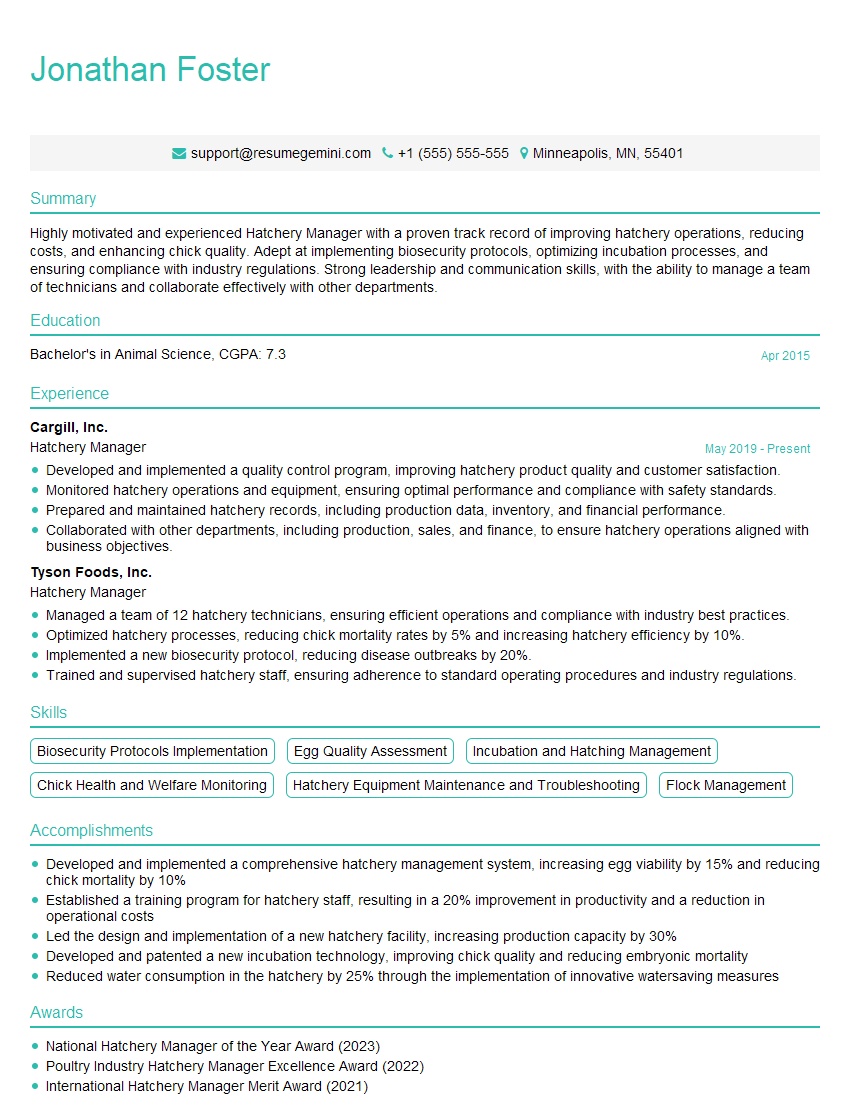
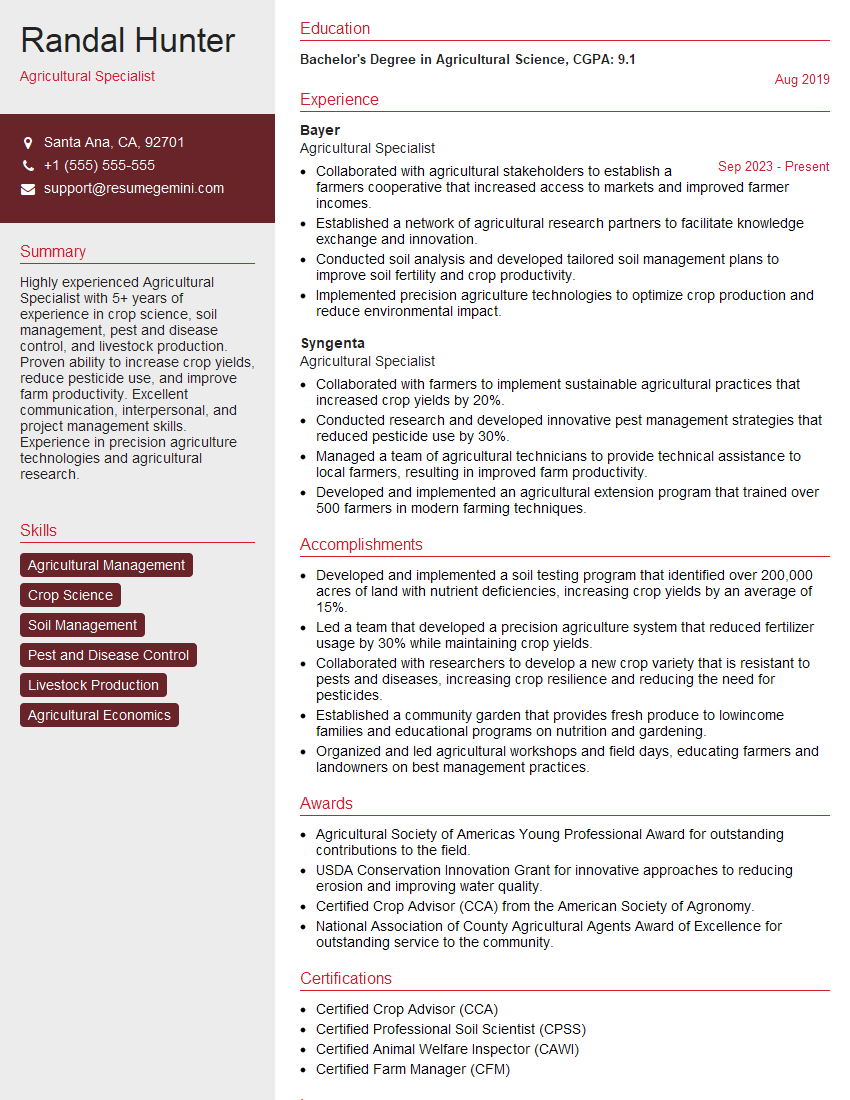
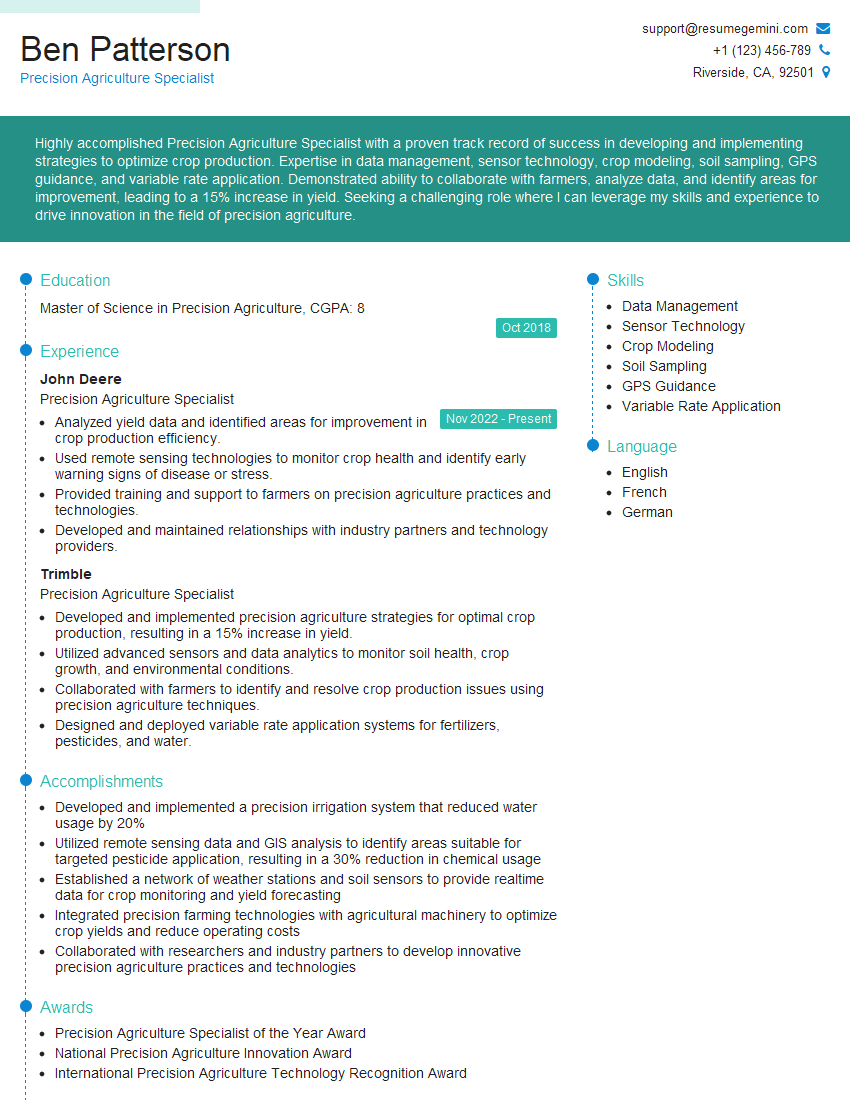
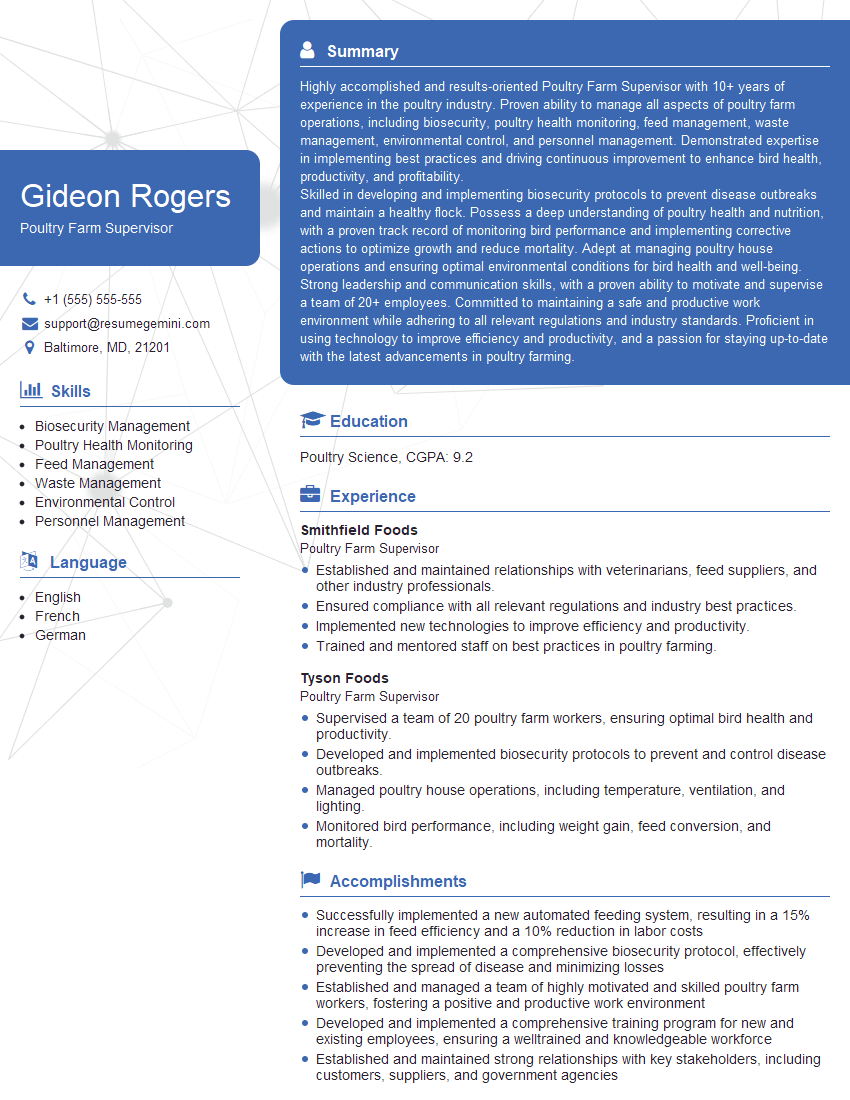
Mastering the art of chicken watering is essential for success in poultry farming and related fields. Efficient and hygienic water management directly impacts bird health, productivity, and overall profitability. To maximize your job prospects, create an ATS-friendly resume that highlights your relevant skills and experience. We strongly encourage you to use ResumeGemini, a trusted resource for building professional resumes, to craft a compelling application. Examples of resumes tailored to Chicken Watering are available to help guide your efforts.
Explore more articles
Users Rating of Our Blogs
Share Your Experience
We value your feedback! Please rate our content and share your thoughts (optional).
What Readers Say About Our Blog
Very informative content, great job.
good