Unlock your full potential by mastering the most common Chip Fabrication interview questions. This blog offers a deep dive into the critical topics, ensuring you’re not only prepared to answer but to excel. With these insights, you’ll approach your interview with clarity and confidence.
Questions Asked in Chip Fabrication Interview
Q 1. Explain the steps involved in photolithography.
Photolithography is a crucial process in chip fabrication that uses light to transfer a pattern from a mask onto a silicon wafer. Think of it like creating tiny stencils for your circuits. It’s a multi-step process:
- Wafer Preparation: The silicon wafer is cleaned meticulously to remove any contaminants that could interfere with the patterning process. This involves various cleaning steps using chemicals and sometimes specialized plasma treatments.
- Photoresist Application: A photosensitive polymer, called photoresist, is spun onto the wafer, creating a uniform thin layer. This acts as our temporary stencil.
- Exposure: The wafer is then exposed to ultraviolet (UV) light through a mask containing the circuit pattern. The mask blocks light in areas where we don’t want the pattern to be transferred. Advanced techniques like immersion lithography use a liquid between the lens and wafer to improve resolution.
- Development: After exposure, the wafer is developed, removing either the exposed (positive photoresist) or unexposed (negative photoresist) areas of the photoresist, leaving behind the desired pattern.
- Hard Bake (Post-Exposure Bake): A baking step ensures the remaining photoresist is hardened and stable for subsequent processes.
Imagine creating a tiny circuit layout with incredibly fine detail. Each step in photolithography ensures the accuracy and precision needed for modern chips with billions of transistors.
Q 2. Describe different etching techniques used in chip fabrication.
Etching removes material from the wafer to create the three-dimensional structures of the chip. There are two primary etching techniques:
- Wet Etching: This uses chemical solutions to dissolve the exposed material. It’s relatively simple and inexpensive, but lacks the precision needed for advanced nodes. Think of it like slowly dissolving away unwanted parts with an acid.
- Dry Etching: This uses plasma to etch away material. It offers superior precision and control over the etch profile (the shape of the etched feature), making it crucial for advanced chips. Common dry etching methods include:
- Reactive Ion Etching (RIE): Uses chemically reactive plasma to anisotropically etch (vertical etch profile), providing high precision for creating fine features.
- Deep Reactive Ion Etching (DRIE): A specialized RIE process capable of etching deep, high-aspect-ratio structures (tall and narrow features).
The choice between wet and dry etching depends on the specific application. For example, while wet etching may be suitable for removing large amounts of material, dry etching is essential for creating the intricate patterns of modern transistors.
Q 3. What are the key challenges in controlling critical dimensions (CD) in advanced nodes?
Controlling Critical Dimensions (CD), the width of the features on a chip, is paramount in advanced nodes. Smaller CDs mean more transistors per unit area, resulting in faster and more powerful chips. However, this presents significant challenges:
- Resolution Limits of Lithography: As CDs shrink, it becomes increasingly difficult to resolve the patterns using current lithographic techniques. Diffraction of light becomes a major limitation.
- Process Variations: Slight variations in temperature, pressure, and chemical concentrations during fabrication can significantly impact CD control. This leads to inconsistencies across the wafer, impacting chip yield.
- Line Edge Roughness (LER): The edges of the patterned features aren’t perfectly straight; they exhibit roughness at the nanometer scale. LER can affect device performance and reliability.
- Proximity Effects: The pattern of one feature can affect the dimensions of nearby features, leading to CD variations.
Addressing these challenges requires advanced lithography techniques like EUV (extreme ultraviolet) lithography, sophisticated process control systems, and advanced metrology techniques to ensure consistent CD control across the wafer.
Q 4. How does chemical-mechanical planarization (CMP) contribute to wafer fabrication?
Chemical-Mechanical Planarization (CMP) is a crucial wafer fabrication step that polishes the wafer surface to achieve a globally flat surface. Think of it as a microscopic smoothing process. It’s essential because:
- Removes Step Height Variations: After multiple layers of deposition and etching, the wafer surface may have significant step heights. CMP removes these variations, creating a flat surface needed for subsequent lithographic steps.
- Improves Planarity for Lithography: A flat surface ensures uniform photoresist coating and consistent pattern transfer during lithography. Without CMP, defects and poor patterning would result.
- Enhances Process Control: A flat surface simplifies process control and improves overall yield by ensuring consistent performance across the wafer.
CMP uses a slurry of abrasive particles and a polishing pad to remove material selectively. Careful control of parameters such as downforce, slurry composition, and polishing time is critical for achieving the desired planarization without damaging the underlying layers.
Q 5. Explain the importance of metrology and inspection in chip manufacturing.
Metrology and inspection are critical in chip manufacturing to ensure quality and yield. They involve measuring and inspecting various aspects of the wafer at different stages of fabrication. This is like having a quality control team meticulously checking every stage of the production process.
- CD Measurement: Precise measurement of the dimensions of features using tools like Scanning Electron Microscopes (SEMs) and optical CD metrology systems is crucial for verifying that the patterns are within specifications.
- Defect Inspection: Detecting defects like particles, scratches, and pattern imperfections is essential for ensuring high yield. This involves techniques like optical inspection and scanning electron microscopy.
- Film Thickness and Composition Measurement: Measuring the thickness and composition of deposited thin films helps ensure they are within specifications and have the desired properties.
- Process Monitoring and Control: Real-time metrology data is used to monitor and control the fabrication process, making necessary adjustments to maintain consistency and optimize yield.
Without rigorous metrology and inspection, defects could easily propagate through the process, leading to significant yield losses and potentially non-functional chips. It’s essential for maintaining high standards in chip manufacturing.
Q 6. Describe different types of thin film deposition techniques.
Thin film deposition is the process of adding thin layers of material to the wafer. Several techniques exist:
- Physical Vapor Deposition (PVD): Involves physically removing material from a source and depositing it onto the wafer. Examples include:
- Sputtering: Uses plasma to bombard a target material, ejecting atoms that deposit on the wafer.
- Evaporation: Heats a source material until it evaporates, and the vapor deposits on the wafer.
- Chemical Vapor Deposition (CVD): Involves chemical reactions in the gas phase to deposit a film onto the wafer. Examples include:
- Low-Pressure CVD (LPCVD): Uses low pressure to enhance film uniformity.
- Plasma-Enhanced CVD (PECVD): Uses plasma to enhance reaction rates and allow deposition at lower temperatures.
- Atomic Layer Deposition (ALD): A highly precise technique that deposits one atomic layer at a time, providing exceptional thickness control and conformality (ability to coat complex three-dimensional structures).
The choice of technique depends on the desired material, film thickness, deposition rate, and required properties (e.g., uniformity, step coverage).
Q 7. What are the key parameters to consider for optimizing wafer cleaning processes?
Optimizing wafer cleaning processes is essential to ensure high-quality chip fabrication. Key parameters include:
- Cleaning Solution Selection: Choosing the right chemicals (e.g., SC-1, SC-2) to effectively remove specific contaminants (e.g., particles, organic residues, metals) without damaging the wafer is critical.
- Process Parameters: Optimizing parameters like temperature, time, and agitation ensures efficient cleaning without causing defects.
- Rinse Procedures: Thorough rinsing with ultrapure water is essential to remove cleaning chemicals and prevent residue that can lead to defects.
- Drying Techniques: Using appropriate drying techniques (e.g., nitrogen drying, spin drying) is important to prevent watermarks and particle contamination.
- Particle and Contamination Monitoring: Regularly monitoring for particle contamination throughout the cleaning process helps identify and address potential issues.
Proper wafer cleaning is not just about removing contaminants, but also minimizing the risk of introducing new contaminants during the process itself. Failure to optimize these parameters can directly impact the yield and reliability of the final chips.
Q 8. Explain the concept of wafer bonding and its applications.
Wafer bonding is a crucial process in chip fabrication where two or more wafers, or a wafer and another substrate, are permanently joined together at the atomic level. Think of it like perfectly fusing two pieces of glass, but on a microscopic scale with incredibly precise alignment. This creates a monolithic structure with combined functionalities.
- Direct Bonding: This involves bringing two atomically clean surfaces into intimate contact, resulting in a strong bond through van der Waals forces. This is often used for creating SOI (Silicon-on-Insulator) wafers, improving device performance.
- Fusion Bonding: This method involves applying heat and pressure to the wafers, facilitating a stronger bond through atomic diffusion. This is commonly used for creating advanced sensors and MEMS (Microelectromechanical Systems) devices.
- Adhesive Bonding: A bonding material is used to join the wafers. While less precise than direct or fusion bonding, it allows for bonding dissimilar materials.
Applications are vast, including the creation of SOI wafers for improved CMOS performance, the construction of 3D integrated circuits stacking multiple dies to increase functionality and density, and the fabrication of specialized sensors with combined functionalities (e.g., pressure and temperature sensors on a single chip).
Q 9. How do you address particle contamination issues during wafer fabrication?
Particle contamination is a major enemy in wafer fabrication, as even microscopic particles can ruin a wafer’s integrity. Our strategies are multi-pronged and focus on prevention and detection:
- Cleanroom Environment: We maintain meticulously clean Class 1 or Class 10 cleanrooms, minimizing airborne particles through HEPA filtration and strict protocols.
- Process Optimization: Optimized chemical and mechanical processes reduce particle generation. For example, careful control of gas flow and minimizing vibrations in equipment helps.
- Material Selection: We use high-purity materials and reagents, minimizing potential particle sources.
- Regular Monitoring and Inspection: We continuously monitor the cleanroom environment with particle counters. We also inspect wafers at various stages for contamination using advanced inspection tools such as scanning electron microscopes (SEMs) and defect review systems.
- Defect Analysis and Root Cause Identification: When defects are found, we conduct thorough investigations to identify the root cause – whether it’s a specific piece of equipment, a process flaw, or a material defect – and implement corrective actions to prevent recurrence.
Imagine baking a cake: if a single grain of sand falls in, the entire cake can be ruined. Similarly, even a tiny particle on a wafer can cause catastrophic failure in the final device.
Q 10. Describe your experience with various semiconductor materials (e.g., silicon, GaAs).
My experience spans a range of semiconductor materials, with a strong focus on silicon and gallium arsenide (GaAs). Silicon (Si) remains the workhorse of the industry, its abundance, mature processing technologies, and excellent properties making it ideal for CMOS logic and memory. However, GaAs offers unique advantages for high-speed and high-frequency applications.
- Silicon (Si): I’ve extensively worked with various Si crystal orientations, doping techniques (ion implantation, diffusion), and processing steps such as etching, oxidation, and metallization. My projects have included developing advanced CMOS processes for high-performance microprocessors and memory chips.
- Gallium Arsenide (GaAs): GaAs’s superior electron mobility compared to silicon allows it to operate at much higher frequencies and speeds. I have experience in GaAs epitaxial growth techniques (MBE, MOCVD), device fabrication, and characterization for high-speed electronics, such as RF amplifiers and optoelectronic devices. I have worked on projects that involved integrating GaAs devices with silicon CMOS circuits for advanced communication applications.
The choice of semiconductor material is crucial and depends greatly on the specific application. Silicon’s dominance stems from its cost-effectiveness and mature technology, but other materials like GaAs, InP, and SiC are essential for niche applications requiring exceptional performance characteristics.
Q 11. Explain the principles behind different types of semiconductor testing.
Semiconductor testing is multifaceted, covering various aspects from individual transistors to entire integrated circuits. The testing methods are broadly categorized as:
- Functional Testing: This verifies that the chip performs its intended function according to the design specifications. It involves applying various input signals and checking the output responses. This can be done using automated test equipment (ATE) which executes test programs to verify functionality, timing, and performance parameters.
- Parametric Testing: This assesses the electrical characteristics of individual components and circuits, such as transistor threshold voltage, leakage currents, and capacitance. This is crucial for process control and yield improvement. Techniques include using semiconductor parameter analyzers which measure current-voltage characteristics and capacitance.
- Reliability Testing: This evaluates the chip’s ability to withstand stress conditions like high temperature, voltage, and humidity. This includes tests like accelerated life testing (ALT) and highly accelerated stress testing (HAST) to predict the lifespan of the chip.
- Non-destructive Testing: These methods like X-ray imaging and laser scanning can detect defects without damaging the chip. They are used as part of the quality control process during manufacturing.
Imagine a car factory: each component must undergo rigorous testing to ensure it functions correctly and meets safety standards; similarly, semiconductor testing ensures the quality and reliability of chips.
Q 12. How do you troubleshoot yield issues in a semiconductor fabrication facility?
Troubleshooting yield issues is a systematic process that demands attention to detail and a blend of technical and analytical skills. My approach involves:
- Data Collection and Analysis: Gather comprehensive data on the yield loss – including defect types, location on the wafer, process steps involved, and equipment parameters. This may involve using statistical software and data visualization tools.
- Defect Classification: Categorize defects into broad categories (e.g., particle contamination, process-induced defects, material defects) to identify patterns and potential root causes.
- Root Cause Analysis: Using statistical process control (SPC) techniques, fault tree analysis, and design of experiments (DOE), we determine the underlying causes of defects. This could involve analyzing process parameters, examining equipment logs, and evaluating material specifications.
- Corrective Action Implementation: Based on the root cause analysis, implement corrective actions – this could involve equipment maintenance, process parameter adjustments, material replacement, or even redesign of specific process steps.
- Verification and Monitoring: Monitor the yield after implementing corrective actions to ensure the effectiveness of the solution and identify any unexpected side effects. SPC charts can be used to track the yield and ensure that it remains stable and within acceptable limits.
Yield improvement is an iterative process and requires a continuous feedback loop between data analysis, corrective action, and monitoring. This approach is akin to detective work, meticulously piecing together clues to solve a complex manufacturing mystery.
Q 13. Describe your experience with statistical process control (SPC) in a fab environment.
Statistical Process Control (SPC) is indispensable in a fab environment for maintaining consistent process performance and high yields. My experience with SPC includes:
- Control Chart Implementation: I’ve set up and maintained various control charts (e.g., X-bar and R charts, p-charts, c-charts) to monitor key process parameters, identify trends, and detect out-of-control conditions. This helps prevent defects before they significantly impact the yield.
- Process Capability Analysis: I use capability studies (Cp, Cpk) to assess the ability of a process to meet specifications and identify areas for improvement. These help quantify how well the process can perform and whether adjustments are needed.
- Data Analysis and Interpretation: I have extensive experience in using statistical software (like Minitab or JMP) to analyze SPC data, identify special cause variation, and suggest process improvements.
- Process Optimization: Based on SPC analysis, I’ve been involved in optimizing various process steps to reduce variation and improve yields. These include fine-tuning equipment parameters, improving material handling, and implementing new process controls.
SPC provides a proactive approach to manufacturing, helping us prevent issues before they occur rather than reactively addressing problems after they’ve caused damage. It’s a vital tool for ensuring consistent, high-quality chip production.
Q 14. Explain the differences between wet and dry etching processes.
Wet and dry etching are two distinct methods used to remove material from a wafer during the fabrication process. They differ significantly in their mechanism and characteristics.
- Wet Etching: This involves immersing the wafer in a chemical solution that reacts with the material to be removed. It’s typically isotropic, meaning it etches in all directions equally, leading to undercut profiles. It’s relatively simple and inexpensive but less precise than dry etching. Think of it like dissolving sugar in water – the sugar dissolves uniformly in all directions.
- Dry Etching: This uses plasma or reactive ions to remove material. It can be anisotropic, allowing for high aspect ratio features (vertical sidewalls) with precise control over the etching profile. It’s more expensive and complex but delivers better resolution and more precise control over the etching process. Think of it like using a laser cutter to remove material – you can create very precise cuts.
The choice between wet and dry etching depends on the application. Wet etching is suitable for simple etching processes where precise control isn’t critical, while dry etching is necessary for advanced processes requiring high aspect ratio features and precise control over the etching profile, such as the creation of vias and trenches in integrated circuits.
Q 15. Discuss your experience with different types of lithography equipment (e.g., steppers, scanners).
My experience encompasses a wide range of lithography equipment, crucial for patterning features onto wafers. I’ve worked extensively with both steppers and scanners, understanding their strengths and limitations in different contexts. Steppers, the older technology, project a single die at a time onto the wafer, resulting in a step-and-repeat process. This is simpler, but less efficient for larger wafers and high-resolution features. Scanners, on the other hand, expose the entire die in a single scan, dramatically increasing throughput and allowing for finer features due to improved image quality and reduced distortion. I’ve specifically worked with ArF (193nm) and KrF (248nm) immersion scanners, managing their complex alignment systems and optimization for critical dimension control. For example, during a project involving the fabrication of high-density DRAM chips, the choice of immersion scanner over a stepper was crucial in achieving the necessary yield and resolution at the 10nm node. My experience includes troubleshooting issues such as resist-related defects and maintaining optimal exposure settings to ensure consistent patterning accuracy.
Career Expert Tips:
- Ace those interviews! Prepare effectively by reviewing the Top 50 Most Common Interview Questions on ResumeGemini.
- Navigate your job search with confidence! Explore a wide range of Career Tips on ResumeGemini. Learn about common challenges and recommendations to overcome them.
- Craft the perfect resume! Master the Art of Resume Writing with ResumeGemini’s guide. Showcase your unique qualifications and achievements effectively.
- Don’t miss out on holiday savings! Build your dream resume with ResumeGemini’s ATS optimized templates.
Q 16. How do you manage and maintain semiconductor fabrication equipment?
Managing and maintaining semiconductor fabrication equipment is a critical aspect of chip manufacturing, requiring a multifaceted approach that combines preventative maintenance, real-time monitoring, and rapid response to anomalies. We use a combination of Computerized Maintenance Management Systems (CMMS) to schedule preventative maintenance tasks, such as filter changes, gas purges, and regular calibration of critical parameters. Real-time monitoring systems continuously track key equipment parameters like temperature, pressure, and vacuum levels, alerting us to potential issues before they escalate. We follow stringent protocols for handling chemicals and gases, including proper storage and disposal, to ensure both safety and equipment longevity. For example, a sudden spike in the plasma chamber’s temperature during etching could indicate a failing component. Our immediate response involves analyzing the data, identifying the source (perhaps a faulty cooling system), and promptly initiating the necessary repair before the problem damages the equipment or the wafers. A strong emphasis on proper training for technicians and engineers is crucial for ensuring equipment is handled safely and effectively.
Q 17. What are the key challenges in scaling down semiconductor devices?
Scaling down semiconductor devices presents significant challenges across multiple domains. One of the most prominent is the increasing impact of physical effects at smaller dimensions. For instance, tunneling current becomes a major concern as transistors shrink, leading to power leakage and reduced performance. Another critical challenge is lithographic limitations. As feature sizes decrease, it becomes increasingly difficult to achieve the required resolution and accuracy using current lithographic techniques. This necessitates the development of more advanced techniques like EUV lithography and innovative patterning approaches like self-aligned double patterning (SADP). Material properties also play a significant role. Maintaining desired electrical characteristics at smaller scales requires precise control of materials and interfaces, which becomes exponentially more difficult at the nanoscale. Finally, managing process variations becomes increasingly critical. Even small variations in manufacturing processes have a proportionally larger effect on smaller devices, affecting overall yield and performance. We address these challenges through continuous improvement in process control, materials engineering, and the exploration of novel device architectures.
Q 18. Explain different types of semiconductor packaging techniques.
Semiconductor packaging techniques are crucial for protecting the delicate silicon die, facilitating efficient connections, and ensuring proper thermal management. There are numerous packaging approaches, each tailored to specific application requirements. Wire bonding is a widely used method for connecting the die to the package substrate, using fine gold wires. Flip-chip packaging connects the die directly to the substrate, offering improved performance and smaller form factors. System-in-package (SiP) integration combines multiple dies into a single package, increasing functionality and reducing overall size. Advanced packaging techniques such as 3D stacking further enhance density and performance by vertically integrating multiple dies. The choice of packaging technique depends on several factors, including performance requirements, cost, size constraints, and thermal considerations. For example, high-performance processors might utilize advanced packaging techniques like 2.5D or 3D integration to maximize performance and bandwidth, while less demanding applications might employ simpler wire-bonded packages. My expertise covers various packaging technologies, enabling me to select the optimal approach for specific applications.
Q 19. Discuss your experience with failure analysis techniques (e.g., cross-sectioning, SEM).
Failure analysis is critical for identifying the root cause of semiconductor device failures. My experience involves a wide range of techniques, beginning with visual inspection using optical microscopy. This is often followed by more advanced methods like cross-sectioning, where the device is physically sliced to reveal internal structures. Scanning electron microscopy (SEM) allows for high-resolution imaging of the device’s internal features, revealing defects such as voids, cracks, and contamination. Energy-dispersive X-ray spectroscopy (EDS) is used in conjunction with SEM to determine the elemental composition of features, helping pinpoint the cause of failure. For example, a device exhibiting intermittent electrical shorts might be analyzed using SEM and EDS to detect metallic contamination bridging the circuit traces. I’ve also worked with focused ion beam (FIB) milling for precise sample preparation and in-situ analysis, allowing for targeted defect investigation. The combination of these techniques ensures a comprehensive understanding of device failure mechanisms.
Q 20. How do you ensure the reliability of semiconductor devices?
Ensuring the reliability of semiconductor devices is paramount. This involves a multi-pronged approach starting from design, extending through manufacturing and encompassing testing and qualification. Robust design methodologies that account for potential failure modes are crucial. This includes incorporating redundancy and fault tolerance mechanisms into the circuit design. Stringent process control during manufacturing minimizes defects and variations, leading to improved yield and reliability. Extensive testing is conducted at every stage of the fabrication process, using techniques like accelerated life testing, which exposes devices to extreme conditions to identify potential weaknesses. Reliability screening, including burn-in and temperature cycling, weeds out early failures. Finally, rigorous qualification procedures ensure devices meet stringent performance and reliability specifications before release. My work has involved developing and implementing reliability assurance plans, selecting appropriate testing methods, and analyzing reliability data to ensure product robustness and longevity.
Q 21. Describe your understanding of defect mechanisms in semiconductor fabrication.
Defect mechanisms in semiconductor fabrication are multifaceted and can occur at various stages of the manufacturing process. Point defects, such as vacancies or interstitials, affect the crystalline structure of the silicon, impacting carrier mobility and device performance. Line defects, like dislocations, disrupt the lattice structure and can cause electrical shorts. Planar defects, including stacking faults and grain boundaries, influence the material’s properties, impacting device reliability. Contamination, either particulate or chemical, can disrupt device operation and cause shorts or open circuits. Process-induced defects can arise from various fabrication steps, including ion implantation, etching, and oxidation. For instance, an improperly controlled etching process may result in undercut features, impacting device functionality. Understanding these defect mechanisms is critical for developing appropriate process controls and mitigation strategies. Advanced analytical techniques such as Transmission Electron Microscopy (TEM) allow for identification and characterization of these defects, leading to improvements in process optimization and increased device yield.
Q 22. Explain the role of process integration in chip manufacturing.
Process integration in chip manufacturing is the orchestration of numerous individual fabrication steps into a cohesive, optimized sequence to produce a functional semiconductor device. Think of it like a complex recipe; each step, from depositing materials to etching patterns, is a crucial ingredient. Improper integration can lead to defects, low yield, and ultimately, a non-functional chip.
For example, consider the process of creating a transistor. This involves multiple steps like growing a silicon wafer, depositing gate oxide (insulator), forming source/drain regions through ion implantation, and then metallization to connect the transistor. Each step’s parameters must be carefully controlled and integrated with others to ensure proper device characteristics (threshold voltage, current drive, etc.). A poorly integrated process might result in a transistor that leaks current, doesn’t switch properly, or is simply non-functional.
Effective process integration requires sophisticated modeling and simulation tools to predict the interactions between different steps. It also demands meticulous control over processing parameters, rigorous quality control, and continuous improvement through data analysis and feedback loops. Successful process integration is crucial for achieving high yields, performance, and reliability in mass production.
Q 23. What are the key considerations for designing a cleanroom environment?
Designing a cleanroom environment for chip fabrication requires meticulous attention to detail, focusing on minimizing airborne particles and contaminants that can significantly impact yield and device performance. Even a single particle landing on a wafer during processing can ruin an entire chip. Key considerations include:
- Particle Control: High-efficiency particulate air (HEPA) filters are essential to remove particles from the air. The cleanroom’s classification (e.g., Class 10, Class 100) dictates the maximum allowable particle concentration per cubic foot of air.
- Temperature and Humidity Control: Precise control of temperature and humidity is vital as variations can affect chemical reactions and material properties during processing. The ideal conditions vary depending on the specific processes being performed.
- Airflow Management: Laminar airflow systems are typically employed to create a unidirectional flow of clean air, preventing contaminants from settling on wafers. This minimizes cross-contamination between processing steps.
- Material Selection: All materials used in the cleanroom, including walls, floors, and equipment, must be carefully selected to minimize particle shedding and outgassing of contaminants. Special cleaning protocols are also employed.
- Personnel Control: Cleanroom personnel must wear specialized clothing (bunny suits) and follow strict protocols to minimize particle generation and contamination. This includes air showers to remove particles from clothing before entry.
For example, a failure to properly control humidity in a cleanroom could lead to the formation of condensation on wafers, resulting in defects. Similarly, improper airflow management could lead to particle accumulation on wafers, compromising the quality of the devices.
Q 24. How do you interpret data from various metrology tools?
Interpreting data from various metrology tools in chip fabrication is crucial for process control and optimization. It’s like getting a health check for the semiconductor manufacturing process. Different tools provide different types of information about the wafer and the devices being manufactured. This requires a deep understanding of each tool’s capabilities and limitations.
For instance, optical microscopy provides visual inspection at micron scales, helping us identify scratches, defects, or pattern imperfections. Scanning electron microscopy (SEM) allows for higher magnification, revealing nano-scale features and defects. Ellipsometry measures thin film thickness and refractive index, crucial for controlling layer deposition. Atomic force microscopy (AFM) provides 3D surface topography with nanometer resolution. X-ray diffraction (XRD) characterizes crystal structure and orientation of materials.
Interpreting this data involves comparing measurements against specifications, identifying trends, and diagnosing potential problems. Statistical analysis techniques are often employed to assess process capability and identify outliers. For example, if ellipsometry reveals that the oxide layer is thinner than the specification, it indicates a potential problem in the oxidation process, requiring adjustments in process parameters. A systematic approach, thorough understanding of the process, and experience are key to accurate interpretation and effective decision-making.
Q 25. Discuss your experience with different types of semiconductor devices (e.g., CMOS, MEMS).
My experience encompasses a broad range of semiconductor devices, with a strong focus on CMOS technology and some exposure to MEMS. CMOS (Complementary Metal-Oxide-Semiconductor) is the workhorse of modern electronics, forming the basis for microprocessors, memory chips, and other integrated circuits. My experience includes working on various CMOS nodes, from advanced sub-10nm nodes to more mature technologies. This involved optimizing different process steps to improve performance, reduce power consumption, and enhance yield.
Regarding MEMS (Microelectromechanical Systems), I have been involved in projects related to the fabrication of micro-sensors and actuators. These devices integrate mechanical components with electronic circuitry on a single chip, enabling applications in areas like automotive sensing, biomedical devices, and aerospace. While CMOS fabrication focuses primarily on electrical functionality, MEMS requires specialized processes to create micro-scale mechanical structures, often involving etching techniques and surface micromachining.
The difference in the fabrication techniques between CMOS and MEMS devices is significant. CMOS processes are highly optimized for creating intricate electronic circuits using transistors, while MEMS often utilizes different techniques such as deep reactive ion etching (DRIE) to form complex three-dimensional microstructures. Understanding these differences and their impact on integration is essential for success in these fields. In my work, I’ve learned to bridge these techniques in certain applications, combining CMOS electronics with MEMS sensors to create integrated systems.
Q 26. What are the environmental concerns related to semiconductor manufacturing?
Semiconductor manufacturing has a significant environmental footprint, primarily due to the energy-intensive processes and the use of hazardous chemicals. Key environmental concerns include:
- Energy Consumption: The fabrication process requires vast amounts of energy, largely for high-temperature processes like oxidation and diffusion. This contributes to greenhouse gas emissions.
- Water Usage: Semiconductor manufacturing involves significant water usage for cleaning and cooling. The wastewater generated may contain hazardous chemicals, requiring careful treatment before disposal.
- Chemical Waste: The use of various hazardous chemicals, including acids, solvents, and photoresists, generates substantial chemical waste that requires careful management and disposal to prevent environmental contamination.
- Material Consumption: Silicon wafers, along with other materials used in fabrication, require significant resources for extraction and processing. Sustainable material sourcing is an increasing concern.
The industry is actively addressing these concerns through initiatives such as developing more energy-efficient processes, implementing water recycling systems, reducing chemical waste generation, and exploring sustainable materials. Reducing waste, improving recycling rates, and switching to more eco-friendly chemicals are key areas of focus for environmentally responsible chip manufacturing.
Q 27. Explain your understanding of current trends in chip fabrication technology (e.g., EUV lithography).
Current trends in chip fabrication technology are driven by the relentless demand for smaller, faster, and more energy-efficient chips. Extreme ultraviolet (EUV) lithography is a game-changer in this area. EUV uses a shorter wavelength of light (13.5 nm) compared to traditional deep ultraviolet (DUV) lithography, allowing for the creation of significantly smaller features.
This is crucial for continuing Moore’s Law, which predicts the doubling of the number of transistors on a chip every two years. EUV enables the fabrication of advanced nodes with feature sizes below 7 nm, which would be practically impossible with DUV. However, EUV lithography presents challenges; it’s incredibly complex and expensive, requiring high-powered lasers and specialized optics. Yield and throughput are also critical factors that are still being improved.
Beyond EUV, other significant trends include the exploration of new materials like gallium nitride (GaN) and silicon carbide (SiC) for power electronics, 3D chip stacking for increased density and performance, and advanced packaging techniques to improve interconnect efficiency. These are all vital for meeting the increasing demands of high-performance computing, artificial intelligence, and other advanced technologies.
Key Topics to Learn for Chip Fabrication Interview
- Photolithography: Understanding the principles of photolithography, including mask design, exposure techniques (e.g., deep UV, EUV), and resist processing, is crucial. Consider the challenges in achieving high resolution and minimizing defects.
- Thin Film Deposition: Explore various deposition methods like CVD, PVD, ALD, and their applications in creating different layers within a chip. Be prepared to discuss film properties, deposition rates, and process control.
- Etching: Master the different etching techniques (dry and wet etching) and their selectivity, anisotropy, and impact on feature size and shape. Analyze the trade-offs between different etching methods.
- Ion Implantation: Understand the process of ion implantation, including its role in doping semiconductors, controlling dopant profiles, and the impact on device performance. Be ready to discuss channeling and annealing.
- Chemical Mechanical Planarization (CMP): Learn the fundamentals of CMP, its importance in achieving planar surfaces between layers, and the challenges associated with process control and defect generation.
- Metrology and Inspection: Familiarize yourself with various metrology techniques used to measure critical dimensions, film thickness, and other crucial parameters. Understand the importance of quality control and defect detection in chip fabrication.
- Process Integration and Yield Enhancement: Discuss the challenges of integrating different fabrication steps, optimizing processes to maximize yield, and minimizing defects throughout the manufacturing process. Consider statistical process control (SPC) techniques.
- Cleanroom Practices and Safety: Demonstrate understanding of cleanroom protocols, safety procedures, and the importance of maintaining a contamination-free environment.
Next Steps
Mastering chip fabrication opens doors to a rewarding career in a cutting-edge industry with high demand and excellent growth potential. To stand out, creating a compelling and ATS-friendly resume is crucial. ResumeGemini is a trusted resource that can help you craft a professional and impactful resume tailored to highlight your skills and experience in chip fabrication. Examples of resumes specifically designed for chip fabrication professionals are available to guide you. Invest the time in crafting a strong resume—it’s your first impression on potential employers.
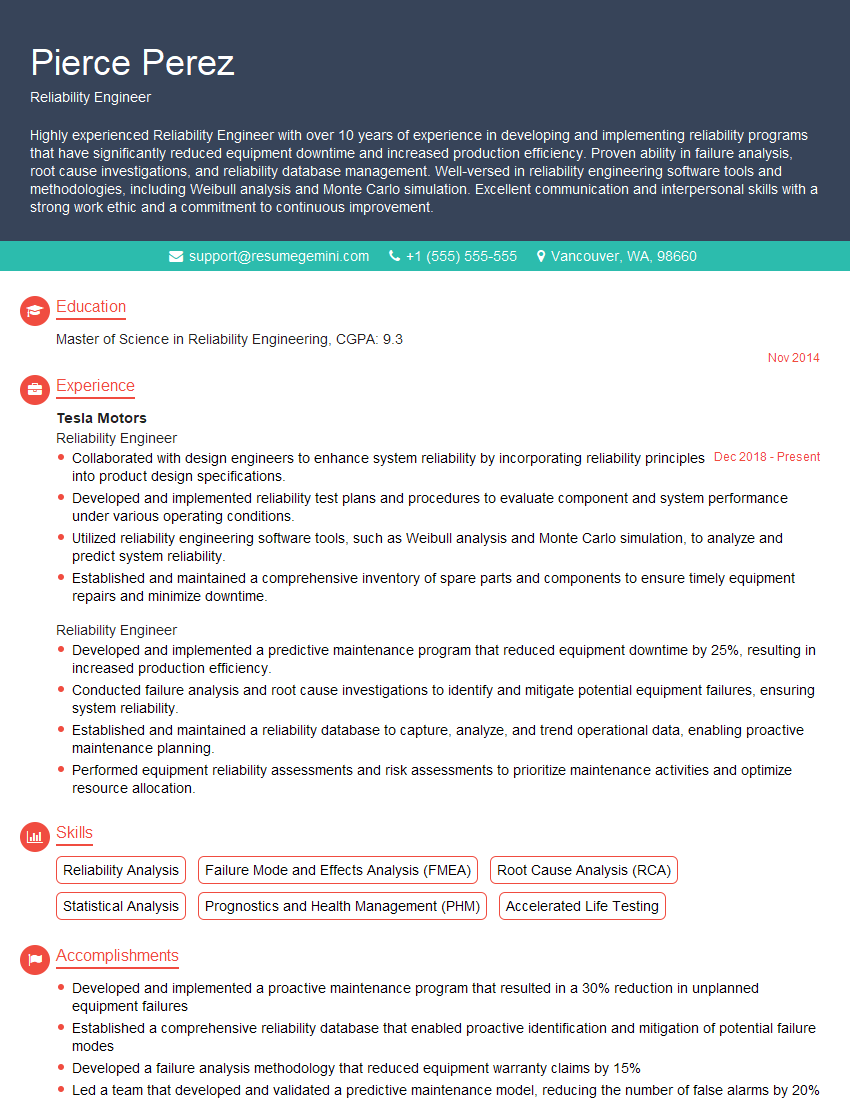
Reliability Engineer Resume Sample
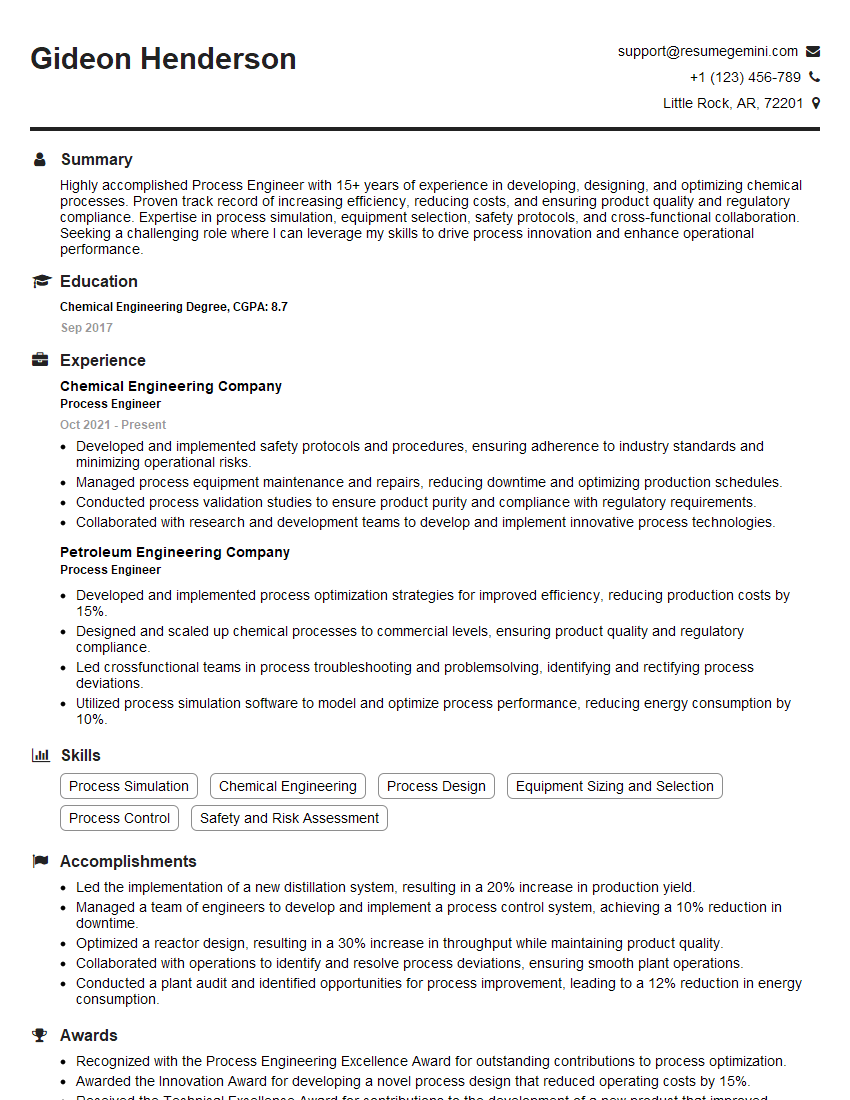
Process Engineer Resume Sample

Automation Engineer Resume Sample
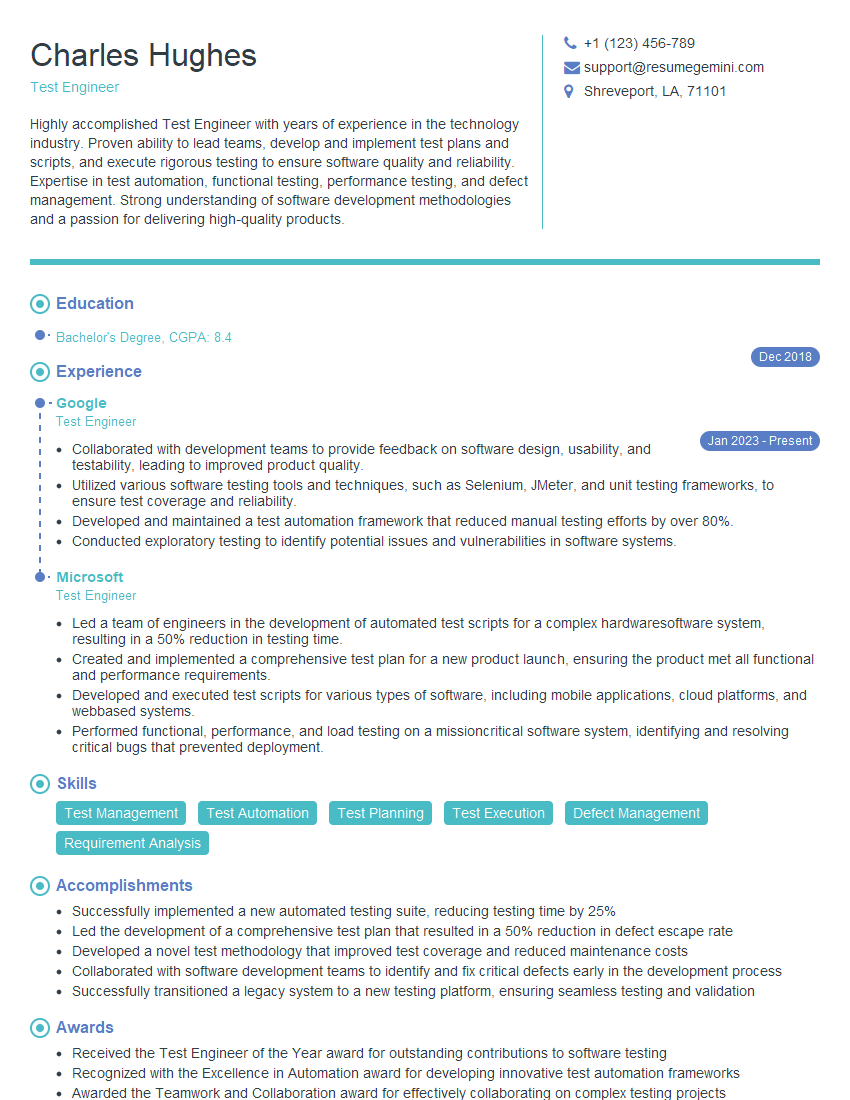
Test Engineer Resume Sample
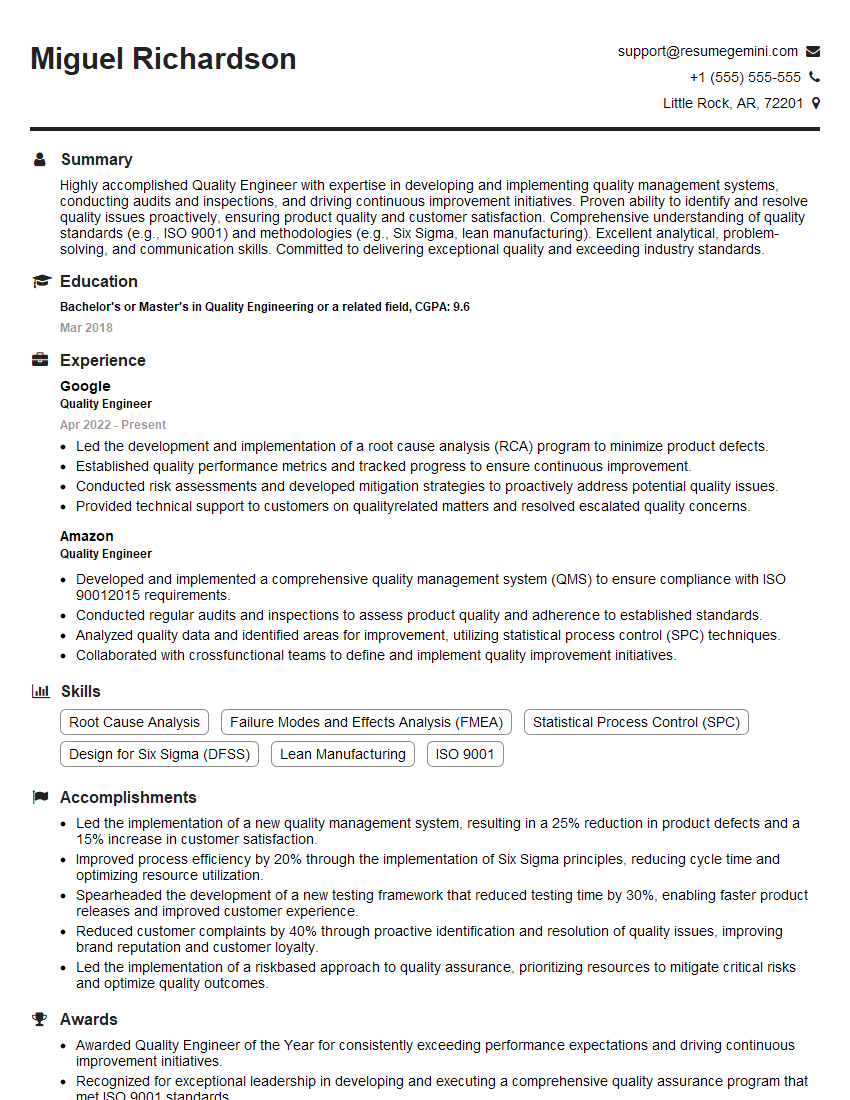
Quality Engineer Resume Sample
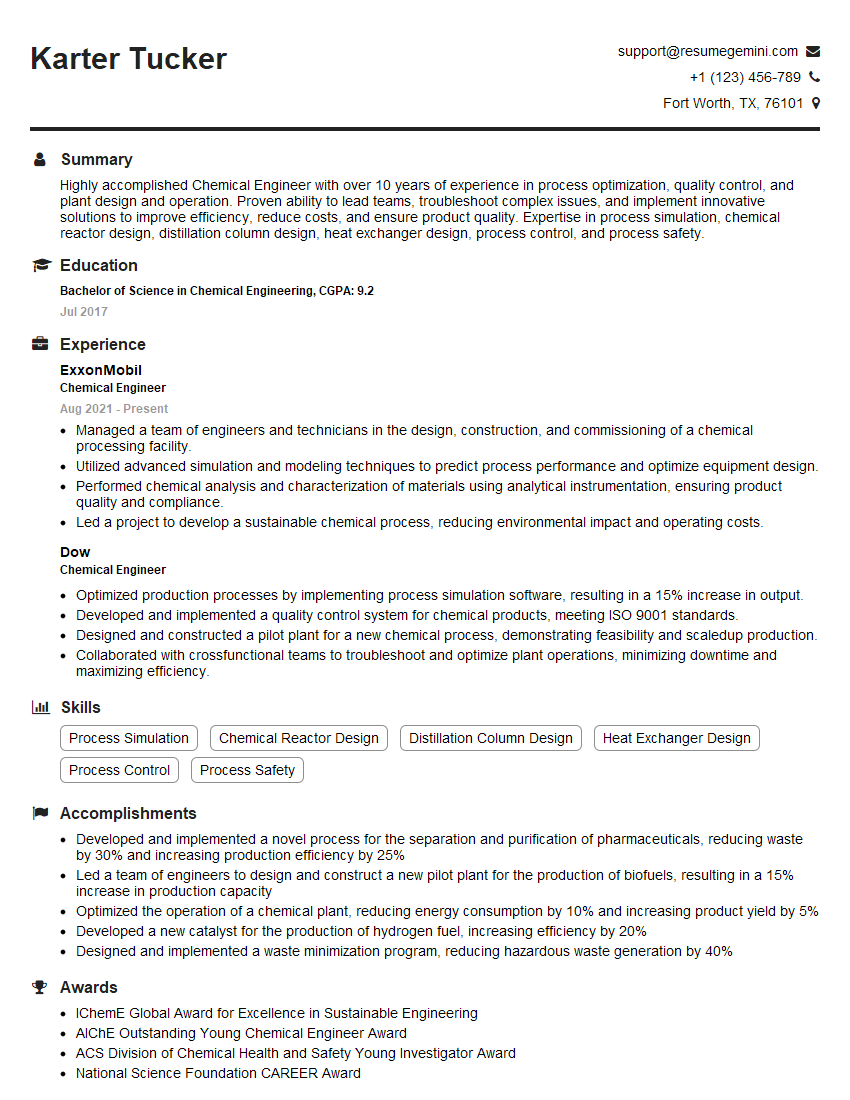
Chemical Engineer Resume Sample

Electrical Engineer Resume Sample

Equipment Engineer Resume Sample
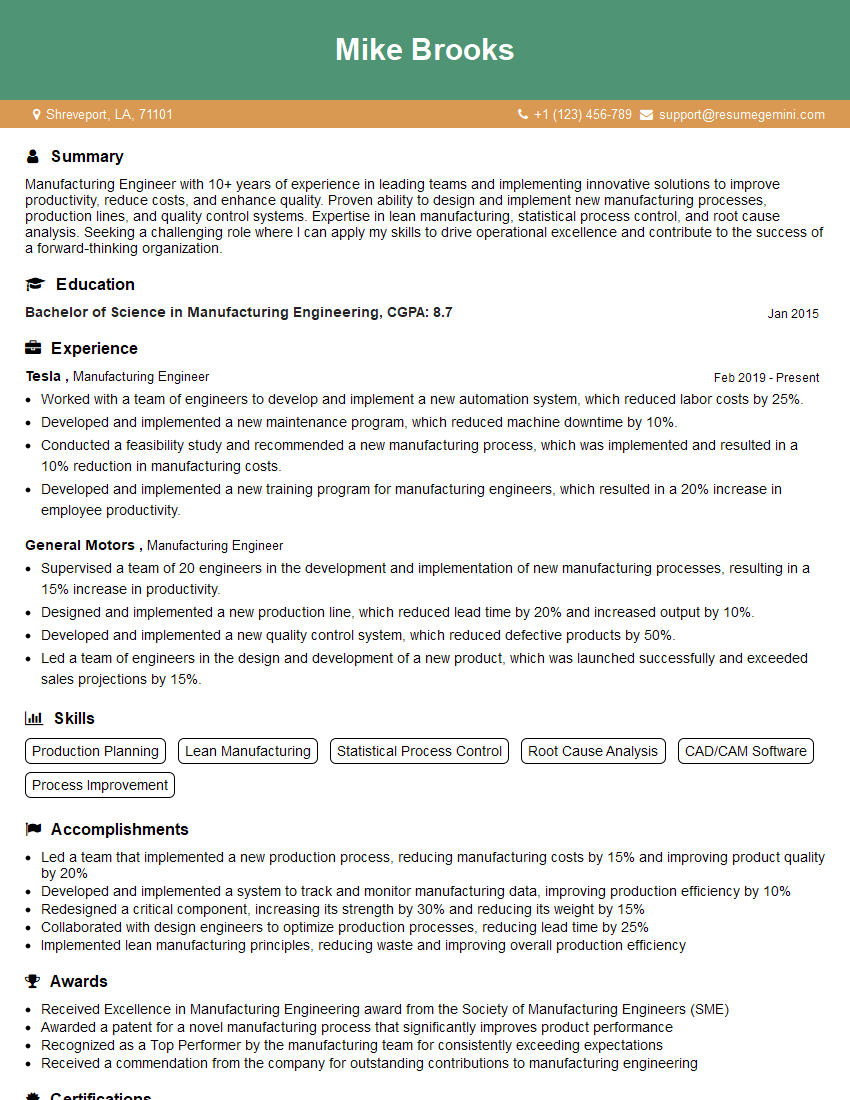
Manufacturing Engineer Resume Sample

Packaging Engineer Resume Sample
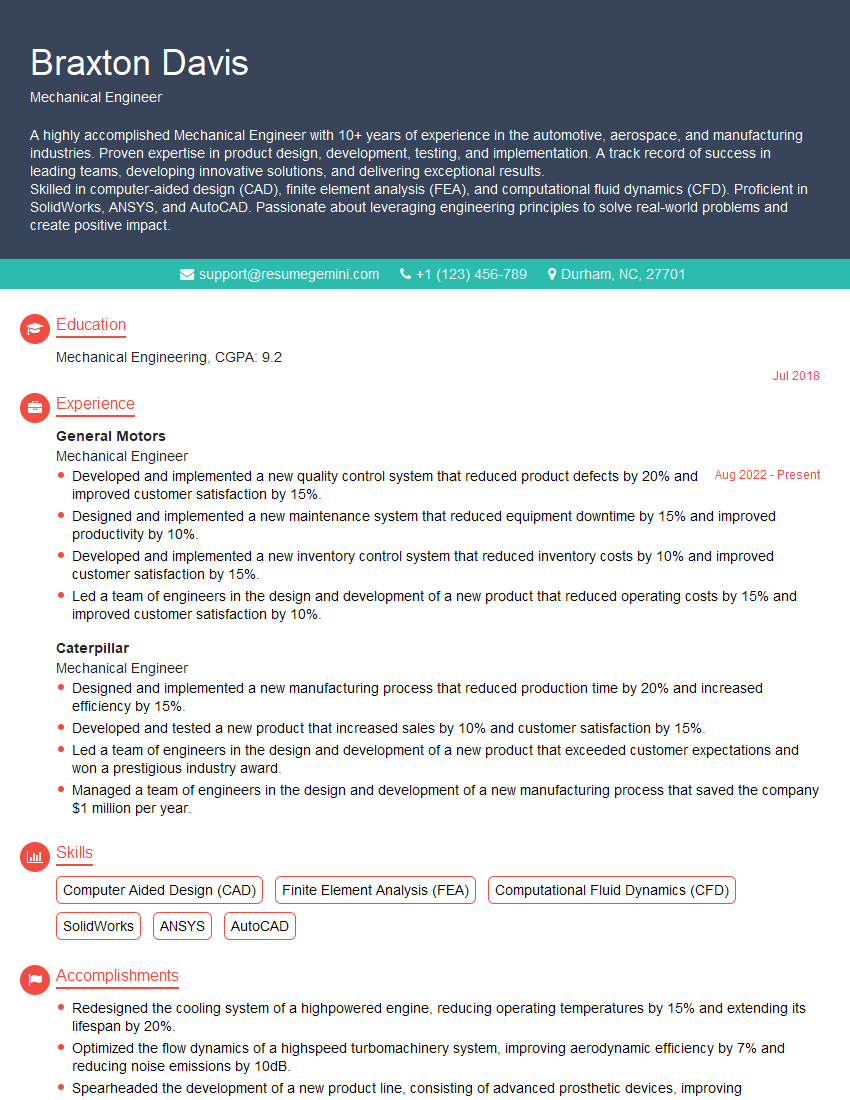
Mechanical Engineer Resume Sample
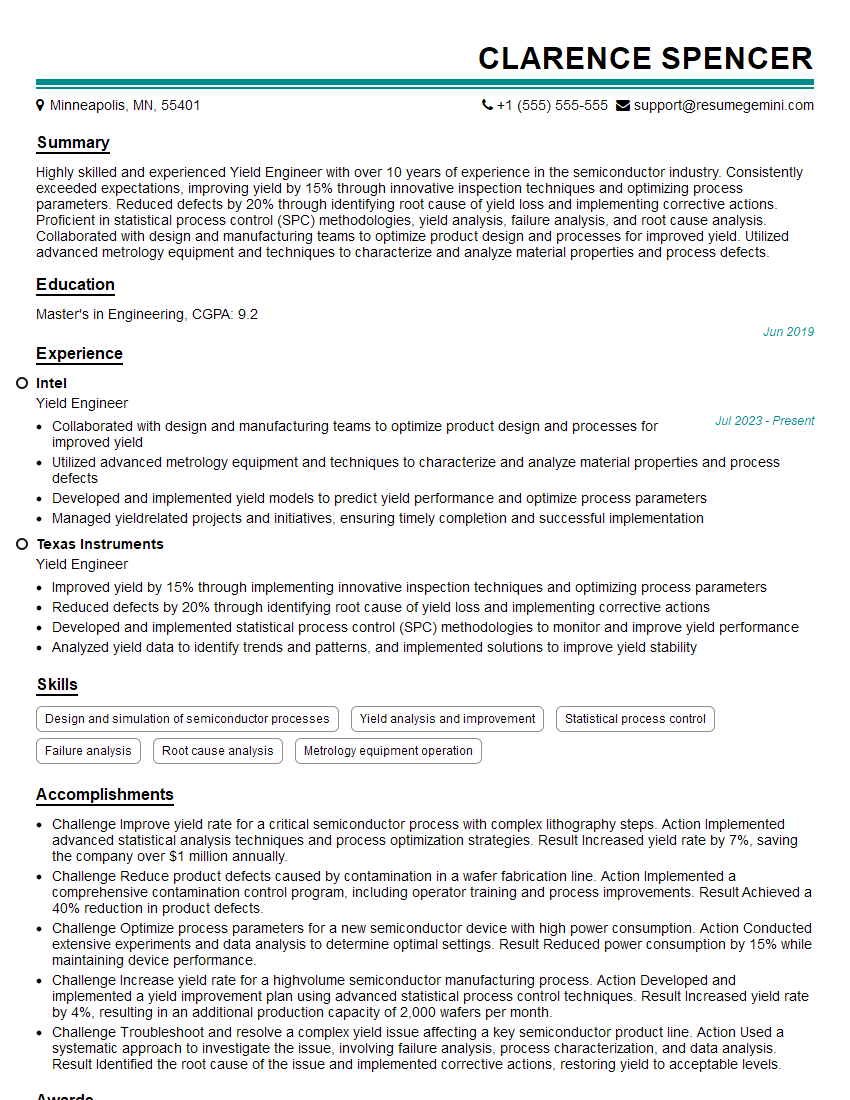
Yield Engineer Resume Sample
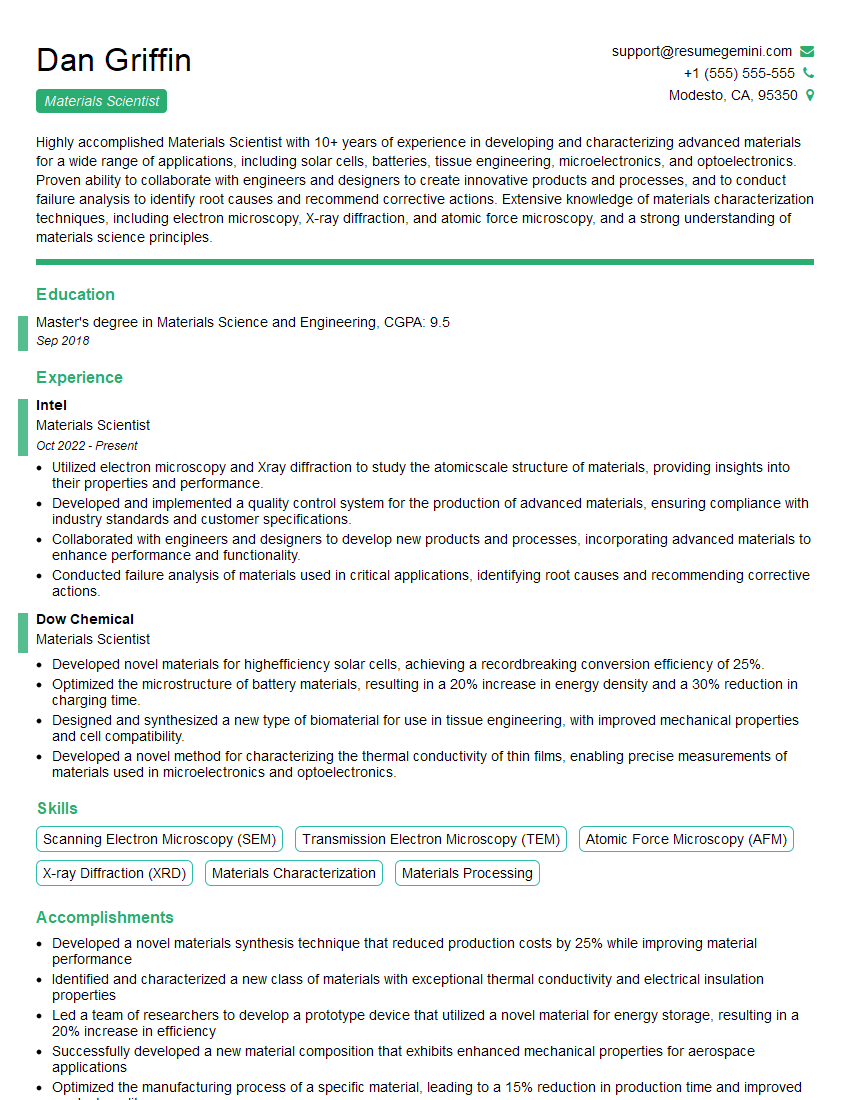
Materials Scientist Resume Sample
Explore more articles
Users Rating of Our Blogs
Share Your Experience
We value your feedback! Please rate our content and share your thoughts (optional).
What Readers Say About Our Blog
Very informative content, great job.
good