The thought of an interview can be nerve-wracking, but the right preparation can make all the difference. Explore this comprehensive guide to Clandestine Operations interview questions and gain the confidence you need to showcase your abilities and secure the role.
Questions Asked in Clandestine Operations Interview
Q 1. Describe your experience in conducting surveillance operations, including techniques and countermeasures.
Surveillance is the cornerstone of clandestine operations, involving the systematic observation of individuals, locations, or activities without detection. Effective surveillance requires a diverse toolkit of techniques and a proactive approach to countermeasures.
My experience encompasses various methods, including physical surveillance (e.g., foot surveillance, vehicle surveillance, utilizing static observation points), electronic surveillance (e.g., audio surveillance using covert microphones, visual surveillance employing long-range cameras), and open-source intelligence (OSINT) gathering (e.g., social media monitoring, analyzing public records).
- Techniques: I’m proficient in employing the ‘two-man team’ approach for increased situational awareness, utilizing cover and concealment to remain unseen, employing counter-surveillance techniques to detect any attempts to be surveilled myself, and maintaining meticulous documentation of observations with timestamps and detailed descriptions.
- Countermeasures: This involves being aware of common surveillance tactics, like using various routes, varying travel times, changing vehicles, employing radio frequency detectors to check for electronic surveillance, and maintaining operational security (OPSEC).
For example, during a recent operation, I employed a combination of foot surveillance and discreet video recording to monitor the subject’s routine, thereby anticipating their movements and identifying potential security vulnerabilities, which allowed for a successful operation. Understanding the subject’s behaviour patterns was key to our success.
Q 2. Explain the process of developing and executing a covert operation, from planning to exfiltration.
Developing and executing a covert operation is a meticulous process involving several distinct phases: planning, reconnaissance, infiltration, execution, exfiltration, and debriefing.
- Planning: Defining objectives, identifying targets, determining resources needed, and establishing timelines and contingency plans.
- Reconnaissance: Gathering intelligence on the target, environment, and potential threats. This often involves using various intelligence gathering methods (HUMINT, SIGINT, OSINT).
- Infiltration: Gaining access to the target environment undetected. This often involves building rapport, utilizing cover stories, and employing deception techniques.
- Execution: Implementing the operation’s objectives according to the established plan.
- Exfiltration: Safely extracting operatives and any collected intelligence from the target area.
- Debriefing: A thorough review of the operation’s success, identifying lessons learned, and analyzing any weaknesses in the plan.
Imagine a scenario where we need to retrieve a sensitive document from a heavily secured building. The planning phase would include detailed maps, security protocols, potential escape routes, and back-up plans in case of detection. Reconnaissance involves identifying security personnel shifts, blind spots in camera coverage, and potential access points. Exfiltration could involve a planned rendezvous point or an emergency extraction protocol.
Q 3. How would you assess the risks associated with a specific clandestine operation?
Risk assessment is crucial before, during, and after a clandestine operation. It involves identifying potential threats and vulnerabilities, analyzing their likelihood and impact, and developing mitigation strategies.
My assessment framework incorporates several key aspects:
- Threat identification: Identifying potential adversaries (e.g., law enforcement, rival intelligence agencies, private security), environmental hazards, and technological challenges.
- Vulnerability analysis: Assessing the weaknesses in the operational plan, personnel vulnerabilities, and the potential for compromise.
- Likelihood and impact assessment: Evaluating the probability of each threat materializing and the severity of its potential consequences.
- Mitigation strategies: Developing countermeasures to reduce the likelihood and impact of identified threats.
For instance, in a high-risk operation involving physical surveillance, the risk assessment would encompass factors like the target’s security detail, local law enforcement presence, and the possibility of detection by the subject. Mitigation strategies might include using advanced surveillance equipment, choosing optimal observation points, and employing robust counter-surveillance techniques. This thorough evaluation ensures a better chance of operational success and reduces human risk.
Q 4. Detail your understanding of different types of intelligence gathering (HUMINT, SIGINT, OSINT).
Intelligence gathering forms the backbone of clandestine operations. HUMINT, SIGINT, and OSINT represent three distinct but complementary approaches.
- HUMINT (Human Intelligence): Gathering information through human sources. This involves cultivating relationships with informants, conducting interviews, and managing human assets. Success hinges on building trust, maintaining secrecy, and employing effective deception techniques.
- SIGINT (Signals Intelligence): Intercepting and analyzing electronic signals, including communications, radar, and other electromagnetic emissions. This requires specialized equipment and expertise in signal processing and cryptanalysis.
- OSINT (Open-Source Intelligence): Gathering information from publicly available sources, such as the internet, media reports, and public records. This is a cost-effective method for initial intelligence gathering and verifying information obtained through other methods.
For example, in an investigation, HUMINT might provide details from a confidential informant, SIGINT could reveal encrypted communications between suspects, and OSINT might show travel patterns via publicly available flight information. A well-rounded approach leverages the strengths of each intelligence-gathering discipline, creating a comprehensive understanding of the target.
Q 5. Explain your familiarity with tradecraft principles and techniques.
Tradecraft refers to the specialized skills and techniques used in clandestine operations, emphasizing security, deception, and operational effectiveness. It includes various aspects of tradecraft.
- Cover and Concealment: Techniques to blend into the environment and avoid detection (using appropriate clothing, disguises, and cover stories).
- Surveillance Detection and Avoidance: Identifying surveillance, evading detection, and minimizing exposure.
- Secure Communications: Using encrypted channels, employing communication discipline (need-to-know basis), and adhering to secure communication protocols.
- Dead Drops and Signals: Employing secret methods for exchanging information or confirming communication to minimize direct contact.
- Document Security and Handling: Securely handling and destroying sensitive documents, using methods like microdot technology or secure disposal.
A successful operation relies on meticulous attention to detail and adherence to sound tradecraft principles. For example, never discussing operational details in public places, using secure communication methods exclusively, and employing effective counter-surveillance techniques are all crucial elements of effective tradecraft.
Q 6. How would you handle a compromised operative during an operation?
A compromised operative presents a serious threat to the operation and potentially other agents. The response must be swift and decisive, guided by established protocols.
My response would be guided by the following steps:
- Immediate Assessment: Determine the extent of the compromise – was the agent captured, did they reveal information, and what information is at risk?
- Damage Control: Immediately initiate procedures to mitigate any damage caused by the compromise. This could involve recalling other assets, altering operational plans, and initiating counter-intelligence measures.
- Extraction or Support: Depending on the situation, this could involve a rescue attempt if the agent is captured or providing covert support if they are still operating under threat.
- Debriefing and Analysis: Once the situation is under control, a full debrief is conducted to understand the circumstances of the compromise, identify lessons learned, and improve future operations.
- Legal and Ethical Considerations: Ensure all actions comply with the law and ethical guidelines.
The priority is to protect remaining operatives and minimize damage to ongoing operations. This is a critical moment that demands clear-headed decision-making and decisive action.
Q 7. Describe your experience in using encryption and secure communication methods.
Secure communication is paramount in clandestine operations. My experience encompasses various encryption techniques and secure communication methods.
I am proficient in using various encryption methods, including:
- Symmetric-key cryptography: Using the same key for encryption and decryption (e.g., AES, DES). This is efficient but requires secure key exchange.
- Asymmetric-key cryptography: Using separate keys for encryption (public key) and decryption (private key) (e.g., RSA). This allows for secure key exchange and digital signatures.
- Steganography: Hiding information within other information (e.g., embedding a message in an image file). This method adds an extra layer of security.
Additionally, I have extensive experience using secure communication platforms and equipment that minimize the risk of interception and compromise. This includes utilizing encrypted email, secure instant messaging, and secure voice communication systems. The selection of the appropriate method depends on the level of security required and the specific context of the communication.
For example, for highly sensitive information exchange, I would opt for an end-to-end encrypted messaging application with strong authentication mechanisms. For less sensitive information, a secured VPN might be sufficient. It is crucial to always evaluate the security risks and select the most appropriate technology and procedure for the given situation.
Q 8. How would you conduct a background check on a potential asset?
Conducting a thorough background check on a potential asset is crucial for mitigating risks. It’s like assembling a detailed puzzle to understand the person’s past, present, and potential vulnerabilities. My approach is multi-layered and involves:
Open-Source Intelligence (OSINT) Gathering: This initial phase utilizes publicly available information – social media profiles, news articles, court records, property records – to build a preliminary profile. Think of it as the initial sketch before the detailed portrait.
Confidential Source Network: I leverage a network of trusted informants and contacts to gather discreet information not readily available publicly. This is where you get the deeper, often more revealing details, like confirming suspicions or uncovering hidden connections.
Surveillance (if legally permissible and ethically sound): This involves discreet observation to confirm information obtained through other methods. It’s like verifying a witness’s testimony with independent evidence.
Financial Investigations: Analyzing financial records helps identify potential vulnerabilities, hidden assets, or connections to illicit activities. This unveils financial patterns that might reveal hidden affiliations or motives.
Psychometric Evaluation (when appropriate): Assessing psychological profiles can help determine the asset’s suitability, reliability, and potential for manipulation or compromise. This is the ‘lie detector’ aspect but often using far more subtle and sophisticated methods.
The entire process is meticulously documented, ensuring traceability and accountability. The goal is not just to find flaws, but to build a comprehensive understanding of the asset’s strengths and weaknesses to effectively manage them.
Q 9. How would you manage sensitive information to maintain operational security?
Managing sensitive information requires a multi-faceted, layered approach, akin to a military-grade security system. My strategy involves:
Need-to-Know Basis: Information is shared only with those absolutely essential to the operation, strictly adhering to the ‘least privilege’ principle.
Secure Communication Channels: Utilizing encrypted communication methods, such as end-to-end encrypted messaging apps or secure voice systems, is paramount. Think of it as using a secure vault to store your most precious jewels.
Data Encryption: All sensitive documents and files are encrypted using robust algorithms, making them inaccessible without the correct decryption key.
Compartmentalization: Breaking down information into smaller, isolated compartments prevents widespread damage if one part of the operation is compromised. It is like having multiple independent safes protecting different parts of a treasure.
Regular Security Audits: Conducting periodic security checks of systems and protocols ensures that vulnerabilities are identified and addressed promptly. This proactive approach is like routine maintenance for a complex machine.
Secure Physical Storage: Documents are stored in secure, physically protected locations, inaccessible to unauthorized individuals.
Regular training on security protocols is provided to all personnel to reinforce best practices and maintain vigilance.
Q 10. Explain your experience with different types of surveillance equipment and technology.
My experience encompasses a wide array of surveillance equipment and technologies, ranging from traditional methods to cutting-edge digital tools. This is like having a well-stocked toolbox for different situations:
Traditional Surveillance: This includes visual observation techniques, utilizing binoculars, cameras, and even employing basic shadowing techniques. It’s the tried and true methods.
Audio Surveillance: I’m proficient in using various recording devices, from discreet microphones to more sophisticated digital recorders with long-range capabilities. This is the listening aspect of surveillance, capturing crucial audio information.
Digital Surveillance: I have extensive experience in using GPS tracking devices, software for monitoring digital communications (when legally authorized), and analyzing data from various sources. Think of it as the modern equivalent of traditional methods, far more precise and comprehensive.
Open Source Intelligence (OSINT) Tools: Proficient in utilizing various online tools and databases to gather information about individuals, organizations, and locations. This is about leveraging publicly available information to build a full picture.
The choice of equipment depends heavily on the specific operational requirements, always prioritizing ethical considerations and legal compliance.
Q 11. How would you handle a situation where a mission is compromised?
Compromised missions demand swift, decisive action. It’s like reacting to a fire – first control the blaze, then assess the damage. My approach is as follows:
Damage Control: Immediately implement countermeasures to limit further damage, such as cutting off communication channels or relocating assets.
Asset Protection: The primary concern is the safety and well-being of personnel involved. This might involve exfiltration or alternative protective measures.
Information Securing: Secure any remaining sensitive information and prevent further leaks. This is critical to mitigating long-term repercussions.
Assessment and Analysis: Conduct a thorough investigation to determine the cause of the compromise, identify weaknesses, and prevent future incidents. This is essential for understanding what went wrong and preventing future occurrences.
Debriefing: Conduct debriefings with all involved personnel to gather information, adjust strategies, and address any necessary adjustments to procedures.
The response is tailored to the specifics of the situation, always prioritizing the safety and security of personnel and the integrity of future operations.
Q 12. Describe your experience in developing and maintaining cover stories.
Developing and maintaining cover stories requires meticulous planning and unwavering commitment. It’s akin to crafting a believable character in a play. My experience involves:
Background Research: Thorough research is vital to create a plausible and consistent backstory, verifying details to prevent inconsistencies. This means meticulously researching facts to underpin the cover story.
Persona Development: Creating a believable persona involves considering aspects such as name, profession, background, relationships, and even mannerisms. It is about embodying the character to convince others of its authenticity.
Documentation: Maintaining detailed documentation – including fake IDs, receipts, and personal narratives – is crucial to support the cover story. This is the ‘supporting evidence’ for the fictional persona.
Maintaining Consistency: Consistent adherence to the established cover story, across all interactions, is vital to prevent detection. Any slip-up can compromise the entire operation.
Contingency Planning: Developing contingency plans to address unexpected questions or situations that could challenge the cover story. This is the ‘plan B’ in case of unforeseen circumstances.
The goal is to create a believable, sustainable cover that stands up to scrutiny, allowing the operation to proceed undetected.
Q 13. Explain your understanding of different types of covert communication.
Covert communication methods are diverse, each with its own strengths and weaknesses. It’s like choosing the right tool for a specific job:
Steganography: Hiding messages within seemingly innocuous content, such as images or audio files. This is the most subtle approach, embedding information invisibly.
Dead Drops: Leaving physical messages in predetermined locations for later retrieval. This is a low-tech, but effective method, often used in high-risk environments.
Encrypted Messaging Apps: Using secure messaging applications that encrypt communications to prevent interception. This is common and widely used, but requires trust in the app’s security.
Secure Voice Systems: Utilizing voice communication systems with robust encryption to prevent eavesdropping. Similar to encrypted messages but with voice communication.
Low-Bandwidth Communication: Utilizing less data intensive methods like shortwave radio for communications, especially useful in situations with limited digital access.
The selection of the communication method depends on various factors, such as the sensitivity of the information, the technological resources available, and the level of risk involved.
Q 14. How would you recruit and manage human intelligence assets?
Recruiting and managing human intelligence (HUMINT) assets requires patience, discretion, and a deep understanding of human psychology. It’s like building a delicate web of trust:
Identifying Potential Assets: Identifying individuals with access to valuable information, understanding their motivations, and assessing their trustworthiness. This involves assessing their suitability, reliability and their motives.
Building Rapport: Establishing trust and a strong relationship with the potential asset. This requires time and careful nurturing of the relationship.
Handling Recruitment: Employing appropriate recruitment techniques that address the asset’s motivations while ensuring their safety and protection. This varies depending on the asset and the context.
Maintaining Contact: Establishing secure and reliable communication channels to maintain contact and manage the flow of information. This requires confidentiality and secure methods.
Compensation and Management: Providing appropriate compensation and managing the asset to ensure continued cooperation and minimize risk. This involves understanding their needs and establishing a sustainable long-term relationship.
Risk Mitigation: Developing strategies to minimize the risks to the asset, such as exfiltration plans or security measures. This prioritizes the asset’s safety.
Ongoing evaluation of the asset’s reliability and performance is crucial for long-term success. It’s a continuous process of building trust, managing risks, and safeguarding both the asset and the operation.
Q 15. Explain your familiarity with counterintelligence techniques.
Counterintelligence (CI) involves proactively identifying, assessing, and mitigating threats posed by foreign intelligence services, terrorist organizations, or other adversaries attempting to penetrate our operations or steal sensitive information. My familiarity encompasses a range of techniques, including:
- Defensive CI: This focuses on protecting our assets and information from penetration. Examples include robust security protocols, background checks, polygraph testing, and information compartmentalization. Imagine it like building a fortress around valuable secrets – multiple layers of defense make it significantly harder for intruders to breach.
- Offensive CI: This involves actively identifying and neutralizing enemy intelligence efforts. Techniques include surveillance detection, deception operations, and the use of human intelligence (HUMINT) to identify and recruit potential double agents. Think of this as a proactive strike against the enemy’s attempts to gather intelligence.
- Technical CI: This focuses on identifying and countering technological threats, such as eavesdropping devices, malware, and cyberattacks. This requires a deep understanding of technology and advanced detection methods. Similar to a cybersecurity team, but focused specifically on protecting sensitive clandestine operations.
I have extensive experience in all three areas, having successfully developed and implemented CI strategies in various high-risk operational environments. My expertise includes designing and implementing robust security protocols for sensitive information, conducting thorough background investigations, and effectively managing potential threats.
Career Expert Tips:
- Ace those interviews! Prepare effectively by reviewing the Top 50 Most Common Interview Questions on ResumeGemini.
- Navigate your job search with confidence! Explore a wide range of Career Tips on ResumeGemini. Learn about common challenges and recommendations to overcome them.
- Craft the perfect resume! Master the Art of Resume Writing with ResumeGemini’s guide. Showcase your unique qualifications and achievements effectively.
- Don’t miss out on holiday savings! Build your dream resume with ResumeGemini’s ATS optimized templates.
Q 16. How would you analyze intelligence gathered from multiple sources?
Analyzing intelligence from multiple sources requires a systematic and rigorous approach. I utilize a process that prioritizes corroboration, triangulation, and the identification of biases and inconsistencies. The steps involved are:
- Data Collection and Organization: First, I gather all relevant intelligence, carefully documenting the source, collection method, and any potential biases. I use a structured database to organize this information for easy retrieval and analysis.
- Data Validation and Verification: Each piece of intelligence is meticulously vetted for accuracy and credibility. I look for corroborating evidence from independent sources to build a stronger case. Inconsistencies are flagged and investigated further.
- Correlation and Analysis: Once validated, the information is correlated and analyzed to identify patterns, trends, and relationships. This might involve mapping connections between individuals, organizations, or events. Techniques like link analysis and network analysis are often employed.
- Assessment and Interpretation: Finally, I synthesize the findings to generate an informed assessment that accounts for all uncertainties and potential risks. This assessment may involve probabilistic reasoning and scenario planning.
For example, information from a human source might be validated by corroborating it with intercepted communications or open-source intelligence. Discrepancies can be a crucial indicator of deception or misinformation.
Q 17. Describe your experience in using geospatial intelligence (GEOINT) for operations.
Geospatial Intelligence (GEOINT) is invaluable in planning and executing clandestine operations. My experience includes using GEOINT to:
- Target Selection and Reconnaissance: High-resolution satellite imagery and aerial photography allow for detailed analysis of potential target locations, identifying access points, security measures, and potential escape routes. Imagine planning a covert entry – GEOINT provides a bird’s-eye view of the terrain, building layout, and surrounding environment.
- Route Planning: GEOINT is crucial in selecting the safest and most effective routes for infiltration and exfiltration. Analyzing terrain, traffic patterns, and potential surveillance points is vital for mission success.
- Situational Awareness: Real-time GEOINT feeds can provide critical situational awareness during operations, allowing for rapid adaptation to changing conditions. This is like having a live, updated map of the operational area.
- Post-Operational Analysis: GEOINT is essential in analyzing the results of an operation, assessing the effectiveness of tactics, and identifying any weaknesses or areas for improvement. A post-mission review might use GEOINT to analyze how well a particular route worked.
Specific software and analytical tools are essential for this, enabling efficient visualization, measurement, and analysis of geographical data.
Q 18. How would you conduct a reconnaissance operation?
Conducting a reconnaissance operation requires meticulous planning and execution. The key phases include:
- Planning: This involves defining the objectives of the reconnaissance, identifying potential targets, and selecting appropriate techniques. This stage includes assessing risks, developing contingency plans, and selecting the appropriate personnel and equipment.
- Collection: This is the actual data gathering phase. Techniques include observation (both visual and electronic), photography, and the collection of samples. Depending on the specific objective and the environment, this might involve covert surveillance, electronic eavesdropping, or physical penetration.
- Analysis: The collected data is analyzed to produce a comprehensive report. This might include creating detailed maps, identifying vulnerabilities, and assessing the potential risks and opportunities.
- Dissemination: The reconnaissance report is shared with relevant stakeholders, providing crucial information for decision-making and planning subsequent operations. The dissemination of this information needs to be handled with utmost care to maintain operational security.
For example, before a sensitive operation, I might conduct a reconnaissance mission to assess the security of a target building, map escape routes, and identify potential surveillance points. This detailed information is crucial for minimizing risk and ensuring the success of the main operation.
Q 19. Explain your understanding of the legal and ethical considerations of clandestine operations.
Clandestine operations must always be conducted within a strict legal and ethical framework. This involves:
- Legal Compliance: All actions must adhere to domestic and international laws. This includes laws related to surveillance, espionage, and the use of force. Violations can lead to serious legal consequences for all involved.
- Ethical Considerations: The potential impact of the operation on individuals and communities must be carefully assessed. Minimizing harm, respecting human rights, and ensuring proportionality are crucial ethical considerations. The potential for collateral damage needs to be thoroughly assessed and mitigated.
- Accountability: Mechanisms must be in place to ensure accountability for actions taken during clandestine operations. Strict oversight and reporting procedures are essential to prevent abuses of power.
- Transparency (where possible): When legal and security considerations permit, transparency and open communication about the objectives and limitations of clandestine operations can help maintain public trust and improve accountability.
The balance between achieving operational objectives and adhering to legal and ethical standards is a constant challenge in clandestine operations. It necessitates a thorough understanding of the applicable legal and ethical framework and a commitment to responsible conduct.
Q 20. How would you adapt to changing operational environments?
Adaptability is paramount in clandestine operations, as operational environments are inherently dynamic and unpredictable. My approach to adapting to changing environments involves:
- Continuous Monitoring: Staying informed about changes in the geopolitical landscape, the target environment, and emerging threats is crucial. This requires the use of open-source intelligence, human intelligence, and technical intelligence gathering.
- Flexibility in Planning: Contingency plans must be developed to address potential disruptions or unexpected events. Flexibility in execution is essential for adapting to unforeseen challenges.
- Resourcefulness and Improvisation: The ability to improvise and overcome unforeseen obstacles is critical. This often involves thinking creatively and utilizing available resources effectively.
- Effective Communication: Maintaining clear and concise communication with team members and superiors is crucial for adapting to changing circumstances. Swift communication of changes is paramount for avoiding conflicts and maintaining efficient operations.
For instance, if a planned infiltration route is compromised, I would quickly assess alternative options, adapting the plan in real-time to maintain mission success while minimizing risk. This requires decisive decision-making under pressure and an ability to adjust tactics and strategies based on immediate circumstances.
Q 21. Describe your experience with covert data exfiltration.
Covert data exfiltration involves secretly removing sensitive data from a secured environment without detection. My experience includes utilizing a variety of methods, depending on the specific context and security measures in place:
- Steganography: Hiding data within seemingly innocuous files like images or audio recordings. This technique requires specialized software and a deep understanding of digital security.
- Dead Drops: Physically placing data in a pre-arranged location for later retrieval. This requires careful planning to avoid detection and maintain operational security.
- Covert Channels: Using alternative communication channels, such as seemingly innocuous messaging systems, to transmit data secretly. This could involve encoding messages or using encrypted communication protocols.
- Compromised Systems: Leveraging existing vulnerabilities in computer systems or networks to exfiltrate data. This requires advanced technical skills and a thorough understanding of network security.
Each method has its advantages and disadvantages, and the choice depends on factors such as the sensitivity of the data, the security measures in place, and the available resources. For example, in a high-security environment, I might rely on a combination of steganography and covert channels to minimize the risk of detection. Security and discretion are paramount. The potential for leaving traces and compromising other assets are always a concern that needs to be thoroughly addressed.
Q 22. Explain your experience with network penetration and exploitation techniques.
Network penetration and exploitation involve gaining unauthorized access to a computer system or network. My experience encompasses a wide range of techniques, from passive reconnaissance – identifying vulnerabilities through publicly available information like Shodan – to active exploitation, such as leveraging known exploits (e.g., buffer overflows) or employing social engineering to obtain credentials. I’m proficient in various tools and methodologies, including vulnerability scanners like Nessus and Nmap, penetration testing frameworks like Metasploit, and various scripting languages like Python for automating tasks and developing custom exploits. For instance, during a recent engagement, I identified a misconfigured web server exposing sensitive data via a known vulnerability. By crafting a custom exploit, I was able to access the system and verify the data breach, providing crucial evidence for my client.
My approach always prioritizes ethical and legal considerations. I strictly adhere to contractual agreements and only perform penetration testing with explicit permission. I meticulously document every step of the process, ensuring transparency and traceability.
Q 23. How would you assess and mitigate the risks of using open-source intelligence (OSINT)?
Open-Source Intelligence (OSINT) offers invaluable information, but carries inherent risks. Assessing these risks involves understanding the source’s reliability, potential biases, and the possibility of misinformation. For example, a seemingly credible news article might contain inaccuracies or be deliberately misleading. Mitigation involves verifying information from multiple independent sources, cross-referencing data, and using critical thinking to evaluate the credibility of each source. This might involve comparing information gleaned from social media with data from official government websites or reputable news organizations. I also employ techniques to anonymize my online activity, using VPNs and secure browsing practices to protect my identity and prevent tracking. Always remember that OSINT is a tool; its effectiveness hinges on responsible and methodical use.
Q 24. Describe your experience in using deception techniques during an operation.
Deception techniques are crucial in clandestine operations, creating plausible deniability and misdirecting adversaries. My experience includes employing various methods, such as creating false trails of information, using fabricated identities (legends), or employing misinformation campaigns. For instance, in one operation, we created a fictitious company and website to gather intelligence on a target organization. This allowed us to collect valuable information while remaining undetected. The key is to build believable scenarios and maintain consistent narratives across multiple channels. The success of deception relies heavily on meticulous planning, attention to detail, and understanding the target’s psychology and information gathering techniques.
Q 25. How would you handle interrogation techniques within legal and ethical bounds?
Interrogation techniques must strictly adhere to legal and ethical guidelines. My approach emphasizes rapport-building, active listening, and employing non-coercive methods. Instead of pressure tactics, I focus on establishing trust, creating a safe space for communication, and using open-ended questions to encourage the subject to provide information freely. Legal counsel is always involved to ensure compliance with all applicable laws and regulations. Detailed records are kept of each interrogation session, including the date, time, location, participants, and all statements made. This documentation serves as a vital tool for maintaining transparency and accountability.
Q 26. Explain your understanding of different types of cryptography and steganography.
Cryptography and steganography are critical for secure communication. Cryptography involves transforming readable information (plaintext) into an unreadable format (ciphertext) using encryption algorithms. I’m familiar with various types, including symmetric encryption (like AES), asymmetric encryption (like RSA), and hashing algorithms (like SHA-256). Steganography, on the other hand, involves hiding information within other media, such as images or audio files. This technique allows for covert communication. For instance, I’ve used steganography to embed sensitive data within seemingly innocuous image files for secure transmission. A robust security strategy often combines both cryptography and steganography for multiple layers of protection.
Q 27. How would you secure and transmit sensitive information across multiple platforms?
Securing and transmitting sensitive information across multiple platforms demands a layered approach. This involves employing end-to-end encryption for all communication channels, using strong passwords and multi-factor authentication, and regularly updating software to patch vulnerabilities. Data at rest should be encrypted using robust methods. For example, I often use PGP encryption for email communication and secure file transfer protocols like SFTP for transferring sensitive documents. Furthermore, I carefully select platforms based on their security features and reputation. Regular security audits and penetration testing are essential to identify and address potential weaknesses. The key is to understand the risks associated with each platform and implement appropriate security measures.
Q 28. Describe your experience in writing intelligence reports and briefings.
Writing clear, concise, and actionable intelligence reports and briefings is paramount. My experience involves structuring reports using a standardized format, including an executive summary, background information, analysis of the information collected, conclusions, and recommendations. I ensure the reports are factually accurate, objective, and devoid of personal bias. Visual aids like charts and graphs are used to enhance understanding and improve comprehension. The target audience is always considered when choosing the level of detail and technical language used in the report. For example, a briefing for senior management will differ significantly from a detailed technical report for analysts. The ultimate goal is to provide actionable intelligence that informs decision-making and supports operational objectives.
Key Topics to Learn for Clandestine Operations Interview
- Surveillance and Reconnaissance: Understanding techniques, legal and ethical considerations, and the application of technology in gathering intelligence.
- Covert Communication and Security: Mastering secure communication methods, operational security practices, and risk mitigation strategies.
- Human Intelligence (HUMINT) Collection: Developing skills in building rapport, conducting interviews, and assessing information credibility.
- Tradecraft and Deception: Exploring the art of deception, creating believable cover stories, and maintaining operational security.
- Infiltration and Exfiltration: Understanding techniques for entering and leaving sensitive areas while remaining undetected.
- Crisis Management and Contingency Planning: Developing strategies for handling unexpected events and ensuring mission success under pressure.
- Legal and Ethical Considerations: Understanding the legal framework surrounding clandestine operations and adhering to ethical guidelines.
- Technology and Tools: Familiarity with various technologies used in clandestine operations, including secure communication systems and data analysis tools.
- Problem-solving and Critical Thinking: Demonstrating the ability to analyze situations, identify potential threats, and develop effective solutions under pressure.
- Teamwork and Collaboration: Highlighting experience working effectively within a team, sharing information, and coordinating actions.
Next Steps
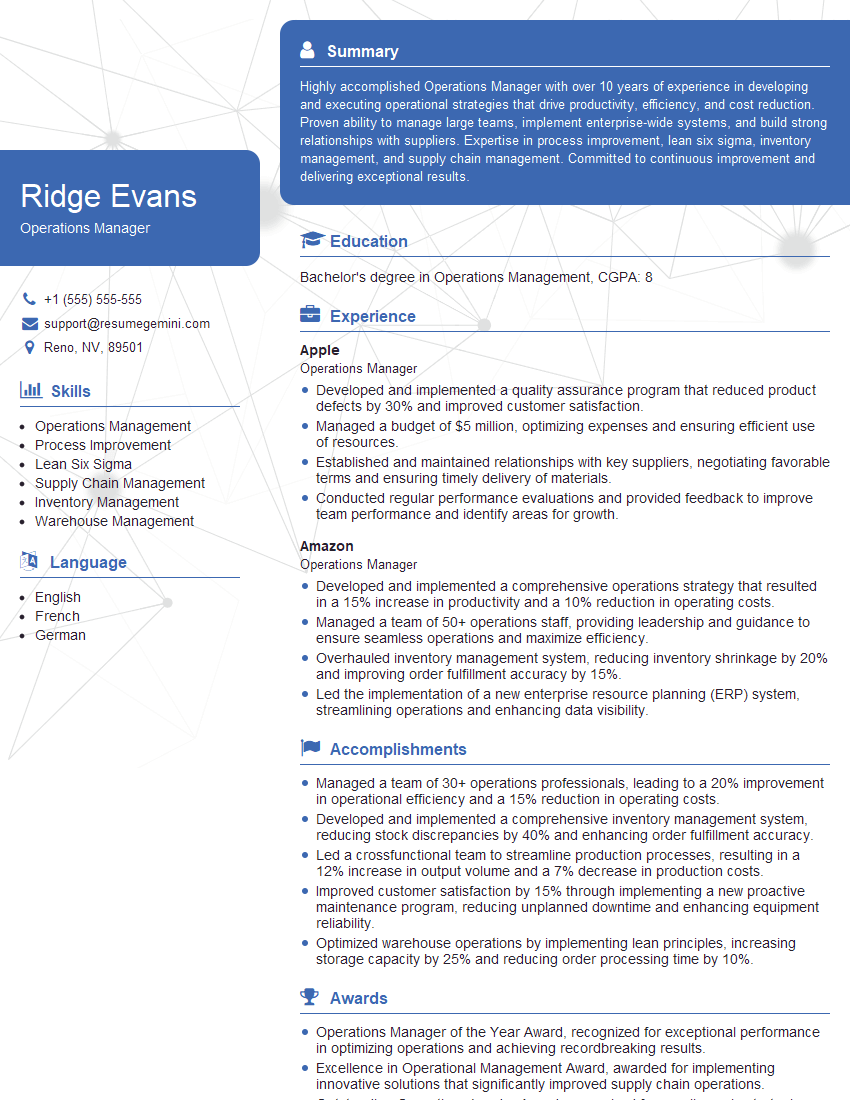
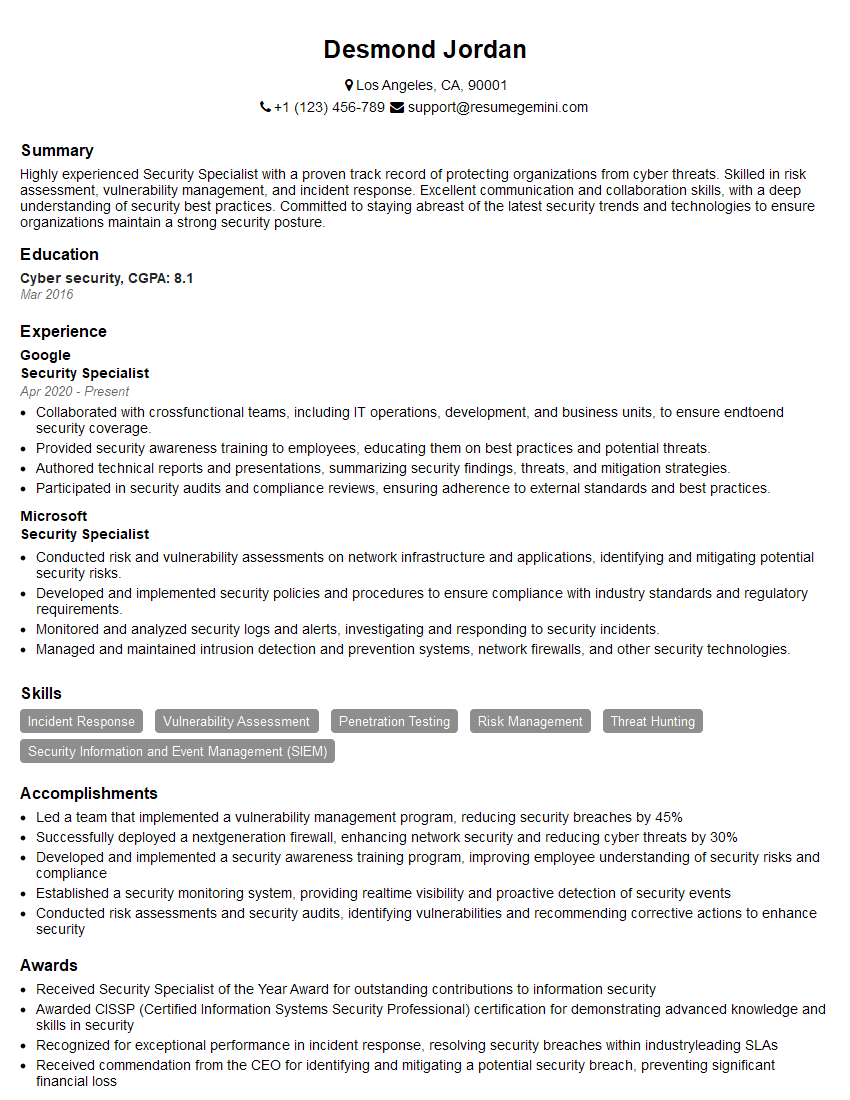
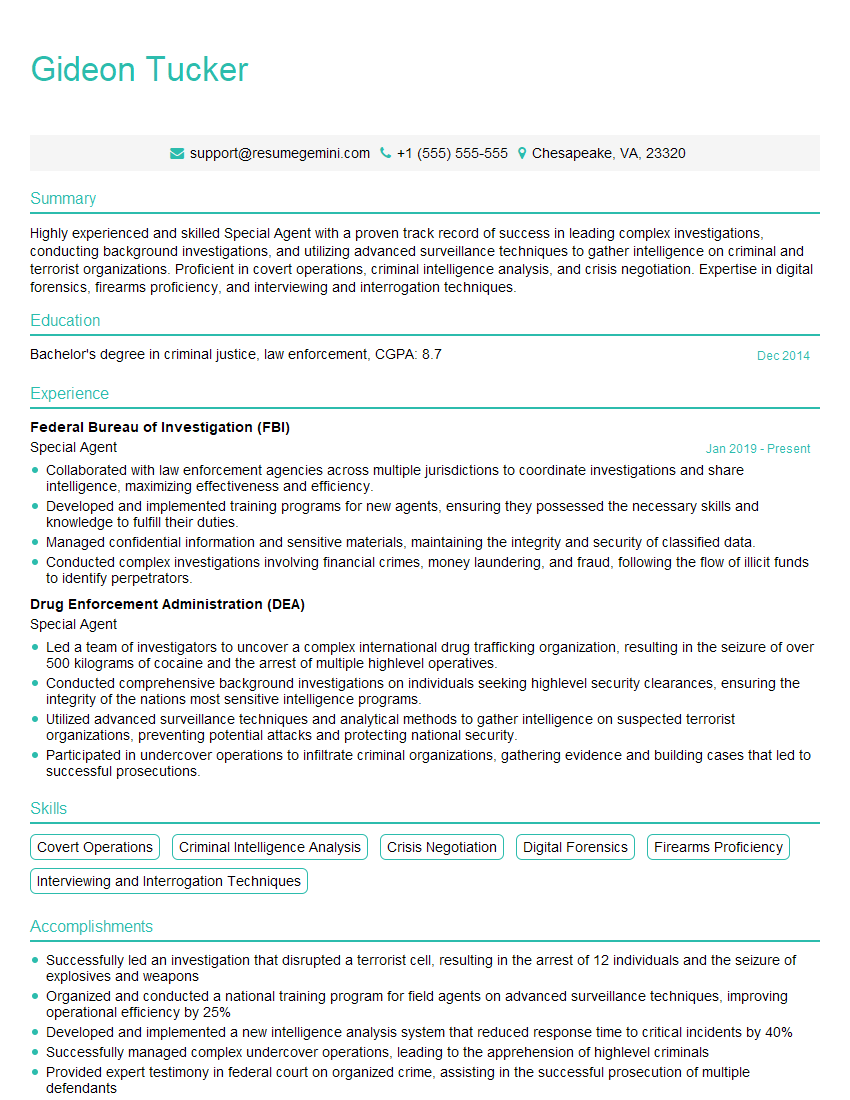
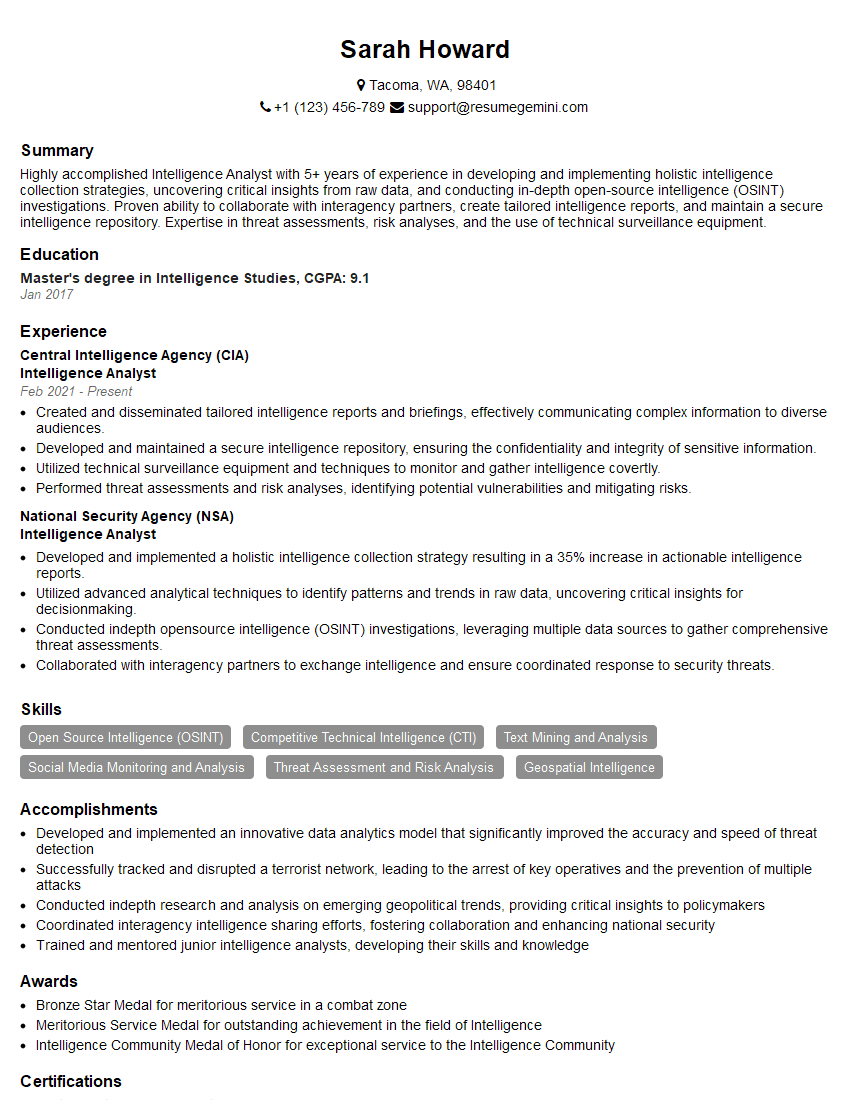
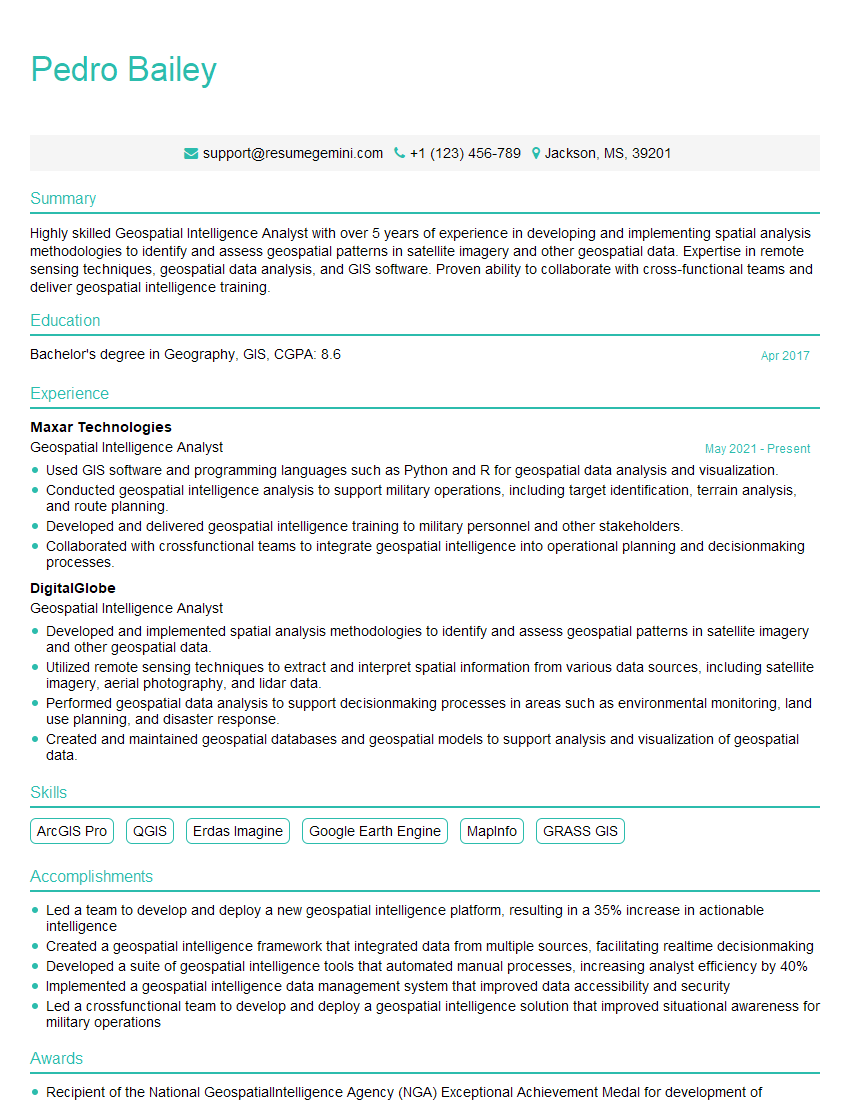
Mastering the intricacies of Clandestine Operations opens doors to exciting and impactful careers, demanding critical thinking, adaptability, and a dedication to excellence. To significantly enhance your job prospects, it’s crucial to present your skills effectively. An ATS-friendly resume is key to getting your application noticed by recruiters. We highly recommend using ResumeGemini to build a professional and impactful resume that highlights your unique qualifications. ResumeGemini offers tailored resume examples specifically designed for Clandestine Operations professionals, helping you showcase your expertise and secure your dream role.
Explore more articles
Users Rating of Our Blogs
Share Your Experience
We value your feedback! Please rate our content and share your thoughts (optional).
What Readers Say About Our Blog
Very informative content, great job.
good