Unlock your full potential by mastering the most common Client Consultation and Presentation interview questions. This blog offers a deep dive into the critical topics, ensuring you’re not only prepared to answer but to excel. With these insights, you’ll approach your interview with clarity and confidence.
Questions Asked in Client Consultation and Presentation Interview
Q 1. Describe your approach to understanding a client’s needs before a presentation.
Understanding a client’s needs is paramount before any presentation. My approach is multifaceted and begins long before the actual presentation. It involves a thorough pre-consultation phase encompassing several key steps:
- Active Listening and Questioning: I conduct detailed interviews, employing open-ended questions to uncover their underlying challenges, goals, and expectations. This isn’t about simply gathering information; it’s about truly understanding their perspective. For example, instead of asking ‘What’s your budget?’, I might ask, ‘What are your financial constraints for this project, and what return on investment are you hoping to see?’
- Document Review: I carefully review any provided documents – business plans, market research, financial statements – to gain a comprehensive understanding of their situation. This provides context and allows me to tailor my message effectively.
- Needs Analysis: I synthesize the information gathered to pinpoint their specific needs. This often involves identifying pain points, opportunities, and desired outcomes. I create a clear, concise summary of their needs to ensure I’m on the same page.
- Defining Success Metrics: Collaboratively, we define measurable success metrics for the presentation and the project as a whole. This ensures that everyone is aligned on what constitutes a positive outcome. For example, ‘Increasing leads by 20% within the next quarter’ would be a clearly defined success metric.
This structured approach ensures that the presentation is not just informative, but also directly addresses the client’s specific challenges and goals, making it significantly more impactful.
Q 2. How do you tailor a presentation to different client audiences?
Tailoring a presentation to different audiences is crucial for maximizing impact. I use a ‘persona-based’ approach to customize my delivery and content. This involves understanding the unique characteristics of each audience segment:
- Identifying Key Differences: I analyze the audience’s background, level of expertise, interests, and decision-making authority. For instance, a presentation to a board of directors will differ significantly from a presentation to a team of junior employees.
- Adjusting Language and Tone: I adapt my language, tone, and style to resonate with the target audience. Technical jargon should be avoided or carefully explained when presenting to a less technical audience. A formal tone might be appropriate for a board presentation, while a more conversational approach could work better with a team.
- Prioritizing Information: I prioritize information based on the audience’s needs and interests. What’s most crucial to a CEO might be less relevant to a marketing team. I focus on presenting only the necessary information in a clear and concise manner.
- Using Visual Aids Effectively: I select visuals that resonate with the audience. Simple charts and graphs may suffice for some audiences, while more sophisticated data visualizations may be more effective for others.
For example, when presenting a complex financial model, I’d use simple graphs and charts for a less technical audience, while I’d focus on the model’s underlying assumptions and calculations for a finance team.
Q 3. Explain your process for developing compelling presentation materials.
Developing compelling presentation materials is a structured process for me. It begins with a clear understanding of the client’s needs and objectives, as discussed earlier. Then:
- Storytelling Approach: I craft a narrative that engages the audience. This involves structuring the presentation as a compelling story with a clear beginning, middle, and end, emphasizing the key takeaways.
- Visual Appeal: I create visually appealing slides using high-quality images, infographics, and minimal text. The focus is always on clear communication and easy comprehension.
- Data Visualization: Data is presented clearly and concisely using appropriate charts, graphs, and other visual aids. Avoid overwhelming the audience with too much data.
- Strong Call to Action: Every presentation includes a clear and concise call to action, guiding the client towards the next steps.
- Rehearsal and Refinement: I thoroughly rehearse the presentation multiple times to ensure a smooth and confident delivery. I incorporate feedback and refine the materials based on practice runs.
This systematic approach ensures that the presentation is not only visually appealing but also impactful, leading to better client engagement and understanding.
Q 4. How do you handle challenging questions from clients during a presentation?
Handling challenging questions is a crucial aspect of effective presentations. My approach involves:
- Active Listening: I carefully listen to each question, making sure I fully understand the point before formulating a response.
- Honesty and Transparency: If I don’t know the answer, I acknowledge it honestly and commit to finding out. This builds trust and demonstrates integrity.
- Structuring Responses: I structure my responses clearly and concisely, focusing on the key points. Using simple language and avoiding jargon is important.
- Redirecting if Necessary: If a question is tangential or irrelevant, I politely redirect the conversation back to the main points of the presentation.
- Turning Objections into Opportunities: I view challenging questions as opportunities to address concerns and reinforce the value proposition.
For example, if a client questions the cost, I would address their concern by highlighting the long-term return on investment or value proposition associated with the proposed solution.
Q 5. Describe a time you had to adapt a presentation based on client feedback.
In a recent presentation for a tech startup, I initially focused heavily on technical details. However, after the presentation, the client’s CEO mentioned that the audience (potential investors) didn’t fully grasp the business model’s simplicity and potential. Their feedback highlighted a disconnect between the technical expertise and the audience’s need for a clear, high-level understanding of the business value.
I adapted the presentation by:
- Simplifying the language: I replaced complex technical terms with simpler, more accessible alternatives.
- Refocusing on the value proposition: I shifted the emphasis from technical specifications to the business benefits and potential ROI.
- Adding a visual summary: I incorporated a simplified infographic illustrating the business model at a glance.
This adaptation significantly improved the presentation’s impact in the subsequent meeting. The client expressed much greater satisfaction, and the feedback from the investors was extremely positive. This experience underscored the importance of adaptability and responsiveness to client feedback in crafting effective presentations.
Q 6. How do you build rapport and trust with clients?
Building rapport and trust is essential for successful client relationships. My approach involves:
- Empathy and Understanding: I actively listen to the client’s concerns and demonstrate genuine interest in their needs and challenges.
- Professionalism and Expertise: I maintain a professional demeanor, showcasing my expertise and knowledge while remaining approachable.
- Clear Communication: I communicate clearly and concisely, ensuring that the client fully understands my proposals and recommendations.
- Transparency and Honesty: I am transparent about my processes and limitations, building trust through honesty and integrity.
- Relationship Building: I foster a collaborative relationship, valuing the client’s input and working together towards a shared goal.
For example, taking the time to understand their company culture and referencing their recent successes during the presentation demonstrates genuine interest and builds rapport.
Q 7. What techniques do you use to engage clients during a presentation?
Engaging clients during presentations requires a multi-pronged approach:
- Interactive Elements: I incorporate interactive elements such as polls, quizzes, or Q&A sessions to keep the audience engaged and involved.
- Visual Storytelling: I use compelling visuals and stories to connect with the audience on an emotional level.
- Humor and Anecdotes: Appropriate humor and relevant anecdotes can make the presentation more memorable and engaging.
- Varied Delivery Style: I vary my tone, pace, and delivery style to maintain audience interest and prevent monotony.
- Body Language: I use positive body language – including eye contact, gestures, and movement – to connect with the audience on a personal level.
For instance, incorporating a brief case study with visuals helps to illustrate the key points and maintain audience interest better than just presenting data points.
Q 8. How do you measure the effectiveness of your client consultations and presentations?
Measuring the effectiveness of client consultations and presentations is crucial for continuous improvement. I utilize a multi-faceted approach that combines quantitative and qualitative data. Quantitatively, I track key metrics such as the number of closed deals resulting from a presentation, client satisfaction scores gathered through post-consultation surveys, and the overall revenue generated from clients acquired through these interactions. Qualitative assessment involves analyzing client feedback from surveys and post-presentation follow-ups, reviewing meeting notes to identify areas for improvement in my communication or presentation style, and assessing whether the client achieved their desired outcome. For example, if a client’s primary goal was to understand a complex technical solution, a successful outcome would be reflected in their confidence in utilizing that solution after the presentation. Regularly reviewing this data helps me refine my strategies and improve future consultations and presentations.
Q 9. How do you handle objections from clients?
Handling client objections is a critical skill. My approach focuses on active listening, empathy, and collaborative problem-solving. Firstly, I acknowledge and validate the client’s concern, showing that I understand their perspective. Then, I ask clarifying questions to fully grasp the nature of the objection. For instance, if a client objects to the pricing, I might ask, “Can you tell me more about what aspects of the pricing seem high?” This helps identify the root cause. Finally, I address the objection directly, providing relevant information, offering alternative solutions, or adjusting my proposal to better meet their needs. Sometimes, I might even agree with parts of their objection and then redirect the conversation towards a more mutually beneficial outcome. This approach fosters trust and builds rapport, transforming potential roadblocks into opportunities for collaboration.
Q 10. Describe your experience using presentation software (e.g., PowerPoint, Keynote).
I’m proficient in both PowerPoint and Keynote, utilizing them to create engaging and informative presentations tailored to the specific client and their needs. I go beyond simply presenting bullet points; I incorporate visuals, data visualizations, and storytelling to enhance comprehension and engagement. My presentations are not just static slides; I strategically use animations and transitions to guide the audience’s focus and maintain their interest. For example, when presenting complex financial data, I would use charts and graphs to visually represent the information, making it more easily digestible than a dense table. Furthermore, I understand that the software is a tool, and the success of the presentation lies in the content and delivery, not the software itself. I always ensure my presentations are clear, concise, and aligned with the client’s understanding. I’ve presented to audiences ranging from small, intimate settings to large corporate gatherings, adapting my style and software usage based on the context.
Q 11. How do you manage your time effectively during a client consultation?
Effective time management during client consultations is key. Before the meeting, I carefully prepare an agenda based on the client’s needs and my understanding of the consultation’s objectives. This agenda serves as a roadmap, ensuring we cover all essential topics within the allotted time. During the consultation, I actively manage the flow of conversation, steering it back to the agenda if necessary. I also actively listen, avoiding unnecessary interruptions, and efficiently respond to client inquiries. Time-blocking specific portions of the meeting for distinct discussion points can also be beneficial. For example, allocating 15 minutes for introductions, 30 minutes for a needs assessment, and 15 minutes for Q&A can prevent time drift. Furthermore, I always conclude by summarizing key takeaways and outlining next steps, ensuring the meeting concludes productively and efficiently.
Q 12. How do you prioritize competing client needs?
Prioritizing competing client needs requires a structured approach. I use a prioritization matrix that considers factors like urgency, importance, and potential impact. Urgency refers to deadlines or immediate requirements, while importance reflects the long-term strategic value of addressing the need. Potential impact considers the consequences of addressing or neglecting the need. I often involve clients in this prioritization process, fostering transparency and ensuring alignment on the agreed-upon order of actions. For example, if a client has a critical issue requiring immediate attention alongside a long-term project, I would address the urgent issue first to minimize potential disruption. This approach ensures I’m responsive to immediate needs while maintaining focus on long-term goals and client satisfaction.
Q 13. How do you handle difficult or demanding clients?
Handling difficult or demanding clients requires patience, understanding, and a focus on de-escalation. My approach begins with empathy and active listening. I strive to understand their underlying concerns or frustrations before reacting defensively. I maintain a calm and professional demeanor, even under pressure. I focus on finding common ground and collaboratively identifying solutions. For instance, if a client is expressing anger about a delay, I’ll acknowledge their frustration, explain the cause of the delay, and propose a solution to mitigate its impact. If necessary, I involve senior management or other team members to assist in resolving the issue. The goal is always to maintain a professional relationship while addressing the client’s concerns effectively and respectfully.
Q 14. Describe your experience working with diverse client groups.
I’ve had extensive experience working with diverse client groups, including individuals, small businesses, and large corporations, spanning various industries. This experience has taught me the importance of cultural sensitivity, adapting my communication style to resonate with each group. I tailor my presentations and consultation approaches to accommodate different communication preferences, technical expertise, and cultural norms. For example, when working with a global team, I’d consider time zone differences and ensure communication materials are easily accessible and translated if needed. My goal is always to build rapport and trust by demonstrating cultural awareness and respect, thereby fostering effective communication and productive collaborations.
Q 15. How do you incorporate data and visuals into your presentations?
Data and visuals are crucial for impactful presentations. My approach involves selecting the right data – relevant, accurate, and easy to understand – and then translating it into compelling visuals. I avoid overwhelming the audience with numbers; instead, I focus on key insights and trends.
For example, instead of presenting a massive spreadsheet of sales figures, I might use a clear, concise bar chart showing year-over-year growth or a map highlighting regional performance. I also utilize infographics, charts (bar, line, pie, etc.), and data visualizations that best represent the information and align with the client’s understanding. I always ensure the visuals are high-quality, visually appealing, and seamlessly integrated into the narrative of the presentation.
Furthermore, I leverage interactive elements where appropriate, such as embedded videos or clickable links to supporting documents, to enhance engagement and allow for deeper dives into the data if the client desires. The key is to make the data accessible and memorable, not intimidating.
Career Expert Tips:
- Ace those interviews! Prepare effectively by reviewing the Top 50 Most Common Interview Questions on ResumeGemini.
- Navigate your job search with confidence! Explore a wide range of Career Tips on ResumeGemini. Learn about common challenges and recommendations to overcome them.
- Craft the perfect resume! Master the Art of Resume Writing with ResumeGemini’s guide. Showcase your unique qualifications and achievements effectively.
- Don’t miss out on holiday savings! Build your dream resume with ResumeGemini’s ATS optimized templates.
Q 16. How do you ensure your presentations are clear, concise, and persuasive?
Clarity, conciseness, and persuasiveness are interconnected elements of effective presentations. My strategy begins with a well-defined objective: what do I want the client to understand and do after the presentation? This objective guides the entire process.
- Clarity: I use simple language, avoiding jargon and technical terms unless absolutely necessary (and then, I define them). I structure the presentation logically, building a clear narrative with a strong beginning, middle, and end.
- Conciseness: I focus on key messages, eliminating unnecessary details or information. I use bullet points, visuals, and concise language to convey information effectively. I prioritize quality over quantity.
- Persuasiveness: I use storytelling techniques to connect with the audience emotionally. I support my claims with evidence (data, case studies, testimonials) and address potential objections proactively. I aim to build rapport and trust with the client.
For instance, I recently presented a marketing strategy to a client. Instead of detailing every tactic, I focused on three key areas: improving website conversion, enhancing social media engagement, and implementing a targeted email campaign. Each key area had a clear explanation of the approach, projected results, and supporting data.
Q 17. How do you prepare for a client presentation?
Preparation is key to a successful client presentation. My process involves several key steps:
- Understanding the Client’s Needs: Thorough review of all pre-meeting materials, including previous communications, project briefs, and any relevant background information.
- Crafting the Presentation:Developing a compelling narrative that addresses the client’s specific needs and expectations. This includes choosing the right visuals and ensuring a consistent message.
- Rehearsing the Presentation:Practicing the presentation multiple times to ensure a smooth delivery. This allows me to anticipate potential questions and refine my message.
- Technical Preparation:Checking the technology (projector, laptop, microphone) beforehand to avoid any unexpected issues during the presentation. Having backup plans in place is crucial.
- Creating Handouts or Supporting Materials:If appropriate, preparing additional materials such as handouts or detailed reports to provide further information to clients.
I always aim to anticipate potential client questions and concerns, preparing detailed responses to address them effectively. This proactive approach helps build trust and confidence.
Q 18. How do you follow up with clients after a presentation?
Following up after a presentation is critical for building long-term relationships and securing next steps. My approach typically involves:
- Sending a Thank-You Note:A personalized email expressing gratitude for the client’s time and reiterating key takeaways from the presentation.
- Providing Requested Materials:Sending any additional documents, data, or reports that were promised during the presentation.
- Scheduling a Follow-up Meeting:Suggesting a time to discuss next steps or answer any outstanding questions.
- Monitoring and Reporting:After the project begins, consistent reporting on progress toward goals. This helps demonstrate value and build confidence.
For example, after a recent presentation, I sent a thank-you note summarizing our key recommendations and then followed up with a schedule for a follow-up meeting to discuss action items and timelines.
Q 19. Describe your process for gathering client requirements.
Gathering client requirements is a collaborative process that requires active listening and clear communication. My process involves:
- Initial Consultation:A detailed discussion to understand the client’s business goals, challenges, and expectations. This often involves open-ended questions to encourage detailed responses.
- Questionnaires and Surveys:Using structured questionnaires or surveys to collect specific information efficiently.
- Review of Existing Documentation:Analyzing any existing materials, such as marketing plans, financial reports, or previous communications, to gain a comprehensive understanding of the client’s needs.
- Site Visits (where applicable):Conducting on-site visits to observe the client’s operations firsthand and gain a deeper understanding of their context.
- Iterative Feedback Loops:Regularly checking in with the client throughout the process to ensure alignment on requirements.
I always strive to ask clarifying questions to ensure a complete understanding of the client’s needs. This prevents misunderstandings and ensures that we’re both on the same page.
Q 20. How do you overcome communication barriers with clients?
Communication barriers can significantly impact client relationships. To overcome these, I employ several strategies:
- Active Listening:Paying close attention to both verbal and nonverbal cues, asking clarifying questions, and summarizing to ensure understanding.
- Clear and Concise Communication:Using simple language, avoiding jargon, and tailoring my communication style to the client’s communication preferences.
- Visual Aids:Using charts, graphs, and other visuals to clarify complex information.
- Multiple Communication Channels:Utilizing a variety of communication channels (email, phone, video conferencing) to cater to individual preferences.
- Seeking Clarification:Don’t hesitate to ask clarifying questions if something is unclear, and encourage the client to do the same.
For instance, if a client seems confused by a technical term, I explain it in simpler terms and provide a relevant example. If language barriers exist, I might leverage translation services or use visuals to communicate more effectively.
Q 21. What is your approach to conflict resolution with clients?
Conflict resolution is an essential skill in client management. My approach focuses on collaboration and finding mutually beneficial solutions. I employ the following steps:
- Active Listening and Empathy:Understanding the client’s perspective and acknowledging their concerns.
- Identifying the Root Cause:Determining the underlying cause of the conflict to address the issue effectively.
- Collaborative Problem-Solving:Working together with the client to find a solution that meets both parties’ needs.
- Compromise and Negotiation:Being willing to compromise and negotiate to reach a mutually acceptable agreement.
- Documentation:Keeping detailed records of all communication and agreements.
A recent example involved a client who was unhappy with a project’s timeline. By actively listening to their concerns and understanding their priorities, we collaboratively adjusted the timeline to meet their needs while still ensuring project quality. Open communication and a willingness to compromise led to a positive resolution.
Q 22. How do you maintain professionalism under pressure?
Maintaining professionalism under pressure is crucial for delivering exceptional client service. It’s about consistently demonstrating composure, competence, and respect, even when facing challenging situations. My approach involves several key strategies:
- Deep Breaths and Self-Regulation: Before reacting, I take a moment to breathe deeply and center myself. This helps me approach the situation with clarity rather than letting stress cloud my judgment.
- Focus on Solutions: Instead of dwelling on the problem, I immediately shift my focus to identifying solutions. This proactive approach reassures the client and demonstrates my commitment to resolving the issue.
- Clear Communication: I communicate calmly and clearly, using precise language to avoid misunderstandings. I actively listen to the client’s concerns and validate their feelings.
- Prioritization: When facing multiple pressures, I prioritize tasks based on urgency and impact, ensuring the most critical needs are addressed first.
For example, during a particularly hectic period with multiple urgent client requests, I prioritized tasks using a Kanban board to visualize workflow and ensure timely responses. This helped me remain organized and avoid feeling overwhelmed, allowing me to maintain a professional demeanor throughout.
Q 23. How do you handle confidential client information?
Confidentiality is paramount in client consultations. I treat all client information as strictly private and adhere to all applicable data protection regulations. My approach involves several key measures:
- Secure Data Handling: I only access client information through secure systems and utilize strong passwords and multi-factor authentication whenever possible.
- Limited Access: I only share client data with those who have a legitimate need to know, on a strictly need-to-know basis.
- Data Encryption: I ensure that all sensitive client data is encrypted both in transit and at rest.
- Physical Security: I protect physical documents containing client information using secure storage and access controls.
- Compliance: I am familiar with and consistently adhere to relevant data protection regulations such as GDPR and CCPA.
For instance, I never discuss client information in public spaces or leave sensitive documents unattended. My commitment to confidentiality extends to all aspects of my work, ensuring the highest level of client trust.
Q 24. Describe a time you had to deliver bad news to a client.
I once had to inform a client that their project, which was running behind schedule due to unforeseen technical challenges, would need to be adjusted to meet the revised timeline. This was disappointing news, as they had significant expectations. My approach involved several steps:
- Empathy and Understanding: I began by acknowledging their disappointment and validating their feelings. I emphasized that I understood this was frustrating.
- Transparency and Honesty: I clearly explained the reasons for the delay, focusing on the technical challenges and outlining the steps we took to address the problem.
- Proposed Solutions: I presented adjusted project timelines and alternative solutions to minimize disruption. I involved them in the decision-making process.
- Proactive Communication: I maintained open and regular communication throughout the process, keeping them updated on progress and addressing their concerns promptly.
While the initial reaction was understandably negative, by being transparent, empathetic, and proactive in providing solutions, I was able to maintain the client relationship and navigate the challenging situation successfully.
Q 25. How do you stay up-to-date on industry trends and best practices?
Staying current with industry trends and best practices is crucial for providing high-quality client consultations. My approach is multi-faceted:
- Professional Development: I actively participate in webinars, conferences, and workshops related to client consultation and presentation skills. This keeps me updated on new techniques and approaches.
- Industry Publications: I regularly read industry journals, publications, and blogs to stay informed about the latest developments and best practices.
- Networking: I actively engage with my professional network through industry events and online communities to share insights and learn from colleagues’ experiences.
- Online Courses: I utilize online platforms offering courses and certifications to enhance my skills in specific areas.
For example, I recently completed a certification course in advanced presentation techniques, which has significantly enhanced my ability to engage clients and deliver compelling presentations.
Q 26. Describe your experience with client relationship management (CRM) software.
I have extensive experience using various CRM software, including Salesforce and HubSpot. My expertise includes data entry, report generation, and utilizing the system for client communication and tracking progress. I understand the importance of accurate data entry for efficient client management and informed decision-making.
For instance, in a previous role, I utilized Salesforce to track client interactions, manage sales pipelines, and generate customized reports to monitor key performance indicators. This improved efficiency and provided valuable data-driven insights that enhanced client engagement and improved the overall success rate of our projects.
Q 27. How do you contribute to a positive team environment when working on client projects?
Contributing to a positive team environment is vital for successful client projects. I believe in fostering collaboration, open communication, and mutual respect. My contributions include:
- Open Communication: I actively participate in team discussions, sharing my insights and perspectives constructively.
- Collaboration: I work effectively with colleagues, sharing information and resources to ensure everyone is on the same page.
- Support: I support team members by offering assistance and sharing my expertise when needed.
- Positive Attitude: I maintain a positive attitude, fostering a supportive and encouraging environment.
For example, I recently helped a junior team member develop their presentation skills by providing constructive feedback and guidance, which led to a successful client presentation and boosted team morale.
Q 28. How do you manage expectations with clients?
Managing client expectations is crucial for successful projects and long-term relationships. My approach is centered on clear communication, realistic planning, and proactive updates:
- Clear Communication: I begin by setting clear expectations about timelines, deliverables, and communication protocols. I ensure the client thoroughly understands the scope of the project.
- Realistic Planning: I develop realistic project plans that account for potential challenges and contingencies. This avoids setting unrealistic expectations.
- Proactive Updates: I provide regular updates to the client on project progress, proactively addressing any potential issues.
- Open Dialogue: I encourage open dialogue with the client, addressing their concerns and clarifying any misunderstandings promptly.
For example, in one project, I proactively identified a potential delay and communicated it to the client early, providing alternative solutions. This transparency prevented any surprises and maintained their trust and confidence in our team’s ability to deliver.
Key Topics to Learn for Client Consultation and Presentation Interview
- Understanding Client Needs: Active listening techniques, needs identification through questioning, and uncovering unspoken requirements.
- Developing a Presentation Strategy: Tailoring presentations to diverse audiences, structuring compelling narratives, and incorporating visual aids effectively.
- Crafting Compelling Proposals: Structuring proposals logically, highlighting value propositions clearly, and addressing potential objections proactively.
- Handling Objections and Difficult Questions: Responding confidently and professionally to challenges, using persuasive communication, and adapting to unexpected situations.
- Building Rapport and Trust: Establishing credibility through expertise and professionalism, demonstrating empathy and understanding, and fostering strong client relationships.
- Nonverbal Communication: Mastering body language, maintaining eye contact, and using vocal tone to enhance communication impact.
- Post-Presentation Follow-up: Effectively summarizing key takeaways, addressing any remaining concerns, and scheduling next steps.
- Technology Proficiency: Demonstrating competency in relevant presentation software and comfortable navigating technological challenges during a presentation.
- Problem-Solving and Critical Thinking: Applying analytical skills to address client needs efficiently and creatively proposing solutions.
Next Steps
Mastering Client Consultation and Presentation skills is crucial for career advancement in many fields. Strong communication and relationship-building abilities are highly valued, leading to increased responsibility and higher earning potential. To significantly improve your job prospects, focus on building an ATS-friendly resume that showcases your skills and experience effectively. ResumeGemini can be a valuable tool in this process, helping you craft a compelling and professional resume that highlights your unique strengths. We provide examples of resumes tailored to Client Consultation and Presentation roles to guide you.
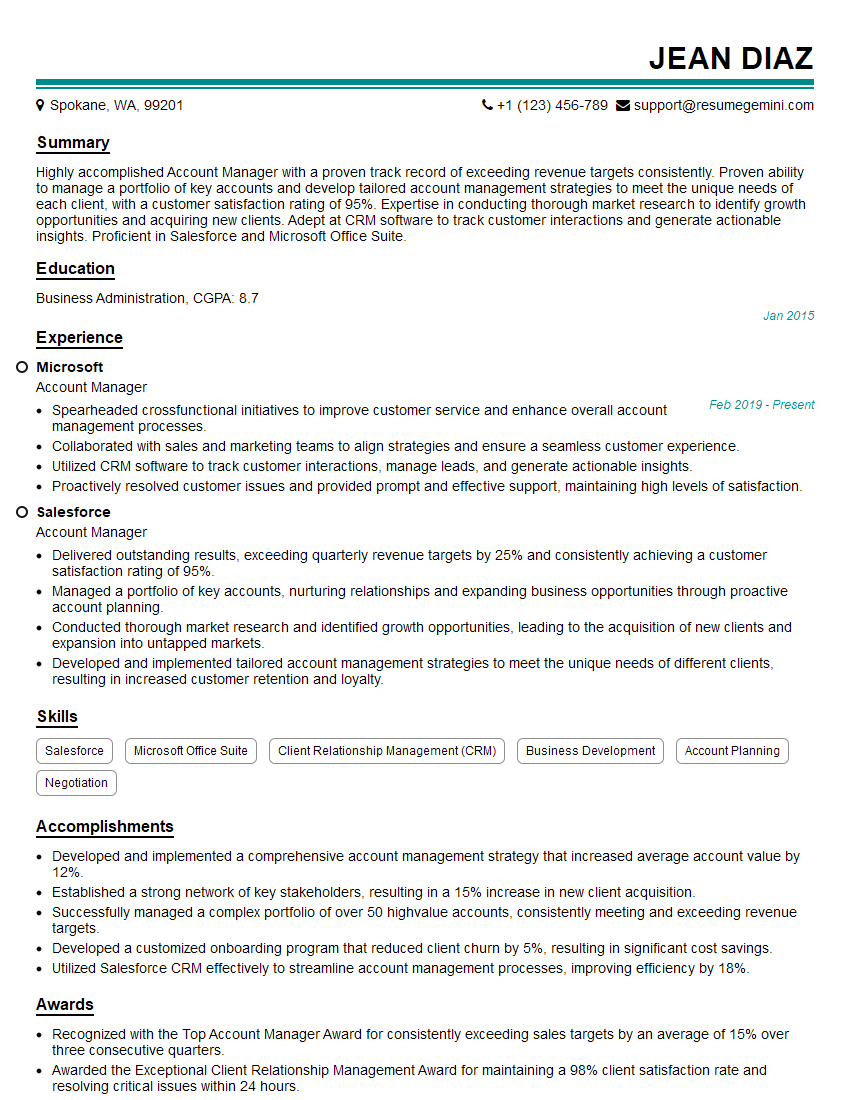
Account Manager Resume Sample
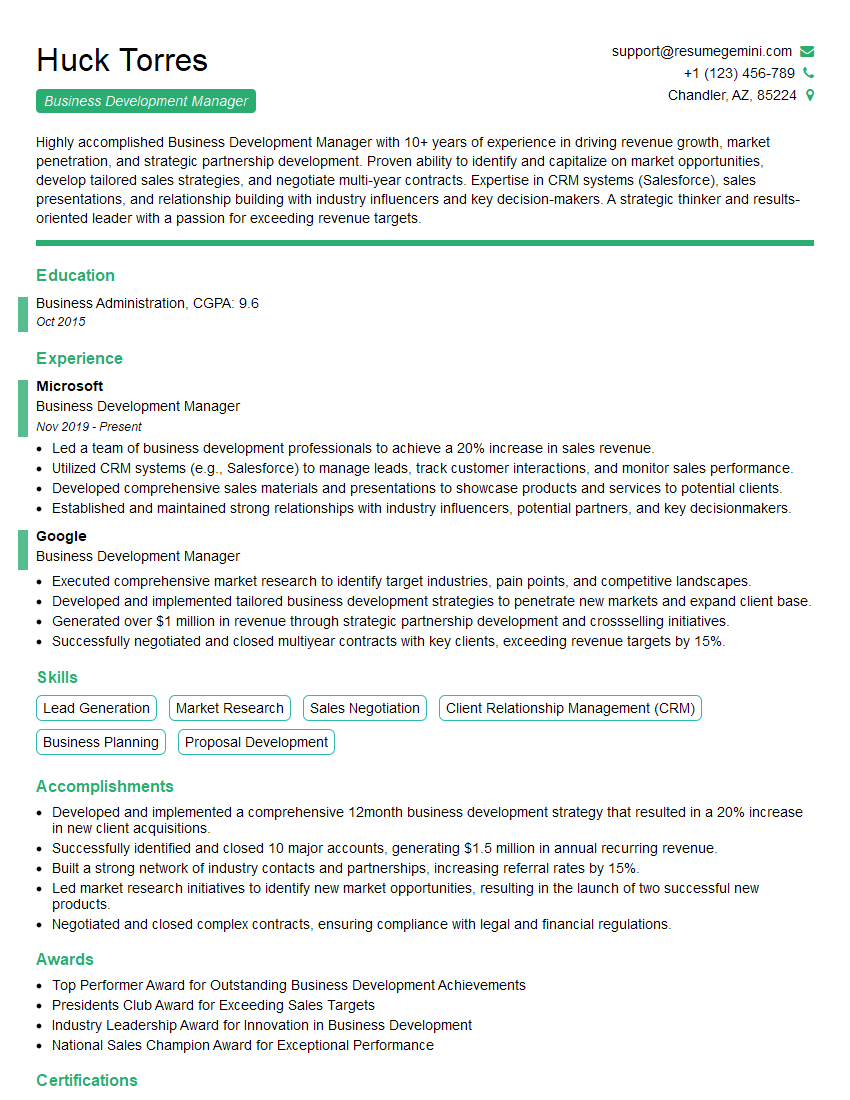
Business Development Manager Resume Sample
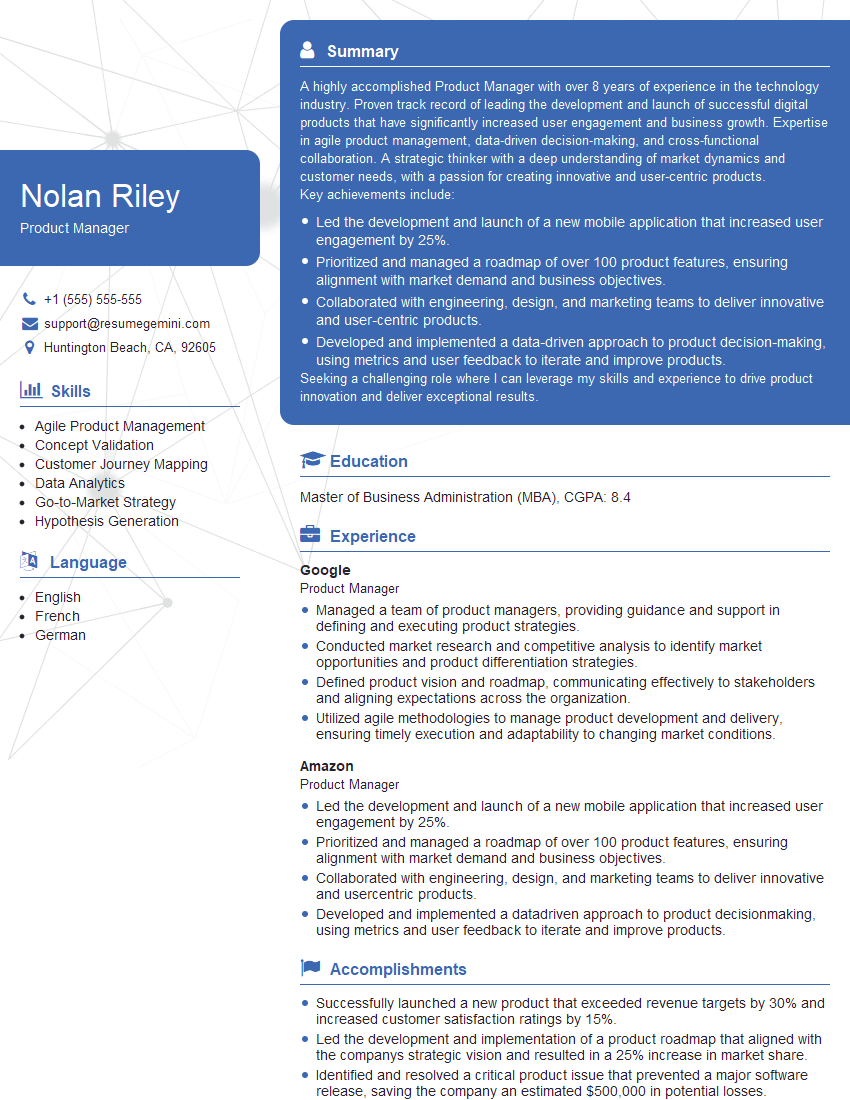
Product Manager Resume Sample
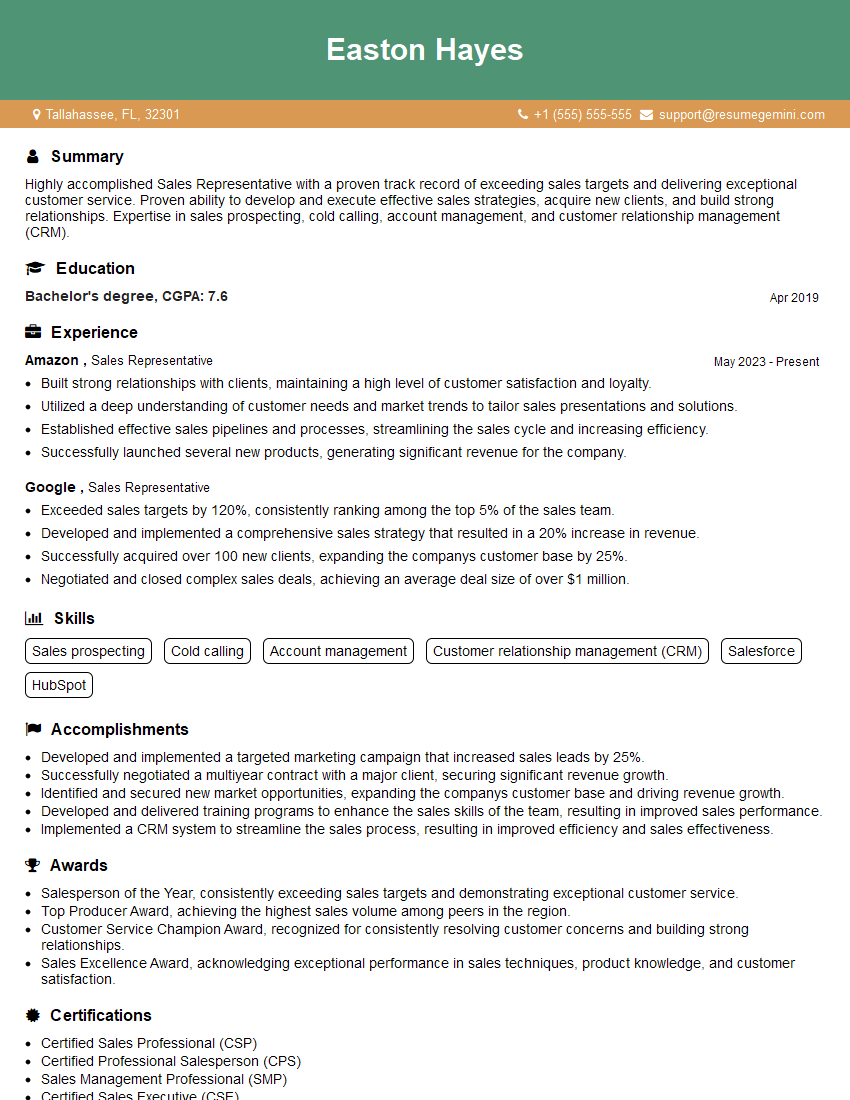
Sales Representative Resume Sample
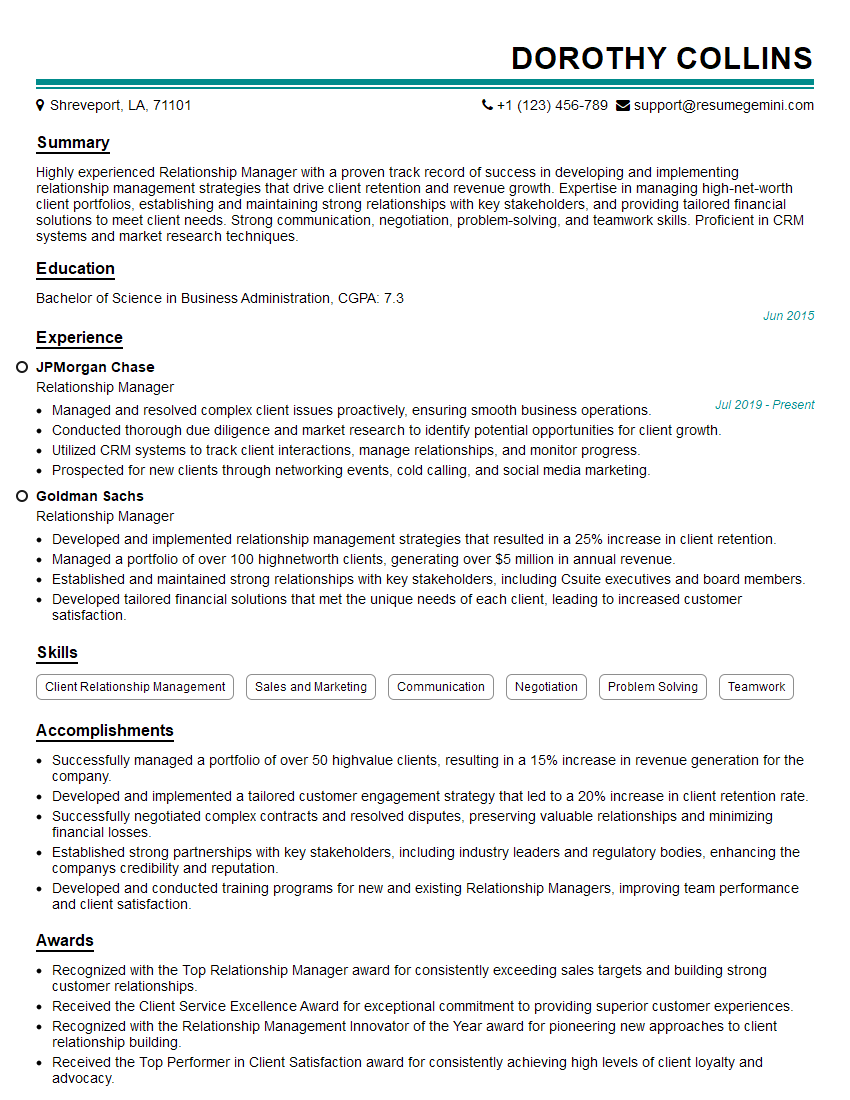
Relationship Manager Resume Sample
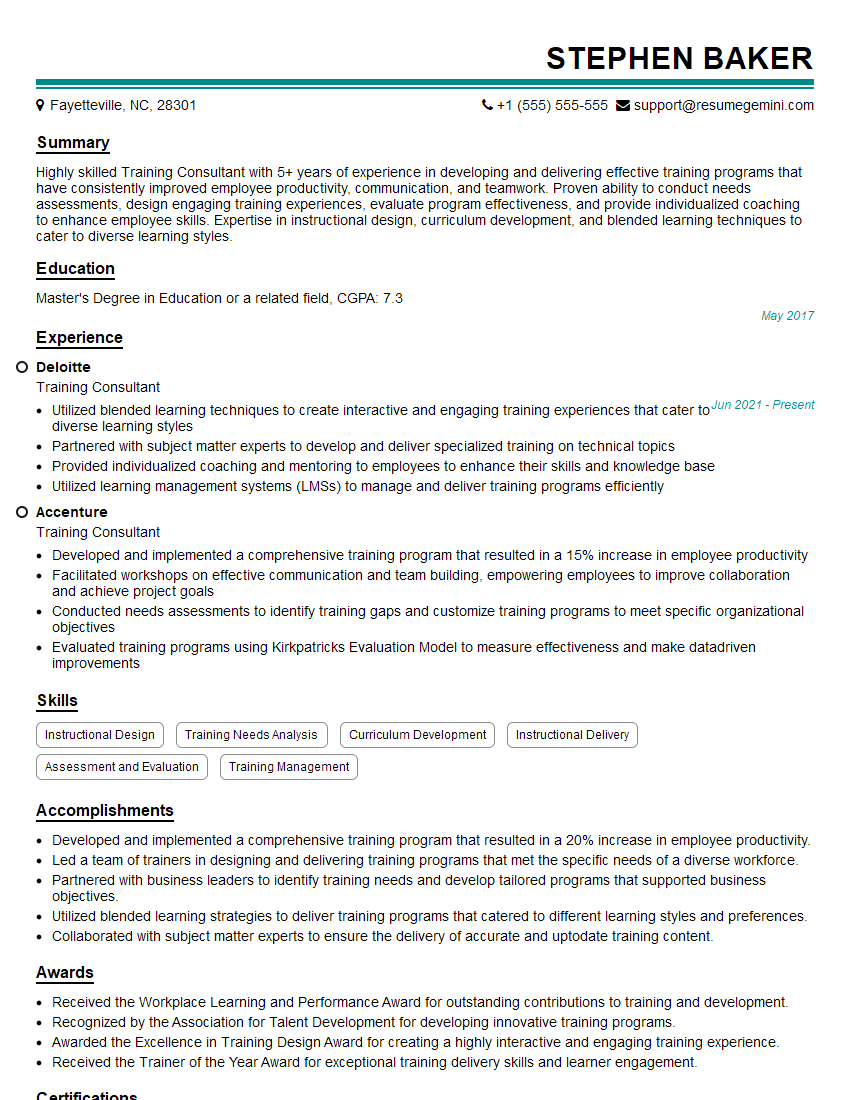
Training Consultant Resume Sample

Project Manager Resume Sample
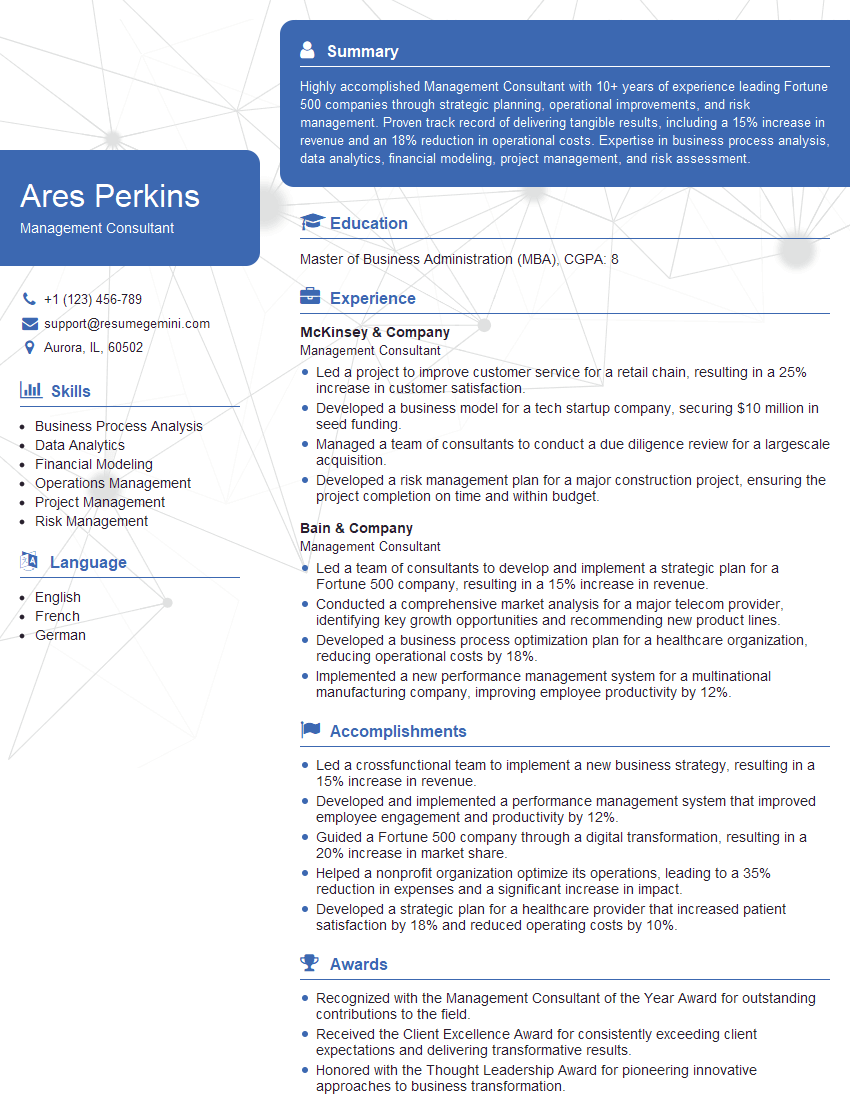
Management Consultant Resume Sample
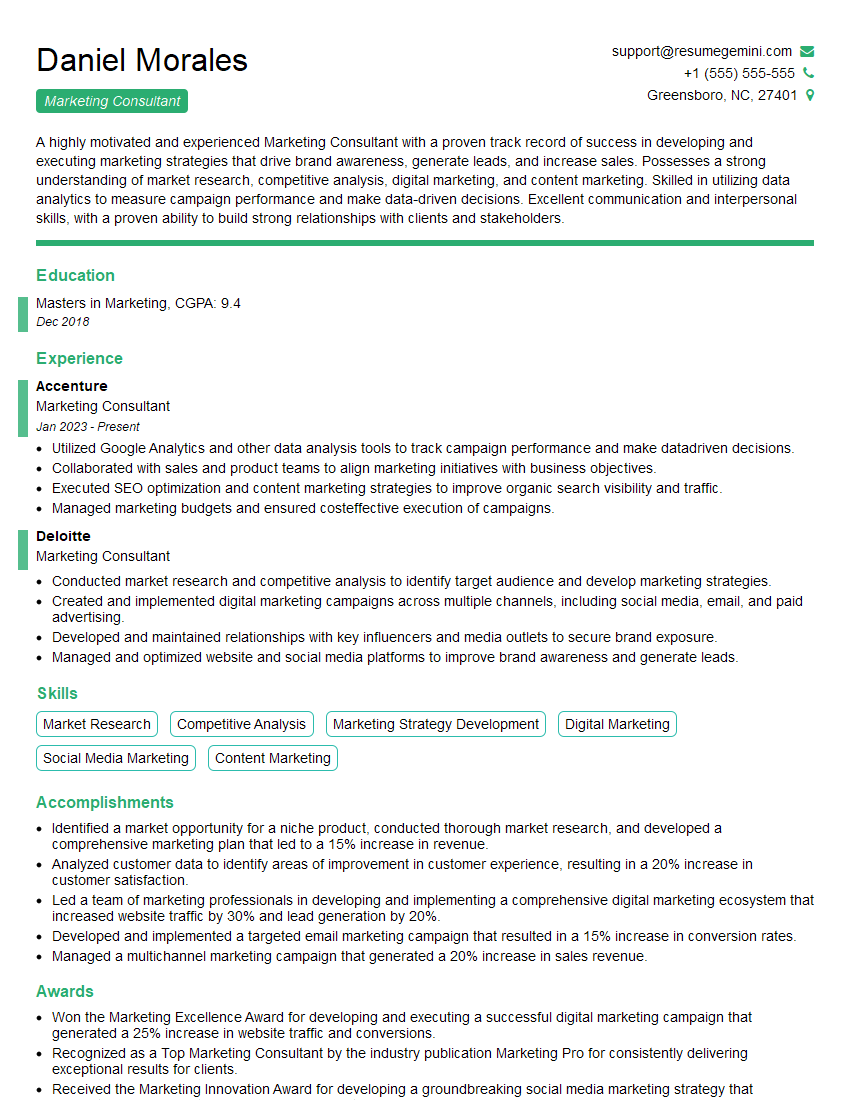
Marketing Consultant Resume Sample
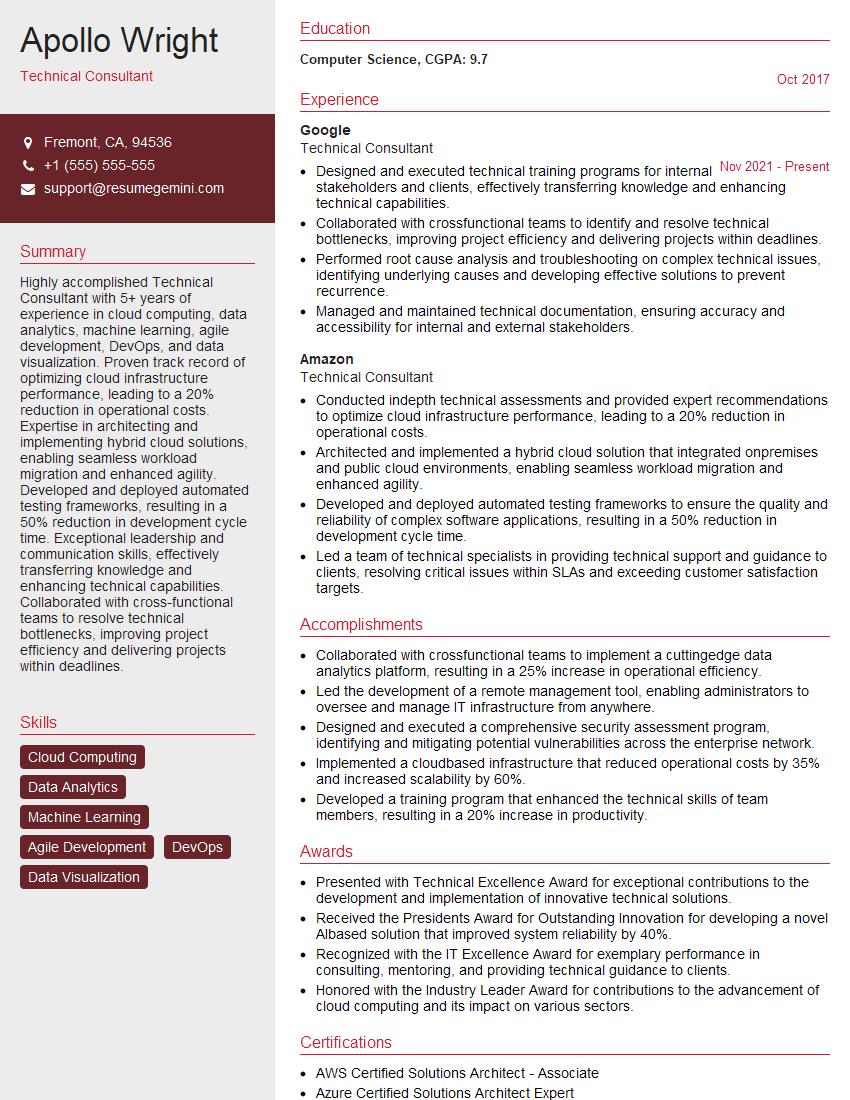
Technical Consultant Resume Sample
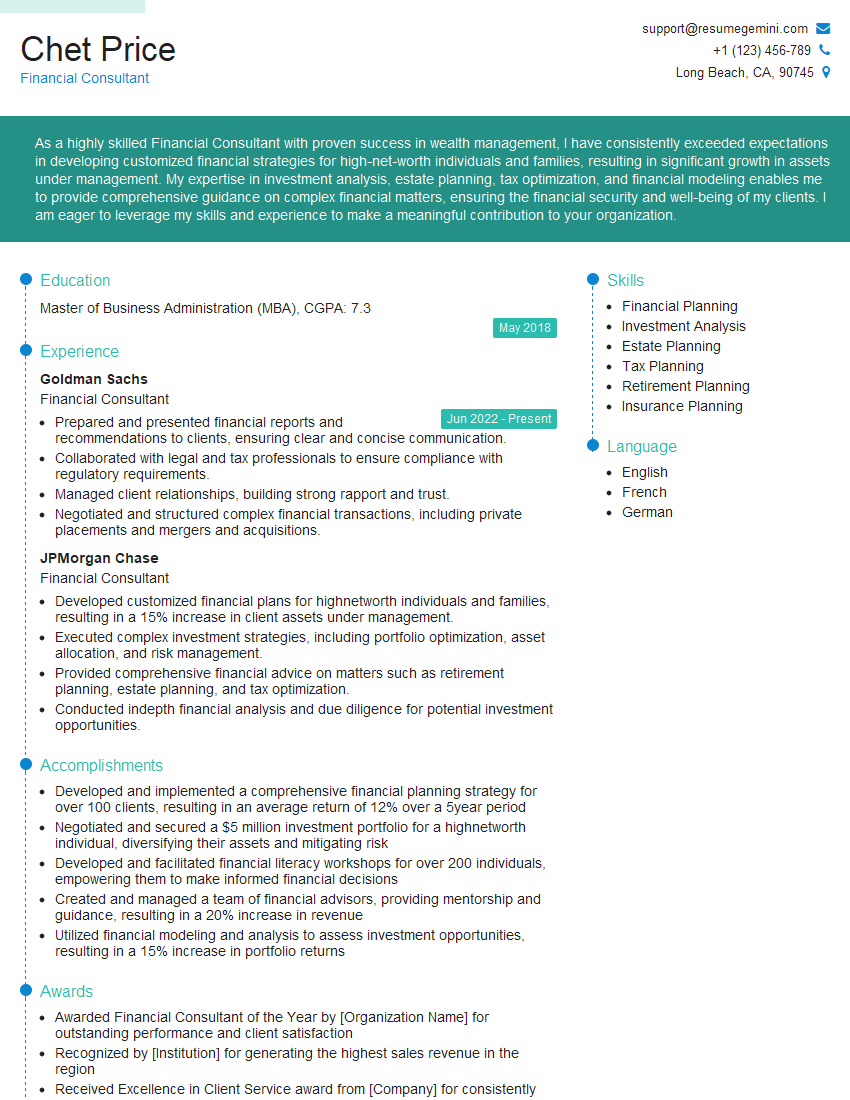
Financial Consultant Resume Sample
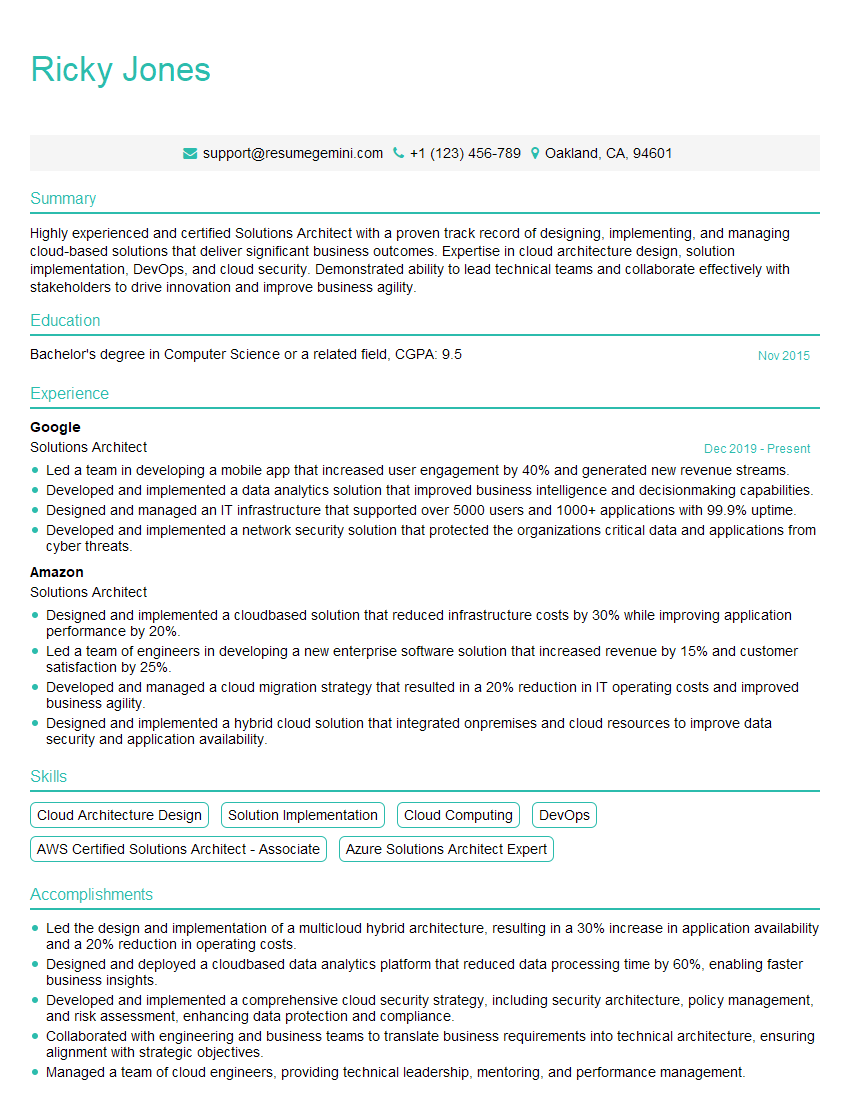
Solutions Architect Resume Sample

Communications Consultant Resume Sample
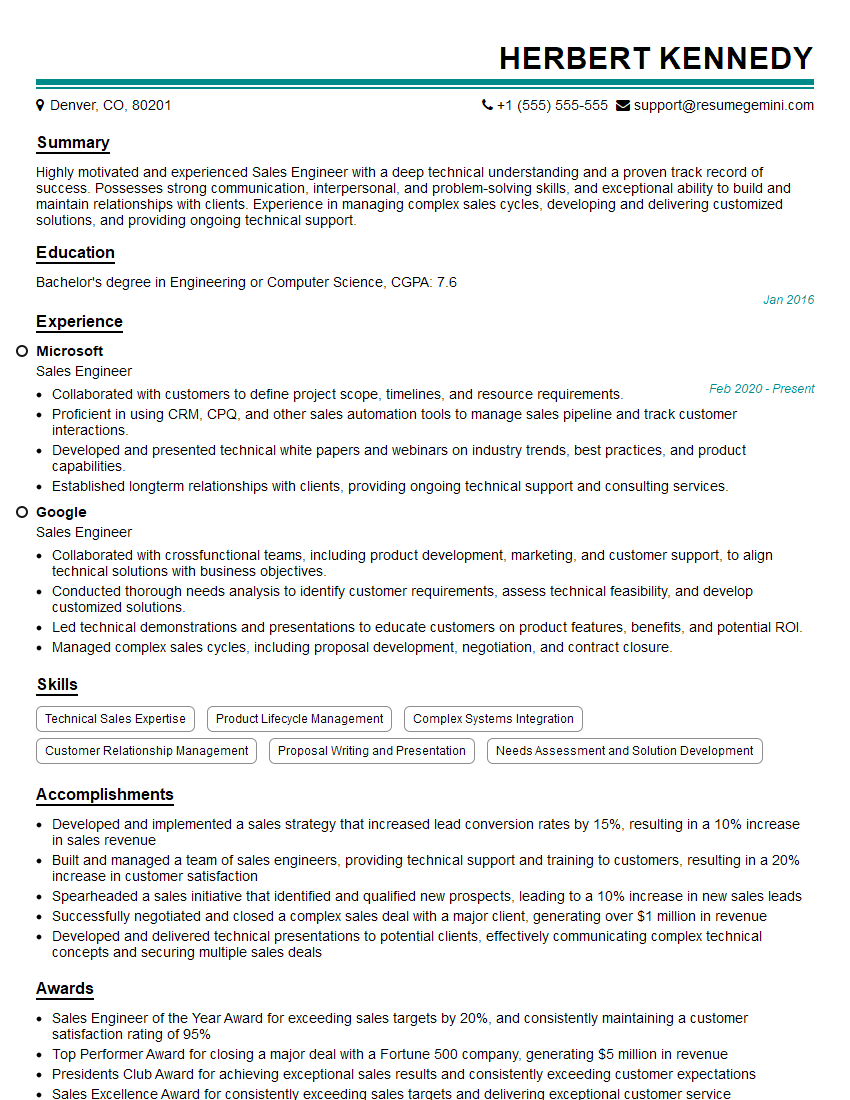
Sales Engineer Resume Sample
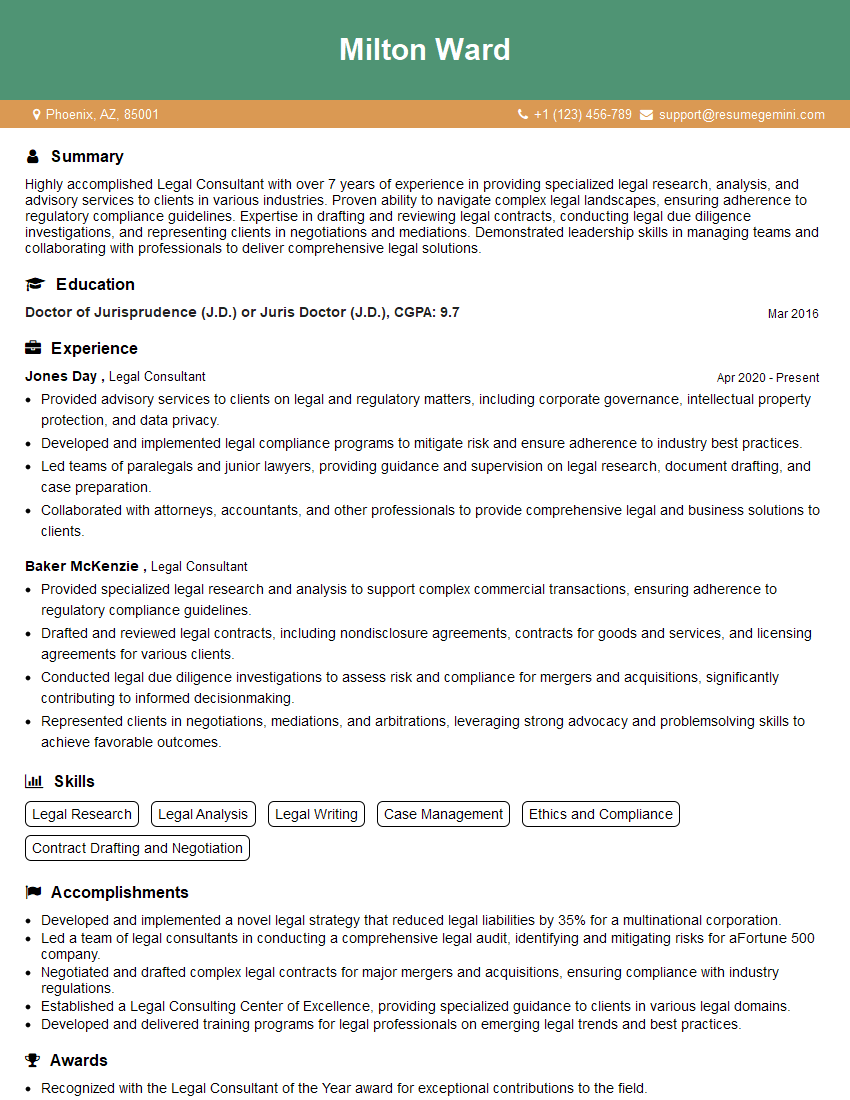
Legal Consultant Resume Sample
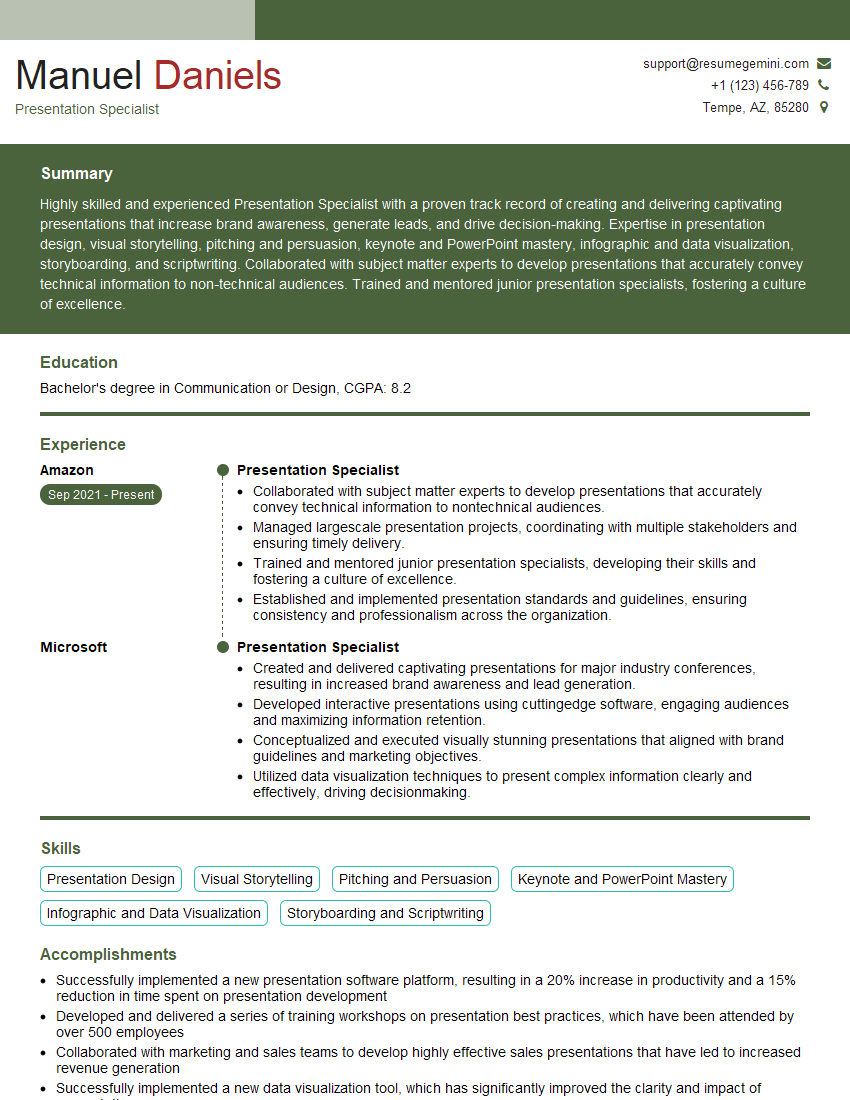
Presentation Specialist Resume Sample
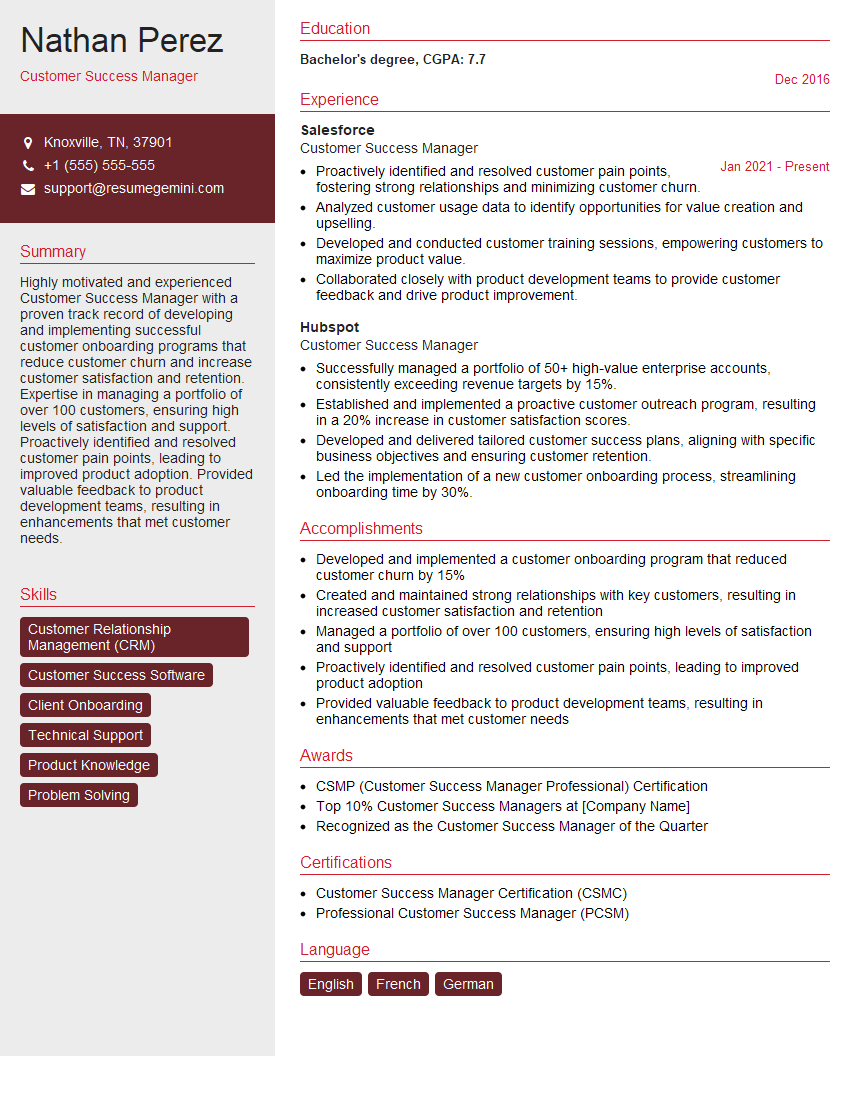
Customer Success Manager Resume Sample
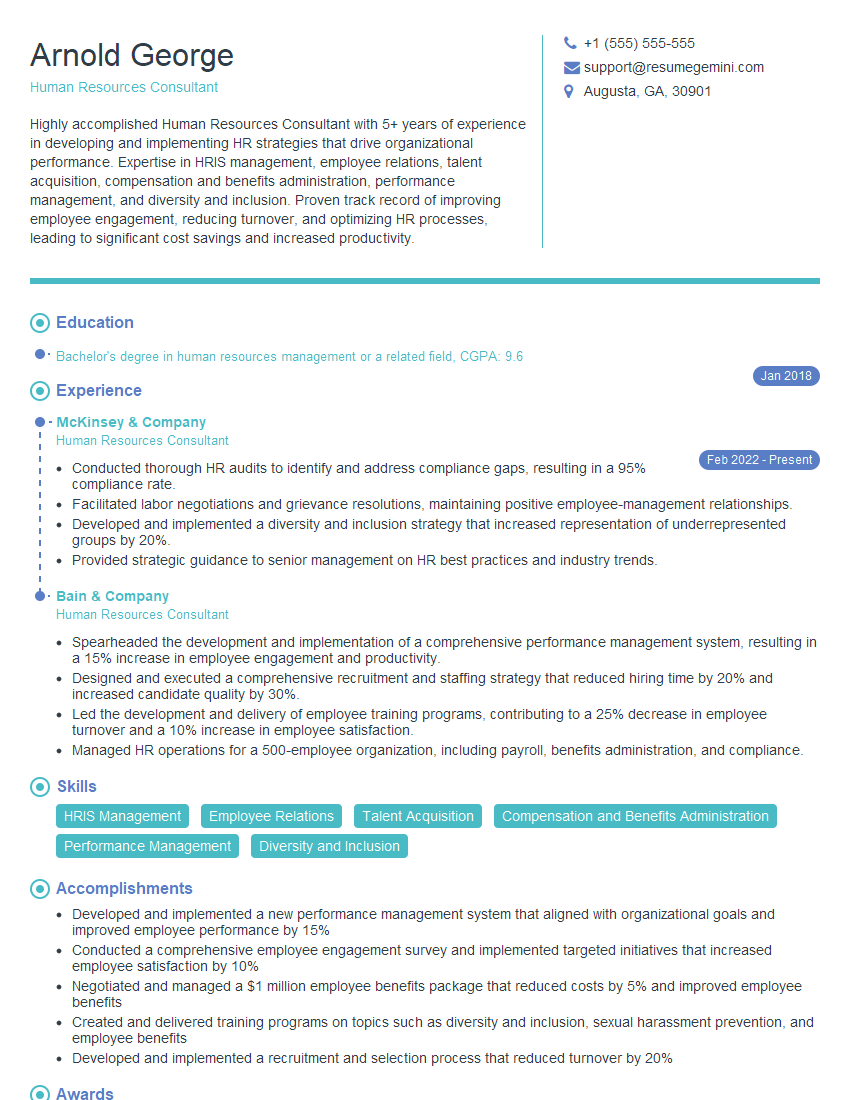
Human Resources Consultant Resume Sample
- Account Manager
- Business Development Manager
- Product Manager
- Sales Representative
- Relationship Manager
- Training Consultant
- Project Manager
- Management Consultant
- Marketing Consultant
- Technical Consultant
- Financial Consultant
- Solutions Architect
- Communications Consultant
- Sales Engineer
- Legal Consultant
- Presentation Specialist
- Customer Success Manager
- Human Resources Consultant
Explore more articles
Users Rating of Our Blogs
Share Your Experience
We value your feedback! Please rate our content and share your thoughts (optional).
What Readers Say About Our Blog
Very informative content, great job.
good