Interviews are more than just a Q&A session—they’re a chance to prove your worth. This blog dives into essential Clinic and Workshop Organization interview questions and expert tips to help you align your answers with what hiring managers are looking for. Start preparing to shine!
Questions Asked in Clinic and Workshop Organization Interview
Q 1. Describe your experience in scheduling and managing multiple workshops simultaneously.
Managing multiple simultaneous workshops requires meticulous planning and robust organizational skills. My approach involves a three-stage process: Planning, Execution, and Monitoring.
Planning begins with a detailed schedule outlining each workshop’s timeline, resource requirements (instructors, materials, venue), and potential conflicts. I utilize scheduling software to visualize the entire operation and identify potential overlaps. For instance, I’ve successfully managed three simultaneous workshops – a coding bootcamp, a marketing seminar, and a design thinking session – by carefully allocating resources like instructors and rooms based on peak attendance times. This minimized conflict and ensured all workshops ran smoothly.
Execution involves assigning clear roles and responsibilities to team members. Regular check-ins and communication updates are crucial during this phase to address emerging issues proactively. Think of it as conducting an orchestra – every section needs its conductor and needs to be aware of the other sections to create a harmonious whole.
Monitoring is critical for real-time adjustments. I actively track workshop progress, address any unexpected delays, and reallocate resources if needed. For example, if one workshop experiences unexpected low attendance, I can redeploy instructors or materials to support a workshop with higher demand, optimizing resource utilization.
Q 2. How do you prioritize tasks and manage competing deadlines in a fast-paced clinic environment?
Prioritizing tasks in a fast-paced clinic involves a combination of urgency, importance, and impact. I use a prioritization matrix, often visualized as a quadrants, to categorize tasks. Urgent and important tasks get immediate attention (e.g., handling a patient emergency). Important but not urgent tasks are scheduled (e.g., preventative maintenance). Urgent but not important tasks are delegated or re-evaluated (e.g., non-critical administrative requests). Finally, tasks that are neither urgent nor important are often eliminated or postponed.
Managing competing deadlines requires a clear understanding of dependencies between tasks. I utilize project management tools to track deadlines, allocate time efficiently, and identify potential bottlenecks. For example, if a critical supply order is delayed, I can proactively communicate with the supplier and adjust the schedule to minimize its impact on patient care or clinic operations. This proactive approach helps mitigate delays and reduces stress.
Q 3. Explain your approach to budgeting and resource allocation for workshops and clinic events.
Budgeting and resource allocation for workshops and clinic events require a detailed plan. I start by defining clear objectives and expected outcomes for each event. Then, I develop a comprehensive budget outlining all anticipated costs (venue, materials, instructors, marketing, etc.). This budget is then broken down into smaller, manageable components to ensure accurate cost tracking.
Resource allocation is driven by the budget and the event’s needs. I prioritize allocating resources to activities that maximize the return on investment. For example, investing in experienced instructors for a high-demand workshop might yield higher participant satisfaction and future enrollment. Similarly, allocating funds for effective marketing campaigns can improve attendance and revenue generation.
Regular budget monitoring and adjustments are crucial. This involves tracking expenses, comparing them against the budget, and making necessary adjustments throughout the planning and execution stages. Using a spreadsheet or dedicated budgeting software simplifies this process, offering real-time insight into financial performance.
Q 4. What strategies do you use to ensure efficient communication within a workshop team?
Effective communication within a workshop team is paramount. I utilize a multi-pronged approach involving regular meetings, clear communication channels, and readily available documentation.
Regular meetings, both in-person and virtual, foster collaboration and ensure everyone is on the same page. These meetings cover updates on progress, upcoming tasks, and address any potential roadblocks. Clear communication channels, like dedicated project management software or group chat apps, facilitate quick information exchange. This ensures everyone has access to the most recent information and can quickly respond to urgent issues. Readily available documentation, including detailed instructions, schedules, and contact lists, is essential for effective communication. This centralized repository reduces confusion and facilitates smooth operations.
In addition, fostering a culture of open communication and feedback is critical. Encouraging team members to raise concerns or suggest improvements strengthens teamwork and promotes problem-solving.
Q 5. How do you handle unexpected issues or disruptions during a workshop or clinic operation?
Handling unexpected issues requires a proactive and flexible approach. My strategy involves establishing a robust contingency plan that addresses potential disruptions. This might include backup instructors, alternative venues, and contingency budgets for unforeseen expenses.
When an unexpected issue arises, I follow a structured approach: Assess, Respond, Communicate, and Document. Assess the situation, identifying the nature and extent of the disruption. Respond by implementing the appropriate contingency measure or seeking immediate solutions. Communicate transparently with all stakeholders (attendees, instructors, staff) about the issue and the steps being taken to address it. Finally, document the incident, the response taken, and lessons learned for future improvement. For example, during a power outage, I’d promptly inform attendees, utilize backup generators, and adjust the schedule to minimize the disruption.
Q 6. Describe your experience with managing registration and attendee information for workshops.
Managing registration and attendee information is crucial for smooth workshop operations. I leverage registration software that facilitates online registration, tracks attendee details (contact information, dietary restrictions, special needs), and manages payments. This approach streamlines the process and minimizes manual data entry errors.
Data privacy is paramount. I ensure compliance with all relevant data protection regulations (e.g., GDPR, CCPA) by implementing secure data storage, access control measures, and adhering to strict data handling procedures. Post-workshop, I analyze registration data to gain insights into participant demographics, satisfaction levels, and workshop effectiveness, informing future planning and improvements.
Q 7. How do you ensure compliance with relevant regulations and standards in clinic operations?
Ensuring compliance with regulations is an integral part of clinic operations. I maintain a thorough understanding of all relevant health and safety regulations, licensing requirements, and ethical guidelines applicable to my clinic’s activities. This includes regular review and updates to policies and procedures to maintain compliance.
I regularly conduct internal audits to identify any compliance gaps and implement corrective actions. Detailed record-keeping of all activities, including training records, safety inspections, and incident reports, provides a robust audit trail for demonstrating compliance. Collaboration with regulatory bodies and participation in relevant professional development programs further strengthens our commitment to compliance and best practices.
Q 8. What methods do you use to track and measure the success of workshops and clinic programs?
Tracking the success of workshops and clinic programs requires a multifaceted approach, combining quantitative and qualitative data. We use a variety of methods to ensure a comprehensive understanding of our impact.
Pre and Post-tests/Surveys: These measure participant knowledge and skill acquisition before and after the program. For example, in a first-aid workshop, a pre-test assesses initial understanding, while a post-test evaluates knowledge gained after training. We analyze the difference to gauge effectiveness.
Participant Feedback Forms: These provide invaluable qualitative data on participant satisfaction, program content, instructor performance, and areas for improvement. We often use a Likert scale (strongly agree to strongly disagree) for specific statements, allowing for easy data analysis.
Attendance and Completion Rates: These basic metrics provide insight into program engagement and accessibility. High completion rates suggest program appeal and effective structure.
Return on Investment (ROI) Analysis (for paid workshops): We calculate the ROI by comparing the program costs (instructor fees, materials, venue) against the revenue generated, considering factors like increased efficiency or improved participant performance.
Follow-up Surveys: Sent weeks or months after the program, these measure the long-term impact and retention of learned skills or knowledge.
By combining these data points, we build a holistic picture of program effectiveness and areas requiring improvement. This data-driven approach allows us to continuously refine our programs and ensure they meet participant needs and expectations.
Q 9. How do you handle participant feedback and use it to improve future workshops?
Participant feedback is crucial for continuous improvement. We actively solicit and analyze feedback using various methods:
Post-workshop surveys: These are usually online, allowing for quick and easy responses. We use open-ended questions to allow for detailed feedback and closed-ended questions (multiple choice, rating scales) for quantitative data.
Focus groups: For in-depth understanding, we sometimes conduct focus groups with a selected number of participants to explore specific topics in more detail. These sessions provide richer qualitative data.
Individual follow-up calls: For particularly insightful or critical feedback, we may follow up with individual participants to delve deeper into their comments.
We then analyze the aggregated feedback, identifying recurring themes and trends. This analysis guides revisions in program content, delivery methods, and instructor training. For instance, consistent negative feedback about the pacing of a workshop might lead us to break down content into smaller modules or incorporate more interactive exercises. Positive feedback reinforces successful aspects of the program, helping us to replicate successful elements.
Q 10. Explain your experience with vendor management for workshops and clinic supplies.
Effective vendor management is crucial for timely supply delivery and cost control. My experience involves a structured approach:
Vendor Selection: We establish clear criteria for vendor selection, including price, quality, reliability, and ethical practices. We use a Request for Proposal (RFP) process for major contracts.
Contract Negotiation: Contracts clearly outline deliverables, timelines, payment terms, and penalty clauses for non-compliance. We prioritize contracts that offer flexibility and allow for adjustments as needed.
Performance Monitoring: We regularly monitor vendor performance against contract terms, tracking delivery times, quality control, and responsiveness. We use a rating system to document vendor performance.
Relationship Building: Building strong relationships with reliable vendors fosters better communication and collaboration, ensuring smooth supply chains.
Inventory Management: We utilize inventory management software to track stock levels, anticipate needs, and minimize waste. This reduces costs and ensures timely procurement.
For example, I once identified a vendor consistently providing substandard materials. By switching to a more reliable supplier, we improved workshop quality and reduced participant complaints and material waste.
Q 11. Describe your proficiency in using scheduling software or clinic management systems.
I am proficient in using several scheduling and clinic management systems. My experience includes using both cloud-based and on-premise solutions.
Scheduling Software: I am familiar with platforms like Acuity Scheduling, Calendly, and more robust options like Practice Fusion and Kareo, which allow for integrated appointment booking, patient management, and billing. I understand how to configure these systems to optimize scheduling, minimize conflicts, and track appointments effectively.
Clinic Management Systems: Experience with systems like Epic, Cerner, and others allows me to efficiently manage patient records, track medical history, and generate reports. I understand data security protocols and HIPAA compliance, critical in a clinic setting.
I can efficiently manage appointment bookings, resource allocation (e.g., rooms, equipment), and staff scheduling. My ability to use these systems ensures optimal operational efficiency and minimizes administrative burden.
Q 12. How do you ensure the safety and well-being of participants in a workshop setting?
Ensuring participant safety and well-being is paramount. Our approach includes:
Risk Assessment: Prior to each workshop, we conduct a thorough risk assessment, identifying potential hazards (e.g., equipment malfunctions, allergic reactions, slips and falls) and implementing mitigation strategies.
Safety Briefing: At the beginning of each workshop, participants receive a clear safety briefing outlining procedures, emergency exits, and relevant safety precautions.
First Aid and Emergency Procedures: We always have a designated first-aid kit readily available and ensure trained personnel are present to handle any medical emergencies. We have clearly defined emergency procedures in place and practice drills regularly.
Appropriate Equipment and Facilities: We ensure that all equipment is properly maintained and in good working order. The workshop venue must meet safety standards and be accessible to all participants.
Participant Health Information: Where relevant, we collect participant health information to address allergies, medical conditions, or other relevant considerations.
For example, during a hands-on workshop involving sharp tools, we provide safety goggles and gloves to all participants and demonstrate safe tool handling techniques. This layered approach creates a secure and supportive learning environment.
Q 13. What is your approach to risk assessment and mitigation in clinic operations?
Risk assessment and mitigation is an ongoing process, vital for preventing incidents and ensuring smooth clinic operations. My approach follows a structured framework:
Identification of Hazards: We systematically identify potential hazards across all aspects of clinic operations, including equipment malfunction, infection control, patient falls, staff injuries, and data breaches. We utilize checklists and brainstorming sessions to ensure comprehensive identification.
Risk Analysis: We assess the likelihood and severity of each identified hazard, prioritizing those posing the greatest risk. We use a matrix to score each risk factor.
Mitigation Strategies: For each hazard, we develop and implement appropriate mitigation strategies. These may include engineering controls (e.g., improved equipment, safety guards), administrative controls (e.g., improved procedures, staff training), and personal protective equipment (PPE).
Monitoring and Review: We regularly monitor the effectiveness of mitigation strategies and review our risk assessment process. We adjust strategies based on feedback, incident reports, and changes in the environment.
For example, if a risk assessment identifies a high risk of slips and falls in a wet area, we might implement mitigation strategies like installing non-slip flooring, improving lighting, and providing staff with appropriate footwear. Regular review ensures these strategies remain effective.
Q 14. How do you build and maintain positive relationships with participants, instructors, and staff?
Building and maintaining positive relationships is fundamental to successful workshop and clinic operations. I focus on:
Open Communication: I maintain open and transparent communication with all stakeholders. This involves regular updates, feedback sessions, and readily available channels for addressing concerns.
Respect and Appreciation: I show respect and appreciation for the contributions of all participants, instructors, and staff. Acknowledging their efforts and expertise fosters a positive work environment.
Collaboration and Teamwork: I encourage collaboration and teamwork among all stakeholders, creating a shared sense of purpose and ownership. Team meetings and social events help build rapport.
Conflict Resolution: I proactively address conflicts, promoting respectful dialogue and finding mutually acceptable solutions. This might involve mediation or formal grievance procedures.
Continuous Improvement: I actively seek feedback and use it to improve processes and relationships. This demonstrates commitment to continuous improvement and strengthens trust.
For example, I regularly thank instructors for their contributions and actively solicit their feedback on workshop content and delivery. This fosters loyalty and encourages high-quality instruction.
Q 15. Describe your experience with developing and implementing workshop curricula or training programs.
Developing and implementing effective workshop curricula requires a systematic approach. It starts with a thorough needs assessment to identify the target audience’s skill gaps and learning objectives. Then, I design a curriculum that incorporates various learning methodologies – lectures, hands-on activities, group discussions, and case studies – to cater to diverse learning styles. For example, in a workshop on advanced wound care for nurses, I’d incorporate interactive simulations alongside theoretical lectures to ensure practical application of learned concepts. The curriculum is then piloted, refined based on feedback, and finally implemented using a learning management system (LMS) or other appropriate tools to track progress and assess learning outcomes. Post-workshop evaluations, using surveys and feedback forms, help gauge the effectiveness of the program and guide future improvements.
For instance, I once developed a training program for medical assistants on electronic health records (EHR) software. The program included online modules for basic functionality, followed by hands-on training in a simulated clinic environment. Post-training assessments showed a significant improvement in their EHR proficiency.
Career Expert Tips:
- Ace those interviews! Prepare effectively by reviewing the Top 50 Most Common Interview Questions on ResumeGemini.
- Navigate your job search with confidence! Explore a wide range of Career Tips on ResumeGemini. Learn about common challenges and recommendations to overcome them.
- Craft the perfect resume! Master the Art of Resume Writing with ResumeGemini’s guide. Showcase your unique qualifications and achievements effectively.
- Don’t miss out on holiday savings! Build your dream resume with ResumeGemini’s ATS optimized templates.
Q 16. Explain your experience with room setup and logistical arrangements for workshops.
Room setup and logistics are crucial for a successful workshop. It’s not just about arranging chairs and tables; it’s about optimizing the space for effective learning and collaboration. Factors I consider include seating arrangements (e.g., classroom style, U-shape, round tables depending on the workshop’s goals), availability of technology (projectors, whiteboards, internet access), comfortable temperature and lighting, and adequate space for breaks and networking. Pre-workshop site visits are essential to ensure everything is in place. This includes checking for accessibility, providing clear signage, and having backup plans for technical glitches. Proper labelling of materials and supplies is vital for efficient workflow. For instance, in a hands-on medical device training workshop, adequate workspace for each participant with readily available equipment is crucial.
I once managed the logistics for a large-scale conference involving multiple breakout sessions. Careful planning and coordination with the venue staff ensured seamless transitions between sessions, minimizing disruption and maximizing participant satisfaction.
Q 17. How do you manage and resolve conflicts among participants or staff?
Conflict resolution is an important skill for anyone working in a clinic or workshop setting. My approach is proactive and focuses on open communication and empathy. I start by actively listening to all parties involved to understand their perspectives. Then, I guide them towards a mutually agreeable solution through mediation, focusing on the underlying issues rather than assigning blame. Sometimes, separating the conflicting parties temporarily can help diffuse tension. If the conflict is persistent or involves serious issues, I escalate it to the appropriate supervisor or management. Maintaining a professional and impartial stance while ensuring fairness to all is key.
For example, I once had a conflict between two workshop participants regarding the use of equipment. By facilitating a conversation, I helped them understand each other’s needs and find a sharing schedule that worked for both.
Q 18. What metrics do you use to assess the efficiency of clinic operations?
Assessing the efficiency of clinic operations involves monitoring several key metrics. These include patient wait times, patient throughput (number of patients seen per day/hour), staff productivity, appointment scheduling efficiency, and resource utilization (e.g., equipment, supplies). We can track these metrics using electronic health records (EHR) systems, appointment scheduling software, and manual data collection. Analyzing these metrics helps identify bottlenecks and areas for improvement. For example, consistently high wait times might indicate a need for additional staff or adjustments to the appointment scheduling system. Similarly, low equipment utilization might suggest a need for better inventory management or staff training.
In one clinic, we used data on patient wait times to optimize appointment scheduling, reducing average wait times by 20% and improving patient satisfaction.
Q 19. How do you ensure the security of clinic data and patient information?
Ensuring the security of clinic data and patient information requires a multi-layered approach. This begins with establishing robust physical security measures, such as access control systems, surveillance cameras, and secure storage for paper records. Digitally, we employ strong password policies, encryption of data both in transit and at rest, regular software updates, and firewalls to prevent unauthorized access. Compliance with HIPAA regulations (or equivalent in other jurisdictions) is crucial. Staff training on data security protocols and procedures is essential, including the importance of protecting patient privacy and reporting any security incidents promptly. Regular security audits and penetration testing help identify vulnerabilities and improve our security posture.
For example, we regularly conduct security audits to ensure compliance with HIPAA and other data protection regulations. We use strong encryption for all sensitive data and provide comprehensive staff training on data protection best practices.
Q 20. Describe your experience with handling equipment maintenance and repairs in a workshop or clinic.
Equipment maintenance and repair are critical for smooth clinic and workshop operations. This involves establishing a preventative maintenance schedule for all equipment, including regular inspections, cleaning, and calibration. A comprehensive inventory system helps track equipment usage and condition. We establish service contracts with authorized vendors for major equipment to ensure timely repairs. For minor repairs, we may have in-house technicians or utilize a repair service. Proper documentation of maintenance activities, repairs, and equipment downtime is essential for tracking costs and ensuring compliance with safety regulations. Regular staff training on equipment operation and basic maintenance is vital to prevent misuse and extend equipment lifespan.
In a previous role, I implemented a preventative maintenance program that significantly reduced equipment downtime and repair costs. This involved creating a detailed schedule, training staff on basic maintenance tasks, and establishing clear procedures for reporting equipment issues.
Q 21. How do you ensure appropriate staffing levels for workshops and clinic services?
Ensuring appropriate staffing levels is a balancing act between meeting service demands and managing costs. This requires careful workforce planning, taking into account factors such as patient volume, service complexity, staff turnover, and peak demand periods. We use historical data, projected growth, and workload analysis to estimate staffing needs. Flexible scheduling and cross-training can help optimize staffing levels and address fluctuating demands. Regular performance evaluations and feedback mechanisms ensure that staff are appropriately skilled and motivated. Using scheduling software and real-time data on patient flow can further help adjust staffing as needed throughout the day.
For instance, I once developed a flexible scheduling system that allowed us to adjust staffing levels based on daily patient volume, reducing labor costs while maintaining high service quality.
Q 22. What is your approach to developing and implementing emergency procedures in a clinic setting?
Developing and implementing emergency procedures in a clinic requires a proactive, multi-faceted approach. It begins with a thorough risk assessment, identifying potential emergencies (e.g., cardiac arrest, severe allergic reactions, fire). We then develop detailed protocols for each scenario, specifying steps for staff, including roles and responsibilities. This isn’t just a document; it’s a living, breathing system.
For instance, our cardiac arrest protocol includes clear steps for CPR initiation, defibrillator use, and contacting emergency medical services (EMS). Regular drills are crucial – think fire drills, but for medical emergencies. These drills ensure staff are familiar with procedures and can react effectively under pressure. We also prioritize clear communication channels and readily available emergency equipment, regularly checked and maintained. Finally, we conduct post-incident reviews to identify areas for improvement, ensuring our procedures remain efficient and effective. The goal isn’t just to survive an emergency; it’s to minimize harm and maximize patient safety.
Q 23. Explain your experience with managing workshop or clinic budgets.
Managing clinic budgets involves meticulous planning and continuous monitoring. I’ve successfully managed budgets ranging from $500,000 to $1.5 million annually. This involves forecasting expenses (salaries, supplies, equipment, rent), tracking actual spending against the budget, and identifying areas for cost savings or increased efficiency.
For example, in one clinic, I implemented a supply chain optimization strategy that reduced consumable costs by 15% through bulk purchasing and negotiating better deals with suppliers. I also utilized data analytics to identify trends in patient volume and adjust staffing levels accordingly, minimizing labor costs while maintaining service quality. Regular budget reviews with stakeholders are essential to ensure transparency and to make informed decisions based on the latest data. It’s a balancing act – providing excellent patient care while remaining fiscally responsible.
Q 24. How do you identify and implement opportunities for improvement in clinic or workshop processes?
Identifying opportunities for improvement requires a blend of data-driven analysis and keen observation. We employ several methods. First, we analyze patient flow data, looking for bottlenecks or delays in service. For instance, if patient wait times are consistently long, we investigate the cause – inadequate staffing, inefficient scheduling, or outdated processes.
Secondly, we actively solicit feedback from staff and patients through surveys and informal discussions. This provides invaluable insights into their experiences and perceptions. Thirdly, we utilize Lean principles, focusing on eliminating waste and streamlining workflows. This might involve re-designing clinic layouts, implementing new technologies, or simplifying administrative procedures. In one clinic, we implemented an electronic health record (EHR) system which reduced paperwork significantly, improved data accuracy, and freed up staff time. Continuous improvement is an ongoing process – a commitment to always looking for ways to do things better.
Q 25. Describe your experience with preparing and delivering training materials for workshop instructors.
Preparing and delivering training materials for workshop instructors is a critical component of maintaining consistent quality and knowledge across our organization. My approach involves a detailed needs assessment to identify specific skill gaps and learning objectives. This might include observation of existing training practices, surveys of instructors and participants, and review of current materials.
Once the needs are defined, I develop training materials including manuals, presentations, and practical exercises that are engaging and relevant. These are designed with a focus on adult learning principles, including interactive elements and opportunities for real-world application. For example, a recent training module on advanced wound care included hands-on sessions with simulated wounds, allowing instructors to practice techniques and refine their skills. The materials are also designed to be adaptable, allowing instructors to modify the content based on the needs of their specific group. Post-training evaluations are essential to assess the effectiveness of the materials and ensure alignment with our quality standards.
Q 26. How do you ensure the cleanliness and hygiene standards are maintained in a clinic setting?
Maintaining cleanliness and hygiene standards in a clinic setting is paramount. This involves a multi-pronged strategy. First, we establish clear protocols for cleaning and disinfection, specifying procedures for different areas of the clinic (e.g., examination rooms, restrooms, common areas). We utilize appropriate cleaning agents and follow manufacturer instructions meticulously.
Second, we provide adequate supplies and equipment to support these protocols. This includes sufficient hand sanitizer, cleaning solutions, and appropriate waste disposal systems. Third, regular inspections and audits are conducted to ensure compliance with these protocols. Staff training is crucial. All staff members receive regular training on infection control procedures, including proper hand hygiene techniques, the use of personal protective equipment (PPE), and waste disposal practices. Finally, we maintain a culture of hygiene awareness where staff are empowered to report any issues or concerns promptly.
Q 27. How do you handle complaints and negative feedback from workshop participants or clinic patients?
Handling complaints and negative feedback is an opportunity for improvement. My approach is to listen actively and empathetically. I start by acknowledging the concerns and validating the patient’s or participant’s feelings. I don’t get defensive; instead, I aim to understand their perspective fully.
Then, I investigate the situation thoroughly to identify the root cause of the complaint. This might involve reviewing records, talking to involved staff, and gathering additional information. Once the cause is identified, I develop an appropriate solution. This could range from offering an apology and a partial refund to making changes to processes or policies to prevent similar situations from occurring in the future. Following up with the complainant to ensure they are satisfied with the resolution is crucial. This demonstrates our commitment to their well-being and our willingness to learn and improve.
Q 28. Explain your experience with post-workshop follow-up and participant engagement.
Post-workshop follow-up and participant engagement are crucial for ensuring the long-term impact of the training. Immediately after the workshop, we send participants a short survey to gather feedback on the training content, delivery, and overall experience. This feedback is valuable for making improvements to future workshops.
We also provide participants with access to resources such as online learning modules, additional reading materials, or a dedicated online forum for continued learning and networking. Regular email updates with relevant information and reminders help maintain engagement. In some cases, we might organize follow-up sessions or webinars to address specific questions or delve deeper into certain topics. Building a community around the workshop, where participants can connect and support each other, is also highly beneficial. This continuous engagement ensures that the knowledge and skills learned during the workshop are sustained and applied in their practice over the long term.
Key Topics to Learn for Clinic and Workshop Organization Interview
- Logistics and Scheduling: Mastering the art of efficient scheduling, resource allocation (equipment, personnel, rooms), and managing potential conflicts. This includes understanding different scheduling software and techniques.
- Participant Management: Developing strategies for effective communication with participants before, during, and after the clinic or workshop. This includes handling registrations, confirmations, and follow-up communications.
- Budgeting and Resource Allocation: Understanding the financial aspects, including budgeting, tracking expenses, securing funding, and optimizing resource utilization to ensure cost-effectiveness.
- Material Procurement and Inventory Management: Efficiently sourcing, ordering, and managing all necessary materials and equipment for smooth clinic or workshop operation. This involves inventory tracking and minimizing waste.
- Risk Management and Contingency Planning: Identifying potential challenges (e.g., cancellations, equipment malfunctions, unforeseen circumstances) and developing proactive solutions to mitigate risks.
- Post-Event Analysis and Reporting: Collecting feedback, analyzing data, and generating reports to evaluate the success of the clinic or workshop and inform future improvements. This includes participant satisfaction surveys and performance metrics.
- Technology Integration: Utilizing technology effectively to enhance communication, scheduling, registration, and overall efficiency (e.g., online registration platforms, virtual meeting tools).
- Teamwork and Collaboration: Understanding the importance of collaboration with instructors, volunteers, and other stakeholders to ensure a cohesive and successful event.
Next Steps
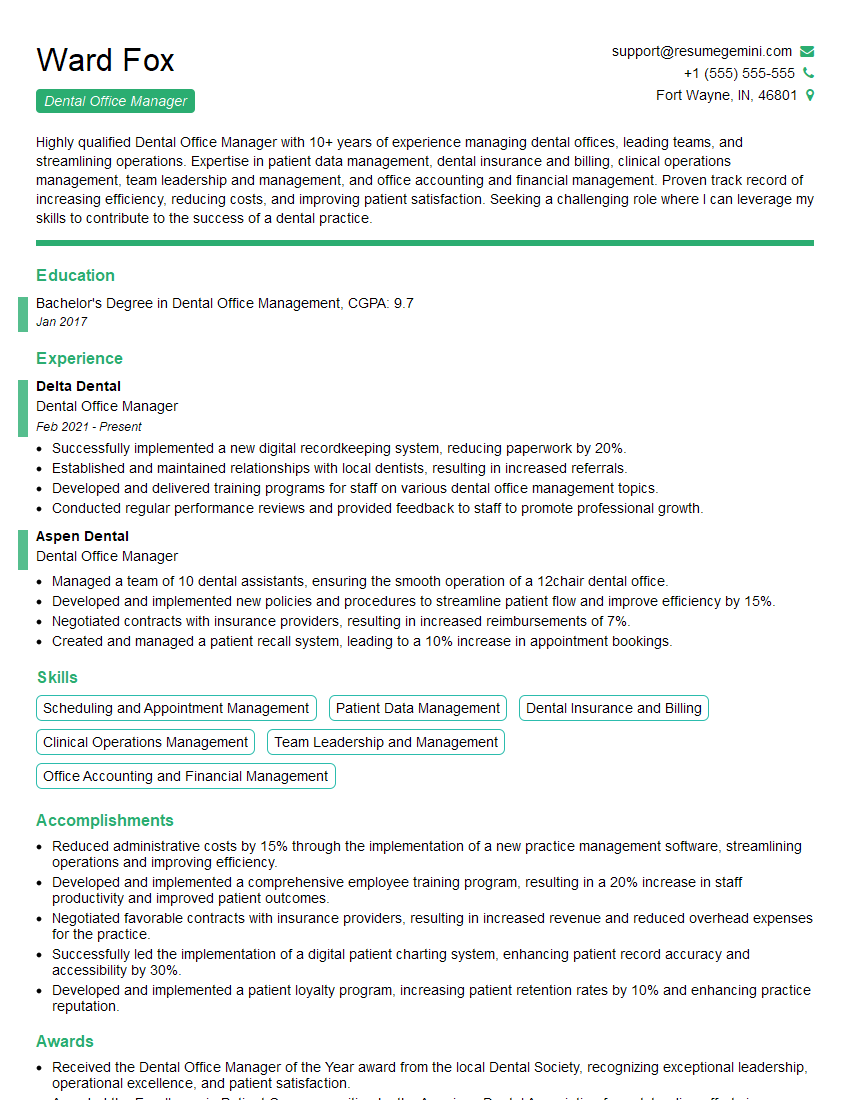
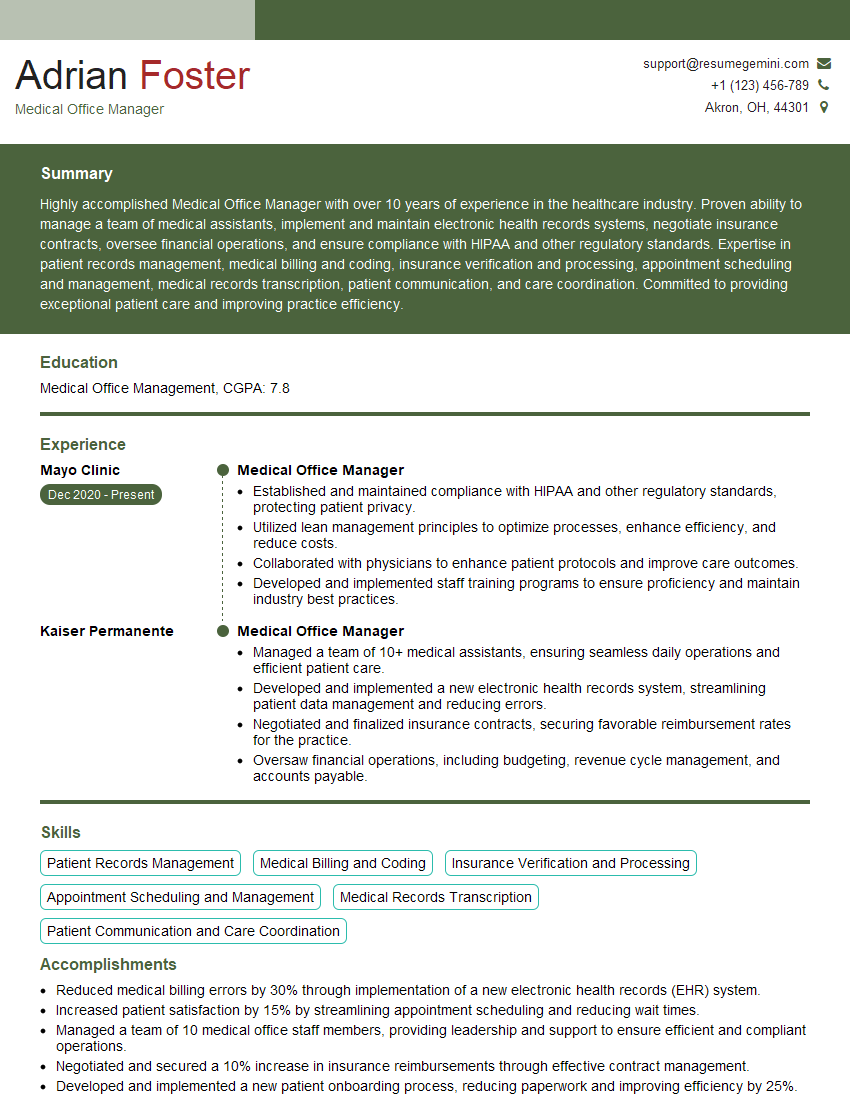
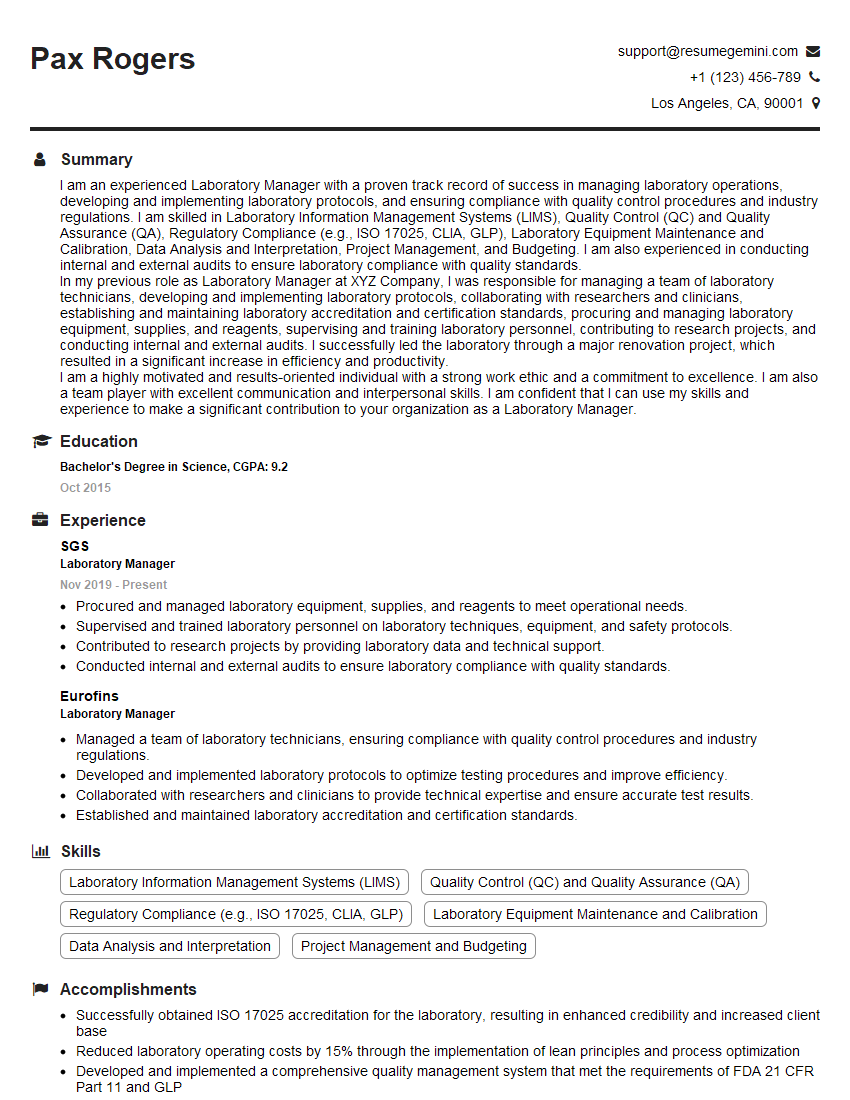
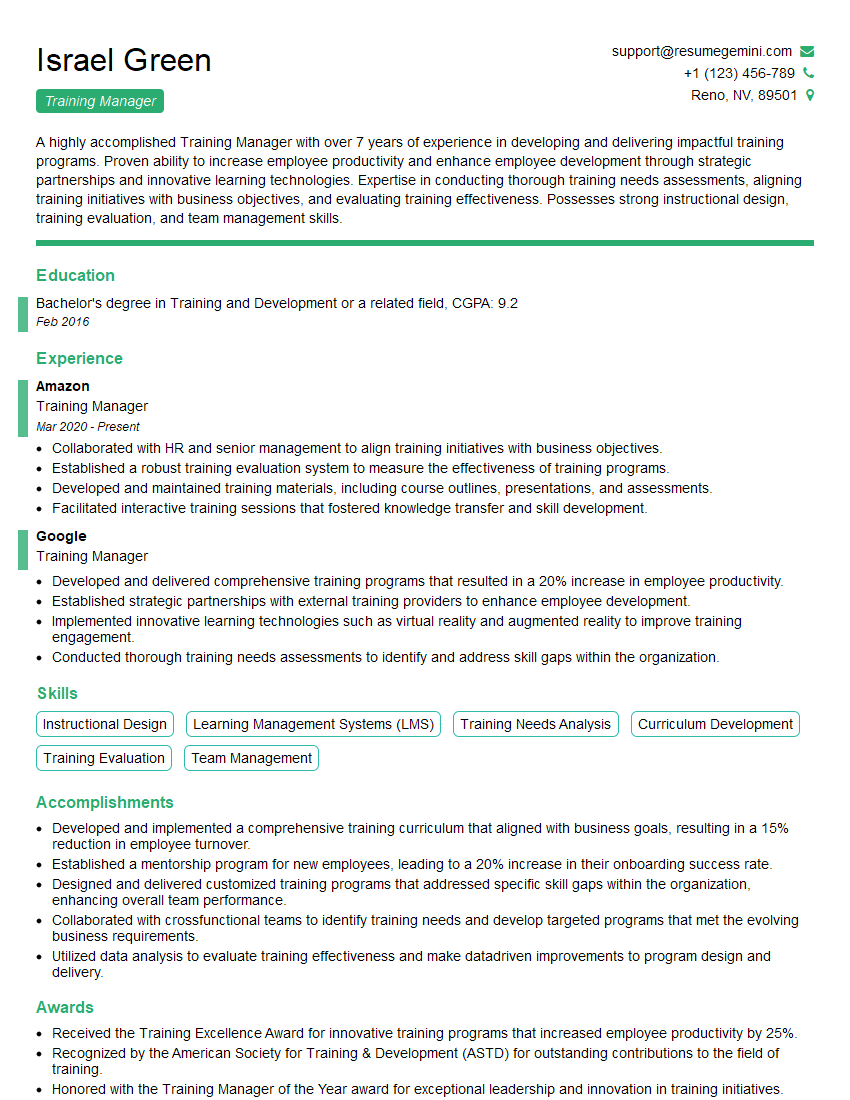
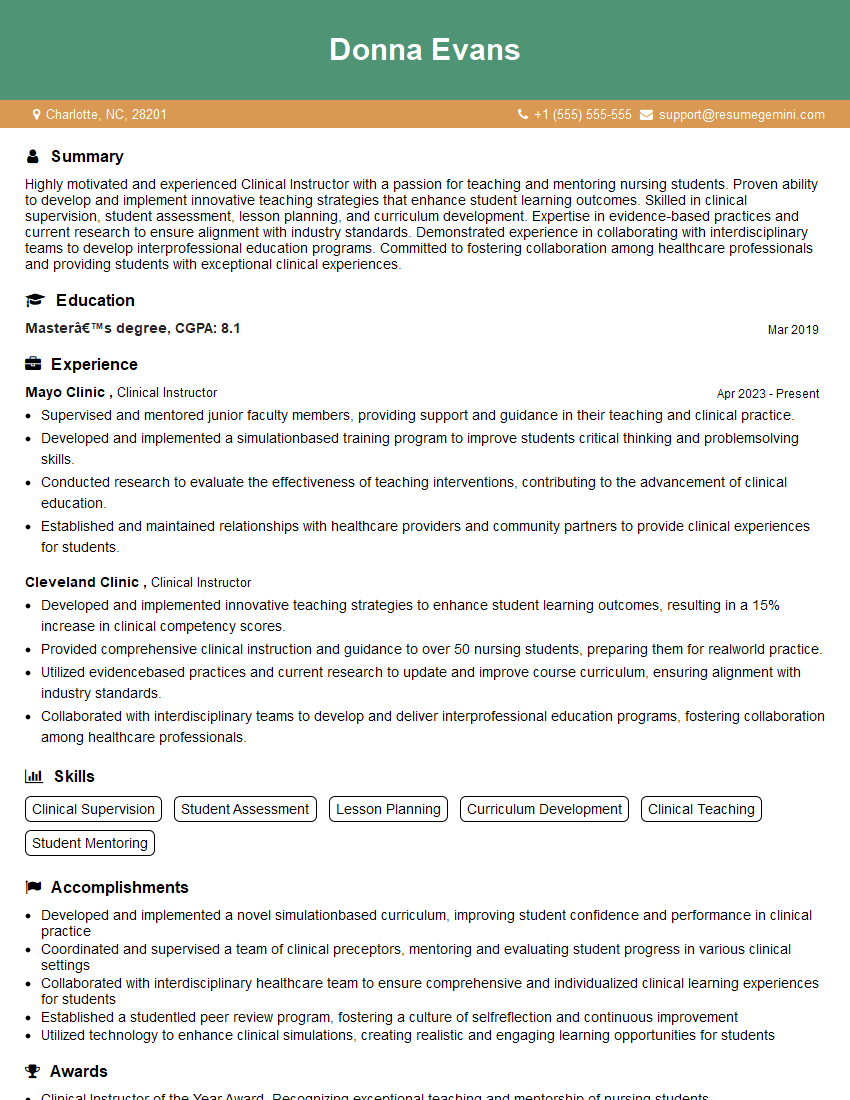
Mastering Clinic and Workshop Organization is crucial for career advancement in many fields, demonstrating your ability to manage complex projects, collaborate effectively, and deliver impactful results. A strong resume is essential for showcasing these skills to potential employers. Creating an ATS-friendly resume is key to getting your application noticed. We recommend using ResumeGemini to build a professional and effective resume that highlights your qualifications. ResumeGemini offers examples of resumes tailored to Clinic and Workshop Organization roles to help you get started.
Explore more articles
Users Rating of Our Blogs
Share Your Experience
We value your feedback! Please rate our content and share your thoughts (optional).
What Readers Say About Our Blog
Very informative content, great job.
good