Are you ready to stand out in your next interview? Understanding and preparing for Coaching and Instructional Techniques interview questions is a game-changer. In this blog, we’ve compiled key questions and expert advice to help you showcase your skills with confidence and precision. Let’s get started on your journey to acing the interview.
Questions Asked in Coaching and Instructional Techniques Interview
Q 1. Describe your experience designing and delivering training programs for adult learners.
Designing and delivering training for adults requires understanding their unique learning needs and preferences. My approach centers on creating engaging, relevant, and practical programs. I’ve designed and delivered numerous training programs across various industries, ranging from leadership development workshops to technical skills training. For example, I developed a comprehensive leadership program for a mid-sized tech company, incorporating elements of experiential learning, simulations, and peer coaching. This program resulted in a significant improvement in employee engagement and leadership capabilities, as measured by post-training surveys and performance reviews. Another example involved creating a series of online modules teaching customer service skills to a large retail chain, focusing on interactive exercises and case studies to enhance knowledge retention and practical application.
- Needs Analysis: Thorough needs assessment is the first step, identifying the knowledge and skill gaps hindering performance.
- Learning Objectives: Clear, measurable, achievable, relevant, and time-bound (SMART) objectives are crucial for effective training.
- Content Development: Utilizing varied learning methods, such as interactive exercises, case studies, group discussions, and simulations, keeps learners engaged and promotes active participation.
- Assessment & Evaluation: Regular assessments and feedback throughout the training process ensure learners are grasping the concepts, and post-training evaluations measure the impact of the program.
Q 2. Explain your approach to needs assessment in a training context.
My approach to needs assessment is systematic and multi-faceted. It’s not just about identifying what training is *needed*, but also *why* it’s needed and what the desired outcomes are. I employ a combination of methods to gather comprehensive data:
- Interviews: Conducting individual and group interviews with stakeholders (managers, employees, clients) to understand their perspectives on performance gaps and training needs.
- Surveys: Utilizing questionnaires to gather quantitative data from a larger sample of employees about their skills, knowledge, and training preferences.
- Performance Data Analysis: Reviewing existing performance data (e.g., sales figures, error rates, customer feedback) to identify areas needing improvement.
- Observation: Observing employees in their work environment to identify firsthand the challenges they face and opportunities for skill development.
- Document Review: Examining relevant documents (e.g., job descriptions, performance reviews, training records) to understand existing training efforts and identify gaps.
The data collected from these methods are analyzed to create a clear picture of the training needs, leading to the development of targeted and effective training interventions.
Q 3. How do you measure the effectiveness of your training programs?
Measuring training effectiveness involves a multi-pronged approach, going beyond simple participant satisfaction surveys. I utilize a combination of methods to assess the impact of the training:
- Kirkpatrick’s Four Levels of Evaluation: This model provides a framework for measuring training effectiveness across four levels: Reaction (how participants felt about the training), Learning (what participants learned), Behavior (how participants’ behavior changed on the job), and Results (the impact of the training on the organization’s goals).
- Pre- and Post-Training Assessments: Administering assessments before and after the training to measure the improvement in knowledge and skills.
- Performance Data: Tracking key performance indicators (KPIs) before and after training to measure the impact on job performance.
- 360-Degree Feedback: Gathering feedback from supervisors, peers, and subordinates to obtain a comprehensive view of the impact of the training on behavior and performance.
- Return on Investment (ROI): Calculating the return on investment to demonstrate the value of the training program to the organization.
By combining these methods, a comprehensive understanding of the training’s effectiveness is obtained, allowing for continuous improvement and refinement.
Q 4. What instructional design models are you familiar with (e.g., ADDIE, SAM)?
I’m proficient in several instructional design models, each offering a unique approach to designing effective training programs. The most commonly used models I utilize are:
- ADDIE: (Analysis, Design, Development, Implementation, Evaluation) This is a linear model that provides a structured approach to instructional design, focusing on a systematic process from analysis to evaluation. It’s excellent for clearly defined training needs.
- SAM: (Successive Approximation Model) A more iterative and agile model that allows for flexibility and adjustments throughout the design and development process. This is beneficial when dealing with evolving needs or uncertain requirements.
- Agile Instructional Design: An iterative approach that emphasizes collaboration, flexibility, and continuous improvement throughout the design and development process. It aligns well with fast-paced project environments and rapidly evolving technologies.
My choice of model depends on the specific project requirements and context. For example, for a complex, large-scale training program with well-defined needs, ADDIE might be preferred, while for a smaller, more dynamic project with evolving needs, SAM or an agile approach might be more suitable.
Q 5. What are your preferred methods for delivering training (e.g., online, in-person, blended)?
My preferred methods for delivering training are varied, and the optimal approach depends heavily on the training objectives, audience, content, and budget. I often utilize a blended learning approach, combining the strengths of different delivery methods:
- Online Training: eLearning modules, videos, webinars, and online assessments provide flexibility and scalability. This is excellent for geographically dispersed audiences or for delivering introductory or refresher training.
- In-Person Training: Workshops, seminars, and on-the-job training provide opportunities for hands-on practice, collaboration, and immediate feedback. It is particularly useful for complex skills training or when building strong interpersonal connections is crucial.
- Blended Learning: Combining online and in-person components leverages the benefits of both approaches, creating a more engaging and effective learning experience. For example, learners might complete online modules before attending a face-to-face workshop for hands-on activities and group discussions.
I always strive to create a personalized and engaging learning environment, regardless of the delivery method.
Q 6. How do you adapt your training style to different learning styles?
Adapting to different learning styles is crucial for effective training. I utilize a variety of techniques to cater to various preferences, understanding that learners process and retain information differently. I utilize a multi-sensory approach, incorporating elements that cater to visual, auditory, and kinesthetic learners:
- Visual Learners: Using diagrams, charts, presentations, and visual aids to convey information.
- Auditory Learners: Incorporating discussions, lectures, audio recordings, and group work to facilitate learning.
- Kinesthetic Learners: Designing interactive activities, simulations, role-playing exercises, and hands-on projects to engage learners physically and experientially.
Beyond these broad categories, I also consider individual learning preferences, such as preferred pace, learning environment, and learning materials. For example, offering learners choices in how they engage with the material—allowing for self-paced learning, group collaboration, or one-on-one coaching—can significantly enhance the learning experience.
Q 7. Describe a time you had to overcome a challenge in delivering training.
During a leadership training program for a financial institution, we experienced unexpected technical difficulties during a crucial simulation exercise involving a complex financial scenario. The software we were using crashed midway through the session, causing significant disruption and frustration amongst the participants. To overcome this challenge, I immediately adapted the program. I used whiteboards and flip charts to recreate the scenario, encouraging participants to engage in problem-solving through real-time, facilitated discussion. This unexpected shift allowed the participants to practice strategic thinking under pressure, highlighting the importance of adaptability and creative problem-solving – skills vital to effective leadership. While the technology malfunction was unforeseen, it ultimately provided a valuable, albeit unplanned, learning experience.
This experience reinforced the importance of having contingency plans for technical issues and the flexibility to adapt to unexpected challenges. Post-training, I implemented stricter software testing protocols and developed backup materials for future sessions.
Q 8. How do you handle difficult learners or participants?
Handling difficult learners requires a multifaceted approach focusing on understanding the root cause of their behavior. It’s rarely about inherent defiance; often, it stems from underlying anxieties, learning differences, or unmet needs. My strategy involves:
- Building Rapport: I start by creating a safe and respectful learning environment where learners feel comfortable expressing themselves. This involves active listening, empathy, and showing genuine interest in their perspectives.
- Identifying the Root Cause: I try to understand *why* a learner is struggling. Is it a lack of understanding of the material, a lack of confidence, a fear of failure, or something else? Observation and informal conversations are key here. For example, if a learner is consistently disruptive, it might be because they’re bored or struggling to keep up.
- Differentiated Instruction: Once I understand the challenge, I adapt my teaching methods. This might involve providing additional support, offering alternative learning materials, or modifying assessment methods. Perhaps a visual learner needs diagrams, while a kinesthetic learner needs hands-on activities.
- Setting Clear Expectations and Boundaries: While fostering a supportive environment, I maintain clear expectations for behavior and engagement. Consistent and fair application of rules helps maintain order and provides learners with a sense of security.
- Collaboration and Communication: If the difficulty persists, I involve the learner, relevant stakeholders (such as supervisors or mentors), and sometimes even outside resources, to develop a tailored support plan.
For example, I once worked with a learner who was consistently late and disengaged. Through conversation, I discovered they were dealing with personal challenges affecting their attendance. By offering flexible learning options and connecting them with support services, we were able to get them back on track.
Q 9. What technologies or tools are you proficient in for creating training materials?
I’m proficient in a range of technologies for creating engaging training materials. My toolkit includes:
- Authoring Tools: Articulate Storyline 360, Adobe Captivate – for creating interactive e-learning modules and simulations.
- Presentation Software: PowerPoint, Google Slides – for creating visually appealing presentations and handouts.
- Video Editing Software: Adobe Premiere Pro, DaVinci Resolve – for producing engaging video tutorials and explainer videos.
- Graphic Design Software: Adobe Photoshop, Illustrator – for creating visually appealing graphics, infographics, and branding materials.
- Learning Management Systems (LMS): Moodle, Canvas – for delivering and managing online courses.
- Collaboration Tools: Google Workspace, Microsoft Teams – for facilitating teamwork and communication.
I adapt my technology choices to the specific needs of the training program. For example, for a technical training program, I might use simulation software, while for a leadership development program, I might focus on video conferencing and collaborative platforms.
Q 10. Explain your experience using different assessment methods (e.g., quizzes, projects, observations).
Assessment is crucial for gauging learner progress and adjusting instruction. I utilize a variety of methods to obtain a holistic understanding of learning outcomes:
- Quizzes: These are great for evaluating factual knowledge and comprehension. I use a variety of question types (multiple choice, true/false, short answer) to cater to different learning styles. I often use online quiz platforms for automated grading and feedback.
- Projects: Projects allow learners to apply their knowledge and skills in a practical setting. This could involve case studies, presentations, simulations, or creating something tangible. Projects provide insights into problem-solving, critical thinking, and collaboration skills.
- Observations: Direct observation during group activities, role-playing, or presentations offers valuable insights into a learner’s practical application of skills and teamwork dynamics. This method helps identify areas needing improvement, especially in soft skills.
- Self-Assessments: I frequently include opportunities for learners to reflect on their progress and identify areas for improvement. This can take the form of journals, reflective essays, or feedback surveys.
- Peer Assessments: Peer feedback provides learners with diverse perspectives and enhances their self-awareness.
The choice of assessment method depends on the learning objectives. For example, a course on data analysis might heavily rely on projects and quizzes focusing on data interpretation. A leadership development program might focus more on observation during role-playing exercises and self/peer assessments of leadership qualities.
Q 11. How do you incorporate feedback into your training programs?
Feedback is a critical component of effective training. I integrate feedback throughout the learning process, using various methods to ensure it’s constructive and actionable:
- Formative Feedback: Throughout the training, I provide regular, ongoing feedback on learner progress. This could be through informal discussions, quick checks for understanding, or reviewing drafts of work. The goal is to identify challenges early and adjust instruction accordingly.
- Summative Feedback: At the end of a module or training program, I provide comprehensive feedback based on assessments. This feedback highlights strengths, areas for improvement, and suggests specific steps for development. I ensure this feedback is specific, descriptive, and focuses on behaviors, not personalities.
- Multiple Feedback Sources: I incorporate diverse feedback methods, including self-assessment, peer assessment, and my own observations. This provides a well-rounded perspective on learner progress.
- Feedback Delivery: I tailor my feedback delivery to the individual learner and the context. Some learners benefit from formal written feedback, while others prefer one-on-one conversations.
- Action Planning: I often work with learners to develop action plans to address identified areas for improvement. This helps make the feedback concrete and actionable.
For instance, after a presentation, I might provide feedback on content clarity, delivery style, and visual aids, along with suggestions for improvement, and we’d collaborate on an action plan for their next presentation.
Q 12. How do you maintain your own professional development in the field?
Continuous professional development is essential in the ever-evolving field of coaching and instructional design. I prioritize my own learning through several strategies:
- Conferences and Workshops: Attending industry conferences and workshops allows me to stay updated on the latest trends, research, and best practices.
- Online Courses and Certifications: I regularly engage in online courses and pursue relevant certifications to deepen my expertise in specific areas, such as instructional design models or specific coaching methodologies.
- Mentorship and Peer Learning: I actively seek mentorship from experienced professionals and participate in peer learning groups to exchange ideas and receive feedback.
- Reading and Research: I stay abreast of current research and best practices in coaching and instructional design through journals, books, and online resources.
- Reflection and Self-Assessment: Regular reflection on my own coaching and teaching practices helps identify areas for improvement and refine my approach.
I view professional development as an ongoing journey, not a destination. By consistently seeking new knowledge and skills, I can better serve my clients and learners.
Q 13. Describe your experience coaching individuals or teams.
My experience in coaching spans both individual and team settings. I’ve worked with individuals on career development, leadership skills, and personal growth, and with teams on improving communication, collaboration, and achieving common goals.
- Individual Coaching: In individual coaching, I employ a collaborative approach, focusing on identifying the client’s goals, creating a tailored action plan, providing support and accountability, and celebrating achievements. I use various coaching models like GROW (Goal, Reality, Options, Will) to guide the process.
- Team Coaching: Team coaching involves working with a group to improve team dynamics, collaboration, and productivity. I facilitate team meetings, workshops, and activities focused on building trust, enhancing communication, and resolving conflicts. My approach is tailored to the team’s specific needs and challenges.
For instance, I recently coached a team struggling with communication breakdowns. Through facilitated workshops focusing on active listening and clear communication strategies, and individual coaching sessions with team members to address communication styles, we dramatically improved team efficiency and morale.
Q 14. Explain your coaching philosophy.
My coaching philosophy is centered on empowering individuals and teams to reach their full potential through self-discovery and collaborative action. I believe in:
- Client-Centered Approach: The client’s goals and aspirations are at the heart of the coaching process. I work collaboratively with clients to define their objectives and develop strategies tailored to their specific needs and circumstances.
- Growth Mindset: I foster a growth mindset by encouraging clients to embrace challenges, view setbacks as learning opportunities, and celebrate progress. I believe in the potential for continuous growth and development.
- Accountability and Support: I provide support and accountability to help clients stay on track and achieve their goals. This might involve regular check-ins, providing resources, and offering constructive feedback.
- Holistic Approach: I recognize that personal and professional development are intertwined. I integrate considerations of personal well-being, values, and purpose into the coaching process.
- Ethical Practices: Maintaining confidentiality, integrity, and objectivity are paramount in my coaching practice.
In essence, my goal is to be a catalyst for growth, empowering clients to become the best versions of themselves.
Q 15. What coaching models or frameworks are you familiar with (e.g., GROW, Strength-Based)?
I’m familiar with a variety of coaching models, each offering a unique approach to guiding clients. The GROW model (Goal, Reality, Options, Will) is a structured framework I frequently use. It helps clients clarify their goals, assess their current situation, brainstorm potential solutions, and commit to action. The Strength-Based Coaching approach focuses on leveraging a client’s existing talents and strengths to achieve their goals. This is powerful as it builds confidence and empowers self-discovery. Other models I utilize include the Solution-Focused Brief Therapy (SFBT) model, emphasizing finding solutions rather than dwelling on problems, and the Cognitive Behavioral Coaching (CBC) model, which helps clients identify and change negative thought patterns and behaviors. Choosing the right model depends on the client’s needs and the specific challenge they are facing.
Career Expert Tips:
- Ace those interviews! Prepare effectively by reviewing the Top 50 Most Common Interview Questions on ResumeGemini.
- Navigate your job search with confidence! Explore a wide range of Career Tips on ResumeGemini. Learn about common challenges and recommendations to overcome them.
- Craft the perfect resume! Master the Art of Resume Writing with ResumeGemini’s guide. Showcase your unique qualifications and achievements effectively.
- Don’t miss out on holiday savings! Build your dream resume with ResumeGemini’s ATS optimized templates.
Q 16. How do you establish rapport and build trust with your clients/coachees?
Establishing rapport and trust is crucial. I start by actively listening and showing genuine interest in my clients’ stories. This involves creating a safe and non-judgmental space where they feel comfortable sharing their thoughts and feelings. I use open-ended questions to encourage them to explore their experiences and perspectives. Mirroring their body language subtly can help build connection. Being authentic and transparent about my own coaching process further enhances trust. For example, if I’m unsure about something, I openly acknowledge it rather than pretending to have all the answers. Building trust is an ongoing process, not a one-time event, and requires consistent effort and empathy.
Q 17. Describe a time you had to adapt your coaching style to meet the needs of a particular individual.
I once worked with a client who was highly analytical and detail-oriented, preferring a structured approach. My usual style tends to be more flexible and intuitive. I realized that my typical, more free-flowing style wasn’t resonating with them. So, I adapted my approach. Instead of jumping between topics, I structured our sessions with a clear agenda and followed it meticulously. I provided them with detailed notes after each session and used visual aids to present information. By adjusting my approach to align with their preferences, I was able to build a strong working relationship and achieve positive outcomes. This highlighted the importance of being adaptable and responsive to individual coaching styles.
Q 18. How do you handle conflict or disagreements with coachees?
Conflict can be a valuable opportunity for growth. When disagreements arise, I strive to create a safe space for open dialogue. I begin by actively listening to both sides, seeking to understand their perspectives without judgment. I then help them identify the root causes of the conflict, focusing on the issues rather than attacking personalities. I encourage them to express their feelings constructively and to find common ground. If necessary, I facilitate collaborative problem-solving, helping them brainstorm solutions that meet everyone’s needs. The emphasis is always on finding mutually agreeable solutions, fostering understanding, and reinforcing a respectful working relationship.
Q 19. What are some common challenges in coaching, and how do you address them?
Common coaching challenges include client resistance, lack of commitment, and unclear goals. Addressing resistance involves exploring the underlying reasons for the resistance. This could involve addressing fears, uncovering limiting beliefs, or re-framing the challenge. Lack of commitment can be tackled through collaborative goal-setting, breaking down large goals into smaller, manageable steps, and celebrating small wins to maintain motivation. Unclear goals are often addressed by using techniques such as the SMART goal framework (Specific, Measurable, Achievable, Relevant, Time-bound), which helps define and clarify objectives. Effective communication and building a strong coaching alliance are vital in overcoming these challenges.
Q 20. How do you measure the success of your coaching engagements?
Measuring coaching success involves a multifaceted approach. Firstly, I collaborate with the client to establish clear, measurable goals at the beginning of the engagement. Throughout the coaching process, we regularly track progress toward those goals. This could involve using questionnaires, self-assessments, or behavioral observation. At the conclusion of the coaching period, we conduct a comprehensive evaluation to assess the extent to which the goals have been achieved. Client feedback, through surveys or informal conversations, plays a crucial role in gauging their satisfaction and the overall impact of the coaching. This holistic approach gives a clear picture of the success of the engagement.
Q 21. What are your ethical considerations in coaching?
Ethical considerations are paramount in coaching. Maintaining client confidentiality is a top priority; all information shared during sessions is treated with strict confidentiality unless legally obligated to disclose it. I ensure informed consent – making sure the client understands the coaching process, fees, and limitations before we begin. Avoiding conflicts of interest, maintaining professional boundaries, and acting with integrity and objectivity are essential. I continuously strive to uphold the highest ethical standards set by professional coaching organizations to ensure the wellbeing and trust of my clients. Staying current on ethical guidelines and seeking supervision when needed are crucial aspects of responsible coaching.
Q 22. How do you ensure confidentiality in your coaching sessions?
Confidentiality is paramount in coaching. I begin each session by explicitly stating my commitment to confidentiality and outlining the limits of that confidentiality (e.g., legal obligations to report harm to self or others). I clearly explain that anything shared during our sessions remains private unless otherwise mandated by law. This includes not discussing the client’s participation or progress with anyone else without their explicit permission. I also ensure that my workspace maintains physical and digital security—for example, by using password-protected files and ensuring my physical space is private and secure. Think of it like a doctor-patient relationship; trust is the foundation, and confidentiality protects that trust.
Furthermore, I proactively seek to manage any potential conflicts of interest, and I inform clients upfront if any limitations might exist concerning confidentiality due to specific professional obligations.
Q 23. Describe your experience developing learning objectives and aligning them with training content.
Developing effective learning objectives is crucial for successful training. My approach starts with a thorough needs analysis, identifying the knowledge, skills, and attitudes (KSAs) trainees need to acquire. I then translate these needs into specific, measurable, achievable, relevant, and time-bound (SMART) learning objectives. For example, instead of a vague objective like “Understand marketing,” a SMART objective might be “By the end of this module, participants will be able to identify three key marketing strategies and explain how they apply to their specific industry with 80% accuracy, as measured by a post-training quiz.”
Once objectives are defined, I align them with the training content by designing modules and activities that directly address each objective. I use a variety of methods like lectures, group discussions, case studies, role-playing, and simulations to ensure engagement and cater to diverse learning styles. I also create clear learning pathways, ensuring a logical progression through the training materials, linking each learning activity directly to the stated objectives. A detailed training outline helps ensure everything remains aligned.
Q 24. How do you ensure the accessibility of your training materials for diverse learners?
Accessibility is a core principle in my instructional design. I ensure materials are usable by people with a wide range of abilities. This begins with providing alternative formats of content. For example, I would offer transcripts for videos, audio descriptions for images, and text-based alternatives for complex visuals. I adhere to WCAG (Web Content Accessibility Guidelines) when creating online training materials, making sure font sizes are adjustable, color contrast is sufficient, and navigation is intuitive. For individuals with visual impairments, I ensure screen reader compatibility.
Furthermore, I consider learners with diverse learning styles and needs. This involves employing multimedia, offering varied activities, providing opportunities for self-paced learning, and incorporating hands-on activities. For example, I may incorporate kinesthetic learning activities alongside visual and auditory content. Regular checking for understanding and providing individualized support also contributes to greater inclusivity.
Q 25. What is your understanding of the principles of adult learning theory?
Adult learning theory, also known as andragogy, differs significantly from pedagogy (child learning). Key principles include:
- Self-concept: Adults are self-directed and need to feel valued and respected. My approach emphasizes their experiences and prior knowledge.
- Experience: Adults have rich life experiences that serve as a valuable learning resource. I actively tap into their past experiences to connect learning to their real-world contexts.
- Readiness to learn: Adults are most likely to learn when they perceive the relevance of the material to their lives and work. I emphasize practical applications and real-world scenarios.
- Orientation to learning: Adults are problem-centered and focused on immediately applicable skills and knowledge. My design focuses on addressing specific problems and offering actionable solutions.
- Motivation: Adults are internally motivated and require intrinsic reasons to learn. I foster motivation through collaboration, choice, and relevance.
These principles guide my design of engaging and effective training programs tailored to the adult learner.
Q 26. How do you incorporate technology effectively into your instructional design?
Technology can significantly enhance instructional design. I use a variety of technologies to create engaging and interactive learning experiences. For example, I utilize Learning Management Systems (LMS) like Moodle or Canvas to host course materials, track progress, and facilitate communication. I also incorporate interactive elements such as simulations, gamification, and virtual reality (VR) where appropriate to enhance engagement and knowledge retention.
I leverage video conferencing tools like Zoom or Microsoft Teams for live online training sessions, allowing for real-time interaction and feedback. I use authoring tools like Articulate Storyline or Adobe Captivate to create engaging e-learning modules with interactive exercises and assessments. When designing, I ensure the chosen technology supports accessibility and is compatible with diverse devices.
Q 27. Explain your experience with creating engaging and interactive training materials.
Creating engaging and interactive training materials is a critical aspect of my work. I use a variety of techniques to achieve this. For example, I incorporate storytelling, case studies, and real-world examples to make the learning relevant and relatable. I design interactive exercises, quizzes, and simulations to keep learners actively involved and test their understanding. I also use multimedia elements like videos, animations, and audio to cater to diverse learning styles.
I’ve found that incorporating collaborative activities such as group discussions and peer feedback enhances engagement and fosters a sense of community among learners. Furthermore, I provide opportunities for learners to apply their newly acquired knowledge through practical projects or simulations. For instance, I might create a simulated customer service scenario for a sales training program. This allows learners to test their skills in a safe and controlled environment.
Q 28. How do you stay current with trends and best practices in the field of coaching and instructional design?
Staying current in coaching and instructional design requires continuous professional development. I actively participate in professional organizations like ATD (Association for Talent Development) and attend conferences and workshops to learn about the latest trends and best practices. I subscribe to industry journals and newsletters, and I regularly read research articles and books in the field. I also engage in peer learning by attending webinars, participating in online forums, and networking with other professionals.
Furthermore, I regularly reflect on my own practice, seeking feedback from clients and trainees to identify areas for improvement. This continuous feedback loop ensures that I am always adapting my methods to meet the evolving needs of learners and the industry landscape.
Key Topics to Learn for Coaching and Instructional Techniques Interview
- Adult Learning Principles: Understand andragogy, its core principles (self-concept, experience, readiness to learn, orientation to learning, motivation), and how to apply them in various coaching scenarios.
- Instructional Design Models: Familiarize yourself with models like ADDIE (Analysis, Design, Development, Implementation, Evaluation) or SAM (Successive Approximation Model) and how they inform the creation of effective training programs. Discuss practical applications, such as designing a workshop or online course.
- Coaching Styles and Approaches: Explore different coaching styles (e.g., mentoring, transformational coaching, behavioural coaching) and their appropriate applications depending on the learner’s needs and context. Be ready to discuss the strengths and weaknesses of each.
- Feedback and Assessment Strategies: Master techniques for providing constructive feedback, including methods for evaluating learning outcomes and using assessment data to inform future instruction. Consider different assessment types and their purposes.
- Communication and Interpersonal Skills: Highlight your abilities in active listening, empathy, clear communication, and building rapport with diverse learners. Be prepared to provide examples showcasing these skills.
- Technology Integration in Coaching and Instruction: Discuss your familiarity with various technologies used in online learning and virtual coaching, and how to effectively integrate them into your teaching strategies.
- Addressing Learning Challenges and Barriers: Demonstrate your understanding of common learning difficulties and how to adapt your coaching and instructional techniques to accommodate diverse learning styles and needs. Be prepared to discuss strategies for overcoming resistance to change or learning.
- Ethical Considerations in Coaching and Instruction: Discuss the importance of maintaining ethical standards in coaching and instructional practices, including confidentiality, professional boundaries, and cultural sensitivity.
Next Steps
Mastering Coaching and Instructional Techniques is crucial for career advancement in many fields, opening doors to leadership roles and opportunities for significant impact. A strong resume is your key to unlocking these opportunities. Building an ATS-friendly resume is essential to ensure your application is seen by recruiters. To create a compelling and effective resume that showcases your skills and experience in Coaching and Instructional Techniques, we recommend using ResumeGemini. ResumeGemini provides a trusted and user-friendly platform for building professional resumes, and examples of resumes tailored to Coaching and Instructional Techniques are available to guide you.
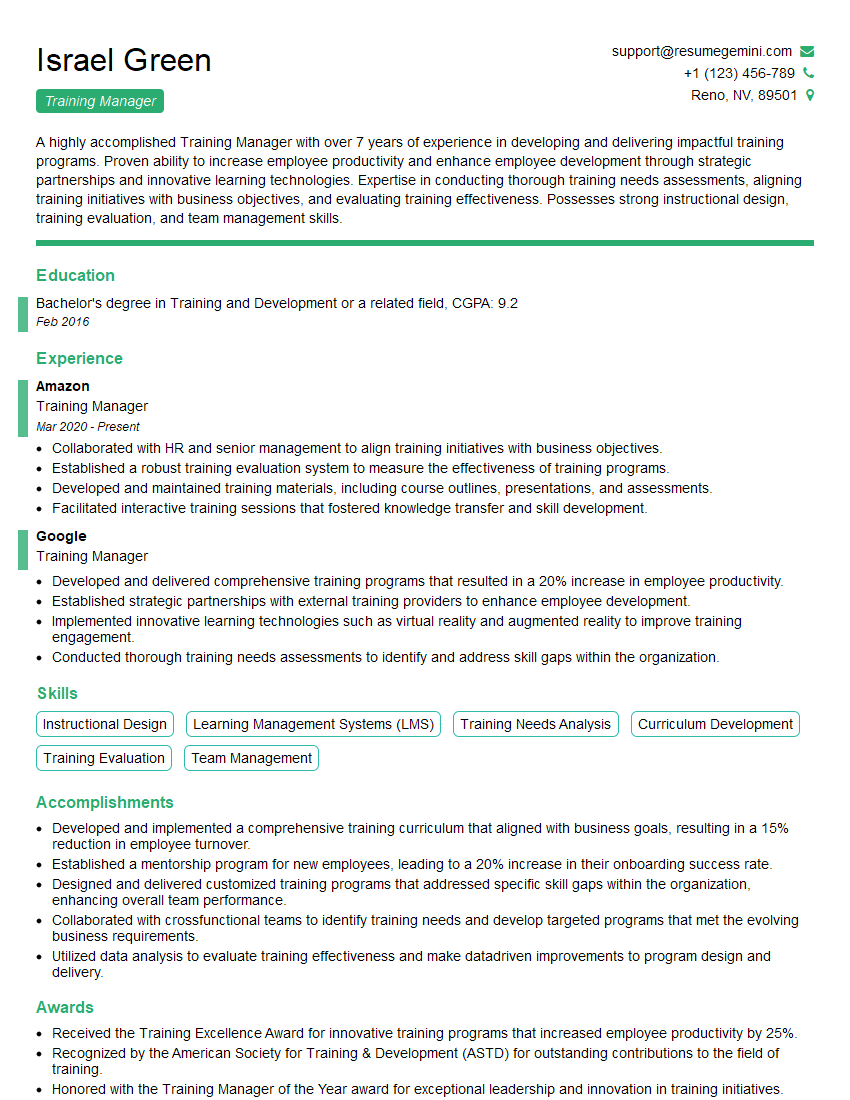
Training Manager Resume Sample
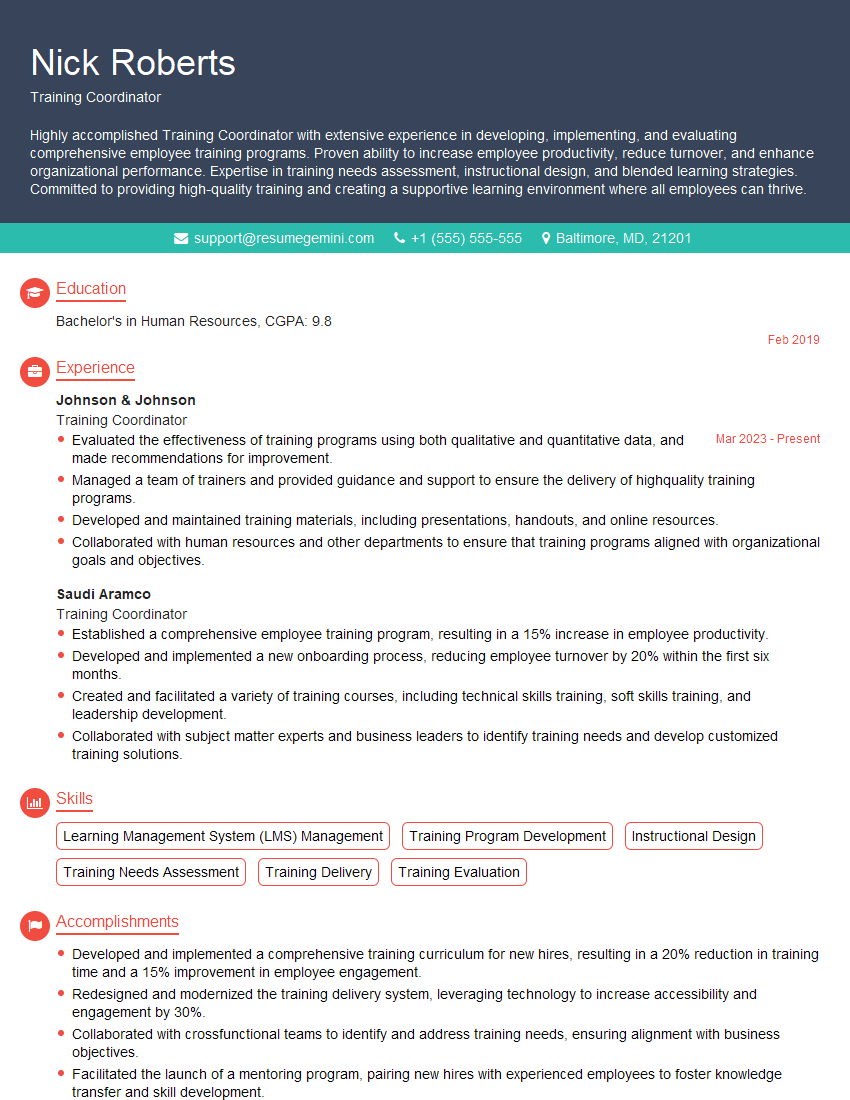
Training Coordinator Resume Sample
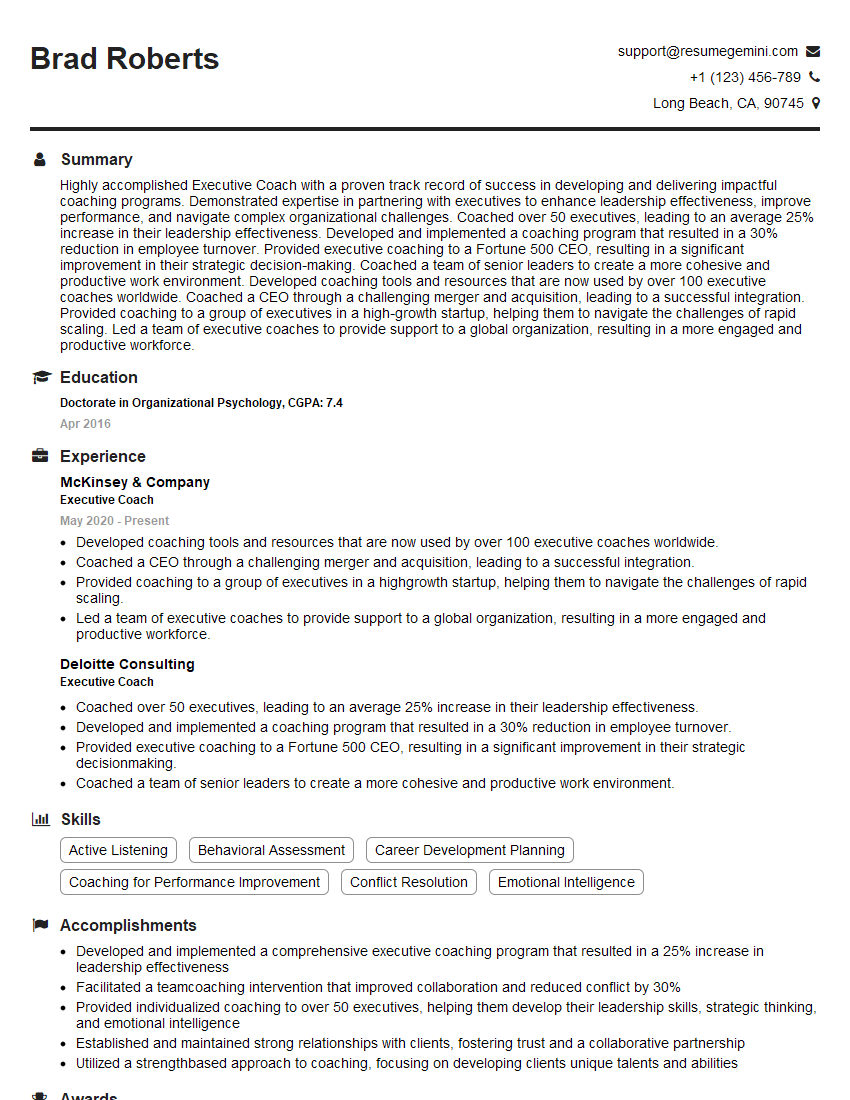
Executive Coach Resume Sample
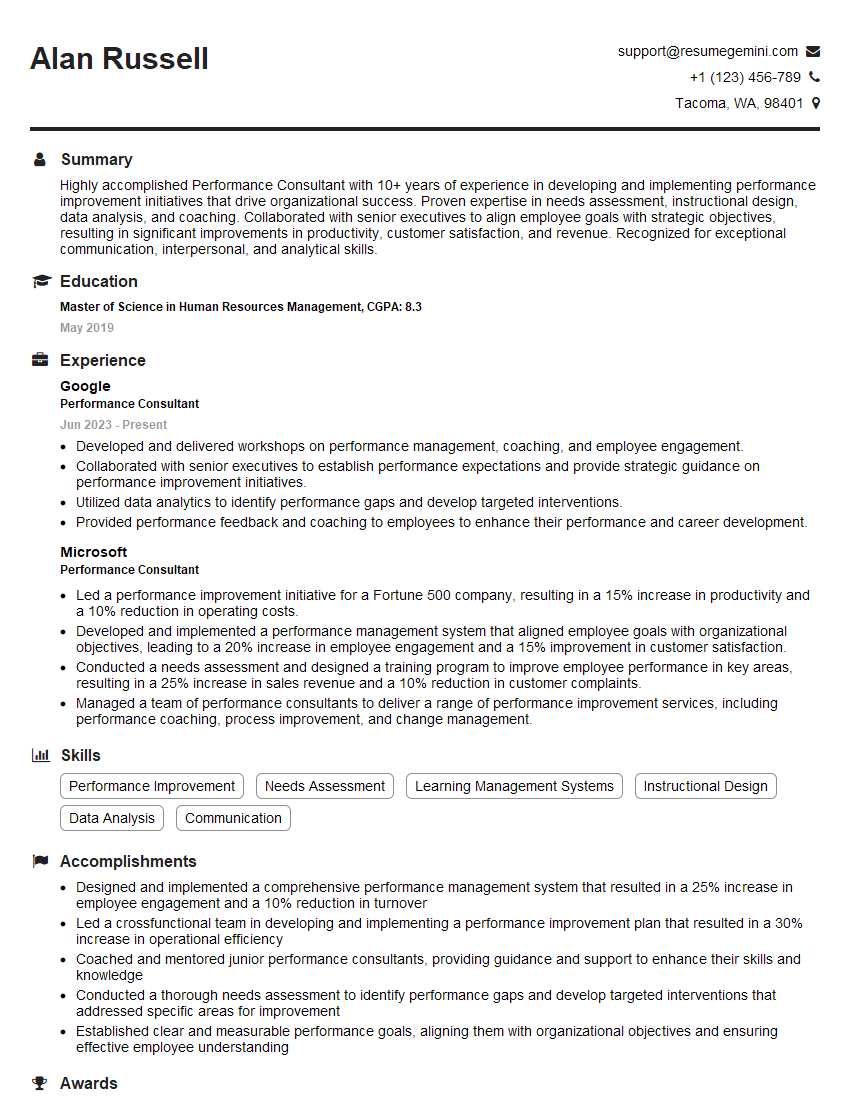
Performance Consultant Resume Sample
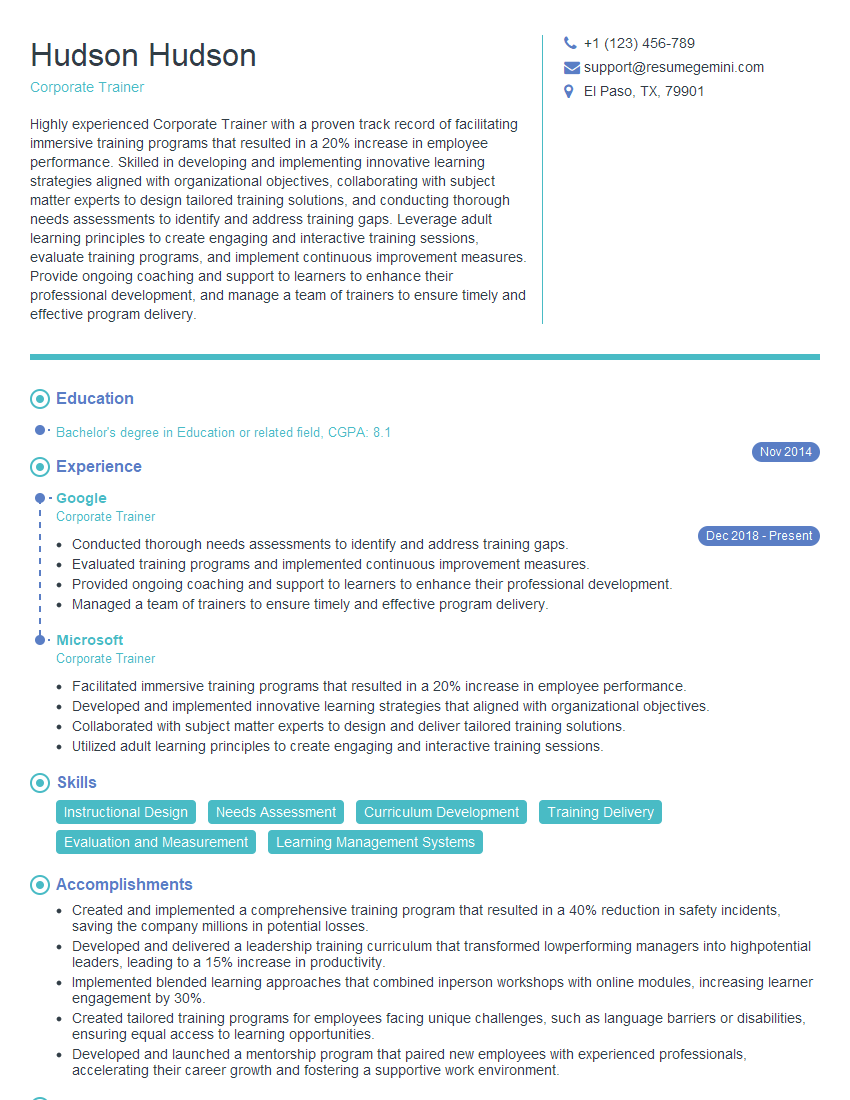
Corporate Trainer Resume Sample

Curriculum Developer Resume Sample
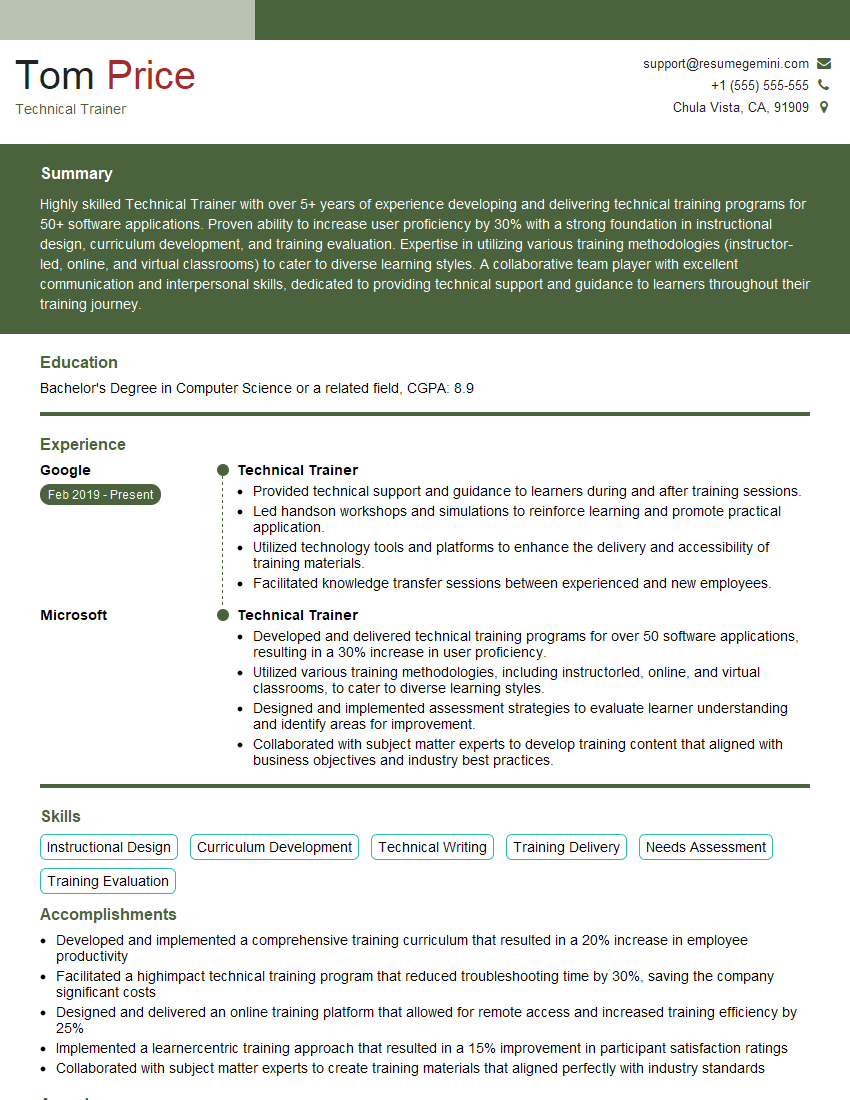
Technical Trainer Resume Sample

Training Specialist Resume Sample
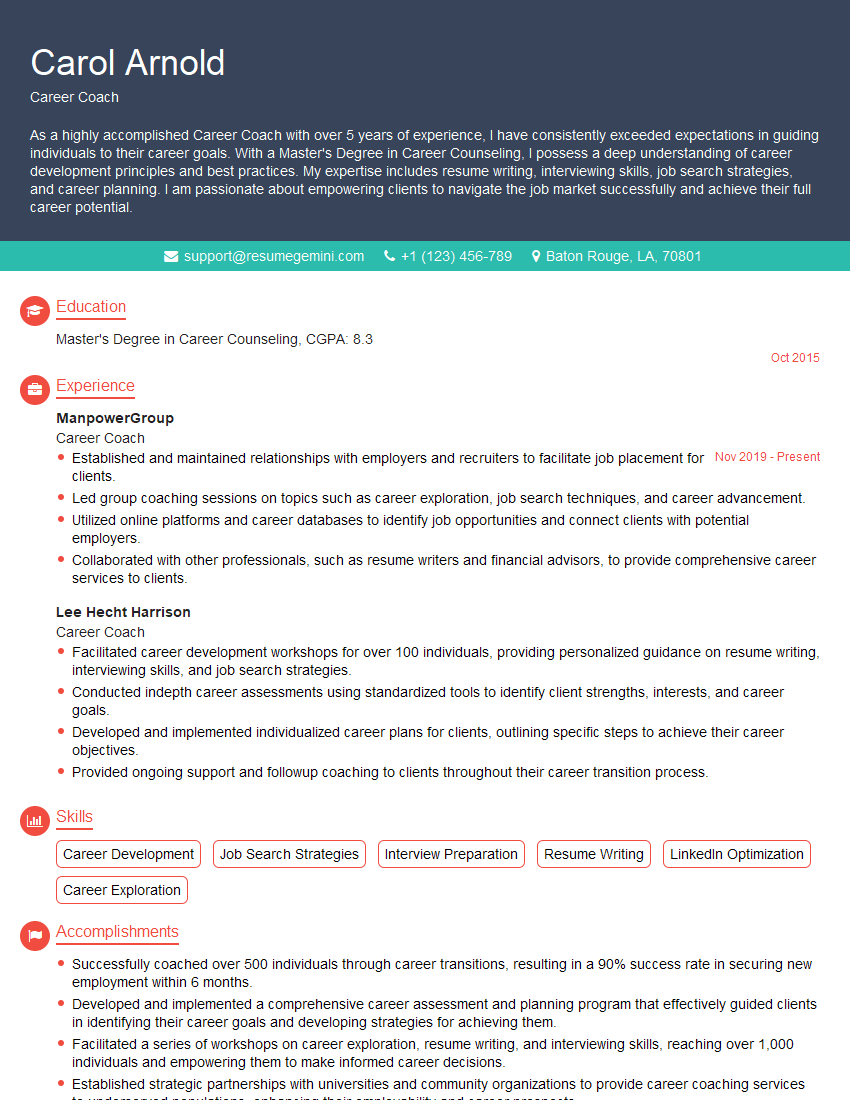
Career Coach Resume Sample
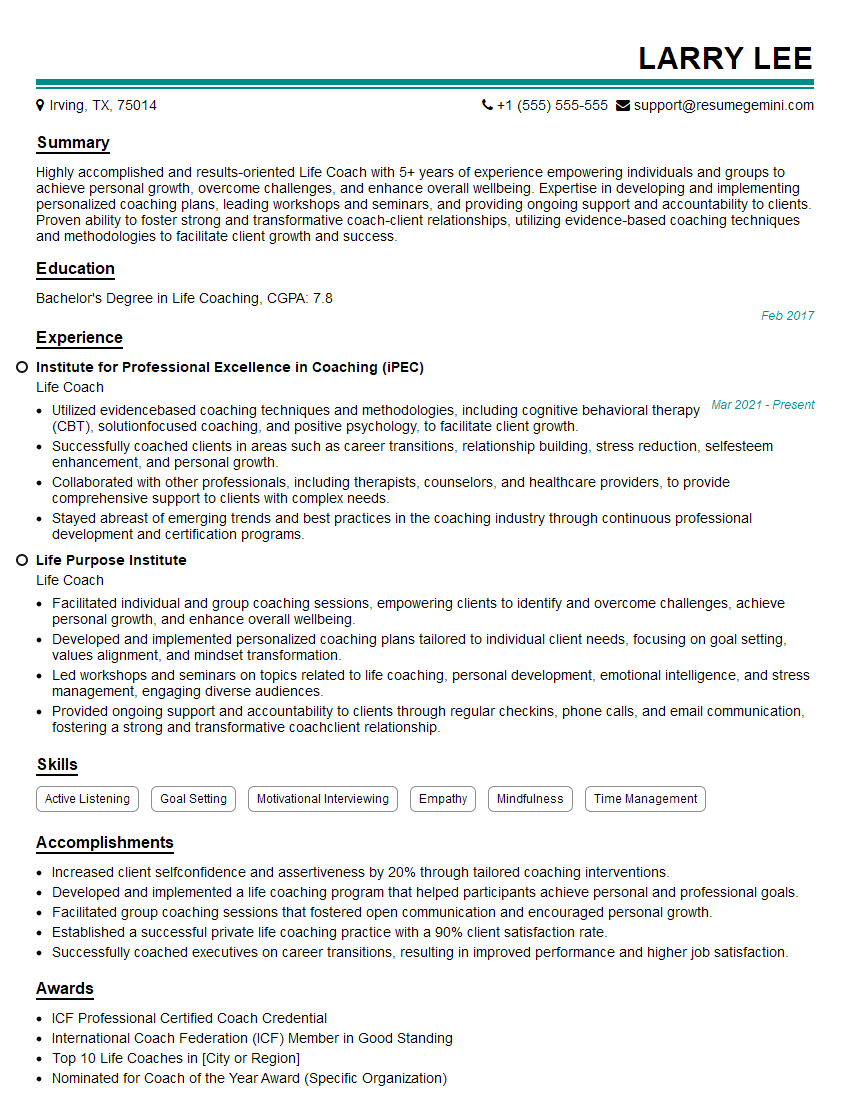
Life Coach Resume Sample

Adult Education Instructor Resume Sample
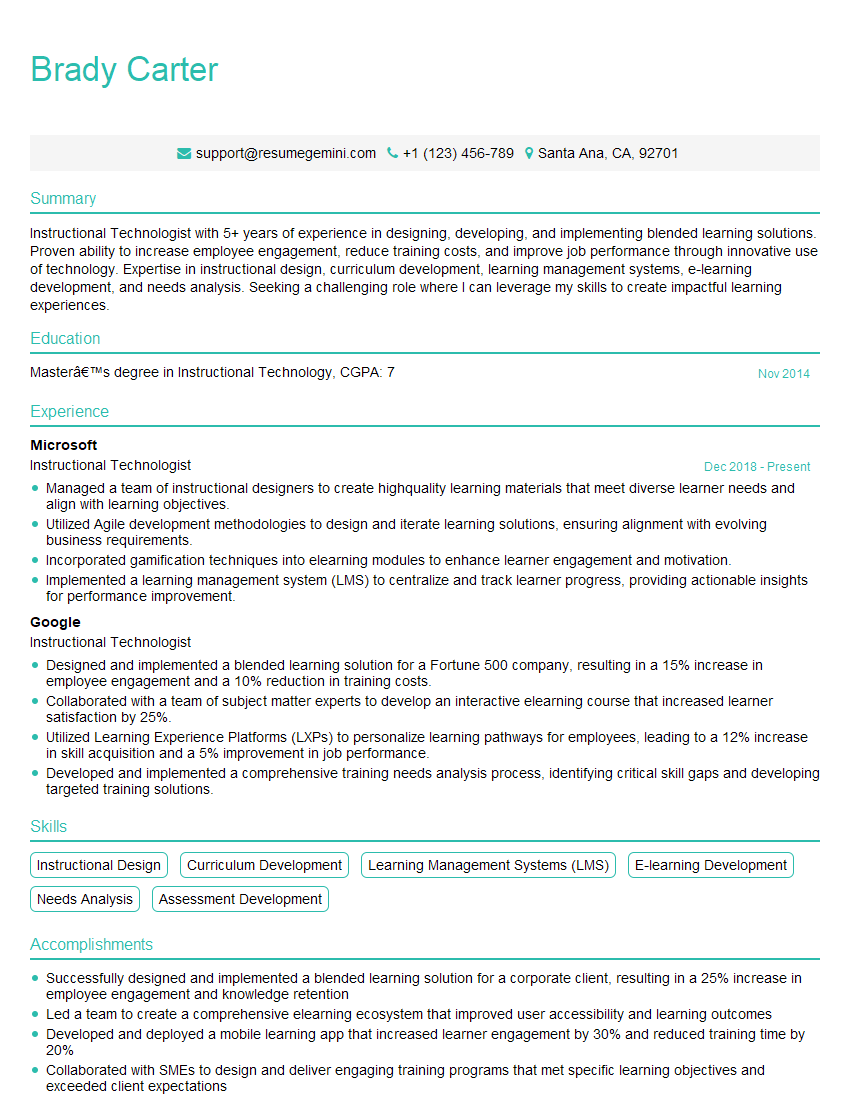
Instructional Technologist Resume Sample
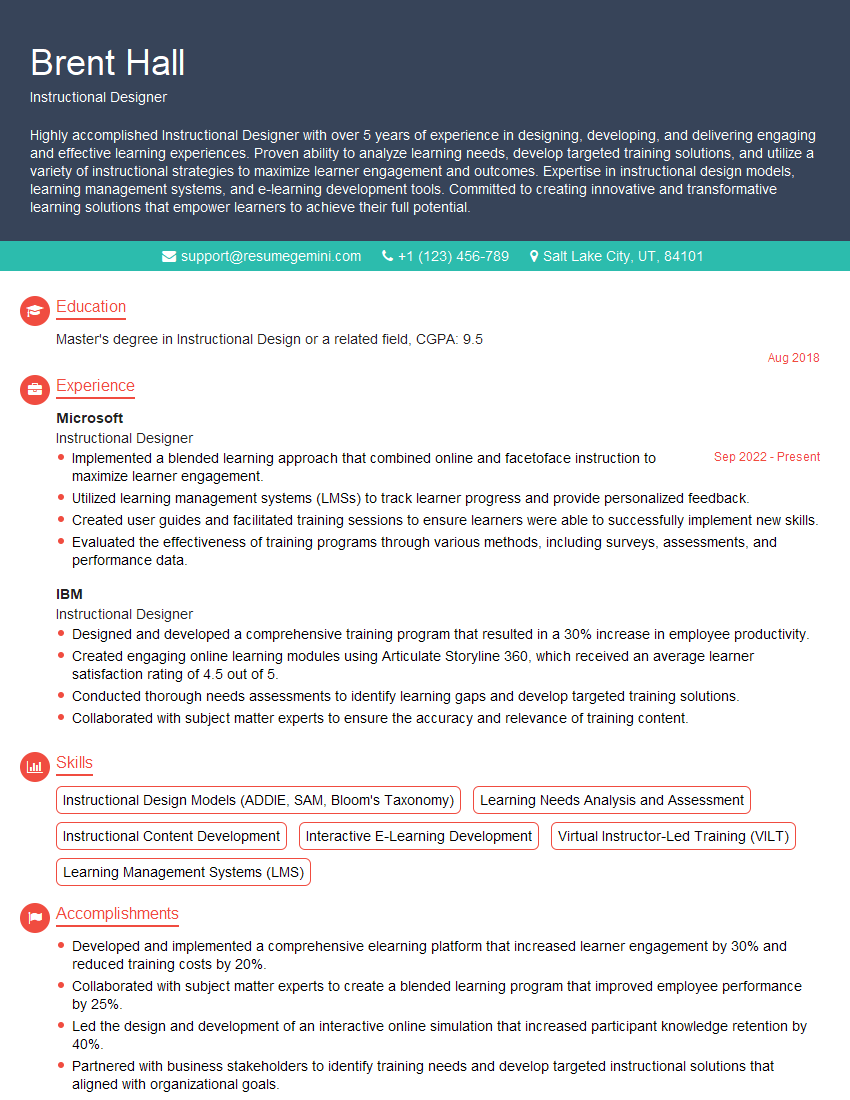
Instructional Designer Resume Sample
Explore more articles
Users Rating of Our Blogs
Share Your Experience
We value your feedback! Please rate our content and share your thoughts (optional).
What Readers Say About Our Blog
Very informative content, great job.
good