Interviews are opportunities to demonstrate your expertise, and this guide is here to help you shine. Explore the essential Cognitive Agility interview questions that employers frequently ask, paired with strategies for crafting responses that set you apart from the competition.
Questions Asked in Cognitive Agility Interview
Q 1. Describe a situation where you had to quickly adapt to a change in priorities.
Adapting to shifting priorities is crucial for cognitive agility. It requires a flexible mindset and the ability to quickly re-evaluate tasks and strategies.
During a project management role, we were nearing the launch of a new software application. The marketing team suddenly requested a significant alteration to the user interface, necessitating a complete redesign of the final stages. This demanded immediate adaptation. Instead of resistance, I held a quick team meeting. We prioritized tasks using the MoSCoW method (Must have, Should have, Could have, Won’t have). This allowed us to focus on the essential UI changes while appropriately scaling back less critical features. Clear communication and a collaborative spirit were key to managing the unexpected shift efficiently and ensuring a successful launch, albeit with a slightly adjusted timeline.
Q 2. How do you approach problem-solving when faced with incomplete information?
Problem-solving with incomplete information is a common challenge requiring a structured approach. It’s about embracing uncertainty and using a combination of deductive reasoning, creative thinking, and a willingness to iterate.
My approach usually begins with clearly defining the problem. Then, I gather all available information, no matter how fragmented. Next, I develop multiple hypotheses about potential causes or solutions, prioritizing those based on the existing data. I then strategically seek out additional information to test those hypotheses. For example, in diagnosing a software bug, instead of assuming the origin, I’d test different modules, examine logs, and review user reports. Through systematic investigation and iterative testing, I can often reach a satisfactory solution even without complete upfront information.
Q 3. Explain your process for making decisions under pressure.
Decision-making under pressure relies on a combination of speed, accuracy, and resilience. A structured approach, even in high-stress situations, minimizes errors.
My process involves first assessing the urgency and the potential impact of the decision. I quickly gather relevant facts and input, prioritizing immediate actions over exhaustive research if time is limited. I then weigh the potential risks and benefits of each possible decision, often using a decision matrix to visually organize my options and their consequences. Once the decision is made, I immediately communicate it clearly to relevant stakeholders and actively monitor the outcome, adapting my approach if necessary. For instance, during a client presentation with an unexpected technical issue, I quickly assessed the situation, calmly explained the problem to the client, offered an alternative presentation approach, and provided a clear timeline for resolving the technical issue. The swift, decisive action mitigated any potential damage to the client relationship.
Q 4. Give an example of a time you had to learn a new skill quickly.
Rapid skill acquisition is a key aspect of cognitive agility. It requires a proactive learning style and a willingness to step outside one’s comfort zone.
In a previous role, the team needed someone proficient in a new data visualization tool. Although I didn’t have prior experience with that specific software, I quickly immersed myself in the learning process. I used online tutorials, the software’s documentation, and hands-on practice to master the necessary functionalities. I focused on the most critical aspects needed for the project, prioritizing learning by doing. Within a week, I was able to contribute effectively to the team’s projects. This experience demonstrated my ability to learn new skills quickly and efficiently.
Q 5. How do you handle conflicting information or perspectives?
Handling conflicting information demands critical thinking and a balanced approach. It involves objectively evaluating different perspectives to arrive at a well-informed conclusion.
I begin by carefully examining all sources of information, identifying potential biases or limitations in each. Then, I look for common ground or areas of agreement between the conflicting views, seeking to synthesize the information rather than simply choosing one side. Where discrepancies remain, I would try to find reliable additional sources to validate the conflicting information or further investigate the matter. For example, in a project involving several stakeholders with differing opinions on a key feature, I facilitated open discussions, carefully documenting each perspective. By identifying the underlying concerns driving the disagreement, I could propose a solution that addressed everyone’s needs, leading to a consensus.
Q 6. Describe a time you had to think creatively to solve a problem.
Creative problem-solving often requires thinking outside the box and looking for unconventional solutions. It involves combining existing knowledge in new ways.
Once, we faced a significant challenge optimizing a complex algorithm. Traditional approaches were proving ineffective. To break the impasse, I utilized a brainstorming session that encouraged unconventional ideas. One team member suggested applying principles from a seemingly unrelated field – musical harmony – to optimize the algorithm’s flow. Although unusual, it proved surprisingly effective, ultimately resulting in a significant performance boost. This experience highlighted the importance of exploring diverse perspectives and approaching problems with an open mind.
Q 7. How do you manage your time effectively when juggling multiple tasks?
Effective time management is vital for juggling multiple tasks without compromising quality or efficiency. It requires organization, prioritization, and effective delegation.
I utilize a combination of methods to manage multiple tasks. I start by prioritizing tasks based on their urgency and importance, often using a system such as Eisenhower Matrix (Urgent/Important). I then break down large tasks into smaller, more manageable steps, creating a detailed schedule with realistic deadlines. I use tools like project management software and to-do lists to track progress and ensure accountability. Delegation is also key; I distribute tasks appropriately to team members, leveraging their individual skills and strengths. Finally, I regularly review my schedule and adjust priorities as needed, ensuring I remain flexible and adaptive in the face of unexpected changes. Regular time blocking for focused work helps maintain concentration and minimize distractions.
Q 8. How do you stay focused when faced with distractions?
Maintaining focus amidst distractions is a crucial aspect of cognitive agility. It’s not about eliminating distractions entirely – that’s unrealistic – but about developing strategies to manage them effectively. My approach is multifaceted:
- Prioritization and Time Blocking: I identify my most important tasks and allocate specific time blocks for focused work. This helps create a structured environment where distractions are less likely to derail me. For instance, I might dedicate the first two hours of my workday to deep work on a critical project, minimizing interruptions during that period.
- Mindfulness and Meditation: Regular mindfulness practices help me train my attention. Even short meditation sessions can significantly improve my ability to redirect my focus when it wanders. It’s like strengthening a muscle – the more you practice, the better you become at controlling your attention.
- Environmental Control: I minimize potential distractions by creating a conducive workspace. This might involve turning off notifications, using noise-canceling headphones, or finding a quiet location to work. For example, I might utilize a ‘Do Not Disturb’ mode on my computer and phone during focused work sessions.
- Task Switching Strategies: Instead of fighting distractions, I sometimes strategically incorporate short breaks to engage in less demanding tasks, which can help refresh my mind and prevent burnout, thereby improving focus in the long run. A quick walk or a few minutes of stretching can be surprisingly effective.
Ultimately, managing distractions is an ongoing process that requires self-awareness and consistent effort. It’s about adapting to changing circumstances and finding what works best for me in different situations.
Q 9. Describe your approach to learning and acquiring new knowledge.
My approach to learning is active and iterative. I don’t simply passively consume information; I actively engage with it. My strategy involves:
- Active Recall: Instead of rereading materials, I frequently test myself on the concepts I’m learning. This forces me to retrieve information from memory, strengthening my understanding and retention. Flash cards or self-testing quizzes are helpful tools.
- Spaced Repetition: I review material at increasing intervals. This technique leverages the spacing effect, which shows that spacing out learning sessions over time leads to better long-term retention than cramming.
- Interleaving: I mix up different subjects or topics during my study sessions. This technique enhances learning by forcing my brain to discriminate between different concepts, improving both understanding and recall.
- Seeking Diverse Perspectives: I actively seek out different sources and perspectives on a topic to gain a more comprehensive understanding. This helps me avoid biases and develop a more nuanced view.
- Application and Practice: I prioritize applying new knowledge through practical exercises, projects, or case studies. This reinforces learning and helps solidify my understanding.
For example, when learning a new programming language, I don’t just read tutorials; I build small projects to apply what I’ve learned. This hands-on approach significantly improves my understanding and retention.
Q 10. How do you prioritize tasks when faced with competing deadlines?
Prioritizing tasks with competing deadlines requires a structured approach. I typically use a combination of techniques:
- Eisenhower Matrix (Urgent/Important): This matrix helps categorize tasks based on urgency and importance. I prioritize tasks that are both urgent and important, then focus on important but not urgent tasks before tackling less important items. This ensures I’m focusing on what truly matters.
- MoSCoW Method: For larger projects, I use the MoSCoW method (Must have, Should have, Could have, Won’t have). This helps me prioritize features and tasks based on their criticality. It’s particularly useful when dealing with limited resources or time constraints.
- Time Estimation and Blocking: I estimate the time required for each task and allocate specific time blocks for their completion. This helps me manage my time effectively and avoid overcommitting myself.
- Regular Review and Adjustment: I regularly review my to-do list and adjust my priorities as needed, based on changing circumstances or new information. Flexibility is key in managing competing deadlines.
For instance, if I have a critical presentation due next week and a less urgent report due the following week, I’d prioritize the presentation, allocating sufficient time for preparation and rehearsal. The report would then be tackled after completing the presentation.
Q 11. Explain how you identify and overcome cognitive biases in your decision-making.
Identifying and overcoming cognitive biases is crucial for effective decision-making. I use several strategies:
- Self-Awareness: I’m aware of common cognitive biases (confirmation bias, anchoring bias, availability heuristic, etc.) and actively look for their influence in my thinking. This involves regularly reflecting on my decision-making processes.
- Seeking Diverse Perspectives: I actively solicit feedback and opinions from others with different backgrounds and viewpoints. This helps me challenge my own assumptions and identify potential blind spots.
- Data-Driven Decisions: I strive to base my decisions on objective data and evidence whenever possible, minimizing reliance on gut feelings or intuition alone. This reduces the impact of emotionally charged biases.
- Devil’s Advocate Technique: I intentionally challenge my own thinking by playing the role of a devil’s advocate. This forces me to consider alternative perspectives and identify potential flaws in my reasoning.
- Structured Decision-Making Frameworks: I utilize frameworks like cost-benefit analysis or decision trees to systematically evaluate options and make more rational choices.
For example, if I’m evaluating a new project proposal, I consciously avoid focusing solely on the positive aspects (confirmation bias) by actively seeking out potential risks and challenges. I also seek input from colleagues with diverse perspectives to gain a broader understanding.
Q 12. Describe a time you had to make a difficult decision with limited data.
In a previous role, I had to decide whether to launch a new marketing campaign with limited market research data. The deadline was tight, and we had only preliminary data on customer preferences. My approach involved:
- Defining the Objectives: I clearly defined the campaign’s objectives (e.g., increase brand awareness, generate leads). This helped me focus on the most critical metrics.
- Scenario Planning: I developed different scenarios based on varying levels of success and failure, considering the potential risks and rewards of each.
- Risk Assessment: I carefully assessed the potential risks associated with the launch, including the possibility of low returns on investment. I tried to quantify potential risks.
- Data Triangulation: I sought additional information from other sources (e.g., competitor analysis, industry reports), trying to corroborate the preliminary data and gain a broader perspective.
- Agile Approach: Instead of a full-scale launch, we opted for a phased rollout. This allowed us to test the campaign on a smaller scale, gather feedback, and make adjustments before a wider launch.
Although we didn’t have complete data, this structured approach allowed us to make an informed decision, minimizing risk and maximizing the chances of success. We learned from the initial phase, adapting the campaign in later stages.
Q 13. How do you handle unexpected challenges or setbacks?
Handling unexpected challenges or setbacks requires resilience and adaptability. My approach focuses on:
- Maintaining Perspective: I try to step back and gain a broader perspective on the situation. This helps me avoid getting overwhelmed by immediate emotions.
- Problem Identification: I clearly define the problem and its root cause. This involves gathering information and analyzing the situation objectively.
- Solution Generation: I brainstorm potential solutions, considering various approaches and perspectives.
- Action Planning: I develop an action plan with specific steps to address the challenge. This includes setting realistic goals and timelines.
- Learning and Adaptation: I reflect on the experience to identify lessons learned and adapt my strategies for future situations. This focuses on extracting positive lessons from failures.
For example, if a project faced an unexpected delay due to unforeseen technical issues, I wouldn’t panic. I’d focus on understanding the root cause of the delay, then develop a plan to address it, adjusting the project timeline and communicating the changes to stakeholders transparently.
Q 14. How do you approach complex problems that require breaking them down into smaller parts?
Approaching complex problems often requires breaking them down into smaller, more manageable parts. I employ several techniques:
- Decomposition: I systematically break down the complex problem into smaller, more easily understood sub-problems. This often involves creating a hierarchical structure (e.g., a work breakdown structure) to organize the tasks.
- Abstraction: I focus on the essential aspects of the problem, ignoring irrelevant details. This helps simplify the problem and identify key relationships between different elements.
- Modeling: I use models (e.g., diagrams, flowcharts, spreadsheets) to visualize and analyze the problem. This facilitates understanding and communication.
- Iterative Approach: I approach the problem iteratively, solving sub-problems one at a time and continuously evaluating progress. This allows for flexibility and adaptation as I gain more insights.
- Collaboration: For particularly complex problems, I collaborate with others to leverage diverse expertise and perspectives. This approach often leads to more creative and effective solutions.
For example, when designing a complex software system, I wouldn’t try to design the entire system at once. I would start by decomposing it into modules, then further breaking down each module into smaller, more manageable components. I’d also use diagrams and flowcharts to visualize the system architecture and relationships between different components.
Q 15. How do you evaluate the effectiveness of your problem-solving strategies?
Evaluating the effectiveness of problem-solving strategies is crucial for continuous improvement. I employ a multi-faceted approach, focusing on both the process and the outcome.
- Process Evaluation: I meticulously document my thought process, noting the methods used (e.g., brainstorming, root cause analysis, Six Sigma), the information sources consulted, and any assumptions made. This helps identify areas for improvement in my approach. For example, if I consistently miss critical details, it suggests I need to refine my information gathering techniques.
- Outcome Evaluation: I assess the effectiveness of my solution by measuring its impact against predefined goals. This might involve quantifiable metrics (e.g., reduced errors, improved efficiency) or qualitative assessments (e.g., increased customer satisfaction). A post-mortem analysis after the solution is implemented helps determine the actual success and the unforeseen consequences.
- Feedback Integration: I actively solicit feedback from colleagues and stakeholders, incorporating their perspectives to gain a broader understanding of my problem-solving effectiveness. Constructive criticism allows for a more comprehensive evaluation beyond my own biases.
This combined approach allows for a holistic evaluation, leading to the refinement of my strategies and ultimately, improved cognitive agility.
Career Expert Tips:
- Ace those interviews! Prepare effectively by reviewing the Top 50 Most Common Interview Questions on ResumeGemini.
- Navigate your job search with confidence! Explore a wide range of Career Tips on ResumeGemini. Learn about common challenges and recommendations to overcome them.
- Craft the perfect resume! Master the Art of Resume Writing with ResumeGemini’s guide. Showcase your unique qualifications and achievements effectively.
- Don’t miss out on holiday savings! Build your dream resume with ResumeGemini’s ATS optimized templates.
Q 16. Describe a time you had to make a quick decision that had significant consequences.
During a critical project launch, a major software bug emerged just hours before the scheduled go-live. The initial fix proposed by the development team was risky and could have resulted in system-wide failure. I had to quickly assess the situation, considering the urgency, potential risks, and available options.
After consulting with senior engineers and weighing the pros and cons, I made the tough decision to implement a temporary workaround instead of the risky immediate fix. This involved prioritizing critical functionalities while delaying certain less critical features.
While this meant a slightly delayed launch, it prevented a catastrophic failure and ensured a smoother, more stable launch. This taught me the importance of decisive action, informed risk assessment, and effective communication during high-stakes situations. The post-launch analysis allowed us to implement the proper fix without the risk and further refine our quality assurance procedures.
Q 17. How do you use feedback to improve your cognitive agility?
Feedback is an indispensable tool for sharpening cognitive agility. I approach it systematically:
- Active Solicitation: I proactively seek feedback from various sources – supervisors, peers, and even clients – using both formal (e.g., performance reviews) and informal (e.g., casual conversations) methods.
- Objective Analysis: I focus on understanding the core message of the feedback, separating constructive criticism from personal opinions. I analyze patterns across different feedback sources to identify recurring areas needing improvement.
- Actionable Steps: I translate feedback into concrete, achievable steps. For example, if feedback points to a weakness in strategic planning, I might dedicate time to learning specific frameworks or participate in relevant workshops.
- Self-Reflection: Regular self-reflection complements external feedback. I maintain a journal to document my successes, challenges, and lessons learned, fostering self-awareness and continuous learning.
By actively seeking, analyzing, and acting upon feedback, I continuously refine my cognitive processes and enhance my agility.
Q 18. How do you stay updated on industry trends and advancements?
Staying updated in this rapidly evolving field requires a multifaceted approach:
- Professional Networking: I actively participate in industry conferences, workshops, and online communities, engaging with experts and peers.
- Publication Monitoring: I subscribe to relevant journals, newsletters, and online publications to stay abreast of the latest research and advancements.
- Online Courses & Webinars: I leverage online learning platforms to access specialized courses and webinars offered by leading experts and institutions.
- Mentorship & Collaboration: I seek mentorship from experienced professionals and collaborate with colleagues to share insights and learn from diverse perspectives.
This combined strategy ensures a steady stream of knowledge, keeping me at the forefront of the field and improving my ability to adapt and innovate.
Q 19. How do you leverage technology to enhance your cognitive abilities?
Technology plays a significant role in enhancing cognitive abilities. I leverage various tools to improve my efficiency and decision-making:
- Mind Mapping Software: Tools like MindManager or XMind help me visualize complex ideas and relationships, facilitating brainstorming and problem-solving.
- Project Management Software: Platforms such as Asana or Trello aid in task organization, prioritization, and collaboration, improving overall productivity.
- Data Analytics Tools: Proficiency in tools like Tableau or Power BI allows me to analyze large datasets and identify trends, supporting data-driven decision-making.
- Cognitive Enhancement Apps: Apps designed to improve memory, focus, and mental agility can provide targeted cognitive training.
By selectively integrating these tools into my workflow, I enhance my cognitive abilities and work more efficiently.
Q 20. Describe a situation where you had to work effectively under ambiguous conditions.
During a project involving the development of a new AI-powered system, we faced significant ambiguity. The client’s initial requirements were vague and evolved constantly throughout the project lifecycle.
To navigate this uncertainty, we adopted an agile methodology, employing iterative development cycles with frequent feedback loops. This allowed us to adapt to changing requirements and minimize risks. We also prioritized clear communication and collaboration with the client, constantly clarifying expectations and adjusting our approach as needed.
Our success was built on our ability to embrace uncertainty, adapt our plans iteratively, and maintain open communication with all stakeholders. The project demonstrated the importance of flexibility, adaptability, and proactive communication when tackling ambiguous tasks.
Q 21. How do you manage stress and maintain focus during high-pressure situations?
Maintaining focus and managing stress under pressure requires a holistic approach:
- Mindfulness & Meditation: Regular practice helps regulate my emotional responses and enhance concentration.
- Time Management Techniques: Effective time management ensures I prioritize tasks and avoid feeling overwhelmed.
- Physical Exercise: Regular exercise significantly reduces stress and improves cognitive function.
- Adequate Sleep: Sufficient rest is crucial for optimal cognitive performance and stress resilience.
- Healthy Diet: A balanced diet provides the necessary nutrients to support brain function and overall well-being.
By incorporating these strategies into my daily routine, I build resilience to stress and maintain optimal focus, even during demanding situations.
Q 22. Explain your process for generating creative solutions.
Generating creative solutions isn’t about random brainstorming; it’s a structured process. I begin by deeply understanding the problem, breaking it down into smaller, manageable components. This often involves asking clarifying questions and gathering relevant information. Then, I employ a combination of techniques: SCAMPER (Substitute, Combine, Adapt, Modify, Put to other uses, Eliminate, Reverse) helps me explore variations on existing solutions. Lateral thinking encourages me to consider unconventional approaches, challenging assumptions and looking for connections between seemingly disparate ideas. Finally, I use mind mapping to visualize and organize my ideas, facilitating the identification of innovative solutions. For example, when faced with a project deadline crunch, instead of simply working longer hours (a traditional approach), I used SCAMPER to ‘substitute’ certain tasks with automated tools, ‘combine’ similar tasks to streamline workflows, and ‘eliminate’ non-essential elements to focus on the core deliverables. This resulted in a more efficient and ultimately more creative solution.
Q 23. How do you evaluate the potential risks and rewards of different courses of action?
Evaluating risks and rewards requires a systematic approach. I start by identifying all potential outcomes for each course of action. Then, I assign probabilities to each outcome based on available data and experience. For each outcome, I assess its potential impact (both positive and negative). This might involve a quantitative analysis (e.g., calculating potential financial gains or losses) or a qualitative assessment (e.g., evaluating reputational risks). Finally, I use a decision-making framework, such as a decision tree or a risk matrix, to weigh the probabilities and impacts of each outcome and determine the overall risk-reward profile of each option. For instance, when deciding between two marketing campaigns, I’d analyze the potential reach and conversion rates of each (rewards) against the associated costs and potential negative feedback (risks). A risk matrix would help visualize which campaign offers the optimal balance of risk and return.
Q 24. Describe a situation where you had to make a decision that went against your initial assumptions.
During a product launch, my initial assumption was that our target demographic would prefer a sleek, minimalist design. However, user testing revealed that they actually preferred a more intuitive and visually cluttered interface, despite initial aesthetic concerns. My initial bias towards a modern aesthetic blinded me to the usability issues a minimalist design presented to this specific user group. This forced me to re-evaluate my assumptions and embrace a design that prioritized usability over pure aesthetics. While initially challenging to accept, this decision ultimately led to a more successful product launch, demonstrating the importance of data-driven decision making and overcoming personal biases.
Q 25. How do you cultivate a growth mindset to enhance your cognitive agility?
Cultivating a growth mindset is crucial for cognitive agility. I actively seek out challenges as opportunities for learning and development. I embrace feedback, both positive and negative, as valuable input for improvement. I focus on the process of learning rather than solely on the outcome. This involves embracing failure as a stepping stone to success, analyzing mistakes to understand where improvements can be made and continuously seeking knowledge and skills to expand my capabilities. For example, I regularly take online courses and workshops to learn new tools and techniques, pushing myself outside of my comfort zone to acquire new skills.
Q 26. How do you identify and mitigate your personal cognitive biases?
Identifying and mitigating cognitive biases is an ongoing process of self-awareness and reflection. I start by understanding common cognitive biases, such as confirmation bias (favoring information that confirms existing beliefs) and anchoring bias (over-relying on the first piece of information received). To mitigate these, I actively seek diverse perspectives, consciously challenge my own assumptions, and use structured decision-making processes to minimize the influence of biases. For example, when evaluating data, I consciously try to seek out contradictory information to prevent confirmation bias. I also use checklists and structured frameworks for decision-making to reduce the influence of anchoring bias.
Q 27. How do you collaborate effectively with others to solve complex problems?
Effective collaboration is fundamental to solving complex problems. My approach involves active listening, clearly articulating my ideas and perspectives, and valuing the input of others. I leverage different communication styles to ensure everyone feels heard and understood. I foster a collaborative environment where open dialogue and constructive feedback are encouraged. I actively seek consensus and ensure that everyone shares a common understanding of goals and tasks. This includes using collaborative tools like shared documents and project management software to facilitate teamwork and information sharing. During a recent project, I actively facilitated discussions, ensuring that each team member had an opportunity to contribute their unique expertise and perspective, ultimately leading to a more innovative and robust solution.
Q 28. Describe a time you had to persuade someone to adopt a different perspective.
I once had to persuade a senior colleague to adopt a data-driven approach to a marketing campaign, instead of relying solely on intuition. I presented my argument using concrete data and case studies that demonstrated the success of similar data-driven campaigns. I highlighted the potential risks of relying solely on intuition and emphasized the benefits of using data to inform decision-making. Crucially, I framed the data-driven approach not as a criticism of their experience but as a means to enhance and leverage their existing expertise. I presented the data in a clear and concise manner, allowing them to understand the information without feeling overwhelmed. Through clear communication and a focus on collaboration, I was able to persuade them to incorporate the data-driven approach, ultimately leading to a far more successful campaign.
Key Topics to Learn for Cognitive Agility Interview
- Problem Decomposition: Breaking down complex problems into smaller, manageable parts. Practical application: Analyzing a challenging project and outlining a step-by-step solution.
- Critical Thinking & Analysis: Evaluating information objectively, identifying biases, and forming well-reasoned conclusions. Practical application: Assessing the validity of data presented and identifying potential flaws in proposed solutions.
- Creative Problem Solving: Generating novel and effective solutions by thinking outside the box. Practical application: Developing innovative strategies to overcome obstacles and improve efficiency.
- Adaptability & Flexibility: Adjusting to changing priorities, unexpected challenges, and new information. Practical application: Demonstrating the ability to pivot strategies based on feedback or unforeseen circumstances.
- Pattern Recognition & Synthesis: Identifying recurring themes, trends, and connections between seemingly disparate pieces of information. Practical application: Using past experiences to inform current decision-making and anticipate future challenges.
- Decision-Making Under Pressure: Making sound judgments and choices in time-constrained and high-stakes situations. Practical application: Presenting a clear and concise plan of action under pressure while considering potential risks and rewards.
- Communication & Collaboration: Effectively conveying ideas, collaborating with others, and building consensus. Practical application: Articulating complex concepts clearly and concisely to diverse audiences, including technical and non-technical stakeholders.
Next Steps
Mastering Cognitive Agility is crucial for career advancement in today’s dynamic work environment. It demonstrates your ability to thrive in complex situations and contribute meaningfully to your team’s success. To significantly boost your job prospects, create an ATS-friendly resume that highlights your cognitive agility skills. ResumeGemini is a trusted resource that can help you build a professional and impactful resume tailored to your specific needs. Examples of resumes tailored to showcasing Cognitive Agility skills are available within ResumeGemini, empowering you to present your strengths effectively to potential employers.

Operations Manager Resume Sample
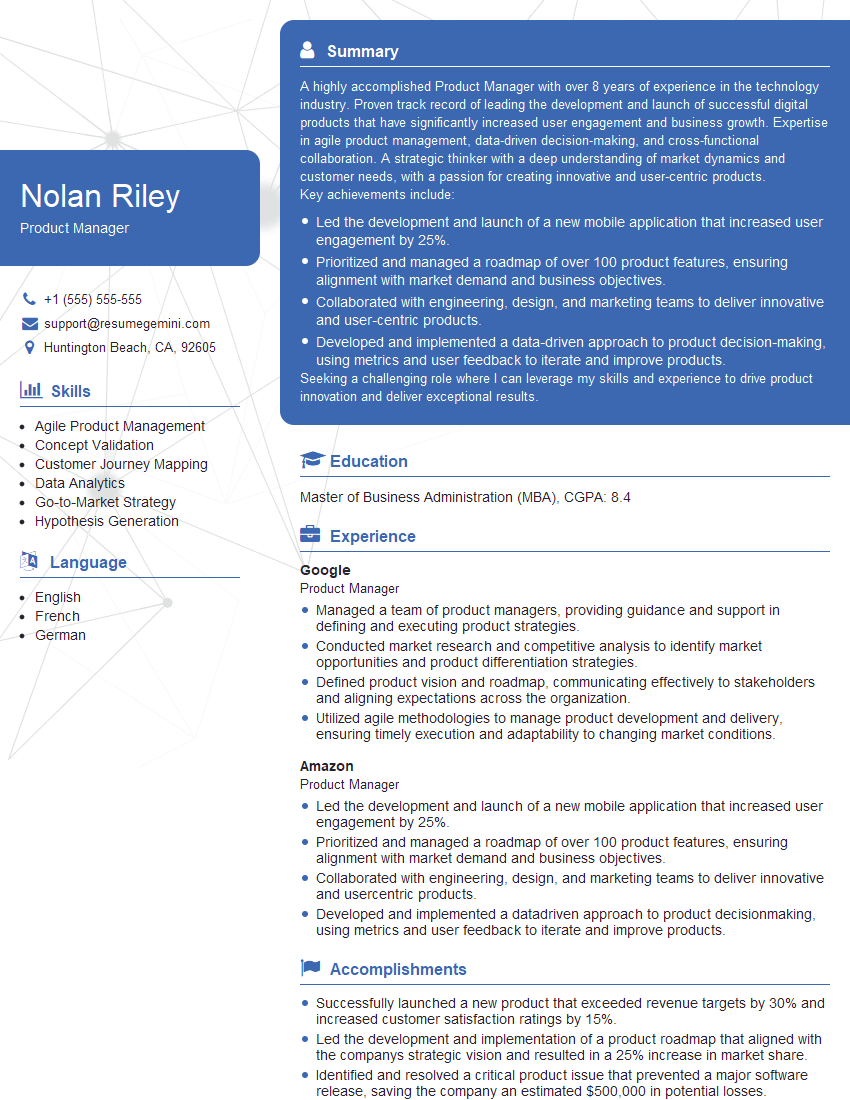
Product Manager Resume Sample

Project Manager Resume Sample

Business Analyst Resume Sample
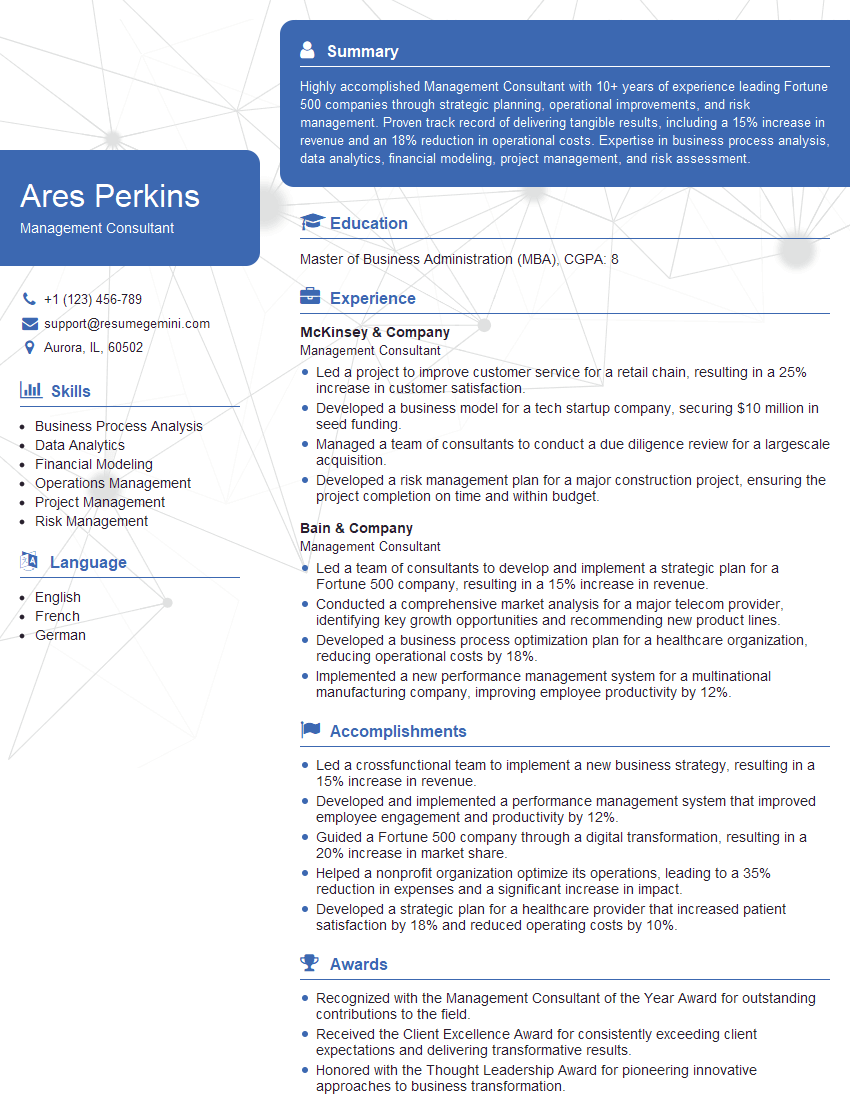
Management Consultant Resume Sample
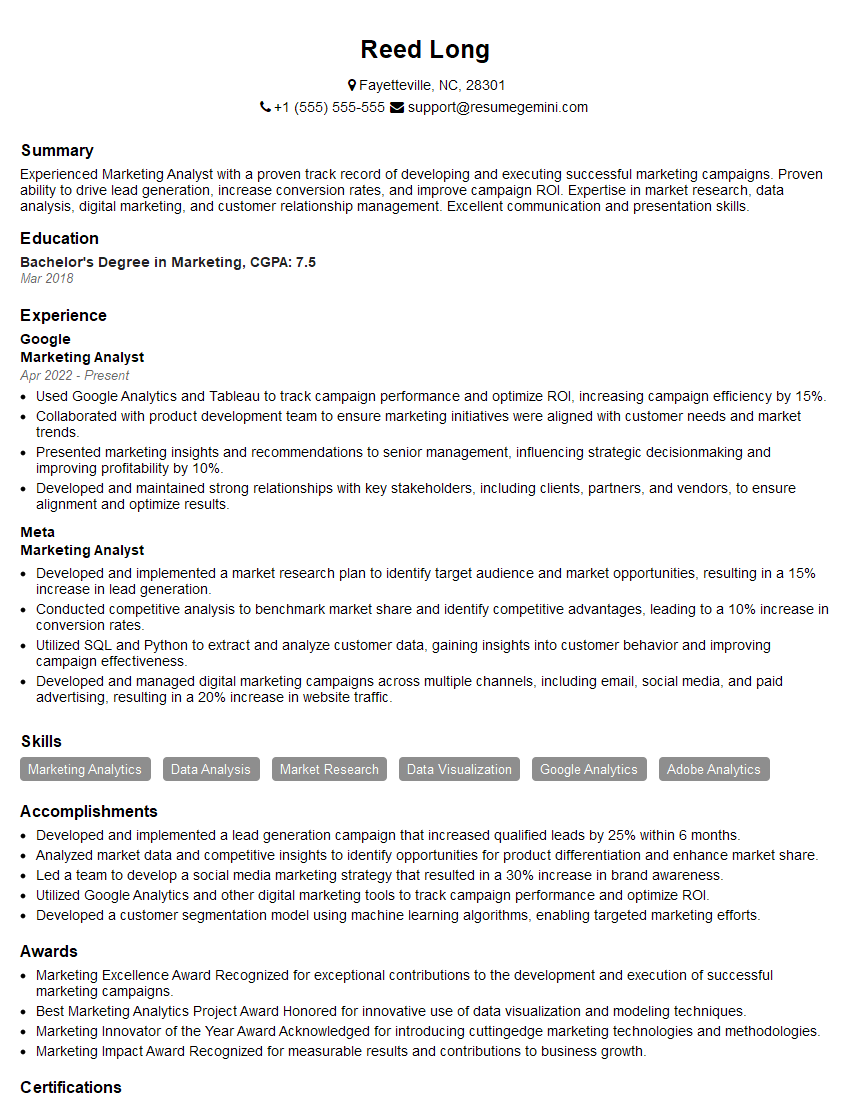
Marketing Analyst Resume Sample
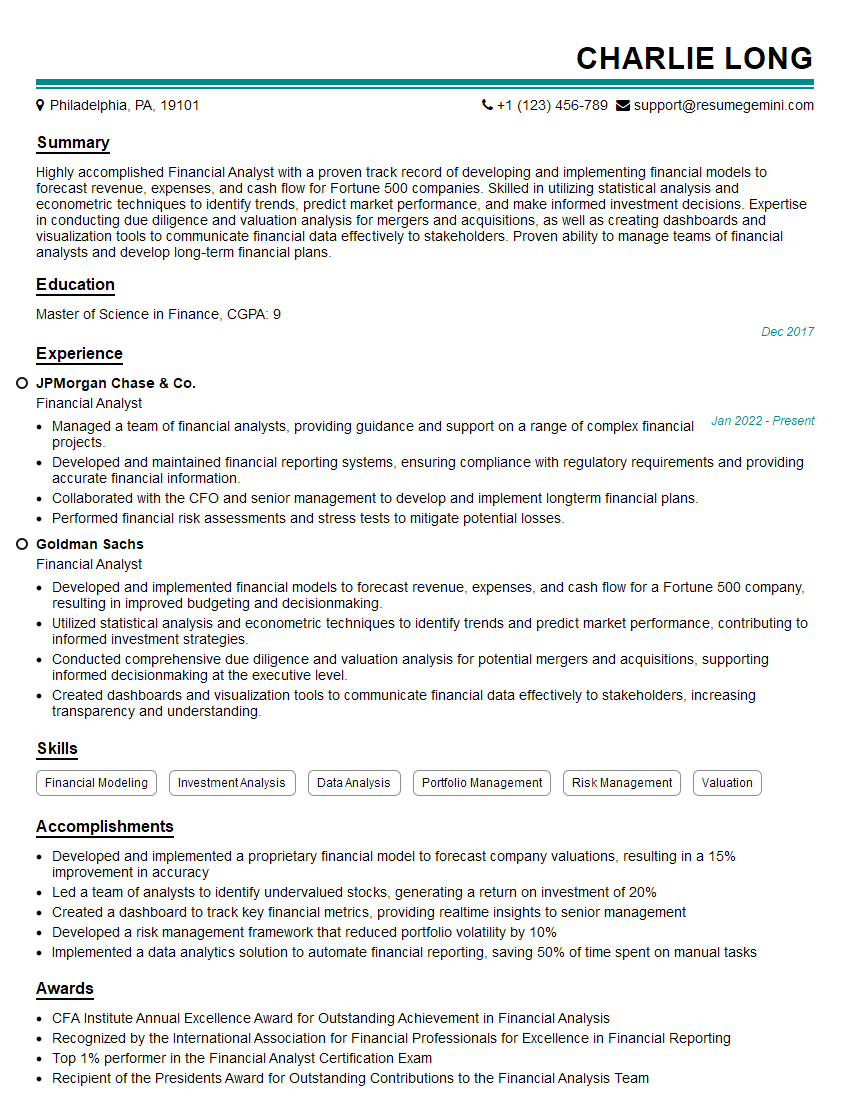
Financial Analyst Resume Sample
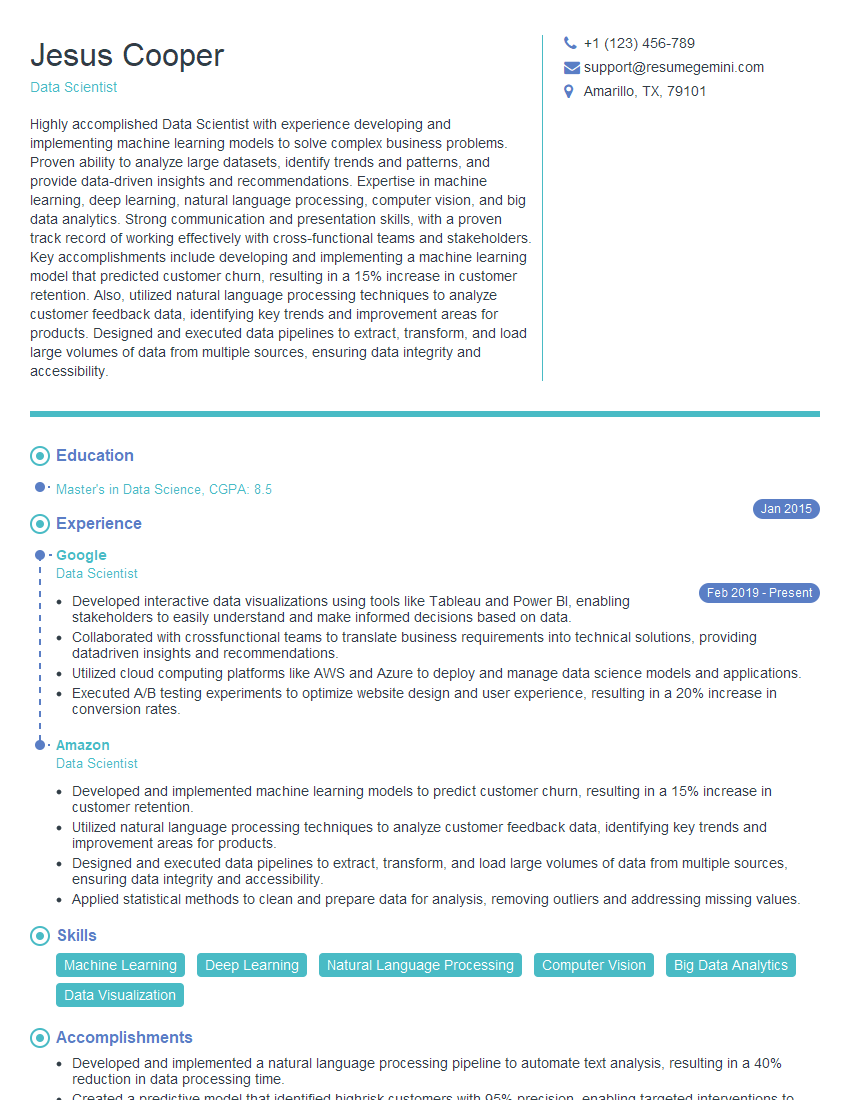
Data Scientist Resume Sample
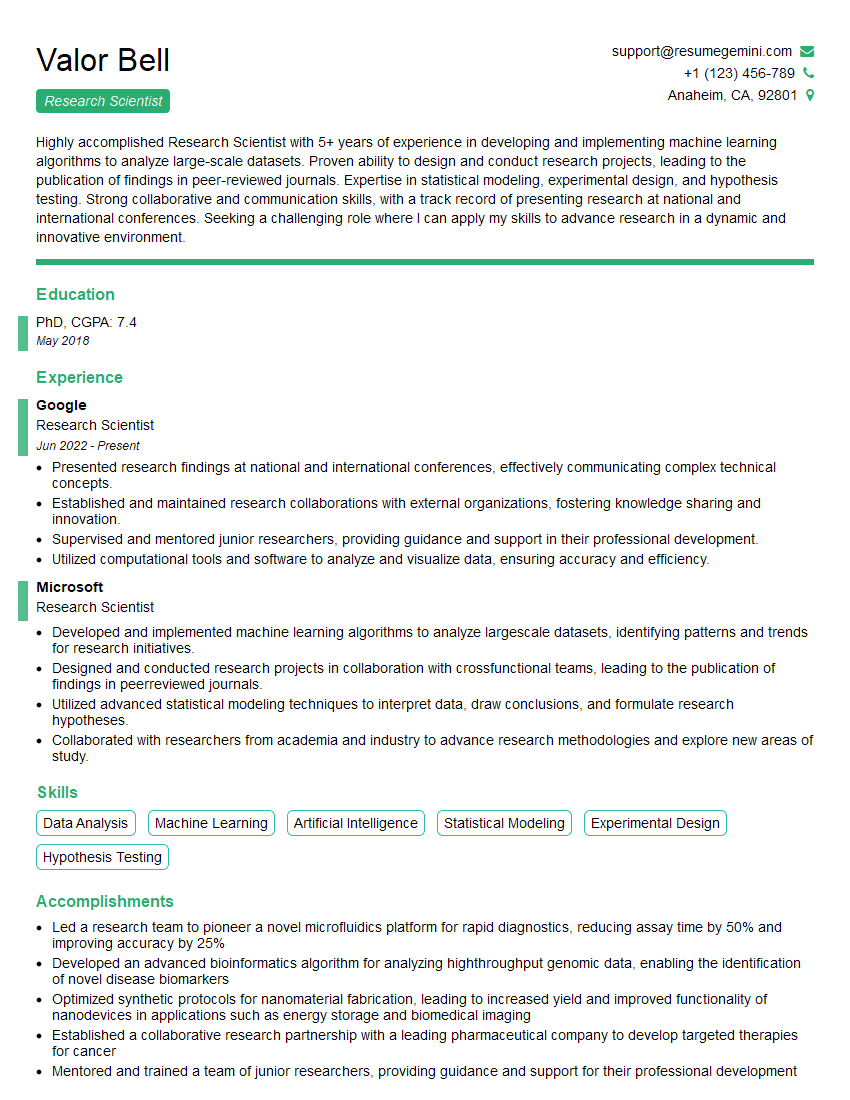
Research Scientist Resume Sample
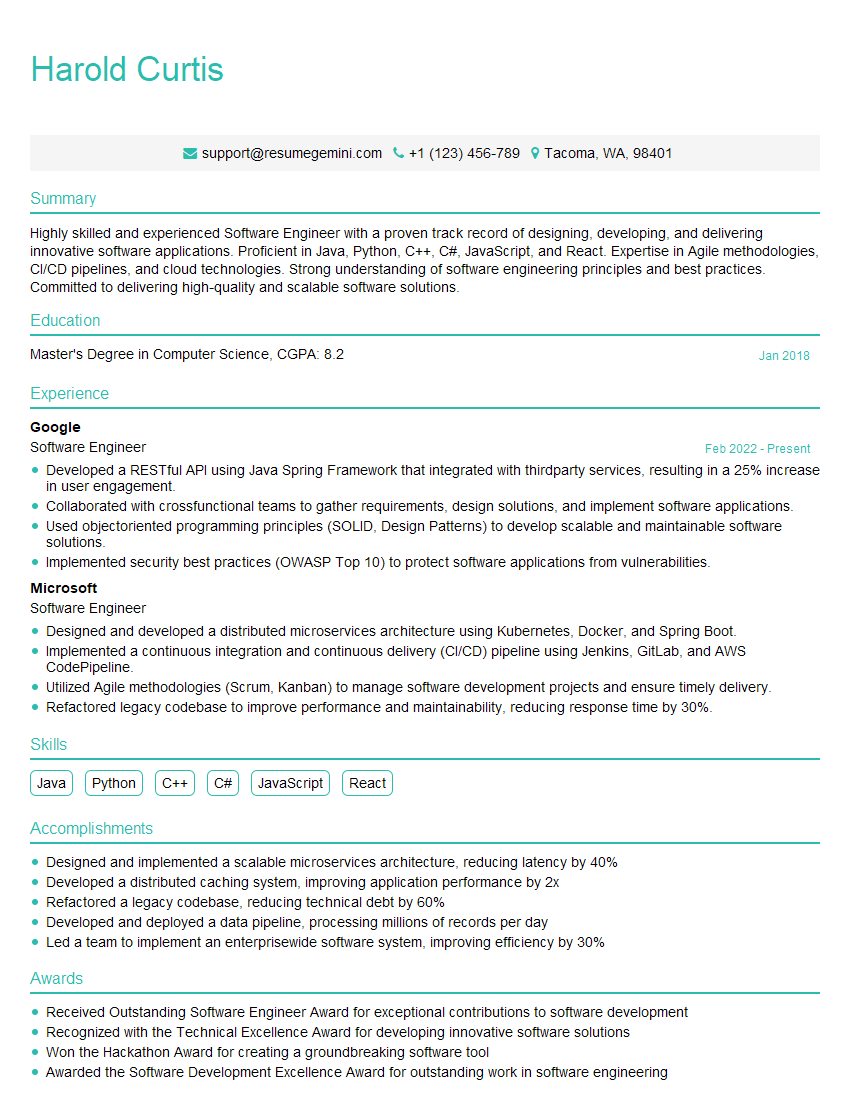
Software Engineer Resume Sample
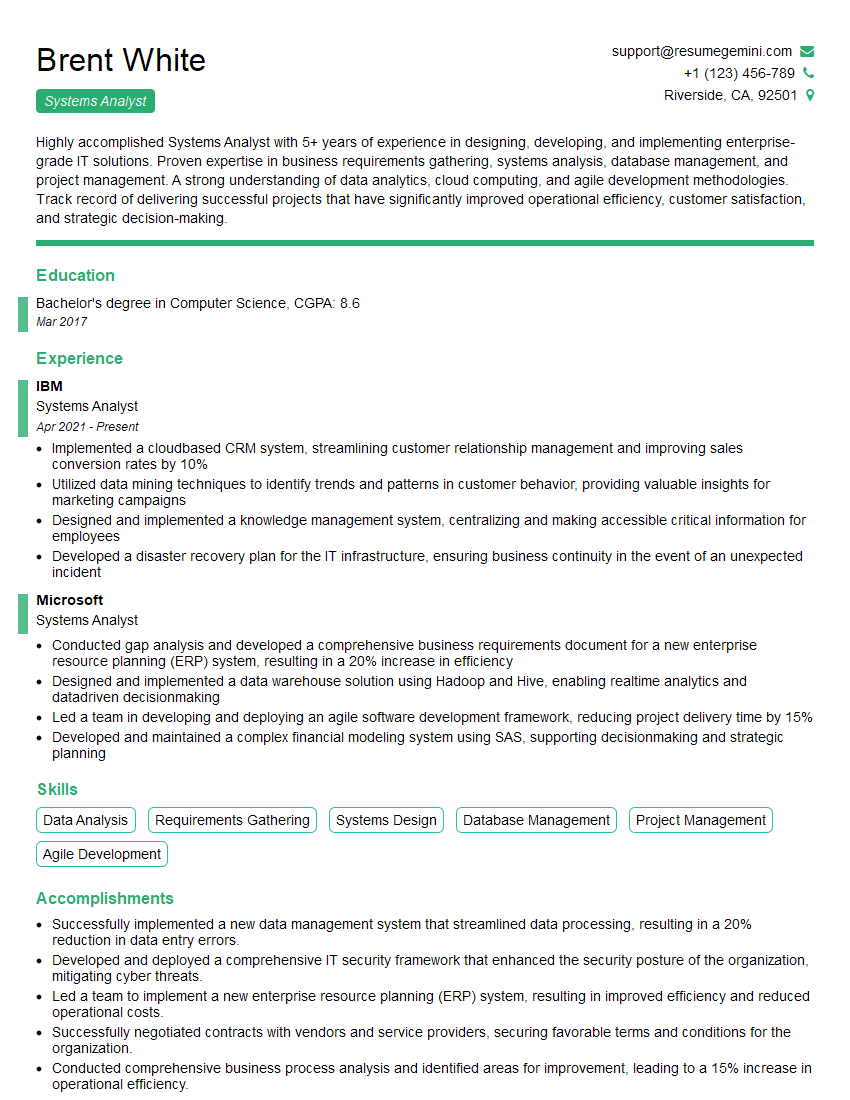
Systems Analyst Resume Sample
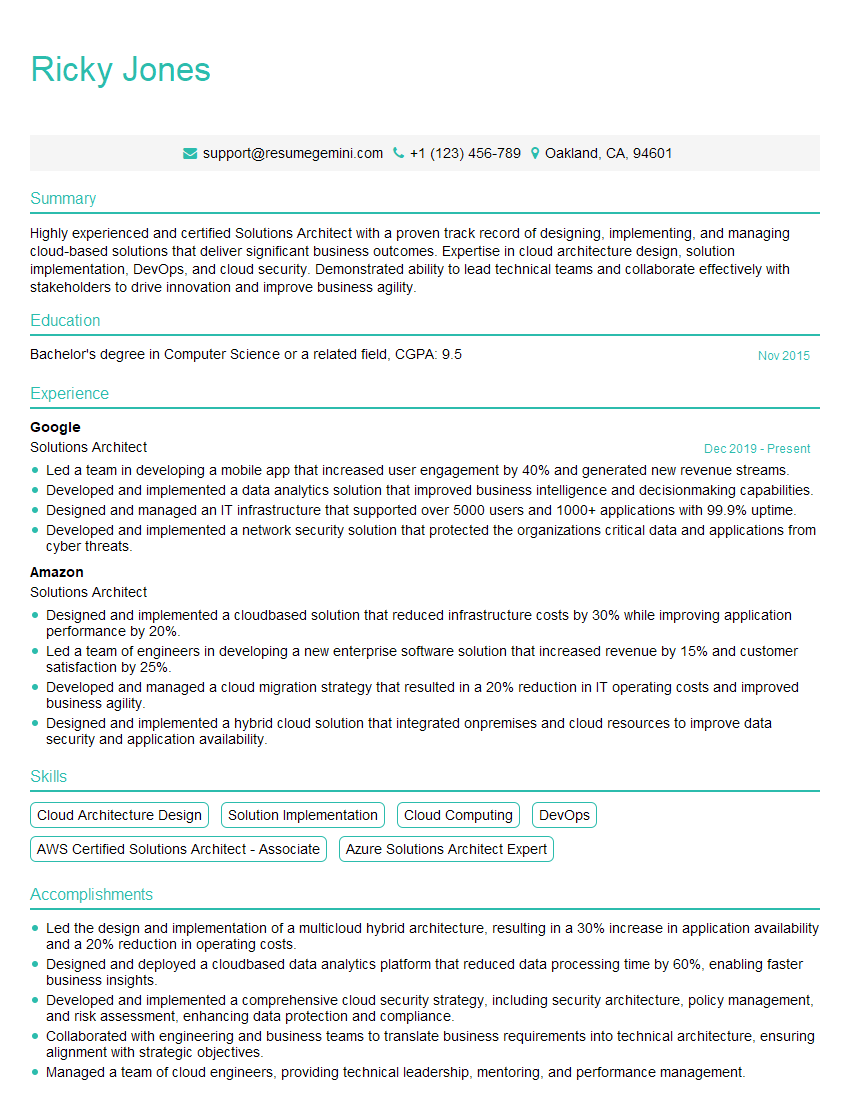
Solutions Architect Resume Sample
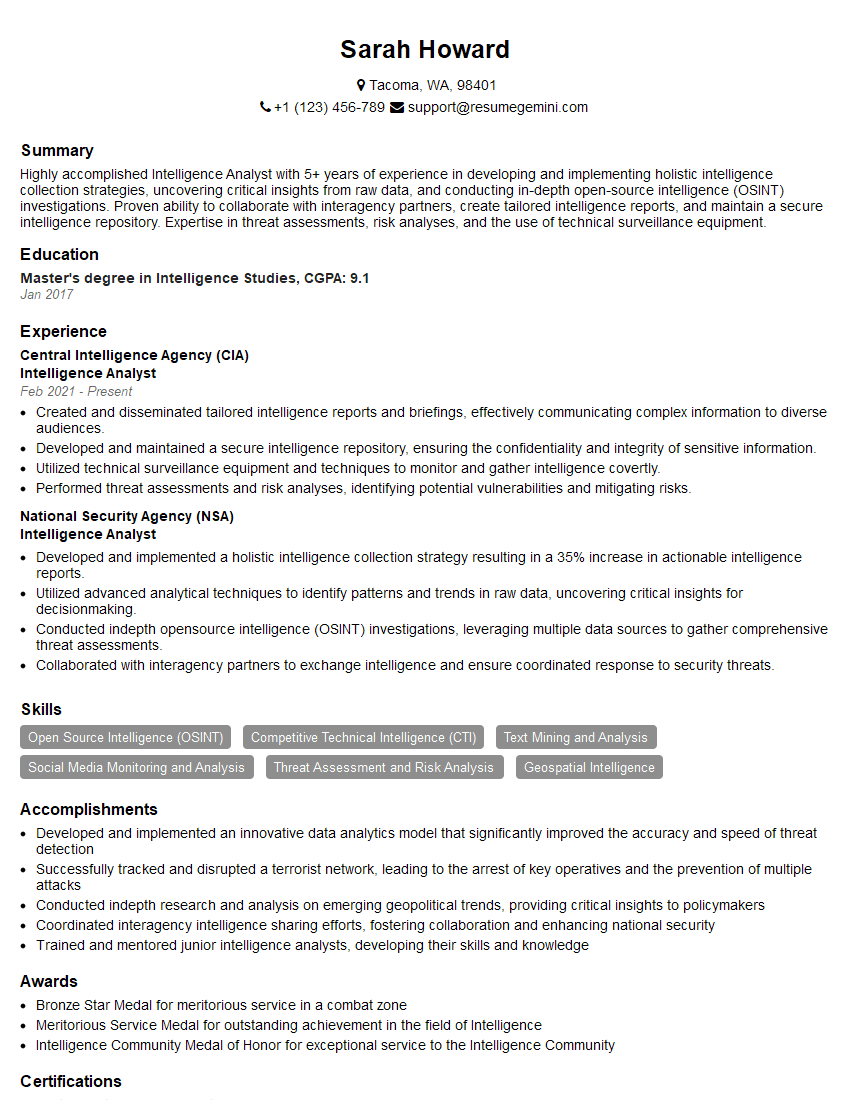
Intelligence Analyst Resume Sample
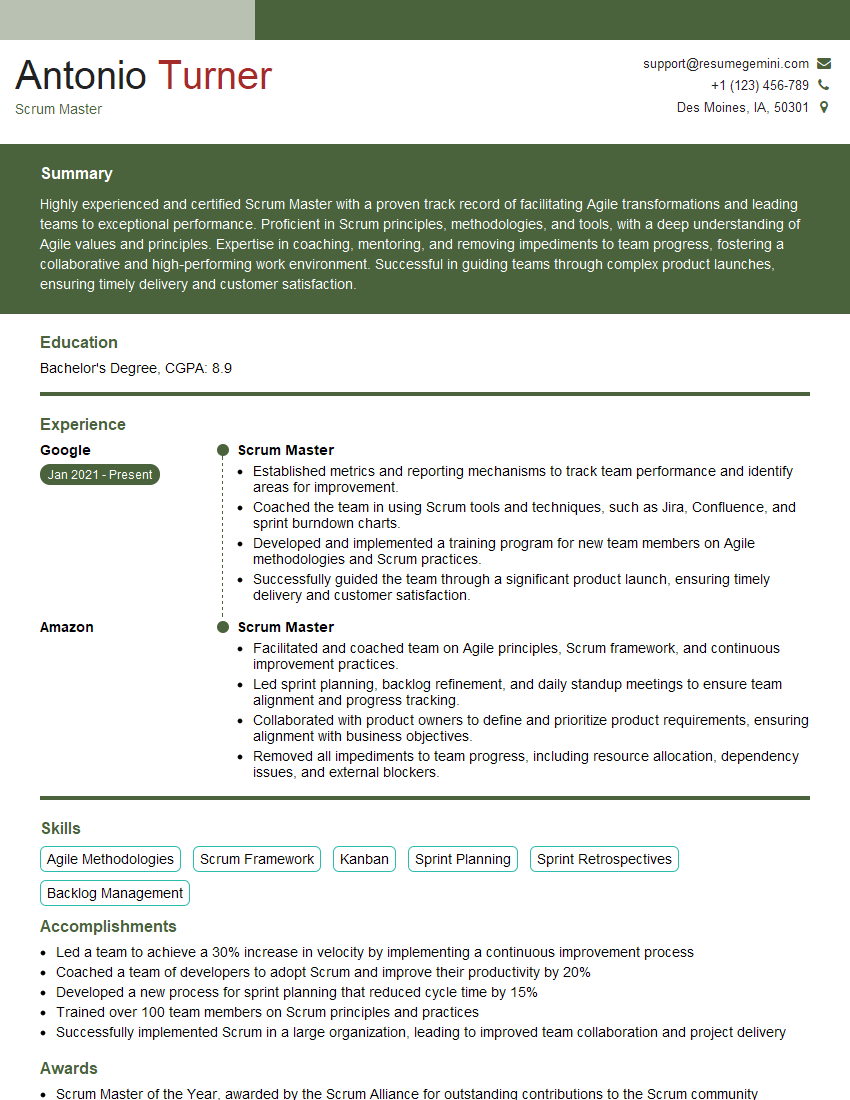
Scrum Master Resume Sample
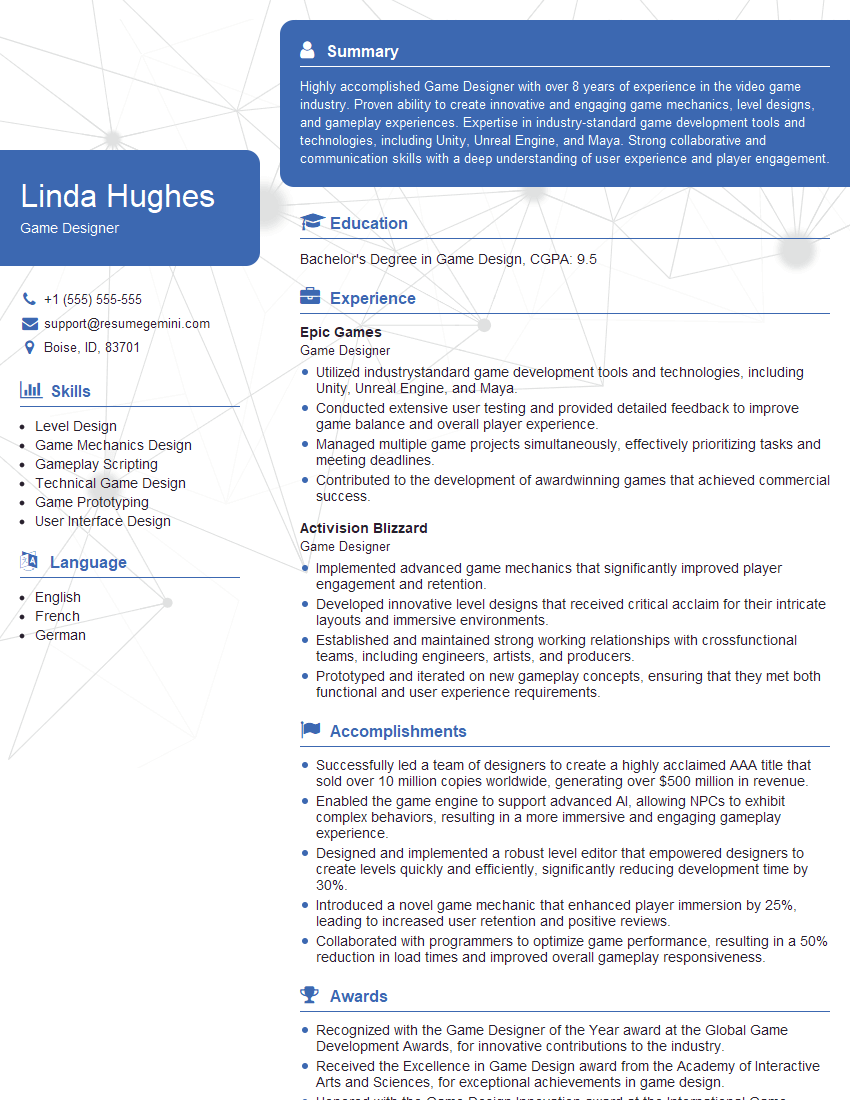
Game Designer Resume Sample
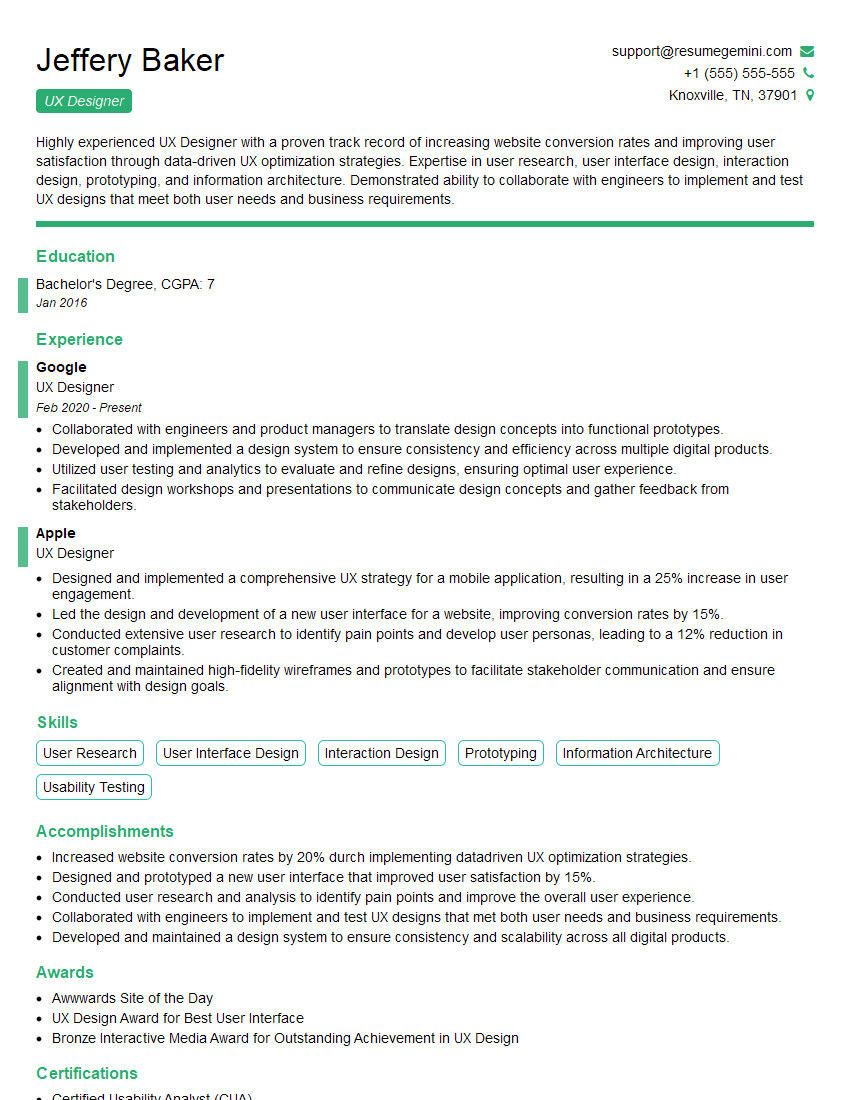
UX Designer Resume Sample
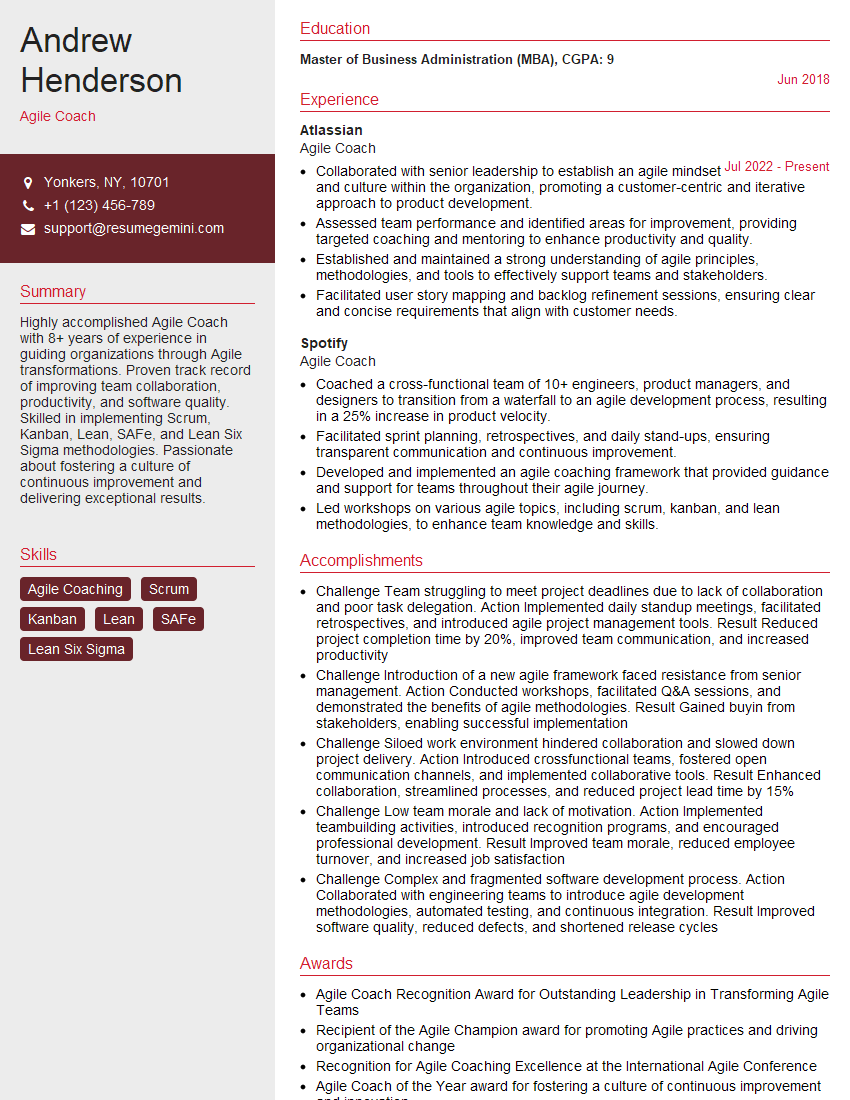
Agile Coach Resume Sample
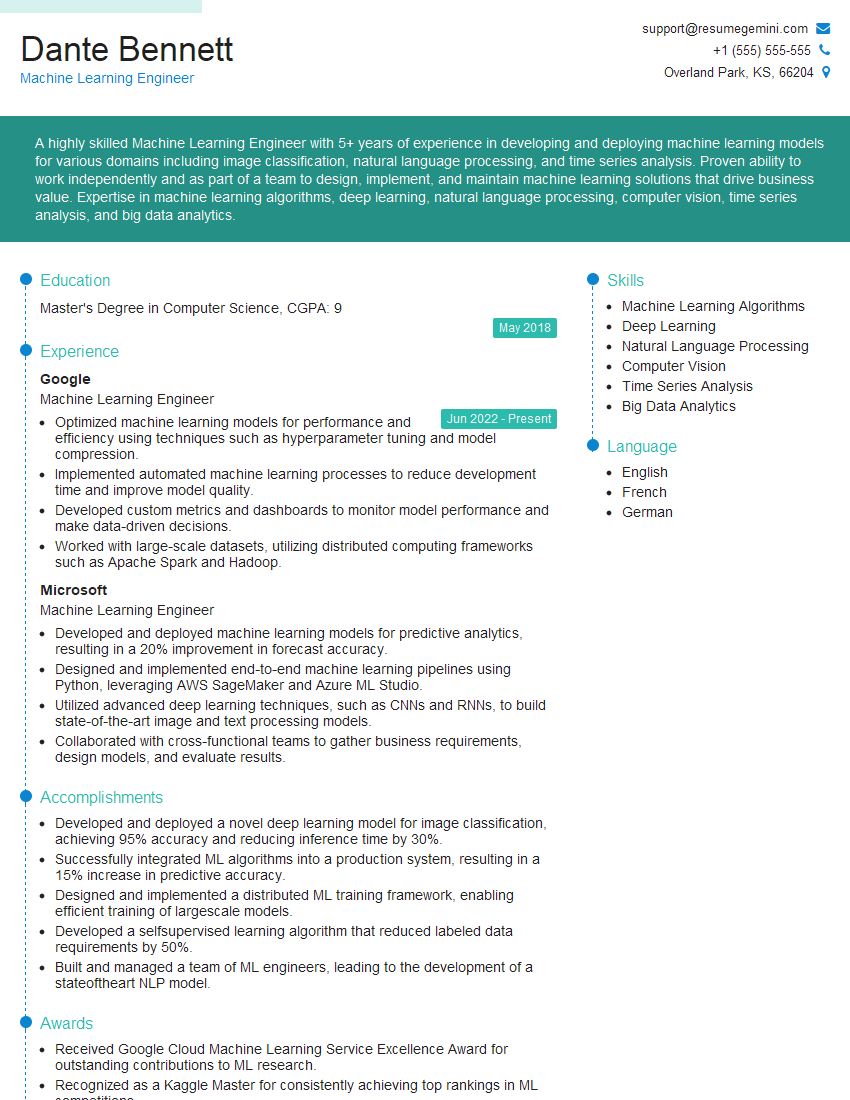
Machine Learning Engineer Resume Sample
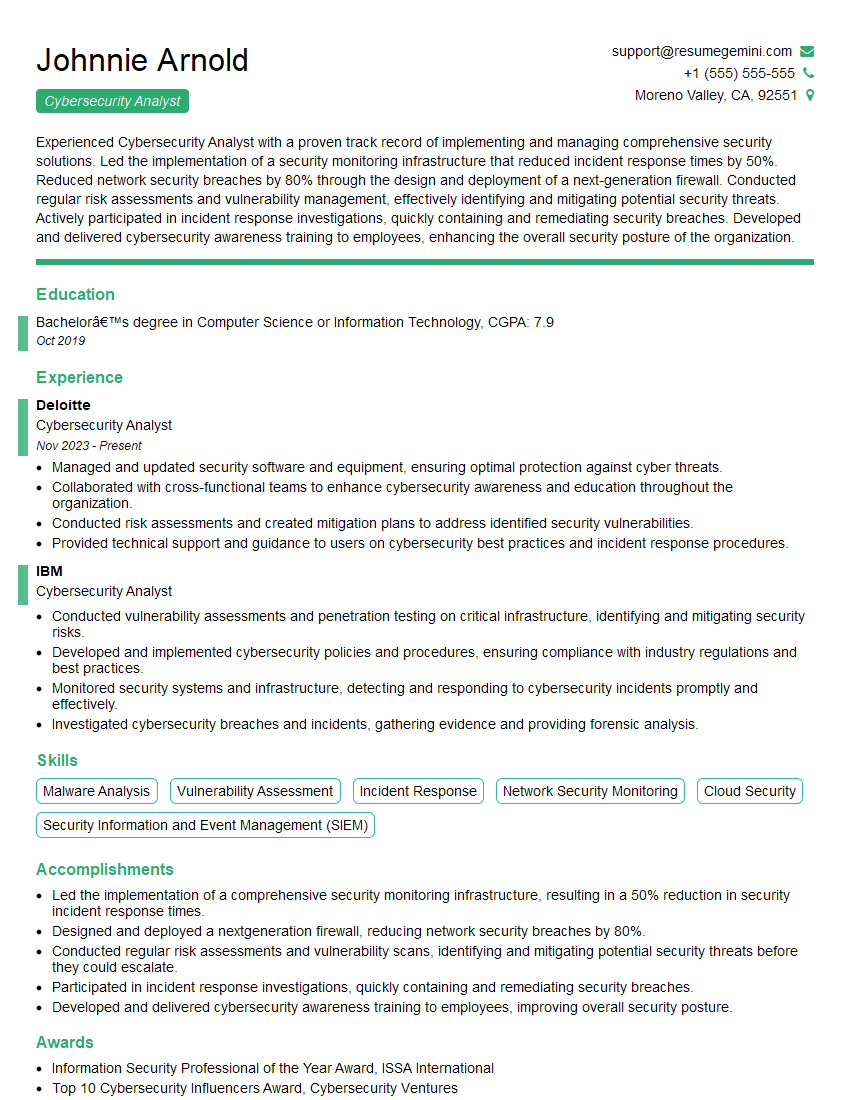
Cybersecurity Analyst Resume Sample
- Operations Manager
- Product Manager
- Project Manager
- Business Analyst
- Management Consultant
- Marketing Analyst
- Financial Analyst
- Data Scientist
- Research Scientist
- Software Engineer
- Systems Analyst
- Solutions Architect
- Intelligence Analyst
- Scrum Master
- Game Designer
- UX Designer
- Agile Coach
- Machine Learning Engineer
- Cybersecurity Analyst
Explore more articles
Users Rating of Our Blogs
Share Your Experience
We value your feedback! Please rate our content and share your thoughts (optional).
What Readers Say About Our Blog
Attention music lovers!
Wow, All the best Sax Summer music !!!
Spotify: https://open.spotify.com/artist/6ShcdIT7rPVVaFEpgZQbUk
Apple Music: https://music.apple.com/fr/artist/jimmy-sax-black/1530501936
YouTube: https://music.youtube.com/browse/VLOLAK5uy_noClmC7abM6YpZsnySxRqt3LoalPf88No
Other Platforms and Free Downloads : https://fanlink.tv/jimmysaxblack
on google : https://www.google.com/search?q=22+AND+22+AND+22
on ChatGPT : https://chat.openai.com?q=who20jlJimmy20Black20Sax20Producer
Get back into the groove with Jimmy sax Black
Best regards,
Jimmy sax Black
www.jimmysaxblack.com
Hi I am a troller at The aquatic interview center and I suddenly went so fast in Roblox and it was gone when I reset.
Hi,
Business owners spend hours every week worrying about their website—or avoiding it because it feels overwhelming.
We’d like to take that off your plate:
$69/month. Everything handled.
Our team will:
Design a custom website—or completely overhaul your current one
Take care of hosting as an option
Handle edits and improvements—up to 60 minutes of work included every month
No setup fees, no annual commitments. Just a site that makes a strong first impression.
Find out if it’s right for you:
https://websolutionsgenius.com/awardwinningwebsites
Hello,
we currently offer a complimentary backlink and URL indexing test for search engine optimization professionals.
You can get complimentary indexing credits to test how link discovery works in practice.
No credit card is required and there is no recurring fee.
You can find details here:
https://wikipedia-backlinks.com/indexing/
Regards
NICE RESPONSE TO Q & A
hi
The aim of this message is regarding an unclaimed deposit of a deceased nationale that bears the same name as you. You are not relate to him as there are millions of people answering the names across around the world. But i will use my position to influence the release of the deposit to you for our mutual benefit.
Respond for full details and how to claim the deposit. This is 100% risk free. Send hello to my email id: [email protected]
Luka Chachibaialuka
Hey interviewgemini.com, just wanted to follow up on my last email.
We just launched Call the Monster, an parenting app that lets you summon friendly ‘monsters’ kids actually listen to.
We’re also running a giveaway for everyone who downloads the app. Since it’s brand new, there aren’t many users yet, which means you’ve got a much better chance of winning some great prizes.
You can check it out here: https://bit.ly/callamonsterapp
Or follow us on Instagram: https://www.instagram.com/callamonsterapp
Thanks,
Ryan
CEO – Call the Monster App
Hey interviewgemini.com, I saw your website and love your approach.
I just want this to look like spam email, but want to share something important to you. We just launched Call the Monster, a parenting app that lets you summon friendly ‘monsters’ kids actually listen to.
Parents are loving it for calming chaos before bedtime. Thought you might want to try it: https://bit.ly/callamonsterapp or just follow our fun monster lore on Instagram: https://www.instagram.com/callamonsterapp
Thanks,
Ryan
CEO – Call A Monster APP
To the interviewgemini.com Owner.
Dear interviewgemini.com Webmaster!
Hi interviewgemini.com Webmaster!
Dear interviewgemini.com Webmaster!
excellent
Hello,
We found issues with your domain’s email setup that may be sending your messages to spam or blocking them completely. InboxShield Mini shows you how to fix it in minutes — no tech skills required.
Scan your domain now for details: https://inboxshield-mini.com/
— Adam @ InboxShield Mini
Reply STOP to unsubscribe
Hi, are you owner of interviewgemini.com? What if I told you I could help you find extra time in your schedule, reconnect with leads you didn’t even realize you missed, and bring in more “I want to work with you” conversations, without increasing your ad spend or hiring a full-time employee?
All with a flexible, budget-friendly service that could easily pay for itself. Sounds good?
Would it be nice to jump on a quick 10-minute call so I can show you exactly how we make this work?
Best,
Hapei
Marketing Director
Hey, I know you’re the owner of interviewgemini.com. I’ll be quick.
Fundraising for your business is tough and time-consuming. We make it easier by guaranteeing two private investor meetings each month, for six months. No demos, no pitch events – just direct introductions to active investors matched to your startup.
If youR17;re raising, this could help you build real momentum. Want me to send more info?
Hi, I represent an SEO company that specialises in getting you AI citations and higher rankings on Google. I’d like to offer you a 100% free SEO audit for your website. Would you be interested?
Hi, I represent an SEO company that specialises in getting you AI citations and higher rankings on Google. I’d like to offer you a 100% free SEO audit for your website. Would you be interested?