The right preparation can turn an interview into an opportunity to showcase your expertise. This guide to Hog Facility Design and Management interview questions is your ultimate resource, providing key insights and tips to help you ace your responses and stand out as a top candidate.
Questions Asked in Hog Facility Design and Management Interview
Q 1. Explain the key design considerations for a modern hog facility.
Designing a modern hog facility requires a holistic approach, balancing animal welfare, economic efficiency, and environmental sustainability. Key considerations include:
- Building Design and Layout: Optimizing barn size and layout for efficient manure management, ventilation, and ease of cleaning. Consider factors like climate, soil type, and available resources when choosing a location and building design.
- Ventilation: Implementing a robust ventilation system crucial for maintaining optimal temperature, humidity, and air quality to minimize stress and disease. This often involves a combination of natural and mechanical ventilation, depending on the climate and barn size.
- Manure Management: Designing an efficient manure management system to minimize environmental impact and maximize resource recovery. Options range from lagoons and solid storage to anaerobic digesters.
- Biosecurity: Incorporating features that prevent the introduction and spread of diseases, such as controlled access points, shower-in/shower-out facilities, and effective rodent control.
- Animal Welfare: Ensuring sufficient space per animal, comfortable resting areas, and appropriate environmental enrichment to reduce stress and promote animal health. This includes providing adequate floor space, feeding and watering systems, and opportunities for pigs to engage in natural behaviors.
- Water and Feed Delivery Systems: Efficient and automated systems for delivering fresh water and feed throughout the barn. This saves labor and ensures consistent access to resources.
- Wastewater Treatment: A well designed wastewater treatment system must be incorporated into the design to mitigate the potential negative impact of the farming operation on the surrounding environment.
For example, a facility designed for a hot and humid climate would prioritize enhanced ventilation and shade, while a facility in a colder climate would emphasize insulation and efficient heating systems. A well-designed facility will minimize labor costs and improve animal health and productivity.
Q 2. Describe different ventilation systems used in hog barns and their pros/cons.
Several ventilation systems are used in hog barns, each with its advantages and disadvantages:
- Natural Ventilation: Relies on wind pressure and temperature differences to move air. It’s cost-effective to install but can be unreliable in calm or extreme weather conditions. Best suited for smaller barns or those in climates with consistent breezes.
- Mechanical Ventilation: Uses fans to exhaust air and create negative pressure, pulling fresh air into the barn. It provides consistent air movement and better control over environmental conditions, particularly temperature and humidity. It’s more energy-intensive than natural ventilation but offers greater reliability and is essential for larger barns and climates with less predictable weather patterns. Fan types can include axial flow, centrifugal fans and tunnel ventilation systems.
- Combination Systems: Many modern facilities use a combination of natural and mechanical ventilation, taking advantage of natural air movement when conditions allow, supplementing with mechanical systems when necessary. This provides a balance between energy efficiency and environmental control.
The choice of ventilation system depends on several factors, including climate, barn size, building design, and budget. A poorly designed ventilation system can lead to increased disease risk, reduced productivity, and higher energy costs.
Q 3. What are the best practices for manure management in a hog facility?
Manure management is crucial for environmental protection and efficient resource utilization. Best practices include:
- Proper Storage: Storing manure in a manner that minimizes runoff and leaching into groundwater. This can involve lagoons, solid storage structures, or other methods based on site-specific conditions and regulations.
- Treatment and Processing: Treating and processing manure to reduce its environmental impact and potentially recover valuable resources. Methods include anaerobic digestion (producing biogas), composting, and land application.
- Nutrient Management: Carefully managing the application of manure nutrients to fields to optimize crop yields and prevent environmental pollution. Soil testing and adherence to regulations are key aspects. Overapplication can lead to water contamination with nitrates and other pollutants.
- Odor Control: Implementing odor control measures to minimize nuisance to neighboring communities. This might include covering lagoons, using biofilters, or employing other odor-reducing technologies.
- Record Keeping: Maintaining detailed records of manure production, storage, and application to ensure compliance with regulations and to track the effectiveness of management practices. This allows for tracking of nutrient application and efficiency.
For example, anaerobic digestion can convert manure into biogas, a renewable energy source, and digestate, a valuable fertilizer. Proper manure management requires careful planning, investment in appropriate infrastructure, and adherence to regulations.
Q 4. How do you ensure biosecurity in a hog farm?
Biosecurity is essential for preventing the introduction and spread of diseases in a hog farm. Strategies include:
- Controlled Access: Limiting access to the farm to authorized personnel only and requiring appropriate hygiene measures (shower-in/shower-out, protective clothing). Implementing a robust visitor log can help track potential exposures.
- Vehicle Control: Cleaning and disinfecting vehicles entering the farm to prevent the introduction of pathogens. Designated entry and exit points are helpful in controlling traffic.
- Rodent and Pest Control: Implementing effective rodent and pest control programs to eliminate potential disease vectors. Regular inspections and baiting programs can help prevent infestations.
- Waste Disposal: Proper disposal of waste materials to prevent contamination of the environment and reduce disease risk. Careful management of deadstock is critical.
- Quarantine: Isolating new animals for a period of time before integrating them into the main herd to ensure they are disease-free. Observation for symptoms during this period is paramount.
- Hygiene Practices: Implementing strict hygiene protocols for personnel and equipment to minimize the spread of pathogens. Proper handwashing and disinfection protocols are essential.
- Vaccination Programs: Implementing a comprehensive vaccination program to protect the herd from common diseases. Vaccination schedules should align with disease prevalence in the region and herd history.
A strong biosecurity program requires commitment from all personnel, clear protocols, and regular review and updates. A lapse in biosecurity can have devastating consequences for a hog farm.
Q 5. Discuss the importance of environmental control in swine production.
Environmental control is paramount in swine production because it directly impacts animal health, welfare, and productivity. Factors such as temperature, humidity, air quality, and lighting affect pig growth rates, feed efficiency, and disease resistance.
- Temperature Regulation: Maintaining optimal temperatures to prevent heat stress or chilling, which can significantly impact pig performance and health. Temperatures should be tailored to the age and breed of the pigs.
- Humidity Control: Managing humidity levels to prevent respiratory problems and reduce the risk of disease. High humidity can lead to increased condensation and ammonia buildup, while low humidity can increase the risk of skin problems.
- Air Quality: Ensuring good air quality by removing ammonia, dust, and other harmful gases. Proper ventilation is key to maintaining good air quality and reducing the accumulation of harmful gases.
- Lighting Management: Using appropriate lighting to stimulate pig activity and improve overall welfare. Light can also impact hormone production and reproductive performance. A balance between light and dark periods is important.
Effective environmental control requires a well-designed barn, appropriate climate-control systems, and regular monitoring of environmental parameters. Investing in appropriate environmental controls is an investment in the productivity and well-being of the herd.
Q 6. What are the common health challenges faced in hog production and their prevention strategies?
Hog production faces several common health challenges:
- Porcine Reproductive and Respiratory Syndrome (PRRS): A highly contagious viral disease affecting reproductive performance and respiratory health. Prevention strategies include biosecurity measures, vaccination, and herd health management programs.
- Porcine Circovirus Type 2 (PCV2): A viral disease causing various clinical symptoms, including wasting and respiratory disease. Vaccination and biosecurity are key prevention strategies. Managing co-infections with other pathogens is also important.
- Salmonella: A bacterial disease that can cause diarrhea, death, and contamination of pork products. Prevention involves good hygiene, biosecurity, and vaccination.
- Respiratory Diseases: Various bacterial and viral respiratory diseases, like Mycoplasma hyopneumoniae and Actinobacillus pleuropneumoniae, can significantly impact herd health. Vaccination and proper ventilation are key.
- Enteric Diseases: Diarrhea-causing diseases like E. coli and Clostridium perfringens can cause significant losses in young pigs. Good hygiene, nutrition, and vaccination are essential.
Prevention strategies often involve a combination of biosecurity, vaccination, proper nutrition, and effective management of environmental conditions. Regular veterinary check-ups and monitoring of herd health are essential to detect and address problems early.
Q 7. Explain the different housing systems for different age groups of hogs.
Housing systems vary depending on the age and developmental stage of the pigs:
- Nursery Pigs (weaned to approximately 8 weeks): These pigs require warm, comfortable housing with controlled temperature and humidity. Often housed in groups with adjustable heating, and special consideration for space allowance and feeding systems suitable for their age and size.
- Grower/Finisher Pigs (8 weeks to market weight): These pigs require slightly less restrictive environmental control and adequate space for growth. Housing systems can range from group housing with solid or slatted floors to individual pens depending on production system design. Space allowance should increase as the pig grows.
- Breeding Sows: Sows require individual or group stalls with sufficient space for resting, feeding, and farrowing. Farrowing stalls or crates provide controlled environments for farrowing and neonatal piglet care, though some systems aim to eliminate these and utilize group farrowing arrangements. Comfort and hygiene are key.
- Boars: Boars are typically housed individually or in small groups depending on their temperament and breeding strategies. Adequate space, ventilation and provision for natural behaviors must be considered.
The choice of housing system often reflects production goals, animal welfare considerations, and economic factors. Modern systems often emphasize group housing to promote more natural behaviors and reduce stress.
Q 8. How do you design a facility for optimal animal welfare?
Designing a hog facility for optimal animal welfare is paramount. It’s not just about meeting minimum standards; it’s about creating an environment where pigs thrive. This involves a holistic approach considering several key factors.
- Space Allowance: Sufficient space per pig is crucial to prevent overcrowding and stress. We need to consider both the floor space and the vertical space, especially for growing pigs. Think of it like giving your pet dog enough room to run around – pigs need that too. Specific recommendations vary by weight and growth stage, often adhering to industry best practices and local regulations.
- Environmental Control: Maintaining optimal temperature, humidity, and ventilation is essential. Poor air quality can lead to respiratory problems. Think of it like ensuring your home has proper heating, cooling, and ventilation – pigs need similar comfort.
- Floor Type and Hygiene: The floor should be durable, easy to clean, and comfortable for the pigs. Slatted floors, for example, provide better drainage and hygiene but require careful design to prevent injuries. Regular cleaning and disinfection protocols are critical to prevent disease outbreaks.
- Enrichment: Providing environmental enrichment, such as toys or foraging materials, can significantly improve pigs’ mental and physical well-being. It’s like providing a cat with scratching posts – it gives them an outlet for natural behaviors.
- Access to Water and Feed: Ensuring easy access to clean water and feed is crucial. Multiple water points and strategically placed feeders prevent competition and ensure all pigs are adequately fed.
By meticulously addressing these aspects, we can design a facility that promotes pig welfare, leading to healthier animals and improved productivity.
Q 9. Describe the role of automation in modern hog facilities.
Automation plays a transformative role in modern hog facilities, boosting efficiency, improving animal welfare, and reducing labor costs. Think of it as a technological revolution within the farming sector.
- Automated Feeding Systems: These systems precisely deliver feed based on pig weight and growth stage, minimizing waste and ensuring optimal nutrition. This automation allows for precise control and monitoring of feed intake.
- Environmental Control Systems: Automated ventilation systems, temperature controls, and climate monitoring systems maintain ideal environmental conditions, reducing stress on the animals and improving their health.
- Waste Management Systems: Automated scraping systems and manure handling equipment significantly reduce labor requirements and improve hygiene, contributing to a cleaner and healthier environment.
- Data Acquisition and Analysis: Sensors and software monitor various parameters – such as temperature, humidity, feed intake, and animal activity – providing valuable data for optimizing management practices. This allows for proactive identification of potential problems.
The integration of these automated systems creates a more efficient, data-driven, and animal-friendly production environment.
Q 10. What are the key regulations and compliance requirements for hog farm operations?
Hog farm operations are subject to a complex web of regulations designed to protect animal welfare, environmental health, and public safety. These vary by location but generally include:
- Animal Welfare Regulations: These dictate minimum standards for space allowance, environmental conditions, and handling practices. Non-compliance can result in significant penalties.
- Environmental Regulations: These address manure management, water quality, and air emissions. Strict regulations are in place to prevent water pollution and air quality degradation. Permits and regular inspections are common.
- Biosecurity Regulations: These aim to prevent the spread of diseases. Strict protocols for hygiene, disinfection, and disease surveillance are enforced.
- Food Safety Regulations: Regulations ensure that the meat produced meets stringent safety standards. This includes traceability requirements and rigorous inspection programs.
- Labor Regulations: These address worker safety and employment standards within the facility.
Staying compliant requires diligent record-keeping, regular inspections, and ongoing training for personnel. Failure to comply can lead to significant fines and legal repercussions.
Q 11. How do you manage feed storage and distribution efficiently?
Efficient feed storage and distribution are crucial for cost-effectiveness and maintaining feed quality in hog production. This involves a multi-faceted approach:
- Appropriate Storage Facilities: The storage facility should be designed to protect feed from moisture, pests, and spoilage. This often involves climate-controlled structures and pest-resistant materials. Think of it like a well-organized pantry in a household.
- Inventory Management: A robust inventory system is needed to track feed levels, anticipate needs, and prevent shortages or spoilage. This typically involves using software to monitor stock levels.
- Automated Feed Delivery: Automated feed delivery systems ensure consistent distribution of the right amount of feed to different groups of pigs, based on their needs. This minimizes waste and maximizes efficiency.
- Feed Quality Control: Regularly testing feed samples for nutritional value and contaminants is crucial to ensure the feed meets the pigs’ nutritional requirements and maintains their health.
By optimizing storage, managing inventory effectively, and automating delivery, farms can minimize feed costs, improve pig health, and enhance overall productivity.
Q 12. Discuss the importance of record-keeping in hog production.
Record-keeping is the backbone of successful hog production. Detailed and accurate records are essential for various aspects of the operation.
- Animal Health Records: Tracking vaccination records, disease outbreaks, mortality rates, and treatment protocols is crucial for disease prevention and control. This data informs management decisions and helps meet regulatory requirements.
- Production Records: Monitoring feed intake, weight gain, feed conversion ratios, and other performance indicators are essential for evaluating productivity and identifying areas for improvement.
- Financial Records: Tracking income, expenses, and profitability is fundamental for sound financial management. This involves monitoring costs associated with feed, labor, veterinary services, etc.
- Compliance Records: Maintaining records of all regulatory compliance activities, inspections, and certifications ensures compliance with relevant laws and regulations.
Comprehensive record-keeping helps identify trends, facilitates informed decision-making, improves efficiency, and ensures compliance. Think of it as the financial and health history of your farm.
Q 13. How do you handle waste water treatment in a hog farm?
Wastewater treatment is a crucial aspect of responsible hog farm management, protecting both environmental and public health. Effective management requires a multifaceted approach:
- Anaerobic Lagoons: These large, sealed ponds use bacteria to break down organic matter in the wastewater, reducing pollutants before eventual discharge or land application. This is a common, cost-effective method.
- Aerobic Treatment Systems: These systems use oxygen to accelerate the breakdown of organic matter, achieving higher levels of pollutant removal. They are more energy intensive than anaerobic lagoons.
- Manure Management Strategies: Proper manure storage and handling practices are crucial. This includes using covered storage structures to minimize odor and runoff. The goal is to reduce the environmental impact of manure.
- Nutrient Recovery Technologies: Emerging technologies are focusing on recovering valuable nutrients from manure, like phosphorus and nitrogen, reducing environmental pollution and potentially creating valuable byproducts.
The choice of wastewater treatment system depends on factors like farm size, local regulations, and available resources. The goal is to minimize environmental impact and meet all regulatory requirements.
Q 14. What are the economic considerations in designing and running a hog facility?
Economic considerations are central to the success of any hog facility. Designing and running a profitable operation requires a careful assessment of various factors:
- Initial Investment Costs: Building a new facility requires substantial investment in land, buildings, equipment, and infrastructure. Careful planning and budgeting are crucial.
- Operating Costs: Ongoing expenses include feed, labor, veterinary care, utilities, and maintenance. Efficient management and automation can help minimize these costs.
- Market Prices: Hog prices fluctuate, impacting profitability. Risk management strategies, such as hedging, can help mitigate price volatility.
- Production Efficiency: Optimizing feed conversion ratios, minimizing mortality, and maximizing growth rates are crucial for profitability. This is where automation and good animal husbandry play a role.
- Disease Prevention: Preventing disease outbreaks is essential. Losses from disease can significantly impact profitability. This is why biosecurity is crucial.
A thorough economic analysis, including comprehensive financial projections, is essential before embarking on any hog facility project to ensure long-term viability and profitability.
Q 15. Describe your experience with different types of hog feeding systems.
Hog feeding systems are crucial for efficient production and animal welfare. My experience encompasses various types, each with its own advantages and disadvantages. These include:
- Dry-feeding systems: These utilize self-feeders or automated systems dispensing dry feed, such as pellets or mash. They are cost-effective and relatively simple to maintain, but can lead to feed wastage if not managed properly. I’ve worked with farms utilizing both simple gravity feeders and sophisticated computer-controlled systems that adjust feed delivery based on pig weight and growth stage.
- Wet-feeding systems: These involve mixing dry feed with water to create a slurry, often dispensed via automated systems. This method can improve feed intake, especially for younger pigs, and reduce wastage. However, it requires more complex equipment and increased sanitation protocols to prevent the spread of disease through contaminated feed. I’ve overseen the implementation and maintenance of several wet-feeding systems, focusing on optimizing the water-to-feed ratio for maximum efficiency.
- Phase feeding: This involves tailoring the feed formulation to the specific nutritional needs of pigs at different growth stages. This strategy maximizes growth rates and feed efficiency, minimizing costs. I’ve designed and implemented phase feeding programs, working closely with nutritionists to determine optimal feed formulations for each phase.
The selection of the most appropriate system depends on factors like farm size, budget, labor availability, and the specific needs of the pigs. For instance, a smaller farm might opt for a simpler dry-feeding system, while a larger operation might benefit from a more automated wet-feeding system with phase feeding capabilities.
Career Expert Tips:
- Ace those interviews! Prepare effectively by reviewing the Top 50 Most Common Interview Questions on ResumeGemini.
- Navigate your job search with confidence! Explore a wide range of Career Tips on ResumeGemini. Learn about common challenges and recommendations to overcome them.
- Craft the perfect resume! Master the Art of Resume Writing with ResumeGemini’s guide. Showcase your unique qualifications and achievements effectively.
- Don’t miss out on holiday savings! Build your dream resume with ResumeGemini’s ATS optimized templates.
Q 16. Explain the principles of effective pest control in a hog barn.
Effective pest control in a hog barn is critical for animal health, product quality, and farm profitability. It relies on a multi-pronged approach integrating preventative measures and targeted interventions. This is often referred to as Integrated Pest Management (IPM).
- Preventative measures: These form the foundation of any successful pest control program. They involve maintaining a clean and sanitary environment. This includes regular cleaning and disinfection of the barn, proper feed storage to prevent attracting pests, and sealing any cracks or openings where pests could enter. I’ve implemented strict cleaning schedules with specific protocols for different areas of the barn, and I’ve trained staff on best practices for sanitation.
- Monitoring: Regular monitoring is key to detecting pest infestations early. This can involve using traps, visual inspections, and other monitoring techniques to identify the type and extent of the infestation. Early detection allows for quicker and more effective control, minimizing damage and preventing widespread outbreaks. I have experience using various monitoring tools and interpreting the data to inform control strategies.
- Targeted control: Once pests are identified, targeted control methods should be used. This might involve using traps, baits, or pesticides, but always following label instructions carefully and prioritizing non-chemical methods whenever possible. I’ve always emphasized the importance of selecting pest control methods that minimize environmental impacts and potential risks to animal health and worker safety. For example, we employed biological controls like parasitic wasps for fly control on one farm.
In addition, proper waste management is vital. Manure management practices that minimize fly breeding sites are essential components of a successful IPM program. I’ve worked with several farms to implement effective manure management strategies that incorporate composting, lagoons, or other waste disposal methods to reduce pest populations.
Q 17. How do you plan and implement a facility expansion or renovation project?
Facility expansion or renovation projects require meticulous planning and execution. I approach such projects using a phased methodology:
- Needs assessment: This involves carefully evaluating the farm’s current production capacity, future goals, and any limitations. This would include analyzing growth projections, evaluating current equipment capacity, and identifying potential bottlenecks.
- Design and planning: Based on the needs assessment, detailed design plans are developed. These include architectural drawings, engineering specifications, and a comprehensive budget. This phase often involves collaboration with architects, engineers, and other relevant professionals. I leverage my knowledge of building codes, biosecurity requirements, and best practices for hog barn design to ensure optimal functionality and efficiency.
- Permitting and approvals: Obtaining necessary permits and approvals from relevant authorities is crucial before construction begins. I ensure all documentation is complete and accurate to avoid delays.
- Construction and implementation: This phase involves overseeing the construction process, ensuring adherence to plans and specifications. Regular site inspections are vital to maintain quality control.
- Commissioning and testing: Once construction is complete, thorough testing and commissioning of all equipment and systems are essential to ensure proper functionality before bringing in the animals.
Throughout the entire process, I emphasize open communication with all stakeholders – including farm owners, employees, contractors, and regulatory bodies – to ensure a smooth and efficient project execution. For example, on a recent expansion project, I actively involved the farm manager in the design phase to incorporate their valuable practical experience and ensure the design met their operational needs.
Q 18. How do you ensure the safety of workers on a hog farm?
Worker safety is paramount on any hog farm. My approach to ensuring worker safety is multifaceted:
- Hazard identification and risk assessment: Regularly identifying and assessing potential hazards, such as machinery, chemicals, animal handling, and environmental conditions, is critical. This often involves walk-through inspections and employee feedback to identify areas that could pose a safety risk.
- Implementation of safety protocols: Once hazards are identified, specific safety protocols and procedures need to be developed and implemented. This includes providing appropriate personal protective equipment (PPE), such as safety boots, gloves, and respirators, and providing regular safety training sessions to cover topics like animal handling, chemical safety, and emergency procedures.
- Emergency response planning: Having a comprehensive emergency response plan in place is vital for dealing with accidents, injuries, or other emergencies. This includes having clearly defined emergency procedures, designated emergency contact numbers, and readily available first aid equipment.
- Regular monitoring and review: Regularly monitoring and reviewing safety protocols is crucial to ensuring they are effective and up-to-date. Regular safety inspections, employee feedback sessions, and incident reporting and investigation mechanisms are key components of this.
I also actively promote a strong safety culture on the farm, emphasizing the importance of safety to all employees and fostering a culture of reporting near misses and unsafe practices without fear of retribution. For example, on one farm, we implemented a peer-to-peer safety observation program, where employees actively look out for and report unsafe practices within their team.
Q 19. What is your experience with designing for different climate conditions?
Designing hog facilities for different climate conditions is essential for animal welfare and productivity. The design needs to mitigate the impact of extreme temperatures, humidity, and wind. My experience covers:
- Hot climates: In hot climates, the focus is on maximizing ventilation and minimizing heat stress. This might involve using evaporative cooling systems, strategically placed fans, and shading structures. I’ve designed barns with natural ventilation systems optimized for hot and humid environments, including strategically placed inlets and outlets to encourage air circulation.
- Cold climates: In cold climates, the priority is maintaining adequate insulation and minimizing heat loss. This requires effective insulation in walls, roofs, and floors, as well as supplemental heating systems. I’ve incorporated technologies like radiant floor heating and energy-efficient heating systems to reduce energy consumption while ensuring adequate warmth for the animals.
- Moderate climates: These require a balanced approach, with designs that can adapt to seasonal temperature fluctuations. This could involve using adjustable ventilation systems and supplemental heating or cooling as needed. I’ve worked with farms in moderate climates to design systems that can effectively manage temperature and humidity throughout the year, utilizing a combination of natural and mechanical ventilation.
In all climate zones, proper design is crucial to prevent condensation and ensure good air quality to prevent diseases. I always prioritize designs that are both environmentally friendly and economically sound, balancing energy efficiency with animal welfare and productivity.
Q 20. Describe your understanding of precision livestock farming technologies.
Precision livestock farming (PLF) technologies offer significant opportunities to improve efficiency and animal welfare in hog production. My experience includes the integration and application of various PLF tools:
- Electronic sow feeding systems (ESF): ESF systems automatically adjust feed rations based on individual sow needs, improving reproductive performance and feed efficiency. I’ve helped implement and manage ESF systems, analyzing data to optimize feed delivery and minimize feed waste.
- Automated feeding systems: These systems precisely control feed delivery, reducing labor costs and improving feed efficiency. My experience covers the selection, installation, and maintenance of automated feeding systems for various pig sizes and production stages.
- Individual animal monitoring: Using sensors and data analytics, PLF allows for monitoring individual animal health and behavior, enabling early detection of illness and optimizing management strategies. I’ve used data from electronic ear tags and other sensors to track animal health parameters, providing early warnings of potential problems.
- Environmental monitoring: PLF systems can monitor temperature, humidity, and other environmental factors, ensuring optimal conditions for animal welfare and production. I’ve integrated various environmental sensors into barn management systems to provide real-time feedback on environmental conditions, enabling proactive adjustments to maintain optimal conditions.
The effective use of PLF data requires strong analytical skills and the ability to integrate data from various sources. I’m proficient in analyzing PLF data to identify trends, optimize management practices, and improve overall farm performance. The data allows for data-driven decision making, maximizing efficiency and productivity.
Q 21. How do you assess and address potential environmental impacts of a hog facility?
Assessing and addressing potential environmental impacts of a hog facility is a critical aspect of responsible farm management. My approach involves:
- Manure management: Proper manure management is crucial to minimize water and air pollution. This involves implementing strategies such as anaerobic digestion, composting, and utilizing liquid manure for irrigation (where applicable and permitted). I’ve designed and implemented various manure management systems, considering local regulations and environmental sensitivities. For instance, I’ve worked with farms to implement systems that reduce nutrient runoff and minimize greenhouse gas emissions from manure storage.
- Water usage and conservation: Minimizing water usage is crucial, and I design systems to maximize water recycling and reuse where possible. This includes implementing efficient cleaning and disinfection procedures and exploring rainwater harvesting techniques.
- Air quality: Managing air quality is critical to minimize odor and greenhouse gas emissions. This often involves optimizing ventilation systems, using odor control technologies, and implementing strategies to reduce ammonia emissions. I incorporate best practices to optimize ventilation and reduce the environmental impact of air emissions.
- Wastewater treatment: I evaluate and implement appropriate wastewater treatment methods to prevent pollution of local water bodies. This includes using treatment systems such as settling ponds or constructed wetlands.
Compliance with environmental regulations is paramount. I work closely with regulatory agencies to ensure all operations meet or exceed required standards. Environmental sustainability is not just a compliance issue but an integral part of long-term farm viability and responsible land stewardship.
Q 22. Explain your experience with different types of building materials for hog barns.
Selecting the right building materials for a hog barn is crucial for animal welfare, operational efficiency, and longevity. My experience encompasses a range of materials, each with its pros and cons. For example, concrete is durable, easy to clean and disinfect, and resistant to rodent infestation – ideal for floors and some walls. However, it’s expensive and can be cold in winter. Steel is another popular choice, offering strength and relatively low cost. It’s easily customizable, allowing for various ventilation configurations. However, it can be susceptible to corrosion if not properly treated and might require insulation to regulate temperature. Wood, while more traditional, needs careful treatment to prevent rot and pest damage. It offers good insulation but requires more maintenance. Finally, pre-fabricated panels combining various materials (e.g., insulated metal panels) are becoming increasingly popular due to their speed of construction and energy efficiency. The choice always depends on the budget, climate, and specific needs of the operation. In one project, we opted for a combination of concrete floors, steel framing, and insulated metal panels for walls in a high-density, climate-controlled facility. This proved highly effective in maintaining a consistent, comfortable environment for the pigs while keeping maintenance low.
Q 23. How would you deal with an outbreak of disease in your hog facility?
An outbreak of disease is a critical situation requiring immediate and decisive action. My approach follows a strict biosecurity protocol. First, immediate isolation of the affected animals is paramount to prevent further spread. This involves separating them from the healthy herd and implementing strict entry and exit protocols for personnel and equipment. Second, I would immediately notify the veterinary authorities and work closely with them to identify the disease and implement a treatment plan. This usually includes diagnostic testing to confirm the disease and determining the appropriate medication and treatment strategies. Third, rigorous cleaning and disinfection of the affected area and equipment is critical to eliminate the pathogen. We use approved disinfectants and follow specific protocols to ensure effectiveness. Fourth, traceability is crucial – we meticulously track animal movements to identify potential sources of infection and prevent future outbreaks. Finally, a comprehensive post-outbreak review is essential to identify weaknesses in our biosecurity measures and implement improvements to prevent future occurrences. We might review cleaning protocols, ventilation systems, and employee training to improve our overall preparedness.
Q 24. Discuss your experience with facility maintenance and repair.
Facility maintenance and repair are ongoing processes critical to animal welfare, productivity, and operational efficiency. My experience includes preventative maintenance schedules for equipment like ventilation systems, feeders, and manure management systems. This involves regular inspections, lubrication, and timely repairs to avoid major breakdowns. We also conduct routine checks on structural elements, ensuring roofs, walls, and floors are in good condition. Any damage, like cracks in concrete or rust on steel, is immediately addressed to prevent further deterioration. I use a computerized maintenance management system (CMMS) to track maintenance tasks, schedule repairs, and manage spare parts inventory. For example, in one facility, we implemented a predictive maintenance program for the ventilation fans using vibration sensors. This allowed us to detect potential problems early, preventing costly repairs and downtime. A proactive approach to maintenance significantly reduces unexpected costs and downtime, keeping the facility running smoothly and efficiently.
Q 25. What are your strategies for energy efficiency in a hog facility?
Energy efficiency is a major concern in hog production due to the significant energy demands of climate control and manure management. My strategies focus on several key areas. Firstly, building design plays a critical role. This includes proper insulation, airtight construction, and the strategic placement of windows and doors to minimize heat loss or gain. Secondly, we utilize high-efficiency ventilation systems with variable-speed fans and automated controls to optimize air exchange based on environmental conditions. Thirdly, renewable energy sources such as solar panels can significantly reduce reliance on grid electricity. We’ve successfully integrated solar panels into several facilities, reducing energy costs and environmental impact. Fourth, efficient lighting using LED fixtures greatly reduces energy consumption compared to traditional incandescent or fluorescent bulbs. Finally, we continuously monitor energy usage and analyze data to identify areas for improvement and fine-tune our strategies. For example, data analysis showed that optimizing the ventilation system in one barn reduced energy consumption by 15%, leading to significant cost savings.
Q 26. How do you ensure the quality and safety of the pork produced?
Ensuring pork quality and safety is paramount. My approach is based on a comprehensive food safety management system that encompasses all aspects of production, from farm to fork. This starts with strict biosecurity measures to prevent disease and contamination. We implement rigorous cleaning and disinfection protocols, and follow strict animal health guidelines. Feed management is crucial; we source high-quality feed from reputable suppliers and ensure proper storage to maintain nutritional value and prevent contamination. Record keeping is essential – maintaining detailed records of animal health, feed, and environmental conditions allows for traceability and quality control. We also implement HACCP (Hazard Analysis and Critical Control Points) principles to identify and control potential hazards at every stage of production. Finally, we work closely with regulatory agencies and undergo regular audits to ensure compliance with all relevant food safety standards. This multi-faceted approach ensures that the pork produced is of the highest quality and meets stringent safety standards.
Q 27. How do you manage employee training and development?
Employee training and development are critical for a successful and safe hog operation. My approach is multifaceted. We conduct mandatory training programs for all new employees covering topics such as animal welfare, biosecurity, equipment operation, and food safety. We also provide ongoing training on new technologies, best practices, and regulatory updates. This includes hands-on training and workshops led by experienced personnel and external experts. We utilize a mentorship program where experienced staff guide and support new employees. Furthermore, we encourage employees to participate in industry conferences and training courses to enhance their skills and knowledge. We also provide opportunities for career advancement to motivate and retain skilled staff. This comprehensive approach creates a skilled and motivated workforce capable of handling the complexities of hog production effectively and safely.
Q 28. Describe your approach to problem-solving in a high-pressure farm environment.
Problem-solving in a high-pressure farm environment requires a structured and decisive approach. I utilize a systematic methodology that includes: 1) Clearly defining the problem: accurately identifying the issue and its scope. 2) Gathering information: collecting relevant data through observations, records, and discussions with staff. 3) Identifying potential solutions: brainstorming and evaluating various options considering cost, feasibility, and impact. 4) Selecting the best solution: considering factors such as risk, resources, and timeline. 5) Implementing the solution: executing the chosen plan effectively and monitoring progress. 6) Evaluating the results: assessing the effectiveness of the solution and making adjustments if necessary. This process is particularly crucial in situations like equipment malfunction, disease outbreaks, or sudden changes in market conditions. For example, when facing a significant power outage, we immediately implemented our backup generator protocol, ensuring continuous ventilation and maintaining animal welfare while coordinating repairs. This structured approach ensures effective problem resolution, minimizing disruption and losses.
Key Topics to Learn for Hog Facility Design and Management Interview
- Facility Layout and Design: Understanding principles of efficient space utilization, optimizing flow for animal welfare and operational efficiency, incorporating biosecurity measures.
- Environmental Control: Mastering temperature, humidity, and ventilation management for optimal hog health and productivity; troubleshooting common environmental challenges.
- Waste Management: Designing and implementing effective manure management systems, exploring sustainable solutions, and adhering to environmental regulations.
- Biosecurity and Disease Prevention: Implementing strategies to minimize disease transmission, understanding quarantine protocols, and maintaining a clean and sanitary environment.
- Building Materials and Construction: Selecting appropriate building materials considering durability, cost-effectiveness, and animal welfare; understanding construction techniques for hog facilities.
- Equipment Selection and Maintenance: Choosing and maintaining essential equipment such as feeding systems, ventilation systems, and manure handling equipment; understanding preventative maintenance schedules.
- Regulatory Compliance: Understanding and adhering to relevant regulations and standards related to animal welfare, environmental protection, and biosecurity.
- Economic Considerations: Analyzing the cost-effectiveness of different design choices and operational strategies; understanding return on investment principles.
- Animal Welfare and Handling: Designing facilities that prioritize animal welfare, implementing humane handling practices, and understanding the ethical considerations involved.
- Problem-solving and Troubleshooting: Developing strategies for identifying and resolving common issues related to facility design and management; utilizing critical thinking skills.
Next Steps
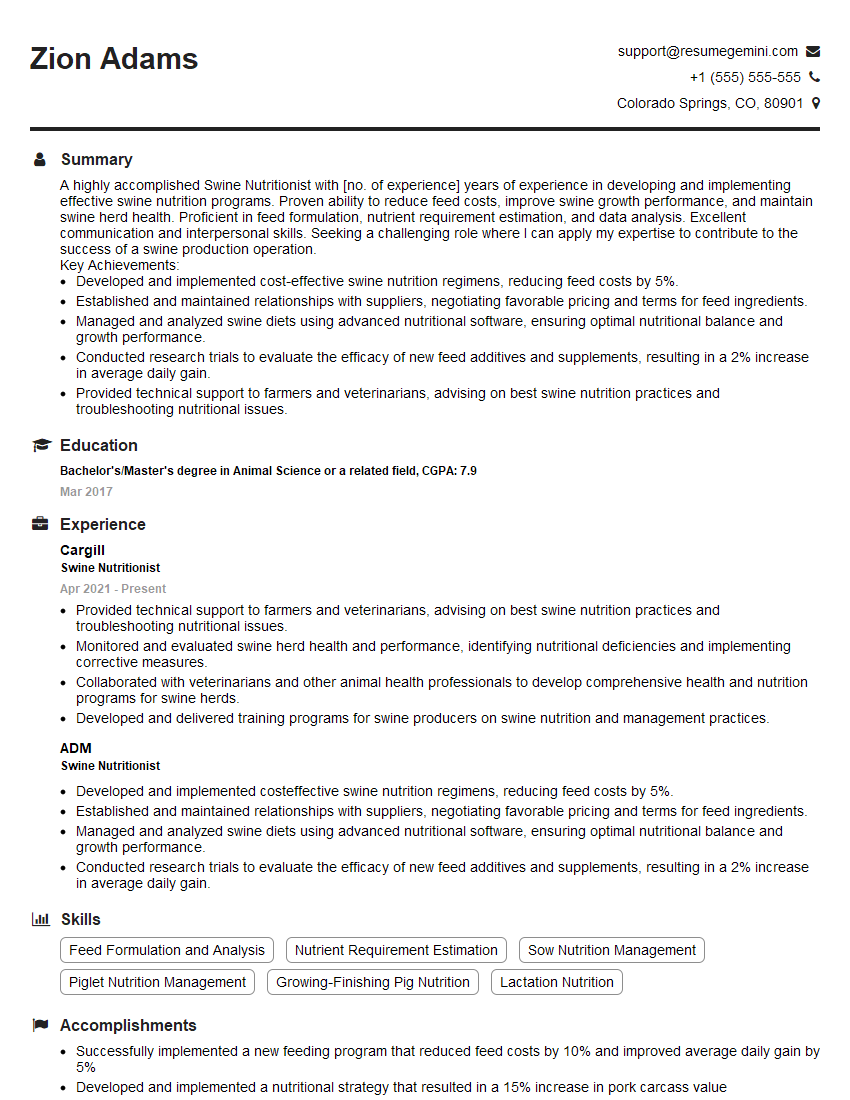
Mastering Hog Facility Design and Management opens doors to rewarding careers offering significant impact on the agricultural industry. Demonstrating expertise in this field will significantly boost your job prospects. To enhance your chances, creating a strong, ATS-friendly resume is crucial. ResumeGemini is a trusted resource to help you build a professional and impactful resume that highlights your skills and experience. ResumeGemini provides examples of resumes tailored specifically to Hog Facility Design and Management to help guide you in crafting your own compelling application. Take the next step towards your dream career – build your best resume with ResumeGemini.
Explore more articles
Users Rating of Our Blogs
Share Your Experience
We value your feedback! Please rate our content and share your thoughts (optional).
What Readers Say About Our Blog
Very informative content, great job.
good