Interviews are more than just a Q&A session—they’re a chance to prove your worth. This blog dives into essential Cognitive Distortions Identification and Correction interview questions and expert tips to help you align your answers with what hiring managers are looking for. Start preparing to shine!
Questions Asked in Cognitive Distortions Identification and Correction Interview
Q 1. Define cognitive distortions and provide three examples.
Cognitive distortions are systematic errors in thinking that affect how we perceive ourselves, others, and the world around us. They are essentially mental shortcuts that can lead to inaccurate and unhelpful interpretations of situations, resulting in negative emotions and unhelpful behaviors. They’re not always consciously made; they often happen automatically.
All-or-nothing thinking: Viewing situations in extremes, as either completely good or completely bad, with no middle ground. Example: Getting a B on a test instead of an A leads to feeling like a complete failure.
Overgeneralization: Drawing sweeping conclusions based on a single incident or piece of evidence. Example: After one bad date, concluding that all dating is hopeless.
Catastrophizing: Focusing on the worst-case scenario and assuming it’s inevitable. Example: Expecting a job interview to go horribly wrong and believing that this will ruin one’s whole life.
Q 2. Explain the difference between all-or-nothing thinking and overgeneralization.
While both all-or-nothing thinking and overgeneralization are cognitive distortions, they differ in their scope and focus.
All-or-nothing thinking focuses on seeing things in absolute terms – black and white, good or bad, success or failure. It’s a rigid way of thinking that lacks nuance. For example, someone might think, ‘If I don’t get a perfect score, I’m a complete failure.’ There’s no room for partial success or acknowledging effort.
Overgeneralization, on the other hand, takes a single negative event and expands it to encompass everything else. It’s like taking one negative data point and making it represent the whole picture. For example, someone might get rejected from one job and conclude, ‘I’ll never get a job; I’m unemployable.’ This ignores other positive aspects of their skills and experience.
The key difference lies in the breadth of application: all-or-nothing thinking applies to a specific situation judged in extreme terms, while overgeneralization takes a specific negative event and applies it broadly to future situations.
Q 3. Describe how catastrophizing impacts mental health.
Catastrophizing significantly impacts mental health by fueling anxiety, depression, and even physical symptoms. Constantly imagining the worst-case scenario creates a state of chronic fear and stress. This leads to heightened cortisol levels (stress hormone), affecting the body’s immune system and overall well-being. The constant worry can disrupt sleep, concentration, and daily functioning. Over time, this cycle can lead to avoidance behaviors, as individuals may try to prevent the feared outcome, even if it involves considerable personal sacrifice. For example, someone who catastrophizes about public speaking might avoid any situation that requires it, even if it means missing out on valuable career opportunities.
Q 4. What are the common signs of mental filtering?
Mental filtering, also known as selective abstraction, involves focusing only on negative details while ignoring positive aspects of a situation. It’s like looking through a filter that only lets the bad stuff through. Common signs include:
Focusing on flaws: Concentrating excessively on imperfections in oneself or others, neglecting their positive qualities.
Ignoring positive feedback: Dismissing praise or compliments, focusing instead on criticism.
Negative self-talk: Engaging in internal dialogues that highlight only the shortcomings and failures.
Feeling overwhelmed by negativity: Experiencing a sense of hopelessness or despair due to the constant focus on negative aspects of life.
For example, someone receiving positive feedback on a project might only focus on a single minor criticism, overlooking all the praise received.
Q 5. How does emotional reasoning affect decision-making?
Emotional reasoning significantly distorts decision-making by substituting feelings for facts. Instead of basing decisions on objective evidence and logic, individuals rely solely on their emotional state. This can lead to irrational choices because the emotional response might not reflect the reality of the situation. For example, someone feeling anxious about public speaking might decide to avoid the opportunity entirely, even if the potential benefits far outweigh the anxiety. Their fear, rather than a rational assessment of the situation and potential outcomes, dictates their choice. This can lead to missed opportunities, poor problem-solving, and increased regret.
Q 6. Explain the technique of cognitive restructuring.
Cognitive restructuring is a therapeutic technique used to identify and challenge negative or unhelpful thought patterns. The goal is to replace distorted thoughts with more balanced and realistic ones, improving emotional regulation and behavior. It involves several steps, including identifying cognitive distortions, challenging their validity, and developing more adaptive coping strategies.
Q 7. Describe the steps involved in challenging a cognitive distortion.
Challenging a cognitive distortion is a multi-step process:
Identify the distortion: Pinpoint the specific cognitive distortion (e.g., all-or-nothing thinking, overgeneralization). What is the thought pattern causing distress?
Examine the evidence: Gather evidence that supports and contradicts the distorted thought. What are the facts? What are alternative explanations?
Generate alternative explanations: Develop more balanced and realistic interpretations of the situation. What are other ways to look at this?
Develop a more adaptive thought: Formulate a new, more helpful thought that replaces the distorted one. What is a more realistic and less emotionally charged way of thinking about this?
Experiment with the new thought: Test the new thought in real-life situations to assess its impact. How does this new thought affect my feelings and behaviors?
For example, if someone engages in catastrophizing after a minor setback at work, they might identify this distortion, examine evidence that contradicts the worst-case scenario, and generate alternative explanations for the setback. They could then develop a more adaptive thought, such as, ‘This is a minor setback, I can learn from it,’ and experiment with this new way of thinking in future situations. This process often takes practice and might benefit from working with a therapist.
Q 8. How would you help a patient identify and challenge their negative self-talk?
Helping a patient identify and challenge negative self-talk involves a collaborative process focusing on awareness, identification, and reframing. We start by educating the patient about common cognitive distortions like all-or-nothing thinking, overgeneralization, and catastrophizing. Then, we utilize techniques like thought records. These are journals where the patient documents a negative thought, the evidence supporting and contradicting it, and a more balanced alternative thought. For example, if a patient thinks ‘I failed that presentation, therefore I’m a failure,’ we’d explore the evidence – maybe some parts were good, the audience asked clarifying questions, etc. We’d then help them reframe the thought to something like, ‘The presentation had some rough patches, but I can learn from this and improve next time.’ We also use Socratic questioning to gently challenge their assumptions and biases, prompting them to consider alternative perspectives and gather more information.
Furthermore, behavioral experiments can be implemented to test the validity of their negative beliefs. If a patient fears social rejection, we might plan a small social interaction and collaboratively analyze the outcome, demonstrating that their fears are often exaggerated. The key is to empower the patient to become their own therapist, equipping them with the tools to challenge negative self-talk independently.
Q 9. Explain how to differentiate between healthy skepticism and negative cognitive distortions.
The difference between healthy skepticism and negative cognitive distortions lies in the basis of the thought and its impact. Healthy skepticism involves questioning information objectively, looking for evidence, and considering alternative explanations before forming conclusions. It’s a rational process aimed at accuracy and avoiding misinformation. For instance, if someone claims a miracle cure, a healthy skeptic would ask for evidence-based research before believing it. Negative cognitive distortions, however, are characterized by biased thinking patterns that lead to negative emotions and maladaptive behaviors. They are typically based on assumptions, fears, and past negative experiences rather than objective evidence.
For example, someone experiencing ‘catastrophizing’ might think, ‘If I don’t get this job, my life is over,’ a dramatic and unfounded conclusion. The difference is the lack of objectivity and the emotional distress associated with cognitive distortions. Healthy skepticism fosters critical thinking, while cognitive distortions impede it, leading to unnecessary anxiety and distress. The context and the impact of the thought are crucial in differentiation.
Q 10. What are the limitations of cognitive restructuring?
Cognitive restructuring, while effective for many, has limitations. Firstly, it requires considerable self-awareness and engagement from the patient. Those with low motivation or significant cognitive impairments may struggle to participate actively. Secondly, it’s not a quick fix; it requires consistent practice and effort to reshape ingrained thinking patterns. Relapses are possible, especially under stress. Furthermore, some distortions are deeply rooted in past trauma or underlying mental health conditions, requiring a more comprehensive treatment approach alongside cognitive restructuring. Simply changing thoughts doesn’t always address the underlying emotional or behavioral issues.
Another limitation is the potential for oversimplification. Complex problems rarely have simple solutions, and focusing solely on cognitive restructuring might neglect the importance of environmental factors or interpersonal relationships contributing to the patient’s distress. Finally, the technique might inadvertently lead to suppression of emotions rather than processing them, potentially hindering overall mental well-being if not done carefully and with emotional regulation strategies incorporated.
Q 11. How do you tailor cognitive restructuring techniques to different personality types?
Tailoring cognitive restructuring to different personality types involves adapting the approach to suit individual learning styles and preferences. For example, individuals with high levels of conscientiousness might benefit from structured exercises and detailed workbooks, while those higher in openness to experience might engage better with creative metaphors and brainstorming sessions. Patients with high neuroticism might require a gentler, more validating approach, emphasizing self-compassion and gradually challenging their negative beliefs.
Introverted individuals might find group therapy challenging, preferring individual sessions where they can express themselves more comfortably. Extraverted individuals might thrive in group settings, learning from peer experiences and gaining social support. The pace of therapy should also be adapted. Impulsive individuals may benefit from immediate techniques to manage impulsive thoughts and actions, while more reflective individuals might require more time to process information and consider alternative perspectives. A successful approach necessitates flexibility and sensitivity to individual needs and preferences.
Q 12. Describe a situation where you successfully helped a client overcome a cognitive distortion.
I worked with a client, Sarah, who struggled with social anxiety and a pervasive fear of public speaking. She held a deeply ingrained belief that any mistake during a presentation would lead to immediate and utter rejection. This was a classic example of catastrophizing and all-or-nothing thinking. We started by identifying her negative automatic thoughts during imagined public speaking scenarios. We then used a thought record to examine the evidence, exposing the irrationality of her fears. For instance, she feared forgetting her words, leading to complete humiliation. We explored the likelihood of this happening and the potential consequences if it did. We found that even if she forgot some points, it wouldn’t necessarily be catastrophic.
We also implemented a behavioral experiment. We started with small steps, having her practice speaking to one person, then a small group, gradually increasing the audience size. Each successful experience chipped away at her negative beliefs. Throughout the process, I emphasized self-compassion, validating her feelings while challenging the underlying assumptions. Through consistent practice and gradual exposure, Sarah successfully delivered a presentation at a professional conference, demonstrating a significant reduction in anxiety and a noticeable shift in her self-perception. Her success wasn’t solely about mastering the technique but also about building self-efficacy and confidence in her ability to manage her fears.
Q 13. What are the ethical considerations when working with clients experiencing cognitive distortions?
Ethical considerations when working with clients experiencing cognitive distortions are paramount. Maintaining client confidentiality is crucial. The information shared during therapy should be protected unless there’s a legal obligation to disclose, such as a risk of harm to self or others. It’s essential to obtain informed consent, ensuring clients understand the process, techniques, and potential risks and benefits involved before commencing therapy. It is also crucial to avoid imposing personal values or beliefs onto the client; instead, therapy should be guided by the client’s goals and preferences.
Therapists should be aware of their own biases and potential power dynamics within the therapeutic relationship. Maintaining professional boundaries and avoiding dual relationships is vital. It is also important to respect client autonomy, not pressuring them into accepting specific interpretations or techniques, and to recognize when referral to another professional might be appropriate due to the complexity of the situation or the limitations of their expertise. Moreover, continuously evaluating the effectiveness of the interventions and being willing to adjust the approach as needed demonstrates ethical and competent practice.
Q 14. How do you address resistance from a client during cognitive restructuring?
Addressing client resistance during cognitive restructuring requires empathy, understanding, and a collaborative approach. Resistance often stems from fear of change, discomfort with self-examination, or a lack of trust in the process. The first step is to validate the client’s feelings, acknowledging their apprehension without judgment. Instead of directly confronting the resistance, I explore the underlying reasons for it through open-ended questions, aiming to understand their perspective and concerns. For example, I might ask, ‘What concerns you most about trying this technique?’ or ‘What are your hesitations about exploring these thoughts further?’
Once the source of resistance is identified, I collaborate with the client to develop strategies to address it. This might involve adjusting the pace of therapy, focusing on smaller, more manageable goals, or using alternative techniques that resonate better with the client. It’s crucial to emphasize the client’s autonomy, respecting their right to choose not to engage with specific techniques. Building rapport, fostering a strong therapeutic alliance, and consistently demonstrating empathy and genuine care are vital in overcoming resistance and creating a safe space for exploration and change. Sometimes, acknowledging that the process might feel uncomfortable but is ultimately beneficial can be helpful.
Q 15. How do you assess the effectiveness of cognitive restructuring?
Assessing the effectiveness of cognitive restructuring requires a multifaceted approach. We can’t simply rely on a client’s subjective feeling of improvement. Instead, we use a combination of methods. First, we track the frequency and intensity of negative automatic thoughts (NATs) using self-monitoring techniques like thought records. A reduction in the number and intensity of these thoughts indicates progress. Second, we assess changes in the client’s emotional state using standardized measures like the Beck Depression Inventory (BDI) or the State-Trait Anxiety Inventory (STAI). Significant improvements in these scores show a positive impact. Third, we observe changes in the client’s behavior. Are they engaging in more adaptive behaviors? Are they showing increased social interaction or improved problem-solving skills? Finally, we regularly solicit feedback from the client on their perceived progress and any challenges they are facing. This collaborative approach ensures a comprehensive evaluation and allows for necessary adjustments to the therapy plan.
For example, imagine a client experiencing social anxiety. We track their anxious thoughts before social interactions. If the number of these thoughts decreases, and their self-reported anxiety levels (BDI or STAI scores) drop, and they show increased participation in social events, it suggests the cognitive restructuring is effective.
Career Expert Tips:
- Ace those interviews! Prepare effectively by reviewing the Top 50 Most Common Interview Questions on ResumeGemini.
- Navigate your job search with confidence! Explore a wide range of Career Tips on ResumeGemini. Learn about common challenges and recommendations to overcome them.
- Craft the perfect resume! Master the Art of Resume Writing with ResumeGemini’s guide. Showcase your unique qualifications and achievements effectively.
- Don’t miss out on holiday savings! Build your dream resume with ResumeGemini’s ATS optimized templates.
Q 16. How do you integrate cognitive restructuring with other therapeutic approaches?
Cognitive restructuring doesn’t exist in a vacuum; it’s most effective when integrated with other therapeutic approaches. For instance, combining it with Behavioral Activation (BA) is powerful. BA focuses on increasing engagement in rewarding activities, which provides tangible evidence that contradicts negative thoughts. A client believing they’re ‘socially inept’ might be encouraged to join a book club (BA). As they experience positive social interactions, it challenges their initial belief, reinforcing the cognitive restructuring work. Similarly, integrating it with mindfulness-based techniques allows clients to observe their thoughts without judgment, fostering a more detached perspective and reducing the emotional reactivity to distorted thinking. Exposure therapy, particularly in anxiety disorders, can effectively challenge distorted beliefs about threat. Facing feared situations gradually, while concurrently using cognitive restructuring to address underlying negative thoughts, yields robust results. The approach depends on the individual’s needs and the specific presenting problems, emphasizing a tailored, holistic approach.
Q 17. What are some common obstacles in applying cognitive restructuring?
Several obstacles can hinder the application of cognitive restructuring. One common obstacle is resistance to change. Clients may be deeply invested in their negative thought patterns, even if they are distressing. This is understandable as these thoughts may provide a sense of familiarity or perceived safety. Another challenge is the cognitive load involved. Identifying, challenging, and replacing deeply ingrained distortions requires significant cognitive effort, which can be overwhelming, particularly for those already struggling with mental health issues. Lack of motivation or difficulty in identifying and challenging one’s own thought processes can also be major obstacles. Clients may lack the awareness or skills needed to identify and analyze their thoughts effectively. Furthermore, some clients might struggle with emotional dysregulation, making it challenging to engage in rational analysis of thoughts when experiencing intense emotions. Finally, the therapist’s skill in guiding the process is crucial. Poorly executed cognitive restructuring can inadvertently invalidate the client’s experiences and hinder progress.
Q 18. Discuss the role of mindfulness in addressing cognitive distortions.
Mindfulness plays a crucial role in addressing cognitive distortions by fostering a non-judgmental awareness of thoughts and emotions. Instead of automatically reacting to negative thoughts, mindfulness encourages observation. This creates psychological distance, reducing the emotional impact of distortions. For example, a client experiencing all-or-nothing thinking (“I failed this one test, so I’m a complete failure”) can use mindfulness to observe the thought without immediately identifying with it. They can acknowledge the thought as simply a thought, rather than an objective truth. This separation allows for a more balanced perspective, enabling the client to challenge the thought’s validity more effectively through cognitive restructuring. Mindfulness practices like meditation and body scan exercises cultivate this capacity for self-awareness, which is vital for successful cognitive restructuring.
Q 19. How can cognitive distortions contribute to anxiety and depression?
Cognitive distortions significantly contribute to anxiety and depression by perpetuating negative emotional states and maladaptive behaviors. For instance, catastrophizing (expecting the worst possible outcome) fuels anxiety, while overgeneralization (drawing sweeping conclusions from single incidents) contributes to feelings of hopelessness in depression. Personalization (taking responsibility for events outside one’s control) can exacerbate both, leading to self-blame and excessive worry. All-or-nothing thinking creates a rigid, black-and-white worldview, making it difficult to experience positive emotions or acknowledge successes. Should statements and emotional reasoning (equating feelings with facts) further fuel negative self-perception and emotional distress. These distortions create a feedback loop; negative thoughts trigger negative emotions, which in turn strengthen the negative thoughts.
Q 20. Explain the connection between cognitive distortions and behavioral patterns.
Cognitive distortions and behavioral patterns are intricately linked; they influence and reinforce each other. Distorted thinking often drives maladaptive behaviors. For example, someone with fear of failure (a cognitive distortion) might avoid challenging tasks (behavioral pattern). This avoidance reinforces the initial fear, creating a vicious cycle. Conversely, behavior shapes thinking. If someone consistently avoids social situations due to social anxiety, their negative thoughts about social interactions will be strengthened. This interplay highlights the importance of addressing both cognitive and behavioral aspects in therapy. Techniques like behavioral experiments, which involve gradually confronting feared situations, challenge both the distorted thinking and the associated avoidance behaviors, leading to a more holistic and sustainable change.
Q 21. What are some common cognitive distortions that frequently emerge in trauma survivors?
Trauma survivors frequently experience specific cognitive distortions. Minimization or dissociation is common, where the trauma’s significance or impact is downplayed or emotionally detached from. All-or-nothing thinking can manifest as believing they are entirely responsible for the trauma or entirely without fault. Selective attention might focus only on negative aspects of their life, ignoring any positive experiences. Personalization can lead to intense self-blame and guilt. A feeling of being helpless or powerless is also prevalent, stemming from the trauma itself. Addressing these distortions is crucial in trauma therapy. It involves helping survivors to develop a more balanced and realistic understanding of the trauma and its impact, fostering a sense of agency and self-compassion.
Q 22. Describe the use of journaling to identify cognitive distortions.
Journaling is a powerful self-reflection tool for identifying cognitive distortions. It allows individuals to track their thoughts, feelings, and behaviors over time, revealing patterns and biases. By regularly writing about challenging situations, individuals can pinpoint recurring negative thoughts and analyze the underlying distortions.
For example, someone struggling with anxiety might journal about a social event. Initially, they might record a negative thought like, “Everyone thought I was awkward and boring.” Through journaling, they can then break this down, asking themselves: What evidence supports this? What other interpretations are possible? Did anyone actually say I was boring? This process helps identify the distortion—perhaps catastrophizing or mind-reading—and initiates the process of challenging and reframing the thought.
Specific journaling prompts can be helpful, such as:
- Describe the situation that triggered negative feelings.
- List your automatic thoughts immediately following the event.
- Identify the emotions associated with those thoughts.
- Challenge the validity of your thoughts using evidence and alternative explanations.
- Record your revised, more balanced thoughts.
Q 23. How do you use Socratic questioning in the context of cognitive restructuring?
Socratic questioning is a crucial technique in cognitive restructuring. It’s a guided discovery process that helps individuals challenge their own distorted thinking by asking open-ended, thought-provoking questions, rather than directly offering solutions. The goal is to help the individual arrive at their own conclusions and insights.
In practice, I might use questions like:
- “What evidence do you have to support that thought?”
- “What are some alternative explanations for the situation?”
- “What would you tell a friend who had the same thought?”
- “What’s the worst that could happen, and how likely is it?”
- “What’s a more balanced way to view this situation?”
For example, if a patient believes they are a failure because they didn’t get a promotion, I might use Socratic questioning to explore their belief. By prompting them to examine the evidence, alternative interpretations (e.g., perhaps the promotion required different skills), and the likelihood of their prediction (e.g., are there other avenues for career advancement?), I help them see the distortion in their thinking and develop more realistic and adaptive beliefs.
Q 24. What are the key differences between cognitive distortions and delusions?
Cognitive distortions are inaccurate or maladaptive thought patterns that affect how we perceive ourselves, others, and the world. They are common and generally responsive to therapy. Delusions, however, are fixed, false beliefs that are not shared by others in the same culture and are resistant to reason or evidence. They are a hallmark of certain psychotic disorders.
Here’s a table summarizing the key differences:
| Feature | Cognitive Distortion | Delusion |
|---|---|---|
| Nature | Inaccurate or maladaptive thought pattern | Fixed, false belief |
| Reality Testing | Responds to reality testing and evidence | Resistant to reality testing and evidence |
| Severity | Ranges from mild to severe; impacts daily life to varying degrees | Significantly impairs judgment and functioning |
| Prevalence | Common in the general population | Characteristic of psychotic disorders |
| Treatment | Responds to cognitive behavioral therapy (CBT) | Requires specialized treatment, often including medication |
Q 25. Explain the concept of schema therapy and its relationship to cognitive distortions.
Schema therapy is a long-term psychodynamic approach that addresses deeply ingrained, maladaptive schemas – core beliefs and patterns of relating to the world that develop in childhood and significantly influence thoughts, feelings, and behaviors. These schemas are often the underlying cause of cognitive distortions.
For instance, a schema of “abandonment” might lead to cognitive distortions such as overgeneralization (“Everyone will eventually leave me”) or selective abstraction (focusing only on evidence that confirms abandonment fears while ignoring contradictory evidence). Schema therapy works by identifying and modifying these underlying schemas, which in turn helps to reduce the frequency and impact of the associated cognitive distortions.
The relationship is synergistic: Cognitive restructuring techniques, a core component of CBT, are often used within schema therapy to directly address and modify maladaptive thoughts in the context of the underlying schema. This integrated approach makes schema therapy particularly effective for individuals with deeply entrenched and pervasive cognitive distortions.
Q 26. Describe how to incorporate cognitive behavioral techniques in crisis situations.
In crisis situations, applying cognitive behavioral techniques needs to be adapted for immediate impact. The goal is to stabilize the individual and prevent escalation.
Here’s a simplified approach:
- Grounding techniques: Help the individual reconnect with the present moment using their senses. Examples include naming five things they see, four things they touch, three things they hear, etc.
- Thought challenging (simplified): Instead of a deep dive, focus on identifying the most overwhelming thought and directly challenging its validity using simple questions: “Is this thought really true?” “Is there another way to look at this?”
- Behavioral activation: Encourage small, manageable actions to counteract the crisis-induced inactivity. This could be a simple task like taking a walk or drinking water.
- Self-soothing techniques: Employ relaxation methods such as deep breathing or progressive muscle relaxation to reduce physiological arousal.
- Safety planning: Collaboratively develop a plan to manage similar situations in the future, including identifying coping strategies and support systems.
It’s crucial to remember that in a crisis, safety is paramount. If the individual is in immediate danger, professional help is essential. These techniques are intended to support, not replace, professional intervention.
Q 27. How do you maintain therapeutic boundaries while addressing deeply personal beliefs and cognitive distortions?
Maintaining therapeutic boundaries while exploring deeply personal beliefs and cognitive distortions requires a delicate balance of empathy and professionalism. It’s essential to establish clear boundaries from the outset and consistently adhere to them.
Key strategies include:
- Regularly reviewing boundaries: Discuss the nature of the therapeutic relationship, the therapist’s role, and client expectations in the initial sessions and periodically throughout the therapy.
- Avoiding dual relationships: Refrain from engaging in relationships outside of the therapeutic context, such as friendships or social interactions.
- Maintaining professional demeanor: While empathy is crucial, the therapist should avoid becoming overly involved emotionally or taking on the client’s problems personally.
- Using self-disclosure judiciously: Self-disclosure should be used only when it directly benefits the client and is within professional guidelines.
- Seeking supervision: Regular supervision with a senior clinician provides an opportunity to process complex cases and ensure that boundaries are maintained.
Remember, the therapeutic relationship is primarily focused on the client’s needs and well-being, and adhering to strict professional boundaries ensures a safe and effective therapeutic space.
Q 28. What is your preferred approach to managing countertransference when working with patients with severe cognitive distortions?
Countertransference, where the therapist’s feelings or reactions are influenced by the client, can be particularly challenging when working with patients who have severe cognitive distortions. It’s crucial to manage this effectively to ensure objectivity and the client’s well-being.
My preferred approach involves several strategies:
- Self-awareness: Regular self-reflection, journaling, and supervision are essential to identify and understand my own emotional responses to the client’s behaviors and beliefs.
- Seeking supervision: Discussing the case with a senior clinician provides an external perspective and helps to process countertransference reactions in a safe and supportive environment.
- Maintaining professional distance: This is crucial to prevent the therapist from becoming overly emotionally invested in the client’s situation.
- Focusing on the therapeutic goals: Remembering the agreed-upon treatment goals and focusing on those objectives helps to maintain professional objectivity and prevent being unduly influenced by the client’s distortions.
- Utilizing techniques to manage stress: Maintaining my own well-being is crucial. I use mindfulness, relaxation techniques, or other stress-management strategies to prevent burnout and maintain a healthy personal and professional life.
By actively managing countertransference, I can ensure that the therapeutic relationship remains focused on the client’s needs and that the therapeutic process is effective and safe.
Key Topics to Learn for Cognitive Distortions Identification and Correction Interview
- Identifying Cognitive Distortions: Understanding the various types of cognitive distortions (e.g., all-or-nothing thinking, overgeneralization, catastrophizing) and their manifestations in thoughts, feelings, and behaviors.
- Cognitive Restructuring Techniques: Mastering practical techniques like Socratic questioning, cognitive reframing, and behavioral experiments to challenge and modify distorted thinking patterns.
- The Role of Emotions in Cognitive Distortions: Exploring the interplay between emotions and cognitive distortions, and how to address emotional reactivity in the process of correction.
- Practical Application in Therapy: Understanding how to apply these concepts in various therapeutic settings, including case studies and scenarios where you might intervene.
- Assessment and Measurement: Familiarizing yourself with different assessment tools and methodologies used to identify and measure cognitive distortions.
- Ethical Considerations: Understanding the ethical implications and limitations of Cognitive Distortions Identification and Correction techniques.
- Differentiation from other therapeutic approaches: Comparing and contrasting Cognitive Behavioral Therapy (CBT) with other related therapeutic approaches.
- Developing a personalized therapeutic approach: Understanding how to tailor interventions to the individual needs of clients.
Next Steps
Mastering Cognitive Distortions Identification and Correction is crucial for a successful career in mental health and related fields. A strong understanding of these concepts demonstrates your clinical competence and ability to provide effective, evidence-based care. To enhance your job prospects, it’s vital to present your skills effectively. Creating an ATS-friendly resume is key to getting your application noticed. ResumeGemini is a trusted resource that can help you build a compelling and professional resume, highlighting your expertise in this area. Examples of resumes tailored to Cognitive Distortions Identification and Correction are available to further guide your preparation. Take this opportunity to showcase your skills and launch your career to the next level!

Wellness Coach Resume Sample
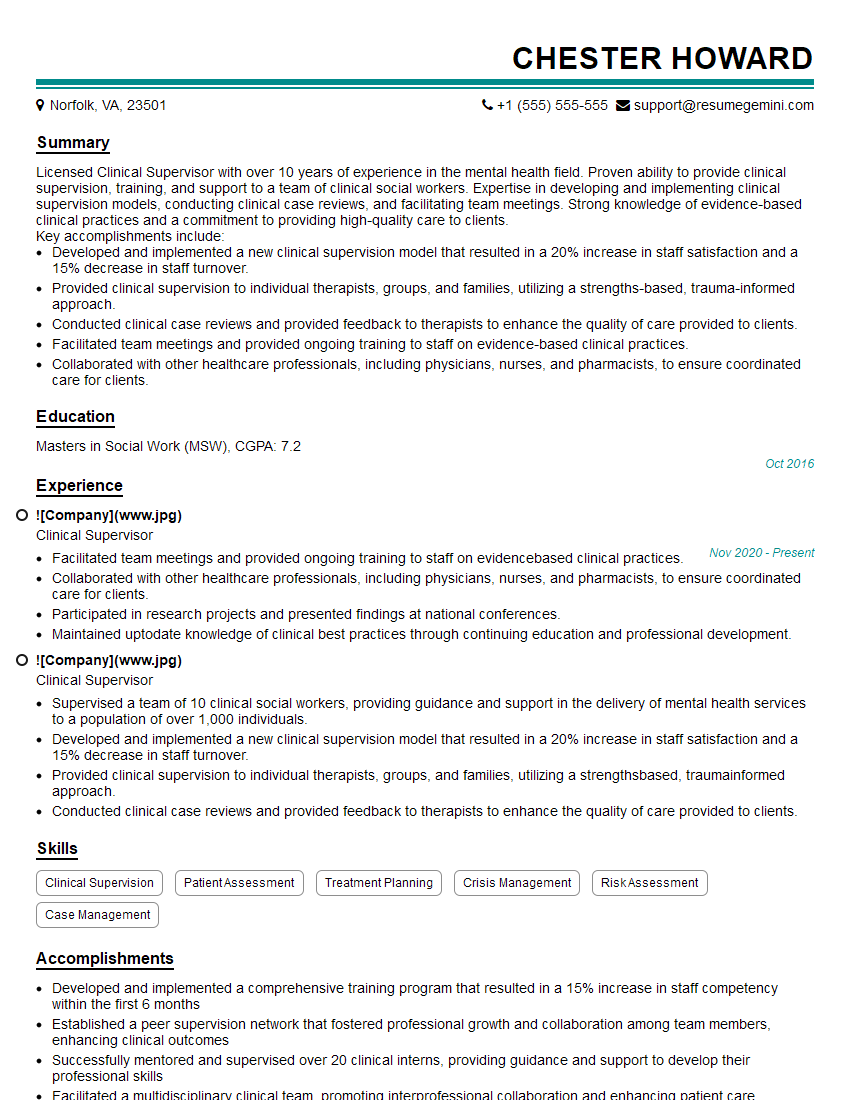
Clinical Supervisor Resume Sample
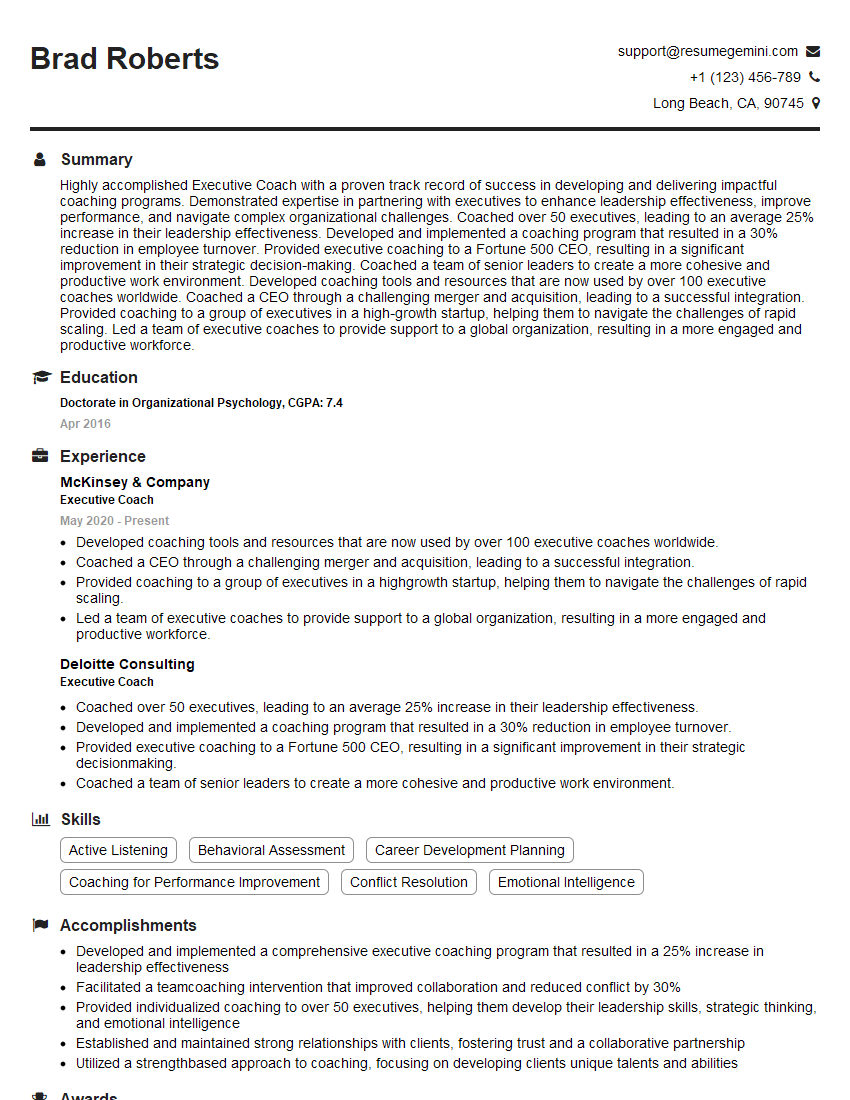
Executive Coach Resume Sample
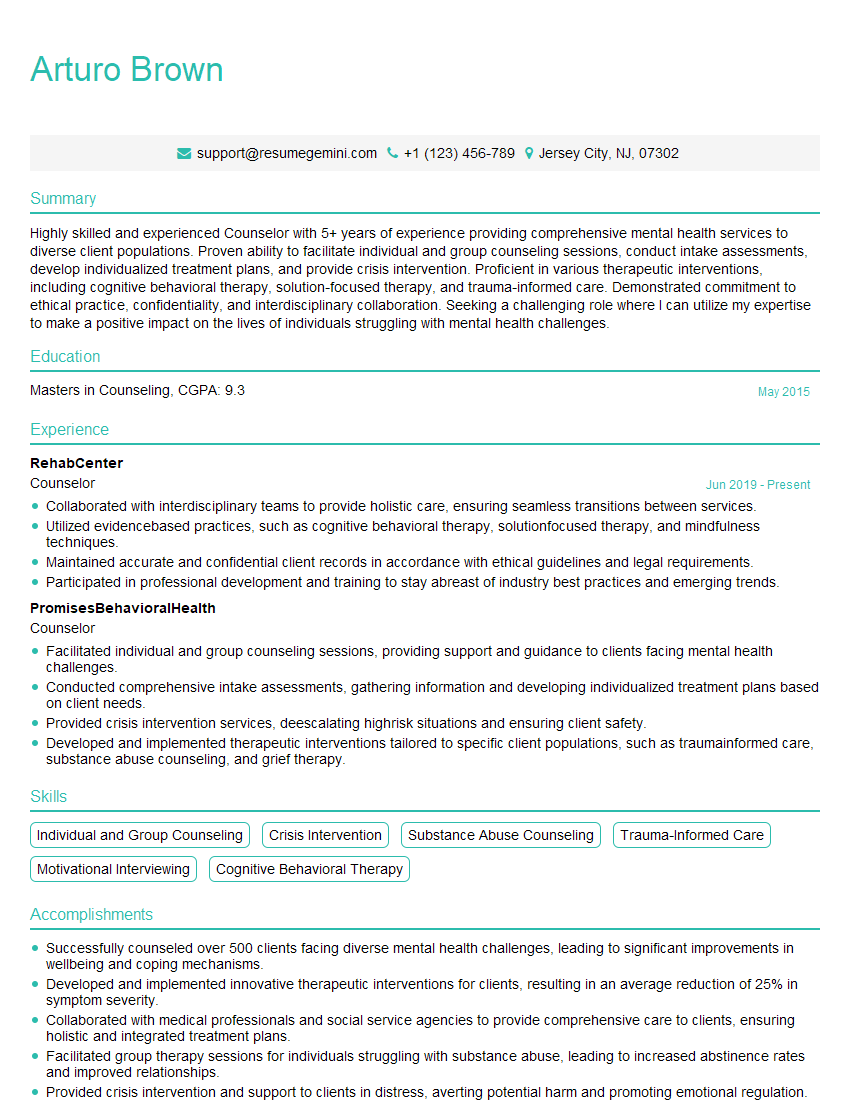
Counselor Resume Sample
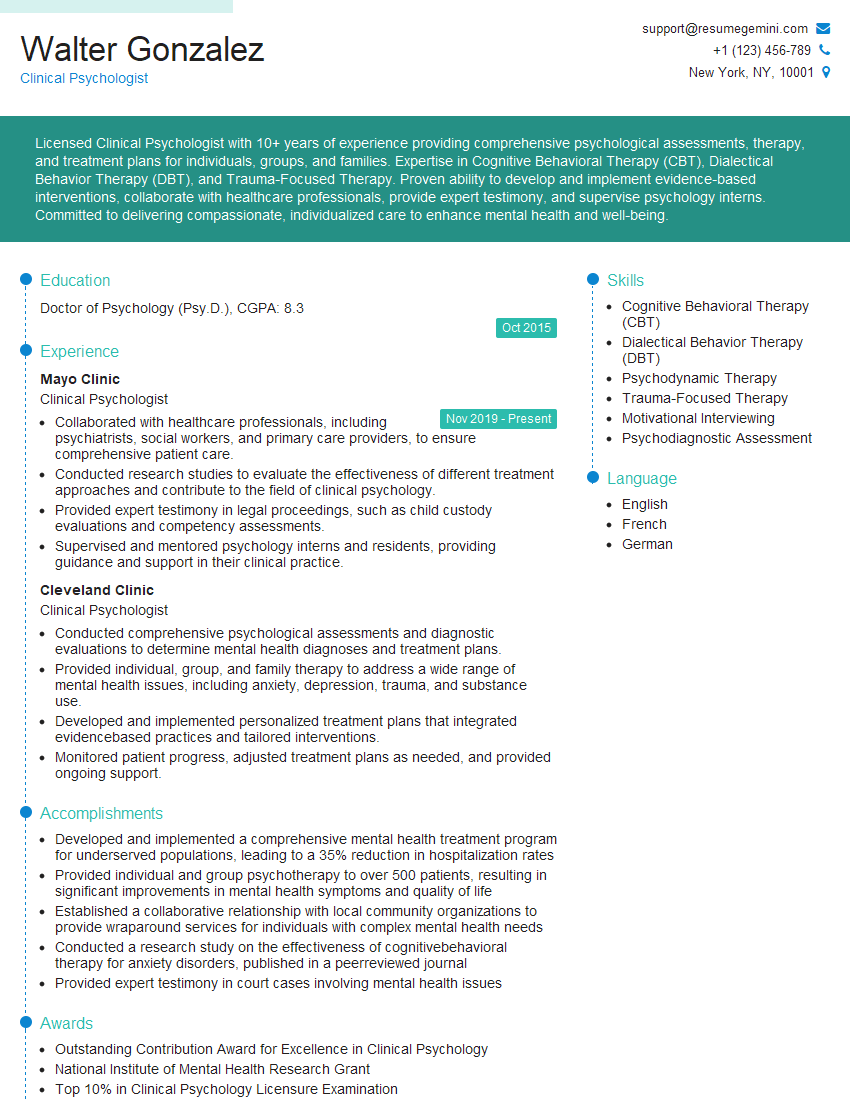
Clinical Psychologist Resume Sample
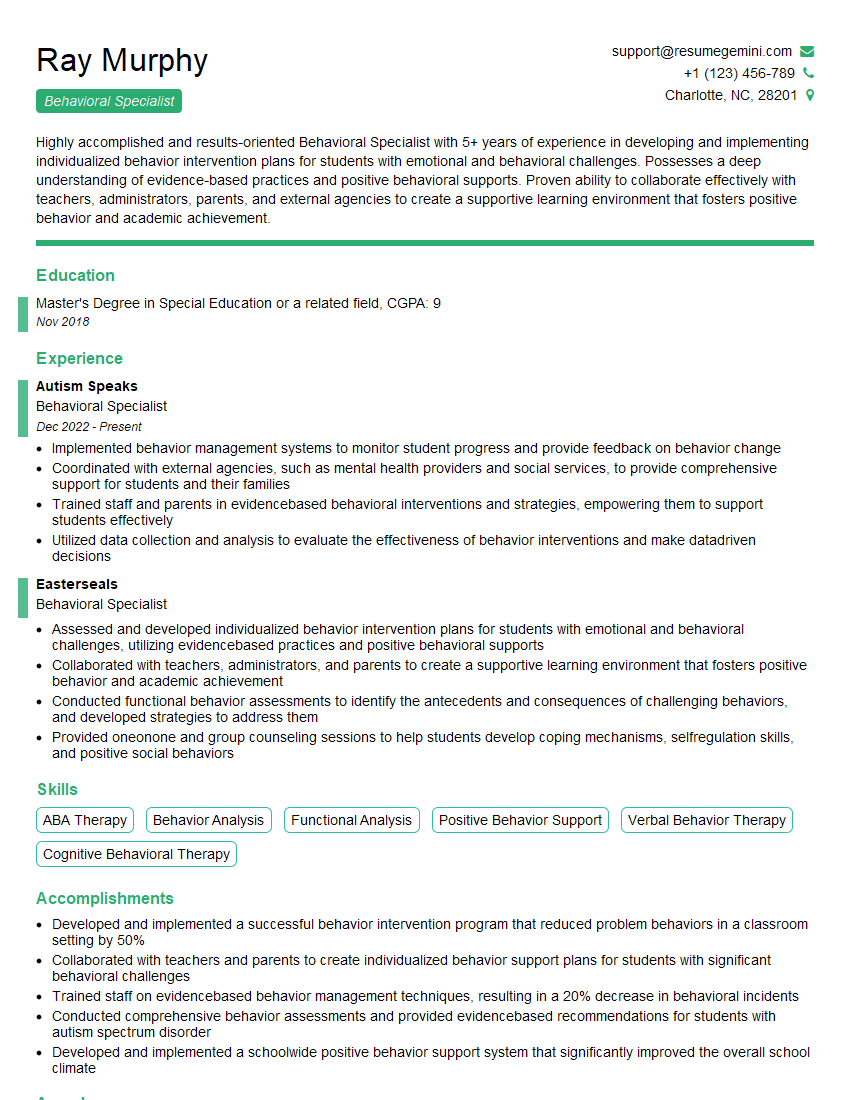
Behavioral Specialist Resume Sample
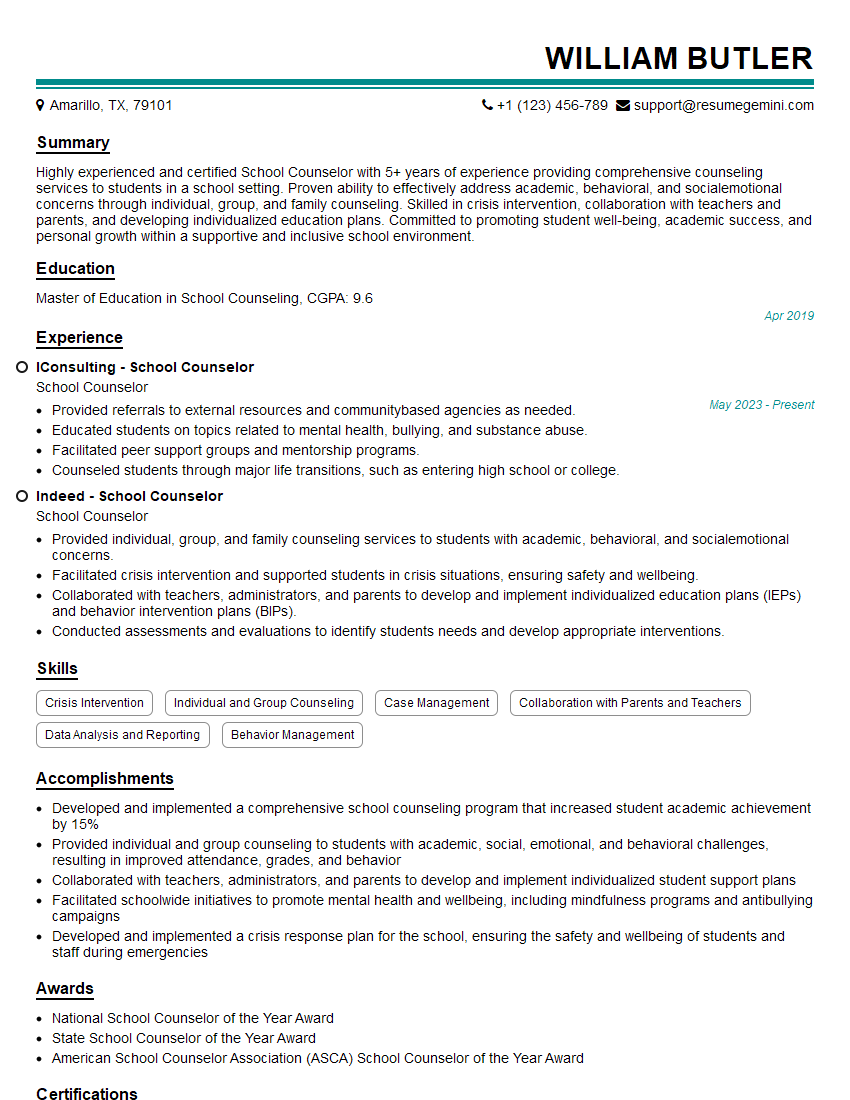
School Counselor Resume Sample
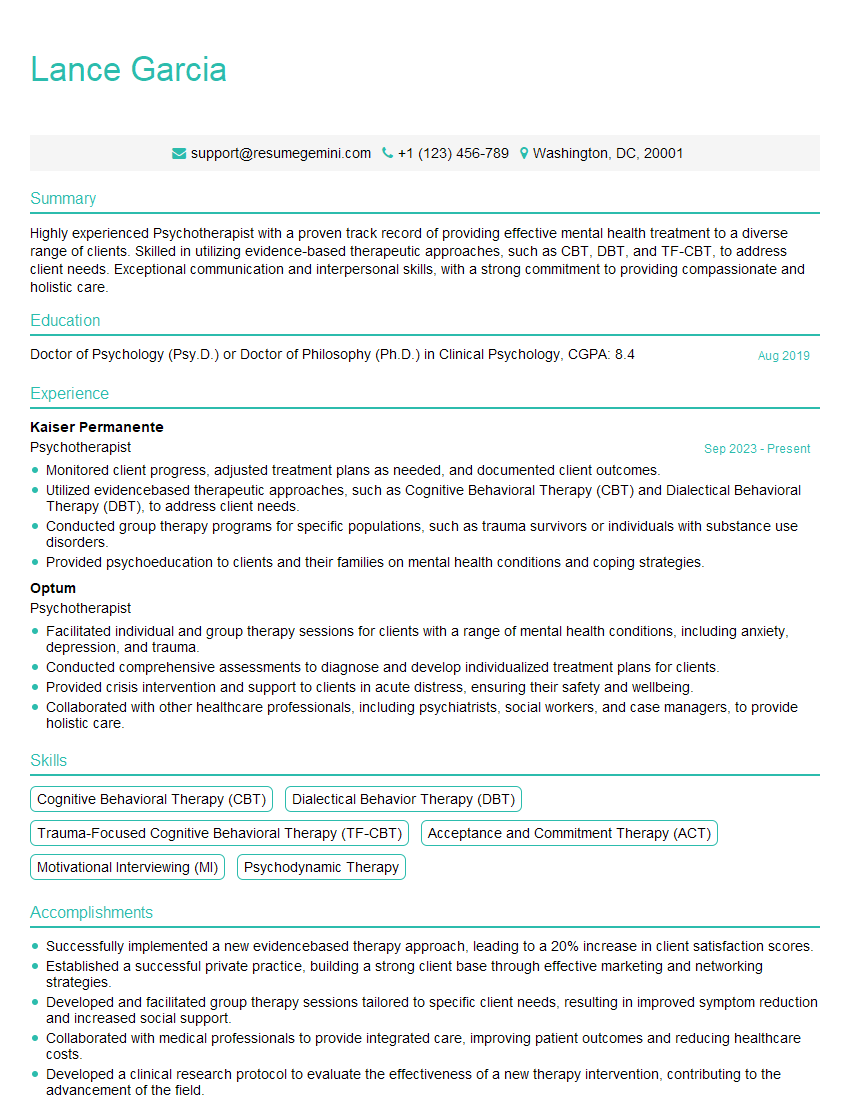
Psychotherapist Resume Sample
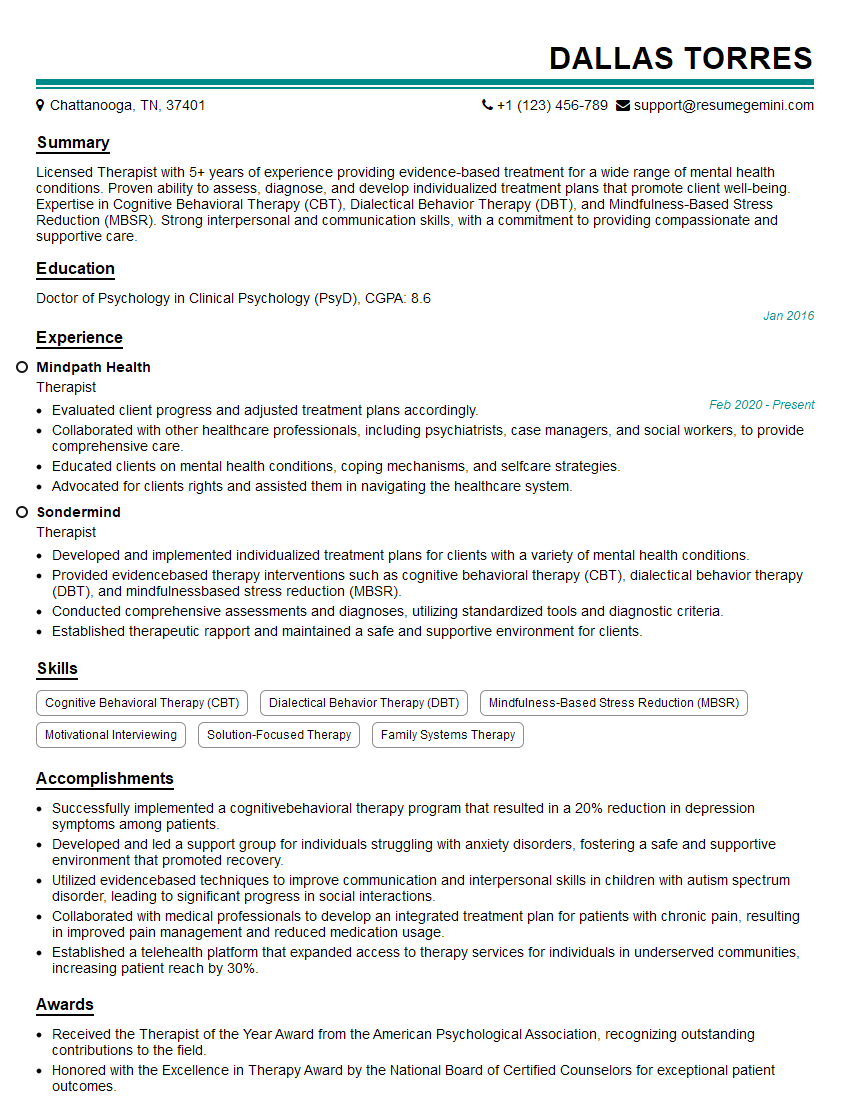
Therapist Resume Sample
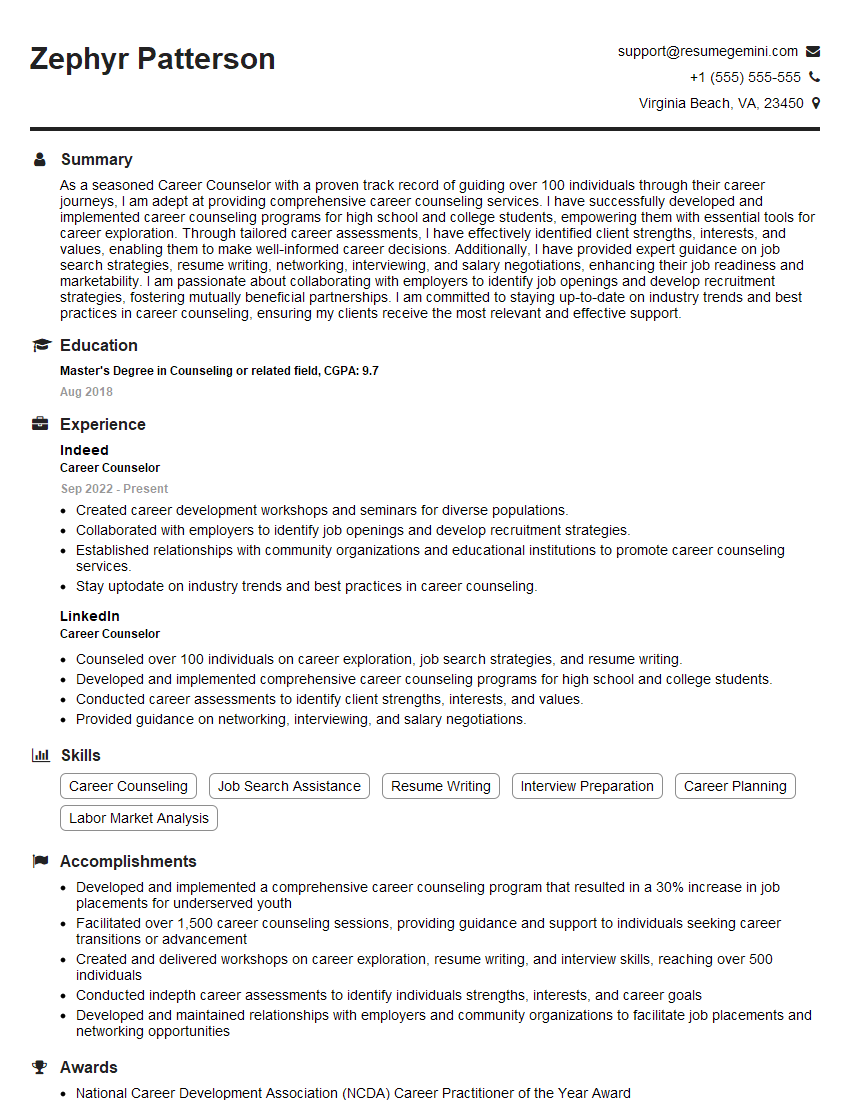
Career Counselor Resume Sample

Mental Health Counselor Resume Sample

Rehabilitation Counselor Resume Sample
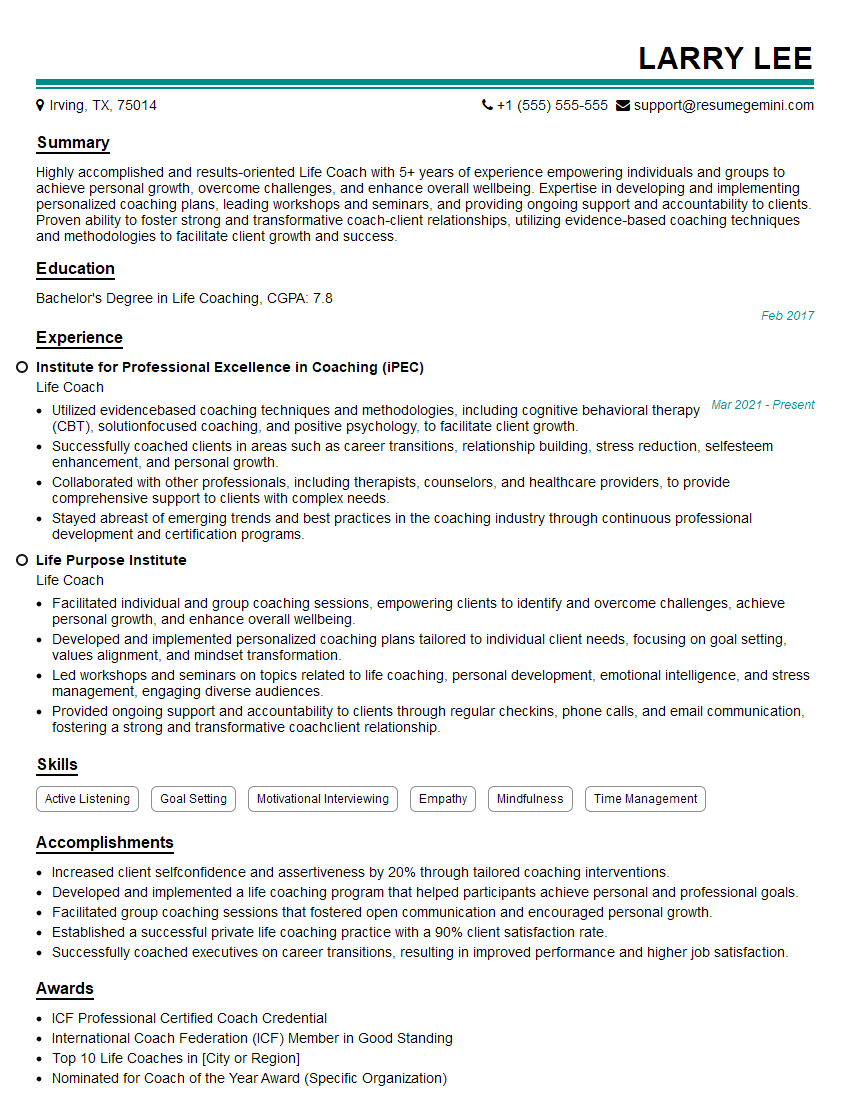
Life Coach Resume Sample
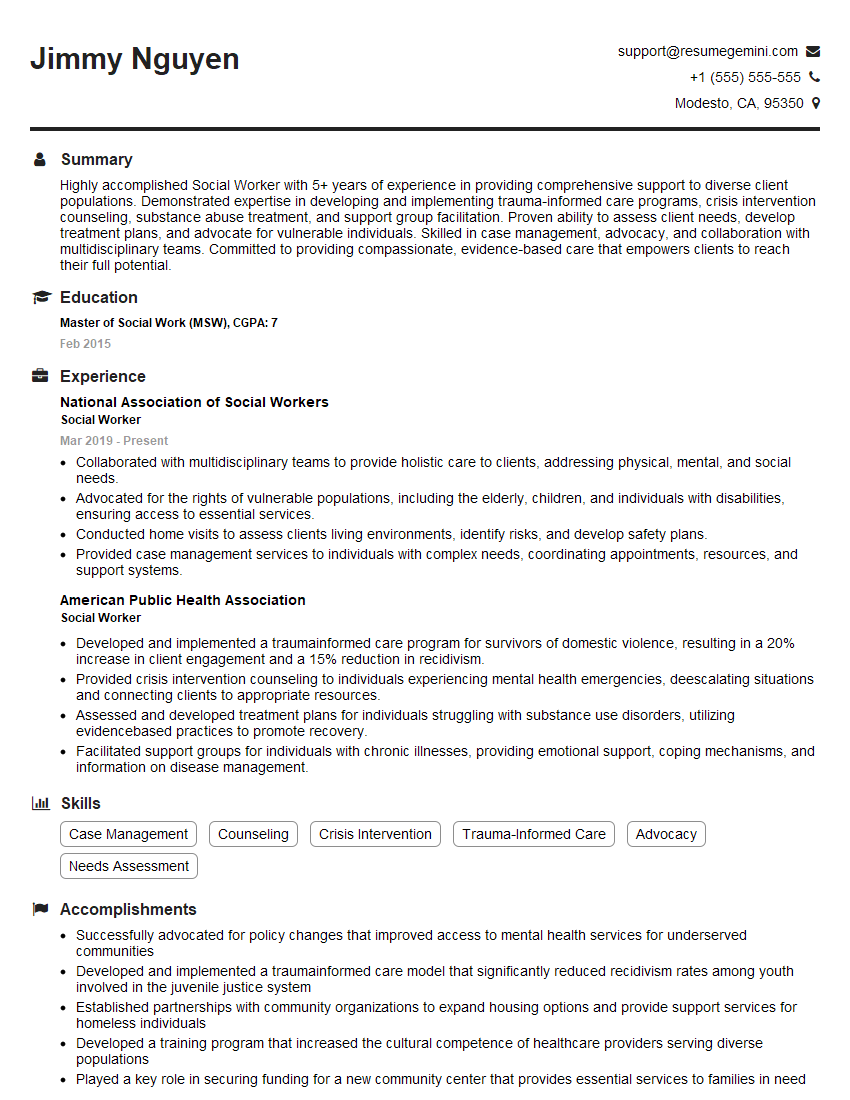
Social Worker Resume Sample
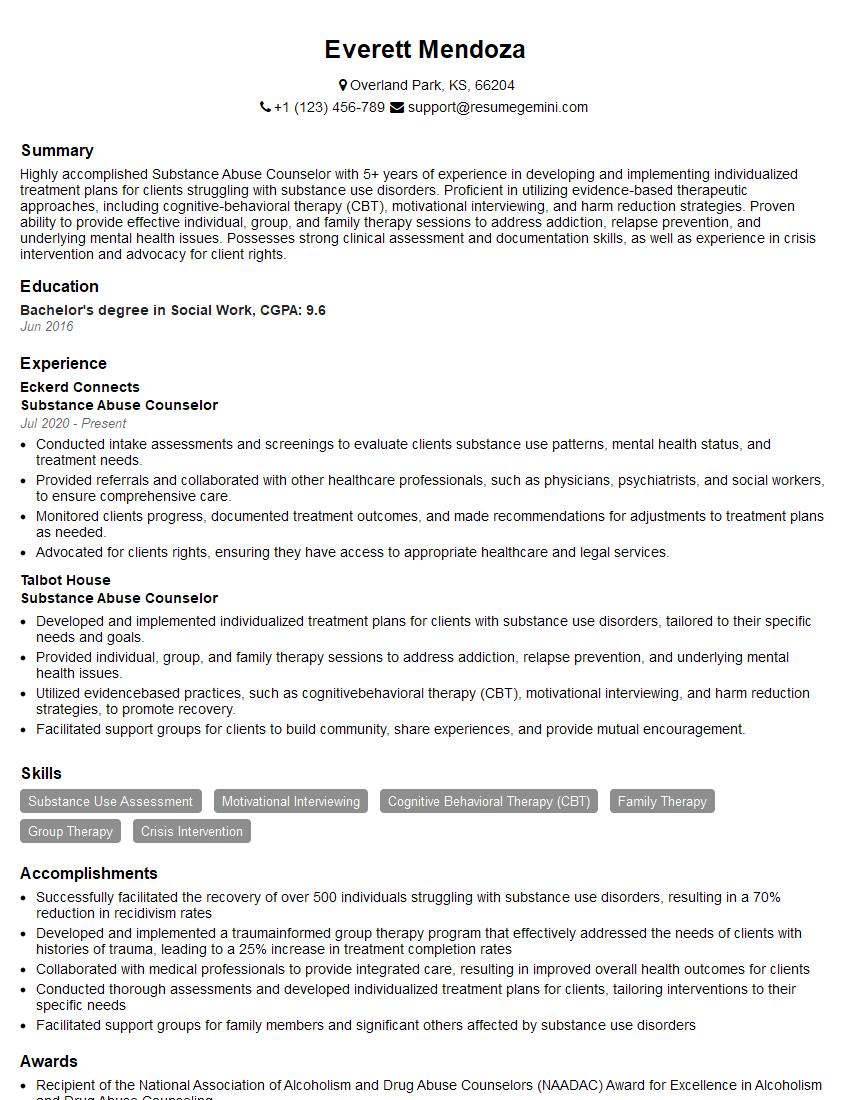
Substance Abuse Counselor Resume Sample
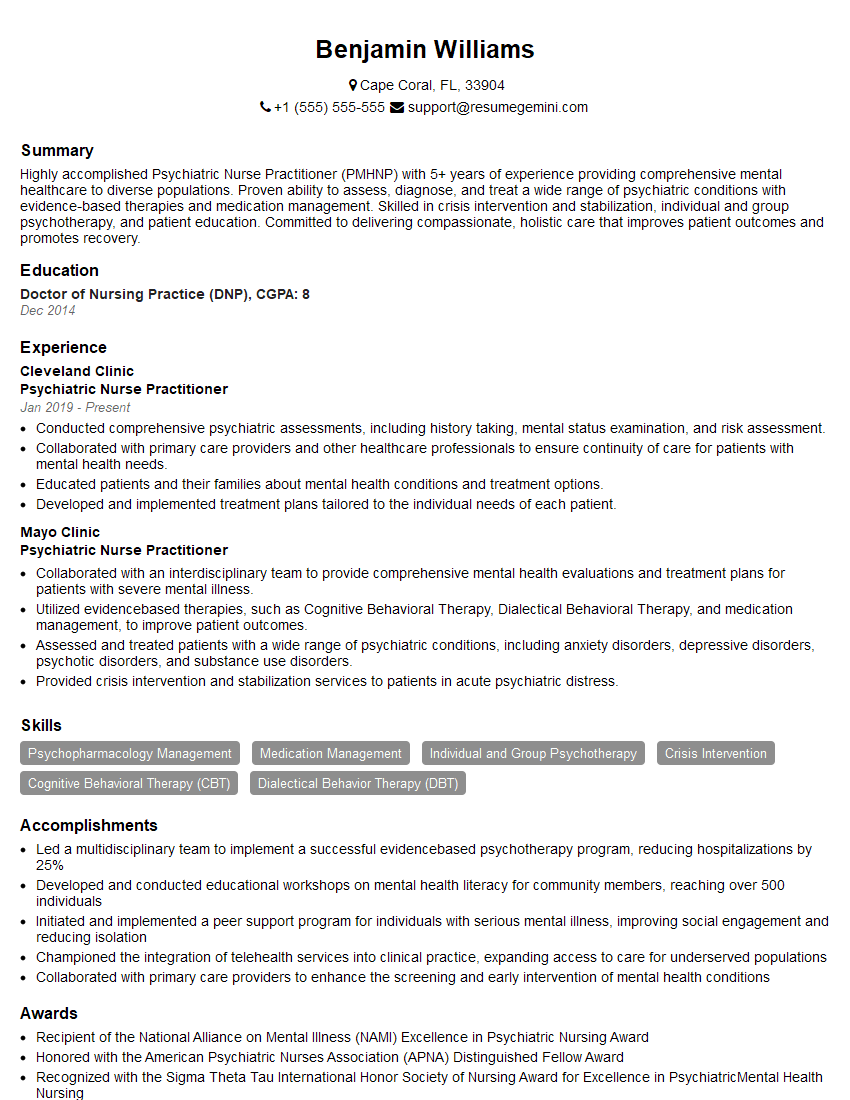
Psychiatric Nurse Practitioner Resume Sample
Explore more articles
Users Rating of Our Blogs
Share Your Experience
We value your feedback! Please rate our content and share your thoughts (optional).
What Readers Say About Our Blog
Very informative content, great job.
good