The thought of an interview can be nerve-wracking, but the right preparation can make all the difference. Explore this comprehensive guide to Collaboration with Architects and Designers interview questions and gain the confidence you need to showcase your abilities and secure the role.
Questions Asked in Collaboration with Architects and Designers Interview
Q 1. Describe your experience collaborating with architects on design projects.
My experience collaborating with architects spans over ten years, encompassing a wide range of projects, from residential renovations to large-scale commercial developments. I’ve found that successful collaboration hinges on proactive communication and a shared understanding of project goals. I actively participate in early design charrettes, contributing my expertise in design elements and material selection while understanding the architectural constraints and structural integrity. For example, on a recent high-rise residential project, I worked closely with the architects to ensure that the interior design complemented the building’s sleek, modern aesthetic while meeting the stringent fire safety regulations. This involved numerous iterative design reviews and modifications to meet both design and structural requirements.
My role extends beyond simply creating aesthetically pleasing spaces; I also consider building systems, structural supports, and code compliance. I’ve learned to translate complex technical information from architects into actionable insights for my team, ensuring seamless integration between architecture and interior design. This allows for a more efficient and streamlined design process.
Q 2. Explain your process for resolving design conflicts with architects or designers.
Resolving design conflicts requires a collaborative and respectful approach. My process begins with clearly identifying the conflict. We then analyze the root cause, examining factors like budget, timelines, code compliance, or differing aesthetic preferences. This requires active listening, open communication, and a willingness to compromise. We often use visual aids, such as 3D models or mood boards, to illustrate different options and visually compare solutions. I believe in focusing on finding creative solutions that satisfy the concerns of all stakeholders.
For instance, in one project, a conflict arose regarding the placement of a structural column that conflicted with a planned fireplace. Instead of choosing one design over another, we collaboratively brainstormed alternative fireplace locations and explored design adjustments to aesthetically integrate the column. The result was a unique design element that incorporated the structural necessity without sacrificing the overall aesthetic vision.
Q 3. How do you handle differing opinions on design aesthetics or functionality?
Differing opinions on aesthetics or functionality are common and often lead to innovative solutions. I approach these differences by actively facilitating a discussion, encouraging each party to articulate their perspective and rationale. I emphasize the importance of evidence-based design, using research and data to support specific design choices. This process often involves presenting various design options, exploring the pros and cons of each, and arriving at a consensus that balances both aesthetic appeal and practical functionality.
For example, while working on a restaurant design, the architect favoured a minimalist approach while the client wanted a more opulent look. I created mood boards that showcased a range of styles, showing how minimalist elements could be subtly combined with more luxurious textures and finishes. This helped bridge the gap between the differing visions, leading to a design that satisfied both parties.
Q 4. What software programs are you proficient in for collaboration with architects (e.g., Revit, AutoCAD)?
Proficiency in various software programs is crucial for effective collaboration with architects. I am highly proficient in Revit, AutoCAD, SketchUp, and Adobe Creative Suite (Photoshop, Illustrator, InDesign). Revit, in particular, is invaluable for coordinating architectural plans with interior designs, ensuring seamless integration between the two. AutoCAD is useful for detailed drawings, while SketchUp helps visualize concepts in 3D. The Adobe Suite is indispensable for creating presentations, mood boards, and other visual communication tools. This multi-faceted software knowledge enables me to seamlessly collaborate, easily translate and interpret information, and ensure alignment throughout the project lifecycle.
Q 5. How do you ensure effective communication and information sharing with design teams?
Effective communication and information sharing are paramount. We utilize a combination of methods, including regular in-person meetings (or virtual meetings when appropriate), cloud-based project management software (like Asana or Monday.com), and shared online platforms for document storage and version control. I ensure that meeting minutes are meticulously documented and distributed, and that any changes or updates are communicated promptly and clearly to all stakeholders. This proactive approach minimizes misunderstandings and ensures everyone is on the same page throughout the design process. Clear communication protocols, including regular check-ins and designated channels for specific communication types, are vital.
Q 6. Describe a time you had to adapt your design based on architectural constraints.
In one project, the initial design incorporated a large, open-plan kitchen that was a key feature of the client’s vision. However, the structural engineer informed us that the load-bearing capacity of the existing floor was insufficient to support the weight of the planned design. Rather than abandoning the client’s vision, I worked with the architect to explore alternative solutions. This involved researching different construction techniques and materials to reinforce the floor, ultimately achieving a slightly smaller, but still functional and aesthetically appealing kitchen design that satisfied the structural requirements without sacrificing the design’s essence.
Q 7. How do you manage multiple design stakeholders and their varying priorities?
Managing multiple stakeholders and their priorities requires a structured approach. I use project management tools to track progress, assign tasks, and monitor deadlines. Regular meetings with each stakeholder, either individually or in group sessions, are vital for maintaining open communication. I create a detailed project schedule outlining key milestones and deadlines. This keeps everyone informed about the project’s progress and allows for early identification of potential issues. Prioritizing tasks based on their impact and urgency is essential, and transparency in communication about trade-offs is crucial to maintain collaborative relationships.
Q 8. How do you contribute to a positive and productive design team environment?
A positive and productive design team environment is built on open communication, mutual respect, and a shared vision. My contribution starts with active listening – truly understanding the perspectives of architects, designers, and other stakeholders. I foster collaboration by proactively sharing my ideas and seeking input from others, creating a space where everyone feels comfortable contributing. I believe in celebrating successes, both big and small, to boost morale and reinforce teamwork. I also advocate for clear roles and responsibilities to avoid confusion and ensure efficiency. For example, in a recent project, I noticed a conflict between the structural engineer and the landscape architect regarding foundation placement. By facilitating a joint meeting and offering alternative solutions, I helped resolve the conflict and maintain the project timeline.
- Active listening: Ensuring everyone feels heard and understood.
- Open communication: Encouraging transparent and honest dialogue.
- Collaborative problem-solving: Working together to find creative solutions.
- Positive reinforcement: Celebrating achievements and acknowledging contributions.
Q 9. How familiar are you with building codes and regulations and how do you incorporate them into your design?
Familiarity with building codes and regulations is paramount to my work. I’m proficient in interpreting local, state, and national codes, including those related to accessibility (ADA), fire safety, structural integrity, and environmental sustainability. I actively integrate these requirements throughout the design process, starting from the initial concept phase. This isn’t simply a matter of compliance; it’s about proactively designing solutions that meet code requirements in an innovative and aesthetically pleasing way. For instance, we recently incorporated green building practices (LEED) into a design that not only achieved the client’s sustainability goals but also improved energy efficiency, reducing long-term operational costs. I use tools like online code databases and consult with specialists when needed to ensure complete and accurate compliance.
- Proactive Integration: Incorporating codes from initial concept.
- Specialist Consultation: Seeking expert advice when required.
- Software Utilization: Employing design software that incorporates code checks.
Q 10. Explain your understanding of the design process and your role within it.
My understanding of the design process is iterative and collaborative. It involves several key stages: (1) Initiation: Defining the project scope, goals, and client needs. (2) Conceptualization: Generating initial design concepts and exploring different possibilities. (3) Schematic Design: Developing detailed plans and drawings. (4) Design Development: Refining the design based on feedback and resolving technical issues. (5) Construction Documents: Preparing detailed blueprints and specifications for construction. (6) Construction Administration: Overseeing construction to ensure adherence to the design plans. My role varies depending on the project phase, but generally includes contributing to the conceptualization, design development, and construction document phases, as well as working closely with architects, engineers and contractors. In a recent project, my role shifted to that of a project manager during construction, where I had to ensure timely and efficient delivery through consistent communication.
Q 11. Describe your experience using BIM (Building Information Modeling) for collaboration.
I have extensive experience using BIM (Building Information Modeling) software for collaboration. I’m proficient in platforms like Revit and ArchiCAD. BIM facilitates seamless data sharing across the design team, eliminating conflicts and reducing errors. For example, in a past project involving a complex multi-story building, BIM allowed the structural engineer to review the architectural model and identify potential clashes between columns and MEP (mechanical, electrical, and plumbing) systems early in the design process, avoiding costly rework later. BIM allows us to create 3D models that show the building as a whole, while also managing the individual pieces, giving everyone a clear and up-to-date picture. This collaborative approach accelerates the design process and reduces the risk of errors.
- Clash Detection: Identifying and resolving conflicts between different disciplines.
- Real-time Collaboration: Sharing models and updates in a centralized environment.
- Data Analysis: Using BIM data to optimize design and improve efficiency.
Q 12. How do you ensure design accuracy and consistency throughout the project lifecycle?
Maintaining design accuracy and consistency is crucial. I employ several strategies: (1) Centralized Data Management: Using cloud-based platforms to store and access design files. (2) Version Control: Implementing a clear system for tracking revisions and approving changes. (3) Regular Model Reviews: Conducting routine checks to identify and correct errors. (4) Detailed Documentation: Maintaining comprehensive records of all design decisions. This structured approach minimizes errors and ensures that the final product aligns precisely with the approved plans. In one case, version control prevented the use of an outdated drawing that had been superseded by a revised version. Using a robust system of check and balances is key.
Q 13. How do you incorporate client feedback and changes into the design process?
Incorporating client feedback is a vital part of the design process. I encourage open communication with clients from the initial stages. I use techniques like regular presentations and interactive design sessions to get their feedback. Then, using a collaborative document and a feedback system, we collect and incorporate this feedback. Changes are documented and reviewed by the team to ensure consistency and alignment with the overall project goals. I have learned that even the smallest changes require documentation, and this structured approach ensures that all team members are working with the most up-to-date version of the design. For instance, a client’s late request to alter the main entrance was incorporated into the design while carefully evaluating its effect on the structural design and the timeline of the project. Transparency here is key to maintaining client satisfaction.
Q 14. What strategies do you use for managing project schedules and deadlines in collaborative design settings?
Managing project schedules and deadlines in collaborative design settings requires careful planning and proactive communication. I utilize project management tools like Gantt charts, and regularly schedule meetings to track progress, address challenges, and manage timelines. We set clear milestones and expectations, ensuring every team member understands their responsibilities and deadlines. Open and transparent communication, alongside a shared project calendar helps resolve conflicts proactively. For example, in a large-scale project, we experienced a delay in receiving structural engineering drawings. By promptly communicating this delay to all stakeholders and adjusting the schedule accordingly, we avoided significant setbacks. Contingency planning is vital for mitigating such challenges. Proactive communication and problem-solving can make all the difference in meeting project deadlines successfully.
Q 15. How do you balance creative design with practical considerations and budgetary constraints?
Balancing creative design with practical considerations and budgetary constraints is a crucial skill in architecture and design. It’s like creating a delicious cake: you want it to be visually stunning (creative design), structurally sound (practical considerations), and affordable (budgetary constraints). I approach this through a multi-step process:
- Initial Consultation & Needs Assessment: I begin by thoroughly understanding the client’s vision, needs, and budget limitations. This includes asking probing questions about their lifestyle, priorities, and financial constraints. A clear understanding at the outset is crucial.
- Value Engineering: This involves exploring various design options and material choices to find the optimal balance between aesthetics and cost-effectiveness. For instance, instead of using expensive imported marble, we might explore locally sourced granite or a high-quality engineered stone that achieves a similar visual effect at a lower cost.
- Prioritization & Iteration: I prioritize design elements based on their impact and necessity. We might prioritize elements that significantly affect the functionality or the overall aesthetic appeal while making compromises on less crucial aspects. This is an iterative process, constantly reevaluating design choices against budgetary limits.
- Transparent Communication: Throughout the process, maintaining open and honest communication with the client is vital. Regular updates on design choices and cost implications help manage expectations and ensure everyone is on the same page.
For example, on a recent residential project, the client initially desired a fully imported Italian tile for the bathroom floor. Through value engineering, we identified a domestically sourced tile with a similar aesthetic appeal at nearly half the cost. This allowed us to allocate more resources to other high-priority areas, like the custom cabinetry the client particularly valued.
Career Expert Tips:
- Ace those interviews! Prepare effectively by reviewing the Top 50 Most Common Interview Questions on ResumeGemini.
- Navigate your job search with confidence! Explore a wide range of Career Tips on ResumeGemini. Learn about common challenges and recommendations to overcome them.
- Craft the perfect resume! Master the Art of Resume Writing with ResumeGemini’s guide. Showcase your unique qualifications and achievements effectively.
- Don’t miss out on holiday savings! Build your dream resume with ResumeGemini’s ATS optimized templates.
Q 16. How do you handle situations where design changes are requested late in the project?
Late design changes are inevitable in fast-paced projects. My approach is to address them professionally and efficiently. First, I understand the reason behind the request. Is it a genuine need or a change of preference? Then I assess the impact on the project’s timeline and budget. This involves discussing the feasibility, cost implications, and potential delays with the client and the team.
For example, if a significant structural change is requested late in the project, I’d analyze the structural drawings, get consultations with structural engineers and subcontractors to determine the necessary alterations and additional costs. Transparency is paramount. I’d present a detailed breakdown of the changes, including any associated fees and adjusted timelines, to the client. This prevents misunderstandings and ensures everyone is informed.
However, if the change request is minor and easily accommodated, I’ll strive to implement it efficiently without major disruption to the timeline or budget.
Q 17. How do you prioritize tasks and manage workload in a fast-paced design environment?
Prioritizing tasks and managing workload in a fast-paced environment requires a structured approach. I use a combination of techniques to remain efficient and organized:
- Project Management Software: Utilizing project management tools like Asana or Trello helps me to create task lists, set deadlines, track progress, and allocate resources effectively. This allows for clear visualization of the project timeline and task dependencies.
- Prioritization Matrices: I use Eisenhower Matrix (urgent/important) to categorize tasks, focusing on the most critical ones first. This prevents getting bogged down in less important activities.
- Time Blocking: Allocating specific time blocks for particular tasks enhances focus and minimizes interruptions. This technique helps in managing time efficiently and preventing multitasking, which can decrease overall productivity.
- Regular Team Meetings: Holding regular team meetings, both for brainstorming and progress updates, facilitates open communication and ensures everyone is on the same page regarding priorities and deadlines.
For instance, on a large-scale commercial project, we used Asana to track all tasks, assigning deadlines and responsibilities. The Eisenhower Matrix helped us prioritize the completion of structural drawings before interior design elements, ensuring the project’s overall structural integrity.
Q 18. Describe your experience presenting design proposals to clients and stakeholders.
Presenting design proposals is an art in itself. I believe in creating a compelling narrative that showcases the design’s value and aligns with the client’s vision. My presentations are structured to be clear, concise, and visually engaging.
- Storytelling Approach: Instead of simply presenting technical drawings, I weave a story around the design, highlighting its unique features and how it addresses the client’s needs and aspirations. This makes the presentation more memorable and relatable.
- Visual Aids: I utilize high-quality renderings, 3D models, and mood boards to bring the design to life. This allows clients to visualize the final product and makes the presentation more impactful.
- Interactive Session: I encourage client interaction throughout the presentation, answering questions, and addressing concerns to ensure mutual understanding. This collaborative approach builds trust and fosters a strong client relationship.
- Post-Presentation Follow-up: Following up after the presentation with a summary document reiterates key points and provides clients with resources to review the proposal at their convenience.
In a recent presentation for a restaurant design, we used high-quality 3D renderings to showcase the ambiance and layout, combined with floor plans and a detailed cost breakdown. The interactive session allowed us to address client concerns and tailor the design based on their feedback, resulting in a highly successful project.
Q 19. How do you ensure the designs meet accessibility standards?
Ensuring designs meet accessibility standards is a critical aspect of responsible design practice. I incorporate accessibility considerations throughout the entire design process, not just as an afterthought. This involves:
- Understanding Accessibility Codes: Thorough familiarity with local and national accessibility codes (like ADA in the US) is paramount. I ensure every design element adheres to these regulations.
- Universal Design Principles: I incorporate universal design principles, creating designs usable by people of all abilities and ages. This goes beyond simply meeting minimum code requirements.
- Consultations with Accessibility Experts: For complex projects or when working with specific accessibility needs, I often consult with accessibility specialists to ensure the design is fully compliant and user-friendly.
- Accessibility Audits: Conducting accessibility audits at various stages of the design process helps identify and rectify potential issues early on.
For example, in a recent museum renovation, we incorporated ramps with gentle slopes, wider doorways, and tactile paving to ensure easy navigation for visitors with disabilities. We also carefully considered the placement of signage and the use of contrasting colors to improve wayfinding.
Q 20. How do you facilitate clear communication between designers, architects, and contractors?
Facilitating clear communication between designers, architects, and contractors is essential for a successful project. I employ a multifaceted approach:
- Regular Meetings: I organize regular meetings, bringing together all stakeholders to discuss progress, address challenges, and ensure everyone is aligned. This allows for proactive issue resolution.
- Centralized Communication Platform: A centralized platform, such as a shared project management software or a dedicated communication channel, ensures that all communication is documented and easily accessible to everyone involved.
- Clear Documentation: Detailed drawings, specifications, and meeting minutes are crucial. I ensure all documentation is clear, concise, and readily available to prevent misunderstandings.
- Constructive Feedback Mechanisms: Establishing a culture of open and constructive feedback allows all team members to voice concerns, suggestions, and questions without hesitation.
For a recent project, using a shared cloud-based platform allowed all team members—architects, interior designers, structural engineers, and contractors—to access updated drawings, schedules, and communication logs in real time, streamlining the workflow and reducing conflicts.
Q 21. What are your preferred methods for documenting design decisions and revisions?
Documenting design decisions and revisions is vital for maintaining project clarity and minimizing errors. I utilize a combination of digital and physical methods:
- Version Control Software: For digital design files, I employ version control software (like Revit or similar CAD software) that tracks all changes, allowing us to easily revert to previous versions if necessary. This is crucial for managing design iterations and tracking design revisions throughout the project lifecycle.
- Detailed Meeting Minutes: I ensure that all project meetings are thoroughly documented, recording key decisions, action items, and any design changes discussed. This creates a clear record of the project’s evolution.
- Digital Design Logs: I maintain a digital design log or notebook where I record design rationale, material selections, and any significant design choices. This serves as a valuable reference point for future reference.
- Physical Samples & Material Boards: For material selections, I maintain a physical record of samples and material boards. This provides a tangible representation of the final design choices, and serves as a visual reference.
This comprehensive approach ensures that all design decisions are transparently documented and easily accessible, facilitating smooth project execution and preventing discrepancies.
Q 22. Explain your experience in creating and managing design documentation.
Creating and managing design documentation is crucial for successful project delivery. It involves meticulously organizing all aspects of a design, ensuring clarity and consistency throughout the project lifecycle. This includes everything from initial concept sketches and presentations to detailed construction drawings and specifications.
My experience encompasses using various software platforms like AutoCAD, Revit, and SketchUp to produce detailed drawings, schedules, and specifications. I’m proficient in creating both 2D and 3D models, ensuring accuracy and clarity. For instance, in a recent commercial project, I managed a complex set of drawings, including architectural, structural, MEP (Mechanical, Electrical, Plumbing), and landscape plans, ensuring all documents were cross-referenced and consistent. This involved establishing a rigorous version control system to track revisions and prevent conflicts, using a cloud-based platform for easy collaboration and accessibility.
Beyond software, effective documentation management includes creating clear naming conventions, utilizing a robust filing system, and producing comprehensive document logs. This allows for seamless communication and efficient access to information throughout the entire project team. I regularly incorporate detailed annotations and notes within the drawings themselves to further aid clarity and avoid ambiguities.
Q 23. How do you use technology to enhance collaboration and efficiency in design projects?
Technology significantly enhances collaboration and efficiency in design projects. It facilitates real-time communication, improves data management, and streamlines workflows. I leverage various tools to achieve this.
- Cloud-based platforms: Such as BIM 360 or similar platforms, allow for real-time collaboration on design models, enabling multiple team members to work simultaneously and track changes easily. Imagine the time saved compared to emailing large files back and forth!
- Video conferencing: Tools like Zoom or Microsoft Teams enable virtual meetings with architects, designers, contractors, and clients, fostering efficient communication and reducing the need for extensive travel.
- Project management software: Asana, Trello, or Monday.com helps to streamline tasks, deadlines, and communication, enhancing overall project organization and accountability.
- BIM (Building Information Modeling) software: Revit and ArchiCAD allow for the creation of intelligent 3D models that incorporate data-rich information, enabling better coordination between disciplines and facilitating early clash detection. For example, using Revit, we identified a conflict between the HVAC ductwork and a structural beam early in the design process, avoiding costly rework during construction.
Furthermore, I frequently utilize digital presentation tools such as PowerPoint and Adobe Illustrator to create compelling visuals and presentations, efficiently communicating complex design concepts to clients and stakeholders.
Q 24. Describe your experience with different design styles and your ability to adapt to varying project needs.
I have experience working with a range of design styles, from minimalist modern to traditional and even incorporating sustainable and biophilic designs. My adaptability is a key strength, allowing me to tailor my approach to the specific needs and context of each project.
For example, I recently worked on a high-rise residential building with a modern aesthetic, utilizing sleek lines and open floor plans. The challenge was to ensure energy efficiency within the design, so we incorporated sustainable materials and passive design strategies. Then, in a separate project, I worked on a historical renovation that required careful attention to preserving original features while incorporating modern amenities. The project needed an understanding of historical architectural styles and building codes, along with advanced construction techniques for preserving the existing building’s structural integrity. In each case, my goal is to blend the desired aesthetic with functional and practical requirements.
Adapting to varying project needs involves careful listening to clients’ desires, understanding the project’s budget and timeline, and collaborating effectively with other professionals involved, including structural engineers, MEP engineers, and contractors. Effective communication is key to understanding these needs and adapting my approach accordingly.
Q 25. How do you address potential design flaws or inconsistencies during the design review process?
Design review is a critical phase where potential flaws or inconsistencies are identified and addressed. My approach involves a multi-step process focusing on proactive identification and collaborative resolution.
- Regular design reviews: I advocate for regular design reviews at key milestones, involving all relevant stakeholders—architects, engineers, contractors, and clients. This allows for early identification and resolution of issues.
- Checklists and templates: Using standardized checklists and templates ensures that all aspects of the design are thoroughly reviewed and that nothing is overlooked.
- Model checking and clash detection: Utilizing BIM software for clash detection helps identify conflicts between different design disciplines, such as structural elements colliding with MEP systems, well before construction. This drastically reduces the possibility of costly rework.
- Detailed documentation: Meticulous documentation of all design changes and revisions, including reasons for modifications and approvals, is essential for managing and tracking the design process.
- Constructive feedback: I foster a collaborative environment where feedback is welcomed and openly discussed. Addressing potential issues proactively and constructively avoids delays and conflicts further down the line.
For instance, during a recent review, we discovered an inconsistency between the architectural drawings and the structural calculations. By addressing this immediately, we avoided potential structural issues during construction and saved considerable time and money.
Q 26. How do you contribute to a sustainable design approach?
Sustainable design is a crucial aspect of my work. I believe that buildings should be designed to minimize their environmental impact throughout their entire lifecycle, from construction to demolition.
- Material selection: I prioritize the use of sustainable and locally sourced materials, minimizing transportation costs and environmental impact. This includes selecting recycled content materials and materials with high recycled content potential.
- Energy efficiency: Incorporating passive design strategies, such as natural lighting and ventilation, and specifying energy-efficient building systems significantly reduces operational energy consumption.
- Water conservation: Designing water-efficient fixtures and landscaping reduces water usage. For example, I specified low-flow showerheads and toilets in a recent residential project, achieving significant water savings.
- Waste reduction: Careful planning and coordination during the construction phase can significantly reduce construction waste. This might involve prefabrication or modular construction to reduce on-site waste generation.
- Lifecycle assessment: Considering the entire lifecycle of the building and its materials, from manufacturing to disposal, allows for informed decisions that minimize the overall environmental footprint.
In one project, we achieved LEED certification by implementing several sustainable design strategies, demonstrating our commitment to environmentally responsible building practices.
Q 27. Describe your experience with value engineering in design projects.
Value engineering is a systematic process of analyzing design elements to identify cost-saving opportunities without compromising functionality or quality. It’s a collaborative effort involving architects, engineers, contractors, and clients. My approach emphasizes creativity and finding innovative solutions.
I start by identifying the project’s key objectives and performance requirements. Then, we evaluate each design element to determine its value and identify areas where cost savings can be achieved without impacting performance. This might involve exploring alternative materials, construction methods, or design solutions. For instance, we substituted a more expensive type of cladding with a cost-effective alternative with similar aesthetic and performance characteristics, achieving considerable cost savings.
The process is iterative, involving multiple rounds of evaluation and refinement. Documentation of all value engineering proposals, including cost-benefit analyses, is essential to ensure transparency and accountability. Successful value engineering necessitates careful communication and collaboration among all stakeholders to ensure that cost savings are achieved without compromising the project’s overall vision and quality.
Q 28. How do you utilize feedback from construction professionals to refine design plans?
Feedback from construction professionals is invaluable in refining design plans. Their on-the-ground experience provides crucial insights into the constructability and practicality of the design. I actively seek this feedback and use it to improve the designs.
I achieve this through regular meetings and site visits with contractors, subcontractors, and construction managers. This allows for open communication and early identification of potential construction challenges. For example, during a site visit, a contractor pointed out that the placement of a particular utility line made access difficult during construction. We adjusted the design to improve constructability, avoiding delays and extra costs.
I also incorporate constructability reviews as part of the design process. This involves having construction professionals review the design drawings and specifications to identify any potential issues before construction begins. This proactive approach ensures that the design is feasible, efficient, and minimizes construction risks. Detailed documentation of all feedback received and the resulting design modifications ensures a transparent and accountable process.
Key Topics to Learn for Collaboration with Architects and Designers Interview
- Understanding Design Intent: Learn to effectively decipher architectural and design drawings, specifications, and concepts to ensure seamless integration of your work.
- Effective Communication: Practice clear and concise communication techniques, including active listening, visual aids (mockups, presentations), and constructive feedback, to foster collaborative problem-solving.
- Technical Proficiency & Compatibility: Demonstrate understanding of relevant software and file formats used in architectural and design workflows (e.g., Revit, AutoCAD, SketchUp, Adobe Creative Suite). Highlight your ability to adapt your work to different technical requirements.
- Navigating Design Conflicts: Explore strategies for resolving discrepancies between different design disciplines and offering creative solutions that balance functionality, aesthetics, and feasibility.
- Project Management & Workflow Integration: Understand how your role fits within the larger project timeline and workflow, ensuring timely deliverables and efficient collaboration with architects and designers.
- Understanding Client Needs: Discuss how to translate client requirements and expectations into actionable design elements, while maintaining open communication throughout the process.
- Constructive Criticism & Feedback: Highlight your ability to give and receive constructive criticism professionally, fostering a positive and productive collaborative environment.
- Sustainability and Building Codes: Demonstrate awareness of relevant building codes, sustainability standards, and their impact on the design and construction process.
Next Steps
Mastering collaboration with architects and designers is crucial for career advancement in many fields, opening doors to exciting projects and opportunities for professional growth. A strong, ATS-friendly resume is your key to unlocking these opportunities. To ensure your resume effectively showcases your skills and experience, leverage the power of ResumeGemini. ResumeGemini provides a user-friendly platform for creating professional resumes tailored to specific job roles. Examples of resumes tailored to Collaboration with Architects and Designers are available within the ResumeGemini platform to inspire you and guide your resume creation process. Invest the time to craft a compelling resume – it’s your first impression, and it matters.
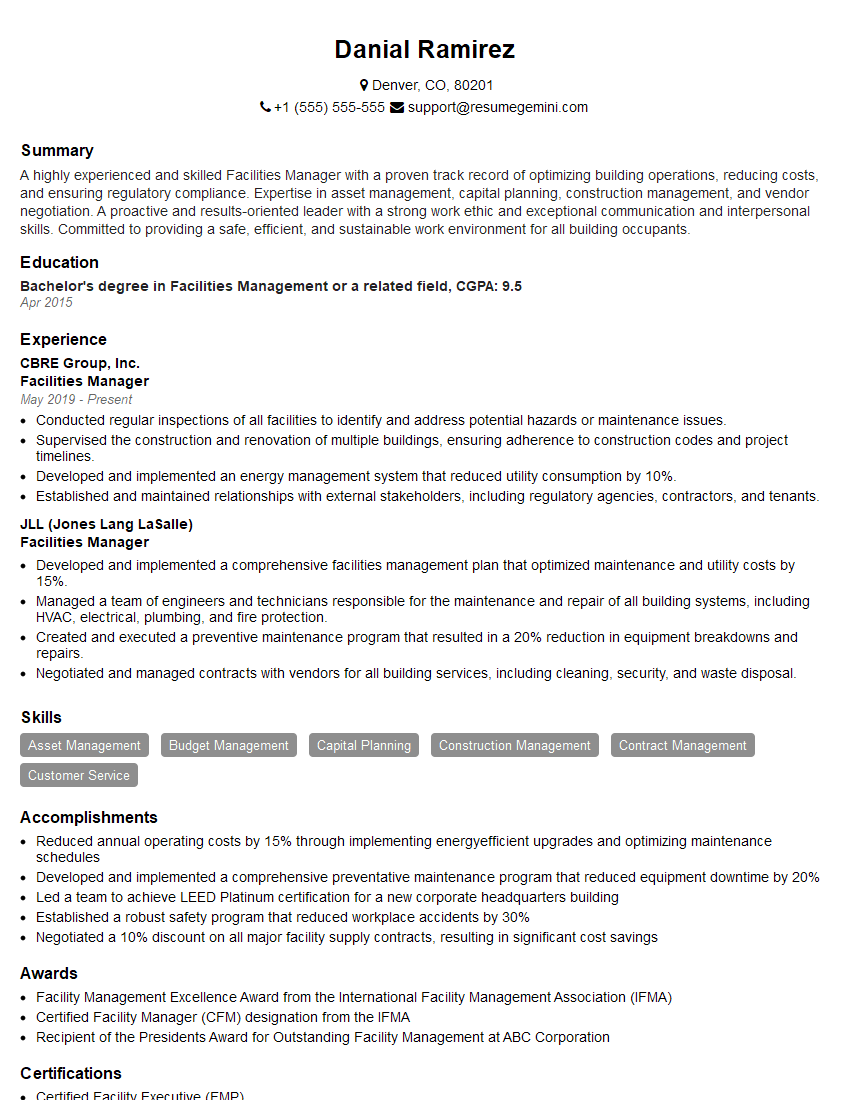
Facilities Manager Resume Sample
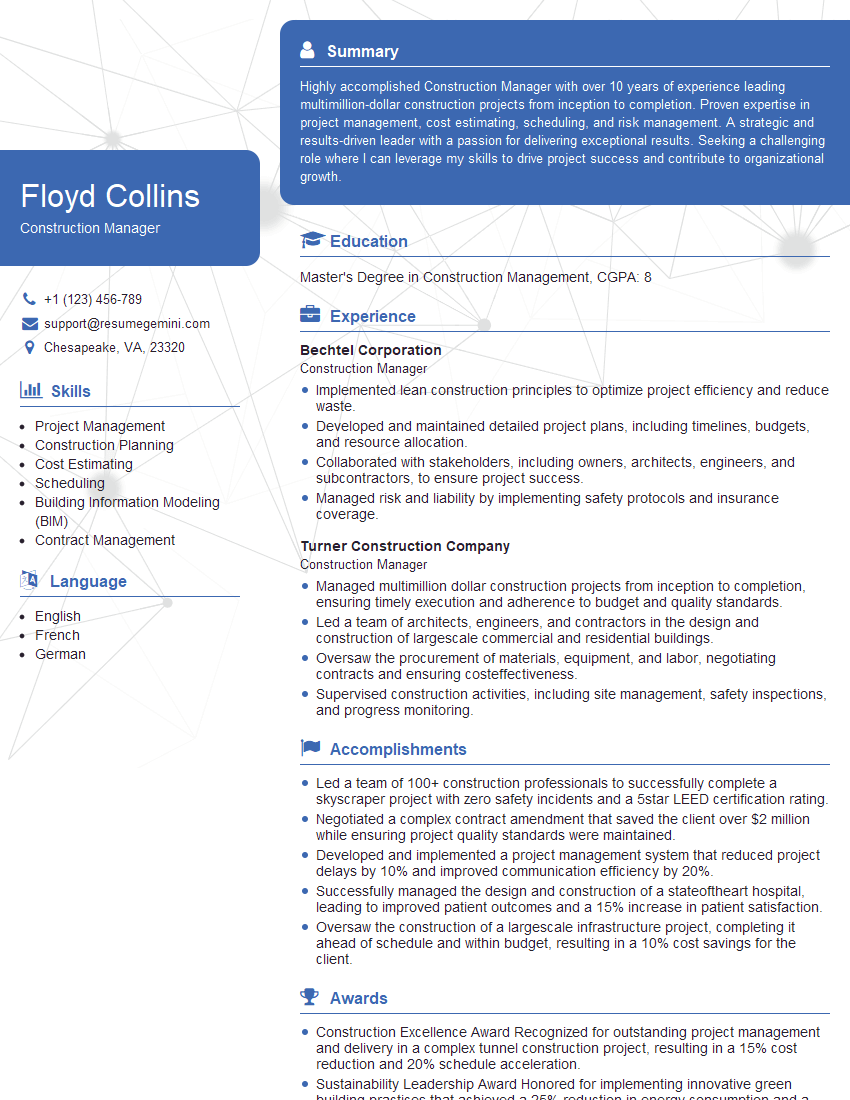
Construction Manager Resume Sample
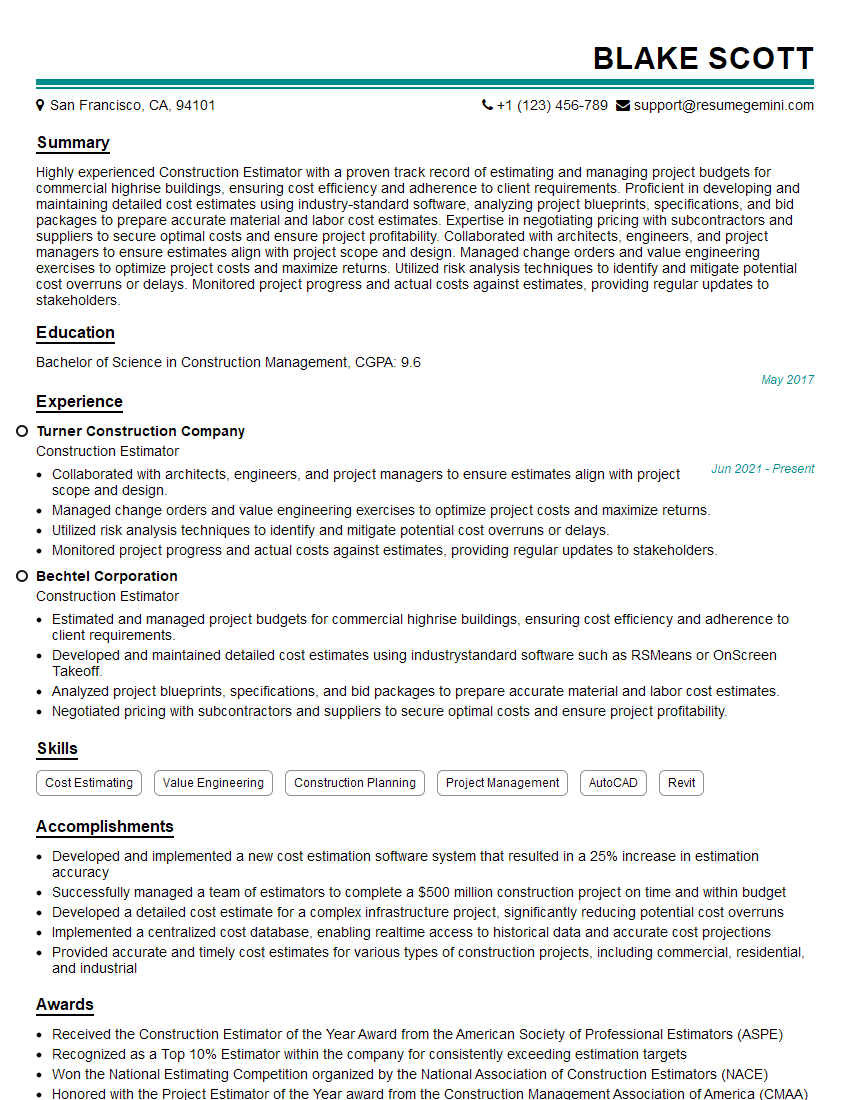
Construction Estimator Resume Sample

Sustainability Consultant Resume Sample
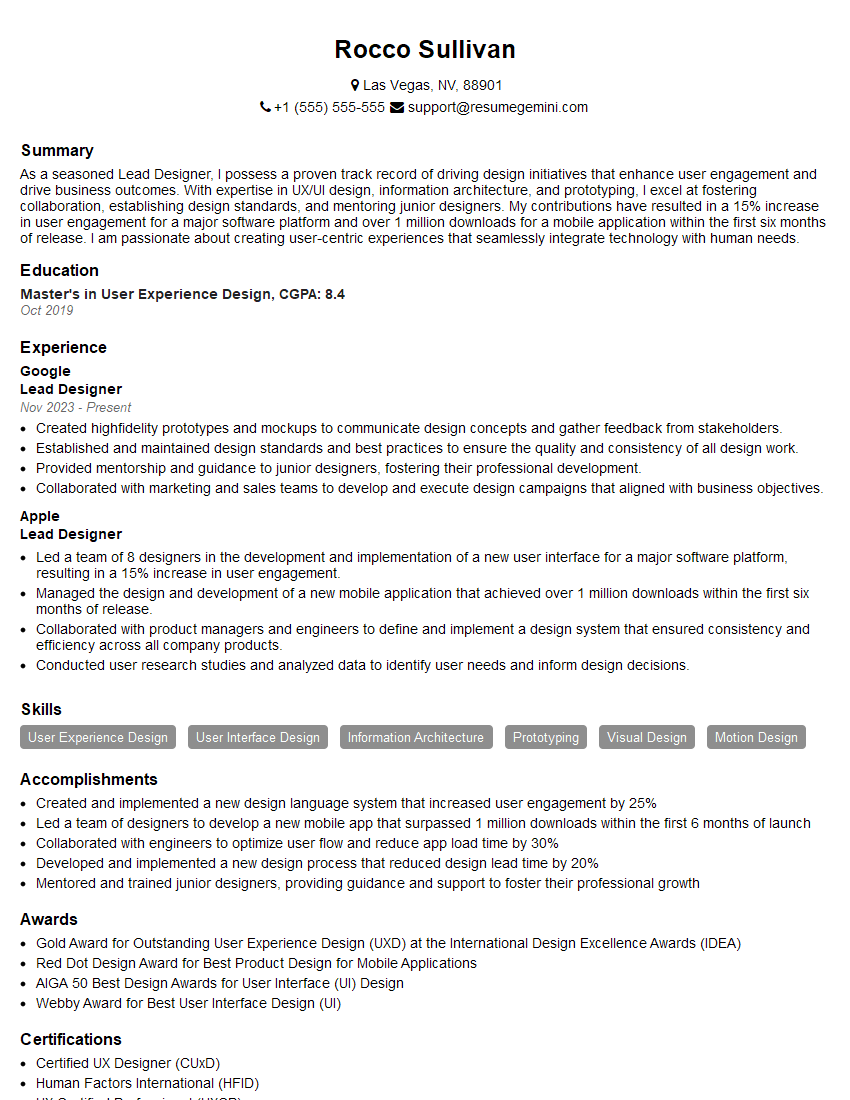
Lead Designer Resume Sample
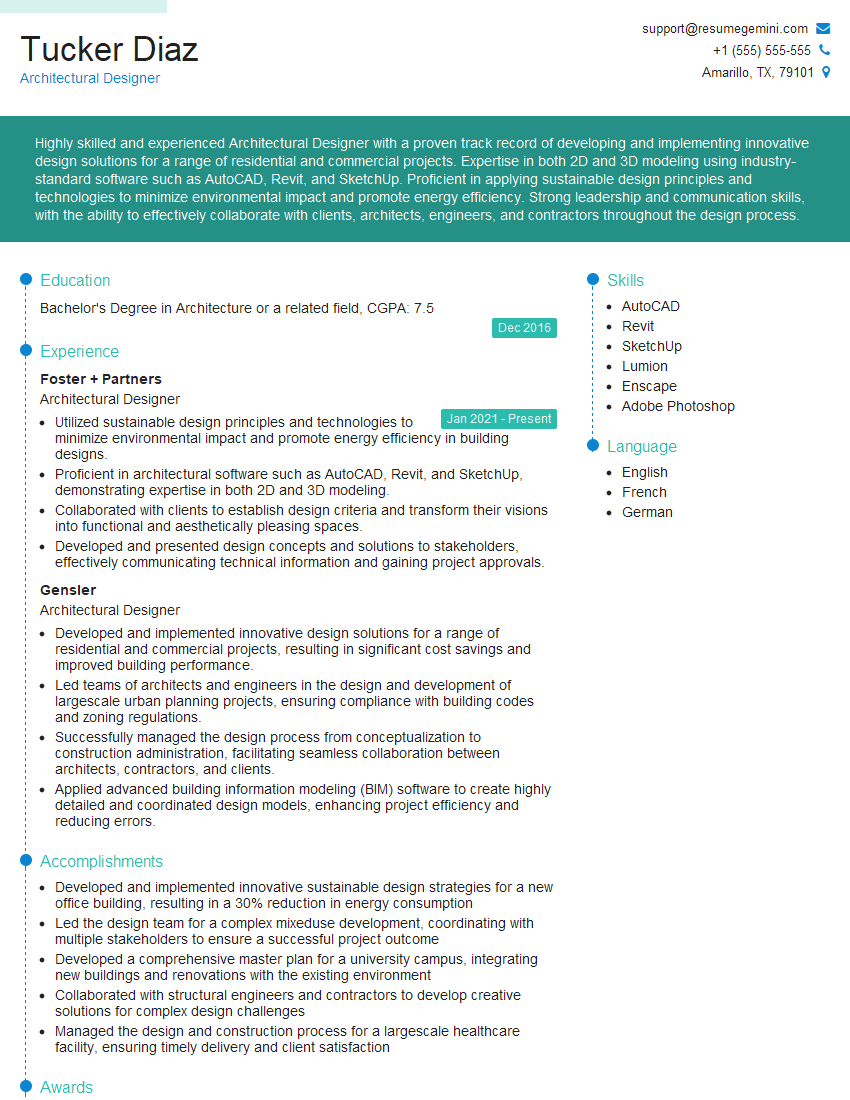
Architectural Designer Resume Sample
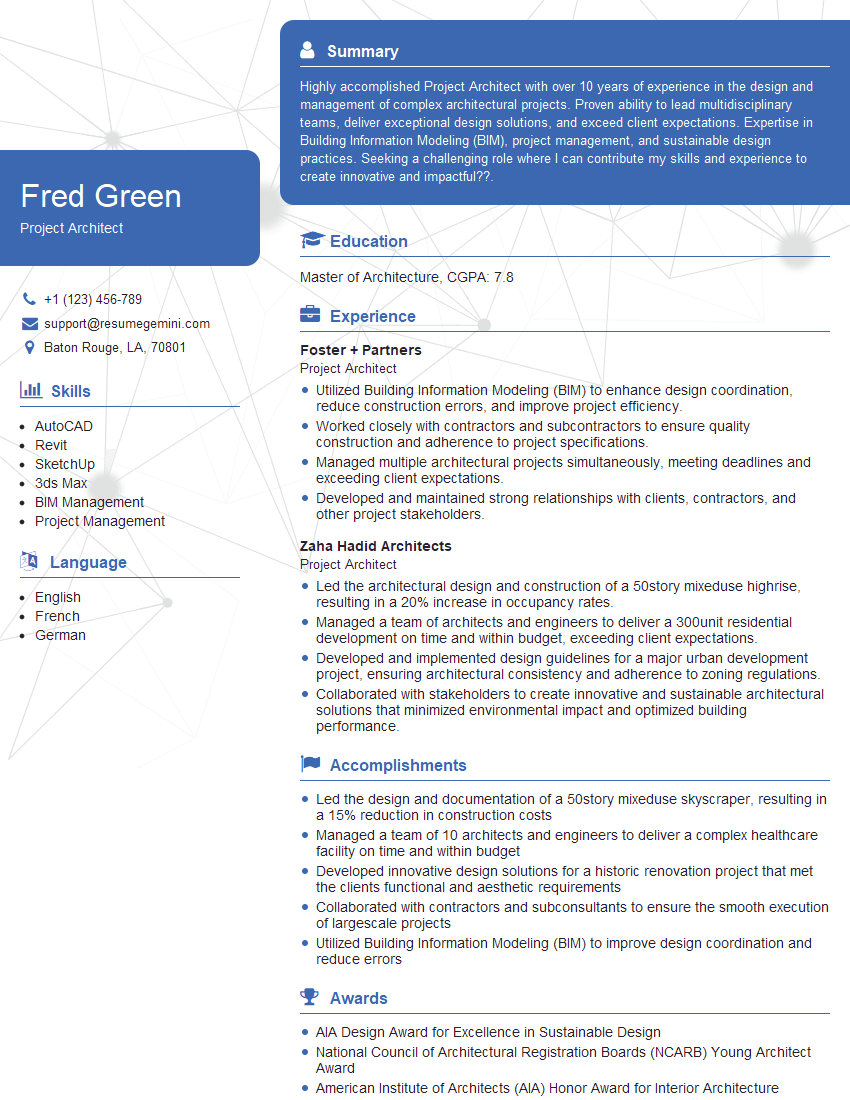
Project Architect Resume Sample
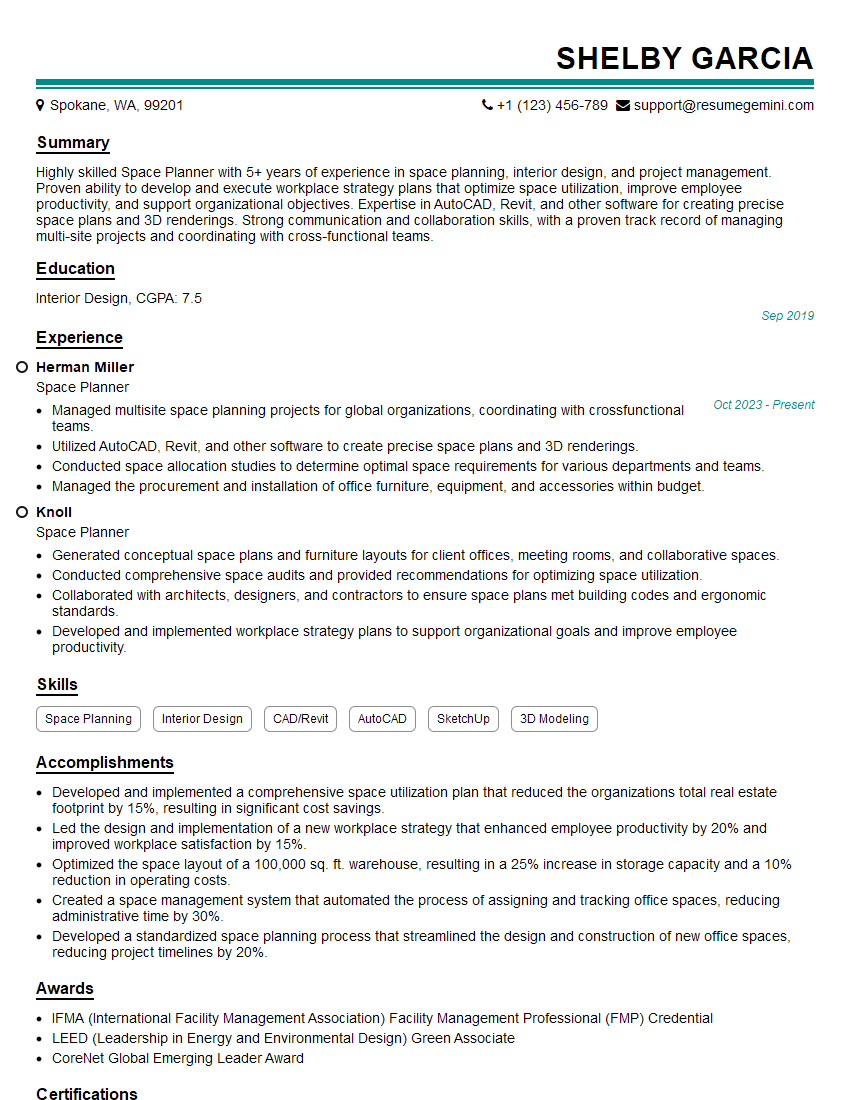
Space Planner Resume Sample
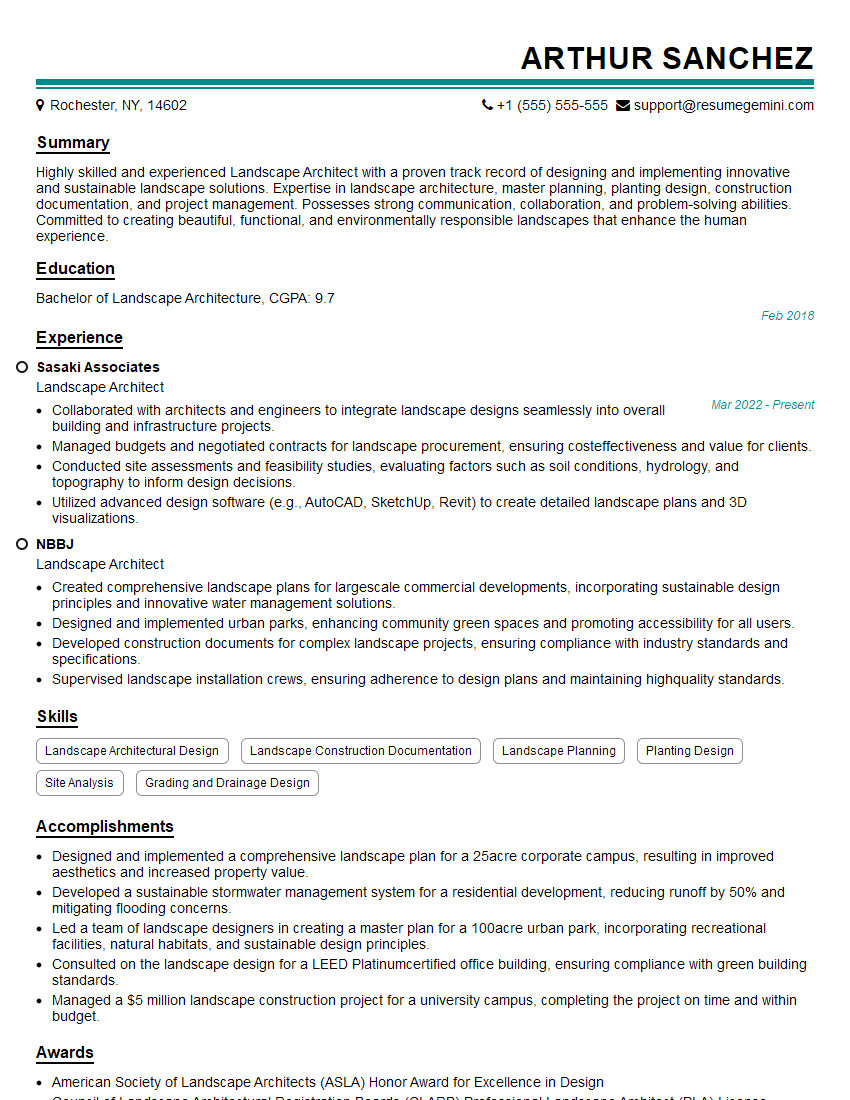
Landscape Architect Resume Sample
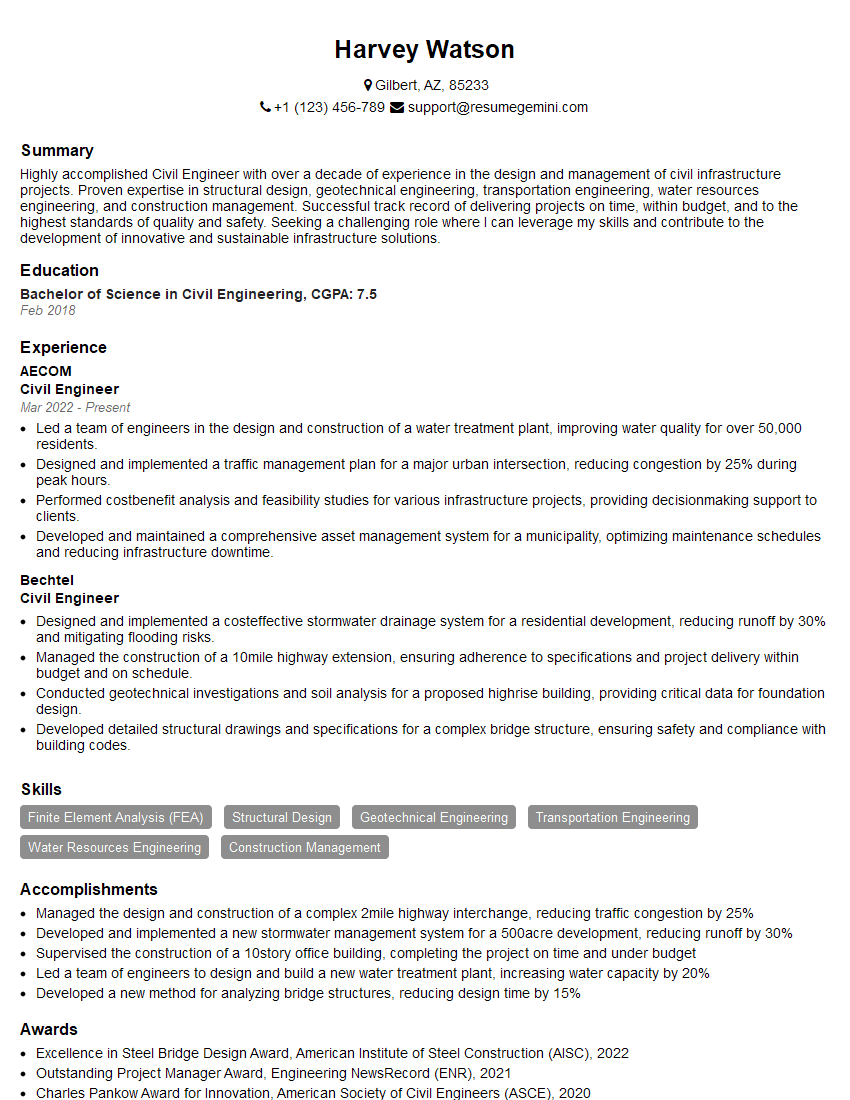
Civil Engineer Resume Sample
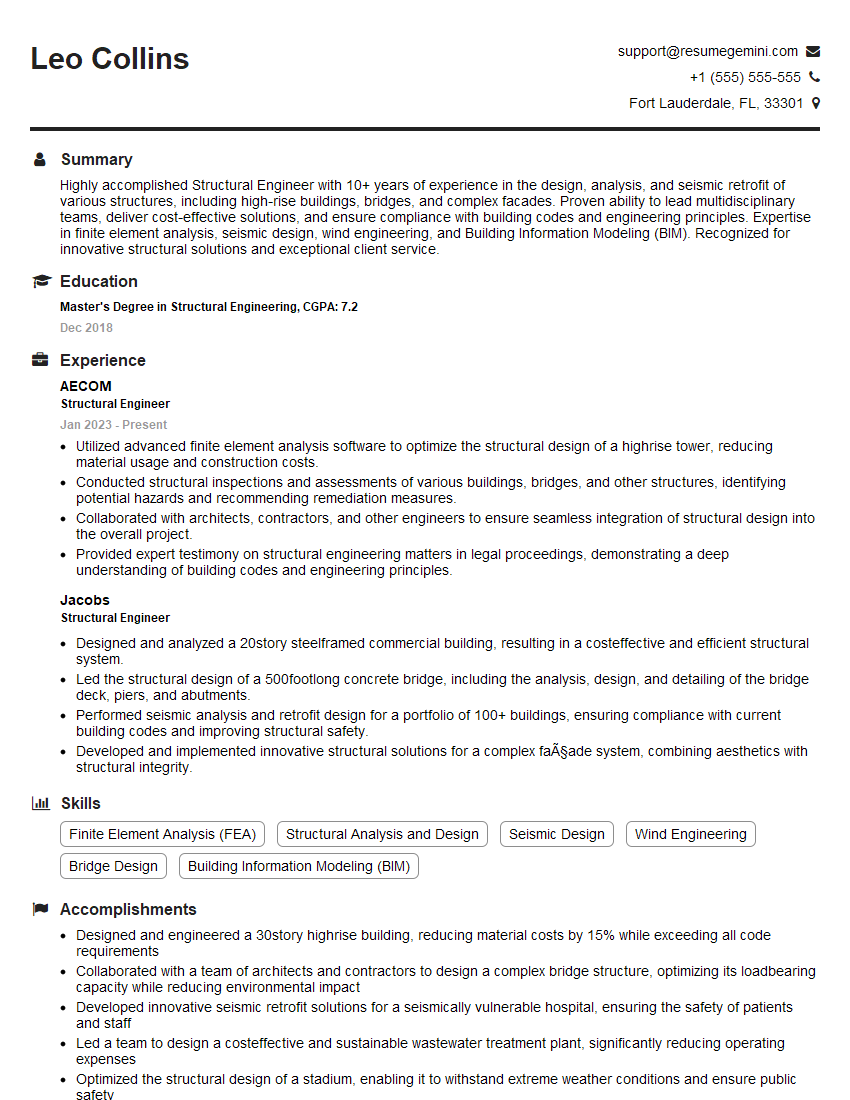
Structural Engineer Resume Sample
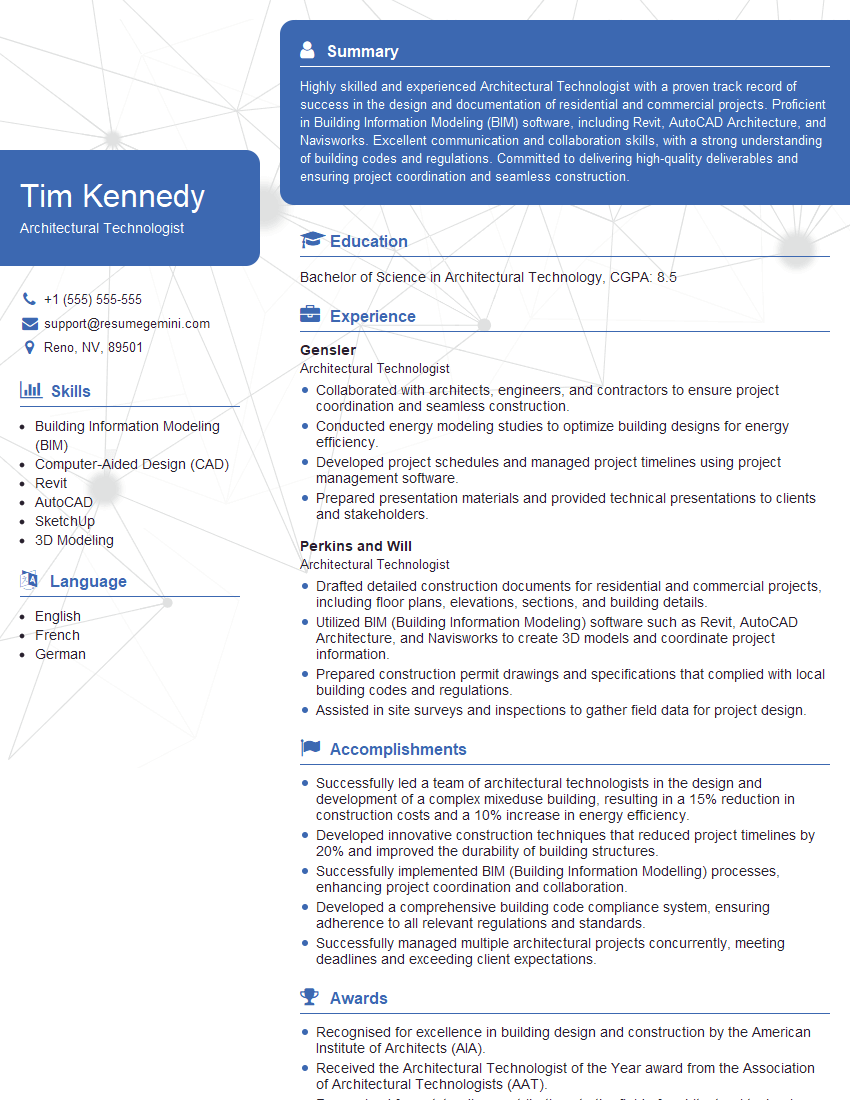
Architectural Technologist Resume Sample
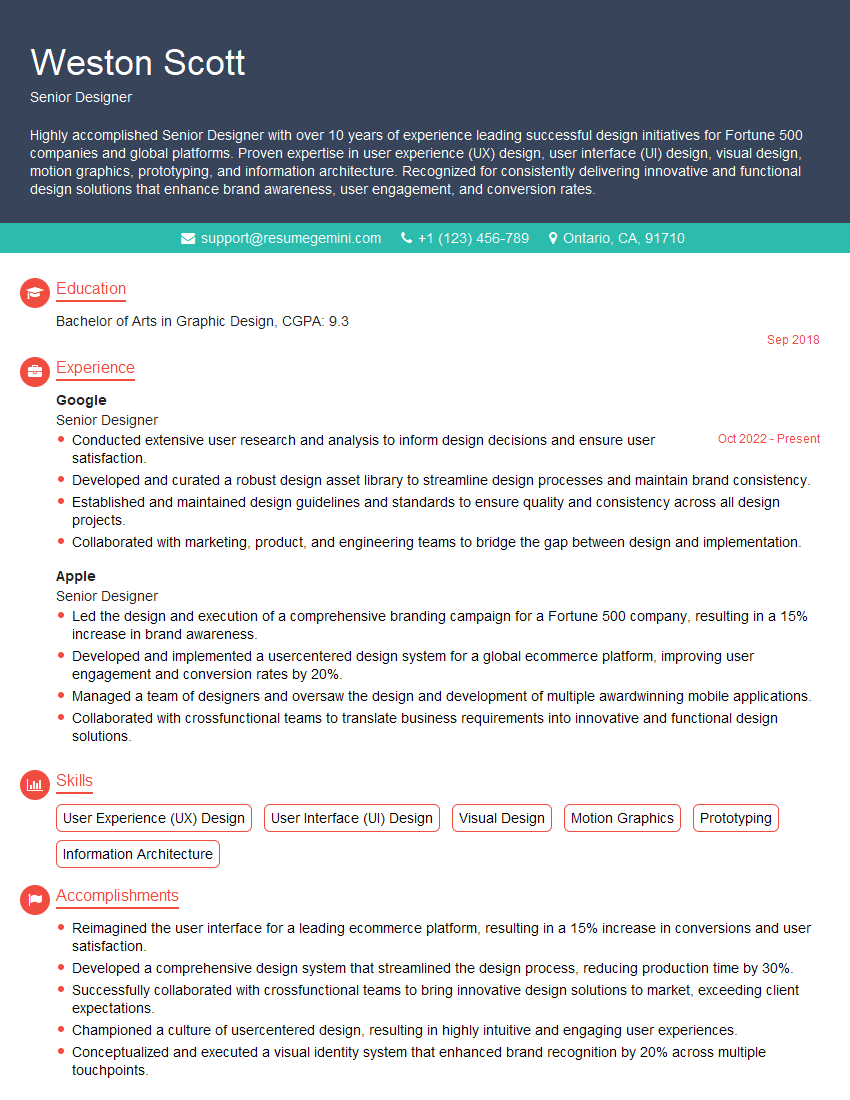
Senior Designer Resume Sample
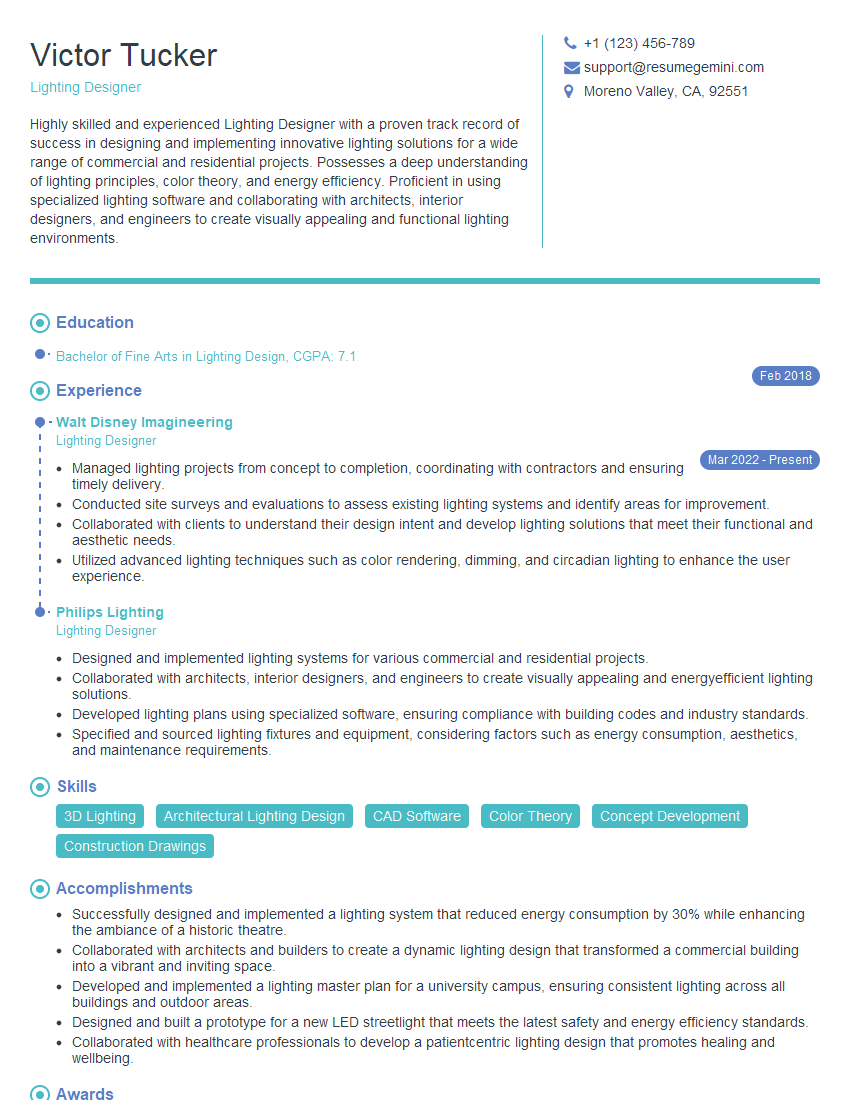
Lighting Designer Resume Sample
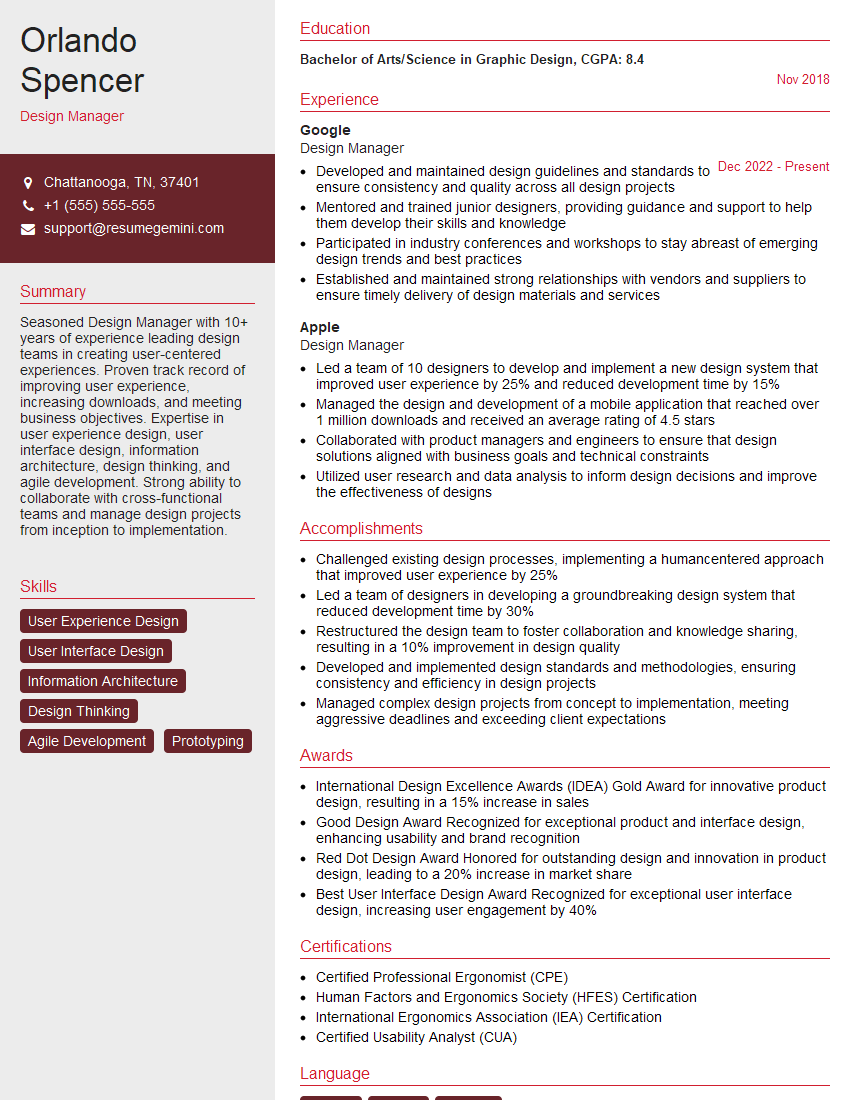
Design Manager Resume Sample
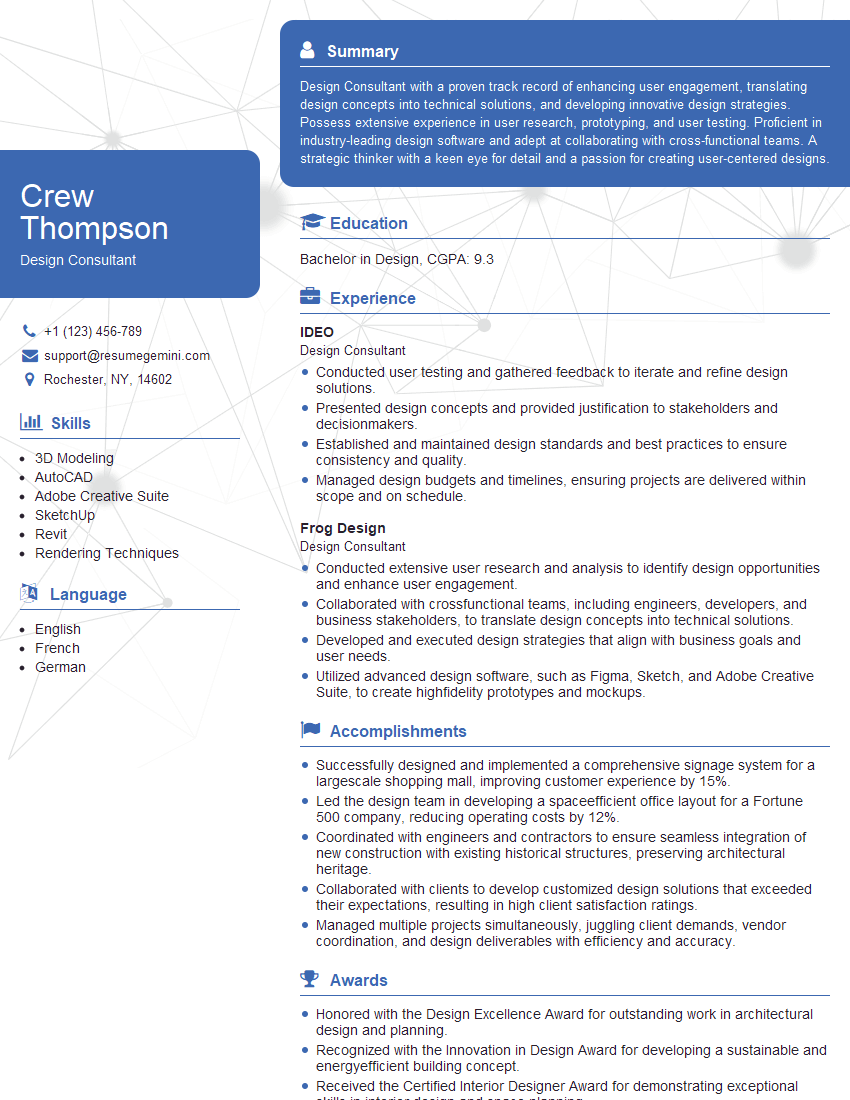
Design Consultant Resume Sample
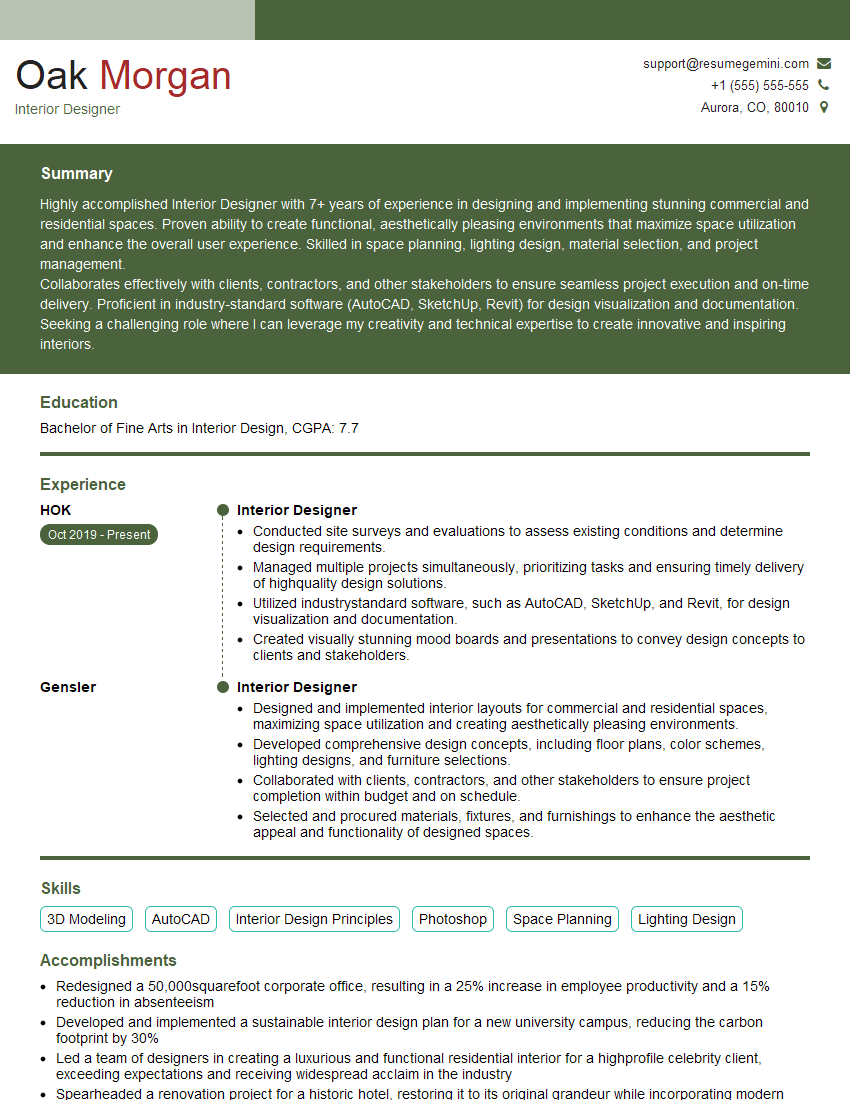
Interior Designer Resume Sample
- Facilities Manager
- Construction Manager
- Construction Estimator
- Sustainability Consultant
- Lead Designer
- Architectural Designer
- Project Architect
- Space Planner
- Landscape Architect
- Civil Engineer
- Structural Engineer
- Architectural Technologist
- Senior Designer
- Lighting Designer
- Design Manager
- Design Consultant
- Interior Designer
Explore more articles
Users Rating of Our Blogs
Share Your Experience
We value your feedback! Please rate our content and share your thoughts (optional).
What Readers Say About Our Blog
good