Interviews are opportunities to demonstrate your expertise, and this guide is here to help you shine. Explore the essential Collaboration with Artists and Guest Conductors interview questions that employers frequently ask, paired with strategies for crafting responses that set you apart from the competition.
Questions Asked in Collaboration with Artists and Guest Conductors Interview
Q 1. Describe your experience managing the logistical needs of guest conductors.
Managing the logistical needs of guest conductors requires meticulous planning and proactive communication. It’s like orchestrating a complex symphony itself! I begin by understanding the conductor’s specific requirements well in advance of their arrival. This includes securing their travel arrangements – flights, accommodation, visa applications where necessary – and arranging for ground transportation. I also coordinate with the orchestra’s stage manager to ensure the conductor has their preferred podium, score stands, and any special equipment they require. Beyond the basics, this extends to confirming dietary needs, managing their rehearsal schedule, and coordinating communication with their personal assistant, if they have one. For example, one guest conductor preferred a specific type of bottled water; another needed a quiet space for meditation before performances. Careful attention to these details, however seemingly minor, contributes to a smooth and productive collaboration.
My process involves creating detailed itineraries, confirming all arrangements with the conductor and relevant personnel, and maintaining a comprehensive record of all communications and confirmations. This documentation allows for effective troubleshooting and ensures that everyone is informed and on the same page.
Q 2. How do you ensure effective communication between guest conductors and orchestra members?
Effective communication between guest conductors and orchestra members is crucial for a successful performance. Think of it as building a bridge between two highly skilled teams. I facilitate this by scheduling pre-rehearsal meetings to allow the conductor to introduce their artistic vision and preferred rehearsal techniques. I encourage open dialogue and feedback sessions throughout the rehearsal process. Providing the orchestra with the conductor’s biographical information and any specific performance notes, in advance, also contributes to a positive and productive rapport. Furthermore, I ensure that there’s a dedicated point of contact available to address any questions or concerns that arise. This might involve a designated member of the orchestra or a member of the management team. For instance, one conductor preferred highly detailed markings in the scores; we ensured the orchestra received those well in advance. Clear and consistent communication minimizes misunderstandings and maximizes the potential for creative collaboration.
Q 3. Explain your process for resolving conflicts between artists and management.
Resolving conflicts between artists and management requires a delicate balance of diplomacy, empathy, and firm decision-making. It’s like being a mediator in a delicate negotiation. My approach is always to listen actively to both sides, understand their perspectives, and identify the root cause of the disagreement. I then work to find a mutually acceptable solution that prioritizes the artistic integrity of the performance while addressing the concerns of all parties involved. This may involve compromising on certain aspects of the performance, adjusting schedules, or mediating financial disagreements. For example, I once mediated a disagreement between a soloist and the conductor regarding the tempo of a particular piece. Through careful discussion and understanding of each artist’s artistic goals, we found a compromise that satisfied both. Open communication, a willingness to compromise, and a clear understanding of the contractual obligations are key to resolving such situations effectively.
Q 4. How do you handle last-minute changes or unforeseen challenges during a performance?
Handling last-minute changes or unforeseen challenges requires quick thinking, adaptability, and a strong support network. It’s akin to navigating an unexpected storm at sea. My response involves immediately assessing the situation, identifying the impact, and mobilizing the necessary resources to mitigate the issue. This might involve making alternative arrangements for travel, securing substitute musicians, or adjusting the program if necessary. Communication is paramount in these situations; I ensure that all stakeholders – the conductor, the orchestra, and the audience – are informed of the changes as quickly and efficiently as possible. For example, we once experienced a power outage just before a performance. Through quick action and collaborative efforts, we switched to a backup generator, minimizing the interruption and ensuring a successful performance. Preparedness is key; having contingency plans in place for various scenarios significantly reduces the impact of unexpected events.
Q 5. What strategies do you use to build positive working relationships with artists?
Building positive working relationships with artists involves demonstrating respect, professionalism, and a genuine appreciation for their artistry. It’s about forging a partnership, not just a business transaction. I prioritize proactive communication, ensuring that artists feel heard and valued throughout the entire process. This means actively seeking their feedback, responding promptly to their queries, and accommodating their reasonable requests whenever possible. I also make an effort to understand their artistic vision and working style, so I can provide the support they need to excel. Regular informal communication helps build rapport. Inviting them to a post-performance dinner or simply having a friendly chat about their experiences outside of the performance creates a welcoming and collaborative environment. One guest conductor became a close friend after several collaborations, reinforcing the benefits of such engagement.
Q 6. Describe your experience negotiating contracts with guest conductors or artists.
Negotiating contracts with guest conductors and artists requires a thorough understanding of industry standards, legal frameworks, and the specific needs of the artist. It’s a delicate balance of ensuring fair compensation while securing the necessary protections for both parties. I always start by carefully reviewing the artist’s rider, which outlines their technical and logistical needs, and then work closely with them to tailor a contract that satisfies both their expectations and the organisation’s budget. This involves negotiating fees, travel expenses, accommodation, and any other applicable costs. I aim for transparency and mutual respect throughout the negotiation process, aiming for a win-win outcome that preserves a positive relationship for future collaborations. Clarity in the contract concerning rehearsal times, performance details, and cancellation clauses is crucial. Legal counsel is often consulted to ensure the contract is comprehensive and legally sound.
Q 7. How do you manage the expectations of artists with diverse working styles?
Managing the expectations of artists with diverse working styles requires adaptability, flexibility, and a deep understanding of individual needs. It’s like conducting a multicultural orchestra – each musician brings a unique style and approach. I start by learning about the artist’s preferred rehearsal techniques, communication styles, and any specific requirements. Then, I tailor my approach to meet their unique needs, while maintaining a consistent level of professionalism and respect. Open communication is crucial, ensuring the artist feels comfortable expressing their preferences and concerns. I also involve the stage manager and other relevant personnel, so they can proactively adjust their processes to support the artist’s working style. For example, one conductor preferred intensely focused rehearsals with minimal interruptions, while another favoured a more relaxed and collaborative approach. By understanding and accommodating these differences, I help foster a supportive environment that allows each artist to flourish.
Q 8. How familiar are you with the various union regulations concerning musicians and conductors?
My familiarity with union regulations for musicians and conductors is extensive. I’ve worked directly with organizations representing musicians, such as the American Federation of Musicians (AFM) and its local chapters, and have a deep understanding of collective bargaining agreements. This includes knowledge of work rules concerning rehearsal hours, pay scales (based on experience, position, and contract type), benefits, and performance conditions. I understand the importance of adhering to these regulations to ensure fair treatment and avoid potential legal issues. For instance, I’ve personally negotiated contracts that specified AFM-mandated rest breaks during long rehearsal sessions, ensuring musician well-being. I regularly consult with legal counsel to remain updated on any changes in union regulations and best practices.
- Contract Negotiation: I meticulously review contracts to ensure compliance with relevant union rules, covering aspects like minimum wages, overtime pay, and health insurance provisions.
- Dispute Resolution: I’m experienced in mediating minor disagreements between musicians and management, addressing concerns within the framework of the union contract.
- Per Diem & Travel: I am proficient in calculating and managing per diem payments and travel expenses for musicians, always adhering to union-specified rates and regulations.
Q 9. How do you ensure the artistic vision of the guest conductor is successfully implemented?
Successfully implementing a guest conductor’s artistic vision requires meticulous planning and collaboration. It starts with thorough pre-production communication; understanding their interpretation of the score, their desired sound and tempo, and their approach to rehearsal techniques. I facilitate this by providing detailed program notes, orchestral scores well in advance, and arranging pre-rehearsal meetings. During rehearsals, I encourage open dialogue, fostering an environment where musicians feel comfortable asking questions and offering suggestions, always keeping the conductor’s vision central. After rehearsals, I debrief with the conductor to address any remaining concerns or fine-tune details. I also ensure that all resources, such as staging, lighting, and sound equipment, are meticulously prepared to match the conductor’s requirements. For example, when working with a conductor who emphasized a particular historical performance practice, I ensured the orchestra used appropriate period instruments and bowing techniques.
Q 10. Describe your experience budgeting for guest artists’ fees and expenses.
Budgeting for guest artists involves a multi-step process. I first obtain the artist’s rider (a document detailing their technical and hospitality requirements). This includes their fee, travel costs (airfare, accommodation, ground transportation), per diem allowances, and any other specific needs such as private coaching or additional personnel. I then research comparable rates for similar artists, considering their experience and renown. Next, I create a detailed budget outlining all projected costs, incorporating contingency funds for unexpected expenses (e.g., flight delays, unforeseen technical issues). I also negotiate with artists, sometimes proposing a tiered payment structure depending on factors like ticket sales or sponsorship revenue. This ensures responsible spending while honoring artistic value. I regularly present these budgets to relevant stakeholders for approval, offering clear justifications for each expense.
Q 11. How do you handle feedback from artists regarding performance conditions or support services?
Handling feedback from artists is crucial for maintaining a positive working relationship and ensuring high-quality performances. I establish a system of open communication from the outset. This includes regular check-ins during rehearsals and post-performance debriefings where artists can express their concerns freely. I listen actively, take thorough notes, and address issues promptly. For instance, if a musician complains about the quality of their instrument, I’ll liaise with the instrument technician immediately. If there are complaints about the acoustics or stage setup, I’ll coordinate with technical staff to resolve them before the next rehearsal. By addressing problems quickly and efficiently, I maintain a respectful, professional environment where artists feel valued and supported. In some cases, formal feedback forms are used to collect structured data, enabling us to analyze trends and improve our services systematically.
Q 12. Have you worked with internationally renowned artists? Detail your experience.
Yes, I have worked with several internationally renowned artists. For example, I collaborated with Maestro [Name Redacted], a world-famous conductor known for his interpretations of Romantic-era composers. His rider requested specific types of water, a particular type of music stand, and a detailed rehearsal schedule that was rigorously adhered to. Working with him required meticulous planning and a high level of organizational skill. Understanding his artistic approach, his preferences, and his expectations was key to a successful collaboration. I also worked with [Name Redacted], a celebrated violinist, whose performance preparation involved extensive pre-concert meetings, allowing us to fine-tune musical details and ensure a harmonious collaboration with the orchestra.
Q 13. How would you address a situation where a guest conductor is significantly behind schedule in rehearsals?
Addressing a guest conductor significantly behind schedule in rehearsals requires a delicate balance of diplomacy and assertiveness. I’d first schedule a private meeting to understand the reasons for the delay. Is it due to complex musical passages, unexpected challenges in interpreting the score, or perhaps personal issues affecting the conductor’s performance? Once the root cause is identified, I would work collaboratively to develop a solution. This might involve adjusting the rehearsal schedule (with the approval of relevant stakeholders), prioritizing certain sections, or possibly assigning assistant conductors to help with specific tasks. In some cases, a compromise might be necessary, perhaps focusing on the most crucial elements of the performance. However, open and honest communication would remain paramount throughout this process. Transparency with the orchestra regarding the time constraints and the collaborative solutions implemented will foster understanding and support.
Q 14. Explain your familiarity with different musical styles and performance practices.
My familiarity with musical styles and performance practices spans a wide range. From Baroque to Contemporary, I’ve worked with orchestras performing diverse repertoire. This includes experience with historically informed performance practices, which might involve using period instruments, specific bowing techniques, and understanding historical performance styles. I understand the nuances of different compositional styles, from the contrapuntal textures of Bach to the complex harmonies of Mahler. I can adapt my collaboration approach accordingly, working with conductors to achieve their specific artistic vision. For example, when preparing a performance of a 20th-century minimalist piece, I would ensure that the orchestra fully understands the composer’s intentions with regard to dynamics, timbre and articulation. This demands a deep understanding of musical history, compositional techniques, and varied performance approaches.
Q 15. Describe a time you successfully navigated a challenging artist’s personality or demands.
Successfully navigating challenging artist personalities requires a blend of empathy, clear communication, and proactive problem-solving. It’s less about ‘winning’ and more about finding mutually agreeable solutions that respect artistic vision while maintaining operational efficiency.
For example, I once worked with a renowned violinist known for their intense perfectionism and demanding rehearsal schedule. Their requests, while sometimes seemingly unreasonable, stemmed from a deep commitment to achieving artistic excellence. Instead of resisting, I actively engaged in dialogue, understanding their concerns, and collaboratively adjusting the schedule to accommodate their needs where possible. This involved careful prioritization of rehearsal time, incorporating extra breaks to avoid burnout, and proactively addressing potential logistical issues before they escalated. We found a rhythm that respected their artistic process while managing expectations. The result was a stunning performance and a strengthened professional relationship.
Career Expert Tips:
- Ace those interviews! Prepare effectively by reviewing the Top 50 Most Common Interview Questions on ResumeGemini.
- Navigate your job search with confidence! Explore a wide range of Career Tips on ResumeGemini. Learn about common challenges and recommendations to overcome them.
- Craft the perfect resume! Master the Art of Resume Writing with ResumeGemini’s guide. Showcase your unique qualifications and achievements effectively.
- Don’t miss out on holiday savings! Build your dream resume with ResumeGemini’s ATS optimized templates.
Q 16. How do you ensure the technical needs of a guest conductor are met?
Meeting a guest conductor’s technical needs is crucial for a successful performance. It involves understanding their preferences and ensuring the orchestra is prepared to meet those requirements. This starts with pre-performance communication. We use detailed questionnaires to understand their preferred score format (e.g., digital or hard copy), podium height and angle, specific microphone setups, and any special lighting requests.
Furthermore, we ensure the necessary technology is available and tested well in advance. This includes software compatibility for electronic scores, functional audio and visual equipment, and backup systems in case of technical malfunctions. Finally, we establish clear communication channels with the conductor’s personal assistant or management to address any last-minute requirements or concerns.
Q 17. Describe your experience with rehearsal scheduling and management.
Rehearsal scheduling is a complex logistical puzzle that requires meticulous planning and flexibility. I typically begin by consulting with the guest conductor to determine the rehearsal needs based on the complexity of the program and the orchestra’s familiarity with the pieces. Then, I create a detailed schedule, considering factors such as conductor availability, potential conflicts with other commitments, and the orchestra’s existing schedule.
I utilize scheduling software to create a visually clear calendar and share it with all stakeholders. This software allows for easy updates and notifications, minimizing scheduling conflicts. The process involves frequent communication and adjustments to accommodate unforeseen circumstances. For instance, if a musician falls ill, I immediately readjust the schedule and notify all concerned parties. This proactive management ensures that rehearsals are both productive and efficient.
Q 18. How do you balance the artistic vision with the practical constraints of a performance?
Balancing artistic vision and practical constraints is a delicate art that necessitates strong communication and compromise. The artistic vision—the conductor’s interpretation and the orchestra’s expression—is paramount. However, factors such as budget, venue limitations, time constraints, and musician availability impose practical boundaries.
My approach involves open dialogue with the conductor from the outset to collaboratively create a realistic plan. This involves exploring alternative solutions if the initial vision proves too ambitious given the constraints. For instance, if a specific staging element is too expensive, we might explore simpler, equally impactful alternatives. Ultimately, it’s about finding creative solutions that honor the artistic intention without compromising the performance’s feasibility.
Q 19. What software or tools do you utilize for artist communication and scheduling?
Effective communication and scheduling are essential for collaboration. We utilize a combination of tools: Google Calendar for scheduling and sharing availability; a dedicated project management software (like Asana or Monday.com) for task assignment and tracking; and email for detailed communication and documentation. For international collaborations, secure messaging platforms are preferred to ensure confidentiality.
The choice of software depends on the scale and complexity of the project. For smaller projects, a simple calendar and email might suffice. However, larger productions benefit from sophisticated project management tools that facilitate better organization and collaboration among all team members.
Q 20. How do you foster a collaborative environment for guest conductors and musicians?
Fostering a collaborative environment is crucial. It starts with creating a respectful and inclusive atmosphere where everyone feels comfortable sharing their ideas and concerns. This involves clear and proactive communication: regular check-ins with the conductor and orchestra members to address any issues or concerns promptly.
I encourage open dialogue and mutual respect between the conductor and musicians. This means creating opportunities for informal interactions and ensuring that the conductor feels valued and supported. A well-structured rehearsal process, with clear goals and expectations, contributes significantly to a positive and productive collaborative experience. Finally, acknowledging individual contributions and celebrating successes reinforces a sense of team spirit and shared achievement.
Q 21. Describe your experience in managing artist travel and accommodations.
Managing artist travel and accommodations involves careful planning and attention to detail. It begins with understanding the conductor’s travel preferences and providing them with various options for flights and accommodation. I coordinate with a reputable travel agency to handle visa applications, flight bookings, and hotel reservations, ensuring the best rates and comfort levels.
Furthermore, we provide detailed information regarding transportation from the airport to the hotel and the concert venue. We arrange for ground transportation, airport transfers, and potentially even local guides, depending on the artist’s needs and preferences. Prompt and clear communication is essential, regularly updating the artist regarding any changes or potential delays. We ensure that all necessary documents are provided in advance, such as confirmations and travel itineraries, to minimize any stress or inconvenience during the trip.
Q 22. How do you handle sensitive matters such as artist contracts and compensation?
Handling artist contracts and compensation requires meticulous attention to detail and a strong understanding of legal and ethical considerations. We use standardized contracts that clearly outline performance dates, fees, travel arrangements, accommodation, and any other relevant stipulations. These contracts are reviewed by our legal counsel to ensure compliance with all applicable laws and regulations. Compensation is determined based on several factors, including the artist’s reputation, experience, the complexity of the performance, and the venue’s budget. We always strive for transparency and open communication with the artists, ensuring they understand every aspect of their agreement before signing. For example, we might offer tiered compensation structures for established artists, with base fees plus potential bonuses based on ticket sales or critical acclaim.
Furthermore, we maintain a secure system for managing financial transactions, ensuring timely and accurate payments through a designated payment processing system to maintain a trustworthy relationship with our artists. This includes detailed accounting records, providing clear documentation of payments and ensuring all tax obligations are met. In case of unforeseen circumstances, a clear clause in the contract addresses potential cancellations and the processes of reimbursement for each involved party.
Q 23. How would you resolve a dispute between a guest conductor and a section principal?
Resolving disputes between a guest conductor and a section principal requires a diplomatic and impartial approach. My strategy involves first listening attentively to both parties, allowing each to explain their perspective without interruption. The goal is not to assign blame but to understand the root cause of the disagreement. This often involves identifying misunderstandings or misinterpretations of musical direction or expectations. For instance, a disagreement might stem from differing interpretations of a specific passage, differing tempos, or articulation preferences. In such a case, I facilitate a dialogue, encouraging collaborative solutions. I might suggest a compromise, or if needed, I may offer a neutral third-party perspective, perhaps a trusted colleague or member of the orchestra’s administration.
If the conflict persists, I might propose a rehearsal session dedicated to working through the contentious sections, allowing the conductor and section principal to demonstrate and discuss their approaches. Ultimately, the priority is to create a harmonious and productive working environment, ensuring the highest quality performance possible. Documentation of the discussions and resolutions is maintained for future reference and to prevent recurrence of similar issues.
Q 24. What are your strategies for securing high-caliber guest conductors?
Securing high-caliber guest conductors requires a multi-pronged approach. It begins with a strong reputation and well-established relationships within the orchestral world. We actively attend international conducting competitions and festivals to scout emerging talent and forge connections. We also maintain a database of conductors, categorizing them by specializations, experience level, and repertoire. This allows us to select conductors whose expertise aligns with the planned performances.
Our outreach extends to personal invitations, collaborative discussions about program planning, and presentations outlining the organizational values and artistic vision of the orchestra. Attracting top conductors also involves competitive compensation packages and promising opportunities for artistic expression. We highlight the orchestra’s unique qualities and the potential for exciting collaborations. We emphasize factors such as the orchestra’s reputation, the quality of the musicians, the venue, and the potential for exposure through recordings or broadcasts. For example, we might offer a conductor the opportunity to premiere a new work or collaborate with a renowned soloist.
Q 25. How do you incorporate feedback from guest conductors to improve future performances?
Guest conductor feedback is invaluable for continuous improvement. We gather this feedback through post-concert debriefings, where the conductor is invited to share their observations, both positive and constructive, regarding the orchestra’s performance and the rehearsal process. These discussions are informal and open, encouraging honest dialogue. We also use formal surveys that solicit feedback on various aspects of the collaboration, including rehearsal efficiency, communication clarity, individual musicians’ contributions, and overall balance and musicality. This data is analyzed to identify areas for strengthening.
Constructive criticism is used to develop targeted training programs and coaching sessions for musicians. This might involve workshops focusing on specific techniques or musical styles highlighted in the guest conductor’s feedback. We also use the feedback to refine our rehearsal techniques and overall communication strategies. Detailed minutes from these debriefings are recorded and archived, providing a valuable resource for long-term planning and improvement. The feedback is shared with the musicians and administrative staff to aid in creating a system of continuous growth and development of the artistic product.
Q 26. How do you manage the expectations of the audience in relation to guest artists?
Managing audience expectations involves transparent and proactive communication. We ensure pre-concert materials—such as program notes, website information, and social media posts—accurately reflect the guest artists’ reputations and the style of music to be performed. We aim to avoid over-promising or creating unrealistic expectations. For example, we might highlight the guest conductor’s accomplishments and experience in a way that showcases their expertise without exaggerating their abilities or suggesting an outcome that is improbable.
If there are unique circumstances—such as a last-minute substitution or a change in the program—we communicate these changes promptly and clearly to the audience, explaining the reasons behind the alterations and managing potential disappointment with sensitivity and honesty. Maintaining open communication with the audience creates trust and helps prevent any negative perceptions related to guest artist involvement.
Q 27. What is your experience with pre-concert events and artist meet-and-greets?
Pre-concert events and artist meet-and-greets are crucial for audience engagement. We frequently organize pre-concert talks where guest conductors and soloists discuss their interpretations of the music, their creative process, and their experiences. These events are designed to provide deeper insights into the musical offerings and to foster a more personal connection between the artists and the audience. Meet-and-greets often include informal interactions with the artists, giving the audience a chance to meet the musicians and share their impressions of the performance.
These events are meticulously planned, considering factors such as logistics, space, time constraints, and the artists’ preferences. We ensure adequate security and a comfortable setting for both the artists and the audience, guaranteeing a positive experience for all involved. Effective promotion of pre-concert events is crucial to maximizing audience participation and enhancing their overall concert experience. For example, the inclusion of such events in marketing materials can act as an incentive for attendance.
Q 28. How do you maintain confidentiality related to sensitive artist information?
Maintaining confidentiality is paramount. We treat all sensitive artist information—including contracts, financial details, personal contact information, and medical records—with the utmost discretion. Access to this data is restricted to authorized personnel only. We utilize secure digital systems, adhering to all data protection regulations. Our contracts include confidentiality clauses that explicitly outline the obligation of all parties involved to protect sensitive information.
All communication related to sensitive matters occurs through secure channels, and physical documents are stored in locked and secured areas. We regularly review our security protocols to ensure they remain up-to-date and effective. Our approach is guided by best practices in data protection, with the aim of ensuring artist privacy and preventing any unauthorized disclosure of sensitive information. Maintaining such confidence is crucial to maintaining respectful and professional relationships with our artists.
Key Topics to Learn for Collaboration with Artists and Guest Conductors Interview
- Understanding Artistic Vision: Learn to effectively communicate and interpret artistic intentions, ensuring a shared understanding of the performance goals.
- Effective Communication Strategies: Develop techniques for clear and concise communication with artists and conductors, considering diverse communication styles and potential language barriers.
- Conflict Resolution and Negotiation: Explore strategies for proactively addressing creative differences and finding mutually agreeable solutions to logistical or artistic challenges.
- Scheduling and Logistics: Master the intricacies of coordinating rehearsals, performances, and travel arrangements for artists and conductors, including managing contracts and rider requests.
- Cultural Sensitivity and Inclusivity: Understand the importance of fostering a respectful and inclusive environment that values diverse artistic perspectives and working styles.
- Technical Proficiency: Demonstrate knowledge of relevant software and technology used in performance scheduling, communication, and production.
- Project Management and Time Management: Develop skills in prioritizing tasks, managing deadlines, and effectively allocating resources within a fast-paced artistic environment.
- Adaptability and Problem-solving: Showcase your ability to think on your feet, adapt to unexpected challenges, and find creative solutions in high-pressure situations.
Next Steps
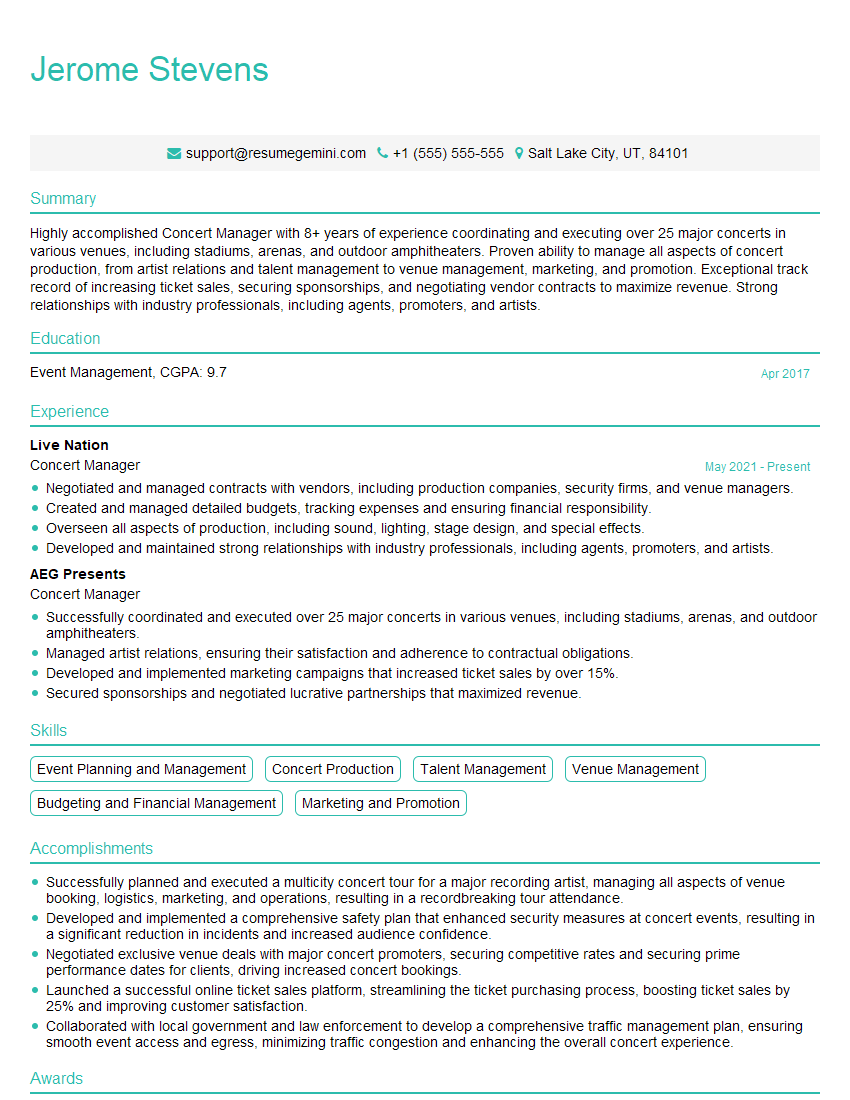
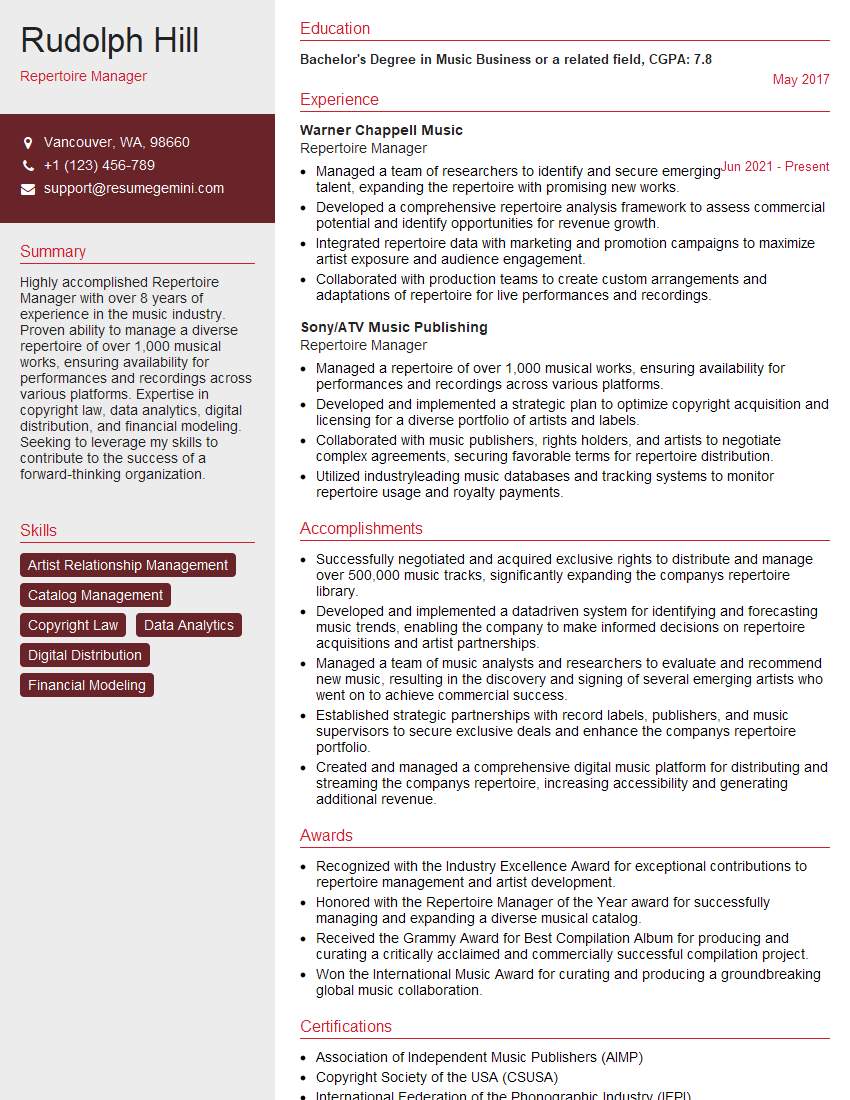
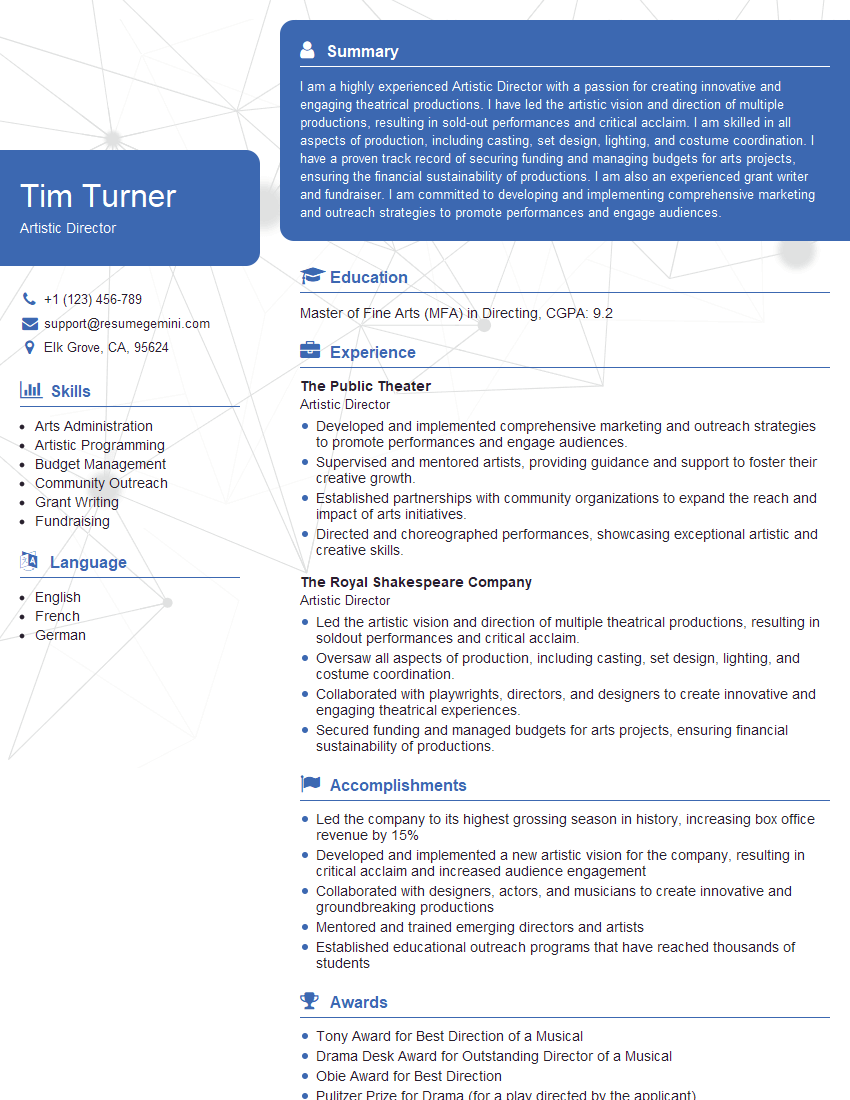
Mastering collaboration with artists and guest conductors is crucial for career advancement in the performing arts. It demonstrates invaluable skills in communication, diplomacy, and project management, opening doors to exciting opportunities and leadership roles. To significantly improve your job prospects, creating an ATS-friendly resume is paramount. ResumeGemini is a trusted resource that can help you build a compelling and effective resume, highlighting your unique skills and experience. Explore our examples of resumes tailored to Collaboration with Artists and Guest Conductors to see how you can present your qualifications effectively.
Explore more articles
Users Rating of Our Blogs
Share Your Experience
We value your feedback! Please rate our content and share your thoughts (optional).
What Readers Say About Our Blog
Very informative content, great job.
good