Unlock your full potential by mastering the most common Collaboration with Athletic Department interview questions. This blog offers a deep dive into the critical topics, ensuring you’re not only prepared to answer but to excel. With these insights, you’ll approach your interview with clarity and confidence.
Questions Asked in Collaboration with Athletic Department Interview
Q 1. Describe your experience managing multiple projects simultaneously within an athletic department.
Managing multiple projects simultaneously in an athletic department requires a structured approach. Think of it like conducting an orchestra – each project is a different instrument, and you’re the conductor ensuring harmony and timely execution. I utilize project management software to track tasks, deadlines, and resource allocation for each project. For example, I might simultaneously manage the logistics for a fundraising gala, oversee the renovation of a training facility, and coordinate the travel arrangements for multiple sports teams. Each project has its own defined goals, timelines, and responsible parties, meticulously documented to avoid overlaps and ensure efficient resource utilization. I regularly review progress, adjusting strategies as needed to stay on track. This involves frequent communication with all stakeholders to keep everyone informed and aligned.
Q 2. How do you prioritize competing deadlines and demands in a fast-paced athletic environment?
Prioritization in a fast-paced athletic environment is paramount. I employ a system combining urgency and importance. Think of it as a matrix: urgent and important tasks get immediate attention (e.g., addressing a player injury or a last-minute media request); important but not urgent tasks are scheduled (e.g., long-term facility upgrades); urgent but not important tasks are delegated or reassessed for feasibility (e.g., handling minor equipment issues); and tasks that are neither urgent nor important are deferred or eliminated entirely. This method ensures that critical deadlines are met while avoiding burnout. Transparency with my team is key; everyone understands the prioritization process, which promotes cooperation and efficient resource allocation.
Q 3. Explain your approach to conflict resolution within a team setting, specifically within an athletic context.
Conflict resolution requires a collaborative approach, focusing on understanding perspectives rather than assigning blame. Within an athletic context, this often involves disagreements between coaches, athletes, or support staff. My approach is based on active listening, empathy, and finding mutually acceptable solutions. I start by creating a safe space for open communication, encouraging each party to express their concerns without interruption. Then, I facilitate a discussion to identify the root cause of the conflict. The goal is to find a common ground that addresses everyone’s needs and contributes to the team’s overall success. Sometimes, mediation is necessary to reach a compromise, focusing on the shared objective of athletic excellence. Documentation of the resolution helps to prevent future recurrences.
Q 4. How have you successfully collaborated with coaches, athletes, and administrators to achieve a common goal?
Successful collaboration requires clear communication and mutual respect. I’ve collaborated extensively with coaches, athletes, and administrators on various projects. For instance, we successfully launched a new athlete mentorship program by establishing regular communication channels, holding team meetings to collect feedback, and incorporating athlete input into program design. This involved frequent meetings, surveys, and informal discussions to ensure everyone felt heard and understood. The result was a program that met the needs of both mentors and mentees, fostering a stronger sense of community within the athletic department. This collaborative approach improved morale and ultimately led to increased athlete retention and improved academic performance.
Q 5. Describe a time you had to adapt to a sudden change in plans within an athletic event or program.
Adaptability is crucial in athletics. During a major university-wide power outage just hours before a significant basketball game, we had to swiftly adjust. We immediately activated our backup power generators and communicated the situation clearly to all stakeholders: coaches, players, referees, and spectators. We adjusted the game schedule to accommodate the delay, and used social media to keep everyone informed. Despite the unexpected challenge, our quick and effective response minimized disruption and ensured the game proceeded smoothly. This experience reinforced the importance of having contingency plans and clear communication protocols in place for unexpected circumstances.
Q 6. How do you build and maintain positive relationships with diverse stakeholders in an athletic department?
Building positive relationships involves demonstrating genuine care and respect for everyone. I actively listen to the concerns of diverse stakeholders – from coaches and athletes to alumni and donors – ensuring they feel valued and heard. I participate in department events and team activities to strengthen bonds and build rapport. Regular one-on-one meetings and open-door policies foster trust and allow for proactive problem-solving. Recognizing individual contributions, both big and small, further enhances positive relationships and promotes a collaborative atmosphere. Consistent, reliable communication, including regular updates on department initiatives, keeps everyone informed and strengthens community bonds.
Q 7. How do you ensure effective communication across different departments and individuals within athletics?
Effective communication requires a multi-faceted strategy. I leverage a combination of methods: regular team meetings, email updates, instant messaging platforms for quick updates, and project management software for task tracking and progress monitoring. Clear communication protocols are in place, ensuring that information is disseminated quickly and accurately. For example, using a designated communication channel for game-day updates ensures everyone has access to critical information. Additionally, regular feedback sessions ensure that communication remains clear, and adjustments can be made as needed. Transparency and consistent communication foster a collaborative and informed environment across the entire athletic department.
Q 8. Explain your understanding of NCAA compliance regulations and how you ensure adherence.
NCAA compliance is paramount for any athletic department. It involves understanding and adhering to a complex set of rules governing recruiting, eligibility, financial aid, and amateurism. My approach centers on proactive prevention and diligent monitoring. This includes regular training for coaches, staff, and athletes on the latest regulations. We utilize a comprehensive compliance manual, readily accessible to all, detailing specific rules and best practices. Furthermore, we conduct regular audits of our programs to identify potential violations and implement corrective actions swiftly. For instance, I instituted a system for tracking recruiting communications, ensuring that all interactions are documented and compliant with NCAA rules on permissible contact. Any questionable situations are immediately escalated to our legal counsel for guidance. This proactive, multi-layered approach minimizes risk and ensures our programs remain in good standing.
Q 9. Describe your experience with budget management and resource allocation within an athletic department.
Budget management within an athletic department requires a strategic and analytical approach. My experience includes developing and managing multi-million-dollar budgets, encompassing operational expenses, scholarships, travel, equipment, and facility maintenance. I employ a zero-based budgeting process, requiring justification for every expense. This allows for a thorough review of each program’s needs and prioritization of resources based on strategic goals. For example, during a period of budget constraints, I reallocated funds from less impactful initiatives to enhance athlete support services, including academic advising and mental health resources. This involved detailed data analysis demonstrating the greater return on investment in these areas. Effective resource allocation hinges on collaboration. I work closely with coaches and program directors to ensure resources are aligned with their specific needs while maintaining fiscal responsibility.
Q 10. How do you measure the success of athletic department initiatives and programs?
Measuring the success of athletic department initiatives is multifaceted. We employ a balanced scorecard approach, incorporating both quantitative and qualitative metrics. Quantitative metrics include win-loss records, graduation rates, GPA of student-athletes, attendance figures at games, and fundraising totals. These provide a tangible measure of success in different areas. However, equally important are qualitative measures such as athlete satisfaction, coach and staff morale, community engagement, and alumni relations. We gather data through surveys, focus groups, and performance reviews. For example, while a team’s win-loss record is crucial, we also assess factors like athlete development, their progress toward their academic goals, and their contributions to campus and the wider community. A holistic assessment allows for a deeper understanding of overall program effectiveness.
Q 11. What strategies do you use to enhance team cohesion and performance?
Enhancing team cohesion and performance requires a multifaceted approach focusing on both on-field and off-field dynamics. Building strong team chemistry involves fostering open communication, trust, and mutual respect among players and coaches. We facilitate team-building exercises, encourage social events outside of practice and competition, and promote individual accountability within a supportive team environment. Furthermore, providing athletes with the necessary resources and support — including mental health services, nutrition counseling, and academic advising — improves both individual and team performance. I believe in establishing clear goals and expectations, providing regular feedback, and celebrating both individual and team successes. For example, I’ve implemented leadership training programs for team captains, empowering them to foster unity and accountability within the team.
Q 12. Describe your experience working with fundraising initiatives or sponsorships within an athletic program.
My experience with fundraising and sponsorships includes developing and implementing comprehensive strategies to secure financial support for athletic programs. This involved identifying potential donors and sponsors, crafting compelling proposals, and cultivating strong relationships with key stakeholders. We’ve successfully secured multi-year sponsorships with major corporations, resulting in significant financial contributions. Furthermore, I’ve orchestrated successful fundraising campaigns, including alumni engagement initiatives and community outreach events, to bolster program resources. For instance, I spearheaded a capital campaign that raised funds for the renovation of our athletic facilities, increasing both their capacity and appeal. This involved leveraging a diverse range of fundraising channels and communication methods, tailored to reach various donor segments.
Q 13. How do you handle pressure and maintain professionalism under stressful situations during athletic events?
Handling pressure during athletic events requires a calm and composed demeanor. My approach centers on proactive preparation and a clear understanding of my responsibilities. I focus on maintaining open communication with coaches, staff, and officials to ensure a smooth operation. Having contingency plans in place for various scenarios minimizes disruptions during unforeseen circumstances. I believe in delegating tasks effectively and empowering my team to handle their responsibilities with confidence. While maintaining professionalism is essential, I recognize the intensity of competition and allow for appropriate emotional expression while ensuring it remains respectful and within the boundaries of sportsmanship. My experience has equipped me to handle even high-pressure situations with grace and effectiveness.
Q 14. What is your experience with marketing and promotion of athletic events and programs?
Marketing and promotion of athletic events and programs require a strategic and multi-channel approach. My experience includes developing comprehensive marketing plans that leverage various platforms – social media, website updates, email marketing, traditional media outreach, and community engagement. We analyze audience demographics to target our messaging effectively. We create compelling content that highlights the excitement and value of attending games and supporting our teams. This includes promotional videos, behind-the-scenes content, and athlete spotlights to build engagement and enthusiasm. We also leverage data analytics to track the effectiveness of different marketing campaigns and make adjustments to optimize reach and impact. The goal is to create a memorable experience for fans and to foster a strong sense of community and loyalty around our athletic programs.
Q 15. How familiar are you with different athletic event management software and technologies?
My familiarity with athletic event management software and technologies is extensive. I’ve worked with a range of systems, from basic scheduling tools to comprehensive platforms that integrate registration, ticketing, communication, and even live stats. For example, I’ve had hands-on experience with systems like TeamSnap, ArbiterSports, and even custom-built solutions tailored to specific university needs. My expertise extends beyond simply using these tools; I understand their underlying functionalities, limitations, and how to optimize their use for maximum efficiency. I can assess the strengths and weaknesses of different platforms and recommend the best fit for an athletic department based on its size, budget, and specific requirements. This includes understanding data integration, reporting capabilities, and the scalability of the system to accommodate growth.
- TeamSnap: Excellent for smaller programs, focusing on scheduling and communication.
- ArbiterSports: A robust platform suitable for larger institutions, offering comprehensive event management capabilities.
- Custom Solutions: Offer tailored functionality but can require significant upfront investment and ongoing maintenance.
Career Expert Tips:
- Ace those interviews! Prepare effectively by reviewing the Top 50 Most Common Interview Questions on ResumeGemini.
- Navigate your job search with confidence! Explore a wide range of Career Tips on ResumeGemini. Learn about common challenges and recommendations to overcome them.
- Craft the perfect resume! Master the Art of Resume Writing with ResumeGemini’s guide. Showcase your unique qualifications and achievements effectively.
- Don’t miss out on holiday savings! Build your dream resume with ResumeGemini’s ATS optimized templates.
Q 16. Describe your process for identifying and resolving issues within athletic department operations.
My process for identifying and resolving issues within athletic department operations is systematic and proactive. It begins with establishing clear communication channels and regular performance monitoring. I utilize a combination of data analysis, direct observation, and feedback from stakeholders – coaches, athletes, staff, and even fans – to identify potential problems. Once an issue is identified, I employ a structured problem-solving approach:
- Define the problem: Clearly articulate the issue, its scope, and its impact.
- Gather data: Collect relevant information through interviews, data analysis, and document review.
- Analyze the data: Identify root causes and potential contributing factors.
- Develop solutions: Brainstorm potential solutions and evaluate their feasibility and effectiveness.
- Implement the solution: Execute the chosen solution, ensuring clear communication and stakeholder buy-in.
- Monitor and evaluate: Track the effectiveness of the solution and make adjustments as needed.
For example, if we were experiencing consistent delays in game-day operations, I’d analyze scheduling data, interview staff, and observe workflow to identify bottlenecks. This might reveal insufficient staffing, inefficient processes, or outdated equipment as the root cause, leading to targeted solutions such as improved scheduling software, additional staffing, or equipment upgrades.
Q 17. How would you approach improving communication between coaching staff and athletic administration?
Improving communication between coaching staff and athletic administration requires a multi-pronged approach focusing on building trust, establishing clear channels, and fostering a culture of open dialogue. This involves:
- Regular meetings: Implementing scheduled meetings with clear agendas to discuss key performance indicators, upcoming events, and any challenges or concerns.
- Open-door policy: Encouraging informal communication and creating an environment where coaches feel comfortable raising issues at any time.
- Technology utilization: Leveraging communication platforms like Slack or Microsoft Teams to facilitate quick and efficient information sharing.
- Feedback mechanisms: Establishing formal and informal mechanisms for coaches to provide feedback on administrative policies and procedures.
- Joint problem-solving sessions: Organizing workshops or meetings where coaches and administrators collaborate to find solutions to shared challenges.
For instance, if there’s a disagreement about budget allocation, a collaborative meeting where both sides present their perspectives and work towards a compromise would be crucial. Clear communication and mutual respect are paramount to ensure everyone feels heard and valued.
Q 18. What is your experience with risk management within an athletic setting?
My experience in risk management within an athletic setting is extensive. I’ve been involved in developing and implementing comprehensive risk management plans addressing various areas such as athlete safety, facility management, legal compliance, and financial security. This includes conducting regular risk assessments, identifying potential hazards, developing mitigation strategies, and ensuring appropriate insurance coverage. I’m particularly familiar with creating emergency action plans, implementing safety protocols, and managing potential liabilities associated with athletic events and training activities. I understand the importance of proactive risk management in preventing accidents, minimizing legal exposure, and protecting the well-being of student-athletes.
For instance, we’d conduct regular inspections of athletic facilities to identify potential hazards like inadequate lighting, worn equipment, or slippery surfaces. This would be followed by the implementation of corrective actions and the development of safety guidelines to prevent accidents. We would also be mindful of weather-related risks and have contingency plans in place to ensure the safety of athletes and spectators.
Q 19. How would you handle a dispute between a coach and an athlete?
Handling a dispute between a coach and an athlete requires a fair, impartial, and timely approach. My strategy would involve:
- Initial meeting: Meeting with both parties separately to understand their perspectives and gather information. This ensures both sides feel heard and understood before a joint meeting.
- Joint meeting (facilitation): Bringing the coach and athlete together in a structured meeting to discuss the issue, focusing on active listening and conflict resolution techniques. My role would be to facilitate the conversation, ensure both parties feel respected, and guide them towards a mutually acceptable resolution.
- Mediation (if necessary): If the initial meeting doesn’t resolve the dispute, I would involve a neutral third party mediator to help facilitate a resolution.
- Formal disciplinary action (if necessary): In cases of serious misconduct, I would follow established institutional policies and procedures to ensure fair and consistent disciplinary action. This could include warnings, suspensions, or termination, depending on the severity of the violation.
The key is to maintain objectivity, uphold institutional policies, and prioritize the well-being of both the athlete and the team.
Q 20. Describe your understanding of Title IX regulations and their application in an athletic setting.
My understanding of Title IX regulations is comprehensive. Title IX prohibits sex-based discrimination in any education program or activity receiving federal funding, including athletics. This means ensuring equal opportunities for male and female student-athletes in terms of:
- Financial aid: Providing equitable scholarship opportunities.
- Equipment and supplies: Providing equal access to quality equipment and supplies.
- Scheduling and facilities: Providing equal access to practice and competition facilities, and scheduling of games and events.
- Coaching and support staff: Providing comparable coaching and support staff.
- Recruitment and publicity: Promoting athletic programs equally for both genders.
My experience encompasses developing and implementing policies and procedures to ensure compliance with Title IX, including conducting regular audits to assess compliance and address any disparities. This requires staying updated on the latest interpretations and regulations and ensuring that all staff members involved in the athletic department are adequately trained on these guidelines.
Q 21. How would you ensure the safety and well-being of student-athletes?
Ensuring the safety and well-being of student-athletes is paramount. My approach would involve a multi-layered strategy:
- Comprehensive medical care: Providing access to qualified medical professionals, including team physicians, athletic trainers, and mental health specialists. Regular physical examinations and injury assessments are critical.
- Safety protocols: Implementing comprehensive safety protocols for all athletic activities, including appropriate equipment, training, and emergency action plans.
- Concussion management: Strict adherence to concussion protocols, including immediate removal from play, medical evaluation, and graduated return-to-play procedures.
- Nutrition and wellness programs: Promoting healthy eating habits, proper hydration, and providing resources for stress management and mental health support.
- Substance abuse prevention: Implementing programs to educate athletes about the risks of substance abuse and providing resources for support and intervention.
- Sexual harassment and assault prevention: Creating a safe and inclusive environment by implementing policies and training programs to prevent sexual harassment and assault.
This holistic approach ensures the physical, mental, and emotional well-being of our student-athletes is prioritized. Regular communication and training are crucial to make sure all parties understand the guidelines and procedures.
Q 22. Describe your experience with facilities management within an athletic department.
My experience in facilities management within an athletic department encompasses all aspects of maintaining and improving athletic venues and supporting infrastructure. This includes everything from routine maintenance and repairs to overseeing major renovations and new construction projects. I’ve managed budgets, schedules, and teams of contractors to ensure projects are completed on time and within budget. For example, at my previous institution, I oversaw the complete renovation of our weight room, which involved coordinating with architects, contractors, and the coaching staff to design a space that met the specific needs of our athletes while adhering to safety regulations. This involved meticulous planning, proactive communication, and rigorous quality control to ensure the project’s success. I am also adept at managing preventative maintenance programs to extend the lifespan of our facilities and minimize unexpected disruptions. This includes scheduling regular inspections and repairs, ensuring equipment is properly maintained, and developing a long-term strategic plan for facility upgrades.
Q 23. What strategies do you employ to foster inclusivity and diversity within an athletic program?
Fostering inclusivity and diversity within an athletic program requires a multifaceted approach. It starts with building a culture of respect and understanding where everyone feels valued and included. This begins with recruiting a diverse coaching staff and support personnel who can serve as role models and mentors. We should also actively recruit athletes from diverse backgrounds, not just focusing on athletic ability but also on the potential for leadership, character and community involvement. We can implement programs designed to specifically support students from underrepresented groups, such as mentorship programs, cultural awareness events, and workshops on diversity, equity and inclusion. Beyond recruitment, we need to ensure equitable access to resources and opportunities for all athletes, regardless of background. This might include adjusting training schedules to accommodate religious or cultural observances, or providing resources like tutoring and mentoring to ensure academic success. I believe regular feedback mechanisms and ongoing assessment of diversity and inclusion efforts are also critical. At my previous institution, we established an athlete advisory board, bringing together students from various backgrounds to provide input and feedback on the athletic department’s programs and initiatives. This collaborative approach helped us identify and address potential issues proactively.
Q 24. How would you develop and implement a new athletic program or initiative?
Developing and implementing a new athletic program requires a strategic and phased approach. First, we conduct thorough market research and needs assessments to identify potential opportunities and gaps within our current offerings and within the broader community. This might involve surveying students, alumni, and community members to gauge interest in specific sports or activities. Based on this research, we would develop a detailed proposal outlining the program’s goals, objectives, and projected costs. This includes a comprehensive budget encompassing coaching salaries, equipment, facility needs, and travel expenses. The next step is securing necessary approvals and funding from the athletic director, university administration, and potentially external sponsors. We would then develop a detailed implementation plan, including recruiting coaches, securing equipment, scheduling practices and competitions, and marketing the program to potential participants. A key element is establishing clear metrics to evaluate the program’s success. This could include participation rates, athlete performance, community engagement and fundraising success. For example, when launching a new esports program, we carefully considered the resources required, both human and financial, including specialized equipment, coaching expertise, and dedicated practice space. The program’s success was measured not only by team wins, but also by student participation and the overall growth and engagement within the university’s esports community.
Q 25. What is your approach to maintaining compliance with all relevant regulations?
Maintaining compliance with all relevant regulations is paramount. My approach involves establishing a robust compliance program that integrates awareness, prevention, and detection measures. This starts with assigning clear responsibilities for compliance within the department. We would conduct regular training sessions for all staff members on relevant rules and regulations, including Title IX, NCAA regulations, and other applicable state and federal laws. We need to maintain detailed records and documentation to demonstrate compliance. This includes carefully tracking athlete eligibility, financial aid, and recruiting activities. Regular audits and internal reviews are also crucial for identifying any potential compliance issues early on. Furthermore, I would actively engage with compliance officers and legal counsel to ensure we are always up-to-date on changes in regulations and best practices. A proactive approach, focusing on education and prevention, is more effective than reactive measures after a violation has occurred. This commitment to compliance fosters trust with athletes, parents, the university administration, and the governing bodies, and protects the integrity of the athletic program.
Q 26. Describe a situation where you had to negotiate a compromise to achieve a desired outcome.
In one instance, we faced a conflict between the coaching staff’s desire to recruit a highly-skilled but academically questionable student-athlete and the university’s strict academic admission standards. The coaching staff argued the athlete’s talent would significantly benefit the team, while the admissions department emphasized the importance of maintaining academic integrity. To achieve a desired outcome, I facilitated a series of meetings between the coaching staff, the admissions department, and the student-athlete. We explored alternative solutions, such as providing additional academic support to the student, developing a customized academic plan and creating a conditional admission agreement that outlined specific academic requirements. This collaborative approach allowed us to reach a compromise that benefited both the athletic program and the university’s academic standards. The athlete was ultimately admitted, received additional academic support, and successfully graduated while contributing significantly to the team’s success. This experience highlighted the importance of open communication, compromise, and a willingness to find creative solutions when conflicting priorities arise.
Q 27. How do you build and maintain strong relationships with alumni and donors?
Building and maintaining strong relationships with alumni and donors is crucial for the long-term success of an athletic program. I believe in fostering genuine connections based on mutual respect and transparency. Regular communication is key. This includes sending newsletters, event invitations, and personalized updates on the progress of the athletic program. We must also create opportunities for alumni and donors to engage with the program, such as alumni games, meet-and-greets with coaches and athletes, and behind-the-scenes tours of athletic facilities. I find that recognizing and appreciating their contributions is fundamental. This can be done through personalized thank-you notes, recognition events, and featuring their names or logos in program materials. Establishing a tiered donor recognition program that offers a variety of benefits commensurate with donation levels fosters deeper relationships and encourage continued giving. Creating exclusive opportunities for top-level donors, such as private events or VIP access, further strengthens those relationships. Ultimately, these efforts cultivate a sense of belonging and pride among our alumni and donors, ensuring their continued support of the athletic program.
Q 28. What is your experience with managing social media accounts and online presence for an athletic department?
My experience with managing social media accounts and online presence for an athletic department involves developing and executing a comprehensive digital strategy. This begins with identifying key performance indicators (KPIs) to measure the success of our social media efforts, such as reach, engagement, website traffic, and brand awareness. We then create engaging content that showcases our athletes, teams, and the overall athletic program. This includes game highlights, athlete interviews, behind-the-scenes footage, and compelling storytelling that connects with our target audience. I also use analytics to track the performance of our social media campaigns, identifying what works well and what needs improvement. We adapt our strategies based on this data-driven approach. I believe in using multiple platforms such as Twitter, Instagram, Facebook, and potentially TikTok, tailoring our content to the specific characteristics of each platform. For instance, we might use short, engaging video content on TikTok, while focusing on longer-form stories and in-depth interviews on Instagram. We also pay close attention to the tone and voice of our online communication, reflecting the brand identity of our athletic program, and ensuring consistent messaging across all platforms. Furthermore, I would actively engage with fans and followers by responding to comments and messages promptly. The goal is to build a strong community around our athletic department’s online presence, cultivating loyalty and engagement.
Key Topics to Learn for Collaboration with Athletic Department Interview
- Understanding the Athletic Department’s Structure and Goals: Learn about the various departments within athletics (e.g., coaching staff, marketing, fundraising, compliance) and their interconnectedness. Understand the department’s overall strategic objectives and how they align with the institution’s mission.
- Effective Communication and Stakeholder Management: Practice strategies for clear and concise communication with diverse individuals, including coaches, athletes, administrators, sponsors, and media. Develop skills in conflict resolution and building consensus among stakeholders with differing priorities.
- Project Management and Event Coordination: Explore the principles of project management in the context of athletic events and initiatives. This includes planning, budgeting, scheduling, and execution, along with risk mitigation and evaluation.
- Budgeting and Financial Management in Athletics: Understand the financial aspects of athletic departments, including revenue generation, expense tracking, and budget allocation. Develop skills in analyzing financial data and making informed decisions.
- Compliance and Regulatory Issues: Familiarize yourself with relevant NCAA (or equivalent) rules and regulations, as well as institutional policies, regarding athlete eligibility, recruiting, and ethical conduct.
- Marketing and Branding within the Athletic Department: Understand the role of marketing and branding in promoting the athletic department, athletes, and events. Explore strategies for increasing fan engagement and generating revenue.
- Problem-solving and Decision-Making in High-Pressure Environments: Develop your ability to think critically and make effective decisions under pressure, anticipating potential challenges and developing contingency plans.
Next Steps
Mastering collaboration within an athletic department significantly enhances your career prospects, opening doors to diverse and impactful roles. An ATS-friendly resume is crucial for maximizing your job search success. We highly recommend using ResumeGemini to craft a compelling and effective resume that showcases your skills and experience. ResumeGemini provides a user-friendly platform to build a professional resume and examples are available to help you tailor your resume specifically for Collaboration with Athletic Department roles. Take the next step towards your dream career by building a strong resume today.
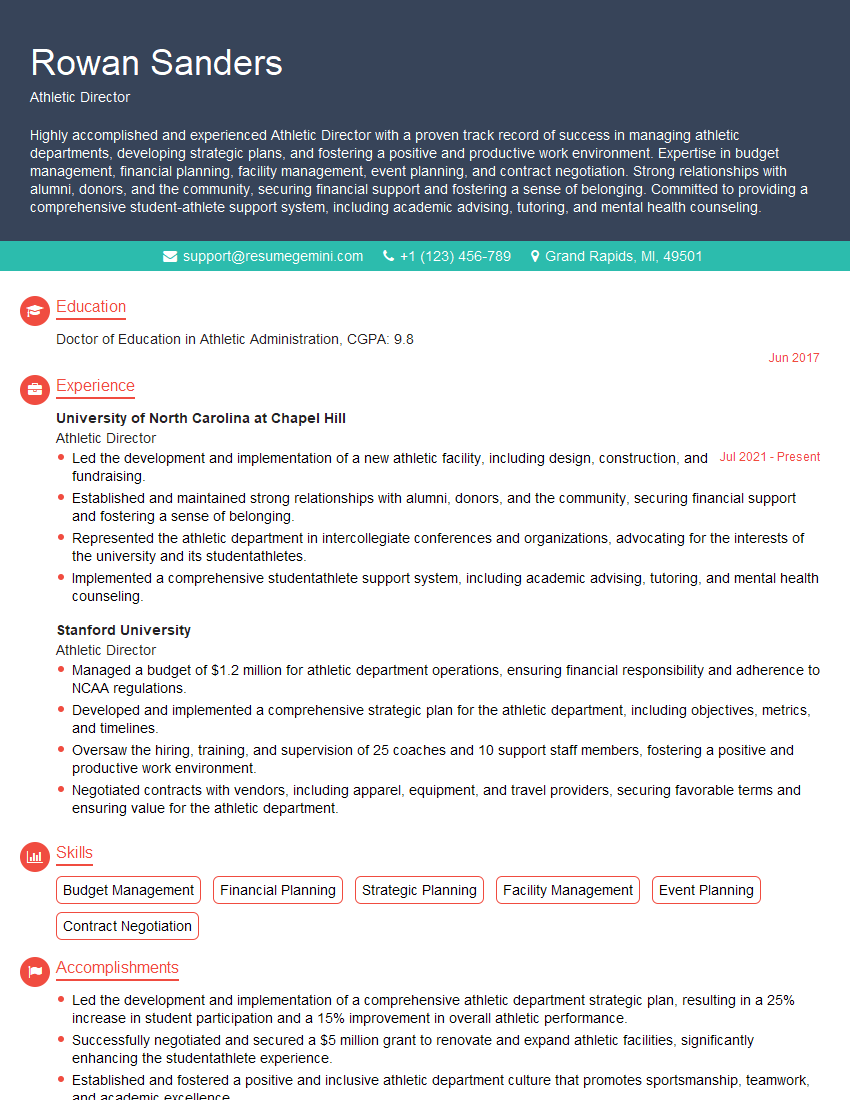
Athletic Director Resume Sample

Compliance Officer Resume Sample
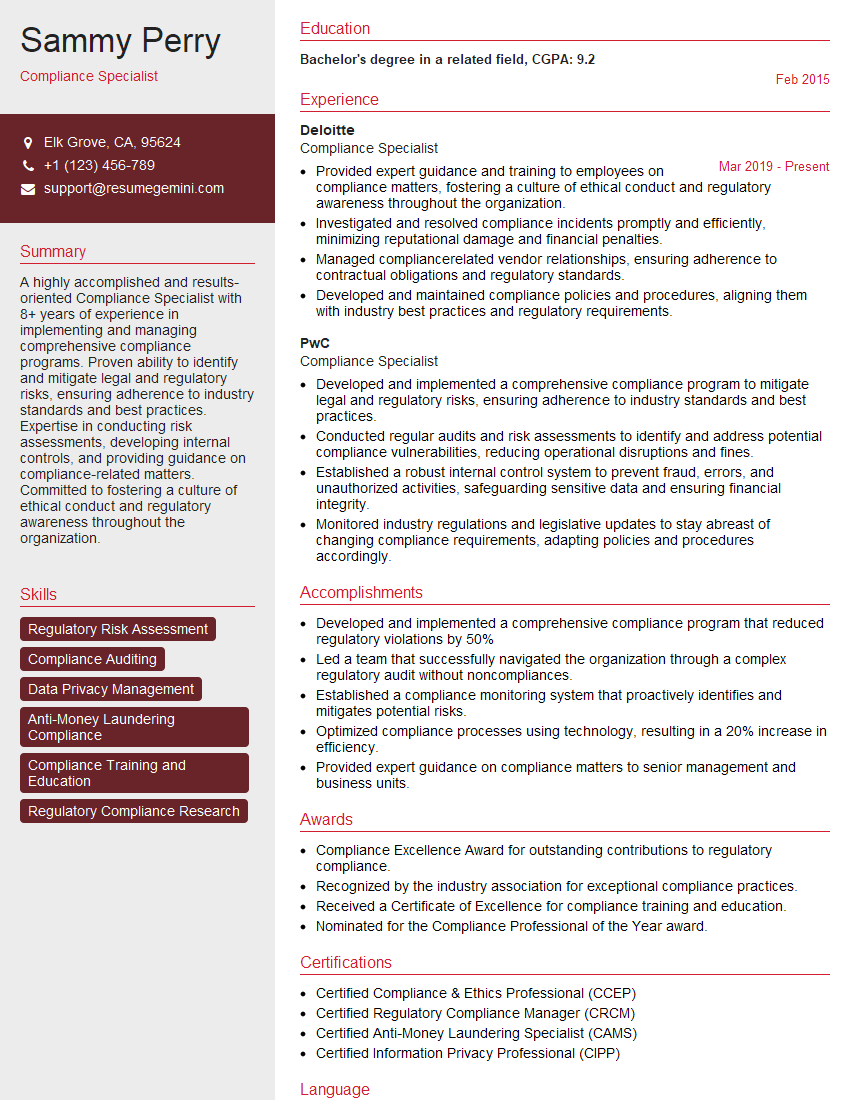
Compliance Specialist Resume Sample
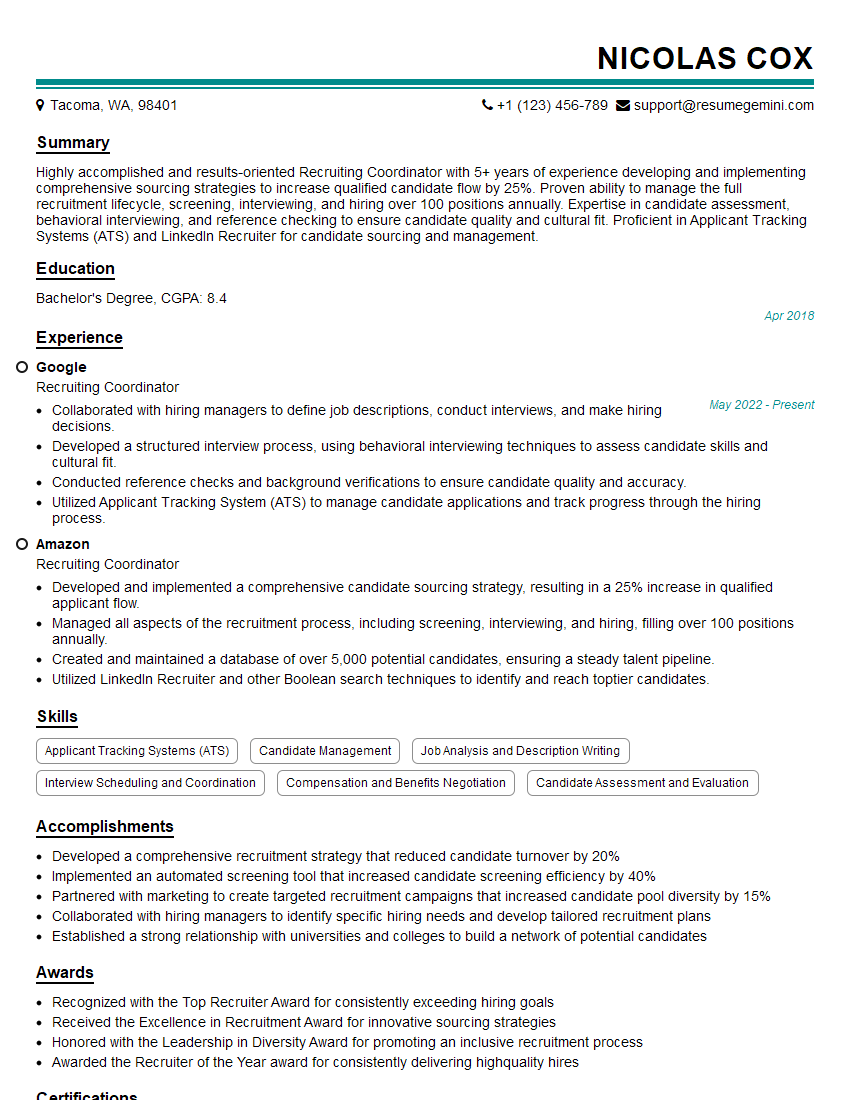
Recruiting Coordinator Resume Sample
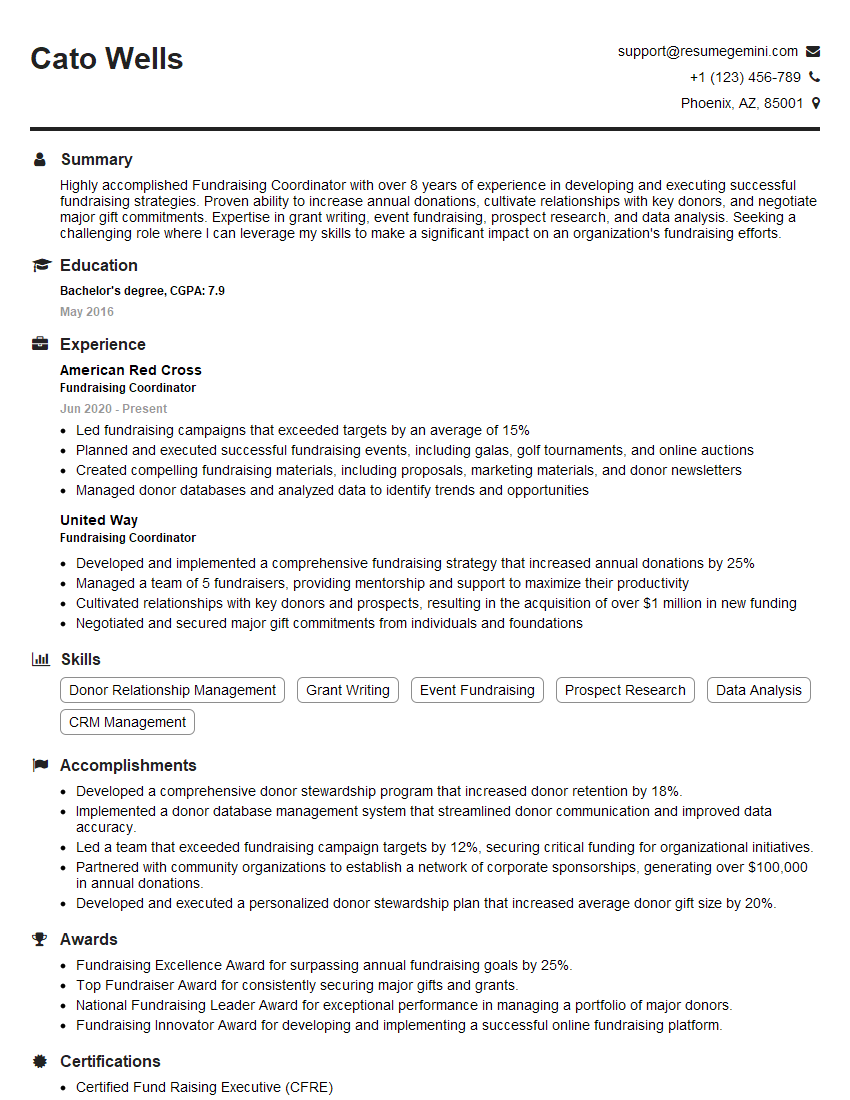
Fundraising Coordinator Resume Sample
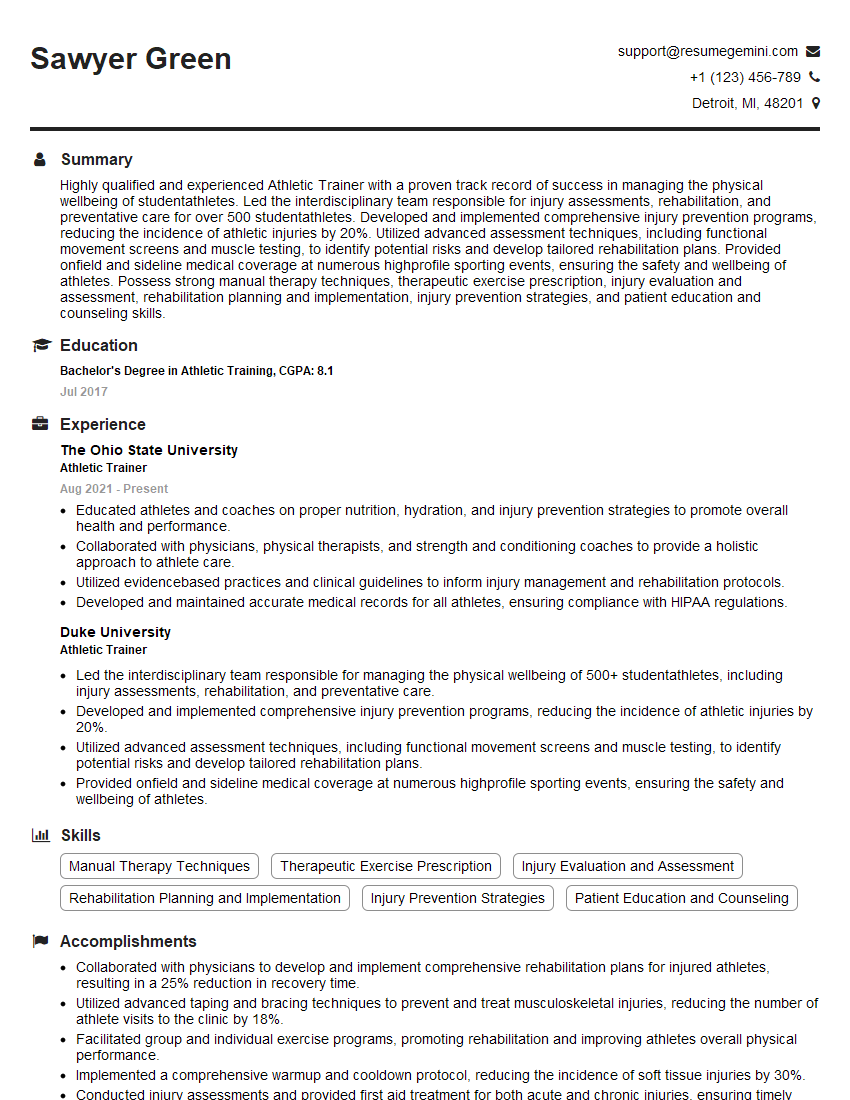
Athletic Trainer Resume Sample
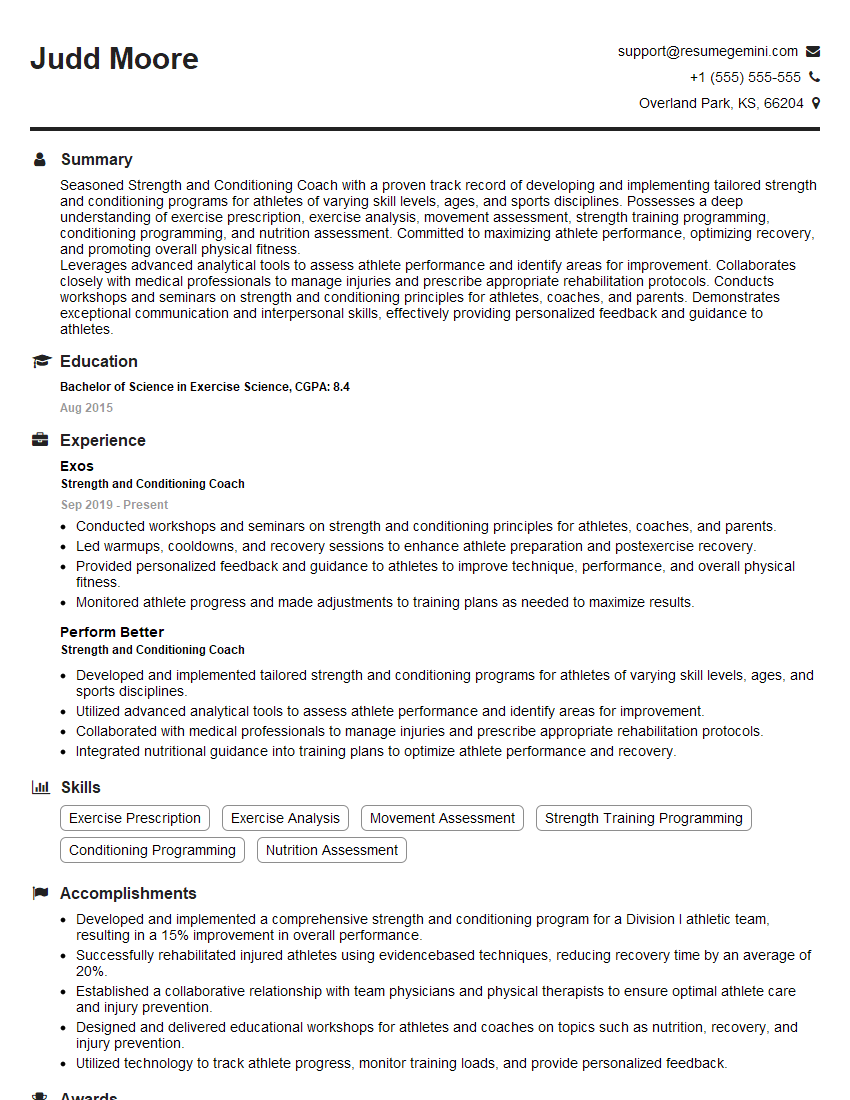
Strength and Conditioning Coach Resume Sample
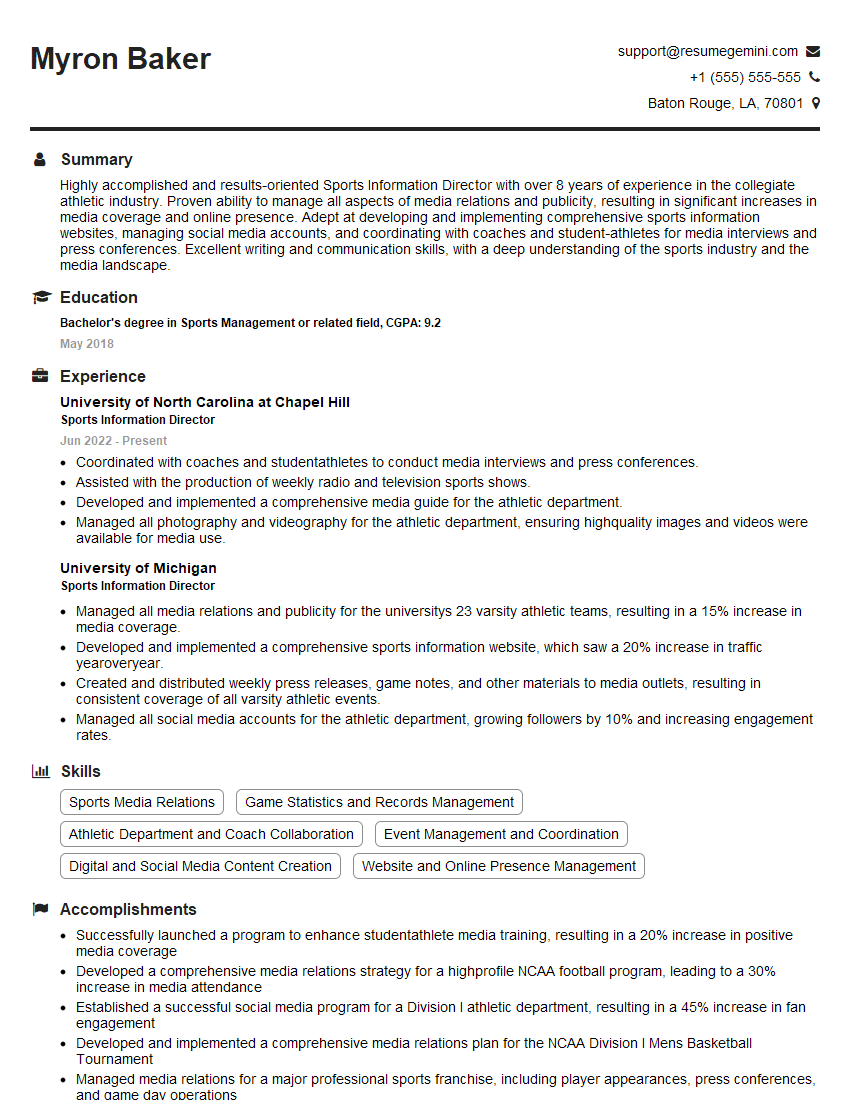
Sports Information Director Resume Sample
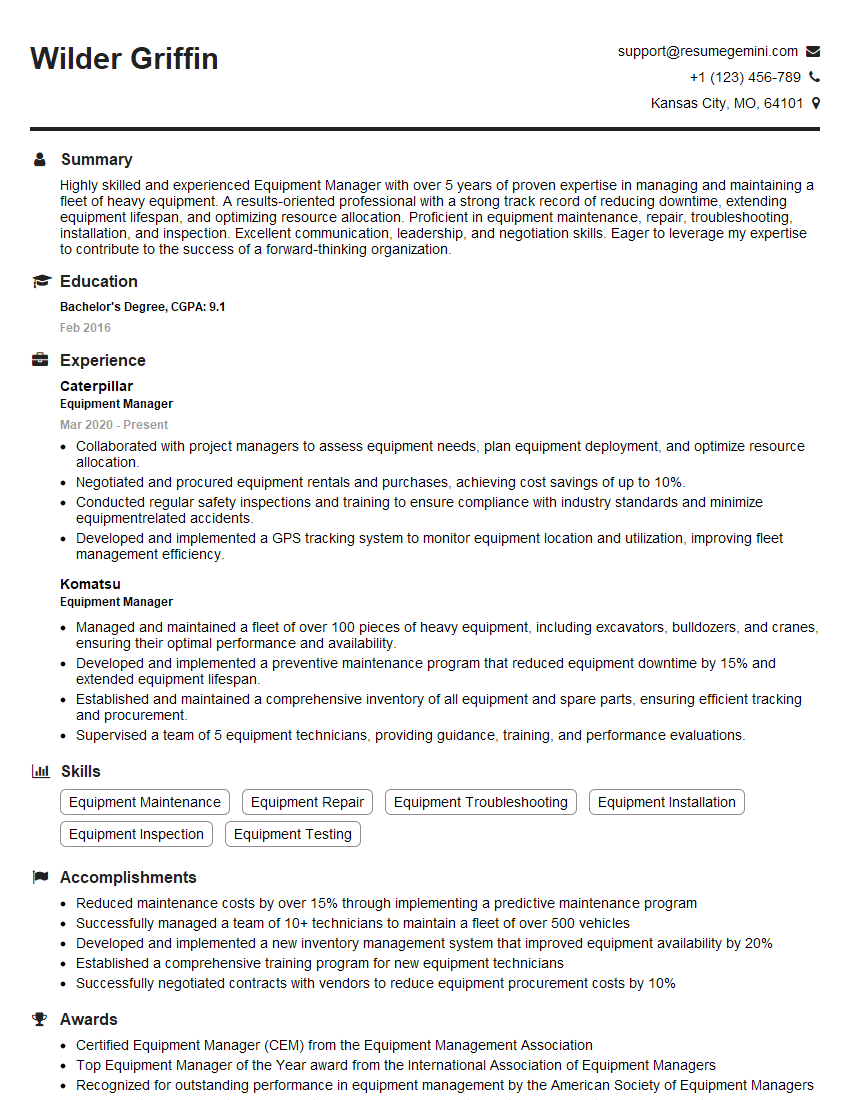
Equipment Manager Resume Sample
Travel Coordinator Resume Sample
Team Manager Resume Sample
Explore more articles
Users Rating of Our Blogs
Share Your Experience
We value your feedback! Please rate our content and share your thoughts (optional).
What Readers Say About Our Blog
Very informative content, great job.
good