Every successful interview starts with knowing what to expect. In this blog, we’ll take you through the top Collaboration with Contractors and Subcontractors interview questions, breaking them down with expert tips to help you deliver impactful answers. Step into your next interview fully prepared and ready to succeed.
Questions Asked in Collaboration with Contractors and Subcontractors Interview
Q 1. Describe your experience managing multiple subcontractors on a single project.
Managing multiple subcontractors effectively on a single project requires meticulous planning and strong communication. Think of it like conducting an orchestra – each musician (subcontractor) needs clear instructions, knows their part, and understands how their performance integrates with the others to create a harmonious whole (the completed project). My approach involves a detailed breakdown of the project into manageable tasks, assigning these tasks to specific subcontractors based on their expertise, and establishing clear lines of responsibility and reporting.
For example, on a recent large-scale construction project, I managed five subcontractors: one for electrical work, one for plumbing, one for HVAC, one for drywall, and one for painting. Each received a detailed scope of work outlining their responsibilities, deadlines, and payment terms. Regular meetings ensured consistent communication and allowed for proactive problem-solving.
Beyond assigning tasks, I also established a central communication hub – a shared online project management platform – where all subcontractors could access project documents, submit progress reports, and communicate with each other and me. This transparency fostered accountability and minimized misunderstandings.
Q 2. How do you ensure timely completion of tasks by subcontractors?
Ensuring timely completion hinges on proactive monitoring, clear expectations, and strong incentives. It’s not enough to simply assign tasks; you need to regularly track progress and address potential delays swiftly. I utilize a combination of strategies to achieve this.
- Regular Progress Meetings: Weekly meetings with each subcontractor to review progress, identify challenges, and adjust timelines as needed.
- Milestone-Based Payments: Linking payments to the achievement of specific milestones incentivizes timely completion. This avoids paying for work that hasn’t been done.
- Project Management Software: Utilizing tools that allow for real-time tracking of tasks, deadlines, and resource allocation. This provides a clear overview of the project’s status and allows for early detection of potential delays.
- Open Communication: Fostering a culture of open communication where subcontractors feel comfortable raising concerns early, preventing minor issues from escalating into major delays.
For instance, if a subcontractor consistently misses deadlines, I would investigate the root cause – is it due to resource constraints, unforeseen issues, or a lack of understanding of the task? Addressing the underlying problem directly is crucial for preventing recurring delays.
Q 3. Explain your process for resolving disputes between subcontractors.
Disputes between subcontractors are inevitable, but effective conflict resolution is key to maintaining project momentum and preventing cost overruns. My approach is based on fairness, transparency, and a structured process.
- Facilitation: I act as a neutral mediator, bringing the disputing parties together to understand each other’s perspectives.
- Documentation Review: Carefully examine contracts, specifications, and communication logs to identify the root cause of the conflict.
- Collaborative Problem Solving: Guide the subcontractors toward a mutually acceptable solution, emphasizing compromise and collaboration.
- Formal Dispute Resolution (if necessary): If amicable solutions fail, I would follow established procedures for formal dispute resolution, potentially involving arbitration or legal counsel.
For example, if two subcontractors disagreed over responsibility for a damaged pipe, I would review the project plans, contract clauses, and their respective work logs to determine who was responsible. I would then facilitate a meeting where they could discuss the issue, potentially suggesting a shared responsibility and a solution for repair.
Q 4. What methods do you use to track subcontractor progress and performance?
Tracking subcontractor progress and performance is crucial for maintaining project control. I employ a multi-faceted approach.
- Regular Progress Reports: Subcontractors submit weekly or bi-weekly reports detailing completed tasks, outstanding tasks, and any challenges encountered.
- On-site Inspections: Regular on-site inspections to verify progress and identify potential problems early.
- Project Management Software: Utilizing software that allows for real-time tracking of tasks, deadlines, and resource allocation. This provides a visual representation of progress against the schedule.
- Key Performance Indicators (KPIs): Establishing relevant KPIs, such as on-time completion rate, budget adherence, and quality of work, to objectively measure performance.
This data allows for proactive intervention and performance evaluations. For instance, consistently lagging performance on a specific task might indicate a need for additional training or resources for the subcontractor.
Q 5. How do you handle subcontractor change orders and variations?
Handling subcontractor change orders and variations requires a systematic and documented approach to ensure fairness and prevent cost overruns. This is often the source of significant conflict, so clear communication and processes are paramount.
- Formal Request: All change requests must be submitted formally in writing, clearly outlining the proposed changes, their impact on the project timeline and budget, and any supporting documentation.
- Review and Approval: I review the request, assess its impact, and negotiate with the subcontractor on the revised cost and schedule. This requires a good understanding of the contract and how changes impact overall project costs.
- Documentation: All changes, agreed-upon revisions, and approvals must be meticulously documented and signed by all parties involved.
- Updated Plans: Project plans, schedules, and budgets are updated to reflect the changes.
For instance, if a subcontractor discovers an unexpected condition that necessitates a change to the scope of work, they must submit a formal change order. This would include a detailed description of the change, photos or videos documenting the condition, a revised cost estimate, and a revised timeline. After review and negotiation, a revised contract would be signed to reflect the agreed changes.
Q 6. Describe your experience with subcontractor payment processes.
Subcontractor payment processes require accuracy, transparency, and adherence to contractual agreements. Late payments can damage relationships and impact project schedules. My approach is designed to be fair, efficient, and compliant.
- Clear Payment Terms: Contracts clearly outline payment terms, including payment schedules, milestones, and methods of payment.
- Accurate Invoicing: Subcontractors submit accurate invoices that are thoroughly reviewed to ensure that they align with the completed work and the agreed-upon payment terms.
- Prompt Payment: Payments are processed promptly upon verification of completed work and submission of accurate invoices. This fosters trust and positive working relationships.
- Retention: A portion of the payment is typically held in retention until the project’s completion to ensure satisfactory performance.
This process avoids disputes and ensures that subcontractors receive fair compensation for their work. For example, I would utilize a system that tracks completed milestones against invoices, and a process to flag discrepancies before processing payment to avoid errors.
Q 7. How do you ensure subcontractors comply with safety regulations?
Ensuring subcontractor compliance with safety regulations is paramount for preventing accidents and maintaining a safe work environment. This goes beyond simply having safety policies; it requires active oversight and enforcement.
- Pre-qualification: Subcontractors must demonstrate a commitment to safety through pre-qualification processes that assess their safety records and compliance with regulations.
- Safety Training: Requiring subcontractors to provide evidence of regular safety training for their employees.
- Regular Safety Inspections: Conducting regular site inspections to ensure compliance with safety regulations and identify potential hazards.
- Incident Reporting: Establishing a clear process for reporting and investigating safety incidents to prevent future occurrences.
- Enforcement: Addressing safety violations promptly and consistently, which may include issuing warnings or terminating contracts in severe cases.
For instance, I might require subcontractors to provide proof of their workers’ completion of OSHA safety training, and conduct regular safety walkthroughs on the construction site to identify any violations of safety rules immediately.
Q 8. How do you select and onboard new subcontractors?
Selecting and onboarding subcontractors is a crucial process that directly impacts project success. It involves a multi-step approach focused on finding qualified, reliable partners. First, I thoroughly review bids and proposals, evaluating not only price but also experience, qualifications, safety records, insurance coverage, and references. I often conduct pre-qualification interviews to assess their understanding of the project scope and their communication style. Once a subcontractor is chosen, the onboarding process involves detailed discussions about the project’s specifications, timelines, payment terms, and expectations for communication and reporting. We also go through the necessary paperwork, ensuring all legal and insurance requirements are met. This includes reviewing and agreeing upon the contract, insurance certificates, and safety protocols. For example, I once selected a subcontractor for electrical work based on their proven track record on similar projects and their commitment to safety, as evidenced by their OSHA certifications and zero incident reports. Thorough onboarding, including a site orientation and introduction to the project team, ensured a smooth start to the collaboration.
Q 9. What are some common challenges in collaborating with subcontractors, and how do you address them?
Collaborating with subcontractors presents various challenges. Communication breakdowns are common; differing project interpretations can lead to delays and disputes. For instance, a misunderstanding about the scope of work might result in extra costs and schedule slippage. Another significant challenge is managing payment disputes; accurate tracking of completed work and timely payments are critical. Poor performance from subcontractors, whether due to lack of skill or inadequate resources, also directly impacts the main project. I mitigate these challenges proactively. I emphasize clear, consistent communication from project kickoff through completion using tools like project management software and regular site meetings. I develop detailed scopes of work with clear deliverables and milestones to reduce ambiguity. Robust contract management, including clearly defined payment schedules and performance metrics, further minimizes disputes. Finally, establishing a collaborative relationship built on trust and mutual respect is vital for conflict resolution.
Q 10. Explain your experience using project management software to manage subcontractors.
Project management software is invaluable in managing subcontractors. I have extensive experience using platforms like Asana, Monday.com, and Procore. These tools allow for centralized communication, task assignment, and progress tracking. For example, in a recent project, we used Asana to assign tasks to subcontractors, track their progress against deadlines, and manage document sharing. The software’s reporting features provided real-time visibility into the project’s status, allowing for proactive intervention and issue resolution. We also used the platform’s communication tools to facilitate quick and efficient exchange of information between the main contractor, subcontractors, and the project team. The ability to upload and share documents, track changes, and maintain a comprehensive project history streamlined the collaboration and minimized misunderstandings.
Q 11. How do you manage subcontractor contracts and agreements?
Managing subcontractor contracts and agreements requires meticulous attention to detail. Each contract clearly defines the scope of work, payment terms, timelines, insurance requirements, liability clauses, and dispute resolution mechanisms. I always ensure that the contracts are reviewed by legal counsel before signing. We maintain a centralized repository for all contracts, ensuring easy access and version control. Key contract elements include a detailed description of the work, payment milestones tied to completion of specific tasks, clear clauses on change orders, and a process for handling disputes. For example, using a standardized contract template helps ensure consistency and minimizes potential misunderstandings.
Q 12. How do you monitor subcontractor performance against contractual obligations?
Monitoring subcontractor performance is crucial for successful project delivery. I use a combination of methods to track performance against contractual obligations. Regular site visits and progress meetings are vital. We also utilize project management software to monitor task completion, deadlines, and resource allocation. Performance metrics, such as adherence to schedules, quality of work, and safety records, are regularly reviewed and discussed with subcontractors. Any deviations from the contract are addressed promptly through communication and corrective action plans. For instance, if a subcontractor falls behind schedule, we investigate the reasons for the delay and collaboratively develop a plan to get back on track. This might involve adjusting resources or negotiating an extension, always documenting the agreement in writing.
Q 13. What strategies do you use to build strong relationships with subcontractors?
Building strong relationships with subcontractors is essential for long-term success. It’s based on mutual respect, trust, and clear communication. I prioritize fair and timely payments, proactive communication regarding potential challenges, and appreciation for their contributions. Regular communication, both formal and informal, helps establish rapport. I also strive to foster a collaborative environment where subcontractors feel valued and heard. Openly addressing issues and finding mutually acceptable solutions builds trust and loyalty. For example, celebrating milestones and acknowledging excellent performance reinforces positive relationships and motivates subcontractors.
Q 14. Describe a time you had to negotiate with a subcontractor to resolve a conflict.
In one project, a subcontractor experienced unforeseen delays due to equipment malfunction, impacting the overall project timeline. This led to a potential conflict because the delay threatened the project’s completion date. To resolve this, I initiated a collaborative negotiation. I carefully listened to the subcontractor’s explanation of the circumstances, reviewed the contract’s force majeure clauses, and assessed the impact on the project. We then jointly explored solutions, including adjusting the project timeline and negotiating a fair compensation adjustment for the additional costs incurred by the subcontractor due to the equipment failure. The key was open communication, understanding the situation from both perspectives, and finding a solution that was acceptable to all parties involved. The successful resolution strengthened our working relationship.
Q 15. How do you handle subcontractor delays?
Subcontractor delays are a common challenge in construction. My approach is proactive and multi-faceted, focusing on prevention and mitigation. It begins with a thorough pre-qualification process, carefully selecting subcontractors with a proven track record of timely delivery. Contracts should include clear deadlines and penalties for lateness, along with clauses allowing for extension under specific circumstances (like unforeseen weather events, documented by photographic or other verifiable evidence).
When delays occur, I immediately initiate a formal process. This involves:
- Immediate Communication: Contacting the subcontractor to understand the cause of the delay and the proposed solution.
- Documentation: Recording all communications, proposed solutions, and agreed-upon revised timelines.
- Impact Assessment: Determining the impact of the delay on the overall project schedule and budget.
- Mitigation Strategies: Working collaboratively with the subcontractor to find solutions, such as re-allocating resources or adjusting the work sequence.
- Formal Notices: Issuing formal notices if the delay persists or if the subcontractor fails to provide adequate solutions, escalating through a documented process, potentially leading to contract termination.
For example, on a recent project, a subcontractor experienced a delay due to equipment malfunction. We worked with them to expedite repairs and prioritized other tasks to minimize the overall project impact. Open communication was key to resolving the situation efficiently.
Career Expert Tips:
- Ace those interviews! Prepare effectively by reviewing the Top 50 Most Common Interview Questions on ResumeGemini.
- Navigate your job search with confidence! Explore a wide range of Career Tips on ResumeGemini. Learn about common challenges and recommendations to overcome them.
- Craft the perfect resume! Master the Art of Resume Writing with ResumeGemini’s guide. Showcase your unique qualifications and achievements effectively.
- Don’t miss out on holiday savings! Build your dream resume with ResumeGemini’s ATS optimized templates.
Q 16. How do you ensure all subcontractors have the necessary plans and specifications?
Ensuring all subcontractors possess the necessary plans and specifications is paramount for project success. This begins with a comprehensive plan distribution process, often utilizing a secure online project management system where all relevant documentation is centrally stored.
My process includes:
- Pre-Construction Meeting: A kickoff meeting with all subcontractors to review the project scope, specifications, and drawings. This also sets the tone for open communication.
- Digital Distribution: Using a secure cloud-based platform to share drawings, specifications, and other relevant documents electronically. This ensures everyone has the most up-to-date version.
- Acknowledgement of Receipt: Requiring subcontractors to acknowledge receipt and understanding of all documents, often through a formal signature or digital confirmation.
- Regular Updates: Providing updates and revisions to the plans and specifications as needed, through the same secure system, with clear notification.
- Training and clarification sessions: For complex aspects, we hold targeted training or clarification sessions to ensure everyone understands their role and responsibilities.
This approach minimizes misunderstandings and ensures everyone is working from the same set of information. Imagine the chaos if different versions of the blueprints were circulating!
Q 17. What’s your approach to risk management concerning subcontractors?
Risk management concerning subcontractors requires a proactive and systematic approach. It’s about identifying potential issues before they arise and developing strategies to mitigate their impact. I use a structured approach, starting with pre-qualification and continuing through the project lifecycle.
My approach involves:
- Pre-qualification: Thoroughly vetting subcontractors based on their experience, financial stability, safety record, and insurance coverage. This includes verifying references and examining their past project performance.
- Contractual Risk Allocation: Clearly defining roles, responsibilities, and liabilities in the contract. This includes insurance requirements, indemnification clauses, and dispute resolution mechanisms.
- Regular Site Inspections: Conducting regular site inspections to identify and address potential safety hazards and quality issues early on.
- Contingency Planning: Developing contingency plans for potential risks, such as delays, cost overruns, or unforeseen circumstances. This involves identifying backup subcontractors and alternative solutions.
- Communication and Reporting: Establishing clear communication channels and reporting procedures to ensure that potential risks are identified and addressed promptly.
For example, we always require subcontractors to carry comprehensive liability insurance to protect against potential accidents or damages. This proactive measure minimizes financial risk to the main project.
Q 18. How do you maintain accurate records of subcontractor communication and deliverables?
Maintaining accurate records of subcontractor communication and deliverables is crucial for transparency, accountability, and dispute resolution. I rely heavily on a well-organized project management system, often incorporating a combination of digital tools and physical files.
My system includes:
- Centralized Communication Platform: Using a project management software (such as Asana, Monday.com, or similar) to document all communication—emails, meeting minutes, phone calls, and instant messages—in a centralized location.
- Version Control for Documents: Tracking document versions to ensure everyone works with the latest revision, preventing confusion and errors.
- Detailed Progress Reports: Requiring subcontractors to submit regular progress reports, including photos and documentation of completed work. These reports are stored securely within the project management system.
- Payment Tracking: Maintaining detailed records of all payments made to subcontractors, including invoices, receipts, and payment confirmations. This helps ensure accurate accounting.
- Regular Audits: Conducting regular audits of the records to ensure their accuracy and completeness.
This organized system ensures that all communication and deliverables are easily accessible and auditable, streamlining the process and minimizing potential disputes.
Q 19. Describe your approach to quality control when working with subcontractors.
Quality control with subcontractors requires a proactive and consistent approach. It’s not just about catching mistakes at the end; it’s about embedding quality into every stage of the process.
My approach integrates several key elements:
- Clear Specifications and Standards: Providing detailed specifications and standards for all work, leaving no room for ambiguity.
- Regular Inspections: Conducting regular inspections at key milestones, verifying that the subcontractor’s work meets the required standards.
- Quality Checklists: Utilizing checklists to ensure all aspects of the work are inspected systematically and consistently.
- Subcontractor Training: Providing training and support to subcontractors to ensure they understand the quality standards and best practices.
- Regular Feedback: Providing regular feedback to subcontractors, both positive and constructive, to enhance their performance and commitment to quality.
For instance, we might use a detailed checklist for electrical installations, covering aspects like wire gauge, grounding, and safety regulations. This ensures consistency and minimizes errors.
Q 20. How do you handle a subcontractor failing to meet deadlines or quality standards?
When a subcontractor fails to meet deadlines or quality standards, a systematic and documented approach is essential. Ignoring the issue can lead to cost overruns and project delays.
My process involves:
- Immediate Communication: Contacting the subcontractor to discuss the issue and understand the cause of the failure.
- Formal Notice: Issuing a formal written notice outlining the specific deficiencies, citing the relevant sections of the contract, and setting a reasonable timeframe for correction.
- Progress Monitoring: Closely monitoring the subcontractor’s progress in addressing the deficiencies.
- Performance Improvement Plan: Developing a performance improvement plan if the issues persist. This plan may involve additional training, supervision, or resources.
- Contractual Remedies: Exploring contractual remedies, such as withholding payments, imposing penalties, or terminating the contract as a last resort. This should always be documented thoroughly.
The key is to document every step and ensure fair and consistent application of contractual agreements. Transparency throughout the process maintains professionalism and minimizes potential legal issues.
Q 21. How do you incorporate subcontractor feedback into project planning and execution?
Incorporating subcontractor feedback is crucial for project success. Their on-the-ground experience often reveals unforeseen challenges or opportunities for improvement.
I encourage feedback through several channels:
- Regular Meetings: Holding regular meetings to discuss project progress, address concerns, and solicit feedback.
- Formal Feedback Mechanisms: Establishing formal mechanisms for subcontractors to submit feedback, such as online forms or suggestion boxes.
- Open Communication Channels: Encouraging open communication between project managers and subcontractors to foster a collaborative environment.
- Constructive Criticism: Creating a safe space where subcontractors feel comfortable offering constructive criticism without fear of reprisal.
- Actionable Steps: Acting on valuable feedback where possible, incorporating suggestions into project planning and execution where appropriate.
For example, a subcontractor might suggest a more efficient way to install a specific component, leading to cost and time savings for the overall project. Actively seeking and implementing these suggestions strengthens the collaboration and improves project outcomes.
Q 22. How do you ensure compliance with all relevant regulations and permits for subcontractors?
Ensuring subcontractor compliance with regulations and permits is paramount for project success and legal protection. My approach is multifaceted and proactive. It begins with a thorough pre-qualification process. This involves verifying that each subcontractor possesses the necessary licenses, insurance, and permits specific to their scope of work and the project location. We meticulously review their documentation, including certificates of insurance, worker’s compensation coverage, and any required permits from local, state, and federal authorities.
Furthermore, I implement regular compliance checks throughout the project lifecycle. This includes spot checks of documentation, site visits to ensure adherence to safety regulations, and periodic reviews of their work against the approved plans and specifications. Any deviations are immediately addressed through corrective actions and retraining, if necessary. We maintain a central repository for all subcontractor compliance documents, making it easily accessible for audits and ensuring ongoing vigilance. For example, if we’re working on a construction project requiring asbestos abatement, I would personally verify that the subcontractor holds the necessary certifications and follows EPA guidelines strictly, regularly reviewing their waste disposal records. Finally, we incorporate compliance clauses into the subcontracts, outlining penalties for non-compliance and clearly stating our expectations.
Q 23. Explain your experience with subcontractor insurance and liability.
Subcontractor insurance and liability are critical aspects of risk management. My experience encompasses a rigorous process of reviewing and validating insurance certificates before any subcontractor commences work. We demand comprehensive coverage, including general liability, workers’ compensation, and commercial auto insurance, with minimum coverage limits specified in the subcontract agreement. We verify the insurance policies’ validity and coverage directly with the insurance providers to avoid any gaps in protection.
Beyond simply reviewing certificates, I actively engage in risk assessments to identify potential hazards associated with each subcontractor’s work. This allows us to implement appropriate mitigation strategies and ensure adequate insurance coverage is in place. For instance, for a subcontractor working at heights, we’d mandate specific liability insurance clauses covering fall protection equipment malfunctions. Finally, we maintain thorough records of all insurance documentation, updating them as needed, to ensure continuous and adequate coverage throughout the project duration. In cases of incidents or accidents, our insurance records are instrumental in facilitating smooth claims processes.
Q 24. Describe your approach to managing subcontractor payments and invoices.
Managing subcontractor payments and invoices requires a structured and transparent system to ensure timely payments and accurate record-keeping. We utilize a centralized invoice processing system, often integrated with project management software, which facilitates easy tracking of invoices, their approval status, and payment schedules. Subcontractors submit invoices electronically, adhering to a pre-defined format which streamlines the review process. We then conduct a thorough review, matching the invoice details with the work completed, project plans, and the subcontract agreement.
Before payment is processed, we require completion certificates and verification of satisfactory work. This helps prevent disputes and maintains accountability. We establish clear payment terms within each subcontract, specifying payment schedules, methods, and any applicable retention percentages. This structured approach minimizes payment delays, ensuring smooth cash flow for subcontractors while maintaining financial control. For example, we might employ a system where payment is released in stages tied to milestones specified in the subcontract, such as completion of foundation work or framing. This also ensures that payments are only released upon receiving the appropriate documentation and verification of work completion.
Q 25. How do you leverage technology to improve communication and collaboration with subcontractors?
Technology significantly enhances communication and collaboration with subcontractors. We leverage project management software such as Asana, Monday.com, or Basecamp to centralize project information, assign tasks, and track progress. These platforms allow for real-time updates, file sharing, and direct communication with subcontractors. This eliminates email chains and ensures everyone is on the same page.
Furthermore, we utilize cloud-based document sharing services like Dropbox or Google Drive to facilitate easy access to project drawings, specifications, and other relevant documents. Video conferencing tools such as Zoom or Microsoft Teams are vital for holding regular meetings, resolving issues promptly, and fostering collaboration among teams, regardless of their location. Mobile applications for project management further enhance communication allowing for real-time progress tracking and issue reporting from the field. These technologies greatly improve project efficiency and transparency, fostering a collaborative environment.
Q 26. How do you ensure all subcontractors understand and adhere to project guidelines?
Ensuring subcontractor understanding and adherence to project guidelines requires a comprehensive approach starting with clear communication. Pre-project meetings are crucial where we thoroughly explain project specifications, safety protocols, quality standards, and scheduling expectations. We provide all subcontractors with a detailed project manual, including all relevant documents, drawings, and safety regulations.
This manual serves as a single source of truth and is consistently referred to throughout the project. We also provide regular on-site supervision and quality control checks to monitor adherence to guidelines and offer immediate feedback. We incorporate training sessions for subcontractors focusing on specific aspects of the project, such as specialized equipment operation or unique safety procedures. Furthermore, we document all communication, training, and clarifications in a central repository, accessible to all parties involved. This meticulous approach minimises misunderstandings and ensures everyone is aligned with project requirements. For example, if a specialized welding technique is required, we conduct a training session before the subcontractor commences work and verify their understanding and competence through hands-on demonstrations.
Q 27. What key performance indicators (KPIs) do you track for subcontractor performance?
Several key performance indicators (KPIs) are tracked to evaluate subcontractor performance. These include on-time completion rates, adherence to budget, quality of workmanship, safety record, and responsiveness to communication. On-time completion is measured by comparing the actual completion date against the scheduled completion date. Budget adherence is assessed by comparing actual costs incurred against the budgeted amount.
Quality of workmanship is evaluated through regular inspections and quality control checks, while safety record is measured by tracking the number and severity of accidents and near misses. Responsiveness to communication is evaluated by monitoring the timeliness and clarity of their responses to our inquiries. We use a combination of qualitative and quantitative data to produce an overall performance score. This data drives improvements and informs future subcontractor selection. For example, a consistently high on-time completion rate and a low accident rate suggest superior performance and can be used to prioritize subcontractors for future projects.
Q 28. Describe a situation where you had to successfully mediate a dispute between two subcontractors.
In a recent project, a dispute arose between two subcontractors, an electrician and a plumber, concerning the routing of cables and pipes in a shared space. The electrician claimed the plumber’s work interfered with their cable installation, leading to delays and additional costs. The plumber, in turn, argued that the electrician had not provided adequate space planning in advance. To mediate, I facilitated a meeting with both subcontractors, ensuring a neutral environment and a clear process for communication.
I carefully listened to each party’s concerns, allowing each to fully explain their perspective without interruption. I then collaboratively worked with them to identify the root causes of the conflict and explore solutions. This involved examining the project drawings, specifications, and communication records. We ultimately agreed upon a revised plan that accommodated both subcontractors’ work, ensuring minimal disruption and reducing costs. This involved minor adjustments to the pipe routing and additional cable supports. The collaborative process not only resolved the immediate conflict but also strengthened the working relationship between the two subcontractors, resulting in smoother collaboration for the remainder of the project. The successful mediation demonstrated my commitment to fair dispute resolution, maintaining positive relationships, and keeping the project on track.
Key Topics to Learn for Collaboration with Contractors and Subcontractors Interview
- Contract Negotiation and Management: Understanding different contract types (fixed-price, time & materials, etc.), negotiating fair terms, and managing the contract lifecycle effectively.
- Project Scope Definition and Management: Clearly defining project requirements, managing scope creep, and ensuring alignment between the project goals and contractor deliverables.
- Risk Management and Mitigation: Identifying potential risks associated with working with contractors (e.g., delays, cost overruns, quality issues), and developing strategies to mitigate those risks.
- Communication and Collaboration Strategies: Establishing clear communication channels, utilizing project management tools, and fostering a collaborative environment with contractors and subcontractors.
- Payment and Invoice Processing: Understanding payment terms, processing invoices accurately and efficiently, and resolving payment discrepancies.
- Compliance and Legal Considerations: Ensuring compliance with relevant laws and regulations (e.g., labor laws, safety regulations), and managing legal aspects of contracts.
- Performance Monitoring and Evaluation: Tracking contractor performance against agreed-upon metrics, providing regular feedback, and addressing performance issues proactively.
- Conflict Resolution and Dispute Management: Developing strategies for resolving disagreements with contractors, negotiating solutions, and escalating disputes appropriately.
- Technology and Tools for Collaboration: Familiarity with project management software (e.g., Asana, Trello, Monday.com), communication platforms (e.g., Slack, Microsoft Teams), and other relevant technologies.
Next Steps
Mastering collaboration with contractors and subcontractors is crucial for career advancement in many industries. Strong skills in this area demonstrate your ability to manage complex projects, build strong relationships, and deliver results efficiently. To significantly increase your job prospects, focus on crafting an ATS-friendly resume that highlights your relevant experience and skills. ResumeGemini is a trusted resource to help you build a professional resume that showcases your abilities effectively. Examples of resumes tailored to highlight experience in collaborating with contractors and subcontractors are available for your review – leverage them to enhance your application materials and secure your dream role.
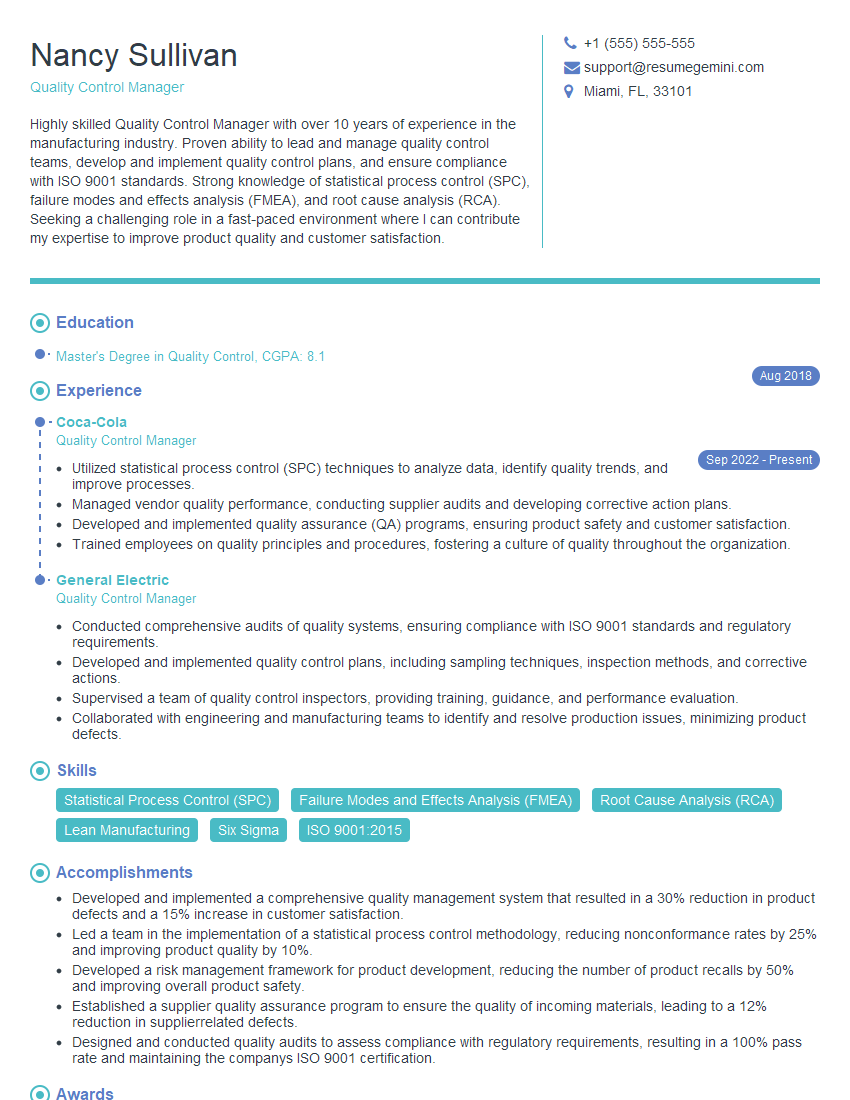
Quality Control Manager Resume Sample
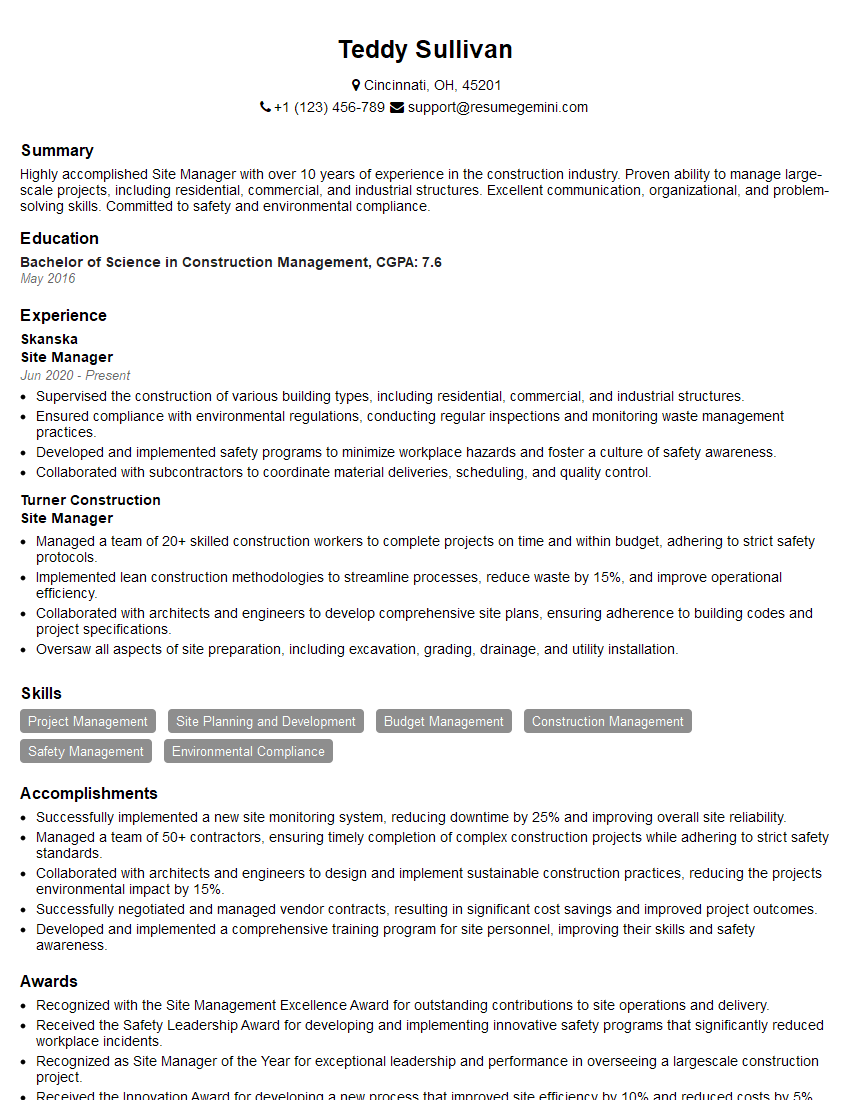
Site Manager Resume Sample
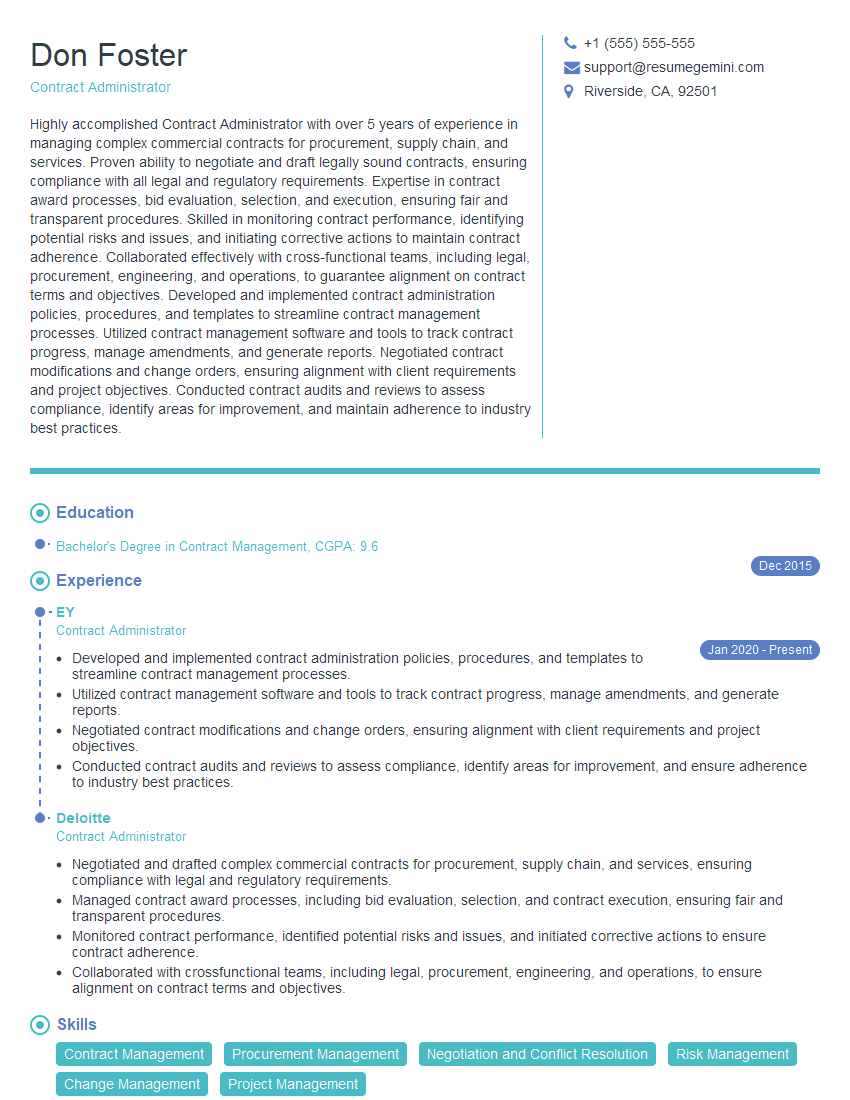
Contract Administrator Resume Sample

Procurement Manager Resume Sample
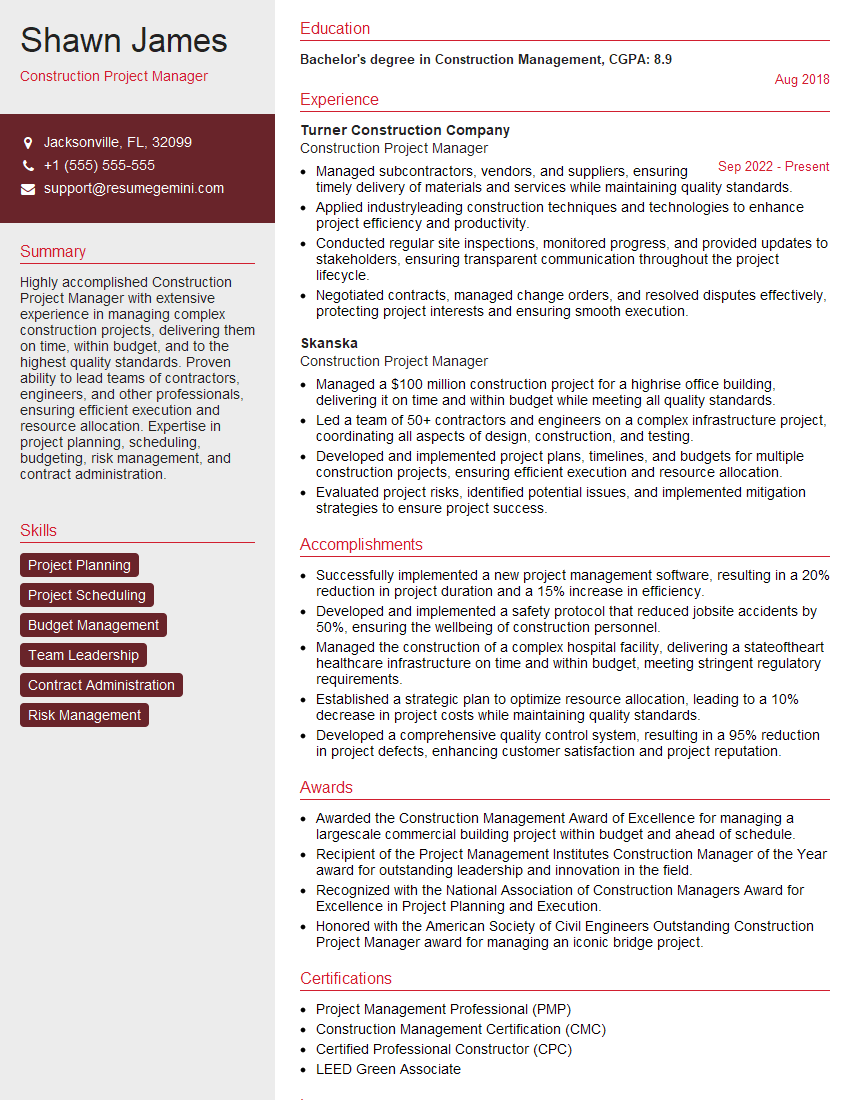
Construction Project Manager Resume Sample

Construction Superintendent Resume Sample
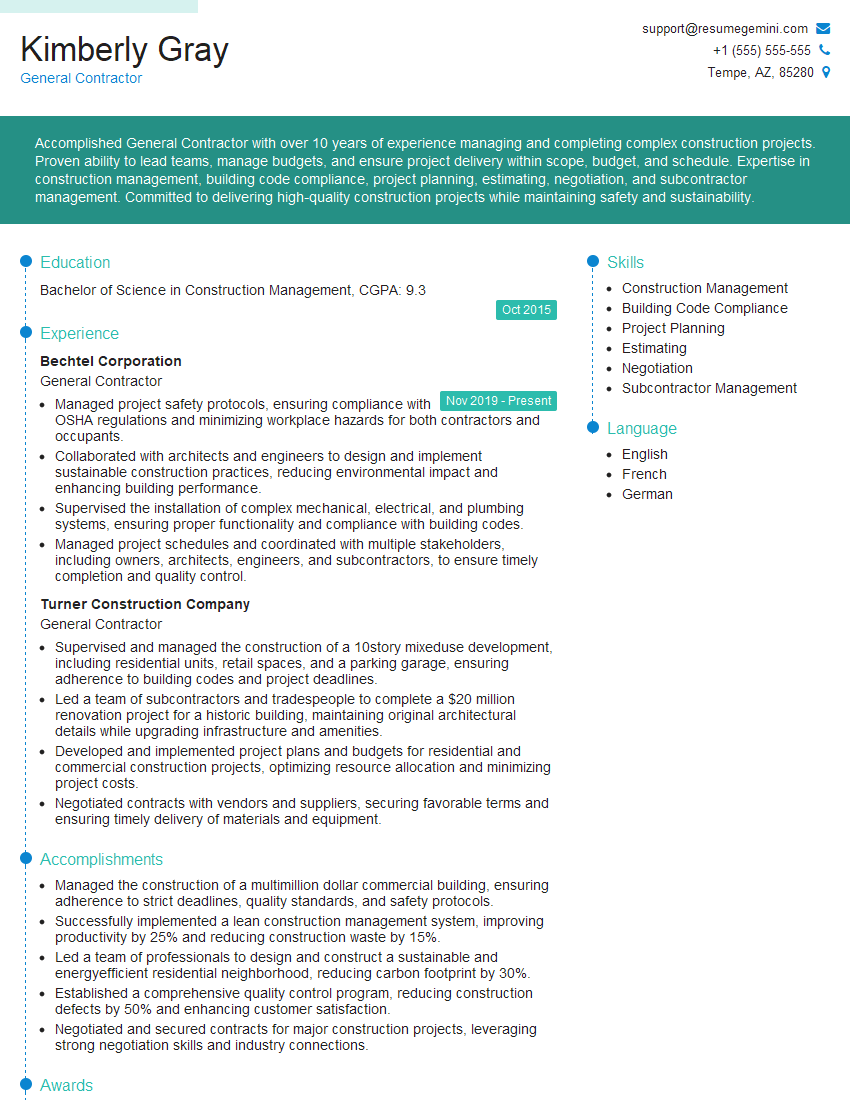
General Contractor Resume Sample
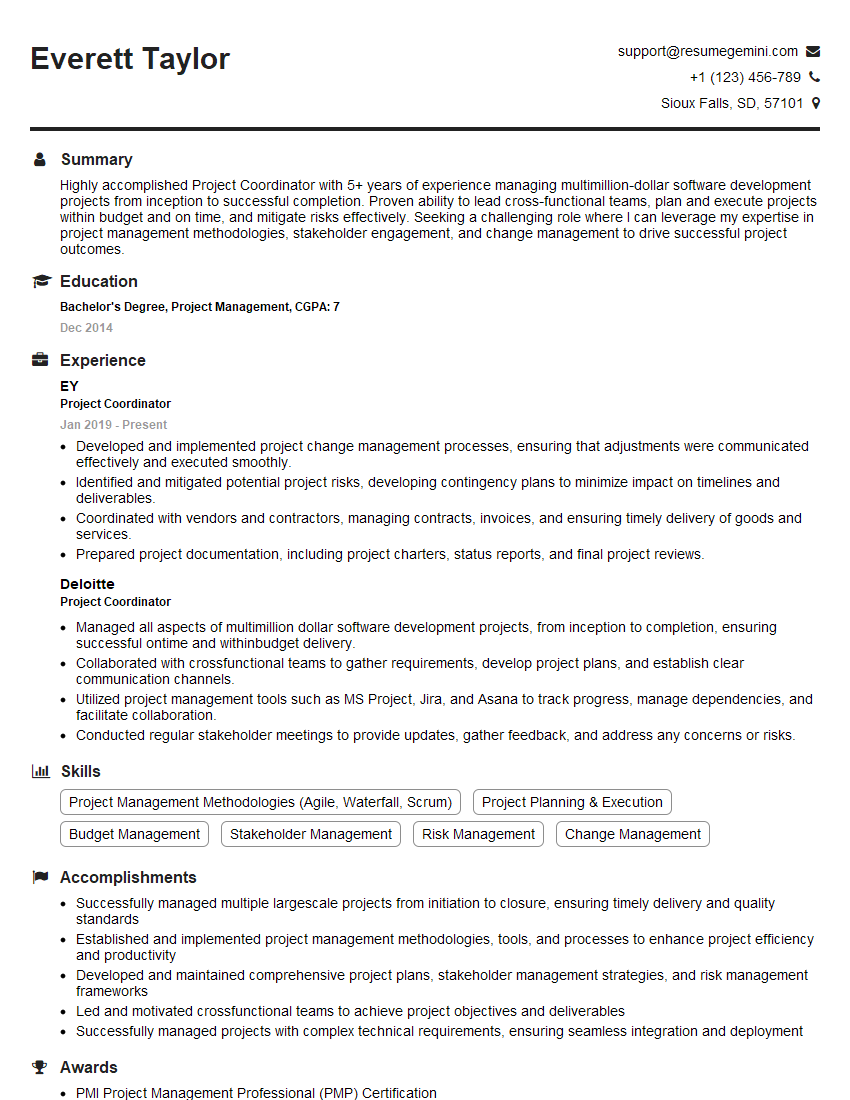
Project Coordinator Resume Sample
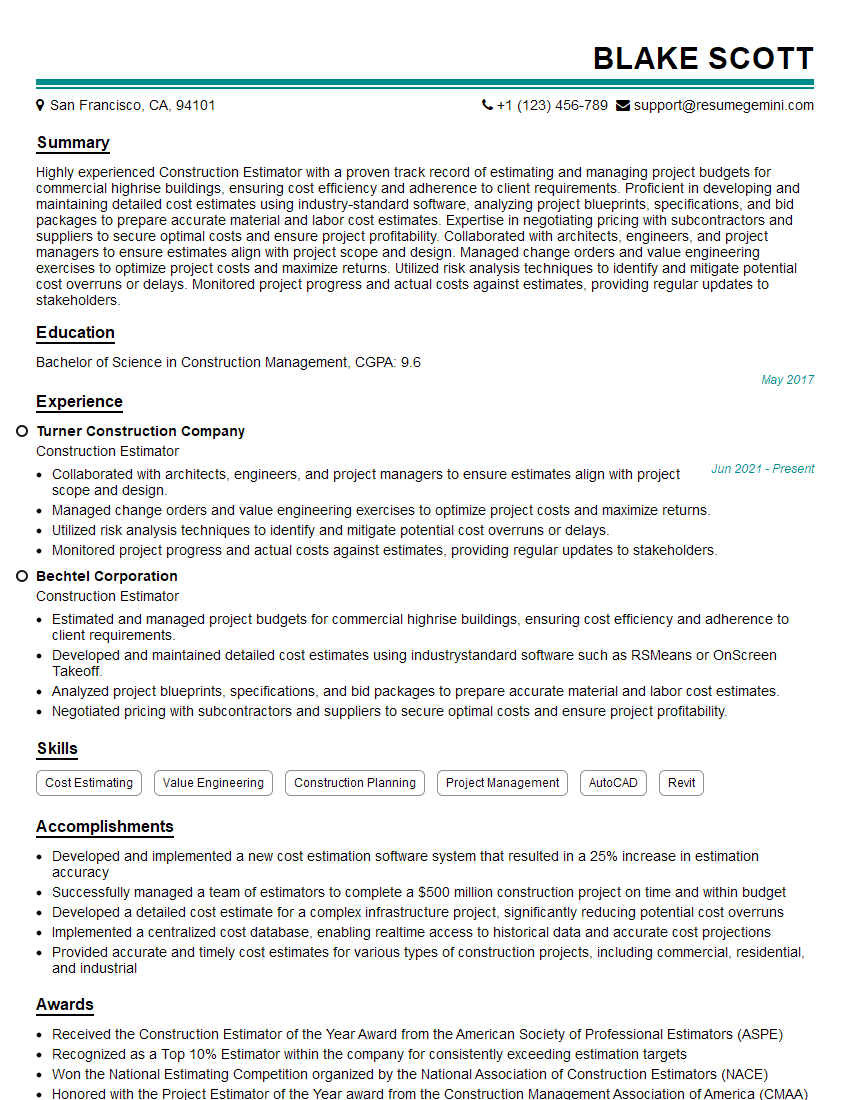
Construction Estimator Resume Sample
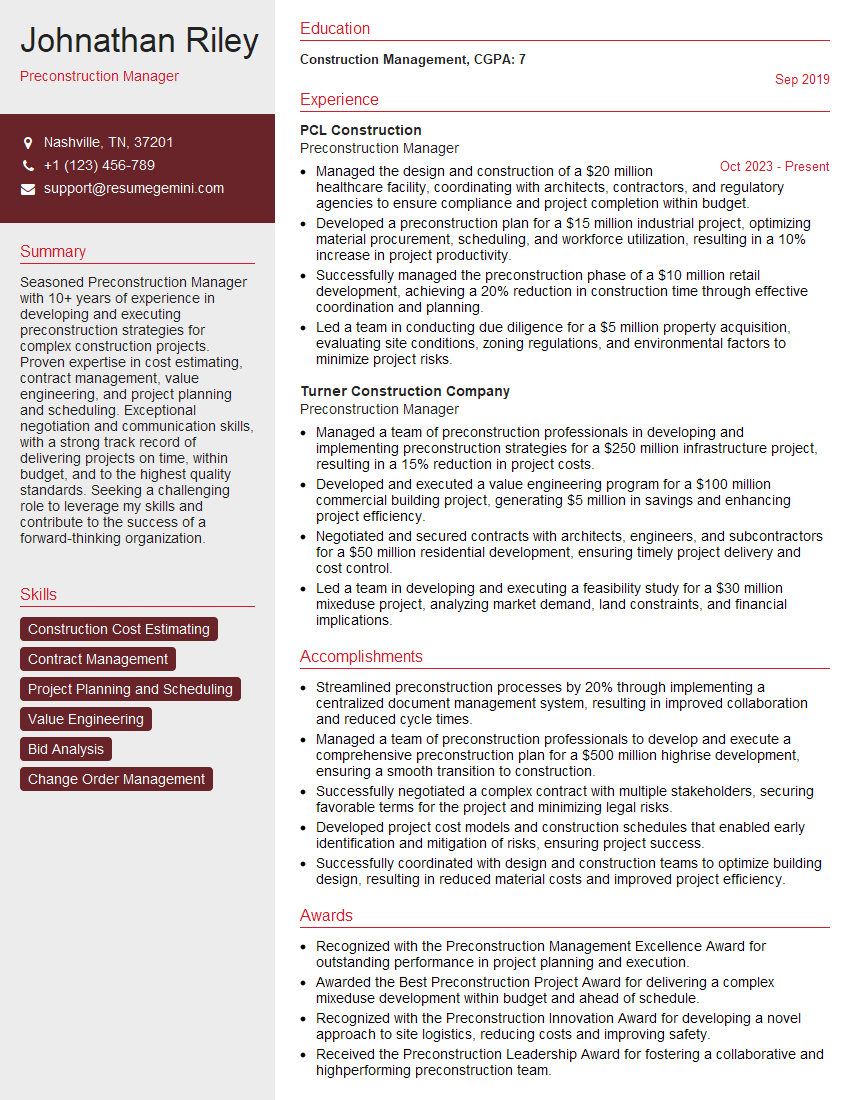
Preconstruction Manager Resume Sample
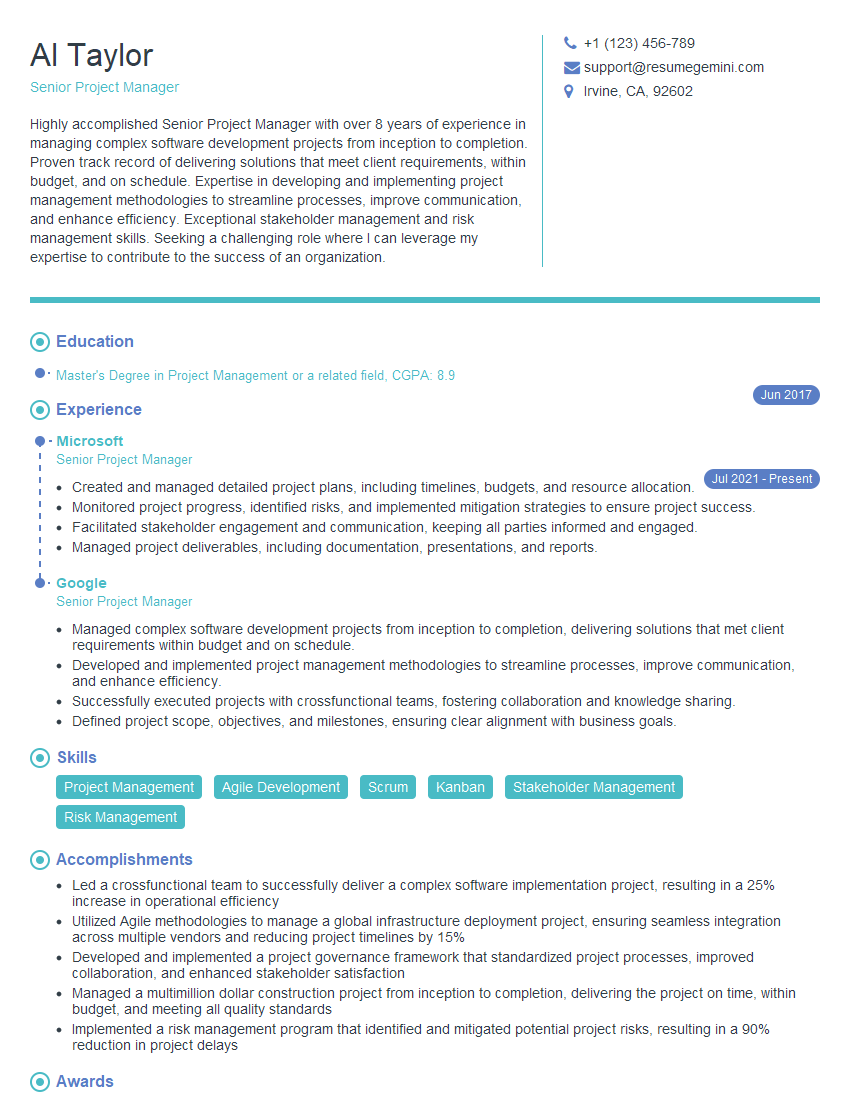
Senior Project Manager Resume Sample
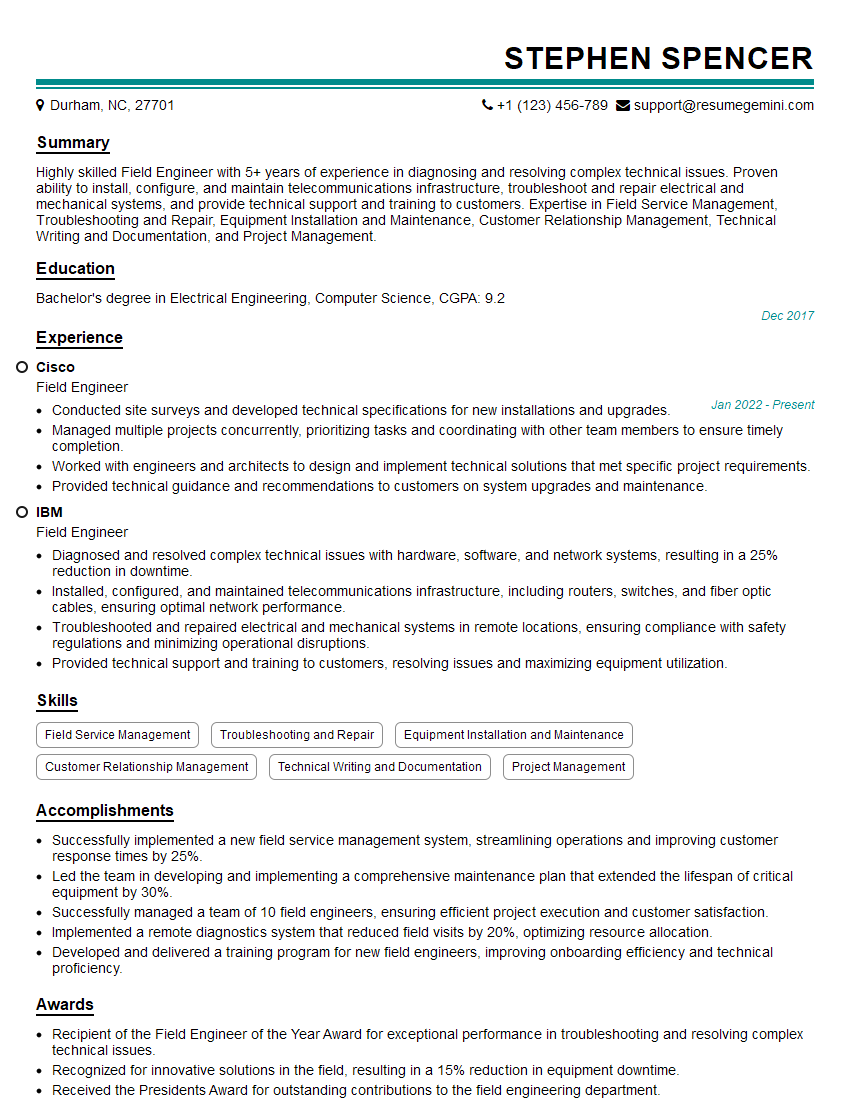
Field Engineer Resume Sample
Explore more articles
Users Rating of Our Blogs
Share Your Experience
We value your feedback! Please rate our content and share your thoughts (optional).
What Readers Say About Our Blog
Very informative content, great job.
good