The thought of an interview can be nerve-wracking, but the right preparation can make all the difference. Explore this comprehensive guide to Collaboration with Design and Production Teams interview questions and gain the confidence you need to showcase your abilities and secure the role.
Questions Asked in Collaboration with Design and Production Teams Interview
Q 1. Describe your experience managing competing priorities within a design and production team.
Managing competing priorities in design and production is a constant juggling act. It’s about understanding the various pressures – deadlines, budget constraints, creative vision, and technological limitations – and prioritizing effectively. I approach this using a prioritized task management system, often a Kanban board, where tasks are categorized by urgency and importance. This allows for transparent tracking of progress and a clear understanding of bottlenecks. For example, if a crucial design element is delayed, impacting the overall project timeline, I’d work with the design team to identify a feasible alternative that meets the production deadline without significantly compromising the overall aesthetic.
I also utilize regular progress meetings, involving both design and production stakeholders, to identify potential conflicts early on. Proactive communication prevents small issues from escalating into major roadblocks. Finally, I emphasize open communication channels; if a team is struggling to meet a deadline, they’re encouraged to communicate that immediately instead of trying to ‘fix it’ silently, leading to further delays.
Q 2. Explain your approach to resolving conflicts between design and production teams.
Resolving conflicts between design and production often involves acting as a mediator, fostering a collaborative environment where both teams feel heard and valued. My approach centers around understanding the root cause of the conflict. This usually involves active listening to both sides, identifying the specific points of disagreement, and working towards a mutually acceptable solution. I find that facilitating a structured discussion, rather than imposing a solution, leads to better outcomes and stronger team cohesion.
For instance, a conflict might arise if a design element is technically challenging or impossible to implement within the existing production constraints. In such cases, I’d facilitate a discussion exploring alternatives, perhaps suggesting design modifications or suggesting a different technological approach with the production team. The goal is not to compromise on quality, but rather to find a balance between creative vision and practical feasibility. I always ensure the final solution satisfies both design intent and production limitations.
Q 3. How do you ensure effective communication and information flow between design and production?
Effective communication is paramount. I implement a multi-pronged strategy to ensure seamless information flow. This includes daily stand-up meetings for quick updates, weekly progress reviews for a more in-depth assessment, and regular design reviews where the design team presents their work to the production team, seeking feedback and addressing potential challenges proactively. A shared project management tool, like Asana or Jira, provides a central hub for all project-related information, including updates, deadlines, and task assignments.
Beyond formal channels, I promote open and informal communication. Encouraging team members to communicate directly with each other fosters a sense of shared responsibility and ownership. I also ensure clear and concise documentation of design specifications and technical requirements to minimize misunderstandings.
Q 4. What tools or techniques do you use to facilitate collaboration?
Several tools and techniques significantly improve collaboration. Project management software, as mentioned, is crucial. We use Asana for task management, tracking progress, and facilitating communication. Version control systems like Git are essential for managing design assets and code, ensuring everyone works with the latest versions. Regular design reviews and feedback sessions are also critical. These sessions can be facilitated using online collaboration tools, allowing for real-time feedback and discussion.
Beyond software, techniques like regular brainstorming sessions and workshops facilitate creative problem-solving and enhance team cohesion. Using visual aids, such as mood boards and prototypes, helps to ensure that everyone is on the same page regarding the design intent.
Q 5. Describe a time you had to negotiate design compromises to meet production deadlines.
In one project, we encountered a complex animation sequence that proved too demanding for the production timeline. The initial design envisioned intricate detail and smooth transitions, but the production team highlighted the technical challenges and potential delays. Instead of compromising the entire animation, we collaboratively identified specific elements to simplify. We worked closely with the designers to adjust the level of detail, prioritizing key elements that contributed most to the narrative while streamlining less important aspects. This allowed us to meet the deadline without significantly compromising the final product’s quality or visual impact.
Q 6. How do you handle feedback from different stakeholders in a design project?
Handling feedback effectively involves creating a structured process for collecting, analyzing, and incorporating feedback from different stakeholders. This includes establishing clear communication channels, using a centralized feedback system (e.g., a shared document or platform), and holding regular feedback meetings. It’s crucial to document all feedback, noting the source and context, allowing for consistent tracking and clear decision-making.
Not all feedback is equal. I prioritize feedback based on the stakeholder’s expertise and their role in the project. While valuing all perspectives, I’ll explain the rationale behind design decisions and explain why certain suggestions may not be feasible. Ultimately, the aim is to create a product that balances stakeholder needs with design integrity and project feasibility.
Q 7. How do you ensure that the design intent is maintained throughout the production process?
Maintaining design intent throughout production relies on meticulous documentation and consistent communication. This begins with detailed design specifications, including style guides, mood boards, and interactive prototypes. These documents serve as a reference point for the production team, ensuring they understand the core design principles and objectives. Regular design reviews and feedback sessions are vital to catch any deviations early on.
Additionally, I emphasize the importance of clear communication between the design and production teams. Open dialogue helps to identify potential inconsistencies and allows for timely adjustments. Using version control for design assets prevents unintended changes from being implemented, safeguarding the original design intent. A close collaboration between the designers and developers throughout the production process ensures that the final product reflects the initial vision.
Q 8. How do you measure the success of collaboration between design and production?
Measuring the success of design-production collaboration isn’t solely about the final product; it’s about the entire process. We need a multi-faceted approach. I typically look at:
- On-time and on-budget delivery: This is a fundamental metric. Did we meet deadlines and stay within the allocated resources? Slippages often point to communication breakdowns.
- Quality of the final product: This includes functionality, aesthetics, and user experience. High-quality output indicates effective communication and shared understanding.
- Team satisfaction and morale: Regular feedback sessions and surveys help gauge team sentiment. A collaborative, positive environment is crucial for success. Low morale often signals friction or miscommunication.
- Efficiency of the workflow: Did we identify and resolve issues proactively? Were there significant bottlenecks or delays? Tracking progress and identifying areas for improvement is essential.
- Number of revisions and feedback loops: A lower number indicates smoother collaboration and better initial alignment between design and production. Excessive revisions suggest communication gaps and a lack of clarity in the design specifications.
For example, in a recent project, we implemented daily stand-up meetings. This significantly reduced the number of revisions, improving both team morale and project efficiency. We tracked our progress using a Kanban board, visualizing workflow and identifying bottlenecks early on.
Q 9. Describe your experience with agile methodologies in a design and production context.
Agile methodologies are central to my approach. I’ve extensively used Scrum and Kanban in design-production collaborations. The iterative nature of agile allows for continuous feedback and adaptation. In a design context, this translates to creating Minimum Viable Products (MVPs) early and iterating based on user feedback and production constraints.
For instance, in a recent website redesign project, we used a Scrum framework. Each sprint focused on a specific feature, with design mockups presented and reviewed during sprint reviews. The production team provided feedback on feasibility and timelines, leading to adjustments in design or sprint planning. This iterative approach allowed us to address challenges early and prevent major roadblocks later.
Kanban, with its visual workflow, proved invaluable in another project where we needed greater flexibility. This allowed the designers and developers to pull tasks as they became available, fostering a smooth and adaptable workflow, especially useful when dealing with unexpected changes in priorities.
Q 10. How do you manage expectations between the design and production teams?
Managing expectations requires open and transparent communication throughout the project lifecycle. I employ several strategies:
- Clearly defined roles and responsibilities: Each team member understands their contributions and how they align with the overall project goals.
- Regular communication: Daily stand-ups, weekly progress meetings, and ad-hoc communication channels (Slack, email) ensure everyone is informed and aligned.
- Realistic timelines and milestones: We work collaboratively to establish achievable deadlines, considering potential production constraints.
- Transparent risk assessment: Identifying and addressing potential problems early prevents surprises and allows for proactive adjustments.
- Documented decision-making: Decisions are recorded, shared, and referenced to maintain accountability and prevent misunderstandings.
For example, before a project begins, I facilitate a workshop where designers and developers discuss constraints, timelines, and potential challenges. This helps set realistic expectations and fosters a sense of shared ownership.
Q 11. What are your preferred methods for documenting design specifications for production?
Precise documentation is critical. My preferred methods combine visual and textual elements:
- Detailed design specifications: These include high-fidelity mockups, style guides, and component libraries, detailing visual elements, interactions, and animations. Tools like Figma and Adobe XD are essential.
- Technical specifications: These detail technical requirements, such as file formats, image resolutions, and coding standards. This ensures the production team has the necessary information to build the designs effectively.
- Interactive prototypes: These allow the production team to experience the intended user flow and identify potential usability issues early.
- Version control: Using tools like Git allows for easy tracking and management of design revisions.
For instance, I’ve used Figma’s design system features to create a centralized style guide, ensuring consistency across the project. This also facilitates easier handover to the production team. All design files are version-controlled, allowing us to easily revert to earlier versions if needed.
Q 12. How do you handle changes in design or production requirements during a project?
Change is inevitable. A flexible approach is crucial. I handle changes through:
- Formal change request process: All design or production changes are formally documented, evaluated, and approved.
- Impact assessment: We assess the impact of the change on the timeline, budget, and overall project scope.
- Prioritization and negotiation: We prioritize changes based on their impact and feasibility, negotiating solutions with all stakeholders.
- Transparent communication: All parties are kept informed of the change and its implications.
- Agile adaptation: We leverage the iterative nature of agile methodologies to accommodate changes effectively.
For example, if a design change is requested mid-project, we’ll assess its impact on the current sprint and subsequent sprints. If necessary, we’ll adjust the sprint backlog and timelines accordingly. This requires close collaboration with the design and production leads to ensure everyone understands the implications and agrees on the approach.
Q 13. Describe your experience working with different software and tools used in design and production.
My experience spans a range of software and tools. On the design side, I’m proficient in Figma, Adobe XD, Sketch, and Photoshop. On the production side, I’m familiar with various coding languages (HTML, CSS, JavaScript) and development frameworks (React, Angular). I also have experience with project management tools like Jira and Asana, and version control systems like Git.
For instance, I’ve used Figma extensively for collaborative design, leveraging its real-time collaboration and version control features. For development, I’ve worked with developers using various frameworks, ensuring design handoff is smooth and efficient by utilizing well-structured design specifications and assets.
Q 14. How do you ensure quality control throughout the design and production process?
Quality control is integrated throughout the process, not just at the end. My approach includes:
- Regular code reviews: Production code is regularly reviewed for accuracy, efficiency, and adherence to standards.
- Design reviews: Designs are reviewed for usability, consistency, and adherence to branding guidelines.
- Usability testing: User feedback is gathered early and often to identify and address potential issues.
- Automated testing: Automated tests are employed to identify bugs and ensure functionality.
- Quality assurance (QA) testing: Thorough testing is conducted before launch to identify and rectify any remaining issues.
For example, during a recent project, we implemented automated UI tests to ensure that any design changes did not introduce regressions. This allowed us to catch issues early and prevent them from reaching the end user.
Q 15. How do you contribute to a positive and collaborative team environment?
Building a positive and collaborative team environment starts with fostering open communication and mutual respect. I believe in leading by example, actively listening to team members’ ideas and concerns, and creating a safe space where everyone feels comfortable sharing their perspectives, even if they differ from the majority.
- Regular Check-ins: I schedule regular team meetings, not just for updates, but also for informal discussions to strengthen relationships and address any potential issues proactively.
- Celebrating Successes: Acknowledging and celebrating team achievements, both big and small, reinforces positive team dynamics and boosts morale. Public recognition, small team celebrations, or even a simple “thank you” can go a long way.
- Conflict Resolution: When disagreements arise (which is inevitable!), I focus on finding solutions collaboratively rather than assigning blame. This involves active listening, identifying the root cause of the conflict, and seeking a mutually acceptable resolution.
For example, during a recent project, a designer was feeling frustrated due to a delay in receiving assets from the production team. By facilitating an open dialogue between them, I helped them understand each other’s constraints and find a workable solution, preventing further friction.
Career Expert Tips:
- Ace those interviews! Prepare effectively by reviewing the Top 50 Most Common Interview Questions on ResumeGemini.
- Navigate your job search with confidence! Explore a wide range of Career Tips on ResumeGemini. Learn about common challenges and recommendations to overcome them.
- Craft the perfect resume! Master the Art of Resume Writing with ResumeGemini’s guide. Showcase your unique qualifications and achievements effectively.
- Don’t miss out on holiday savings! Build your dream resume with ResumeGemini’s ATS optimized templates.
Q 16. Describe your approach to providing constructive feedback to designers and production staff.
My approach to providing constructive feedback focuses on being specific, actionable, and balanced. I avoid general statements and instead frame my feedback around observable behaviors and their impact. I always begin by highlighting positive aspects of the work before addressing areas for improvement.
- Specific Examples: Instead of saying “This design isn’t working,” I’d say, “The color palette feels a bit jarring against the brand guidelines. Specifically, the clash between the teal and orange on the homepage could be improved by exploring alternative combinations.”
- Actionable Suggestions: I don’t just point out problems; I offer concrete suggestions for improvement. For instance, “Consider exploring a more muted version of teal or opting for a complementary color like a warm grey.”
- Positive Framing: I always start with positive reinforcement. “I really appreciate the innovative approach you took to the typography on the landing page. It’s fresh and visually appealing.”
- Two-way Conversation: I make sure it’s a dialogue, not a monologue. I encourage the recipient to share their thoughts and perspective, leading to a collaborative problem-solving session.
This approach ensures the feedback is received as helpful guidance rather than criticism, fostering a culture of continuous learning and improvement.
Q 17. Explain your experience with version control systems in a design and production workflow.
Version control is crucial in design and production workflows to track changes, manage revisions, and prevent conflicts. I’m proficient in using Git, a distributed version control system, and have used it extensively in collaborative projects.
- Branching and Merging: I utilize branching strategies (like feature branches) to isolate work-in-progress from the main codebase (or design files). This prevents accidental overwrites and allows for parallel development without disrupting the main project.
- Commit Messages: I write clear and concise commit messages describing the changes made in each commit. This ensures that the history of changes is easily understandable.
- Pull Requests/Merge Requests: I utilize pull requests (or merge requests depending on the platform) to review changes before merging them into the main branch. This collaborative review process catches potential issues early on and ensures high-quality work.
- File Management: I use version control to manage not just code but also design assets (using tools like Git LFS for large files) ensuring that we have a complete history of all design iterations.
For example, during a website redesign project, we used Git to manage all HTML, CSS, JavaScript, and image files. This allowed designers and developers to work simultaneously on different sections of the website while keeping a clear record of all changes and allowing for seamless merging of their work.
Q 18. How do you handle disagreements about design aesthetics or functionality?
Disagreements about design aesthetics or functionality are common and often lead to the best solutions. My approach is to foster respectful dialogue, focusing on data and user needs rather than personal preferences.
- Define the Problem: First, we clearly define the problem at hand. What exactly is the disagreement about? Is it a matter of usability, brand consistency, or purely aesthetic preference?
- Gather Data: We gather data to support our viewpoints. This could include user testing results, analytics data, or competitor analysis. Data-driven arguments are more persuasive and objective than subjective opinions.
- Explore Alternatives: Instead of arguing for a single solution, we brainstorm alternative approaches that address the core issue. This collaborative brainstorming process usually yields solutions that are better than any single individual’s initial idea.
- Compromise and Consensus: Sometimes, compromise is necessary. We aim to find a solution that satisfies the needs of all stakeholders as much as possible, balancing the creative vision with practical considerations.
For instance, in a recent project, there was a disagreement about the placement of a key call-to-action button. By conducting A/B testing, we were able to determine which placement yielded a higher conversion rate, resolving the disagreement with objective data.
Q 19. How do you balance creative vision with practical production constraints?
Balancing creative vision with practical production constraints requires a delicate balance of understanding, communication, and compromise. I approach this by involving the production team early in the design process.
- Early Collaboration: I ensure the production team is involved from the initial design concepts. This allows them to offer realistic feedback regarding feasibility, timelines, and budget constraints early on, preventing costly changes later in the process.
- Prioritization: We prioritize design elements based on their impact and feasibility. Some aspects of the creative vision might need to be adapted or even sacrificed to meet production constraints.
- Iterative Design: I embrace an iterative design process, where we test and refine the design based on feedback and limitations discovered during production. This allows for adjustments without derailing the project.
- Open Communication: Transparent and consistent communication between the design and production teams is essential to ensure that everyone understands the project’s constraints and limitations.
For example, during the development of a mobile app, initial design concepts included highly detailed animations. Early collaboration with developers revealed that these animations would significantly impact performance and battery life. We iterated the design, simplifying animations while maintaining a high-quality user experience.
Q 20. What strategies do you employ to prevent bottlenecks in the design and production pipeline?
Preventing bottlenecks requires proactive planning and efficient communication. I use a combination of strategies to streamline the workflow:
- Clearly Defined Roles and Responsibilities: Each team member should have a clear understanding of their responsibilities and how their work contributes to the overall project. This reduces confusion and overlap.
- Agile Methodology: Employing an Agile methodology, such as Scrum, with its iterative approach and emphasis on collaboration, helps to manage risks and adapt to changing requirements efficiently.
- Regular Progress Tracking: Using project management tools like Jira or Asana enables transparent tracking of tasks and progress. This allows early identification of potential bottlenecks and proactive intervention.
- Efficient Communication Channels: Using a central communication platform (like Slack or Microsoft Teams) facilitates quick and efficient information sharing among team members.
- Process Optimization: Regularly reviewing the design and production process and identifying areas for improvement is critical for long-term efficiency. This could involve automating repetitive tasks or simplifying complex workflows.
For instance, by implementing a daily Scrum meeting, we identified a dependency issue early on in a video production project, enabling us to reallocate resources and prevent a major delay.
Q 21. Describe a time you successfully resolved a significant challenge related to design and production collaboration.
During a large-scale website redesign, we faced a significant challenge when a critical design element (a custom interactive map) was proving excessively complex and time-consuming to develop. This threatened to delay the entire launch.
To overcome this, I facilitated a workshop bringing together designers, developers, and project managers. We explored alternative solutions, including simplifying the map’s functionality, using a pre-built mapping solution, or phasing the launch of this particular element. Through open discussion and collaborative problem-solving, we opted to phase the launch, releasing the core website functionality on time and launching the interactive map as a separate update later. This preserved the project deadline, while still delivering the intended functionality.
This experience highlighted the importance of proactive risk management, open communication, and the ability to adapt and find creative solutions to unexpected challenges within a collaborative setting. By working together, we successfully navigated a potentially disastrous situation and delivered a successful project.
Q 22. How familiar are you with different file formats and their implications for production?
Understanding file formats is crucial for seamless collaboration and efficient production. Different formats have varying levels of compatibility, editing capabilities, and file sizes, directly impacting workflow and print quality.
- Raster formats (e.g., JPG, PNG, TIFF): Best for photographs and images with continuous tones. JPGs are highly compressed, leading to smaller file sizes but potential loss of quality. PNGs support transparency, ideal for logos or graphics with sharp edges. TIFFs are high-resolution, lossless formats perfect for print, but large file sizes can slow down workflows.
- Vector formats (e.g., AI, EPS, SVG): These use mathematical equations to define images, allowing for scalable and sharp output at any size. They’re ideal for logos, illustrations, and typography. AI (Adobe Illustrator) and EPS are common in print design, while SVG is widely used for web graphics.
- PDFs: A versatile format for sharing finalized designs, preserving formatting and fonts across different platforms. However, editing can be limited depending on how the PDF was created. They should be used for final deliverables, not for collaboration.
In a recent project, using low-resolution JPGs for print resulted in a blurry final product. Switching to high-resolution TIFFs immediately solved the problem. Knowing the limitations and strengths of each format is essential to avoid such issues.
Q 23. How do you ensure accessibility considerations are integrated into the design and production process?
Accessibility is not an afterthought; it’s an integral part of design and production from the outset. We must ensure our designs are usable by people with disabilities.
- Color contrast: We utilize tools to check color contrast ratios, adhering to WCAG (Web Content Accessibility Guidelines) standards. Sufficient contrast between text and background is essential for readability.
- Alternative text for images: Every image has descriptive alt text, conveying the image’s content to screen readers.
- Keyboard navigation: We ensure all interactive elements are accessible via keyboard alone.
- Font choices: We select clear, legible fonts and consider font sizes suitable for people with visual impairments.
- Captioning and transcripts: For videos and audio content, we provide accurate captions and transcripts.
For example, in a website redesign, we implemented WCAG AA compliance by increasing text size options, improving color contrast ratios, and adding keyboard navigation to all interactive elements. This ensures inclusivity for all users.
Q 24. Explain your experience working with external vendors or agencies in design and production projects.
I have extensive experience working with external vendors, ranging from freelance illustrators to large printing houses. Clear communication and well-defined project scopes are key.
- Detailed briefs and specifications: I create comprehensive briefs outlining project goals, design specifications (e.g., dimensions, file formats), timelines, and approval processes.
- Regular communication: Consistent communication, whether through email, video calls, or project management software, is critical for managing expectations and resolving issues promptly.
- Version control: I employ version control systems to manage and track revisions, ensuring everyone is working with the most up-to-date files.
- Legal agreements: Formal contracts and agreements are in place to clarify responsibilities, payment terms, and intellectual property rights.
In a recent project involving a custom illustration, I worked closely with a freelance artist, providing clear feedback throughout the process, using a shared online platform to track progress and manage revisions. This resulted in a beautiful illustration delivered on time and within budget.
Q 25. Describe your approach to risk management in design and production projects.
Proactive risk management is crucial to prevent project delays and cost overruns. My approach involves identifying potential risks, assessing their likelihood and impact, and developing mitigation strategies.
- Risk identification: I brainstorm potential risks with the team, considering factors like technological issues, resource limitations, and stakeholder conflicts.
- Risk assessment: We evaluate the probability and potential impact of each identified risk, prioritizing the most critical ones.
- Risk mitigation: For each high-priority risk, we develop contingency plans and mitigation strategies. This might include setting up backup systems, allocating additional resources, or establishing clear communication channels.
- Regular monitoring: Throughout the project, we regularly monitor risks and update our mitigation strategies as needed.
For instance, in a large-scale print project, we identified a potential risk of supply chain disruptions. We mitigated this by securing materials from multiple suppliers and building a buffer stock of essential supplies.
Q 26. How do you use data and analytics to inform design and production decisions?
Data and analytics are invaluable for informed decision-making in design and production. We use data to understand user behavior, optimize design elements, and measure the effectiveness of our work.
- Website analytics (e.g., Google Analytics): We track website traffic, user engagement, and conversion rates to understand how users interact with our designs. This informs design iterations and content strategies.
- A/B testing: We conduct A/B tests to compare different design variations and identify which performs better in terms of user engagement or conversions.
- Print campaign tracking: We track print campaign results using unique codes or QR codes to measure response rates and campaign effectiveness.
- User feedback: We collect user feedback through surveys, usability testing, and focus groups to gain insights into user preferences and pain points.
For example, analyzing website analytics revealed that a particular call-to-action button had a low click-through rate. We redesigned the button, incorporating data-driven changes to improve its visual prominence, resulting in a significant increase in conversions.
Q 27. How do you stay updated on the latest trends and technologies in design and production?
Staying updated on the latest trends and technologies is crucial in this fast-paced industry. I utilize several methods to stay ahead of the curve.
- Industry publications and blogs: I regularly read industry publications, blogs, and online resources to stay informed about new design trends, software updates, and production techniques.
- Conferences and workshops: Attending industry conferences and workshops provides invaluable networking opportunities and exposure to the latest innovations.
- Online courses and tutorials: I leverage online platforms like Skillshare or LinkedIn Learning to enhance my skills in new software and design techniques.
- Professional networks: I actively participate in online and offline professional networks, engaging in discussions and sharing knowledge with other professionals.
For example, learning about advancements in 3D printing technology enabled me to integrate this innovative production method into a recent product design project, resulting in a unique and high-quality product.
Q 28. Describe your approach to mentoring or training junior members of a design and production team.
Mentoring and training junior team members is a rewarding aspect of my role. I believe in a supportive and collaborative approach to training.
- On-the-job training: I provide hands-on training, guiding junior members through real-world projects and offering constructive feedback.
- Formal training programs: I develop and deliver formal training programs, covering essential design principles, software applications, and production processes.
- Mentorship and feedback: I offer regular feedback, guidance, and support to junior team members, helping them develop their skills and confidence.
- Resource sharing: I share relevant resources, including online tutorials, articles, and design examples, to encourage continuous learning.
For example, I mentored a junior designer who was struggling with typography. By providing personalized feedback, sharing relevant resources, and working with them on practical projects, I helped them improve their typography skills significantly.
Key Topics to Learn for Collaboration with Design and Production Teams Interview
- Understanding Design Processes: Learn the typical workflows in design and production, from concept to completion. This includes understanding different design phases, feedback loops, and revision processes.
- Effective Communication Strategies: Mastering clear and concise communication is crucial. Explore techniques for giving and receiving constructive feedback, managing expectations, and resolving conflicts within a team setting.
- Project Management Fundamentals: Familiarize yourself with basic project management principles. Understand how to track progress, manage timelines, and allocate resources effectively within a collaborative environment.
- Technical Proficiency & Software Familiarity: Depending on the role, understanding relevant software (e.g., design software, project management tools) and file formats will be beneficial. Highlight your proficiency and adaptability to new tools.
- Problem-Solving & Decision-Making in a Team: Practice scenarios involving collaborative problem-solving. Be prepared to discuss your approach to resolving conflicts, navigating disagreements, and reaching consensus within a team.
- Agile Methodologies (if applicable): If the role involves agile development, understanding scrum, kanban, or other agile methodologies is highly valuable. Familiarize yourself with the principles and practical application of these frameworks.
- Version Control and Collaboration Tools: Understanding the use of version control systems (e.g., Git) and collaborative platforms (e.g., shared document editors) is vital for showcasing your ability to work seamlessly with design and production teams.
Next Steps
Mastering collaboration with design and production teams is paramount for career advancement in today’s interconnected work environments. It demonstrates your ability to work effectively within a team, manage projects successfully, and contribute meaningfully to a shared creative vision. To significantly enhance your job prospects, focus on crafting an ATS-friendly resume that clearly highlights your relevant skills and experience. We highly recommend using ResumeGemini to build a professional and impactful resume tailored to your unique skills and experience. ResumeGemini provides excellent resources and examples of resumes specifically designed for candidates targeting roles involving collaboration with Design and Production Teams.

Print Production Manager Resume Sample
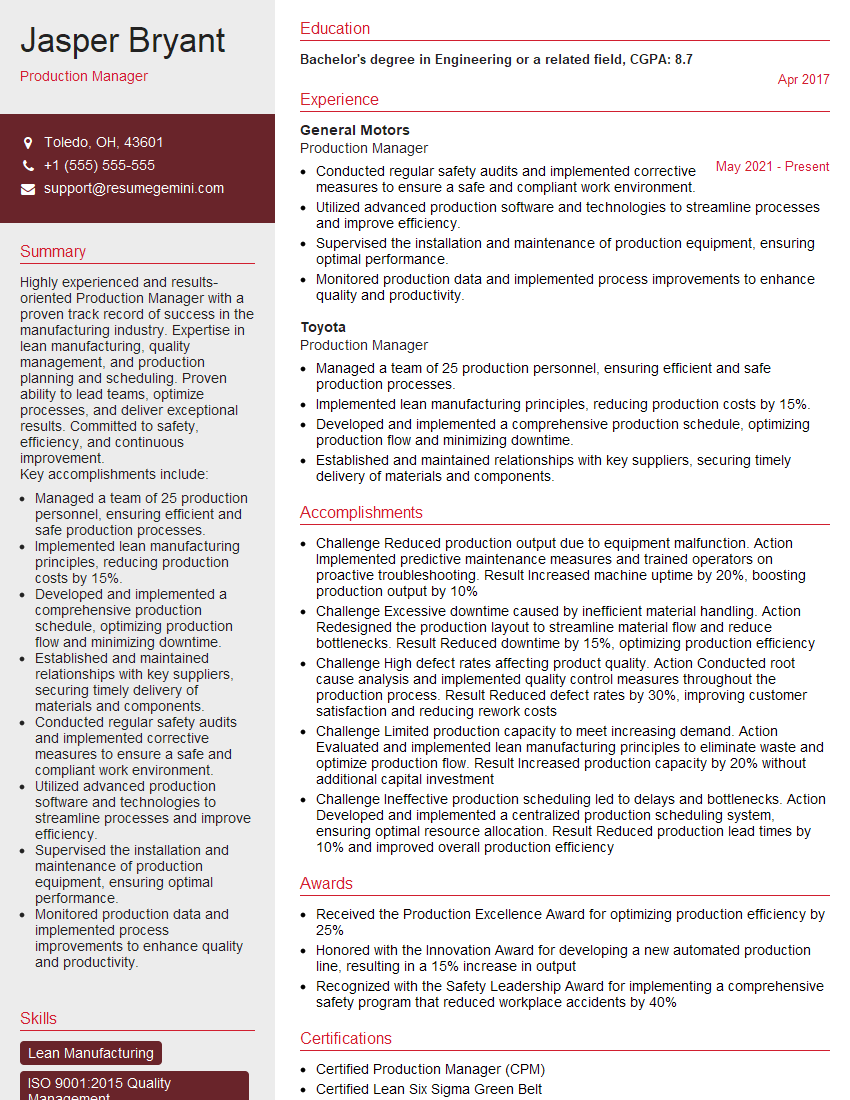
Production Manager Resume Sample
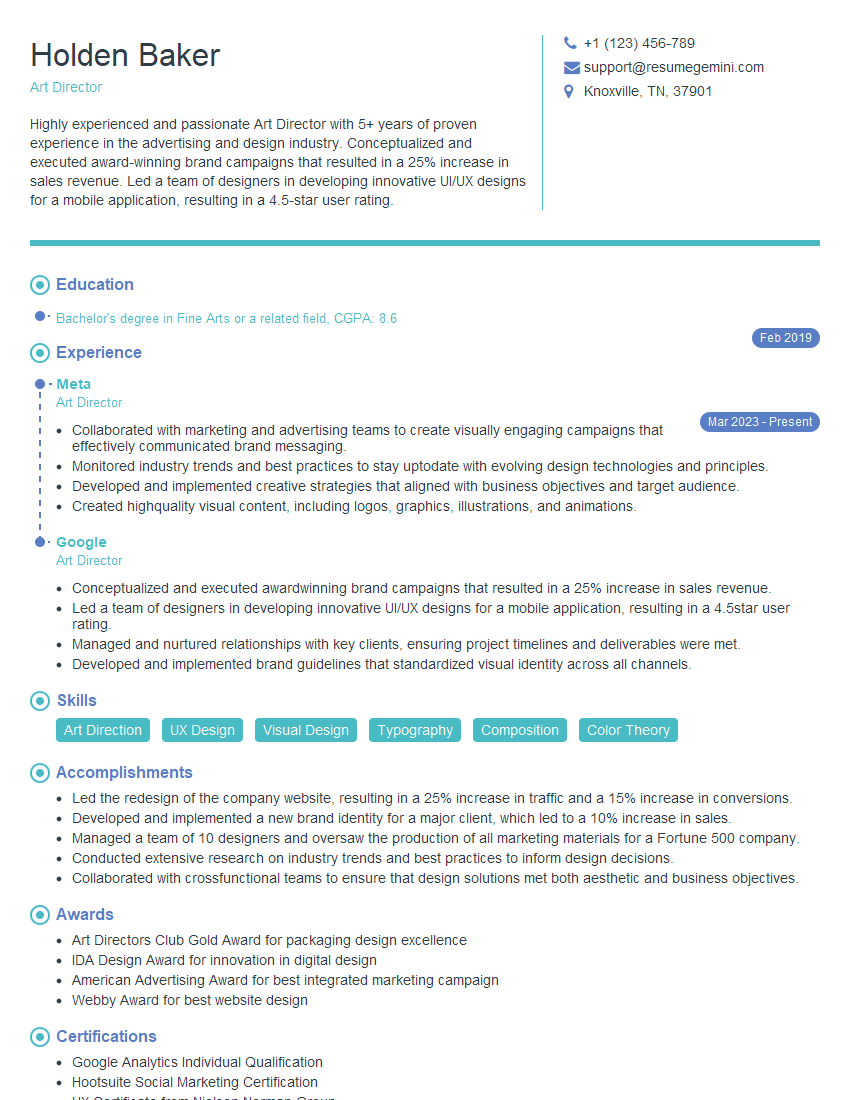
Art Director Resume Sample
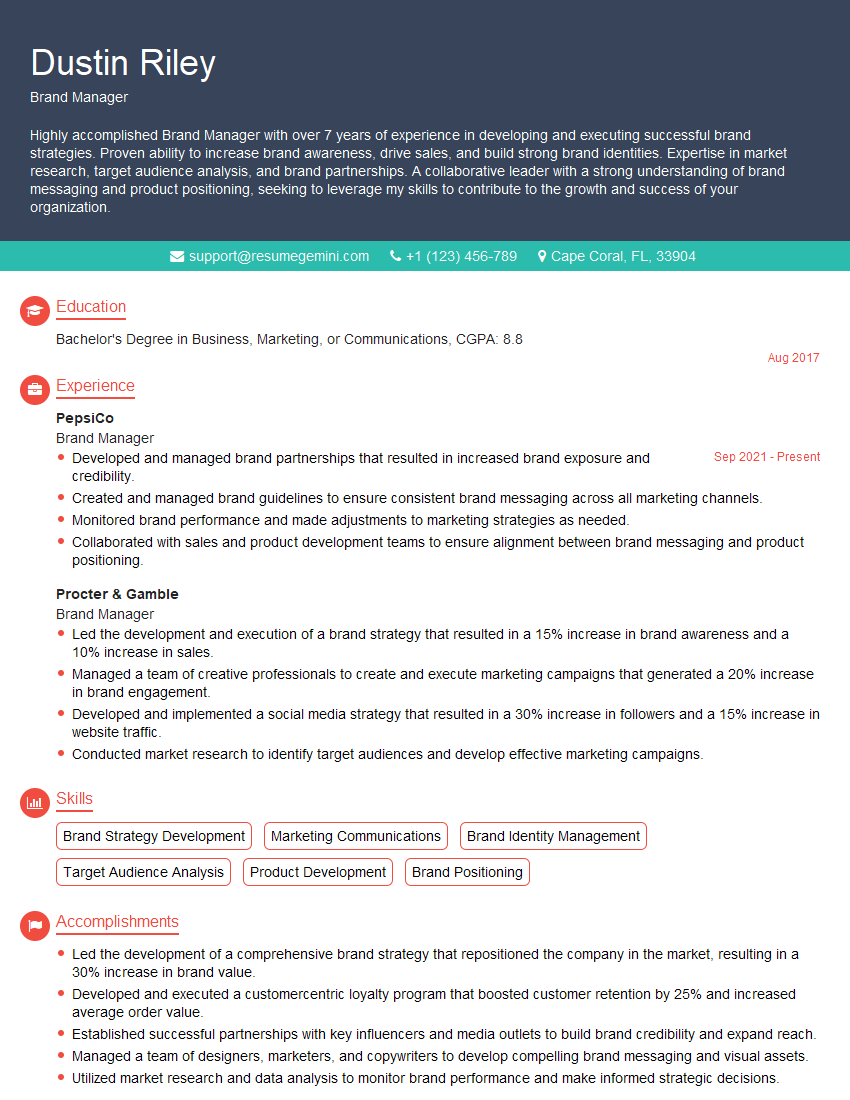
Brand Manager Resume Sample

Creative Director Resume Sample
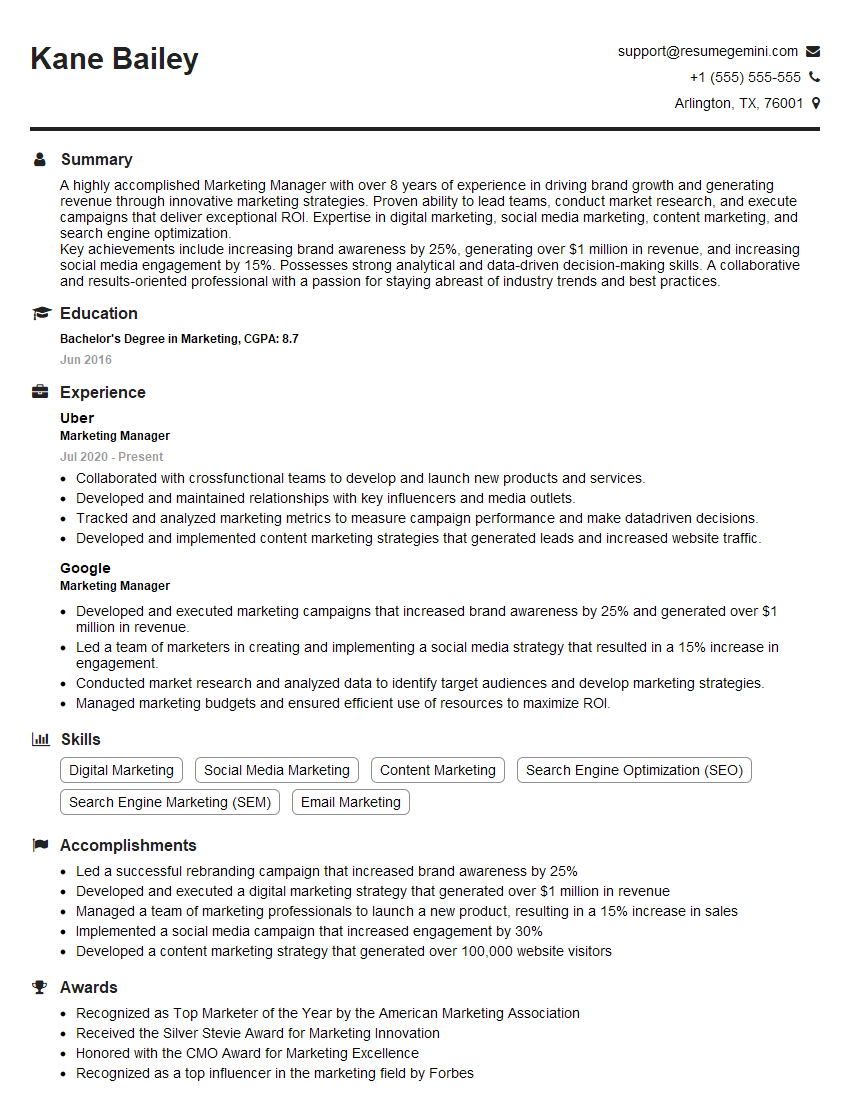
Marketing Manager Resume Sample
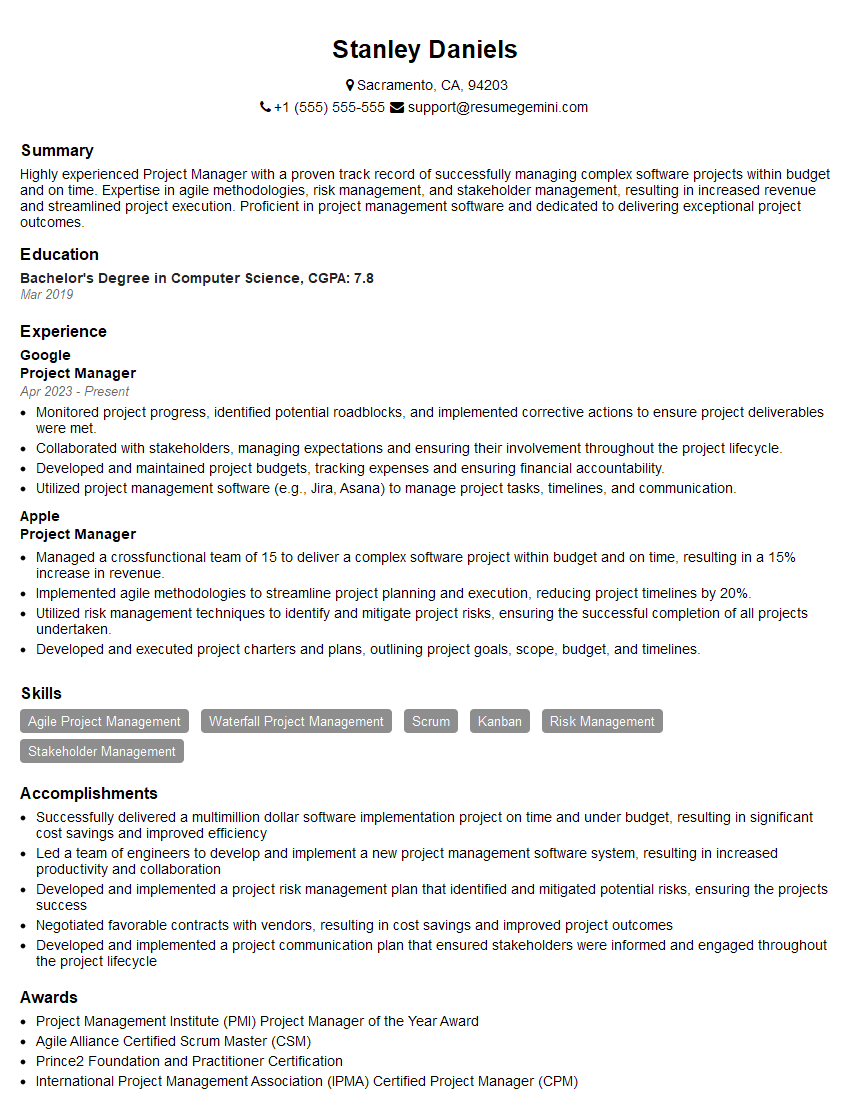
Project Manager Resume Sample
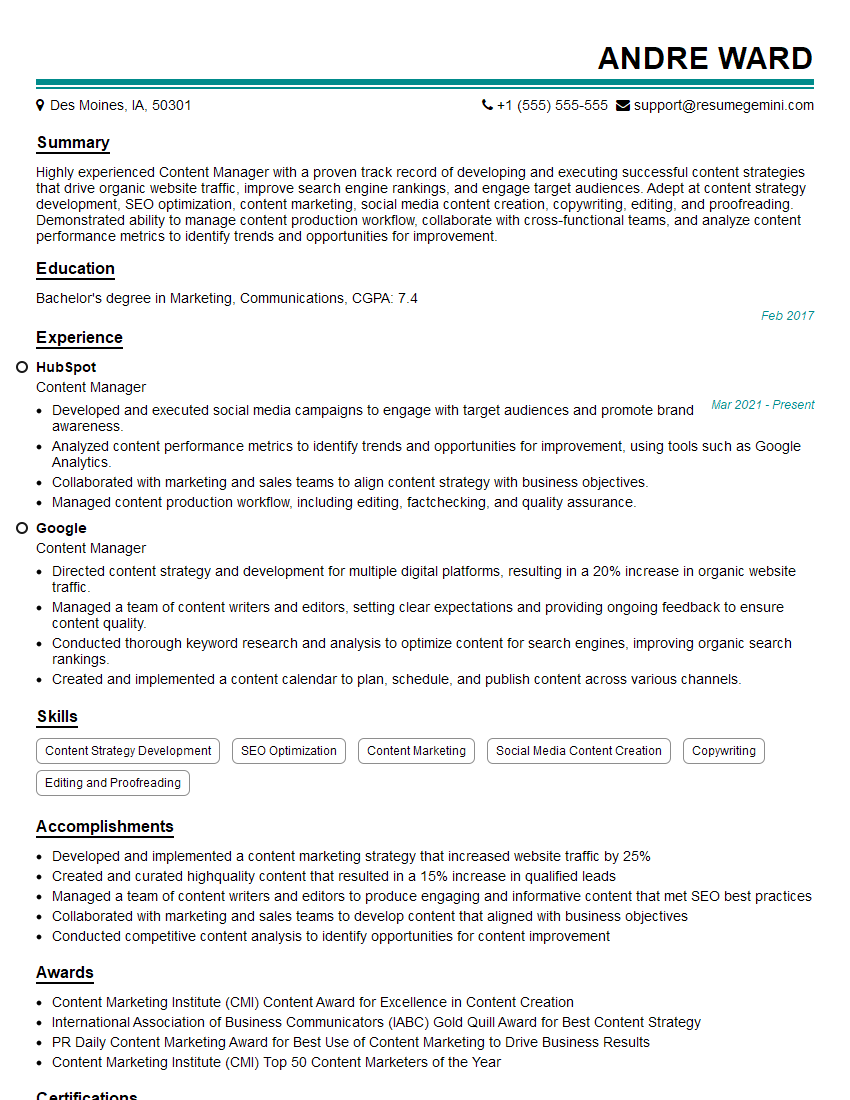
Content Manager Resume Sample
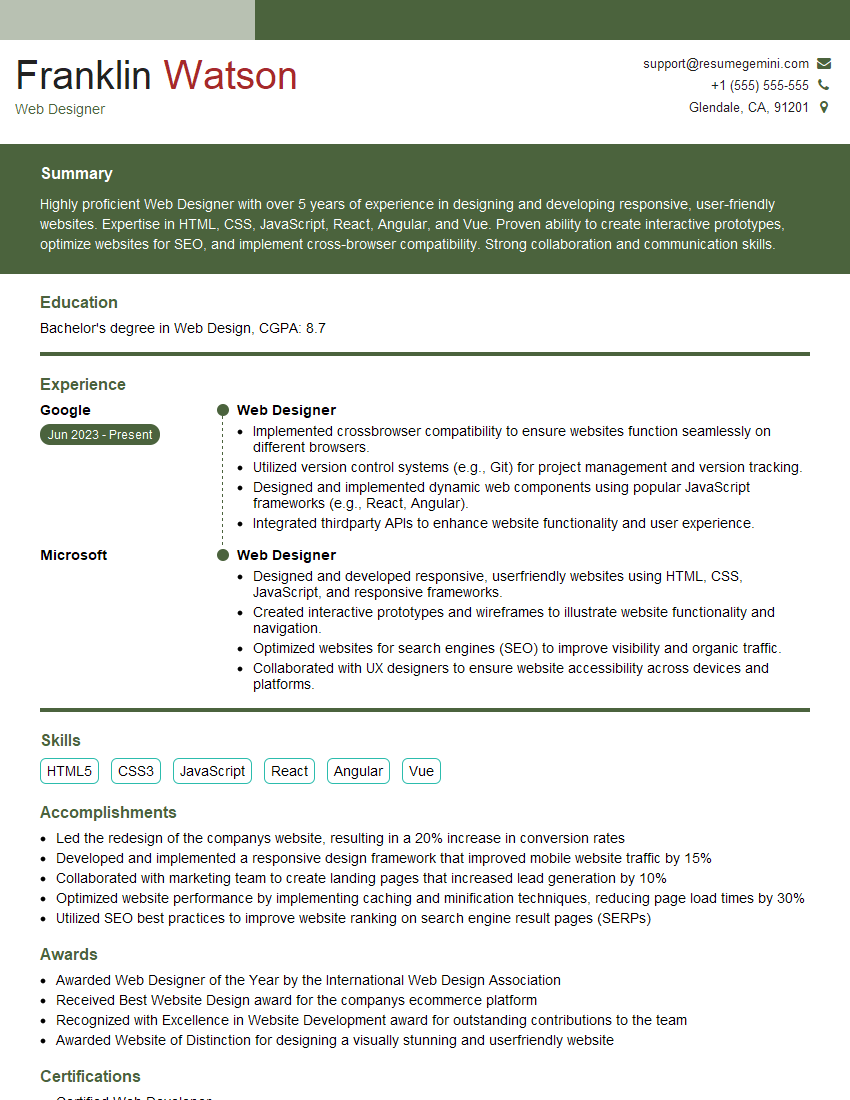
Web Designer Resume Sample
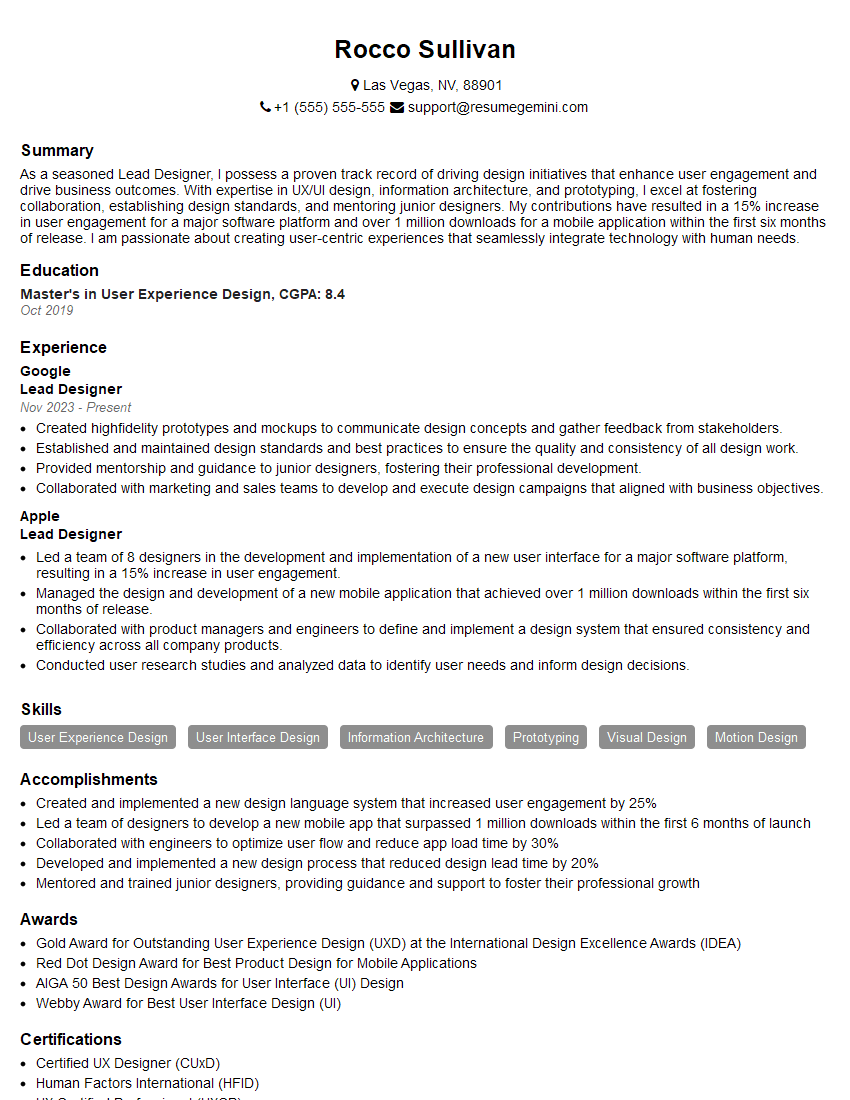
Lead Designer Resume Sample
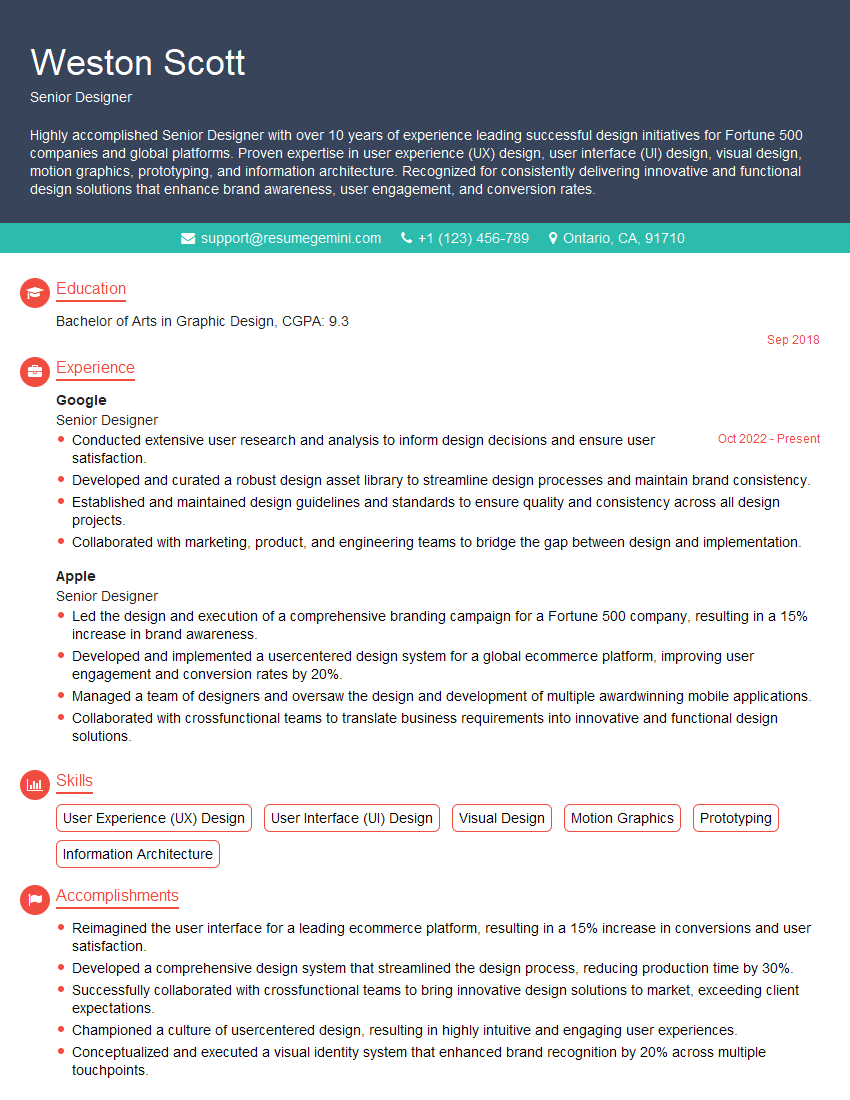
Senior Designer Resume Sample
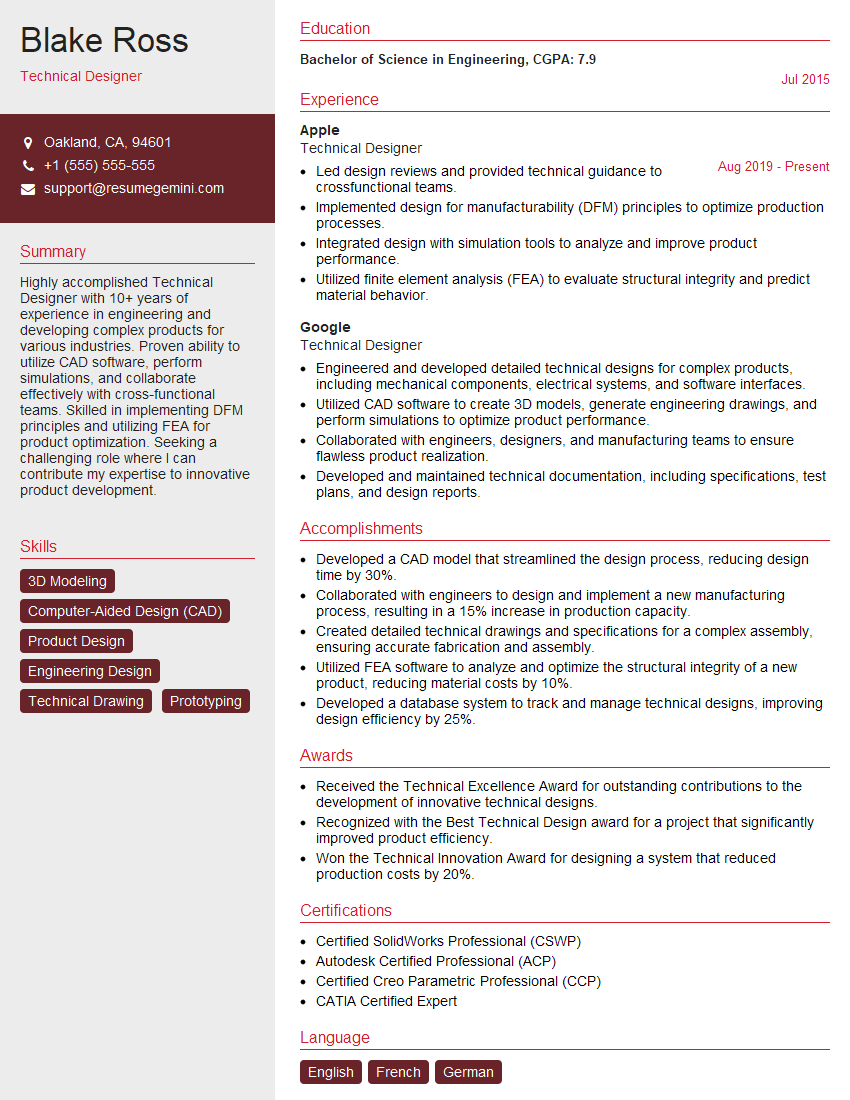
Technical Designer Resume Sample
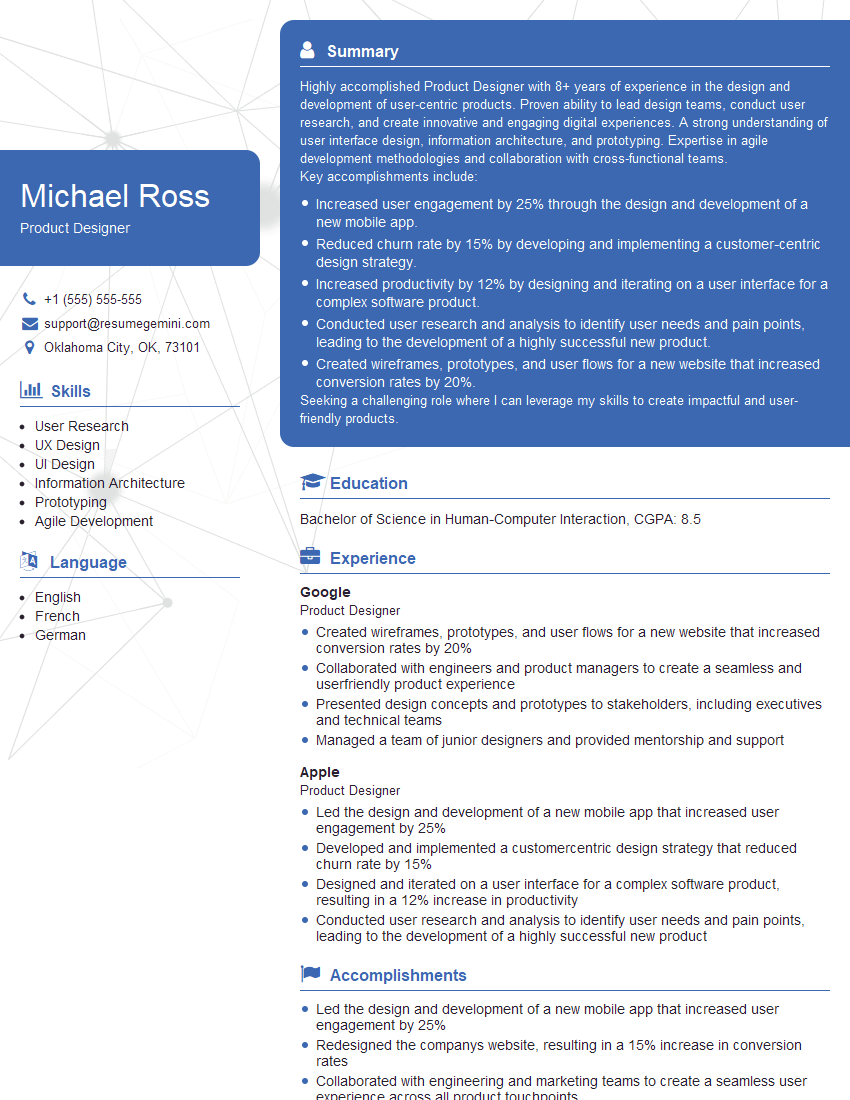
Product Designer Resume Sample
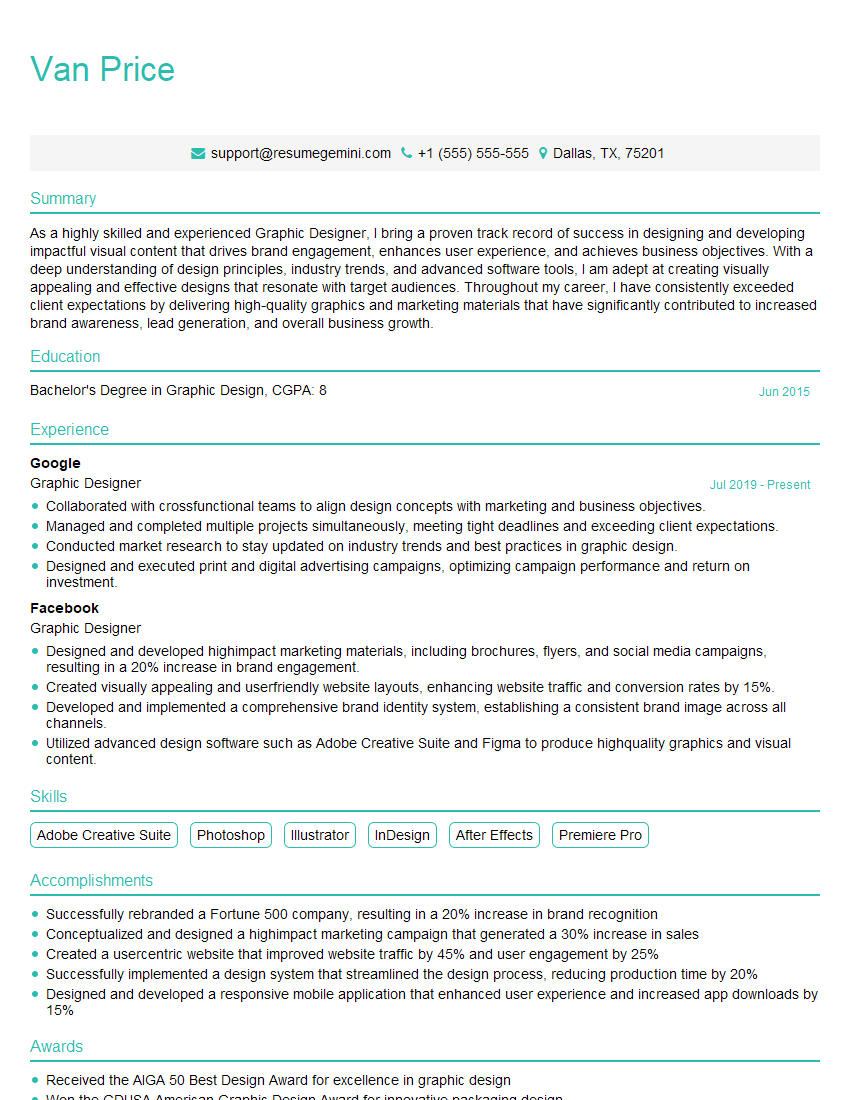
Graphic Designer Resume Sample
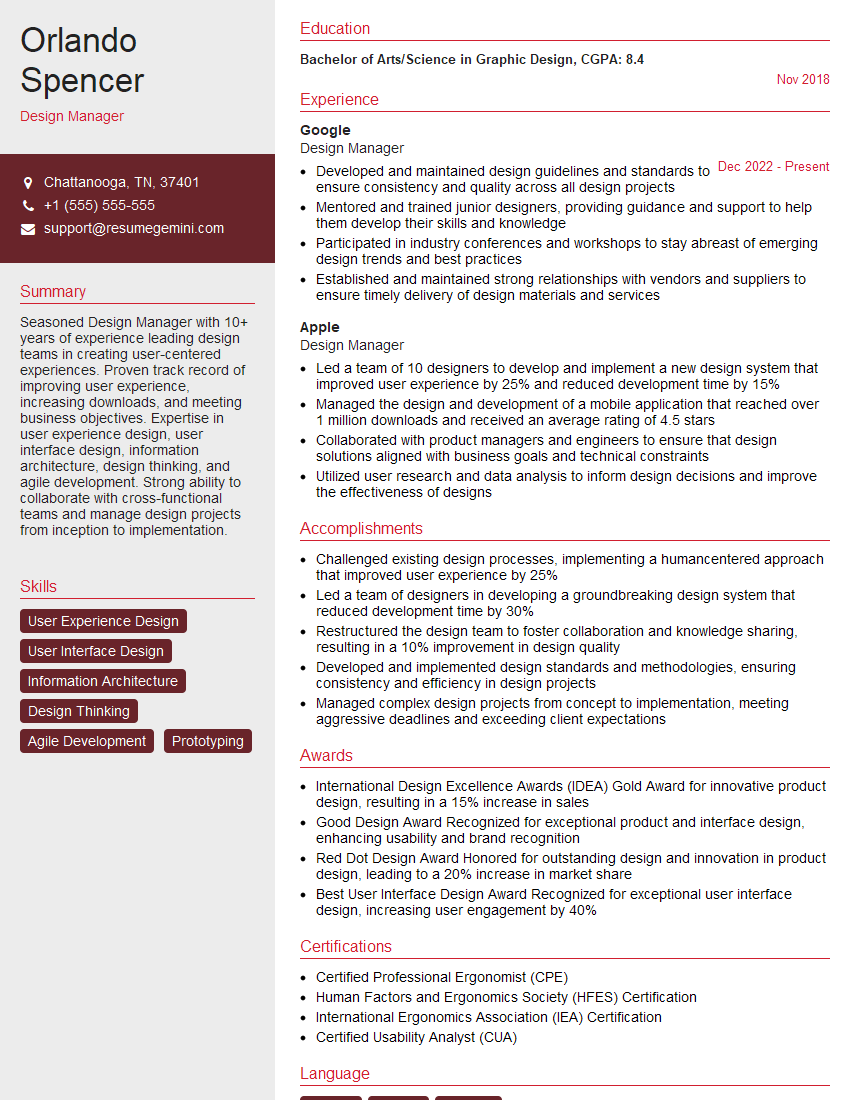
Design Manager Resume Sample
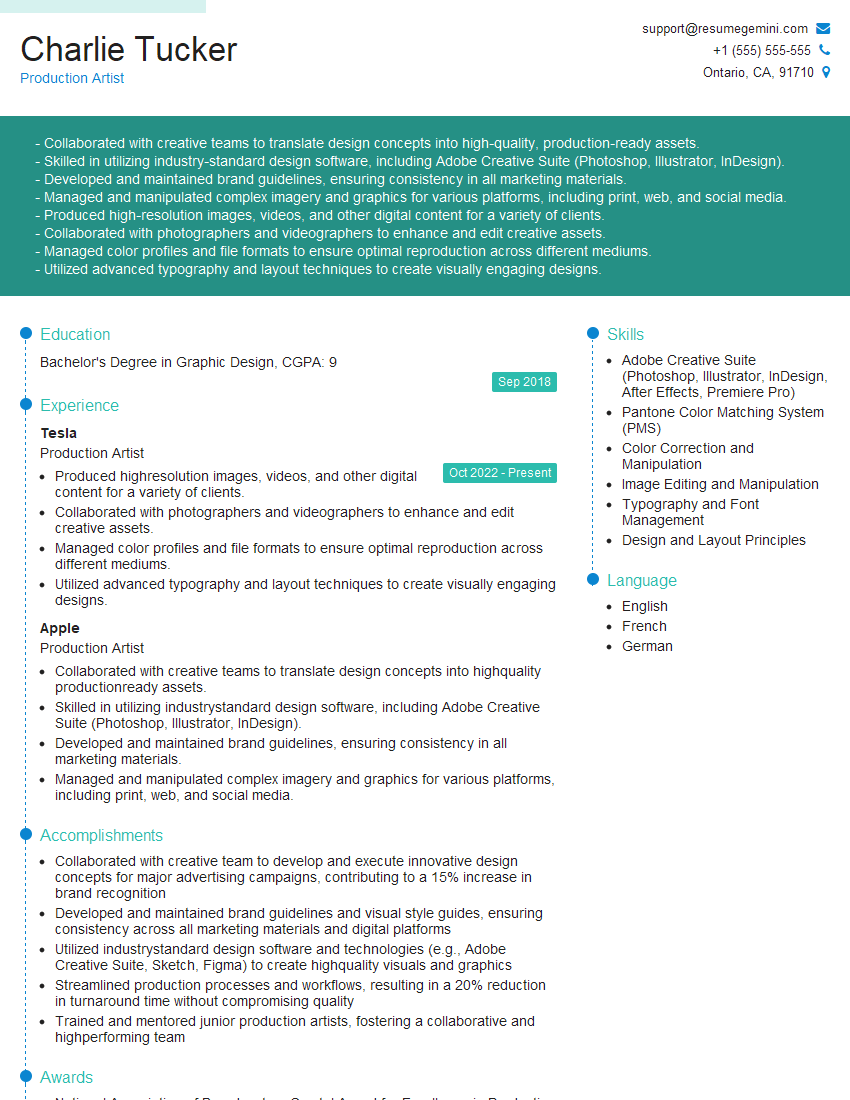
Production Artist Resume Sample
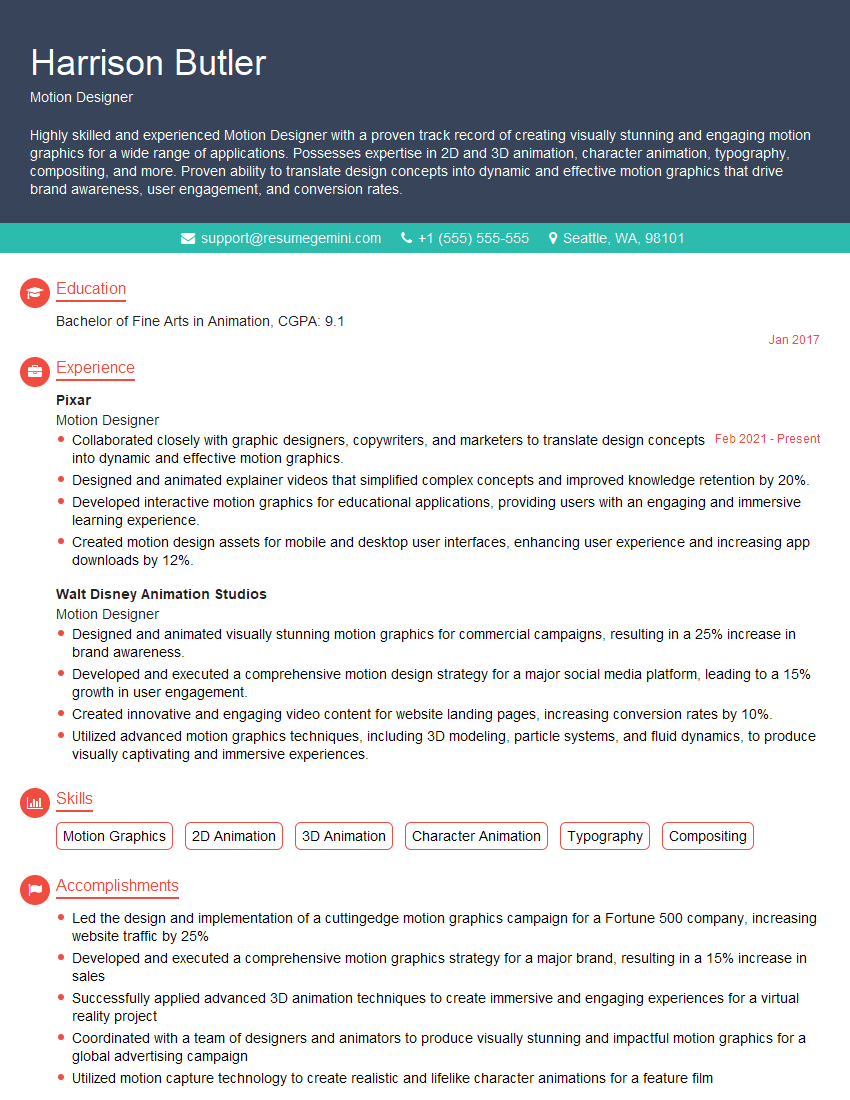
Motion Designer Resume Sample
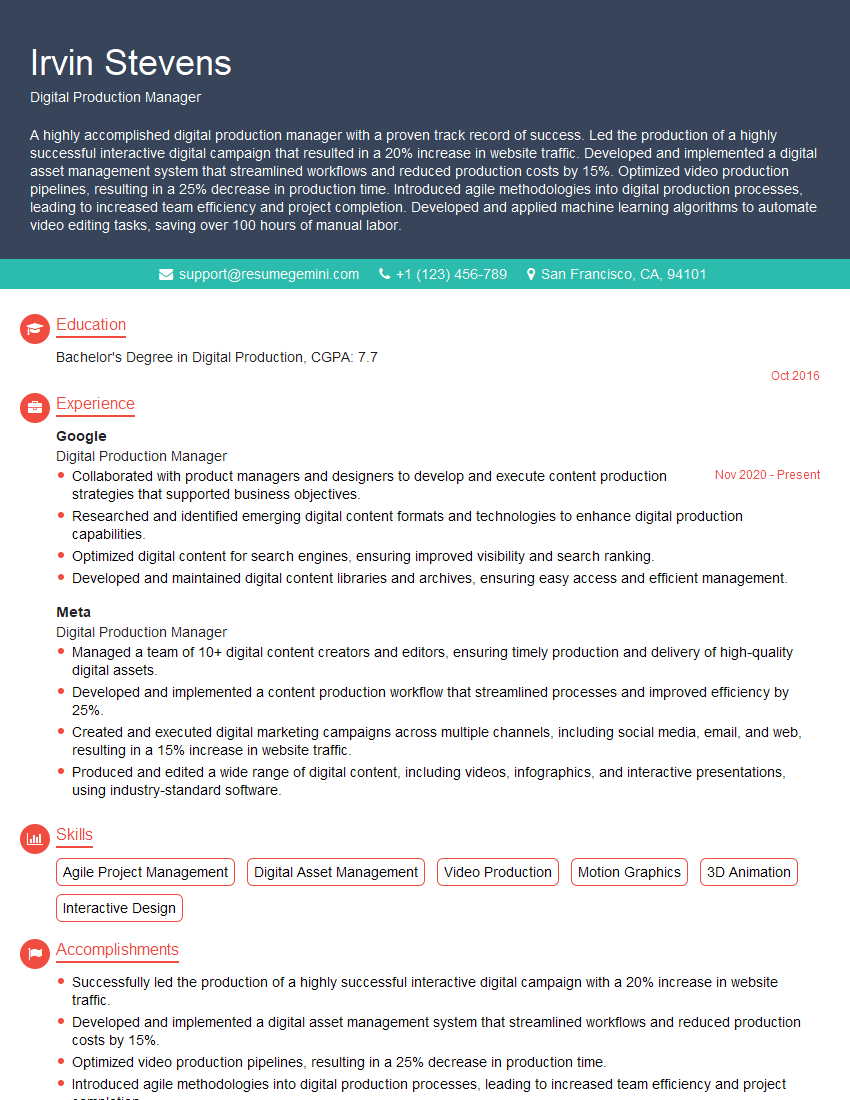
Digital Production Manager Resume Sample
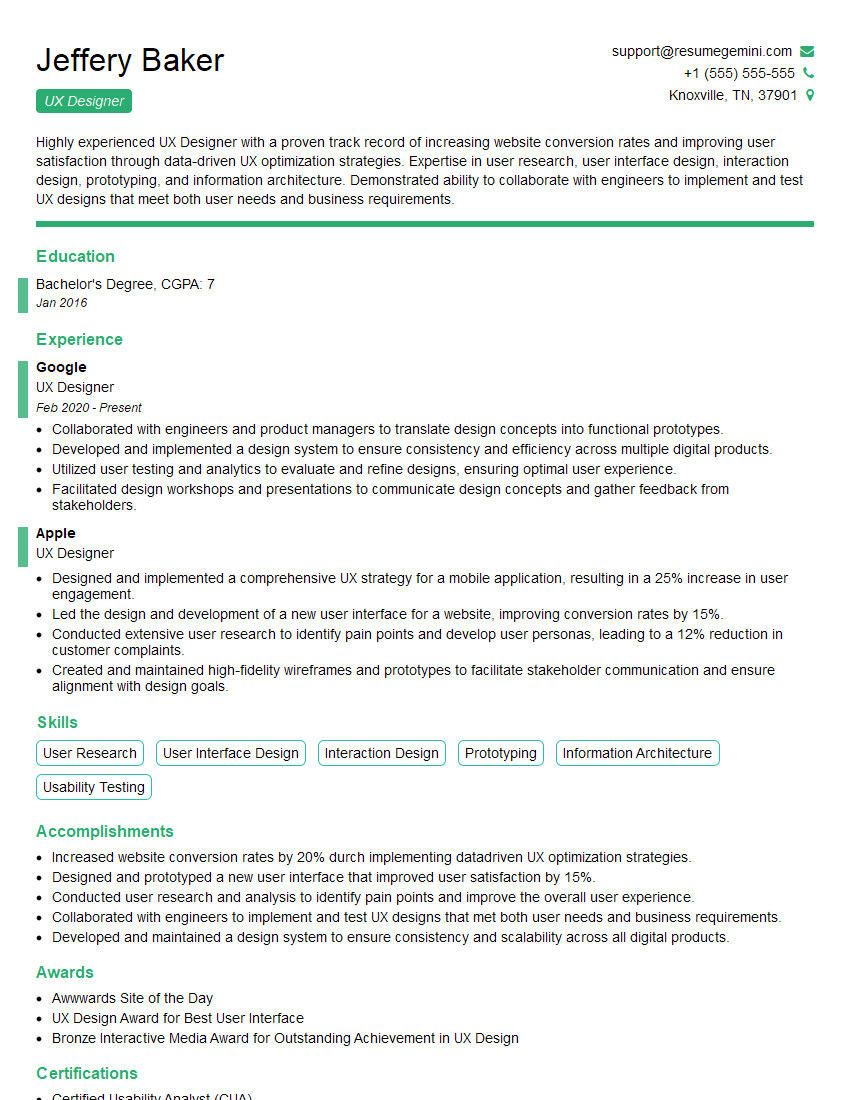
UX Designer Resume Sample
- Print Production Manager
- Production Manager
- Art Director
- Brand Manager
- Creative Director
- Marketing Manager
- Project Manager
- Content Manager
- Web Designer
- Lead Designer
- Senior Designer
- Technical Designer
- Product Designer
- Graphic Designer
- Design Manager
- Production Artist
- Motion Designer
- Digital Production Manager
- UX Designer
Explore more articles
Users Rating of Our Blogs
Share Your Experience
We value your feedback! Please rate our content and share your thoughts (optional).
What Readers Say About Our Blog
good