Cracking a skill-specific interview, like one for Collaboration with Directors, Producers, and Actors, requires understanding the nuances of the role. In this blog, we present the questions you’re most likely to encounter, along with insights into how to answer them effectively. Let’s ensure you’re ready to make a strong impression.
Questions Asked in Collaboration with Directors, Producers, and Actors Interview
Q 1. Describe your experience managing creative differences between a director and a lead actor.
Creative differences between a director and lead actor are inevitable. My approach focuses on fostering open communication and finding common ground. It’s about understanding each individual’s artistic vision and finding a compromise that respects both perspectives while serving the story.
I start by facilitating a private conversation between the director and actor, acting as a neutral mediator. I encourage them to articulate their points of view clearly, focusing on the why behind their choices rather than just the what. For example, if the director wants a scene played with more intensity and the actor prefers a subtler approach, I’d encourage them to discuss the overall emotional arc of the character and how their respective interpretations contribute to it. Often, a simple re-framing of the intention can bridge the gap. If a consensus isn’t easily reached, I may suggest trying alternative approaches, such as staging the scene in different ways or exploring various character interpretations. Documenting the agreed-upon approach is crucial to avoid further conflicts.
In one project, a director envisioned a highly dramatic, almost theatrical portrayal of a key scene, while the lead actor felt it was too over-the-top and unconvincing. Through discussion, we discovered the actor’s concern stemmed from a fear of alienating the audience. By collaborating, we found a middle ground: a more restrained performance with carefully chosen moments of heightened emotion, maintaining the director’s vision for dramatic weight while retaining audience relatability.
Q 2. How would you handle a situation where a producer’s vision conflicts with the director’s artistic intent?
Producer and director conflicts require careful diplomacy and a strong understanding of the production’s overall goals. The producer’s role is to manage the budget and the schedule, while the director’s is to realize the artistic vision. These aren’t mutually exclusive; they need to be in harmony.
My approach emphasizes collaborative problem-solving. I’d first schedule a meeting with both the producer and director, creating a safe space for them to express their concerns. The key is to identify the core points of disagreement. Is it a creative difference, a budget issue, or a scheduling conflict? Once the root cause is identified, we can explore solutions. Perhaps the producer’s concerns can be alleviated through creative cost-cutting measures, or alternative scheduling options. The focus should remain on finding a solution that minimally compromises the director’s artistic vision while respecting the producer’s constraints.
Remember, the producer’s concerns are often financially driven. Presenting solutions that show how a particular artistic choice, even if more expensive initially, might ultimately increase box office success can be persuasive. A well-supported argument, backed up by research or comparable examples, is crucial.
Q 3. Explain your process for facilitating effective communication between the cast and crew.
Effective communication between cast and crew is the bedrock of a successful production. My approach is multifaceted, focusing on clear channels of communication, regular updates, and fostering a collaborative environment.
I implement daily production meetings, ensuring everyone is informed about the day’s schedule and potential challenges. I encourage open dialogue, establishing a culture where questions and concerns are welcomed. Regular team-building activities also help to foster camaraderie and improve communication. Designated communication platforms, such as production-specific messaging apps or shared online documents, keep everyone updated on changes in schedules, scripts, or other relevant information. I strive to create a non-hierarchical environment where everyone feels comfortable communicating their needs and concerns, regardless of their position. This may involve informal ‘huddle’ meetings where crew members can discuss their specific concerns with production supervisors, creating a smoother process for resolving small issues before they escalate.
Q 4. How do you ensure all team members understand and adhere to the production schedule?
Adhering to the production schedule is crucial. My strategy involves a combination of proactive planning, transparent communication, and contingency planning.
Prior to shooting, I work closely with the director and production team to create a realistic and detailed schedule, incorporating buffer time for unforeseen circumstances. This schedule is then meticulously communicated to all team members. Regular progress reports track our adherence to the schedule, identifying potential delays early on. If delays occur, I implement proactive problem-solving, perhaps involving adjustments to the daily schedule or seeking creative solutions to minimize disruption. Open communication is essential to address challenges promptly and prevent them from snowballing. The schedule isn’t a rigid document; it’s a guideline that needs to be adapted to changing circumstances, as long as any deviations are clearly communicated and understood by the entire team.
Q 5. What strategies do you employ to build strong working relationships with actors?
Building strong relationships with actors requires understanding their needs and fostering an environment of trust and respect. I believe that actors perform best when they feel valued, supported, and comfortable.
My approach involves regular one-on-one meetings before and during filming to discuss their character’s backstory, motivations, and any concerns they may have. I create an atmosphere of collaboration, actively listening to their ideas and incorporating their input where appropriate. Providing actors with clear direction and support helps them develop a deep understanding of their character and their role in the story. It’s crucial to recognize their vulnerability on set and respect their space and boundaries. Positive reinforcement and open communication build confidence, fostering creative exploration and leading to more compelling performances.
Q 6. Describe a time you had to mediate a conflict on set. What was your approach?
In one production, a conflict arose between a lighting technician and a grip over equipment placement. The situation escalated into a tense exchange that threatened to disrupt filming.
My approach involved immediately intervening to de-escalate the situation. I separated the individuals to allow them to calm down, and then I facilitated a private discussion. I listened to each person’s perspective, focusing on understanding their concerns and frustrations. I reframed the issue as a collaborative problem, emphasizing that their common goal was the successful completion of the shoot. The solution was found by involving both of them in a discussion about the optimal equipment placement for the scene, leveraging their respective areas of expertise to find a compromise that worked for everyone. I emphasized the importance of mutual respect and the team’s reliance on each other’s skills. The immediate resolution not only defused the conflict but also fostered a greater appreciation for collaboration between the crew members.
Q 7. How do you handle a situation where an actor is struggling with their performance?
When an actor is struggling with their performance, it’s crucial to approach the situation with sensitivity and understanding. It’s rarely a reflection of their ability, but rather often a result of factors such as pressure, insecurity, or a lack of clarity.
My approach begins with a private conversation with the actor, creating a safe space for them to express their concerns. I would listen empathetically and try to understand the root cause of their difficulty. Is it a script issue? A directorial choice they’re struggling with? A lack of confidence? Once I understand the issue, I collaborate with the director and actor to identify solutions. This might involve revisiting the character’s backstory, providing additional direction, or suggesting alternative approaches to the scene. Sometimes, a simple adjustment in their physicality or vocal delivery can make a huge difference. I also offer positive reinforcement, reminding them of their strengths and focusing on their progress, not their perceived failures. In some cases, involving a coach or acting consultant can be beneficial.
Q 8. How do you balance the creative needs of the director with the budgetary constraints of the production?
Balancing a director’s creative vision with budgetary limitations is a delicate dance requiring constant negotiation and compromise. It’s not about stifling creativity, but about finding innovative solutions that achieve the director’s artistic goals within the allocated funds.
My approach involves:
- Early Collaboration: From pre-production, I work closely with the director and producer to establish a realistic budget that aligns with the scope of the project. We collaboratively prioritize scenes and effects, identifying areas where we can be more cost-effective without sacrificing the narrative’s integrity.
- Creative Problem-Solving: If a particular shot requires expensive special effects, we brainstorm alternative solutions. Perhaps a clever camera angle or practical effect can achieve a similar visual impact at a fraction of the cost. For instance, instead of extensive CGI for a cityscape, we might use a miniature set and clever matte painting.
- Contingency Planning: Unforeseen issues always arise. A contingency fund is essential to handle unexpected delays or technical problems without compromising quality or derailing the entire production.
- Transparent Communication: Maintaining open communication between all stakeholders is paramount. Regular updates on spending and potential cost overruns ensure everyone is on the same page and can participate in finding solutions.
For example, on a low-budget independent film, I successfully replaced a planned helicopter shot with a drone sequence and strategically chosen ground shots, saving thousands of dollars without sacrificing the impact of the scene. The director was initially apprehensive, but the final result surpassed his expectations.
Q 9. How do you manage expectations of actors regarding their roles and screen time?
Managing actor expectations, especially regarding screen time and role prominence, is crucial for maintaining morale and productivity. It’s about setting realistic expectations from the outset and fostering a collaborative environment.
My strategy includes:
- Clear Communication: Before an actor signs on, I ensure they have a thorough understanding of their role, its arc, and the approximate screen time. I emphasize that the final cut may differ slightly due to editing.
- Open Dialogue: I encourage actors to voice their concerns and ideas. This includes addressing any anxieties about limited screen time by highlighting the importance of their character to the overall narrative. I explain how even a small role can be impactful and memorable.
- Relationship Building: Establishing strong, trusting relationships with the actors is essential. By understanding their individual needs and aspirations, I can address their concerns and help them focus on delivering a stellar performance, regardless of screen time.
- Fairness and Transparency: I ensure fairness and transparency in allocating screen time, making sure all significant roles are appropriately represented. If changes occur during post-production, I communicate these updates promptly.
In one project, an actor expressed concern about the length of their role. Through discussion, we explored ways to enhance their character’s impact within the existing screen time, emphasizing subtle performance choices that could strengthen their presence in the film.
Q 10. Describe your experience working with diverse teams on a film or television production.
Working with diverse teams is not just beneficial, it’s essential for creating rich and authentic storytelling. My experience demonstrates that a diversity of voices, perspectives, and backgrounds leads to more creative and engaging productions.
On a recent television series, our crew comprised individuals from various ethnicities, genders, and professional backgrounds. We had dedicated diversity and inclusion officers to ensure a welcoming and equitable environment. This fostered a culture of mutual respect and understanding, allowing everyone to contribute their unique talents. The creative outcome was significantly enriched by the diverse perspectives in the writing, directing, cinematography, and overall production design. For example, incorporating cultural nuances and specific cultural consultants helped us create more accurate and sensitive representations of different communities.
Successfully managing a diverse team also involves understanding that different cultures have different communication styles. Being sensitive to this prevents misinterpretations and facilitates better understanding and collaboration.
Q 11. What techniques do you use to improve collaboration and teamwork within a film crew?
Improving collaboration and teamwork requires establishing a culture of respect, open communication, and shared goals. My techniques focus on building trust and fostering a sense of collective responsibility.
These strategies include:
- Team-Building Activities: Informal team-building events outside of work hours can help foster camaraderie and improve relationships.
- Regular Meetings and Check-ins: Short, regular meetings help facilitate communication, address concerns, and keep everyone informed of the project’s progress.
- Clear Roles and Responsibilities: Clearly defined roles and responsibilities prevent confusion and overlapping tasks, promoting efficiency and avoiding conflicts.
- Open Communication Channels: Encouraging open communication through various channels (e.g., daily stand-up meetings, project management software) ensures everyone is aware of developments and can contribute effectively.
- Conflict Resolution Mechanisms: Implementing a formal system for addressing disagreements helps in constructive conflict resolution.
In one project, we used a daily ‘huddle’ at the beginning of each day. This short meeting allowed us to quickly address immediate issues, coordinate schedules and tasks, and ensure everyone felt heard and valued.
Q 12. How do you ensure smooth communication between the production team and the post-production team?
Ensuring seamless communication between production and post-production teams is crucial for a smooth workflow and a high-quality final product. This involves establishing clear communication channels, well-defined protocols, and the consistent transfer of relevant information.
My approach includes:
- Daily Reports and Logs: Keeping detailed production reports, including daily logs of shots, notes on takes, and technical information, ensures the post-production team has all the necessary data.
- Regular Check-ins and Meetings: Frequent communication between production and post-production teams helps address potential issues early on.
- Digital Asset Management (DAM): Implementing a robust DAM system allows for efficient organization and sharing of assets such as footage, sound recordings, and other media files. This simplifies the workflow and reduces the risk of miscommunication or missing files.
- Clearly Defined Specifications: Clear guidelines and specifications on deliverables, formats, and technical standards help avoid misunderstandings and facilitate smooth integration of different elements in the post-production phase.
For example, using a cloud-based project management tool helped my team track shot progress, metadata and provide the post-production team with daily updates, improving efficiency and transparency.
Q 13. How do you resolve disagreements about creative decisions among team members?
Disagreements on creative decisions are inevitable in filmmaking. The key to resolving them effectively lies in fostering respectful dialogue, collaborative problem-solving, and a willingness to compromise.
My approach involves:
- Active Listening: I encourage all parties to fully express their perspectives and actively listen to each other’s viewpoints.
- Mediation and Facilitation: When necessary, I act as a mediator to facilitate a constructive discussion, helping team members find common ground.
- Data-Driven Decision Making: Where possible, decisions are based on objective data such as audience research or test screenings.
- Compromise and Negotiation: In many cases, finding a mutually acceptable compromise is the most effective solution.
- Escalation Protocol: If disagreements cannot be resolved at the team level, a clear escalation protocol ensures that the issue is addressed by higher management.
For instance, when facing a disagreement about the ending of a film, I organized a brainstorming session where different scenarios were proposed and evaluated based on their narrative coherence and emotional impact. We eventually decided on an ending that combined elements from various suggestions.
Q 14. Explain your method for maintaining a positive and productive atmosphere on set.
Maintaining a positive and productive atmosphere on set is crucial for fostering creativity and efficient teamwork. This involves creating a respectful and supportive environment where everyone feels valued and empowered.
My strategies include:
- Leading by Example: A positive and supportive attitude from the leadership team sets the tone for the entire crew.
- Open Communication and Feedback: Regular feedback sessions allow crew members to voice their concerns and suggestions.
- Recognition and Appreciation: Acknowledging and appreciating the contributions of each team member boosts morale and motivation.
- Prioritizing Well-being: Ensuring adequate rest breaks, healthy meals, and a comfortable working environment shows a commitment to the well-being of the crew.
- Conflict Resolution: Addressing conflicts promptly and fairly prevents negativity from spreading.
On one set, I implemented a ‘suggestion box’ to encourage open communication and facilitate easy problem solving. This created a more collaborative environment, resulting in increased efficiency and productivity. We even implemented some of the best suggestions, demonstrating our investment in their contribution.
Q 15. How familiar are you with various production management software and tools?
My familiarity with production management software and tools is extensive. I’m proficient in industry-standard programs like StudioBinder, Movie Magic Scheduling, and Wrapbook, as well as project management platforms like Asana and Trello. I understand their strengths and weaknesses, and choose the best tool for the specific needs of each project. For instance, StudioBinder excels at centralizing all production documents and communication, while Movie Magic Scheduling is indispensable for detailed scheduling and budgeting. My experience extends beyond simply using these tools; I can also train team members on their effective implementation and troubleshoot any technical issues that may arise. I’m also comfortable using spreadsheets like Google Sheets and Excel for detailed tracking of various aspects of the production.
Career Expert Tips:
- Ace those interviews! Prepare effectively by reviewing the Top 50 Most Common Interview Questions on ResumeGemini.
- Navigate your job search with confidence! Explore a wide range of Career Tips on ResumeGemini. Learn about common challenges and recommendations to overcome them.
- Craft the perfect resume! Master the Art of Resume Writing with ResumeGemini’s guide. Showcase your unique qualifications and achievements effectively.
- Don’t miss out on holiday savings! Build your dream resume with ResumeGemini’s ATS optimized templates.
Q 16. How do you ensure the director’s vision is maintained throughout the production process?
Maintaining the director’s vision is paramount. My approach is multifaceted. First, I conduct thorough pre-production meetings to fully grasp the director’s artistic intentions, including mood boards, storyboards, and detailed discussions about character arcs and overall themes. Second, I meticulously document these discussions, creating a clear reference point for the entire team. Third, I actively participate in daily production meetings, ensuring everyone is aligned with the director’s vision and addressing any creative discrepancies promptly. Finally, I maintain open communication channels, encouraging team members to voice their concerns or suggestions while always keeping the director’s artistic goals at the forefront. For example, on a recent independent film, the director had a specific vision for the lighting in a crucial scene. By working closely with the cinematographer and gaffer, and by clearly communicating the director’s vision, we ensured the final result perfectly captured his artistic intent.
Q 17. Describe your experience in handling difficult personalities within a production team.
Handling difficult personalities is an inevitable part of filmmaking. My approach is based on empathy, clear communication, and establishing firm but fair boundaries. I believe in addressing issues directly, but with respect and professionalism. For example, if a team member is consistently late, I would address it privately, understanding the potential reasons behind the behaviour (e.g., personal issues or workload) before implementing solutions. I might offer support or adjust their workload to facilitate timely arrival. If the issue persists, I would involve relevant parties and potentially address the situation through established company protocols. My goal isn’t to create conflict but to find a solution that allows the team to work efficiently and maintains a productive environment. On a past production, a clash arose between the lead actor and the director. By actively listening to both sides and facilitating a respectful dialogue, I helped them understand each other’s perspectives, resolving the conflict and fostering a more collaborative atmosphere.
Q 18. How do you facilitate problem-solving amongst team members when faced with unexpected challenges?
Facilitating problem-solving involves a structured approach. When unexpected challenges arise, I initiate a calm and collaborative meeting. I encourage everyone to express their concerns and potential solutions. We brainstorm collaboratively, aiming for a solution that considers all perspectives. I act as a mediator, ensuring everyone’s voice is heard and guiding the discussion towards a practical solution. It’s crucial to document the problem, the proposed solutions, and the chosen solution, as well as the assignment of responsibilities for implementing it. For example, if we experience a sudden equipment malfunction during filming, I’d immediately gather the relevant crew members, assess the problem, explore available alternatives (e.g., borrowing equipment or adjusting the scene), assign tasks to relevant individuals, and monitor the implementation of the chosen solution. This structured approach helps maintain momentum despite unforeseen circumstances.
Q 19. How do you track the progress of various aspects of a film production (e.g., budget, schedule)?
Tracking production progress requires a robust system. I utilize a combination of software and spreadsheets to monitor budget, schedule, and other key performance indicators (KPIs). For budgeting, I use tools like Movie Magic Budgeting, regularly comparing actual expenditures against the projected budget. For scheduling, I rely on Movie Magic Scheduling to track daily progress, identifying any potential delays. I also utilize project management software like Asana or Trello to monitor various tasks related to post-production, VFX, and other aspects. Regular progress reports are generated, highlighting achievements, potential issues, and necessary adjustments. This data-driven approach allows for proactive problem-solving and ensures the production remains on track. These reports are vital in keeping the director, producers and investors updated.
Q 20. How do you identify and address potential conflicts before they escalate on set?
Proactive conflict resolution is crucial. This involves fostering a positive and respectful work environment from the outset. I achieve this by establishing clear communication channels and promoting open dialogue among team members. Regular check-ins with individuals help identify potential issues early on. Furthermore, I carefully analyze crew assignments, ensuring individuals with compatible personalities and work styles are paired together where possible. Early identification of potential conflicts may involve addressing personal friction privately, mediating discussions, or adjusting work schedules as needed. The key is to create a culture of mutual respect and understanding, where issues can be addressed promptly before they escalate into major problems on set.
Q 21. What is your experience with union rules and regulations related to actor and crew relations?
My experience with union rules and regulations is extensive. I’m familiar with SAG-AFTRA, IATSE, and other relevant unions’ contracts and regulations, specifically concerning working hours, overtime, safety standards, and crew and actor relations. I ensure that all aspects of production comply with these regulations, from call times and meal breaks to overtime compensation and safety protocols. This includes meticulously reviewing contracts, ensuring all agreements are properly documented, and providing the necessary training to the crew regarding union regulations. Compliance with these regulations is crucial not only for maintaining a legal and ethical production but also for fostering a positive and respectful relationship between the production team and the union representatives. This proactive approach prevents potential legal and logistical issues and ensures a smooth production workflow.
Q 22. How do you contribute to a positive and inclusive working environment?
Creating a positive and inclusive environment on set is paramount to successful filmmaking. It begins with fostering respect and understanding among all team members, regardless of their background or role. I actively promote open communication, ensuring everyone feels comfortable sharing their ideas and concerns without fear of judgment. This involves:
- Establishing clear expectations: From the outset, I communicate a zero-tolerance policy for harassment or discrimination of any kind. This is reinforced through regular reminders and clear reporting mechanisms.
- Promoting diversity and inclusion: I actively seek opportunities to work with diverse crews and casts, and actively participate in initiatives that promote inclusion within the film industry. This goes beyond simple representation; it’s about creating a space where every voice is heard and valued.
- Encouraging collaboration: I facilitate team-building activities and create opportunities for informal interaction among crew members, helping to build camaraderie and break down barriers.
- Addressing conflicts constructively: When disagreements arise, I intervene promptly and fairly, working with all parties involved to reach mutually agreeable solutions. My focus is always on preserving respect and preventing future conflicts.
For instance, on a previous project, I noticed a potential communication breakdown between the camera crew and the lighting team. I facilitated a brief meeting where they could discuss their concerns openly, resulting in improved workflow and stronger teamwork. The film benefited significantly from this collaborative spirit.
Q 23. How do you prioritize tasks and manage multiple competing priorities during filming?
Managing multiple competing priorities in film production requires meticulous planning and organizational skills. I utilize a combination of strategies, including:
- Prioritization matrix: I employ a system where tasks are categorized based on urgency and importance. This allows me to focus on the most critical tasks first, ensuring that deadlines are met effectively. This often involves regular check-ins with the director and producer to confirm priorities.
- Detailed scheduling: I work closely with the production scheduler to develop a comprehensive schedule that accounts for all aspects of production. This schedule includes buffer time to accommodate unexpected delays or challenges.
- Effective communication: I maintain open communication with all team members, providing regular updates and soliciting their input. This proactive approach ensures that everyone is informed and working towards the same goals.
- Delegation and team empowerment: I delegate tasks effectively, empowering team members to take ownership and responsibility for their assigned roles. This fosters a sense of ownership and improves overall efficiency.
For example, during a particularly hectic shoot, a key prop went missing unexpectedly. By utilizing my priority matrix, I quickly re-evaluated the schedule, re-allocated resources to find a replacement, and communicated this to the director and actors effectively, minimizing disruption to the filming schedule.
Q 24. How familiar are you with different directorial styles and how do you adapt your approach?
I’m familiar with a wide range of directorial styles, from the meticulous precision of a Stanley Kubrick to the more improvisational approach of a Quentin Tarantino. Adapting my approach involves careful observation and active listening. I understand that each director has their own vision, and my role is to facilitate that vision. This involves:
- Understanding the director’s vision: I spend time understanding the director’s creative vision for the project and how they wish to achieve it. This includes reviewing storyboards, discussing the script in detail, and observing their working methods on set.
- Adapting communication style: My communication style adapts to each director. Some prefer concise, direct communication, while others appreciate more detailed explanations and creative discussions. I am flexible and responsive to their needs.
- Anticipating needs: I anticipate the director’s needs and proactively address potential issues before they escalate. This demonstrates efficiency and reduces disruptions to their workflow.
- Building a strong rapport: A strong working relationship with the director is crucial. I build rapport by demonstrating my professionalism, dedication, and ability to anticipate their needs.
On one project, the director favored a highly collaborative approach, actively seeking feedback from the entire crew. I adjusted my communication strategy to encourage open dialogue and facilitate the sharing of ideas. In contrast, another director preferred a more hands-off approach, focusing on the big picture. In that instance, my approach was to anticipate their needs and provide solutions independently, keeping them updated on progress without constant interruption.
Q 25. Describe a situation where you had to compromise to achieve a successful outcome.
During the production of a low-budget independent film, we faced a significant challenge when our primary location fell through a week before shooting. The original location was crucial for the narrative and aesthetically critical to the director’s vision. To find a compromise, I:
- Brainstormed alternative locations: The production team and I quickly researched and visited various potential locations, considering factors such as cost, accessibility, and suitability for the scenes.
- Negotiated with location owners: We negotiated favorable terms with the owner of a suitable alternative location that matched some, but not all, aspects of the original.
- Adjusted the script: The director and writers collaboratively made minor adjustments to the script, adapting some scenes to better suit the new location while retaining the essence of the narrative.
- Communicated changes transparently: I kept the cast and crew informed about the changes, ensuring everyone understood the reasons behind the adjustments. This fostered teamwork and understanding.
While the outcome wasn’t identical to the original plan, the successful compromise ensured we completed the film on time and within budget, delivering a strong product despite the unexpected setback. The key was clear communication, flexibility, and a willingness to collaborate on finding a viable solution.
Q 26. What are some effective communication strategies you use when working with actors with diverse backgrounds?
Effective communication with actors from diverse backgrounds requires sensitivity, cultural awareness, and a commitment to inclusivity. My strategies include:
- Active listening and observation: I pay close attention to an actor’s communication style, considering their cultural background and individual preferences. This includes being mindful of non-verbal cues.
- Clear and concise instructions: I ensure instructions are clear, concise, and easily understood, avoiding jargon or slang that might be unfamiliar or confusing.
- Respect for cultural differences: I show respect for the actor’s cultural norms and beliefs, creating a safe and comfortable working environment. This often involves respecting personal space and communication preferences.
- Building rapport: I invest time in building rapport with each actor, understanding their unique perspectives and needs. This creates trust and allows for more effective collaboration.
- Using interpreters if necessary: If necessary, I utilize qualified interpreters to ensure clear communication with actors whose native language differs from the working language on set.
In one instance, I worked with an actor who preferred a more indirect communication style. By attentively observing their non-verbal cues and adapting my communication accordingly, I was able to build a strong working relationship and effectively convey my instructions.
Q 27. How do you adapt your communication style to suit the different needs of directors, producers, and actors?
My communication style adapts to the specific needs and roles of directors, producers, and actors. I understand that each group has different priorities and communication preferences. For example:
- Directors: With directors, my communication is often focused on the creative aspects of the project. I provide concise updates, address concerns proactively, and participate in discussions about creative choices. I am direct, offering solutions, and adaptable to different styles of feedback.
- Producers: My communication with producers is more focused on logistics and budget. I provide regular updates on progress, highlighting any potential issues or risks, and focusing on solutions. My communication is clear, concise, and results-oriented.
- Actors: With actors, my communication is more focused on building trust and creating a comfortable working environment. I provide clear, simple instructions, and ensure they understand their roles and expectations. I am supportive and empathetic, focusing on building their confidence and helping them deliver their best performances.
This tailored approach allows for clear, efficient communication, fostering strong working relationships and maximizing efficiency and productivity across the entire production.
Q 28. How do you ensure that all legal and ethical considerations are met during a film production?
Ensuring legal and ethical considerations are met throughout a film production is a critical responsibility. This involves a multi-faceted approach including:
- Contracts and agreements: I ensure that all necessary contracts and agreements are in place, covering aspects such as talent agreements, location permits, insurance, and intellectual property rights. We work with legal counsel to ensure all documents are compliant with relevant laws and regulations.
- Copyright and intellectual property: I handle copyright and intellectual property issues carefully, ensuring we have the necessary permissions to use music, images, and other copyrighted materials. This frequently involves securing proper licenses or clearances.
- Safety regulations: I enforce all relevant safety regulations on set, providing proper training and equipment to minimize risks and prevent accidents. We comply with all relevant industry and government safety standards and maintain detailed records.
- Ethical considerations: I prioritize ethical considerations throughout the production process. This includes protecting the privacy and rights of all individuals involved and avoiding the creation of harmful or exploitative content. I am familiar with and adhere to best practices in responsible production.
- Compliance: I stay informed about the latest legal and ethical standards and regulations within the film industry to ensure the production remains fully compliant.
Proactive measures, like a thorough risk assessment before the shoot and maintaining a strict chain of command, help prevent potential legal issues and foster a culture of ethical responsibility across the entire production.
Key Topics to Learn for Collaboration with Directors, Producers, and Actors Interview
- Understanding Creative Vision: Analyzing a director’s vision and translating it into practical execution; understanding the producer’s budgetary and logistical constraints; aligning your work with the actor’s performance goals.
- Effective Communication: Developing clear and concise communication strategies for diverse personalities; actively listening and responding to feedback; resolving creative disagreements constructively.
- Problem-Solving & Adaptability: Responding effectively to on-set challenges and unexpected changes; finding creative solutions within limitations; maintaining professionalism under pressure.
- Collaborative Workflows: Understanding and contributing to efficient workflows; managing time effectively in collaborative environments; demonstrating respect for each team member’s expertise.
- Building Rapport & Trust: Establishing strong working relationships with Directors, Producers, and Actors; demonstrating empathy and understanding; fostering a positive and productive collaborative atmosphere.
- Respecting Artistic Differences: Approaching creative differences with a solution-oriented mindset; valuing diverse perspectives; advocating for your ideas while respecting others’ contributions.
Next Steps
Mastering collaboration with Directors, Producers, and Actors is crucial for career advancement in the film and television industry. It demonstrates essential skills like communication, problem-solving, and adaptability – highly valued by employers. To maximize your job prospects, focus on building an ATS-friendly resume that effectively highlights these skills. ResumeGemini is a trusted resource to help you craft a compelling and professional resume that stands out. We provide examples of resumes tailored specifically to highlight experience in collaborating with Directors, Producers, and Actors, giving you a head start in showcasing your abilities to potential employers.
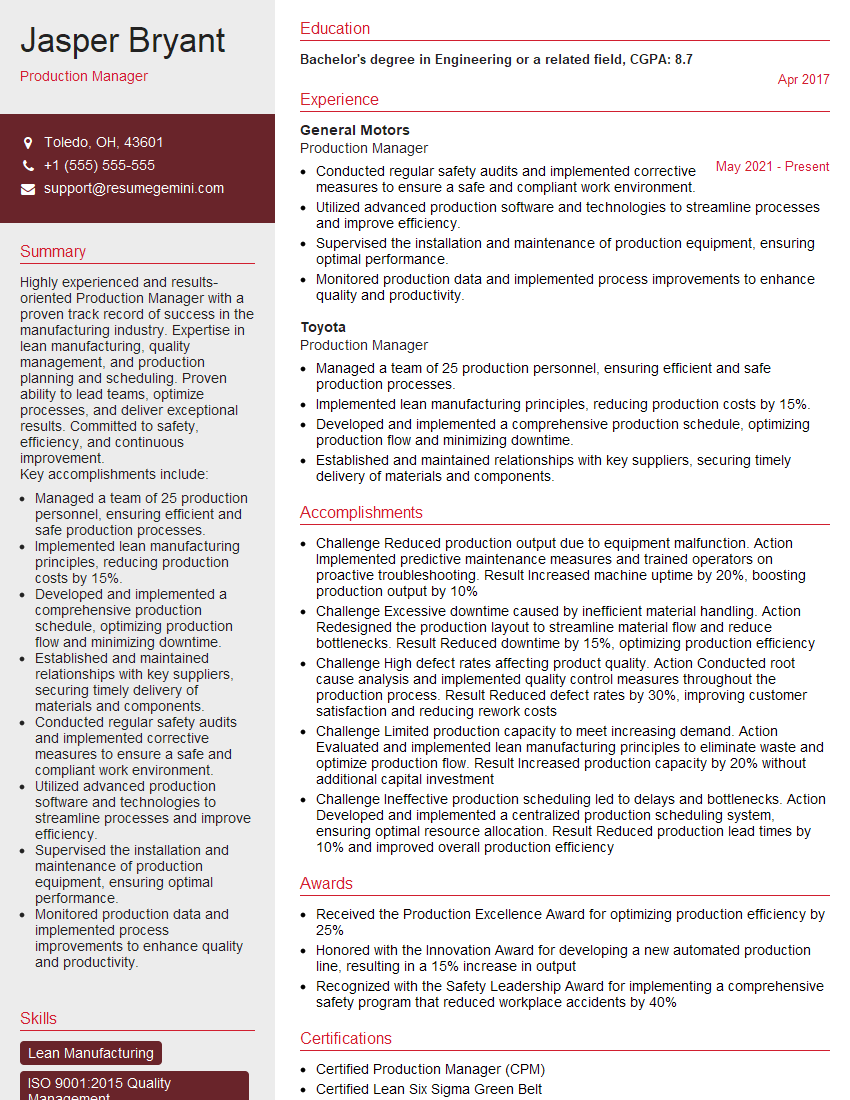
Production Manager Resume Sample
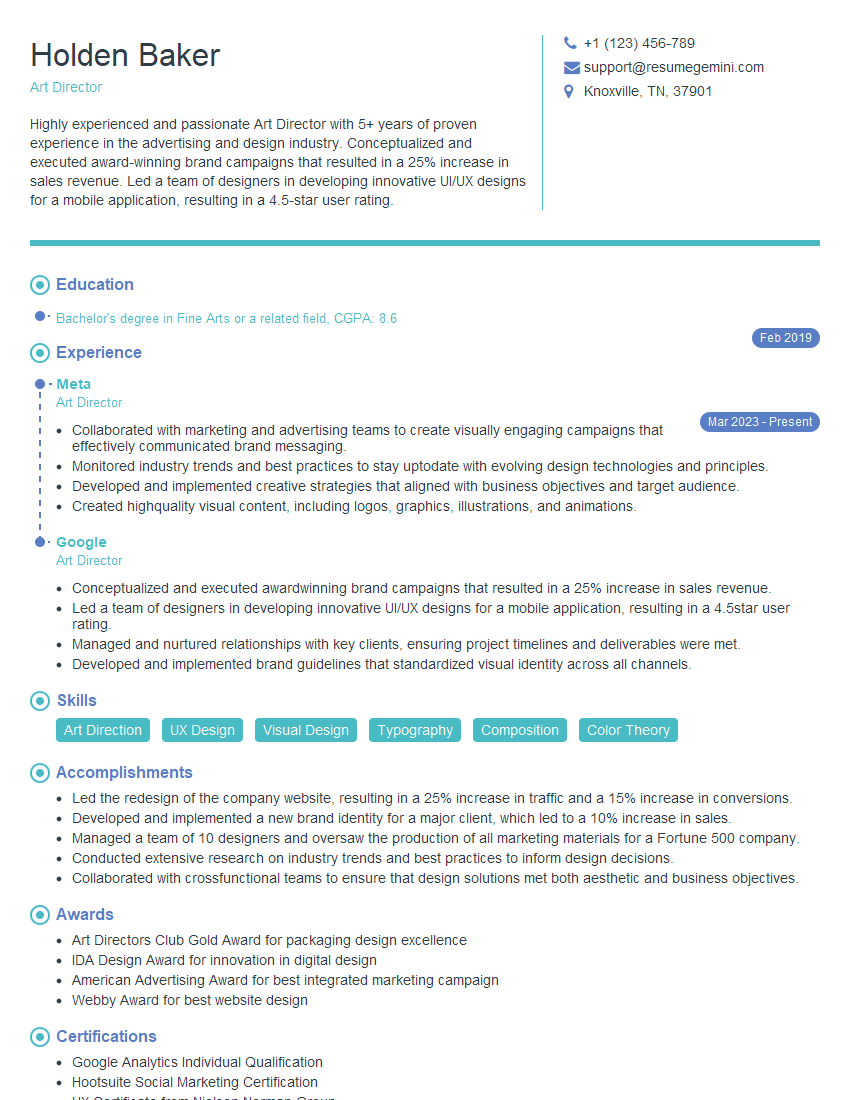
Art Director Resume Sample

Production Coordinator Resume Sample
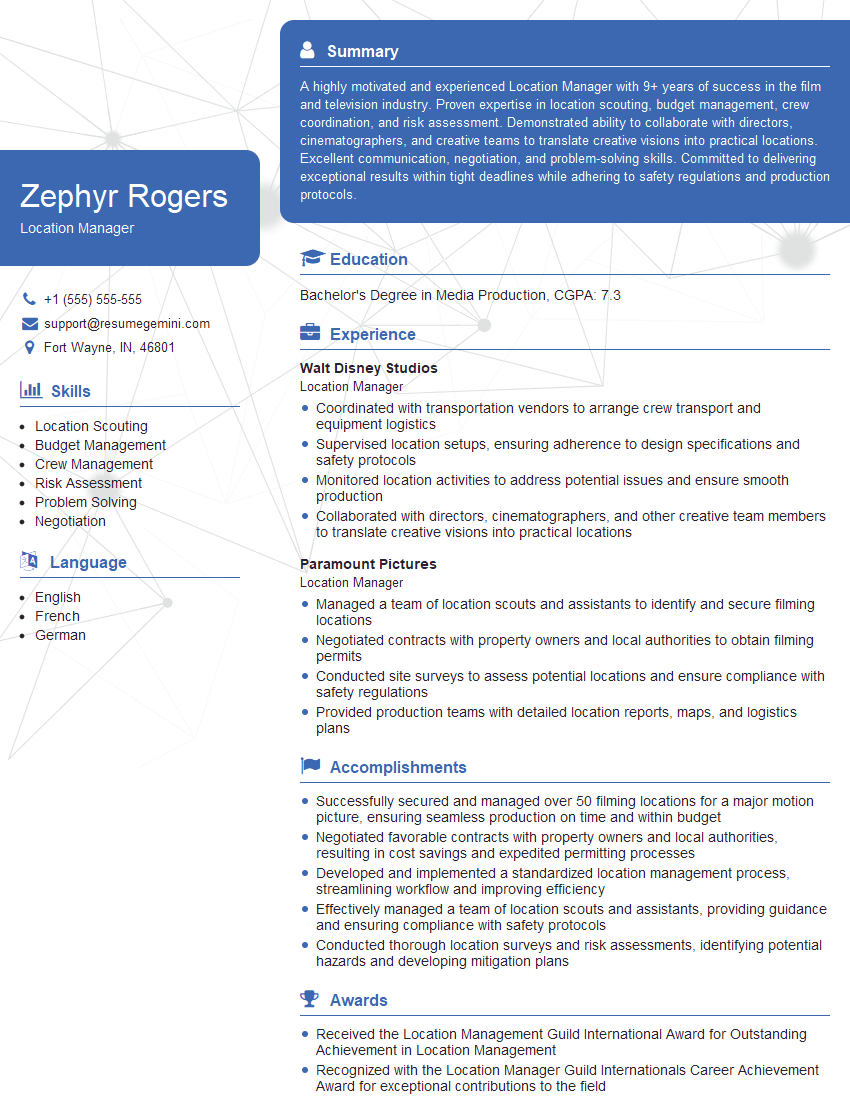
Location Manager Resume Sample
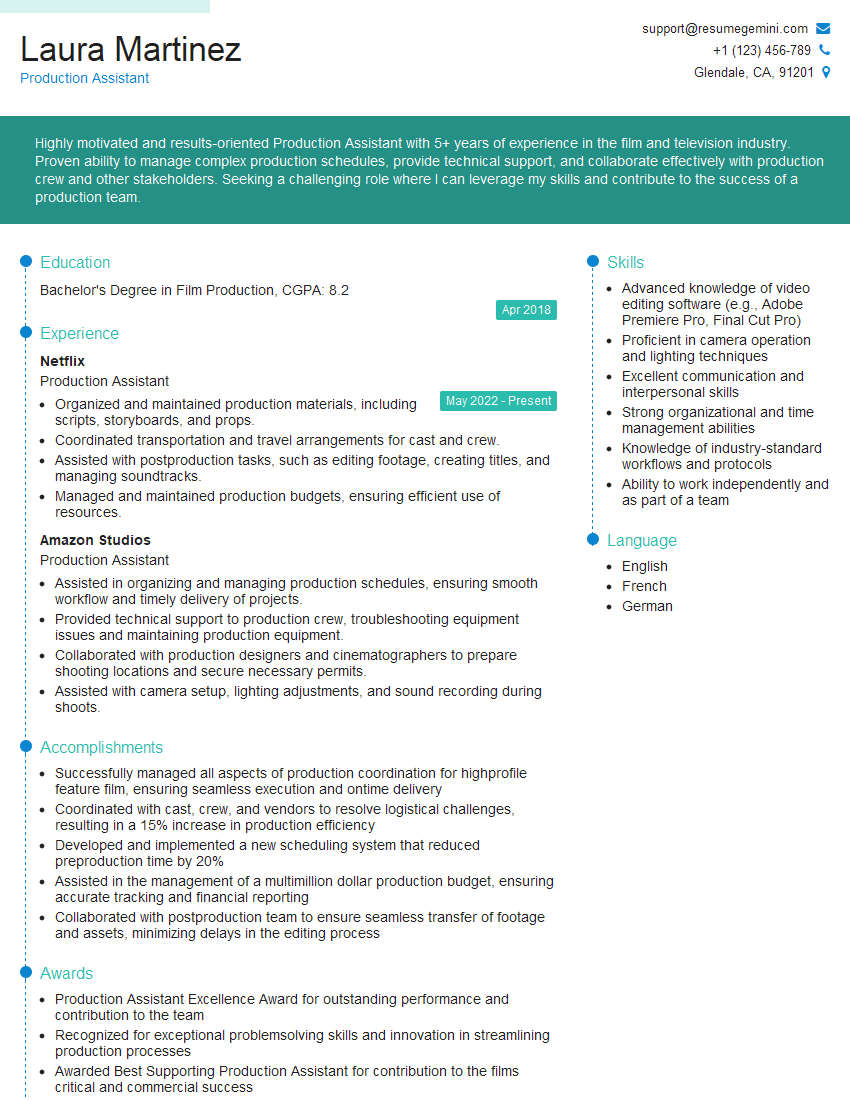
Production Assistant Resume Sample
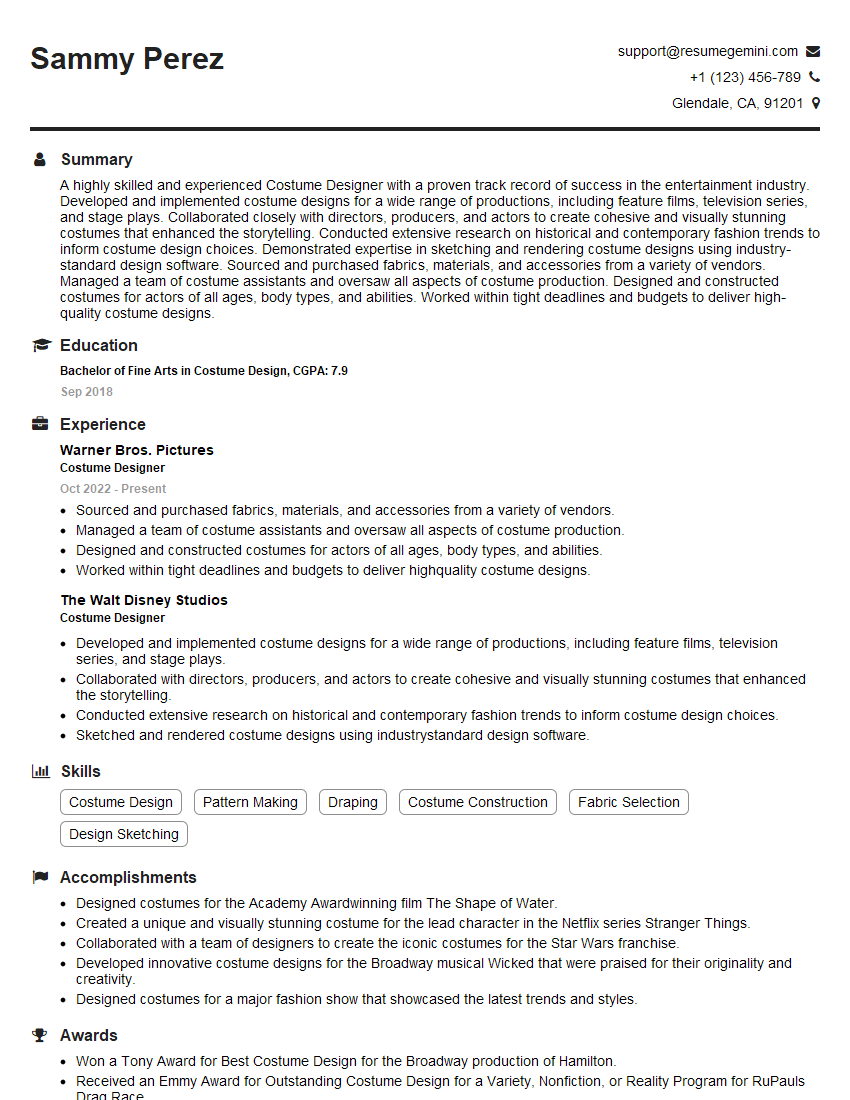
Costume Designer Resume Sample
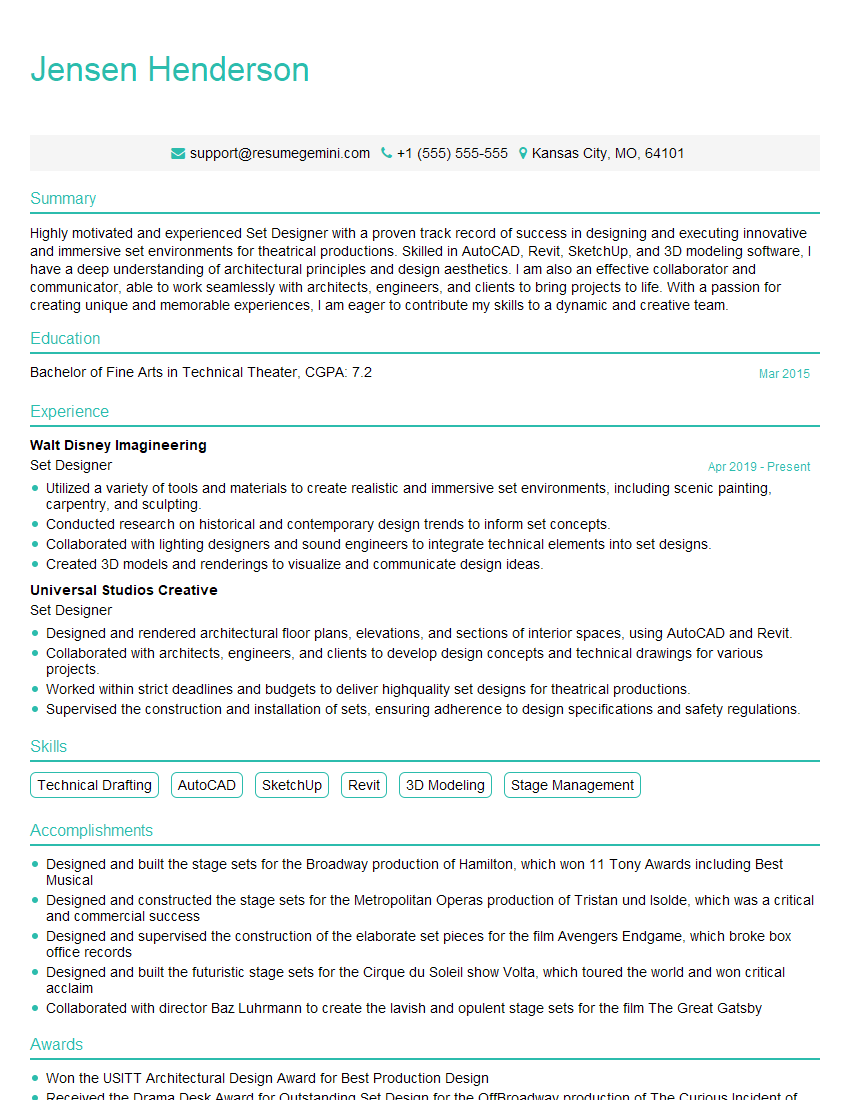
Set Designer Resume Sample
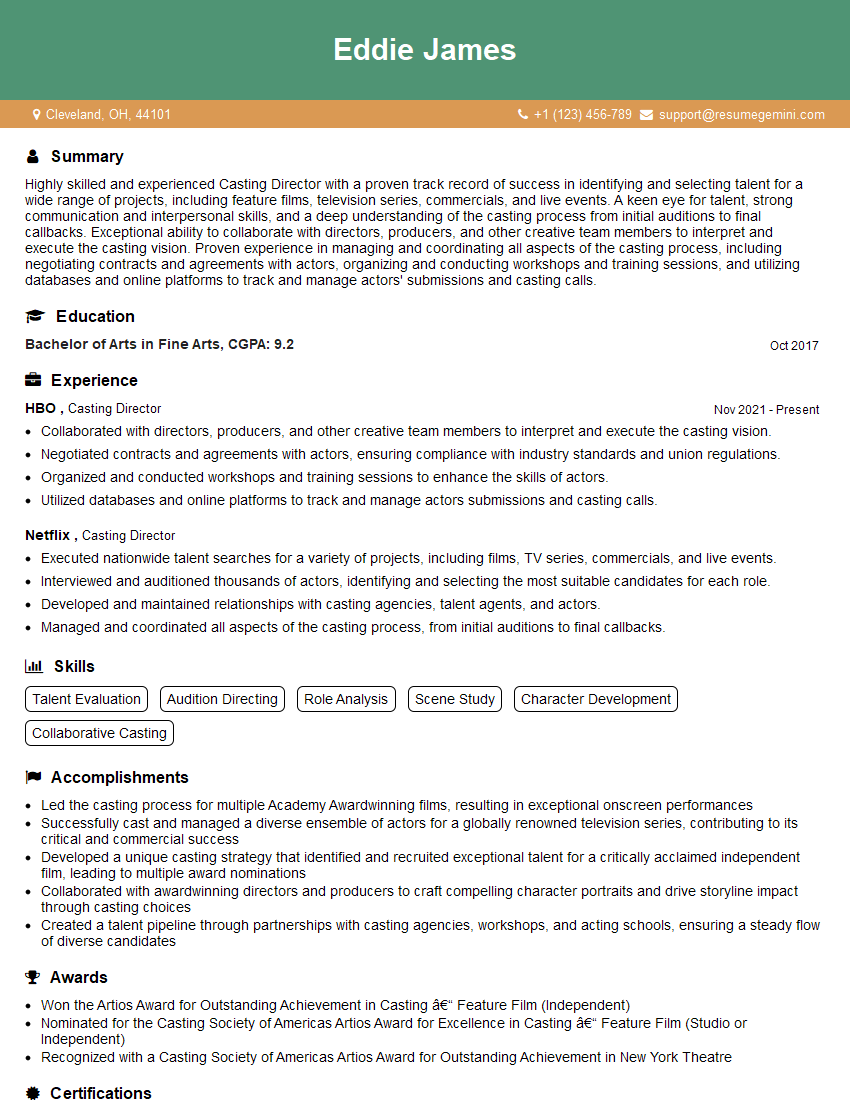
Casting Director Resume Sample
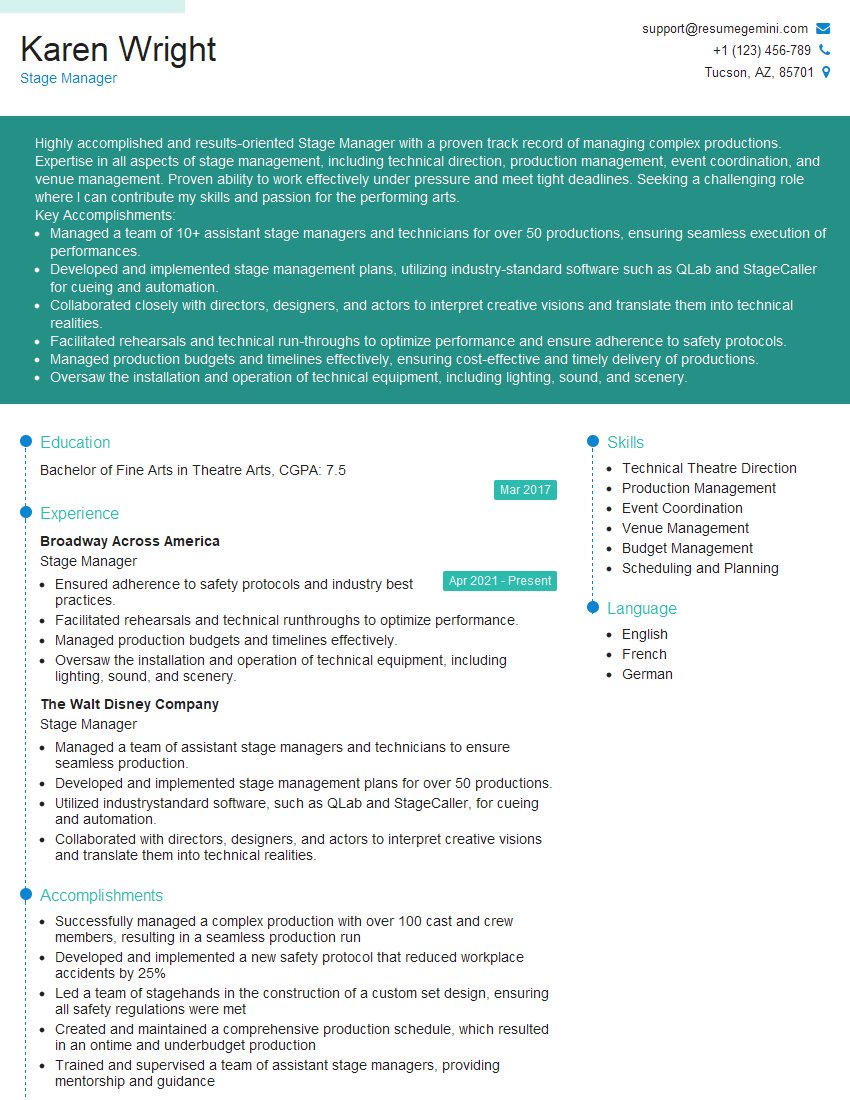
Stage Manager Resume Sample
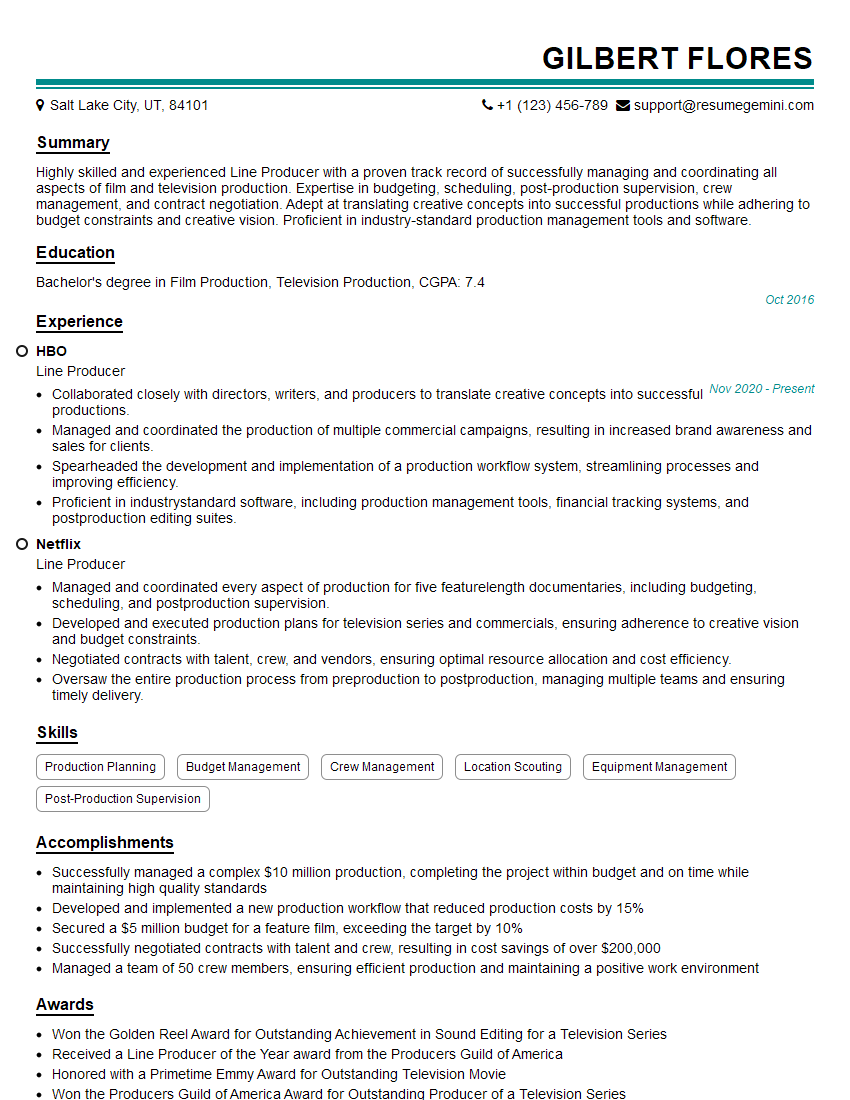
Line Producer Resume Sample
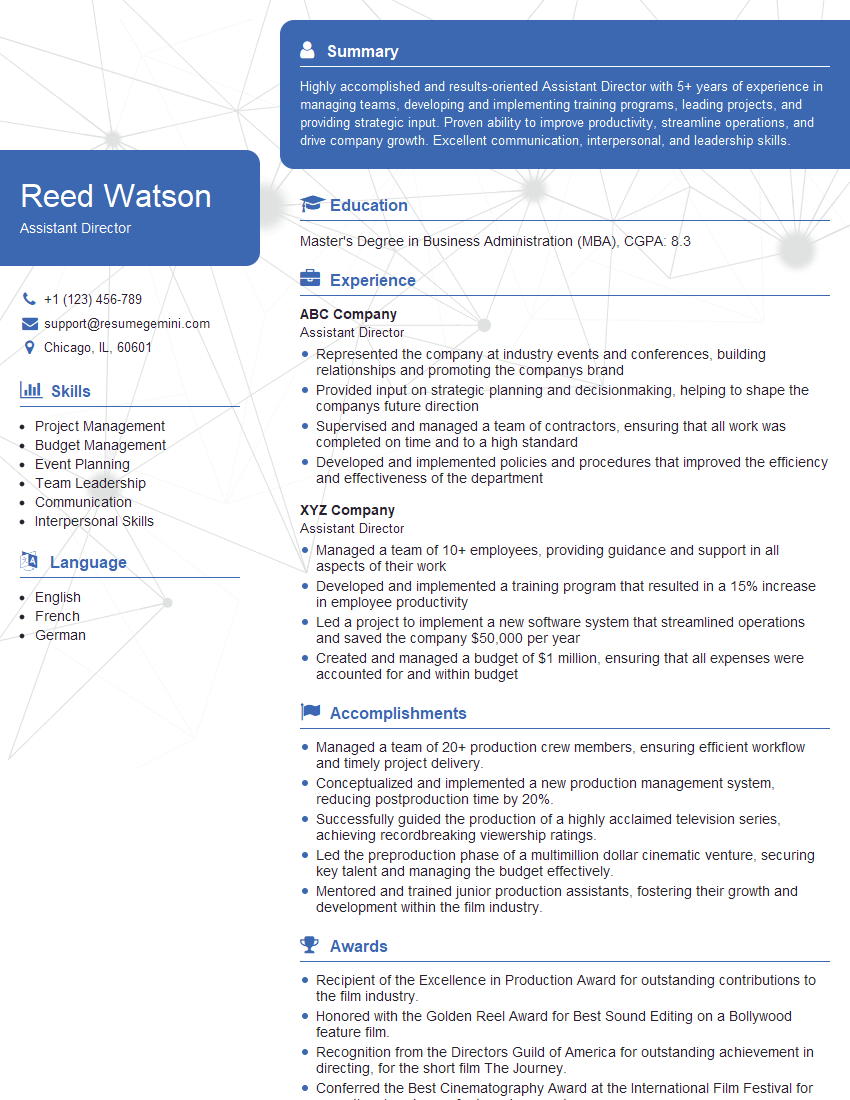
Assistant Director Resume Sample
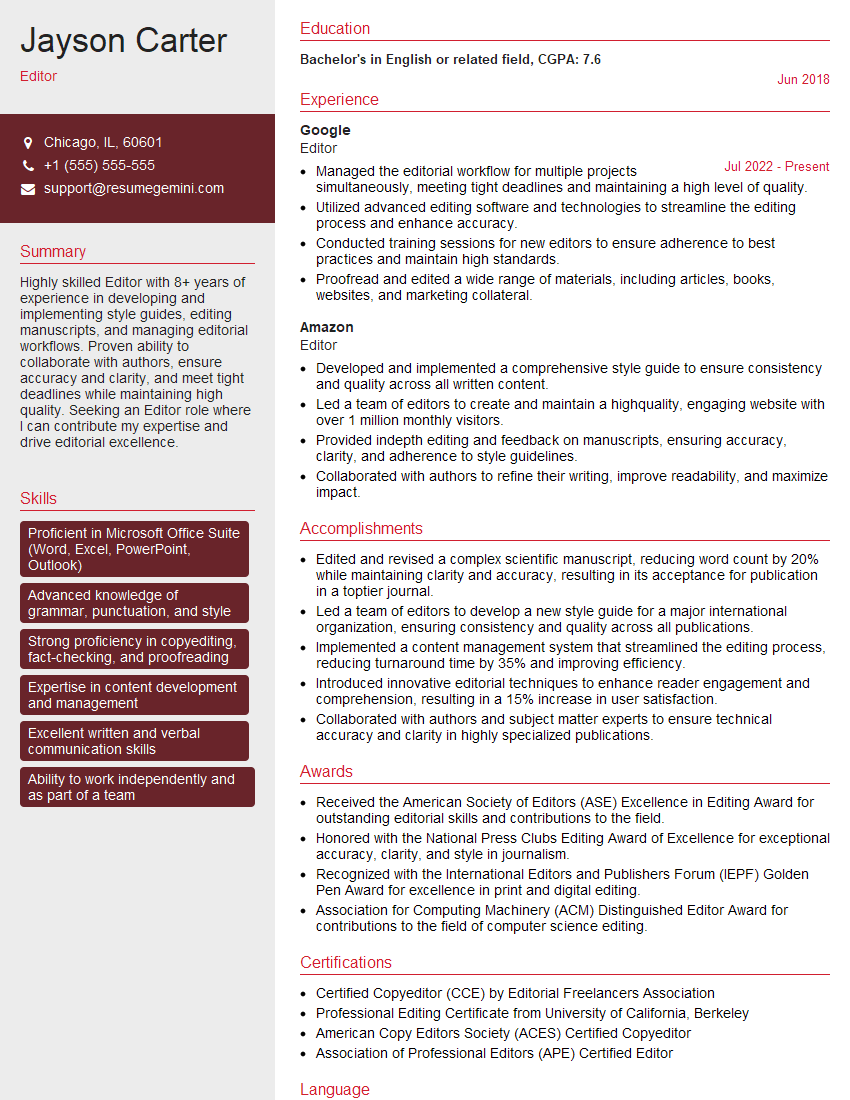
Editor Resume Sample
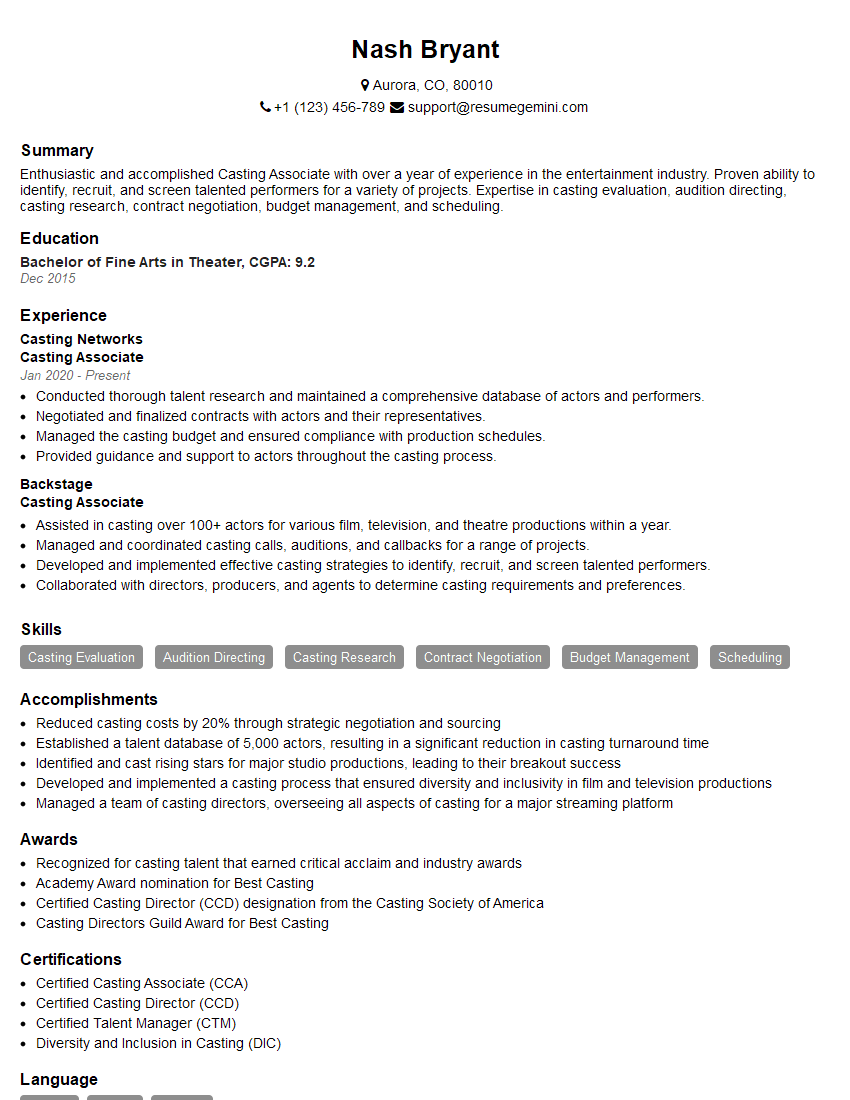
Casting Associate Resume Sample
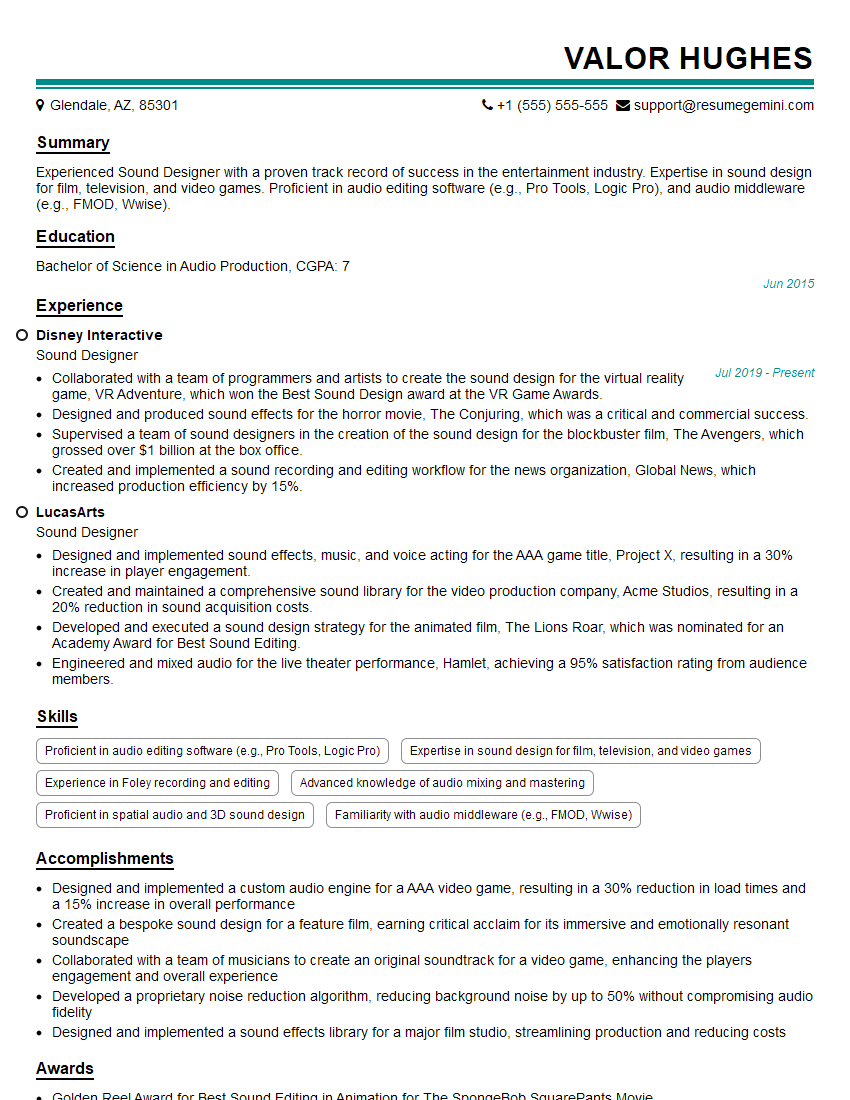
Sound Designer Resume Sample
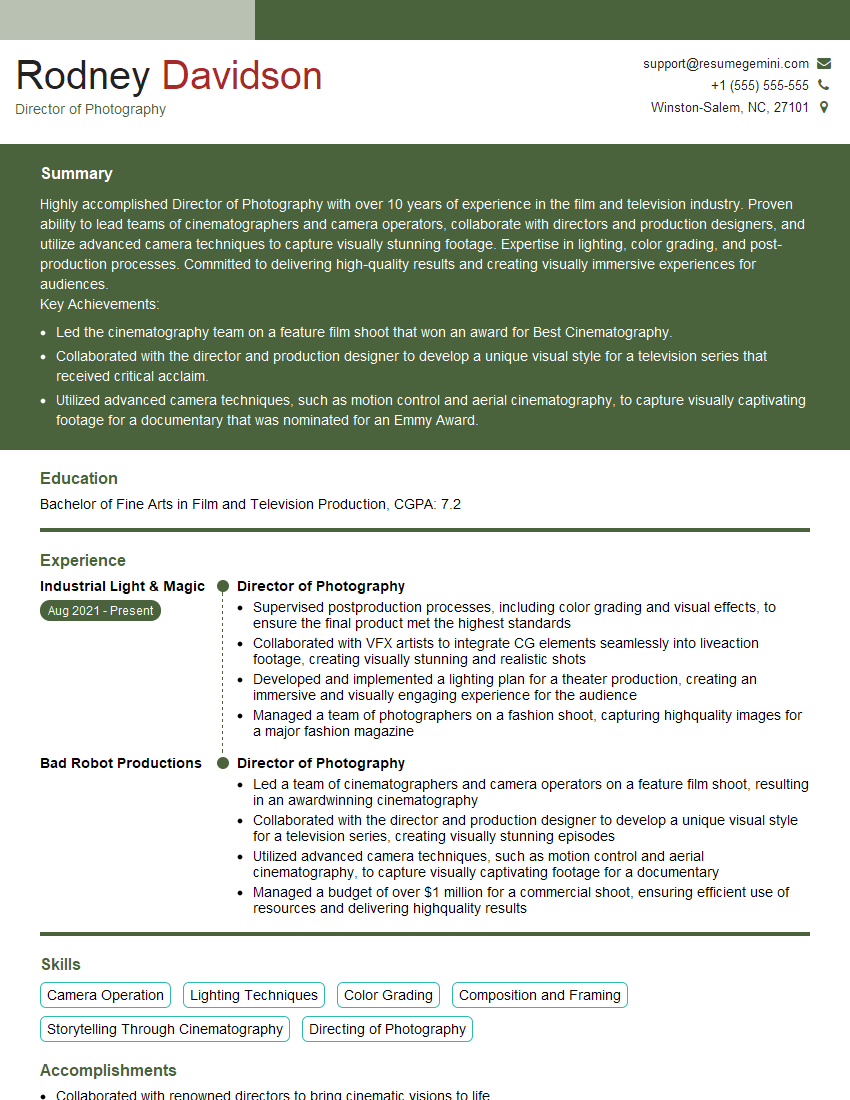
Director of Photography Resume Sample
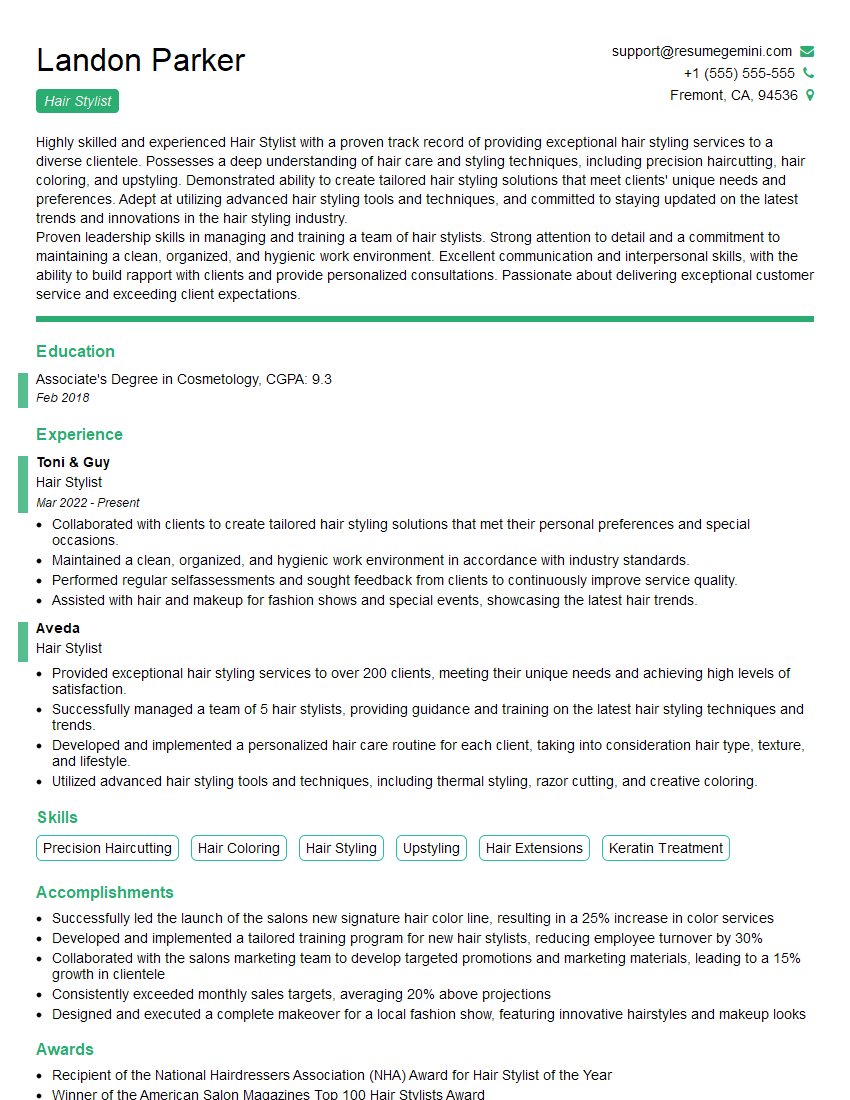
Hair Stylist Resume Sample
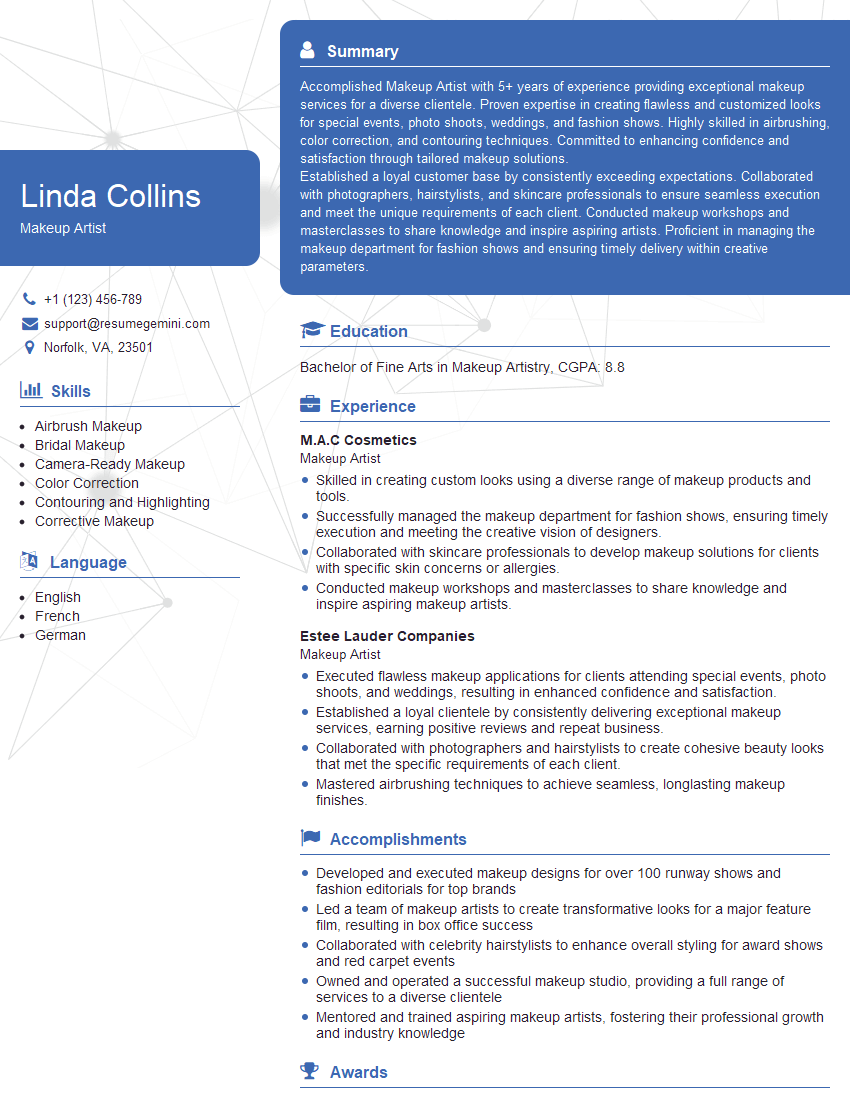
Makeup Artist Resume Sample
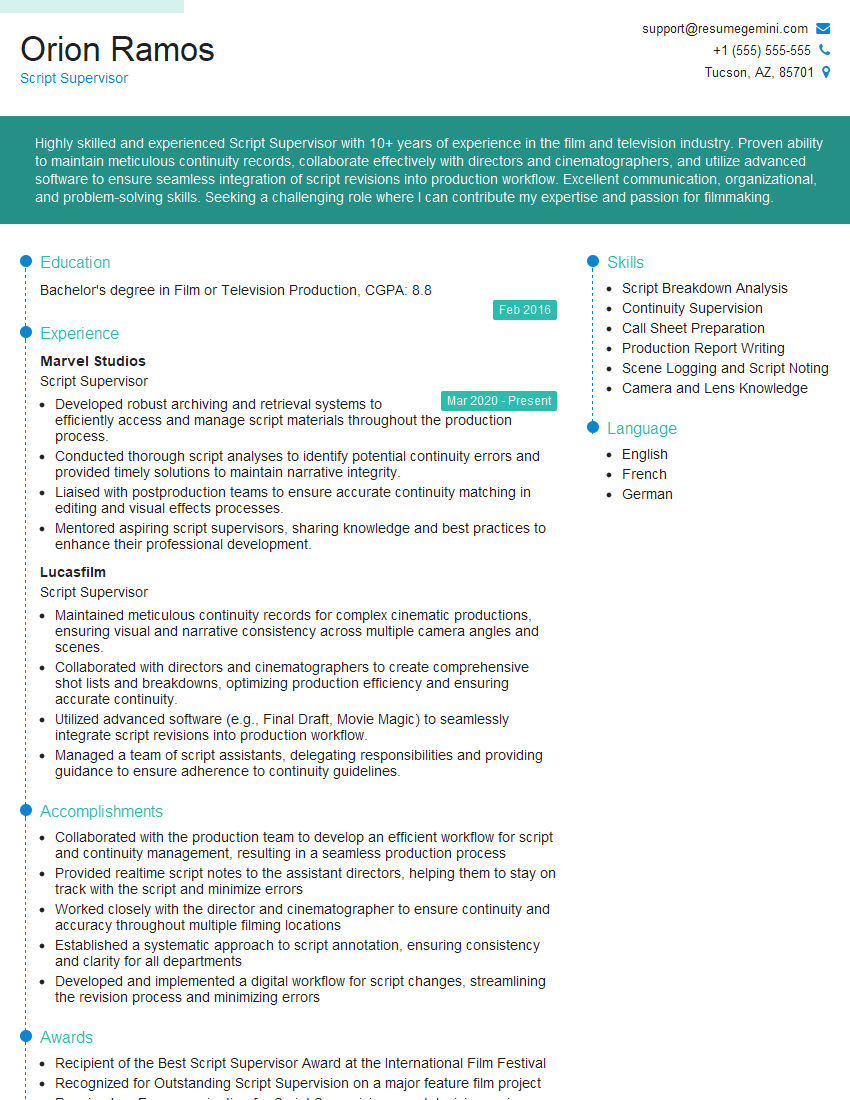
Script Supervisor Resume Sample
Explore more articles
Users Rating of Our Blogs
Share Your Experience
We value your feedback! Please rate our content and share your thoughts (optional).
What Readers Say About Our Blog
Very informative content, great job.
good