The thought of an interview can be nerve-wracking, but the right preparation can make all the difference. Explore this comprehensive guide to Collaboration with Track Officials and Trainers interview questions and gain the confidence you need to showcase your abilities and secure the role.
Questions Asked in Collaboration with Track Officials and Trainers Interview
Q 1. Describe your experience working with track officials to ensure a smooth meet operation.
Ensuring a smooth track meet requires meticulous collaboration with officials. My approach involves proactive communication, clear roles, and a focus on preventative measures. Before the meet, I hold a pre-meet briefing with all officials, outlining their responsibilities, clarifying procedures (e.g., lane assignments, timing protocols, judging criteria), and establishing clear communication channels. During the meet, I maintain constant communication with officials using two-way radios or a designated communication system to address any immediate issues that arise, such as timing discrepancies, false starts, or athlete injuries. Post-meet, I conduct a debrief to gather feedback, identify areas for improvement, and celebrate successes. This collaborative approach fosters a strong team environment and minimizes potential disruptions to the meet’s flow.
For instance, in a recent meet, we identified a potential issue with the starting blocks. By proactively communicating this to the officials before the event, we were able to coordinate a prompt replacement, preventing delays and ensuring fair competition.
Q 2. How do you handle disagreements between trainers and officials regarding athlete eligibility or performance?
Disagreements between trainers and officials are handled with a focus on objectivity and fairness. The first step is to gather all relevant information from both parties. This involves patiently listening to each perspective, ensuring both feel heard and understood. I then review the applicable rules and regulations, clarifying any misunderstandings. If the disagreement pertains to athlete eligibility, I carefully examine the documentation provided. If it concerns performance, I scrutinize the official’s notes, video recordings (if available), and any other relevant data. The goal is to find a mutually acceptable resolution that aligns with the rules. If a resolution can’t be reached, I’ll escalate the issue to the meet director for final decision-making, ensuring transparency throughout the process.
For example, a disagreement over a close finish was resolved by reviewing the photo finish, which clearly indicated the winner, thus satisfying both the trainer and the official.
Q 3. Explain your process for communicating meet schedules, rules, and procedures to trainers.
Effective communication is crucial. I utilize multiple methods to disseminate meet information. This includes distributing a comprehensive meet information package well in advance, containing the schedule, rules, athlete registration details, and emergency contact information. This package is typically distributed both digitally and physically. I follow this up with email reminders closer to the event date, highlighting key deadlines and important information. I also schedule a pre-meet trainers’ briefing to answer any questions, address concerns, and ensure everyone is on the same page. I am always available throughout the process for questions and clarifications. Using a combination of channels ensures that critical information is received and understood by all trainers.
Q 4. How do you ensure the safety of athletes during training and competition, collaborating with both officials and trainers?
Athlete safety is paramount. This is achieved through a multi-faceted approach that involves collaboration with both officials and trainers. Before the meet, safety inspections of the track and field are conducted jointly with officials and trainers to identify and mitigate potential hazards. During training and competition, officials are responsible for monitoring athlete performance, enforcing rules, and intervening in case of injuries. Trainers provide pre-competition assessments, monitor athlete conditions throughout, and offer immediate medical attention as needed. Clear communication protocols are in place to ensure that all parties are aware of any potential risks and have a shared understanding of emergency procedures. We also ensure appropriate first-aid and emergency medical services are readily available.
For example, we might conduct a joint inspection of the high jump area before the event to ensure the landing mats are properly placed and in good condition.
Q 5. Describe a time you had to mediate a conflict between a trainer and an official. What was the outcome?
In one instance, a trainer disputed an official’s call on a foul in a hurdles race. The trainer believed the athlete’s foot was inside the lane, while the official maintained the athlete had knocked down a hurdle. I reviewed the available video footage which showed a borderline call. Through mediation, I explained the official’s perspective, acknowledging the difficulty of making such judgments at high speeds. I also acknowledged the trainer’s frustration, emphasizing the importance of fair play. Ultimately, we agreed on a compromise – accepting the official’s call but suggesting improvements to the officiating technique in the future. It resulted in a better understanding of the official’s position, and although the trainer’s frustration remained, the dispute was resolved amicably, and the integrity of the competition was upheld.
Q 6. What are the key communication strategies you employ when working with a diverse group of officials and trainers?
Effective communication with a diverse group involves using clear, concise language, avoiding jargon, and being mindful of cultural differences. I ensure all written communication is available in multiple languages if necessary. I actively listen to all perspectives, even if they differ from my own. I encourage open dialogue and feedback and utilize various communication styles—from formal written memos to informal face-to-face conversations—to best reach each individual. I prioritize building trust and rapport, fostering a collaborative environment where everyone feels comfortable expressing their thoughts and concerns. This helps to break down barriers and create a productive working relationship among a diverse set of people.
Q 7. How do you ensure accurate record-keeping and data management, collaborating with both officials and trainers?
Accurate record-keeping is essential. We use a combination of digital and physical methods for data management. Officials record results using standardized forms, inputting data into a central database that’s accessible to trainers and other stakeholders. The database provides real-time updates and allows for immediate analysis of results. Trainers are encouraged to review the recorded data and report any discrepancies immediately. Regular data backups and security measures are in place to prevent data loss. Transparency is key—all data is reviewed regularly by relevant personnel, ensuring accuracy and integrity. This collaborative approach ensures a consistent and accurate record of performance and facilitates post-event analysis.
Q 8. How familiar are you with the rules and regulations governing track and field events?
My familiarity with track and field rules and regulations is extensive. I’ve been involved in the sport for over 15 years, working at various levels from local meets to national championships. My knowledge encompasses the World Athletics rules, including those specific to each event – from sprints and hurdles to throws and jumps. I understand the intricacies of officiating, including procedures for false starts, lane violations, measuring jumps, and judging throws. I regularly update my knowledge through workshops, rule book revisions, and ongoing professional development. This ensures I remain current with any rule changes and interpretations, vital for maintaining fairness and consistency across all competitions.
For example, I understand the nuanced difference between a false start and a premature start in sprints, and the procedural steps officials must take in each situation. Understanding these nuances is crucial for effective collaboration with trainers and athletes. I also have a detailed understanding of the various equipment regulations, ensuring athletes compete using approved tools.
Q 9. How would you address a situation where an official makes a controversial call that impacts a trainer’s athlete?
A controversial official’s call requiring intervention needs a calm, measured approach. My first step is to gather all the information. This includes reviewing the official’s report, speaking with the official themselves to understand their rationale, and consulting any available video footage. I then speak with the affected trainer, actively listening to their concerns and explaining the official’s perspective, emphasizing the process and rationale, not just the outcome.
If the trainer believes there’s a clear error or misapplication of the rules, I would carefully review the evidence again with the chief referee. A formal protest procedure might be necessary depending on the severity and impact. The key is transparency and clear communication. Ultimately, the goal is to resolve the issue fairly, even if it means acknowledging a mistake and implementing corrective measures for future events.
For example, in a close finish in a sprint race, a slight error in photo-finish timing might lead to a controversial result. In such cases, I will use available technology like video replays to ensure the accuracy of the final result. Transparency is key—all parties involved must understand the rationale behind the final decision.
Q 10. How do you build and maintain positive relationships with track officials and trainers?
Building strong relationships with track officials and trainers is crucial for a smooth-running competition. I believe in open, honest communication and mutual respect. I regularly interact with officials and trainers before, during, and after competitions. This involves informal meetings to discuss logistical aspects, pre-meet briefings to address rules and expectations, and post-meet debriefs to discuss areas for improvement.
I actively seek their feedback, acknowledging their expertise and valuing their contributions. I also make myself readily available to address their concerns promptly and efficiently. Building trust and rapport takes time, but consistency in communication and a commitment to mutual understanding are essential. I often find that attending social gatherings related to the sport outside of official events helps to solidify these working relationships, creating informal connections that strengthen communication during intense competition moments.
- Regular Communication: Maintaining open channels for communication is vital.
- Mutual Respect: Recognizing the expertise and contributions of both parties.
- Proactive Problem Solving: Addressing potential issues before they escalate.
Q 11. Describe your experience in using technology to support communication and data management with officials and trainers.
Technology plays a significant role in enhancing communication and data management. I’m proficient in using various software and hardware to streamline operations. This includes using dedicated timing systems that provide instant race results, which are immediately shared with officials and trainers. I also use digital communication tools such as email and secure messaging apps for efficient information exchange, and cloud-based platforms for securely sharing documents and competition schedules.
In addition, I utilize video analysis software to review races and evaluate calls, especially in close finishes or potentially controversial situations. This allows for impartial review and helps maintain transparency. I’m also experienced with athlete tracking systems which offer valuable insights into performance data. This data is shared responsibly, always respecting athlete privacy.
For example, I regularly use a software system that automatically generates start lists, calculates results, and manages athlete registrations. This reduces manual work and minimizes the potential for human error. Utilizing such tools has increased our efficiency considerably, allowing for timely sharing of accurate information.
Q 12. How do you handle unexpected situations or emergencies during a track meet, coordinating with officials and trainers?
Handling unexpected situations requires a swift, coordinated response. My approach focuses on establishing clear communication channels and roles. Having a pre-defined emergency plan is crucial, which includes identifying key personnel (medical staff, officials, security) and their responsibilities. A clear chain of command is established to ensure decisive and efficient action.
When an emergency occurs (e.g., athlete injury, equipment malfunction, severe weather), immediate action is taken based on the established plan. This includes providing prompt medical assistance, coordinating communication to inform stakeholders, and ensuring the safety of all participants. Post-incident reviews are essential to identify areas for improvement and update the emergency response plan.
For example, in a case of a sudden downpour during a field event, I would immediately communicate with all officials and trainers to determine the best course of action, which could include temporarily suspending events or relocating participants to a sheltered area. Prioritizing safety and ensuring clear communication throughout the process is critical.
Q 13. What is your experience with athlete injury management, and how do you collaborate with trainers and medical staff?
My experience with athlete injury management involves close collaboration with trainers and medical personnel. I’m trained in basic first aid and CPR, ensuring I can provide immediate assistance. My primary role is coordinating the response, ensuring the injured athlete receives prompt medical attention. This includes facilitating communication between trainers, medical staff, and emergency services, if needed.
I ensure appropriate protocols are followed, including documentation of the injury, transportation to medical facilities, and communication with the athlete’s family or guardians. I also work with trainers to develop strategies for injury prevention and rehabilitation, creating a supportive environment that prioritizes athlete health and well-being. I understand the importance of respecting athlete confidentiality and adhering to all relevant medical privacy regulations.
For instance, if an athlete sustains a significant injury during a race, my immediate priority would be to ensure the athlete receives appropriate medical attention, while simultaneously communicating with the athlete’s trainer and any emergency medical personnel. I would also communicate the situation to other officials and the athlete’s family.
Q 14. Describe your knowledge of performance enhancement techniques and how you ensure ethical practices with trainers.
My understanding of performance enhancement techniques is comprehensive, encompassing both ethical and unethical practices. I am knowledgeable about training methods, nutrition, and recovery strategies that improve athletic performance legitimately. I am equally aware of the dangers and ethical violations associated with performance-enhancing drugs (PEDs). My role includes promoting ethical practices among trainers and athletes, emphasizing the importance of fair play and the health risks associated with PED use.
I actively collaborate with trainers to ensure that their training programs adhere to ethical guidelines, promoting strategies like proper nutrition, strength conditioning, and sufficient rest. I advocate for regular doping control and promote education programs on the consequences of PED use. I am aware of the World Athletics Anti-Doping Code and its implications and fully support its enforcement. A robust anti-doping system maintains the integrity of competition.
For example, I’d actively support and participate in educational workshops for trainers regarding the risks of PEDs and the updated regulations. I understand that fostering a culture of ethical sporting behavior is a shared responsibility, and I am committed to playing a part in achieving that goal.
Q 15. How do you use data analytics to inform training decisions and collaborate effectively with both officials and trainers?
Data analytics plays a crucial role in optimizing training and improving collaboration between officials and trainers. We use performance data – lap times, split times, stride frequency, speed endurance – collected through timing systems, wearable technology, and video analysis. This data is then analyzed to identify strengths, weaknesses, and areas for improvement in individual athletes and the overall training program.
For example, if we notice a consistent drop-off in speed during the final 100 meters of a 400-meter race across multiple athletes, we can analyze the data to understand the cause. Is it a lack of anaerobic power, tactical mistakes, or fatigue management issues? This insight allows us to tailor training programs, focusing on specific drills and strategies to address the weakness. This data-driven approach also facilitates communication with trainers, providing objective evidence to support training modifications and allowing for a collaborative decision-making process. We present findings visually, using charts and graphs, making the complex data easily understandable for everyone involved. Similarly, we analyze official data (e.g., timing discrepancies, rule violations) to pinpoint areas for improved consistency and efficiency in officiating.
Career Expert Tips:
- Ace those interviews! Prepare effectively by reviewing the Top 50 Most Common Interview Questions on ResumeGemini.
- Navigate your job search with confidence! Explore a wide range of Career Tips on ResumeGemini. Learn about common challenges and recommendations to overcome them.
- Craft the perfect resume! Master the Art of Resume Writing with ResumeGemini’s guide. Showcase your unique qualifications and achievements effectively.
- Don’t miss out on holiday savings! Build your dream resume with ResumeGemini’s ATS optimized templates.
Q 16. Explain your understanding of different coaching philosophies and how you adapt your communication style accordingly.
My understanding of coaching philosophies encompasses a range of approaches, from the more traditional, command-and-control methods to the more modern athlete-centered, holistic styles. I adapt my communication to match the individual coach’s style and the specific athlete’s needs. For instance, with a coach who prefers a highly structured approach, I use clear, concise communication with detailed plans and timelines. My interactions will be more formal and focused on task completion. In contrast, with a coach who advocates for athlete-led decision-making, I’ll adopt a collaborative style, facilitating discussions and brainstorming sessions to explore different training possibilities. I always ensure transparency in communication and actively listen to both trainers and athletes, valuing their feedback and adapting my style to improve collaboration and reach optimal outcomes. This flexible approach ensures effective communication and collaboration across diverse personalities and coaching preferences.
Q 17. How do you ensure compliance with all relevant rules and regulations when working with officials and trainers?
Compliance is paramount. We maintain a thorough understanding of all governing rules and regulations, including those related to athlete eligibility, performance-enhancing substances, and competition procedures. This is done through regular review of rulebooks, participation in workshops and conferences, and staying updated on any regulatory changes. We actively involve both officials and trainers in these compliance procedures. For trainers, this includes regular discussions about ethical coaching practices and adherence to anti-doping rules. For officials, this involves ongoing training on the latest rules and procedures, often through practical simulations and case studies. We maintain detailed records of all training sessions, competitions, and communications to ensure transparency and accountability, thus mitigating any potential for rule violations.
Q 18. Describe your experience in managing budgets and resources when working with multiple stakeholders (officials and trainers).
Budget management requires a collaborative approach. We start with a detailed budget proposal, outlining projected expenses for equipment, travel, training materials, and staff costs. This proposal is reviewed and approved by all stakeholders, including trainers and officials, ensuring buy-in and transparency. We utilize a system of regular financial reporting, keeping all parties informed of expenditures. We also explore opportunities for cost-effectiveness, such as negotiating discounts with suppliers, securing sponsorships, and prioritizing training initiatives based on their impact and budget allocation. For example, we might prioritize investment in high-quality video analysis software over less impactful training equipment. Open communication and a clear understanding of budget constraints are key to successful resource management.
Q 19. How do you effectively delegate tasks and responsibilities to officials and trainers?
Effective delegation hinges on trust and clarity. I assess the skills and expertise of officials and trainers, assigning tasks based on individual strengths. This might include assigning experienced officials to major events and entrusting trainers with the development of specific training programs for their athletes. Clear expectations are set, including timelines, deliverables, and performance standards. Regular check-ins and feedback sessions ensure tasks remain on track, allowing for timely adjustments as needed. I foster a culture of empowerment, providing the necessary resources and support to enable individuals to take ownership and succeed in their assigned responsibilities. This also fosters professional development and skill enhancement within the team.
Q 20. How do you provide constructive feedback to both officials and trainers to improve performance?
Constructive feedback is crucial for performance improvement. I use a structured approach, focusing on specific behaviors or outcomes, not personal characteristics. For officials, feedback might focus on consistency in timing, application of rules, or communication with athletes. For trainers, feedback might relate to the effectiveness of training plans, athlete development, or communication with their athletes and support staff. The feedback is delivered in a private setting, using a balanced approach highlighting both strengths and areas for improvement. I encourage open dialogue, allowing the recipient to share their perspectives and participate in the development of an action plan to address identified weaknesses. The goal is to foster professional growth and enhance performance.
Q 21. How do you measure the success of your collaborations with track officials and trainers?
Success is measured through multiple indicators. We track athlete performance, using metrics such as personal bests, race times, and overall improvement in key performance indicators. We also assess the effectiveness of training programs through data analysis and athlete feedback. For officials, we measure consistency in officiating, accuracy in timing, and overall efficiency of operations. We also conduct regular surveys to assess stakeholder satisfaction – athlete, trainer, and official feedback – identifying areas where collaboration and performance can be improved. By using a multifaceted approach to evaluation, we can obtain a comprehensive view of the success and impact of our collaborations, allowing for continuous improvement and optimization.
Q 22. Describe a time you had to resolve a logistical challenge during a track meet, involving officials and trainers.
One memorable logistical challenge arose during a large regional track meet. A sudden downpour threatened to disrupt the long jump finals. We had a limited amount of time to relocate the event—the original area lacked sufficient covered space. My role involved coordinating with the meet director, field officials, and athletic trainers.
First, I assessed the situation, noting the urgency and the safety concerns of athletes on a wet runway. I then quickly communicated with the meet director, suggesting alternative areas, considering factors like space, accessibility for athletes, and proximity to existing facilities. Next, I liaised with the field officials, explaining the plan for relocation and ensuring they were ready to adapt the existing setup. I also worked with the athletic trainers to ensure athletes were appropriately sheltered, warming up in the covered area, and had dry towels and alternative footwear. Finally, I updated the schedule announcement. We successfully moved the event, minimizing disruption and ensuring athlete safety. The entire process demonstrated effective communication and quick decision-making under pressure.
Q 23. How familiar are you with different types of track and field equipment, and how do you ensure its proper use and maintenance?
My familiarity with track and field equipment is extensive. It includes hurdles (various heights), starting blocks, measuring tapes, jump standards, throwing implements (shot put, discus, javelin), and timing equipment.
Ensuring proper use and maintenance is crucial for athlete safety and competition fairness. Pre-meet inspections are vital. This involves checking for damage, proper calibration of timing devices, and verifying the stability of equipment like the high jump standards. We also emphasize correct techniques for athletes’ handling of equipment, for instance, the proper throwing techniques to prevent injuries and ensure accuracy. Regular maintenance schedules are documented, ensuring timely repairs and replacements, adhering to safety standards and regulations. This includes storing equipment appropriately to avoid wear and tear and regular cleaning to avoid contamination or damage.
Q 24. How do you ensure fair play and ethical conduct among athletes, officials, and trainers?
Fair play and ethical conduct are paramount. I establish this through clear communication of rules and regulations, pre-meet briefings for officials and trainers, and consistently applying those rules across all events. Emphasis is placed on respecting athletes, officials, and fellow trainers. We promote a culture of sportsmanship and integrity through regular reminders of ethical standards and promptly addressing any violations or concerns. This includes situations like protests against judgment calls which are carefully reviewed using established procedures. Any suspicious behavior relating to doping or rule infringements is reported through the appropriate channels, ensuring the integrity of the competition.
For instance, if a trainer was seen providing an athlete with something other than permitted materials, we would investigate. The trainer would be informed that their actions were being investigated and evidence collected.
Q 25. What strategies do you employ to foster a positive and supportive team environment among officials and trainers?
Fostering a positive and supportive environment begins with open communication and mutual respect. Team-building exercises, both formal and informal, contribute to a collaborative atmosphere. Regular meetings, casual conversations, and sharing of feedback facilitate problem-solving and enhance coordination. We also celebrate successes as a team, acknowledging individual contributions and reinforcing the importance of collaboration. Recognizing efforts and expertise, for example, with a small ‘team of the meet’ recognition at the end of the competition can bolster morale.
Another strategy is to create clear roles and responsibilities for all team members to encourage a shared understanding and prevent conflicts.
Q 26. How do you adapt your communication style to different personalities and communication preferences among officials and trainers?
Adapting my communication style is vital. I recognize that effective communication involves understanding different personalities and preferences. Some individuals prefer direct and concise communication, while others need more detailed explanations. I adjust my language and approach accordingly, sometimes using visual aids or diagrams for clarification. I also take into account the individual’s experience level, providing more detailed guidance for newer officials or trainers and confirming their understanding.
For instance, I might use technical jargon with experienced officials but use simple, clear language when briefing less experienced ones. This tailored approach helps to promote clear understanding and collaboration amongst the team.
Q 27. Describe your experience in using various forms of communication (email, phone, in-person) to collaborate effectively.
I utilize various communication methods effectively, depending on the context. Email serves for formal communication, schedule updates, and distributing information to larger groups. Phone calls are more efficient for quick clarifications or urgent matters needing immediate attention. In-person communication is invaluable for team building, problem-solving, and fostering stronger relationships within the team. All these methods are used strategically to enhance collaboration.
For example, I may use email to send a mass update to officials about a schedule change and then phone individual trainers to confirm they have received and understood the update.
Q 28. How do you handle situations where there’s a conflict of interest between the needs of officials and the needs of trainers?
Handling conflicts of interest between officials and trainers requires careful diplomacy and adherence to established protocols. Open communication is key. I would first listen to both sides, understanding their perspectives and concerns. The overarching goal is to prioritize athlete safety and competition integrity. In cases of disagreement on whether or not an athlete can continue competition due to injury, I would involve a medical professional for an independent assessment. Decisions are made based on objective criteria and guidelines, with transparency throughout the process to ensure fair play and prevent any perceived bias.
For example, If a trainer wants an athlete to continue competing despite an official’s observation of an injury, a medical professional would give an objective assessment; following their assessment, we would make a decision that prioritizes the athlete’s well-being and the integrity of the competition.
Key Topics to Learn for Collaboration with Track Officials and Trainers Interview
- Understanding Roles and Responsibilities: Clearly define the roles of track officials, trainers, and athletes, and how they interconnect. This includes understanding the chain of command and communication protocols.
- Effective Communication Strategies: Explore techniques for clear, concise, and respectful communication in high-pressure situations. Practice active listening and conflict resolution skills.
- Safety Procedures and Protocols: Demonstrate a thorough understanding of safety regulations, emergency procedures, and risk management within a track and field environment. Be prepared to discuss practical applications.
- Data Management and Analysis: Discuss your experience (if any) with collecting, analyzing, and interpreting performance data to inform training and competition strategies. This might include using technology or spreadsheets.
- Problem-Solving in a Team Setting: Illustrate your ability to identify and solve problems collaboratively, particularly those involving unexpected situations or challenges during training or competitions. Provide concrete examples.
- Ethical Considerations and Professionalism: Discuss the importance of maintaining ethical standards, promoting fair play, and adhering to professional conduct guidelines within the track and field community.
- Adaptability and Flexibility: Highlight your ability to adjust to changing circumstances, unexpected events, and diverse personalities within a dynamic team environment.
Next Steps
Mastering collaboration with track officials and trainers is crucial for career advancement in this field. It demonstrates your ability to work effectively within a team, contributing to a safe and successful athletic environment. To maximize your job prospects, create an ATS-friendly resume that highlights your relevant skills and experience. We strongly encourage you to use ResumeGemini, a trusted resource, to build a professional and impactful resume. Examples of resumes tailored to Collaboration with Track Officials and Trainers are available to help guide your creation.
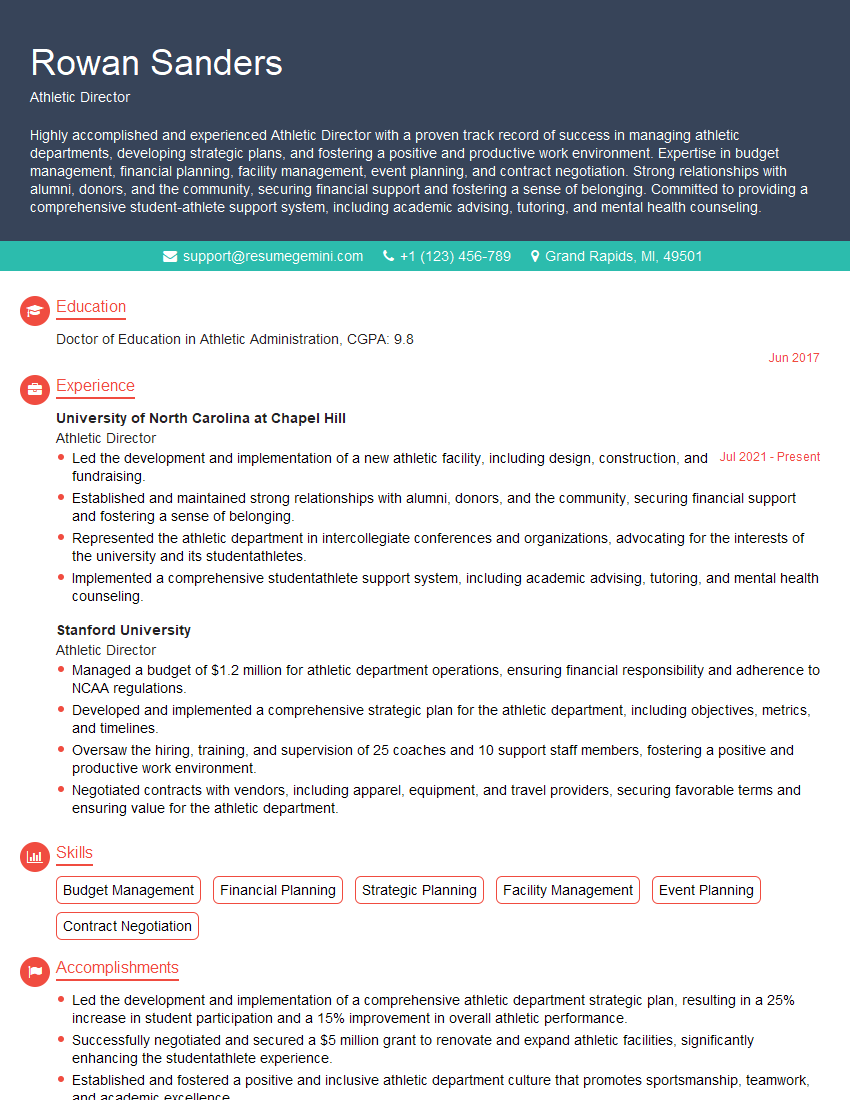
Athletic Director Resume Sample
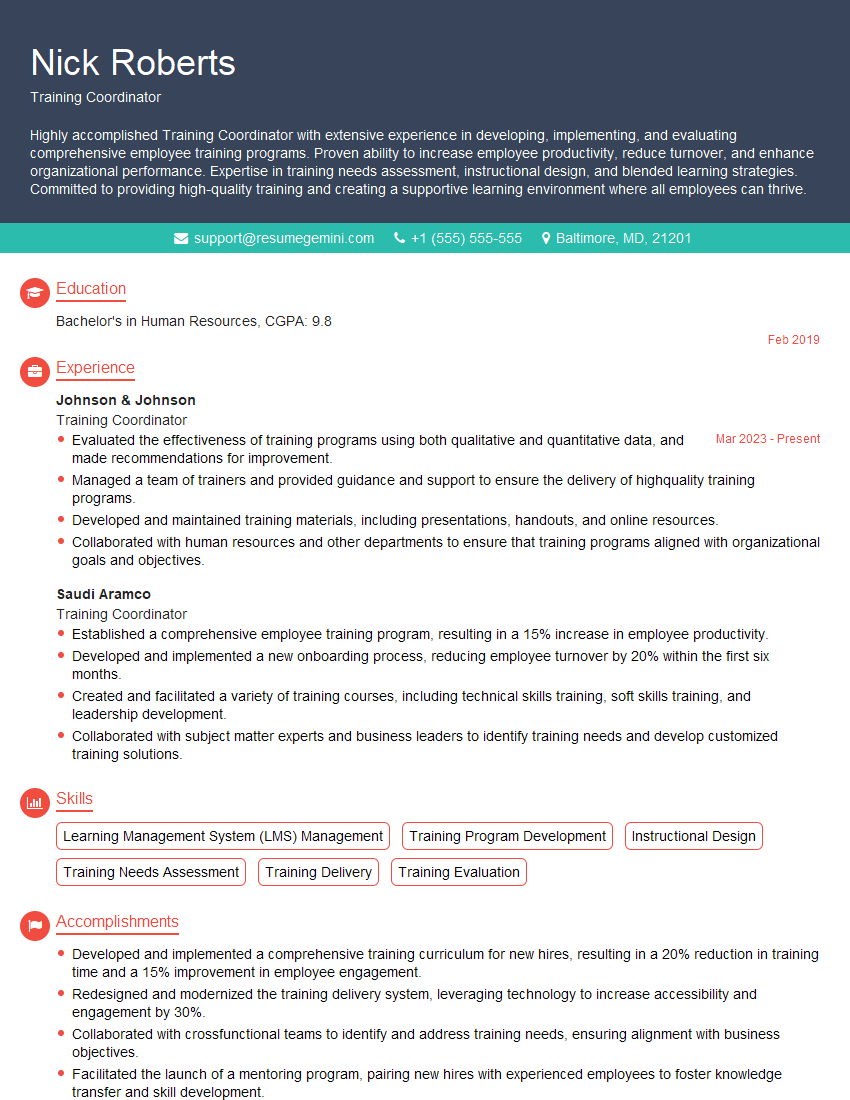
Training Coordinator Resume Sample

Compliance Officer Resume Sample
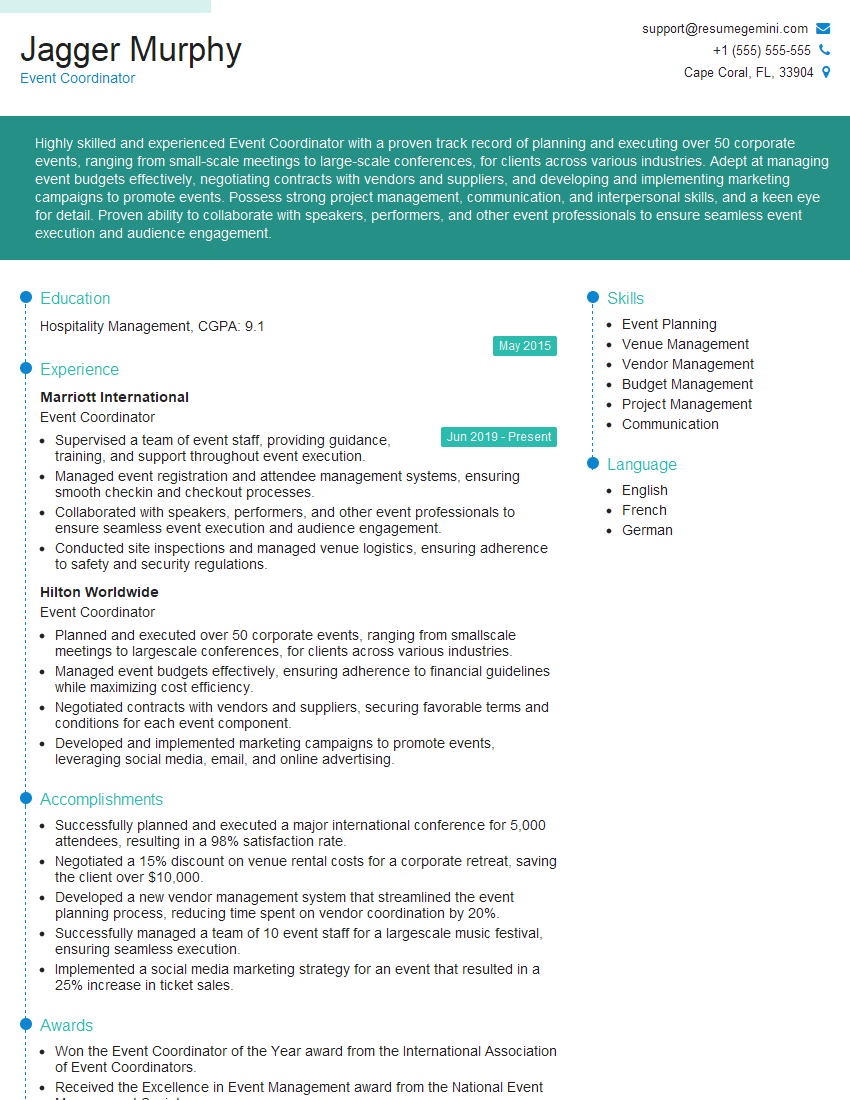
Event Coordinator Resume Sample
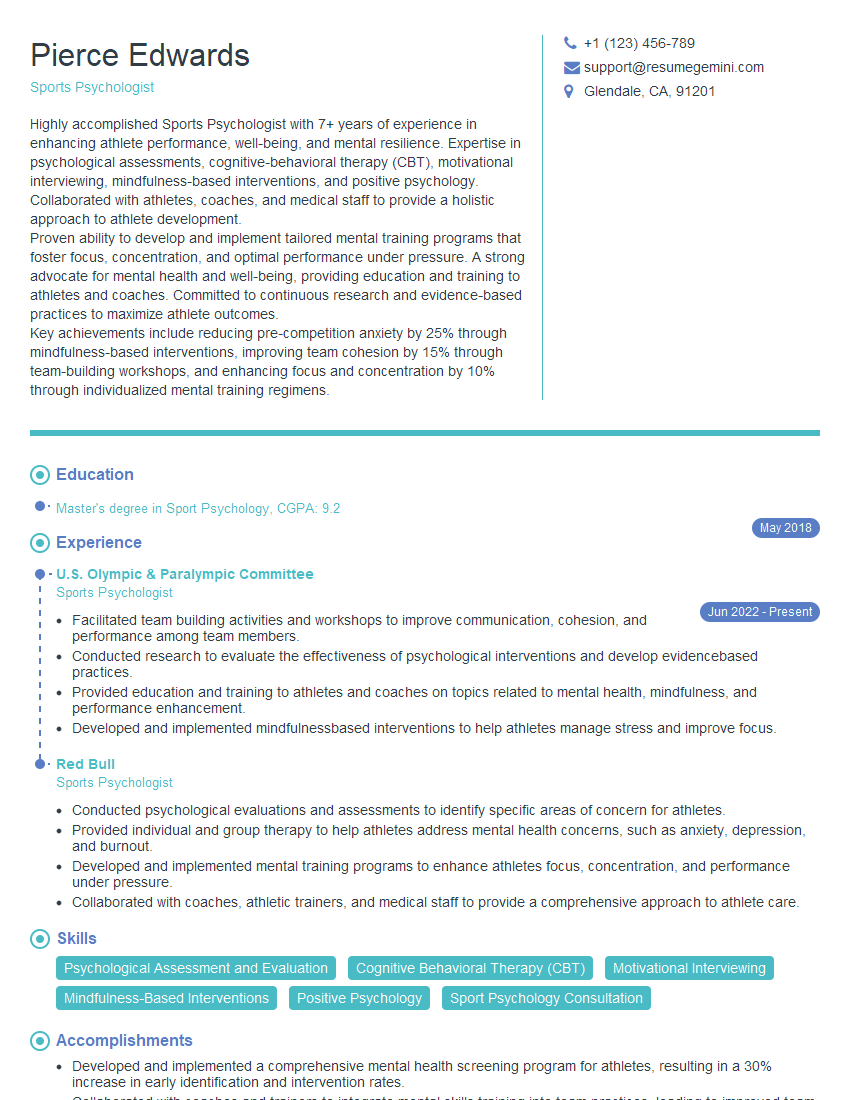
Sports Psychologist Resume Sample
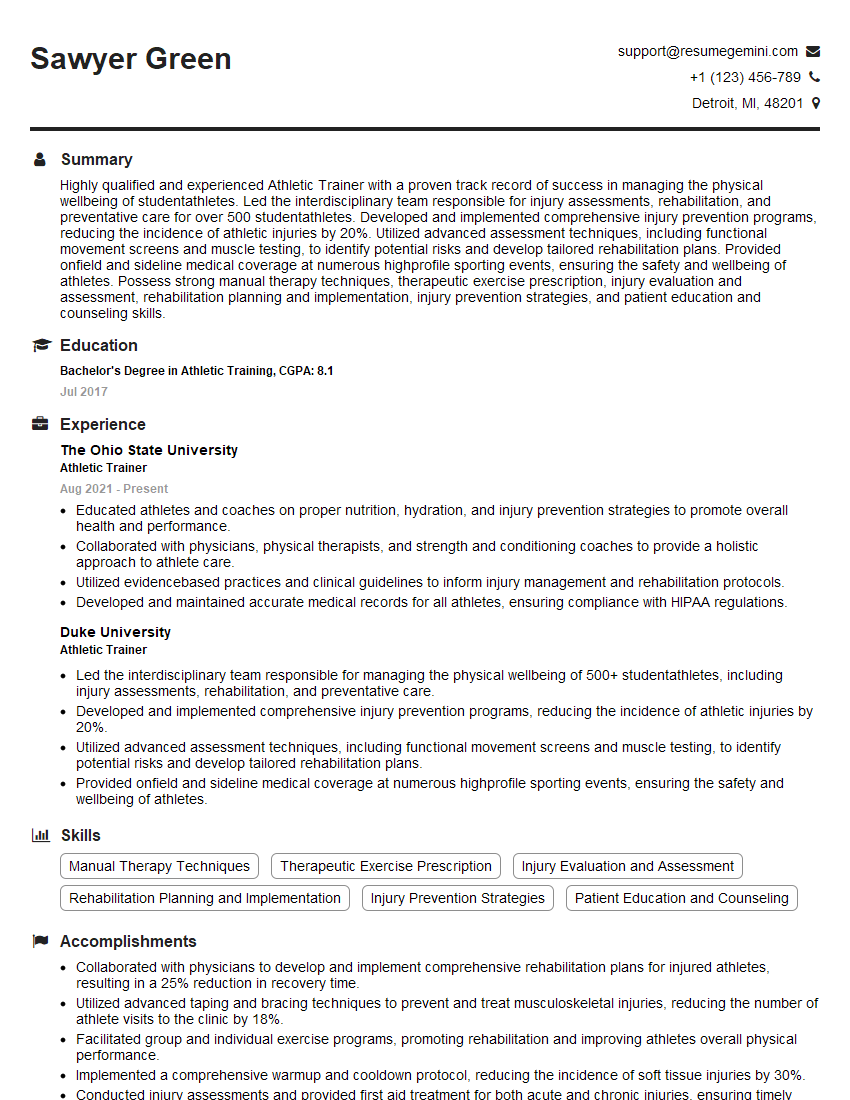
Athletic Trainer Resume Sample
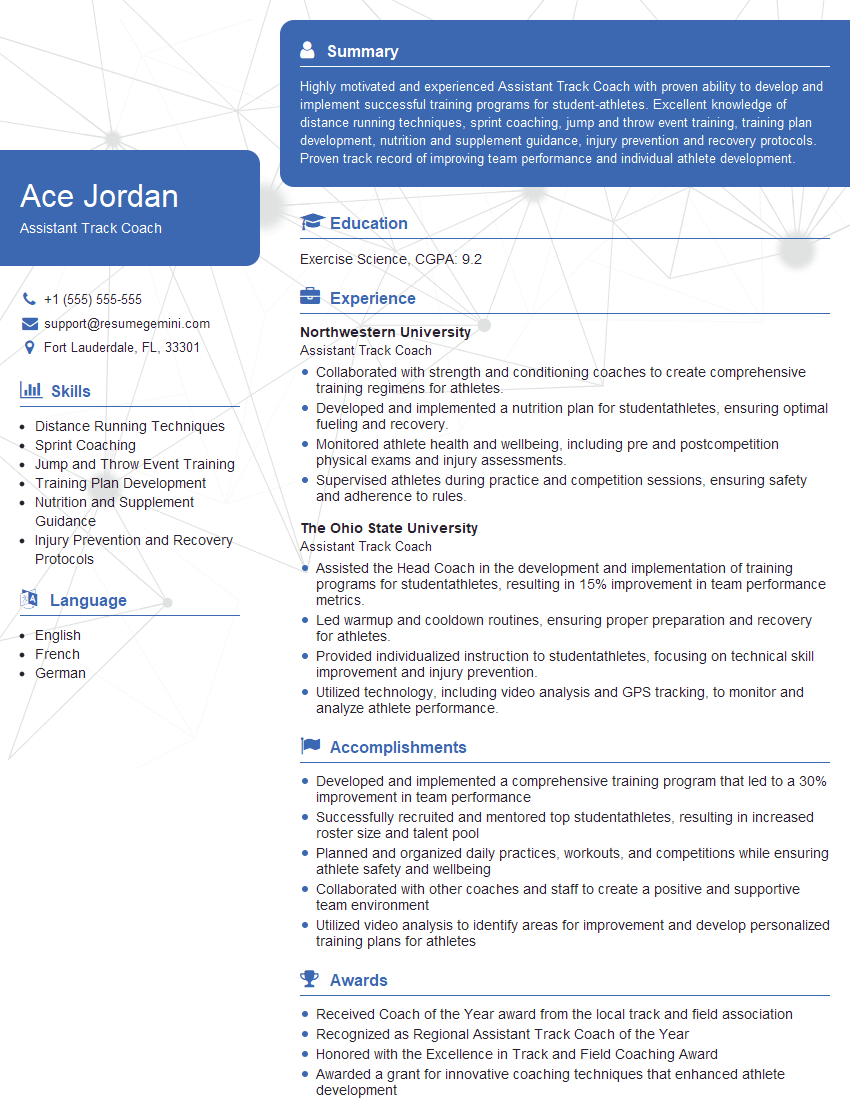
Assistant Track Coach Resume Sample
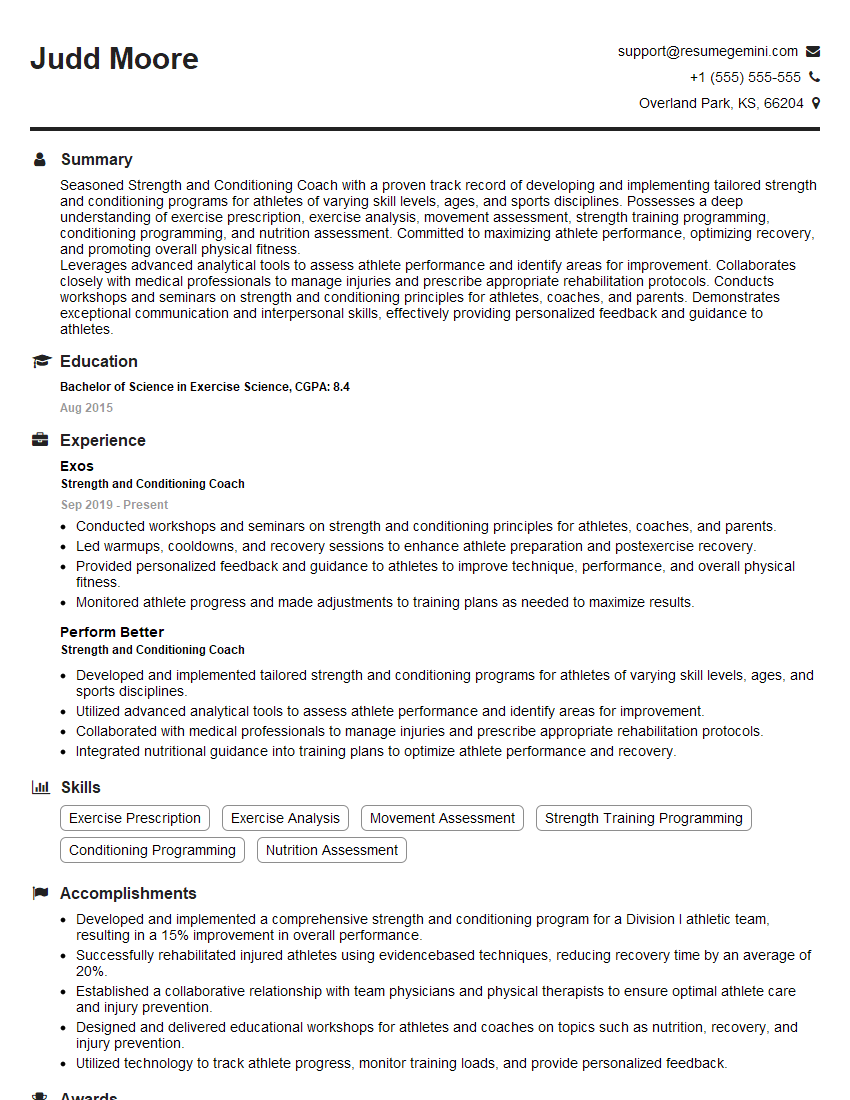
Strength and Conditioning Coach Resume Sample
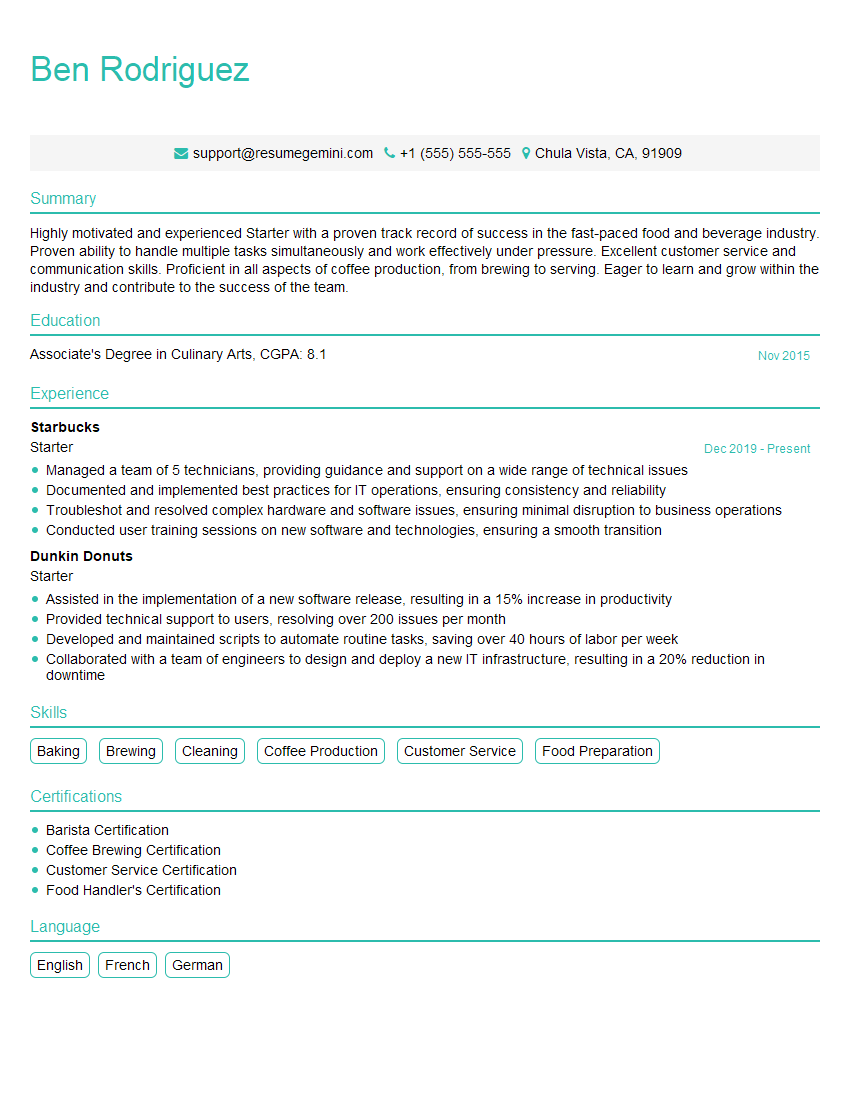
Starter Resume Sample
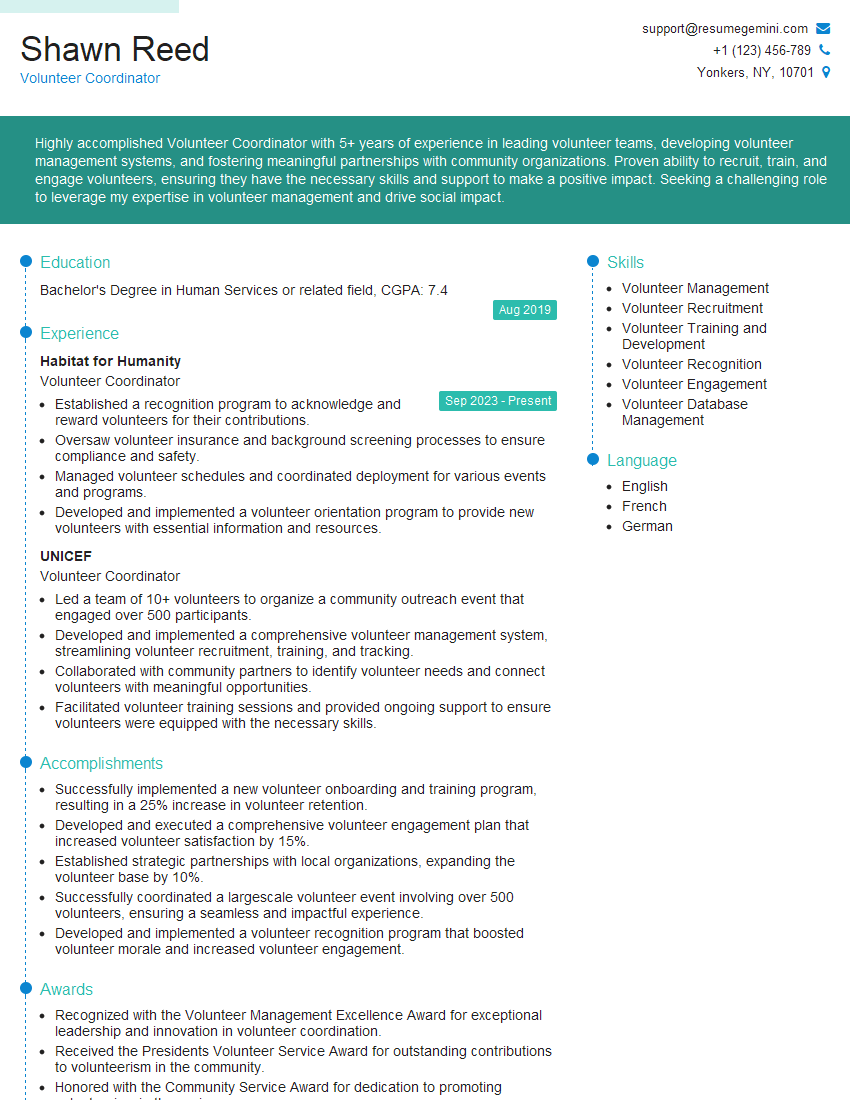
Volunteer Coordinator Resume Sample
Explore more articles
Users Rating of Our Blogs
Share Your Experience
We value your feedback! Please rate our content and share your thoughts (optional).
What Readers Say About Our Blog
Very informative content, great job.
good